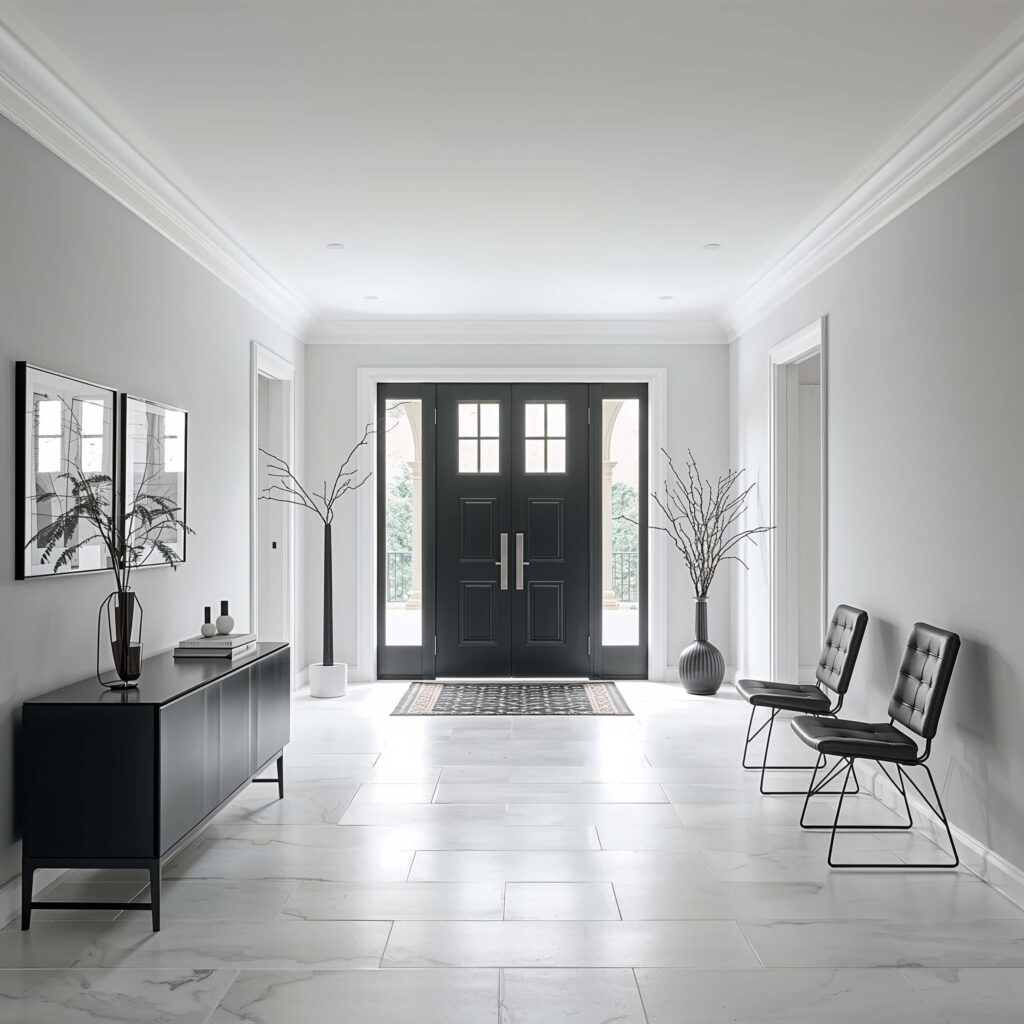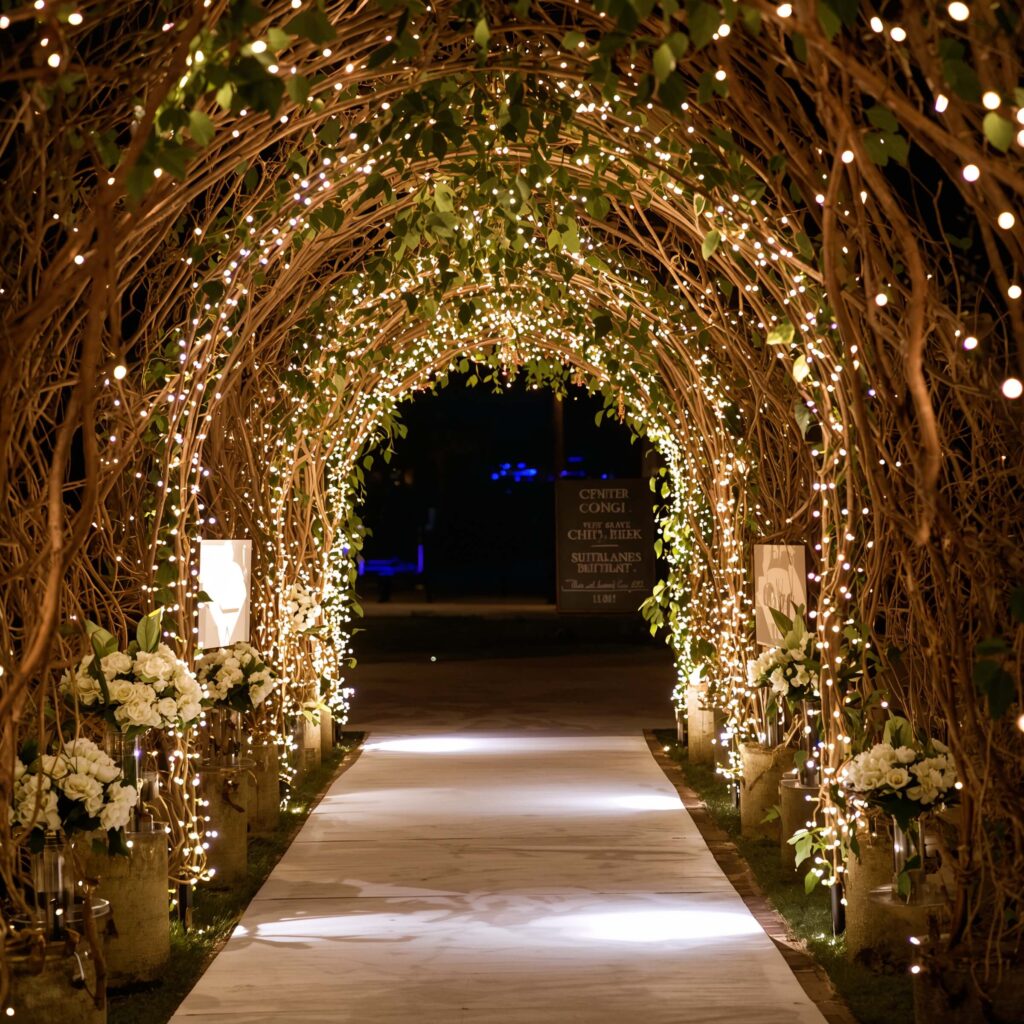
10 Elegant Main Door Design Entrance Ideas for Modern Homes
- Door Design
 Ben
Ben- 0
- 53 minutes read
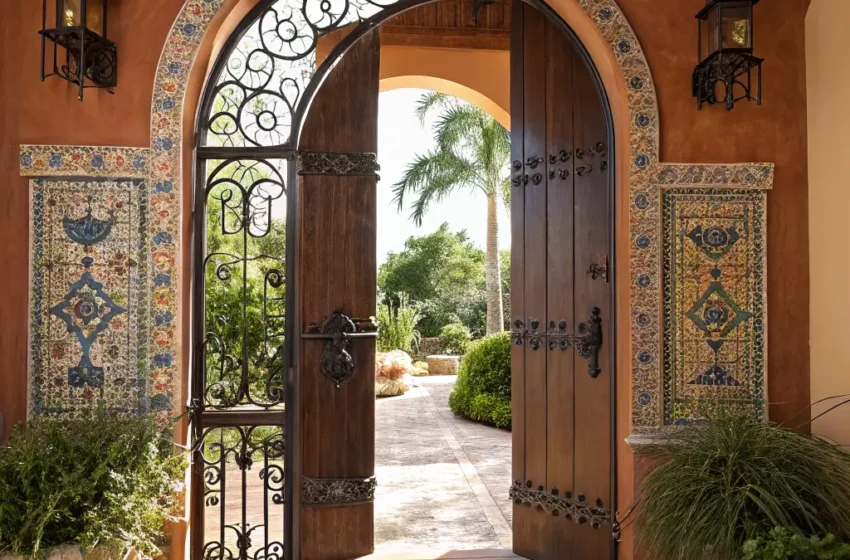
Your front door says more about you than your social media profile ever could.
Think about it—before a visitor even steps inside your home, they’ve already formed an impression based solely on that rectangular portal between the outside world and your personal sanctuary.
Is your entrance door sending the right message, or is it more like that awkward high school photo you wish would disappear from the internet?
I’ve spent years obsessing over architectural details that most people overlook, and entrance doors top my list of most underappreciated design elements.
After consulting on dozens of home renovations (and making a few door disasters of my own), I’ve gathered insights on what makes a truly spectacular entrance.
Whether you’re building new, renovating, or just daydreaming about upgrades, these ten entrance door ideas will inspire you to think beyond the basic builder-grade door that probably came with your house.
Ready to make a statement before anyone even rings the doorbell? Let’s explore some entrance doors that don’t just open and close—they transform first impressions.
Modern Minimalist Wooden Entrance
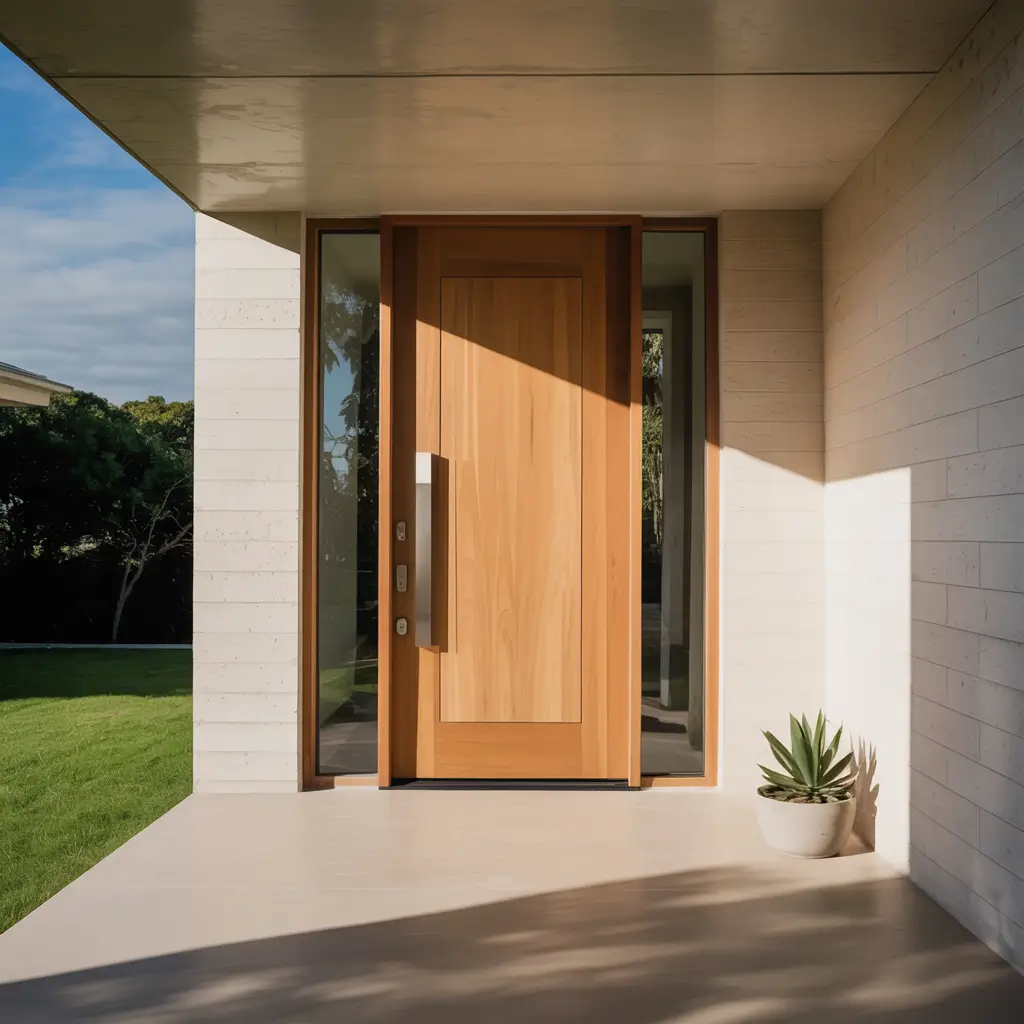
Clean lines, natural beauty, and understated elegance—modern minimalist wooden doors make a statement through simplicity rather than ornamentation.
The Power of Simplicity
These doors embody the “less is more” philosophy that defines contemporary architecture. I installed a 7-foot solid white oak door with no panels or windows for my own home renovation last year, and visitors constantly ask about it. The beauty comes from what’s not there—no unnecessary details, just pure form and material speaking for themselves.
Modern minimalist wooden doors typically feature:
- Flush, flat surfaces with invisible joinery
- Vertical full-height orientation (often 8 feet or taller)
- Natural wood grain as the decorative element
- Hidden or minimalist hardware
- Clean, precise edges and tight tolerances
Wood Selection Matters
With minimalist doors, the wood itself becomes the star. Different species create dramatically different effects:
- White Oak: Light, contemporary, with distinctive grain patterns
- Walnut: Rich, deep tones that create drama
- Teak: Honey-colored with natural weather resistance
- Mahogany: Reddish tones that develop patina over time
- Ash: Light with beautiful grain similar to oak but more affordable
I originally wanted walnut for my entrance door but switched to white oak after realizing the walnut would absorb too much light in my north-facing entryway. Wood selection isn’t just about looks—it affects the entire feel of your entrance.
Hardware That Complements
The most sophisticated minimalist doors feature hardware that enhances rather than competes:
- Linear, elongated handles in brushed stainless or matte black
- Concealed hinges for clean lines
- Integrated security features without obvious bolts or locks
- Minimal gap between door and frame
- Precision-engineered closers for perfect operation
Ever wondered why some simple doors look luxurious while others look cheap? The difference often comes down to proportions and hardware. A well-designed minimalist door follows the golden ratio in its dimensions and pairs with hardware that feels substantial in your hand.
Glass Panel Contemporary Door
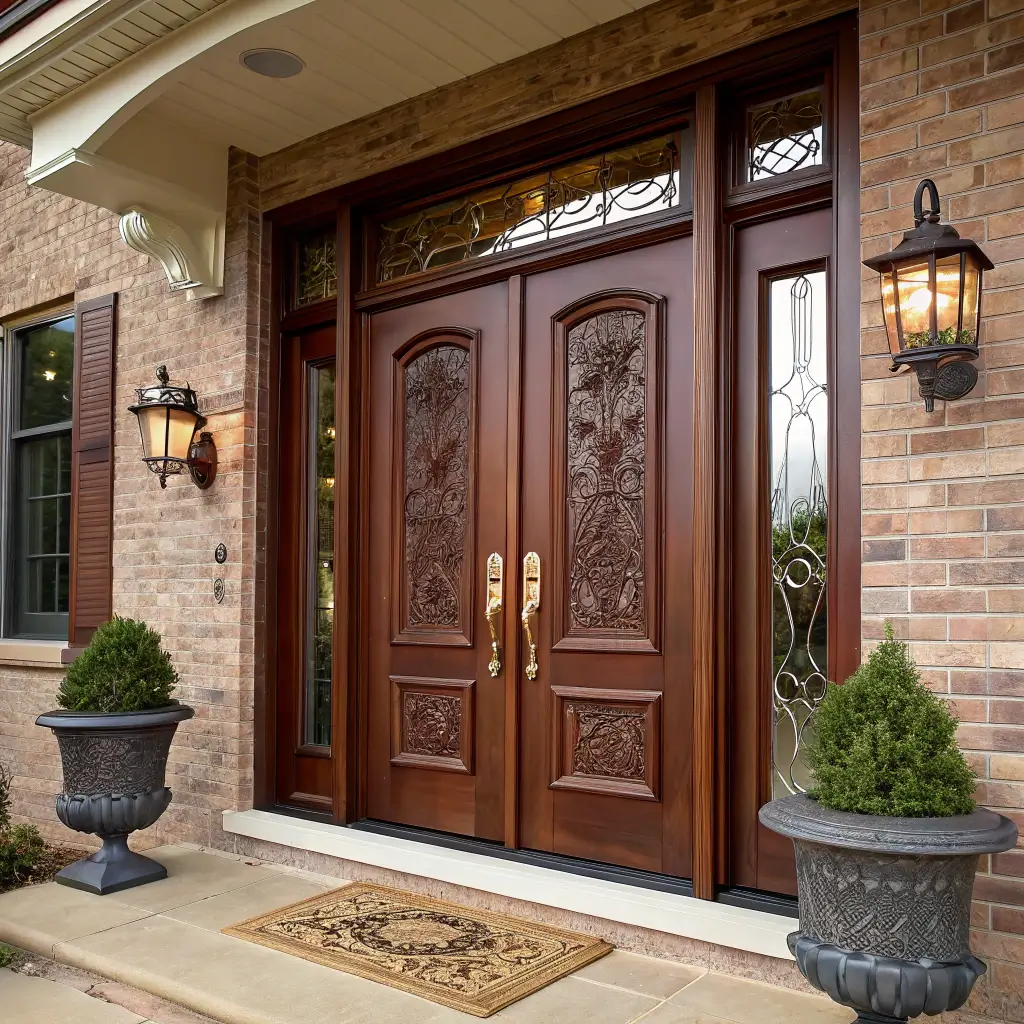
Light, transparency, and connection—glass panel doors create welcoming entrances that bridge the gap between outdoors and in.
Finding the Right Balance
Contemporary glass doors balance openness with privacy through thoughtful design:
- Strategic glass placement (upper half, offset panels, or asymmetrical arrangements)
- Varied glass types for different privacy levels
- Substantial framing for security and insulation
- Clean-lined surrounds that complement the glass
- Integration with sidelights for expanded views
I helped design a glass panel entrance for a friend’s north-facing home, and the transformation was remarkable—her previously dark foyer now floods with natural light while still maintaining privacy with frosted lower panels.
Glass Options Beyond Clear
Today’s glass panel doors offer sophisticated options:
- Frosted or acid-etched for privacy
- Seeded or bubble glass for vintage appeal with contemporary form
- Laminated security glass for peace of mind
- Low-E coatings for energy efficiency
- Textured or patterned glass for visual interest
Frame Materials That Work
The frame makes all the difference in glass panel doors:
- Aluminum for sleek, minimal profiles
- Steel for industrial appeal
- Wood for warmth contrasting with the glass
- Fiberglass for durability in extreme climates
- Composite materials for low maintenance
FYI, if you’re considering a glass panel door, check your local building codes first. Many areas have specific requirements for safety glass in doors, particularly near the handle height where impact is more likely.
Classic Colonial Double Door
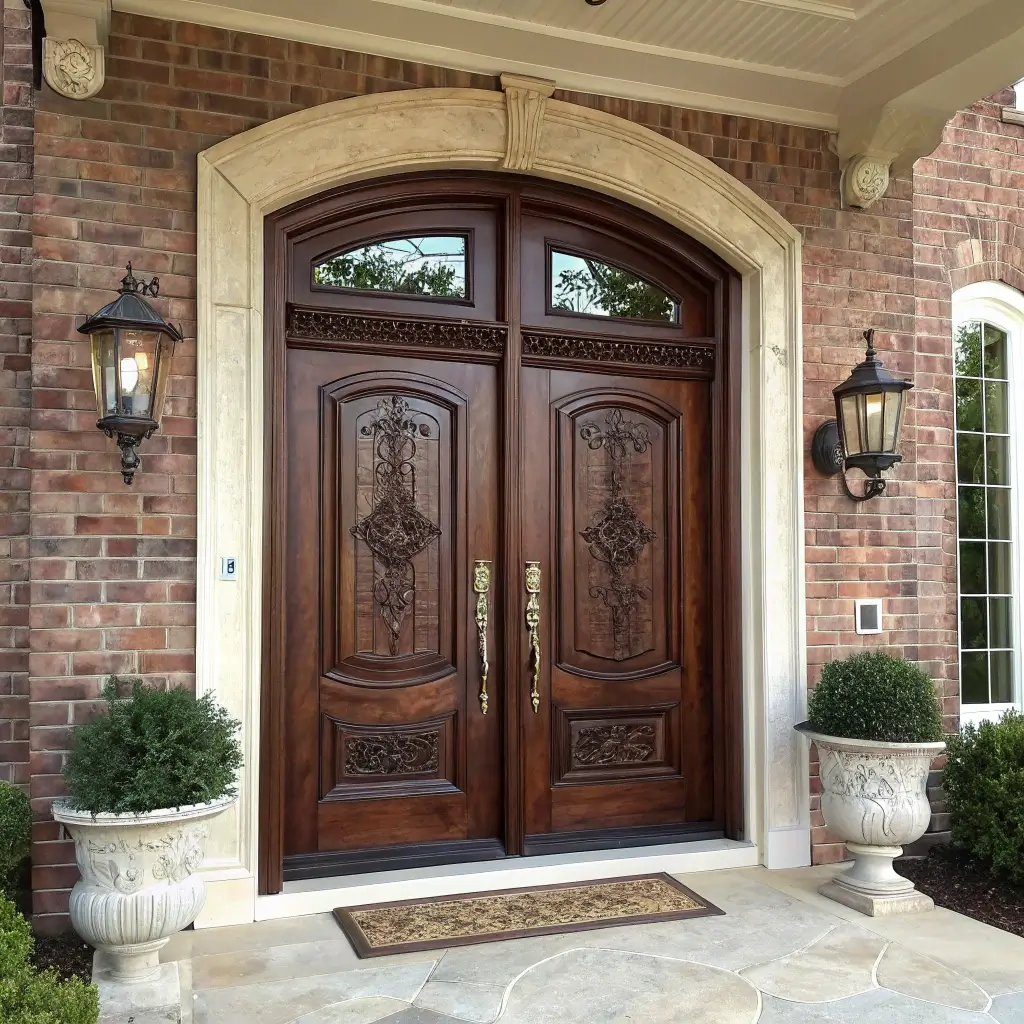
Timeless, symmetrical, and stately—colonial double doors create grand entrances with historical significance and proven appeal.
The Enduring Appeal
Colonial double doors have remained popular for centuries because they:
- Create a sense of grandeur and arrival
- Allow for wider openings for furniture and gatherings
- Provide symmetrical balance to facades
- Offer the flexibility to open one or both sides
- Connect to architectural history and tradition
Panel Configurations That Define Style
The panel arrangement on colonial doors communicates specific design messages:
- Six-panel colonial (three over three) for traditional authenticity
- Four-panel for slightly more contemporary takes
- Raised panels for dimension and shadow lines
- Recessed panels for subtle sophistication
- Glass upper panels for light without sacrificing the colonial look
I grew up in a home with colonial double doors, and even as a child, I noticed how they affected visitors—people actually stood straighter and almost instinctively centered themselves between the two doors before knocking. That’s design psychology at work!
Hardware That Honors Tradition
Colonial doors deserve hardware that respects their heritage:
- Solid brass knockers (lion’s head, urn, or ring designs)
- Separate deadbolts and handle sets
- Black or oil-rubbed bronze finishes
- Exposed decorative hinges
- Coordinated mail slots or mail boxes
Have you noticed how the best colonial doors seem to get better with age? That’s because quality materials like solid wood and brass develop patina over time, giving these entrances character that can’t be manufactured.
Also Read: 10 Amazing Door Design Ideas and Trendy Home Makeovers
Rustic Reclaimed Wood Door

Character, sustainability, and uniqueness—reclaimed wood entrance doors tell stories while making powerful design statements.
The Authenticity Factor
Reclaimed doors offer benefits new doors simply can’t match:
- Each one is completely unique with natural character and history
- Old-growth timber quality rarely available in new wood
- Environmental benefits of reuse and recycling
- Natural weathering and patina developed over decades
- Conversation-starting origin stories
I installed a 150-year-old barn door as my studio entrance, complete with original hand-forged hardware. Not only does it look incredible, but it also came with a story—it was salvaged from a Civil War-era farm in Pennsylvania. Try getting that kind of backstory from a big box store!
Finding Your Perfect Match
Sources for quality reclaimed doors include:
- Architectural salvage yards
- Barn deconstruction specialists
- Historic building demolition sales
- Online marketplaces specializing in reclaimed materials
- Custom woodworkers who source vintage timber
Making It Work in Modern Homes
The trick with rustic doors is balancing character with function:
- Updated weather-stripping for energy efficiency
- Reinforced frames to accommodate irregular door dimensions
- Modern locks discreetly integrated into vintage hardware
- Clear sealants to preserve character while improving durability
- Properly sized hinges to support often-heavier reclaimed wood
The best rustic doors honor their history while meeting contemporary needs. They work particularly well with craftsman, farmhouse, and eclectic architectural styles where character is valued over perfection.
Bold Black Steel Pivot Door
Drama, architectural impact, and contemporary edge—black steel pivot doors make unforgettable design statements.
The Pivot Difference
Unlike traditional hinged doors, pivot doors rotate on a spindle rather than hanging from hinges, allowing for:
- Larger, heavier door designs without hinge stress
- Smoother operation for substantial doors
- Floating appearance with minimal visible hardware
- Partial opening options for controlled ventilation
- Dramatic design presence through scale and operation
The first time I experienced a well-designed pivot door, I was actually startled by how effortlessly it moved despite its enormous size. The engineering behind these doors is as impressive as their aesthetics.
The Black Steel Aesthetic
Black steel creates distinctive entrances because:
- The dark finish frames views dramatically
- Thin profiles maximize glass area
- Industrial roots give architectural credibility
- Contrast with surrounding materials creates impact
- Powder-coated finishes offer exceptional durability
Design Considerations
Before committing to a black steel pivot door, consider:
- Substantial cost compared to traditional doors
- Thermal considerations (metal conducts temperature)
- Specific rough opening requirements
- Proper foundation support for the pivot mechanism
- Security features integration
One important tip: if you’re considering a steel pivot door in extreme climates, look into thermally broken steel frames. They cost more but provide significant energy efficiency improvements by preventing cold or heat transfer through the metal.
Carved Traditional Wooden Door

Artistry, heritage, and refined detail—carved wooden doors transform entrances into architectural focal points.
The Statement of Craftsmanship
Carved doors communicate specific messages through their design:
- Florals and botanical motifs suggest connection to nature
- Geometric patterns reference mathematical precision
- Religious symbols reflect spiritual values
- Family crests or personalized motifs tell individual stories
- Cultural patterns connect to heritage and tradition
I visited a client’s home where they had commissioned a hand-carved front door featuring their family’s ancestral symbols, and it wasn’t just a door—it was essentially functional art that told their story to every visitor.
Carving Styles from Around the World
Different cultures offer distinct carving approaches:
- Spanish Colonial with mission influences
- Moroccan geometric precision
- Balinese nature-inspired organic forms
- Indian chakra and spiritual patterns
- Chinese prosperity and good fortune motifs
Wood Selection for Carving
Not all woods carve equally well:
- Mahogany provides ideal density and grain for detailed work
- Walnut offers rich color and excellent carving properties
- Cedar provides aromatic quality and natural insect resistance
- Oak offers durability but requires skilled carving due to prominent grain
- Teak provides exceptional weather resistance for exterior applications
The investment in a quality carved door pays dividends for decades—these doors become family heirlooms that often outlast other home elements and can even be relocated if you move.
Also Read: 15 Cozy Christmas Outdoor Decor Ideas for Small Spaces
Sleek Sliding Glass Entrance
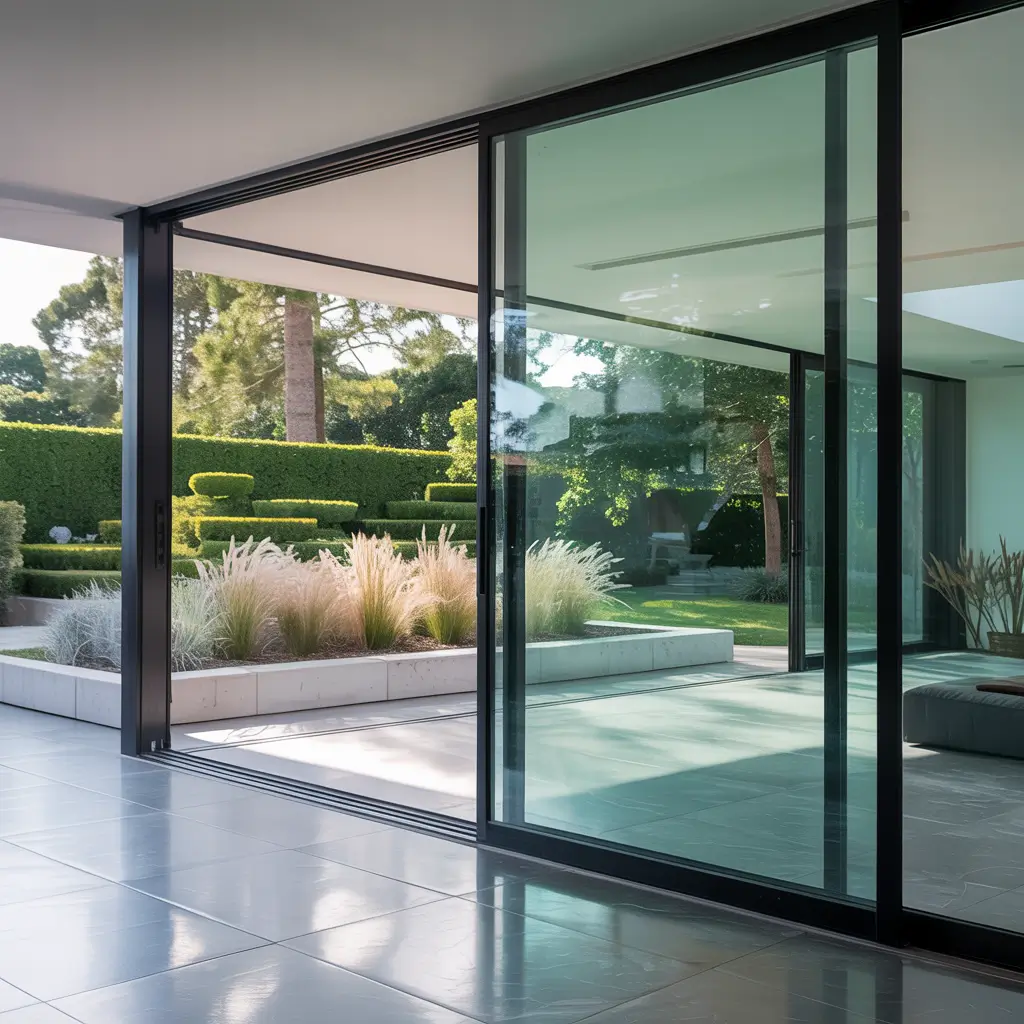
Contemporary, space-efficient, and visually expansive—sliding glass entrances create seamless transitions between indoors and out.
Beyond Patio Doors
While we often associate sliding doors with backyard access, they make remarkable main entrances when properly executed:
- Creates dramatic full-width openings
- Maximizes natural light in entryways
- Provides unobstructed views to landscaping
- Offers accessibility without swing clearance requirements
- Creates indoor-outdoor connection from the moment of arrival
I consulted on a hillside home renovation where we replaced a traditional door with an 8-foot sliding glass entrance. The transformation was stunning—visitors now enter while taking in breathtaking valley views that were previously hidden until they came inside.
Technical Innovations
Modern sliding entrances offer significant improvements:
- Multi-point locking systems for security
- Thermally efficient designs with double or triple glazing
- Smooth-gliding hardware rated for tens of thousands of cycles
- Minimal frame options that nearly disappear
- Motorized operation for larger units
Design Integration
For sliding entrances to work as main doors, consider:
- Protected approaches that keep rain away from tracks
- Overhangs or recessed installation for weather protection
- Integrated handles that maintain clean lines
- Security features including laminated glass
- Drainage systems for track longevity
Sliding glass entrances work best with contemporary architectural styles and in climates where weather protection is less critical. They’re particularly effective for homes with spectacular views or courtyard entries.
Vibrant Color Pop Door
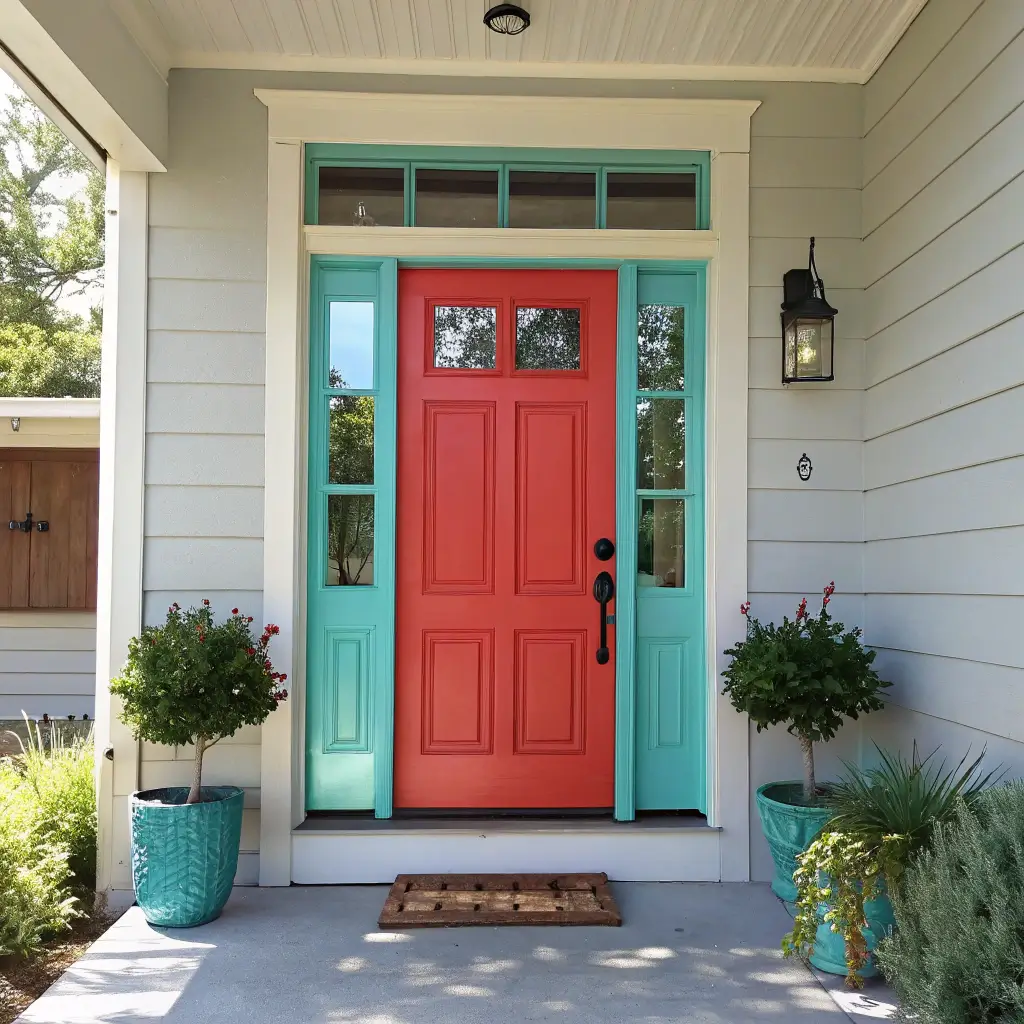
Personality, wayfindiIng, and instant curb appeal—colorful doors create memorable entrances with relatively minimal investment.
The Psychology of Color
Different door colors send different messages:
- Red suggests welcome, energy, and luck in many cultures
- Blue promotes calm and tranquility
- Yellow creates cheerful optimism
- Green connects to nature and growth
- Black communicates sophistication and authority
I painted my previously forgettable brown door a glossy Chinese red, and not only did my house suddenly become more recognizable (“the one with the red door”), but delivery drivers stopped leaving packages at the wrong address. Talk about functional and beautiful!
Finish Matters
The paint finish dramatically affects the impact of colored doors:
- High gloss for maximum drama and light reflection
- Satin for sophisticated contemporary looks
- Matte for subtle, modern appeal
- Lacquered for depth and richness
- Weather-resistant formulations for longevity
Coordinating Context
For color pop doors to work, they need proper supporting elements:
- Neutral surrounding materials that let the door shine
- Complementary hardware (brass looks stunning with jewel tones)
- Appropriate lighting to showcase the color after dark
- Consistent color theme with planters or accessories
- Weather protection to maintain the perfect finish
Ever wondered why some colored doors look sophisticated while others look cartoonish? It’s all about context and quality. A beautifully executed vibrant door should look intentional, not like an afterthought.
Arched Mediterranean Style Door
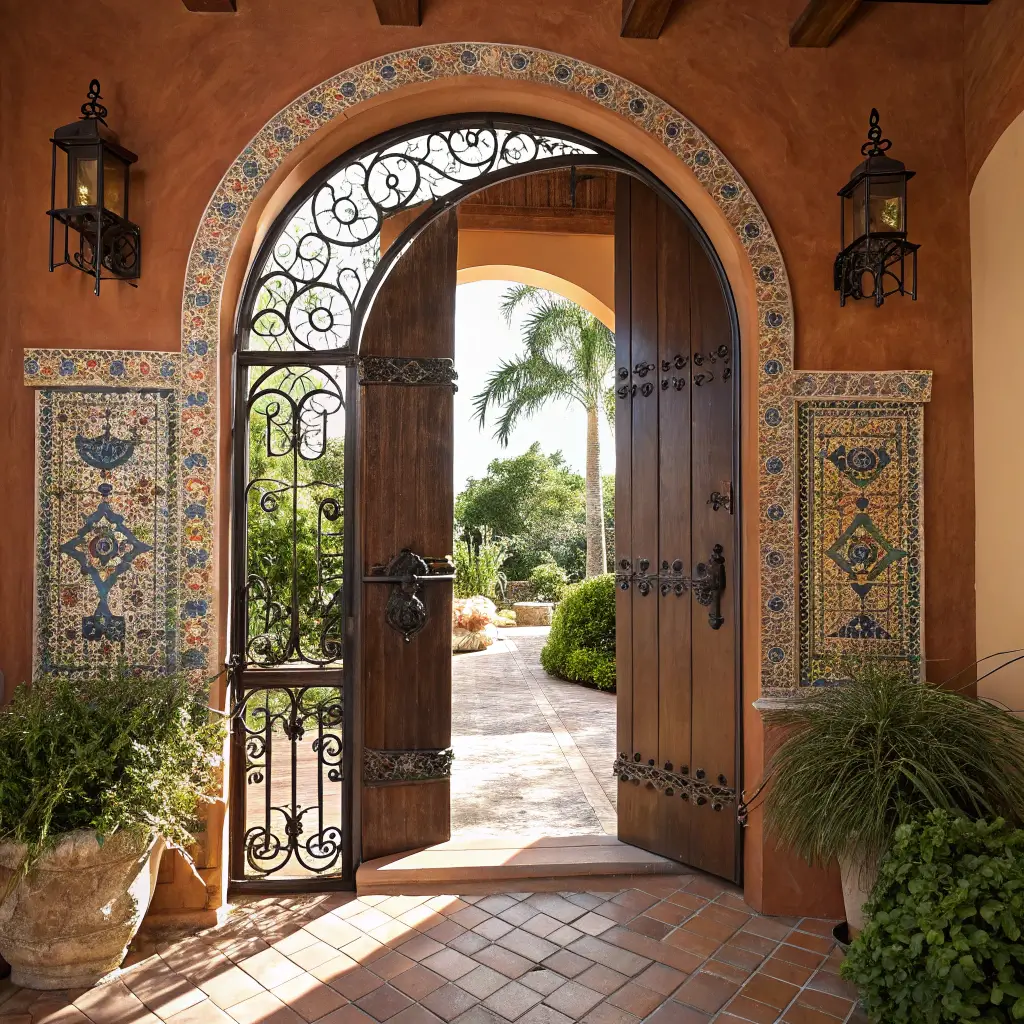
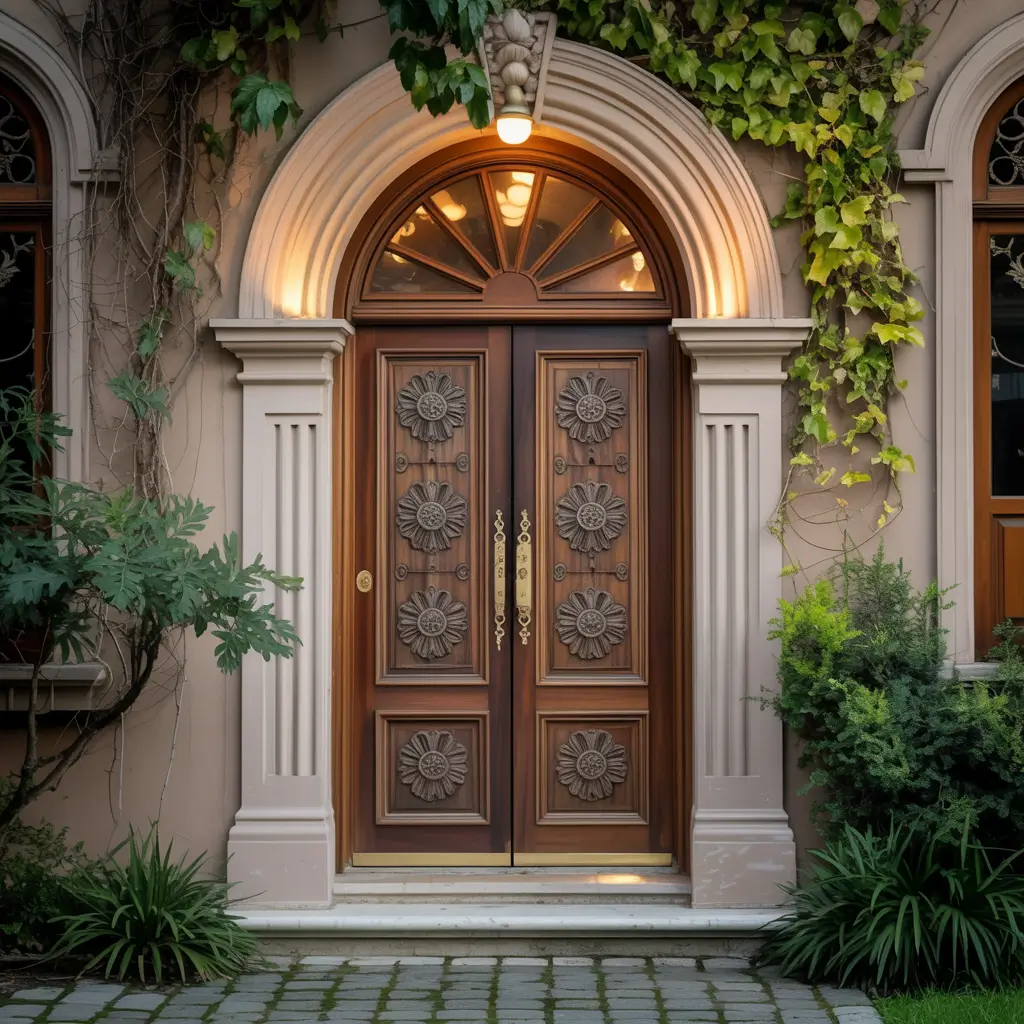
Romance, historical reference, and architectural distinction—arched doors bring European flair and timeless appeal to entrances.
The Allure of the Arch
Arched doors create specific aesthetic effects:
- Soften angular facades with gentle curves
- Create natural focal points through unique shapes
- Reference historical architectural traditions
- Frame entryways with natural symmetry
- Add height and grandeur to standard openings
Mediterranean Variations
The Mediterranean region offers diverse arch styles:
- Roman full semicircular arches for classical appeal
- Moorish horseshoe arches with distinctive proportions
- Gothic pointed arches for dramatic height
- Venetian three-centered arches for elegant sophistication
- Spanish colonial arches with decorative surrounds
I toured homes throughout southern Spain and became obsessed with their entrance doors—each region had subtle variations in arch shapes that told cultural stories through architecture. That’s when I truly understood that doors aren’t just functional—they’re historical documents.
Material Authenticity
Mediterranean arched doors shine in authentic materials:
- Solid wood (often cypress, cedar, or walnut)
- Hand-forged iron decorative elements
- Hammered metal clavos (decorative nails)
- Terracotta or stone surrounds
- Handcrafted glass inserts
The challenge with arched doors is proper installation—they require precise framing and often custom solutions. But when executed correctly, they transform ordinary facades into something extraordinary.
Also Read: 15 Beautiful Outdoor Christmas Decor Ideas to Inspire You
Mixed Material Fusion Door
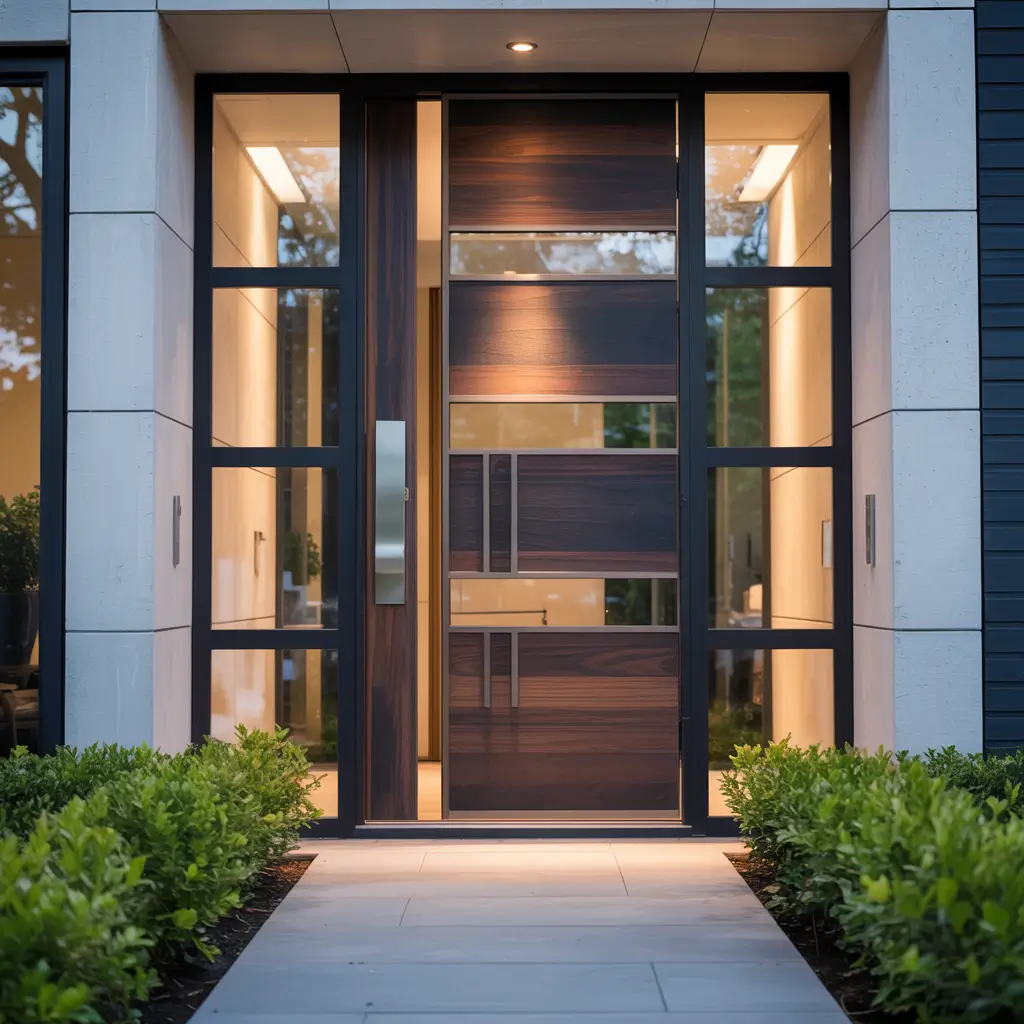
Innovation, textural interest, and contemporary edge—mixed material doors blend elements for truly custom entrances.
Complementary Combinations
Successful material pairings include:
- Wood and steel for warm-cool contrast
- Glass and concrete for transparent-solid juxtaposition
- Metal and stone for industrial-natural balance
- Wood and resin for tradition meets innovation
- Multiple wood species for subtle tonal variation
I designed a door that combined vertical cedar planks with a horizontal steel band housing the handle and lock mechanism. The contrast between warm wood and cool metal created an entrance that felt both welcoming and architecturally significant.
Creating Visual Hierarchy
Mixed material doors require thoughtful design hierarchy:
- Dominant material (typically 60-70% of the door)
- Secondary material (20-30%)
- Accent material (10% or less)
- Consistent color theme connecting materials
- Intentional transitions between materials
Practical Considerations
Mixed material doors present unique challenges:
- Different expansion rates between materials
- Specialized fabrication requirements
- Varied maintenance needs
- Specific installation techniques
- Potential cost premium for custom work
IMO, mixed material doors offer the greatest opportunity for truly custom entrances that can’t be found in catalogs. They allow you to create something uniquely suited to your architecture while expressing personal style.
Making Your Selection: Practical Considerations
With all these amazing options, how do you actually choose the right door for your home? Consider these factors:
Architectural Compatibility
Your entrance should complement your home’s style:
- Modern minimalist and glass panel doors suit contemporary architecture
- Colonial and carved doors enhance traditional homes
- Rustic reclaimed works with farmhouse and craftsman styles
- Mediterranean arched doors complement Spanish, Tuscan, or Mediterranean designs
- Mixed material and steel pivot doors work with transitional or eclectic styles
Climate Considerations
Your local environment affects door performance:
- Extreme temperature fluctuations may warp wood doors
- Coastal areas require corrosion-resistant hardware
- High sun exposure fades colors and damages finishes
- Frequent rain necessitates proper overhangs
- High winds demand secure locking systems
Budget Realities
Door costs vary dramatically:
- Standard pre-hung doors start around $300-500
- Mid-range custom wood doors run $1,500-3,000
- High-end carved doors can exceed $5,000
- Steel pivot doors often start at $7,000
- Installation adds 20-40% to material costs
Don’t forget that entrance doors are long-term investments. Unlike trendy interior elements you might change every few years, a quality entrance door typically remains in place for decades, making it worth appropriate investment.
Security Needs
Different door types offer varying security features:
- Solid wood provides good intrinsic security
- Steel offers excellent forced entry protection
- Glass requires laminated or security glazing
- All exterior doors benefit from multi-point locking systems
- Smart locks add convenience without compromising security
Energy Efficiency
Your entrance affects your home’s thermal performance:
- Solid wood provides good natural insulation
- Steel requires thermal breaks to prevent energy loss
- Glass doors need double or triple glazing with Low-E coatings
- All doors benefit from quality weather stripping
- ENERGY STAR rated doors can improve efficiency significantly
Final Thoughts
Your entrance door isn’t just a functional necessity—it’s a declaration of style, an introduction to your home’s personality, and often the first physical thing visitors interact with.
A thoughtfully selected door creates that elusive “wow factor” before anyone even steps inside.
I’ve designed, selected, and installed dozens of entrance doors over the years, and I’ve found that people consistently underestimate their impact.
Homeowners will spend thousands on kitchen countertops seen only by those who enter their homes, yet hesitate to invest in the entrance door that everyone—from casual passersby to delivery drivers to close friends—experiences.
The good news? Door replacement offers one of the best returns on investment in home improvements.
According to remodeling industry data, quality entrance door replacement consistently returns 75-90% of its cost in home value improvement, not to mention the daily pleasure of coming home to an entrance you love.
Whether you choose the clean simplicity of modern minimalist wood, the drama of a pivot door, or the character of reclaimed materials, your entrance door sets the tone for your entire home experience.
It’s worth taking the time to find the perfect match for your architecture, lifestyle, and personal aesthetic.
After all, you’ll walk through that door thousands of times over the years—shouldn’t the experience make you smile every single time?