10 Sophisticated Main Door Design Photos Ideas to Elevate Style
- Door Design
 Ben
Ben- 0
- 41 minutes read
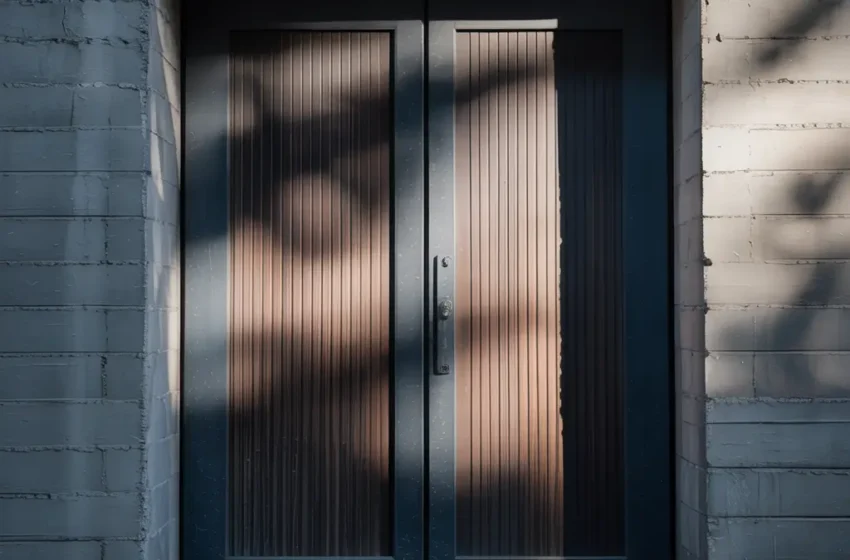
Your main door is basically your home’s Tinder profile—it’s the first thing people see, and let’s be honest, everyone’s making snap judgments before they even step inside.
Yet most of us are still rocking whatever generic door the builder installed, wondering why our house lacks that certain “wow” factor that makes people stop their cars to take a second look.
I spent years ignoring my main door until a friend casually mentioned it looked like it belonged on an office building. Ouch. That comment sent me down a spiral of door design inspiration that eventually led to a complete entrance transformation.
Turns out, the right main door doesn’t just welcome visitors—it makes a statement about who you are and what awaits inside.
Whether you’re building new, renovating your entrance, or just need some visual inspiration for your Pinterest board, these ten main door design photo ideas will show you exactly what’s possible when you stop settling for boring.
Grab your coffee and let’s explore some entrances worth photographing.
Modern Minimalist Wooden Door
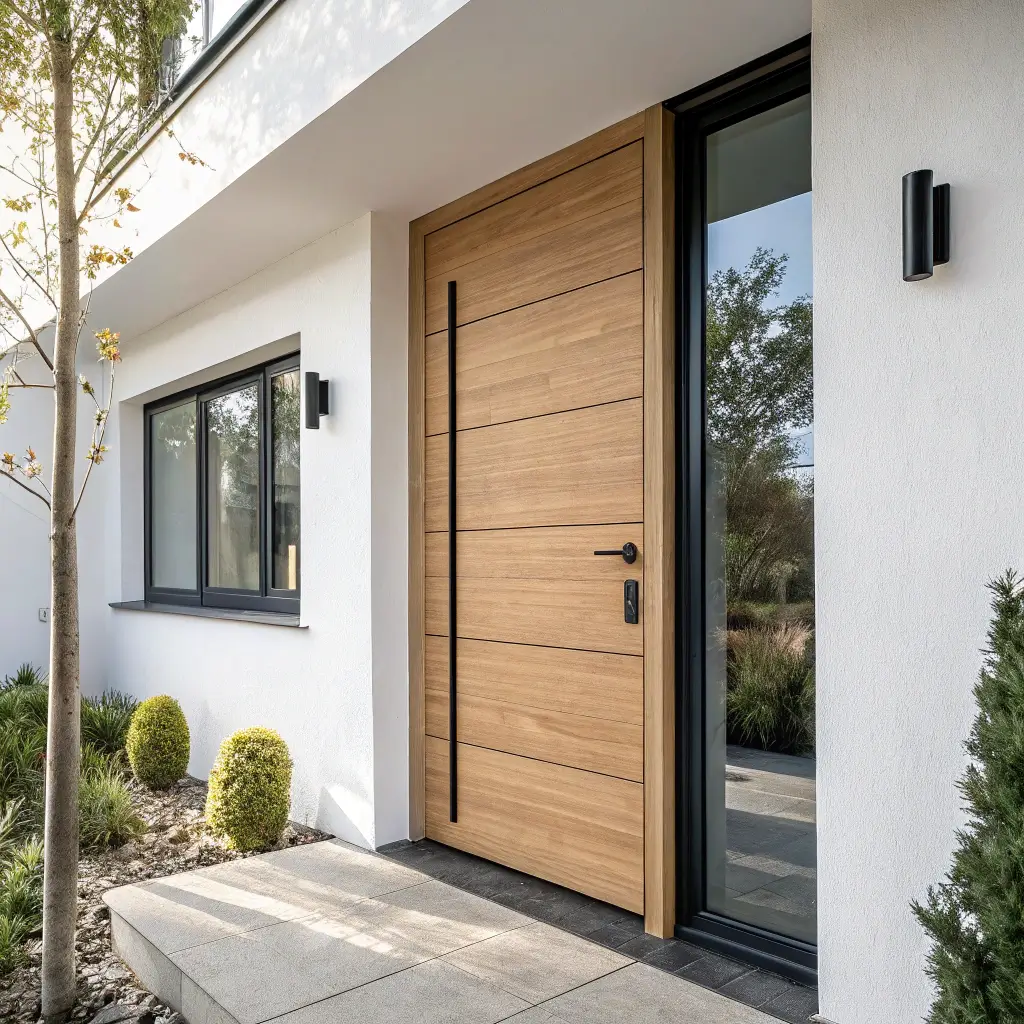
Clean lines, natural beauty, and zero fussy details—modern minimalist wooden doors prove that simplicity creates the most powerful statements. These doors photograph like absolute dreams because they let the wood do all the talking.
The Visual Impact of Less
When you strip away raised panels, ornate carvings, and decorative hardware, something magical happens. The natural grain of the wood becomes the star, creating visual interest through texture rather than applied decoration. I photographed about twenty minimalist doors during my renovation research, and the best ones all shared this quality—they felt intentional rather than plain.
The key elements that make these doors photograph beautifully:
- Flush, flat surfaces that catch light evenly
- Visible wood grain creating natural patterns
- Hardware that disappears or complements quietly
- Proportions that feel balanced and considered
- Frame details that enhance rather than compete
Wood Selection for Photo-Worthy Results
Not all woods photograph equally. Lighter woods like white oak or ash pop against darker surroundings, while walnut and mahogany create drama against lighter facades. The grain pattern matters too—vertical grain feels calm and ordered, while cathedral grain adds movement.
I finally settled on white oak for my minimalist door, and every photo I take of my entrance looks like it belongs in an architecture magazine. The subtle grain catches morning light in ways that flat painted doors simply can’t replicate.
Hardware That Enhances the Minimal
The hardware on minimalist doors needs to complement without competing. Think long, linear handles in brushed stainless or matte black. Consider concealed hinges that maintain clean sight lines. Maybe add a smart lock that looks more like sculpture than security device.
Ever wondered why some minimal doors look expensive while others look cheap? It’s almost always the hardware. A well-designed minimalist door with budget hardware looks like a missed opportunity.
Glass Panel Main Door with Metal Frame
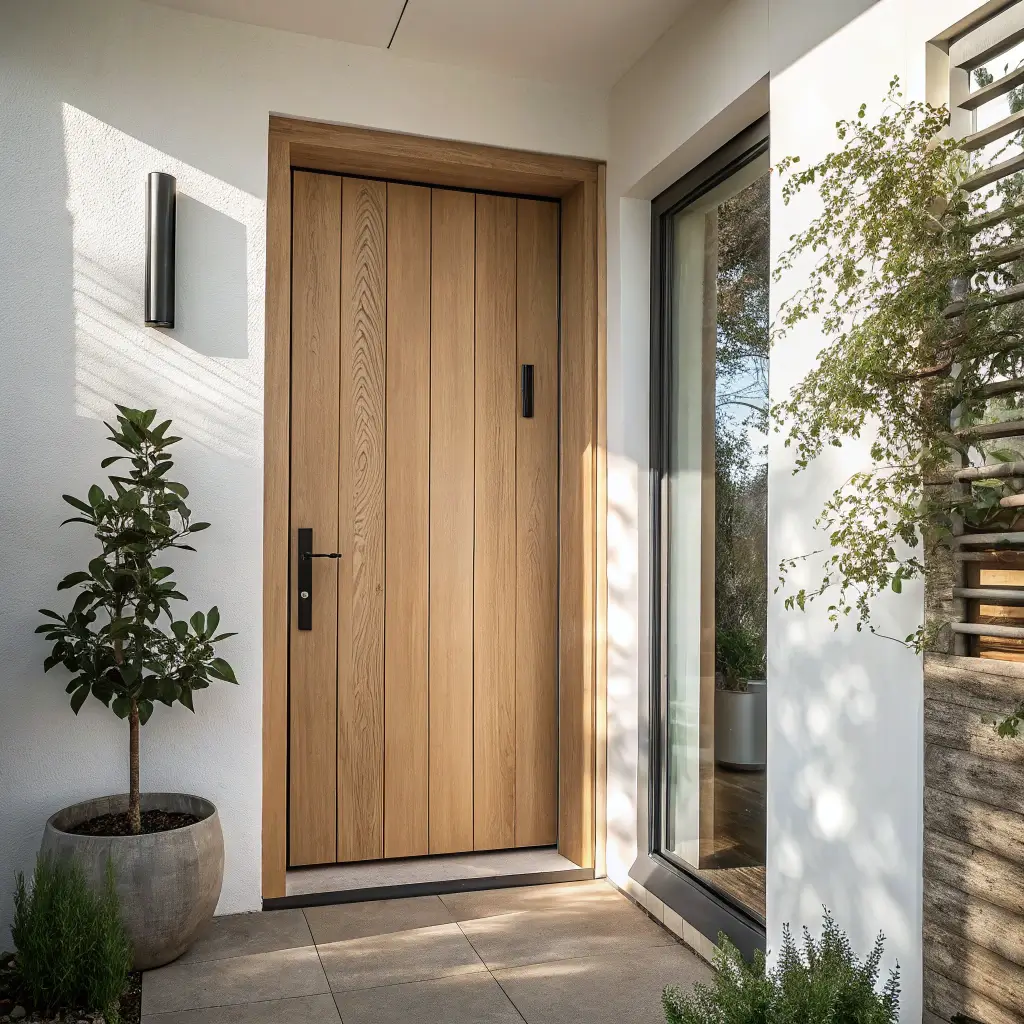
Glass panel doors with metal frames have become the Instagram darlings of entrance design. These contemporary beauties combine transparency with structure, creating doors that photograph beautifully from any angle.
Why Glass and Metal Work So Well Together
The contrast between cold metal frames and transparent glass creates visual tension that cameras love. Light plays through the panels differently throughout the day, meaning your entrance looks fresh in every photo you take. Plus, the reflections add an extra layer of visual interest that solid doors can’t achieve.
I spent an afternoon photographing a friend’s new black steel frame door with frosted glass panels. The way the sunset created silhouettes and the interior lights glowed through the frosted sections was genuinely stunning. One photo ended up on a design blog’s feature—not bad for an amateur with an iPhone.
Frame and Glass Configuration Options
The design possibilities are endless:
- Full glass with minimal frames: Maximum transparency
- Grid patterns: Classic factory window vibes
- Mixed opacity: Clear and frosted sections
- Colored glass: Adding personality through tint
- Asymmetrical layouts: Modern and artistic
Photographing Glass Doors Successfully
Here’s what nobody tells you about glass doors—they’re tricky to photograph. Reflections can work for or against you, depending on what’s behind the camera. Interior lighting matters as much as exterior conditions. The best photos come from golden hour when natural light softens reflections while still showing the door’s structure.
FYI, if you’re taking photos for real estate or portfolio purposes, photograph from slight angles rather than straight on. This reduces unwanted reflections while showing off the frame details.
Rustic Carved Wooden Door
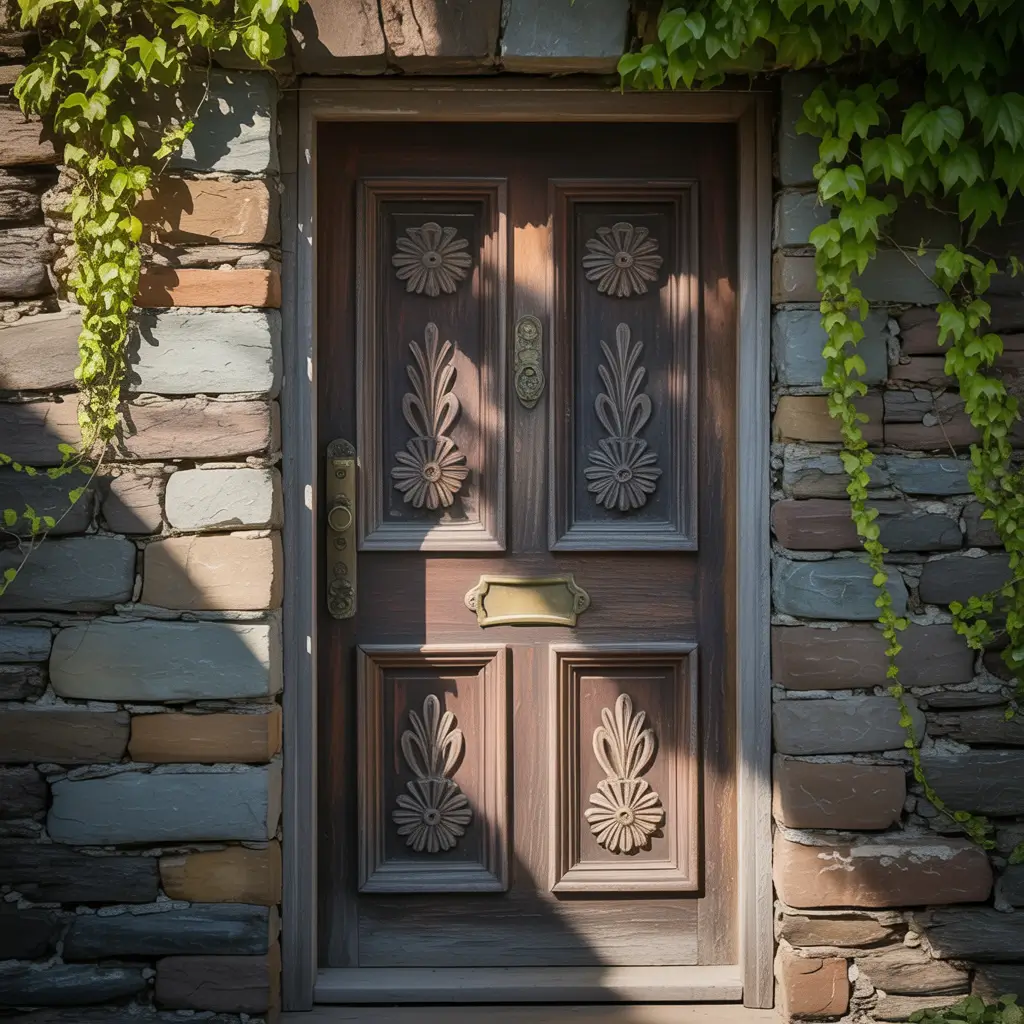
Carved wooden doors turn entrances into galleries. These artisan masterpieces photograph with incredible depth and detail, revealing new elements every time you look closely at the images.
The Art of Storytelling Through Wood
Every carved door tells a story through its motifs. Floral patterns speak of nature and growth, geometric designs showcase precision, while cultural symbols connect to heritage and tradition. The shadows created by carving add depth that flat doors simply cannot achieve.
I visited a home in New Mexico with hand-carved doors featuring traditional Spanish colonial patterns. I took about fifty photos just trying to capture all the detail. Each angle revealed new shadows and dimensions that my phone struggled to fully capture—some things you really need to see in person.
Carving Styles Worth Photographing
Different carving traditions offer distinct visual appeal:
- Moroccan geometric: Mathematical precision creating mesmerizing repetition
- Indian floral: Organic curves and botanical detail
- European classical: Symmetrical panels with architectural elements
- Contemporary abstract: Modern interpretations of traditional techniques
- Folk art inspired: Handcrafted charm with cultural significance
Lighting for Carved Door Photography
Carved doors need side lighting to show their depth. Direct front lighting flattens the carving details, making expensive artistry look like painted decoration. Late afternoon sun hitting from the side creates those dramatic shadows that make carved doors photograph like artwork.
The best photos I’ve seen of carved doors use natural light at about 45 degrees from the door face. This angle creates shadows in the carved recesses while illuminating the raised surfaces, revealing the full dimensionality of the work.
Also Read: 10 Creative Bedroom Door Design Ideas and Cozy Styles
Double Entrance Door with Geometric Patterns
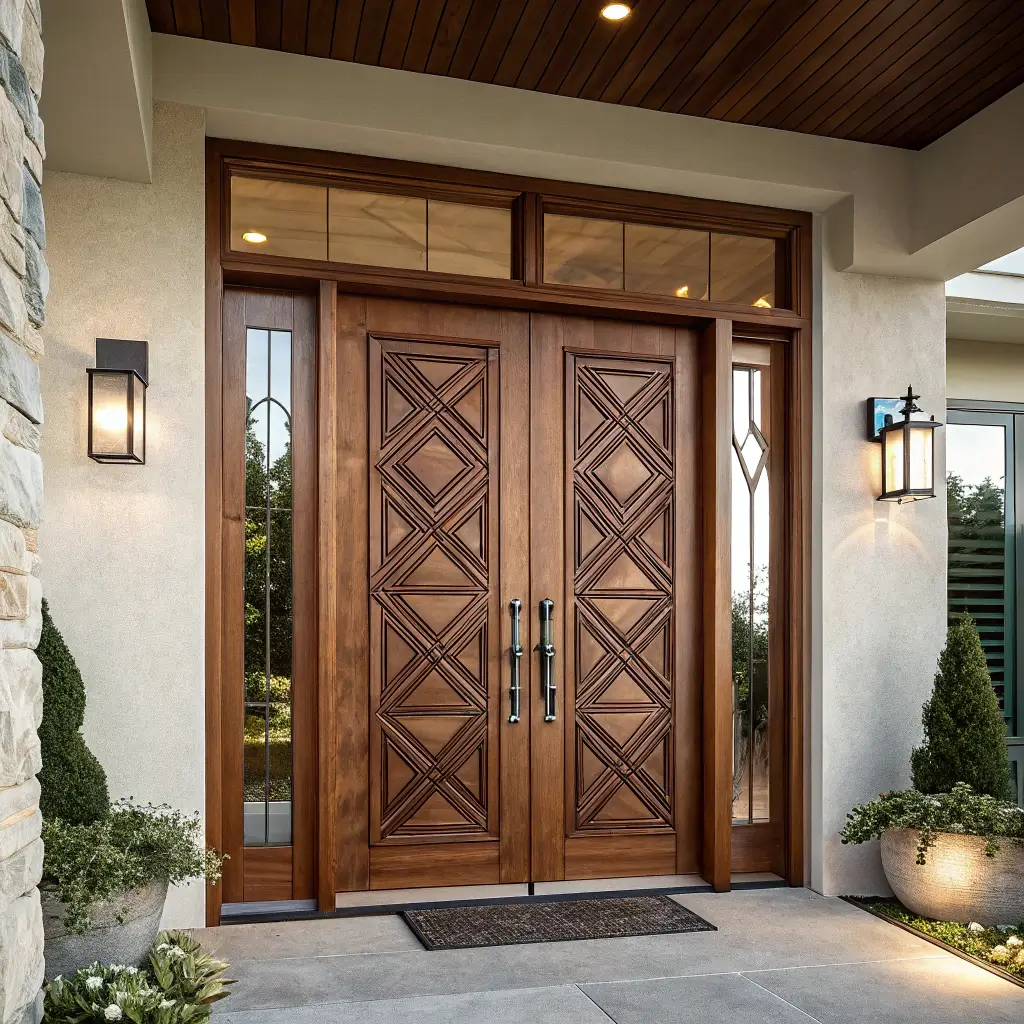
Double doors with geometric patterns combine grandeur with modern sensibility. These symmetrical statements photograph incredibly well because they create natural visual balance that our eyes find pleasing.
The Power of Symmetry
There’s something deeply satisfying about perfectly matched double doors with geometric patterns. The repetition and mirror effect create rhythm that photographs beautifully, especially when shot straight on with the pattern centered in the frame. It’s like taking photos of architecture—the geometry practically composes itself.
I photographed a stunning set of double doors with interlocking hexagonal patterns last summer. The symmetry between the two doors, combined with the geometric repetition within each panel, created images that looked almost digitally designed. Sometimes reality is better than Photoshop.
Geometric Patterns That Photograph Well
Successful patterns for photography include:
- Chevron and herringbone: Creating movement and energy
- Honeycomb patterns: Modern organic geometry
- Diamond configurations: Classic with visual interest
- Interlocking circles: Softening angular architecture
- Abstract asymmetrical: Contemporary and artistic
Scale and Proportion Considerations
The pattern scale dramatically affects how doors photograph. Smaller patterns look busier and require closer shots to appreciate, while larger patterns read well from a distance and in wider shots. Consider how your door will be photographed most often—from the street, from the walkway, or close up.
My neighbor installed doors with a pattern that looked amazing up close but turned into a confusing visual mess in photos from the street. Sometimes you need to step back (literally) before committing to a pattern.
Luxury Teak Wood Door with Brass Accents
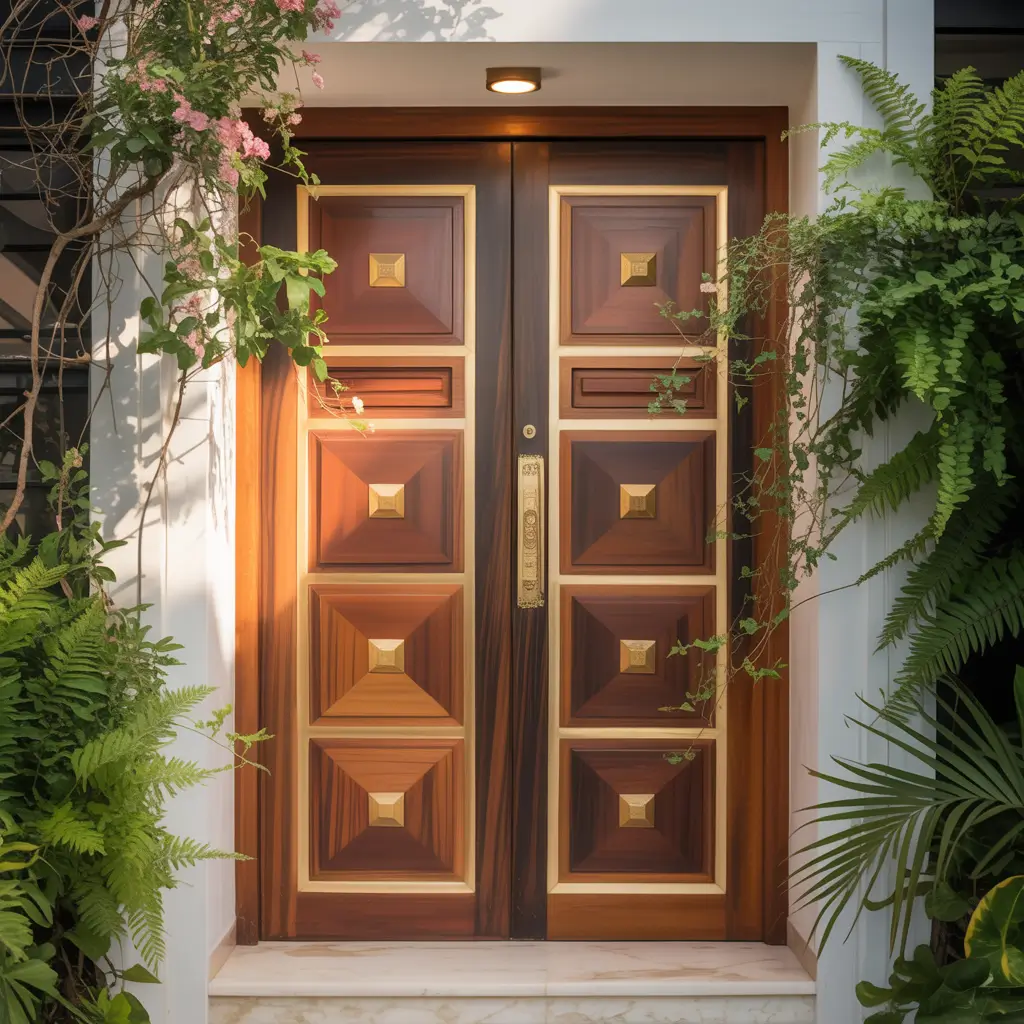
Teak and brass together create that timeless luxury that photographs like old money. These doors combine natural warmth with metallic elegance for results that look expensive in every image.
The Golden Hour Pairing
Teak’s golden honey tones and brass’s warm metallic sheen are basically made for each other. They both warm up beautifully in late afternoon light and age gracefully together over time. When you photograph these doors, you’re capturing materials that have represented quality for centuries.
I spent considerable time photographing a teak door with brass studs and handles during a visit to a restored heritage home. The way the afternoon sun caught both the wood grain and the metallic highlights created images that looked like they belonged in an architectural history book.
Brass Accent Placements That Work
Strategic brass creates maximum impact:
- Door handles and pulls: The obvious but effective choice
- Decorative studs: Adding pattern and texture
- Corner brackets: Framing and protection
- Kick plates: Practical and pretty
- Inlay strips: Creating geometric patterns
Capturing the Patina
Both teak and brass develop patina over time, which actually makes them more photogenic, not less. The slight weathering of teak and the subtle tarnish of brass add depth and character that brand-new materials lack. Some of the best door photos capture this aged beauty rather than factory freshness.
IMO, doors that look too perfect and new can actually photograph flat and boring. A little age adds the character that makes people pause when scrolling through design inspiration.
Contemporary Pivot Door Design
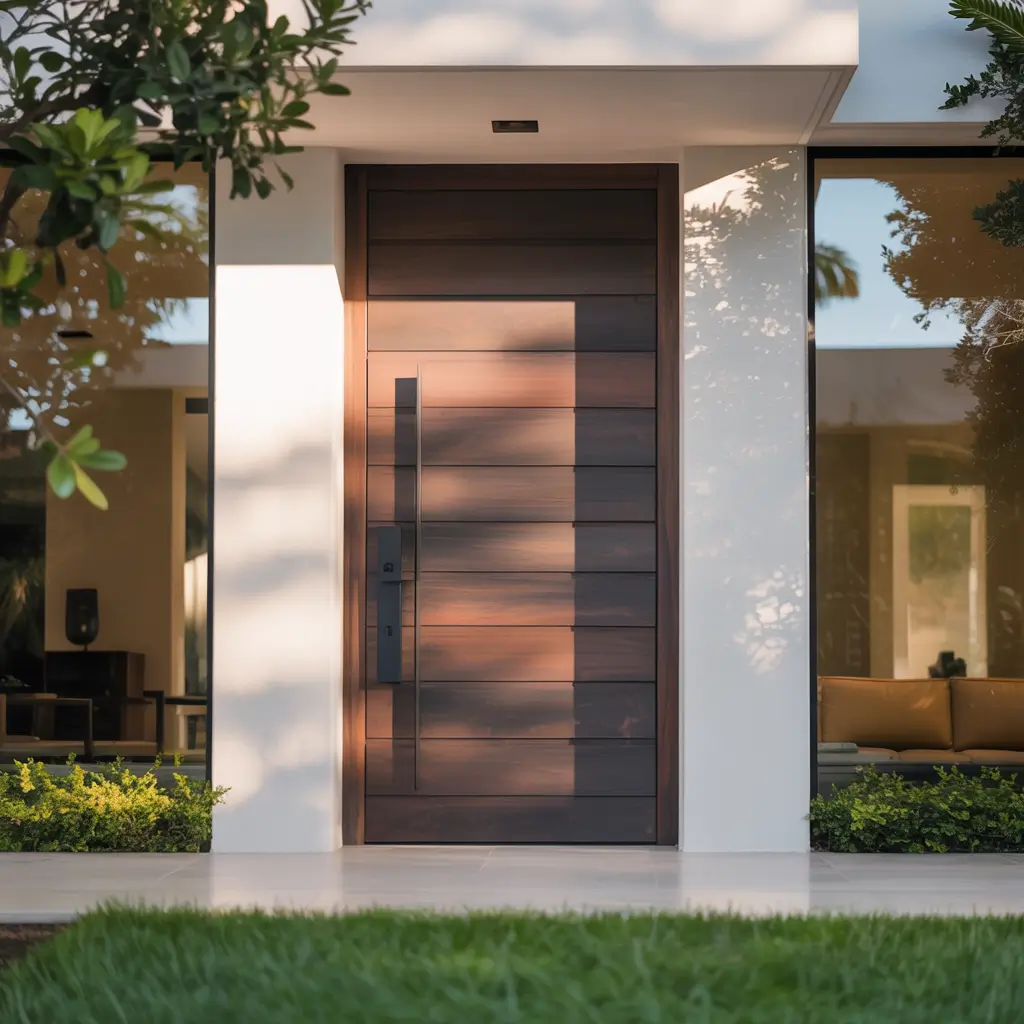
Pivot doors are the showoffs of entrance design—they demand attention through their unique operation and oversized presence. These architectural statements photograph dramatically because they break all the rules of traditional door design.
The Pivot Difference
Unlike traditional hinged doors, pivot doors rotate on a vertical axis, allowing for massive sizes and striking proportions that regular hinges simply can’t support. They look different from every angle, creating endless photography opportunities as they open and close.
I saw my first pivot door in person at a modern home tour, and honestly, I stood there opening and closing it for five minutes. The smooth rotation of this massive wooden slab was mesmerizing. Every photo from that day features that door because it completely stole the show.
Photography Opportunities Unique to Pivot Doors
Pivot doors offer shots other doors can’t provide:
- Partially open angles showing the rotation mechanism
- Interior-exterior connections through the gap
- Scale shots emphasizing the dramatic size
- Detail shots of the pivot hardware
- Movement sequences showing the operation
Why Designers and Photographers Love Them
Pivot doors photograph so well because they’re inherently dramatic. Their size creates impact, their operation creates intrigue, and their modern aesthetic creates instant sophistication. Even in less-than-perfect lighting, their scale and proportion carry the image.
The hardware on pivot doors often becomes a photographic subject itself. The pivot mechanism, visible at the floor and ceiling, adds industrial interest that photographers love capturing in detail shots.
Also Read: 12 Unique Safety Door Design Entrance Ideas for Every Style
Classic Panel Door with Arched Top
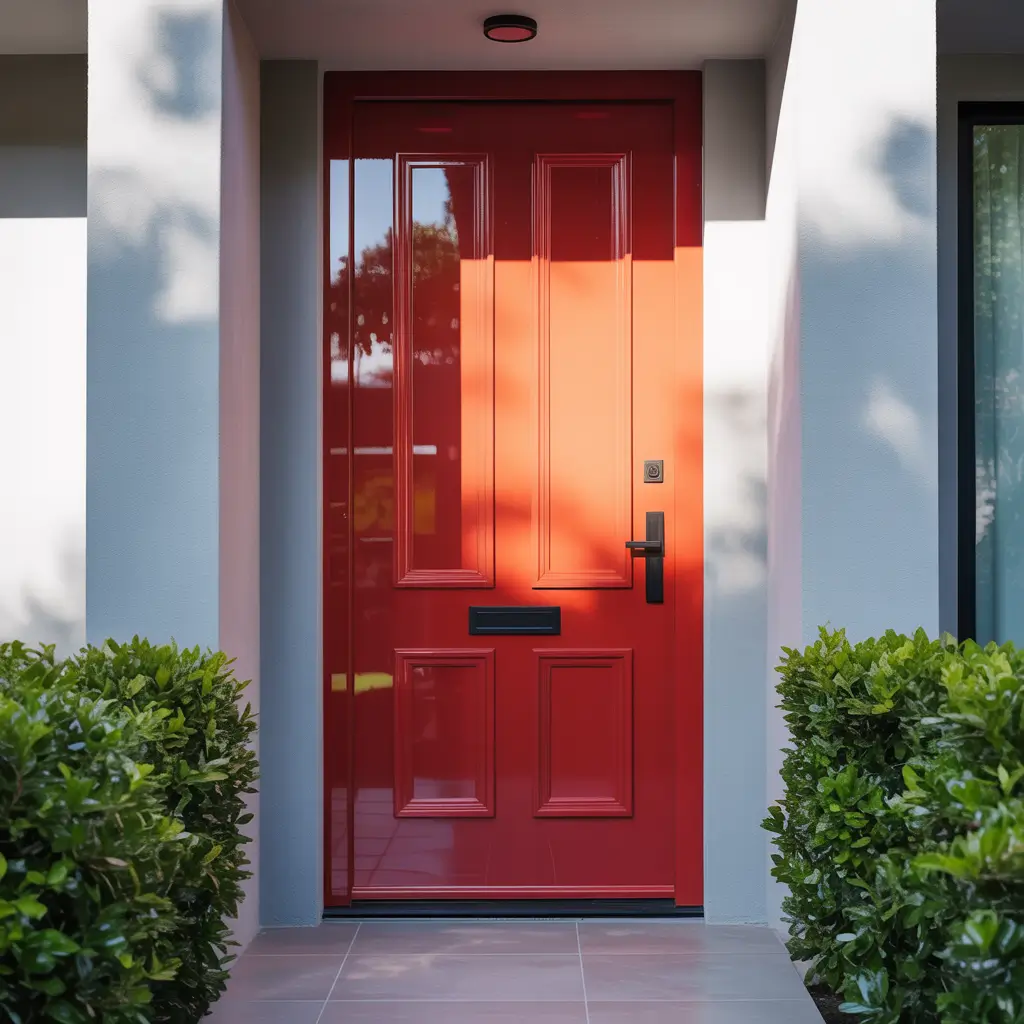
Arched doors bring romance and historical charm to any entrance. These curved beauties photograph with a softness that rectangular doors can’t match, creating images that feel both elegant and welcoming.
The Curve Appeal
Arches draw the eye upward and create a sense of grandeur without aggressive drama. They reference architectural traditions spanning thousands of years, automatically connecting your entrance to something larger and more timeless. When photographed well, arched doors evoke castles, cathedrals, and European countryside estates.
My grandmother’s house had an arched door that I photographed countless times as a child. Looking back at those images now, I realize that door shaped my understanding of what “home” should look like. That’s the emotional power of a well-designed arched entrance.
Arch Styles and Their Photographic Character
Different arches create different moods in photos:
- Roman semicircle: Classical grandeur and balance
- Gothic pointed: Dramatic height and drama
- Elliptical: Subtle elegance and sophistication
- Moorish horseshoe: Exotic appeal and uniqueness
- Eyebrow arch: Gentle curves for cottage charm
Framing and Composition Tips
Arched doors photograph best when you include the entire arch in the frame. Cropping into the curve loses the visual impact that makes these doors special. For social media, consider portrait orientation that emphasizes the vertical movement of the arch.
The best arched door photos often include surrounding architecture that echoes or contrasts with the curve. Stone or brick archways framing the door create layers of visual interest that single elements can’t achieve.
Sliding Barn-Style Main Door
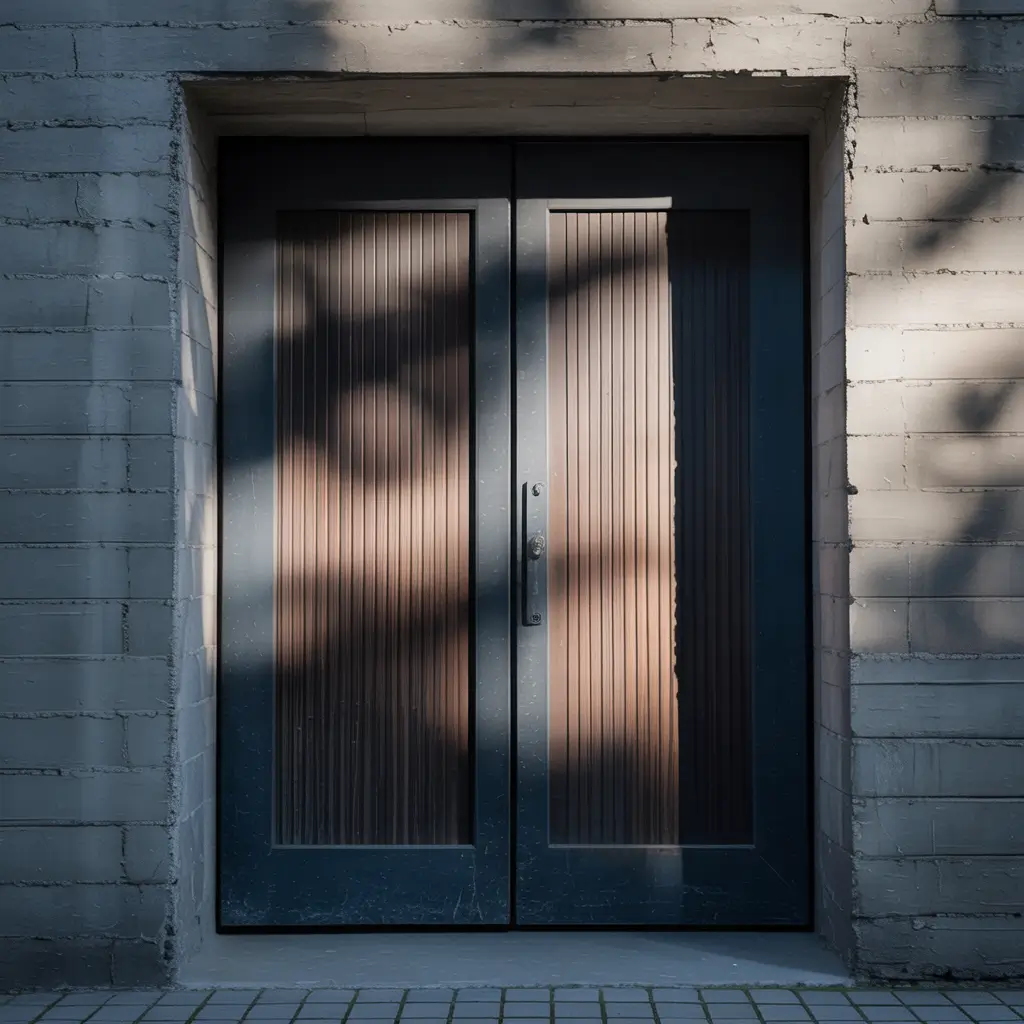
Barn doors for main entrances bring farmhouse charm to urban and suburban settings. These sliding beauties photograph with incredible character, especially when the hardware becomes part of the design story.
The Hardware as Sculpture
Unlike traditional doors where hardware hides away, barn doors celebrate their mechanisms. The track, rollers, and brackets become decorative elements that photograph as interesting as the door itself. This exposed functionality creates visual interest that designers and photographers love capturing.
I photographed a main entrance barn door at a renovated warehouse home, and the industrial hardware against the reclaimed wood created this perfect juxtaposition. The photos practically composed themselves—every angle offered something interesting.
Materials That Photograph Best
Barn doors offer material variety perfect for photography:
- Reclaimed wood: Character and history in every plank
- Modern painted panels: Clean lines with farmhouse function
- Metal and wood combinations: Industrial edge
- Glass inserts: Light play and transparency
- Mixed textures: Creating visual complexity
Movement and Action Shots
Barn doors offer unique photography opportunities when captured in motion. A shot of someone sliding the door open creates dynamic energy that static door photos lack. The movement tells a story and invites viewers to imagine themselves using the entrance.
Try photographing from inside looking out with the door partially open. This perspective shows the track system, reveals the door’s weight and texture, and creates an inviting sense of passage between spaces :/
Colorful Statement Main Door
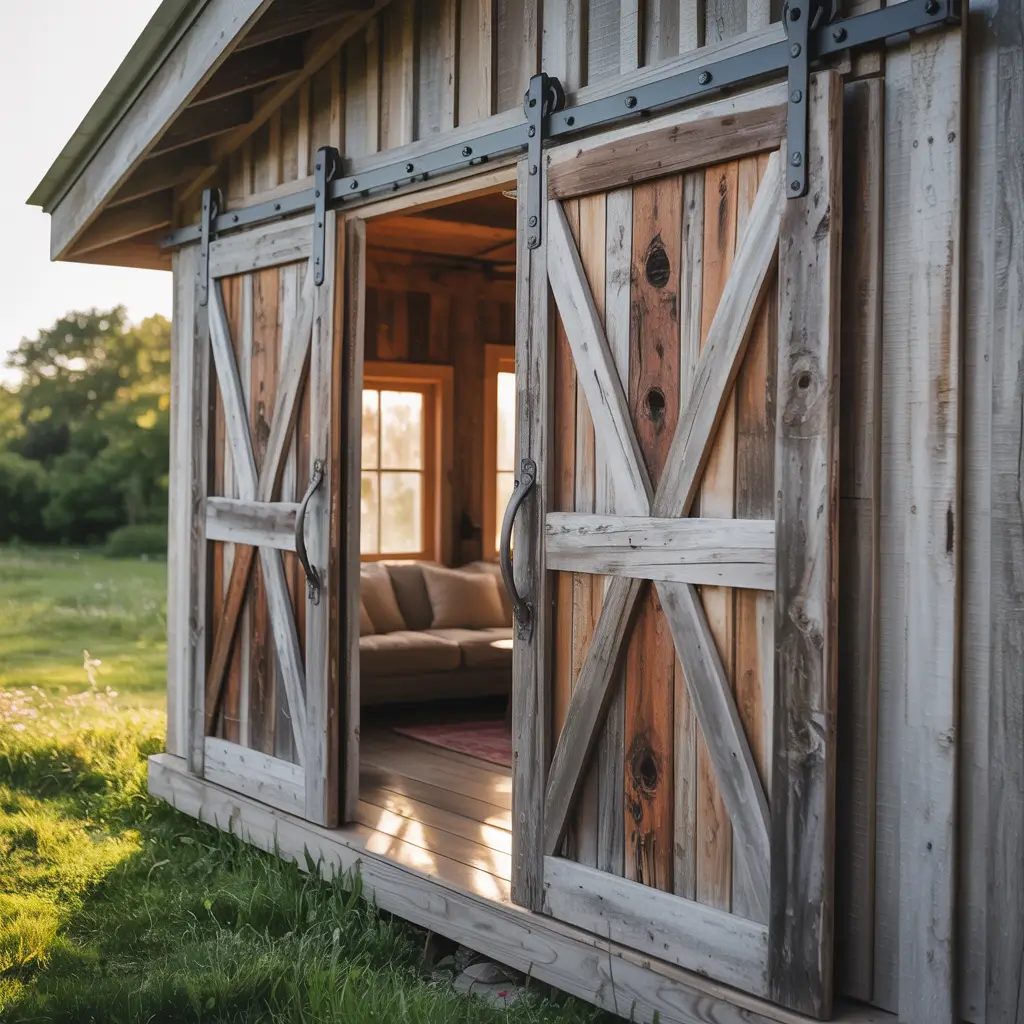
Bold colored doors are the extroverts of entrance design—they demand attention and photograph with immediate impact. These vibrant statements make otherwise ordinary homes memorable in every image.
The Psychology of Color
Different colors create different impressions in photos:
- Red: Energy, welcome, and luck
- Yellow: Happiness, optimism, and warmth
- Blue: Calm, trust, and sophistication
- Green: Growth, nature, and renewal
- Black: Elegance, drama, and mystery
- Purple: Creativity, luxury, and uniqueness
I painted my door coral last year, and suddenly my beige house had personality. Every delivery person comments on it, and my Instagram photos of the entrance get way more engagement than my boring interior shots. Color creates connection.
Finish Matters for Photography
The paint finish dramatically affects how colored doors photograph:
- High gloss: Reflections and shine, dramatic impact
- Satin: Balanced reflection, sophisticated look
- Matte: No reflection, modern and subtle
- Metallic: Sparkle and texture
- Textured: Added dimension and interest
Surrounding Context
Colorful doors photograph best when the surrounding elements support rather than compete. A bold red door against neutral siding creates focus, while too many colors create chaos. The best photos show intentional color choice that relates to the home’s overall palette.
Think about what appears in the frame beyond the door—planters, hardware, house numbers, and landscaping all affect the final image. Coordinating these elements makes for much more compelling photos.
Also Read: 10 Stylish Wooden Door Design Ideas You’ll Want to Save
Industrial Steel and Wood Combination Door
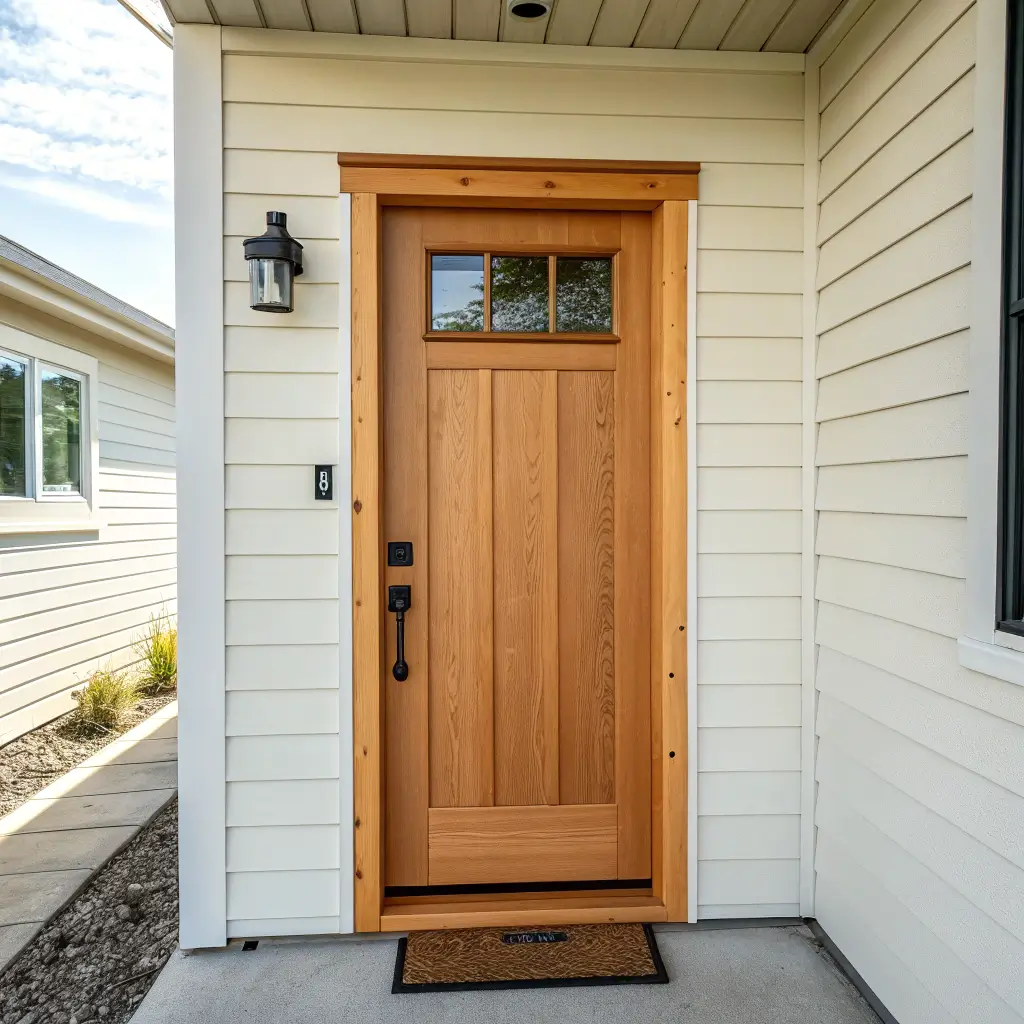
Industrial combination doors bring urban edge to residential settings. The marriage of raw steel and warm wood creates contrast that photographs with incredible depth and visual interest.
The Material Marriage
Steel and wood together create tension that cameras love. The cold, precise lines of metal against the organic warmth of wood grain offer natural contrast that makes compositions interesting without trying. It’s the kind of pairing that looks intentional and sophisticated.
I photographed an industrial door featuring a steel frame with reclaimed wood panels for a design blog feature. The contrast between the materials created depth in every image—the steel edges defined sharp lines while the wood grain added texture and warmth. Both materials looked better together than either would alone.
Design Approaches That Work
Successful combinations include:
- Steel frame with wood panel infill: Classic industrial
- Wood door with metal strapping: Rustic industrial
- Integrated steel elements within wood: Subtle industrial
- Mixed wood types with metal accents: Complex and interesting
- Weathered steel with new wood: Playing with age contrast
Finishing Options for Visual Impact
The finish on both materials affects photographic results. Raw steel develops patina that adds character, while powder-coated steel maintains consistency. Natural wood finishes show grain while painted wood allows color play. The combination you choose should create the contrast level you want in photos.
Consider how the door will age when choosing finishes. Doors that patina together beautifully offer ever-changing photography opportunities as time adds character to the materials.
Creating Your Own Main Door Photo Gallery
Now that you’ve seen these ten ideas, how do you capture your own door in its best light? Here are some practical photography tips that’ll help you create images worth sharing.
The Golden Hour Rule
Most professional door photos happen in the two hours after sunrise or before sunset. This golden hour light adds warmth, creates interesting shadows, and eliminates the harsh contrasts of midday sun. Set a reminder and photograph your door when the light cooperates.
Composition Basics
Keep these principles in mind:
- Include the full door plus some surrounding context
- Check that vertical lines are actually vertical
- Consider the rule of thirds for off-center compositions
- Remove distracting elements from the frame
- Pay attention to what’s reflected in glass or metal
Seasonal and Weather Considerations
Doors photograph differently through the seasons and in various weather. Rain-wet surfaces add reflection and drama. Snow provides clean, bright contrast. Autumn leaves frame entrances naturally. Don’t limit yourself to perfect sunny days—some of the most interesting door photos capture weather’s impact on materials.
Final Thoughts
Your main door deserves more than a passing glance—it deserves to be photographed, shared, and appreciated.
Whether you choose the understated elegance of minimalist wood, the dramatic impact of industrial combinations, or the joyful statement of bold color, make sure it’s a door worth capturing.
I’ve learned through countless photos that the best doors share certain qualities: they reflect the personality inside, they relate to their architectural context, and they show evidence of thoughtful decision-making.
A door chosen with intention photographs with intention too.
So take a critical look at your current entrance. Does it photograph well? Does it represent who you are and what your home offers? If not, maybe it’s time for an upgrade that’ll make you proud to share your entrance with the world.
After all, your main door is making impressions 24/7. You might as well make sure those impressions photograph beautifully.