16 Minimalist Bedroom Design Ideas for a Calm and Stylish Space
- Bedroom Design
 Ben
Ben- 0
- 30 minutes read

Remember that cluttered bedroom that made you feel like you were drowning in stuff? Yeah, we’ve all been there. I spent years thinking more furniture meant a cozier space—spoiler alert: I was completely wrong. After finally embracing minimalism in my bedroom, I discovered something magical happens when you strip away the excess and focus on what truly matters.
Let me share what I’ve learned about creating a minimalist bedroom that doesn’t feel like a prison cell. These 16 design ideas will transform your space into the peaceful sanctuary you’ve been craving. Trust me, your future well-rested self will thank you.
1. Neutral Color Palette
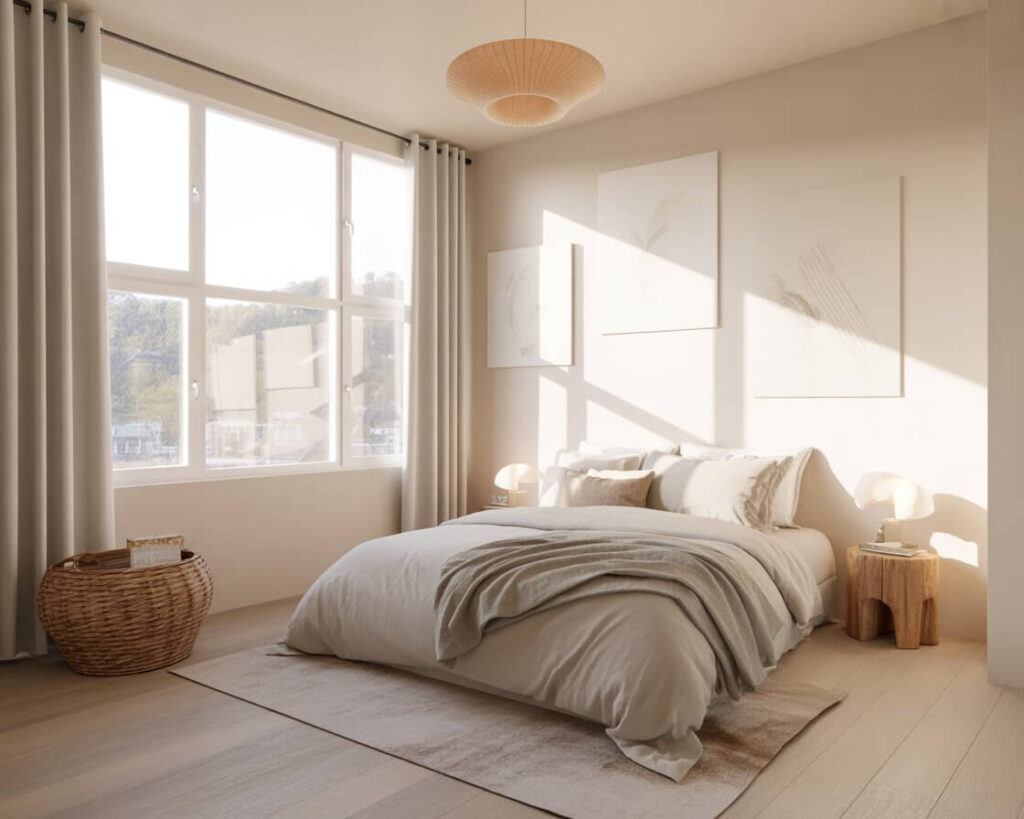
Let’s start with the foundation of any great minimalist bedroom: the color scheme. I’m talking whites, beiges, soft grays, and maybe a touch of muted earth tones if you’re feeling adventurous. These colors create instant calm—it’s like visual meditation for your brain.
When I first painted my bedroom walls in Benjamin Moore’s Cloud White, my friends thought I’d lost it. “Where’s the personality?” they asked. But here’s the thing: neutral doesn’t mean boring. The beauty lies in the subtle variations and the way natural light plays with these shades throughout the day.
You want to stick with three colors maximum for your entire palette. My go-to combo? Warm white walls, soft gray bedding, and natural wood accents. Simple, elegant, and surprisingly versatile.
2. Low-Profile Bed Frame

Remember those massive, ornate bed frames our grandparents loved? Yeah, those need to go. A low-profile platform bed changes everything about how your room feels. Suddenly, you’ve got more visual space, better flow, and that zen-like vibe you see in fancy hotels.
I switched to a Japanese-inspired platform bed two years ago, and honestly? Game-changer. The lower height makes my ceiling feel taller and my room feel twice as spacious. Plus, getting in and out of bed feels more grounded and intentional—weird, I know, but try it yourself.
Why Low-Profile Works
The magic happens because your eye line stays clear. You’re not blocking windows or creating visual barriers. Everything flows naturally from one end of the room to the other.
Platform beds also eliminate the need for a box spring. Less stuff equals less clutter, which equals more peace of mind. See how that works?
3. Floating Nightstands
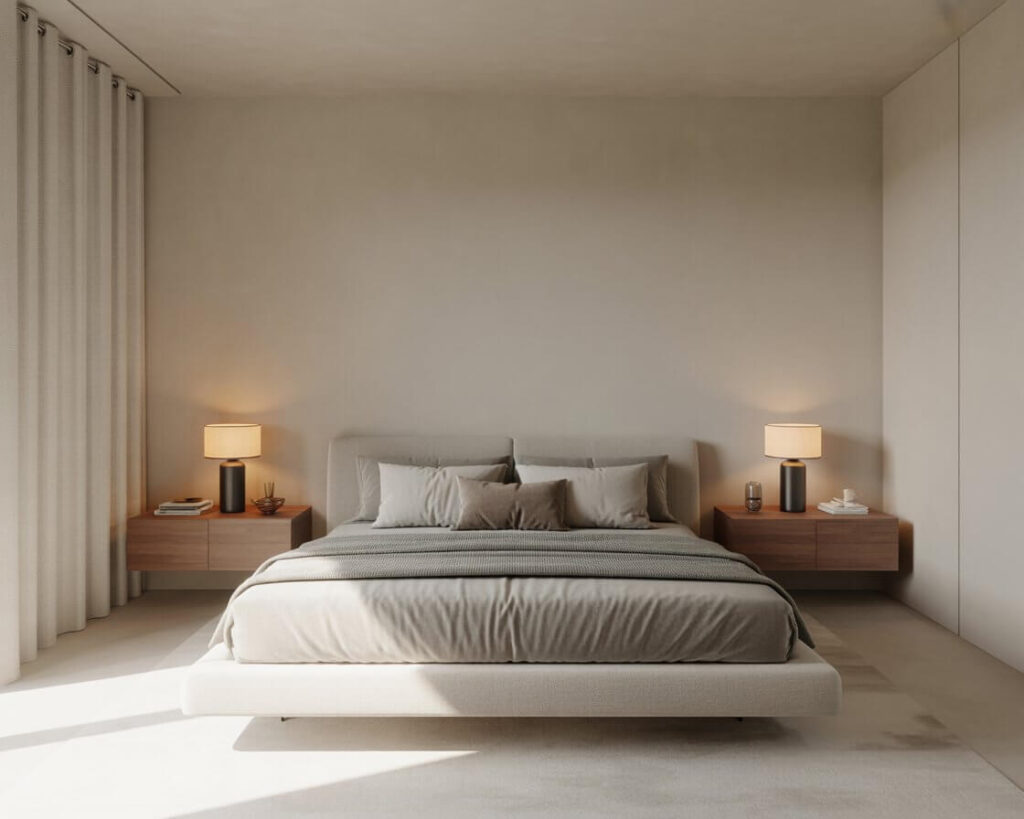
Who decided nightstands needed legs anyway? Floating nightstands are the unsung heroes of minimalist bedroom design. They keep your essentials within reach while maintaining that clean floor line that makes cleaning a breeze.
I installed mine at the perfect height—just level with my mattress top. No more knocking things off in the middle of the night (we’ve all done it). The best part? The space underneath stays completely open, making my small bedroom feel way bigger than its actual square footage.
You only need enough surface for the basics: a lamp, your phone, maybe a book. Anything more defeats the purpose. Remember, we’re going for calm, not storage unit vibes.
4. Built-In Storage Solutions
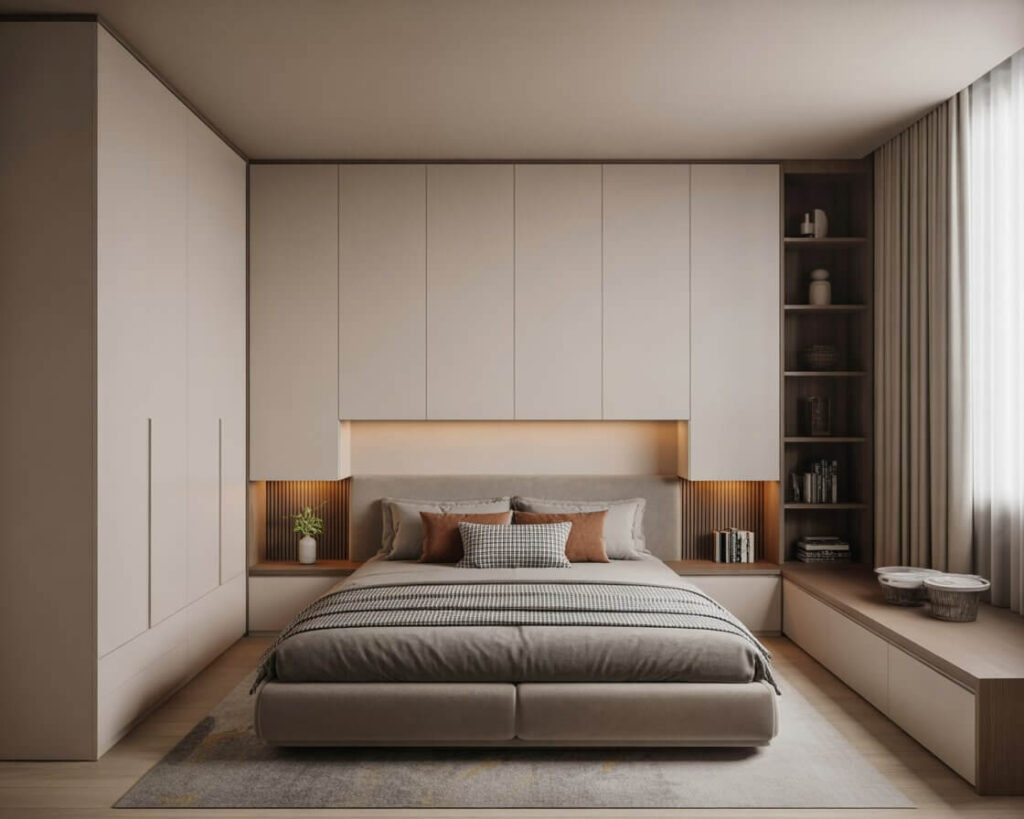
Here’s where minimalism gets clever. Built-in storage hides all your stuff while maintaining those clean lines we’re after. Think floor-to-ceiling wardrobes that blend seamlessly with your walls, or under-bed drawers that disappear completely when closed.
My bedroom has a built-in closet system that looks like part of the wall. Friends don’t even realize it’s there until I open it. That’s the goal—storage that works hard but stays invisible.
Smart Storage Ideas
Consider these game-changing options:
- Recessed shelving between wall studs
- Platform beds with integrated drawers
- Wall-mounted cabinets that reach the ceiling
- Hidden compartments behind artwork
The key? Everything should have a designated spot. When storage is built-in and organized, maintaining that minimalist aesthetic becomes automatic.
5. Soft Textures and Natural Fabrics
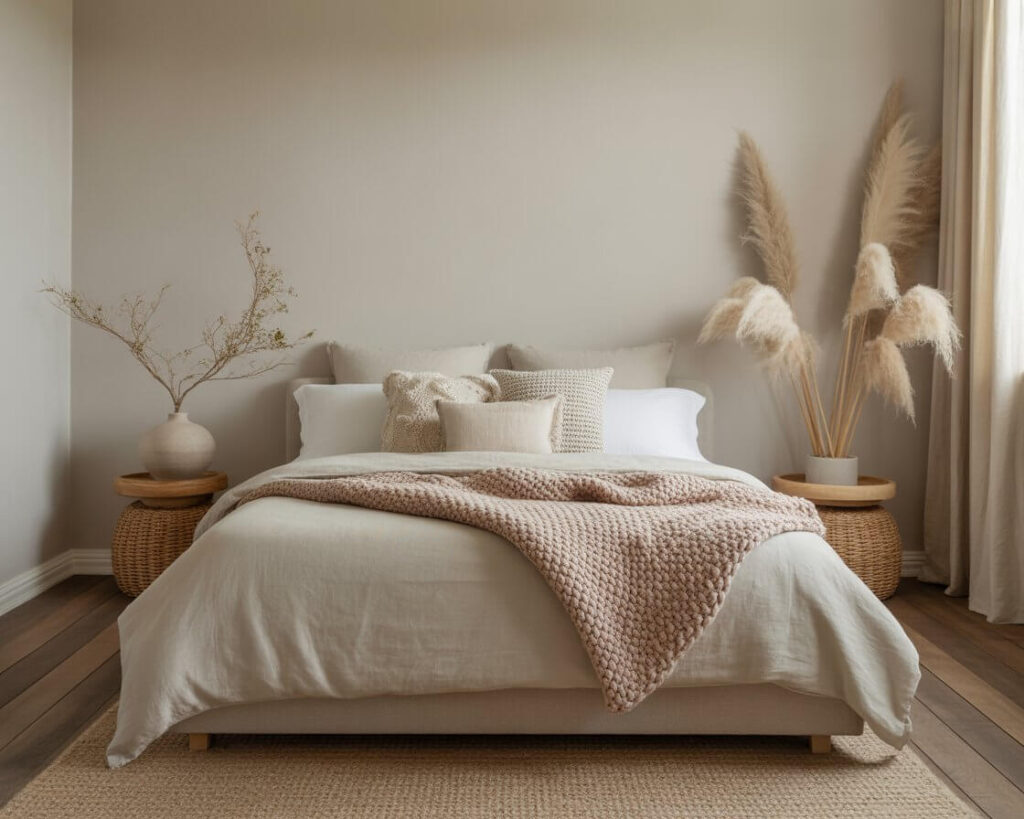
Minimalism doesn’t mean uncomfortable—quite the opposite, actually. Natural fabrics like linen, cotton, and wool add warmth without visual clutter. They breathe better, feel amazing, and age beautifully over time.
I’m obsessed with my linen duvet cover. Sure, it wrinkles like crazy, but that’s part of its charm. The texture adds depth to an otherwise simple space, and honestly? Making the bed takes two seconds when perfection isn’t the goal.
Layer different textures sparingly. A chunky knit throw here, a smooth cotton sheet there. The contrast creates interest without needing busy patterns or bright colors.
6. Statement Lighting
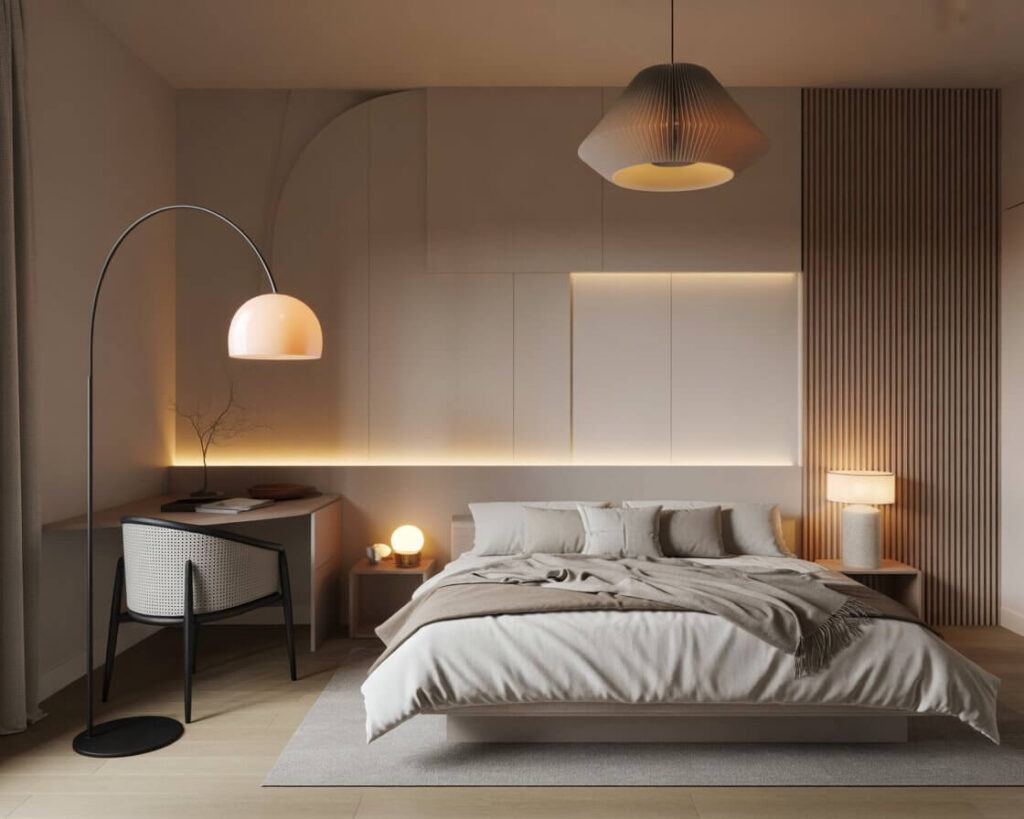
Good lighting makes or breaks a minimalist bedroom. Forget those generic ceiling fixtures—you need something with personality and purpose. A striking pendant light or sleek floor lamp becomes functional art.
I splurged on a minimalist arc floor lamp that curves over my reading corner. It’s the only “decorative” element in that area, but it makes such a statement that nothing else is needed. That’s minimalism done right—one perfect piece instead of five mediocre ones.
Lighting Layers That Work
Think about three types of lighting:
- Ambient (overall room lighting)
- Task (reading or work lighting)
- Accent (mood lighting)
Each serves a purpose without cluttering your space. Dimmer switches are your best friend here—instant ambiance without adding a single item.
7. Large Windows and Natural Light

Natural light is basically free therapy. If you’re lucky enough to have large windows, don’t hide them behind heavy curtains. Embrace that sunshine and let it be your room’s main feature.
I ditched my blackout curtains for simple white roller shades. Yeah, I wake up earlier now, but I also feel more connected to the world outside. Plus, natural light makes every minimalist element in your room look better—it’s like Instagram’s best filter, but real.
Can’t change your window size? No worries. Maximize what you have with mirrors strategically placed to bounce light around. Remove anything blocking your windows—furniture, plants, whatever. Let that light flow freely.
Also Read: Modern Bedroom: 16 Stylish Ideas for a Contemporary Look
8. Monochrome Design
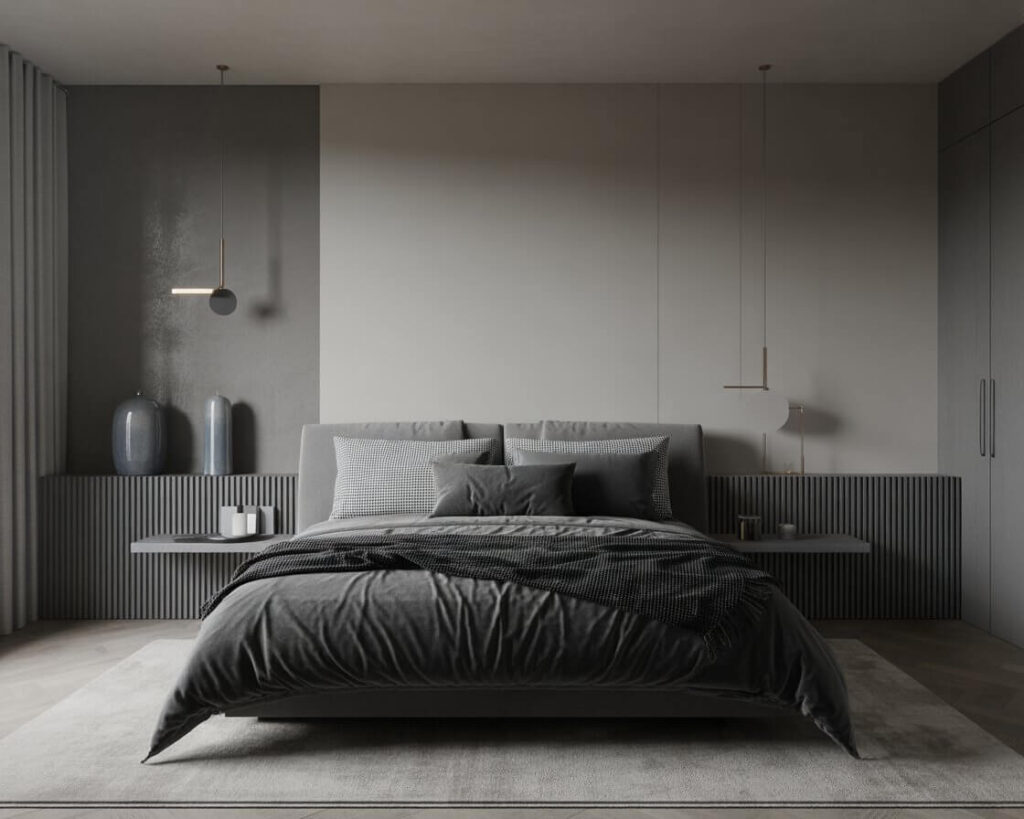
Want to look like you hired an expensive designer? Go monochrome. Pick one color and run with it in different shades and textures. It’s foolproof and creates incredible visual cohesion.
My bedroom rocks various shades of gray—charcoal bedding, dove gray walls, slate accessories. Sounds boring? It’s actually incredibly sophisticated. The subtle variations keep things interesting while maintaining that calm, unified feel.
Making Monochrome Work
The trick is varying your textures and materials. Same color, different feels:
- Matte walls
- Glossy ceramic accessories
- Soft fabric bedding
- Rough natural wood
This approach eliminates decision fatigue too. Everything matches because everything’s the same color family. Genius, right?
9. Minimalist Artwork
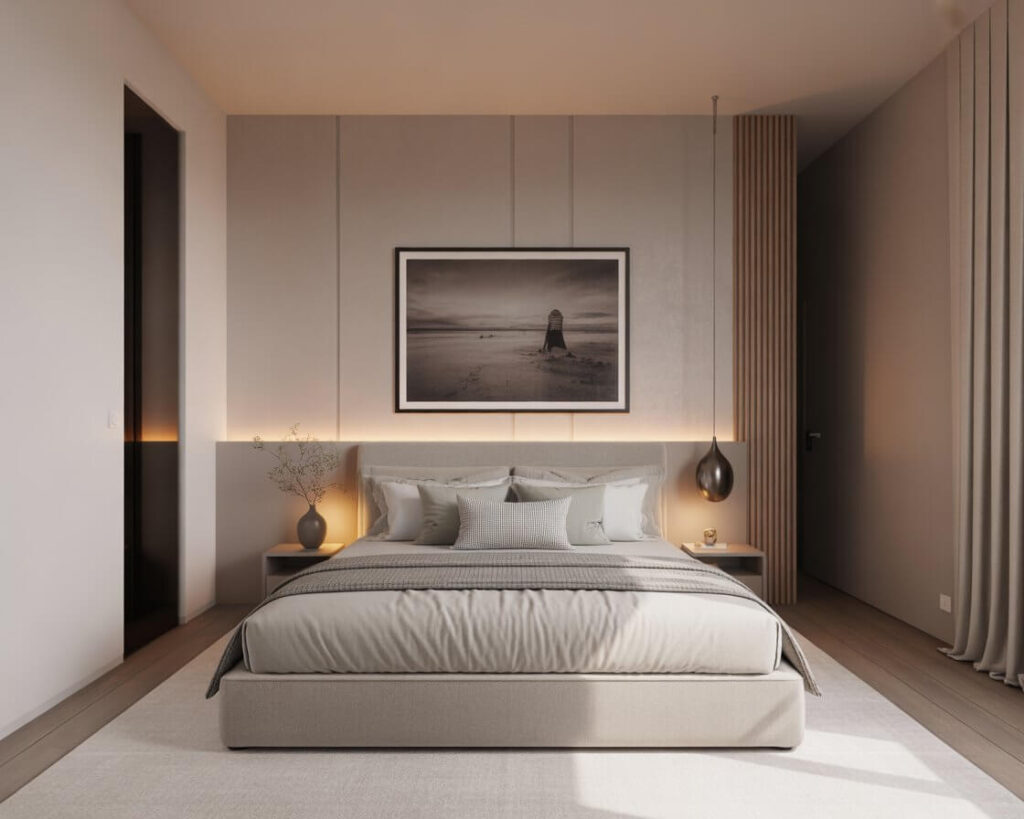
Empty walls aren’t mandatory in minimalism—you just need to be selective about your art. One large piece beats a gallery wall every time. Choose something that speaks to you without screaming for attention.
I’ve got a single black and white photograph above my bed. That’s it. No cluttered gallery walls, no random decorative objects. Just one meaningful piece that I genuinely love looking at every day.
Line art, abstract pieces, or simple photography work beautifully. The key? Leave breathing room around whatever you hang. Art needs space to be appreciated properly.
10. Functional Minimalist Furniture
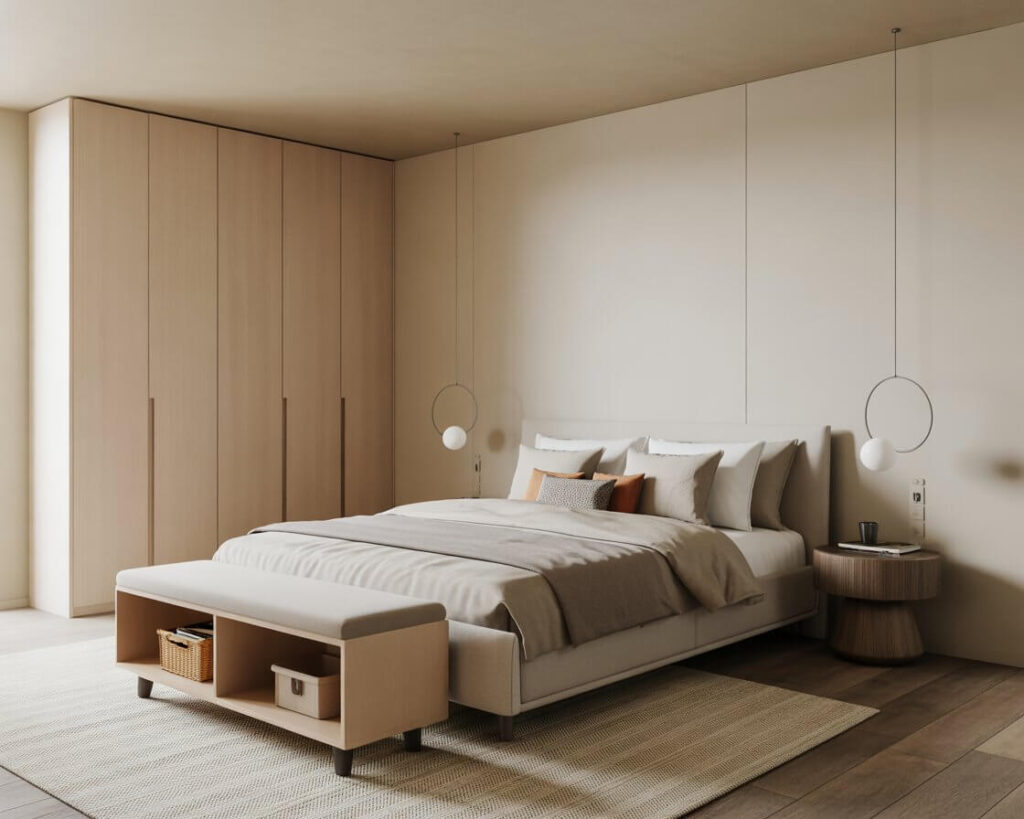
Every piece of furniture should earn its spot. That decorative chair you never sit in? Time to say goodbye. Multifunctional pieces are minimalism’s best friends—think storage benches, nesting tables, or ottomans with hidden compartments.
My bedroom bench doubles as storage for extra bedding. Looks simple from the outside, but it’s secretly working overtime. That’s the kind of furniture that deserves space in a minimalist bedroom.
Ask yourself: Does this serve a purpose? If you’re hesitating, you probably don’t need it. Be ruthless—your space will thank you.
Also Read: 16 Little Boy Bedroom Ideas for a Fun and Functional
11. Greenery and Indoor Plants
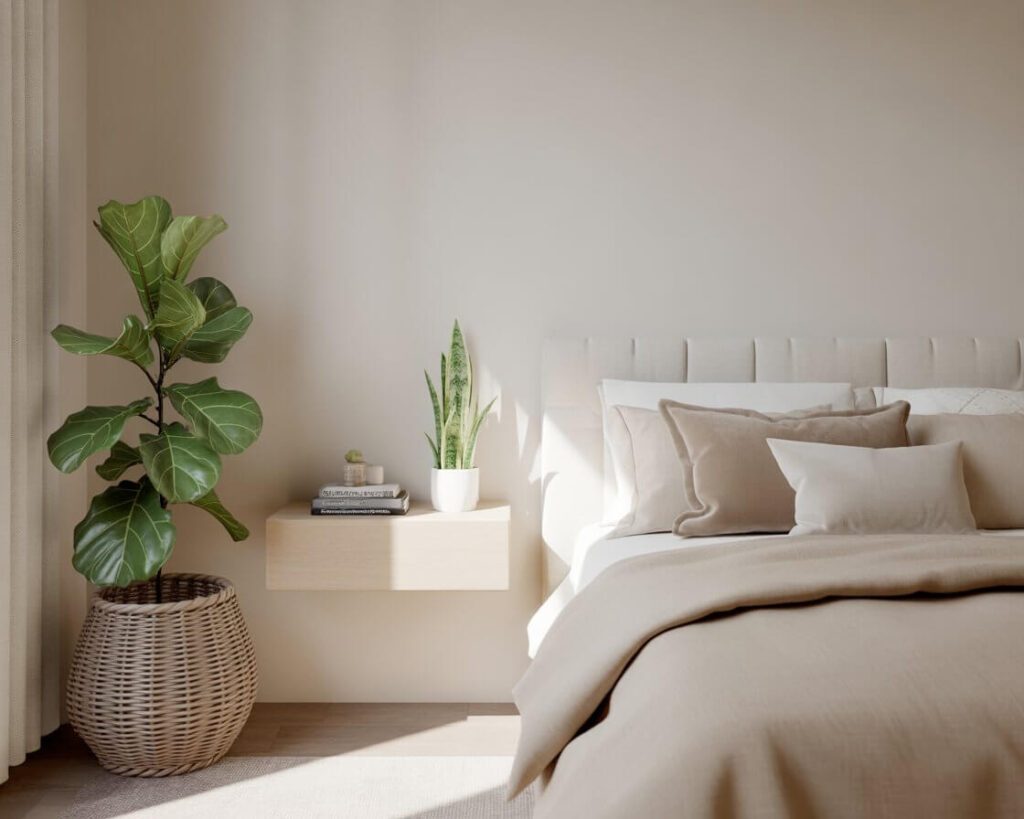
Plants bring life to minimalist spaces without adding clutter. But here’s the thing—you need to be strategic about placement. One or two statement plants beat ten tiny succulents scattered everywhere.
I keep a single fiddle leaf fig in the corner and a small snake plant on my floating nightstand. That’s it. They add organic shapes and improve air quality without turning my bedroom into a jungle.
Best Plants for Minimalist Bedrooms
Go for low-maintenance options:
- Snake plants (practically indestructible)
- Pothos (thrives on neglect)
- ZZ plants (drought-tolerant)
- Peace lilies (elegant and easy)
FYI, fake plants are totally acceptable if you’re a serial plant killer like my sister. Just get quality ones that don’t scream “artificial” from across the room.
12. Minimalist Japanese-Inspired Design
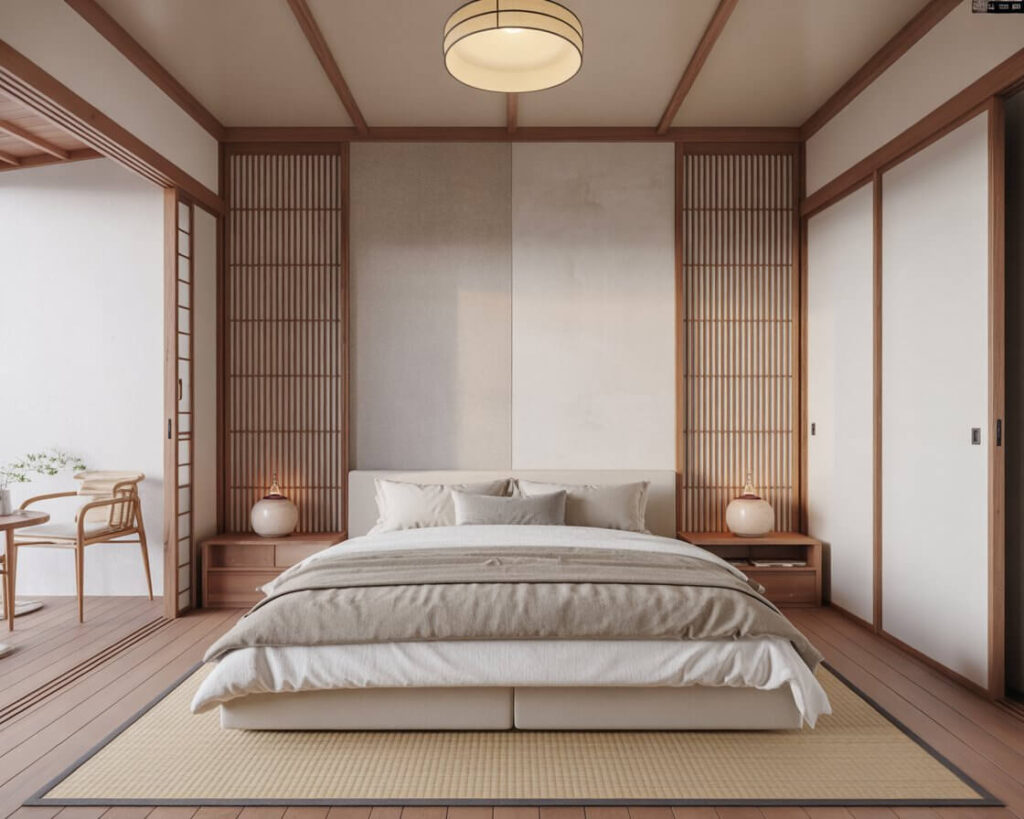
Japanese design philosophy gets minimalism on a spiritual level. We’re talking wabi-sabi—finding beauty in imperfection and simplicity. This style brings incredible tranquility to any bedroom.
I incorporated tatami-inspired textures and shoji screen elements into my space. The result? Instant zen without looking like I’m cosplaying as a samurai. The key is subtle nods to Japanese aesthetics, not full-on theme park vibes.
Natural materials, floor-level living, and negative space are core principles here. Your bedroom becomes a place for rest and reflection, not just sleep.
13. Wooden Accents for Warmth

All-white minimalist bedrooms can feel cold sometimes. Natural wood fixes that instantly. The warmth and texture of wood grain adds soul to sterile spaces without compromising the minimal aesthetic.
I added oak floating shelves and a walnut picture ledge. Small touches, but they completely transformed the room’s energy. Wood brings nature indoors and creates visual interest through its natural patterns.
Choosing the Right Wood
Stick to one or two wood types maximum:
- Light woods (birch, pine) for Scandinavian vibes
- Medium tones (oak, maple) for versatility
- Dark woods (walnut, mahogany) for drama
Mix wood tones at your own risk—it takes serious skill to pull off without looking chaotic.
Also Read: 15 Cozy Bedroom Ideas to Transform Your Space
14. Simple Bedding and Layering
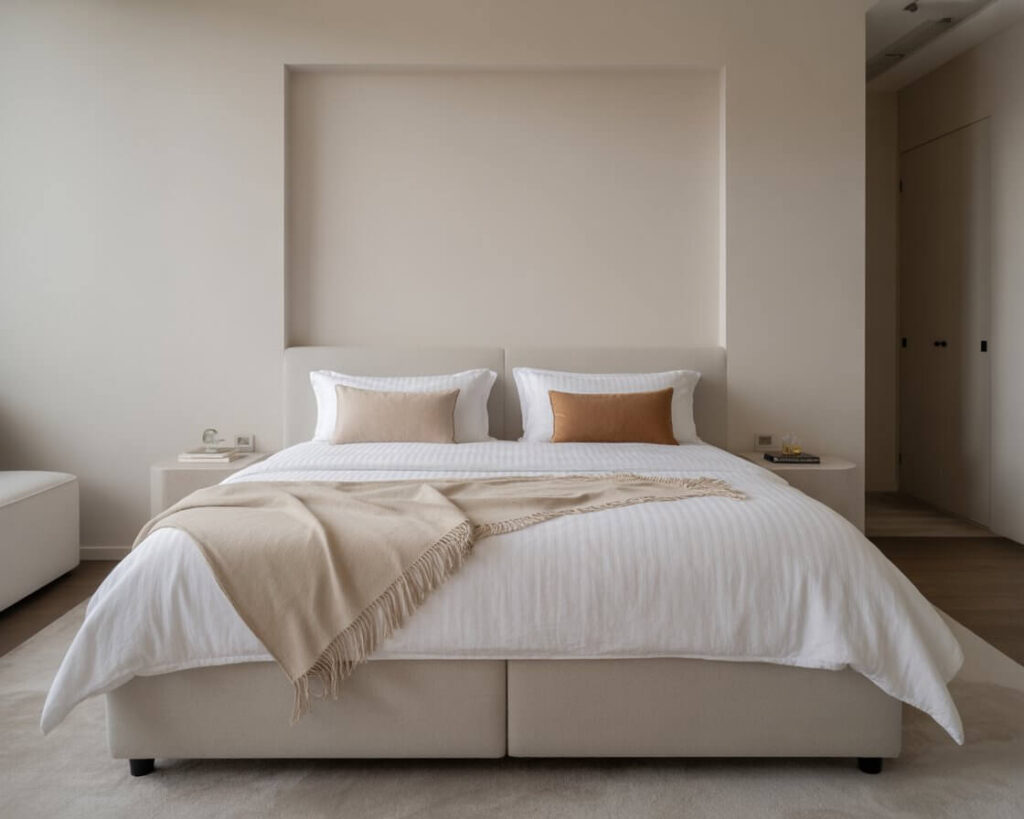
Your bed is the bedroom’s focal point, so nail the bedding situation. Skip the decorative pillows mountain (nobody needs 47 pillows) and focus on quality basics that actually serve a purpose.
I keep it simple: fitted sheet, flat sheet, duvet, two sleeping pillows, and maybe a throw blanket for texture. That’s all you need for a hotel-worthy bed that takes minutes to make.
Choose solid colors or subtle patterns. Bold prints fight for attention in minimalist spaces—save your energy for more important battles. IMO, white or neutral bedding never goes out of style 🙂
15. Open Space with Minimal Furniture
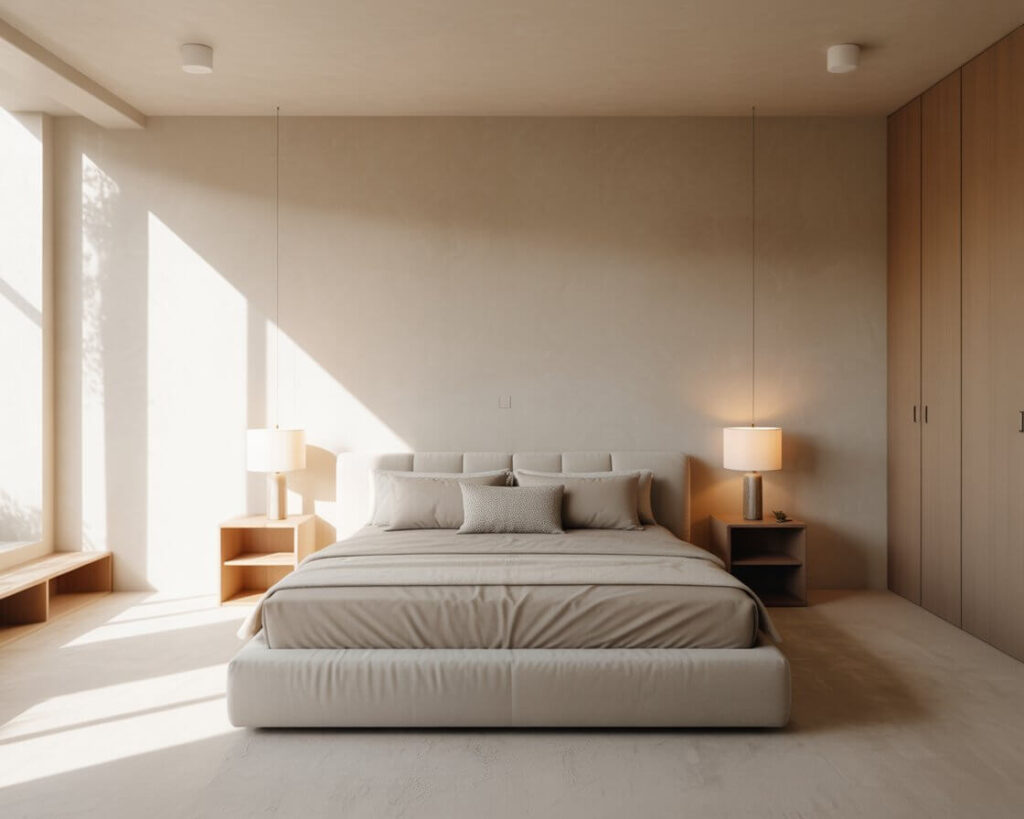
Here’s a radical idea: embrace empty space. Not every corner needs furniture. Not every wall needs decoration. Space itself is a design element—probably the most important one in minimalism.
I left an entire wall in my bedroom completely bare. Friends thought I was “still decorating,” but nope—that emptiness is intentional. It gives my eyes a place to rest and makes the room feel twice as large.
The Power of Negative Space
Think of space as visual breathing room. It:
- Reduces anxiety
- Improves focus
- Makes cleaning easier
- Highlights what you do choose to display
Ever notice how luxury hotels always feel spacious? They understand the value of emptiness.
16. Hidden Technology

Technology is necessary but ugly. The solution? Hide it. Minimalist bedrooms shouldn’t look like Best Buy showrooms. Cables, chargers, and gadgets need to disappear when not in use.
I installed outlets inside my nightstand drawer—phone charges out of sight. My TV (yes, I’m that person) hides behind a sliding panel that looks like artwork when closed. Cable management isn’t sexy, but visible wires will ruin your minimalist paradise faster than anything else.
Use cord covers, cable boxes, and furniture with built-in charging stations. The goal? Technology that serves you without dominating your space.
Bringing It All Together
Creating a minimalist bedroom isn’t about following every single idea I’ve shared. Pick what resonates with you and leave the rest. Maybe you love the monochrome approach but can’t live without your gallery wall—that’s totally fine.
The real secret? Intentionality. Every choice should have a purpose. Every item should earn its place. When you nail this mindset, your bedroom transforms from a place you sleep to a sanctuary that actually restores you.
Start small if you’re feeling overwhelmed. Clear your nightstand. Remove one piece of unnecessary furniture. Paint one wall white. Small changes compound into major transformations—I promise.
Final Thoughts
Minimalist bedroom design changed my life—seriously. Better sleep, less stress, and mornings that don’t start with visual chaos. Who knew that having less could give you so much more?
Remember, minimalism isn’t about deprivation or living in a sterile white box. It’s about creating space for what matters and removing what doesn’t. Your bedroom should be your personal retreat, not a storage unit with a bed in it.
Want my advice? Start tonight. Look around your bedroom and identify three things that don’t absolutely need to be there. Remove them. Feel that instant sense of relief? That’s just the beginning of your minimalist journey.
The calm, stylish bedroom you’re dreaming of isn’t complicated or expensive to achieve. Strip away the excess, focus on quality over quantity, and give yourself permission to embrace empty space. Your future well-rested self is already thanking you for taking the first step.
Sweet dreams in your soon-to-be minimalist paradise! :/