12 Chic Minimalist Interior Design Ideas for Sleek Living
- Home Interior Design
 Ben
Ben- 0
- 39 minutes read
Let me guess – you’re tired of walking into your home and feeling overwhelmed by stuff. Piles of things you don’t remember buying, furniture that serves no purpose, and decorations that stopped bringing you joy approximately three years ago.
I lived in that chaos for most of my twenties until I discovered that minimalism isn’t about having nothing – it’s about having only what matters.
The transformation from cluttered chaos to minimalist calm changed more than my home. My stress levels dropped, my cleaning time decreased by half, and I finally stopped losing my keys (okay, that’s a lie – but I find them faster now).
The truth about minimalist interior design is that it’s not about deprivation or living like a monk. It’s about intentionality, quality over quantity, and creating spaces that actually support your life instead of complicating it.
These twelve minimalist interior design ideas cover every room and challenge you might face.
Whether you’re dealing with a tiny apartment or a sprawling house, each concept offers practical approaches to creating spaces that feel calm, functional, and genuinely beautiful.
1. Scandinavian Minimalist Living Room
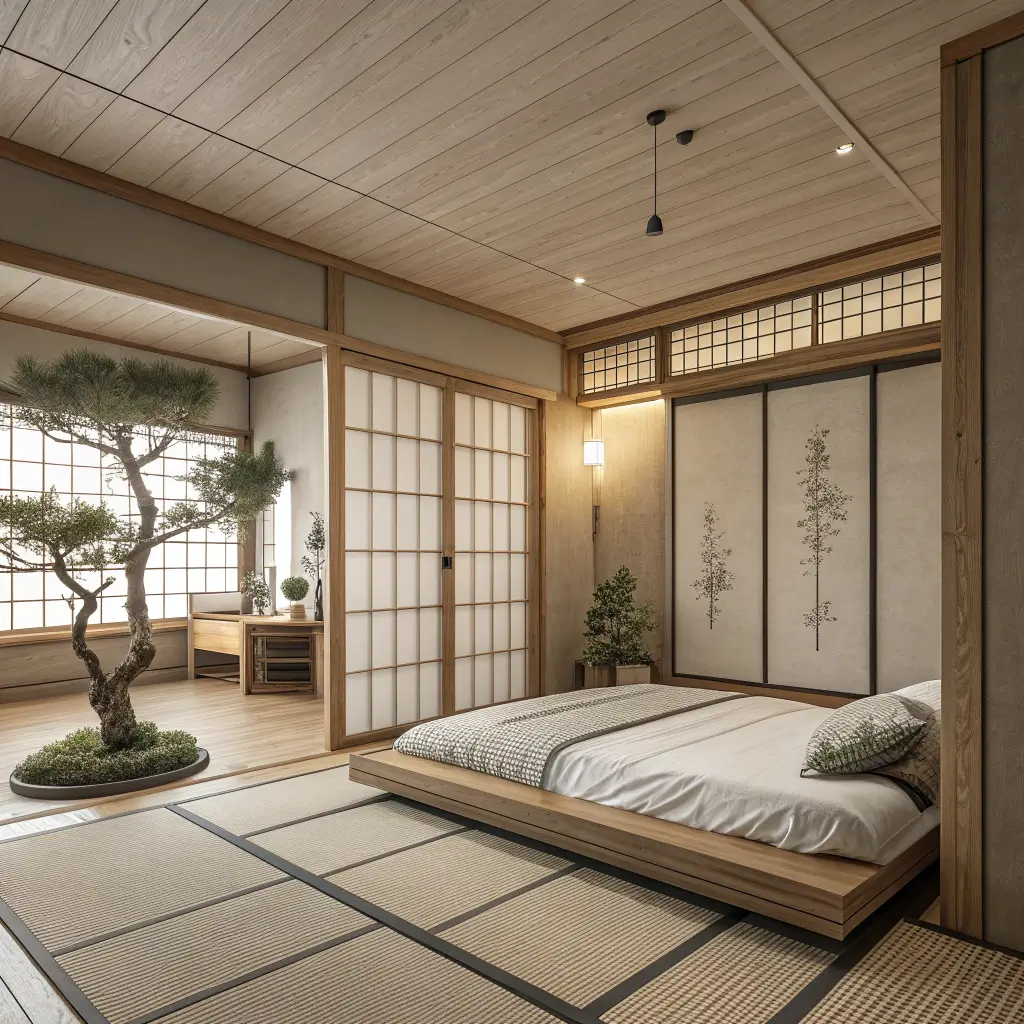
The Scandinavian minimalist living room combines hygge warmth with clean simplicity – proving that minimal doesn’t mean cold or unwelcoming. This approach creates spaces where you actually want to spend time, not just photograph.
The color palette anchors everything in Scandinavian design. White walls, light wood floors, and soft gray textiles form the foundation that makes the style so recognizable. I painted my living room white after years of avoiding it, and the space suddenly felt twice as large and infinitely more peaceful.
Furniture selection requires ruthless editing in Scandinavian living rooms. Keep only pieces that serve clear functions – a comfortable sofa, a quality coffee table, perhaps one accent chair. Each item should earn its place through either daily use or genuine beauty.
Scandinavian Living Room Essentials
Creating Nordic warmth:
- Light wood furniture with clean lines
- Cozy textiles like wool throws and linen cushions
- Natural elements including plants and wood accents
- Minimal decorations chosen for meaning
- Warm lighting through multiple sources
- White or light gray walls maximizing brightness
The Scandinavian approach works particularly well for families who need livable minimalism rather than museum-like perfection.
2. Japanese-Inspired Zen Bedroom
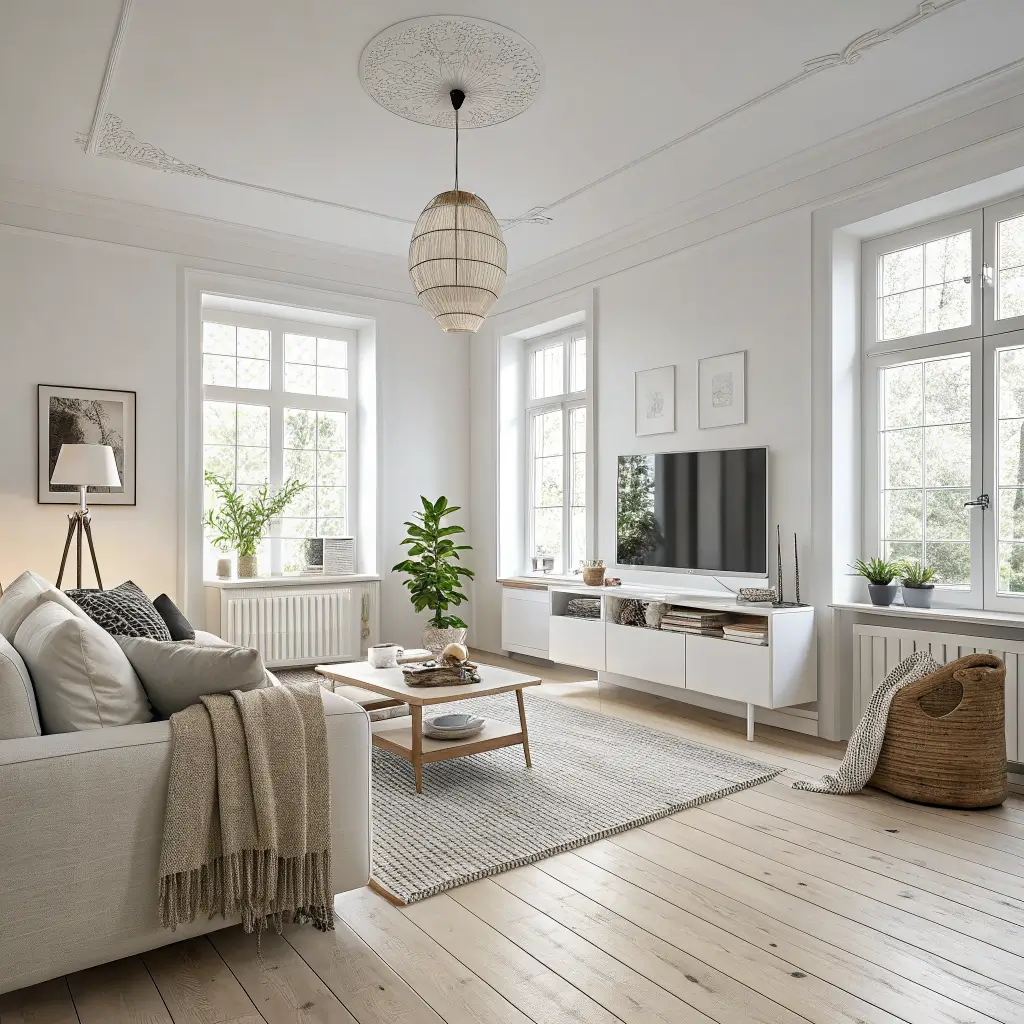
Japanese-inspired zen bedrooms create sanctuary spaces for rest and restoration. This minimalist approach transforms your bedroom from a place you crash into a room that actively supports quality sleep.
The low furniture philosophy defines Japanese bedroom design. Platform beds close to the ground, low nightstands, and minimal vertical furniture create a grounded, calming atmosphere. My first night sleeping in a Japanese-style bedroom felt different immediately – something about being closer to earth promotes deeper relaxation.
Natural materials bring warmth without clutter. Wood, bamboo, linen, and cotton create visual and tactile richness that doesn’t overwhelm. Every material choice should feel intentional and connected to nature.
Zen Bedroom Design Elements
Creating peaceful sleep spaces:
- Low platform bed as the focal point
- Neutral color palette promoting rest
- Natural fiber bedding in white or cream
- Minimal furniture – only essentials
- Soft indirect lighting avoiding harsh overhead
- One meaningful decoration instead of many
This bedroom style benefits light sleepers, stress-prone individuals, and anyone seeking improved rest quality.
3. Monochrome Kitchen Simplicity
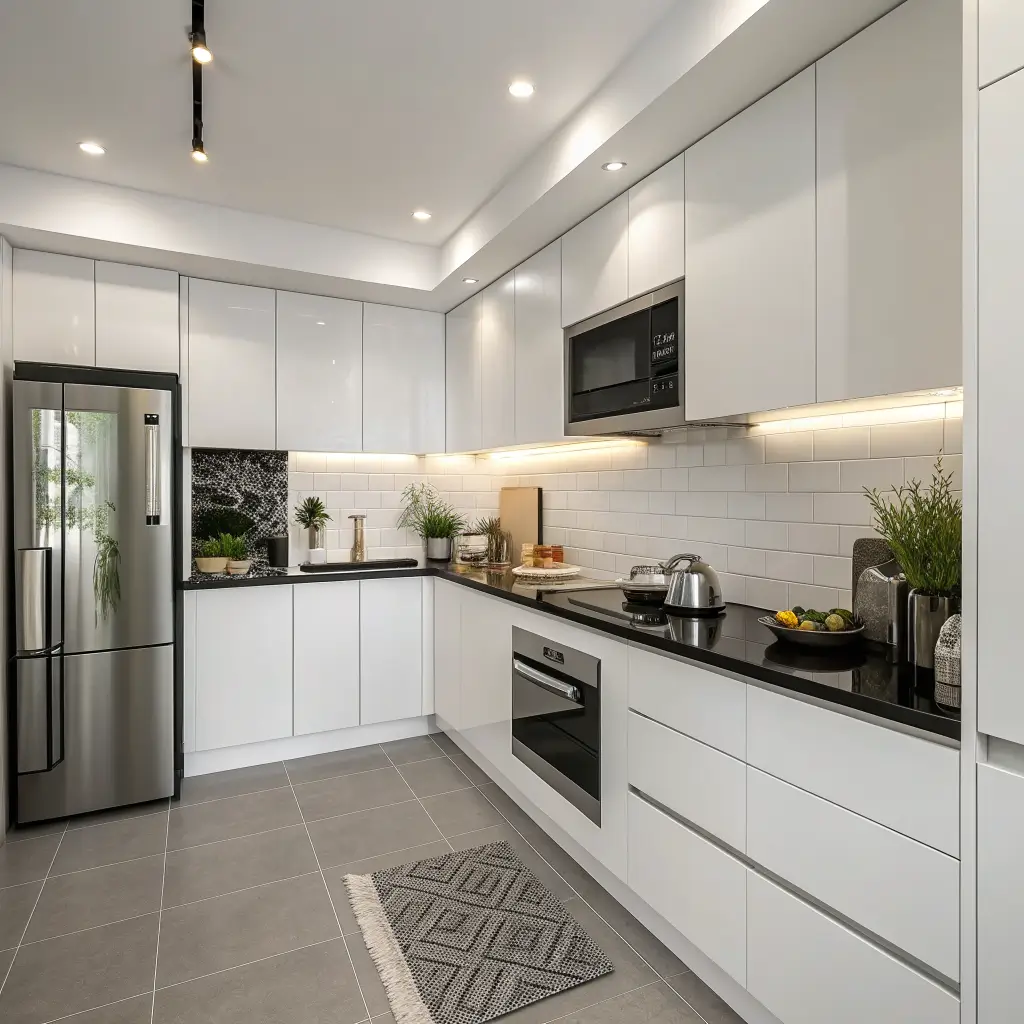
Monochrome kitchen design proves that one color done well beats a rainbow done poorly. This approach creates sophisticated cooking spaces through tonal variation rather than color diversity.
The single color decision simplifies everything that follows. Choose white for airiness, gray for sophistication, or black for drama – then commit fully. My all-white kitchen initially scared me with potential maintenance, but quality materials make keeping things clean surprisingly manageable.
Cabinet hardware becomes sculptural in monochrome kitchens. Handle selection, faucet finish, and appliance choices all gain importance when color isn’t creating visual interest. These details deserve more attention and budget in monochrome designs.
Monochrome Kitchen Strategies
Achieving single-color impact:
- Consistent color across cabinets, walls, and counters
- Texture variation creating visual interest
- Matte and gloss contrasts adding depth
- Hidden appliances maintaining clean appearance
- Quality hardware as intentional accent
- Proper lighting showing tonal variations
Monochrome kitchens appeal to design-confident homeowners who appreciate bold, decisive aesthetics.
Also Read: 10 Inspiring Camper Interior Design Ideas and Multi-Functional Furniture
4. Minimalist Home Office Setup
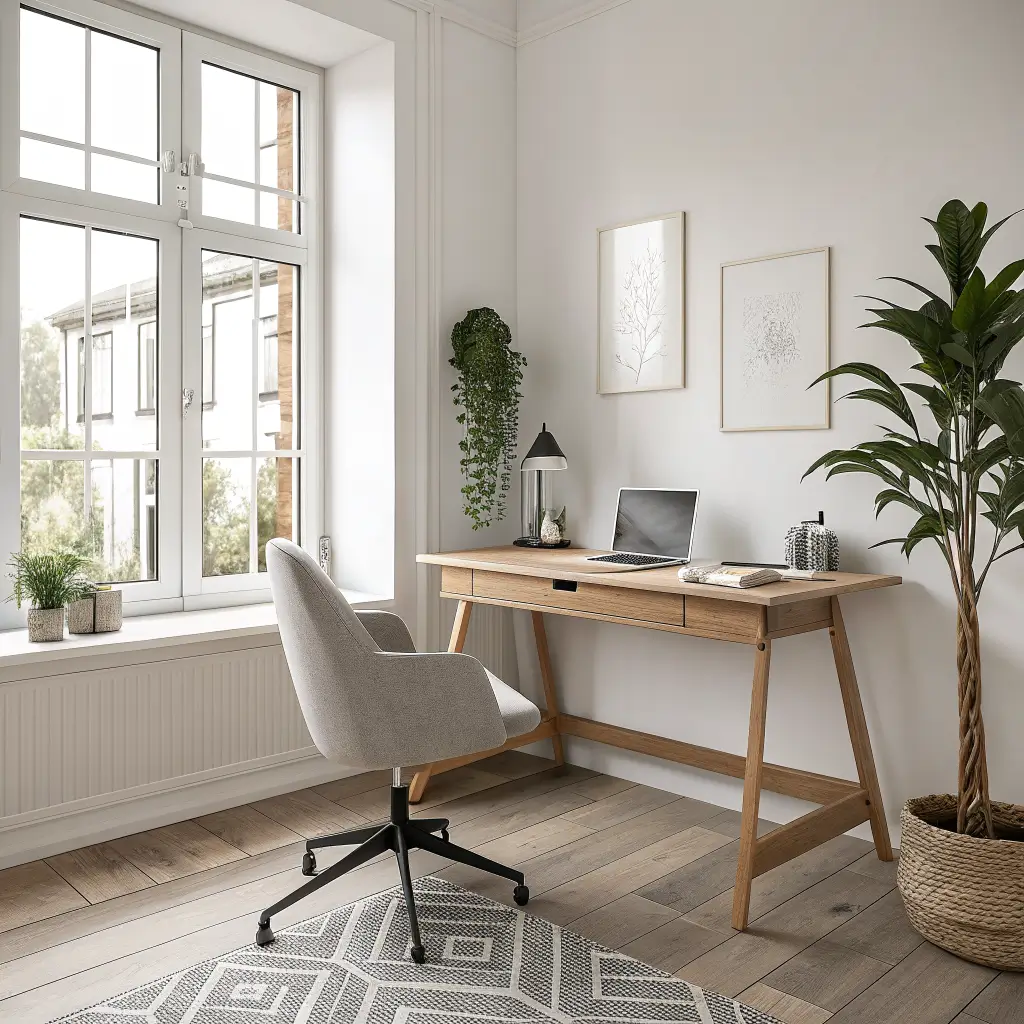
The minimalist home office creates focused work environments free from visual distraction. This design approach recognizes that our surroundings directly impact our productivity and mental clarity.
Desk surface discipline defines minimalist offices. Only items actively in use belong on your desk – everything else needs hidden storage or elimination. I cleared my desk of everything except my laptop, lamp, and one plant. My focus improved measurably within days.
Cable management prevents minimalist offices from looking like tangled messes. Wireless peripherals, cable management boxes, and strategic furniture placement keep technology functional without visual chaos. Nothing ruins minimalist aesthetics faster than visible cords everywhere.
Productive Minimalist Office Elements
Creating focus-friendly workspaces:
- Clean desk policy keeping surfaces clear
- Hidden storage for supplies and papers
- Quality task lighting preventing eye strain
- Ergonomic essentials only
- Cable management solutions throughout
- Limited decorations that inspire without distracting
This office design suits remote workers, creative professionals, and anyone whose productivity suffers from visual clutter.
5. Open Space Loft Minimalismt
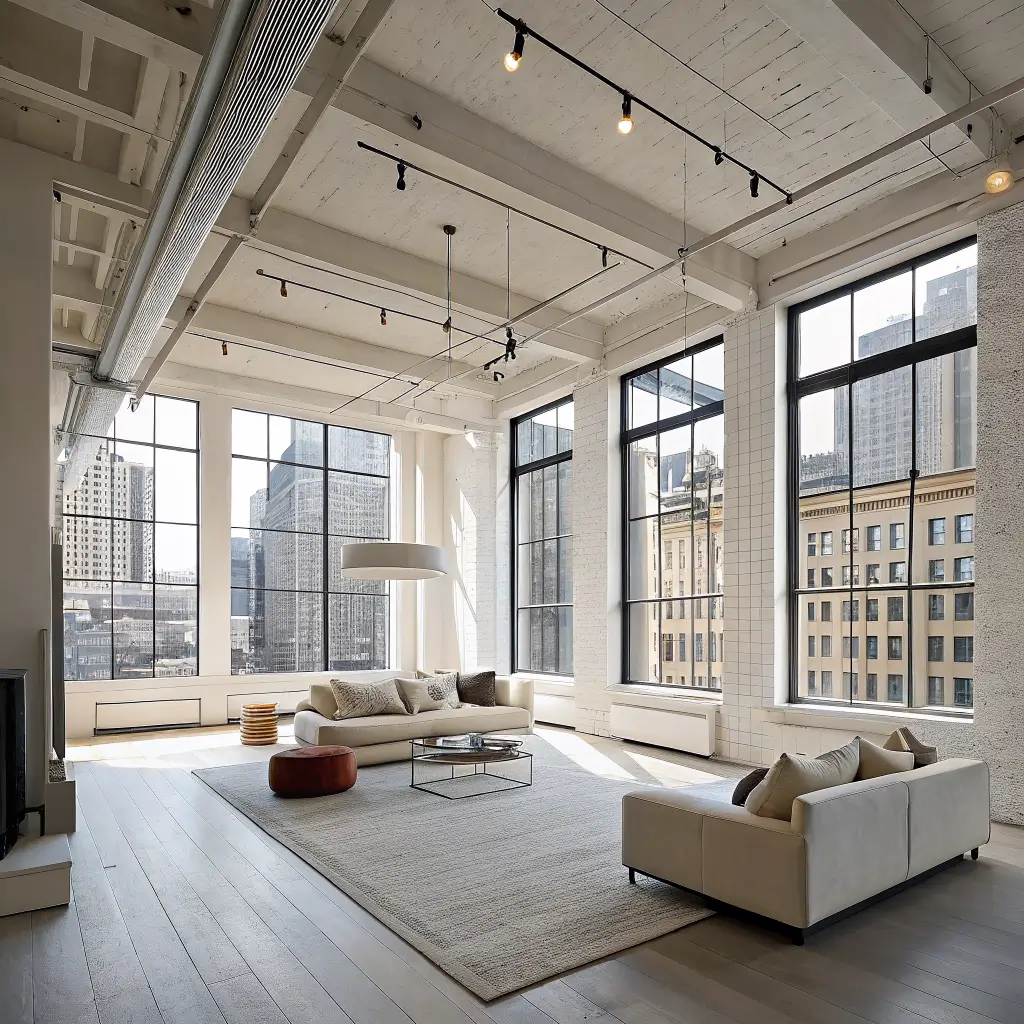
Open space loft minimalism embraces the beauty of uninterrupted space while maintaining functional zones for living. This approach works with architectural openness rather than fighting against it.
Zone definition without walls requires clever solutions. Rugs, lighting, and furniture arrangement create distinct areas for living, dining, and working within open floor plans. My loft uses three rugs to define spaces – the effect creates rooms without walls.
The visual continuity makes every design choice visible throughout the space. Consistent color palettes and cohesive furniture styles prevent open layouts from feeling chaotic. One wrong piece in a loft affects the entire space, not just one room.
Loft Minimalism Strategies
Designing open floor plans:
- Zone definition through rugs and lighting
- Consistent aesthetic throughout the space
- Strategic furniture placement creating flow
- Vertical elements providing visual anchors
- Limited large furniture maintaining openness
- Cohesive color palette unifying the space
Open loft minimalism works for urban dwellers, modern architecture enthusiasts, and those who value spatial freedom.
6. Minimalist Bathroom with Natural Light
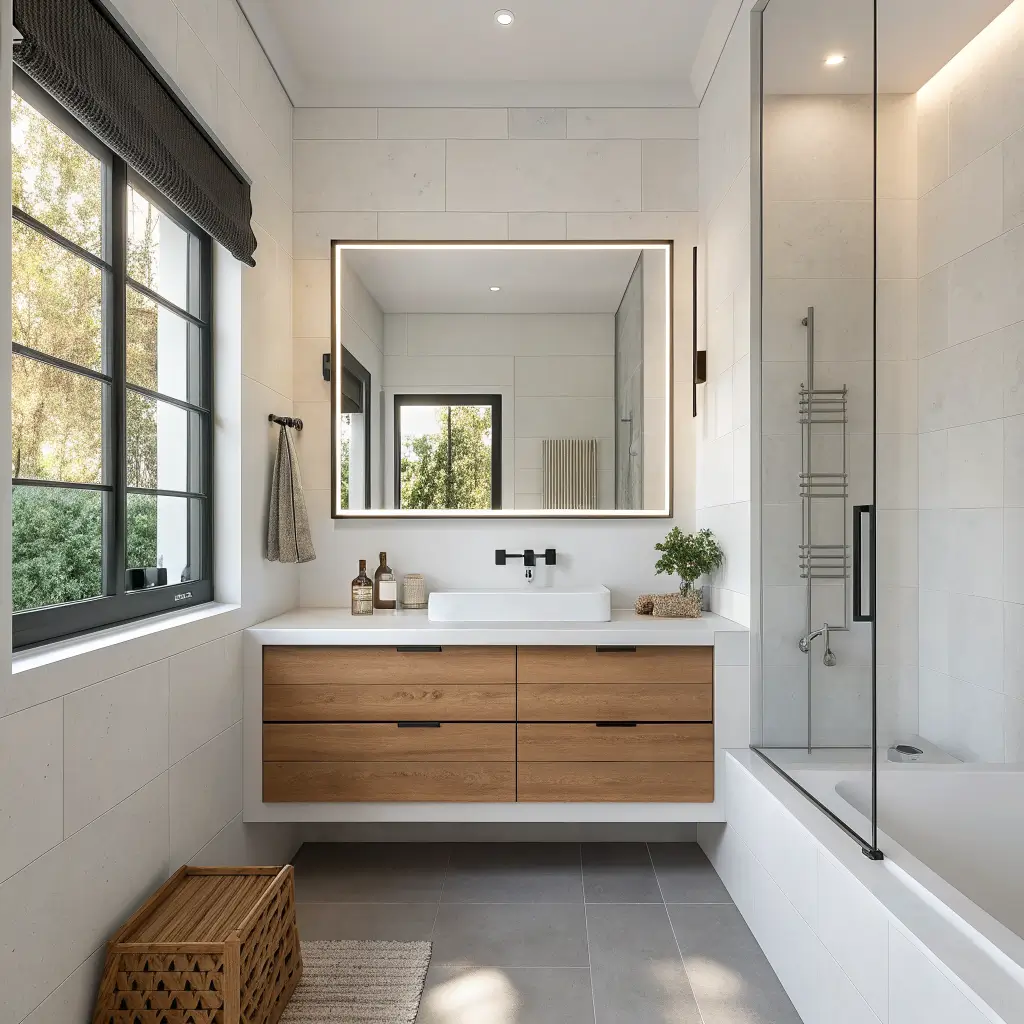
Minimalist bathrooms with natural light create spa-like sanctuaries within your home. This design transforms daily routines into moments of calm through thoughtful simplicity.
Natural light changes everything in bathrooms. Skylights, larger windows, or solar tubes bring daylight that artificial lighting can never replicate. If privacy allows, maximizing natural light should be your first bathroom renovation priority.
Surface clarity defines minimalist bathroom success. Everything not actively used should disappear into cabinets or drawers. That collection of half-empty shampoo bottles? Time to declutter. The product graveyard around your sink? Gone.
Spa-Like Minimalist Bathroom Features
Creating daily retreats:
- Maximum natural light through strategic windows
- Floating vanities increasing visual space
- Hidden storage for all products
- Neutral color palette promoting calm
- Quality fixtures as design elements
- Minimal decorations – plants and towels only
This bathroom style appeals to self-care enthusiasts and anyone seeking daily wellness rituals.
Also Read: 10 Inspiring Shop Interior Design Ideas for Trendy Shops
7. Cozy Minimalist Reading Nook
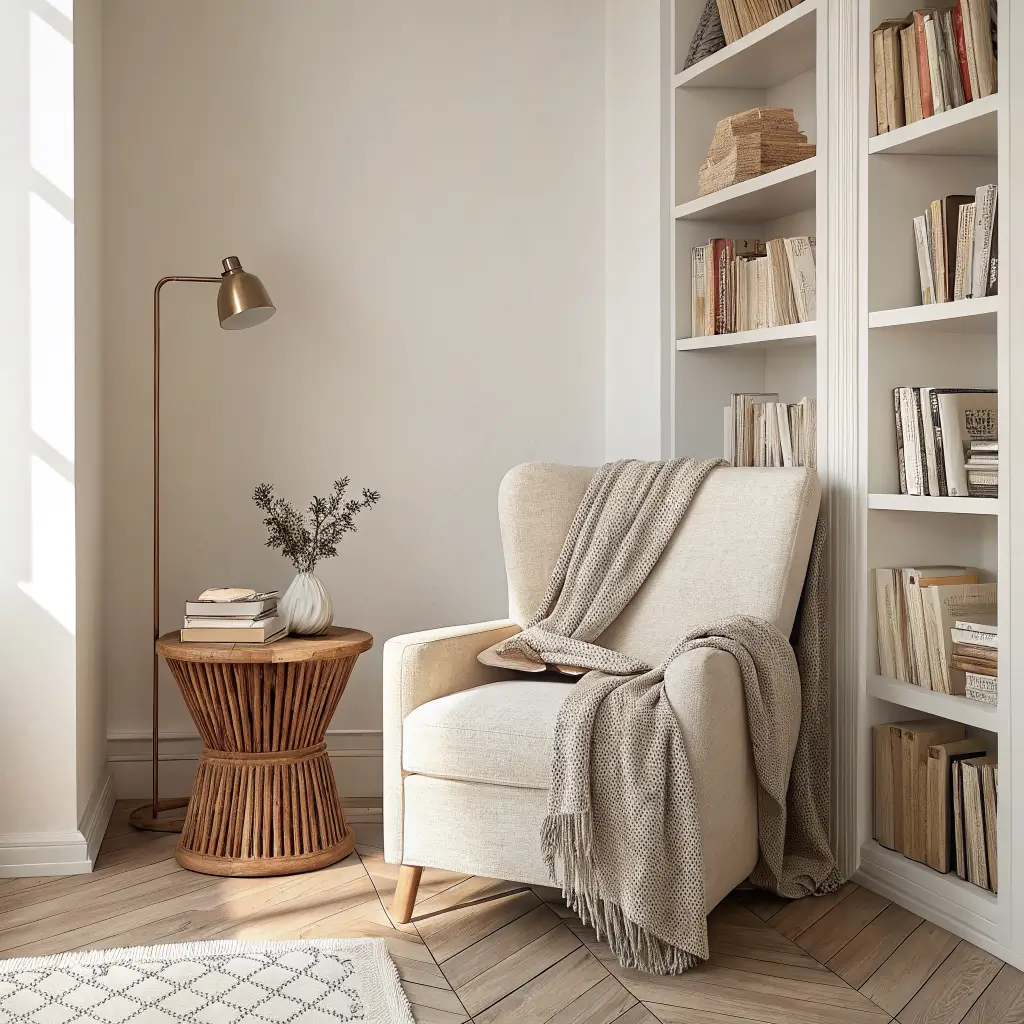
The cozy minimalist reading nook proves that minimal design can feel warm and inviting – not cold and sterile. This corner creates perfect conditions for focused reading and genuine relaxation.
The seating choice makes or breaks reading nook success. One exceptional chair beats multiple mediocre options – invest in comfort and quality that makes you want to sink in and stay. I spent more on my reading chair than my sofa and regret nothing.
Lighting deserves obsessive attention in reading nooks. Proper task lighting prevents eye strain while ambient lighting creates atmosphere. Layer both types for spaces that work during daytime reading and evening escapes.
Perfect Reading Nook Elements
Building book-lovers’ paradise:
- Quality comfortable seating as the centerpiece
- Excellent task lighting for reading
- Minimal book storage displaying current reads only
- Cozy textiles like throws and cushions
- Nearby surface for tea or coffee
- Distraction-free zone away from screens
Reading nooks work beautifully for book lovers, introverts, and anyone needing a quiet retreat within their home.
8. Minimalist Entryway with Statement Decor
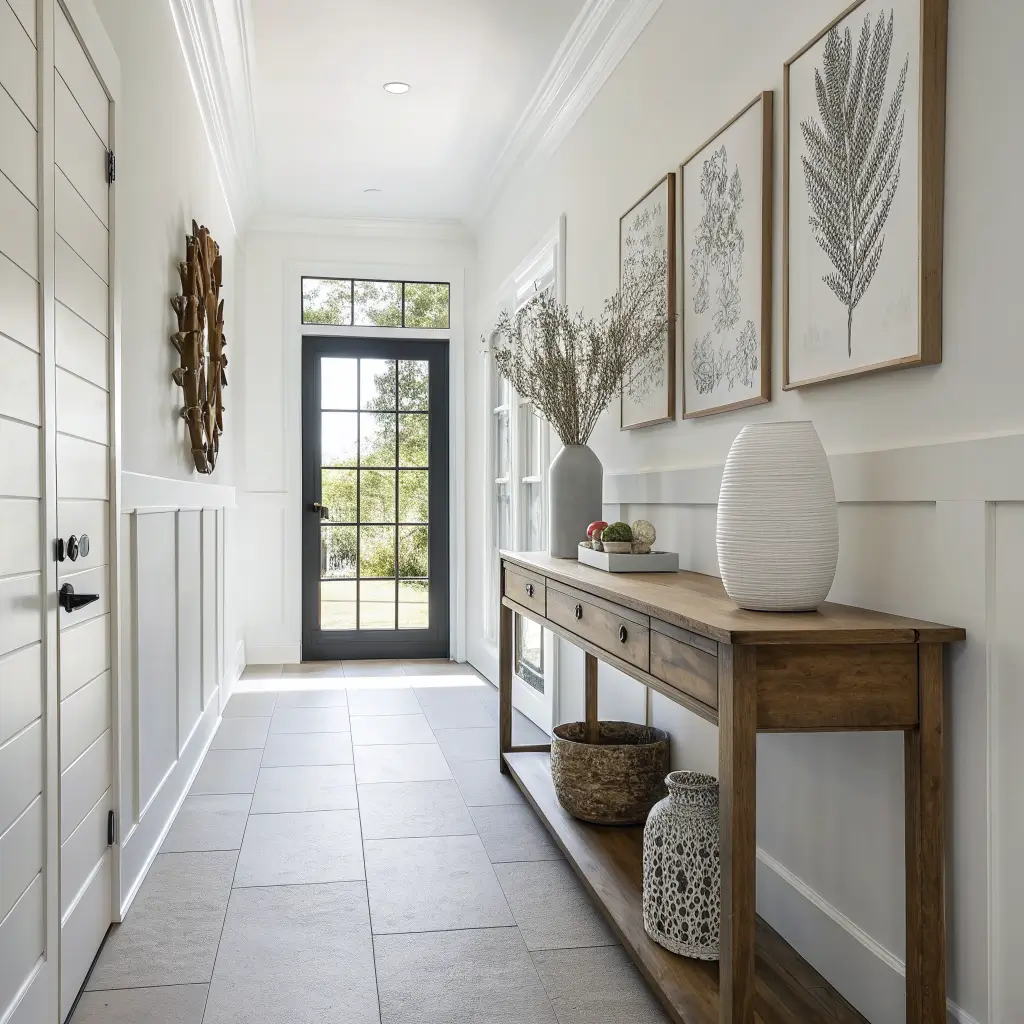
The minimalist entryway with statement decor creates powerful first impressions through intentional simplicity. This approach welcomes guests while maintaining the calm aesthetic of minimalist living.
The statement piece philosophy guides entryway design. Choose one exceptional element – a stunning mirror, a quality console table, or an impactful artwork – and let it command attention. Everything else plays supporting role. My entryway features exactly one large mirror; that’s it. People remember it.
Functional organization prevents entryway clutter accumulation. Hidden storage for shoes, coats, and keys keeps daily items accessible without visual chaos. The entryway that greets you should feel calm, not remind you of everything you need to handle.
Statement Entryway Design
Creating memorable entrances:
- One focal point commanding attention
- Hidden storage for daily essentials
- Clean surfaces without accumulation zones
- Quality flooring that handles traffic
- Adequate lighting showcasing the space
- Limited decorations beyond the statement piece
Statement entryways suit design-conscious homeowners who want immediate impact with minimal maintenance.
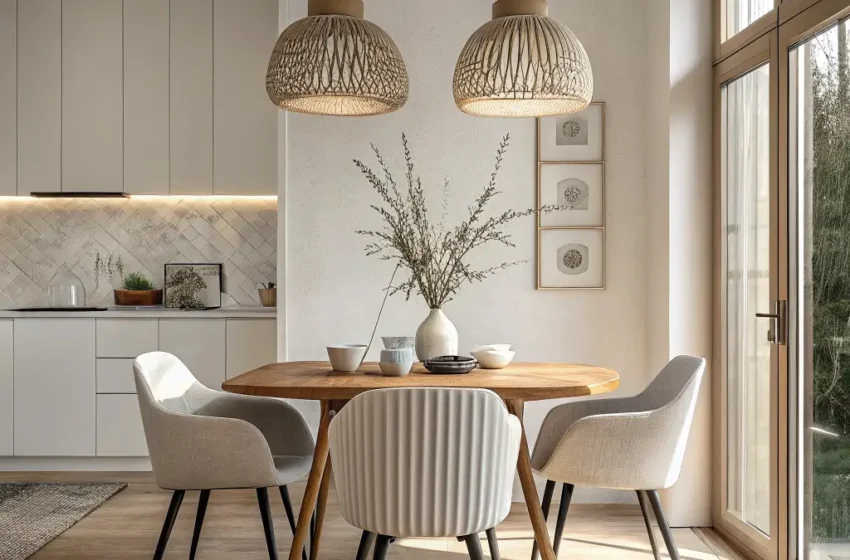
9. Neutral Tone Minimalist Dining Area
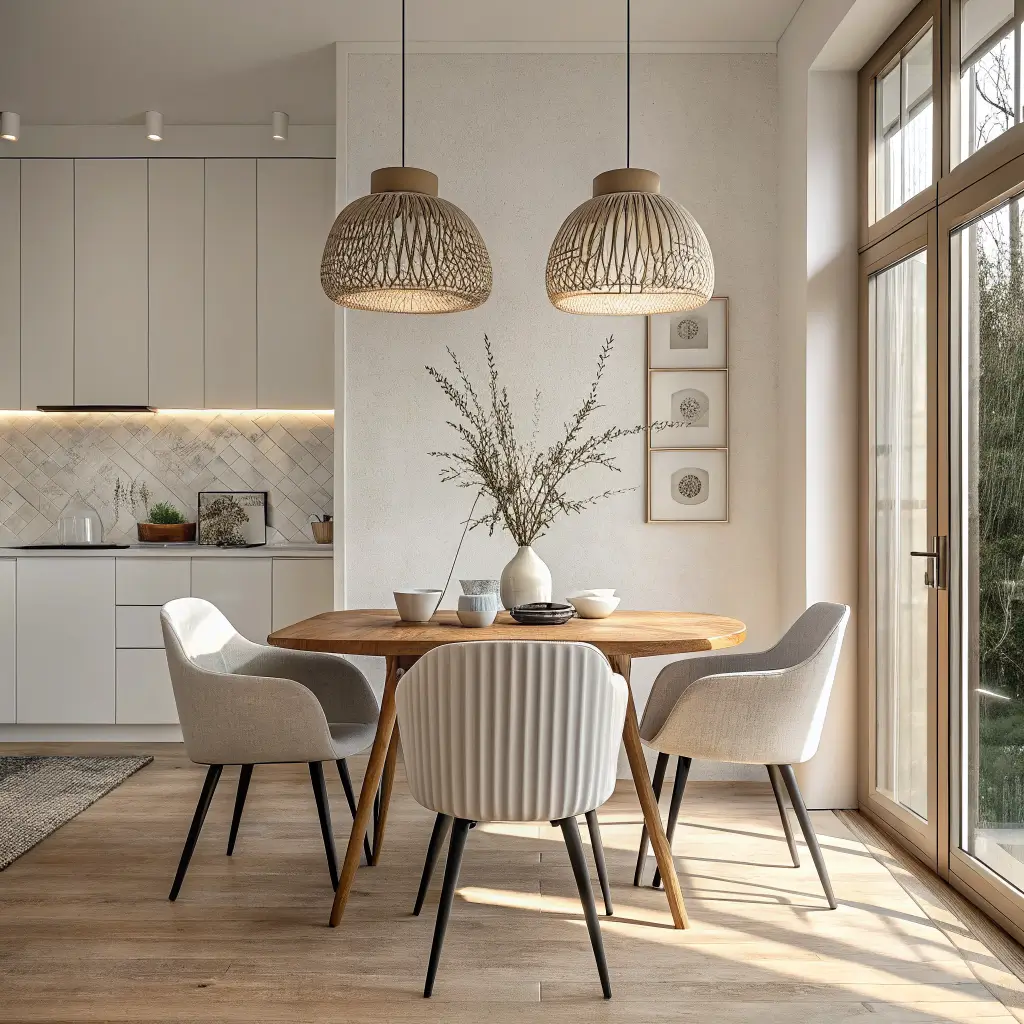
Neutral tone minimalist dining areas create calm spaces for gathering and conversation. This design focuses attention on people and food rather than competing visual elements.
The table selection defines the entire dining space. Choose quality over quantity – one beautiful table with appropriate seating beats a cramped space packed with too much furniture. FYI, round tables often work better in minimalist spaces because they create flow.
Place settings can become decoration in neutral dining areas. Beautiful dishes, quality glassware, and elegant flatware add visual interest during meals without cluttering the space permanently.
Minimalist Dining Design Elements
Creating gathering spaces:
- Quality dining table as the focal point
- Comfortable seating in neutral tones
- Statement lighting above the table
- Clear surfaces when not in use
- Natural centerpiece if any
- Limited additional furniture
This dining approach works for frequent entertainers and families who value mealtime connection.
Also Read:12 Unique Interior Design Portfolio Ideas and Room Inspirations
10. Minimalist Small Apartment Hacks
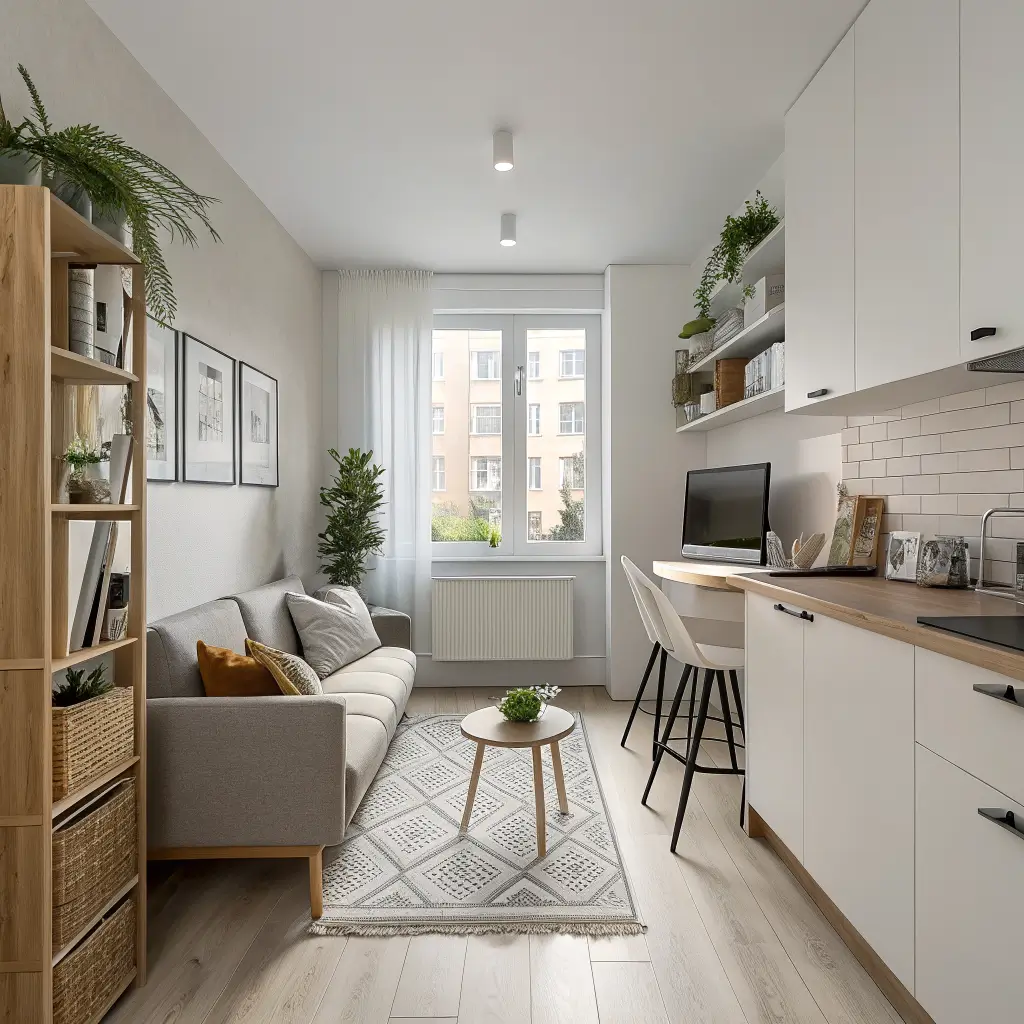
Minimalist small apartment hacks prove that limited space actually encourages better design decisions. These strategies maximize functionality while maintaining aesthetic standards.
Multi-functional furniture becomes essential in small apartments. Storage ottomans, fold-down tables, and convertible sofas earn their space by serving multiple purposes. My studio apartment uses a coffee table with hidden storage – it holds all my blankets and board games invisibly.
Vertical thinking expands small space possibilities. Wall-mounted shelves, hanging storage, and tall furniture use height when floor space runs short. Most small apartment dwellers forget to look up.
Small Space Minimalist Solutions
Maximizing limited footage:
- Multi-functional furniture serving dual purposes
- Vertical storage utilizing wall space
- Light colors expanding visual space
- Strategic mirrors reflecting light and depth
- Minimal but quality pieces over many cheap ones
- Regular decluttering preventing accumulation
Small apartment minimalism helps urban dwellers, students, and anyone proving that less space forces smarter living IMO.
11. Minimalist Outdoor Patio Design
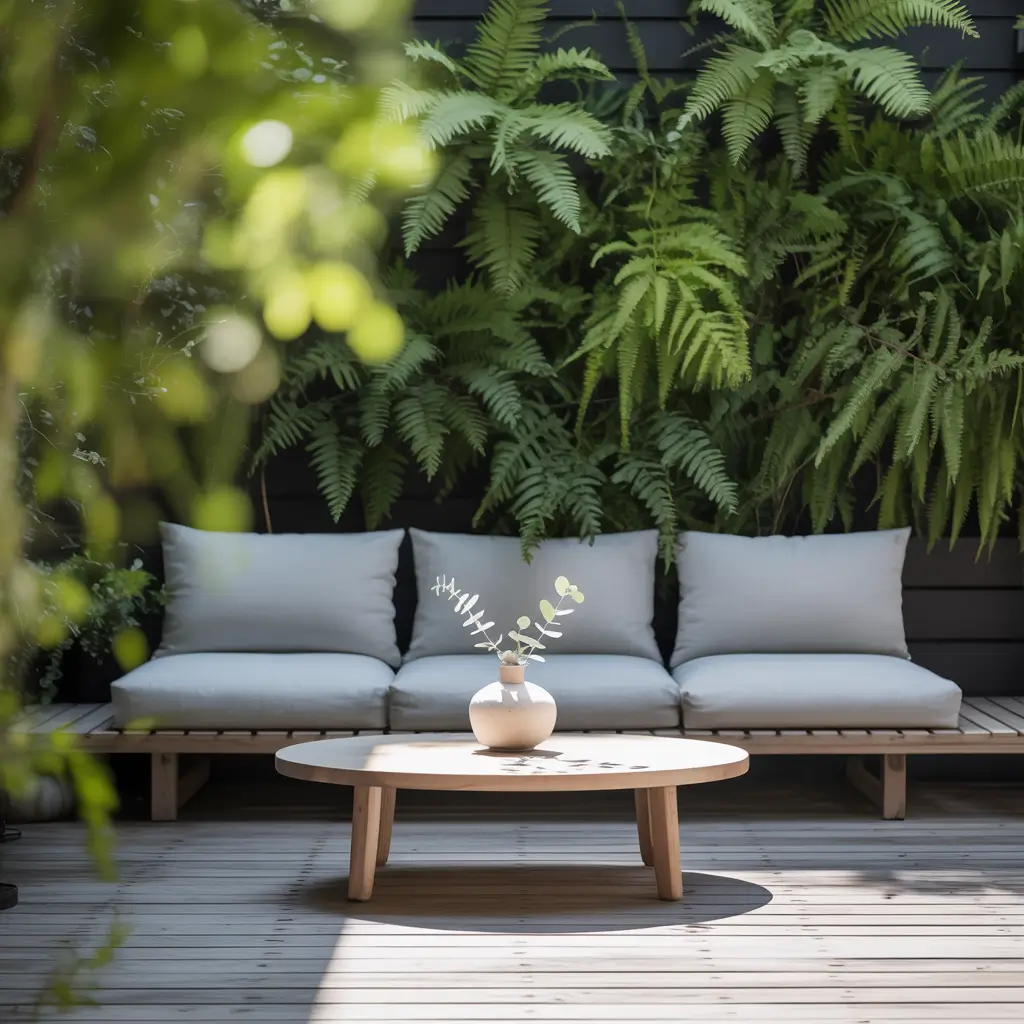
Minimalist outdoor patio design extends calm, intentional living into exterior spaces. This approach creates outdoor rooms that feel like natural extensions of minimalist interiors.
Weather-resistant simplicity guides outdoor furniture selection. Quality pieces that survive elements while maintaining clean lines deserve the investment. Cheap outdoor furniture deteriorates quickly and constantly needs replacement – the opposite of minimalist values.
Greenery provides the decoration in minimalist outdoor spaces. Plants, trees, and natural landscaping add color and interest that artificial decorations never match. Let nature do the heavy lifting visually.
Outdoor Minimalist Design Elements
Creating exterior sanctuaries:
- Quality weather-resistant furniture
- Natural greenery as primary decoration
- Clean hard surfaces in neutral tones
- Strategic lighting for evening use
- Limited accessories chosen for function
- Maintenance-friendly materials throughout
Outdoor minimalism appeals to nature lovers and those extending minimalist principles beyond interior walls.
12. Minimalist Wall Art & Gallery Ideas
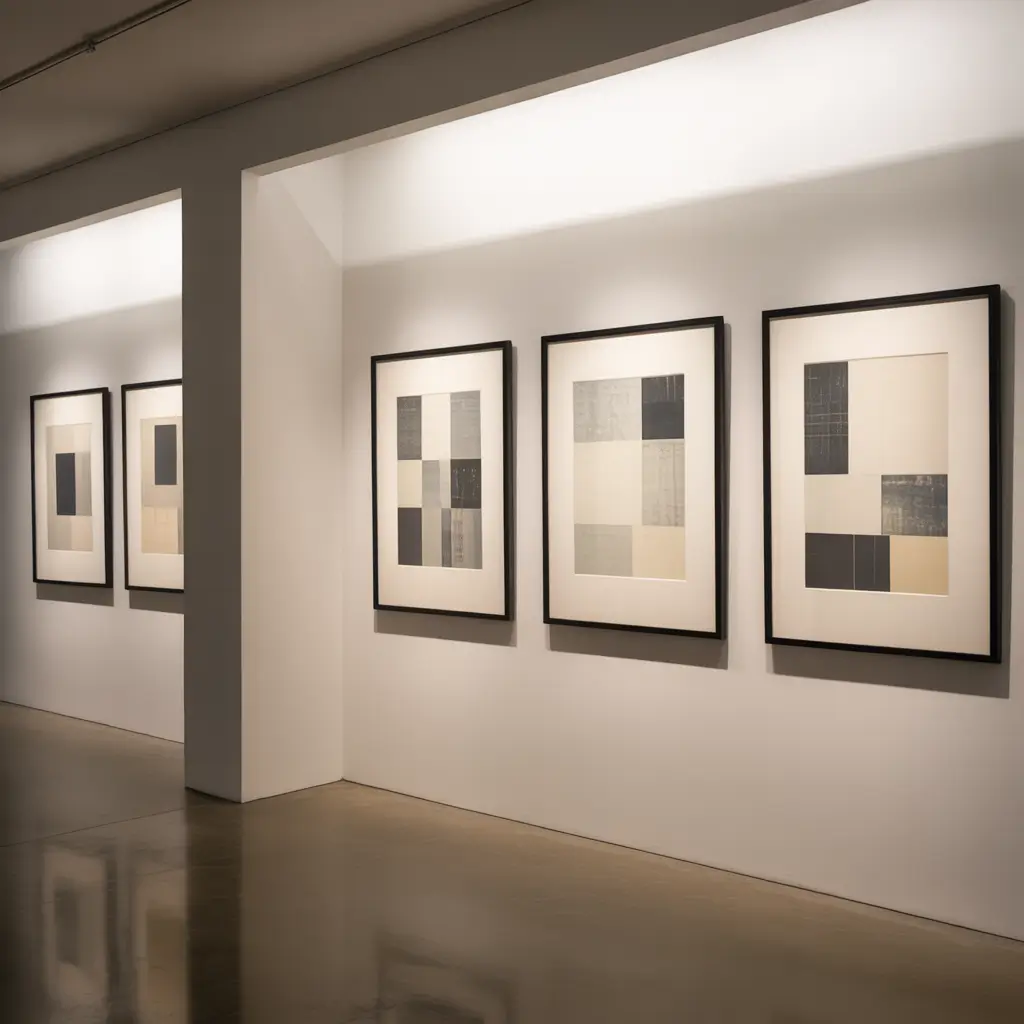
Minimalist wall art and gallery approaches prove that art deserves room to breathe. This philosophy treats walls themselves as design elements rather than surfaces requiring coverage.
The single statement piece creates maximum impact. One large artwork commands attention more effectively than a wall crowded with competing pieces. My living room features one oversized black and white photograph – every visitor comments on it.
White space around art isn’t emptiness – it’s intentional design. Negative space emphasizes what you choose to display rather than overwhelming viewers with visual information. Let your art selections shine against calm backgrounds.
Minimalist Art Display Strategies
Showcasing art thoughtfully:
- One statement piece per wall maximum
- Generous spacing around artwork
- Consistent framing for multiple pieces
- Quality over quantity in selections
- Proper lighting showcasing art
- Personal meaning over trends
Minimalist gallery approaches work for art collectors and aesthetics-focused homeowners who want their selections to shine.
Embracing Minimalist Living
After exploring these twelve minimalist interior design ideas, you’ve probably noticed the common thread: minimalism isn’t about empty rooms – it’s about purposeful spaces that support your actual life.
Start small rather than attempting total transformation overnight. Pick one room or one area and apply minimalist principles there first. Live with the changes, notice how they affect your daily experience, and then expand to other spaces.
The decluttering process takes emotional energy that’s easy to underestimate. Letting go of things you’ve accumulated challenges attachment patterns that run deeper than design preferences. Give yourself grace while also pushing past comfortable excuses.
Quality investment replaces quantity accumulation in minimalist living. Spend more on fewer things that genuinely improve your daily life.
That perfect chair, that quality lighting, that functional storage – these worthwhile investments outlast and outperform piles of mediocre stuff.
Remember that your minimalism doesn’t need to match anyone else’s vision. The right amount of stuff is whatever allows you to live your best life – not some arbitrary number or aesthetic standard.
Some minimalists have more; some have less. The principle matters more than the count.
12 Chic Minimalist Interior Design Ideas for Sleek Living
Your home should feel like a sanctuary, not a storage unit. These minimalist interior design ideas offer paths toward that sanctuary – but the journey belongs to you. Start where you are, keep what you love, and let go of everything else.
Because ultimately, minimalism isn’t about the space you create. It’s about the life that space enables you to live :/