12 Beautiful Modern Home Interior Design Ideas for Small Spaces
- Home Interior Design
 Ben
Ben- 0
- 47 minutes read
So you’ve been staring at the same four walls for way too long, and that Pinterest board labeled “Dream Home” is starting to mock you every time you open the app? Yeah, I’ve been there.
Actually, I spent three years living in what I lovingly called my “beige box of sadness” before finally deciding enough was enough.
Here’s the thing about modern interior design—it’s not about following some rigid rulebook or copying exactly what you see in those impossibly perfect Instagram posts.
It’s about finding that sweet spot between what looks amazing and what actually works for real life. You know, where you spill coffee, your kids leave Legos everywhere, and sometimes you eat dinner standing over the sink (no judgment).
After redesigning my own home and helping friends transform theirs, I’ve discovered what actually moves the needle from “meh” to “magnificent.”
And spoiler alert: you don’t need to sell a kidney or hire some fancy designer who says things like “this space needs more breathing room” while charging $200 an hour.
These 12 modern home interior design ideas will help you create spaces that look straight out of a design magazine while still being places where you can actually, you know, live.
1. Minimalist Modern Living Room Makeovers
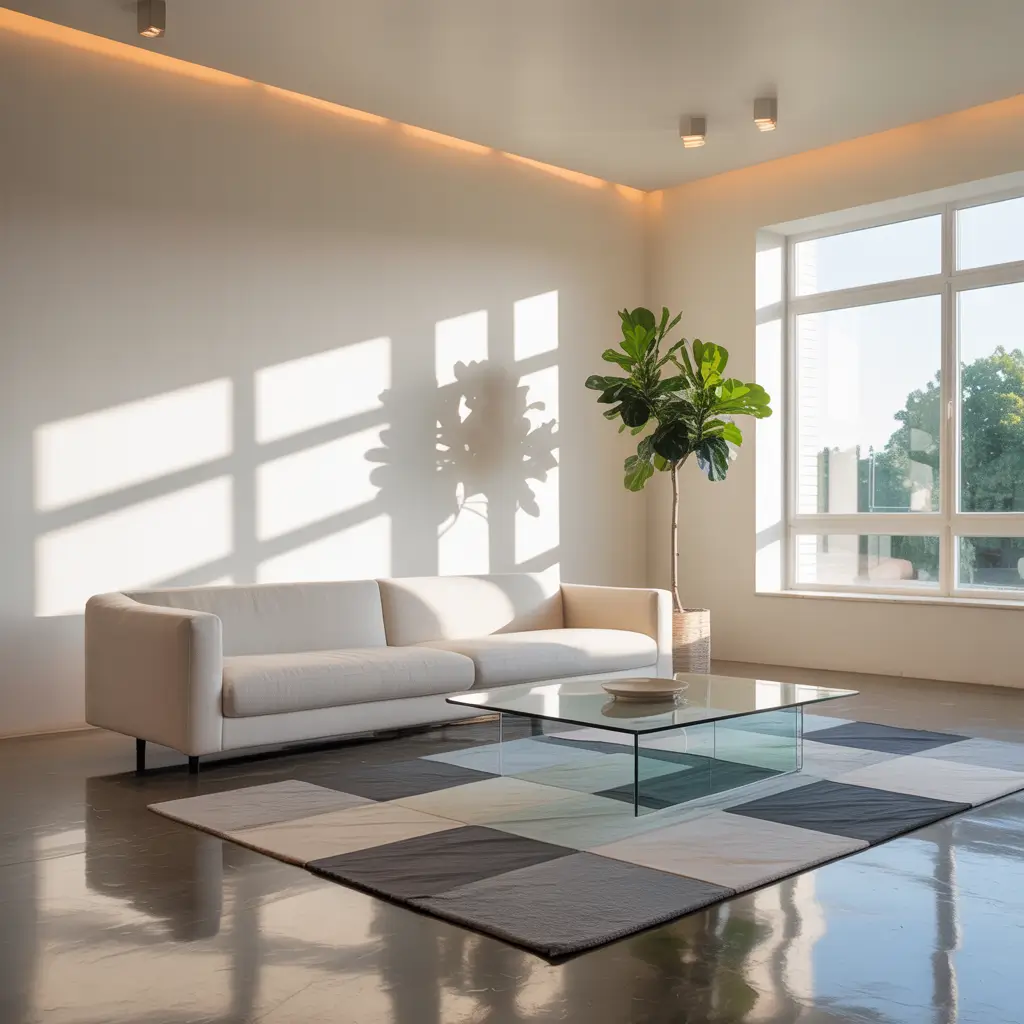
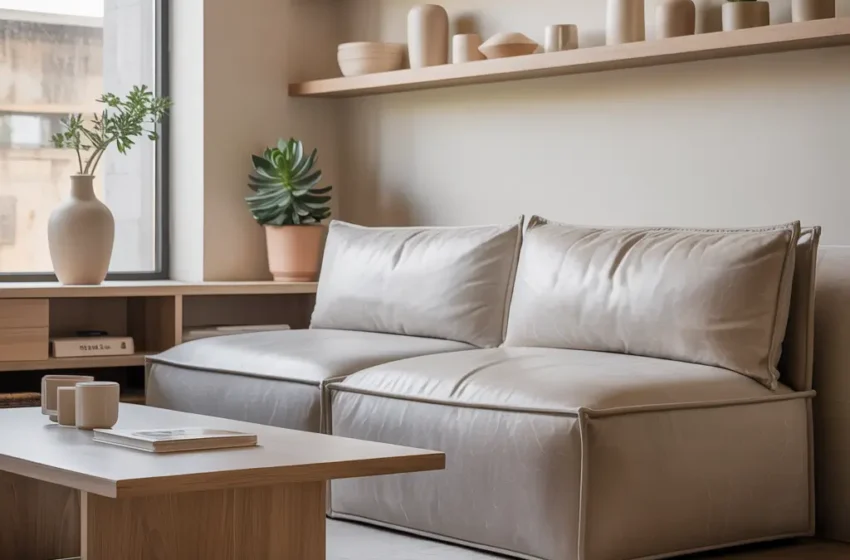
Let’s kick things off with the room where you probably spend most of your waking hours—the living room. And before you roll your eyes at another minimalist suggestion, hear me out. Modern minimalism isn’t about living in a sterile white box with one sad chair.
The New Minimalism
Modern minimalist living rooms celebrate space and intentionality. Every piece earns its place, and the result is a room that actually feels bigger and more expensive than it is. Magic? Nope, just smart design.
I learned this after my maximalist phase left me with a living room that looked like a furniture store had exploded. Once I stripped everything back and focused on quality over quantity, the transformation was insane. My friends literally asked if I’d knocked down a wall. Nope, just removed seventeen unnecessary throw pillows and that chair nobody ever sat in.
Essential Elements for Modern Minimalist Success
Here’s what actually works:
- A statement sofa in a neutral color (gray, black, or cream)
- One incredible coffee table (glass, marble, or light wood)
- Strategic lighting (floor lamp + table lamp max)
- Hidden storage (because clutter is minimalism’s worst enemy)
- One or two art pieces (go big or go home)
- A single pop of color (through art or one accent chair)
Making Minimalism Livable
The secret to livable minimalism? Texture and quality. My living room has exactly seven pieces of furniture, but each one is carefully chosen. The linen sofa invites you to sink in, the wool rug adds warmth underfoot, and the leather ottoman serves triple duty as storage, extra seating, and footrest.
2. Sleek Scandinavian Bedroom Inspirations
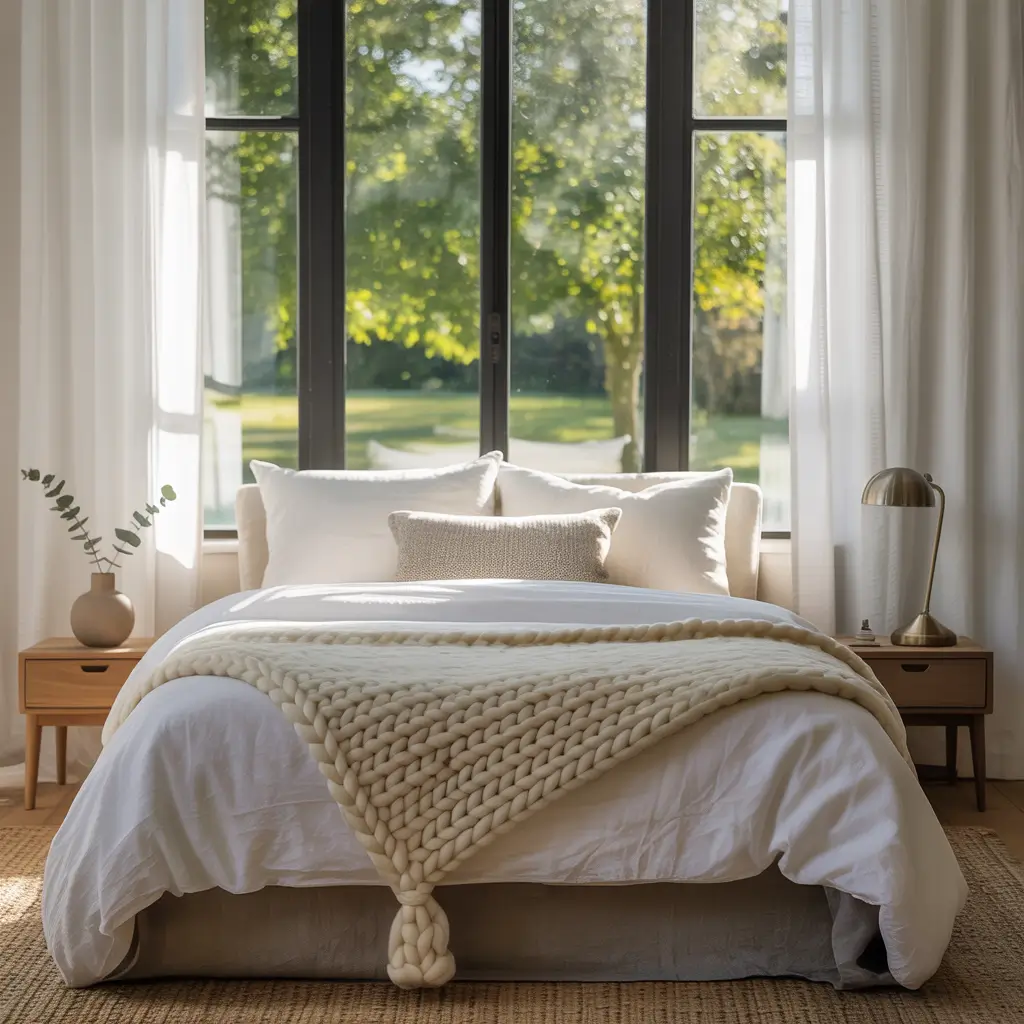
Scandinavian design in the bedroom is like a warm hug at the end of a long day. It’s cozy without being cluttered, stylish without trying too hard. After sleeping in what felt like a storage unit with a bed for years, going Scandi changed my entire sleep game.
The Hygge Factor
Scandinavian bedrooms master the art of hygge—that Danish concept of cozy contentment that makes you want to hibernate forever. But it’s not just about throwing some fur throws around and calling it Nordic.
The real magic happens in the balance between simplicity and warmth. Think of it as minimalism’s friendlier cousin who actually wants you to be comfortable.
Scandi Bedroom Must-Haves
To nail that effortlessly chic Scandinavian vibe:
- Light wood furniture (pine, birch, or ash)
- White or light gray walls (but warm whites, not hospital whites)
- Layers of natural textiles (linen sheets, wool throws, cotton rugs)
- Simple, functional lighting (pendant lights or minimal table lamps)
- One statement plant (fiddle leaf fig or rubber plant)
- Minimal wall decor (one large piece over the bed)
The Color Question
Here’s where people get Scandinavian design wrong—they think it has to be all white and beige. My Scandi-inspired bedroom has navy blue accents, and it still feels authentically Nordic. The key is keeping colors muted and natural. Think forest greens, dusty blues, or soft grays.
3. Industrial Chic Kitchen Designs
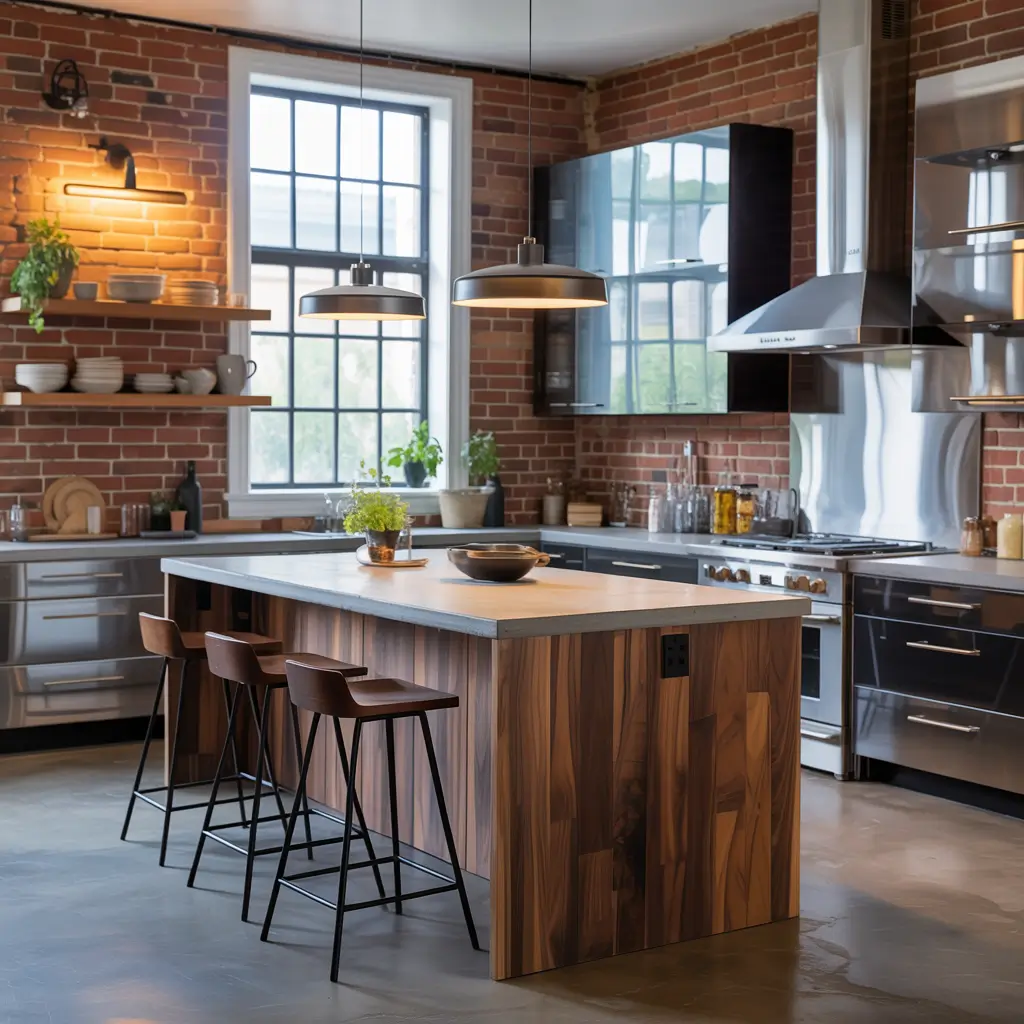
Industrial kitchens are having a major moment, and honestly? They deserve it. There’s something about exposed brick and metal fixtures that makes even reheating leftover pizza feel cooler.
Raw Beauty Meets Function
Industrial design celebrates the bones of your space instead of trying to hide them. Exposed pipes become features, concrete becomes sophisticated, and suddenly your kitchen looks like it belongs in a trendy restaurant.
My own industrial kitchen transformation started with me trying to hide ugly pipes. Then I thought, “What if I just… didn’t?” Painted them matte black, added some Edison bulb pendants, and boom—instant industrial chic.
Industrial Elements That Actually Work
Creating an industrial kitchen without it looking like an actual factory:
- Open shelving with metal brackets (black or brass)
- Concrete or butcher block countertops
- Stainless steel appliances (or black for drama)
- Exposed brick or concrete walls (even just one wall)
- Metal bar stools (comfort is still key though)
- Statement lighting (cage pendants or vintage-style fixtures)
Warming Up the Cold
The biggest challenge with industrial design? Making it feel homey. The solution is mixing in warm elements:
- Wood cutting boards displayed on counters
- Copper or brass accents
- Plants in concrete planters
- Colorful dishware on open shelves
- Vintage rugs in front of the sink
My industrial kitchen used to feel cold until I added a vintage Turkish runner and some copper pots. Now it’s edgy but inviting—exactly what you want.
Also Read: 10 Inspiring Home Interior Design Living Room Ideas for Minimalists
4. Mid-Century Modern Dining Room Ideas

Mid-century modern is like that classic leather jacket that never goes out of style. It’s been “having a moment” for about 20 years now, which tells you everything about its staying power.
Why MCM Still Rocks
Mid-century modern design perfectly balances form and function with a side of swagger. It’s sophisticated without being stuffy, retro without being dated. Plus, those clean lines make everything look expensive, even if you scored it on Facebook Marketplace (guilty).
My dining room went from “place where we pile mail” to “actual room where we want to eat” after embracing MCM principles. The best part? Most of the pieces came from estate sales and online marketplaces.
MCM Dining Room Essentials
To create that perfect mid-century vibe:
- Walnut or teak dining table (oval or rectangular with tapered legs)
- Iconic chair styles (wishbone, Eames-inspired, or tulip)
- Statement chandelier (Sputnik or geometric styles)
- Sideboard or credenza (for storage and display)
- Bold artwork (abstract or atomic age prints)
- Bar cart (because MCM loved a good cocktail hour)
Modern Meets Mid-Century
The trick is not making your dining room look like a time capsule from 1962. Mix in contemporary elements:
- Modern place settings
- Current technology hidden smartly
- Fresh flowers instead of plastic ones
- Updated color palettes (not just orange and avocado)
5. Modern Boho Home Office Spaces
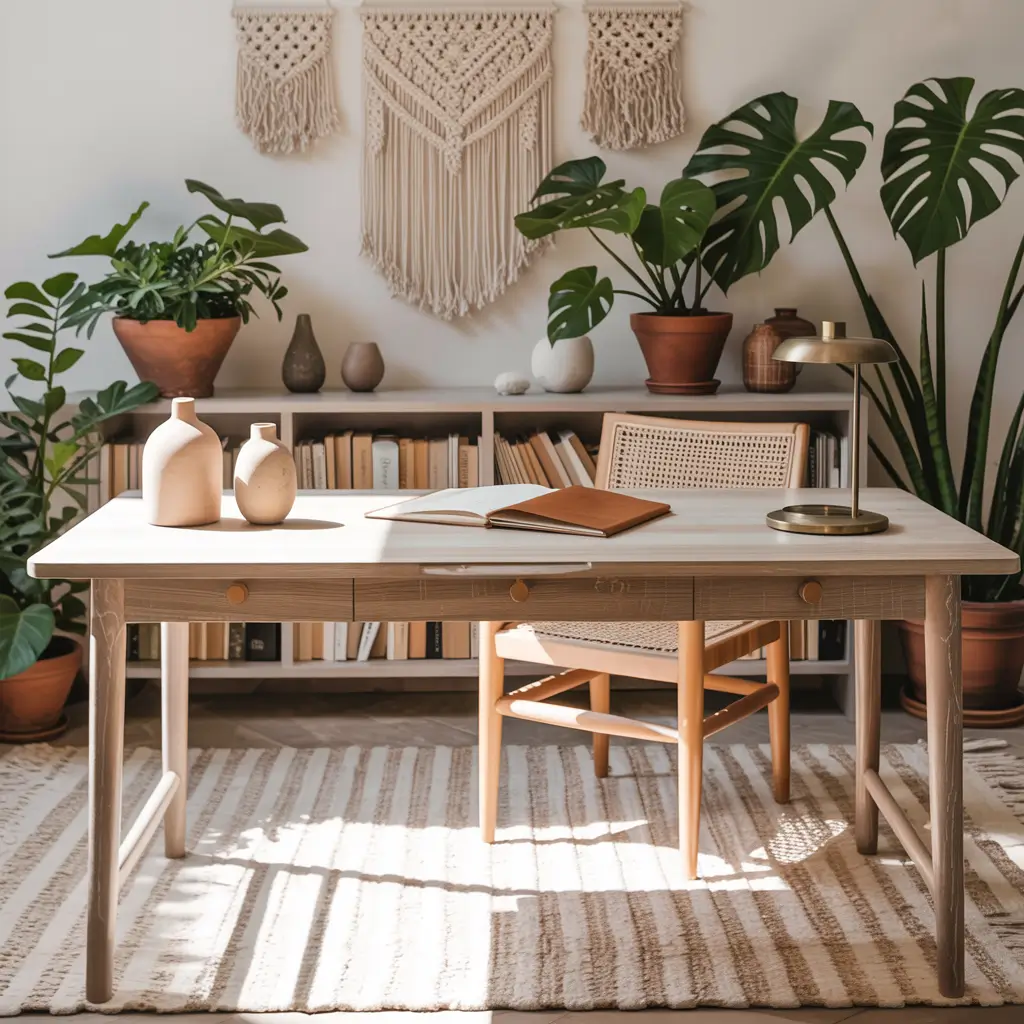
Working from home in a boring, corporate-looking office is like wearing a suit to your own living room. Modern boho offices let you be productive while surrounded by things that actually inspire you.
Boho Meets Boss
Modern boho offices combine free-spirited style with serious functionality. It’s where creativity meets productivity, and yes, you can have both without sacrificing either.
After trying to work from my kitchen table for months (0/10, do not recommend), I carved out a corner of my bedroom for a boho-inspired office. Productivity went up, stress went down, and Zoom backgrounds became significantly more interesting.
Creating Your Boho Workspace
Elements that make boho offices both beautiful and functional:
- Natural wood desk (or a live-edge piece for drama)
- Comfortable seating (ergonomic but stylish)
- Layered textiles (rug under desk, throw on chair)
- Plants everywhere (productivity boosters!)
- Gallery wall (inspiration at eye level)
- Woven storage baskets (hide the ugly stuff)
Balancing Boho and Professional
The challenge is creating a space that feels professional on video calls but still reflects your personality:
- Keep the wildest patterns below camera level
- Organize visible shelves thoughtfully
- Choose a cohesive color palette
- Invest in good lighting (ring lights are your friend)
- Hide cables and tech clutter
FYI, my boho office has gotten more compliments on calls than my actual work. I’ll take it as a win. 🙂
6. Compact Apartment Modern Interior Hacks
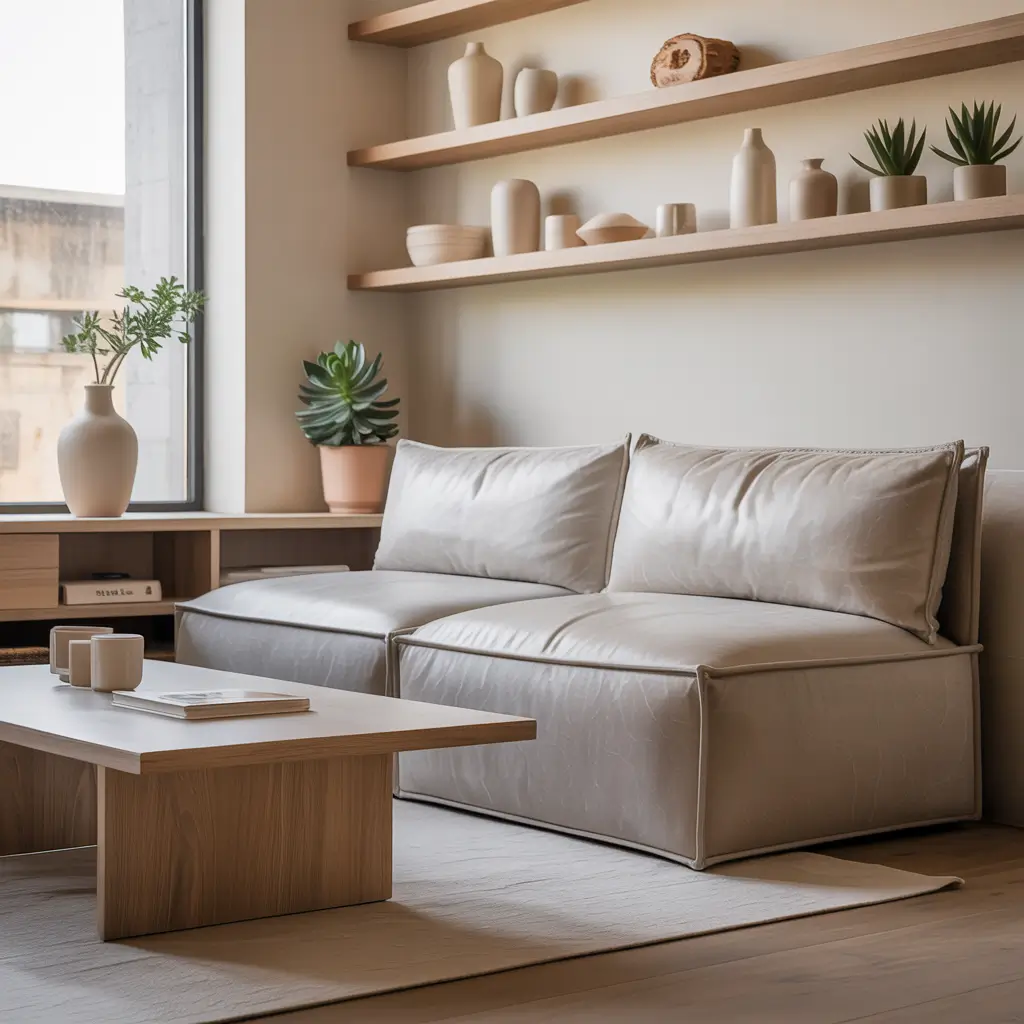
Living in a small apartment taught me more about design than any course ever could. When every square inch counts, you get creative real quick.
Small Space, Big Style
Modern design in compact apartments is all about optical illusions and smart choices. It’s not about having less—it’s about having better and making it work harder.
My 500-square-foot apartment now feels bigger than my previous 800-square-foot place. How? Strategic design choices that fool the eye and maximize every corner.
Space-Expanding Tricks That Work
These aren’t just theories—I’ve tested them all:
- Mirrors strategically placed (opposite windows is key)
- Furniture on legs (seeing floor = feeling space)
- Vertical storage solutions (walls are your friend)
- Multi-functional everything (ottoman storage, expandable tables)
- Light, neutral base colors (dark accents are fine)
- Clear furniture pieces (acrylic chairs, glass tables)
The Editing Process
The hardest part about small apartment living? Being ruthless about what stays and what goes. My rule: if it doesn’t serve at least two purposes or bring me immense joy, it’s out.
That decorative ladder everyone has? Unless you’re actually using it for blanket storage or plant display, it’s just eating precious space. Same goes for that chair you never sit in but keep “just in case.”
Also Read: 10 Brilliant Small Home Interior Design Ideas to Maximize Space
7. Contemporary Open-Plan Living Areas
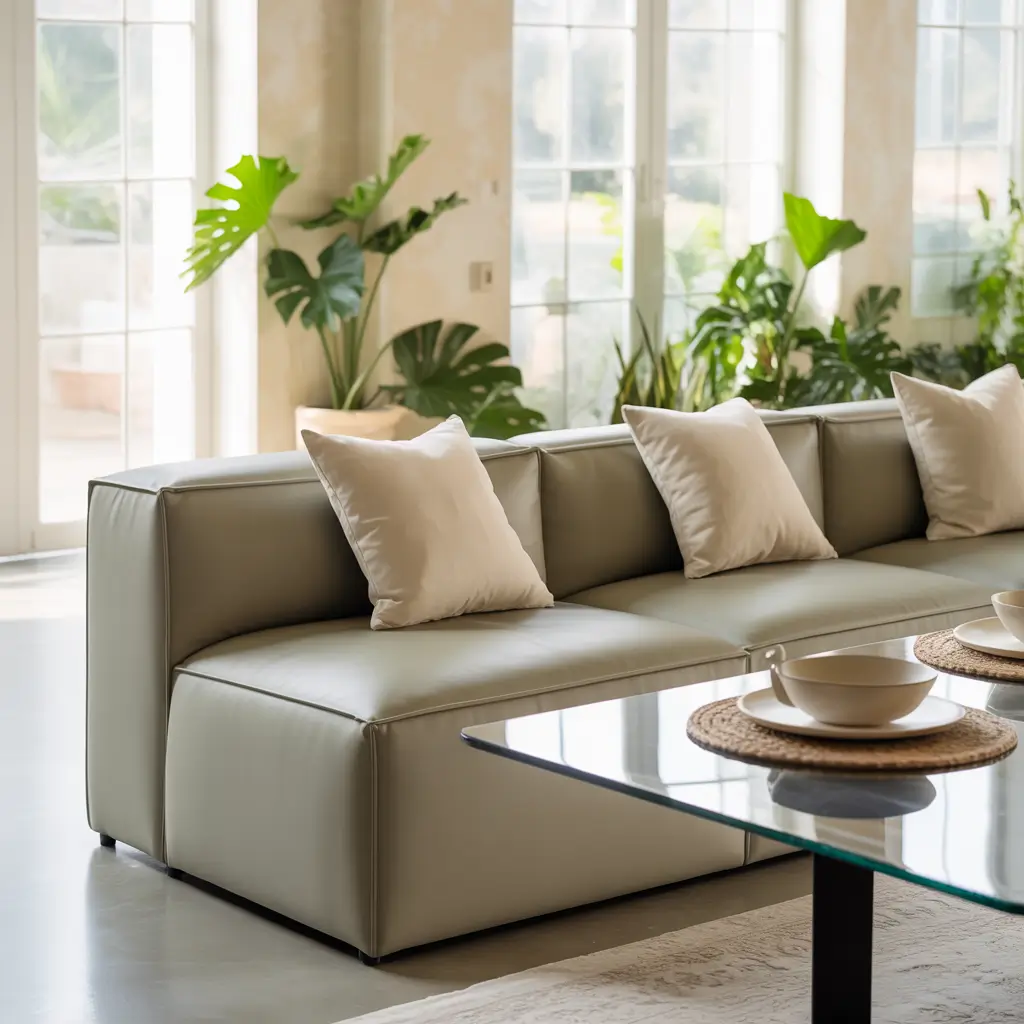
Open-plan living is everywhere now, but doing it right requires more thought than just knocking down walls and hoping for the best. Trust me, I learned this the hard way.
Zones Without Walls
Successful open-plan design creates distinct areas without physical barriers. It’s about flow, function, and making sure your bedroom doesn’t feel like it’s in your kitchen.
When I first went open-plan, my apartment felt like one giant, confusing room. Nothing had a purpose, and everything felt chaotic. Then I learned about zoning, and everything clicked.
Creating Defined Spaces
Ways to separate areas without walls:
- Area rugs to define spaces (living, dining, work)
- Furniture placement as natural dividers
- Different lighting for different zones
- Color shifts (subtle but effective)
- Ceiling treatments (if possible)
- Strategic shelving units (see-through ones maintain openness)
The Flow Factor
Good open-plan design guides you naturally through the space. You shouldn’t have to navigate an obstacle course to get from the kitchen to the living room. Keep main pathways clear and at least 3 feet wide.
8. Monochrome Modern Bathroom Designs
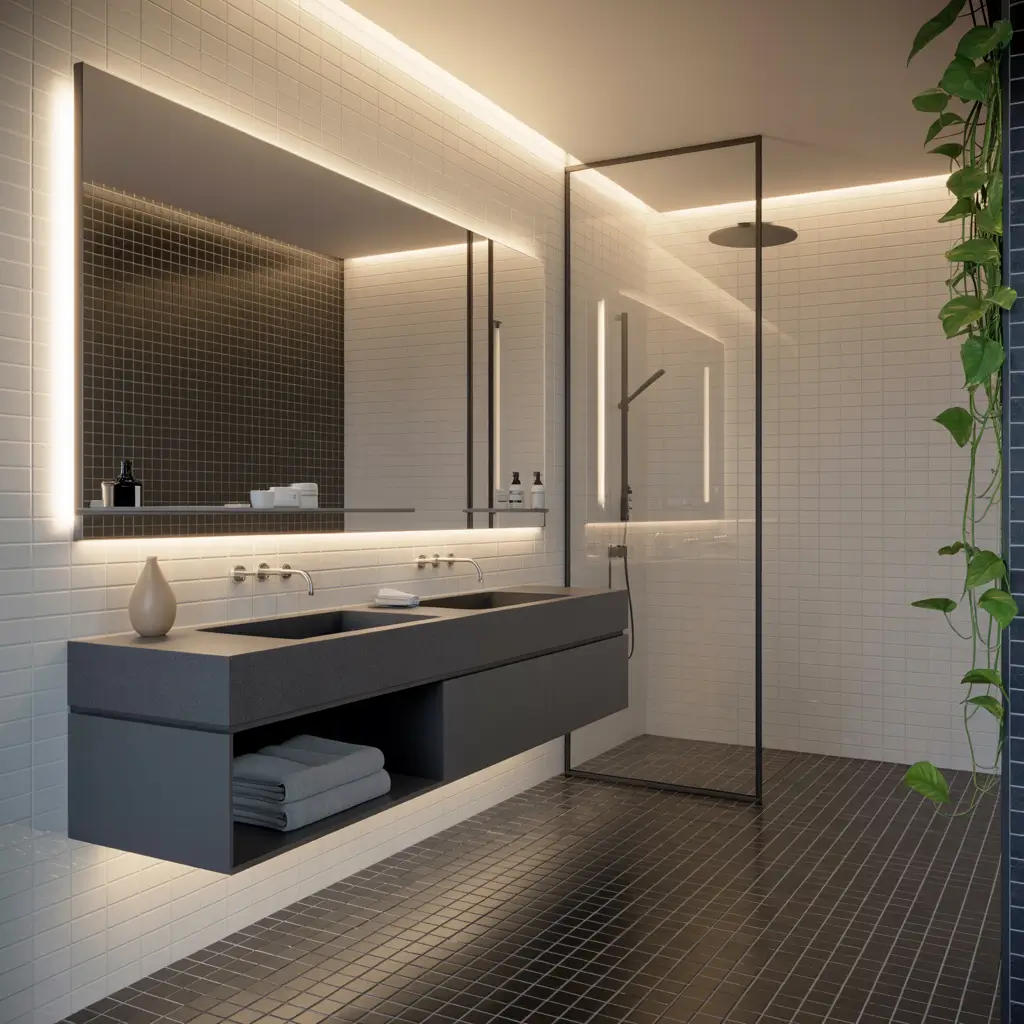
Monochrome bathrooms are like the little black dress of interior design—classic, sophisticated, and impossible to mess up. Well, almost impossible.
Beyond Black and White
Modern monochrome isn’t limited to black and white (though that’s a solid choice). You can go all gray, all navy, or even all green. The power is in the commitment to one color family.
My bathroom went from chaotic rainbow to serene all-gray paradise, and my morning routine became noticeably calmer. Coincidence? I think not.
Making Monochrome Interesting
The secret to avoiding boring monochrome:
- Vary your textures (matte walls, glossy tiles, fluffy towels)
- Mix patterns within your color (stripes, geometrics, solids)
- Include metallics as neutral accents
- Play with scale (large tiles, small accessories)
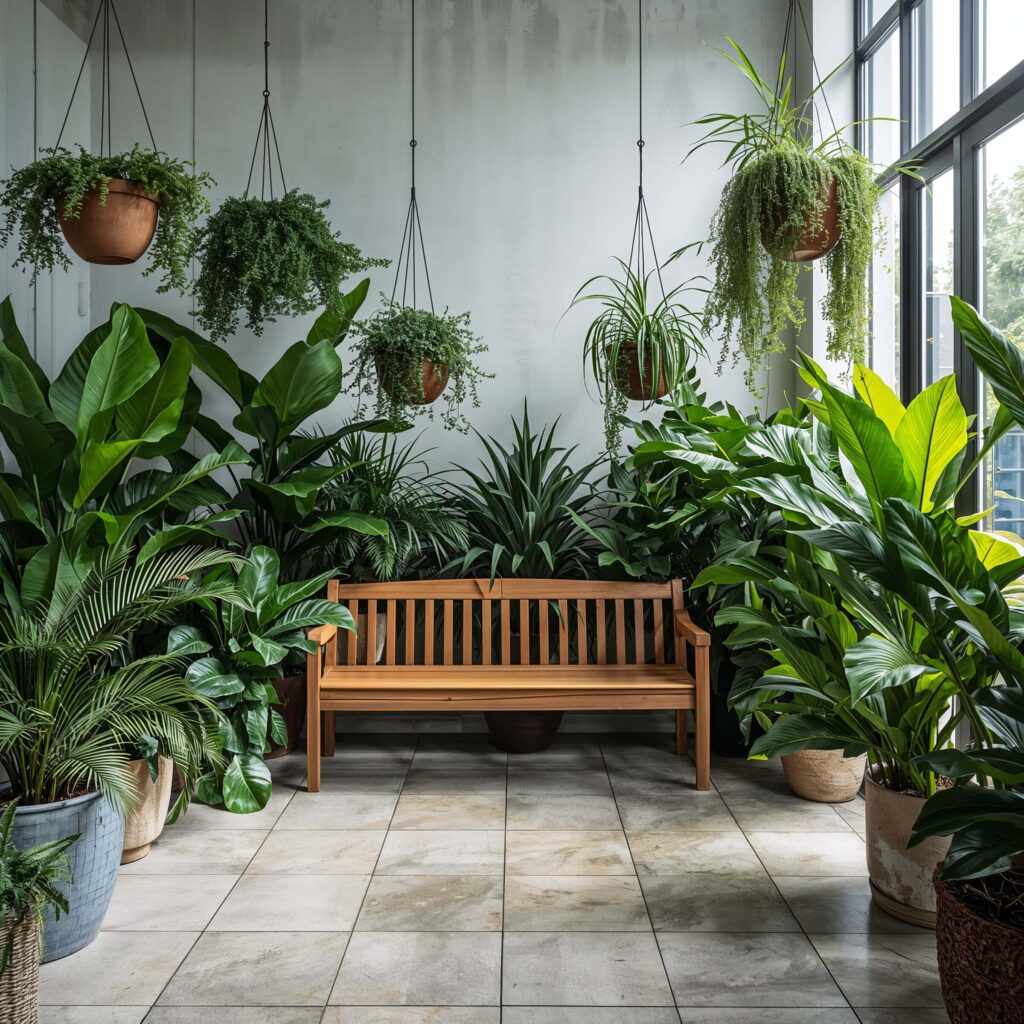
- Add plants for life and subtle color
- Layer lighting to create depth
The Maintenance Reality
Here’s the truth about monochrome bathrooms—they show everything. Water spots on black fixtures, dust on dark surfaces, every strand of hair on white floors. But when they’re clean? Chef’s kiss
9. Modern Eco-Friendly Home Interiors
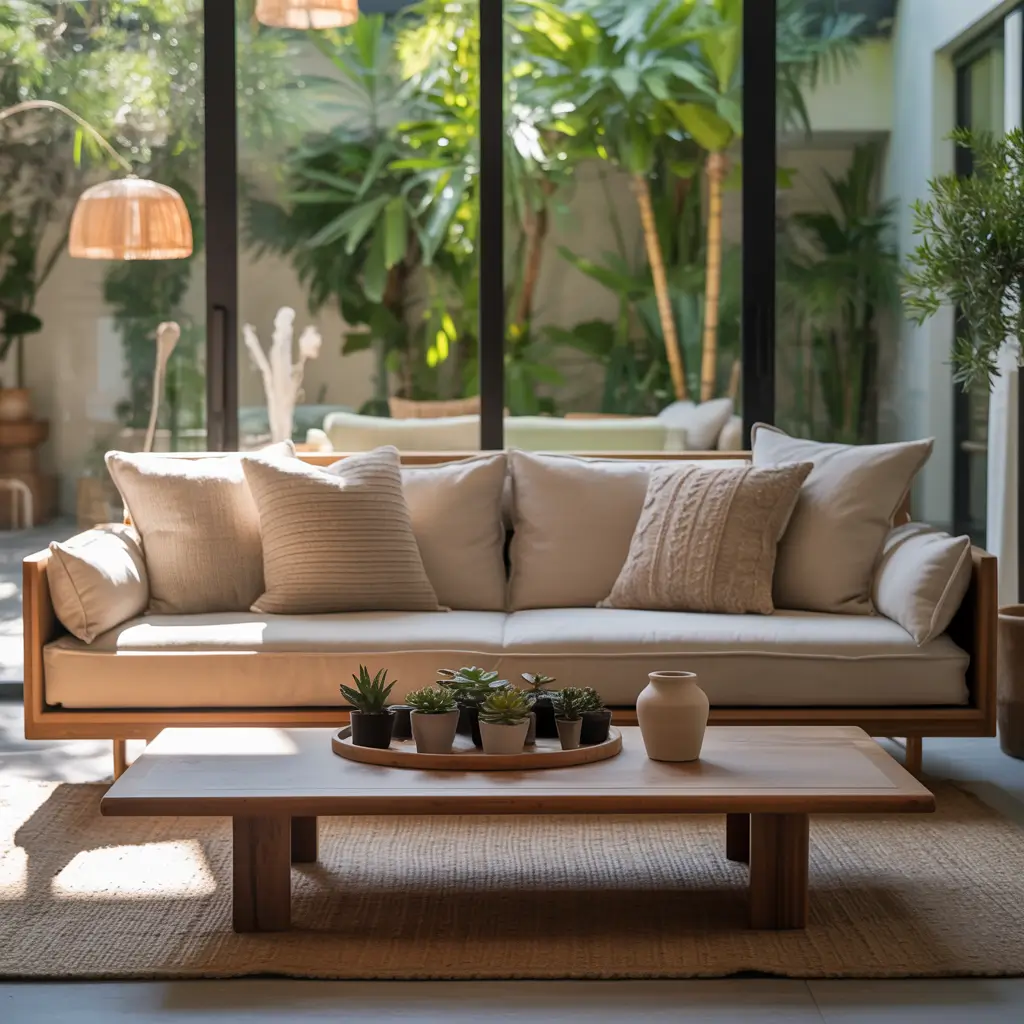
Eco-friendly design used to mean hemp everything and furniture that looked like it was made by hobbits. Modern eco-design? That’s a whole different story.
Sustainability Meets Style
Modern eco-friendly interiors prove that good for the planet can also be good for your eyes. It’s about making choices that you’ll love long-term, reducing waste, and yes, saving money in the process.
My journey into eco-friendly design started with guilt about my consumption habits and ended with a home I love even more. Turns out, sustainable choices often lead to better design decisions. Who knew?
Eco-Elements That Elevate
Sustainable choices that actually improve your space:
- Reclaimed wood furniture (each piece tells a story)
- Natural fiber textiles (organic cotton, linen, wool)
- Energy-efficient lighting (LEDs have come so far)
- Vintage and upcycled pieces (unique and eco-friendly)
- Low-VOC paints (better for you and the planet)
- Living walls or abundant plants (natural air purifiers)
The Long Game
Eco-friendly design is about the long game. That cheap fast-furniture might save money now, but replacing it every two years? Not so eco-friendly. Invest in quality pieces that last, and your wallet (and the planet) will thank you.
Also Read: 10 Trendy Interior Design Your Home Ideas for Stylish Interiors
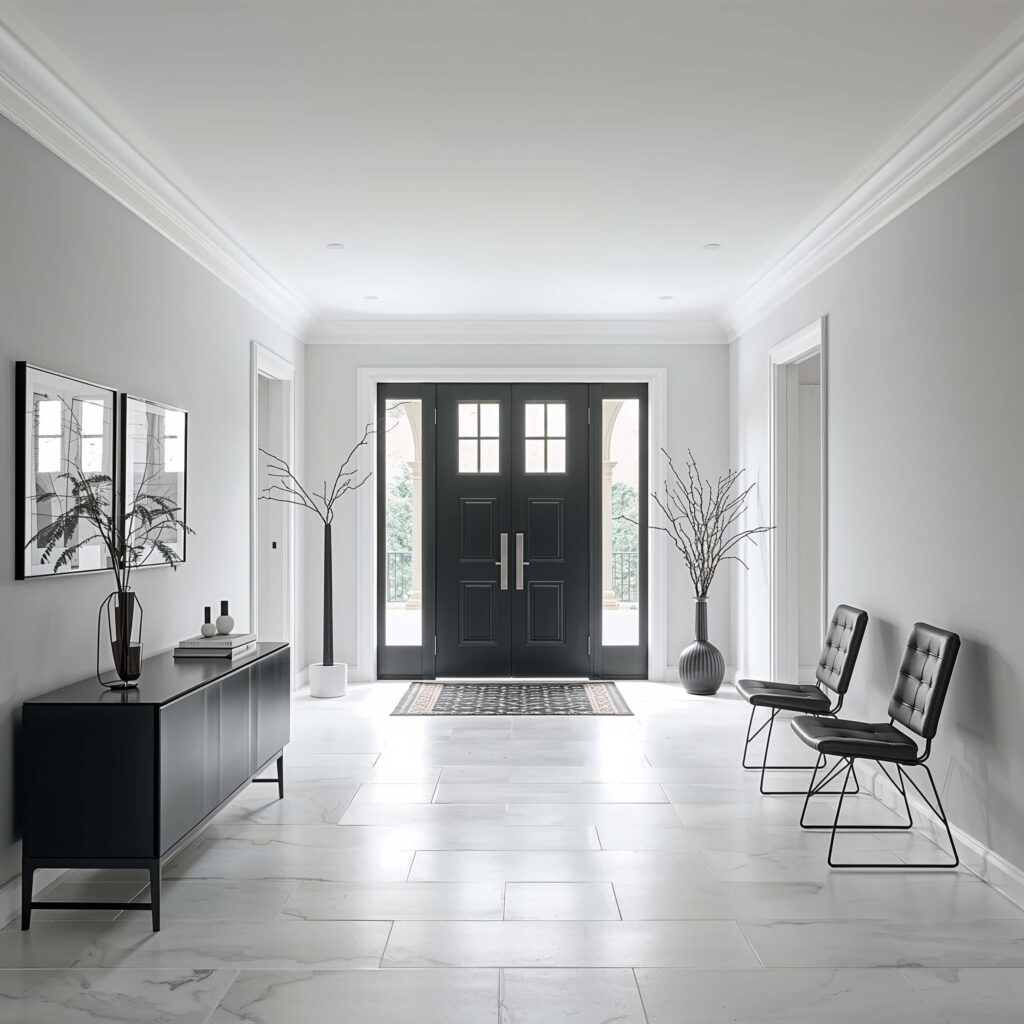
10. Stylish Modern Entryway Transformations
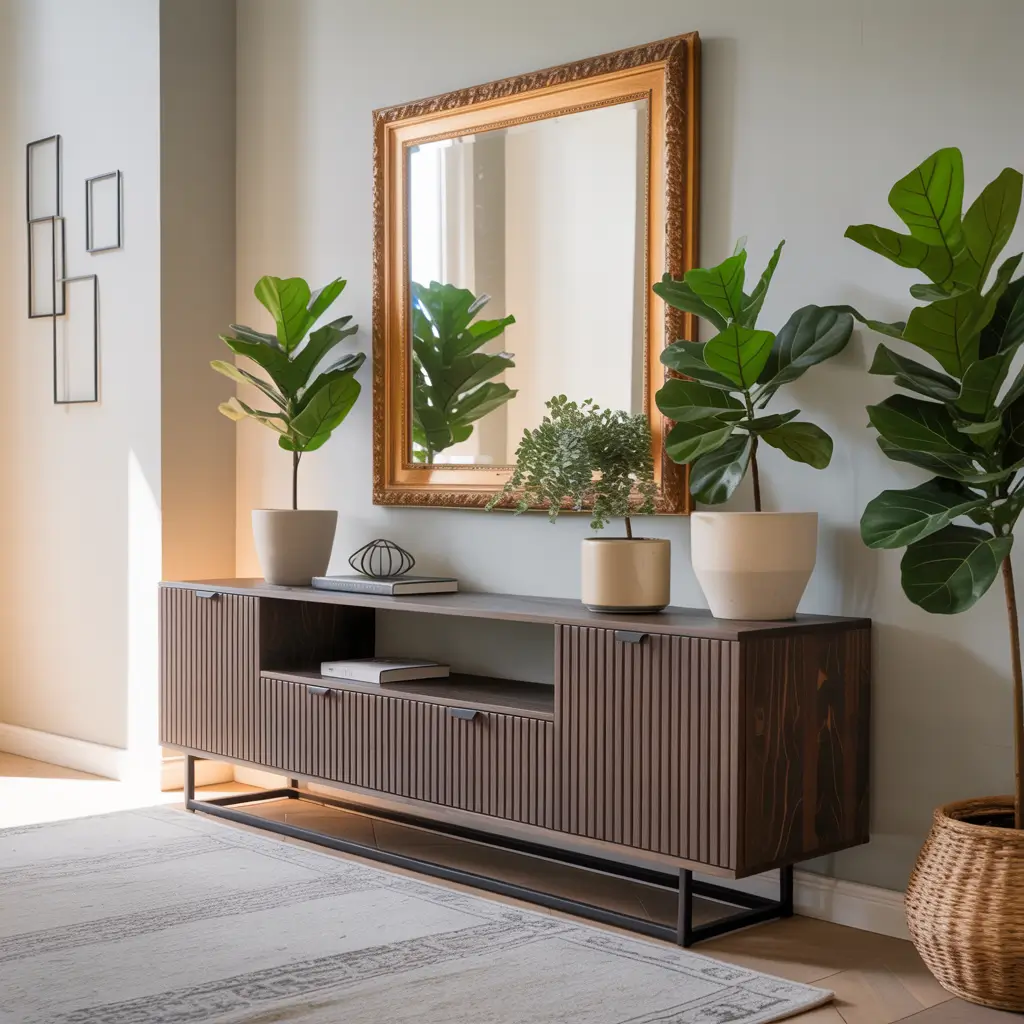
Your entryway sets the tone for your entire home, yet most of us treat it like an afterthought. Time to give this hardworking space the attention it deserves.
First Impressions Matter
A modern entryway should be both beautiful and functional. It’s where design meets real life—where you dump keys, kick off shoes, and check yourself one last time before facing the world.
My entryway used to be a black hole where things went to die. Now it’s organized, stylish, and actually makes coming home feel special. The transformation took one weekend and about $200.
Entryway Essentials
Every modern entryway needs:
- Smart storage (hooks, baskets, or a slim console)
- A mirror (function meets style)
- Good lighting (nobody likes a dark entry)
- A place to sit (even just a small stool)
- Durable flooring (or a good mat)
- Personal touches (art, plants, or photos)
Small Entry Solutions
No proper entryway? Create one:
- Define the space with a runner
- Add wall hooks at different heights
- Use a floating shelf as a landing strip
- Install a mirror to expand the space
- Add a small bench that doubles as storage
Even my friend’s studio apartment now has a “entryway”—just a designated corner with hooks and a mirror, but it makes all the difference.
11. Modern Accent Wall & Statement Decor Ideas
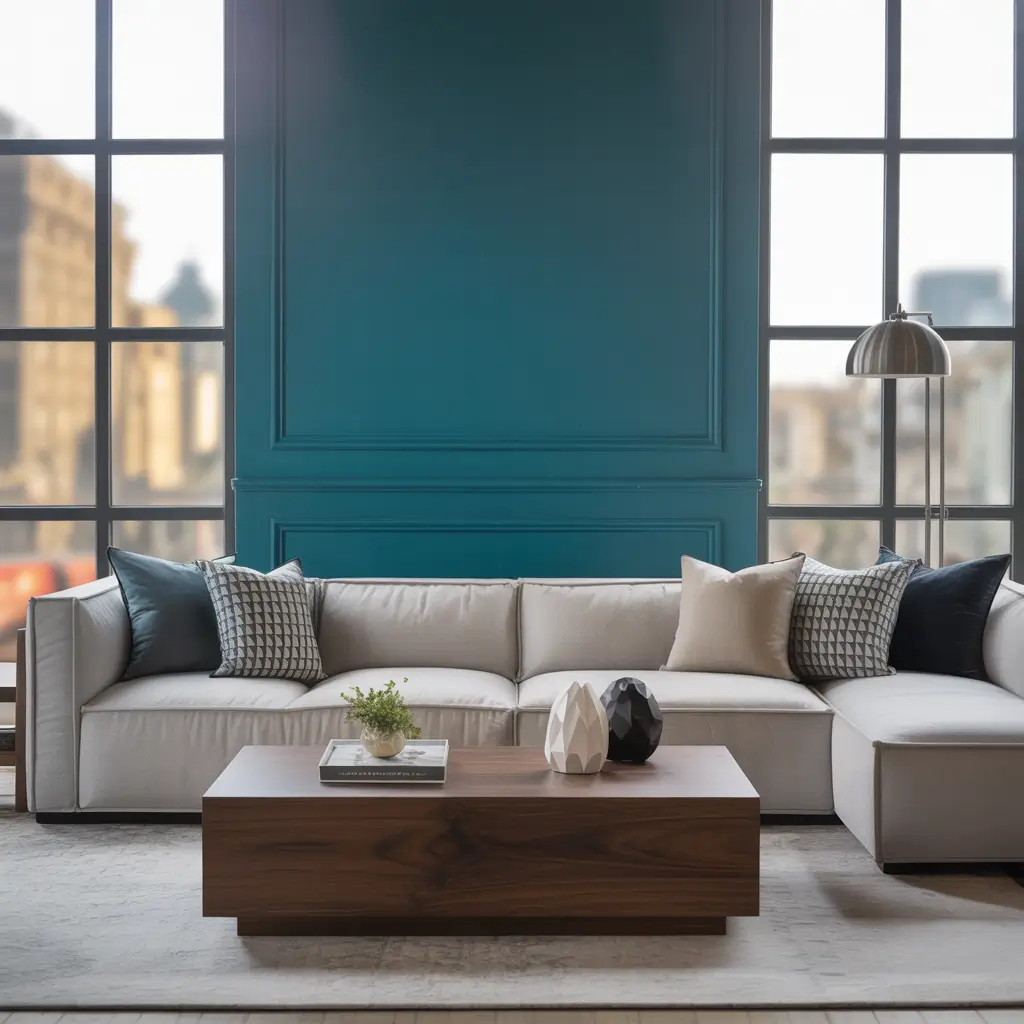
Accent walls got a bad rap during the red dining room craze of 2007, but modern accent walls? They’re sophisticated, intentional, and definitely not your mom’s sponge-painted feature wall.
The New Accent Wall
Modern accent walls create focal points without overwhelming the space. They’re about adding interest, not assault-ing the senses.
I resisted accent walls for years until I painted one wall in my bedroom deep charcoal. Suddenly, my basic room had depth, drama, and a focal point that made everything else look more expensive.
Accent Options Beyond Paint
Modern ways to create statement walls:
- Textured wallpaper (grasscloth, geometric patterns)
- Wood paneling (vertical, horizontal, or geometric)
- Gallery walls (when done right)
- Tile features (not just for bathrooms)
- Murals or large-scale art
- Architectural details (molding, built-ins)
Choosing Your Wall
Not every wall deserves accent status:
- Pick the first wall you see when entering
- Choose walls without windows or doors
- Consider the wall behind major furniture
- Think about natural focal points
- Avoid walls that already compete for attention
My living room accent wall is behind the sofa—it grounds the seating area and creates a natural focal point without competing with the TV wall.
12. Luxury Modern Home Interiors on a Budget
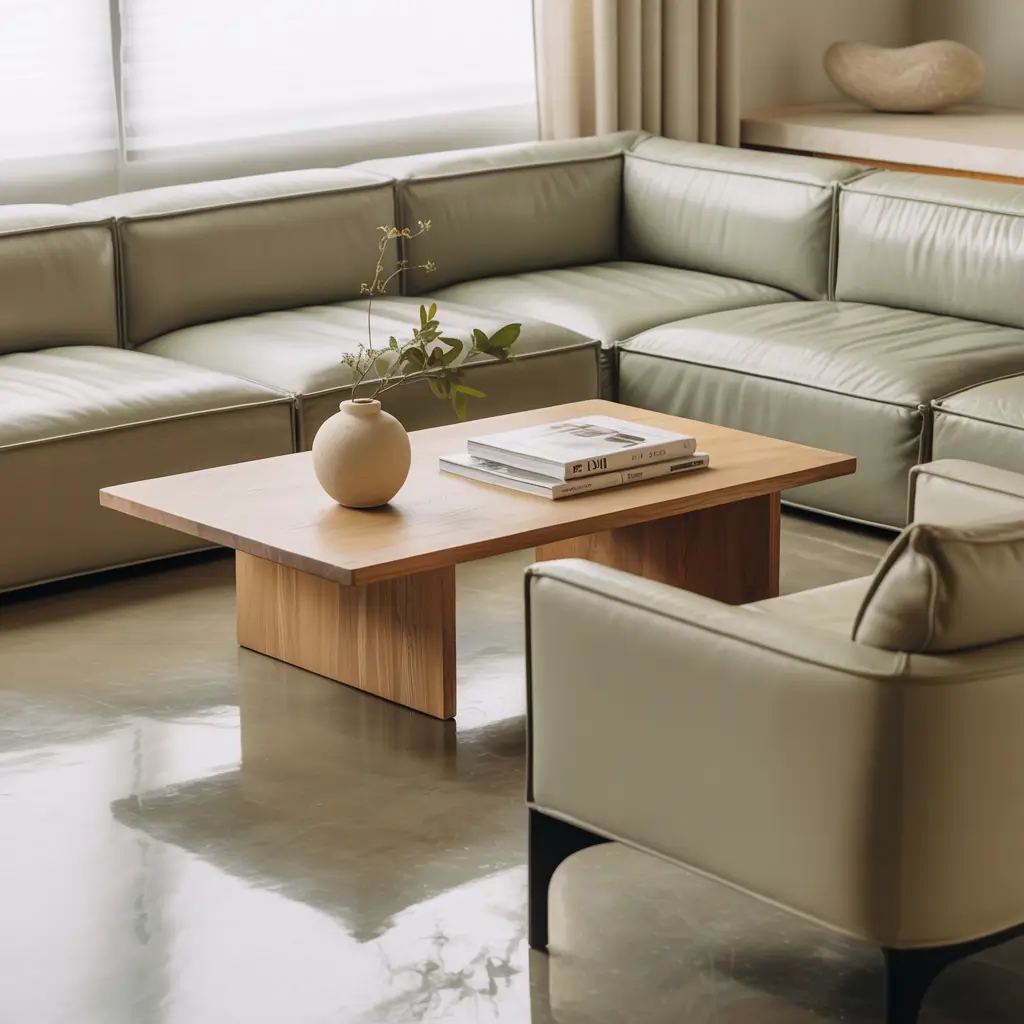
Here’s the secret nobody wants you to know—luxury is more about curation than cost. You can create spaces that look expensive without the matching price tag. IMO, that’s the real design flex.
The Luxury Illusion
Budget luxury focuses on impact pieces and attention to detail. It’s about knowing where to splurge, where to save, and how to fake the rest convincingly.
My “luxury” living room includes exactly two actually expensive pieces. Everything else? Smart shopping, DIY upgrades, and strategic styling. Yet everyone assumes I spent a fortune. Mission accomplished.
Budget Luxury Hacks
Create expensive-looking spaces without the expense:
- Paint is your best friend (deep colors = instant luxury)
- Upgrade hardware (knobs, pulls, faucets)
- Layer lighting (multiple sources = designed space)
- Invest in one statement piece (art, chair, or light fixture)
- Use symmetry (balanced rooms feel expensive)
- Hide the cheap stuff (beautiful storage is key)
The Details That Sell It
Luxury lives in the details:
- Steam or iron all fabrics
- Hide all cords and cables
- Keep surfaces clutter-free
- Add fresh flowers or high-quality fakes
- Use matching hangers in visible closets
- Upgrade switch plates and outlet covers
These tiny changes cost almost nothing but elevate everything.
Making Modern Design Work for Real Life
Here’s what I’ve learned after years of design experiments, failures, and eventual successes—the best modern interior design is the kind that makes your life better, not just your Instagram feed.
Start with one space, one idea, or even one corner. Live with it for a while. See how it feels.
Modern design isn’t about following trends blindly; it’s about creating spaces that work for how you actually live while looking fantastic in the process.
Whether you tackle all 12 ideas or cherry-pick your favorites, remember that your home should tell your story. Modern design gives you the vocabulary, but you’re the one writing the narrative.
And honestly? That’s when spaces go from just “modern” to genuinely memorable.
Your dream home isn’t as far away as you think. Sometimes it’s just one painted wall, one smart furniture swap, or one weekend project away from reality.
So what are you waiting for? Pick an idea and start creating. Your future self (and your guests) will thank you for it. :/