12 Charming Neoclassical Interior Design Ideas for Small Spaces
- Home Interior Design
 Ben
Ben- 0
- 42 minutes read
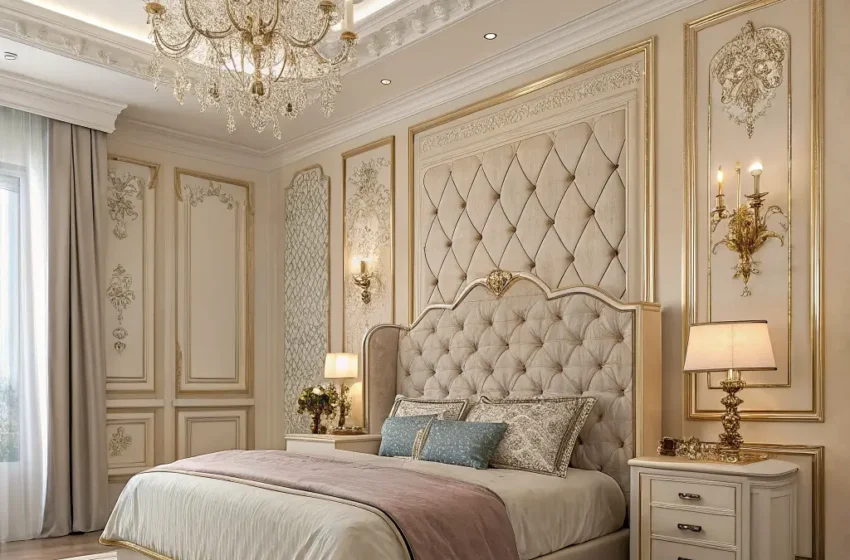
Neoclassical design gets a bad rap for being stuffy and pretentious, but hear me out. When you strip away the museum-quality formality and adapt those classical principles to how we actually live, neoclassical interior design becomes something magical — elegant without being uptight, sophisticated without sacrificing comfort.
It’s basically the design equivalent of wearing sneakers with a designer dress, and it works.
I stumbled into neoclassical design when I bought a 1920s house with original crown molding and couldn’t bear to rip it out. Instead of fighting those classical bones, I leaned into them, and discovered that neoclassical interior design ideas offer the perfect balance between timeless elegance and modern livability.
You get the architectural gravitas of classical design without feeling like you’re living in a period drama.
Let me show you twelve ways to bring neoclassical style into your home without turning it into Versailles (unless that’s your thing, in which case, more power to you).
1. Modern Neoclassical Living Room Ideas
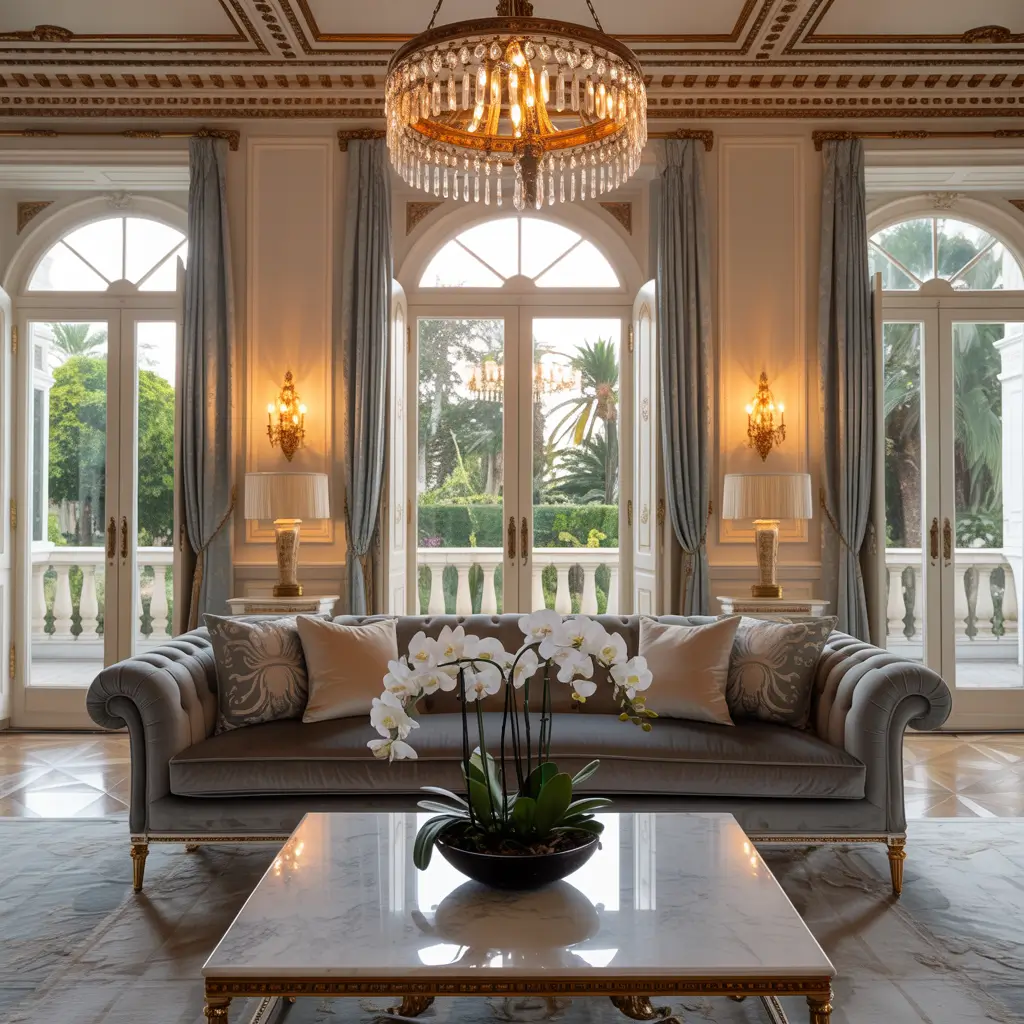
The modern neoclassical living room takes everything beautiful about classical design — symmetry, proportion, architectural details — and makes it work for Netflix binges and coffee spills. This isn’t about recreating a Greek temple; it’s about borrowing the best parts while keeping things livable.
Balancing Classical Elements with Contemporary Life
Start with the bones. Crown molding, baseboards, and maybe some subtle wall panels give you that classical foundation without going overboard. But here’s where it gets interesting — pair those traditional elements with contemporary furniture.
I paired my original 1920s molding with a sleek gray sectional and glass coffee table. The contrast makes both elements look better. The classical details add warmth to modern furniture, while contemporary pieces keep the classical elements from feeling dusty.
Essential modern neoclassical elements:
- Symmetrical furniture arrangement (but not rigid)
- Statement lighting like a modern chandelier
- Classical architectural details in subtle doses
- Contemporary art in traditional frames
- Neutral color palette with rich accents
- Mix of textures from velvet to linen
The Symmetry Sweet Spot
Neoclassical loves symmetry, but perfect symmetry feels forced in modern homes. Instead, create balanced asymmetry. Match your sofa with two different chairs that share similar proportions. Hang matching sconces but use different table lamps. You want harmony, not mirror images.
2. Minimal Neoclassical Interiors for Small Spaces
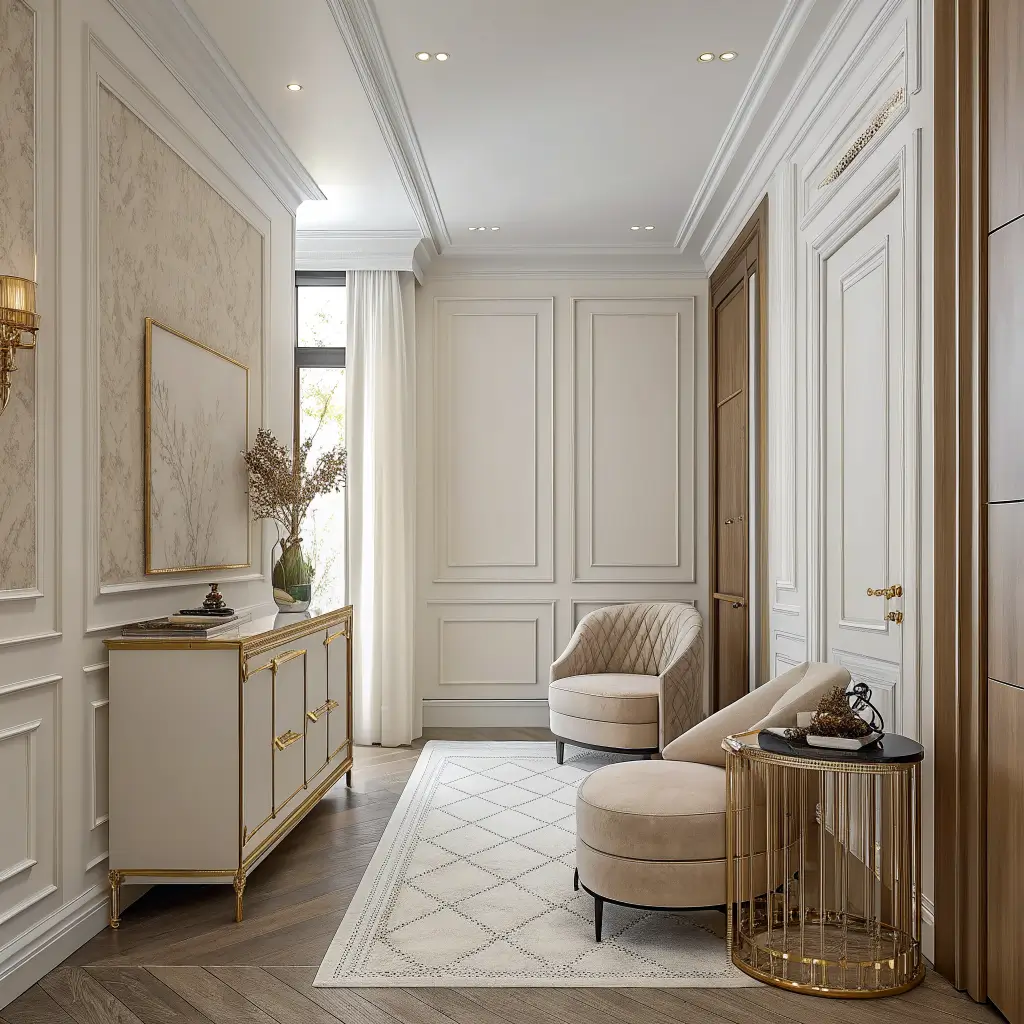
Who says you need a mansion for neoclassical style? Minimal neoclassical design in small spaces focuses on quality over quantity, using select classical elements to add elegance without overwhelming your square footage.
Choosing Your Classical Heroes
In a small space, every element needs to earn its place. Pick one or two classical features to highlight:
- A single ornate mirror as a focal point
- One piece of furniture with classical lines
- Simple crown molding for architectural interest
- A column-style floor lamp for vertical drama
- Classical art in modern frames
My 600-square-foot apartment has exactly three neoclassical elements: crown molding, a vintage Greek key mirror, and a pedestal side table. That’s it. But those three pieces elevate the entire space without cluttering it.
Scale Matters More Than Ever
Small spaces demand careful proportion. Oversized neoclassical furniture will crush a small room, but pieces that are too delicate look lost. Look for:
- Furniture with classical lines but modern proportions
- Mirrors that add grandeur without weight
- Architectural details painted the same color as walls
- Vertical elements that draw eyes up
- Multi-functional pieces with classical style
3. Soft Neoclassical Color Palettes That Feel Timeless
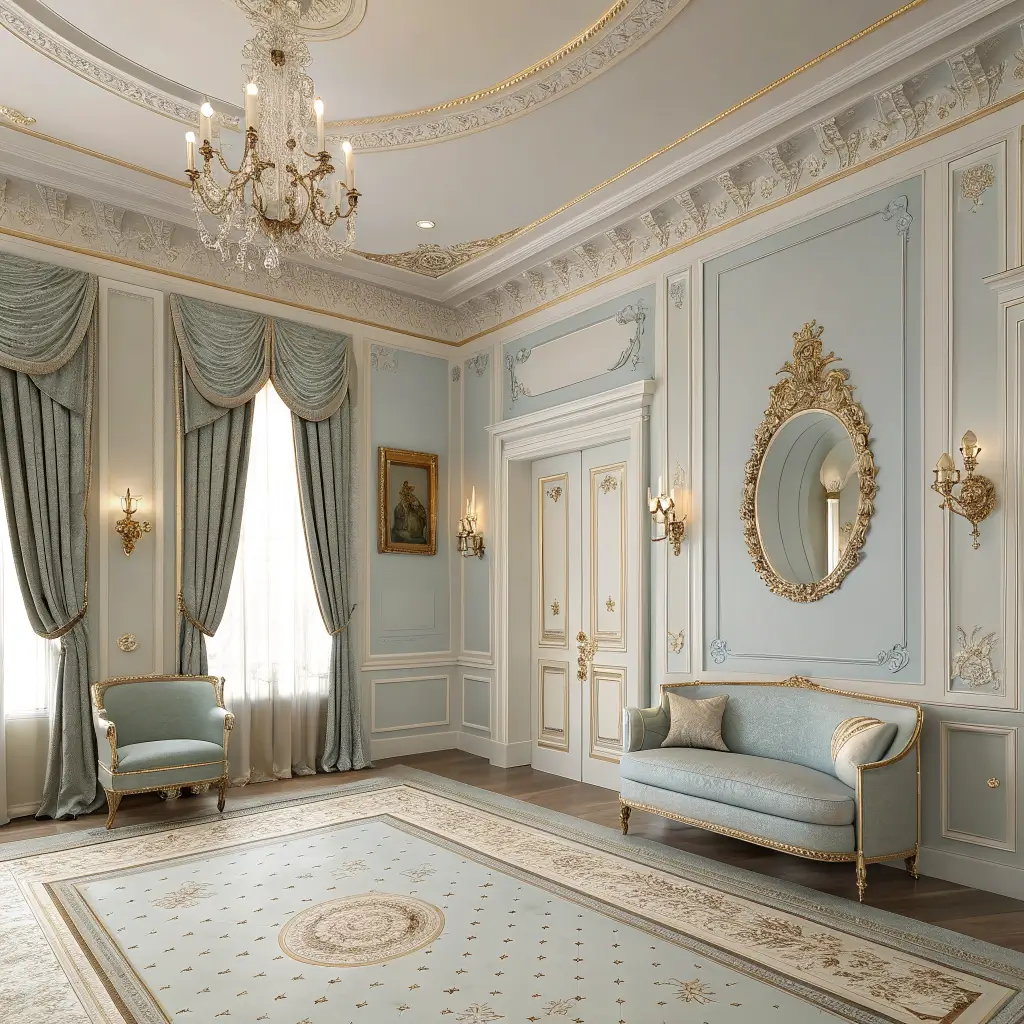
Forget what you think you know about neoclassical colors. Yes, classical design loves white marble, but soft neoclassical palettes embrace warmth and subtlety over stark contrast.
Beyond Basic White
Modern neoclassical thrives in these softer shades:
- Warm whites with hints of cream or beige
- Soft grays that lean warm, not cool
- Muted sage greens for subtle color
- Dusty blues that whisper rather than shout
- Champagne and pale gold for warmth
- Blush pinks for unexpected softness
Creating Depth Without Drama
Layer your neutrals to create interest. Use three shades of the same color family — walls in the lightest shade, trim slightly darker, and furniture in the deepest tone. This creates sophisticated depth without relying on bold contrasts.
I painted my entire living room in variations of warm gray, from dove gray walls to charcoal furniture. The monochromatic approach feels incredibly sophisticated and lets my neoclassical architectural details shine.
Also Read: 10 Cozy Vintage Interior Design Ideas with Modern Touches
4. Neoclassical Wall Molding Ideas for Modern Homes
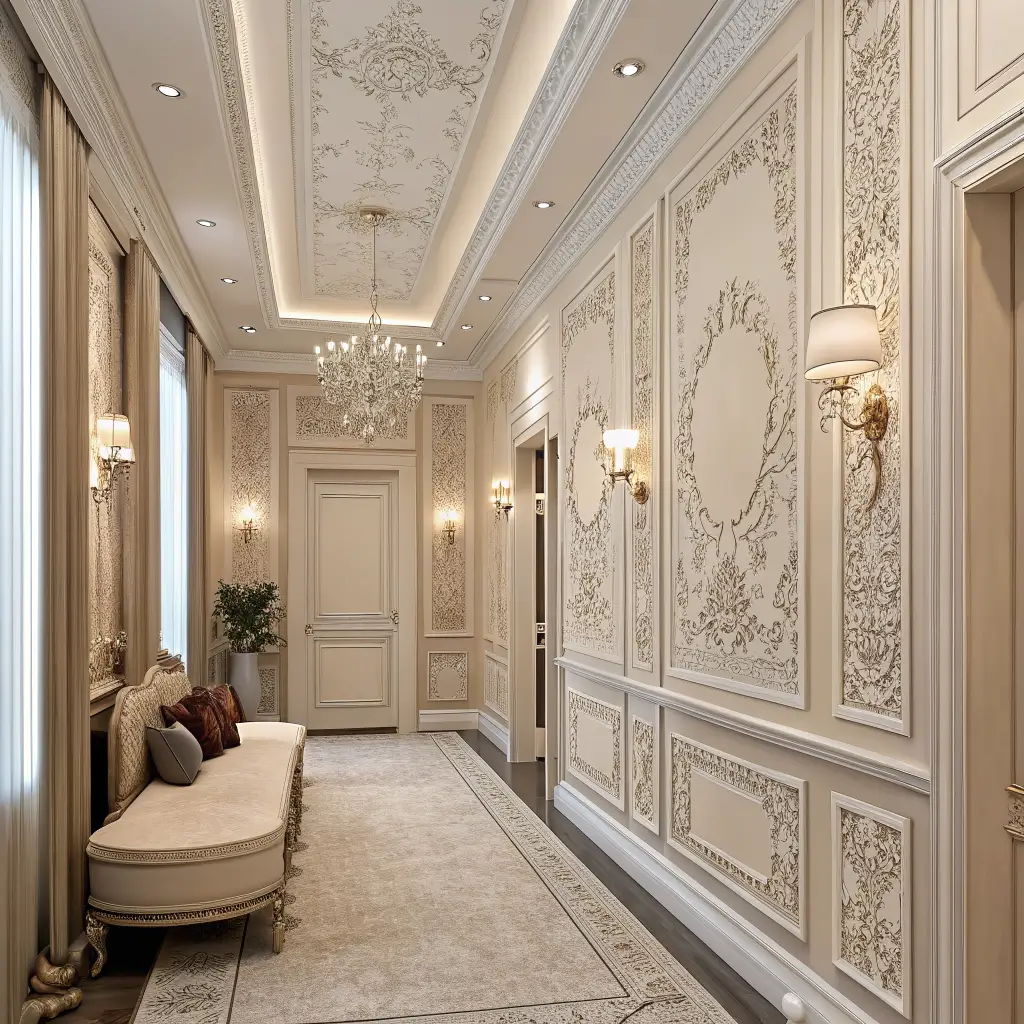
Wall molding might be the single most impactful neoclassical element you can add. It transforms flat walls into architectural features, and modern interpretations keep it from feeling like a museum.
Modern Molding Applications
Today’s neoclassical molding goes beyond traditional wainscoting:
- Picture frame molding creates instant elegance
- Modern panel designs with cleaner lines
- Asymmetrical layouts for contemporary twist
- Painted molding that matches walls for subtlety
- Mixed materials like wood with metal accents
DIY vs. Professional Installation
Here’s the truth: basic molding is surprisingly DIY-friendly. I installed picture frame molding in my dining room over a weekend with just a miter saw and nail gun. Cost? Under $200. Impact? Priceless.
But complex patterns or rooms with wonky walls need professional help. Know your limits — crooked molding looks worse than no molding.
The Paint Decision
Should molding contrast with walls or blend in? Both work:
- Matching paint creates subtle texture
- Contrasting colors make bold statements
- Tone-on-tone offers middle ground
- Metallic accents add unexpected glamour
5. Elegant Neoclassical Furniture Styling Ideas
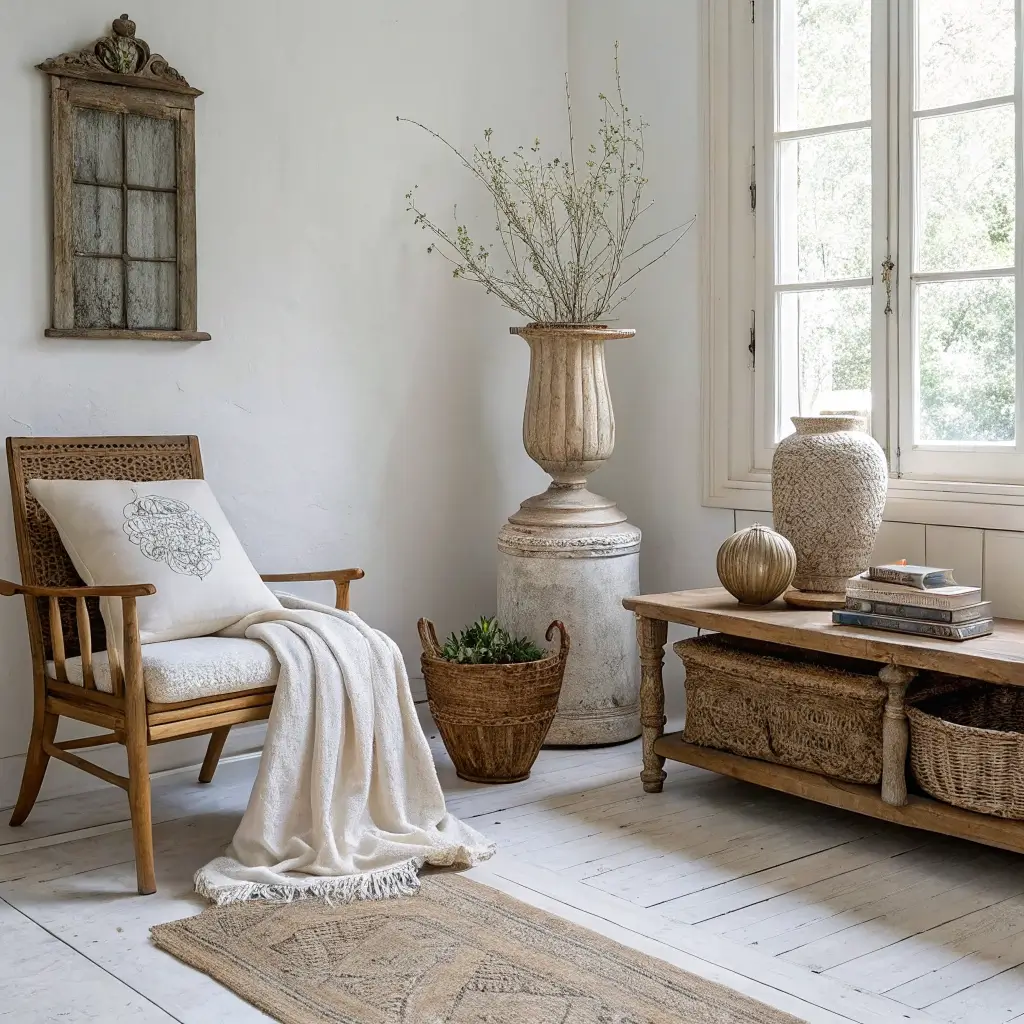
Neoclassical furniture doesn’t mean filling your home with reproduction Louis XVI chairs (unless you want to). Modern interpretations take classical proportions and simplify them for contemporary life.
Key Furniture Characteristics
Look for pieces with:
- Tapered legs that reference column proportions
- Subtle curves rather than harsh angles
- Quality materials like solid wood or marble
- Restrained ornamentation — a little goes far
- Balanced proportions that feel harmonious
Mixing Periods Successfully
The best neoclassical rooms mix furniture from different eras. Pair a classical settee with mid-century modern chairs. Place a contemporary glass table on a traditional rug. The key? Keep proportions similar even when styles differ.
My dining room has 18th-century-inspired chairs around a completely modern table. They work together because they share similar heights and visual weight, even though they’re centuries apart stylistically.
6. Light & Airy Neoclassical Apartment Designs
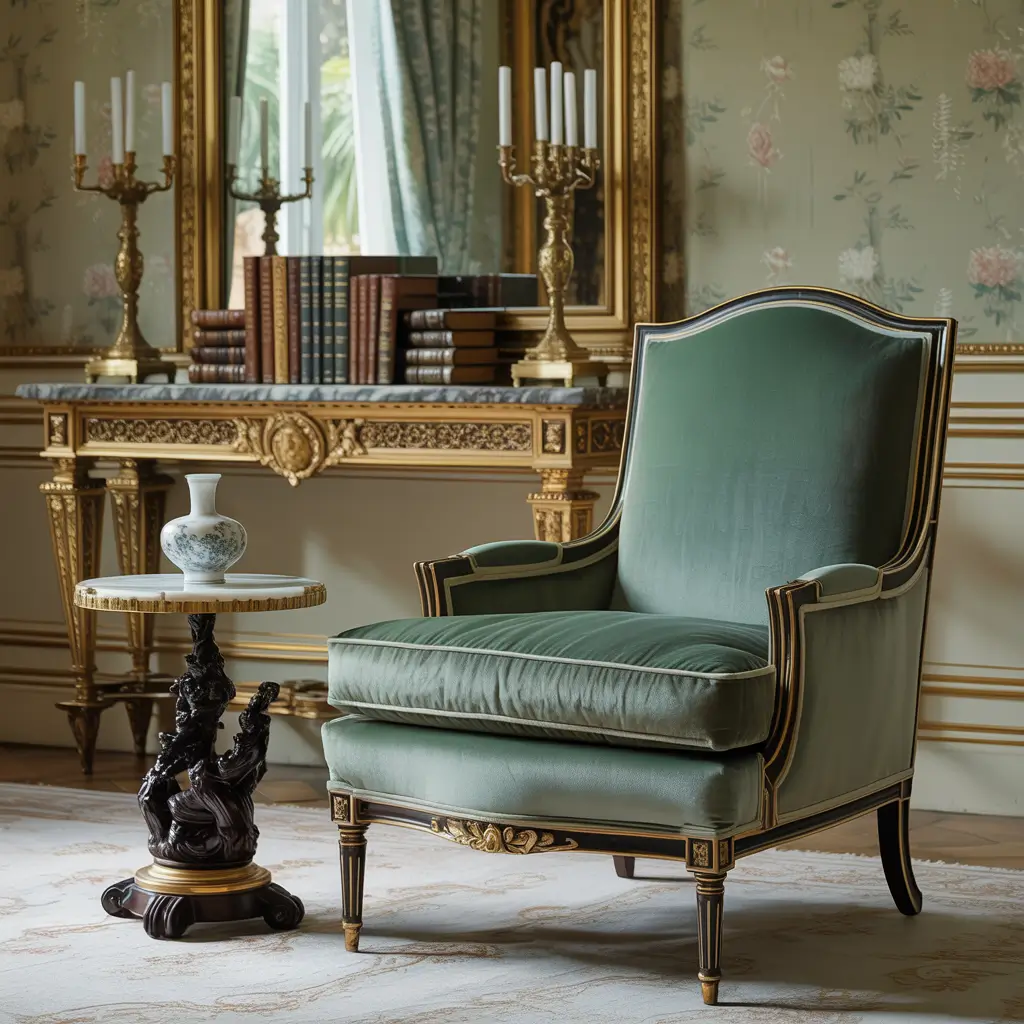
Apartment dwellers, rejoice! Light and airy neoclassical design works beautifully in rentals where you can’t make permanent changes. Focus on furniture, textiles, and temporary additions.
Renter-Friendly Classical Elements
Add neoclassical style without losing your deposit:
- Removable wallpaper with classical patterns
- Freestanding columns as room dividers
- Classical furniture you can take when you move
- Temporary molding using adhesive strips
- Large mirrors with ornate frames
- Classical art and sculptures
Creating Airiness in Classical Styles
Traditional neoclassical can feel heavy, but modern interpretations stay light:
- Choose furniture with exposed legs
- Use sheer curtains instead of heavy drapes
- Stick to light colors throughout
- Maximize natural light with mirrors
- Keep surfaces relatively clear
- Choose delicate over substantial
FYI, the biggest mistake people make is thinking neoclassical needs to feel weighty. Some of the best neoclassical spaces I’ve seen feel almost ethereal.
Also Read: 12 Inspiring Contemporary Interior Design Ideas and Chic Decor
7. Budget-Friendly Neoclassical Decor Ideas
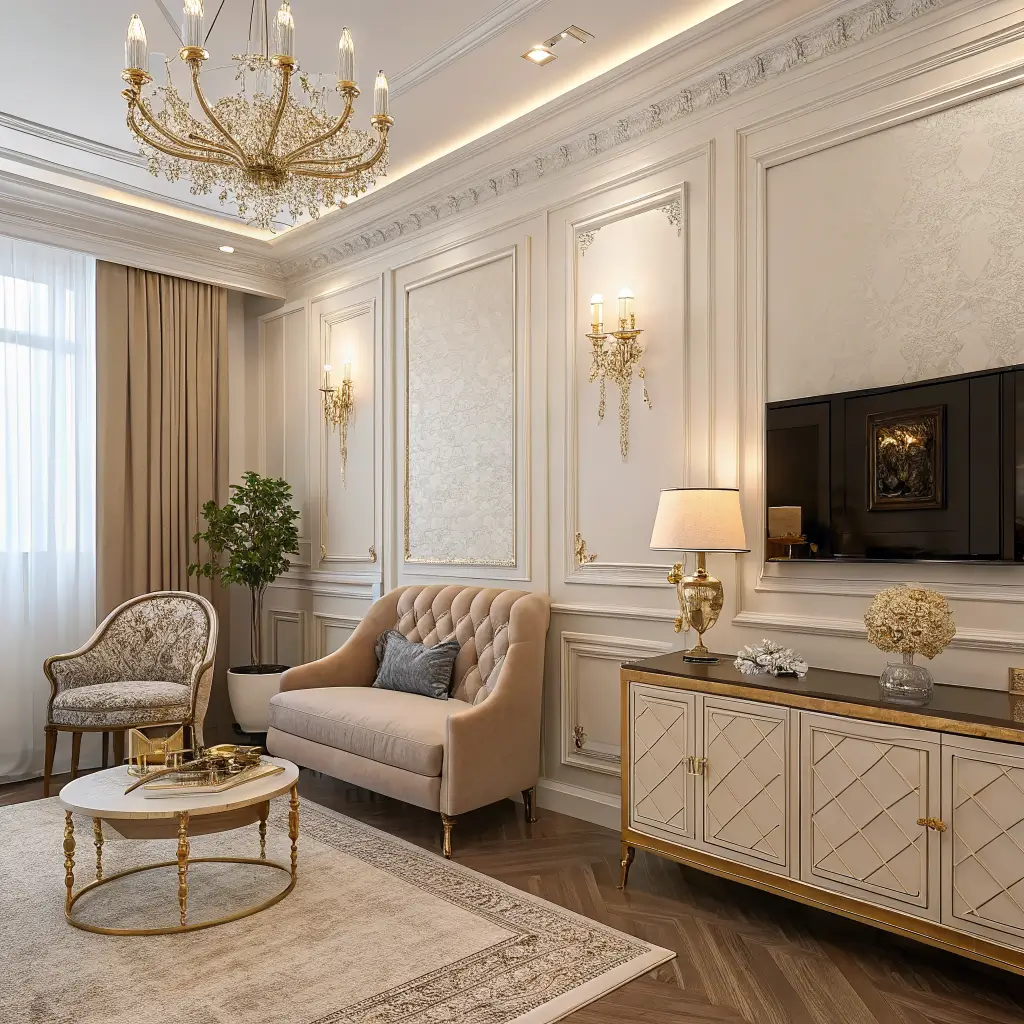
Here’s a secret: budget neoclassical often looks better than expensive versions because you’re forced to be selective. You can’t buy everything, so you choose pieces that really matter.
Where to Splurge and Save
Splurge on:
- One statement light fixture
- Quality molding (it’s permanent)
- A single piece of classical furniture
- Good mirrors with classical frames
Save on:
- Decorative accessories (thrift stores have treasures)
- Art prints instead of originals
- DIY architectural details
- Paint to unify mismatched furniture
- Textiles from mainstream stores
DIY Neoclassical Projects
Transform basic pieces into neoclassical treasures:
- Add decorative appliqués to plain furniture
- Paint thrift store frames in metallic finishes
- Create faux marble surfaces with contact paper
- Build simple columns from wood and molding
- Frame classical prints from free online museums
I turned IKEA furniture into neoclassical pieces with wood appliqués and chalk paint. Total cost per piece? Under $50. Everyone assumes they’re antiques.
8. Contemporary Neoclassical Bedroom Inspiration
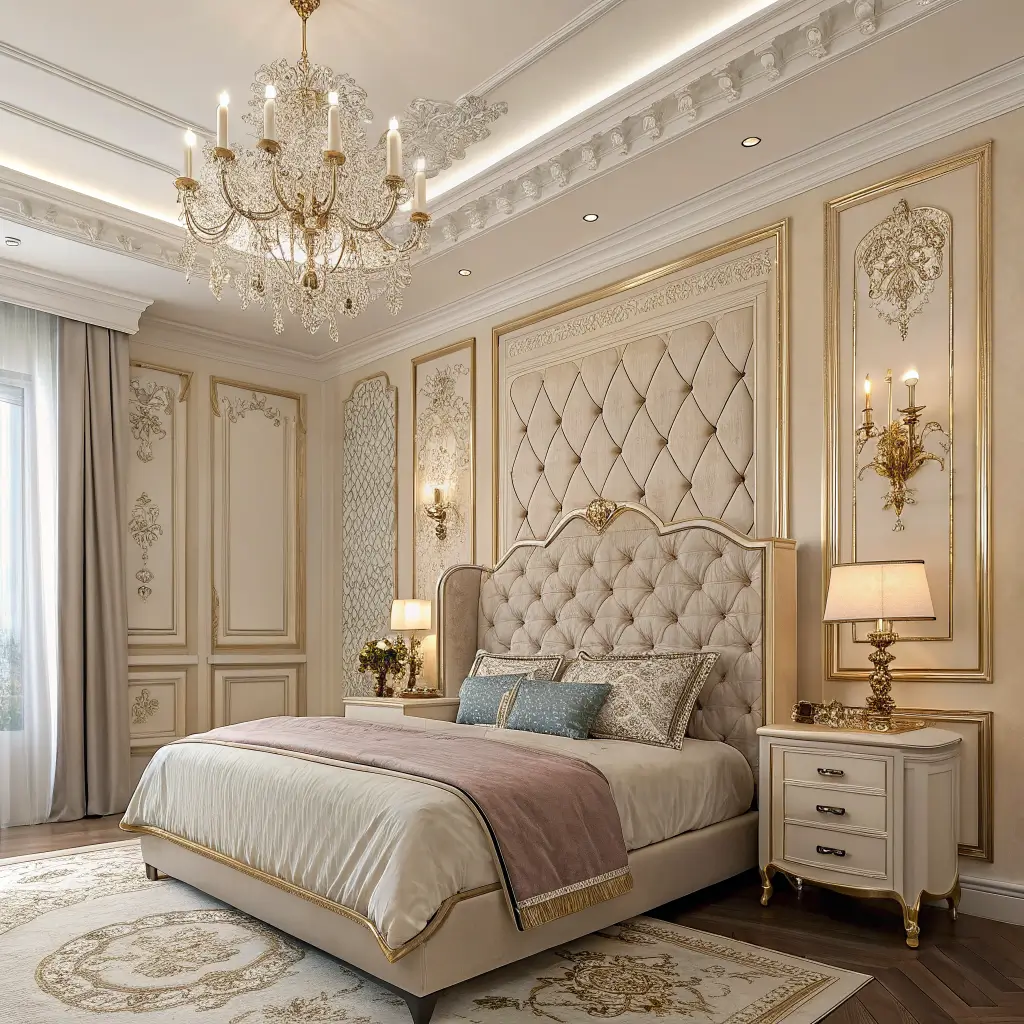
The contemporary neoclassical bedroom balances romance with restraint. You want elegance without feeling like you’re sleeping in a museum.
The Modern Classical Bed
Your bed sets the tone. Look for:
- Upholstered headboards with subtle tufting
- Simple four-poster frames without heavy draping
- Platform beds with classical proportions
- Metal frames with Greek key patterns
- Wood beds with fluted details
Layering Textures and Textiles
Neoclassical bedrooms love luxurious textures:
- High-thread-count sheets in white or cream
- Velvet or silk accent pillows
- Cashmere throws for subtle luxury
- Linen duvet covers for relaxed elegance
- Subtle patterns like damask or toile
Keep the color palette calm. This is your sanctuary, not a statement room. Save bold choices for public spaces.
9. Neoclassical Lighting Ideas That Elevate Any Room
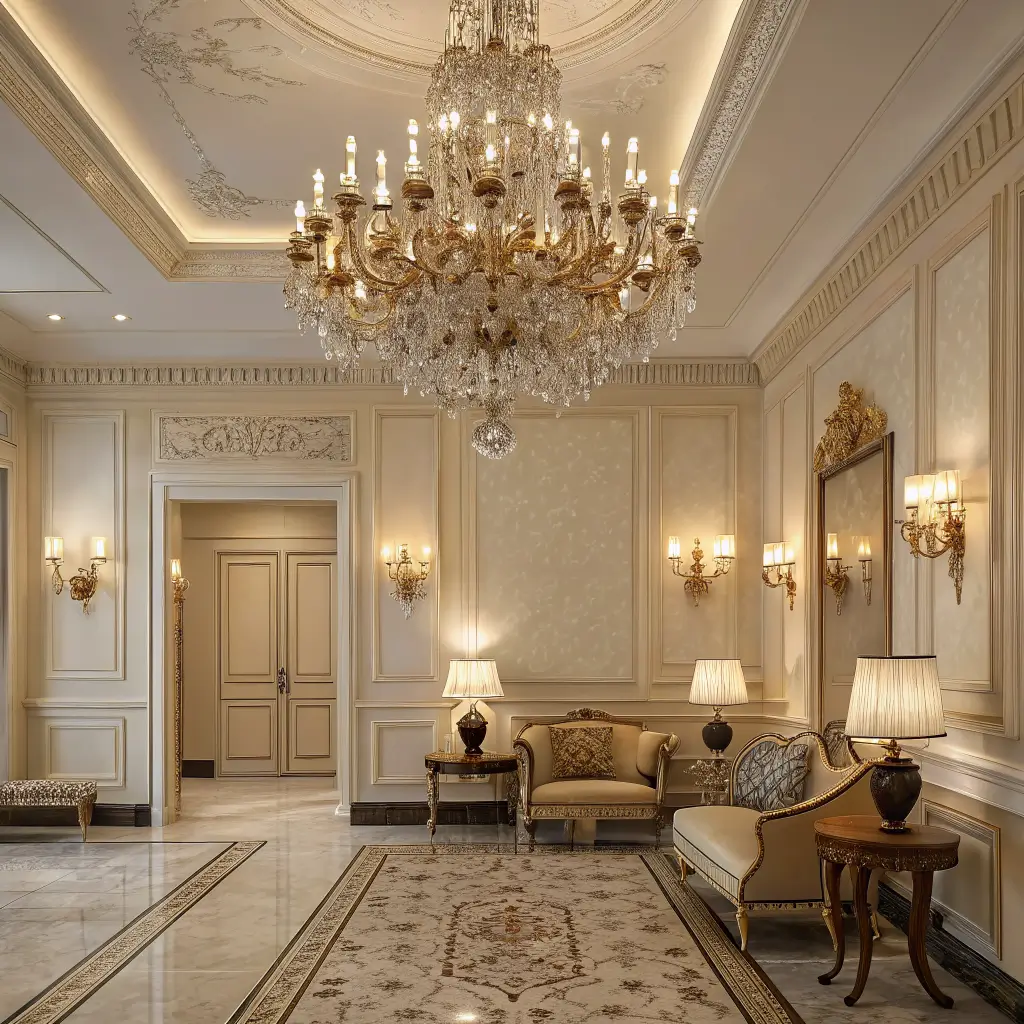
Lighting makes or breaks neoclassical interiors. The right fixtures add instant architectural interest while providing the layered lighting modern homes need.
Statement Fixtures Worth the Investment
Certain lights scream neoclassical elegance:
- Crystal chandeliers (modern interpretations)
- Alabaster pendants for soft glow
- Picture lights for artwork
- Column-style floor lamps
- Sconces with classical motifs
Layering Light Effectively
Never rely on one light source. Neoclassical rooms need:
- Ambient lighting from ceiling fixtures
- Task lighting from lamps and sconces
- Accent lighting highlighting architecture
- Natural light maximized through mirrors
My living room has five light sources, and I use different combinations for different moods. Morning coffee needs bright task lighting. Evening entertaining calls for dimmed ambiance. The flexibility matters more than the fixtures themselves.
Also Read: 10 Elegant Bar Interior Design Ideas for Luxury Interiors
10. Subtle Neoclassical Details for Modern Interiors
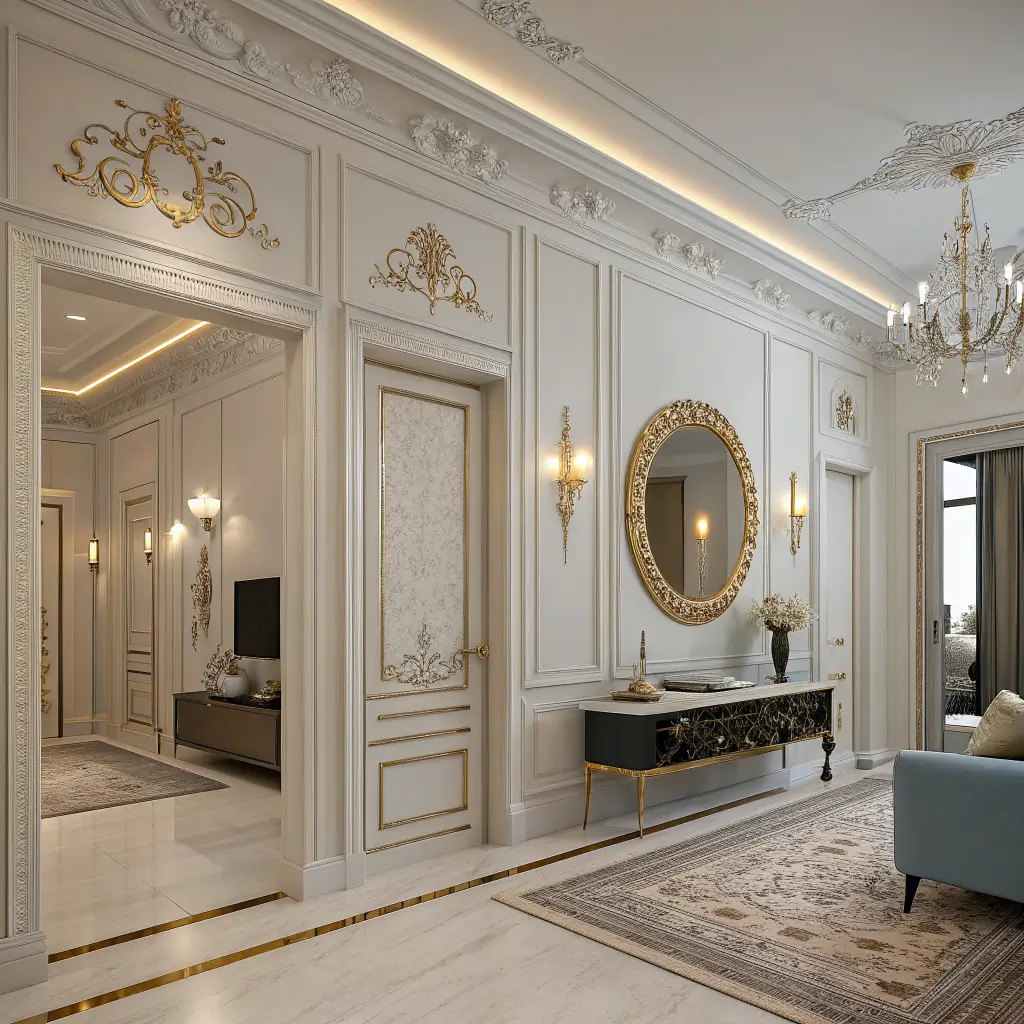
Sometimes whispers speak louder than shouts. Subtle neoclassical details add sophistication without overwhelming modern interiors.
Small Changes, Big Impact
These details quietly elevate any room:
- Decorative hardware on cabinets and doors
- Classical switch plates and outlet covers
- Corbels under shelves or counters
- Rosettes where curtain rods meet walls
- Dental molding on single furniture pieces
- Greek key patterns in small doses
The Art of Restraint
The key word is subtle. One Greek key pillow, not five. A single corbel bracket, not every shelf. Classical details work best as seasoning, not the main course.
IMO, most people overdo classical details. When everything has ornamentation, nothing feels special :/
11. Neutral Neoclassical Interior Design Concepts
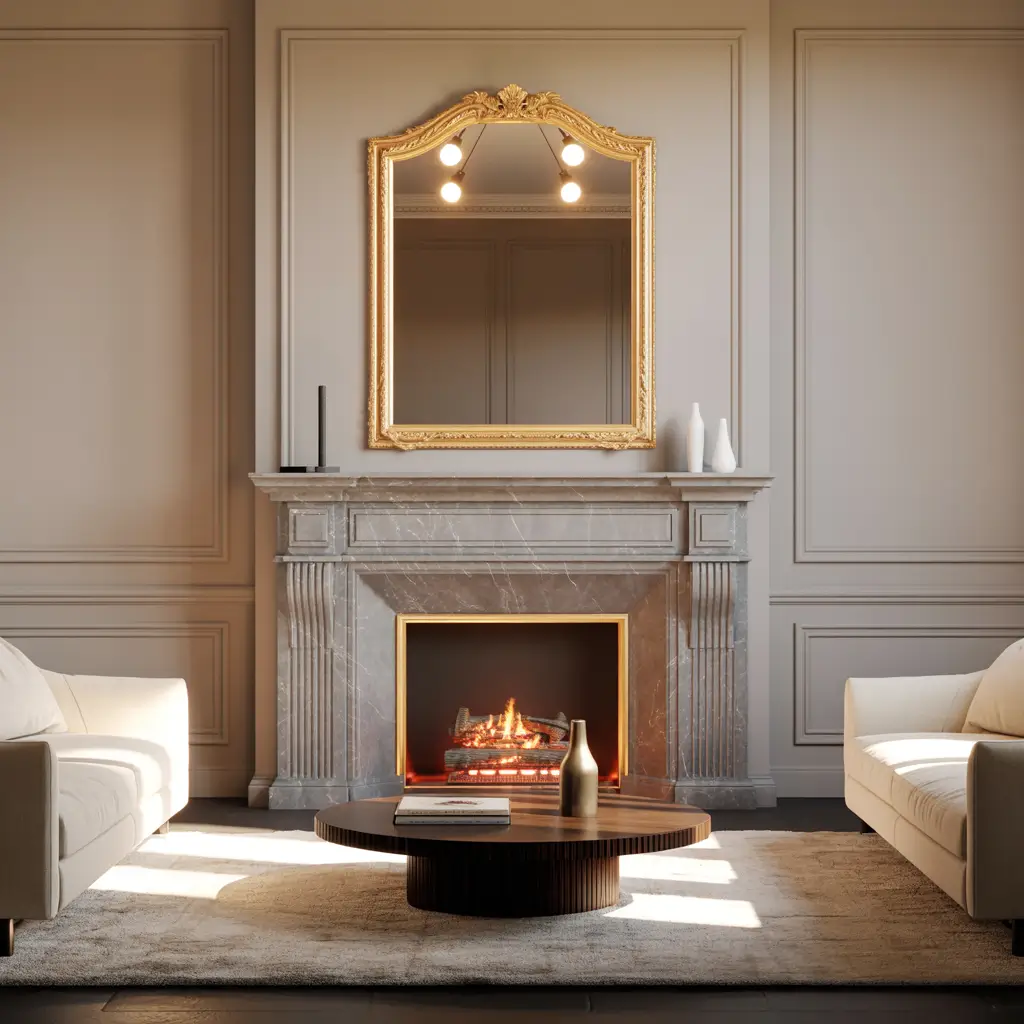
Neutral neoclassical design proves you don’t need bold colors for impact. This approach lets architectural details and proportions take center stage.
Building Interest Without Color
When you remove color, other elements become crucial:
- Texture variety keeps things interesting
- Tonal variations create depth
- Metallic accents add glamour
- Natural materials bring warmth
- Pattern play in similar tones
The Power of White Space
Neoclassical design respects negative space. Not every surface needs decoration. Empty walls between ornate mirrors let both elements breathe. Clear surfaces make decorative objects more impactful.
12. Simplified Neoclassical Homes with a Modern Twist
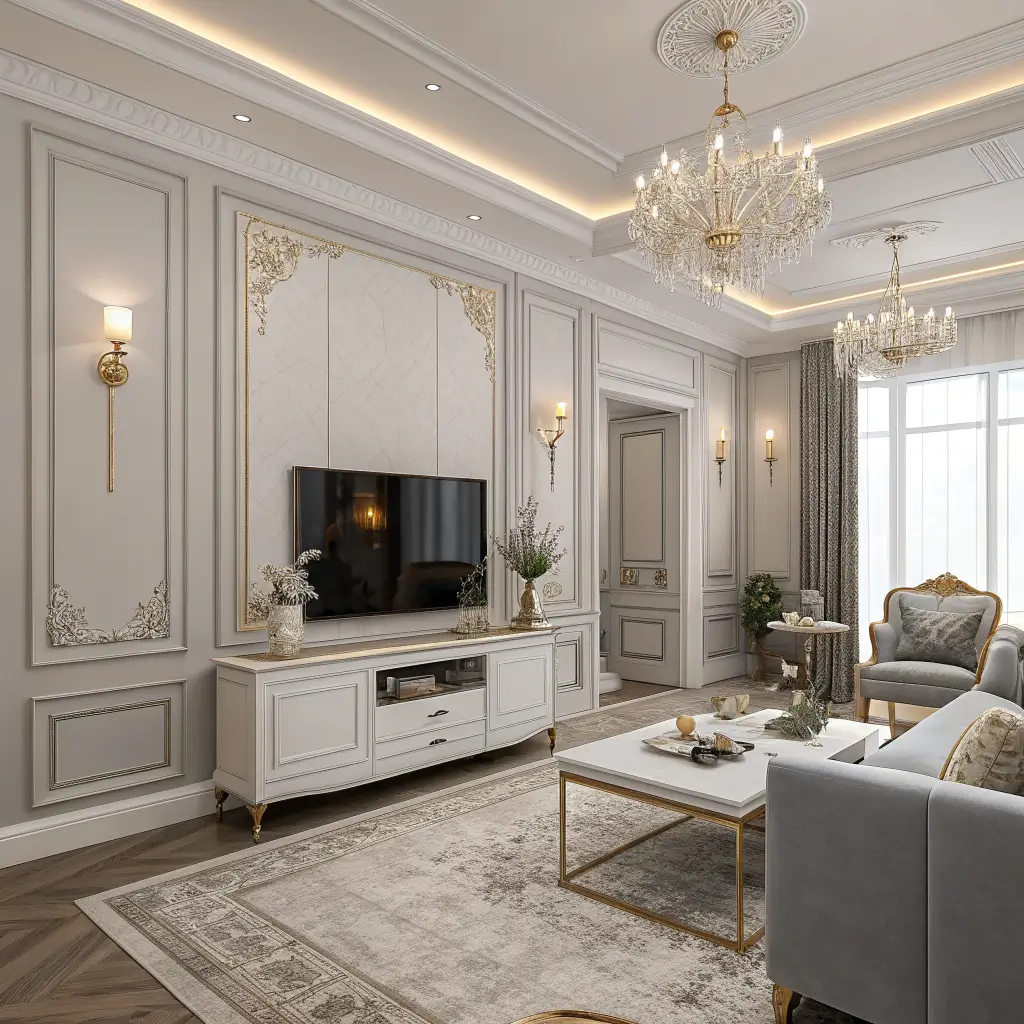
Simplified neoclassical takes classical principles — proportion, symmetry, quality materials — and strips away the fussy details. What remains feels both timeless and completely current.
Essential Elements Only
Focus on fundamentals:
- Perfect proportions in every piece
- Quality over quantity always
- Subtle nods to classical style
- Clean lines with gentle curves
- Minimal ornamentation
Making It Personal
The best neoclassical interiors reflect their owners. Add:
- Contemporary art in classical frames
- Family photos in symmetric arrangements
- Modern books on classical pedestals
- Personal collections displayed formally
- Travel souvenirs that echo classical themes
My home mixes simplified neoclassical bones with my collection of contemporary photography. The classical framework makes my modern interests feel more sophisticated, while personal touches keep the classical elements from feeling stuffy.
Bringing Neoclassical Into Your World
Here’s what I want you to remember about neoclassical interior design: it’s not about historical accuracy or creating period rooms.
Modern neoclassical design borrows the best parts of classical style — the proportions, the quality, the timelessness — and makes them work for how we actually live.
Start small. Add one classical element and see how it feels. Maybe it’s crown molding in your living room, a Greek key mirror in your entrance, or a single piece of furniture with classical lines. Build slowly and intentionally.
The beauty of neoclassical design lies in its flexibility. You can go full palace or just add subtle nods. You can mix periods, styles, and price points. The classical principles of proportion and harmony work with any approach.
Whether you’re in a studio apartment or a suburban house, whether your budget is huge or tiny, neoclassical design offers something valuable: rooms that feel considered, elegant, and timeless.
And in our world of constant trend cycles, there’s something deeply satisfying about creating spaces that will still look good in ten, twenty, or fifty years 🙂