10 Modern Office Shelves Ideas for Minimalist Style
- Floating Shelves
 Ben
Ben- 0
- 25 minutes read
Your office shelves say more about you than your business cards ever could. I realized this after spending two years staring at a cluttered mess of papers, random books, and that plant I kept forgetting to water.
My productivity was tanking, my Zoom background looked like a crime scene, and I finally understood why everyone else in video calls had those impossibly organized shelves behind them.
After transforming my home office three times (yes, I became slightly obsessed), I discovered that the right shelving setup doesn’t just store your stuff – it changes how you work, think, and feel about your space.
Whether you’re dealing with a dedicated office room or carving out a corner of your kitchen, the shelves you choose matter way more than you might think.
Let me share the setups that actually work, not just the Pinterest-perfect ones that fall apart in real life.
Floating Minimalist Shelves: The Less-is-More Champion
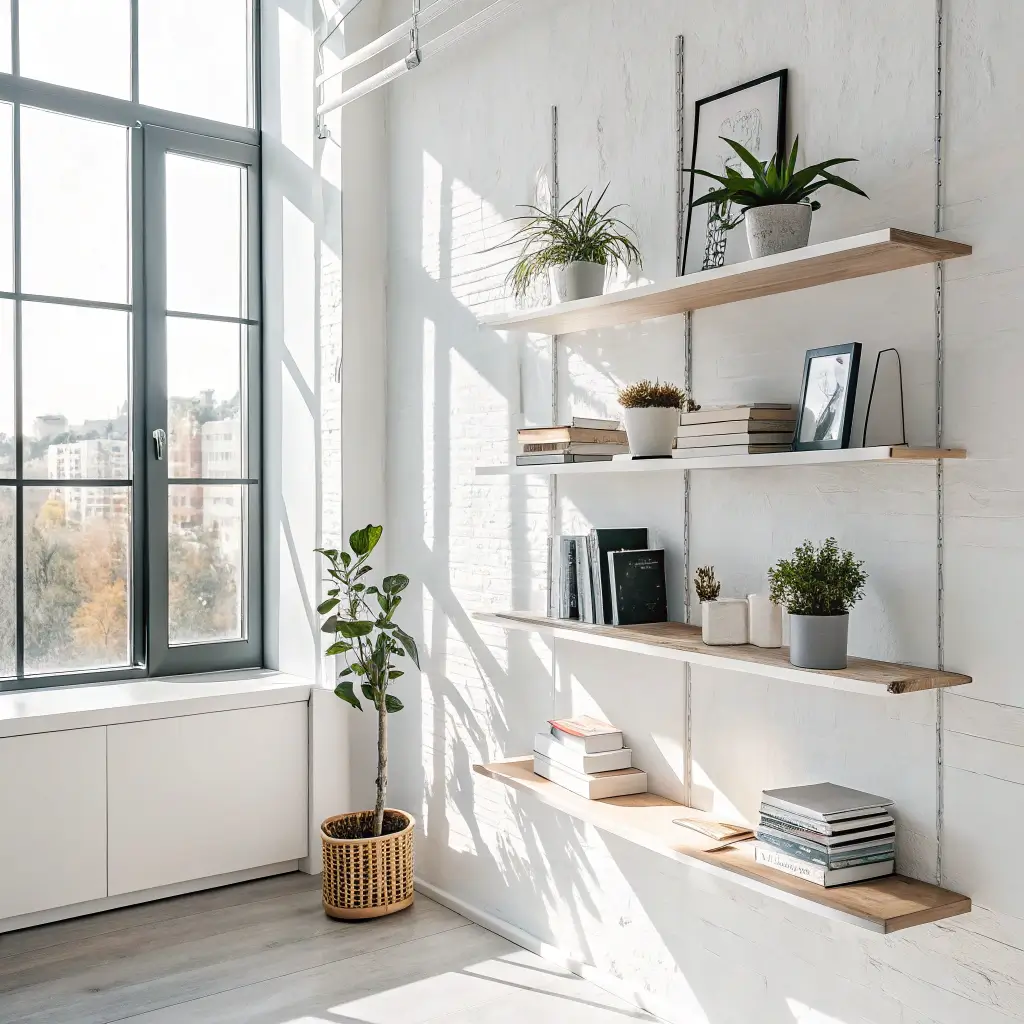
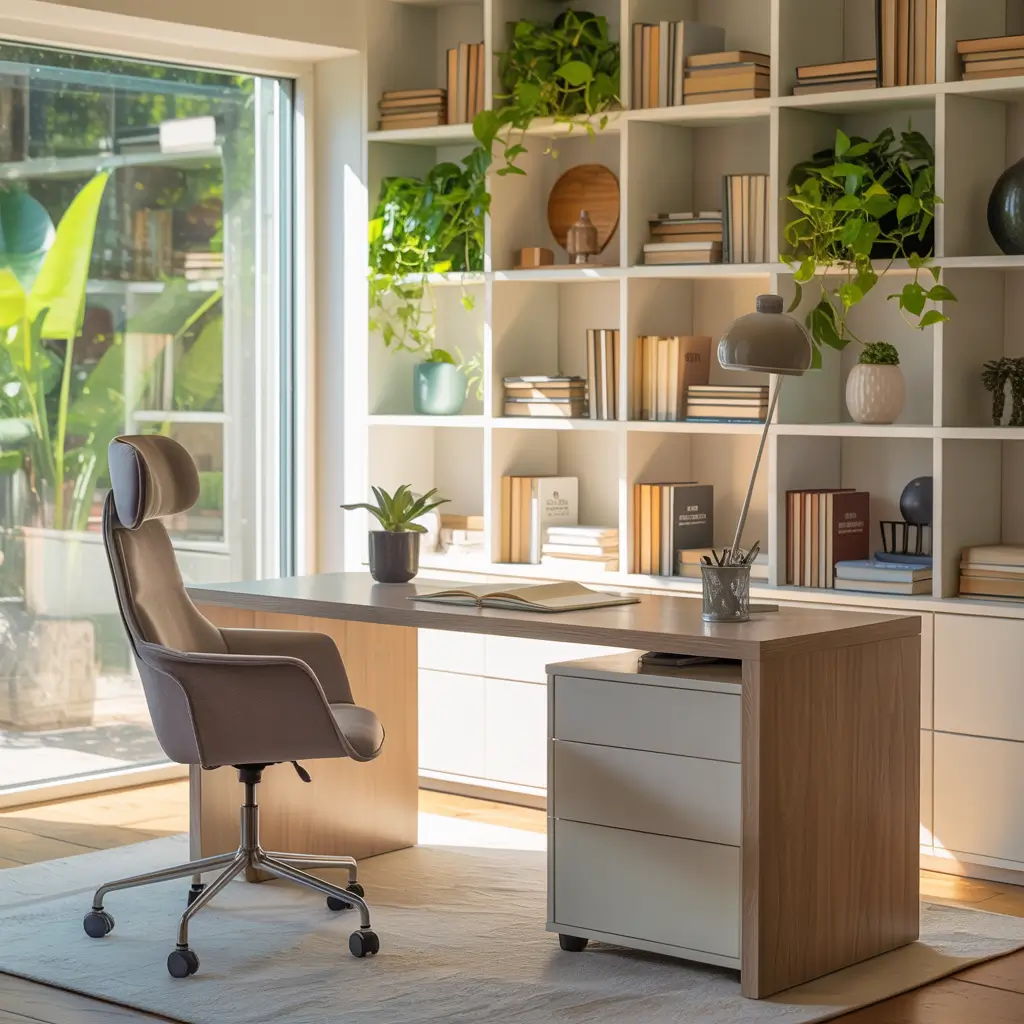
Floating minimalist shelves transformed my cramped home office from “chaotic cave” to “sophisticated workspace” faster than I could say “productivity boost.” The clean lines and invisible mounting create this illusion that your books and supplies are levitating, which is exactly the kind of magic every office needs.
I installed three simple white floating shelves above my desk, and suddenly I had storage without the visual weight. The minimalist approach forces you to edit what you display, which inadvertently declutters your mind too. Funny how that works, right?
Getting Minimalist Shelves Right
Choose shelf thickness that balances style with function. I went with 2-inch thick shelves because they look substantial without being chunky. Thin shelves might look sleeker, but they bow under the weight of actual office supplies. Nobody wants to explain why their important files are now on the floor.
Install them at practical heights for your workflow. My shelves sit 12 inches above my monitor, 14 inches apart from each other. This creates easy reach for daily essentials while keeping rarely-used items on the top shelf where they belong – visible but out of the way.
Stick to a tight color palette for maximum impact. My white shelves against a gray wall create contrast without competing for attention. The items I display become the stars, not the shelving itself. That’s the whole point of minimalism – letting what matters actually stand out.
Corner Space-Saving Shelves: The Dead Zone Destroyer
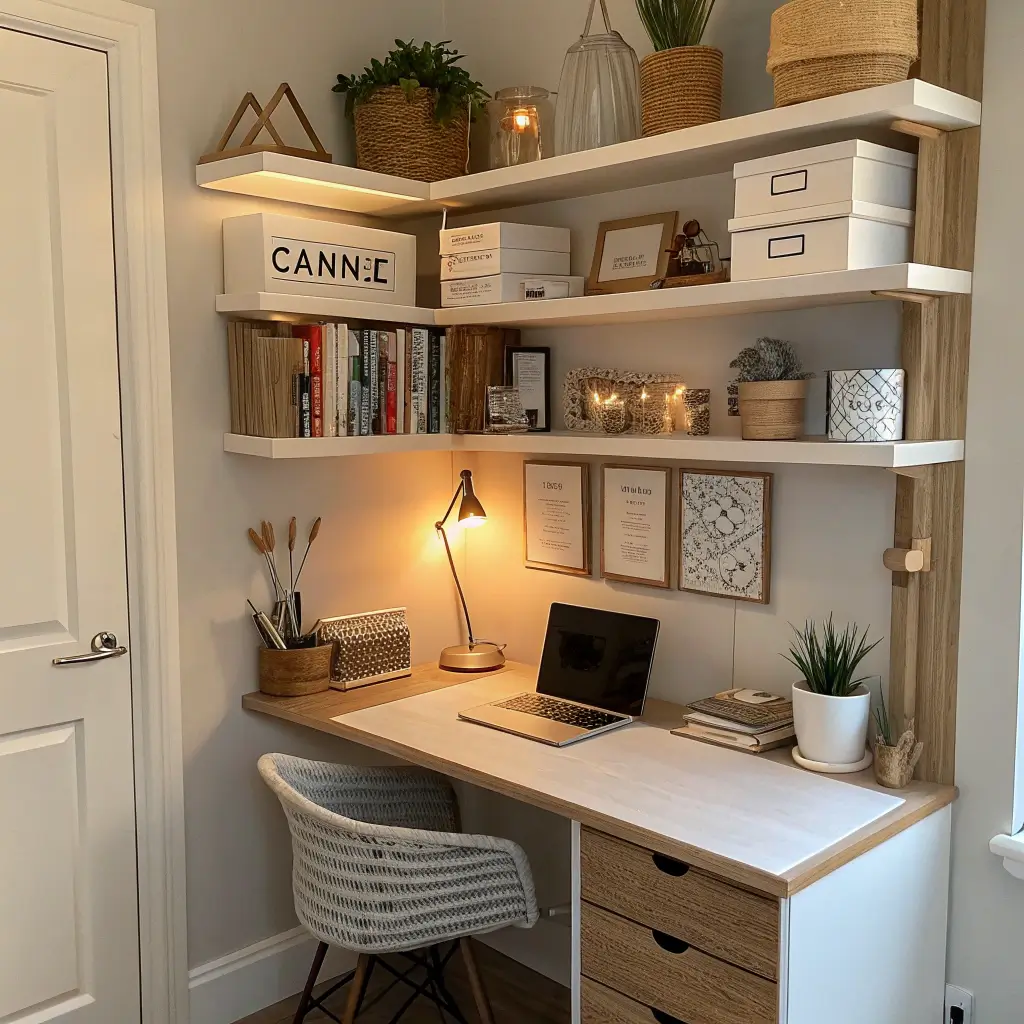
Corner shelves turned my office’s most useless real estate into prime storage territory. That awkward angle next to my desk collected dust and sadness until I realized it was begging for shelving. Now it holds my reference books, a small plant (still alive, surprisingly), and the awards I pretend not to care about but definitely want visible.
The triangular footprint of corner shelves means they use space that would otherwise just sit empty. In a small office, reclaiming those neglected corners can double your storage without sacrificing floor space you need for, you know, moving around.
Corner Shelf Strategies
Measure your corner angle before ordering anything. My “square” corner turned out to be 88 degrees, which meant my first corner shelf left an annoying gap. A quick template from cardboard saved my second attempt from the same frustrating fate.
Layer heights strategically for visual interest. I positioned my corner shelves at 24, 36, and 48 inches, creating a climbing effect that draws the eye upward. This makes my modest ceiling feel taller, which is a psychological win in a small office.
Use corners for decorative items you want visible but don’t need constantly. My corner shelves hold things I glance at for inspiration – awards, photos, meaningful objects. The corner position creates a display without cluttering my main work sightlines.
Industrial Pipe Wall Shelves: The Character Builder
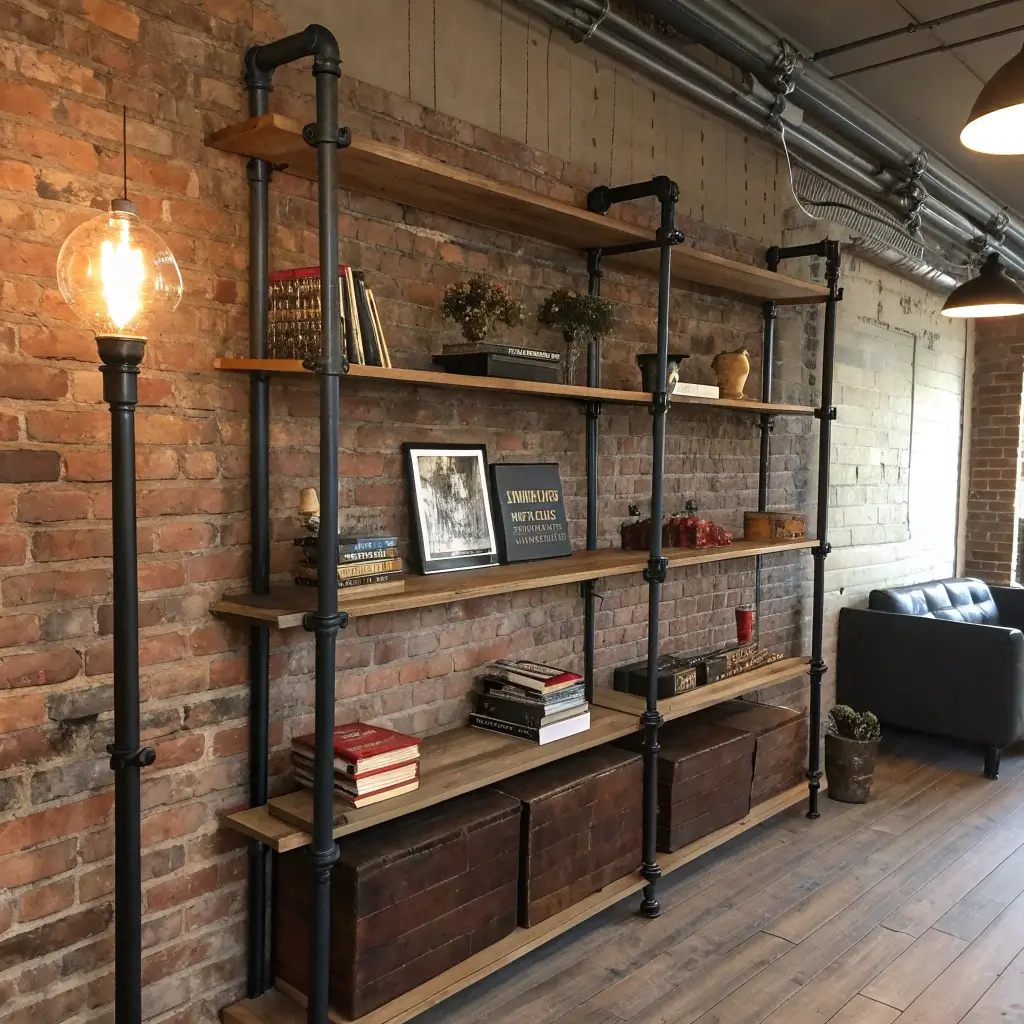
Industrial pipe shelves bring that Brooklyn-loft energy to any office, even if you’re actually in suburban Ohio like me. The raw combination of black iron pipes and wooden planks creates instant character that makes even basic storage look intentional and designed.
I built my pipe shelf system for about $120 in materials, and it looks way better than the $600 version I was eyeing online. The DIY aspect adds personal satisfaction every time I look at it – I actually made something useful instead of just buying it.
Pipe Shelf Pro Tips
Plan your configuration before shopping. I made three trips to the hardware store because I kept forgetting crucial fittings. Now I sketch everything out, make a detailed parts list, and buy extras. Returning unused pipes beats additional trips.
Clean and seal your pipes immediately after assembly. Factory-fresh pipes come covered in manufacturing residue that transfers to everything you touch. I learned this after getting black marks on important documents. A good degreaser and clear coat fix this permanently.
Mix pipe configurations for visual interest. I combined straight runs with elbow joints and T-fittings to create a non-uniform setup. The variety looks custom and thoughtful rather than like I just threw pipes at a wall.
Also Read: 10 Stunning Bar Shelves Ideas for Small Corners
Adjustable Modular Shelves: The Change-with-Me Solution
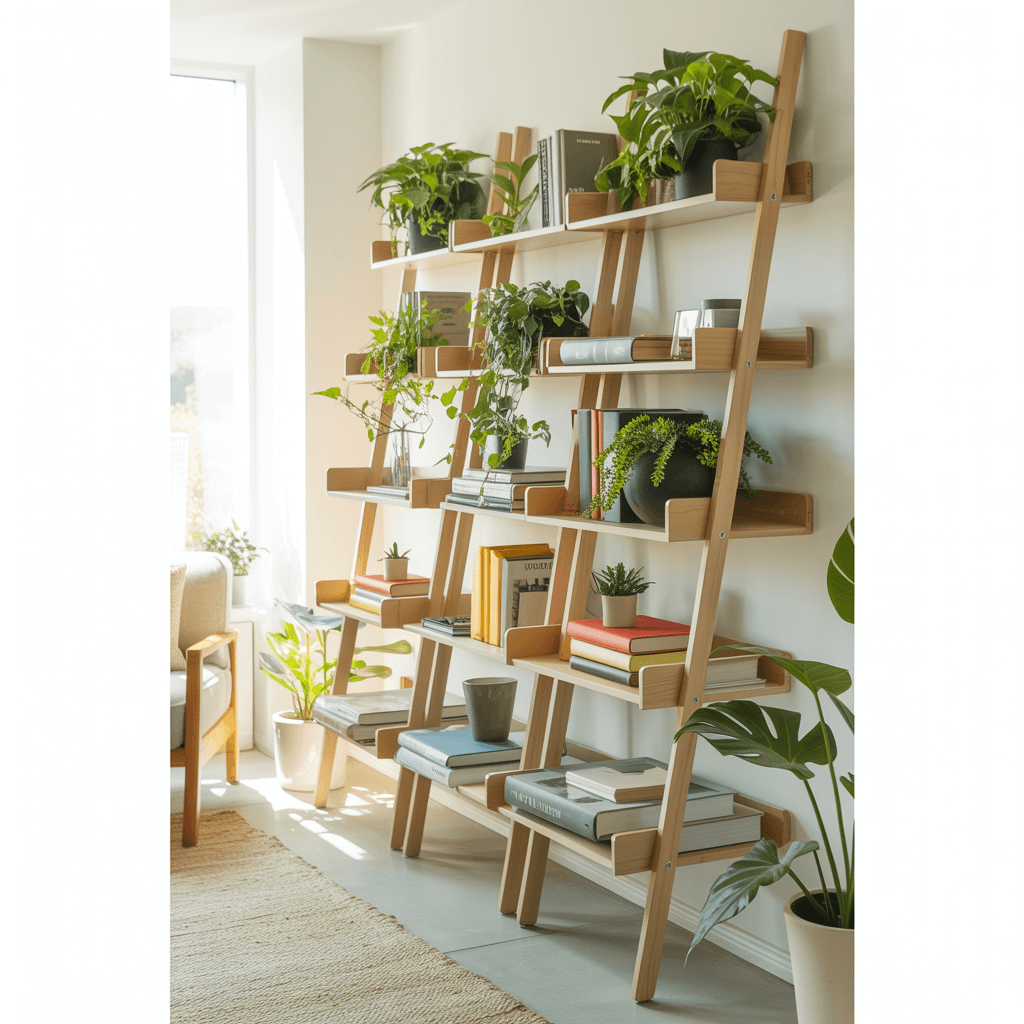
Modular shelving changed my approach to office organization because it grows and adapts with my needs. I started with a basic three-shelf system, and now I have eight shelves configured specifically for my current projects. When work needs change, my shelves change with them.
The adjustable nature means you never have that frustrating “this book is too tall for this shelf” moment. I move shelves up or down as needed, creating custom spacing that fits my actual stuff rather than forcing my stuff to fit standard spacing.
Maximizing Modular Potential
Invest in quality tracks and hardware upfront. Cheap modular systems sag, wobble, and generally disappoint within months. I learned this after my budget system started looking sad. Quality hardware costs more initially but lasts indefinitely.
Plan for future expansion when buying. I chose a system with available add-on components that I could purchase later. Two years in, I’ve added four more shelves and two drawers without replacing anything.
Create zones within your modular system. I designate specific sections for different functions – reference materials here, supplies there, display items elsewhere. This organizational framework keeps the flexibility from becoming chaos.
Ladder-Style Leaning Shelves: The Commitment-Free Option
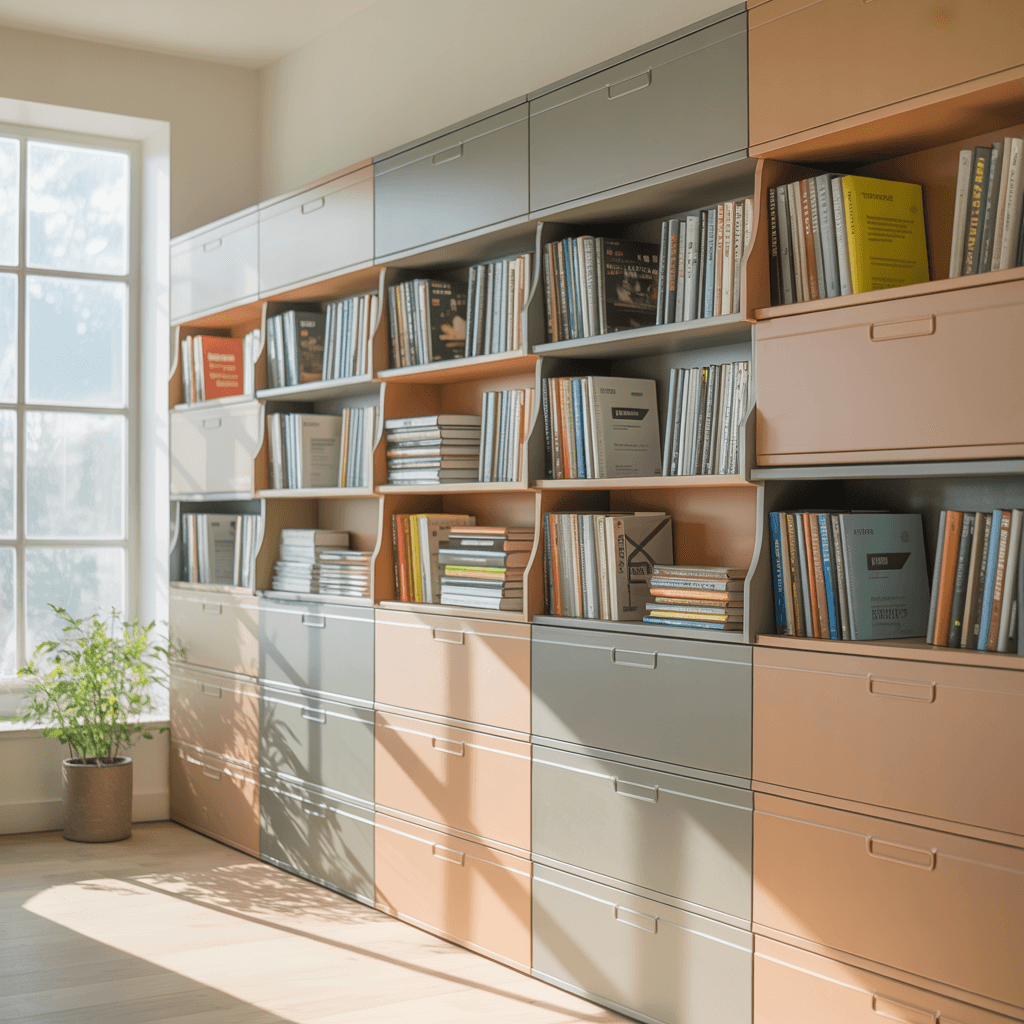
Ladder shelves lean against your wall with the confidence of someone who knows they look good while requiring zero installation. My bamboo ladder shelf took five minutes to set up (just lean it), and now it holds everything from binders to plants to that stack of notebooks I’ll definitely use someday.
The graduated shelf sizes naturally organize items by dimension. Wide bottom shelves hold larger items while narrow top shelves perfect for smaller pieces. The design basically organizes itself, which appeals to my lazy tendencies.
Ladder Shelf Living
Secure the top even though it leans. One afternoon, my cat decided to climb it, and we nearly had a disaster. A simple furniture strap at the top prevents this while remaining completely invisible.
Position away from high-traffic areas. Ladder shelves extend into the room more than wall-mounted options. I learned this by constantly bumping into mine until I moved it to a less-traveled corner.
Keep heavier items low for stability. Loading the top with heavy books makes the whole thing top-heavy and sketchy. My large binders live on the bottom shelf now, and everything feels much more secure.
Hidden Storage Bookshelves: The Secret Keeper
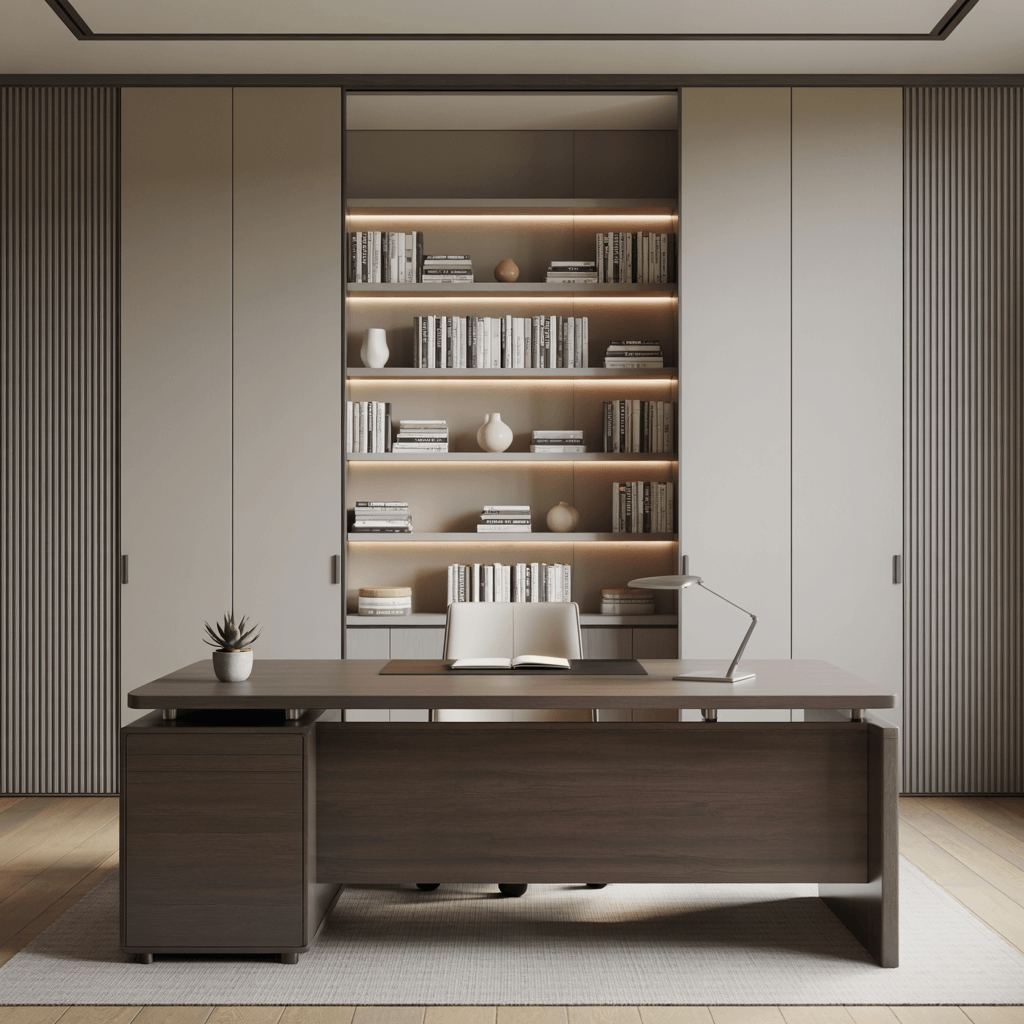
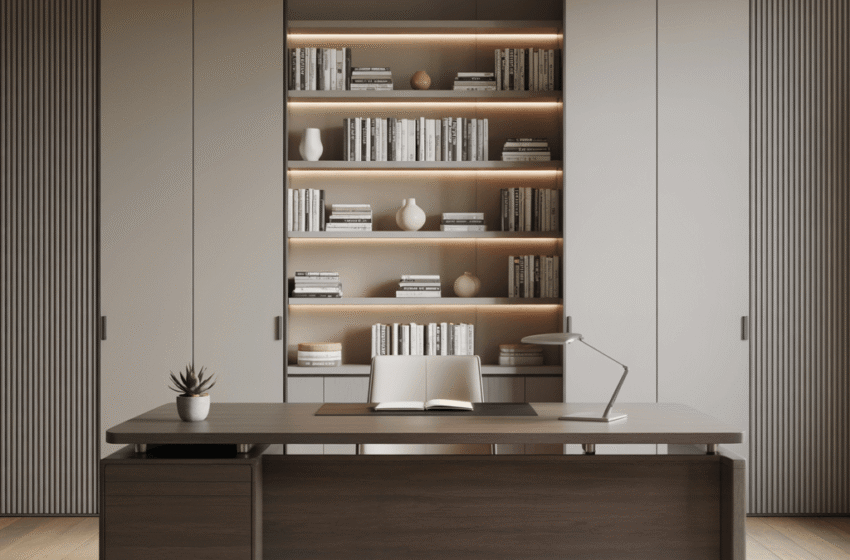
Hidden storage bookshelves are like having a secret identity for your office – presentable on the surface with secrets tucked away behind. My built-in bookshelf features drawers disguised as fixed elements and cabinets behind what appears to be solid wood. It’s basically office furniture with a poker face.
The hidden compartments hold everything that makes me look less professional – charging cables, snack stashes, random receipts I should probably file. Guests see organized books and awards; I know there’s a whole other layer of functional chaos hiding within.
Hidden Storage Wisdom
Plan hidden compartments based on what you actually hide. I made one drawer too shallow for my cable collection, rendering it nearly useless. Measure your stuff before designing storage for it.
Use quality mechanisms that don’t reveal themselves. Cheap hinges squeak, cheap slides stick. My soft-close drawer slides make zero noise – guests have no idea there’s storage behind those books.
Balance hidden and display storage. All hidden defeats the purpose of having nice things to show. I keep 60% visible, 40% concealed. This ratio works for maintaining appearances while hiding the inevitable office chaos.
Also Read: 12 Elegant Shower Shelves Ideas for Minimalist Bathrooms
Colorful Geometric Wall Shelves: The Personality Pop
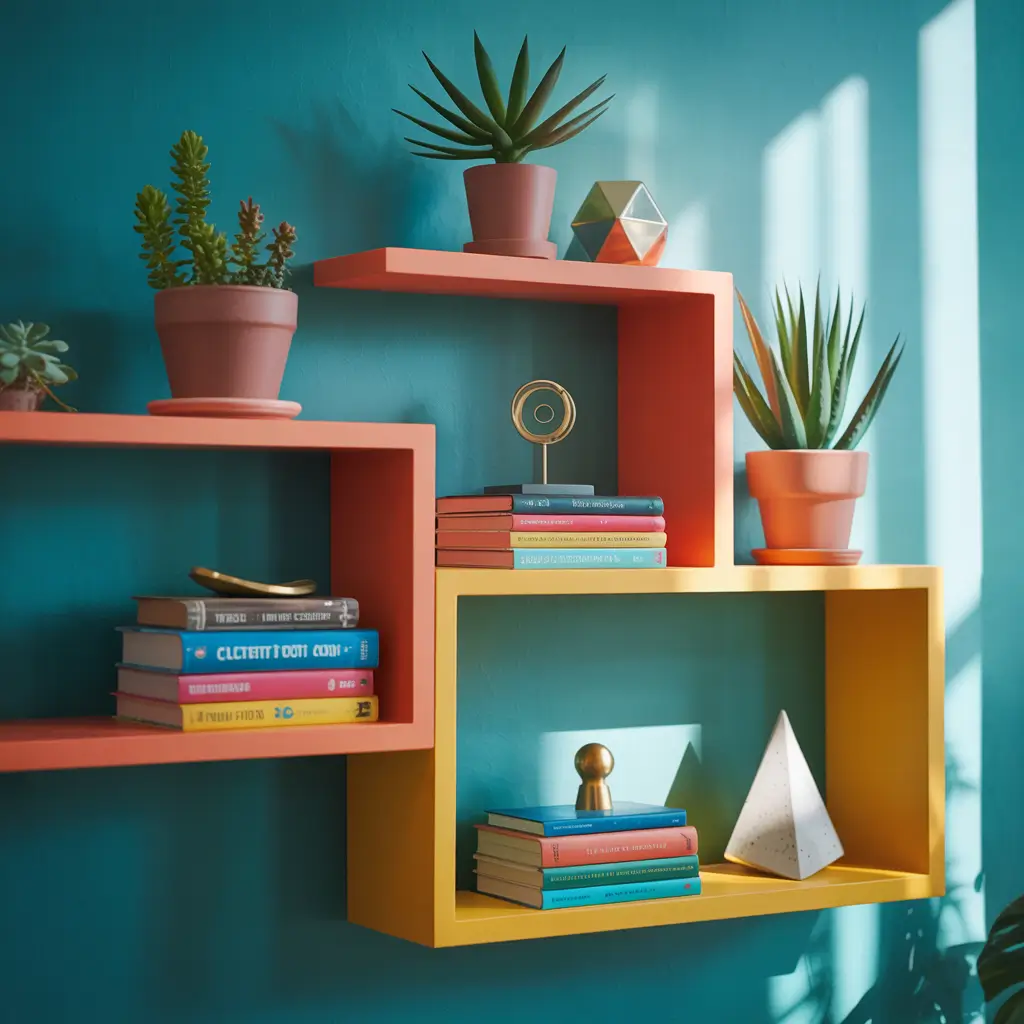
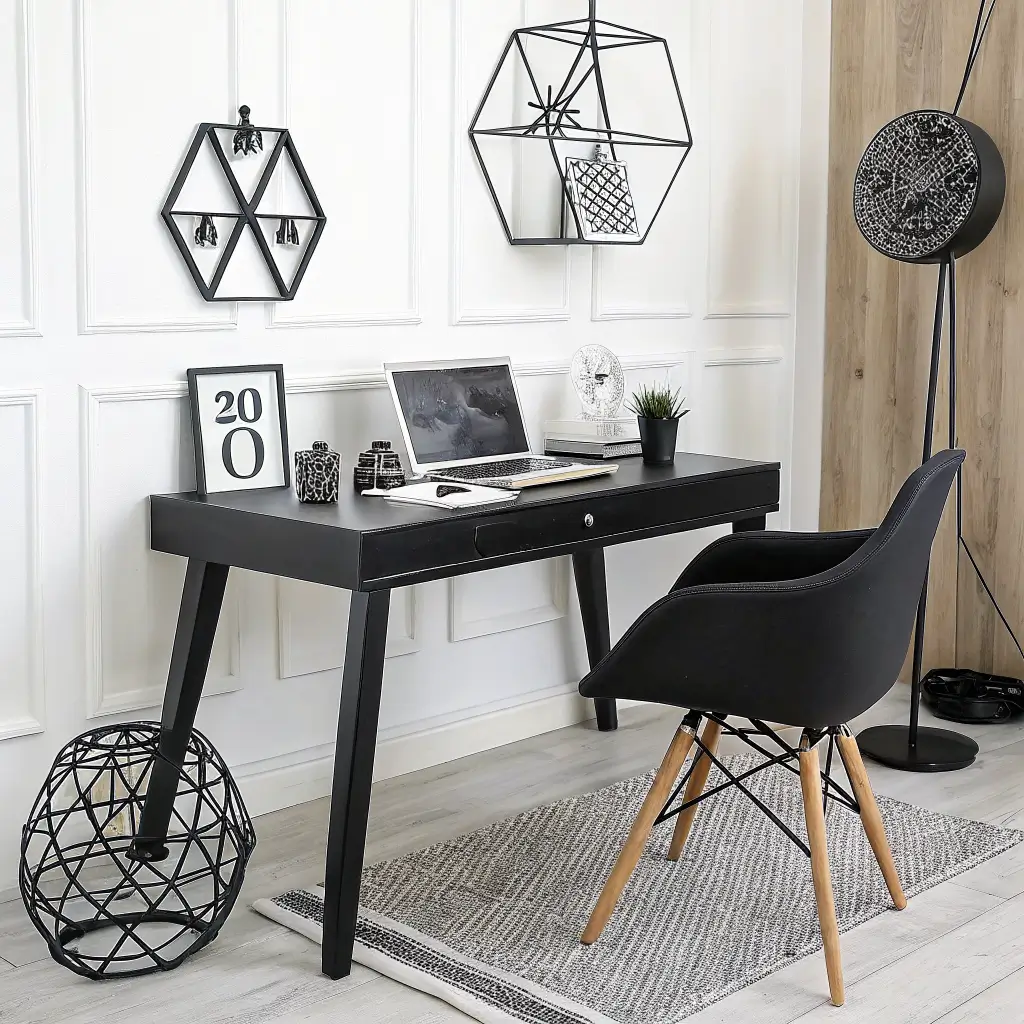
Geometric shelves turn your office wall into functional art that happens to store your stuff. My collection of hexagons in different sizes creates this honeycomb effect that makes video call backgrounds infinitely more interesting than the blank wall I used to stare at.
The color aspect adds personality that standard rectangular shelves never could. My sage green and warm wood hexagons complement my office’s color scheme while making the space feel creative and energized.
Geometric Shelf Guidelines
Map your arrangement with paper templates first. I spent hours holding actual hexagons against my wall before realizing I could use paper cutouts. Save your arms and test with templates.
Mix shapes and sizes for dynamic displays. Uniform shapes look like you bought a premade set. Different sizes in similar styles look curated and intentional. I have three large, four medium, and two small hexagons creating an organic cluster.
Leave some shapes empty for visual breathing room. I keep two hexagons deliberately empty, which prevents that overcrowded look and lets displayed items actually stand out.
Floating Desk with Integrated Shelves: The Space-Saving Marvel
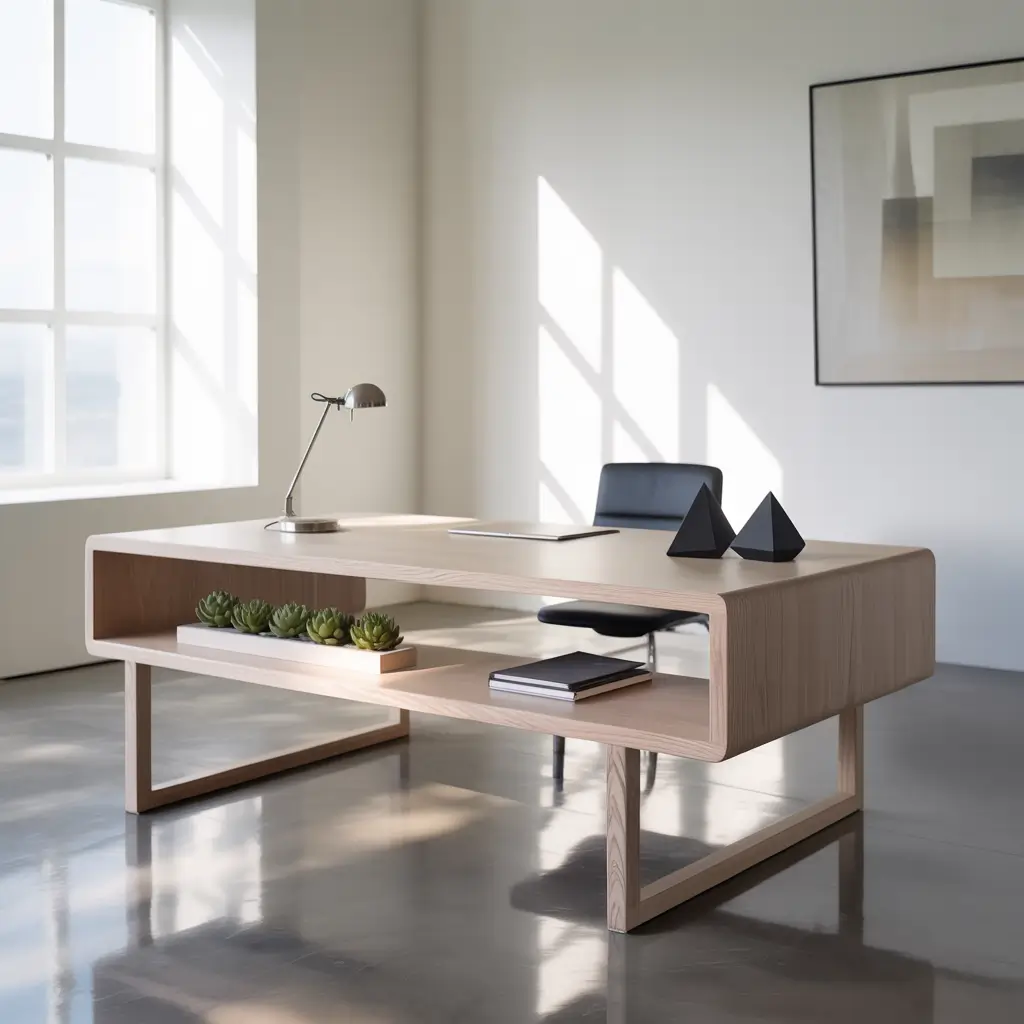
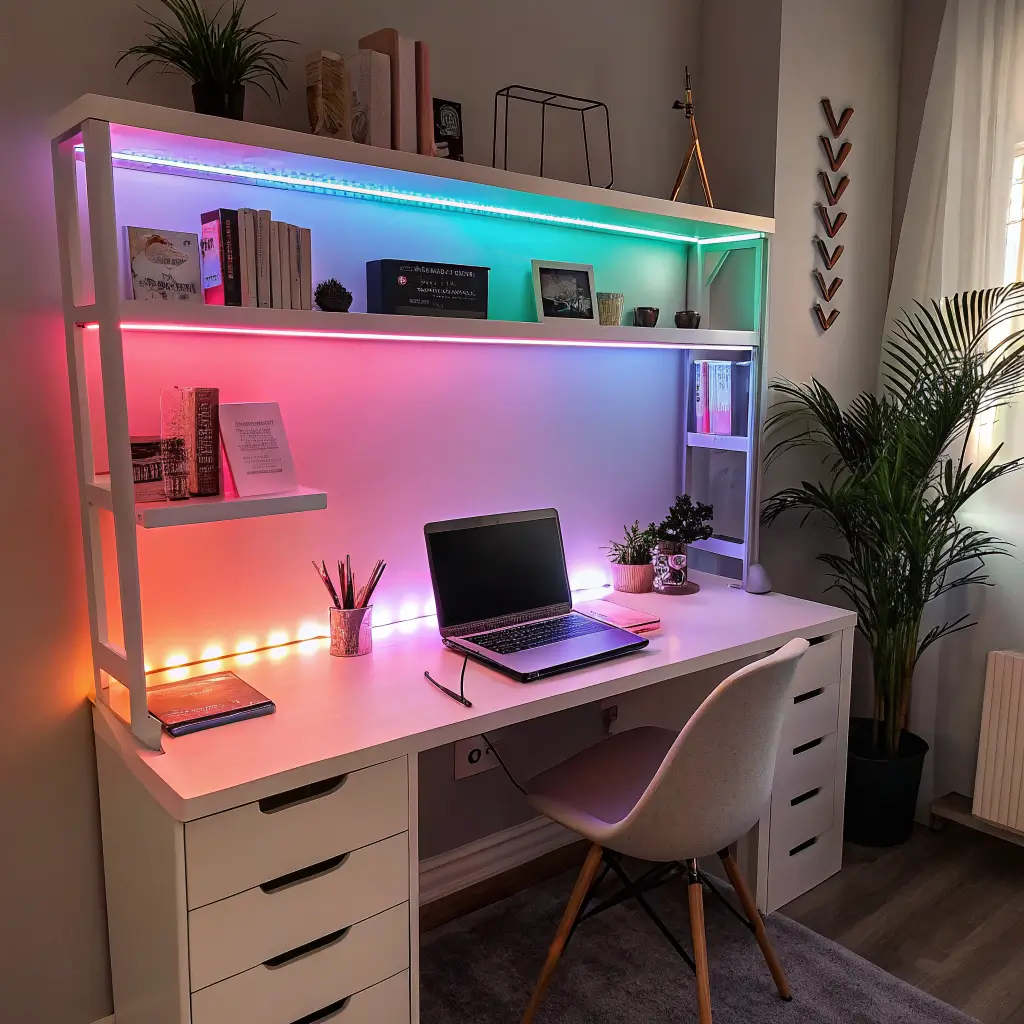
Floating desks with built-in shelves solve two problems simultaneously – workspace and storage in one footprint. My wall-mounted desk unit includes three shelves rising above the work surface, creating a complete office in about four square feet of wall space.
The integration means everything stays within arm’s reach without cluttering your actual desk. I can grab reference materials, supplies, or coffee (the most important supply) without leaving my seat. For small spaces or multi-purpose rooms, this combo is basically mandatory.
Integrated Desk Success
Install at exact ergonomic heights for your body. Standard desk height doesn’t fit everyone. I’m tall, so I mounted mine an inch higher than typical. That small adjustment prevented years of shoulder pain.
Ensure rock-solid mounting. This isn’t a shelf that holds books – it holds your work life. I used heavy-duty brackets into studs and tested with more weight than I’d ever actually put on it.
Cable management becomes crucial with integrated setups. Route cords through the wall or use cable channels to prevent that “tech explosion” look. My setup has discreet holes for routing cables, keeping the surface clean.
Open Cube Display Shelves: The Modular Marvel

Open cube shelves create defined spaces for each category of stuff, which appeals to my need for everything having its place. My 3×4 cube setup gives me twelve distinct compartments, each holding a different type of office necessity. It’s like organized chaos became actual organization.
The open design means everything stays visible and accessible, preventing that “out of sight, out of mind” problem where supplies get buried and forgotten. I can see everything at a glance, which speeds up finding what I need.
Cube Shelf Configuration
Mix open cubes with fabric bins for variety. All open shows everything, including the mess. All bins hide everything, defeating the purpose. I use bins in about half my cubes for items that don’t need to be visible.
Group cubes by function rather than filling randomly. One cube holds office supplies, another has reference books, a third contains project materials. This logical organization survives my occasional lazy moments.
Secure tall cube units to walls. Cube shelves can become top-heavy when loaded. Mine is strapped to the wall with an invisible anchor. It took five minutes to install and prevents any tipping worries :/
Also Read: 10 Unique Hanging Shelves Ideas and Chic Home Decor Tips
Rustic Wooden Shelving Units: The Warm Worker
Rustic wooden shelves bring natural warmth to office spaces that often feel cold and corporate. My reclaimed wood shelves add character that manufactured furniture never matches. Each board has its own history, complete with weathering and imperfections that make my office feel human.
The organic texture softens the hard edges of technology – monitors, keyboards, cables. That visual contrast makes spending hours in my office actually pleasant rather than sterile and depressing.
Rustic Shelf Reality
Treat reclaimed wood before installing. I learned this after discovering that my beautiful barn wood shelves came with uninvited insect residents. A proper treatment eliminates this risk while preserving the authentic character.
Reinforce mounting points on vintage wood. Old wood can be unpredictable in terms of strength. I add metal brackets and extra support wherever I mount shelves. Better to over-engineer than to watch your stuff crash to the floor.
Seal surfaces for durability without losing character. I use matte polyurethane that protects against daily office wear while keeping the wood looking natural. Glossy finishes look fake on rustic wood.
Making Office Shelves Actually Work for You
Here’s what years of shelf obsession taught me: the best office shelving matches how you actually work, not how you think you should work.
I designed gorgeous minimalist setups that failed because I actually needed accessible clutter. Being honest with yourself about your habits saves money and frustration.
Start with one shelf area and live with it before committing to a full system. I thought I needed floor-to-ceiling storage until I realized I couldn’t reach anything above six feet.
Now my shelves stop at a practical height, and I’m much happier.
Consider your video call background seriously. Remote work means your shelves are on camera constantly. I position my most impressive items (books, awards, tasteful plants) where the camera captures them.
Strategic shelf styling makes you look way more put together than you might actually be.
FYI, mixing shelf styles often works better than going all-in on one approach. My office combines floating minimalist shelves above my desk, cube storage beside me, and industrial pipe shelves behind for display.
Each serves a different purpose, and together they handle everything my work life throws at them.
Think about lighting too. My floating shelves have LED strips that illuminate displayed items, creating depth and drama especially during evening work sessions. Good lighting transforms shelves from storage to showpieces.