12 Elegant Plant Shelves Ideas and Minimalist Styling
- Floating Shelves
 Ben
Ben- 0
- 30 minutes read
My plant addiction started innocently enough with one succulent. Fast forward three years, and I’m basically living in a greenhouse that happens to have a bed and a kitchen.
The problem? Running out of surfaces for my green babies faster than you can say “photosynthesis.” That’s when I discovered the magical world of plant shelves – vertical real estate that lets you have your plants and floor space too.
If you’re anything like me, scrolling through plant accounts at 2 AM and wondering how people fit 200 plants in a studio apartment, the answer is shelves. Lots and lots of creative shelving.
After testing virtually every plant shelf configuration possible (and killing only a moderate number of plants in the process), I’ve found the setups that actually work for real plant parents living in real spaces.
Floating Window Plant Shelves: The Sun-Worshipper’s Paradise
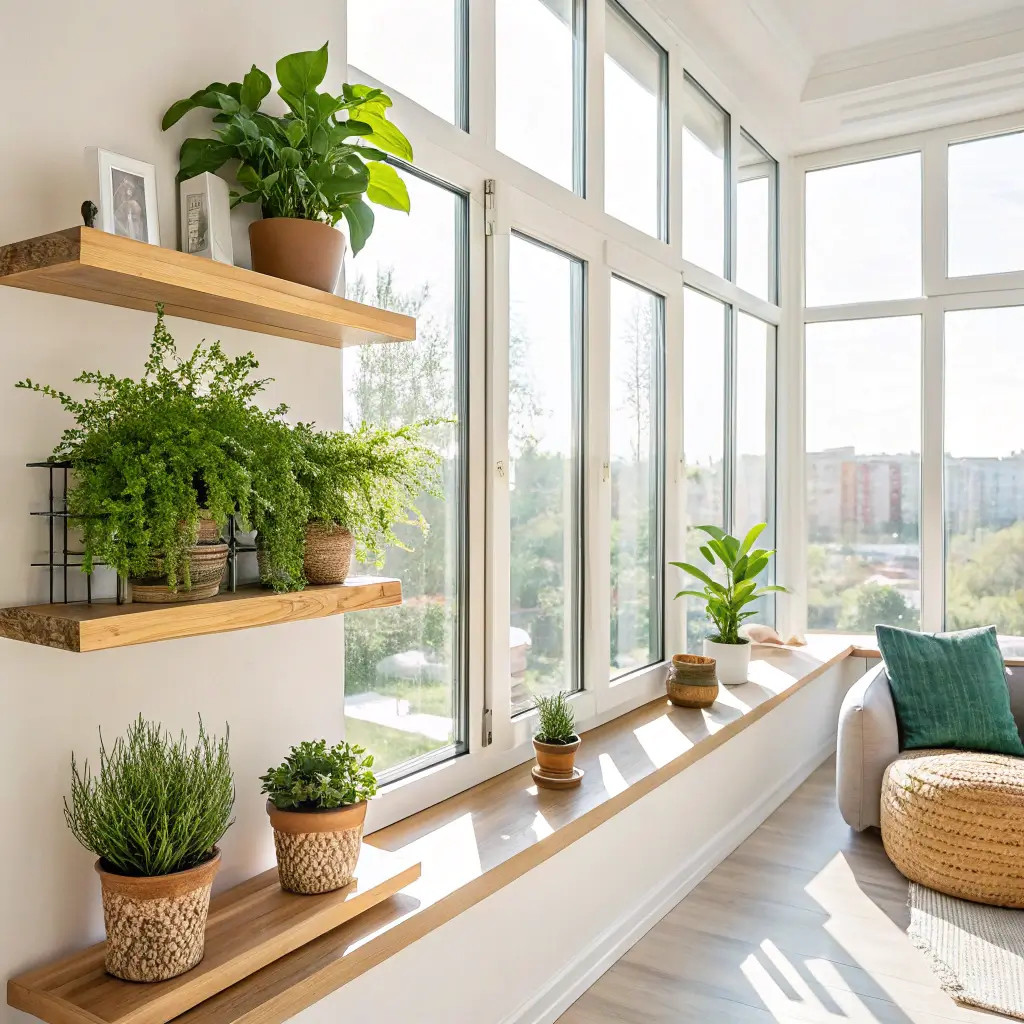
Floating shelves across your windows are basically plant heaven. They get all that delicious direct sunlight your sun-loving plants crave while creating a living curtain that’s way cooler than actual curtains. I installed these in my south-facing window last spring, and my succulents have never been happier.
The trick with window shelves is choosing the right depth. Too deep and they block too much light from the room. Too shallow and your pots are doing that terrifying teetering thing every time you water. I found that 6-inch deep shelves work perfectly for most standard pots while still letting plenty of light through.
Making Window Shelves Work Without Drama
Clear acrylic shelves are genius for windows because they practically disappear. I started with wood shelves, but they cast shadows and made my living room feel like a cave by 3 PM. Acrylic lets maximum light through while still holding my plant gang securely.
Bracket placement matters more than you’d think. I learned to install brackets slightly inward from the shelf edges so they don’t show from outside. Nothing ruins your home’s curb appeal like visible hardware making your windows look like construction sites.
Consider your plants’ water needs when planning window shelves. Anything that needs frequent watering should be easily accessible unless you enjoy playing Jenga with plants while holding a watering can. I keep my thirsty ferns on lower shelves and drought-tolerant succulents up high where I can admire and ignore them equally.
Minimalist Wall Plant Shelf Grid: The Clean Lines Dream
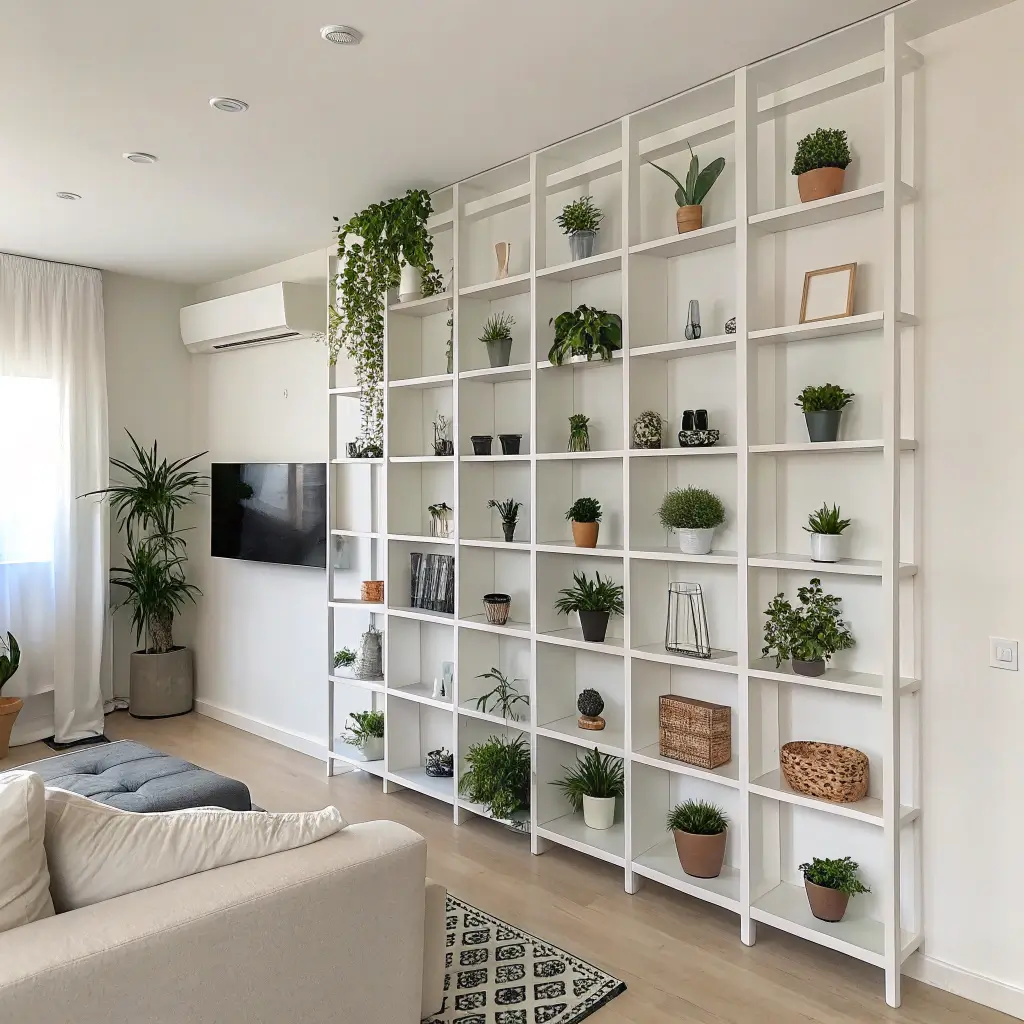
A minimalist grid system turns your plant collection into living wall art. Think of it as a gallery wall, but instead of pictures of your dog, it’s pictures of your plants. Wait, no – actual plants. Much better. My grid system transformed my boring hallway wall into something people actually compliment.
The beauty of grid shelving lies in its flexibility. You can add or remove shelves, adjust spacing, and reconfigure as your collection grows. Because let’s be honest, your collection will grow. Plant math is different from regular math – you always need just one more.
Creating Your Perfect Grid
Start with a rail system rather than individual shelves. I tried doing individual floating shelves in a grid pattern and spent six hours with a level trying to get them aligned. Rail systems let you adjust shelf height without new holes in your wall. Your landlord will thank you.
Keep the styling intentionally sparse. This isn’t the place for your entire jungle. I follow the rule of three plants per shelf maximum, mixing heights and textures. A trailing pothos, an upright snake plant, and maybe a small succulent. The negative space is just as important as the plants themselves.
Match your pots for maximum minimalist impact. I know, I know – matching pots means spending money on pots instead of plants. But trust me, a cohesive pot situation elevates the entire look from “random plants on shelves” to “curated botanical display.”
Corner Plant Shelf Tower: The Forgotten Space Hero
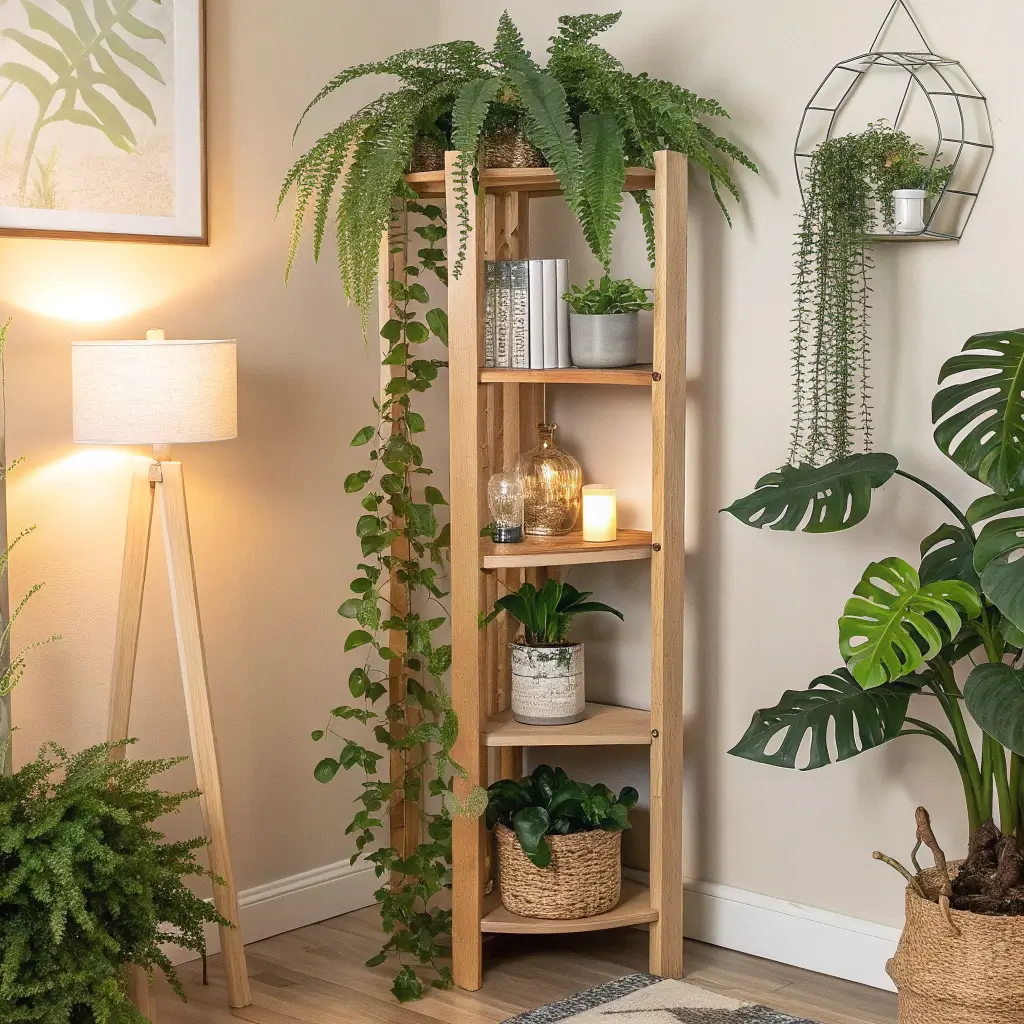
Corner shelf towers are like finding a twenty in your old jacket pocket – unexpected space you didn’t know you had. They turn those awkward corners that usually collect dust bunnies into vertical gardens. My bedroom corner went from sad and empty to my favorite meditation spot.
The graduated sizes naturally organize your plants by size. Bigger plants at the bottom where the shelves are wider, smaller ones as you go up. It’s like the universe designed these specifically for plant parents.
Conquering Corner Challenges
Light can be tricky in corners, so choose your plants wisely. I learned this after watching my sun-loving echeveria slowly etiolate into a sad, stretchy mess. Now my corner houses plants that actually prefer indirect light – pothos, ZZ plants, and my drama queen calathea.
Rotating plants in corners is essential unless you want them all leaning toward the light like they’re doing yoga. I give mine a quarter turn every week. Set a phone reminder because you will forget, and then wonder why your plants look like they’re trying to escape.
Consider a grow light for dark corners. I resisted for ages thinking they’d look tacky, but modern grow bulbs fit in regular fixtures and actually look pretty cool. My corner plants have never been happier, and visitors think I’m some kind of plant wizard.
Also Read: 10 Smart Bathroom Shelves Over Toilet Ideas for Small Spaces
Boho Rope Hanging Plant Shelves: The Macramé Maven’s Dream
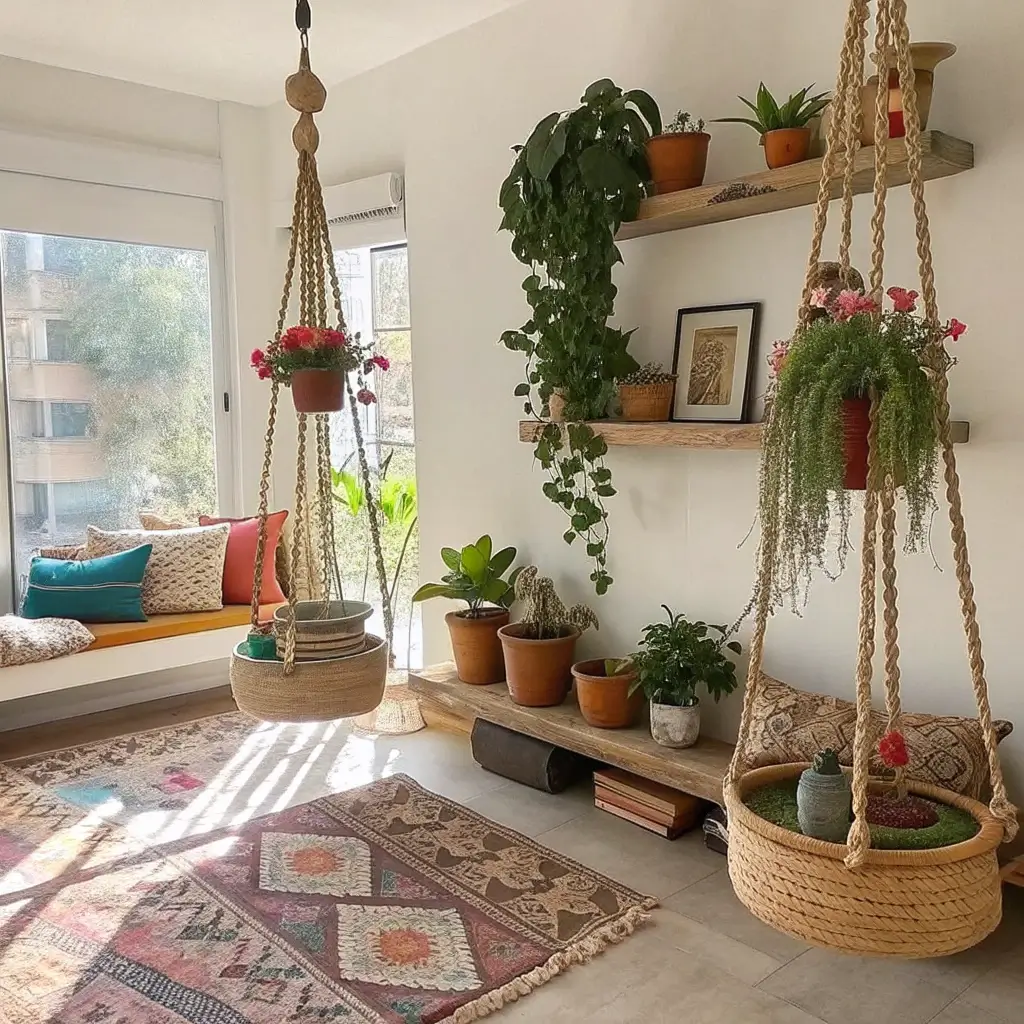
Rope hanging shelves bring those 70s vibes in the best way possible. They add movement and texture while keeping your plants at different heights, creating visual interest that regular shelves can’t match. Plus, they swing slightly when you water them, which is oddly satisfying.
I installed rope shelves in my bathroom, and the humidity-loving plants have created their own little ecosystem. It’s like having a spa that produces oxygen. The rope adds that boho texture that makes everything look more expensive and intentional than it actually is.
Mastering the Rope Shelf Game
Choose your rope based on weight and aesthetics. Natural jute looks amazing but can rot in humid environments. I learned this the disgusting way when my bathroom rope shelves started growing their own fungi. Now I use synthetic rope that looks natural but laughs in the face of moisture.
Ceiling anchors need to be bulletproof. These shelves swing, which adds stress to the mounting points. I use toggle bolts rated for 75 pounds even though my shelves hold maybe 20. Overkill? Maybe. But I sleep soundly knowing my plants won’t crash down at 3 AM.
Balance is crucial with hanging shelves. Uneven weight makes them tilt like a drunk sailor. I arrange plants symmetrically by weight, not size. That huge but lightweight bird’s nest fern balances perfectly with three small but soil-heavy succulents.
Ladder-Style Indoor Plant Shelves: The Ascending Garden
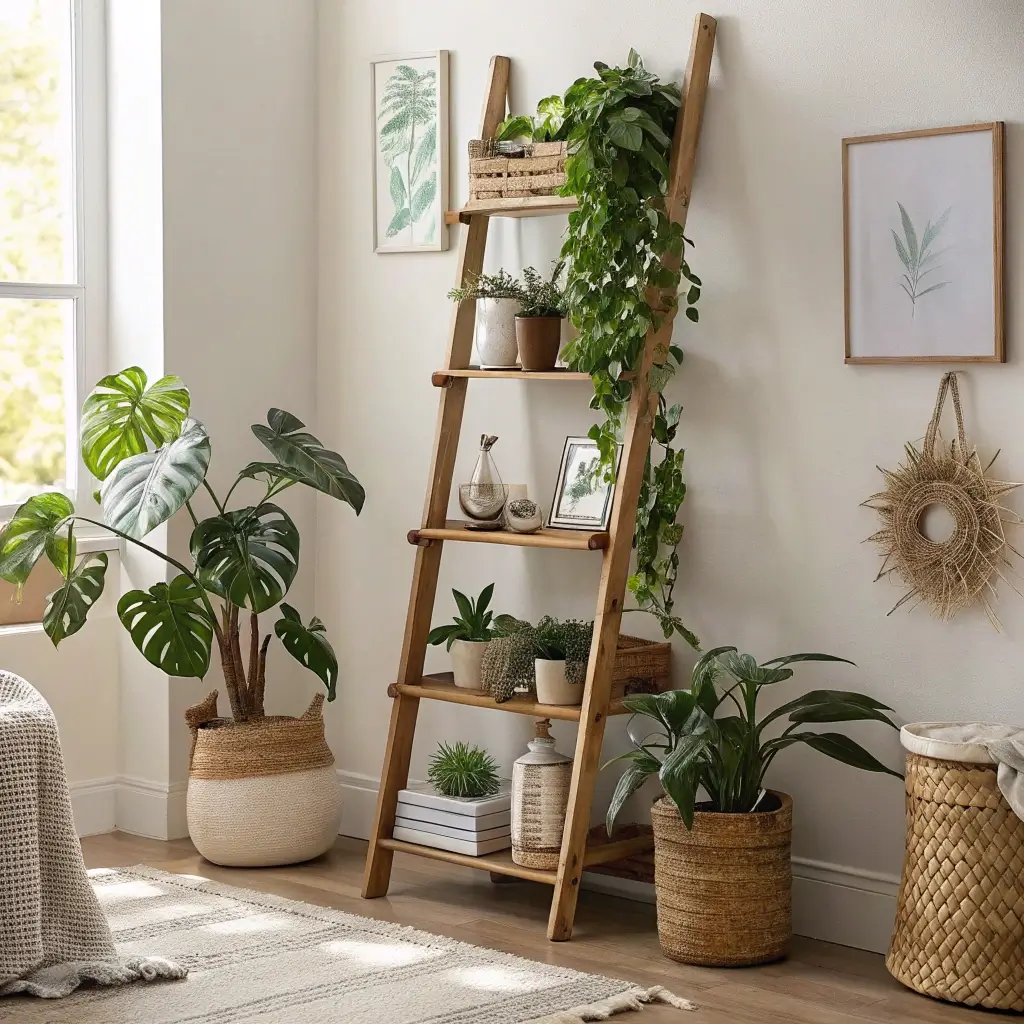
Ladder shelves are having a moment, and honestly, they deserve it. They lean casually against your wall like they just stopped by but decided to stay and hold all your plants. My living room ladder shelf started as temporary and has now been “temporary” for two years.
The graduated shelf depths work perfectly for different pot sizes. Wide shelves at the bottom for your statement plants, narrower ones up top for small propagations and that collection of tiny cacti you couldn’t resist at the grocery store.
Ladder Logic for Plant Parents
Secure ladder shelves even though they lean. I thought gravity was enough until my cat proved otherwise. A simple anti-tip kit saves you from plant avalanches and keeps your security deposit intact.
Weight distribution prevents tipping. Heavy plants go low, lighter ones climb high. I learned this after top-loading my ladder with large plants and watching it slowly lean forward like it was taking a bow. Physics matters, even in plant styling.
Mix plants with other items for visual interest. All plants can look overwhelming on ladder shelves. I add books, candles, and decorative objects between plant groupings. It looks intentional rather than like you’re running a greenhouse in your living room.
Kitchen Herb Plant Wall Shelves: The Culinary Garden
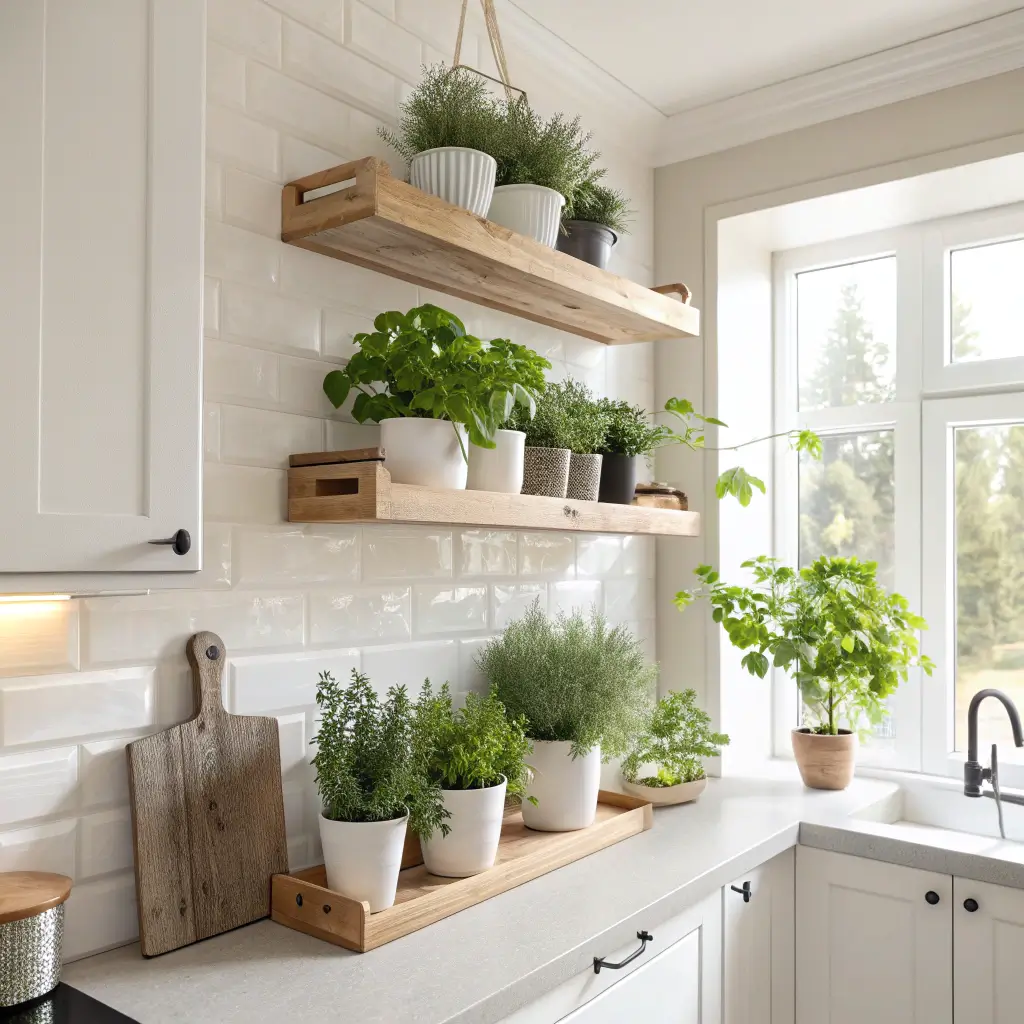
Kitchen herb shelves are the ultimate in functional decoration. Fresh herbs at arm’s reach while cooking? Yes, please. My kitchen herb wall has saved me approximately one million trips to the store for overpriced wilted basil.
The key is positioning these near a window but away from heat sources. Herbs need light but don’t appreciate being steamed every time you boil pasta. I learned this after my cilantro literally cooked itself next to the stove.
Growing Your Kitchen Garden
Choose herbs based on your actual cooking habits, not aspirations. I had a gorgeous sage plant for two years before admitting I never cook with sage. Now I grow basil, mint, and green onions – boring but actually useful.
Small shelves work better than deep ones in kitchens. You need to reach over them while cooking, and deep shelves become obstacle courses. My 4-inch deep shelves hold herb pots perfectly without interfering with meal prep.
Drainage is crucial in kitchen setups. One overenthusiastic watering session can turn your herb shelf into a waterfall onto your counter. I use shelves with lips and always, always use saucers. Learned this after creating a basil-scented flood during dinner party prep.
Also Read: 10 Stylish DIY Shelves Ideas and Unique Storage Solutions
Rustic Wood Plant Display Shelves: The Farmhouse Fantasy
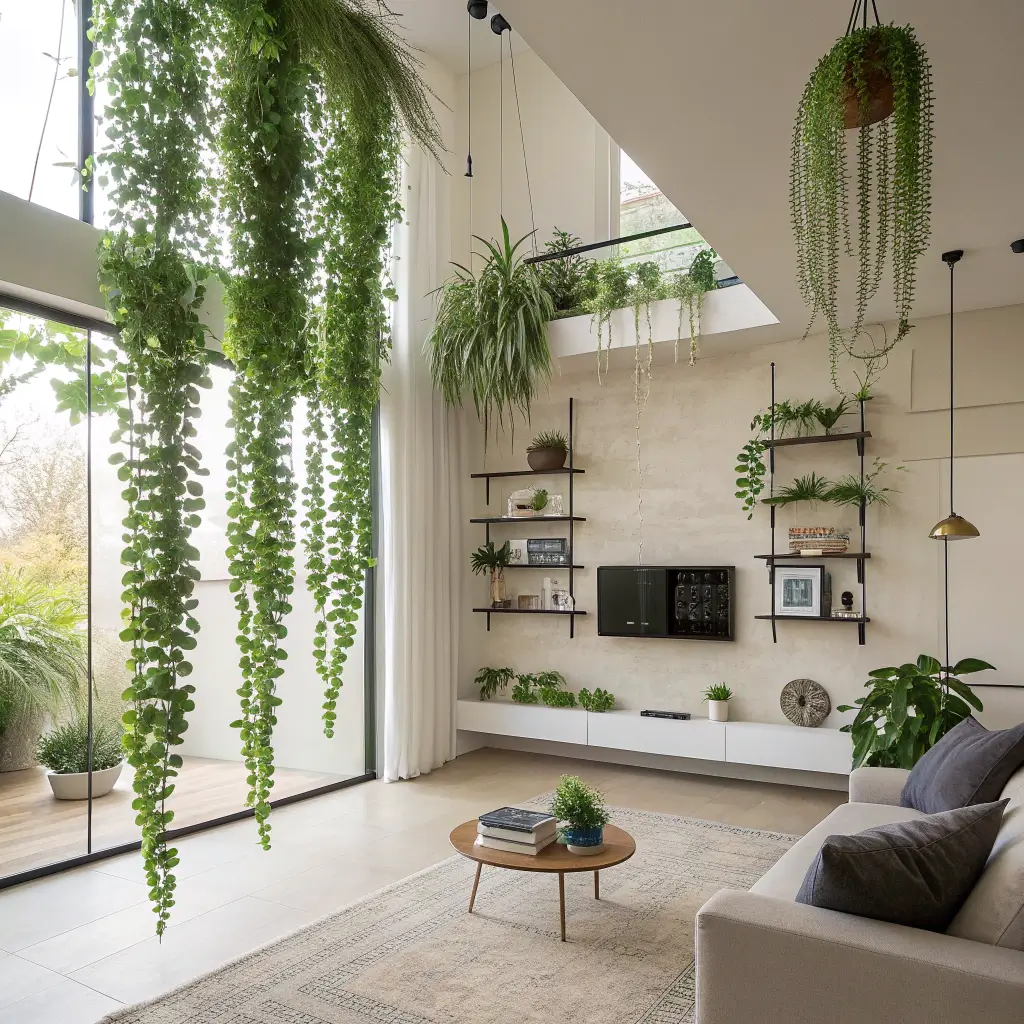
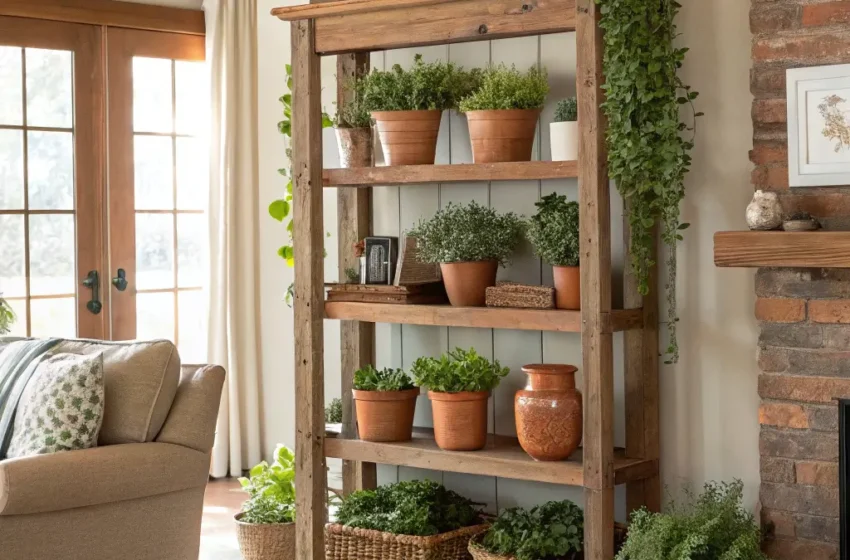
Rustic wood shelves make your plants look like they’re living in a fancy greenhouse that happens to be in your apartment. The natural wood complements green foliage perfectly, creating that “I live in a cabin but with WiFi” aesthetic.
I built mine from reclaimed barn wood (okay, it was from Home Depot, but it looks reclaimed), and the character of the wood adds so much warmth. Each shelf has its own personality with unique grain patterns and the occasional nail hole that adds “character.”
Rustically Organizing Your Plants
Seal your wood properly for plant use. Water and wood aren’t best friends. I use three coats of polyurethane on my plant shelves because water damage isn’t rustic – it’s just damage.
Group plants by water needs on rustic shelves. Since wood and water have that complicated relationship, I keep my thirsty plants on one shelf with a waterproof liner, and my drought-tolerant babies on another. It’s plant segregation, but it works.
Don’t over-style rustic shelves. The wood is already doing a lot visually. I keep my styling simple – plants in terracotta pots, maybe a vintage watering can. The rustic vibe doesn’t need help; it’s got this.
Ceiling-to-Floor Plant Shelf Wall: The Living Wall Statement
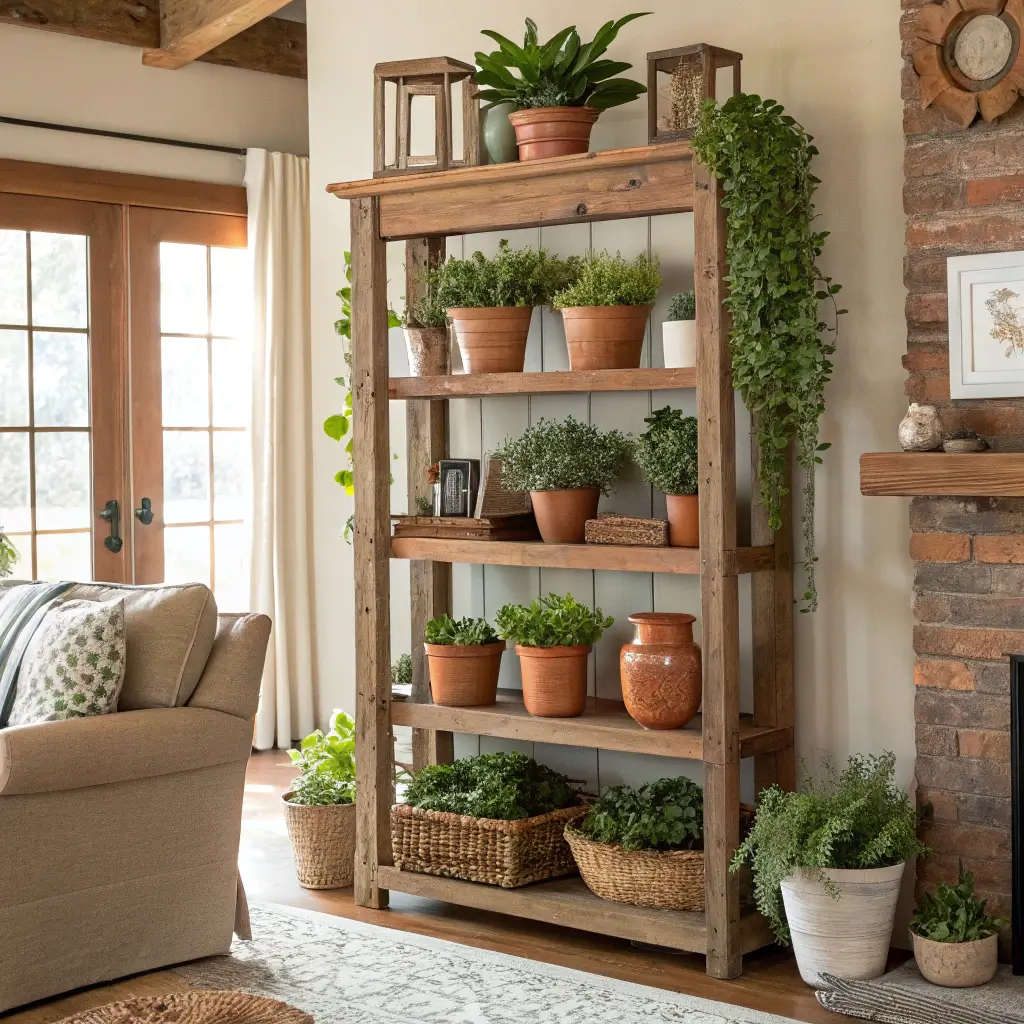
A full ceiling-to-floor plant shelf wall is the ultimate plant parent flex. It’s basically saying, “Yes, I have 50 plants and yes, I water them all and yes, I know all their names.” My plant wall gets more Instagram likes than my actual face, which says something about either my plants or my face.
This setup transforms any room into a botanical garden. My home office plant wall has probably added years to my life through oxygen production alone. Plus, Zoom backgrounds don’t get better than this.
Managing Your Vertical Jungle
Install adjustable shelving for flexibility. Plants grow (shocking, I know), and fixed shelves become problematic when your monstera decides to take over. My adjustable system lets me accommodate growth spurts and new additions.
Create plant zones based on light needs. Top shelves get the most light, bottom shelves the least. I learned this after killing several low-light plants on high shelves. Now each zone houses plants with similar needs – it’s like plant neighborhoods.
Invest in a good step stool that lives nearby. You’ll need it constantly. I bought a stylish one that doubles as decor because ugly step stools ruin the jungle vibe. Form and function, people.
Narrow Hallway Plant Shelves: The Corridor Transformation
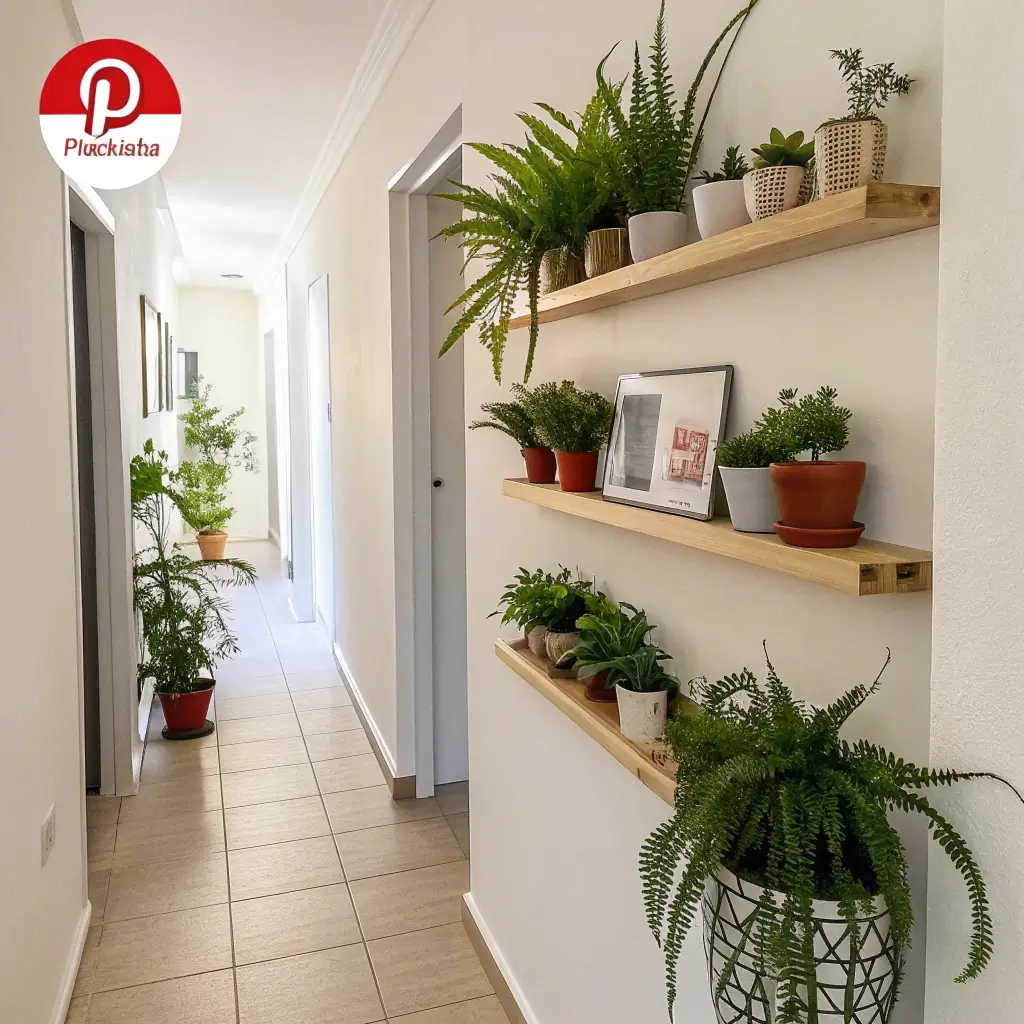
Hallway plant shelves turn boring passages into garden walkways. My hallway went from “way to get to other rooms” to “favorite part of the house” with just a few narrow shelves. It’s amazing what plants can do for forgotten spaces.
The trick is keeping shelves narrow enough that you don’t clothesline yourself walking by. I stick to 4-6 inch deep shelves in hallways. Any deeper and you’re playing human pinball every time you walk through.
Hallway Shelf Success Strategies
Choose trailing plants for hallway shelves to maximize impact without width. My pothos cascade down creating green curtains that don’t protrude into walking space. It’s like nature’s way of decorating without getting in the way.
Consider light sources carefully in hallways. Most hallways are dark caves. I added LED grow strip lights under each shelf, hidden but effective. My plants thrive and the ambient lighting makes the hallway feel less like a tunnel.
Mount shelves higher in narrow hallways. Eye level seems logical until you realize you’ll hit them with shopping bags, backpacks, and your shoulder every single time. I keep mine at least 5.5 feet up. Requires reaching but prevents plant casualties.
Also Read: 12 Inspiring Wall Shelves Design Ideas and Functional Layouts
Bathroom Humidity-Friendly Plant Shelves: The Spa Vibes Creator
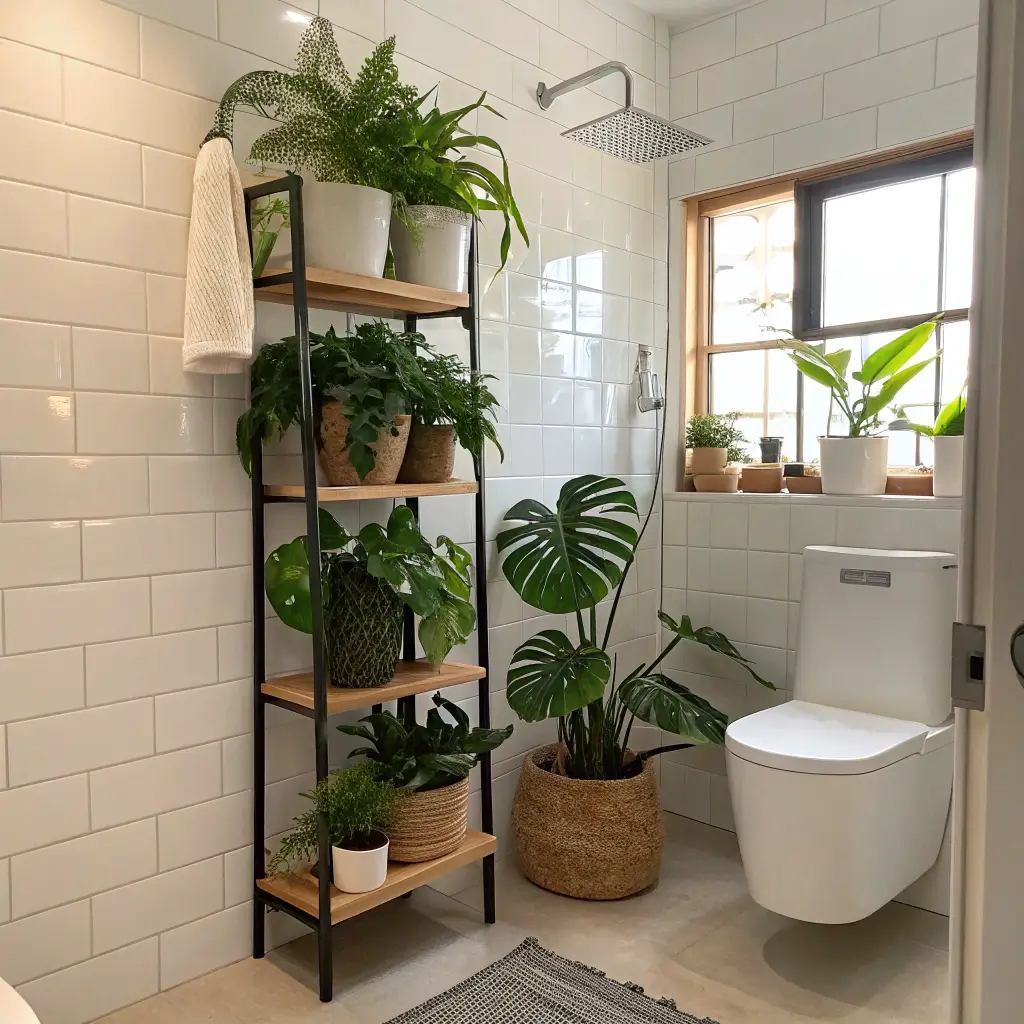
Bathroom plant shelves turn your morning routine into a spa experience. The humidity from showers creates a microclimate that tropical plants absolutely love. My bathroom has basically become a rainforest, and I’m not mad about it.
The key is choosing materials that can handle constant moisture. I learned this after my first wooden shelves developed a concerning funk after six months. Now everything is sealed, waterproofed, or naturally moisture-resistant.
Creating Your Bathroom Jungle
Glass or sealed wood shelves are your only options unless you enjoy mold. I use tempered glass shelves with chrome brackets. They handle the moisture and clean easily – essential when you’re dealing with bathroom grime plus plant dirt.
Position shelves away from direct shower spray but within the humidity zone. My plants sit on shelves opposite the shower, getting all that steamy goodness without being waterboarded daily.
Choose plants that actually want bathroom conditions. Ferns, air plants, and pothos thrive. Succulents will hate you. I tried keeping cacti in my bathroom because I thought it would be “unexpected.” It was. They died. Unexpectedly. :/
Modern Black Metal Plant Shelving: The Industrial Chic Solution
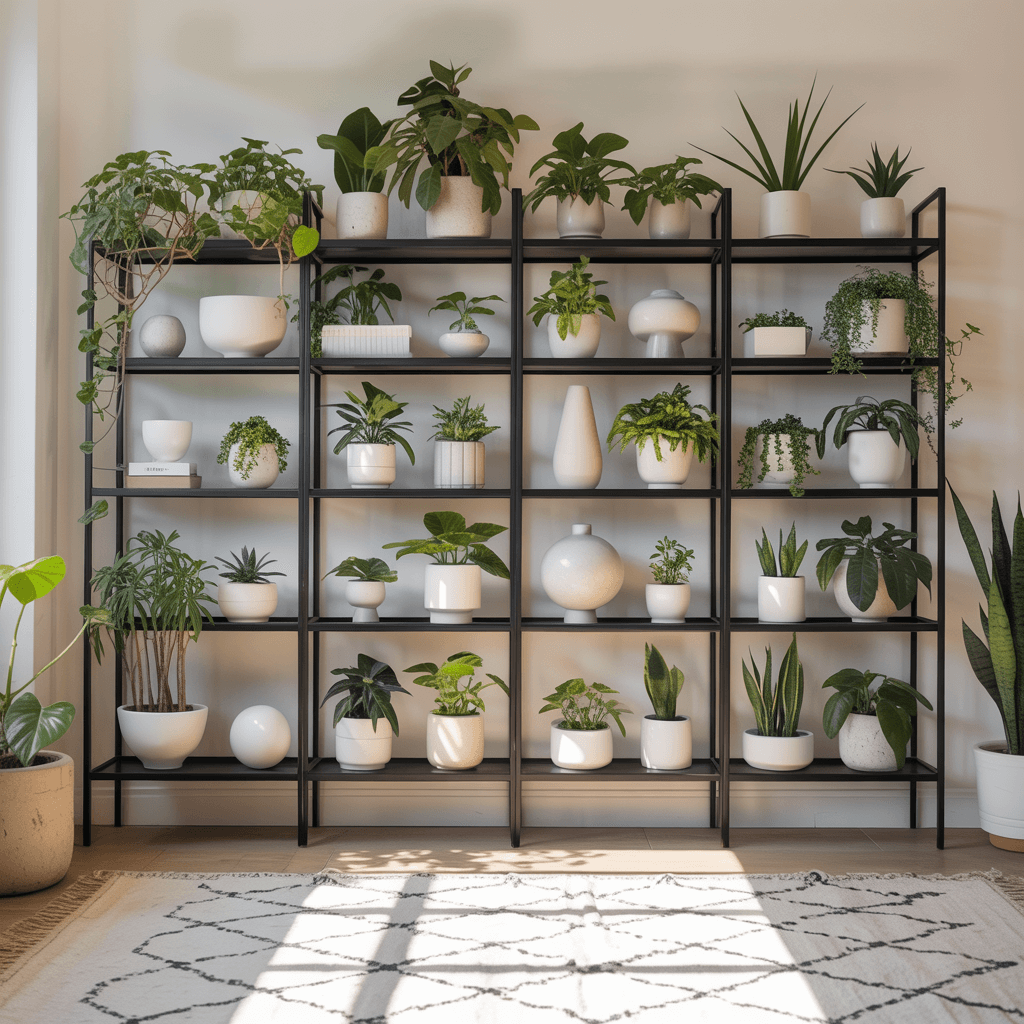
Black metal shelving makes your plants look like they’re displayed in a high-end botanical garden. The contrast between delicate green foliage and strong black lines creates visual drama that wood just can’t match. My black metal shelving unit is basically the statement piece of my living room.
The industrial vibe works with any decor style. Modern, boho, minimalist – black metal plays well with others. It’s like the Swiss Army knife of plant shelving.
Styling Your Metal Plant Paradise
Prevent rust in metal shelving by choosing powder-coated or treated options. Regular metal plus plant watering equals rust city. I learned this with my first unit that started looking “vintage” in all the wrong ways.
Mix pot materials to soften the industrial edge. All terracotta looks too uniform against black metal. I combine terracotta, white ceramic, and woven baskets for texture variety. The mix prevents your display from looking like a plant prison.
Use the geometric lines to your advantage. Metal shelving often has interesting shapes and angles. I arrange plants to complement these lines – trailing plants soften harsh edges while upright plants echo vertical elements.
Asymmetrical Plant Shelf Arrangement: The Artistic Approach
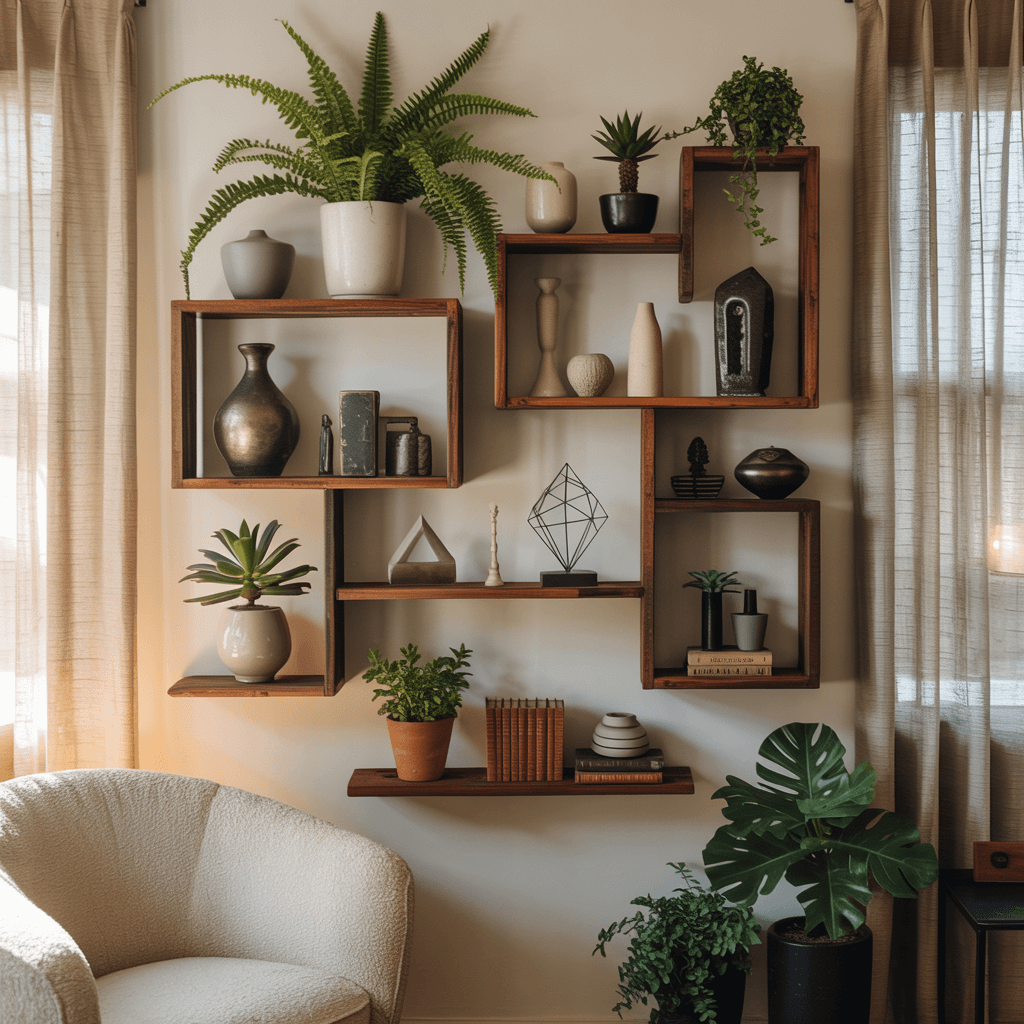
Asymmetrical shelving turns your plant display into functional art. Instead of predictable rows, you get dynamic visual interest that makes people stop and really look. My asymmetrical arrangement gets more compliments than my symmetrical shelves ever did.
The key is balanced asymmetry – sounds like an oxymoron but stick with me. You want visual weight distributed evenly even if the actual arrangement isn’t even. It’s like plant Jenga but more stable.
Mastering Asymmetrical Balance
Start with your largest plant as an anchor point. I place my big monstera off-center, then build around it with smaller plants and shelves. This creates a focal point that grounds the entire arrangement.
Vary shelf lengths dramatically. Same-sized shelves at different heights look like mistakes. I use 2-foot, 3-foot, and 4-foot shelves in my arrangement. The variety creates intentional asymmetry rather than “I measured wrong” asymmetry.
Use negative space as part of the design. Not every inch needs plants. I leave deliberate gaps that let the eye rest and make the planted areas more impactful. It’s the design equivalent of dramatic pauses in conversation – powerful when used right.
Your Plant Shelf Journey Starts Now
Here’s the thing about plant shelves there’s no one perfect solution. The best setup is the one that works for your space, your plants, and your probably-already-overwhelming watering schedule.
I’ve tried almost every configuration possible, and my current setup is a mix of four different shelf styles because different rooms have different needs.
Start with one shelf system and grow from there (pun intended). You don’t need to transform your entire home into a greenhouse overnight. I began with one window shelf and now have plants on twelve different shelving systems. It’s called growth, both plant and personal.
Remember, plants are forgiving. If a shelf location isn’t working, move them. If a plant dies, it’s not a moral failing – it’s a learning experience. I’ve killed enough plants to start a compost empire, but each failure taught me something.
Now I (mostly) keep them alive and my home looks like the jungle paradise I always dreamed of.
BTW, your friends will either think you’re a plant genius or completely insane. Both might be true.
But when you’re surrounded by oxygen-producing, mood-boosting, gorgeous green friends arranged on perfectly styled shelves, who really cares?
Your plant shelves, your rules. Now go forth and create that indoor jungle – your plants (and your Instagram feed) will thank you!