15 Fun School Hallway Ideas and Colorful Wall Projects
- Hallway Decorating
 Ben
Ben- 0
- 32 minutes read

Remember walking through those endless, beige school hallways that made you want to sprint to class just to escape the monotony? Yeah, me too.
But here’s the thing – school hallways don’t have to be soul-sucking voids anymore. They can actually become the most exciting parts of your building!
I’ve spent years working with schools to transform their hallways, and let me tell you, the difference a creative corridor makes is absolutely mind-blowing.
Students actually stop to engage, teachers get inspired, and suddenly that dead space between classrooms becomes a vibrant extension of the learning environment. Who would’ve thought, right?
So grab your coffee (or tea, I don’t judge), and let’s chat about 15 incredible school hallway ideas that’ll make your corridors the talk of the district.
Trust me, after implementing even a few of these, you’ll have students actually wanting to hang out in the hallways – for the right reasons!
Interactive Learning Wall
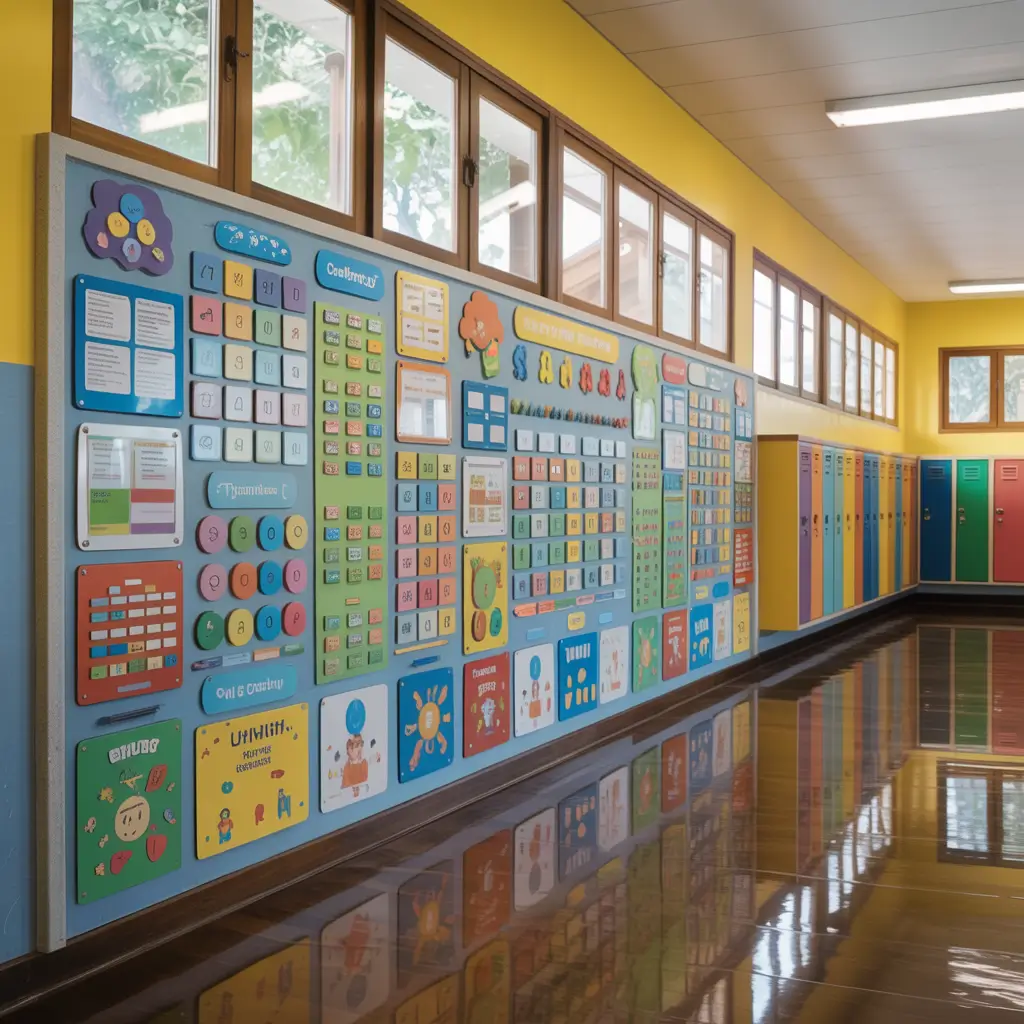
This one’s my absolute favorite, and once you try it, you’ll see why. Interactive learning walls transform passive hallways into active learning zones where students can’t help but stop and engage. Think of it as turning your corridor into a giant, walk-through textbook that students actually want to read.
You can create these walls with simple materials like velcro boards, magnetic strips, or even just laminated pockets. I’ve seen schools use them for everything from “Word of the Day” challenges to complex math puzzles that change weekly. The beauty? Students teach each other without even realizing they’re learning.
Making It Work on Any Budget
Here’s what makes me love this idea even more – you don’t need a massive budget. Some colored paper, a laminator, and creative thinking go a long way. I once helped a school create an entire interactive grammar wall using nothing but recycled cardboard and markers. The kids loved moving the sentence pieces around!
Pro tip: Start small with one section of wall and expand based on what works. You’ll quickly discover what your students gravitate toward, and that information is pure gold for future installations.
Seasonal Bulletin Boards
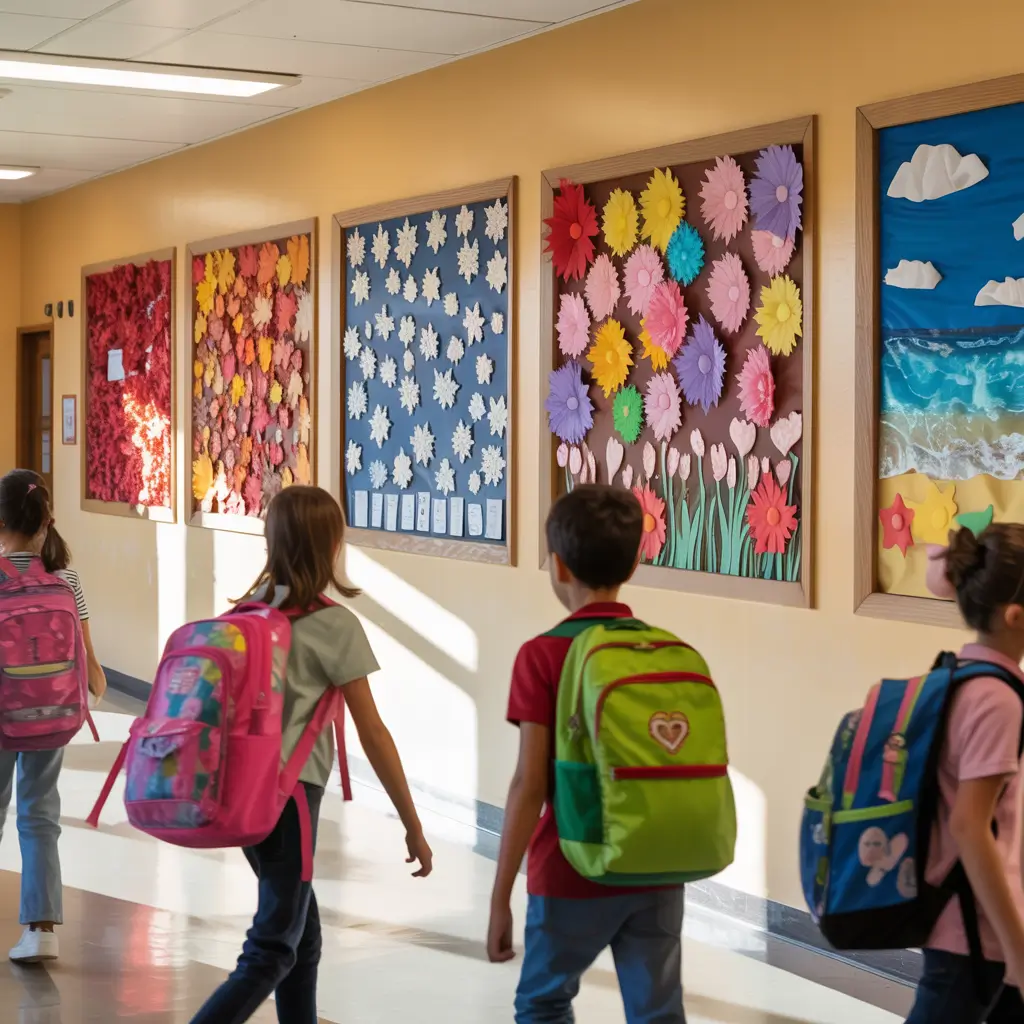
Okay, I know what you’re thinking – bulletin boards are so last century. But hear me out! Modern seasonal bulletin boards are nothing like those dusty cork disasters we remember from childhood. Today’s versions are Instagram-worthy displays that students actually contribute to and care about.
The trick is making them truly interactive and student-driven. Instead of teachers doing all the work, let students own different seasons or holidays. Give them creative freedom within guidelines, and watch the magic happen. I’ve seen high schoolers create Halloween displays that rival professional haunted houses!
Keeping It Fresh Without Burning Out
The biggest challenge with seasonal boards? Teacher burnout from constant updating. Here’s my solution: assign each grade level or class a specific month. They’re responsible for designing, creating, and installing their seasonal display. Not only does this reduce teacher workload, but it also builds student ownership and pride.
FYI, some of the best seasonal boards I’ve seen incorporated QR codes linking to student-created content. Talk about bringing traditional displays into the digital age!
Student Art Gallery
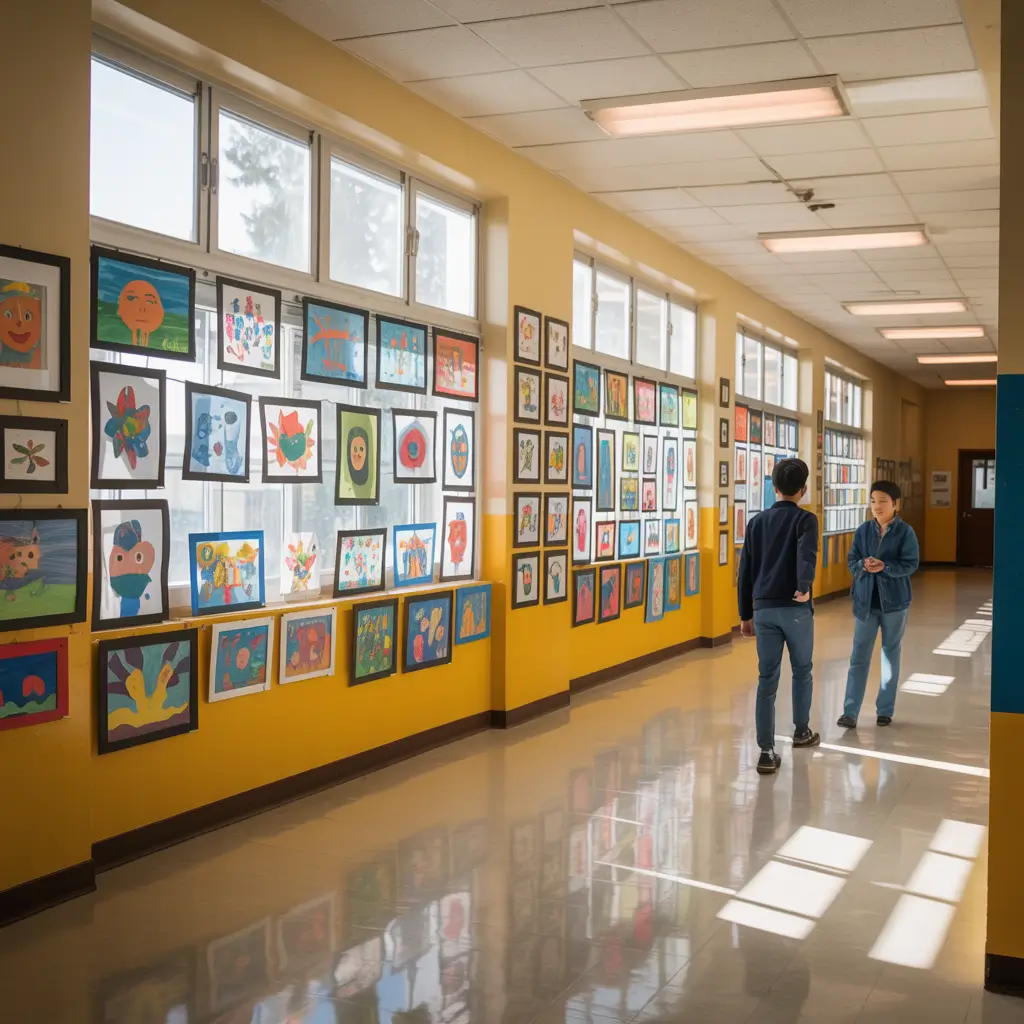
Every student is an artist in some way, and hallway art galleries celebrate that creativity while making your corridors absolutely stunning. But we’re not talking about randomly taped-up drawings here. I’m talking about a properly curated, rotating gallery that rivals local art museums.
Install simple picture rails or wire systems (they’re cheaper than you’d think), add some basic spotlighting, and boom – you’ve got a professional-looking gallery. The transformation is incredible, and suddenly your hallway feels like a cultural destination rather than just a path to the cafeteria.
The Secret to Meaningful Displays
Here’s something most schools miss: include artist statements. When students write about their work, they develop critical thinking skills and viewers gain deeper appreciation. I’ve watched tough kids soften when reading about the inspiration behind their classmate’s painting. It builds empathy like nothing else.
Rotate the gallery monthly or quarterly, and make the opening a big deal. Host “gallery walks” where artists stand by their work and discuss it. Parents love these events, and they’re fantastic for building school community.
Also Read: 15 Inspiring Hallway Lighting Ideas for Small Spaces
Motivational Quote Hallway
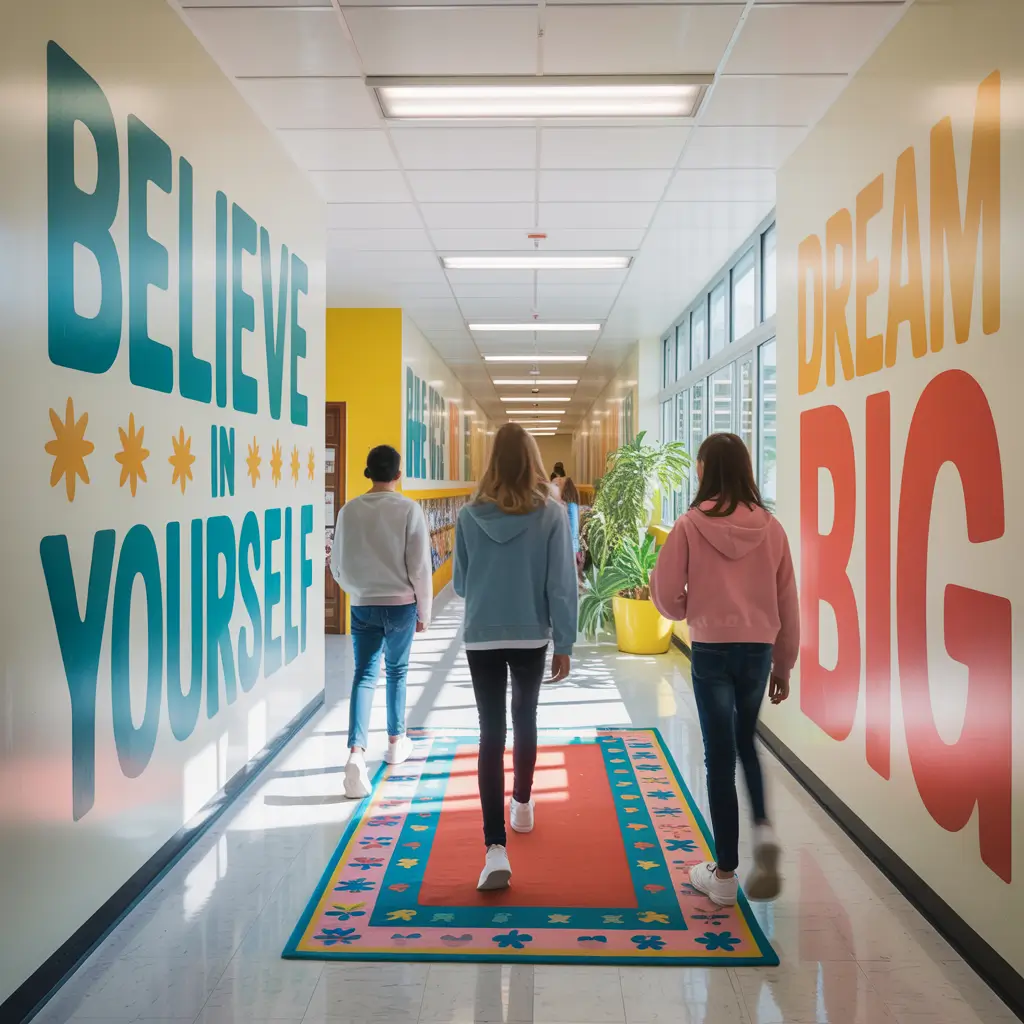
Before you roll your eyes at another “Believe in Yourself” poster, let me share what actually works. Modern motivational quote hallways go way beyond generic inspiration. They feature quotes from diverse voices, student submissions, and even teacher favorites that actually resonate with today’s kids.
The key is authenticity. Skip the cheesy stock photos and instead use bold typography, interesting fonts, and colors that pop. Better yet, have students design the quote displays as part of art or graphic design classes. When kids see their design work on the walls, that’s motivation multiplied.
Making Quotes Matter
Want to know the secret sauce? Make it personal and relevant. Include quotes from successful alumni, local heroes, or even trending figures students admire (after appropriate vetting, obviously). I helped one school create a “Words from Our Community” wall featuring inspiring quotes from janitors, bus drivers, and cafeteria staff. Students loved discovering the wisdom from people they see daily.
Mix in some humor too – not everything needs to be serious. A well-placed funny quote can brighten someone’s rough day faster than any earnest inspiration.
Color-Coded Hallway Zones
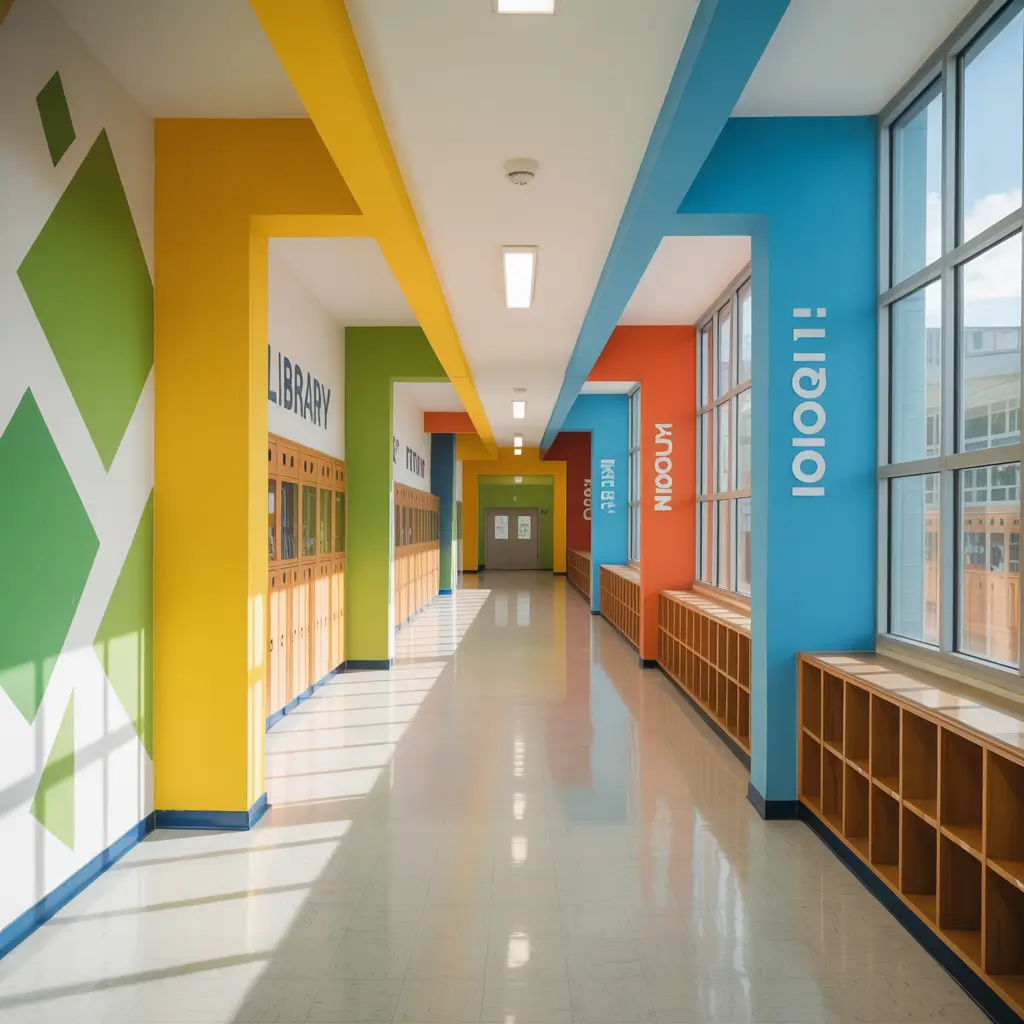
This idea is both practical and beautiful, and once you implement it, you’ll wonder how you ever lived without it. Color-coding different hallway zones helps with navigation, creates visual interest, and can even influence behavior and mood.
Each wing or floor gets its own color scheme, making it impossible for new students (or substitute teachers :)) to get lost. But we’re not talking about painting everything one solid color – that would be overwhelming. Think accent walls, colored trim, or even just strategic use of colored elements like lockers or door frames.
The Psychology Behind the Palette
Here’s where it gets interesting: colors actually affect learning and behavior. Blue zones can promote calm and focus, making them perfect for areas near testing rooms. Yellow stimulates creativity – ideal for arts wings. Green reduces eye strain and promotes balance, perfect for high-traffic areas.
I worked with one middle school that saw disciplinary issues drop by 30% after implementing strategic color zoning. Coincidence? Maybe. But when something works, who cares about the why?
Themed Hallway Murals
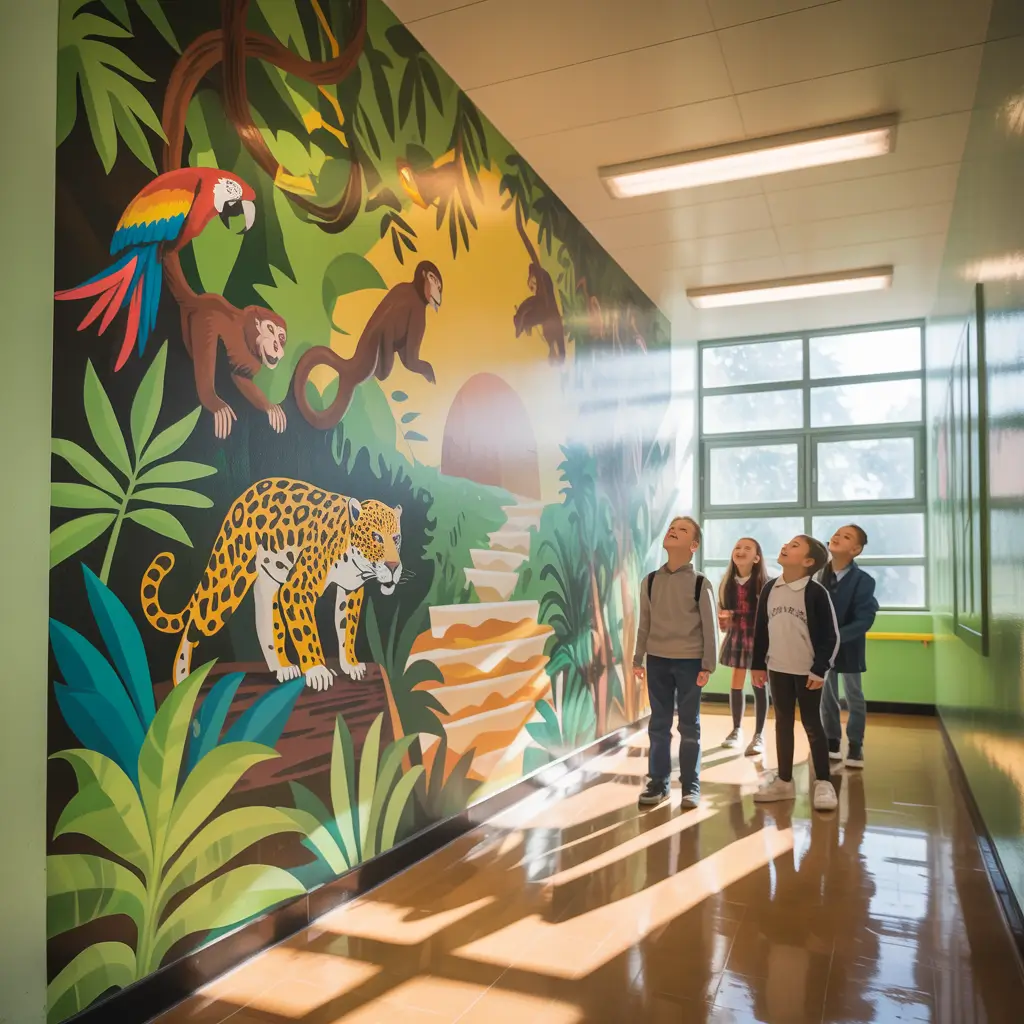
Nothing transforms a space quite like a massive, professionally-designed mural that tells a story. But here’s the twist – get your students involved in creating them. The process becomes as valuable as the final product.
Partner with local artists or art teachers to guide student teams in designing and painting murals that reflect your school’s values, history, or aspirations. I’ve seen schools create everything from local history timelines to futuristic space themes that make walking to class feel like an adventure.
Planning for Longevity
The biggest mistake schools make? Not thinking long-term. Choose themes that won’t feel dated in five years. Nature scenes, abstract designs, or local landmarks tend to age well. Avoid pop culture references unless you’re prepared to repaint regularly.
Also, invest in quality paint and proper wall preparation. Nothing kills the vibe faster than a peeling mural. Trust me, spending a bit more upfront saves massive headaches later.
Also Read: 15 Inspiring Hallway Wall Decor Ideas and Trendy Looks
Hallway Reading Nooks
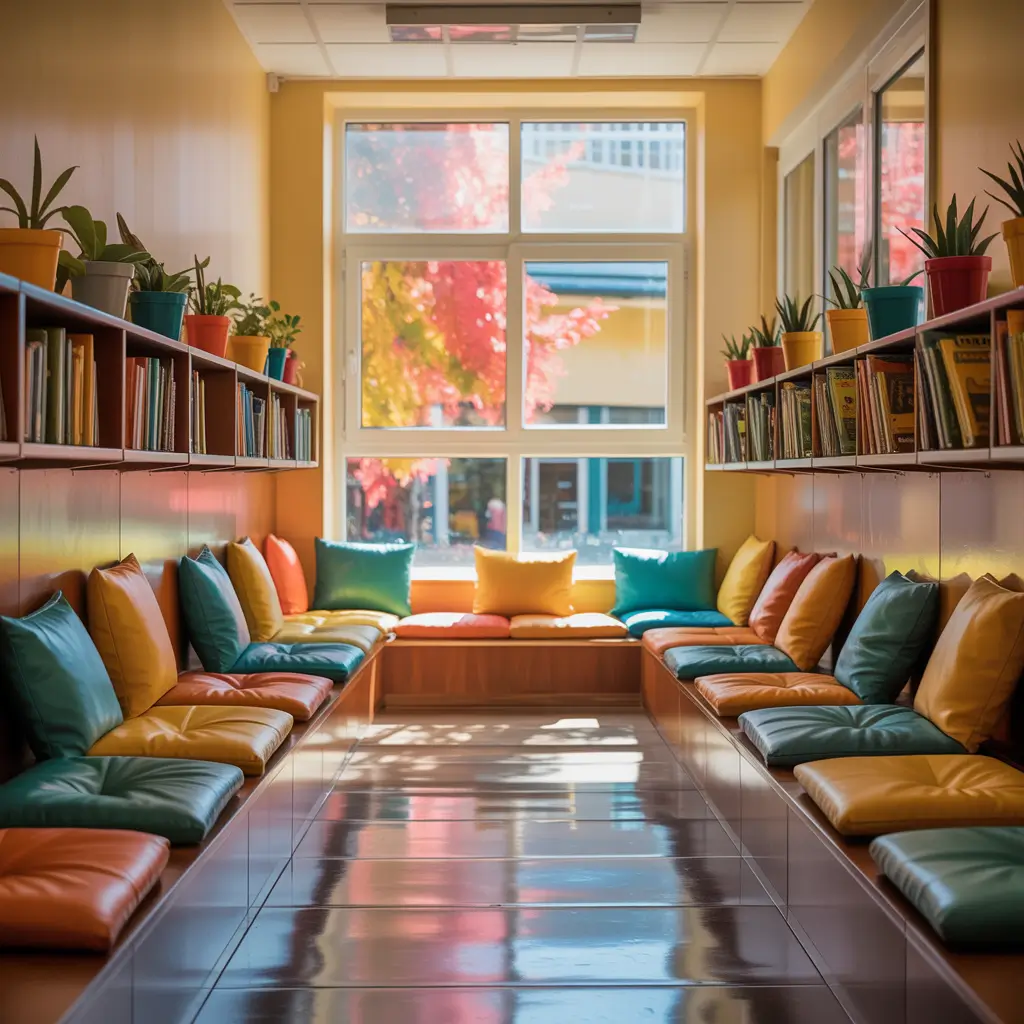
Who says reading only happens in libraries? Strategic placement of cozy reading nooks throughout hallways creates quiet spaces for students who need a mental break or arrive early to school. These don’t need to be elaborate – even a simple bench with some cushions works wonders.
The trick is making them inviting without creating supervision nightmares. Position nooks where they’re visible from classrooms or offices, add good lighting, and maybe include a small bookshelf with rotating selections. I’ve seen schools use everything from repurposed church pews to custom-built window seats.
Creating Comfort Without Chaos
Here’s what nobody tells you: establish clear nook rules from day one. When can students use them? How many at a time? What happens if someone misuses the space? Clear expectations prevent problems before they start.
IMO, the best reading nooks incorporate some natural elements – a plant or two, natural light when possible, maybe some soft textures. These touches make the space feel special and encourage respectful use.
3D Wall Installations
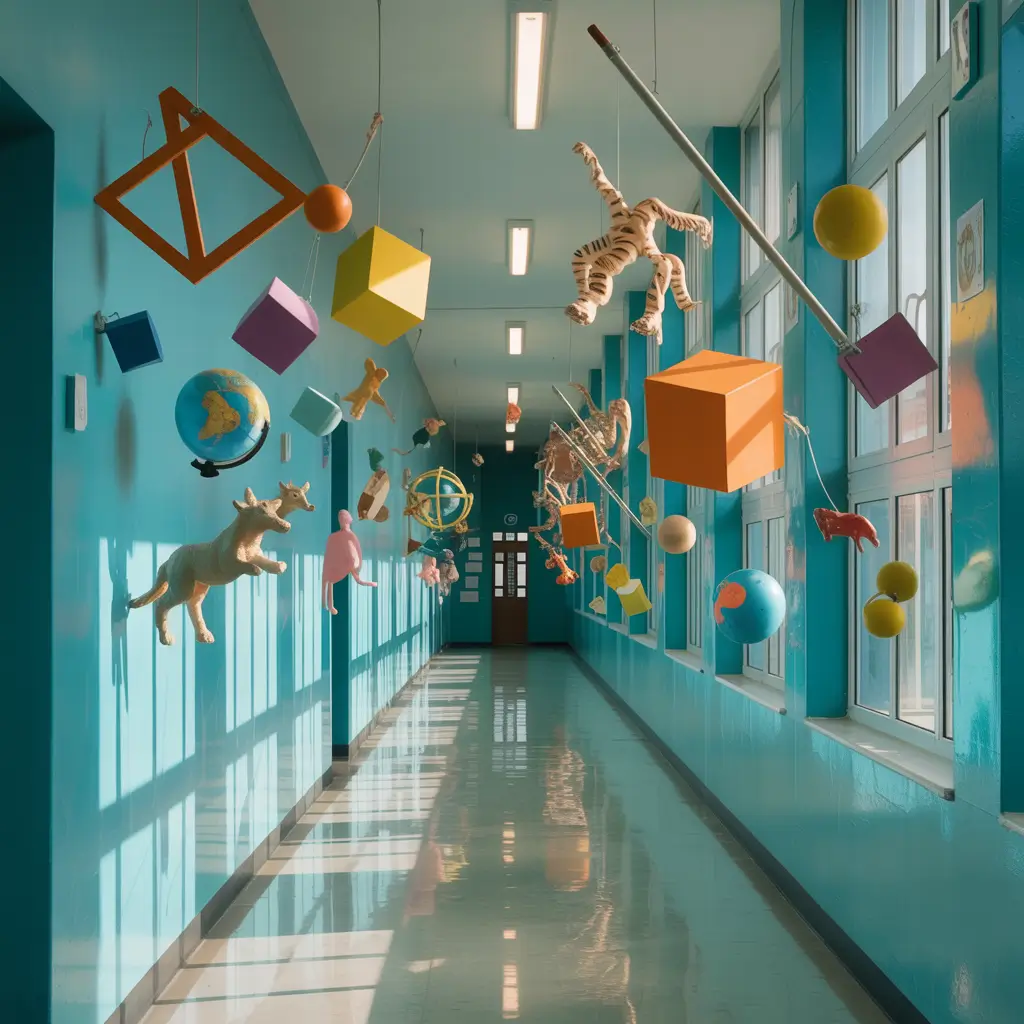
Ready to blow some minds? Three-dimensional wall installations turn flat hallways into interactive art experiences that students can’t help but touch, explore, and discuss. We’re talking about sculptures that pop off the wall, optical illusions that make people stop in their tracks, and installations that change based on viewing angle.
One elementary school I worked with created an ocean theme with 3D fish “swimming” out from the walls. High schools might prefer geometric designs or installations that incorporate STEM concepts. The possibilities are literally endless, and students remember these features years after graduating.
DIY vs. Professional Installation
Let’s be real – not every school has the budget for professional installations. But that doesn’t mean you can’t create amazing 3D elements. Paper sculpture, cardboard engineering, and even repurposed materials can create stunning effects. I’ve seen incredible installations made entirely from recycled plastic bottles that looked absolutely professional.
The key is planning your installation carefully and securing everything properly. Nobody wants a 3D element becoming a 2D element when it falls off the wall!
Hallway Plant Displays
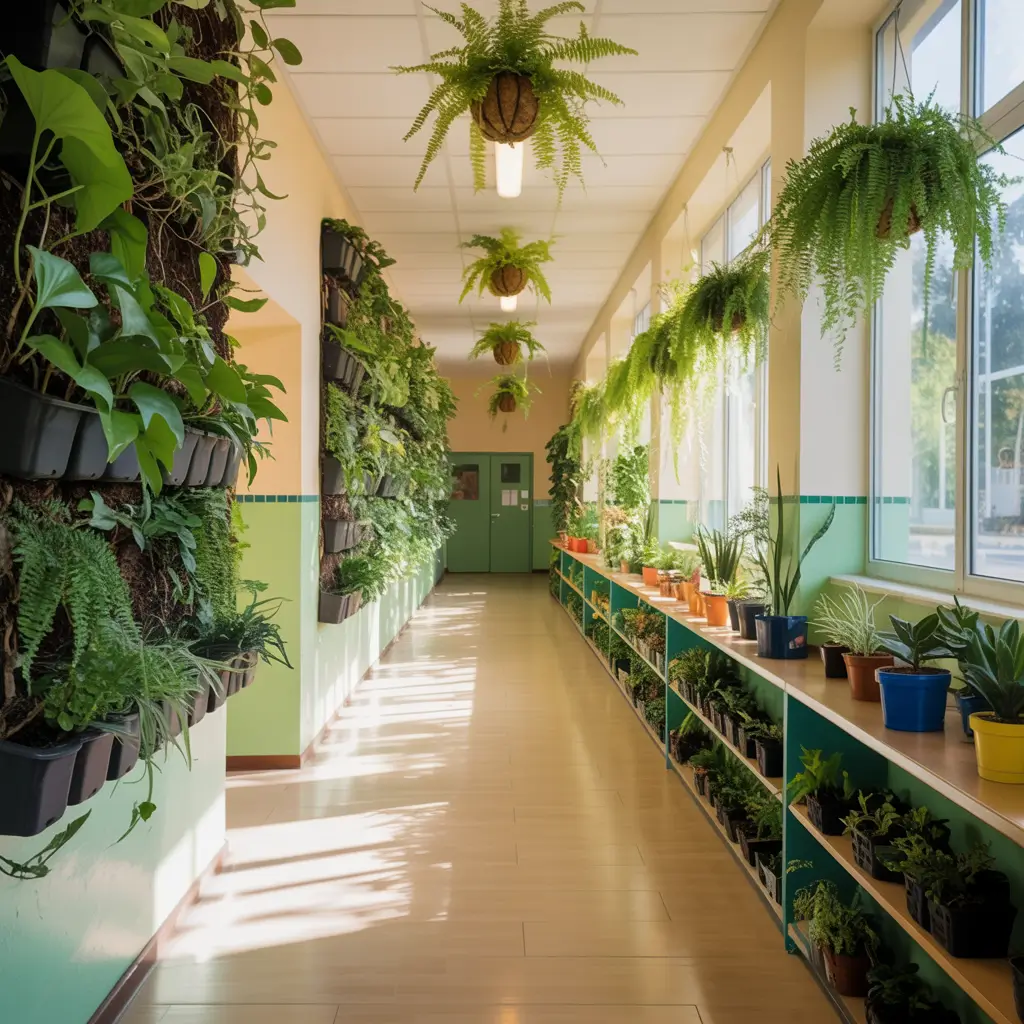
Bringing nature indoors isn’t just trendy – it’s scientifically proven to improve air quality, reduce stress, and boost creativity. But hallway plants need to be tough enough to survive high traffic and occasional basketball “accidents.”
Start with nearly indestructible plants like pothos, snake plants, or ZZ plants. Mount them in secure wall planters or place them on sturdy shelves above touching height. Some schools even create vertical gardens or living walls that become stunning focal points.
Making It Educational
Here’s where you can get creative: turn plant displays into learning opportunities. Label plants with scientific names, create QR codes linking to care information, or have science classes adopt different plants for observation and care.
One middle school created a “Plants Around the World” display where each plant represented a different continent. Geography and biology in one gorgeous display? Yes, please!
Also Read: 15 Elegant Small Hallway Decor Ideas for a Chic Look
Inspirational Timeline Wall
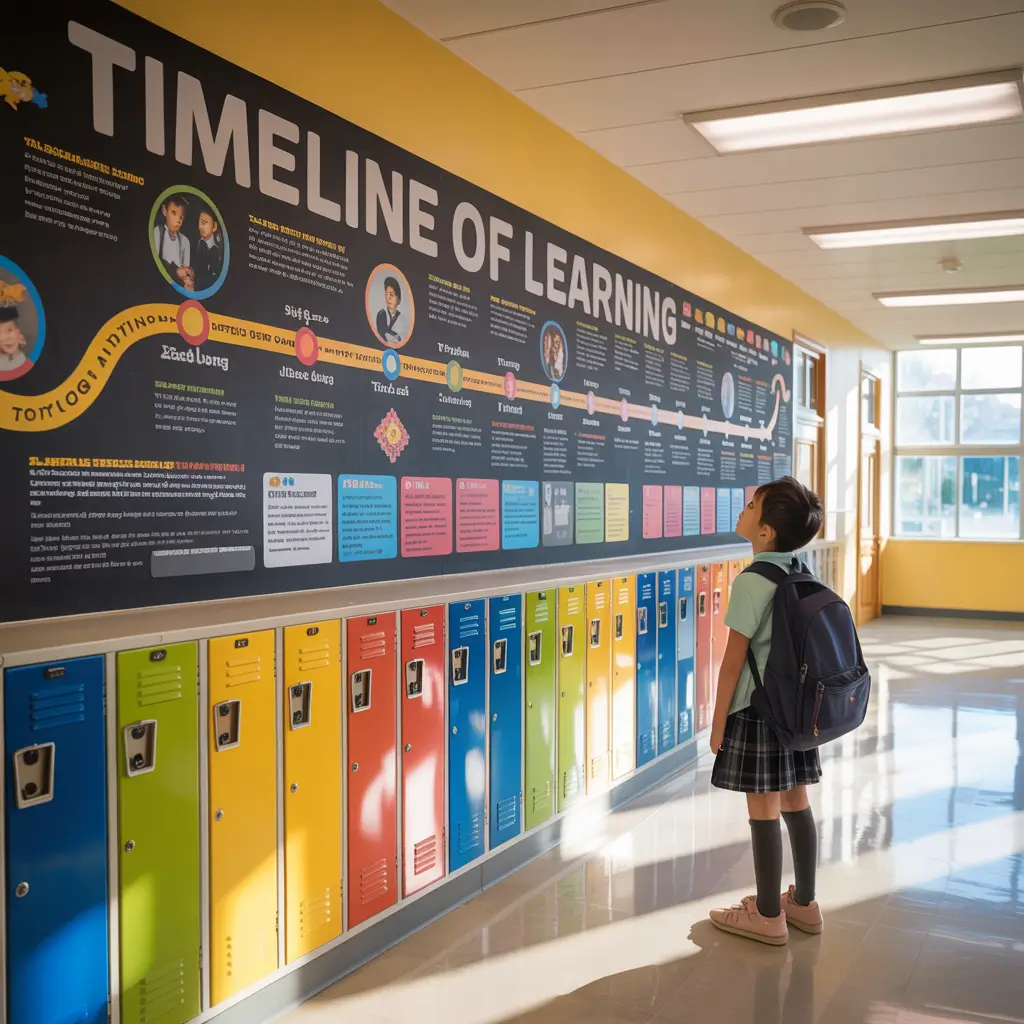
History comes alive when students can visualize it along their daily path. Timeline walls transform abstract dates into tangible narratives that students absorb almost unconsciously. But forget those boring, text-heavy timelines – we’re going visual and interactive.
Create timelines that mix school history with world events, showing students how their institution fits into the bigger picture. Include photos, artifacts (safely displayed), and student research. The best timelines grow over time, with each graduating class adding their contribution.
Keeping It Relevant
The secret to a great timeline wall? Make it personally relevant to students. Include pop culture moments, technological advances they care about, and local events that shaped their community. When students see their birth year or favorite movie’s release date, they suddenly care about everything else on that timeline.
Update it regularly with current events, and watch students actually stop to see what’s new. Who knew hallways could be news sources?
Career Exploration Corners
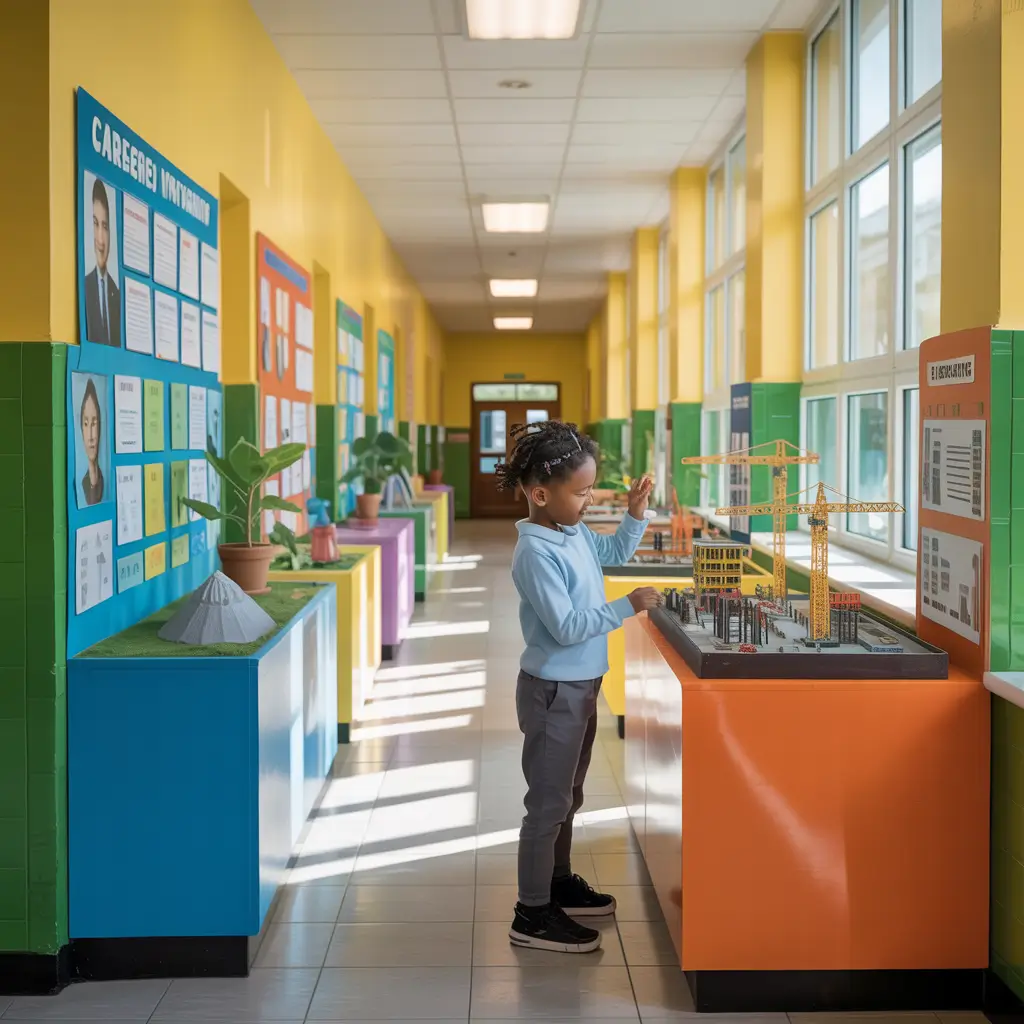
Students constantly wonder “when will I use this?” Career exploration corners answer that question by showcasing real professionals who use school subjects in their work. These dedicated spaces feature rotating displays about different careers, including education requirements, daily tasks, and local professionals in those fields.
Partner with your community to bring in guest speakers or create video interviews. Students love seeing their neighbor is an engineer or their basketball coach’s spouse works in medicine. These connections make careers feel achievable rather than abstract.
Beyond the Obvious Careers
Here’s what frustrates me about most career displays – they focus on the same ten professions. Branch out! Feature entrepreneurs, artists, skilled trades, and emerging careers that didn’t exist ten years ago. Show students the incredible variety of paths available.
Include salary ranges (age-appropriately), education costs, and alternative pathways. Real talk helps students make informed decisions about their futures.
Student Achievement Showcases
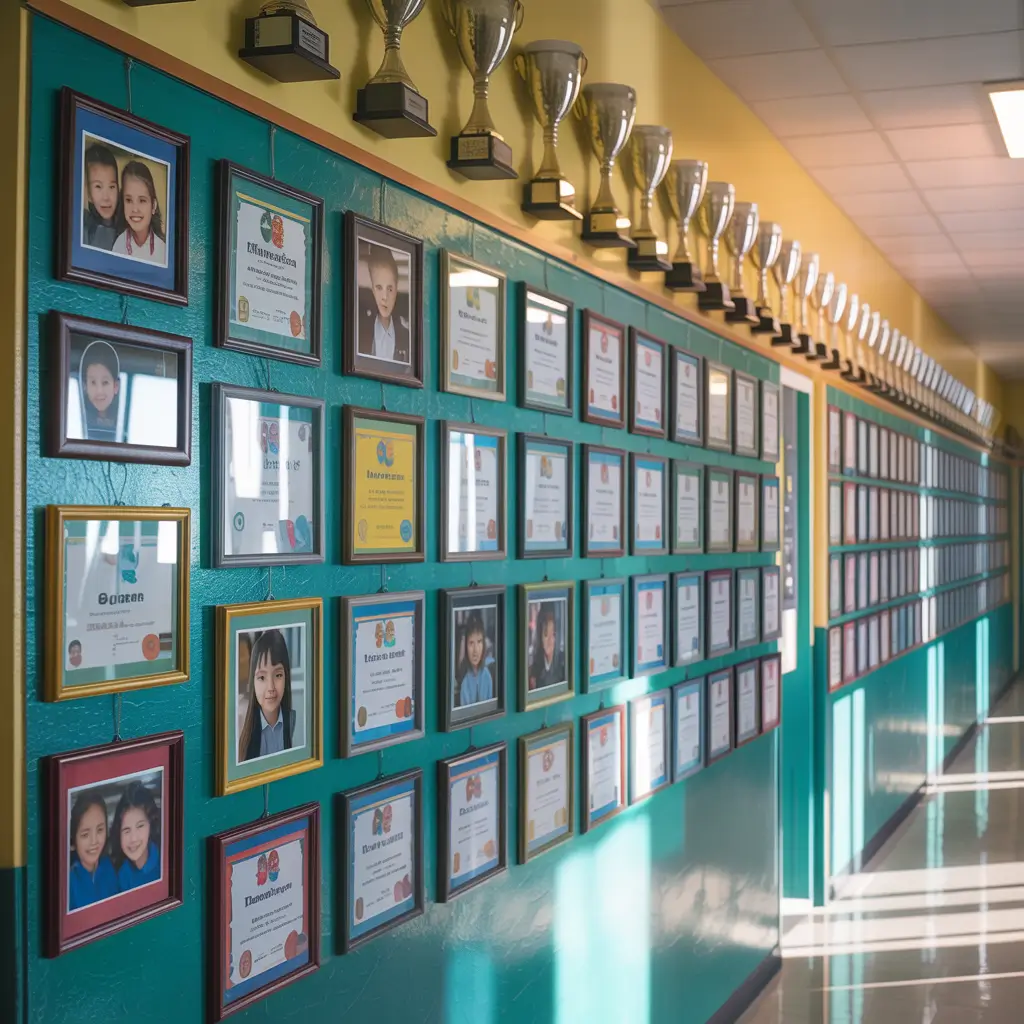
Everyone loves recognition, and dedicated spaces for celebrating student achievements create positive school culture while motivating others. But we’re going beyond “Student of the Month” here. We’re talking comprehensive showcases that celebrate all types of success.
Academic achievements, athletic victories, artistic accomplishments, community service, personal growth – everything deserves recognition. Digital displays work great here, allowing you to rotate through more students and update instantly. But even simple photo displays with written descriptions work beautifully.
Inclusive Recognition
The biggest challenge? Ensuring every student gets recognized for something. Track displays to ensure diversity in achievements and demographics. Sometimes the kid who finally turned in all homework for a month deserves as much recognition as the straight-A student.
Create categories that allow different types of students to shine. “Most Improved,” “Random Acts of Kindness,” or “Creative Problem Solver” give more students chances for recognition.
DIY Wall Decals
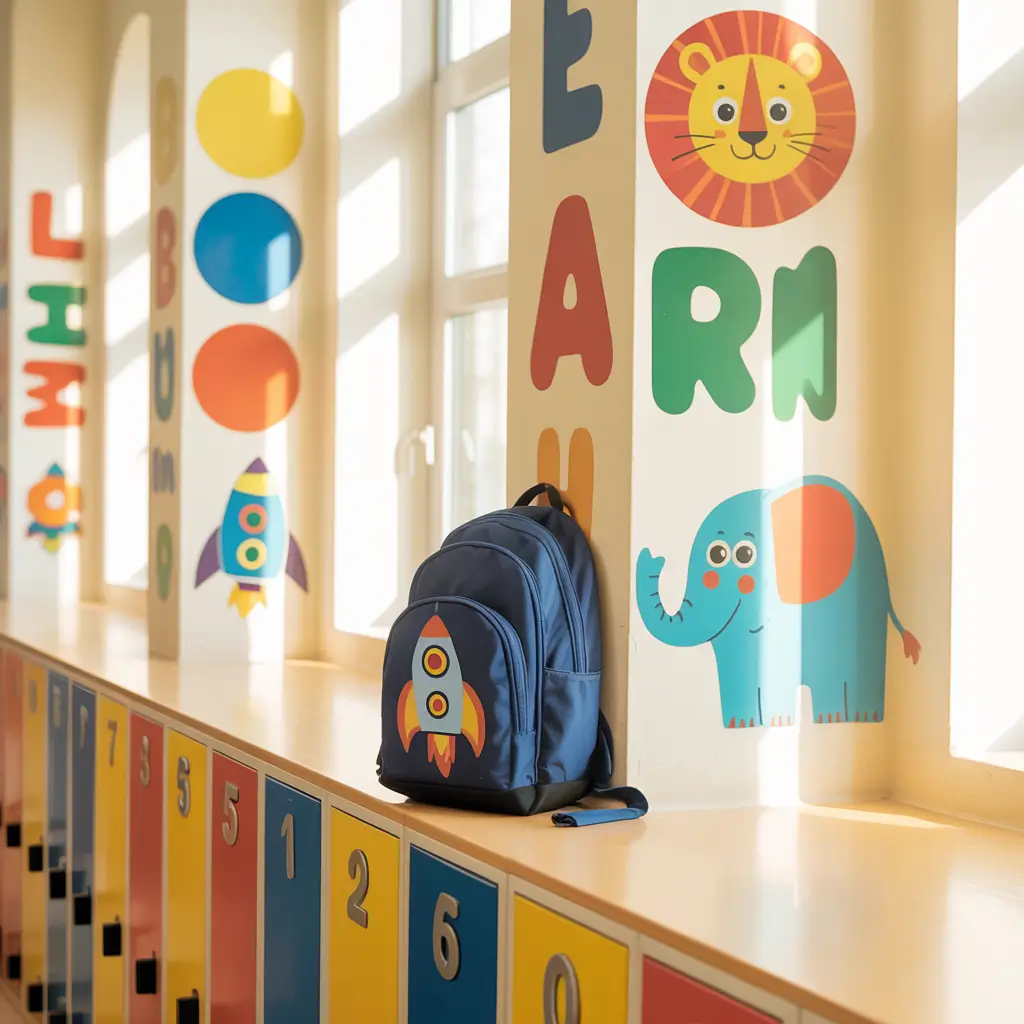
Commercial wall decals are expensive, but creating your own opens unlimited possibilities while saving serious money. With a vinyl cutting machine (many schools already have them) or even just contact paper and creativity, you can transform walls with custom designs that perfectly match your school’s needs.
Students can design decals in art or computer classes, making the hallways truly student-created. From inspirational words to geometric patterns to school mascots, DIY decals let you customize every inch of wall space.
Technical Tips That Matter
Here’s what I learned the hard way: test your adhesive on a small area first. Some paints don’t play nice with certain adhesives, and nobody wants to repaint an entire hallway. Also, create installation guides for complex designs – nothing’s worse than a crooked decal you can’t fix.
Keep design files organized and backed up. When that amazing decal gets damaged, you’ll want to recreate it quickly without starting from scratch.
Cultural Diversity Wall
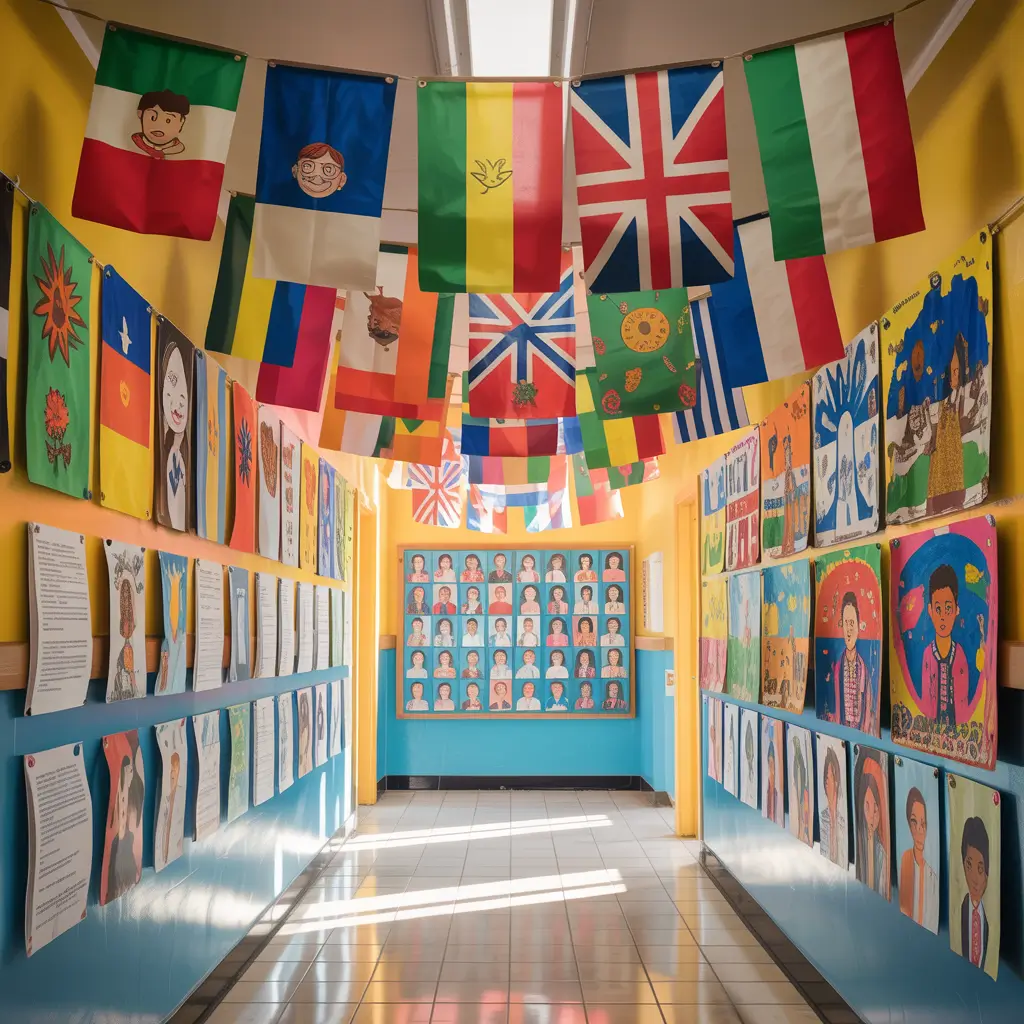
In our beautifully diverse schools, cultural diversity walls celebrate the rich tapestry of backgrounds that make up your student body. These displays go beyond flags and food to explore traditions, languages, achievements, and contributions from various cultures.
Involve cultural clubs, international students, and families in creating authentic displays. Include interactive elements like QR codes linking to music, language lessons, or virtual tours of countries. The goal is fostering understanding and appreciation, not just decoration.
Avoiding Tokenism
Real talk: surface-level diversity displays can do more harm than good. Go deep rather than broad. Feature fewer cultures but explore them thoroughly rather than trying to represent everyone with stereotypical symbols.
Rotate displays regularly and time them with cultural celebrations or current events. This keeps content fresh and provides teaching moments about global happenings.
Interactive Math or Science Trails
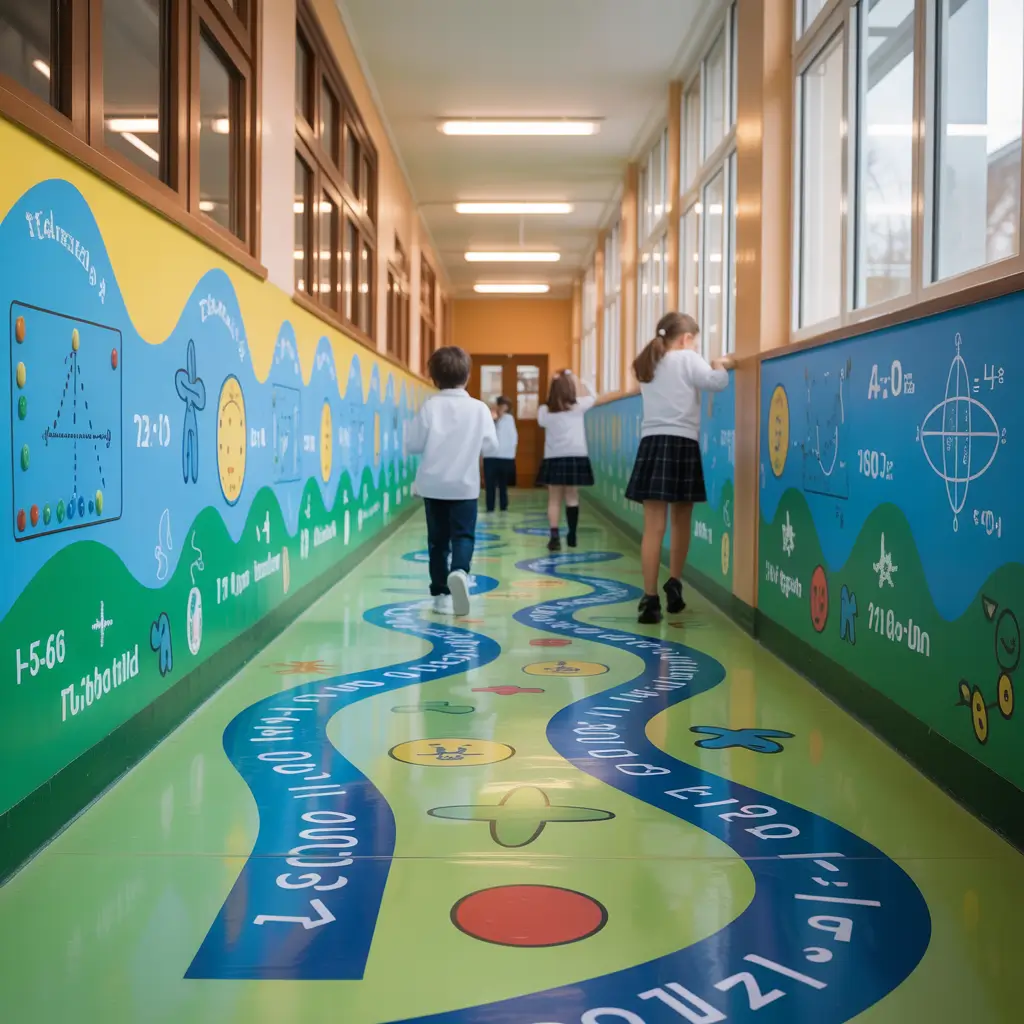
Transform your hallways into living laboratories where learning happens between classes. Math trails might include puzzles, estimation challenges, or geometric patterns to analyze. Science trails could feature periodic table elements, physics demonstrations, or biology facts with corresponding QR codes for deeper exploration.
The genius of these trails is passive learning – students absorb information without realizing they’re studying. Place problems at eye level while walking, and make them progressive in difficulty. Start easy near main entrances and increase complexity as trails progress.
Maintaining Engagement
The challenge with educational trails? Keeping them fresh enough that students don’t tune out. Rotate challenges monthly, incorporate seasonal themes, and let advanced classes create problems for younger students. This peer-teaching approach benefits everyone involved.
Consider adding competitive elements like leaderboards for solving weekly challenges. Nothing motivates quite like friendly competition and public recognition for academic achievements.
Bringing It All Together
Look, transforming school hallways isn’t just about making them pretty (though that’s definitely a bonus). It’s about maximizing every square foot of your building for learning, inspiration, and community building.
These fifteen ideas aren’t mutually exclusive – mix and match based on your school’s needs, budget, and culture.
Start small if you need to. Pick one hallway or even one wall and create something amazing. Success breeds enthusiasm, and soon you’ll have teachers, students, and parents asking how they can help transform other spaces.
Before you know it, those boring corridors become the highlight of school tours and the backdrop for countless learning moments.
The best part? Students take pride in beautiful, engaging spaces. They treat them better, feel more connected to school, and actually want to be there.
In education, environment matters more than we sometimes realize. So why not make every hallway an opportunity for growth, creativity, and connection?
Your hallways are waiting to become something extraordinary. Which idea will you try first? Trust me, once you start, you won’t want to stop.
And your students? They’ll thank you for making their daily journey through school something worth remembering.