10 Charming Small Basement Ideas to Inspire Your Home
- Basement Decor
 Ben
Ben- 0
- 35 minutes read
You know that forgotten space beneath your feet that’s currently storing Christmas decorations from 2015? Yeah, that basement. I get it – transforming a small, dark basement into something actually livable feels about as achievable as teaching your cat to do your taxes. But here’s the thing: I’ve spent the last decade turning cramped underground spaces into rooms people actually want to hang out in, and I’m here to tell you it’s totally doable.
Let me guess – you’re picturing those Pinterest-perfect finished basements with vaulted ceilings and enough square footage to host a wedding. Reality check: most of us work with basements that feel more like glorified root cellars. But that’s exactly why I’m excited to share these ideas with you. Every single one works brilliantly in small spaces, and trust me, I’ve tested them all.
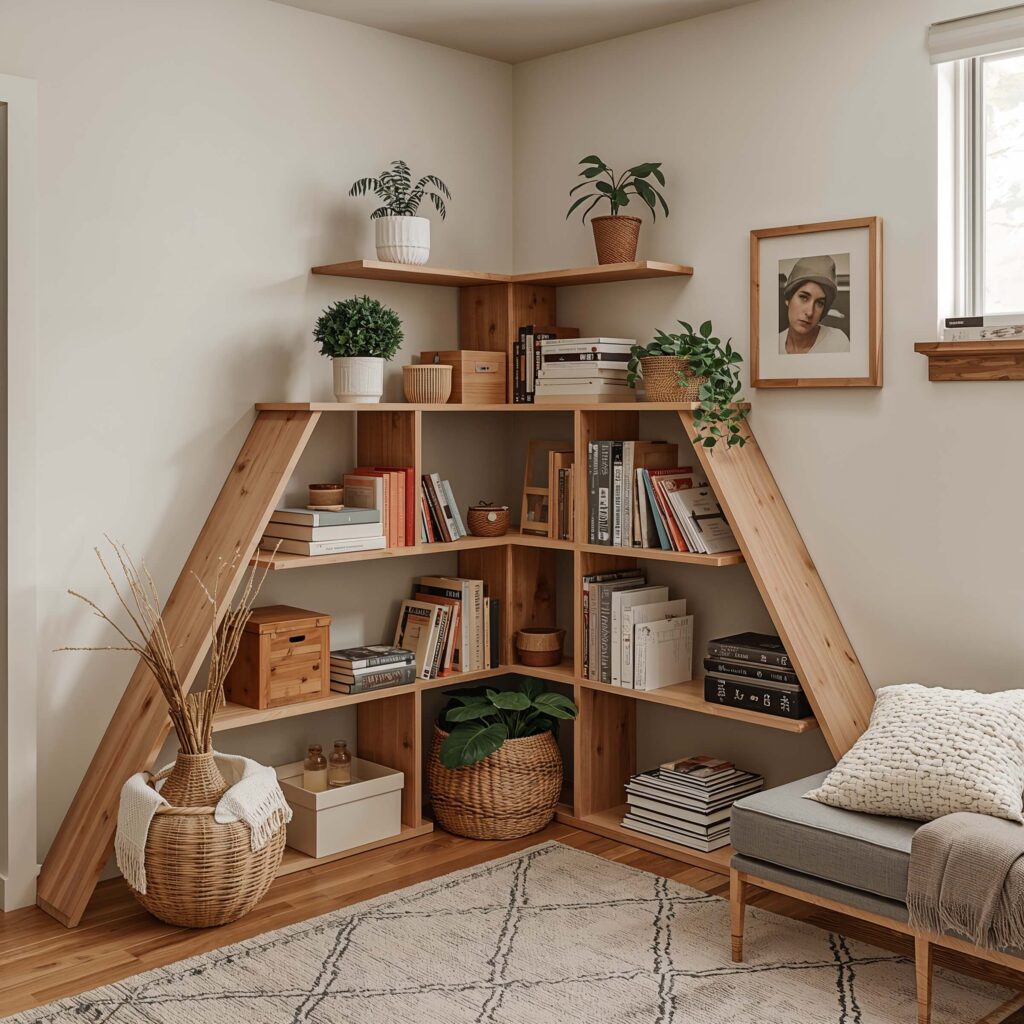
Compact Cozy Reading Nook
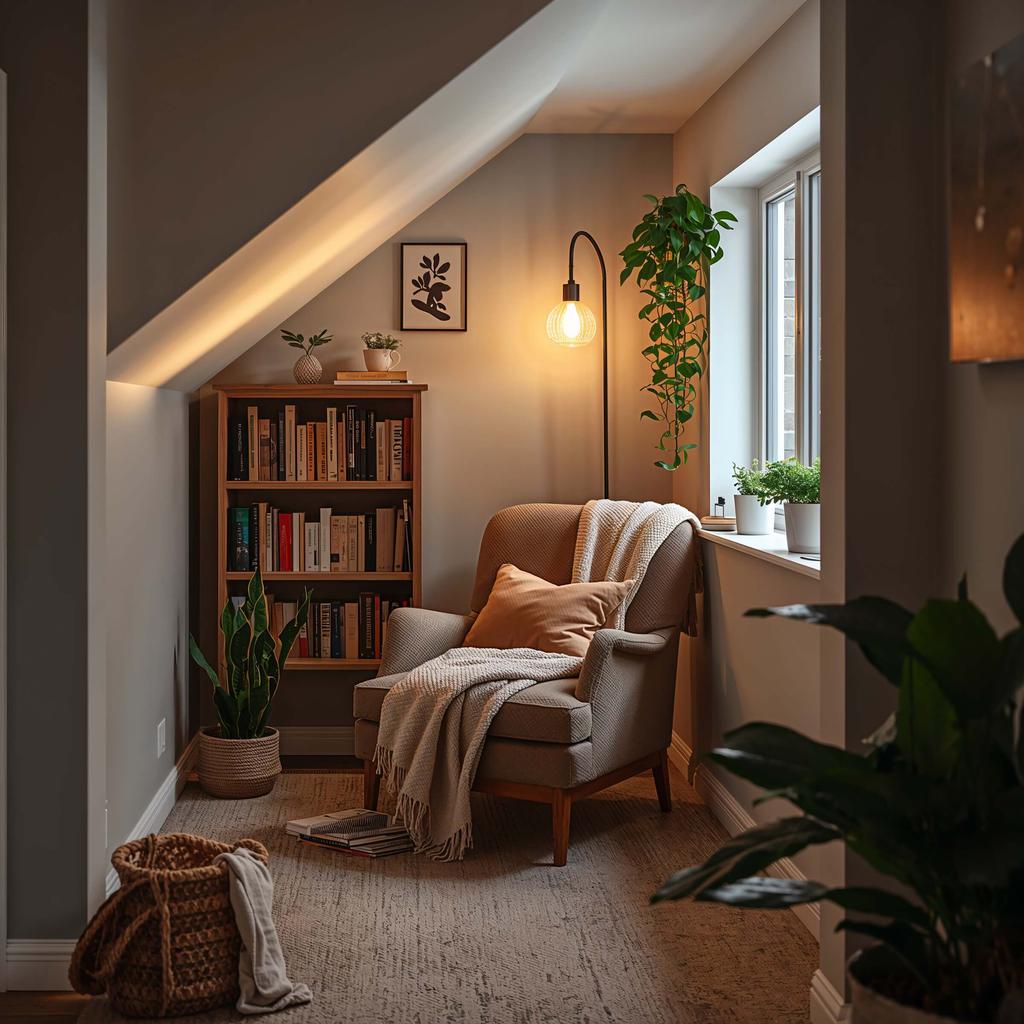
Remember when you actually had time to read? Me neither. But creating a dedicated reading space in your basement might just change that. I transformed a tiny 6×8 corner of my basement into what my friends now call “the escape pod,” and it’s become my favorite spot in the entire house.
Here’s what makes a reading nook work in a small basement: you only need about 50 square feet. Seriously, that’s it. I installed floating shelves on two walls, which gives me storage without eating up floor space. The trick? Mount them higher than you think – around 5 feet up – so you can still fit a comfy chair underneath.
Essential Elements for Your Reading Haven
The lighting situation makes or breaks a basement reading spot. Forget that single overhead bulb that makes everything look like a horror movie scene. I installed:
- Wall-mounted swing-arm lamps (saves table space)
- LED strip lighting behind the shelves (creates ambient glow)
- A small floor lamp with adjustable brightness
Ever noticed how some spaces just make you want to curl up with a book? That’s not an accident. I added thick curtains around my nook – even though there’s no window – because they absorb sound and create this cocoon effect. Plus, they hide the fact that my “view” is literally a concrete wall.
The seating choice matters more than you’d think. Skip the massive recliner (trust me, I tried). Instead, I grabbed a compact wingback chair from a thrift store and reupholstered it myself. Cost me $150 total, and it fits perfectly in the corner while still being comfortable enough for three-hour reading sessions.
Multifunctional Entertainment Zone
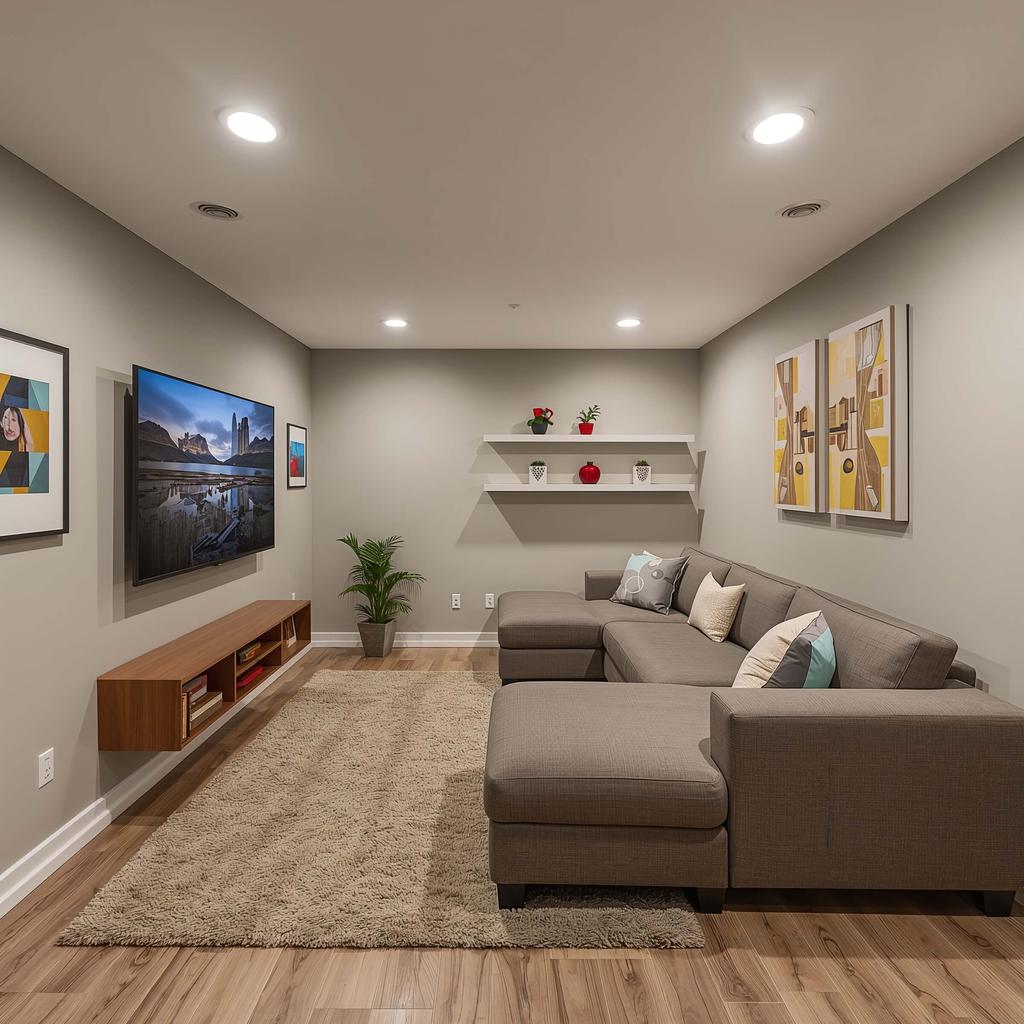
Who says you need a massive basement to create an entertainment space? My neighbor transformed her 200-square-foot basement into what I call the Swiss Army knife of entertainment zones. Movie nights, gaming sessions, even karaoke parties – this space handles it all.
The secret sauce? Modular furniture that serves multiple purposes. We mounted the TV on a swivel bracket, so it faces different directions depending on the activity. Gaming setup on one side, cozy seating area on the other. Boom – two rooms in one.
Smart Layout Tips for Maximum Fun
Think vertical when planning your entertainment zone. I helped install:
- Wall-mounted media console (frees up 8 square feet of floor space)
- Ceiling-mounted projector as a TV alternative
- Built-in corner shelving for games and equipment
The acoustics in basements usually suck – there, I said it. But you know what? That concrete actually works in your favor for an entertainment space. Add some acoustic panels (the decorative kind that don’t scream “recording studio”), and suddenly your sound quality rivals actual theaters.
Storage becomes your best friend here. I use ottoman benches that open up to store controllers, cables, and all that tech chaos. Pro tip: label everything. Future you will thank present you when you’re not untangling cables at 11 PM.
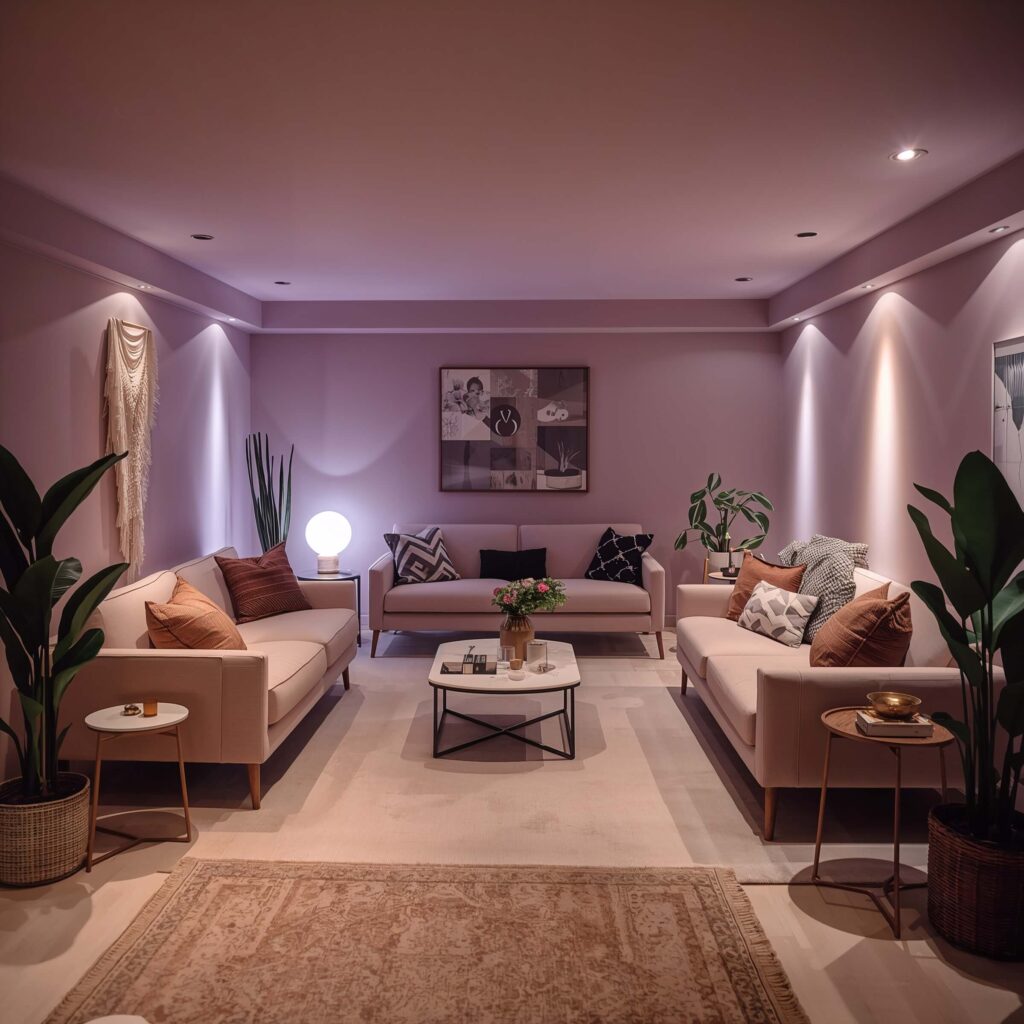
Bright Minimalist Basement Retreat
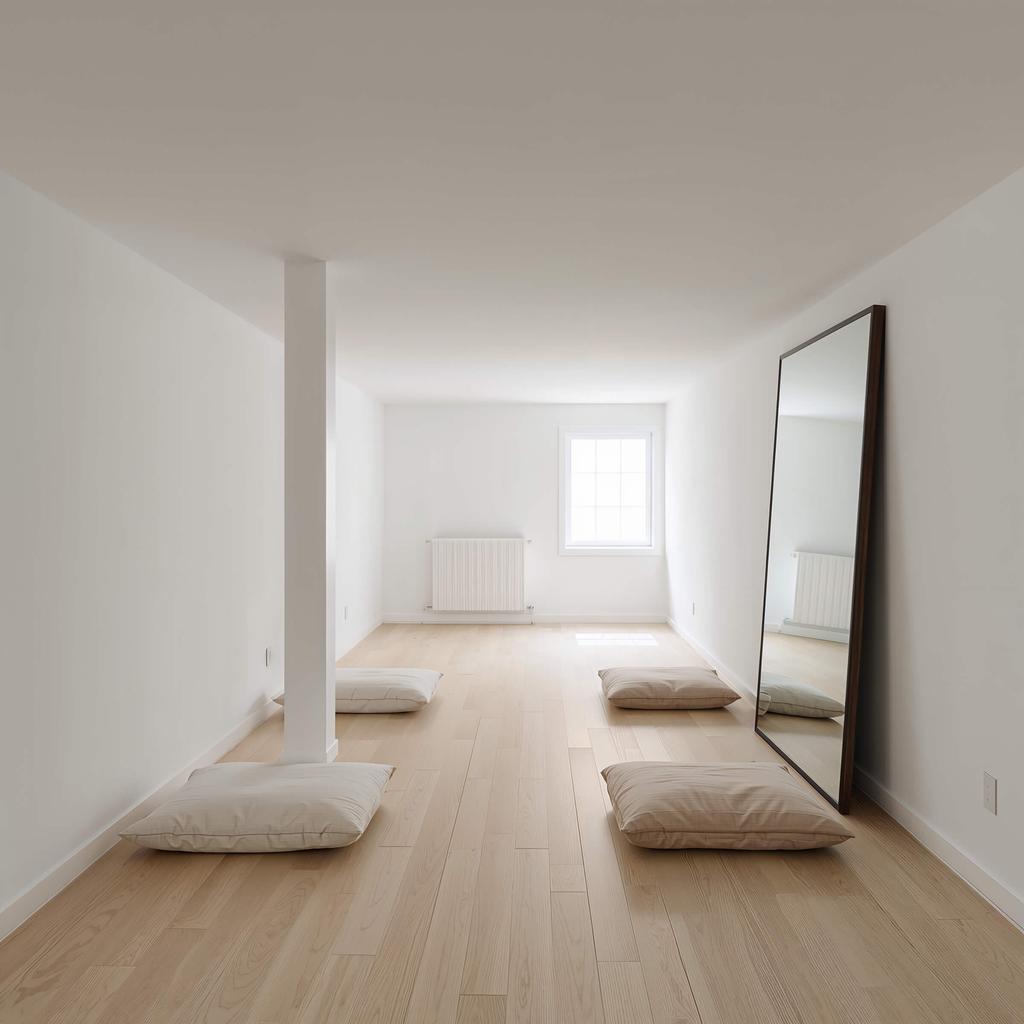
Okay, “bright basement” sounds like an oxymoron, right? But I transformed my friend Sarah’s dungeon-like basement into this zen minimalist space that actually feels larger than her living room. The kicker? It’s only 180 square feet.
Paint color changes everything in a basement. We went with Benjamin Moore’s Cloud White on all walls and ceiling. Yes, the ceiling too. Creates this seamless box of light that tricks your brain into thinking the space is bigger. Add in some strategic mirrors, and suddenly your cave becomes a sanctuary.
Minimalist Design That Actually Works
Here’s what we kept in the space:
- One statement furniture piece (a sleek gray sofa)
- Two floating shelves with carefully curated items
- A single large area rug to define the space
- Three plants (yes, they survive in basements!)
The biggest mistake people make? Trying to fit too much into a small basement. I learned this the hard way when I first started – crammed every piece of furniture I could find down there. Looked like a furniture store exploded. Now I follow the “one in, two out” rule: for every new item that goes in, two things leave.
Lighting deserves its own paragraph here. We installed recessed LED lights on dimmers, plus added these amazing daylight-spectrum bulbs that basically fake natural light. Combined with a light therapy lamp tucked discretely on a shelf, this basement actually helps with seasonal depression. Who knew? 🙂
Also Read: 10 Trendy Cozy Basement Ideas and Stylish Room Makeovers
Smart Storage and Display Walls
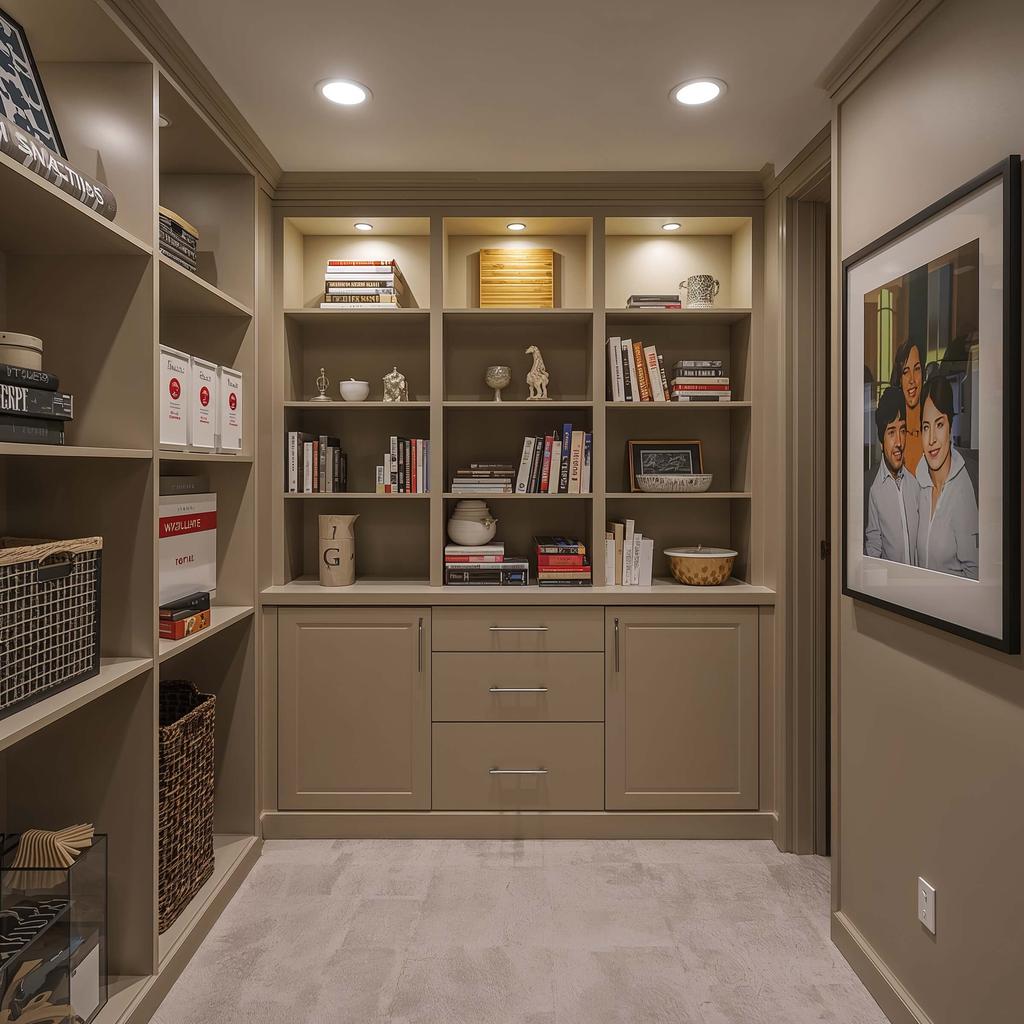
You want to know the real difference between a cluttered basement and an organized one? It’s not about having less stuff – it’s about making your storage part of the design. I turned my entire north wall into this combination storage-display unit that holds everything from holiday decorations to my vintage camera collection.
The game-changer? Ceiling-to-floor shelving units with a mix of open and closed storage. Open shelves at eye level for pretty things, closed cabinets down below for the not-so-pretty necessities. Cost me about $400 in materials from IKEA, and it looks like custom millwork.
Storage Solutions That Don’t Suck
I divide my storage wall into zones:
- Display zone (eye level): books, plants, art pieces
- Everyday zone (waist level): frequently used items in baskets
- Hidden zone (floor level): seasonal stuff in labeled bins
- Up high zone (near ceiling): rarely used items
Ever notice how some people’s storage looks intentional while yours looks like… storage? The secret is consistency. I use matching baskets (got mine from Target during a sale), and suddenly my mess looks like decor. Same color containers = instant organization.
The depth of your shelving matters too. I went with 12-inch deep shelves, which accommodate almost everything without sticking out too far into the room. Any deeper and you’re eating up precious floor space; any shallower and nothing fits properly.
Chic Home Office Corner
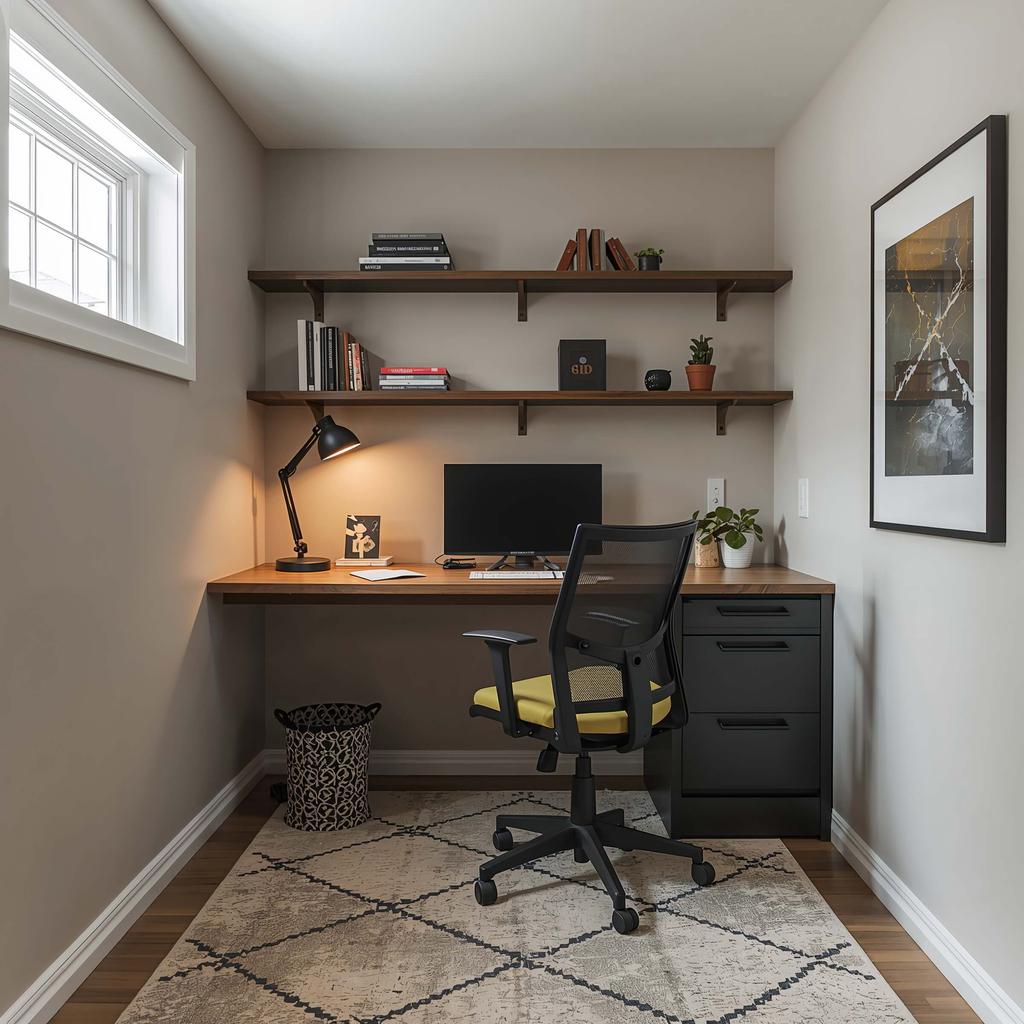
Working from home in your bedroom is so 2020. I carved out this killer office space in my basement corner that’s only 7×7 feet but feels like a proper workplace. No more Zoom calls from my bed, thank you very much.
First things first: ergonomics matter more in small spaces. When you can’t spread out, every inch needs to work harder. I mounted my monitor on an adjustable arm, which freed up my entire desk surface. Keyboard tray slides under when not in use. Suddenly my tiny desk feels spacious.
Office Setup That Means Business
Essential elements I couldn’t live without:
- Pegboard wall system for office supplies
- Under-desk cable management tray (game changer!)
- Adjustable standing desk converter
- Good chair (splurged $300 here – worth every penny)
The psychology of your workspace affects productivity more than you’d think. I painted one wall navy blue as an accent, which somehow makes video calls look more professional. Added some fake architectural molding with picture ledges from Home Depot – instant sophistication for $50.
Natural light might be MIA, but that doesn’t mean suffering through fluorescent hell. I use a combination of warm task lighting and cool ambient lighting. The contrast keeps me alert without feeling like I’m in an interrogation room.
Understairs Hidden Storage Solutions
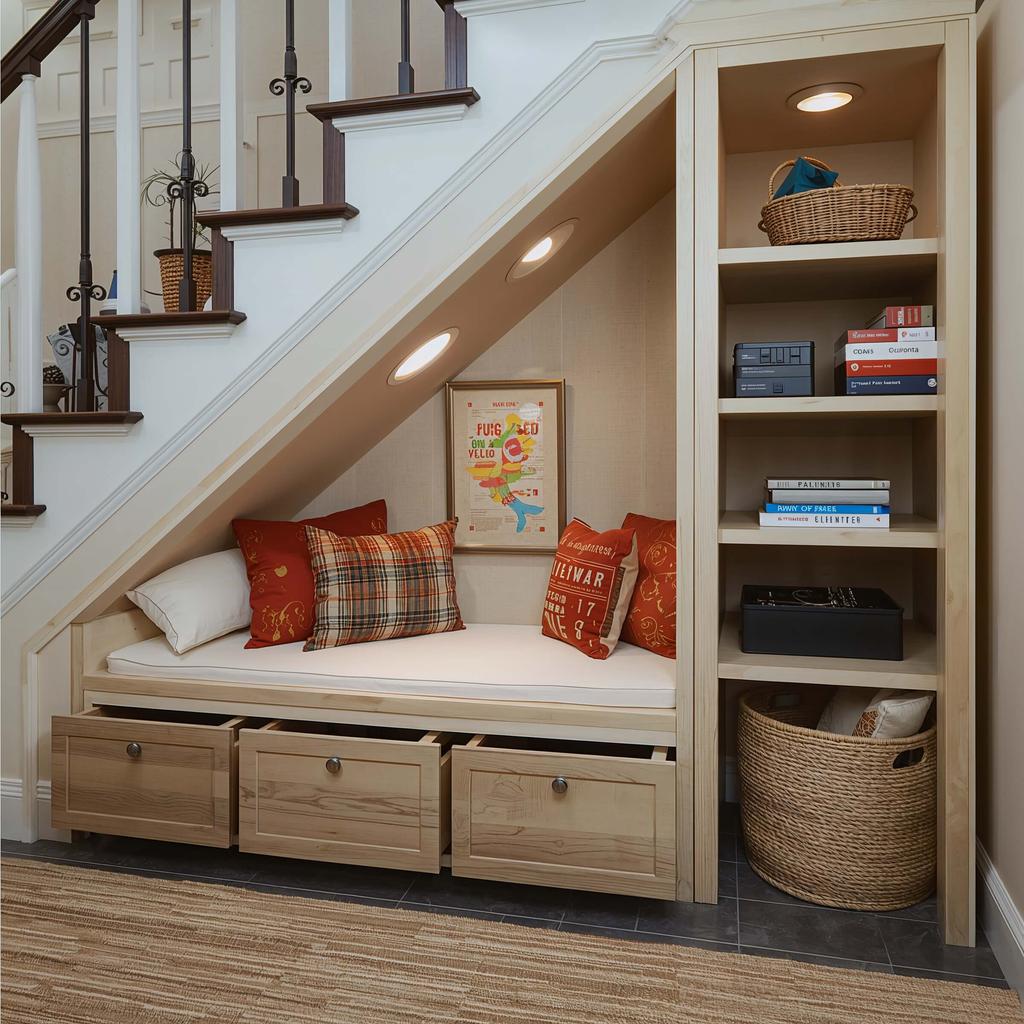
That awkward space under your basement stairs? It’s goldmine storage potential just sitting there, mocking you. I turned mine into what I call “Harry Potter’s upgrade” – functional storage that’s actually accessible.
Pull-out drawers changed the game completely. Built them myself over a weekend (okay, fine, a long weekend) using drawer slides from Amazon and some basic lumber. Each drawer pulls out completely, so no more crawling on hands and knees to reach that Christmas tree stand.
Maximizing Every Weird Angle
The tallest section near the stairs became:
- Vertical sports equipment storage (finally, somewhere for those skis)
- Tall cleaning supply cabinet with child locks
- Wine rack (because priorities, people)
The medium-height middle section houses:
- Pull-out pantry shelves for bulk items
- Tool organization system
- Gift wrap station (yes, really!)
The shortest section at the back stores:
- Labeled bins on wheels for seasonal items
- Vacuum and carpet cleaner
- Emergency supplies in a grab-and-go container
What kills me is how many people just stack boxes in there randomly. Spend one weekend organizing it properly, and you’ll gain back hours of your life not searching for stuff. IMO, this is the best ROI of any basement improvement.
Also Read: 10 Epic Minecraft Basement Ideas and Secret Vaults
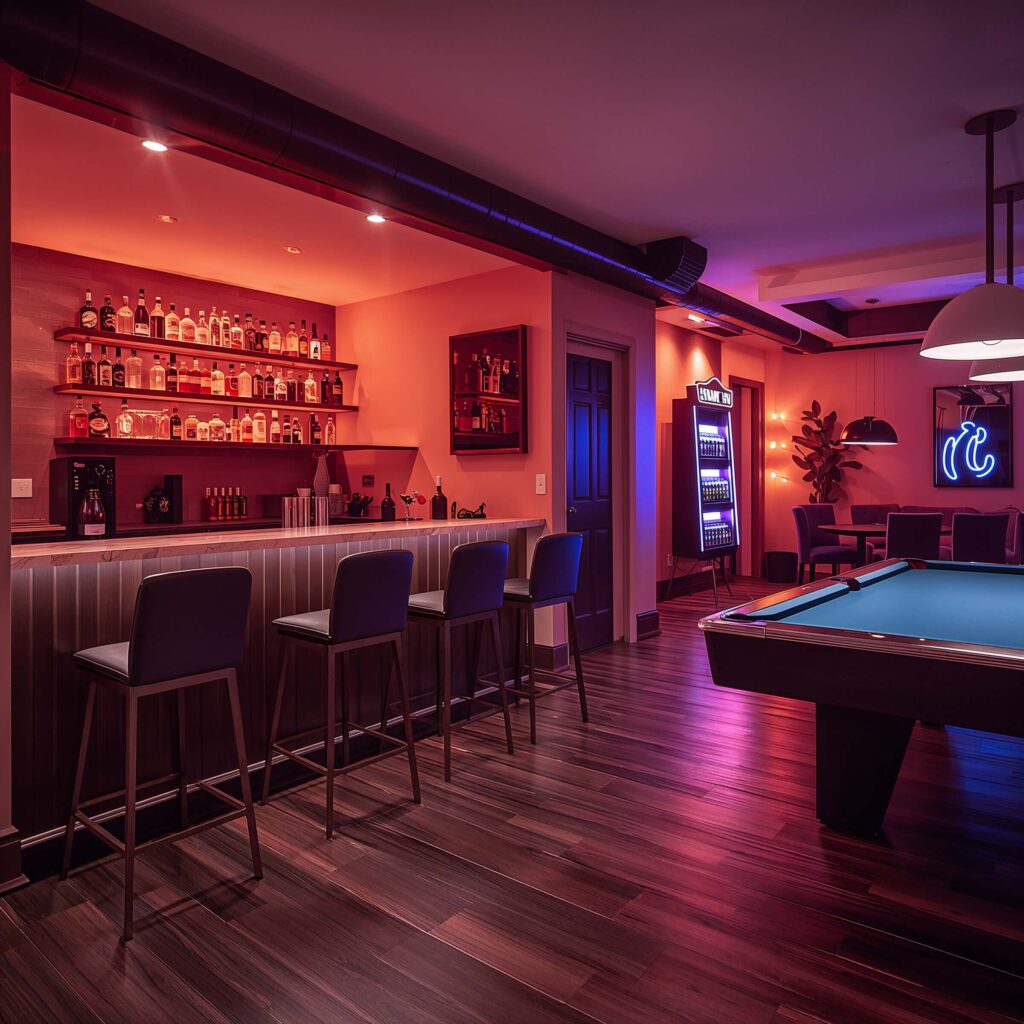
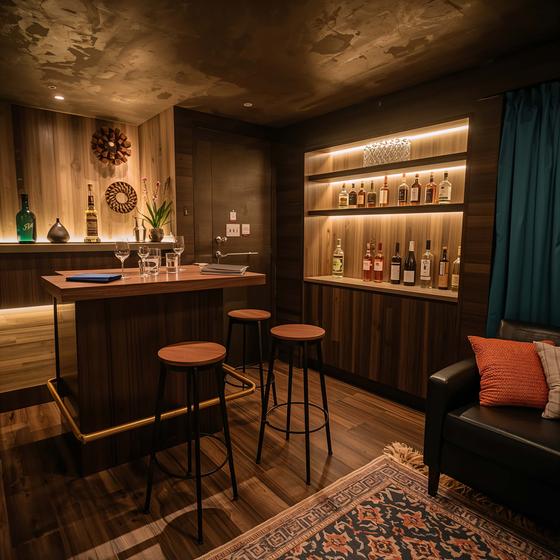
Small Basement Bar & Lounge
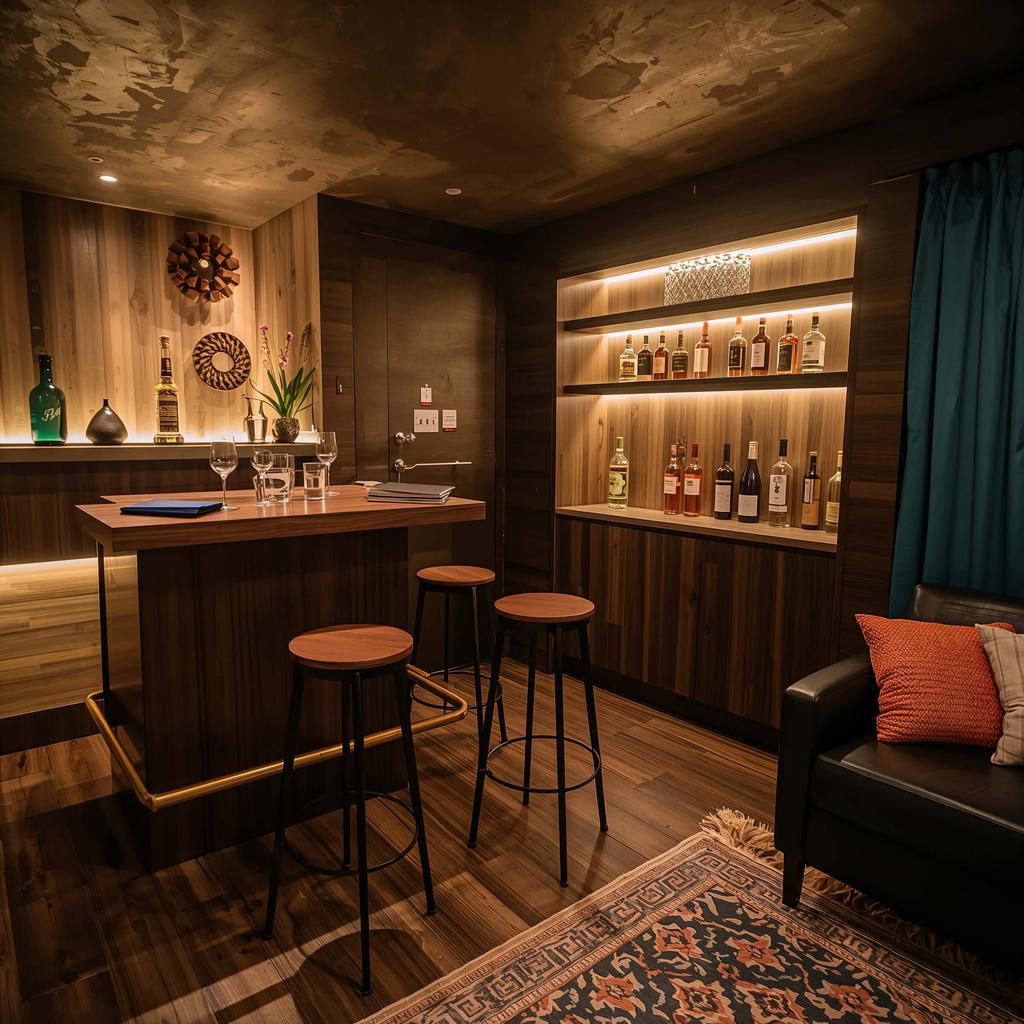
Building a basement bar sounds like something only people with massive budgets do, right? Wrong. I created this sweet little bar setup for under $500, and it’s become the spot where all my friends want to hang out.
The cornerstone? A repurposed dresser turned bar cabinet. Found it on Facebook Marketplace for $75, added some wine glass holders underneath, painted it charcoal gray, and boom – instant bar that doesn’t scream “frat house.”
Bar Essentials Without Breaking the Bank
Here’s what makes a small bar functional:
- Wall-mounted bottle shelves (floating shelves work great)
- Mini fridge tucked under the counter
- Bar cart for extra storage and mobility
- Good lighting (pendant lights or LED strips under shelves)
The seating situation stumped me initially. Bar stools take up so much room! Solution: backless stools that tuck completely under the counter. When not in use, you can’t even see them. Found mine at a restaurant supply store – way cheaper than furniture stores.
Creating ambiance doesn’t require a huge space. I installed dimmable Edison bulb string lights (basic, I know, but they work), added a bluetooth speaker system, and hung some vintage bar signs I scored at estate sales. Total cost for ambiance? Maybe $100.
Colorful Playroom for Kids
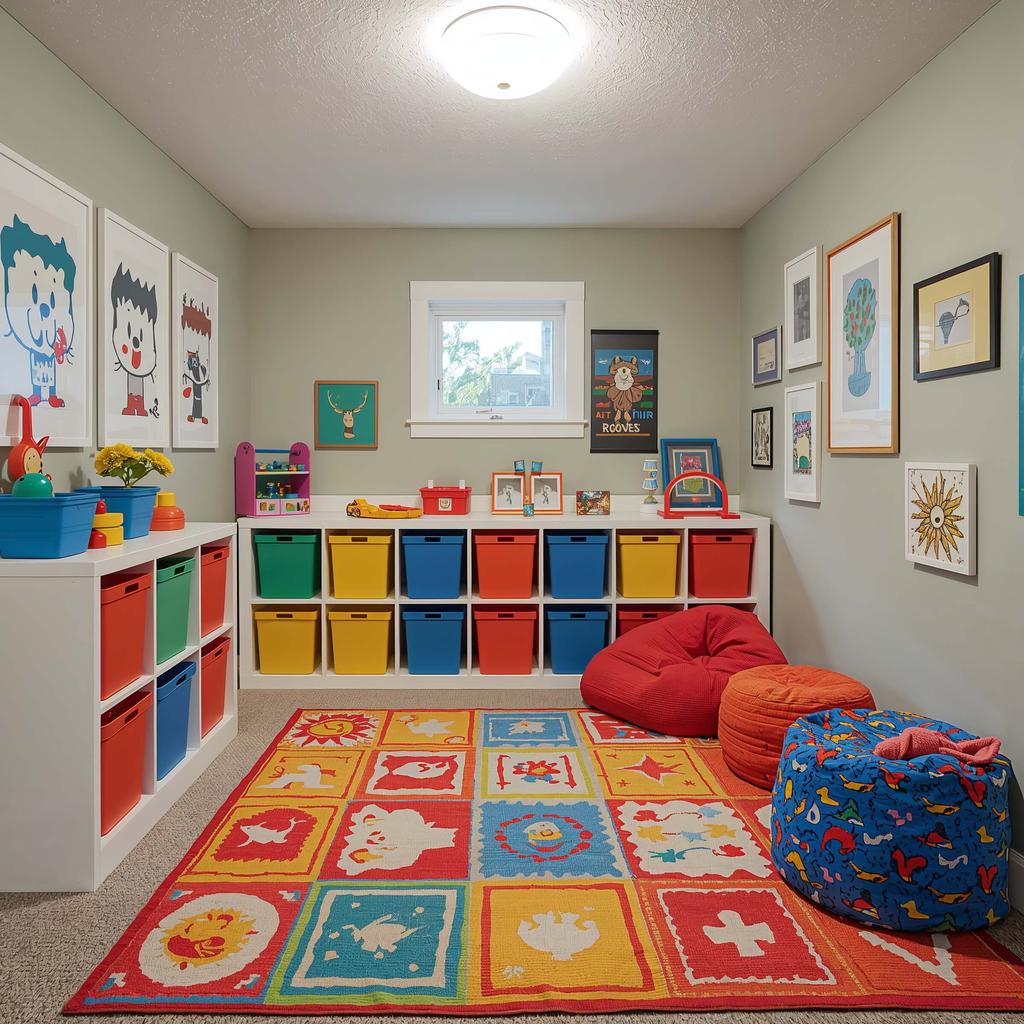
Turning a small basement into a kids’ playroom might seem like inviting chaos underground, but hear me out. Containing the mess to one designated area saves your sanity upstairs. Plus, basements are basically soundproof – let them be as loud as they want.
I helped my sister create this amazing playroom in her 150-square-foot basement. The key? Zones for different activities. Even in a small space, kids need variety or they get bored and suddenly your couch cushions become a fort again.
Playroom Zones That Actually Work
We created four distinct areas:
- Reading corner with floor cushions and low bookshelf
- Art station with washable table and supply storage
- Active play zone with tumbling mats
- Building/toy area with labeled bins
Color psychology matters here. We painted one wall with magnetic primer and chalkboard paint – two-in-one fun surface. The other walls got bright but not overwhelming colors. Think cheerful, not circus explosion.
Storage needs to be kid-accessible but parent-friendly. We use:
- Clear bins so kids can see what’s inside
- Picture labels for non-readers
- Rotating toy system (half in storage, half out)
- Wall-mounted nets for stuffed animals
The flooring decision makes or breaks a playroom. We installed interlocking foam tiles that look like wood grain. Soft enough for tumbles, easy to clean, and they don’t look like a daycare center.
Rustic Loft-Style Basement Design
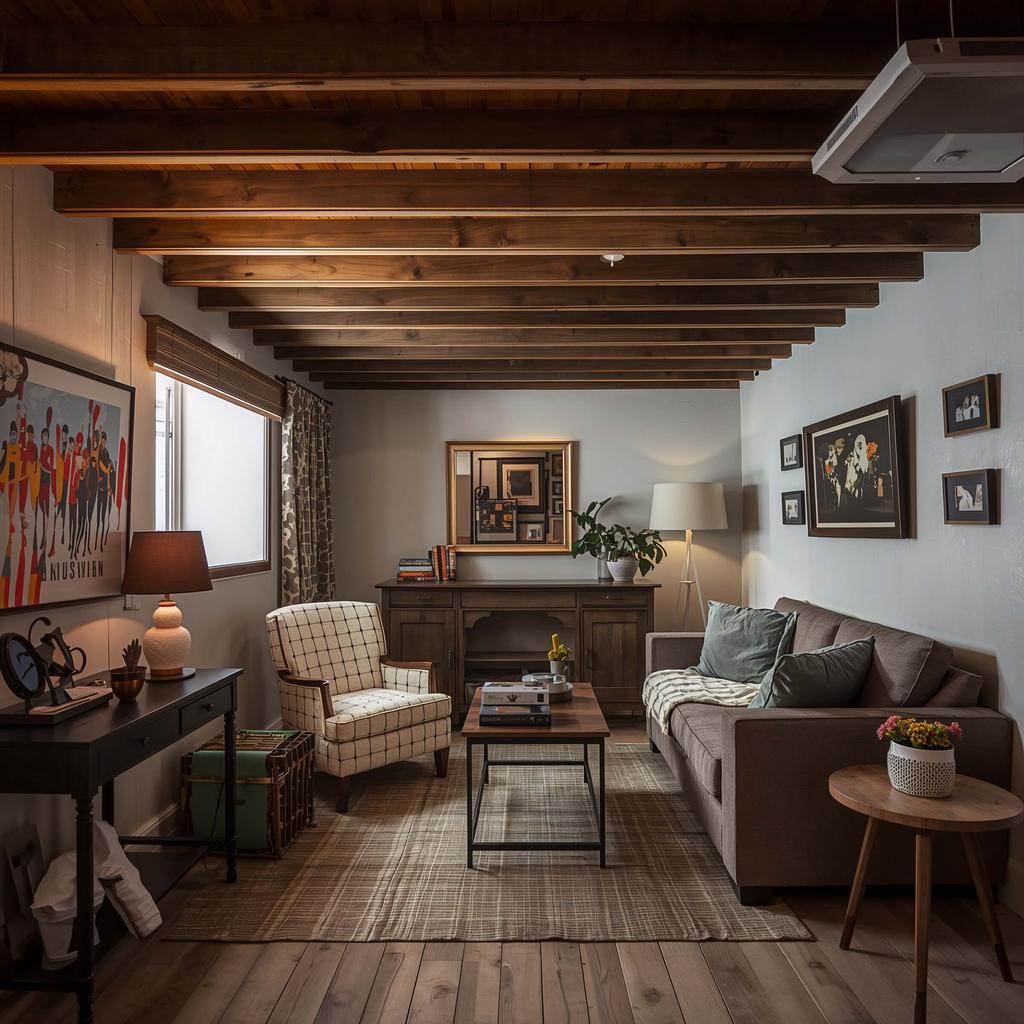
Who says basements can’t have character? I embraced the industrial vibe of my exposed ceiling basement and turned it into this rustic loft that looks straight out of a design magazine. The exposed pipes and beams? They’re features now, not flaws.
Painting everything black – ceiling, pipes, ductwork – creates this cohesive industrial look. Sounds dark, but it actually makes the ceiling disappear visually. Your eye focuses on the living space below instead of the mechanical stuff above.
Rustic Elements That Don’t Cost a Fortune
Key design elements I incorporated:
- Reclaimed wood accent wall (got pallets free from a warehouse)
- Industrial pipe shelving (DIY for under $200)
- Vintage leather furniture (thrift stores are goldmines)
- Edison bulb fixtures with exposed wiring in conduit
The concrete floor situation used to depress me. Then I discovered concrete stain. For $100 and a weekend of work, my gray slab became this gorgeous weathered brown that looks intentional. Added some vintage area rugs, and suddenly it’s cozy, not cold.
Mixing textures prevents the industrial look from feeling harsh. I balance metal and concrete with:
- Chunky knit throw blankets
- Canvas and burlap pillows
- Live edge wood pieces
- Soft leather accents
Also Read: 10 Smart Basement Stairs Ideas That Save Space
Modern Compact Gym Area
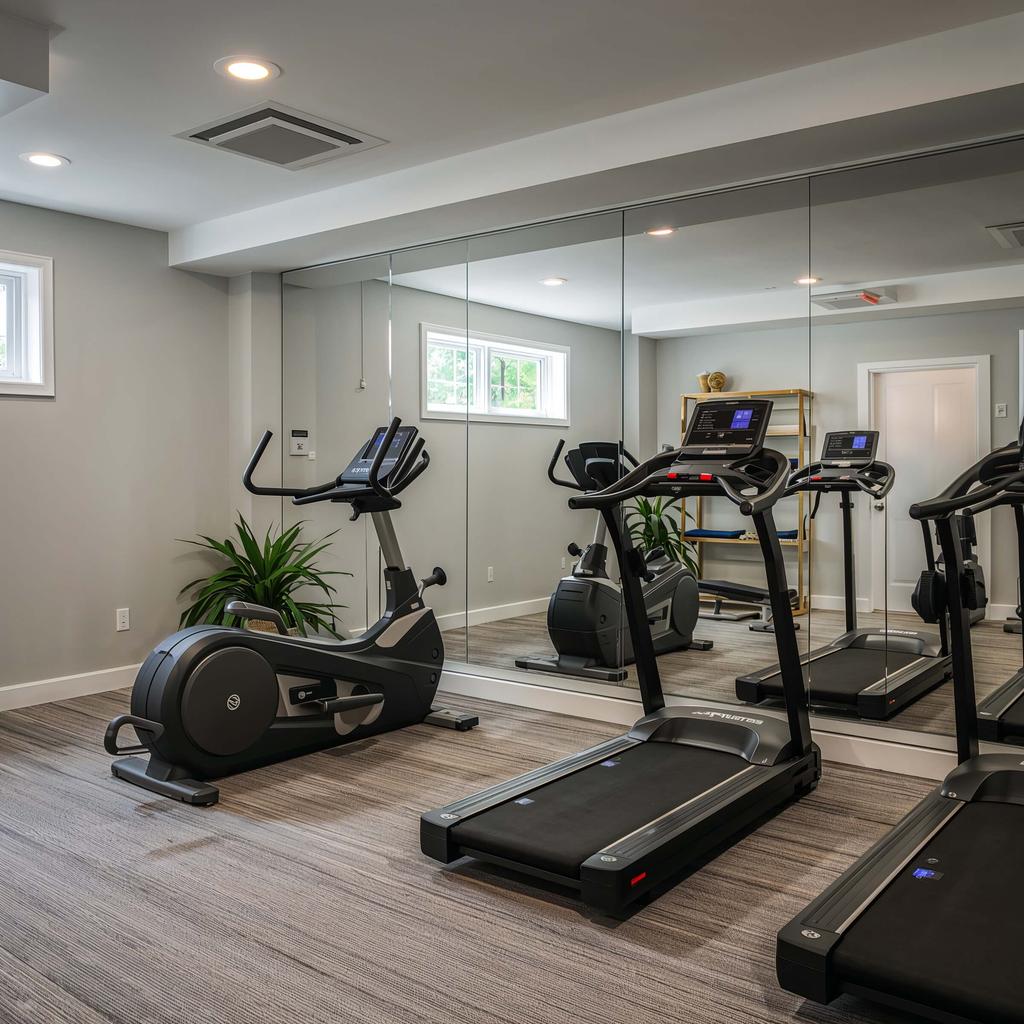
Look, I’m not saying my basement gym will replace your fancy health club membership. But when it’s freezing outside and the gym’s packed, having a workout space 10 feet away beats any excuse. My 8×10 gym area cost less than a year’s membership and actually gets used.
The biggest mistake? Buying equipment before planning the space. I started with the layout, marking tape on the floor for different exercises. Only then did I buy equipment that fit the space, not the other way around.
Essential Equipment for Small Space Workouts
My non-negotiable equipment list:
- Adjustable dumbbells (PowerBlocks save massive space)
- Foldable bench (slides under stairs when not used)
- Wall-mounted pull-up bar
- Resistance bands with door/wall anchors
- One quality mat (don’t cheap out here)
Mirrors change everything in a home gym. I found these adhesive mirror tiles on Amazon – way cheaper than actual gym mirrors. Covered one entire wall for under $150. Not only do they make the space feel bigger, but they help with form checking.
The ventilation situation needs addressing. Basements get musty; add sweat, and it’s gross. I installed a ceiling fan (yes, even with low ceilings – they make hugger fans) and a dehumidifier that runs automatically. Game changer for air quality.
Storage keeps your gym from looking like a equipment graveyard. I use:
- Wall hooks for resistance bands and jump ropes
- Vertical dumbbell rack (takes up 2 square feet)
- Ceiling-mounted bike hooks (if applicable)
- Storage ottoman for smaller items like foam rollers
Making Your Small Basement Dreams Reality
Here’s the thing about small basements – they’re actually easier to transform than large ones. Less space means less money, less time, and less chance of scope creep. Every single idea I’ve shared came from real basements under 250 square feet. No magic, no massive budgets, just smart planning and realistic expectations.
The biggest game-changer? Starting with one zone and making it perfect before moving on. My basement transformation took two years, one project at a time. But now? It’s the most-used space in my house. That forgotten storage dungeon became three functional rooms without moving a single wall.
Remember, your basement doesn’t need to look like those magazine spreads. It needs to work for YOUR life. Whether that’s a quiet reading escape, a kids’ chaos container, or your own personal speakeasy, the square footage doesn’t determine the potential. Your creativity does.
So grab that measuring tape, ignore that pile of Christmas decorations (for now), and pick one idea to start with. Your basement’s been waiting patiently down there – maybe it’s time to give it the glow-up it deserves. Who knows? By next year, you might actually want to hang out in your basement. Imagine that! :/