10 Stunning Small Basement Ideas Layout and Space-Saving Tricks
- Basement Decor
 Ben
Ben- 0
- 30 minutes read
Let’s be real—your basement probably looks like a storage graveyard right now. You know, that dark corner where Christmas decorations go to hibernate and old exercise equipment collects dust like it’s their job. But what if I told you that cramped, forgotten space could become the coolest room in your house?
I spent three months transforming my own 400-square-foot basement from a concrete dungeon into a multifunctional paradise. Trust me, I made every mistake possible (including that time I installed a bar before realizing I needed plumbing permits). Now I’m here to share what actually works when you’re dealing with limited square footage and an even more limited budget.
Open-Concept Living and Entertainment Space
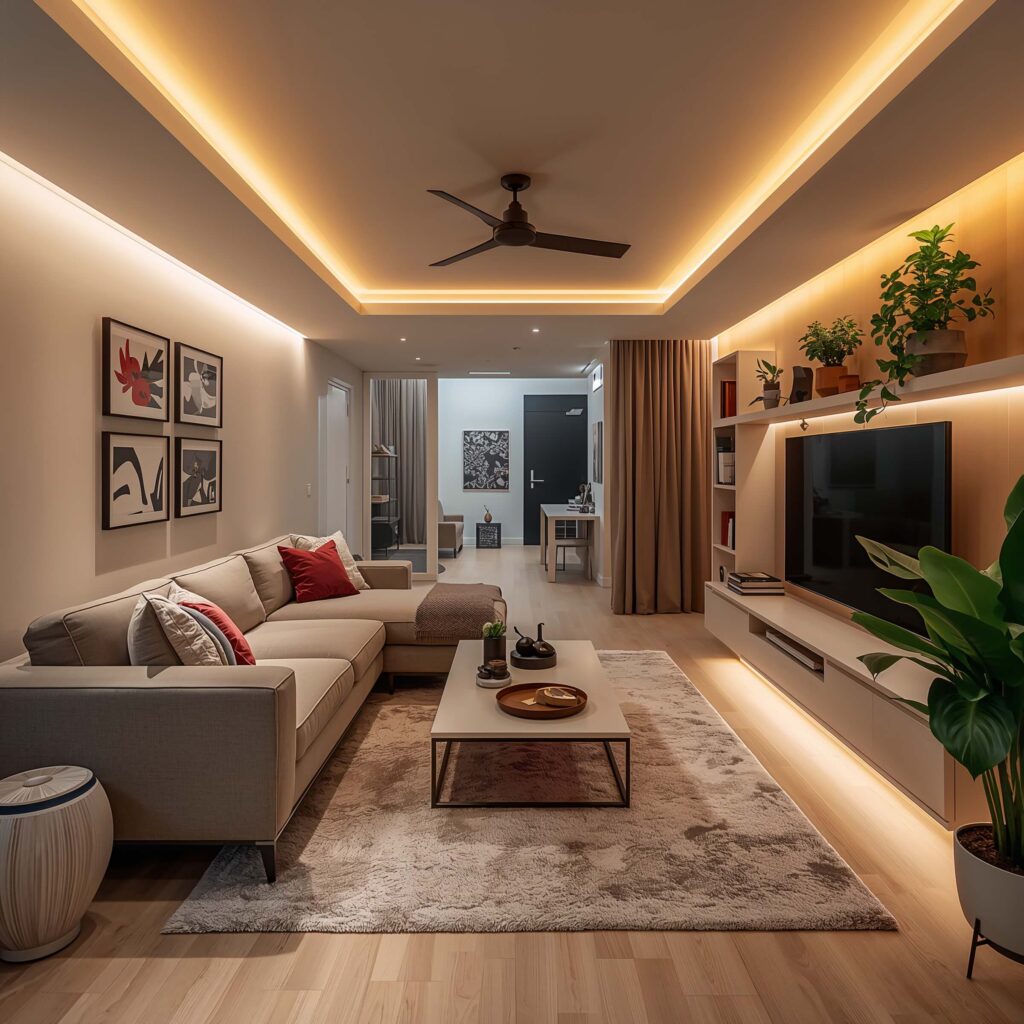
Who says small basements can’t feel spacious? The trick to creating an open-concept basement lies in ditching those unnecessary walls and embracing the flow.
I learned this lesson the hard way. My first instinct was to section off every corner, but that just made my basement feel like a maze of tiny, claustrophobic rooms. Instead, I knocked down the non-load-bearing wall between what would’ve been separate TV and gaming areas. Suddenly, my basement breathed again.
Making It Work With Limited Square Footage
Start by mapping your traffic patterns. Where do people naturally walk? Keep those paths clear and arrange your furniture around them, not through them. Float your sofa in the middle of the room instead of pushing it against the wall—sounds counterintuitive, but it actually creates distinct zones without walls.
Use area rugs to define different spaces visually. I’ve got a plush rug under my conversation area and a low-pile option near the entertainment center. Your brain automatically registers these as separate zones even though there’s no physical barrier.
Smart Lighting Solutions
Layer your lighting like you’re creating a mood sandwich. Combine overhead recessed lights (your bread and butter), wall sconces (the filling), and floor lamps (the special sauce). Dimmers are non-negotiable here—they transform your basement from bright workspace to cozy hangout faster than you can say “movie night.”
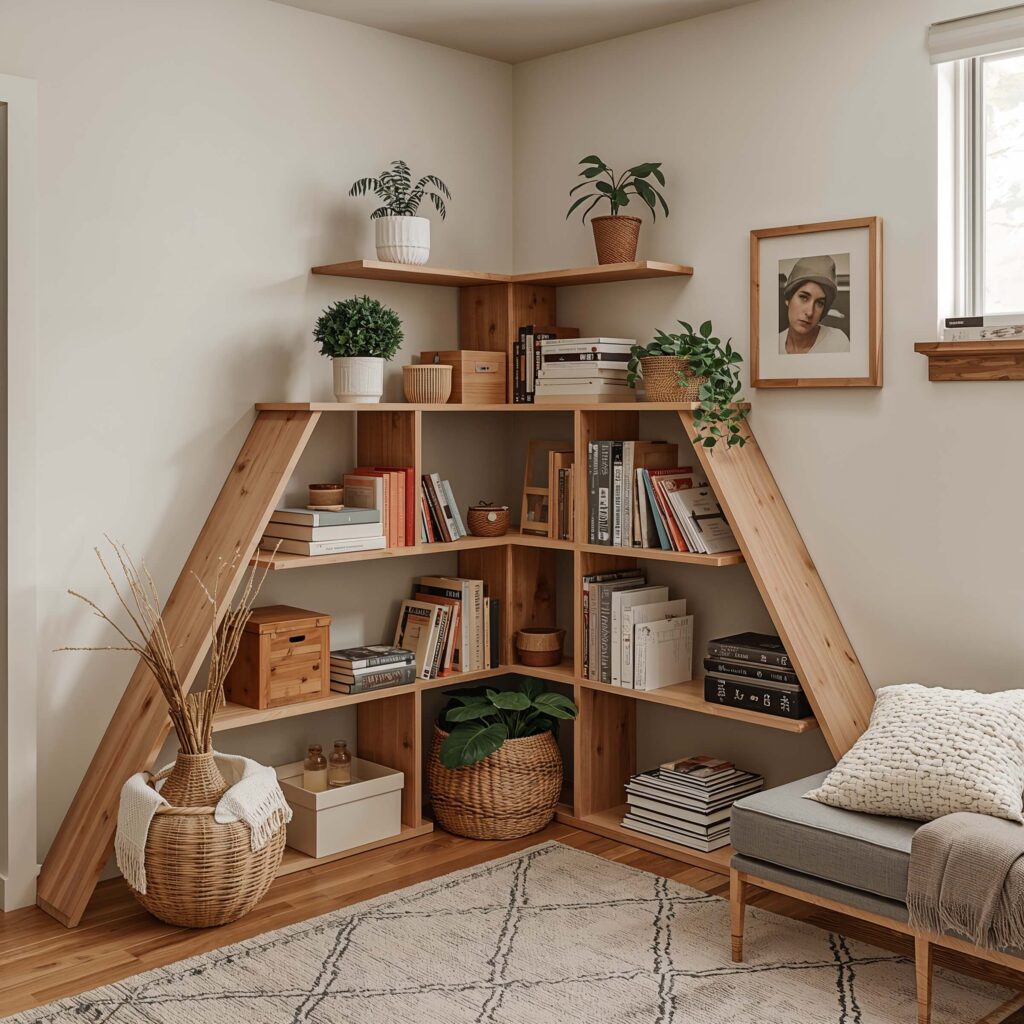
Cozy Reading Nook with Built-In Shelves
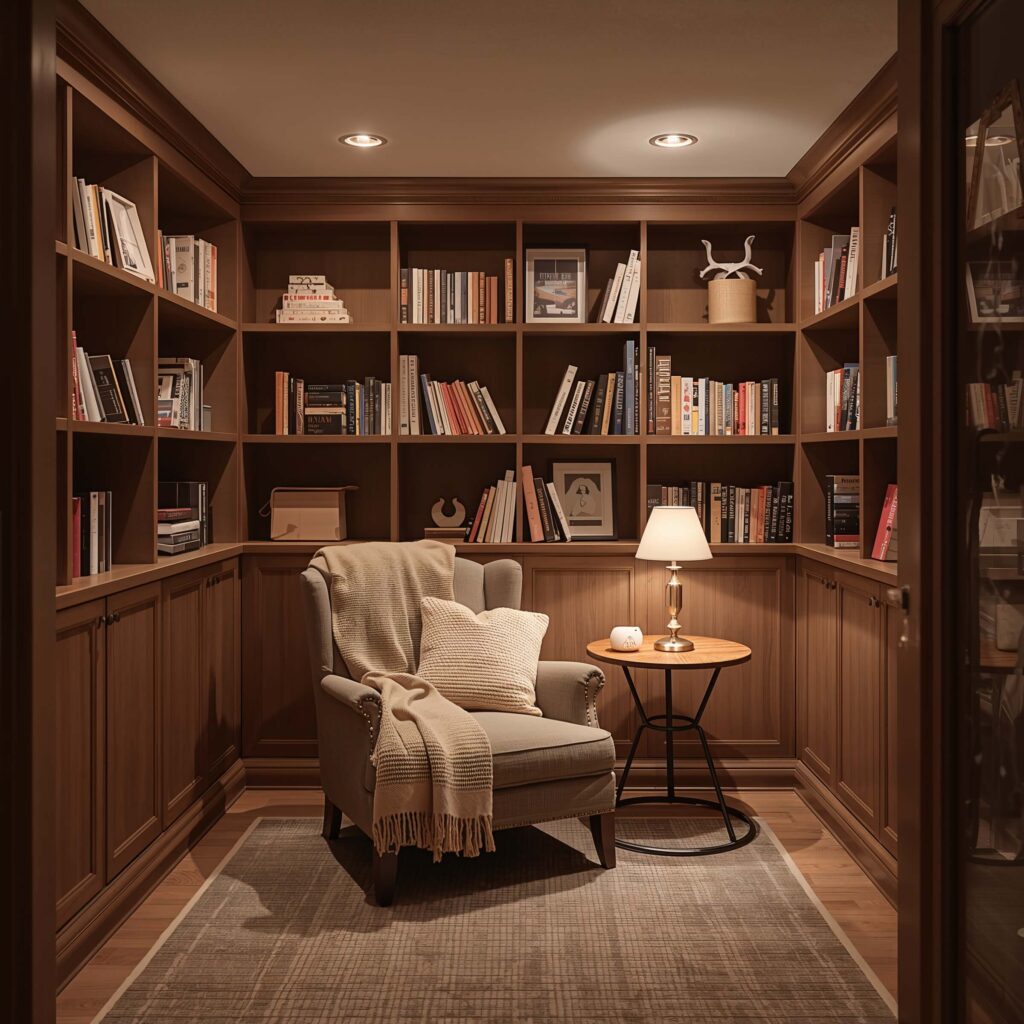
Remember when everyone said built-ins were too expensive? Yeah, they lied. Well, sort of.
Creating a reading nook doesn’t require hiring a master carpenter. I built mine using IKEA Billy bookcases and some creative trim work. Total cost? Under $500. The secret sauce? Crown molding and baseboard trim that makes everything look custom.
Maximizing Vertical Space
Think tall, not wide. Your ceiling might be lower in the basement, but you’ve still got vertical real estate to exploit. Install shelves all the way up—use the lower ones for books you actually read and the higher ones for decorative items or books you keep for show (we all have them).
Add a comfortable chair with ottoman that can double as storage. Mine holds extra blankets and, honestly, a embarrassing collection of romance novels I don’t display on the main shelves. What can I say? We all have our guilty pleasures 🙂
Creating the Perfect Ambiance
Position your reading light over your shoulder, not directly overhead. Install a swing-arm wall sconce if you’re tight on floor space. And here’s a pro tip: paint the nook area a shade darker than the surrounding walls. It creates this cocoon effect that makes you want to curl up with a book immediately.
Multifunctional Home Office and Gym Combo
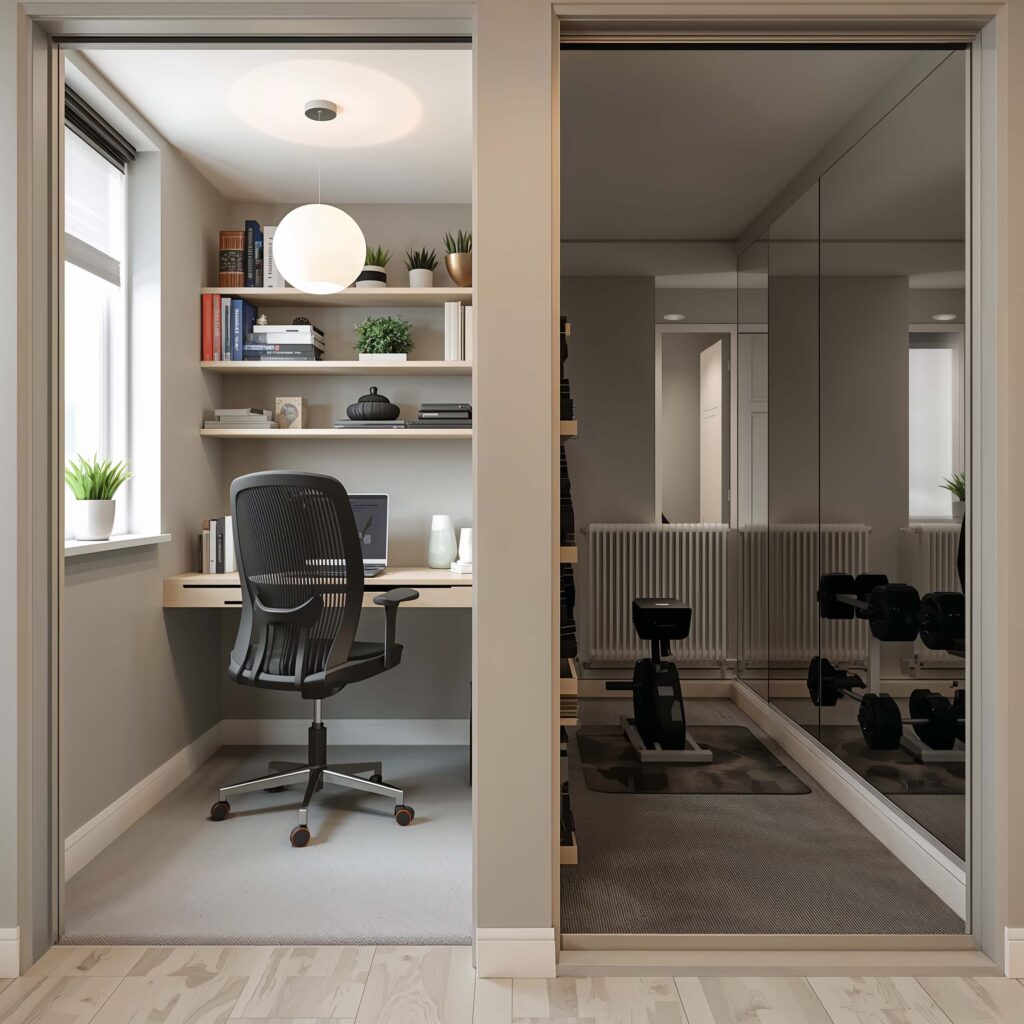
Working from home while staying fit? Sounds like a dream until you realize you’re trying to do Zoom calls next to your weight bench.
The key to this combo is scheduling and smart storage. I work 9-to-5, then transform my office into a gym by 5:15. How? Everything has wheels or folds.
Space-Saving Equipment Choices
Forget the massive treadmill. Get yourself:
- Adjustable dumbbells (they replace 15 pairs of regular ones)
- Resistance bands mounted on the wall
- Foldable weight bench that slides under the desk
- Mirror panels that make the space feel larger while checking form
My desk? It’s a standing desk that adjusts to become a surface for stretching or bodyweight exercises. During work hours, my yoga mat rolls up behind the door like a well-behaved pet.
Keeping It Professional
Install a room divider or curtain system for video calls. Nobody needs to see your kettlebells during the quarterly review. I use a tension rod with a nice curtain that takes two seconds to pull across when needed.
Keep your gym equipment in neutral colors—black, gray, white. They blend into the background better than that neon green foam roller you were eyeing.
Also Read: 10 Refreshing Basement Paint Colors Ideas to Lighten Rooms
Compact Guest Suite with Hidden Storage
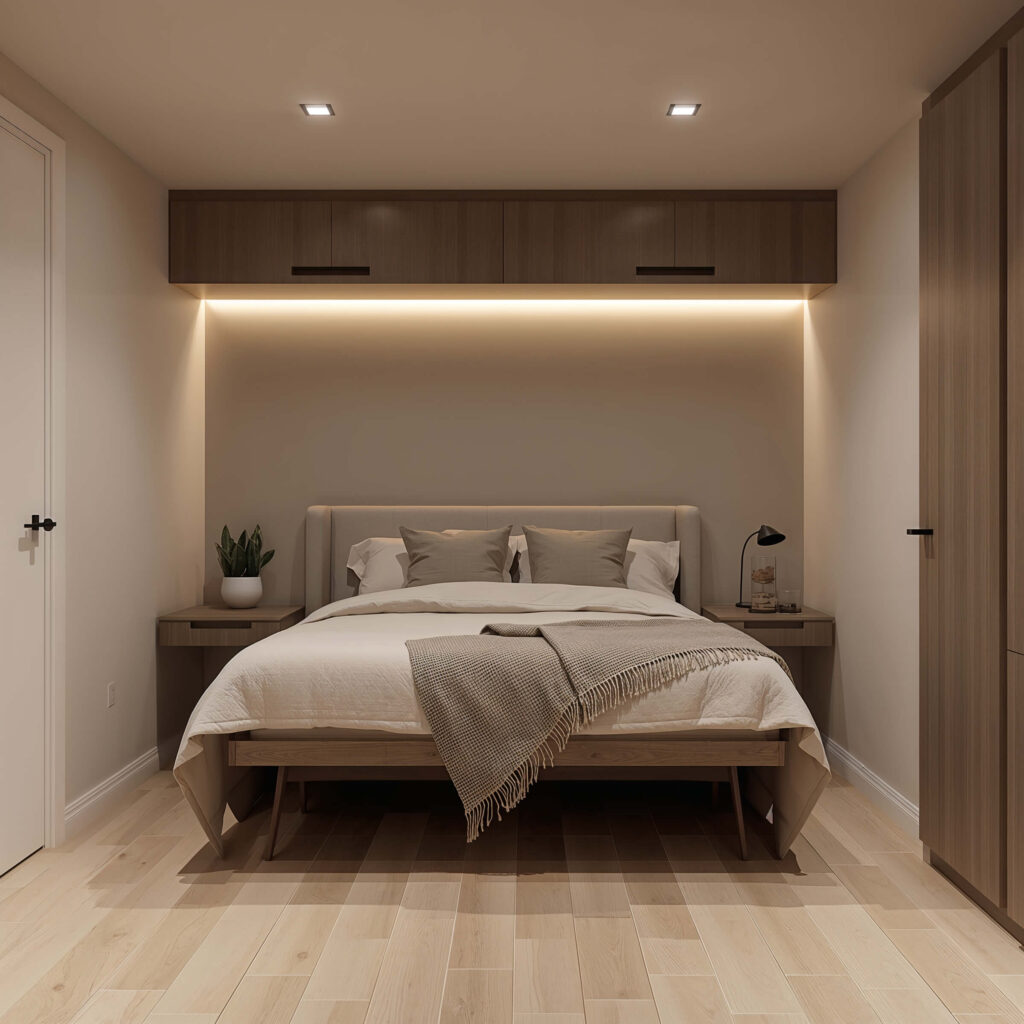
Ever notice how guests always bring twice as much stuff as they need? Your tiny basement guest room needs to swallow all that luggage without looking like a storage unit.
Murphy beds are your best friend here. But not the creaky, scary ones from old movies. Modern Murphy beds include shelving, desks, and even sofas. I installed one that looks like a built-in bookshelf when closed. Guests think I’m some kind of wizard when I pull down the bed.
Sneaky Storage Solutions
Under-bed storage isn’t revolutionary, but hydraulic lift storage beds might blow your mind. The entire mattress lifts up to reveal a massive storage cavity. Perfect for extra bedding, seasonal items, or hiding birthday presents.
Install hooks on the back of the door—not just one or two, but a whole organizer system. Guests can hang bags, robes, and towels without cluttering the floor space.
Making Guests Feel Welcome
Mount a fold-down desk on the wall that doubles as a nightstand. Add USB outlets at bed height because nobody wants to crawl on the floor to charge their phone. Include a small basket with toiletries, because FYI, guests always forget something.
Minimalist Lounge with Floating Furniture
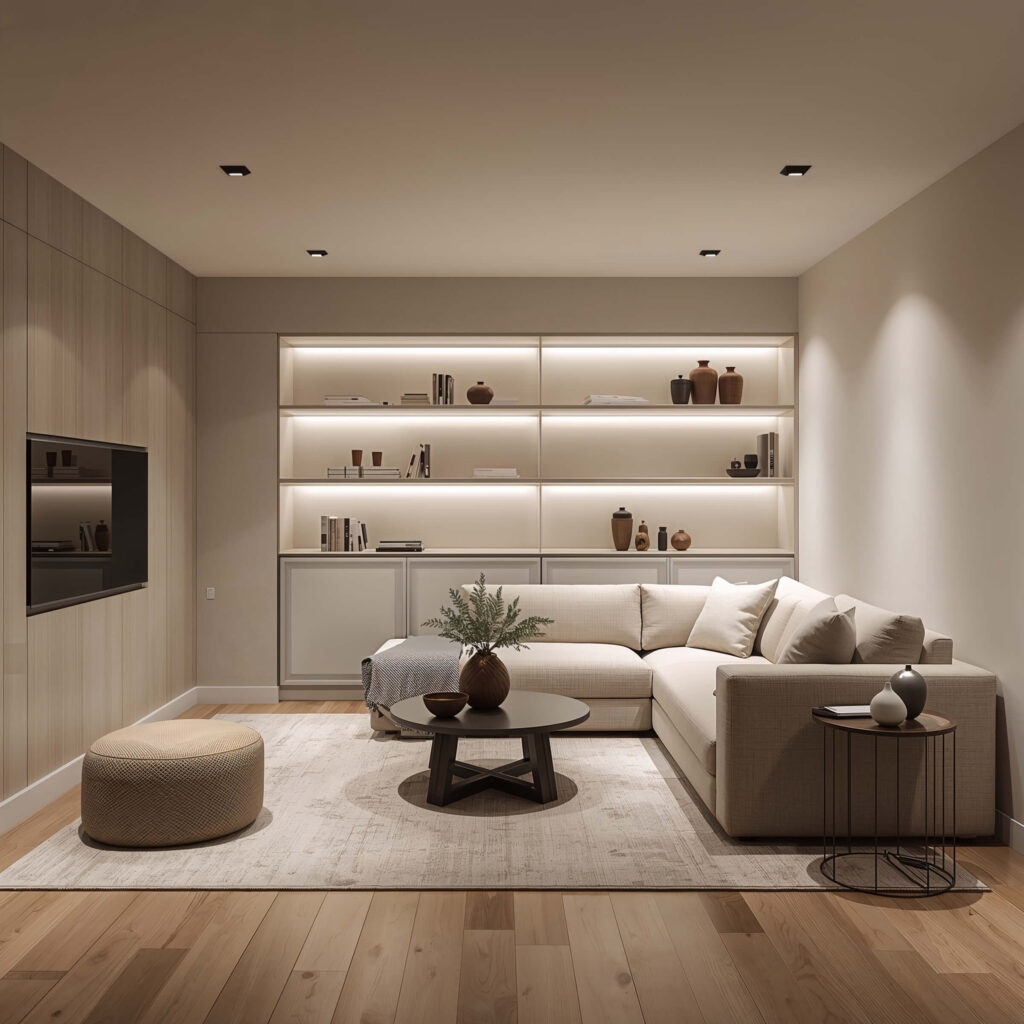
Minimalism in a basement doesn’t mean boring. It means every piece earns its spot.
Floating furniture creates the illusion of more floor space. Wall-mounted TV consoles, floating shelves, and even suspended chairs keep the floor clear and make cleaning a breeze. My robot vacuum thanks me daily (well, it would if it could talk).
Choosing the Right Pieces
Stick to a three-color palette maximum. Mine’s white, gray, and walnut—boring? Maybe. But it makes the space feel twice as large. Add personality through textures instead of colors: chunky knit throws, smooth leather, rough wood grain.
Select furniture with legs you can see under. That visual flow underneath tricks your eye into thinking there’s more space. Avoid bulky, floor-hugging pieces that act like visual roadblocks.
Creating Visual Interest
Just because you’re minimal doesn’t mean you’re bland. One statement piece changes everything. Mine’s a massive abstract painting that takes up most of one wall. It adds drama without clutter.
Layer your lighting here too. Minimalist doesn’t mean sitting in the dark like some kind of vampire. Use LED strips under floating furniture for that high-end hotel vibe.
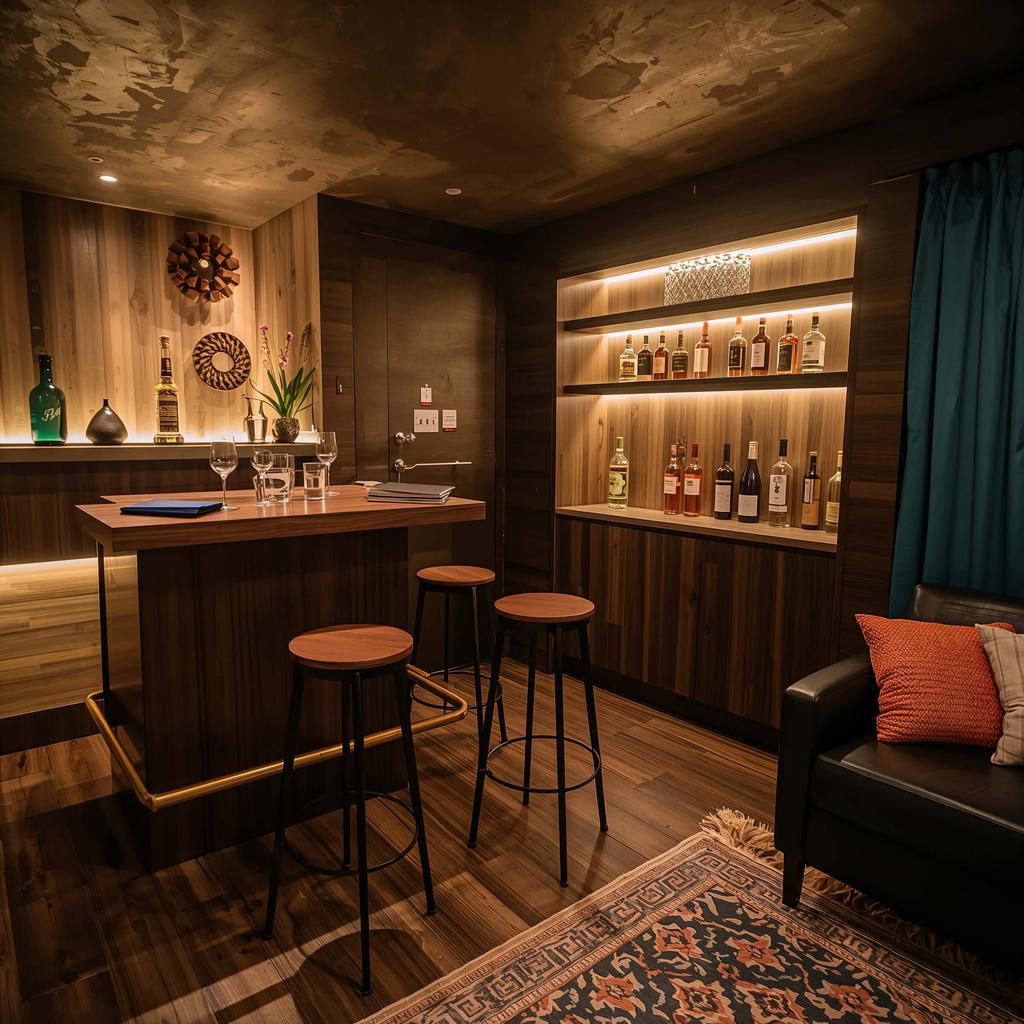
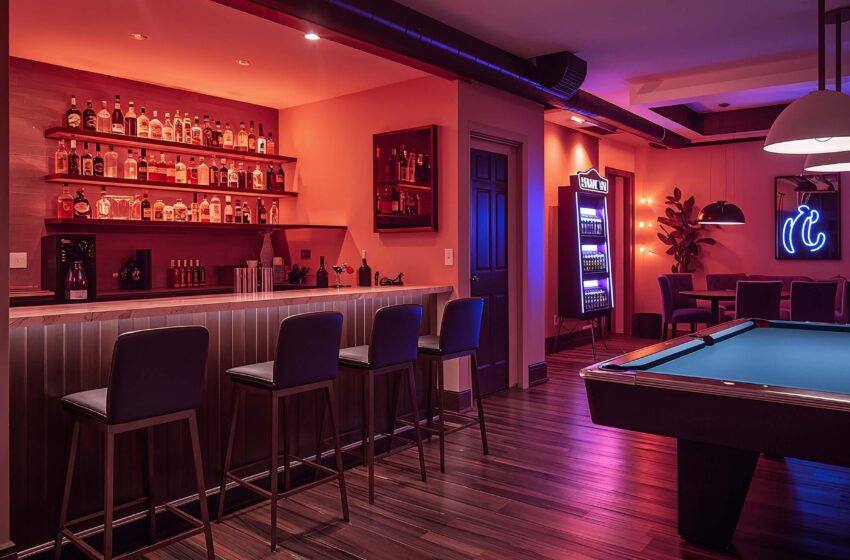
Modern Basement Bar and Game Area
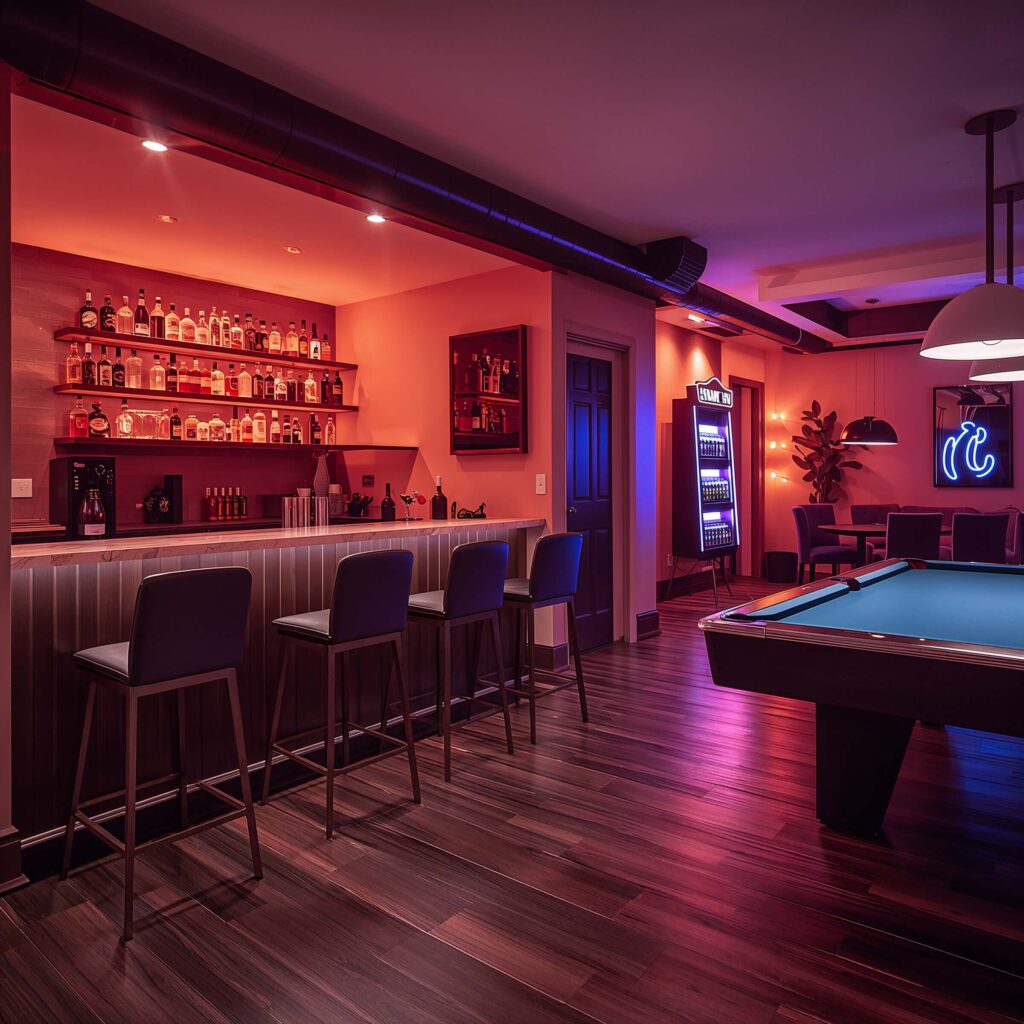
Building a basement bar sounds amazing until you realize plumbing costs more than your firstborn. But who says you need running water?
I created a dry bar setup with a mini-fridge, wine fridge, and ice maker. Total plumbing required? Zero. Just plug everything into the wall and you’re golden.
Smart Bar Design
Use a bar cart instead of built-in cabinetry. You can wheel it out of the way for parties or tuck it into a corner when not in use. Mine holds everything from cocktail shakers to board games.
Install floating shelves in a grid pattern for glassware display. Looks professional, costs about $50 in materials. Add LED strips behind the bottles for that speakeasy glow everyone loves.
Game Zone Integration
Mount your dartboard on a cabinet that opens to reveal storage. When closed, it looks like art. When open, it’s game time. Same goes for poker chips, cards, and pool cues if you’ve got a table.
Modular furniture works wonders here. Ottoman cubes provide seating during parties and storage for games afterward. Get ones with removable tops that flip to become serving trays.
Also Read: 10 Genius Basement Storage Ideas to Save Space Instantly
Children’s Play Zone with Organized Storage
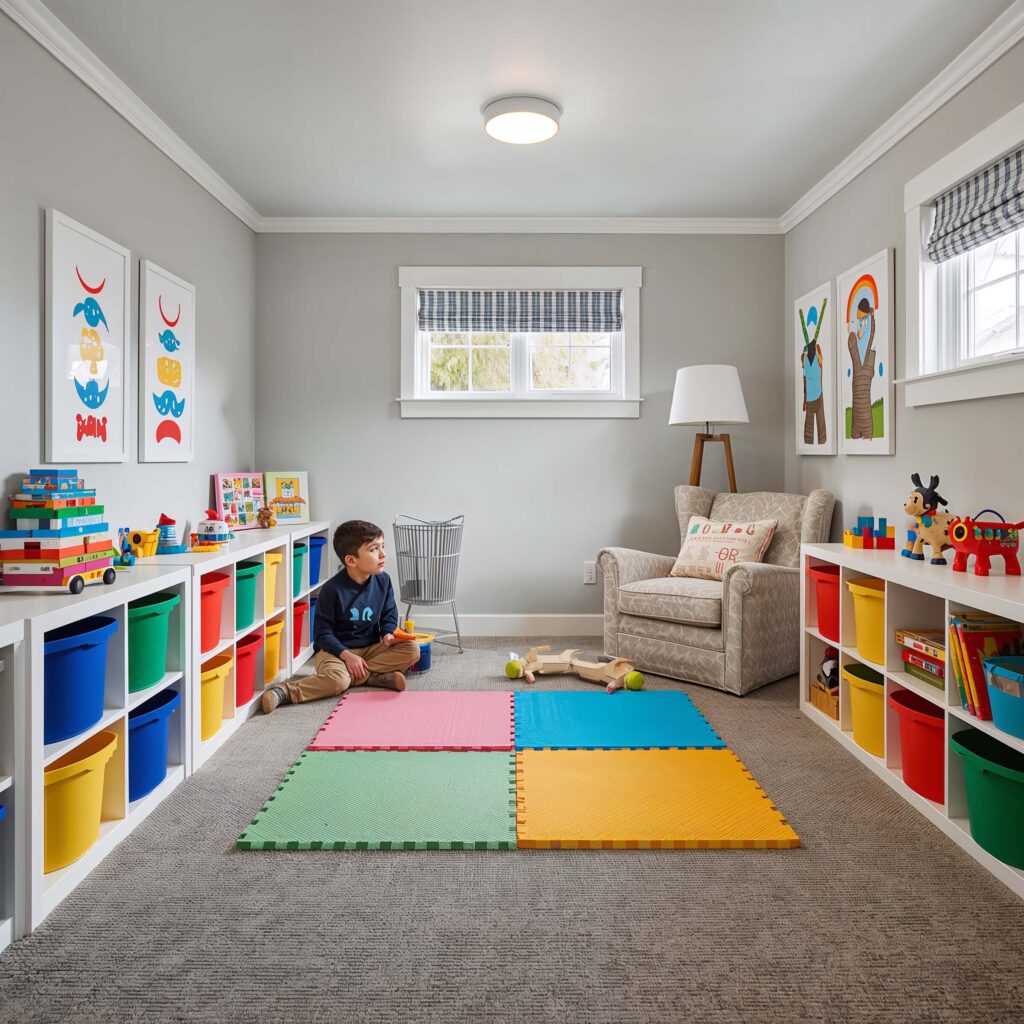
Kids’ stuff multiplies faster than rabbits. Seriously, where do all these toys come from?
The solution isn’t more storage—it’s smarter storage. Label everything with pictures, not words. Kids who can’t read yet can still clean up when they know the dinosaur picture means dinosaurs go in that bin.
Zones Within Zones
Create micro-zones within the play area:
- Art corner with washable walls (yes, they exist)
- Reading corner with forward-facing book displays
- Building zone with a permanent Lego table
- Dress-up station with low hooks and mirrors
Each zone needs its own storage solution. Cube organizers are basically the Swiss Army knife of kids’ storage—they hold bins, baskets, and books while providing a surface for display.
Growing With Your Kids
Choose adjustable everything. Shelves that move up as kids grow taller. Tables with adjustable legs. Storage that transitions from toy bins to sports equipment organizers.
Paint one wall with chalkboard paint, but here’s the twist—frame it with trim to look intentional, not like you got lazy mid-paint job. Kids get their creative outlet, you get contained chaos.
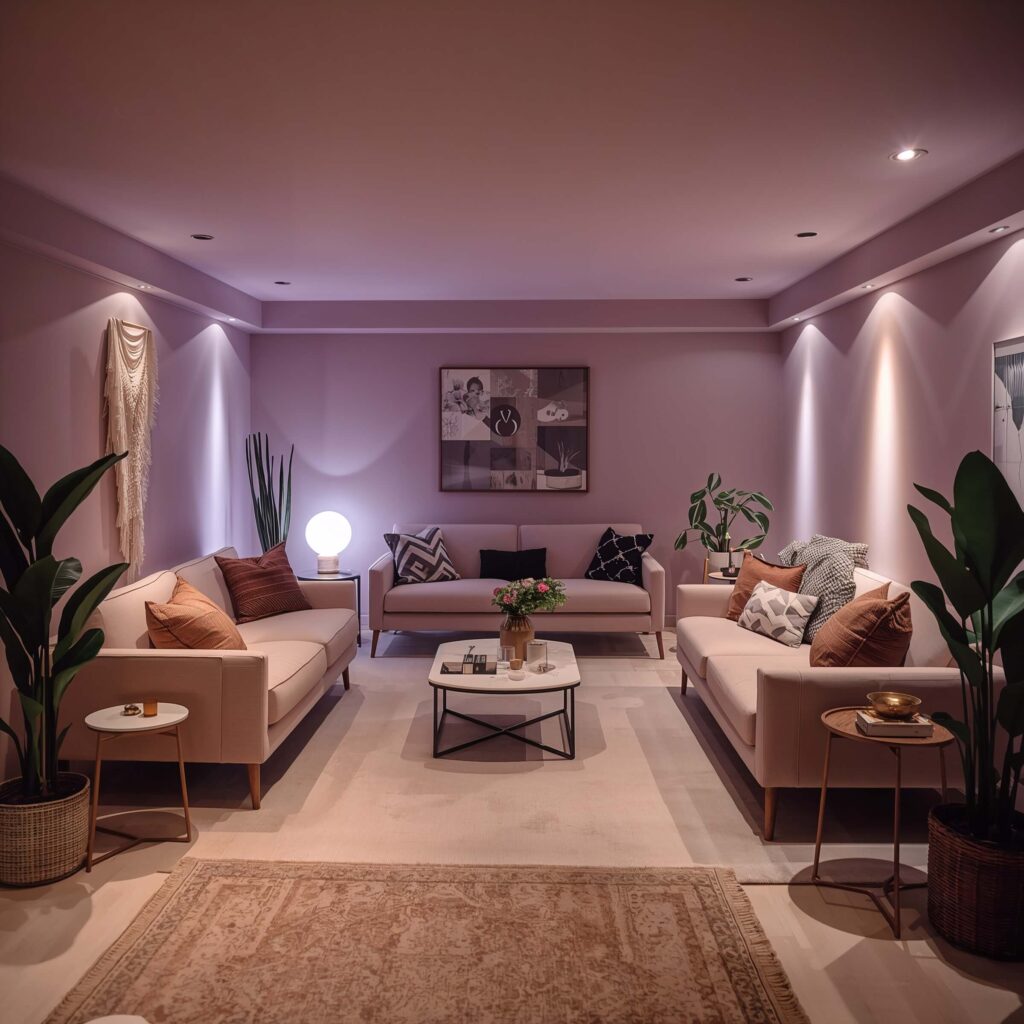
Warm Family Movie Corner with Layered Lighting
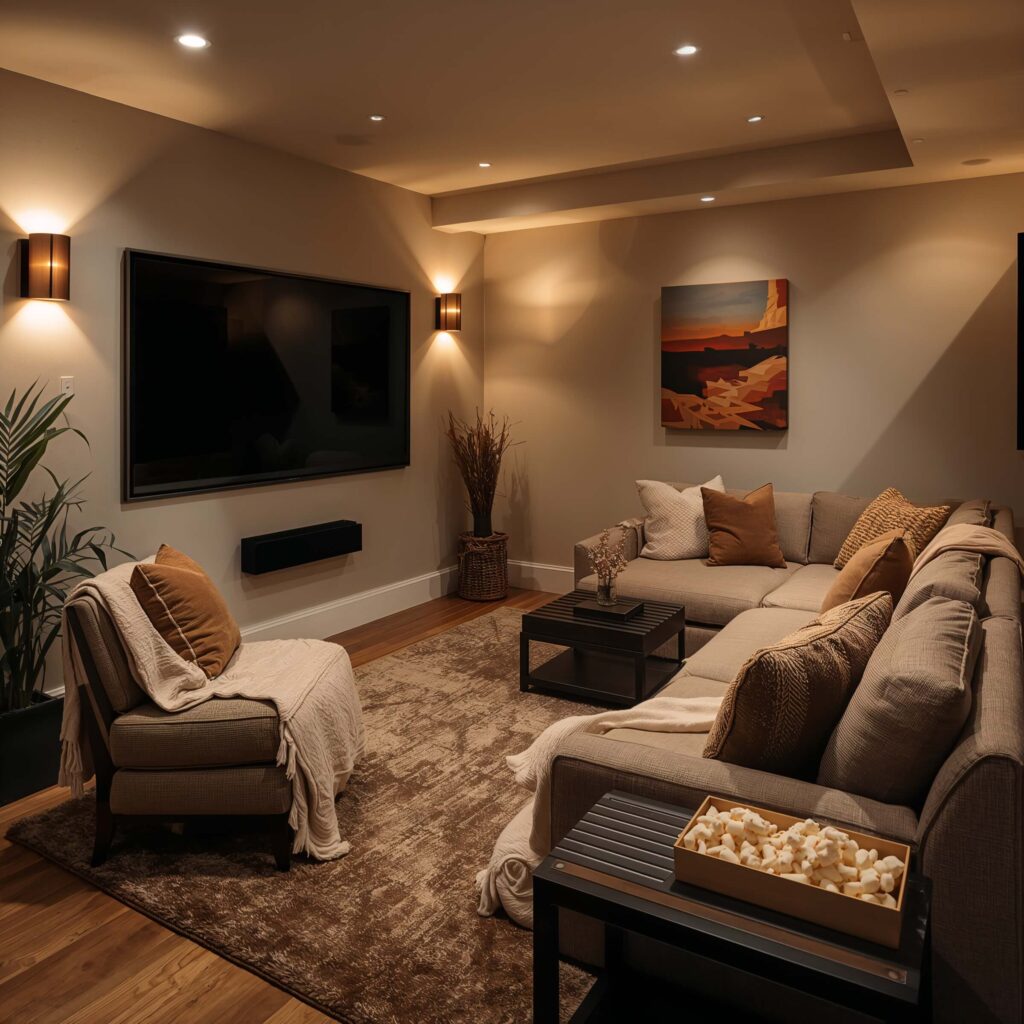
Creating a home theater in a small basement sounds impossible until you realize you don’t need a 100-inch screen to have fun.
Start with acoustic panels disguised as art. They improve sound quality while preventing your neighbors from hating movie night. I made mine from rockwool and fabric that matches my decor—total cost under $100.
Seating Solutions
Forget individual recliners. Get a sectional with storage chaise. It seats more people, stores blankets and remotes, and creates that cozy, intimate vibe perfect for family movies.
Add floor cushions for kids that stack and store in a basket when not in use. They think they’re getting special seating; you’re just maximizing floor space.
Lighting Layers That Work
Install LED strips behind the TV to reduce eye strain. Add sconces with dimmer switches on the side walls. Put everything on smart switches so you can control it all from your phone. There’s nothing worse than getting up to adjust lights after you’re already cozy.
Use blackout curtains even if you don’t have windows. Hang them on the walls to improve acoustics and create that true theater experience. Plus, they hide any unsightly basement features like pipes or electrical panels.
Stylish Crafting and Hobby Station
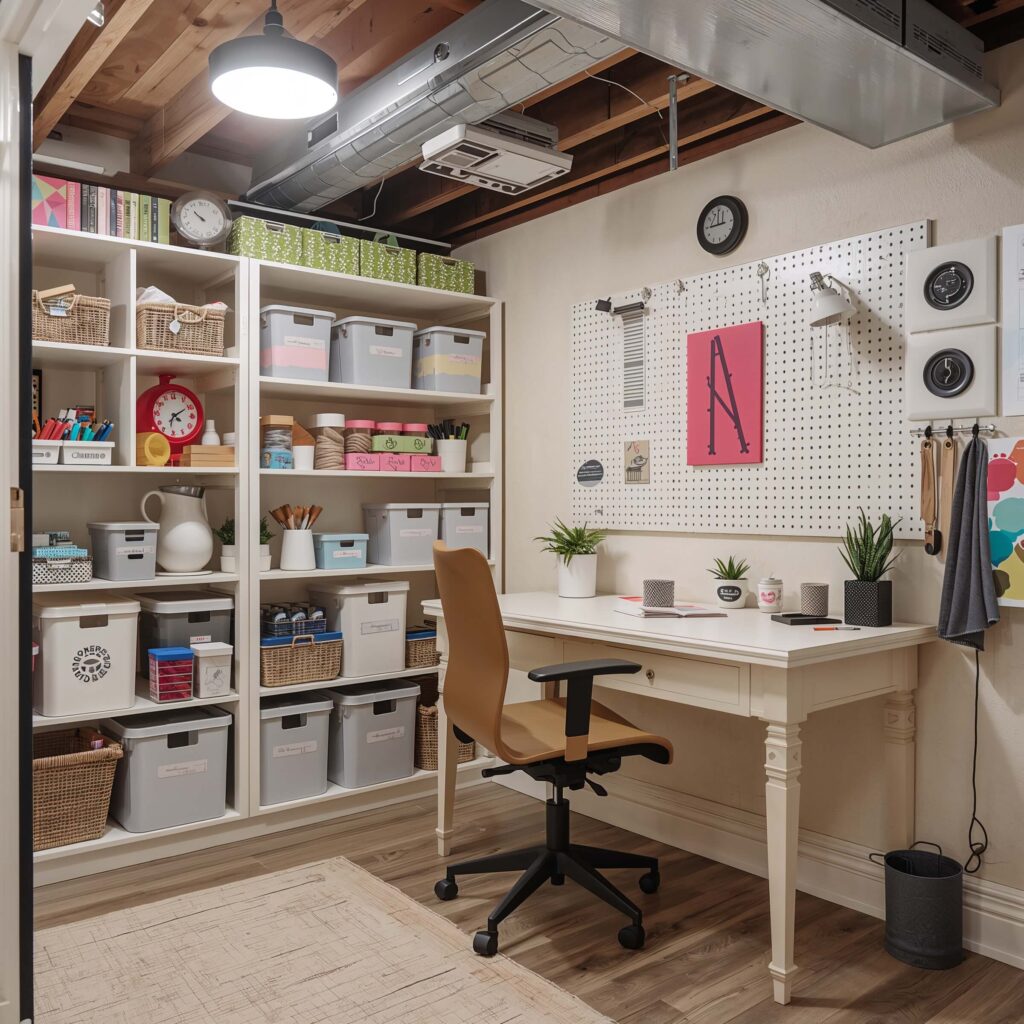
Listen, crafters are basically hoarders with better organizational skills. I can say this because I have three bins of fabric I’ll “definitely use someday.”
The secret to a functional craft space is visibility and accessibility. If you can’t see it, you won’t use it. If you can’t reach it easily, you won’t use it.
Wall-Mounted Everything
Pegboard isn’t sexy, but it’s ridiculously functional. Paint it a fun color and suddenly it’s a design feature. Mount:
- Mason jars for small supplies
- Magnetic strips for scissors and metal tools
- Dowel rods for ribbon and tape
- Small baskets for works in progress
Your desk should be standing height with a tall stool option. Why? Because crafting while standing saves your back and makes you feel more productive. IMO, it also prevents those three-hour crafting sessions that leave you stiff as a board.
Flexible Work Surface
Get a table with wheels and drop leaves. Expand it for big projects, shrink it when you need floor space. Mine goes from tiny console to massive cutting table in seconds.
Add a cutting mat that covers the entire surface. It protects your table and provides measurement guides. When not crafting, throw a tablecloth over it and boom—instant party table.
Also Read: 10 Charming Small Basement Ideas to Inspire Your Home
Smart Partitioned Zones for Work and Relaxation

Can’t decide between a home office and a chill zone? Why choose?
Bookshelf room dividers create separation without the permanence of walls. Load them with books on the office side and decorative items on the relaxation side. They’re basically functional art.
Tech-Savvy Solutions
Install smart plugs throughout the space. Program your work lights to turn off at 5 PM as a reminder to stop working. Set your relaxation zone lighting to turn on automatically at sunset.
Use a white noise machine or smart speaker to create audio zones. Work zone gets focus music or brown noise. Relaxation zone gets whatever helps you unwind. The sound barrier helps your brain switch modes.
Furniture That Multitasks
Your desk chair should be comfortable enough for work but stylish enough for the lounge area. Swivel chairs let you literally turn from work to relaxation—it’s surprisingly effective psychologically.
Choose a sofa bed or futon for the relaxation zone. It handles overflow guests and those inevitable work-from-couch days. Add a lift-top coffee table that becomes a laptop desk when needed.
Making Transitions Seamless
Color-code your zones subtly. Maybe your work zone has blue accents (productivity) while your relaxation zone features warm earth tones. Your brain picks up on these cues even when you don’t consciously notice.
Keep a basket at the transition point for end-of-day cleanup. Work stuff goes in before you enter relaxation mode. It’s like a physical representation of leaving work at work, even when work is ten feet away.
Final Thoughts
Transforming your small basement doesn’t require a massive budget or a degree in interior design. What it needs is creativity, smart planning, and the willingness to think beyond traditional layouts.
Every single one of these ideas can be adapted to your specific space and needs. Mix and match elements—maybe you want a reading nook that doubles as a craft corner, or a bar area that transforms into a kids’ snack station. The beauty of basement design is that there are no rules, only possibilities.
The biggest mistake people make? Trying to do everything at once. Start with one zone, perfect it, then move on. Your basement didn’t become a mess overnight, and it won’t become amazing overnight either. But with these tricks up your sleeve, you’re already ahead of the game.
Remember, the best basement is one that actually gets used. So whether you’re creating a sophisticated entertainment space or a chaotic kid zone, make sure it reflects how your family really lives. Because at the end of the day, that “stunning” basement on Pinterest means nothing if everyone still hangs out in the kitchen :/
Now grab that measuring tape and get started. Your basement’s potential is waiting, and trust me, future you will thank present you for taking the plunge. Who knows? You might even enjoy the process. And if not, well, at least you’ll have a cool new space to complain about the renovation process in!