15 Genius Small Kids Bedroom Ideas That Save Space
- Bedroom Design
 Ben
Ben- 0
- 33 minutes read
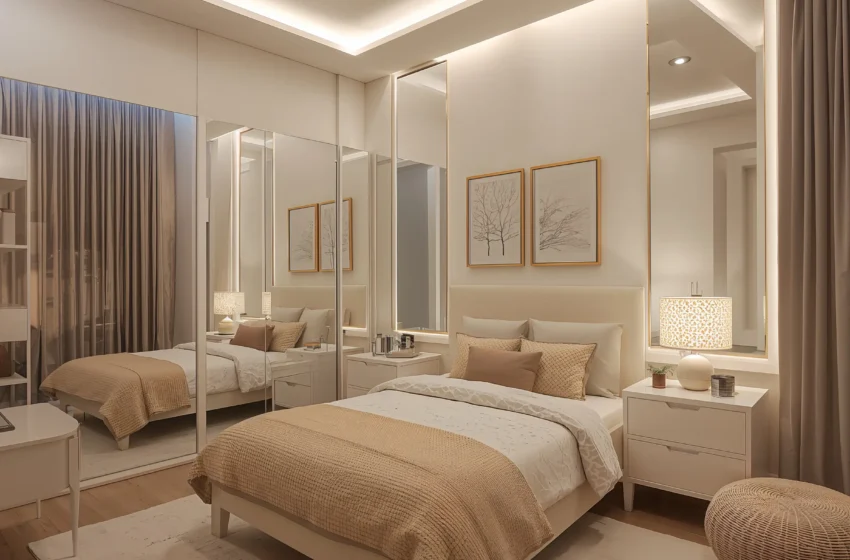
Remember that moment when you walked into your kid’s bedroom and thought, “How on earth did this tiny space become a tornado zone?” Yeah, me too. Every parent faces this challenge – turning a shoebox-sized room into a magical kingdom where your little one can sleep, play, study, and somehow store their 847 stuffed animals. Trust me, I’ve been there, done that, and stepped on enough LEGOs to earn a PhD in small space solutions.
Here’s the thing: small bedrooms don’t have to feel cramped. After helping three of my nieces redesign their tiny rooms (and surviving the process), I’ve discovered some game-changing ideas that actually work. Not the Pinterest-perfect-but-impossible-to-maintain stuff, but real solutions that kids and parents can live with.
Bunk Bed Storage Wonderland

Let’s kick things off with my personal favorite – the bunk bed that does it all. Who says bunk beds are just for sleeping? Not in my book!
I recently helped my neighbor transform their kids’ shared 10×10 room with a bunk bed featuring built-in drawers, shelves, and even a hidden desk. The look on those kids’ faces? Priceless. The bottom bunk had three deep drawers underneath for clothes, while the stairs (yes, stairs, not a ladder) doubled as storage cubbies for books and toys.
Here’s what makes this setup brilliant:
- Vertical space gets maximized like nobody’s business
- Each kid gets their own personal zone
- Storage happens without eating up floor space
- The stairs are safer than ladders (especially for midnight bathroom runs)
You want to know the best part? The kids actually keep it organized because everything has its specific spot. No more “I don’t know where to put this” excuses!
Wall-Mounted Study Nook

Ever wondered how to squeeze a homework station into a room that barely fits a bed? Wall-mounted desks are your new best friend, seriously.
I installed one of these floating beauties in my daughter’s room last year, and it changed everything. The desk folds flat against the wall when not in use, giving back precious floor space for dance parties and fort building. We paired it with a wall-mounted pegboard for supplies, and suddenly homework time became less of a battle.
The setup works because:
- Kids can’t pile junk on a desk that folds up
- Floor space stays clear for activities
- Everything stays at the perfect height for little ones
- You can customize the pegboard as they grow
Pro tip: Mount a small LED strip underneath for task lighting. Your kids’ eyes will thank you, and it looks pretty cool too 🙂
Foldable Play Zone

Speaking of folding furniture, let me introduce you to the magic of collapsible play areas. Remember those gym mats from PE class? Similar concept, but way cooler.
Foldable play mats, tents, and activity tables transform any small bedroom into an instant playroom. When playtime ends, everything folds away into slim profiles that slide behind doors or under beds. I discovered this trick when my nephew’s toys started taking over his entire 8×9 room.
Making It Work
The key elements for a successful foldable play zone:
- Thick foam mats that fold into thirds
- Pop-up tents that collapse to dinner-plate size
- Folding tables with adjustable heights
- Wall-mounted hooks for hanging storage bags
My nephew now has three different “rooms” in his one tiny bedroom – sleeping space, play space, and calm-down space. All it takes is 30 seconds of folding and unfolding.
Also Read: 16 Minimalist Bedroom Design Ideas for a Calm and Stylish
Under-Bed Toy Drawer System

Let’s talk about that goldmine of wasted space under the bed. If you’re not using it, you’re missing out on potentially 50+ cubic feet of storage.
I learned this lesson the hard way after tripping over toy cars for the millionth time. Rolling drawers that fit perfectly under the bed frame became my salvation. We sorted toys by type – one drawer for building blocks, another for action figures, and so on.
What makes this system work:
- Clear plastic drawers let kids see what’s inside
- Labels with pictures help non-readers find stuff
- Wheels make accessing toys easy
- Dividers keep small pieces organized
FYI, this system works so well that my friend copied it for her twins’ room, and they actually fight less over toys now. Who knew organization could promote peace?
Vertical Bookshelf Tower
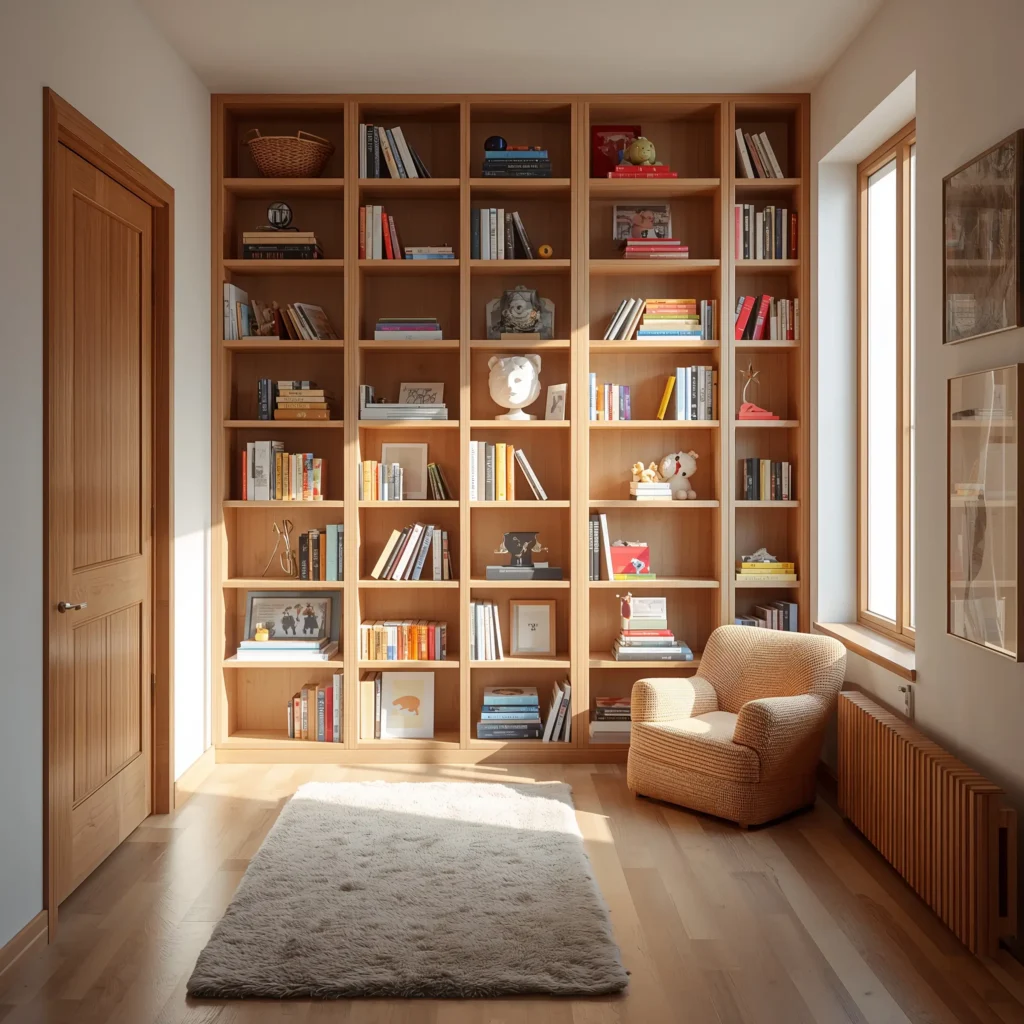
Books everywhere? Yeah, I feel that pain. Traditional bookshelves eat up too much floor space in small rooms, but tall, narrow bookshelf towers solve this problem beautifully.
I built a 6-foot tall, 12-inch wide bookshelf for my cousin’s daughter, and it holds over 100 books in less than one square foot of floor space. The trick? Making it go UP instead of OUT.
Design tips that work:
- Secure it to the wall (safety first, always)
- Use adjustable shelves for different book sizes
- Add picture ledges for displaying current favorites
- Keep lower shelves for independent access
The vertical approach means more books in less space, and kids love having their own “library tower.”
Corner Cozy Reading Tent
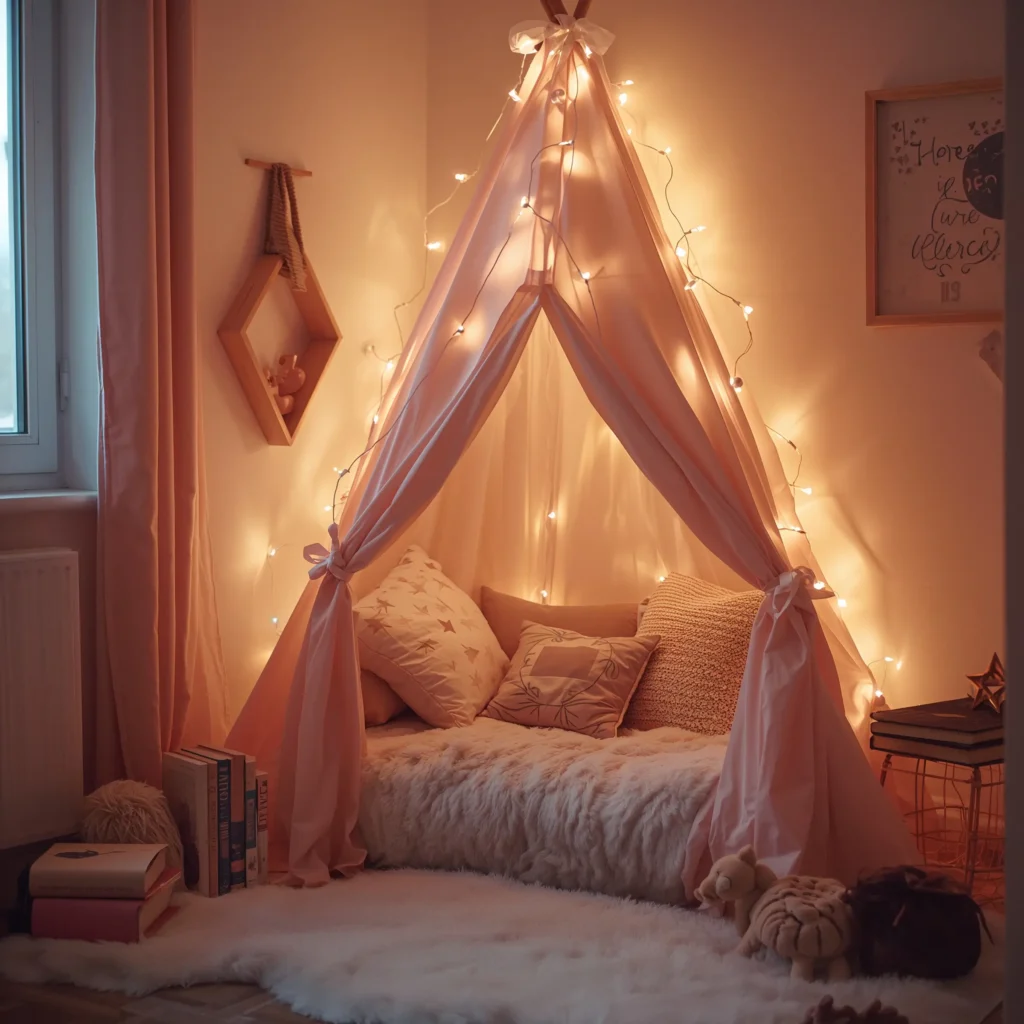
Corners often become dead zones in small bedrooms, but why waste that precious real estate? Corner reading tents create magical hideaways without blocking traffic flow.
My daughter and I created one using a tension rod, some fairy lights, and flowing curtains. Total cost? Under $40. Total impact? Huge. She reads for hours in there now, and honestly, sometimes I sneak in when she’s at school.
Creating the Perfect Corner Retreat
Essential elements include:
- Soft floor cushions or a small bean bag
- Battery-operated string lights for ambiance
- A small basket for current reads
- Curtains that can tie back when not in use
This little nook became her favorite spot in the entire house. Sometimes the smallest spaces create the biggest memories.
Also Read: 15 Classy Black and Silver Bedroom Ideas with Cozy Touches
Hidden Closet Organizer Wall

Who says closets need doors? Removing closet doors and installing a comprehensive organizer system can actually make small rooms feel bigger.
I discovered this trick accidentally when my son’s closet door broke. Instead of replacing it, we installed cube organizers, hanging rods at kid-height, and labeled bins. Suddenly, getting dressed became independent activity time instead of “Mom, where’s my shirt?” time.
The system includes:
- Color-coded bins for different clothing types
- Low hanging rods kids can reach
- Shoe organizers on the side walls
- Top shelves for out-of-season items
Bonus: No more clothes thrown on the closet floor because everything’s visible and accessible.
Dual-Function Desk and Bed Combo

Ever seen those beds with desks built right into the frame? Game changers, I tell you. These combo units maximize every inch while giving kids distinct zones for sleep and study.
My neighbor invested in one of these for their 10-year-old, and it transformed a cramped room into a functional space. The desk slides out from under the raised bed platform, complete with built-in shelving and cable management.
Why this setup rocks:
- Everything stays in one compact footprint
- Kids can’t mess up their bed while doing homework
- Storage integrates seamlessly
- The elevated bed creates a cozy sleep cave
IMO, this solution works best for kids 8 and up who can handle the slight elevation safely.
Color-Themed Minimalist Room

Sometimes less really is more. Minimalist design with a cohesive color scheme makes small spaces feel larger and calmer.
I helped my friend redesign her daughter’s room using only white, grey, and soft pink. We donated half the toys (gasp!), invested in quality storage, and kept surfaces clear. The transformation? Mind-blowing.
Key minimalist strategies:
- Limit decorations to 3-5 meaningful pieces
- Choose furniture with clean lines
- Use one accent color throughout
- Keep only loved and used items
The result feels spacious, peaceful, and surprisingly, her daughter keeps it cleaner because there’s less to mess up.
Also Read: 15 Gorgeous Red and Black Bedroom Ideas for Cozy Nights
Loft Bed with Play Area Underneath
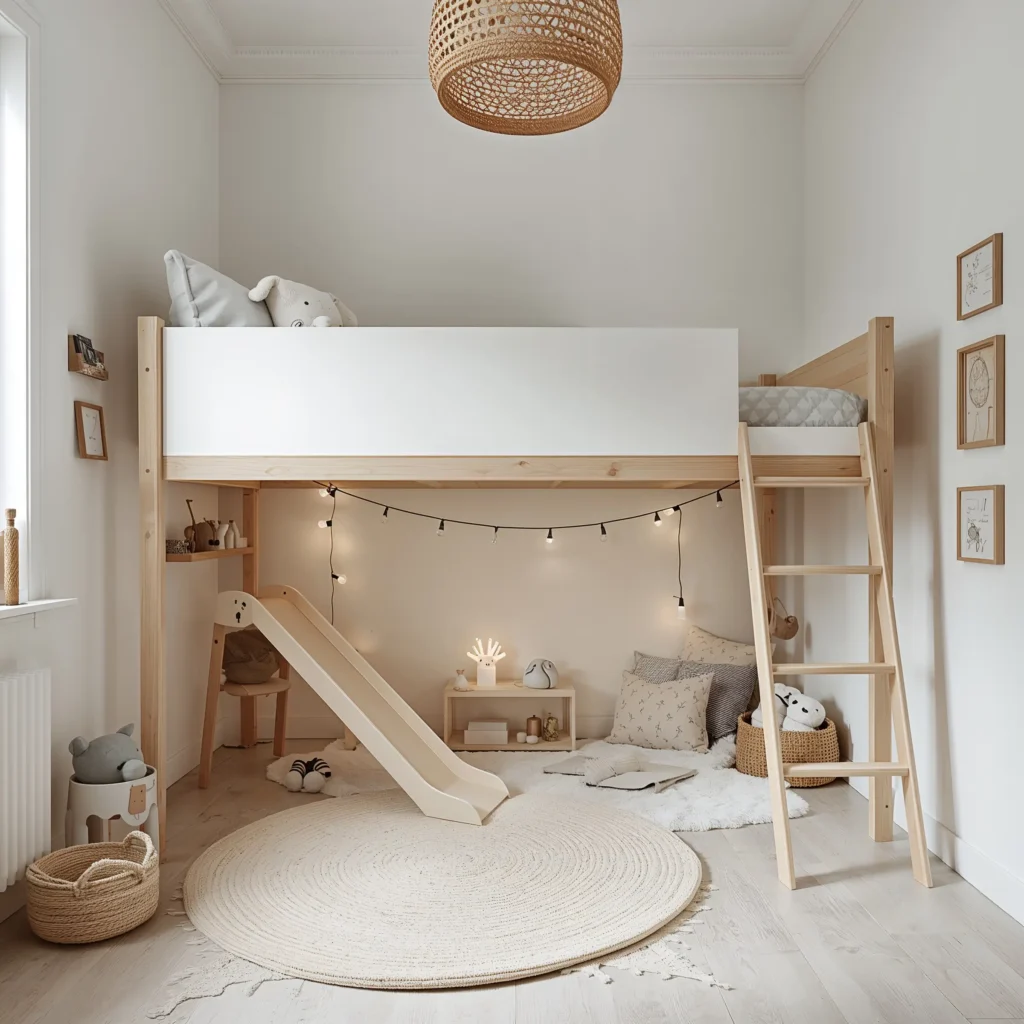
Why have a bed take up floor space when it can float above a play zone? Loft beds with play areas underneath basically double your room’s usable space.
My nephew’s loft bed sits 5 feet high with a complete play kitchen underneath. We added curtains to create a “restaurant” that closes at bedtime. He plays chef all day, then climbs up to his “apartment” to sleep.
Maximizing the Under-Loft Space
Smart additions include:
- Soft padding or rugs for comfort
- LED strips for proper lighting
- Removable play equipment that can change with interests
- Safety rails and sturdy ladder access
This setup grows with kids – today’s play kitchen becomes tomorrow’s gaming station or study area.
Floating Shelves for Art Display

Kids create approximately 10,000 pieces of art per year (rough estimate :/), and floating shelves turn their masterpieces into rotating gallery walls.
We installed five floating shelves at different heights in my daughter’s room, creating an art gallery that she curates herself. She decides what goes up, what comes down, and even started making “museum labels” for her favorites.
Display tips that work:
- Use picture ledges instead of regular shelves
- Install at kid-height for independence
- Rotate artwork monthly
- Frame a few special pieces permanently
This system celebrates creativity while keeping papers from taking over every surface.
Modular Furniture Setup
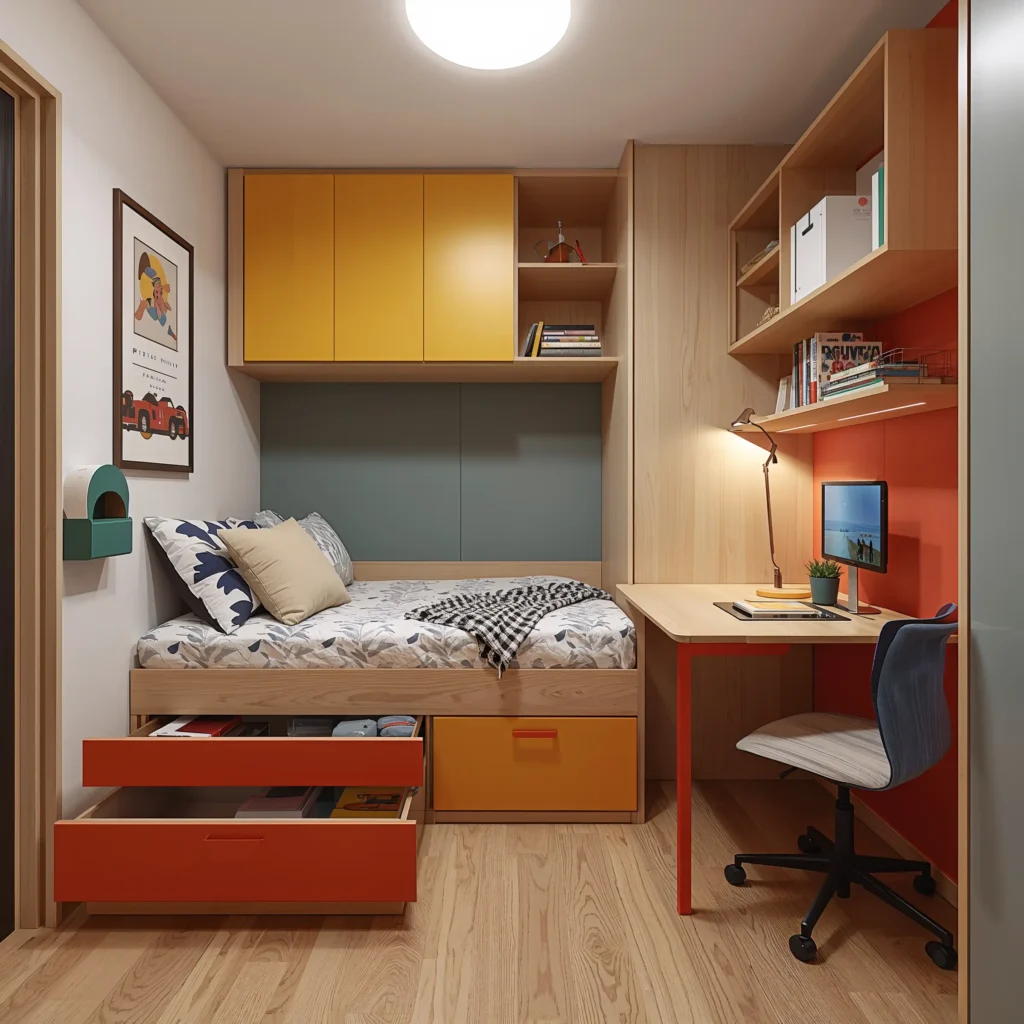
Think LEGO, but for furniture. Modular pieces that stack, separate, and reconfigure adapt as kids grow and needs change.
I invested in modular cube storage for my son’s room three years ago, and we’ve rearranged it at least six times. Sometimes it’s a room divider, sometimes a bench with storage, sometimes traditional shelving.
Benefits of going modular:
- Furniture grows with your child
- Easy to reconfigure without tools
- Pieces can move to different rooms
- Quality units last through multiple kids
The flexibility means you’re not stuck with furniture that stops working as needs change.
Smart Lighting and Mirror Illusion

Want to double your room’s visual size without knocking down walls? Strategic lighting and mirrors create incredible spatial illusions.
I mounted a large mirror opposite my daughter’s window and added dimmable LED strips around the ceiling perimeter. The room instantly felt twice as big and infinitely brighter.
Lighting tricks that transform:
- Mirrors reflect natural light during the day
- Uplighting makes ceilings appear higher
- Multiple light sources eliminate dark corners
- Smart bulbs allow mood customization
The combination of mirrors and lighting makes even the tiniest room feel spacious and inviting.
Convertible Crib-to-Bed Design

Starting with a baby? Convertible furniture that transforms from crib to toddler bed to full bed saves money and space long-term.
My sister bought a convertible crib seven years ago that’s now her daughter’s full-sized bed. Same footprint, three different configurations, zero waste. The side rails became a headboard, and built-in drawers provided storage throughout every stage.
Why convertible furniture wins:
- One purchase lasts 10+ years
- Familiar furniture eases transitions
- Quality construction handles daily use
- Matching pieces maintain room cohesion
Planning ahead with convertible pieces means fewer furniture crises as kids grow.
Nature-Inspired Small Room Theme

Bringing the outdoors in makes small spaces feel larger and more peaceful. Nature themes using greens, woods, and botanical elements create calming environments that never go out of style.
We transformed my nephew’s tiny room into a forest hideaway using peel-and-stick tree decals, green bedding, and wooden accessories. A small shelf garden with easy-care plants added life without taking floor space.
Creating Natural Vibes
Essential elements include:
- Wall decals of trees or clouds
- Natural wood furniture and accessories
- Soft green and brown color palette
- Small plants on floating shelves
- Nature sounds machine for bedtime
The organic theme grows with kids – today’s cartoon trees become tomorrow’s sophisticated botanical prints.
Making It All Work Together
Here’s the real secret to small bedroom success: you don’t need to implement all 15 ideas at once. Pick two or three that solve your biggest pain points and start there.
My journey with small bedrooms taught me that the best solutions combine function with fun. Kids need space to be kids, even in tiny rooms. These ideas work because they respect both the space limitations and the boundless energy of childhood.
Remember, the goal isn’t perfection – it’s creating a space where your child feels comfortable, creative, and contained (in the best way). Whether you go full minimalist or embrace the controlled chaos of modular everything, the right solution is the one that works for your family.
The transformation won’t happen overnight, but trust me, when you see your kid reading in their cozy corner tent or proudly displaying art on their gallery wall, you’ll know you nailed it. Small bedrooms might be challenging, but they’re also opportunities for seriously creative solutions.
Start with one idea, see how it goes, and build from there. Before you know it, that tiny room will feel like the biggest space in your house – at least in terms of possibilities.