15 Inspiring Small Open Plan Kitchen Dining Living Ideas Today
- Kitchen ideas
 Ben
Ben- 0
- 38 minutes read
Living in 500 square feet taught me more about design than any Pinterest board ever could.
When your kitchen, dining room, and living room are basically the same room, you either figure out how to make it work or go slightly insane. Spoiler alert: I did both, but the results were totally worth it.
Small open plan spaces get a bad rap. People think they’re cramped, chaotic, or just a fancy way of saying “studio apartment.”
But here’s the thing – when you nail the design, small open plan layouts can feel more spacious than houses twice their size. I’ve lived in tiny spaces that felt huge and massive homes that felt claustrophobic. It’s all about the approach.
After years of experimenting in my own shoebox apartments and helping friends transform theirs, I’ve discovered that small spaces force creativity in the best way.
These 15 ideas prove that limited square footage doesn’t mean limited style or function. Whether you’re dealing with a studio apartment or just a compact home, get ready to see your space in a whole new light.
Minimalist Neutral Open Plan Design
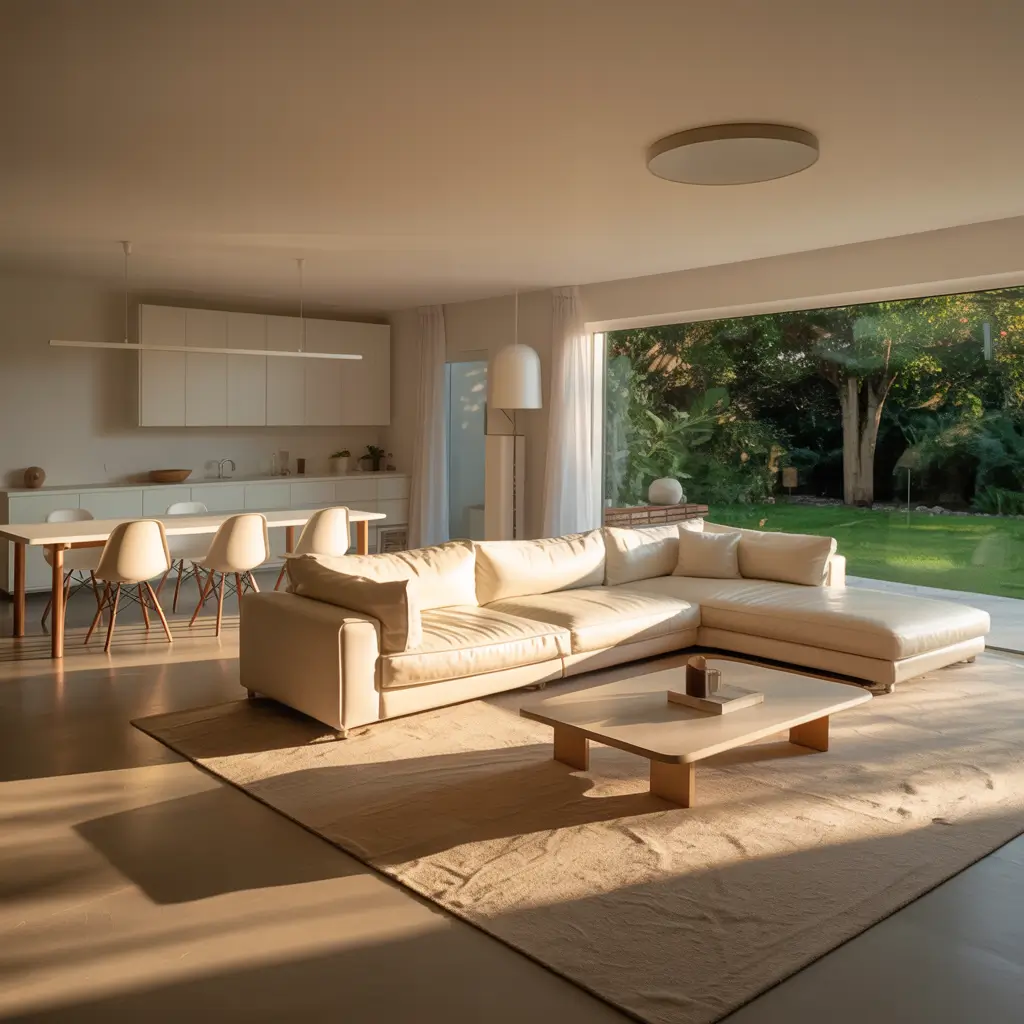
Minimalist design in small spaces isn’t about deprivation – it’s about liberation. When you strip away the excess, suddenly your tiny space can breathe. I learned this after my great decluttering meltdown of 2019, when I realized I couldn’t see my apartment through all my stuff.
The magic of minimalist neutral design lies in its visual simplicity. Beige, white, gray, and soft browns create a cohesive flow that makes boundaries disappear. My 600-square-foot apartment transformed when I painted everything in varying shades of warm gray. Suddenly, the kitchen didn’t end and the living room begin – they just flowed together like they were always meant to be.
What really makes this work is the discipline it requires. Every item needs a purpose and a place. That decorative bowl? It better hold fruit or keys. That side table? It should store something too. In small spaces, everything multitasks or it doesn’t belong.
Making Minimalist Work in Tiny Spaces
Key strategies for small space minimalism:
- Built-in storage that disappears into walls
- Consistent flooring throughout all zones
- One accent color maximum (if any)
- Hidden appliances and cord management
Scandinavian Small Space Harmony
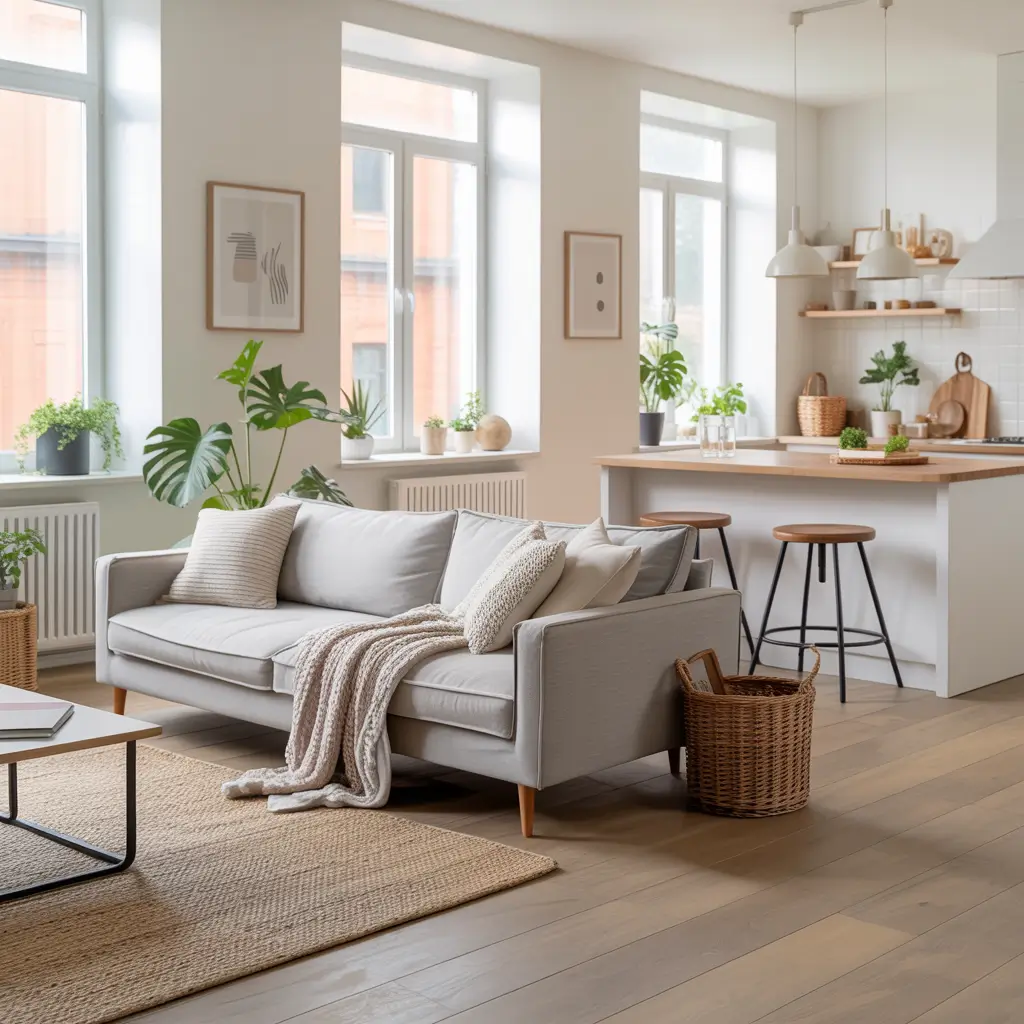
Scandinavian design and small spaces go together like coffee and mornings – they’re just meant to be. The style’s emphasis on functionality and light makes even the tiniest spaces feel airy and inviting. Plus, who doesn’t want to live in a space that makes you feel hygge all day long?
I fell for Scandi style during a trip to Copenhagen, where I stayed in a 300-square-foot apartment that somehow felt palatial. Light wood floors, white walls, and strategic pops of black created this perfect balance. Back home, I recreated the magic by focusing on natural materials and keeping things ruthlessly simple.
The secret sauce of Scandinavian small spaces? Natural light worship. Every design decision revolves around maximizing light. Sheer curtains instead of heavy drapes, mirrors positioned to reflect windows, and pale colors that amplify brightness. It’s like giving your space a constant vitamin D boost.
Scandi Elements for Small Spaces
Essential Scandinavian touches:
- Light wood furniture with slim profiles
- White or light gray walls throughout
- Natural textiles in neutral tones
- Plants as the only “decoration”
Cozy Boho Open Layout
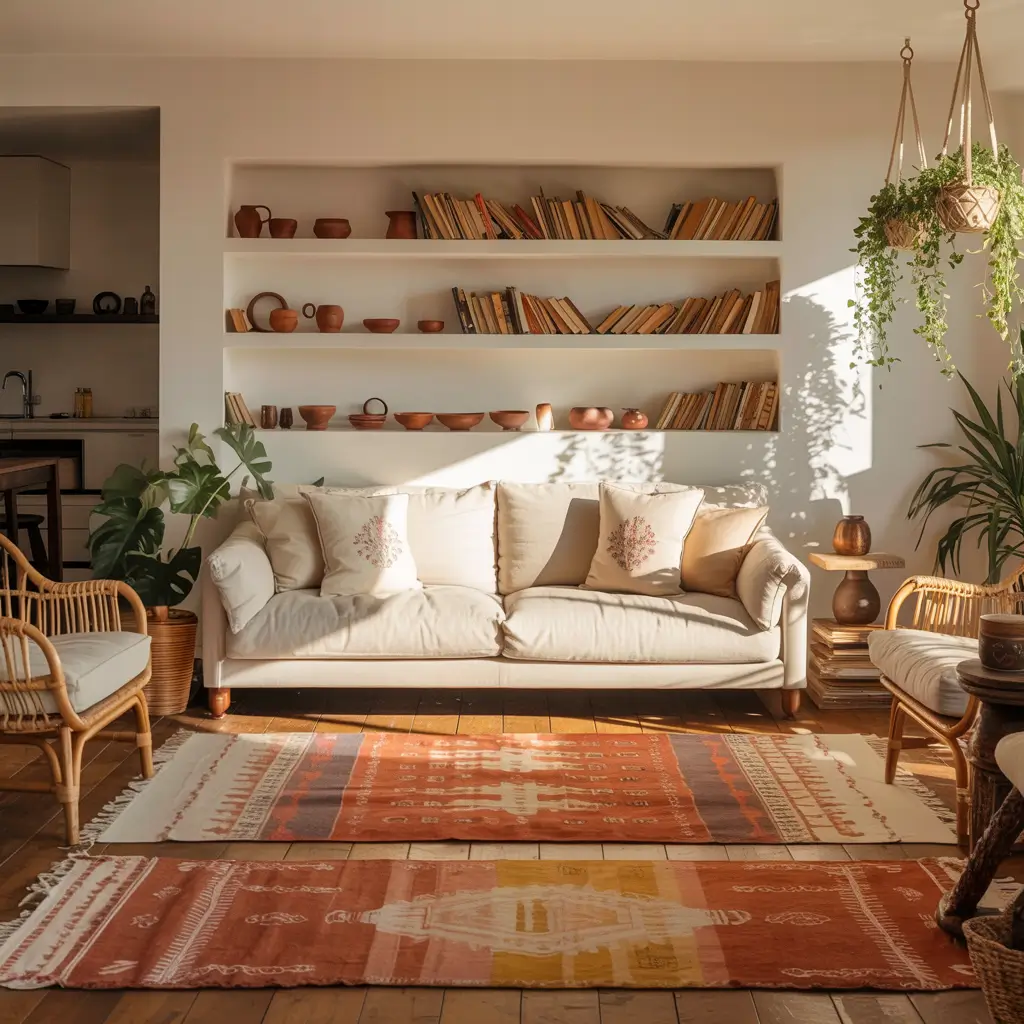
Boho style in small spaces sounds like a contradiction – how do you layer patterns and textures without creating chaos? The answer surprised me: it’s all about intentional maximalism. Yes, that’s a thing, and yes, it works brilliantly in tiny homes.
My boho awakening happened when I visited a friend’s 450-square-foot apartment. Despite being packed with textiles, plants, and collected treasures, it felt spacious and intentional. Her secret? Creating visual zones through rugs and keeping walls relatively neutral to let furnishings shine.
The trick with small space boho is editing. You can’t keep every flea market find. Instead, choose pieces that tell stories and serve purposes. That vintage trunk? Coffee table and storage. The macramé wall hanging? Art that doesn’t take up floor space.
Boho Without the Bulk
Making boho work in small spaces:
- Layer vertically with wall hangings and shelves
- Use rugs to define separate zones
- Choose furniture with legs to maintain airflow
- Stick to a cohesive color story
Also Read: 15 Inspiring Open Floor Plan Kitchen Dining Living Ideas to
Modern Compact Apartment Flow
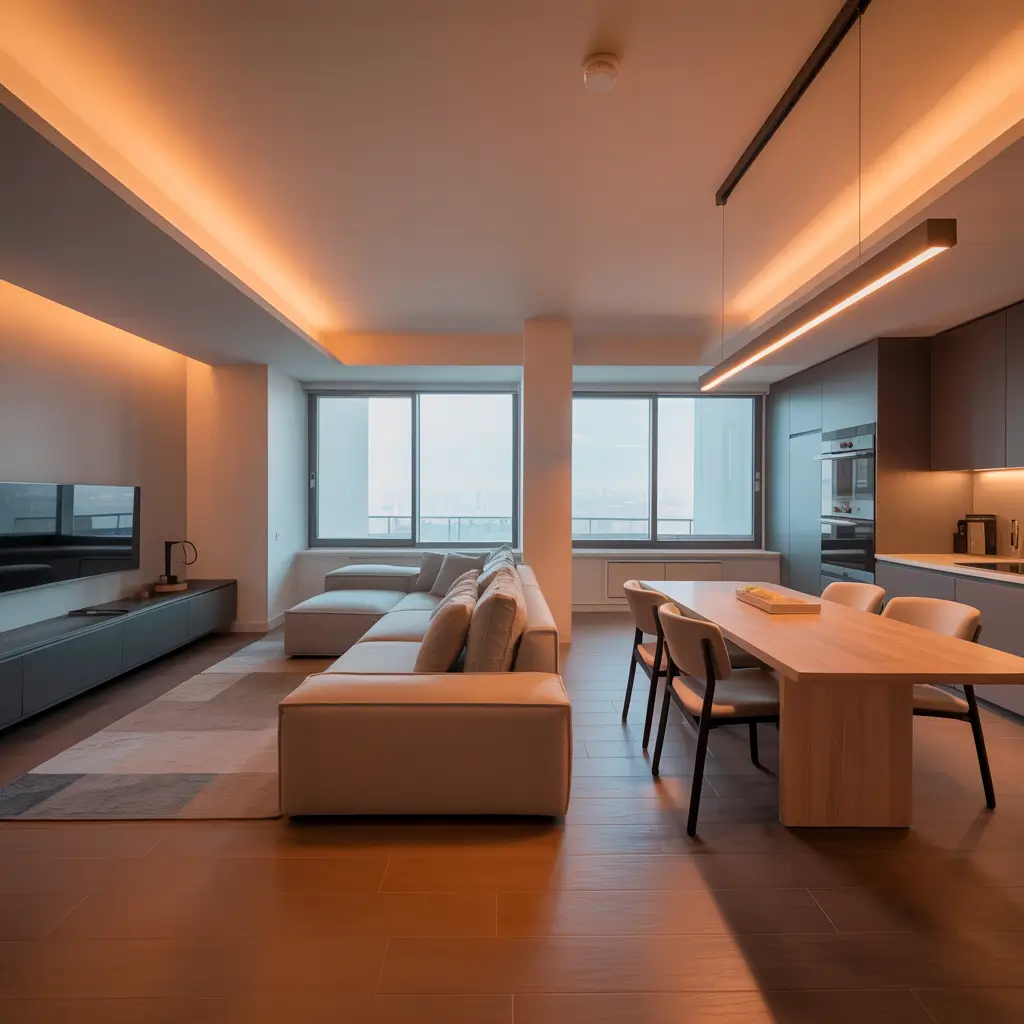
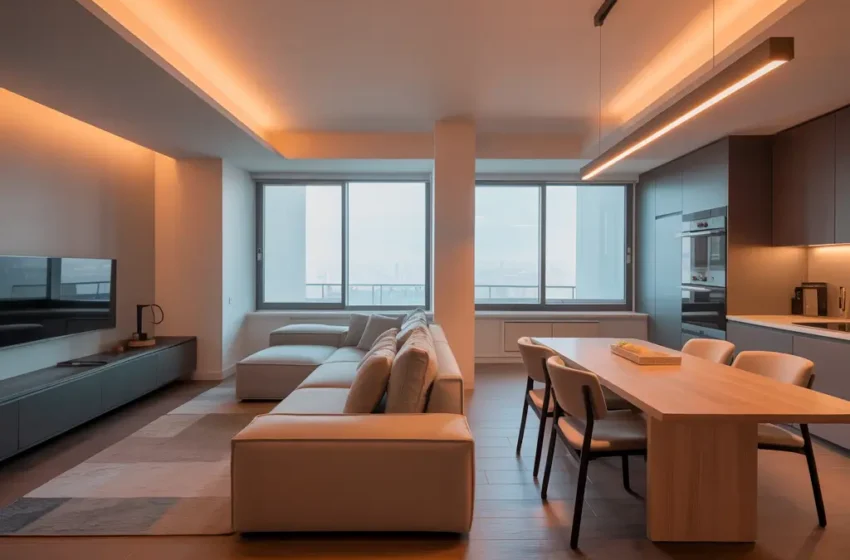
Modern design in compact apartments is like a well-choreographed dance – every move is planned, every element has its place. The style’s clean lines and minimal ornamentation are practically made for small spaces. No wonder city dwellers gravitate toward it.
I discovered modern design’s small-space superpowers in my first “adult” apartment. By choosing sleek furniture with hidden storage and keeping surfaces clear, my 550 square feet felt like twice that. The key was selecting pieces that looked good from every angle since, in open plans, you see everything from everywhere.
Modern compact design succeeds through discipline. No knick-knacks on counters, no pile of mail on the dining table. Everything has a designated spot, preferably hidden. It sounds strict, but the visual calm it creates is addictive.
Modern Design Principles
Achieving modern flow:
- Consistent materials throughout zones
- Handle-free cabinets for clean lines
- Built-in everything possible
- Monochromatic color schemes
Bright White Space Illusion
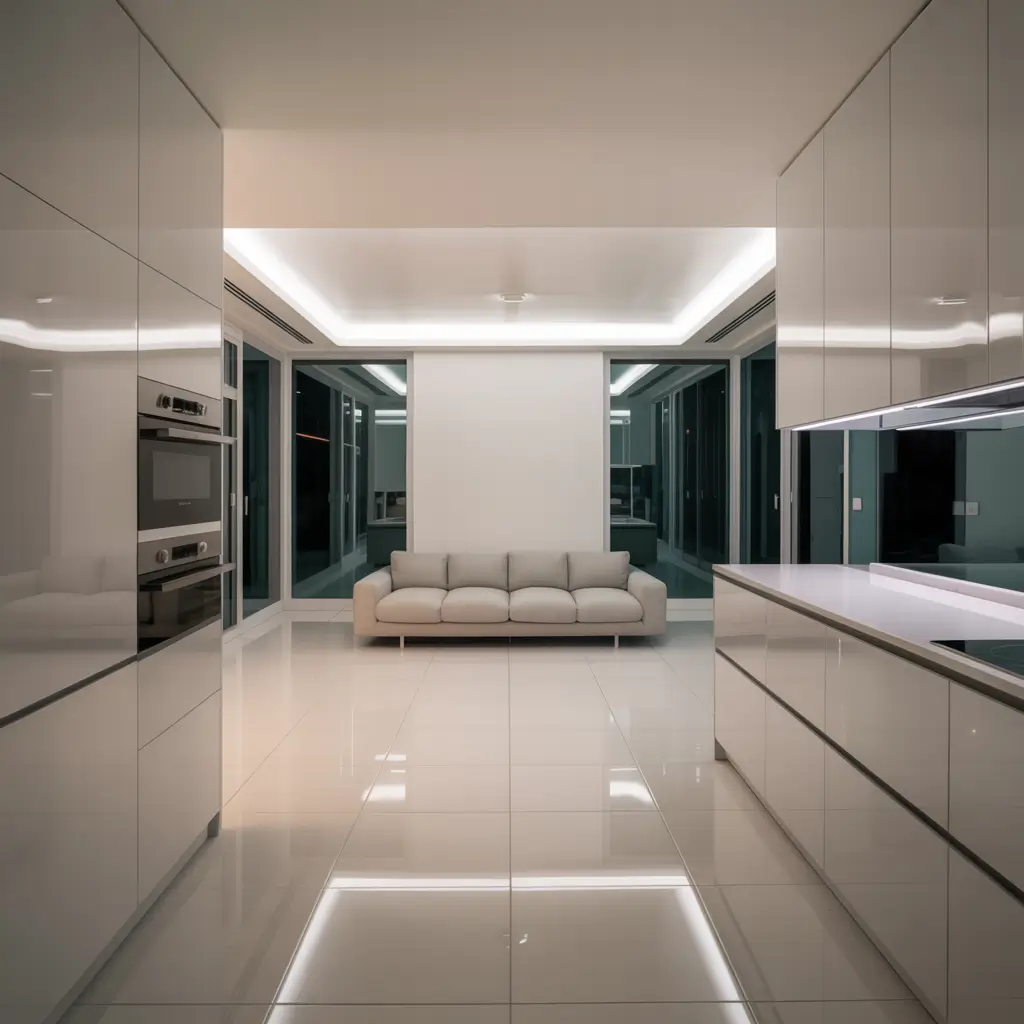
White open plan spaces in small homes create magic – the kind where visitors ask, “How big is this place really?” I’ve seen 400-square-foot studios that feel larger than 800-square-foot apartments, all thanks to the power of white.
My white space conversion happened out of desperation. Dark walls were making my apartment feel like a cave, so I painted everything white – walls, cabinets, even the ceiling. The transformation was shocking. Natural light bounced everywhere, and suddenly I could breathe again.
But here’s the thing about all-white spaces: they need texture to avoid looking clinical. Mix matte and glossy finishes, incorporate natural wood or rattan, and add plants for life. White doesn’t mean boring – it means you have a perfect canvas.
White Space Success Tips
Making white work without washing out:
- Different whites for subtle variation
- Textured materials like linen and wool
- Strategic metallics for warmth
- Plants as natural color accents
Also Read: 15 Elegant Semi Open Kitchen Ideas for Stylish Spaces
Industrial Chic Open Plan
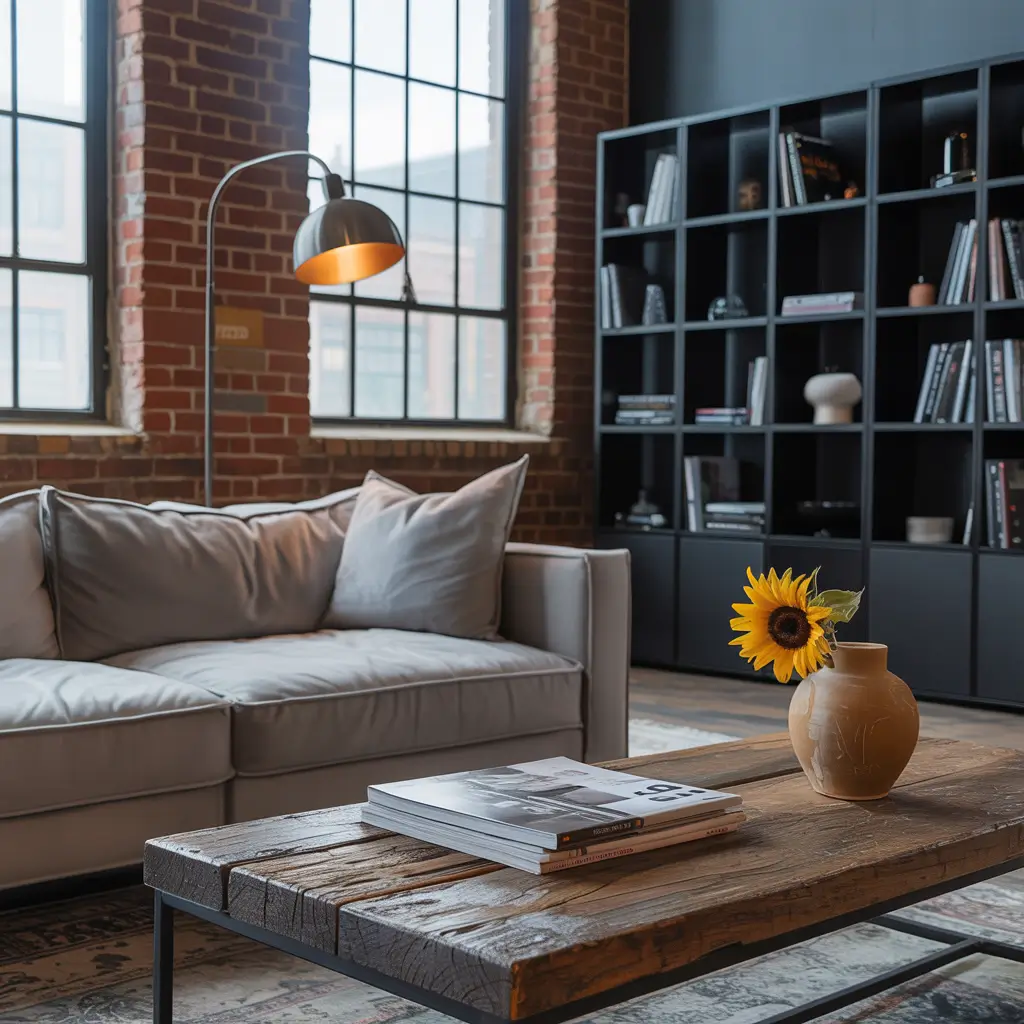
Industrial style in small spaces might seem counterintuitive – aren’t exposed pipes and concrete walls better suited to lofts? Actually, industrial elements can make small spaces feel larger by celebrating structure rather than hiding it.
I stumbled into industrial style when my apartment’s pipes got exposed during renovation. Instead of covering them, we decided to embrace the raw elements. Black pipes became design features, concrete floors eliminated visual breaks, and suddenly my small space had big personality.
The beauty of industrial design in small spaces is its honesty. Nothing’s hidden or prettified. That exposed ductwork? It’s sculpture. The concrete walls? They’re art. When you stop trying to disguise your space’s bones, you gain visual square footage.
Industrial Elements That Expand Space
Key industrial features:
- Exposed ceiling elements draw eyes up
- Metal and glass furniture maintains sightlines
- Raw materials reduce visual clutter
- Minimal color palette keeps focus
Smart Storage Hidden Design
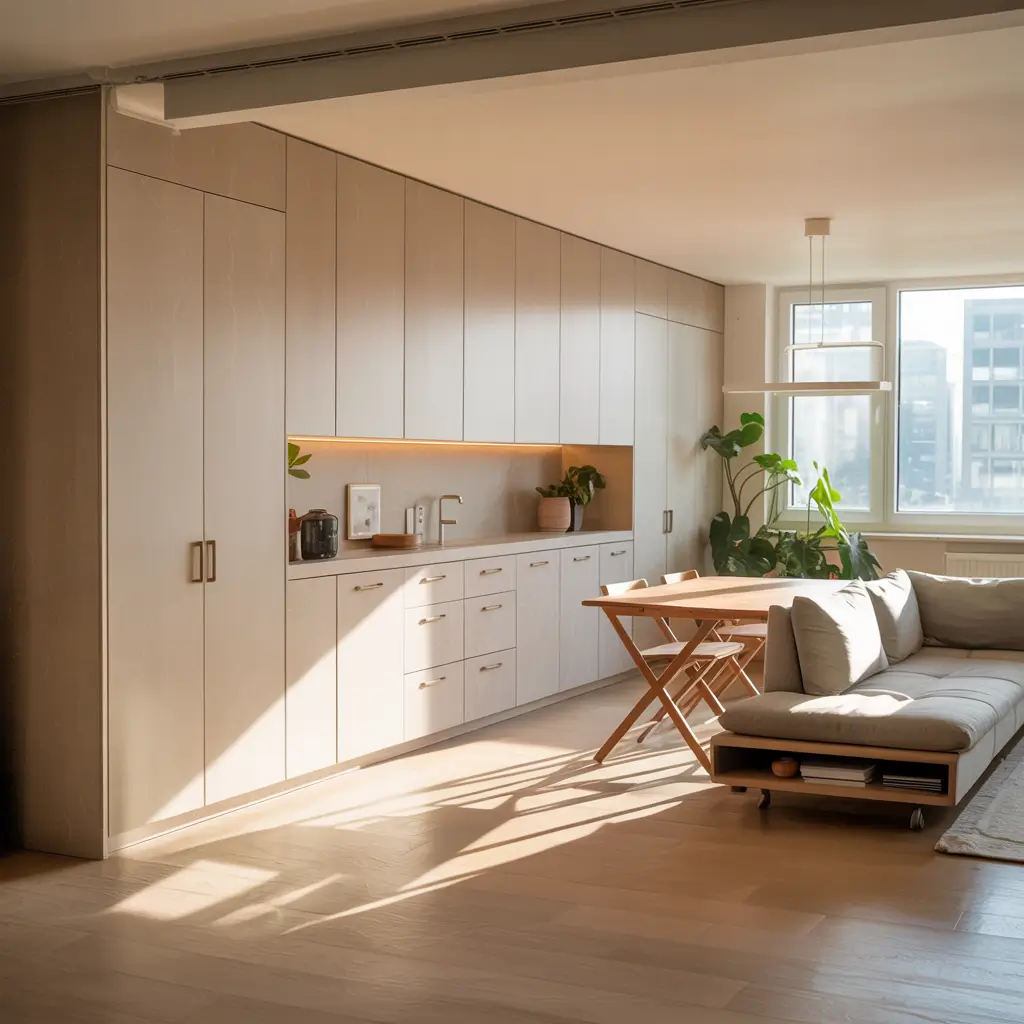
Hidden storage in small open plans is like having a secret superpower. Everything looks minimal and clean, but behind every surface lurks serious organizational muscle. It’s the difference between living in a showroom and actually living.
My storage epiphany came during a dinner party when someone asked where I keep… well, everything. That’s when I realized my entire apartment was secretly storage. Ottoman with hidden compartments, dining bench with lift-top, kitchen island with pull-out everything. Even my coffee table had drawers.
The goal is making storage invisible. When every surface potentially hides something, you can maintain that clean open plan aesthetic while actually owning things. Because let’s be real – we all have stuff. The trick is where you put it.
Hidden Storage Solutions
Clever storage ideas:
- Toe-kick drawers in kitchen cabinets
- Platform beds with built-in drawers
- Floating shelves with hidden brackets
- Ceiling-mounted storage in unused spaces
Warm Wood and White Combo
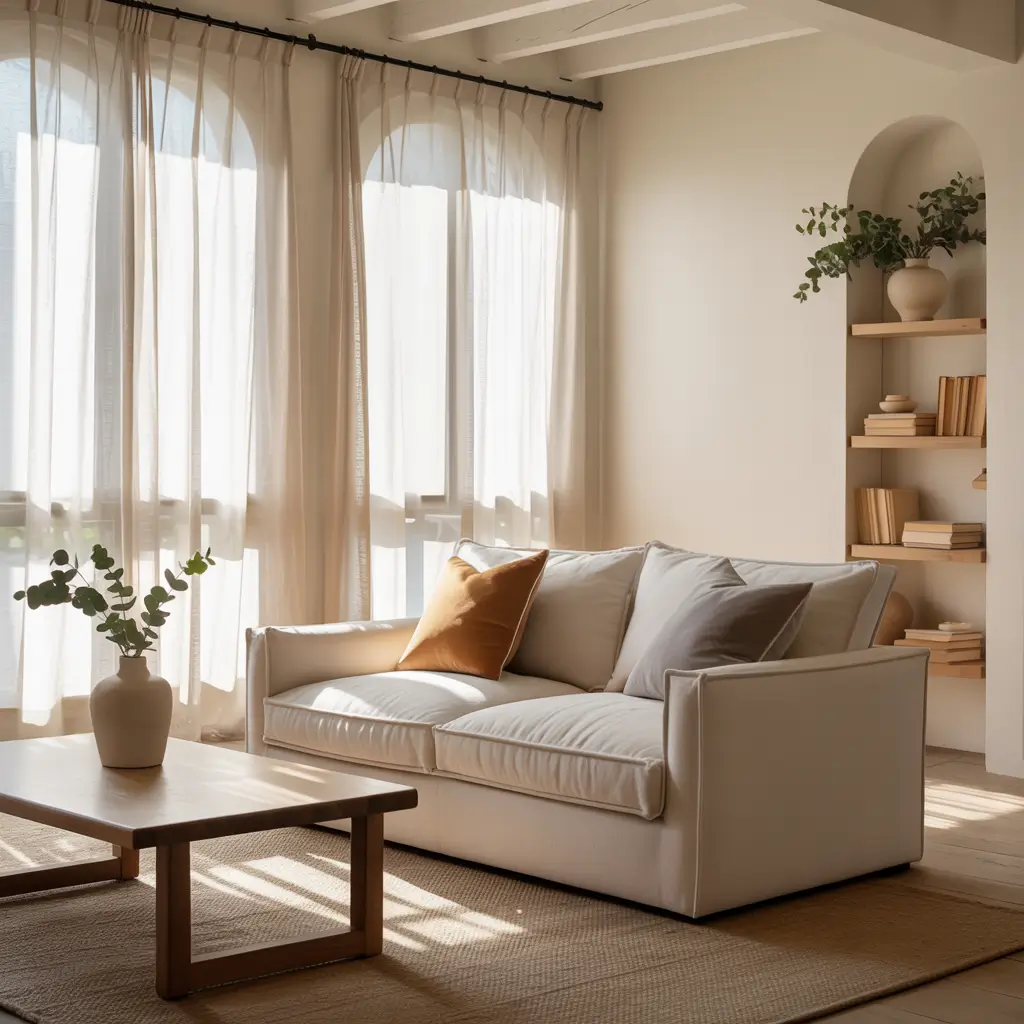
The wood and white combination in small spaces creates this perfect balance of warmth and airiness. It’s like wearing a cozy sweater in a bright room – comfortable yet fresh. This combo saved my sanity during long winters in a tiny apartment.
I discovered this magic formula accidentally. White walls made my space feel bigger, but also cold. Adding warm wood accents through furniture and shelving changed everything. The space still felt open, but now it was inviting too.
The ratio matters here. Too much wood and you’re back to feeling closed in. Too much white and it’s sterile. I follow the 70/30 rule – 70% white and light colors, 30% warm wood tones. It’s not science, but it works.
Balancing Wood and White
Creating the perfect mix:
- Light wood species like pine or birch
- White walls with wood furniture
- Mixed materials in single pieces
- Natural wood floors if possible
Color-Zoned Living Spaces
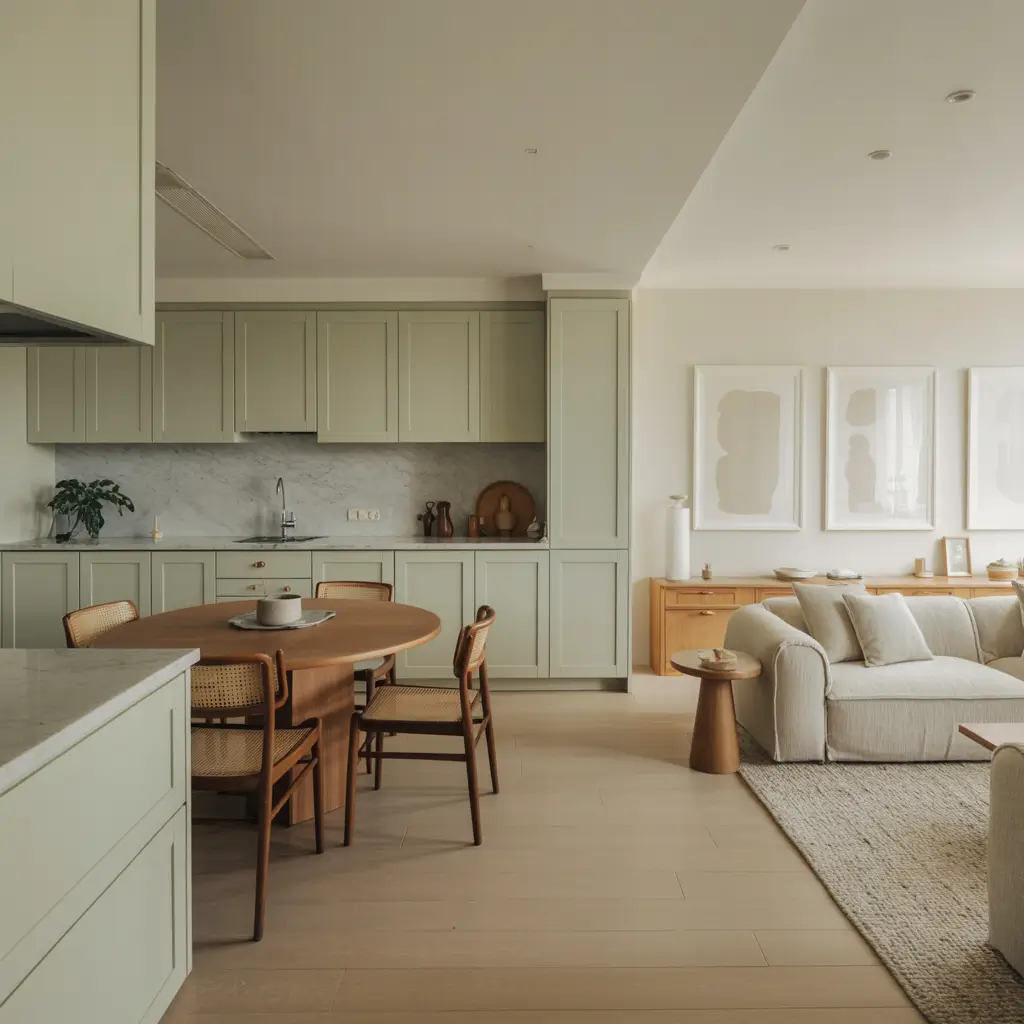
Using color to zone small open plans is genius-level design thinking. Instead of walls, you use paint and decor to signal where one area ends and another begins. It’s like creating rooms without actually creating rooms.
My color-zoning experiment started timidly – just an accent wall behind the sofa. But when I saw how it defined the living area without closing it off, I got bolder. Now my kitchen backsplash is deep green, my dining area features a navy accent wall, and my living space stays neutral. Each zone has its own personality while remaining connected.
The key is choosing colors that converse rather than clash. They need to work together when viewed as a whole. Think of it as creating a color story throughout your space.
Color Zoning Strategies
Making color zones work:
- Limit to 3-4 colors maximum
- Use neutrals as transitions
- Repeat accent colors in small doses
- Consider sight lines when choosing colors
Also Read: 15 Trendy Modern Kitchen Design Open Concept Ideas for Today
Luxe Small Space Transformation
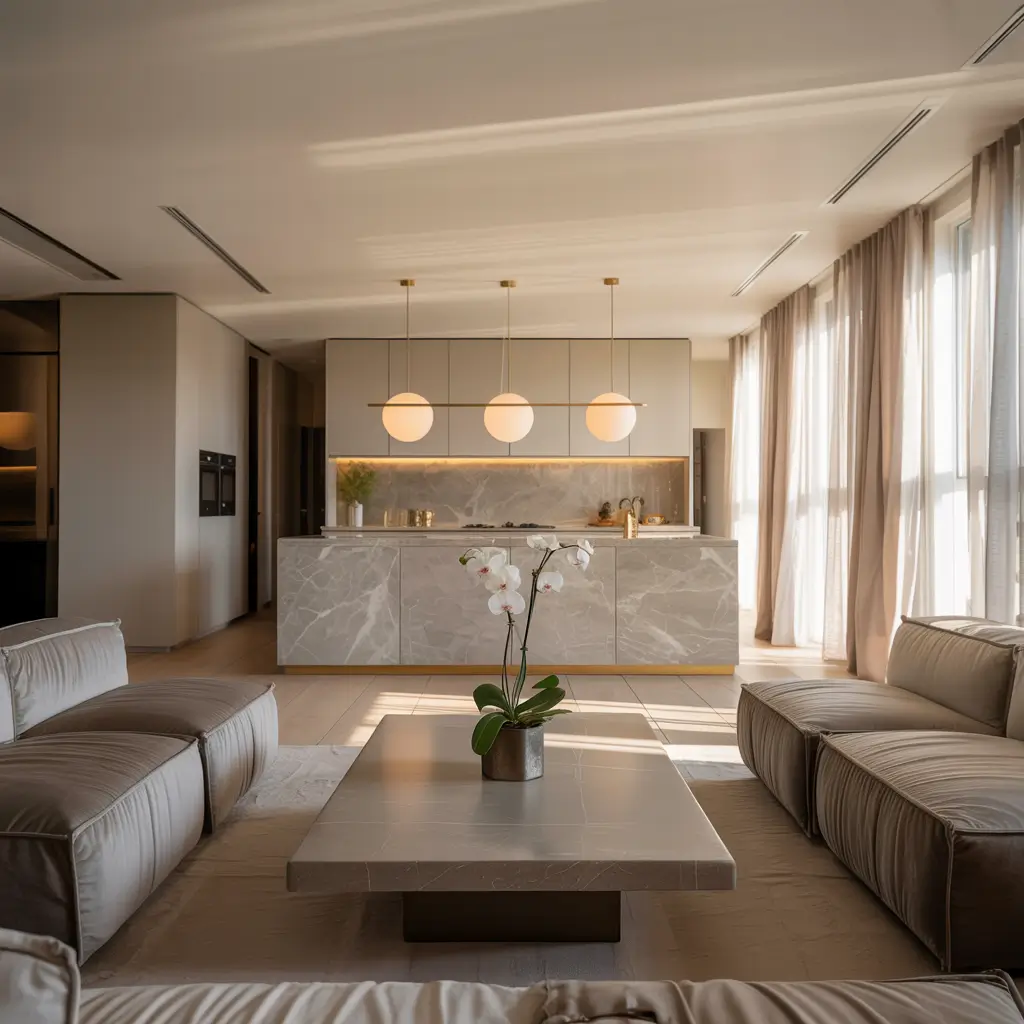
Luxury in small spaces isn’t about expensive furniture – it’s about making every detail count. When you can’t rely on square footage to impress, you need quality materials and thoughtful design to create that high-end feel.
I learned about small space luxury while apartment-sitting for a friend. Her 500-square-foot place felt like a boutique hotel. Marble countertops, brass fixtures, and silk curtains created an atmosphere of elegance. Everything was small scale but high impact.
The secret to luxe small spaces is editing ruthlessly. Better to have three beautiful pieces than ten mediocre ones. Invest in elements you touch daily – cabinet hardware, faucets, light switches. These details add up to create an overall impression of quality.
Luxury on a Small Scale
Creating luxe vibes:
- Quality over quantity always
- Rich textures like velvet and marble
- Metallic accents throughout
- Perfect lighting at every level
Natural Light Focused Layout
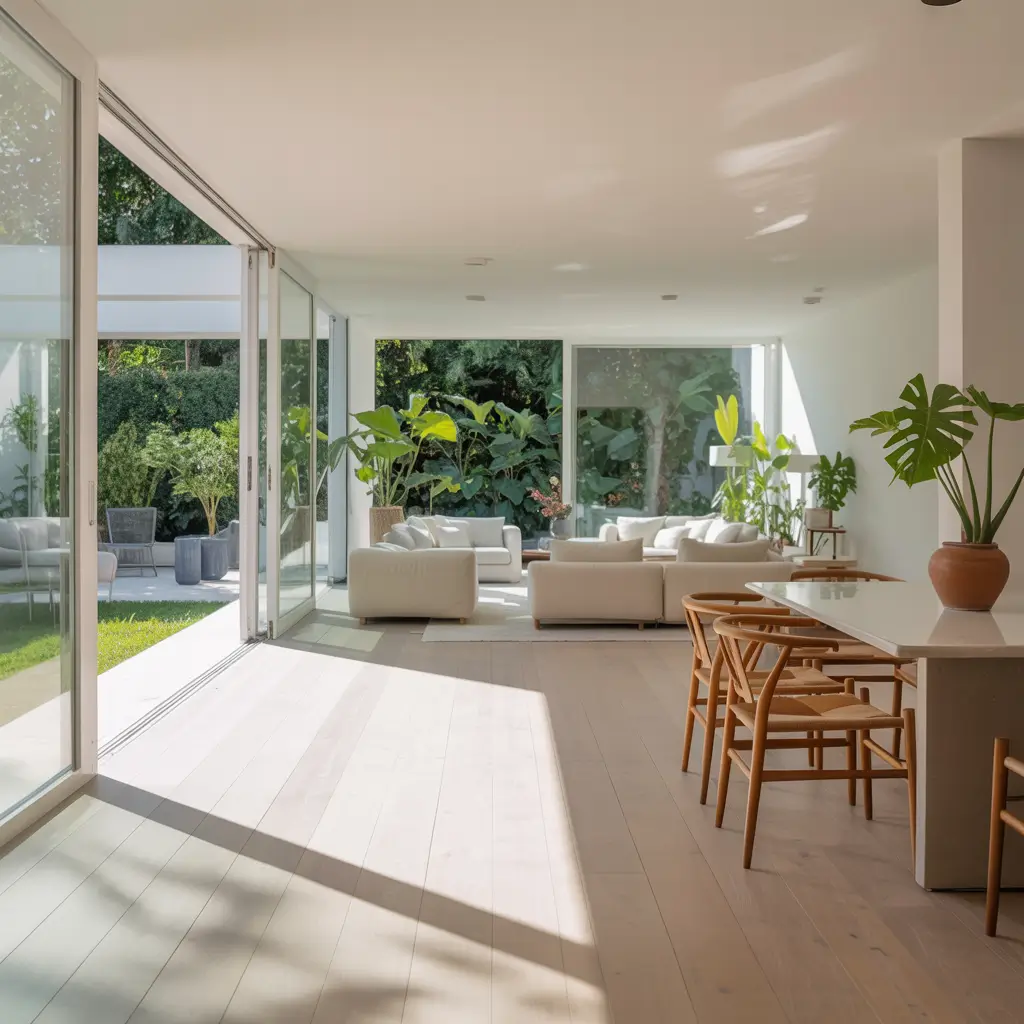
Natural light in small spaces is like free square footage. The more light you have, the bigger your space feels. After living in a basement apartment (never again), I became obsessed with maximizing natural light in small spaces.
My current apartment faces east, and I’ve arranged everything to worship those morning rays. Kitchen along the window wall, dining table positioned to catch light, living area angled to avoid shadows. It sounds extreme, but IMO, it makes a massive difference.
Beyond furniture placement, I’ve eliminated light-blockers. Sheer curtains instead of blackout shades, mirrors positioned to bounce light, and glossy surfaces that reflect rather than absorb. Every decision supports the light-maximizing mission.
Maximizing Natural Light
Light-enhancing strategies:
- Remove upper cabinets near windows
- Use reflective backsplashes
- Choose glass or acrylic furniture
- Paint ceilings bright white
Multi-Functional Furniture Magic
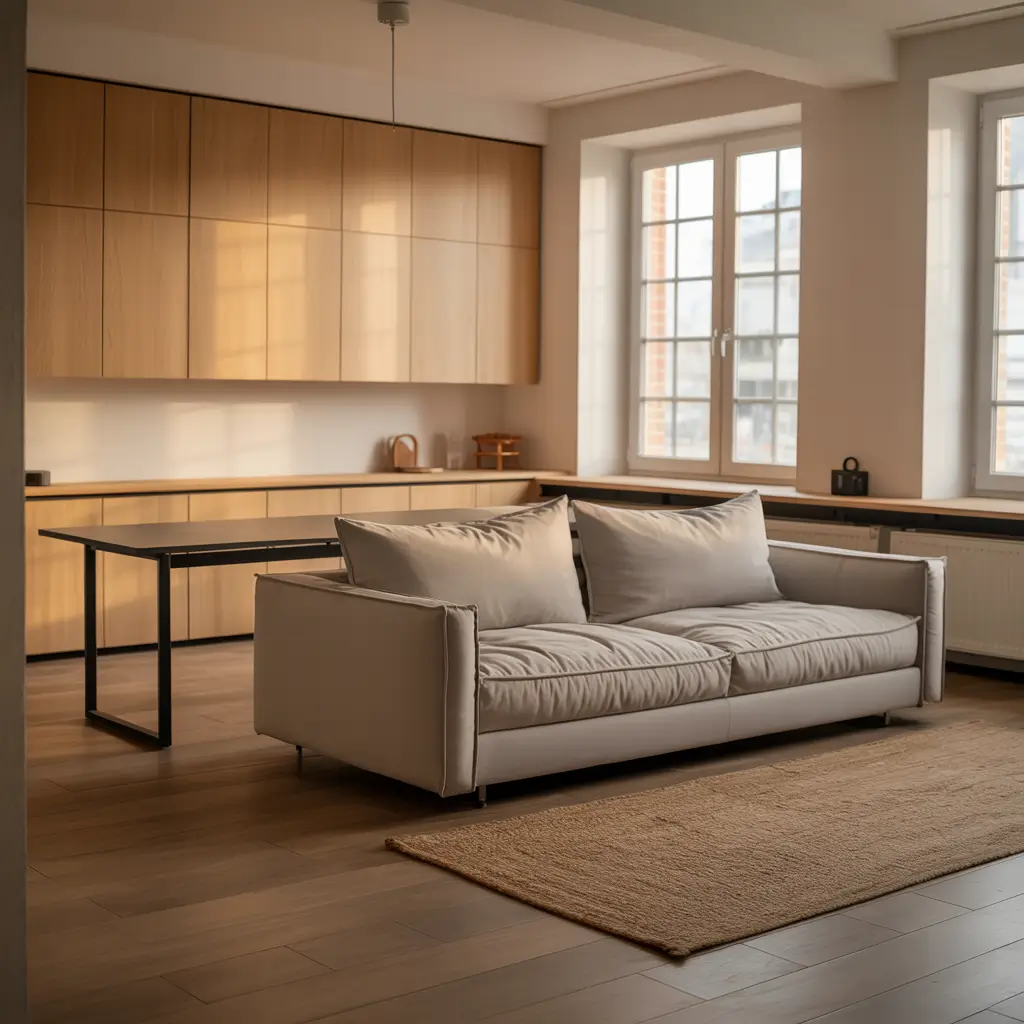
Multi-functional furniture in small open plans isn’t just smart – it’s essential. Every piece needs to earn its keep by serving at least two purposes. Singles need not apply in tiny spaces.
My multi-functional awakening came with my first transformer coffee table. It lifted to dining height, extended for guests, and stored everything from blankets to board games. One piece, four functions. Mind. Blown. Now I won’t buy furniture that doesn’t multitask.
The best multi-functional pieces don’t look like they’re trying too hard. That ottoman that’s also storage? Perfect. The dining table that’s also a desk? Essential. The sofa bed that actually looks good as a sofa? That’s the holy grail.
Multi-Functional Must-Haves
Furniture that works overtime:
- Expandable dining tables for flexibility
- Storage ottomans and benches
- Nesting tables for extra surfaces
- Wall-mounted drop-leaf tables
Open Plan with Glass Partitions
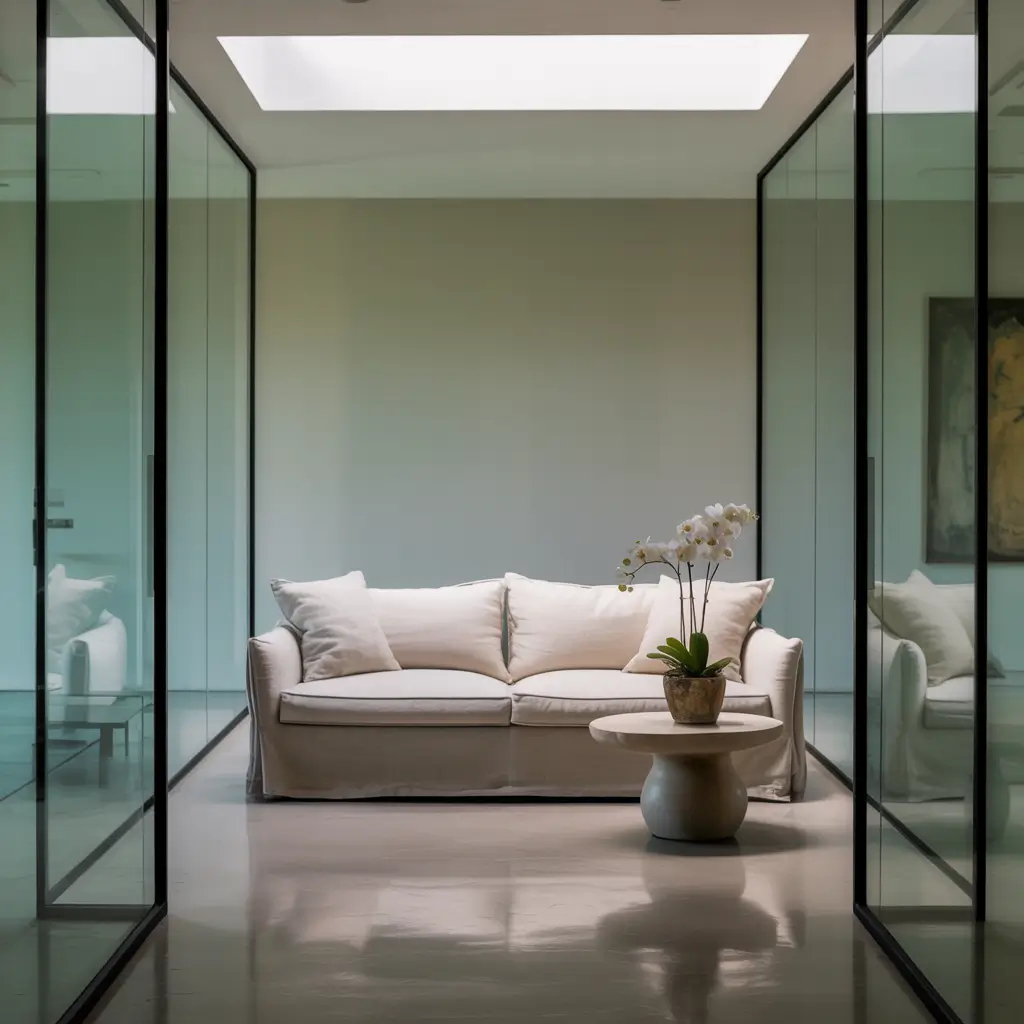
Glass partitions in small open plans offer the best of both worlds – separation when you need it, openness when you don’t. They’re like having invisible walls that you can see through but not smell through (crucial for fish Friday).
I installed sliding glass partitions last year, and they revolutionized how I use my space. Cooking curry? Slide them closed. Hosting brunch? Wide open for flow. The flexibility means my small space works for every situation.
The frames matter as much as the glass. Thin black frames feel modern and almost disappear. Thicker wood frames add warmth but take up more visual space. Choose based on your overall aesthetic and how much definition you want 🙂
Glass Partition Options
Choosing the right glass solution:
- Sliding panels for ultimate flexibility
- Fixed partitions for permanent definition
- Frosted sections for privacy
- Frame materials that match your style
Space-Saving Corner Kitchen Setup
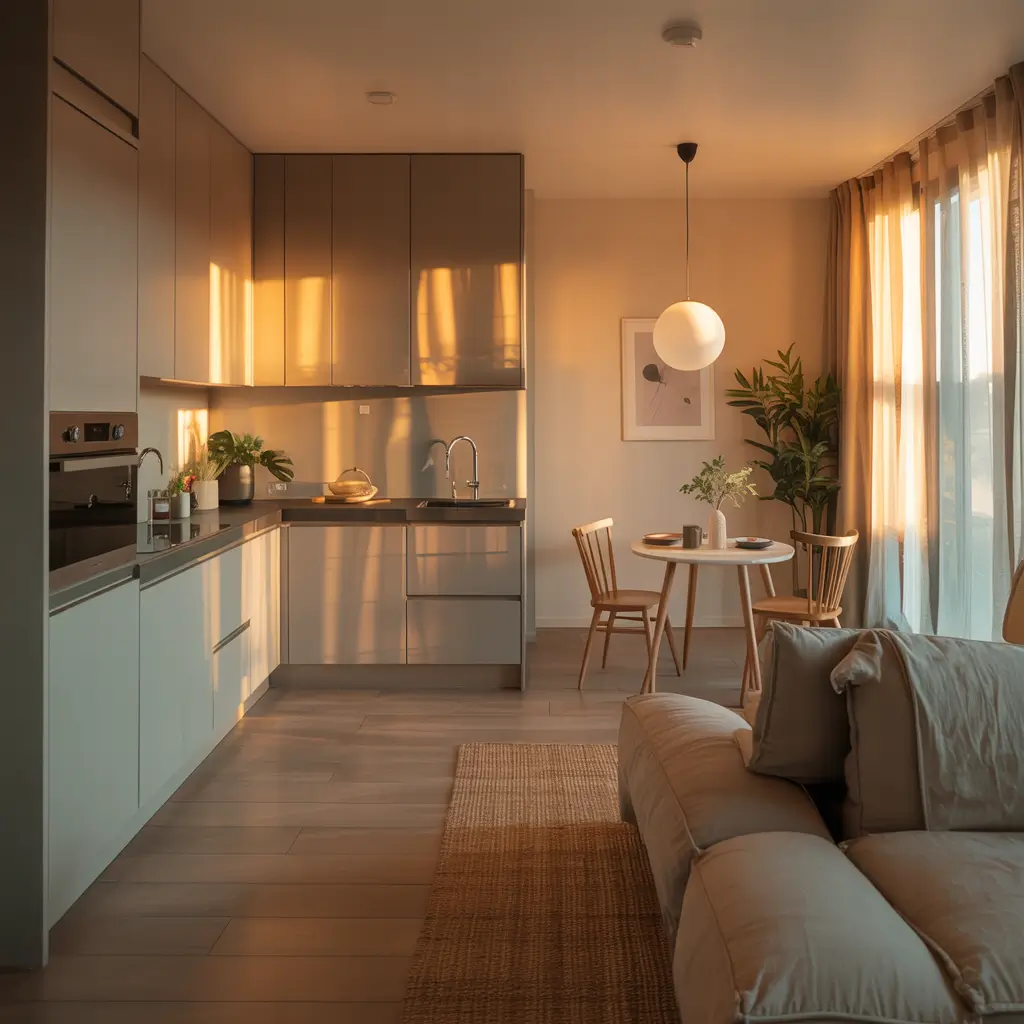
Corner kitchens in small open plans maximize every inch while keeping the cook connected to the living space. They’re like the space ninjas of kitchen design – efficient, smart, and surprisingly roomy.
My corner kitchen revelation came while touring tiny European apartments. These L-shaped wonders tucked into corners but still felt part of the main space. Back home, I recreated this by positioning my kitchen in the apartment’s corner, freeing up the center for living and dining.
The beauty of corner kitchens is their efficiency. Everything’s within arm’s reach, the work triangle is naturally compact, and you maintain clear sightlines to the rest of your space. Plus, corners often have two windows, maximizing that precious natural light.
Corner Kitchen Design Tips
Making corners count:
- Lazy Susans for corner cabinet access
- Open shelving to avoid dark corners
- Peninsula extensions for extra prep space
- Light colors to prevent cave feeling
Artistic Statement Open Concept
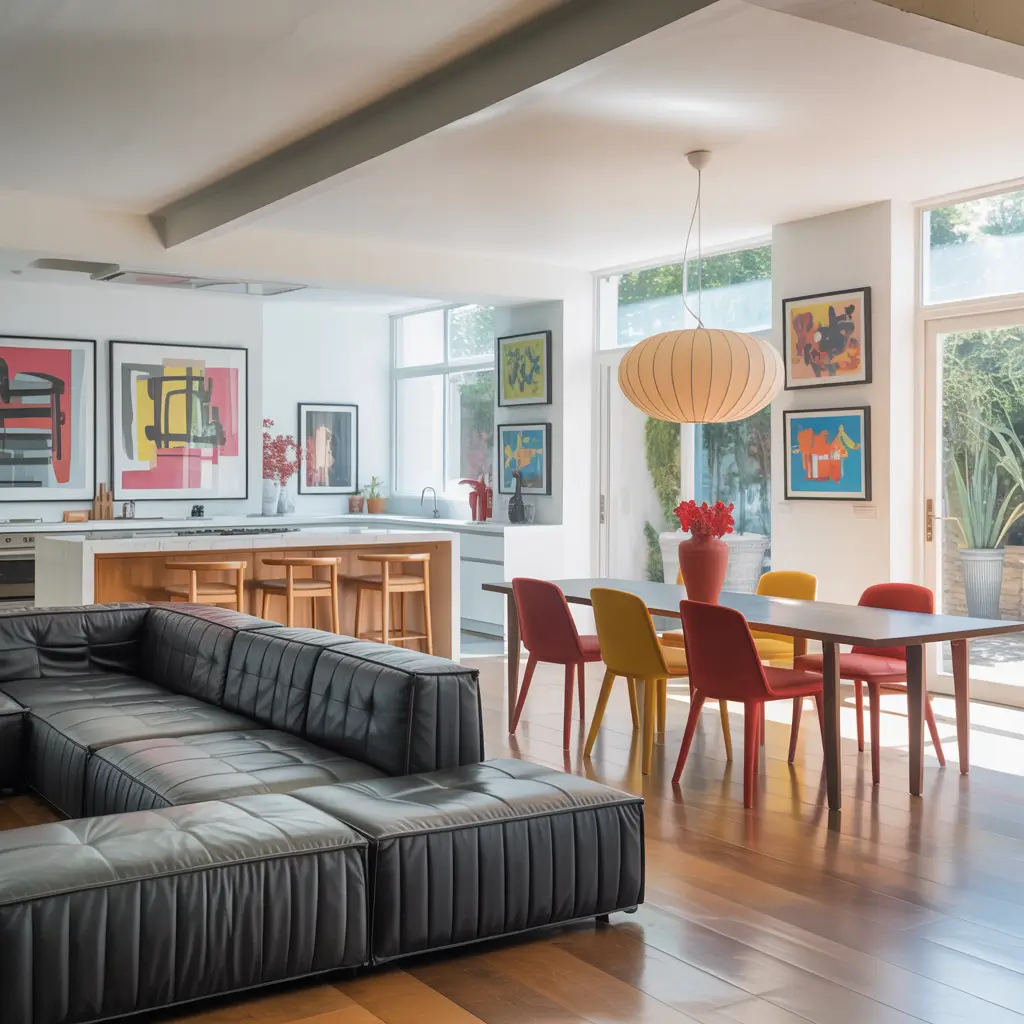
Artistic open plans in small spaces prove that size doesn’t limit creativity. When you can’t go big, go bold. A single dramatic element can transform a tiny space from forgettable to unforgettable.
My artistic awakening happened when I painted a massive abstract mural on my living room wall. Suddenly, my generic white box had personality. The open plan meant this one statement affected the entire space, making everywhere feel more interesting.
The trick with artistic elements in small spaces is restraint. One show-stopping feature is perfect. Five competing for attention is chaos. Choose your moment – maybe it’s a stunning backsplash, a bold ceiling treatment, or an incredible light fixture. Let that be the star.
Creating Artistic Impact
Making statements in small spaces:
- One focal point per open area
- Large-scale art for impact
- Unexpected materials or colors
- Personal touches that tell stories
Making Small Open Plans Work for You
So there you have it – 15 ways to rock a small open plan without feeling like you’re living in a storage unit. The truth about small spaces?
They force you to be creative, intentional, and maybe a little bit genius with your design choices.
The best small open plan is one that works for your specific life. Love cooking? Prioritize the kitchen zone. Work from home? Make sure your dining table doubles as a desk.
Entertain often? Focus on flexible seating and good flow. There’s no one-size-fits-all solution, just the solution that fits you.
Ready to transform your small space? Start with one idea that resonates and build from there. Remember, small spaces are like puzzles – satisfying to solve and surprisingly fun once you get the hang of it.
Who knows? You might find yourself never wanting a big house again. (Okay, that might be a stretch, but you’ll definitely appreciate your small space more!)
Now if you’ll excuse me, I need to go rearrange my furniture for the fifteenth time this month. It’s a small space owner thing – you wouldn’t understand unless you’ve lived it :/