10 Inspiring Spa Interior Design Ideas for Serene Ambiance
- Home Interior Design
 Ben
Ben- 0
- 34 minutes read
Walk into a poorly designed spa and you feel it immediately – the stress you came to release actually intensifies. The wrong lighting, uncomfortable furniture, and clashing aesthetics can undo the benefits of any massage or treatment.
I learned this lesson after visiting a spa that promised relaxation but delivered anxiety through its chaotic interior design. Never again.
The truth about spa interior design is that it does half the therapeutic work before anyone touches you. The moment guests enter, the environment should begin lowering their heart rates, calming their minds, and preparing their bodies for wellness.
Great spa design isn’t just beautiful – it’s functional healing architecture.
These ten spa interior design ideas range from serene minimalism to luxurious opulence, each creating distinct atmospheres that appeal to different wellness philosophies.
Whether you’re designing a commercial spa, a home wellness room, or simply seeking inspiration for spa-like elements in your bathroom, these concepts will guide you toward creating spaces that genuinely nurture wellbeing.
1. Serene Zen Minimalist Spa
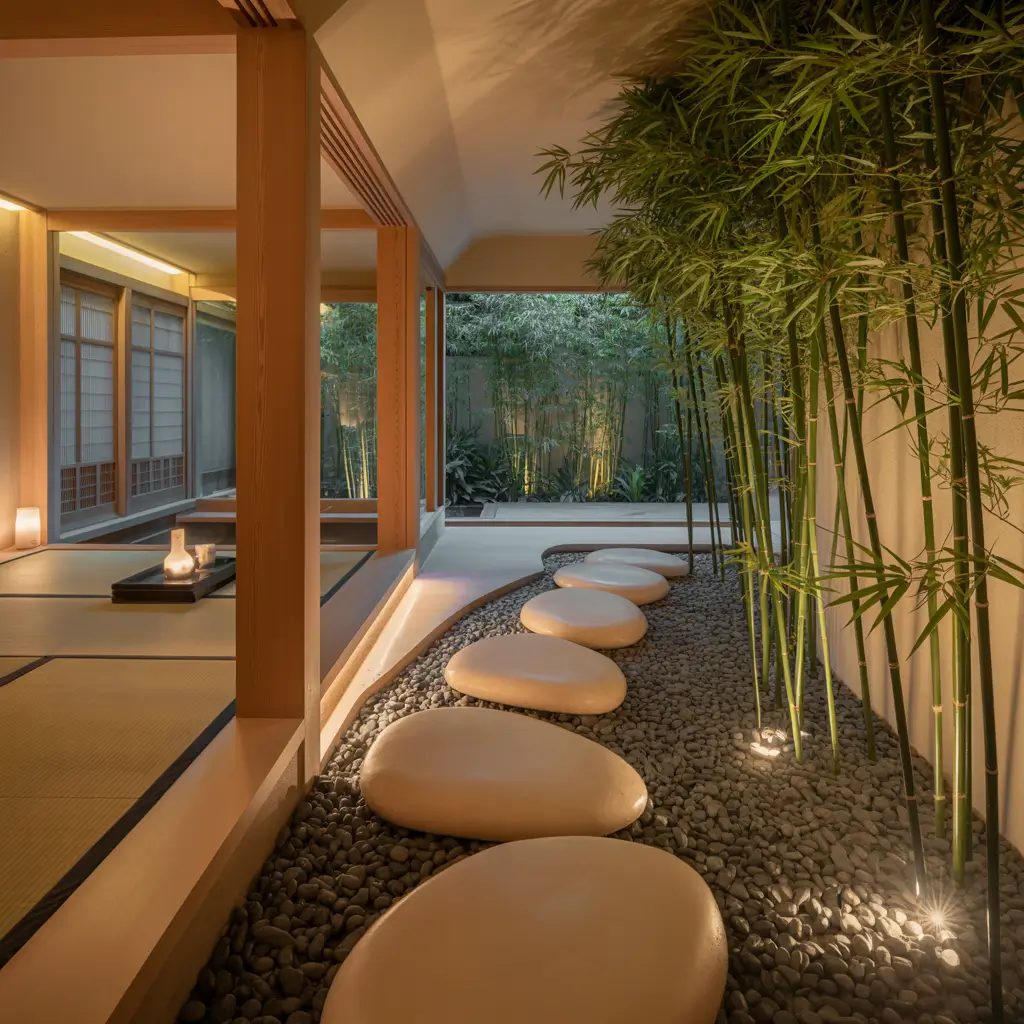
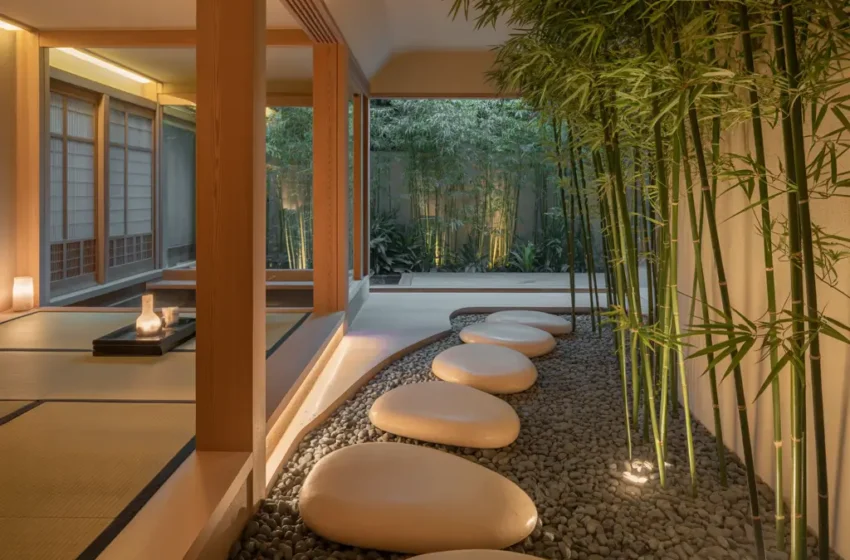
The serene zen minimalist spa strips away everything unnecessary to create profound calm through simplicity. This design philosophy recognizes that visual clutter creates mental clutter – the opposite of what any spa should achieve.
Japanese design principles guide zen spa aesthetics. Clean lines, natural materials, and intentional empty space form environments where the mind naturally settles. I visited a zen spa in Kyoto that had almost nothing in its treatment rooms – just a massage table, one orchid, and perfect natural lighting. The simplicity itself felt therapeutic.
The color palette stays restrained but warm. Whites, creams, soft grays, and natural wood tones create serenity without coldness. Every color choice should promote calm, not stimulation. Bold colors have no place in zen spa design.
Essential Zen Spa Elements
Creating minimalist tranquility:
- Natural materials – wood, stone, bamboo throughout
- Minimal furniture – only essentials, no decorative excess
- Shoji screens or similar translucent dividers
- Flowing water features for gentle ambient sound
- Soft, indirect lighting avoiding harsh overhead
- Meaningful negative space as intentional design
The zen approach works exceptionally well for meditation-focused spas and wellness centers emphasizing mental clarity alongside physical treatments.
2. Tropical Oasis Retreat
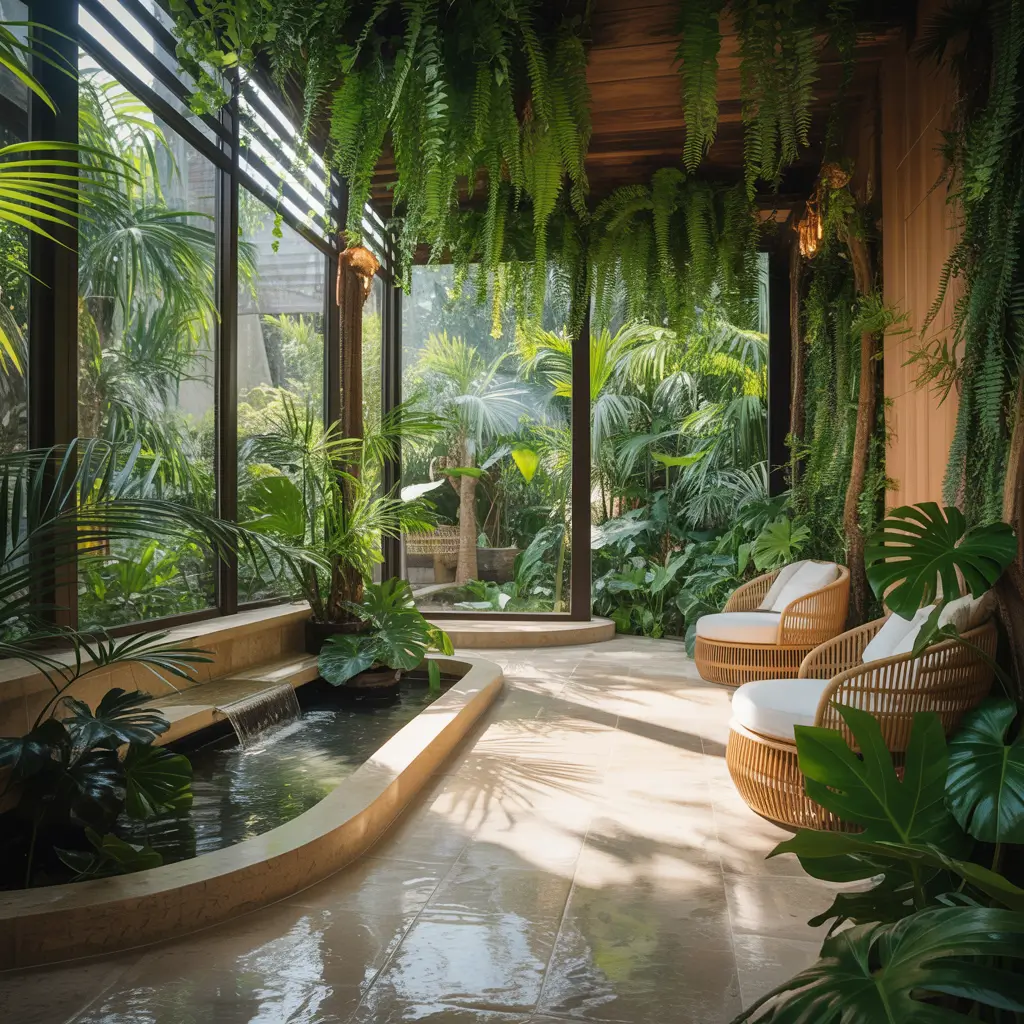
The tropical oasis retreat transforms spa spaces into lush escapes that transport visitors to paradise. This design creates the sensation of being surrounded by nature’s most relaxing environments regardless of actual location.
Plant life drives tropical spa design. Living walls, potted palms, hanging ferns, and tropical flowers bring the jungle indoors. These aren’t decorative additions – they’re essential elements that purify air while creating visual richness that soothes the soul.
The sensory experience extends beyond visuals in tropical spas. Water features, natural scents, and warm humidity combine to create full environmental immersion. My favorite tropical spa uses misting systems that carry essential oils – the moment you walk in, you’re somewhere else entirely.
Tropical Design Components
Building paradise indoors:
- Abundant living plants creating green density
- Natural wood furniture in teak or bamboo
- Water features – waterfalls, fountains, pools
- Warm lighting mimicking filtered sunlight
- Natural textiles in earth tones and greens
- Tropical scenting through plants and diffusers
Tropical spa design attracts resort spas, vacation destinations, and urban escapes seeking to transport stressed city dwellers elsewhere.
3. Luxury Marble & Gold Spa
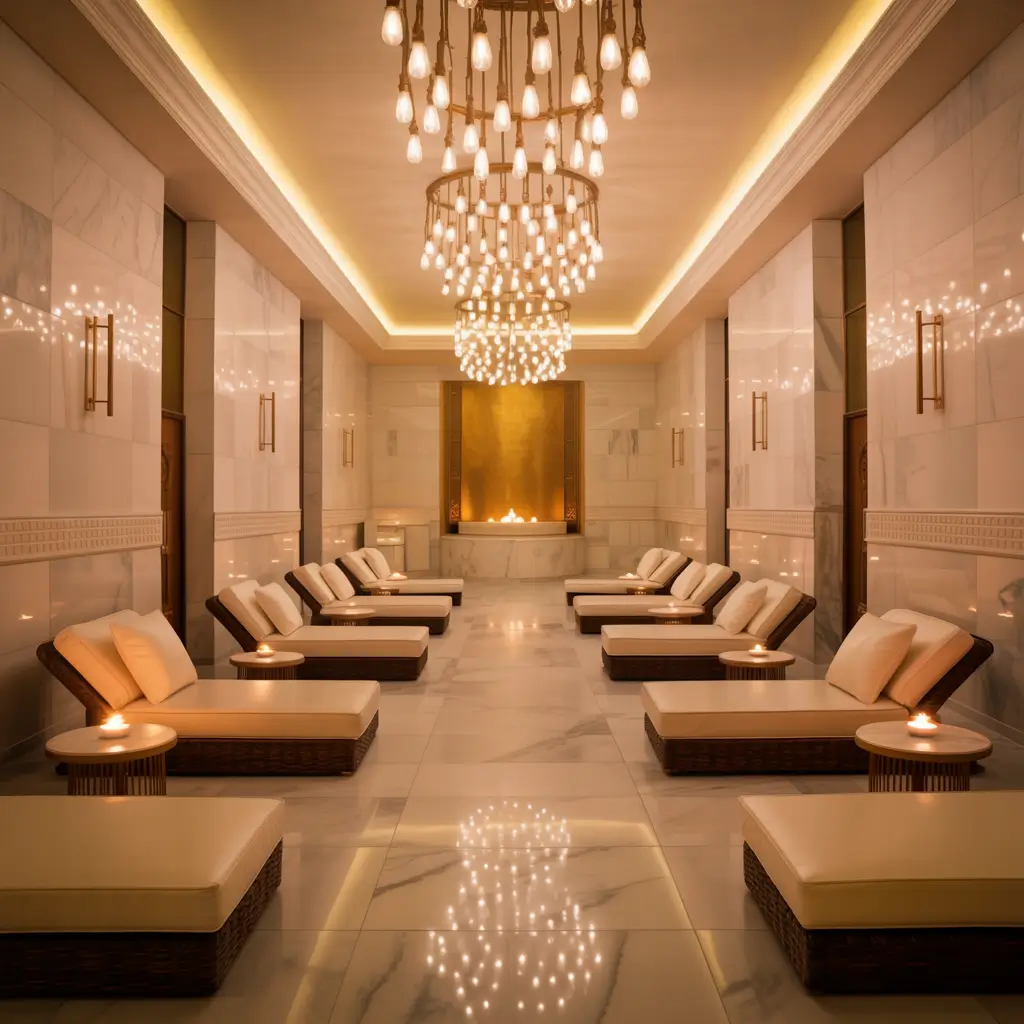
The luxury marble and gold spa creates unapologetically opulent environments that make every visitor feel like royalty. This design approach communicates premium quality before any treatment begins.
Material quality cannot be faked in luxury spa design. Real marble, genuine gold fixtures, and quality metals establish authenticity that discerning clients recognize immediately. One luxury spa I consulted for initially wanted marble-look tiles – I convinced them that clients paying premium prices notice the difference.
The gold elements require restraint to avoid tackiness. Brushed gold, rose gold, or aged brass accents add warmth and luxury without venturing into gaudy territory. Strategic placement on fixtures, frames, and hardware creates sophistication rather than excess.
Luxury Spa Essentials
Creating premium environments:
- Real marble surfaces – floors, walls, countertops
- Gold-tone fixtures in refined finishes
- Crystal or glass chandeliers as focal points
- Plush textiles in neutral luxury tones
- High ceilings enhancing grandeur
- Fresh flowers professionally arranged
Luxury marble and gold design suits high-end day spas, hotel spas, and exclusive wellness clubs commanding premium pricing.
Also Read: 12 Chic Minimalist Interior Design Ideas for Sleek Living
4. Scandinavian Nature-Inspired Spa
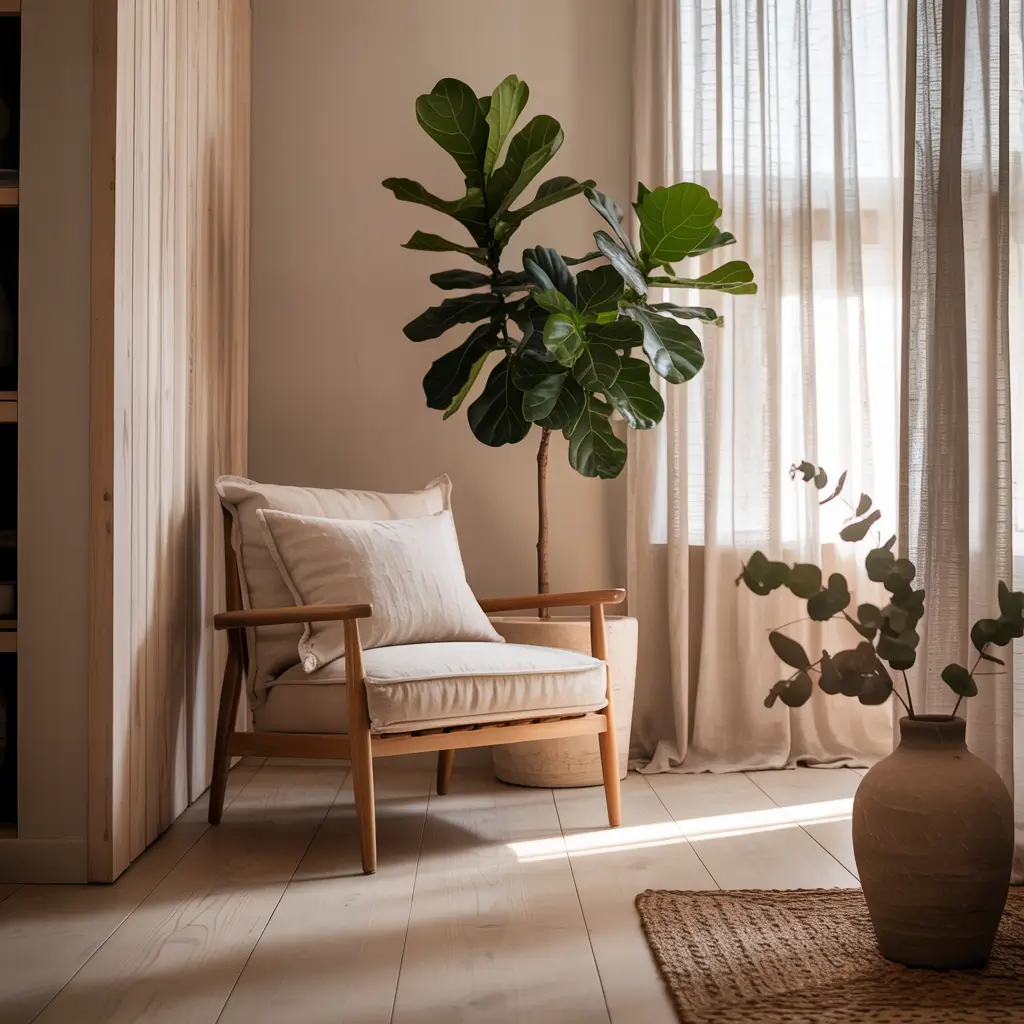
Scandinavian nature-inspired spas combine Nordic simplicity with deep nature connection for environments that feel both minimal and warm. This design philosophy treats wellness as integration with the natural world.
Light wood dominates Scandinavian spa interiors. Birch, pine, and oak in natural finishes create warmth that white minimalism alone cannot achieve. The Scandinavian approach understands that humans need natural materials for genuine comfort.
The hygge concept influences every design decision. Comfort, coziness, and contentment drive choices about seating, lighting, and textures. Spa guests should want to curl up and stay forever – not admire the space from a distance.
Scandinavian Spa Features
Building Nordic wellness:
- Light wood everything – floors, walls, furniture
- Soft neutral textiles in natural fibers
- Organic shapes in furniture and fixtures
- Natural daylight maximized throughout
- Sauna and steam elements traditional to Nordic culture
- Minimal decorations with maximum comfort
Scandinavian design appeals to wellness-focused spas, thermal bath facilities, and Nordic-inspired retreats emphasizing authentic relaxation.
5. Modern Glass & Light Spa
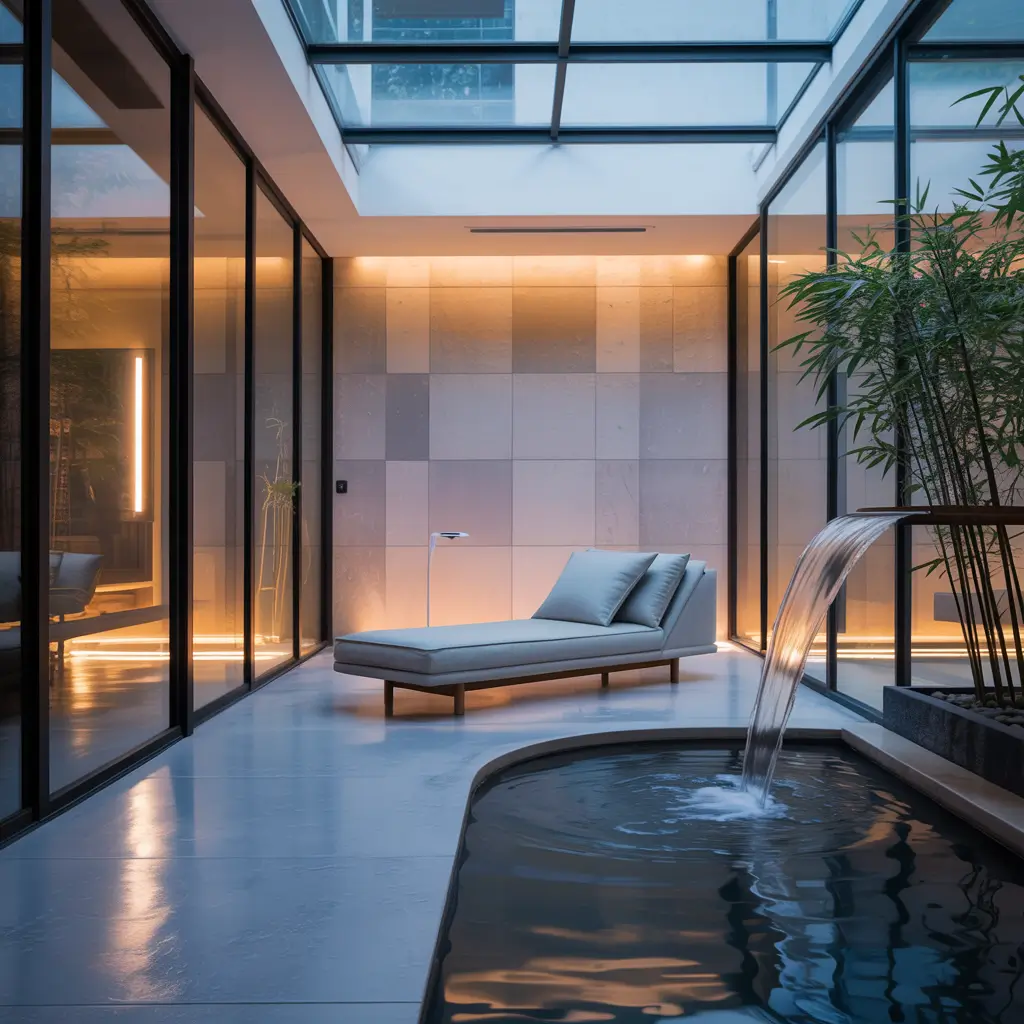
The modern glass and light spa uses transparency and illumination as primary design elements. This approach creates bright, open environments that feel cleansing and contemporary.
Natural light becomes the main feature in glass spa design. Floor-to-ceiling windows, skylights, and glass walls flood spaces with daylight that artificial lighting cannot replicate. The connection to outdoor views extends treatment room boundaries visually.
Privacy solutions prevent glass spas from feeling exposed. Smart glass that frosts on demand, strategic planting, and private courtyards maintain intimacy while preserving the open aesthetic. Nobody wants a fishbowl massage experience.
Glass & Light Design Elements
Creating transparent wellness:
- Maximum glass surfaces bringing outdoors in
- Skylights for overhead natural light
- Frosted glass partitions balancing openness and privacy
- Reflective surfaces multiplying available light
- Minimalist furniture not competing with light
- LED accent lighting for evening ambiance
Modern glass spas work best for urban rooftop locations, garden-adjacent facilities, and modern architecture showcasing views.
6. Rustic Wooden Wellness Spa
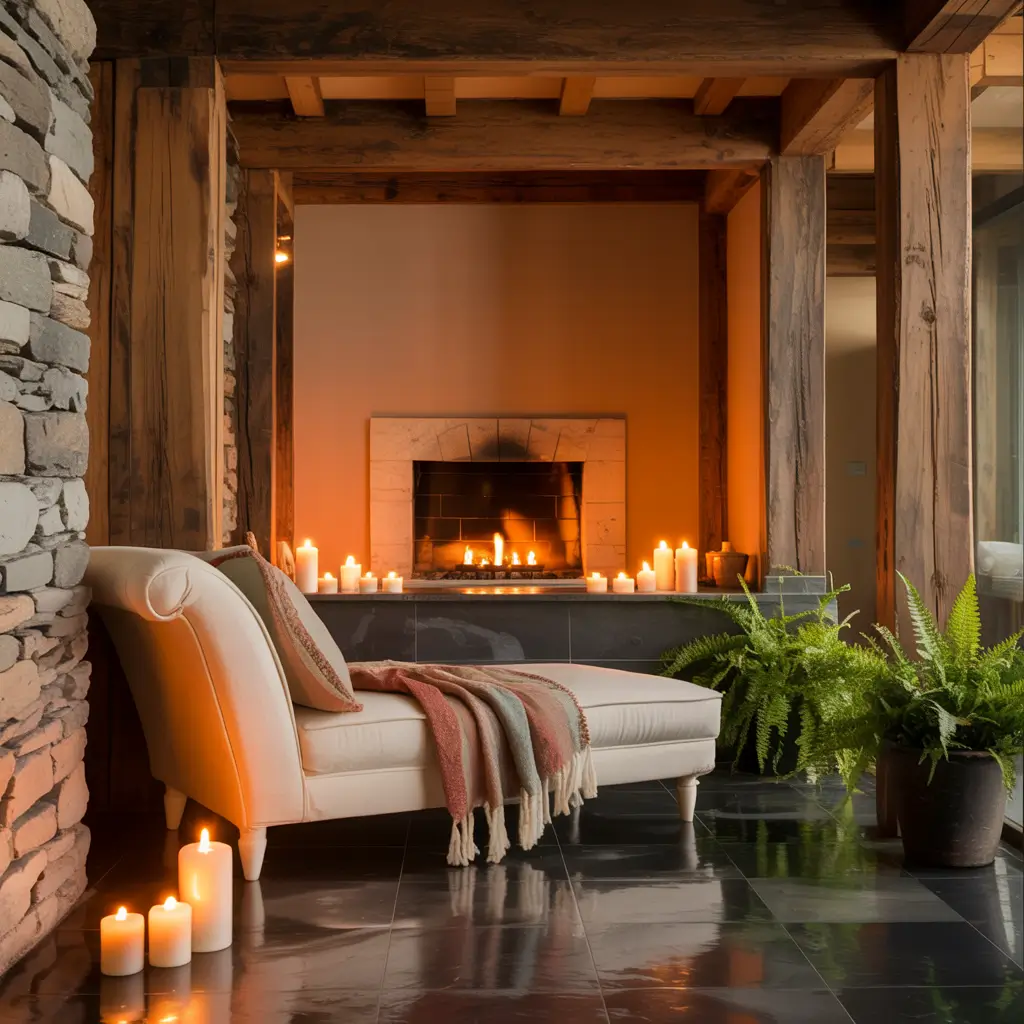
The rustic wooden wellness spa creates cabin-like retreat atmospheres that feel removed from modern life. This design connects guests to traditional healing environments through authentic natural materials.
Wood variety adds richness without competing elements. Reclaimed barn wood, natural log accents, and varied wood species create visual interest through material rather than color. Each piece carries history that manufactured materials cannot replicate.
The rustic approach requires balance to avoid theme-park aesthetics. Refined rustic combines raw materials with comfortable modern amenities – rough-hewn beams above high-quality massage tables, for example. FYI, rustic doesn’t mean uncomfortable.
Rustic Spa Design Components
Building woodland retreats:
- Reclaimed wood walls and accent features
- Stone fireplaces or fire features
- Natural fiber textiles in warm tones
- Wrought iron accents and hardware
- Warm ambient lighting through lanterns or sconces
- Nature-inspired art featuring local landscapes
Rustic wooden spas attract mountain resort destinations, rural retreats, and wellness centers emphasizing nature connection.
Also Read: 10 Inspiring Camper Interior Design Ideas and Multi-Functional Furniture
7. Eco-Friendly Green Spa
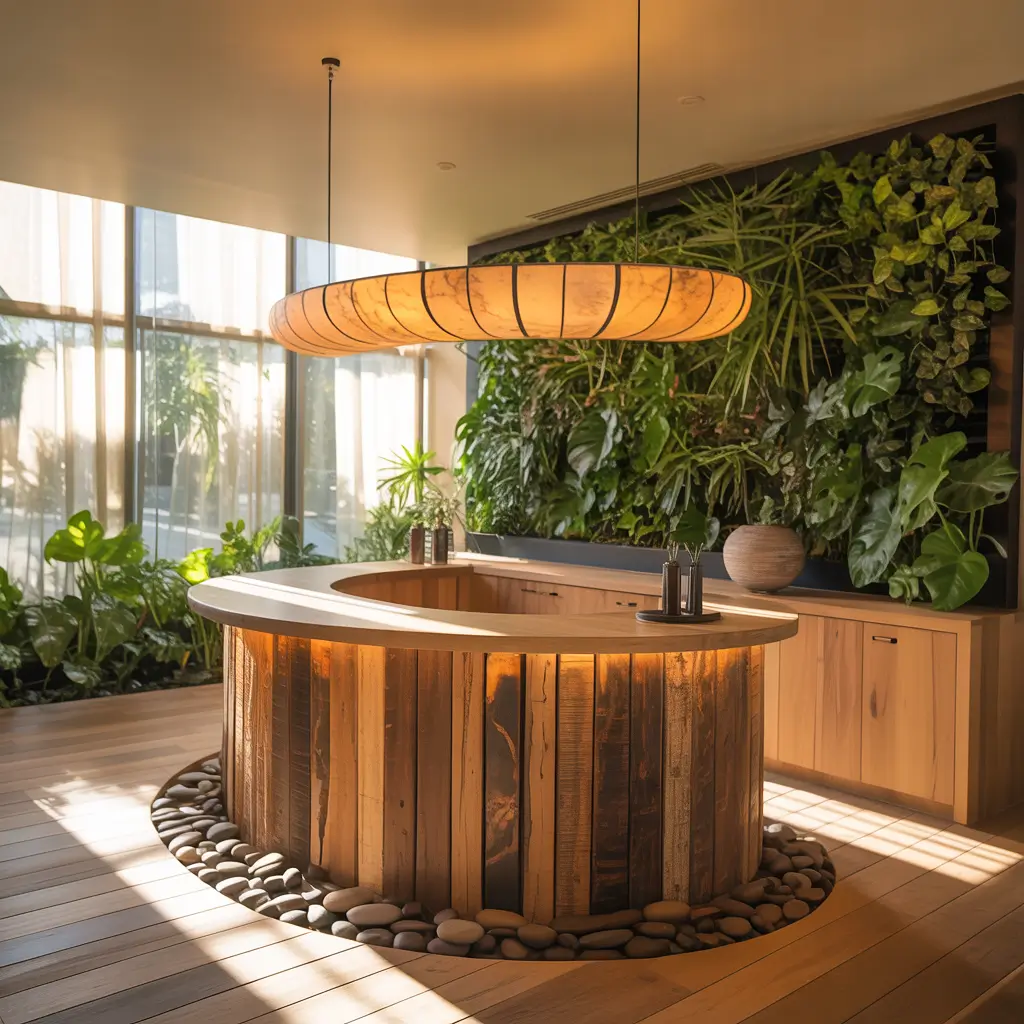
The eco-friendly green spa demonstrates environmental values through every design choice. This approach attracts the growing population of wellness seekers who want their self-care aligned with planet care.
Material sustainability drives green spa design. Recycled materials, sustainable wood, natural fibers, and non-toxic finishes form environments that heal without harming. Every material should have a sustainability story that marketing can share with conscious consumers.
Living elements provide both aesthetics and function. Green walls purify air, potted plants add oxygen, and natural light reduces energy consumption – these aren’t just design choices but environmental commitments.
Green Spa Essentials
Building sustainable wellness:
- Sustainable and recycled materials throughout
- Living walls for air purification
- Natural lighting reducing energy needs
- Low-VOC paints and finishes ensuring air quality
- Water conservation fixtures and systems
- Local and renewable resources wherever possible
Eco-friendly design suits environmentally branded spas, yoga studios, and wellness centers targeting conscious consumers.
8. Urban Chic City Spa
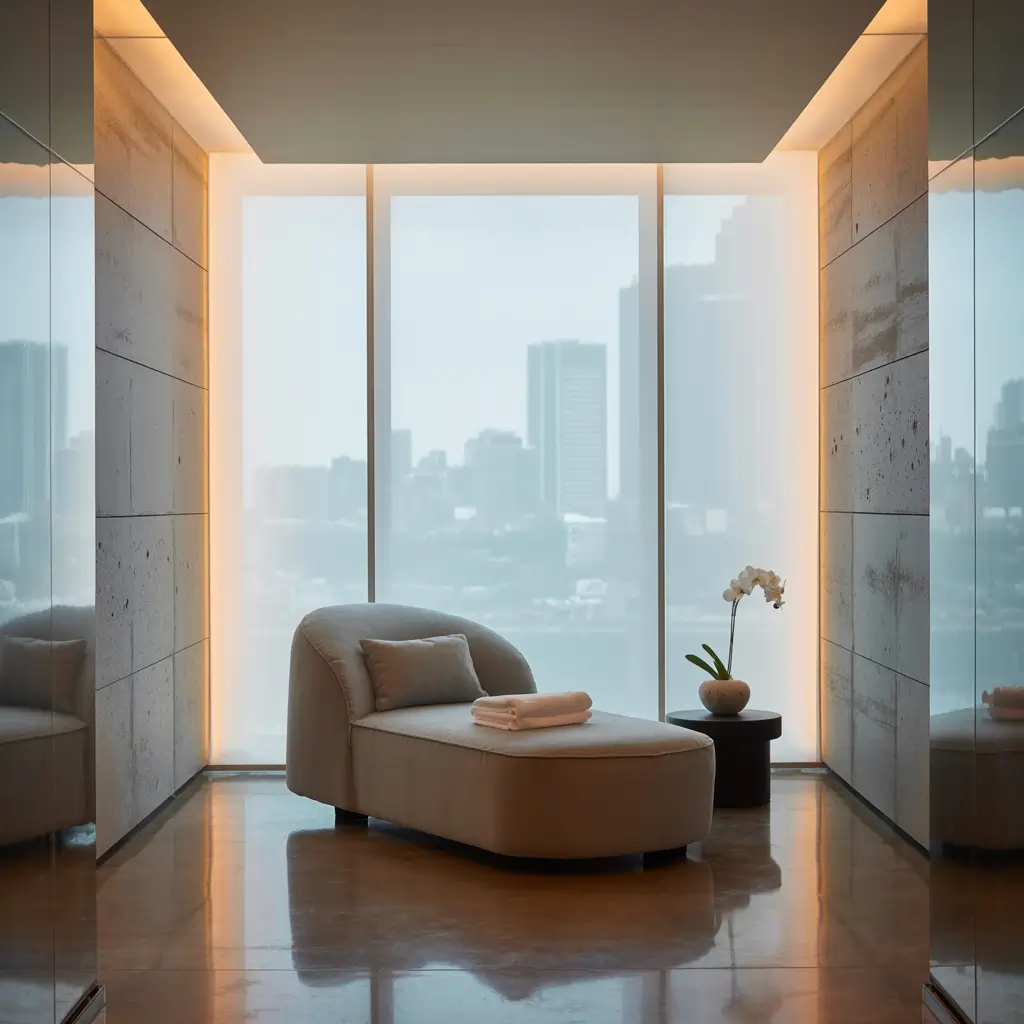
The urban chic city spa brings sophisticated metropolitan style to wellness environments. This design acknowledges that many spa visitors live urban lives and appreciate sleek contemporary aesthetics.
Industrial elements create urban authenticity. Exposed concrete, metal fixtures, and clean lines reference city architecture while maintaining spa serenity. The key is softening industrial hardness with comfortable textiles and warm lighting.
The urban spa aesthetic balances edge with calm. Cool materials warmed by soft elements – concrete walls with plush seating, metal fixtures with organic shapes – create environments that feel both exciting and relaxing.
Urban Spa Design Elements
Creating metropolitan wellness:
- Concrete and metal as feature materials
- Clean contemporary lines in all furniture
- Dramatic lighting with adjustable ambiance
- Monochromatic color schemes in sophisticated tones
- Quality textiles softening hard surfaces
- Modern art as design focal points
Urban chic design appeals to city day spas, boutique wellness clubs, and modern fitness facilities with spa amenities.
9. Ocean-Inspired Coastal Spa
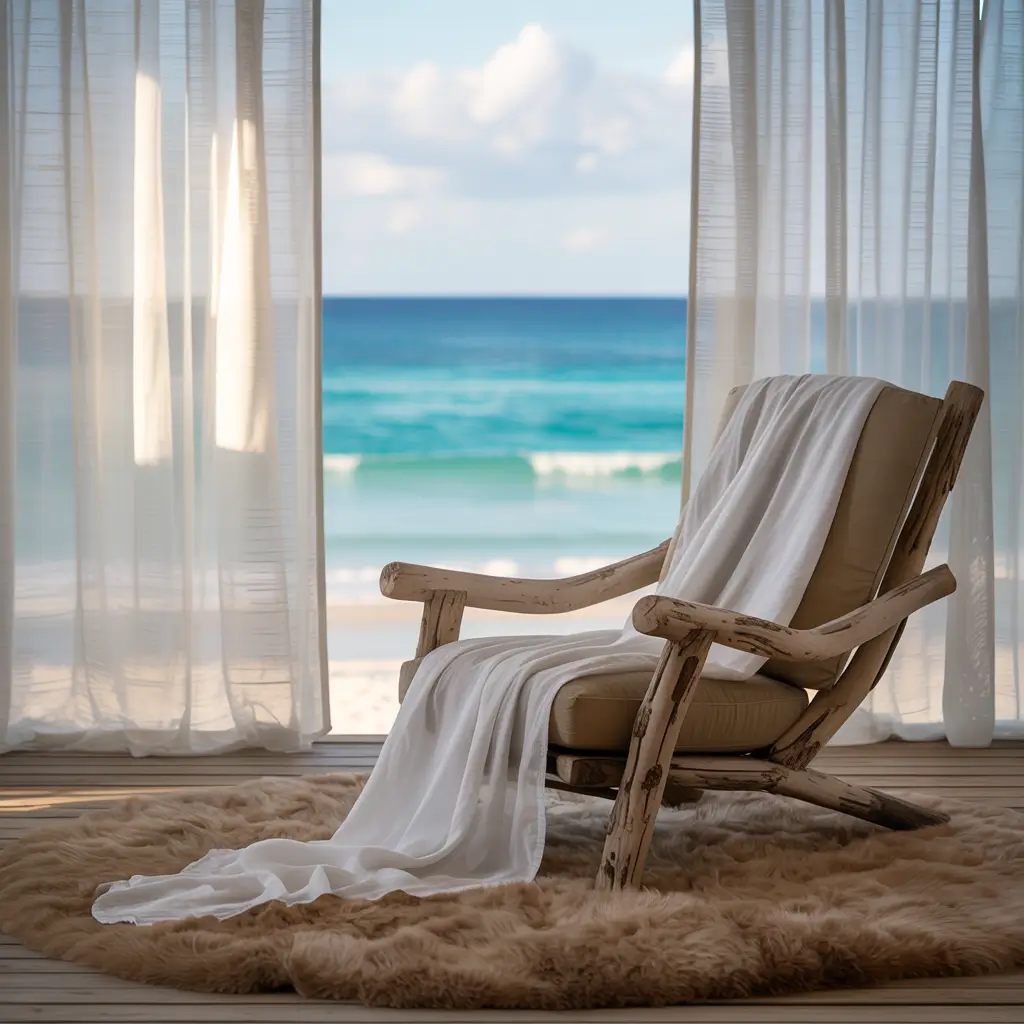
The ocean-inspired coastal spa captures seaside serenity through color, texture, and sensory elements. This design transports visitors to beachfront environments regardless of actual proximity to water.
The coastal color palette drives immediate recognition. Blues ranging from pale sky to deep ocean, sandy neutrals, and white accents create unmistakable seaside atmosphere. These colors naturally promote calm through their association with relaxing beach days.
Texture references strengthen coastal themes without becoming kitschy. Rope details, weathered wood, smooth stones, and flowing fabrics suggest ocean environments without resorting to seashell decorations or nautical clichés.
Coastal Spa Design Features
Building seaside serenity:
- Blue color palette in varied tones
- Natural textures – driftwood, rope, stone
- Flowing white fabrics suggesting sails and waves
- Salt therapy elements – salt walls or lamps
- Ocean sounds through water features or audio
- Fresh coastal scents through natural means
Coastal design works beautifully for beachfront spas, resort destinations, and thalassotherapy centers emphasizing marine wellness traditions.
Also Read: 10 Inspiring Shop Interior Design Ideas for Trendy Shops
10. Himalayan Salt & Crystal Spa
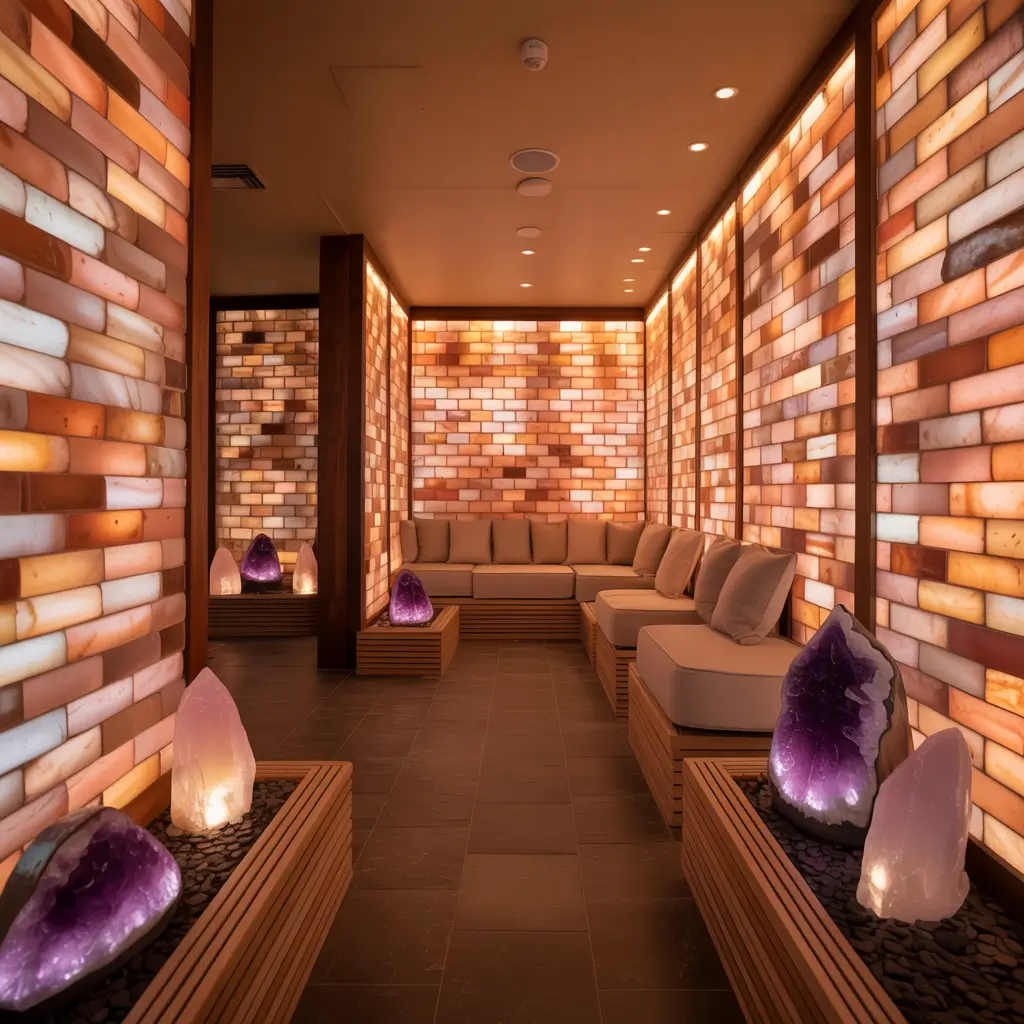
The Himalayan salt and crystal spa creates healing environments through therapeutic materials. This design combines aesthetic beauty with claimed health benefits from salt and crystal elements.
Salt walls provide both visual impact and purported health benefits. Himalayan pink salt blocks backlit with warm LEDs create stunning focal points while allegedly purifying air and providing trace minerals. Whether the science holds up, the aesthetic certainly works.
Crystal elements add luxury and energy work connections. Amethyst, quartz, and selenite appear as decorative elements, treatment tools, or architectural features. The wellness community embraces these materials, making them powerful design choices for targeted audiences.
Salt & Crystal Spa Elements
Building healing environments:
- Himalayan salt walls with backlighting
- Salt lamps throughout spaces
- Crystal display features as design accents
- Warm ambient lighting enhancing salt colors
- Natural wood complementing pink salt tones
- Meditation spaces incorporating crystal elements
Salt and crystal design attracts holistic wellness centers, alternative therapy spas, and new age oriented facilities IMO :/
Implementing Your Spa Design Vision
After exploring these ten spa interior design ideas, you’ve probably noticed that successful spa design always prioritizes the guest experience over pure aesthetics.
Every material, color, and fixture choice should serve relaxation and healing rather than just looking beautiful in photos.
Start with your target audience’s preferences and expectations. What does wellness mean to them? Luxury seekers want marble and gold. Nature lovers want wood and plants.
Eco-conscious clients want sustainable materials. Design for your specific guests, not generic “spa visitors.”
Sound often gets overlooked in spa design planning. Water features, acoustic treatments, and sound systems require as much attention as visual elements.
A beautiful spa with noise transmission between treatment rooms fails at its fundamental purpose.
Budget allocation requires strategic thinking. Invest heavily in areas guests touch and see closely – treatment room surfaces, seating upholstery, and fixture quality.
Background areas can use more economical solutions without compromising experience.
Lighting control systems deserve significant investment. Dimmable, adjustable, and programmable lighting allows spaces to shift from energizing morning atmospheres to calming evening experiences. Fixed lighting limits your spa’s versatility significantly.
Maintenance implications should influence material selection. Choose surfaces that remain beautiful with regular commercial cleaning – some gorgeous materials become nightmares to maintain in high-use spa environments.
The best spa interiors feel inevitable – like they couldn’t be any other way. This sense of rightness comes from design choices that consistently support the intended guest experience.
Every element reinforces the others, creating environments that genuinely nurture wellbeing rather than just performing relaxation aesthetics.
Your spa design tells visitors who you are before anyone speaks to them. Make sure that story matches the experience you want to deliver, the clients you want to attract, and the wellness philosophy you want to embody.
Because in the end, great spa interior design isn’t about trends or Instagram moments – it’s about creating spaces where healing actually happens 🙂