10 Unique Stairs Design Interior Ideas for Luxe Interiors
- Home Interior Design
 Ben
Ben- 0
- 32 minutes read
Let’s talk about the elephant in the room – or rather, the staircase everyone ignores. You spend thousands on your kitchen, obsess over living room layouts, but what about those stairs you climb twenty times a day?
After renovating three homes and nearly falling through rotted steps in my first house (true story), I’ve become slightly obsessed with staircase design.
Stairs aren’t just functional pathways between floors anymore. They’re architectural statements, storage solutions, and sometimes the most photographed spot in your home.
I’ve seen basic staircases completely transform spaces, and I’ve watched people spend fortunes on elaborate designs that look amazing but make you fear for your life every time you carry laundry upstairs.
These ten staircase designs represent what actually works in real homes, tested by real people who occasionally stumble up stairs while looking at their phones. Ready to give your stairs the attention they deserve?
1. Floating Wooden Stairs with Glass Railings
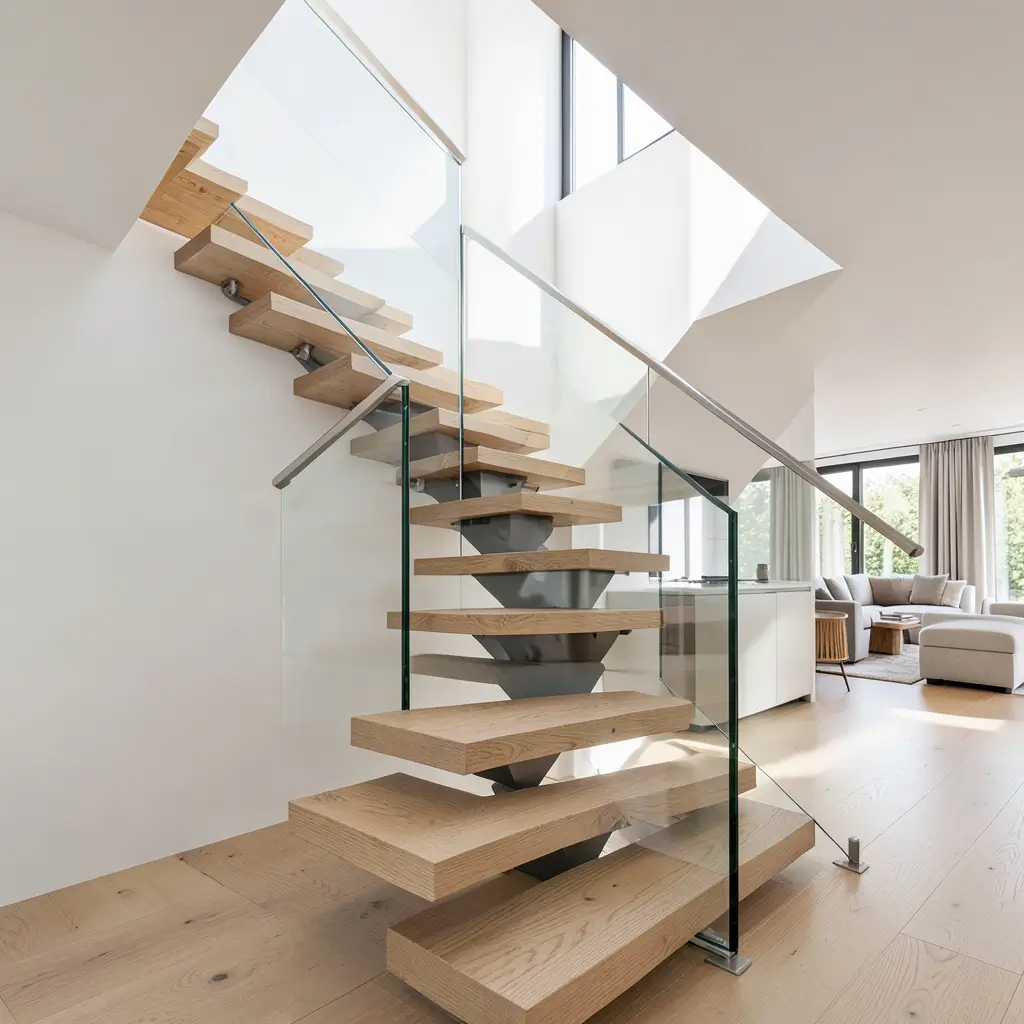
Floating stairs make people stop and stare – they look like architectural magic. The first time I saw properly executed floating wooden stairs, I literally walked around them three times trying to figure out how they worked. No visible support underneath, just thick wooden treads jutting out from the wall like they’re defying physics.
The glass railings take this concept to another level. You get safety without visual weight, which keeps the whole design feeling light and airy. My neighbor installed these last year, and their narrow hallway suddenly feels twice as wide. The combination of warm wood and transparent glass creates this perfect balance between cozy and contemporary.
But here’s what installers won’t tell you upfront – the wall needs serious reinforcement. We’re talking steel brackets anchored deep into structural supports, not just drywall. My contractor friend says half his floating stair callbacks involve clients who cheaped out on the mounting system. Don’t be those people.
Making Floating Stairs Work
Key considerations for floating success:
- Tread thickness – minimum 2 inches for solid wood, 3 for softer woods
- Wall structure – concrete or reinforced framing required
- Weight limits – calculate for maximum load, not average use
- Building codes – some areas restrict floating designs
- Maintenance access – you’ll need to tighten brackets eventually
The wood choice matters more than you’d think. Hardwoods like oak or walnut handle the stress better than pine or poplar. Yes, they cost more, but replacing a cracked floating tread isn’t exactly a weekend DIY project.
2. Spiral Metal Staircase with Minimalist Design
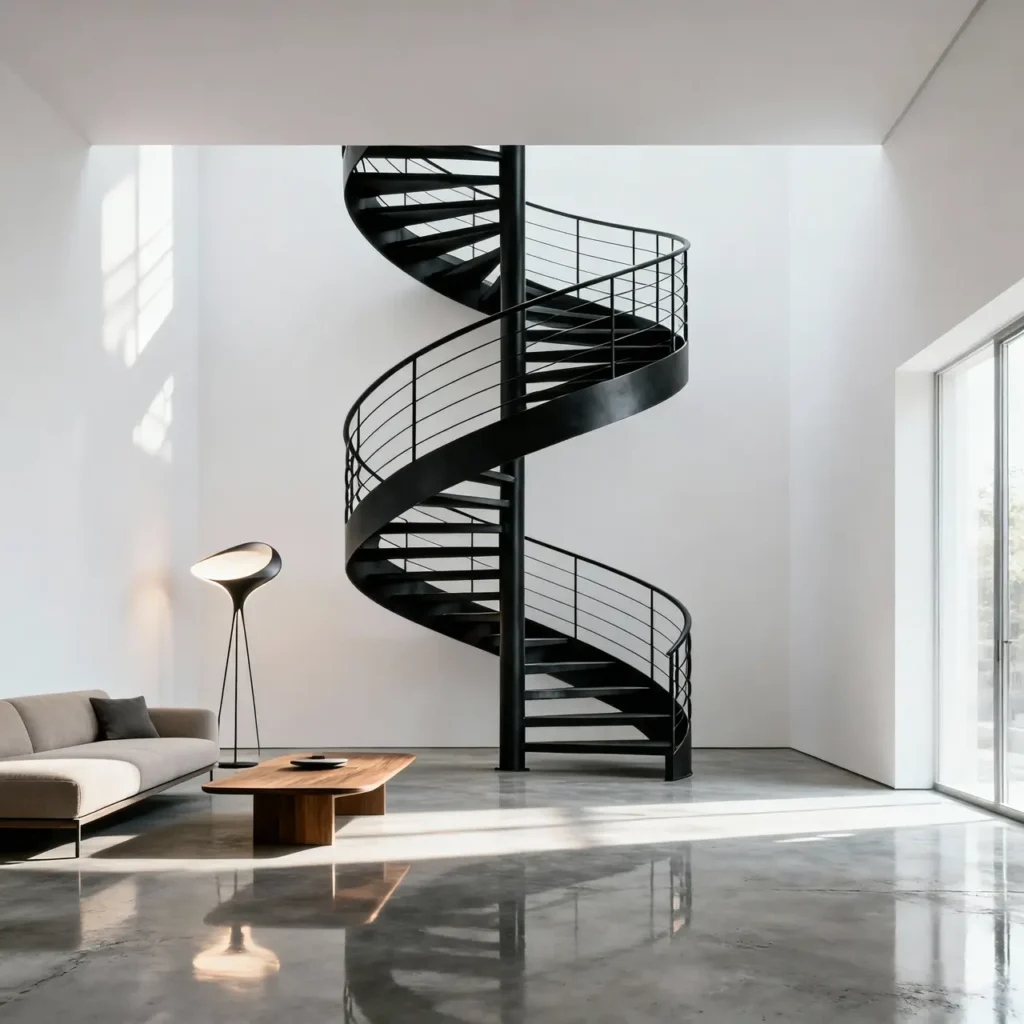
Spiral staircases solve problems that straight stairs can’t touch. They fit in impossibly small spaces while looking like modern art installations. I installed a minimalist metal spiral in my loft conversion, and it freed up 40 square feet of floor space compared to traditional stairs.
The minimalist approach means stripping away everything unnecessary. Clean lines, simple railings, monochrome finishes – nothing that doesn’t serve a purpose. My spiral uses powder-coated black steel with the thinnest treads that still meet code. From certain angles, it almost disappears into the room.
People worry about carrying furniture up spirals, and yeah, forget about king-size mattresses. But for secondary staircases or loft access? They’re perfect solutions that actually enhance the space instead of dominating it.
Spiral Staircase Realities
What to know before going spiral:
- Diameter matters – minimum 5 feet for comfortable use
- Tread depth varies from center to edge
- Direction of spiral affects traffic flow
- Center pole options – solid or open core designs
- Code compliance – not always allowed as primary stairs
The metal finish determines the entire vibe. Matte black feels industrial, brushed steel looks professional, and copper or brass add warmth. Just remember that shiny finishes show every fingerprint.
3. Storage-Integrated Staircase with Hidden Drawers
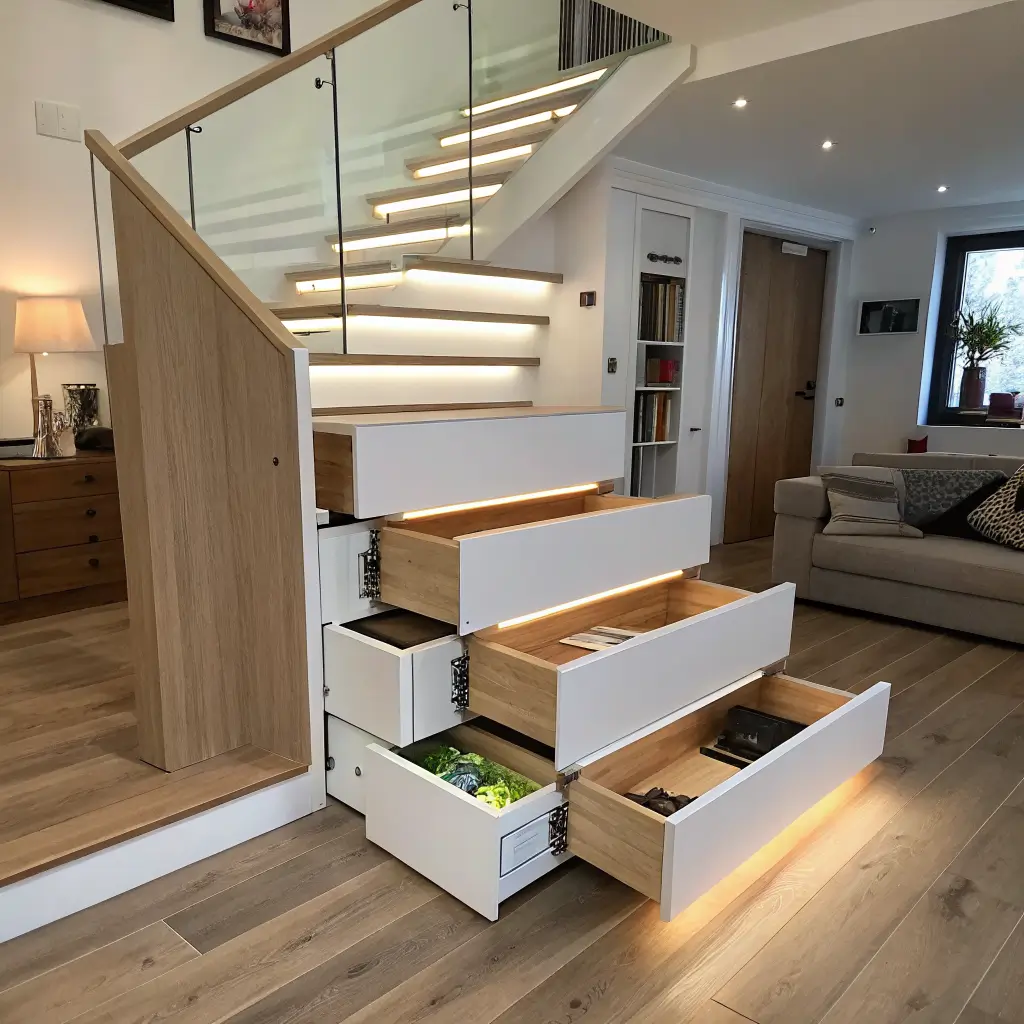
Every time I see wasted space under stairs, a small part of me dies. Storage-integrated staircases turn that void into organizational gold. We’re talking drawers in risers, cabinets under landings, even wine storage built into the structure.
I helped design a storage staircase for my sister’s tiny house, and we fit an entire closet’s worth of storage into those steps. Each riser pulls out as a drawer – shoes in the bottom steps, seasonal items higher up. The kids’ sports equipment finally has a home that isn’t the garage floor.
The engineering gets tricky with drawer stairs. Weight distribution changes as drawers fill, so the structure needs overbuilding. But when you’re gaining 50+ cubic feet of storage in a small home? Totally worth the extra planning.
Maximizing Stair Storage
Storage options that actually work:
- Pull-out drawers in risers for shoes and small items
- Side cabinets along the stringer for larger storage
- Under-stair closets with custom organization
- Book nooks carved into landings
- Pet beds in the triangle space underneath
Alos Read:12 Stylish TV Unit Interior Design Ideas for Minimalist Rooms
4. Modern Black Steel and Wood Combination Stairs
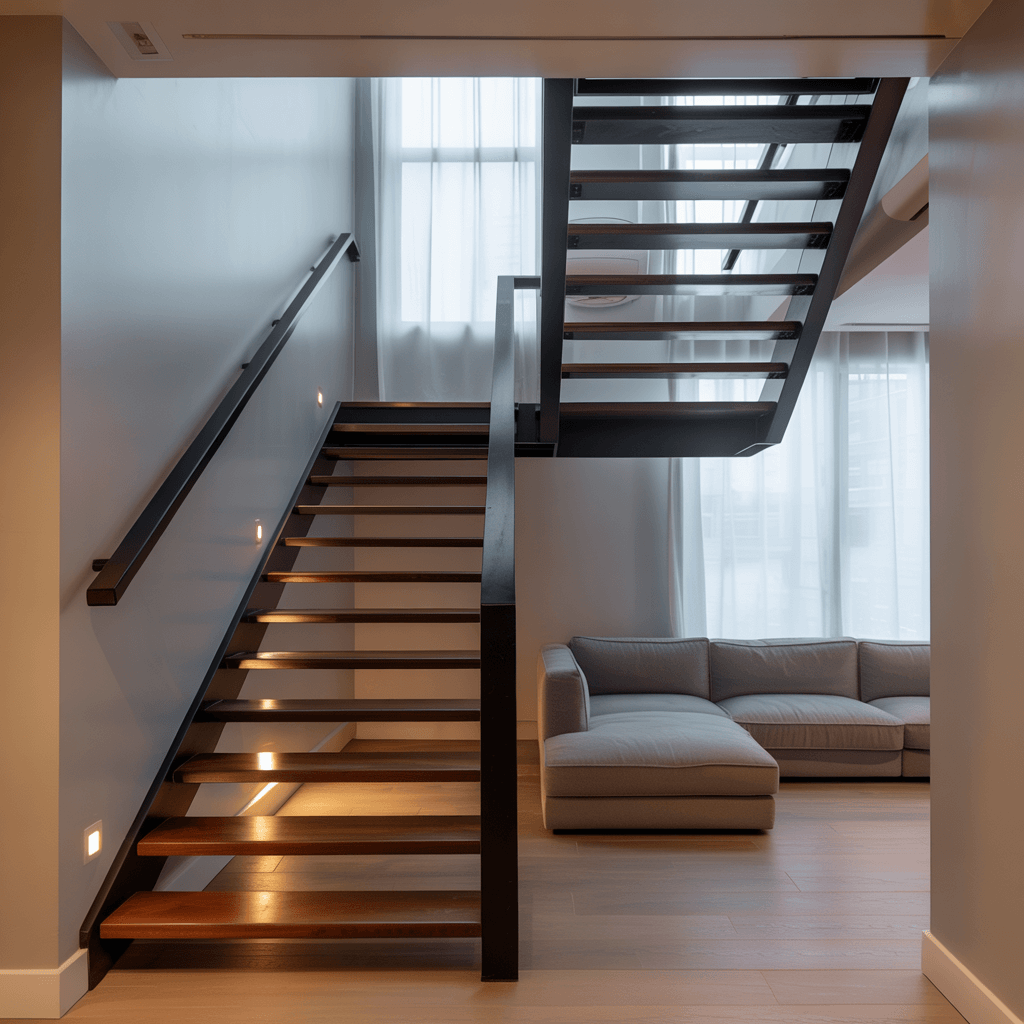
Black steel and wood create contrast that never gets old. The industrial strength of steel paired with wood’s natural warmth hits that sweet spot between edgy and inviting. My office building renovated with this combo, and suddenly the stairwell became the spot for impromptu meetings.
The beauty lies in the flexibility. Thick wooden treads with thin steel stringers look architectural. Black steel railings with wood handrails feel sophisticated but touchable. You can lean industrial or warm up the design just by adjusting the wood-to-steel ratio.
Maintenance stays surprisingly simple. Steel needs occasional touch-ups, wood needs refinishing every few years, but neither demands constant attention. Unlike all-wood stairs that creak and shift, the steel frame keeps everything stable and silent.
Balancing Steel and Wood
Design decisions that matter:
- Steel gauge – thicker isn’t always better looking
- Wood finish – natural, stained, or painted changes everything
- Connection details – visible bolts or hidden fasteners
- Railing style – horizontal cables vs. vertical balusters
- Handrail comfort – wood feels better in winter
FYI, powder coating beats paint for steel components every time. It’s tougher, looks better longer, and won’t chip when you inevitably bang something against it.
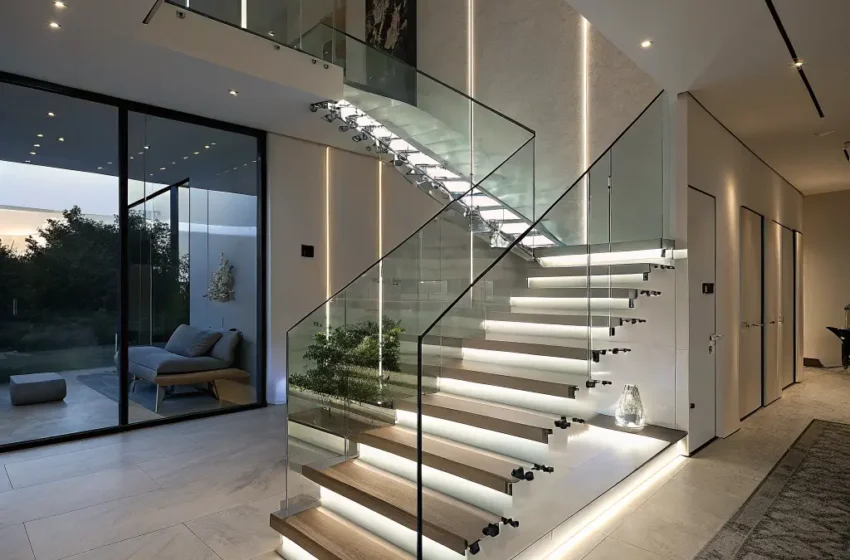
5. Illuminated LED Strip Floating Stairs
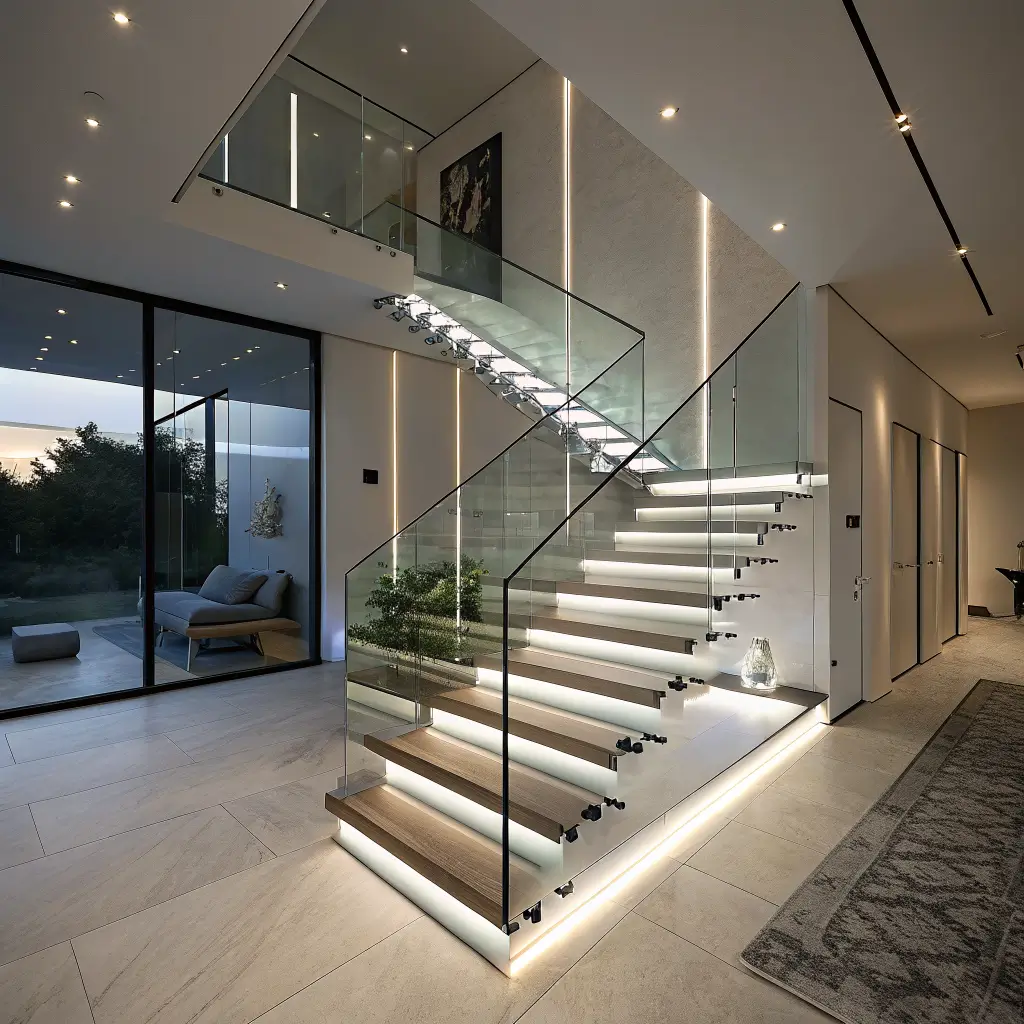
LED strips transformed staircase lighting from afterthought to centerpiece. Those floating stairs I mentioned earlier? Add LED strips underneath each tread, and they transform into something from a sci-fi movie – in the best way possible.
I installed color-changing LEDs under my stairs last winter, mostly as a joke. Now I can’t imagine them without it. Warm white for everyday use, cool blue when I’m feeling modern, soft amber for evening ambiance. The kids love the color options, though we’ve banned strobe effects after one too many impromptu dance parties.
The practical benefits surprised me most. No more fumbling for light switches at night – motion sensors trigger soft lighting automatically. Elderly parents feel safer navigating stairs. Even carrying laundry becomes less treacherous when every step glows softly.
LED Installation Tips
Getting the lighting right:
- Diffusion channels prevent harsh light spots
- Warm white (3000K) for residential comfort
- Dimmers are non-negotiable
- Hidden transformers keep things clean
- Smart controls for scheduling and scenes
6. Curved Marble Staircase with Elegant Handrail
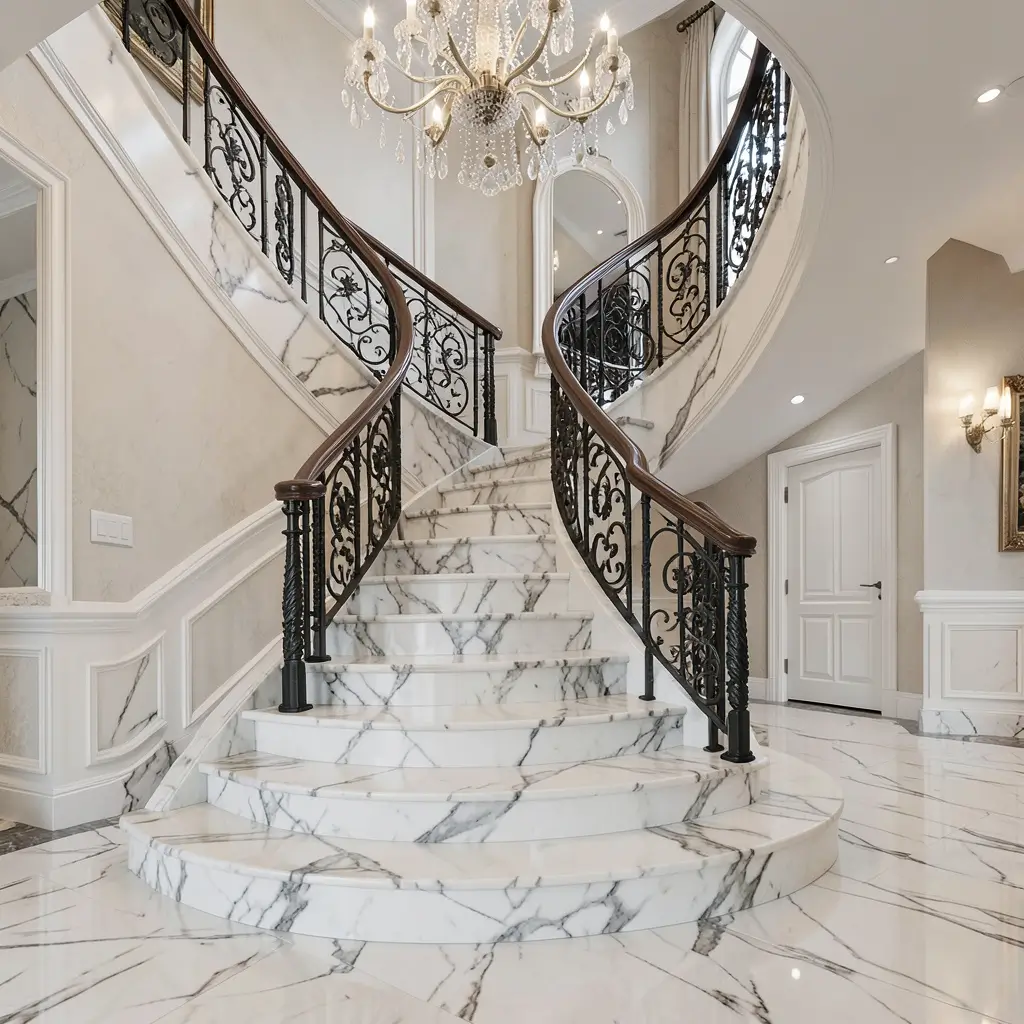
Curved marble staircases scream luxury louder than a reality TV mansion. Every curve, every vein in the marble, every polished surface announces that this isn’t just a way upstairs – it’s an experience.
My friend inherited a house with original 1920s curved marble stairs, and maintaining them taught us both patience. Marble shows everything – every scuff, every water mark, every dropped object leaves its mark. But when sunlight hits those curves in the morning? Pure architectural poetry.
The handrail makes or breaks curved stairs. It needs to flow with the curve seamlessly while providing actual support. Wrought iron works beautifully, as does polished wood that matches the marble’s warm tones. Just avoid anything that looks tacked on as an afterthought.
Living with Marble Stairs
Reality checks for marble:
- Slippery when wet – seriously, be careful
- Expensive repairs – chips and cracks need professionals
- Regular sealing – protects against stains
- Temperature sensitive – cold in winter, cool in summer
- Sound amplification – every footstep echoes
Also Read: 10 Elegant Interior Design Bedroom Ideas for Dreamy Rooms
7. Rustic Reclaimed Wood Open-Riser Stairs
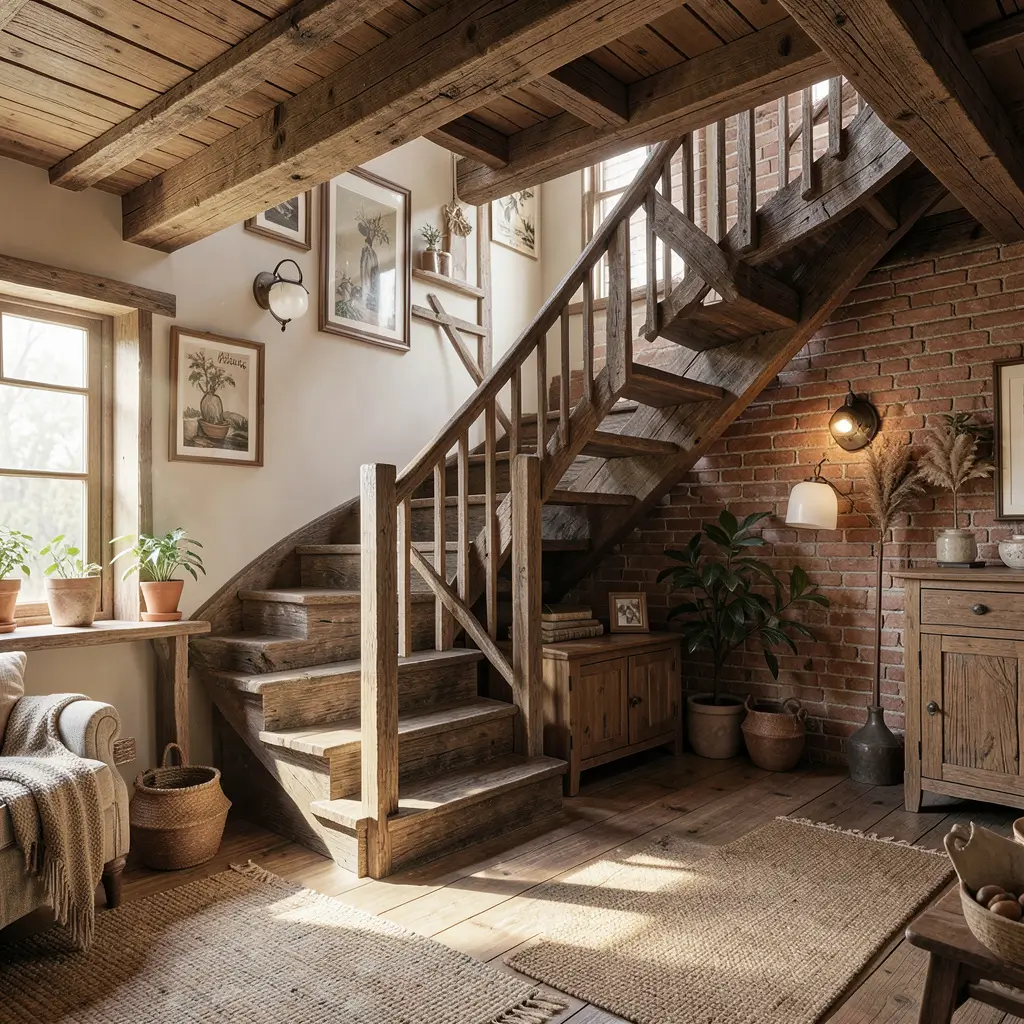
Open-riser stairs using reclaimed wood bring character that new materials can’t fake. Each board tells a story – maybe barn siding from the 1800s, old growth pine from demolished buildings, or weathered dock planks. My current stairs use wood from an old whiskey distillery, and yes, I tell everyone about it.
The open risers keep sight lines clear, making spaces feel larger. Light passes through, rooms connect visually, and that heavy staircase feeling disappears. Plus, you can actually vacuum the stairs without wanting to throw your vacuum down them in frustration.
But let’s address the elephant – or rather, the things that fall through open risers. Keys, phones, pet toys – they all take the express route to the floor below. Worth it for the aesthetic? Absolutely. Just maybe keep a basket at the bottom :/
Sourcing Reclaimed Wood
Finding the good stuff:
- Architectural salvage yards – best selection, higher prices
- Demolition sites – requires connections and timing
- Old barns – check Craigslist, ask farmers
- Specialty dealers – authenticated sources with history
- Marine salvage – weathered dock and boat wood
8. Industrial Pipe and Wood Loft-Style Stairs
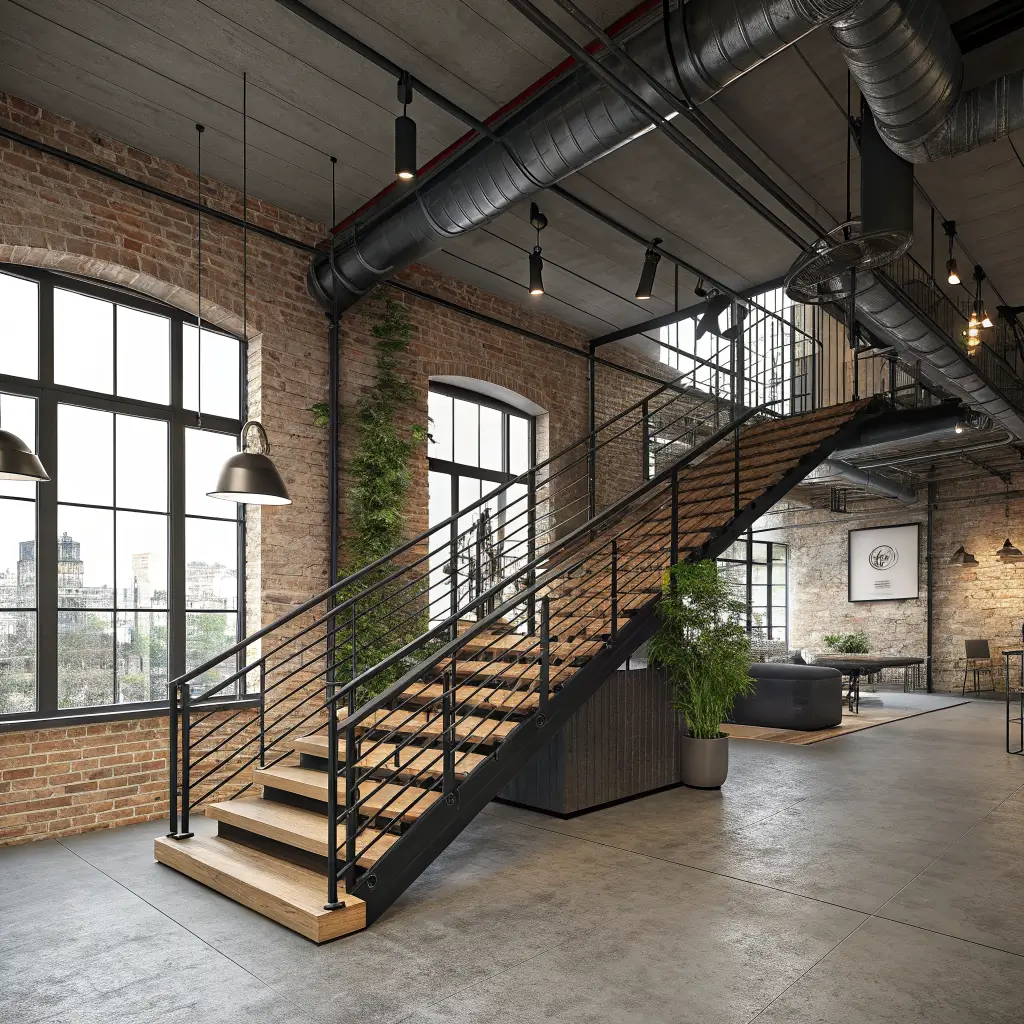
Industrial pipe stairs look like they belong in a converted warehouse, which is exactly why I love them in regular homes. Black iron pipes and weathered wood create this raw aesthetic that feels both unfinished and completely intentional.
Building these yourself saves thousands. I spent a weekend and about $400 creating pipe stairs for my basement that would’ve cost $3,000 installed. Home improvement stores cut and thread pipes to your measurements. Assembly feels like playing with adult Tinker Toys.
The industrial look works because it’s honest. No hidden structure, no mystery about how it works – you see every pipe, every connection, every bolt. This transparency makes even heavy designs feel lighter than traditional closed staircases.
DIY Pipe Stair Guidelines
Building your own:
- Schedule 40 pipe minimum for structure
- Threaded connections allow adjustments
- Floor flanges distribute weight properly
- Multiple support points prevent wobbling
- Code compliance – check railing heights and spacing
9. Compact Space-Saving Corner Staircase
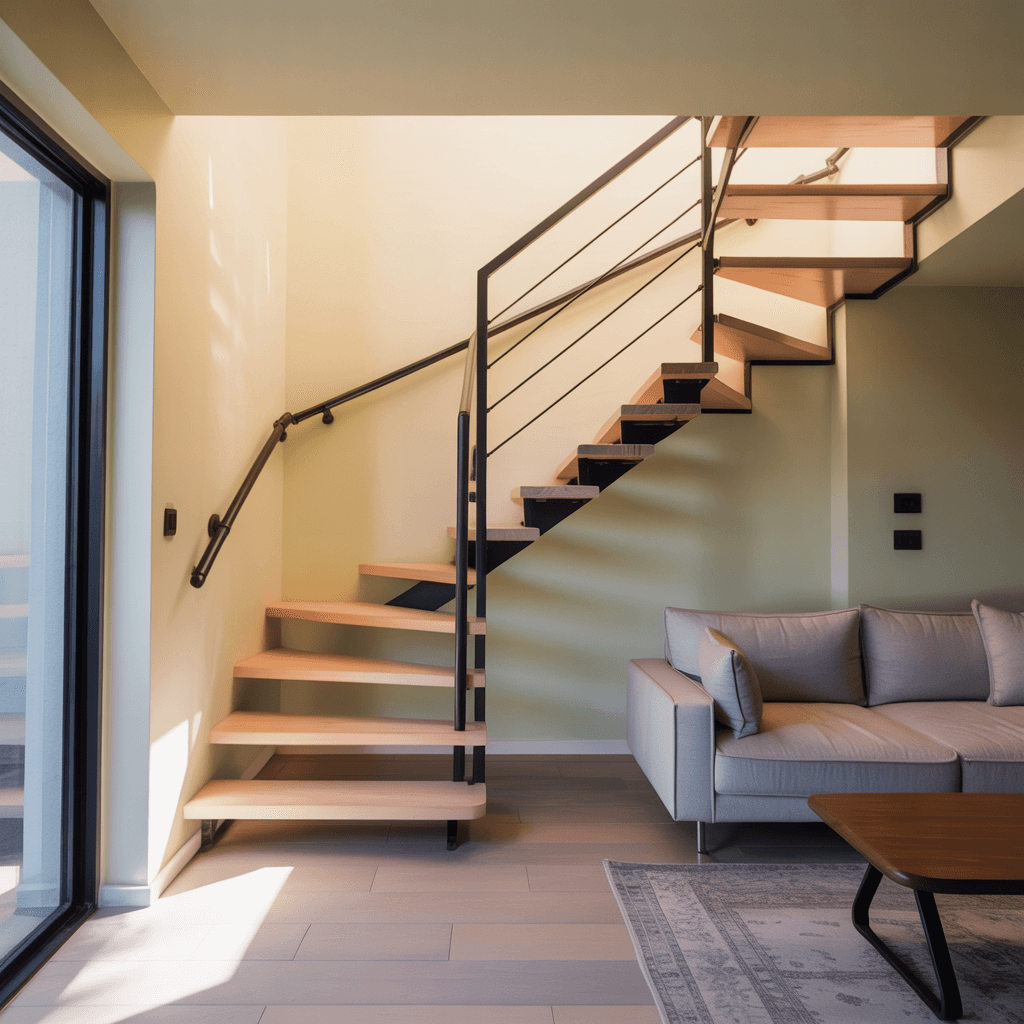
Corner staircases maximize every inch in small homes. They tuck into corners that usually collect dust bunnies, turning dead space into functional architecture. My tiny city apartment had one, and it made the difference between livable and cramped.
The design possibilities surprise people. Alternating tread stairs (those paddle-shaped steps) work in impossibly tight spaces. Spiral corners combine the space-saving of spirals with the stability of straight runs. Even simple L-shaped designs with built-in storage transform awkward corners.
The key challenge? Making them feel intentional, not forced. Good corner stairs look like design choices, not compromises. This usually means spending more on materials and details since the unusual shape draws attention.
Corner Stair Solutions
Options for tight spaces:
- Ship’s ladders – steep but stable
- Alternating treads – half the run, full access
- Winders – pie-shaped treads at turns
- Compact spirals – 4-foot diameter minimum
- Fold-down stairs – for rarely used spaces
Alos Read: 12 Bold Industrial Interior Design Ideas for Unique Spaces
10. Greenery-Accented Indoor Garden Stairwell
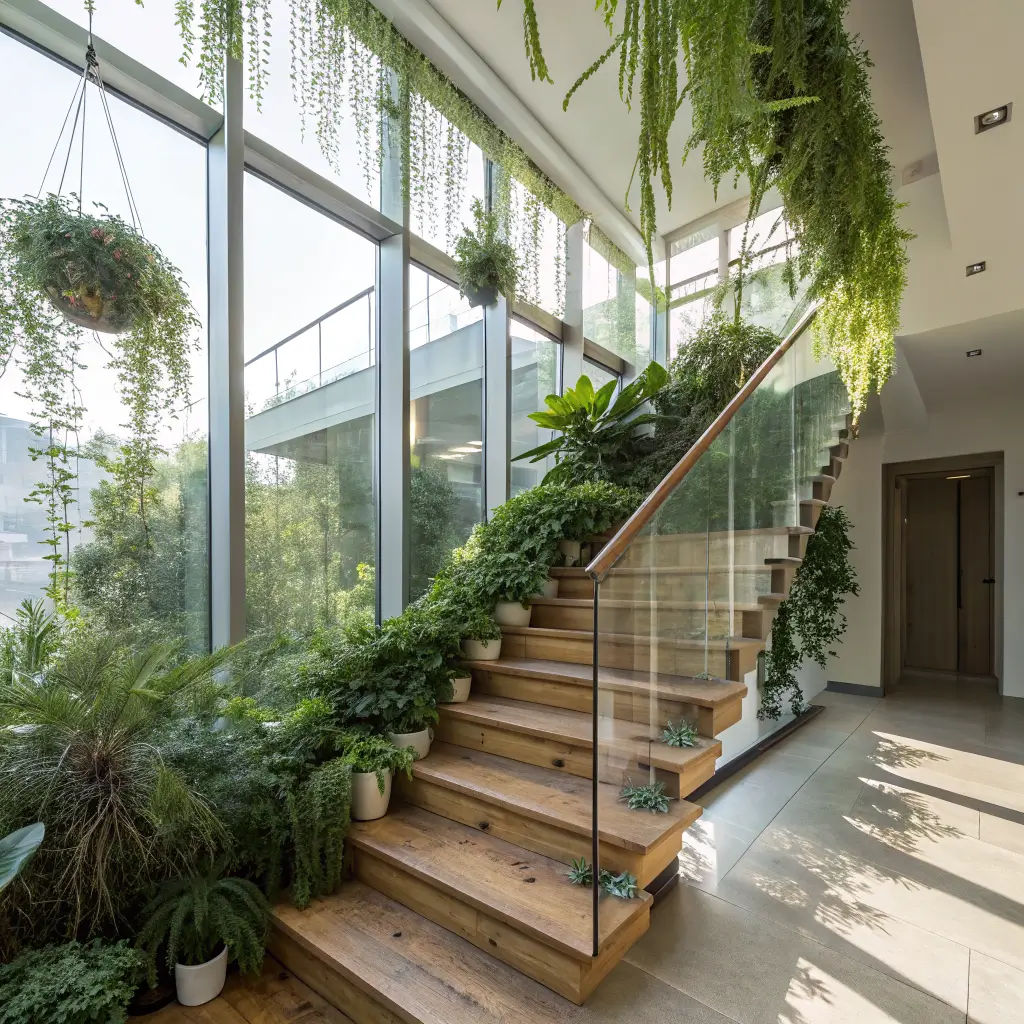
Plants and stairs together create living architecture that changes with seasons. I transformed my boring stairwell into a vertical garden, and now climbing stairs feels like walking through a conservatory.
The trick is choosing plants that thrive in your stairwell’s specific conditions. Pothos cascades beautifully from upper landings. Snake plants handle low light near the bottom. Hanging planters at different heights create layers of green that make the whole space feel alive.
Built-in planters take this concept further. Treads that extend to hold plants, integrated irrigation systems, grow lights hidden under handrails – suddenly your stairs become a functioning ecosystem. Just remember that plants plus stairs equals occasional leaf cleanup. Small price for breathing better air though IMO 🙂
Creating Stairwell Gardens
Green stair success factors:
- Light assessment – natural vs. artificial needs
- Watering access – can you reach everything safely?
- Plant selection – match to light and humidity
- Support systems – trellises, hooks, shelving
- Maintenance paths – pruning from stairs gets dangerous
Bringing Your Stair Vision to Life
Here’s what I’ve learned from years of stair obsession: the best staircase interoir design solves your specific problems while adding beauty.
Maybe you need storage, maybe you want drama, maybe you just need something that doesn’t terrify guests.
Start by honestly assessing how you use your stairs. High traffic? Prioritize durability. Instagram backdrop? Focus on aesthetics. Kids or elderly users? Safety first. Your stairs should enhance your life, not complicate it.
Remember that stairs affect your home’s value more than most features. A stunning staircase sells houses. A sketchy one sends buyers running.
Invest in quality where it counts – structure and safety – then add personality through materials and details.
The perfect staircase transforms daily climbing into something approaching joy. Or at least makes it less annoying. Pick an idea that speaks to you, find a contractor who gets your vision (or grab those DIY tools), and give your stairs the glow-up they deserve.
Just maybe practice on something less critical first – stairs aren’t the place to learn carpentry basics. Trust me on that one.