12 Cute Study Room Aesthetic Ideas for Cozy Corners
- Bedroom Design
 Ben
Ben- 0
- 47 minutes read
Your desk probably looks like a crime scene right now. I know that feeling because I spent three years trying to finish my degree at a kitchen table covered in cereal crumbs and junk mail.
My brain felt as cluttered as the surface I worked on. Once I finally leaned into these study room aesthetic ideas, my focus shifted instantly.
Creating a space that actually makes you want to sit down and work represents a total life hack. You don’t need a massive budget or a professional designer to make your workspace look like a Pinterest board.
You just need a few intentional shifts and a bit of personality. Let’s look at 12 study room aesthetic ideas that turn a boring office into a high-performance sanctuary.
1. Cozy Minimalist Study Room Aesthetic
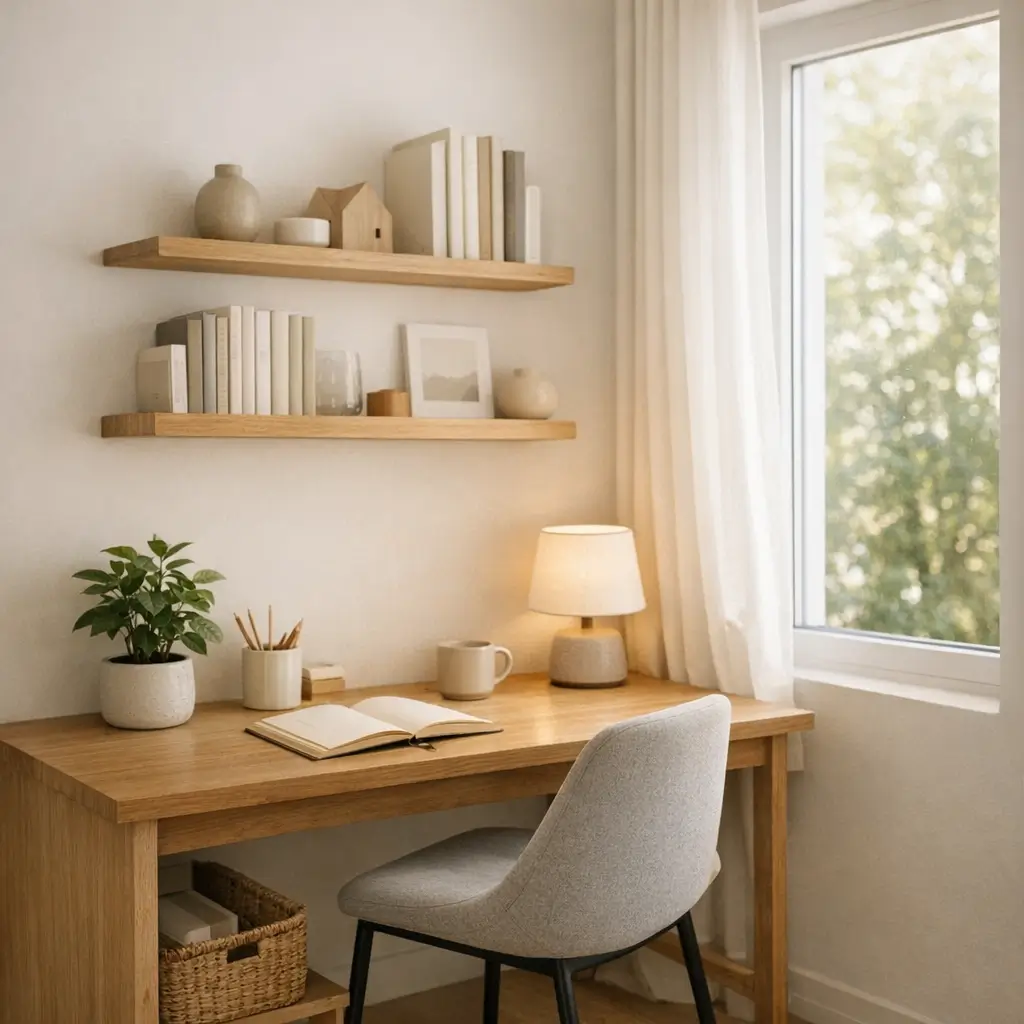
Minimalism often gets a bad rap for feeling cold or sterile. I disagree entirely. A cozy minimalist study uses clean lines and open space to reduce mental clutter while adding warm textures to keep you comfortable. It feels like a deep breath for your brain.
Mastering the Neutral Palette
I recommend sticking to a base of warm whites, soft beiges, and light grays. These colors reflect natural light, which keeps your energy levels high during long study sessions. I painted my walls a soft cream last year, and the room suddenly felt three times larger. Neutral tones prevent visual overstimulation, allowing you to focus on your textbooks or laptop.
Essential Minimalist Elements
- A sleek, legless desk or a simple wooden tabletop.
- One high-quality task lamp with a warm bulb.
- A single piece of framed art to anchor the wall.
- A neutral-toned rug to dampen sound.
- A small tray to corral pens and loose papers.
Ever wondered why this works so well? When your eyes find fewer distractions, your brain enters the “flow state” much faster. Cozy minimalism removes the noise and leaves only the essentials. I personally love this look because it makes cleaning up at the end of the day take about thirty seconds.
2. Boho Chic Study Nook Ideas
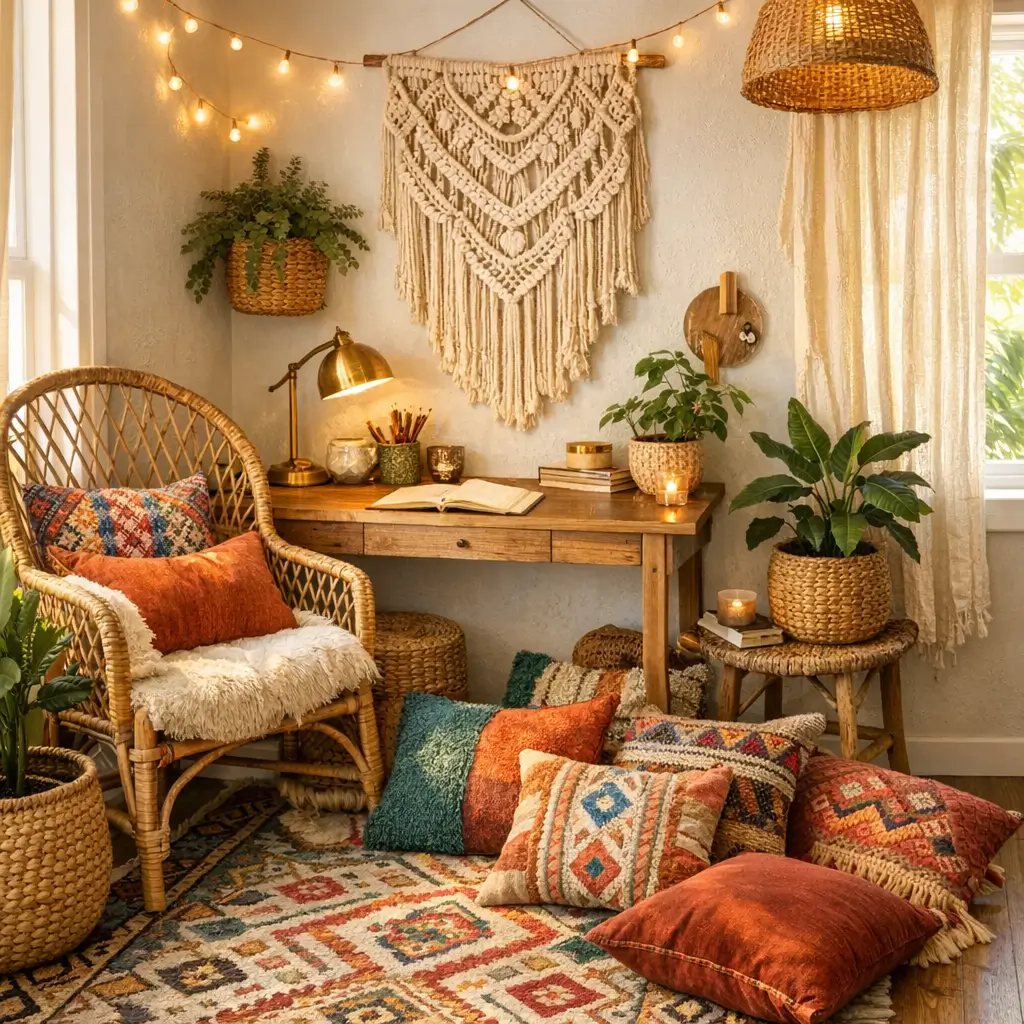
If you find minimalism a bit boring, you might crave the warmth of the Boho Chic aesthetic. This style celebrates life, color, and texture. I find that the “organized chaos” of a Boho nook actually sparks my creativity when I feel stuck on a project.
Incorporating Natural Textures
Boho design relies heavily on organic materials. I suggest adding a rattan chair or a woven jute rug to your space. These materials bring an outdoor vibe inside, which lowers stress levels. I once added a macrame wall hanging above my desk, and it instantly made the room feel like a cozy cafe instead of a corporate cubicle.
The “Plant Parent” Component
You literally cannot have too many plants in a Boho study. Greenery improves air quality and provides a natural “visual rest” for your eyes when you look away from the screen.
- Hanging Pothos: Let the vines trail down from a high shelf.
- Snake Plant: This one is basically impossible to kill.
- Monstera: A statement plant that adds a tropical feel.
- Succulents: Perfect for small desk surfaces.
IMO, the Boho aesthetic works best for people who enjoy a “lived-in” feel. It’s the perfect style for artists, writers, and anyone who wants their study room to feel like a warm hug. 🙂
3. Modern Monochrome Study Room Inspiration
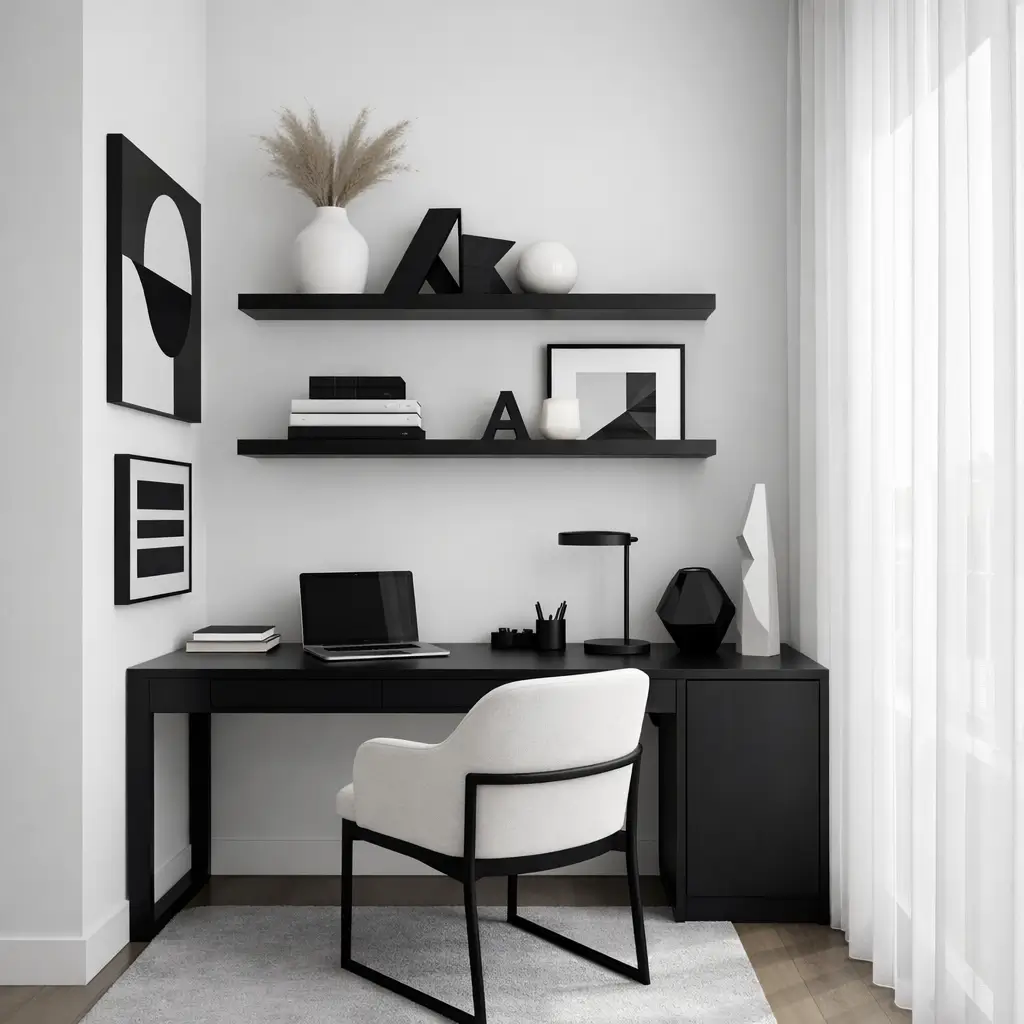
For the high-powered professional or the student with a “no-nonsense” attitude, modern monochrome delivers a sharp, sophisticated vibe. This look focuses on a single color family—usually black, white, and various shades of gray. It looks incredibly expensive, even if you bought everything at a discount store.
Creating High Contrast
I love the look of a matte black desk against a crisp white wall. This contrast creates a sharp visual boundary that tells your brain, “It’s time to work.” I used this aesthetic in my home office for a year, and I felt much more authoritative during Zoom calls. Monochrome layouts remove the distraction of color, keeping your mind focused on logic and data.
Metallic Accents
To keep a monochrome room from looking flat, you must add metallic touches.
- Silver or Chrome: Provides a cool, futuristic feel.
- Brushed Brass: Adds a touch of warmth and luxury.
- Matte Black Metal: Maintains a seamless, industrial look.
Rhetorical question: Why settle for a boring office when you can work in a space that feels like a tech mogul’s headquarters? I recommend adding a leather desk mat to protect your surface and add a layer of texture. Modern monochrome projects confidence and helps you take your goals more seriously.
Also Read: 10 Creative Small Study Room Ideas for Compact Homes
4. Small Space Study Room Aesthetic
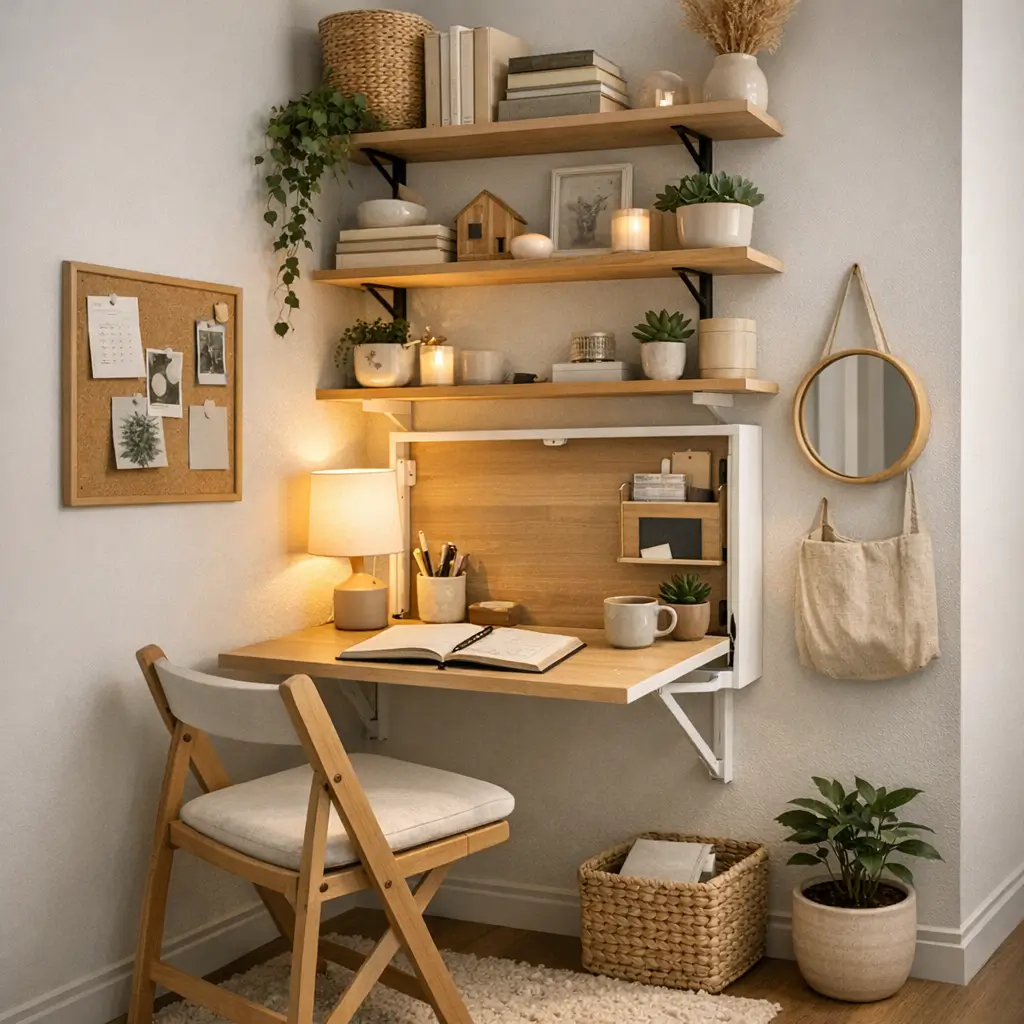
Not everyone has a spare bedroom to convert into a library. Most of us are fighting for every square inch. A small space study aesthetic requires you to think vertically and use furniture that tricks the eye. I lived in a 500-square-foot apartment for two years, and I built a study nook in a literal closet.
The Magic of Floating Furniture
When floor space disappears, look at your walls. I recommend a wall-mounted floating desk. By keeping the floor visible under the desk, the room feels much more open. I installed a floating shelf system above my desk to hold my printer and books, which freed up my entire workspace. Vertical storage saves your sanity when you live in a tiny home.
Using Mirrors to Expand the Room
Mirrors aren’t just for checking your outfit. A large mirror reflects light and creates the illusion of depth.
- Place a mirror opposite a window to double the natural light.
- Lean a floor-length mirror in a corner to make the walls feel wider.
- Use mirrored desk accessories for a touch of glam that doesn’t feel heavy.
FYI, small spaces actually help some people focus better because there’s nowhere else to go. Use a “ghost chair” (clear acrylic) to keep the visual weight of the furniture low. Strategic small-space design turns a cramped corner into a cockpit of productivity.
5. Nature-Inspired Study Room Decor
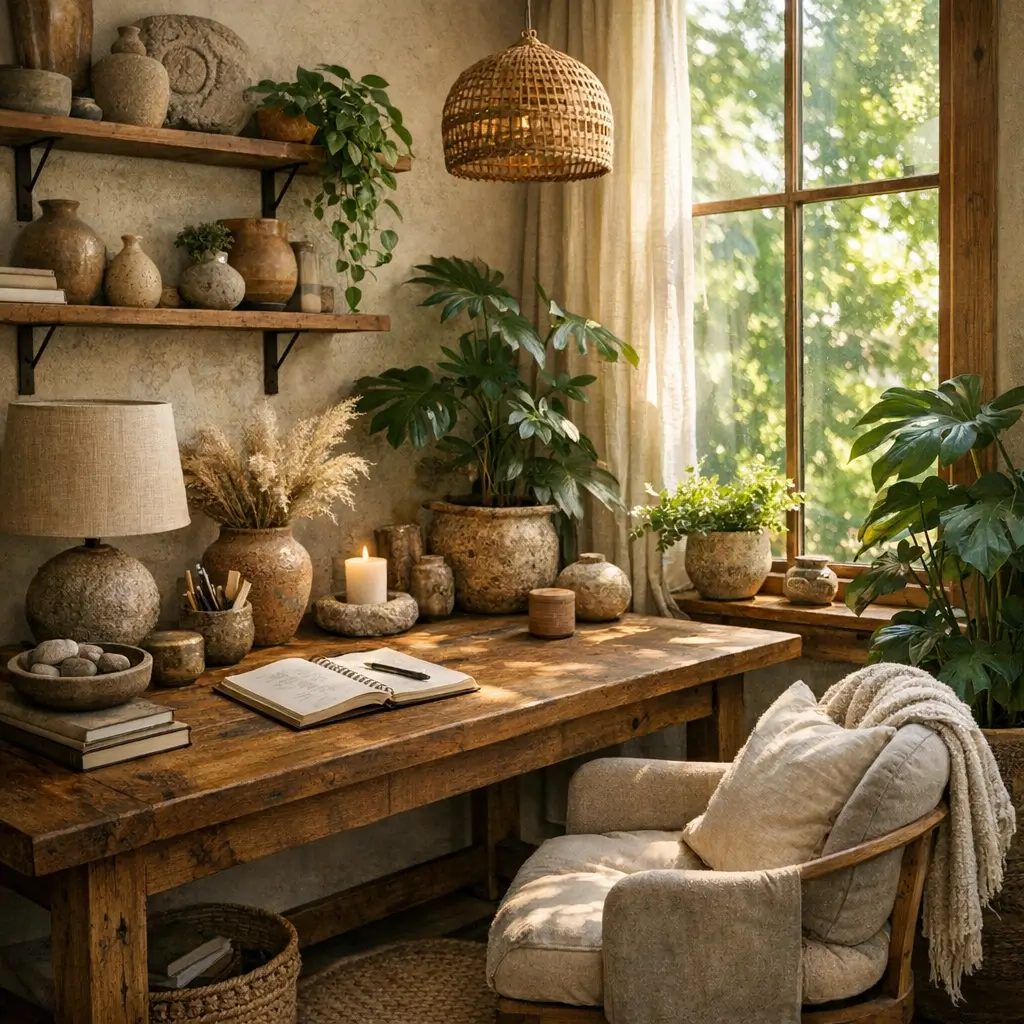
“Biophilic design” sounds fancy, but it just means bringing nature into your workspace. A nature-inspired study room uses earth tones, raw wood, and plenty of greenery to create a calming environment. I find that I can work much longer without a headache when I’m surrounded by natural elements.
The Earthy Color Palette
I suggest using colors like sage green, terracotta, and deep forest green. These shades ground the space and reduce anxiety. I recently painted one accent wall a deep olive green, and it became my favorite part of the house. Natural colors soothe the nervous system, making them perfect for high-stress jobs or intense exam seasons.
Materials That Ground You
- Raw Wood Desks: The visible grain adds a tactile, earthy feel.
- Stone Coasters: Use slate or marble to add a touch of the outdoors.
- Linen Curtains: This fabric allows light to filter through softly.
- Terracotta Pots: These add a warm, rustic touch to your plant collection.
Does your current office feel like a plastic box? Swap out your plastic organizers for wooden or wicker baskets. Nature-inspired decor connects you to the outside world, even when you’re stuck inside answering emails. I find that this aesthetic works particularly well in rooms with large windows.
6. Pastel Color Study Room Vibes
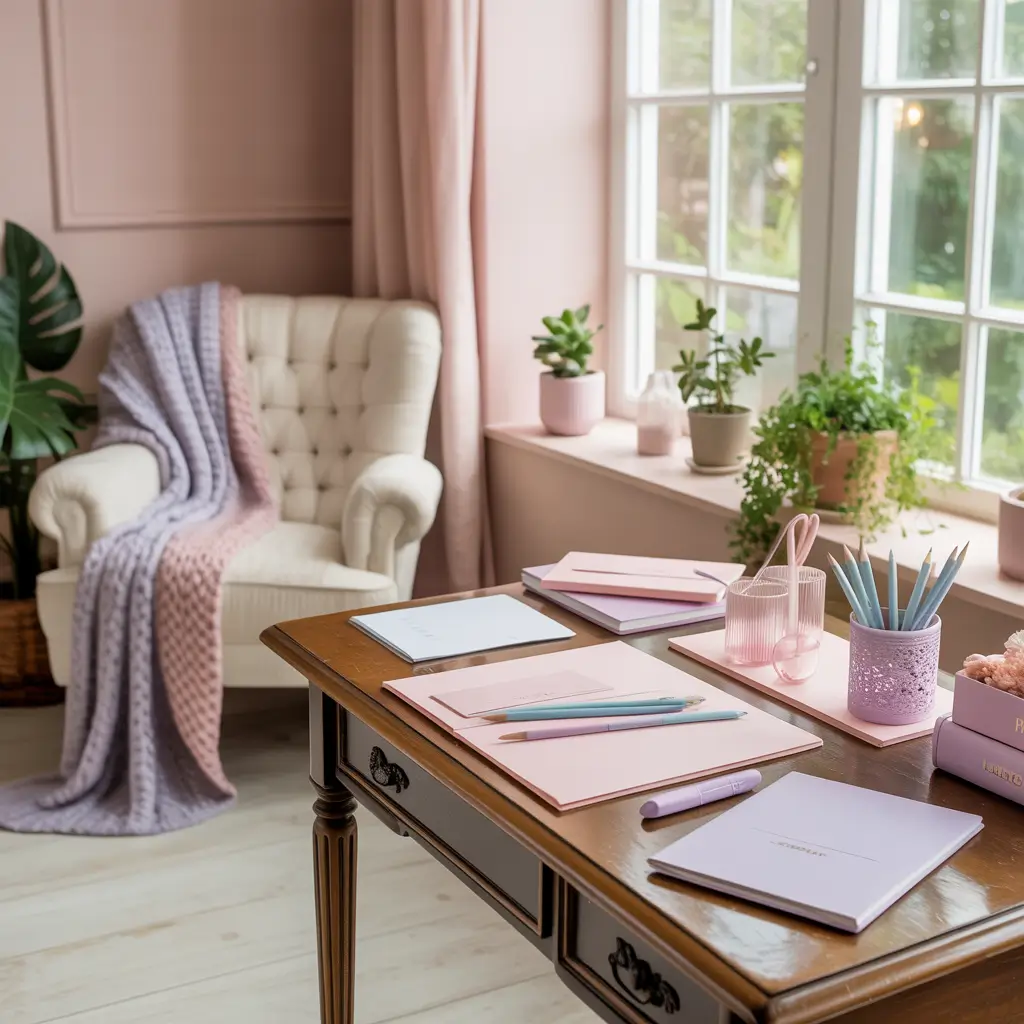
If you want a workspace that feels light, airy, and cheerful, pastel colors are the way to go. This aesthetic is incredibly popular for “studygram” creators because it looks soft and inviting on camera. It’s a great choice if your study room doesn’t get a lot of natural light.
Choosing Your Mood-Boosting Shades
I recommend picking one or two primary pastels to avoid a “clown house” look. Mint green helps reduce eye strain, while soft lavender promotes a sense of calm. I personally love a pale sky blue for a study room because it mimics a clear day. Pastel hues brighten a dark room without the harshness of neon colors.
Accessorizing with Soft Tones
- Pastel stationery: Colored folders and notebooks make organization fun.
- White furniture: This provides a clean canvas for your colors to pop.
- Colorful desk lamps: A pink or yellow lamp adds a playful focal point.
- Faux fur throws: Adds texture and comfort in a light shade.
IMO, the pastel aesthetic makes the act of studying feel less like a chore. It turns your desk into a “happy place.” Just make sure you include a few neutral elements, like a white rug or a light wood floor, to balance the sweetness. Pastels create a dreamy atmosphere that encourages creative thinking.
Also Read: 12 Beautiful Study Room Design Ideas and Bright Nooks
7. Rustic Wooden Study Room Ideas
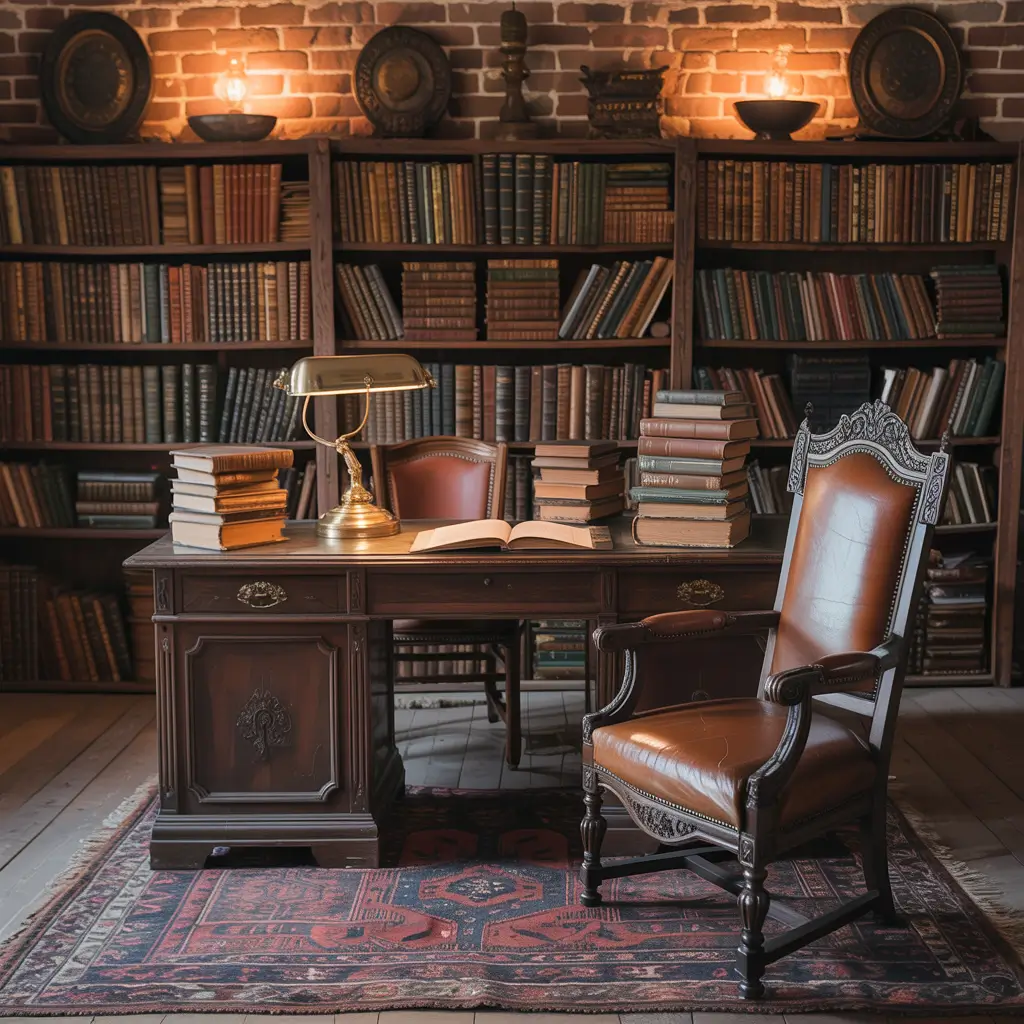
For those who crave the feeling of a cozy cabin or an old-world library, rustic wooden decor hits the spot. This style emphasizes durability, history, and warmth. I once helped my uncle refinish an old farmhouse table to use as a desk, and the character of that piece changed the whole room.
Highlighting the Wood Grain
In a rustic study, the desk acts as the hero of the room. I suggest a solid oak or walnut desk with a visible grain. Don’t worry about a few scratches or dings; they only add to the story. Reclaimed wood adds a sense of history that factory-made furniture simply lacks.
Rustic Decor Must-Haves
- A leather executive chair: It looks better with age and provides great support.
- Antique brass hardware: Use this on drawers or as bookends.
- A vintage globe: Adds a classic, scholarly touch.
- Woven wool blankets: Perfect for chilly mornings in your “writer’s cabin.”
- Exposed shelving: Use thick wooden planks held by iron brackets.
I love this look because it feels permanent and sturdy. Rustic design grounds your workspace, making it feel like a place where important work happens. Pair the wood with a deep navy or dark green rug for a truly sophisticated look.
8. Sleek Scandinavian Study Room Design
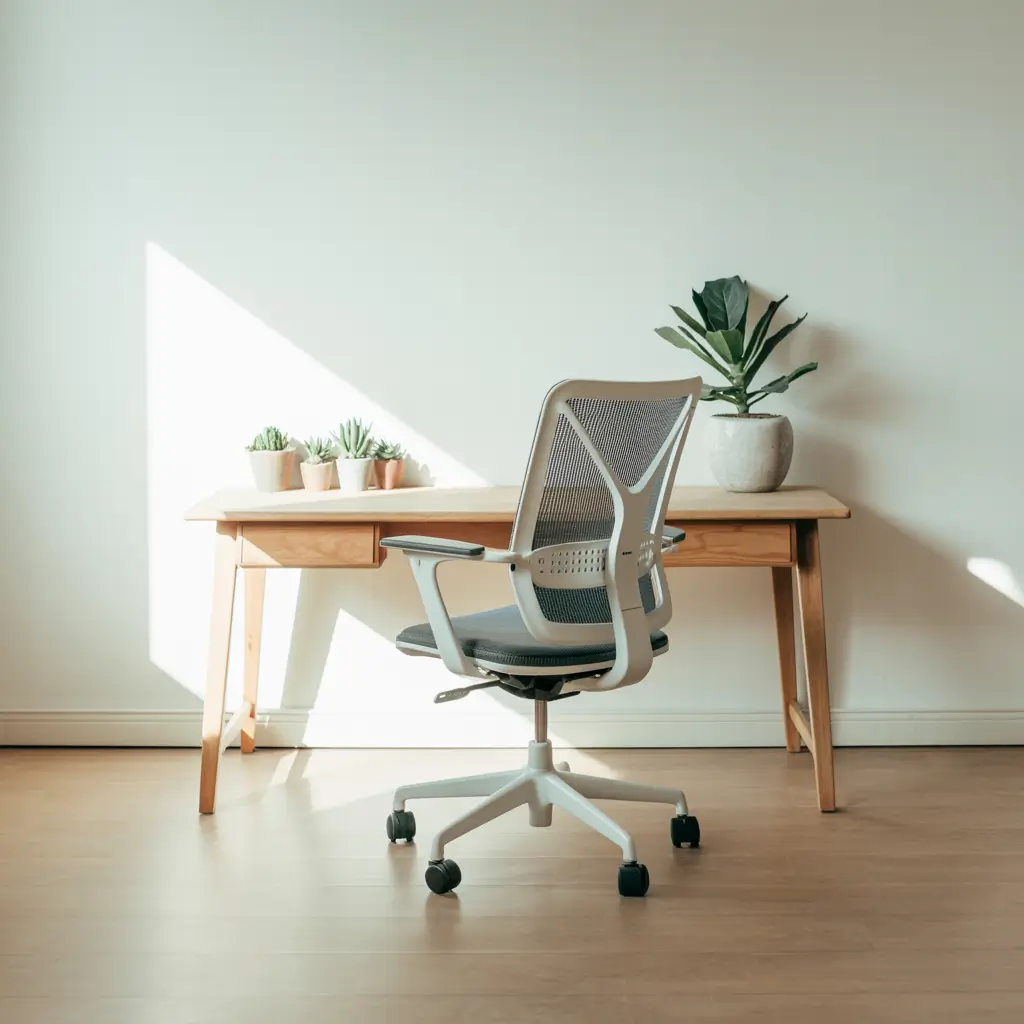
Scandinavian design, or “Scandi,” focuses on functionality, minimalism, and light. It’s very similar to the minimalist style but with a focus on “hygge”—the Danish concept of cozy contentment. I love Scandi design for study rooms because it prioritizes the user’s comfort above all else.
The “White and Wood” Rule
The Scandi look almost always involves a white desk with light-colored wooden legs. This combination feels fresh and modern. I use a white desk in my current study, and I find that it makes the whole room feel much cleaner. Scandi design maximizes available light, which is essential during gray winter months.
Smart Storage Solutions
Scandi aesthetics hate clutter, so you need hidden storage.
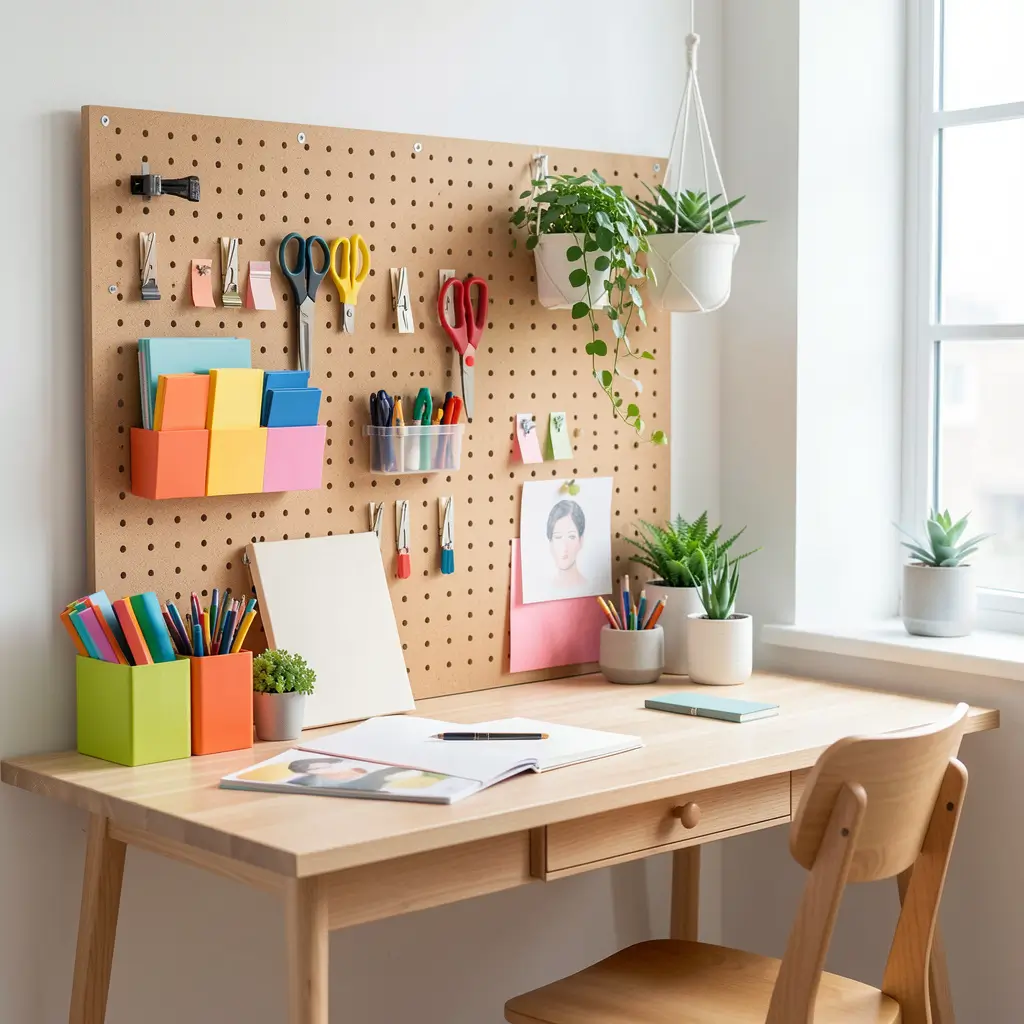
- Modular drawers: Keep your supplies out of sight but within reach.
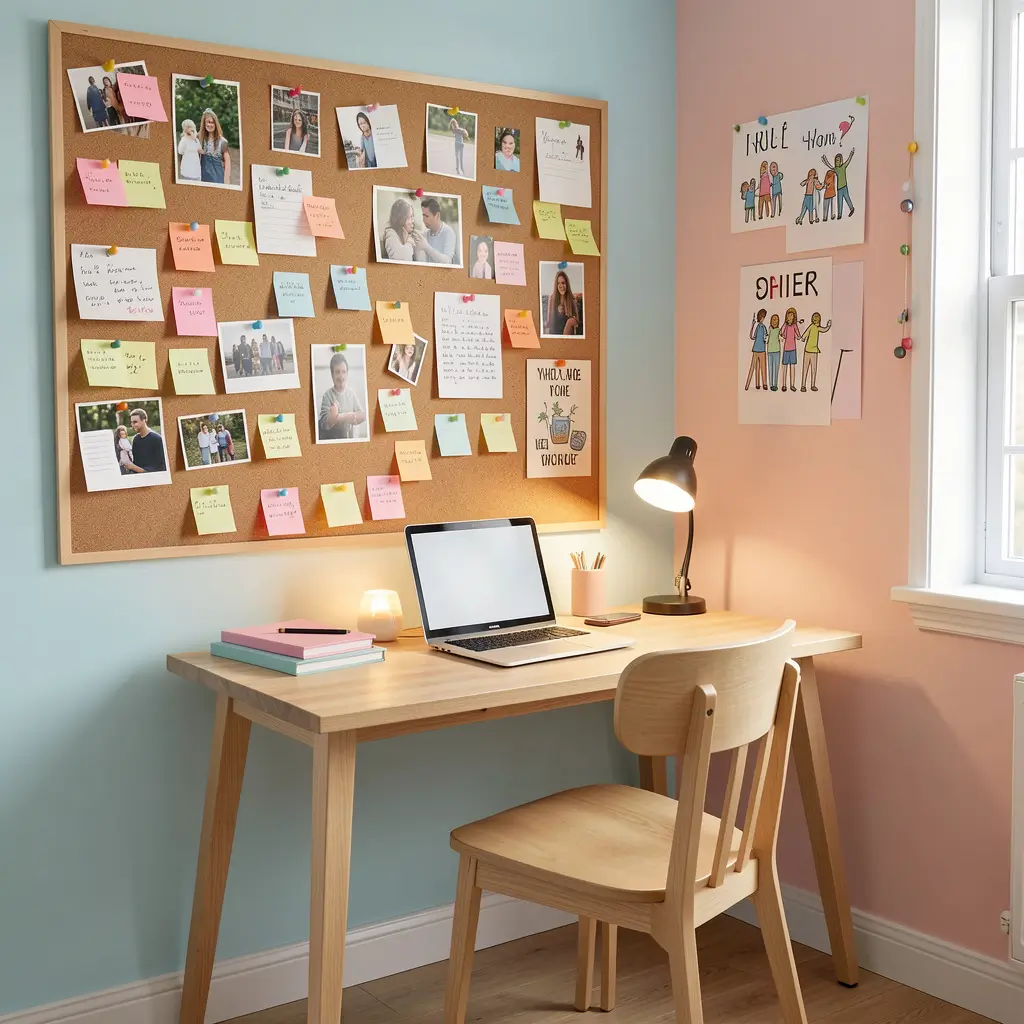
- Wall grids: Use a wire grid to hang photos and notes without cluttering the desk.
- Pegboards: A wooden pegboard allows you to customize your storage daily.
- Functional lighting: Choose a lamp with an adjustable neck for focused work.
Ever wondered why everyone is obsessed with Scandi furniture? It’s because it merges beauty with utility perfectly. You don’t have to choose between a room that looks good and a room that works well. Scandinavian design creates an efficient, peaceful environment that boosts your productivity.
9. Vibrant and Colorful Study Room Aesthetic
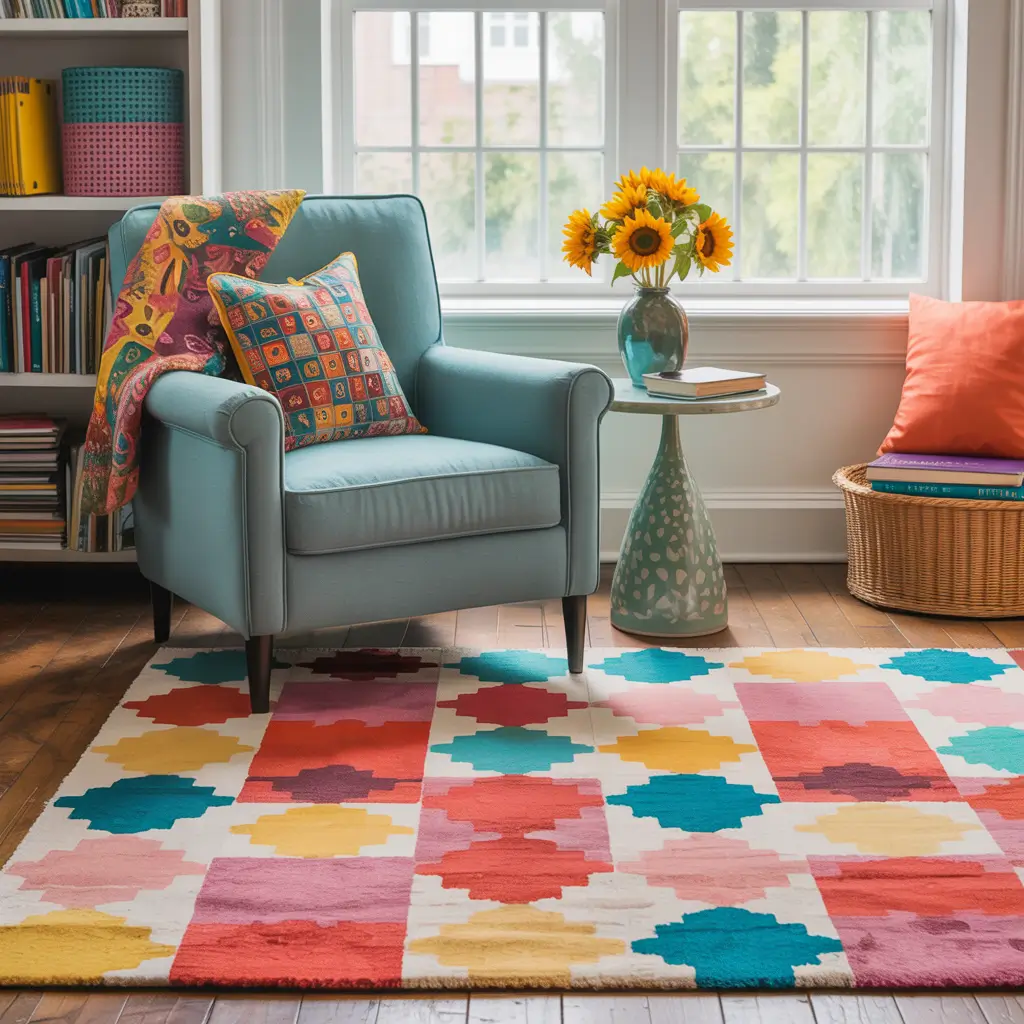
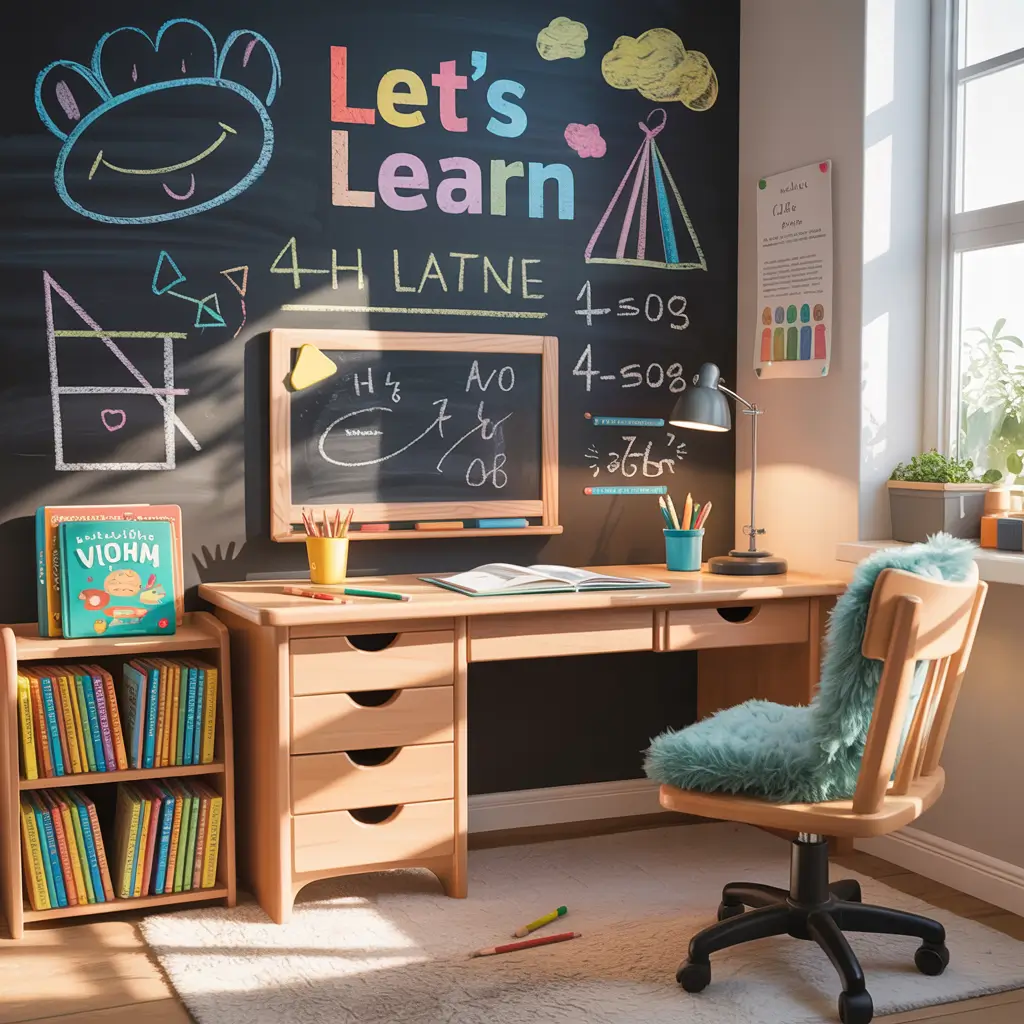
If you have a high-energy personality, a beige room might actually put you to sleep. A vibrant and colorful study aesthetic uses bold pops of color to keep your brain alert and engaged. I find that I do my best brainstorming in rooms that feel “alive” with color.
Strategic Color Theory
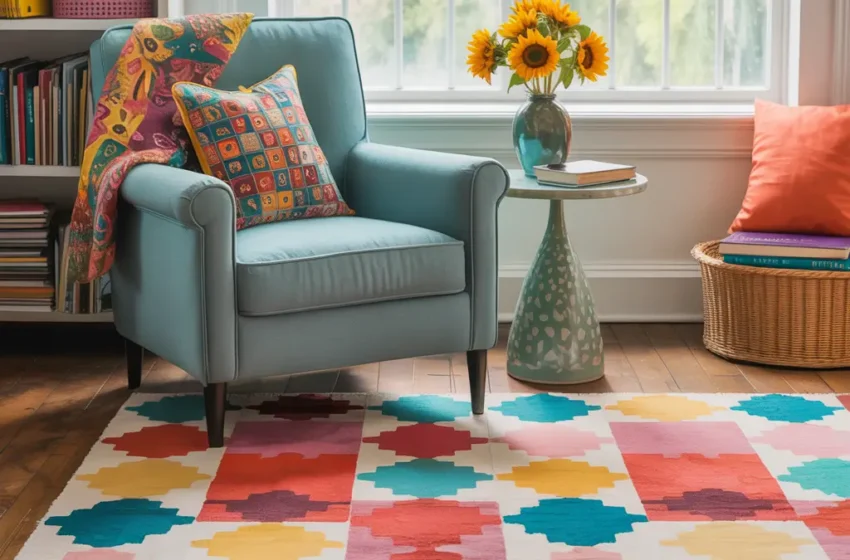
You don’t want to just paint everything bright red (which can actually increase anxiety). I suggest picking a bold accent color like electric blue, sunshine yellow, or hot pink. Use this color for your chair, your rug, or a large piece of wall art. Bold colors stimulate the mind, which is great for creative professions like graphic design or marketing.
Mixing Patterns with Confidence
- Geometric rugs: These add a modern, energetic feel to the floor.
- Pop Art prints: Hang a few bold, colorful pieces on the wall.
- Neon signs: A small neon light adds a cool, evening vibe to the room.
- Mismatched organizers: Use different colored bins for different projects.
I once worked in a room with a bright orange accent wall, and my afternoon slump completely vanished. Vibrant aesthetics combat boredom and make the workday feel like an adventure. Just remember to keep your desk surface relatively clear so the colors don’t become overwhelming.
10. Elegant Vintage Study Room Inspiration
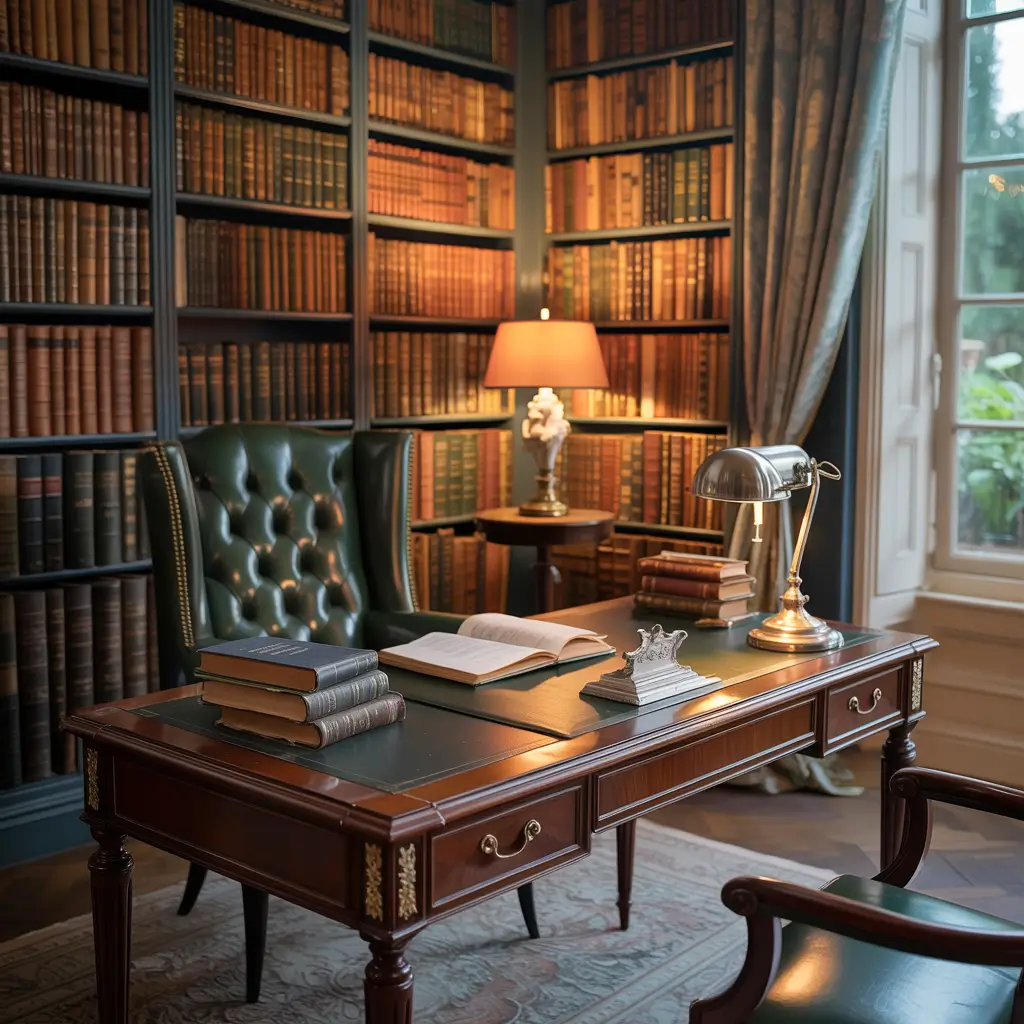
Do you want to feel like a character in a classic novel? An elegant vintage study uses antiques, dark woods, and ornate details to create a scholarly atmosphere. This is the “Dark Academia” vibe that has taken social media by storm.
The Scholarly Atmosphere
I recommend looking for a vintage secretary desk or an ornate wooden desk from a thrift store. Pair it with a library-style lamp with a green glass shade (the classic “banker’s lamp”). Vintage elements bring a sense of gravity to your work. I love sitting at an old desk because it makes me feel like part of a long line of thinkers and writers.
Decorating with History
- Gilded frames: Use gold frames for your diplomas or classic art.
- Old books: Display leather-bound books as both a resource and decor.
- Candelabras: Use these for a dramatic, evening study session.
- Velvet curtains: Heavy drapes in burgundy or emerald green add luxury.
Rhetorical question: Why work in a generic office when you can work in a personal museum? I suggest adding a fountain pen set or a vintage typewriter to complete the look. Elegant vintage design celebrates the intellectual life and provides a stunning backdrop for your studies.
11. DIY Budget-Friendly Study Room Decor
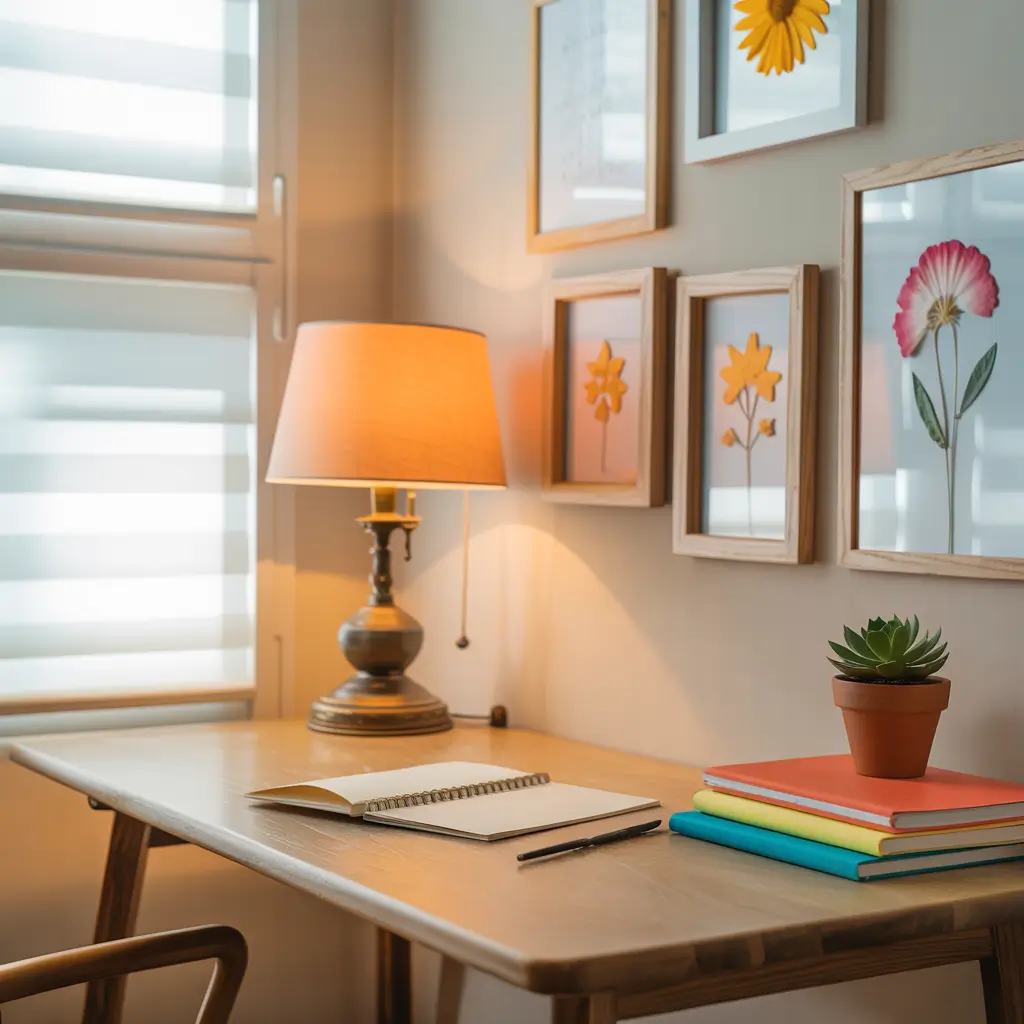
You don’t need a thousand dollars to have a beautiful room. A DIY budget-friendly aesthetic relies on creativity and upcycling. I built my first study room for under $100 by raiding thrift stores and using a little spray paint.
The Power of Upcycling
I recommend looking for furniture with “good bones” but ugly finishes. I bought a scratched-up wooden desk for $15 and painted it a matte charcoal gray. It looked like a brand-new designer piece. DIY projects add a personal touch that you can’t buy in a store.
Budget Decor Hacks
- Mason Jars: Paint them to match your room and use them for pen holders.
- Clipboards: Hang three or four on the wall to display your to-do lists.
- Washi Tape: Use this to create a “frame” around photos on your wall.
- Plant Cuttings: Propagate your existing plants to get free greenery.
- Crate Bookshelves: Use wooden milk crates stacked on their sides.
FYI, some of my favorite pieces in my current office are things I made myself. Budget-friendly design forces you to be creative, which is a great skill for any student or professional. Personalize your space with handmade items to make it feel truly yours.
12. Productivity-Boosting Study Room Setup
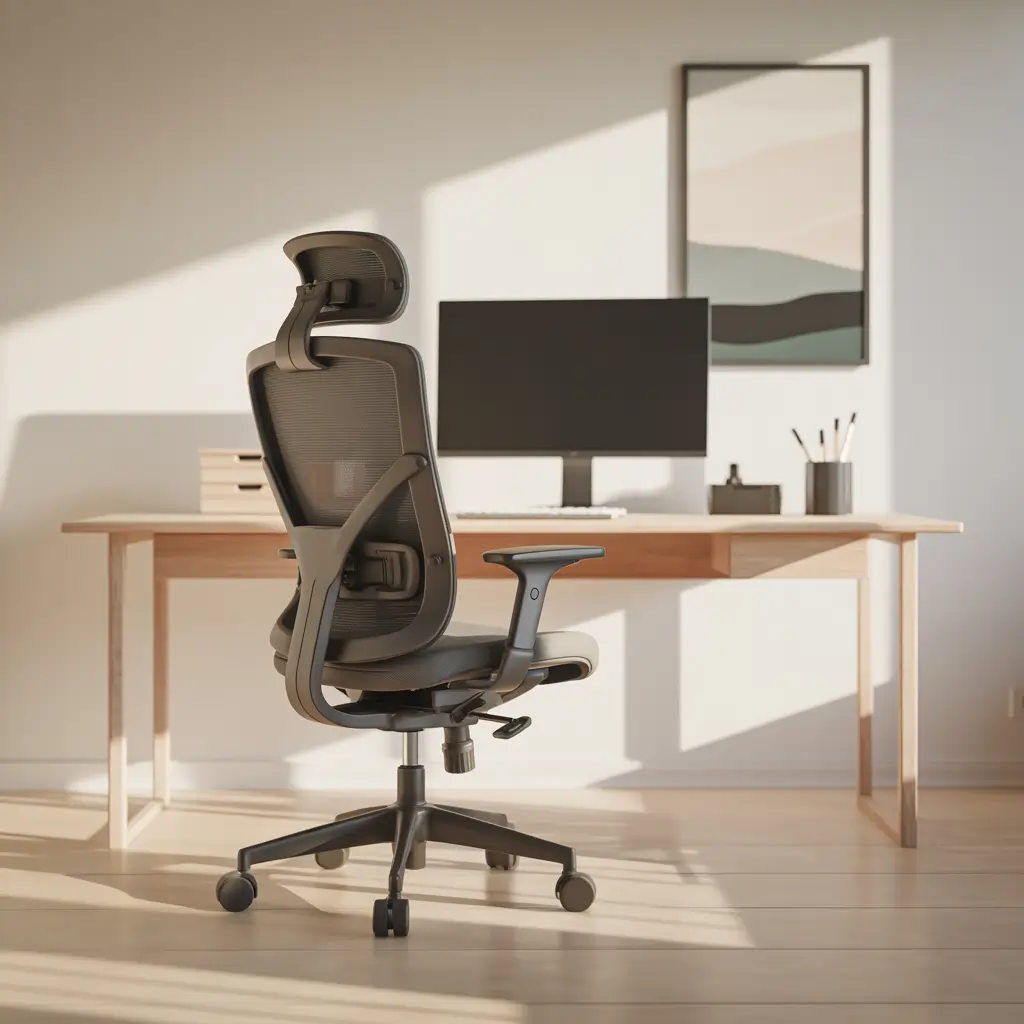
Sometimes, the “aesthetic” needs to take a backseat to pure performance. A productivity-boosting setup focuses on ergonomics, lighting, and tech integration. It might not look as “soft” as a Boho room, but it will keep your body from aching after a ten-hour shift.
Prioritizing Your Physical Health
I recommend investing in a motorized standing desk. Switching between sitting and standing throughout the day keeps your blood flowing and your brain awake. I bought a standing desk two years ago, and my back pain vanished within a week. Ergonomic furniture is an investment in your future, so don’t skimp here.
Tech and Lighting Essentials
- Monitor Arms: Lift your screens to eye level to prevent neck strain.
- Mechanical Keyboard: The tactile feedback makes typing feel more satisfying.
- Ring Light or Screen Bar: Ensure your face is lit for calls and your desk is lit for reading.
- Cable Sleeves: Hide those ugly wires in a neat neoprene sleeve.
I personally use a dual-monitor setup with a dedicated “focus light” that clips to the top of my screen. A productivity-focused aesthetic removes friction from your workday. When everything works perfectly and your body feels good, you can produce your best work.
Comparing the Different Aesthetics
Choosing just one of these study room aesthetic ideas can feel overwhelming. I created this quick comparison to help you narrow down your favorite vibe.
| Aesthetic | Best For | Main Vibe | Effort Level |
|---|---|---|---|
| Cozy Minimalist | Deep Focus | Calm & Clean | Low |
| Boho Chic | Creative Brainstorming | Warm & Organic | Medium |
| Modern Monochrome | Professionalism | Sharp & High-End | Medium |
| Nature-Inspired | Stress Reduction | Earthy & Relaxed | High (Plants!) |
| Vibrant/Colorful | Energy & Motivation | Fun & Artistic | Medium |
| Productivity-Boost | Long Work Hours | Tech-Forward | High (Cost) |
Essential Technical Details for a Perfect Study Room
While we love the “pretty” side of decorating, we must talk about the technical specs. If your room looks great but gives you a headache, you won’t use it.
The Importance of Color Temperature
I suggest using adjustable smart bulbs. During the day, you want “Cool White” (around 4000K-5000K) because it mimics daylight and keeps you alert. In the evening, swap to “Warm White” (2700K) to help your brain wind down. Never use a bulb that’s too dim, or you’ll find yourself squinting at your notes.
Ergonomic Ratios
Your desk should sit at a height that allows your elbows to rest at a 90-degree angle. Your monitor should stay at a distance where you can read comfortably without leaning forward. I recommend using a footrest if your chair is a bit too high. These small adjustments make a massive difference in your daily comfort levels.
Acoustic Treatments
If you live on a busy street or have noisy roommates, the “aesthetic” of silence is vital.
- Heavy Curtains: These block sound from the window.
- Area Rugs: These stop sound from bouncing off hard floors.
- Bookshelves: A wall full of books acts as a natural sound insulator.
Frequently Asked Questions
How do I choose an aesthetic for a study room?
I recommend looking at your current wardrobe. Do you like simple, solid colors? Try Minimalist or Monochrome. Do you love patterns and vintage clothes? Go for Boho or Elegant Vintage. Your personal style should translate to your workspace.
Can I mix two different study room aesthetics?
Absolutely! I currently rock a “Minimalist Nature” vibe. I have the clean lines of minimalism but with about twenty plants. The key is to pick one dominant style and use the second one for your accessories.
How do I decorate a study room on a budget?
Paint is your best friend. A single can of paint for an accent wall costs about $30 and completely changes the room’s energy. Also, never underestimate the power of a good cleaning and some cable management!
My Personal Transformation Journey
I want to leave you with a quick story about my own study room. Two years ago, it was a dumping ground for laundry and half-finished projects. I hated being in there. I would take my laptop to a loud coffee shop just to avoid my own home.
I finally committed to the Sleek Scandinavian look. I purged the junk, bought a simple white desk, and added three plants. The first morning I sat down in that clean, bright space with a hot cup of coffee, I felt like a different person. I finished my work two hours early because I wasn’t fighting my environment.
Final Thoughts: Build Your Sanctuary
Your study room decor shouldn’t just look good for Instagram; it should serve your goals. Whether you choose the Cozy Minimalist path or the Vibrant and Colorful route, make sure the space reflects you.
Don’t be afraid to experiment! If you hate the rug, change it. If the lamp is too dim, swap the bulb.
The time you spend designing your study room is an investment in your own success. You deserve a space that inspires you to be your best self.
Start with one small change today—maybe just clearing your desk surface— and build from there.
Happy decorating! And seriously, please hide those computer wires. You’ll thank me later :/
Now go out there and create a workspace that actually makes you excited to start your day! 🙂