10 Fun Study Room Decor Student Ideas to Brighten Your Space
- Bedroom Design
 Ben
Ben- 0
- 45 minutes read

Your desk currently looks like a crime scene, doesn’t it? I know that feeling because I spent three years trying to finish a degree while sitting at a kitchen table covered in cereal crumbs and junk mail.
My brain felt as cluttered as the surface I worked on. Once I finally committed to these 10 study room decor student ideas, my productivity skyrocketed.
Creating a space that actually makes you want to study represents a total life hack. You don’t need a massive budget or a dedicated wing of your house to pull this off.
You just need a bit of strategy and some clever styling tricks. Let’s look at 10 study room decor student ideas that turn a boring office into a high-performance sanctuary.
1. Minimalist Desk Setup for Small Rooms
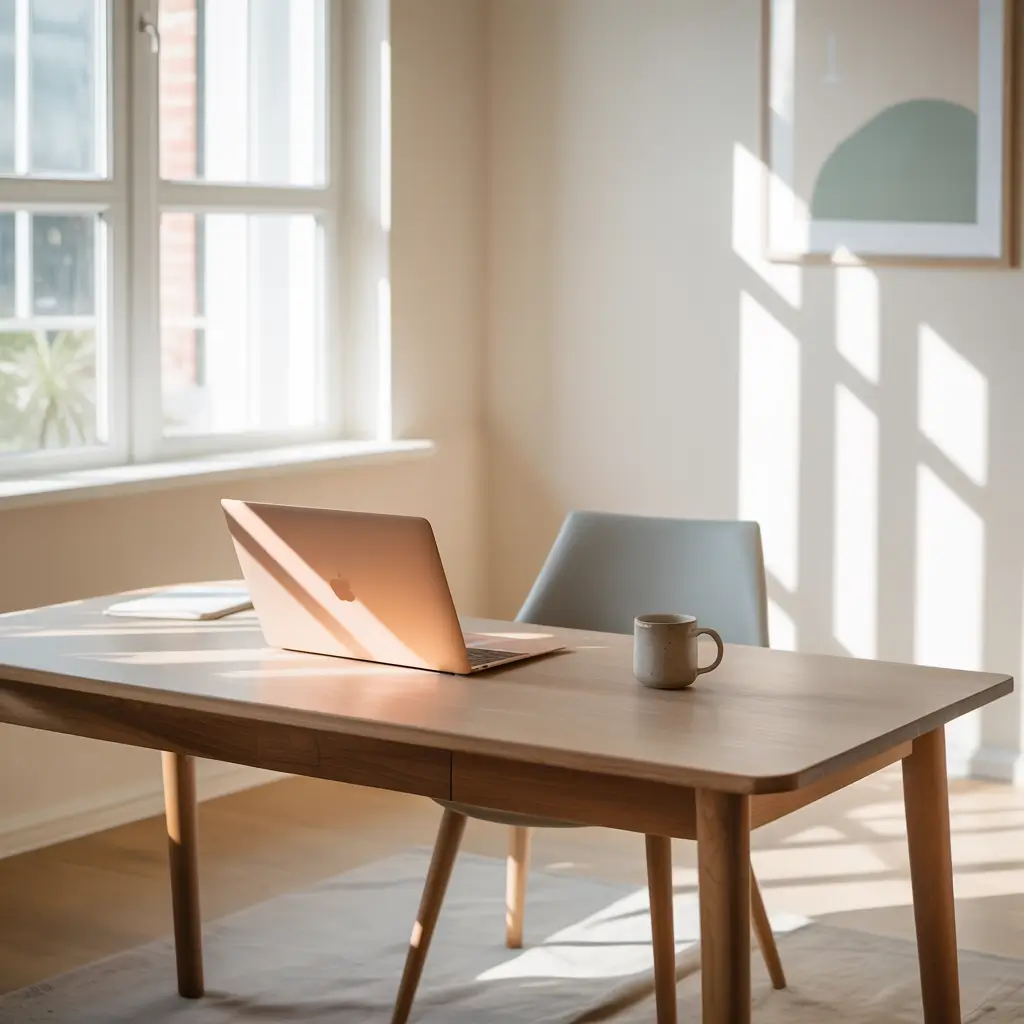
I honestly believe that a cluttered desk leads to a cluttered mind. If you find yourself constantly moving piles of paper just to find your mouse, you need a minimalist reset. Minimalism doesn’t mean living in a sterile white box. It means you keep only the tools that actually help you succeed.
Why Less Truly Means More
I once lived in a 400-square-foot apartment. Every piece of furniture felt like an intruder. I learned that a minimalist desk setup saves your sanity. I recommend a sleek, legless desk or a simple wooden tabletop with thin metal legs. By keeping the area under the desk clear, you create the illusion of more floor space.
Essential minimalist elements:
- One high-quality task lamp with a slim profile.
- A single monitor setup to reduce visual distractions.
- A neutral desk mat to define your workspace.
- Concealed cable management to hide those ugly black wires.
Selecting Your “Essential Only” Tools
Does your current desk hold items you haven’t touched in six months? If so, move them to a different room. I keep exactly three things on my surface: my laptop, a notebook, and a glass of water. Ever wondered why some people finish their work an hour earlier than everyone else? They don’t waste time staring at random knick-knacks. Minimalism removes the friction between you and your study goals.
The Color Palette of Focus
I suggest you stick to whites, grays, or light oaks. These colors reflect natural light, which keeps your energy levels high during long study sessions. I painted my old desk a soft matte gray last year, and the room suddenly felt three times larger. IMO, neutral tones prevent visual overstimulation better than any other design choice 🙂
2. Cozy Reading Nook with Soft Lighting
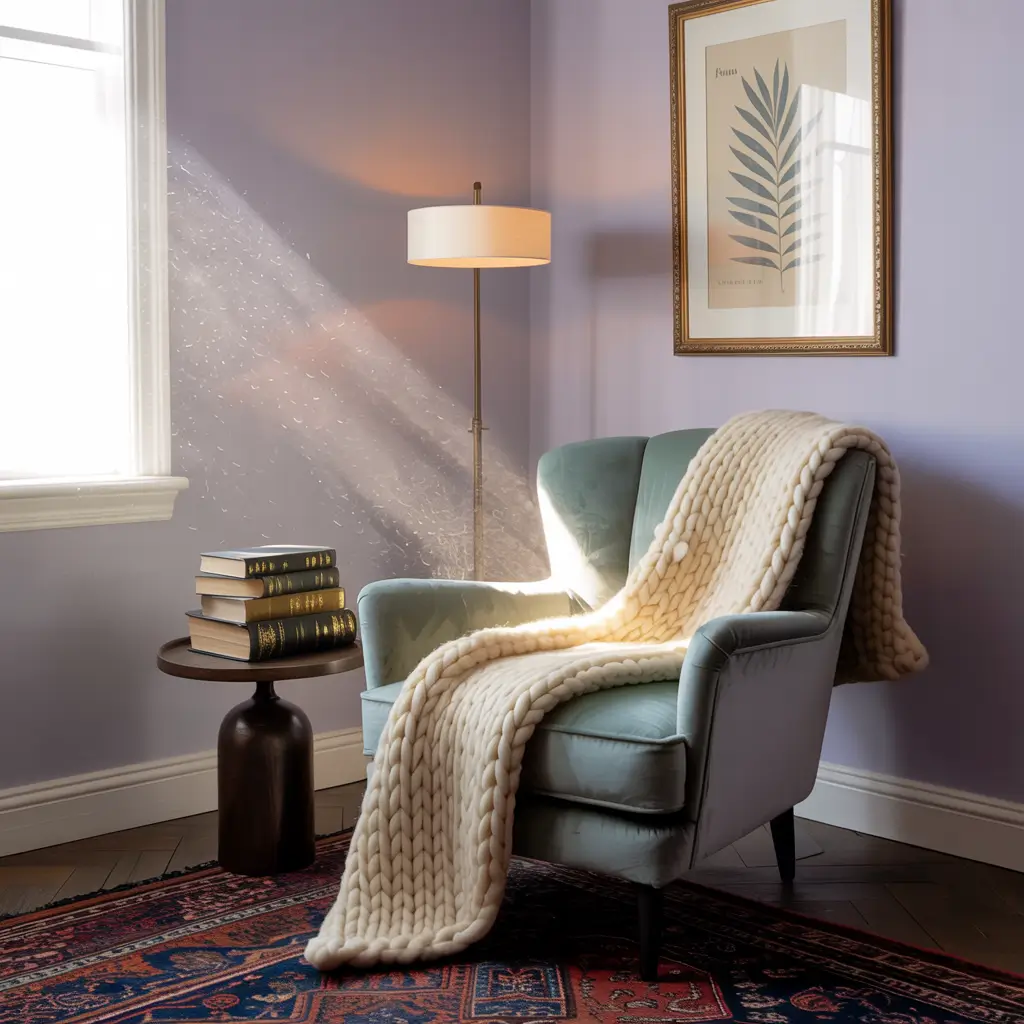
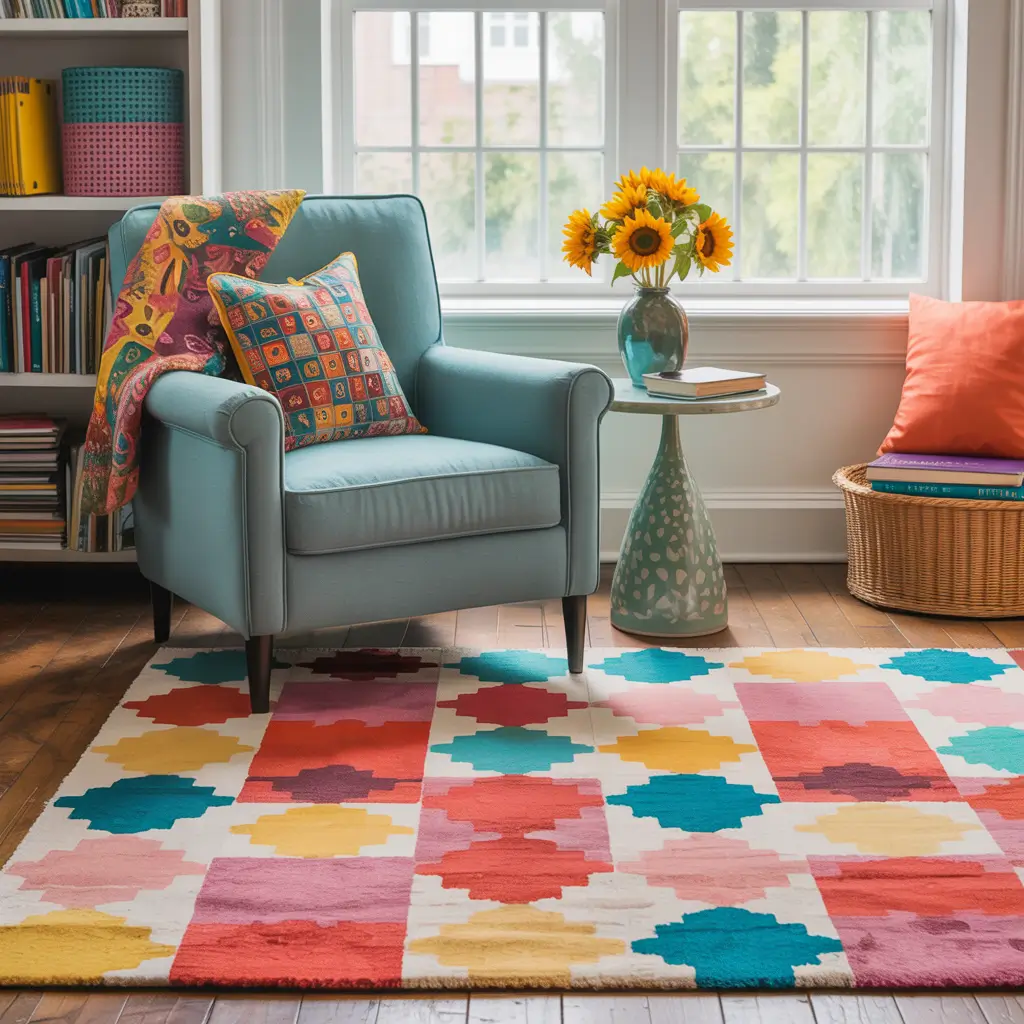
Not every study session requires a computer. Sometimes, you need to hunker down and read 200 pages of history. For those sessions, a traditional desk feels like a punishment. I swear by a cozy reading nook with soft lighting to lower your stress levels while you absorb information.
Ditch the “Big Light”
I hate overhead hospital lighting. It causes headaches and makes the room feel cold. To create a cozy study area, you must layer your lighting. I use a warm-toned floor lamp for general ambiance and a smaller, adjustable brass lamp for focused reading.
Essentials for a study nook:
- An oversized bean bag or a plush armchair.
- A high-pile rug or a faux fur throw under your feet.
- A small side table for your tea or coffee.
- A weighted blanket to keep you grounded and focused.
Textiles as Brain Food
I once bought a cheap plastic chair for my study corner, and I regretted it within twenty minutes. My back started aching, and the room felt cold. I swapped it for a soft velvet chair and added a small area rug. Suddenly, that corner became the most popular spot in my entire house. Soft textures signal to your brain that the environment is safe, allowing you to relax into a deep state of concentration.
Why Ambiance Matters
Ever wondered why this works so well? Warm lighting mimics the sunset, which helps regulate your circadian rhythm. If you study in a harsh, bright room at 9 PM, you won’t sleep well afterward. Warm white LEDs (around 2700K) provide the perfect glow for evening reading. You want the room to feel like a high-end cafe, not a laboratory.
3. Colorful Wall Art Study Corner
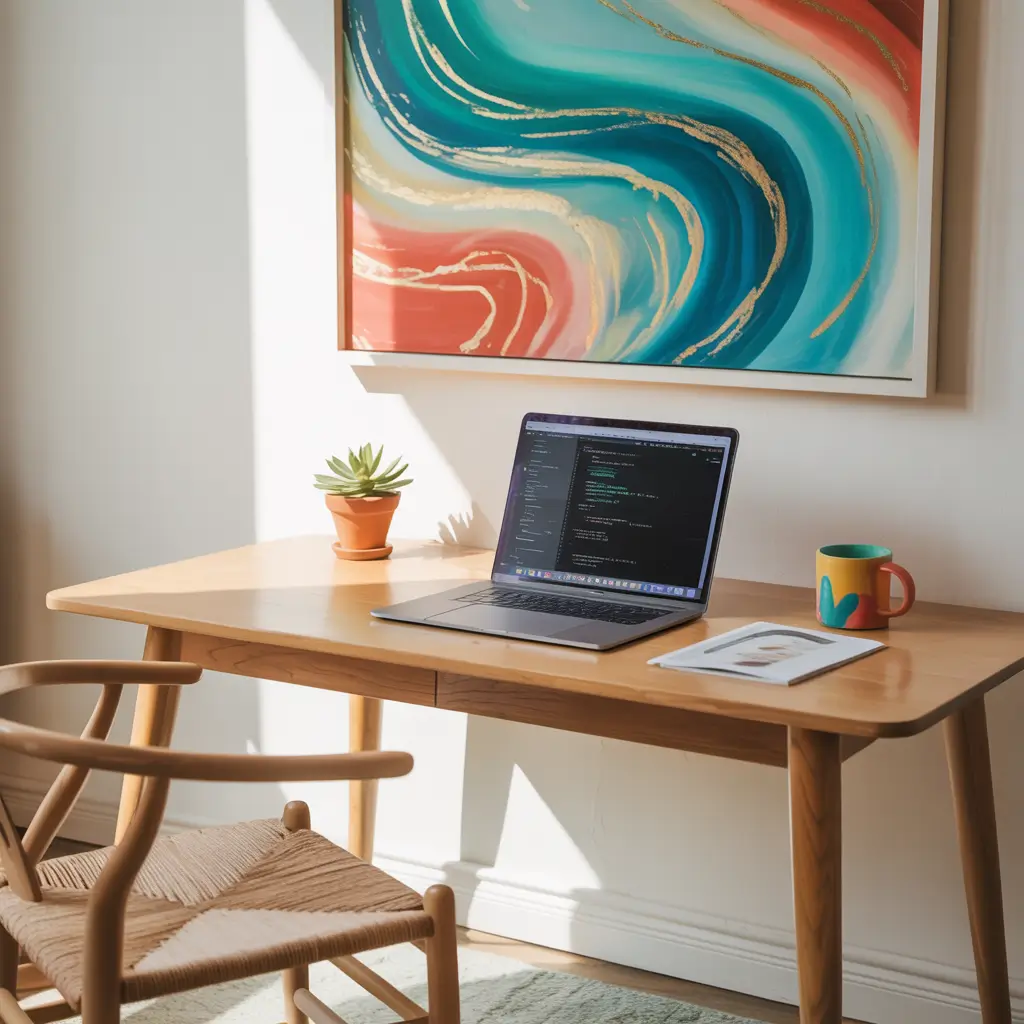
If you find a blank wall depressing, you’re not alone. I find that a lack of visual stimulation actually drains my energy. A colorful wall art study corner uses visual cues to spark creativity. I’m not talking about random posters; I’m talking about a curated gallery that reflects your personality.
Building Your Vision Board
Don’t just tape papers to the wall like a college freshman. I suggest you use matching frames or a coordinated hanging system to make the art feel intentional. I love the “changeable art frames” that open like a cabinet—you can slide a new motivational quote or a map in every Monday morning without any hassle.
Wall art ideas for students:
- Inspirational quotes that emphasize effort over perfection.
- Educational maps or periodic tables in high-end prints.
- Abstract art in colors that make you feel energized.
- Personal photography from your favorite travels.
The Psychology of Color
I recommend you pick one “power color” and use it strategically. Blue promotes calm and focus, while yellow boosts energy and optimism. I personally love a deep teal accent wall paired with bright orange desk accessories. The contrast keeps my brain alert during the afternoon slump.
Arrangement Tips for Success
I recommend you lay your art out on the floor before you drive a single nail into the wall. This lets you play with the spacing and find the perfect balance. Use a level! Nothing ruins a creative wall art setup faster than a crooked frame that draws your eye away from your textbook.
Also Read: 10 Cozy Kids Study Room Ideas and Perfect Reading Spots
4. Floating Shelves with Organized Supplies
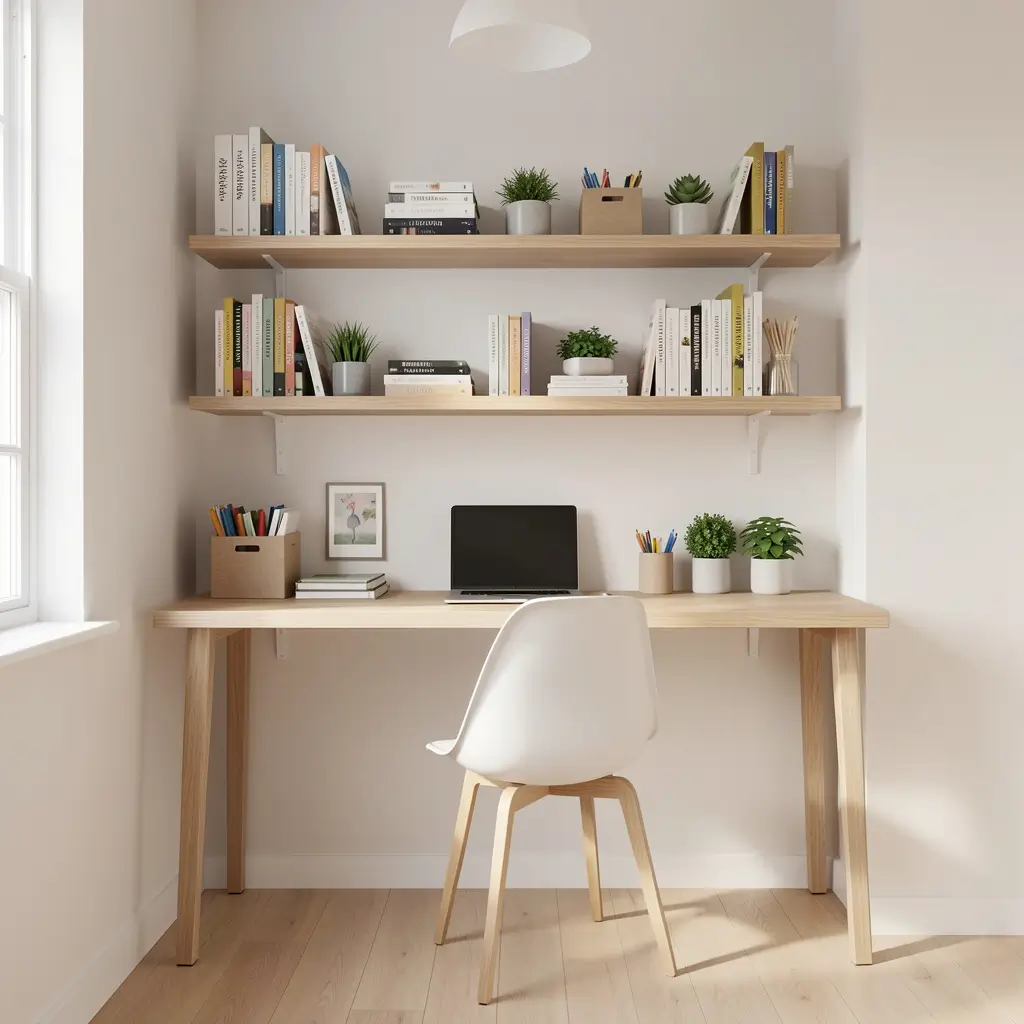
I firmly believe the floor is for walking, not for storing mountains of textbooks. Floating shelves represent the ultimate organizational hack for any student. They draw the eye upward, highlighting the height of the room and keeping the desk surface completely clear for actual work.
Mastering the Vertical Space
I suggest you install your floating shelves at varying heights. Put the “everyday” items—like notebooks and pencil cups—on the lowest shelf within easy reach. Put the “occasionally” items—like reference books or old projects—on the higher shelves.
Styling your shelves:
- Use uniform containers: I love clear acrylic bins to hide the “messy” supplies like glue sticks and extra tape.
- Color-code your books: This isn’t just for Instagram; it helps you find what you need faster.
- Add a small plant: A little greenery on a high shelf adds life to the room without taking up desk real estate.
- Incorporate a clock: A simple analog clock on a shelf helps you practice time management without a digital screen.
Removing the Visual Weight
Rhetorical question: why do we buy huge, bulky bookcases that eat up three square feet of floor space? Floating shelves provide the same storage capacity with a much lighter visual footprint. I replaced a heavy mahogany bookshelf with three long white floating shelves last summer, and the room feels like it doubled in size.
Physics and Safety
I learned this the hard way: always find the wall studs. I once tried to mount a shelf with cheap drywall anchors, and it crashed down onto my laptop in the middle of the night. Invest in a $10 stud finder. It saves your equipment and your dignity.
5. Compact L-Shaped Study Desk
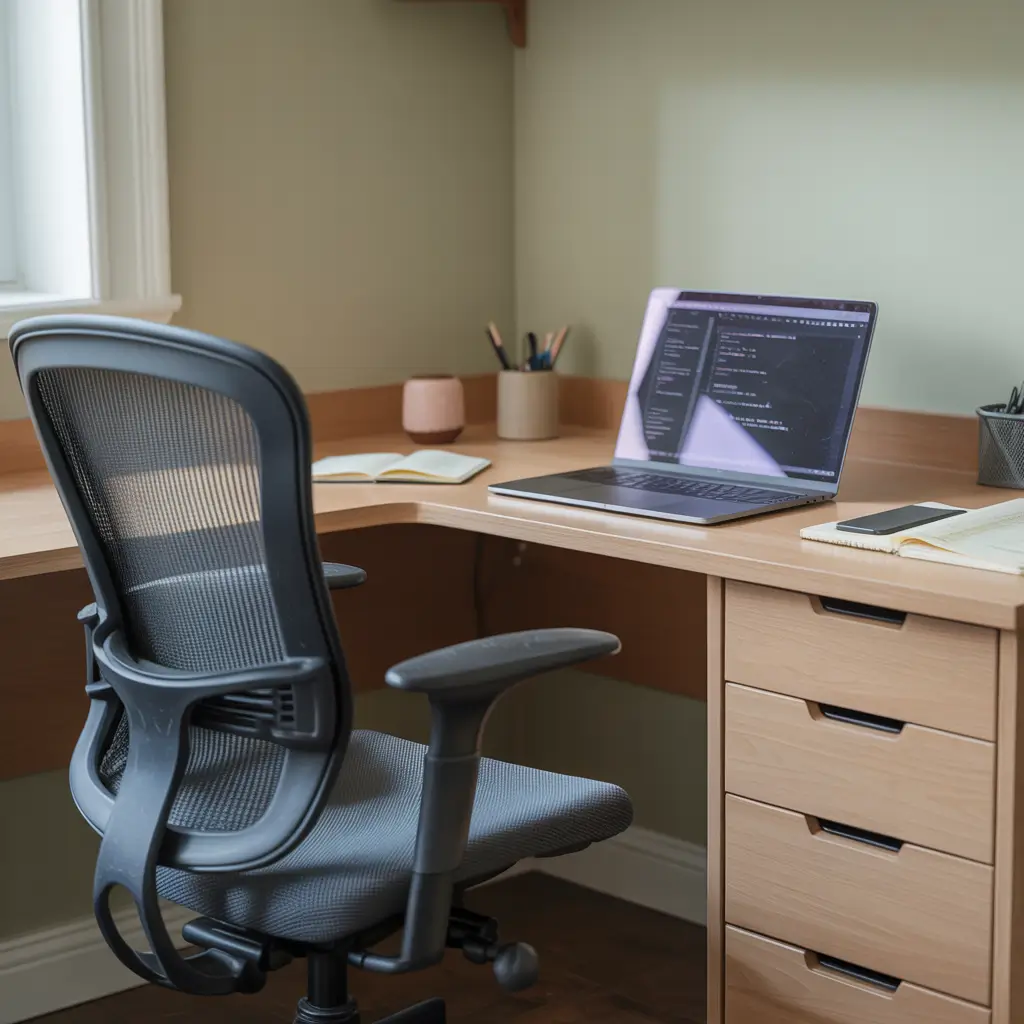
If you inhabit a tiny bedroom, you have to play the spatial puzzle game. A compact L-shaped desk is the undisputed heavyweight champion of small-room design. It utilizes the corner—a space most people ignore—and provides twice the surface area of a standard rectangular desk.
Creating the “Zone” Transition
The L-shape creates two distinct zones. I use one side for my computer and high-intensity work. I use the other side for my notebook, iPad, or even my morning coffee. This physical separation helps me organize my tasks. Ever noticed how switching your body angle can reset your focus?
Benefits of L-shaped desks:
- Maximizes corner real estate that usually goes to waste.
- Provides a “cockpit” feel where everything sits within arm’s reach.
- Allows for a printer or second monitor without crowding your main space.
- Creates a natural boundary between your “study zone” and your “sleep zone.”
The Small Room Survival Guide
I recommend you choose an L-shaped desk with a glass or light wood top. Dark, heavy furniture “eats” the light and makes a small room feel like a cave. I once tried a dark walnut desk in my 10×10 room, and I felt claustrophobic within a week. I swapped it for a white metal frame desk, and suddenly I could breathe again.
Multi-Functional Thinking
Your L-shaped desk might need to double as a vanity or a gaming station. I suggest buying modular storage boxes that you can swap out depending on the task. A small space doesn’t limit your potential; it just forces you to become an organization ninja.
6. DIY Corkboard & Inspiration Wall
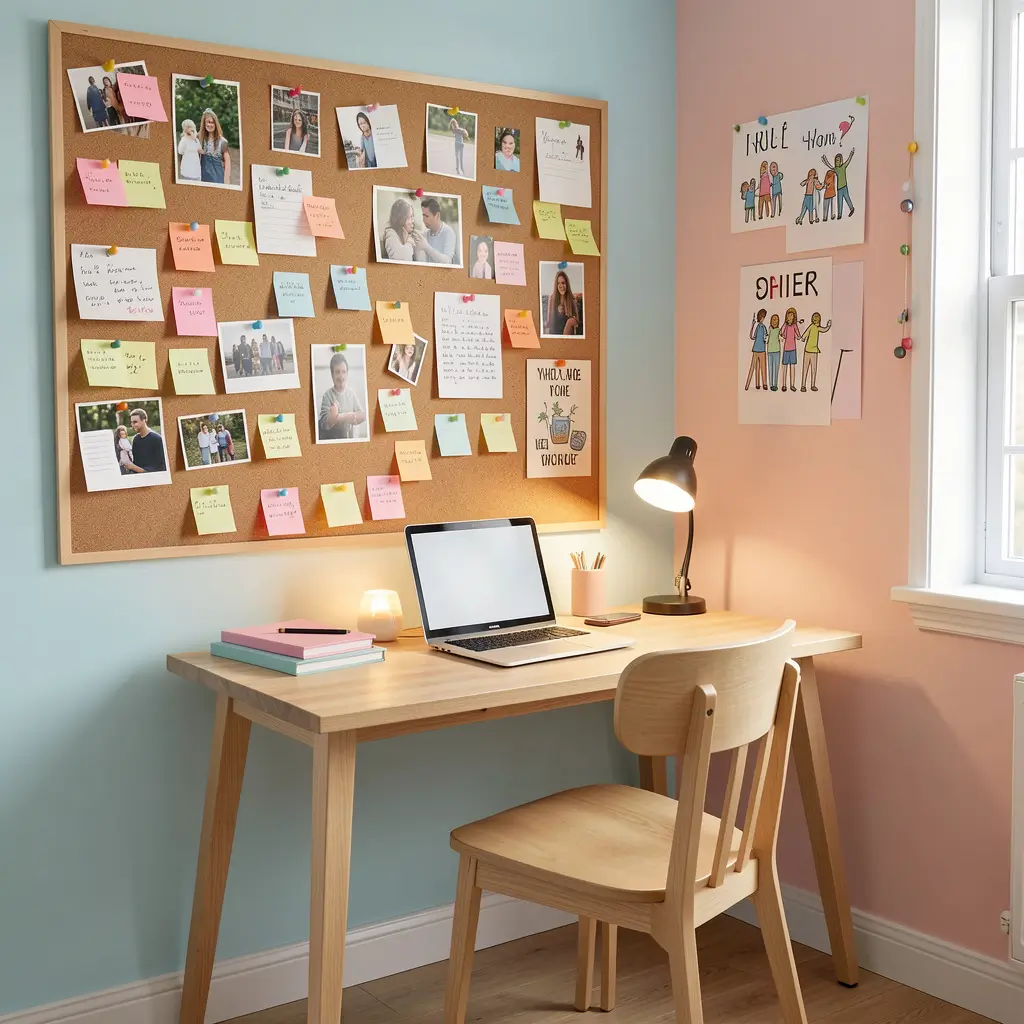
Your walls shouldn’t just be blank space. They should be a source of motivation. A DIY corkboard and inspiration wall turns your study into a vision board for your life. When you look up from your screen, you should see something that reminds you why you are working so hard.
The Art of the Pinboard
I love a gallery wall that mixes different mediums. Don’t just pin five random photos. Mix in a wooden sign, a canvas painting, and maybe a framed map of a place you want to visit. Gallery walls tell a personal story, and they make the room feel much more curated.
How to build your inspiration wall:
- Buy large cork tiles: Cover an entire section of the wall from the desk to the ceiling.
- Use stylish push pins: I prefer gold or rose-gold pins to add a touch of luxury.
- Curate your content: Pin your exam schedule, your dream job logo, and photos of your friends.
- Incorporate “In-Progress” work: Use the wall to map out essay outlines or complex math problems.
Keeping it Fresh
I suggest you clear your corkboard at the start of every semester. Remove the old assignments and outdated schedules. A fresh board leads to fresh ideas. If the board gets too cluttered, it just becomes another source of stress. Edit ruthlessly.
Why Visualization Works
FYI, seeing your goals every single day actually re-wires your brain to look for opportunities. I pinned a photo of a specific internship I wanted onto my board three years ago. I saw it every time I opened my laptop. I eventually landed that internship, and I genuinely believe the visual reminder kept me hungry.
Also Read: 12 Cute Study Room Aesthetic Ideas for Cozy Corners
7. Scandinavian Style Study Space
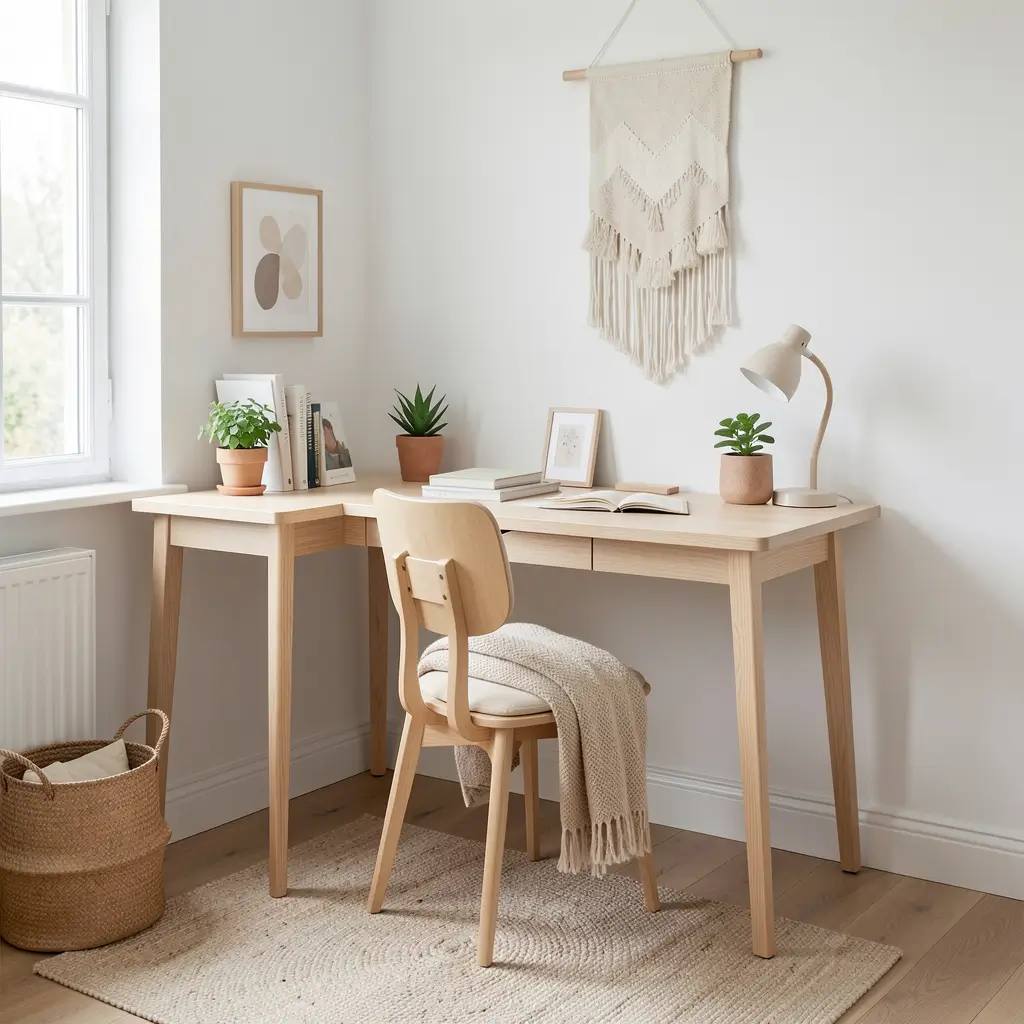
Scandinavian design, or “Scandi,” focuses on functionality, minimalism, and light. It’s very similar to the minimalist style but with a focus on “hygge”—the Danish concept of cozy contentment. I love Scandi design for study rooms because it prioritizes the student’s comfort above all else.
The “White and Wood” Rule
The Scandi look almost always involves a white desk with light-colored wooden legs. This combination feels fresh and modern. I use a white desk in my current study, and I find that it makes the whole room feel much cleaner. Scandi design maximizes available light, which is essential during gray winter months.
Scandi decor checklist:
- Functional shelving units like the IKEA Kallax.
- A simple wool rug to dampen sound.
- Tapered furniture legs to create an airy feel.
- One or two “Hygee” touches like a ceramic mug or a white candle.
Smart Storage for Busy Students
Scandi aesthetics hate clutter, so you need hidden storage.
- Modular drawers: Keep your supplies out of sight but within reach.
- Wall grids: Use a metal wire grid to hang photos and notes without cluttering the desk.
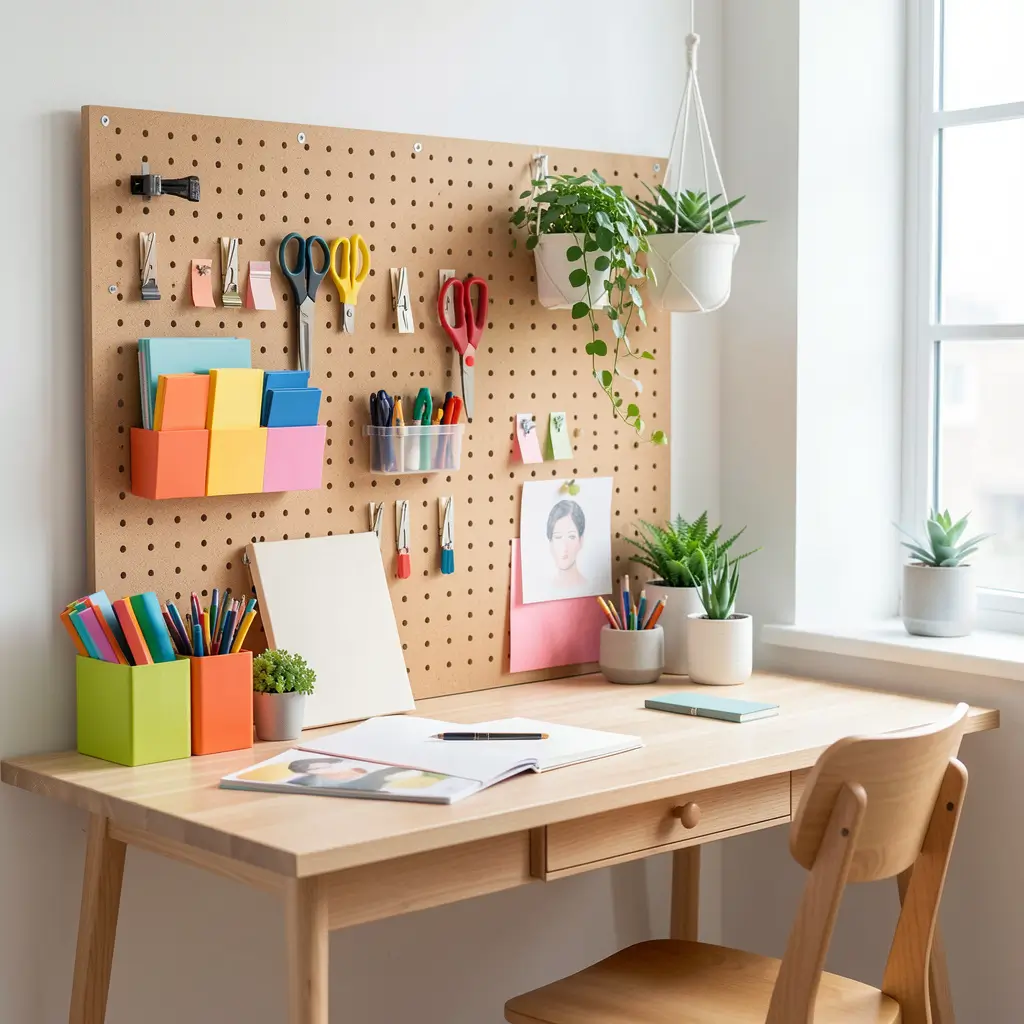
- Pegboards: A wooden pegboard allows you to customize your storage daily.
The Beauty of Utility
Ever wondered why everyone is obsessed with Scandi furniture? It’s because it merges beauty with utility perfectly. You don’t have to choose between a room that looks good and a room that works well. Scandinavian design creates an efficient, peaceful environment that boosts your productivity.
8. Multi-Functional Storage & Desk Combo
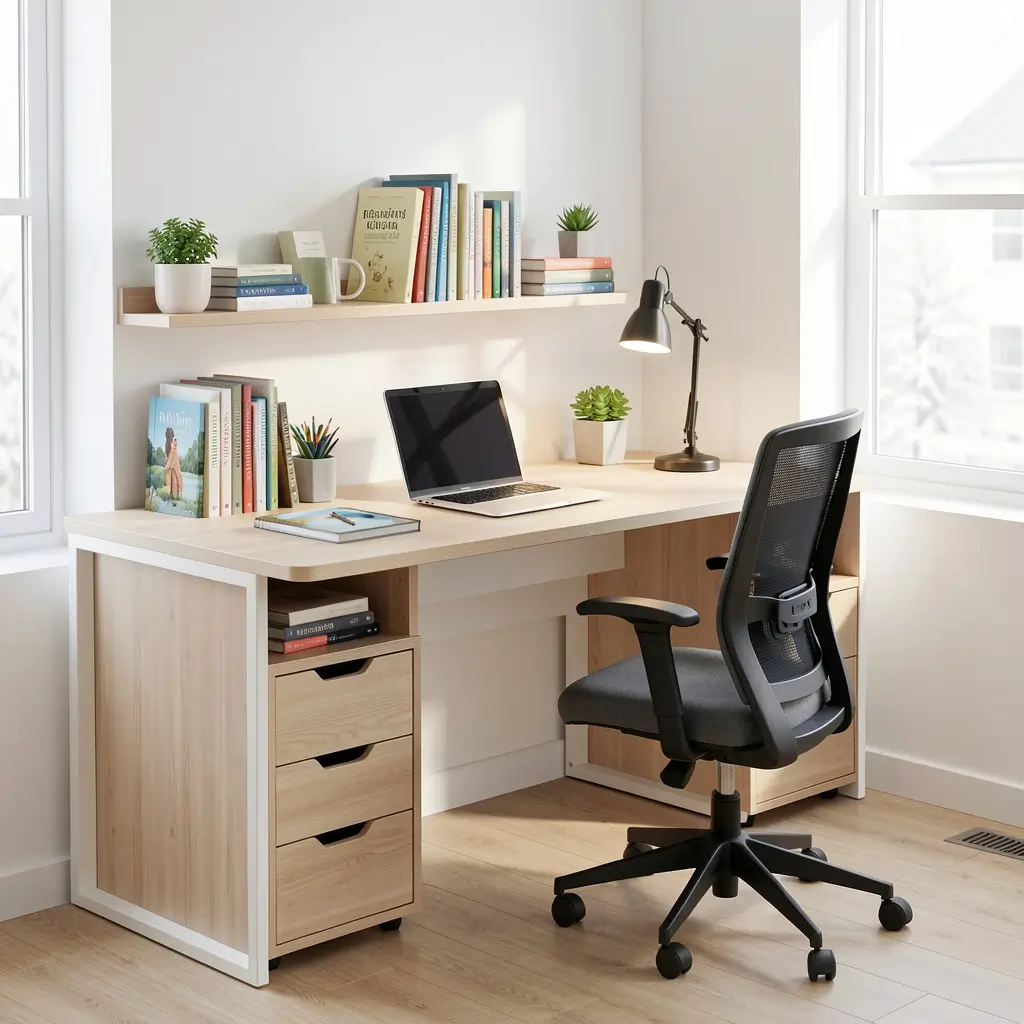
If your study room is actually just a corner of your bedroom, you need furniture that pulls double duty. A multi-functional storage and desk combo is the “ninja” of furniture—it’s there when you need it and hides the mess when you don’t.
The “Cloffice” Revolution
I spent two years working in a “cloffice”—a closet converted into an office. I removed the clothes rod and installed a deep shelf at desk height. Above it, I added two more shelves for my books and printer. When I finished my work for the day, I literally closed the closet doors. This ritual helped me maintain a healthy work-life balance, which is notoriously hard for students. :/
Hidden Storage Perks
Most of these multi-functional units include integrated cubbies for your pens, notebooks, and even a small tablet.
- Check the weight limit before you buy (some can’t handle heavy monitors).
- Use a folding chair that you can hang on a wall hook nearby.
- Use drawer dividers to prevent the “junk drawer” fate.
Organizing for Two Purposes
Make sure the storage side doesn’t get cluttered with non-study items. I recommend keeping your laundry or hobby supplies in a different area. Physical boundaries create mental boundaries. If your desk holds both your homework and your half-eaten snacks, you will never feel like a professional.
9. Nature-Inspired Study Room with Plants
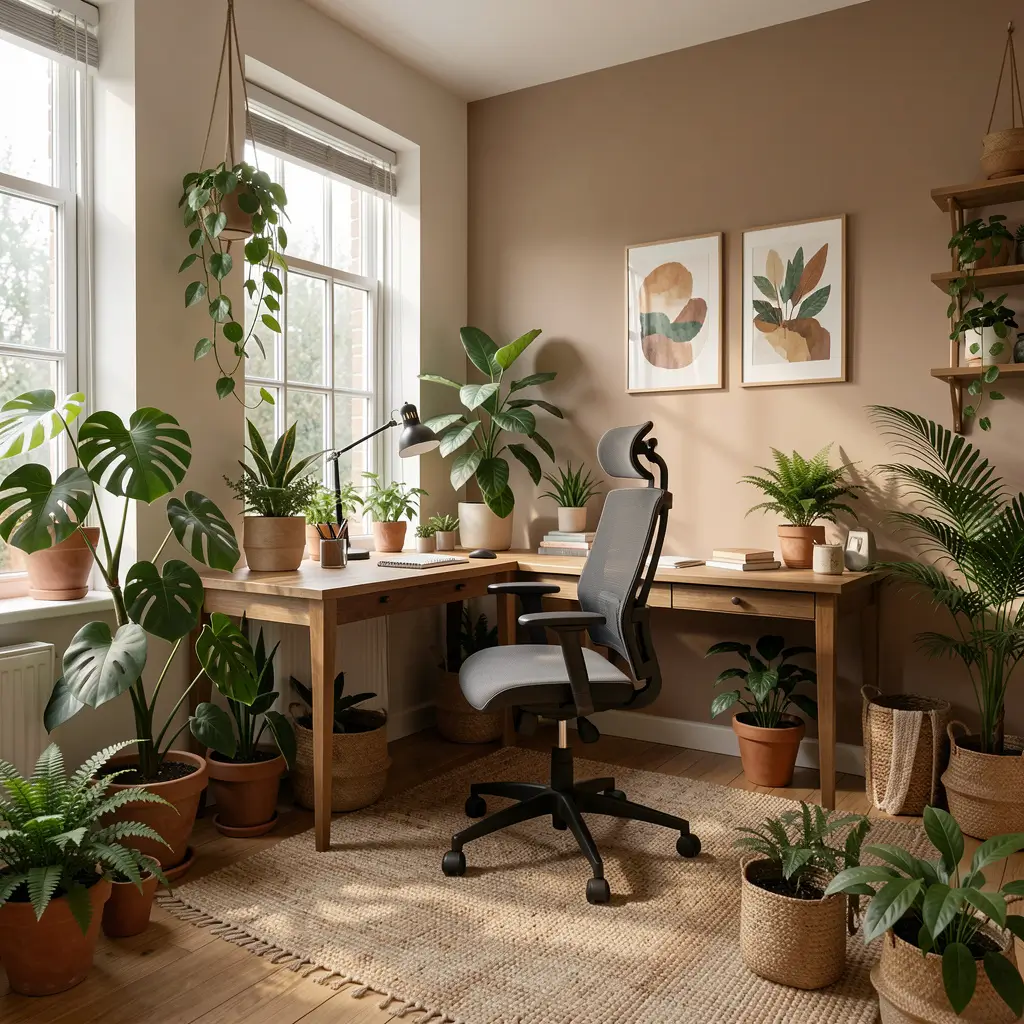
“Biophilic design” sounds fancy, but it just means we should put more plants in our rooms. A nature-inspired study room improves air quality and lowers your heart rate. I have about twelve plants in my study, and they make the room feel alive and vibrant.
Creating an Indoor Jungle
I recommend placing plants at different heights to create a “canopy” effect. Put a trailing Pothos on a high shelf so its vines hang down. Place a large Monstera or Snake Plant in the corner to fill empty space.
Benefits of a plant-filled study:
- Reduced background noise (leaves actually absorb sound).
- Improved air oxygen levels for better brain function.
- A natural “visual rest” for your eyes.
- A sense of responsibility that keeps you grounded.
Choosing the Right Roommates
If you are new to plant parenthood, don’t buy anything fussy. I suggest starting with a ZZ plant or a Sansevieria. These guys are virtually indestructible. They thrive in low light and don’t care if you forget to water them for a week. A study room should inspire you, not give you more chores!
Natural Materials That Ground You
Pair your plants with raw wood desks, stone coasters, and linen curtains. These materials bring an outdoor vibe inside, which lowers stress levels. I once added a small tabletop fountain to my desk, and the sound of running water helped me power through a 10-page research paper without a single break.
Also Read: 10 Creative Small Study Room Ideas for Compact Homes
10. Tech-Friendly Modern Student Workspace
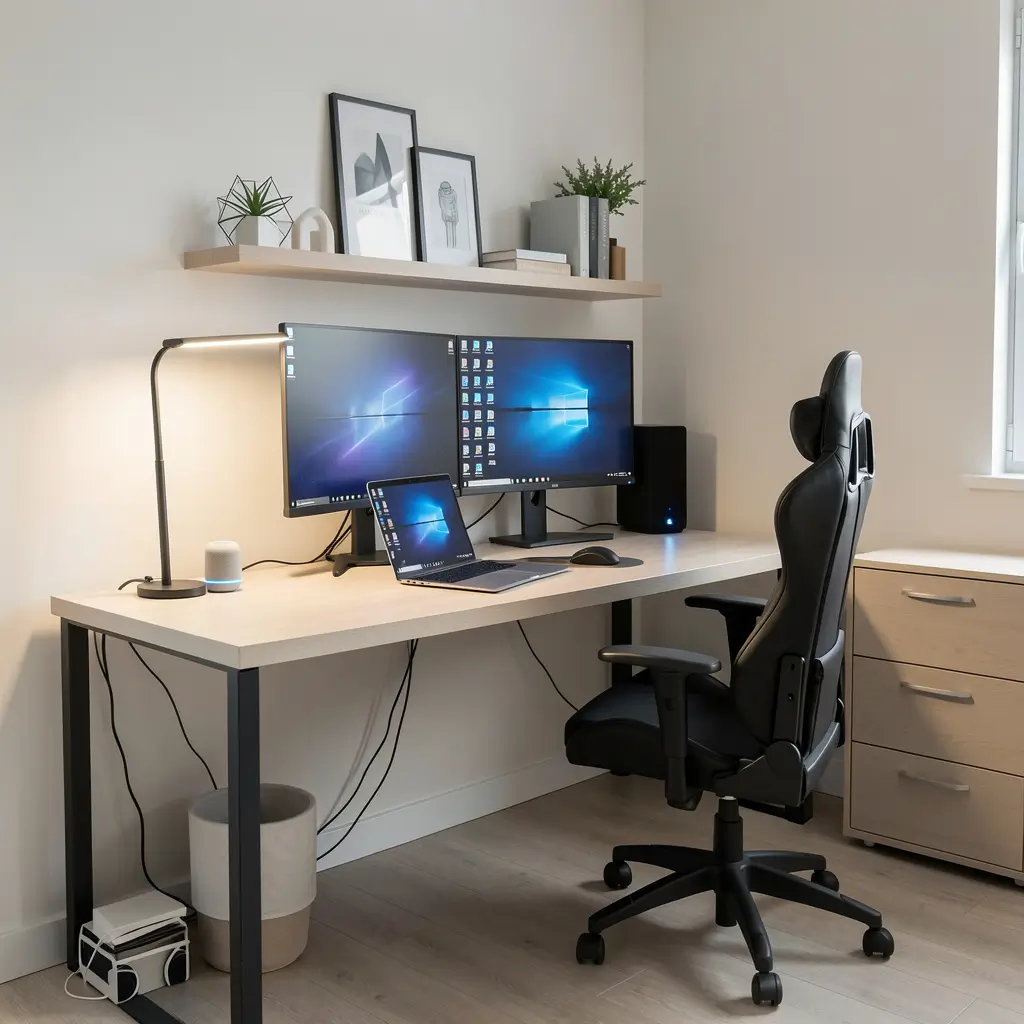
If you are a coder, a gamer, or a digital artist, you need a tech-friendly modern workspace. This design prioritizes hardware integration and high-tech aesthetics. I spent months perfecting my cable management, and let me tell you, seeing zero wires is a spiritual experience.
The Ultimate Command Center
A modern tech room needs a large desk to accommodate multiple monitors. I suggest a motorized standing desk so you can keep your circulation moving during long sessions. This isn’t just a study; it’s a command center.
Tech-focused features:
- RGB ambient lighting that you can sync with your screen.
- Acoustic foam panels to improve sound quality for calls.
- Under-desk mountings for your PC tower and peripherals.
- High-speed charging hubs built directly into the desk.
Streamlining the Digital Workflow
Technology should serve you, not distract you. I recommend using monitor arms to lift your screens off the desk. This frees up space for your tablet, notepad, and coffee. An ergonomic mechanical keyboard and a vertical mouse also prevent carpal tunnel. When your tech works seamlessly, your work feels effortless.
Cable Management is Style
I use simple Velcro ties and an under-desk cable tray to keep everything neat. Visible wires look like visual clutter, which can distract you from your work. Once you hide the “spaghetti mess,” your workspace looks ten times more expensive. It projects confidence and professionality.
Comparison of Student Study Styles
Choosing a style can be tough. I made this quick list to help you decide which vibe fits your personality.
| Feature | Minimalist | Scandi | Tech-Savvy |
|---|---|---|---|
| Primary Material | Light Wood/Metal | Birch/Oak | Steel/Glass |
| Lighting | Single Task Lamp | Warm/Natural | RGB/LED Strips |
| Desk Style | Sleek/Floating | Simple/Human | Standing/Large |
| Vibe | Zen/Airy | Cozy/Functional | High-Energy/Modern |
| Maintenance | Low | Medium | High (Cable Mgmt) |
Technical Details: Lighting and Ergonomics
I know you want the room to look cute for Pinterest, but if you ignore the “boring” stuff, your back will hate you. Even in a small room, you must prioritize ergonomics and proper lighting.
The 90-Degree Rule
I suggest you adjust your chair so your knees and elbows both sit at a 90-degree angle. If your desk is too high, use a footrest. If it’s too low, use a monitor riser. Ergonomic health is non-negotiable, especially when you are young and developing lifelong habits.
Color Temperature Matters
When shopping for bulbs, look at the “Kelvin” (K) rating.
- 2700K – 3000K: Warm and cozy (Great for reading nooks).
- 4000K – 5000K: Cool and bright (Essential for your main desk to keep you alert).
I use smart bulbs so I can change the light from “focus mode” during the day to “relax mode” in the evening. It’s a small investment that makes a massive difference in your focus.
Frequently Asked Questions
How can I decorate my study room on a budget?
Paint is your best friend. A single can of paint for an accent wall costs about $30 and changes the entire room. Also, check thrift stores for “good bones” furniture that you can refinish with a bit of sandpaper and stain.
What is the best color for a student study room?
Psychology suggests that blue promotes calm and focus, while green reduces eye strain. If you want energy, try small accents of yellow or orange. Avoid bright red on all four walls, as it can raise your heart rate and cause anxiety.
Should I put my desk against the wall or in the middle of the room?
In small rooms, placing the desk against the wall or under a window maximizes your floor space. If you have a large room, placing the desk in the center (facing the door) creates a “commanding” feel.
Final Thoughts: Build Your Sanctuary
Building the perfect study room is an act of self-care. It’s an investment in your future success and your daily happiness.
Don’t feel like you have to do everything at once. Start by clearing your desk, then maybe add a better lamp or a new plant this weekend.
I’ve lived in messy rooms and I’ve lived in curated studios. The curated ones win every single time. When you walk into a room that looks like it was designed for a high-achiever, you naturally start acting like one.
Pick one of these 10 study room decor student ideas and start sketching your new layout.
You’ll be amazed at how much faster you finish your work when you actually enjoy the chair you’re sitting in. Now, go forth and create that focus sanctuary!