12 Vibrant Study Room Interior Ideas for Teens and Students
- Bedroom Design
 Ben
Ben- 0
- 50 minutes read
Your desk probably looks like a crime scene right now, doesn’t it? I know that feeling because I spent three years trying to finish a degree at a kitchen table covered in cereal crumbs and junk mail.
My brain felt as cluttered as the surface I worked on. Once I finally committed to finding some real study room interior ideas, my productivity skyrocketed, and I stopped losing my pens every five minutes.
Creating a space that actually makes you want to study represents a total life hack. You don’t need a massive budget or a dedicated wing of your house to pull this off. You just need a bit of intention and some clever styling tricks.
Let’s look at 12 study room interior ideas that turn a boring office into a high-performance sanctuary.
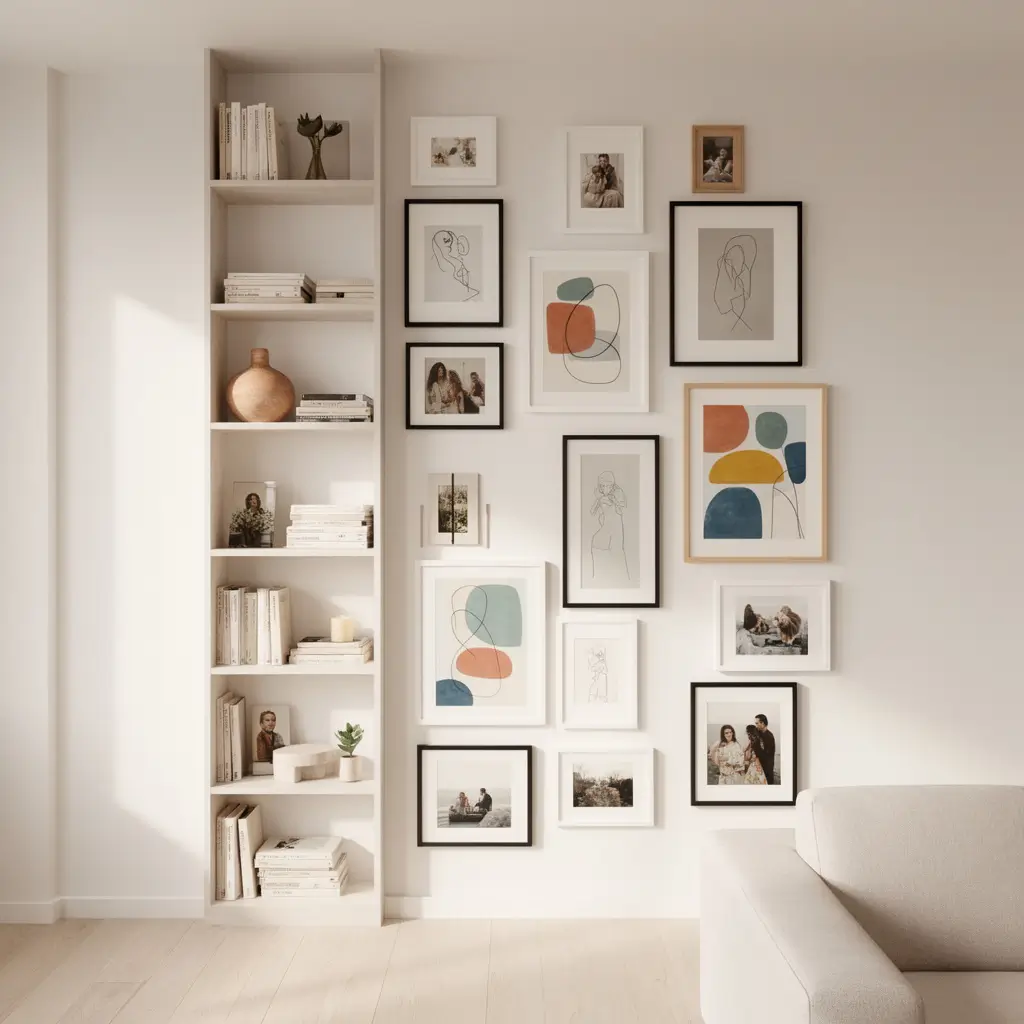
1. Minimalist White Study Room
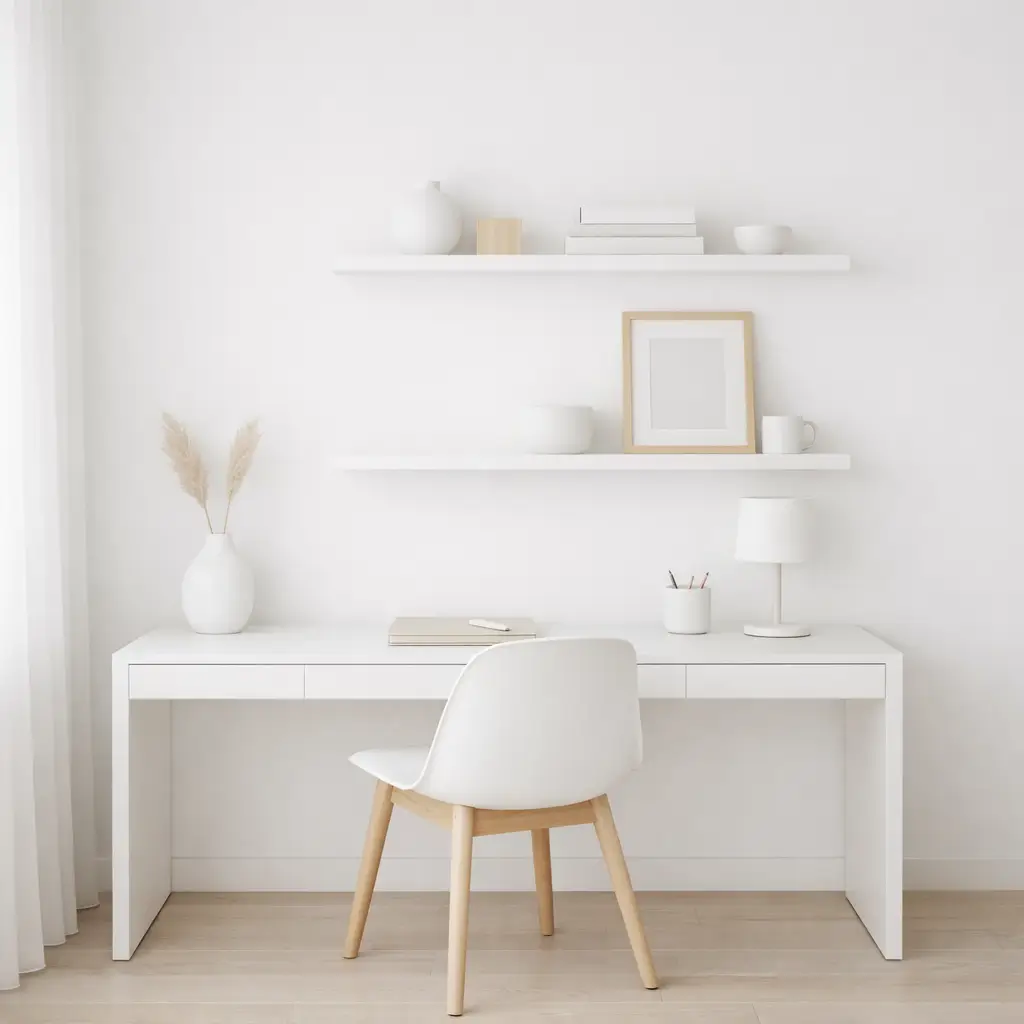
I honestly believe that a cluttered desk leads to a cluttered mind. If you find yourself constantly moving piles of paper just to find your mouse, you need a minimalist reset. A minimalist white study room doesn’t mean living in a sterile white box. It means you keep only the tools that actually help you succeed.
Why Less Truly Means More
I once lived in a 400-square-foot apartment. Every piece of furniture felt like an intruder. I learned that a minimalist setup saves your sanity. I recommend a sleek, white desk with thin metal legs. By keeping the area under the desk clear, you create the illusion of more floor space.
Essential minimalist elements:
- One high-quality task lamp with a slim profile.
- A single monitor setup to reduce visual distractions.
- A neutral desk mat to define your workspace.
- Concealed cable management to hide those ugly black wires.
Selecting Your “Essential Only” Tools
Does your current desk hold items you haven’t touched in six months? If so, move them to a different room. I keep exactly three things on my surface: my laptop, a notebook, and a glass of water. Ever wondered why some people finish their work an hour earlier than everyone else? They don’t waste time staring at random knick-knacks. Minimalism removes the friction between you and your study goals.
The Color Palette of Focus
I suggest you stick to all white, or white with one neutral accent like light gray or beige. These colors reflect natural light, which keeps your energy levels high during long study sessions. I painted my old desk a soft white last year, and the room suddenly felt three times larger. IMO, neutral tones prevent visual overstimulation better than any other design choice.
2. Cozy Boho Study Nook
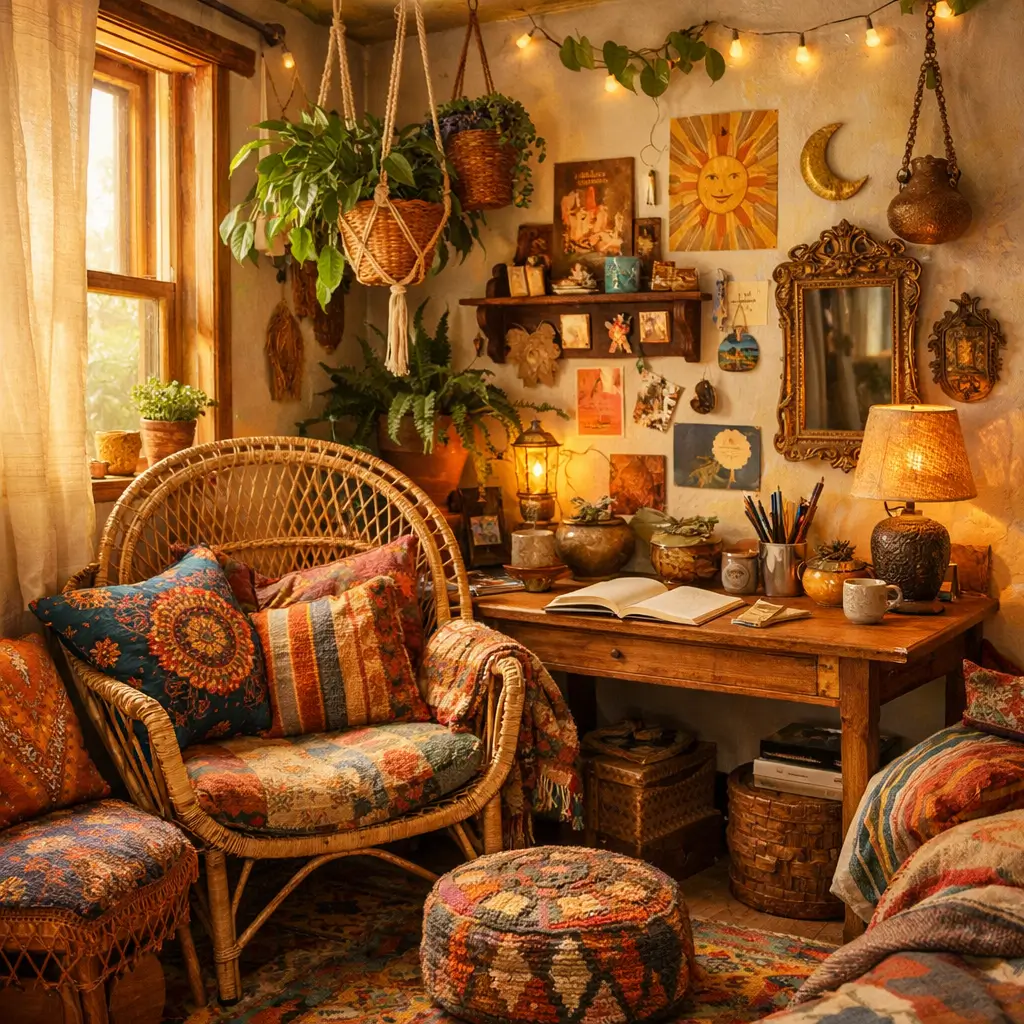
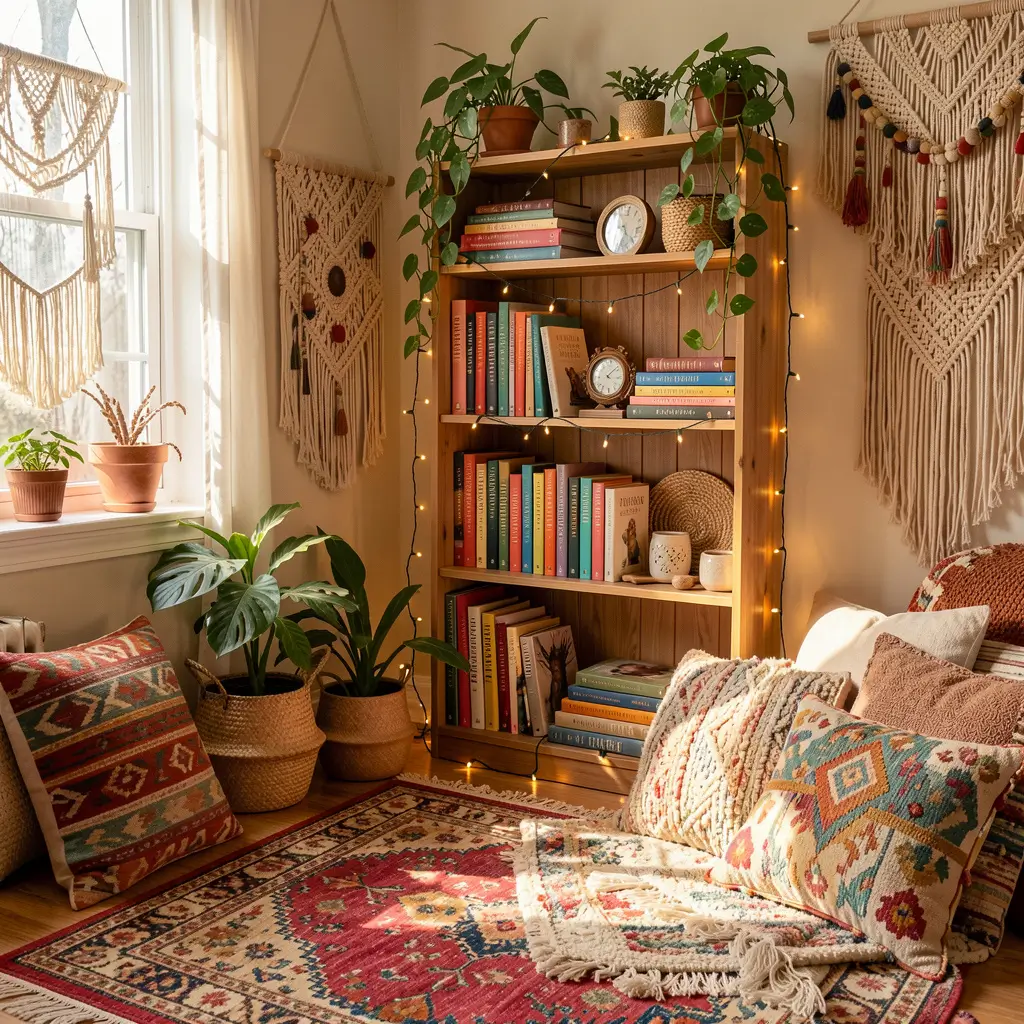
If you find minimalism a bit too cold, you might crave the warmth of the cozy boho study nook. This style celebrates life, color, and texture. I find that the “organized chaos” of a Boho nook actually sparks my creativity when I feel stuck on a project.
Incorporating Natural Textures
Boho design relies heavily on organic materials. I suggest adding a rattan chair or a woven jute rug to your space. These materials bring an outdoor vibe inside, which lowers stress levels. I once added a macrame wall hanging above my desk, and it instantly made the room feel like a cozy cafe instead of a corporate cubicle.
The “Plant Parent” Component
You literally cannot have too many plants in a Boho study. Greenery improves air quality and provides a natural “visual rest” for your eyes when you look away from the screen.
- Hanging Pothos: Let the vines trail down from a high shelf.
- Snake Plant: This one is basically impossible to kill.
- Monstera: A statement plant that adds a tropical feel.
- Succulents: Perfect for small desk surfaces.
IMO, the Boho aesthetic works best for people who enjoy a “lived-in” feel. It’s the perfect style for artists, writers, and anyone who wants their study room to feel like a warm hug.
Lighting for Boho
Skip the harsh LEDs. Use string lights, lanterns, or lamps with woven rattan shades. You want the light to be diffused and soft. This creates a dreamlike atmosphere where time seems to slow down—perfect for those long afternoons of writing or sketching.
3. Small Space Study Corner
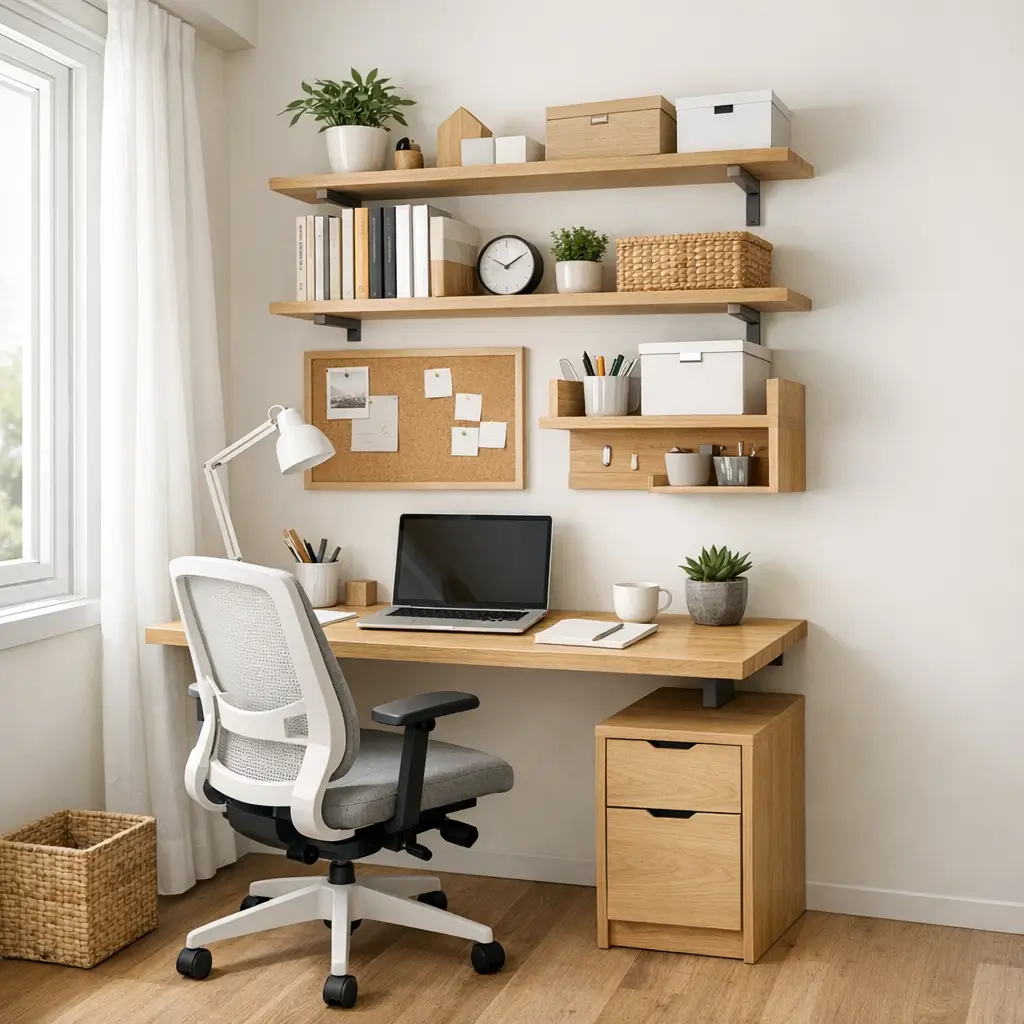
Not everyone has a spare bedroom to convert into a library. Most of us are fighting for every square inch. A small space study corner requires you to think vertically and use furniture that tricks the eye. I lived in a 500-square-foot apartment for two years, and I built a study nook in a literal closet.
The Magic of Floating Furniture
When floor space disappears, look at your walls. I recommend a wall-mounted floating desk. By keeping the floor visible under the desk, the room feels much more open. I installed a floating shelf system above my desk to hold my printer and books, which freed up my entire workspace. Vertical storage saves your sanity when you live in a tiny home.
Using Mirrors to Expand the Room
Mirrors aren’t just for checking your outfit. A large mirror reflects light and creates the illusion of depth.
- Place a mirror opposite a window to double the natural light.
- Lean a floor-length mirror in a corner to make the walls feel wider.
- Use mirrored desk accessories for a touch of glam that doesn’t feel heavy.
FYI, small spaces actually help some people focus better because there’s nowhere else to go. Use a “ghost chair” (clear acrylic) to keep the visual weight of the furniture low. Strategic small-space design turns a cramped corner into a cockpit of productivity.
Also Read: 10 Dreamy Cozy Study Room Ideas and Soft Lighting
4. Modern Industrial Study Room
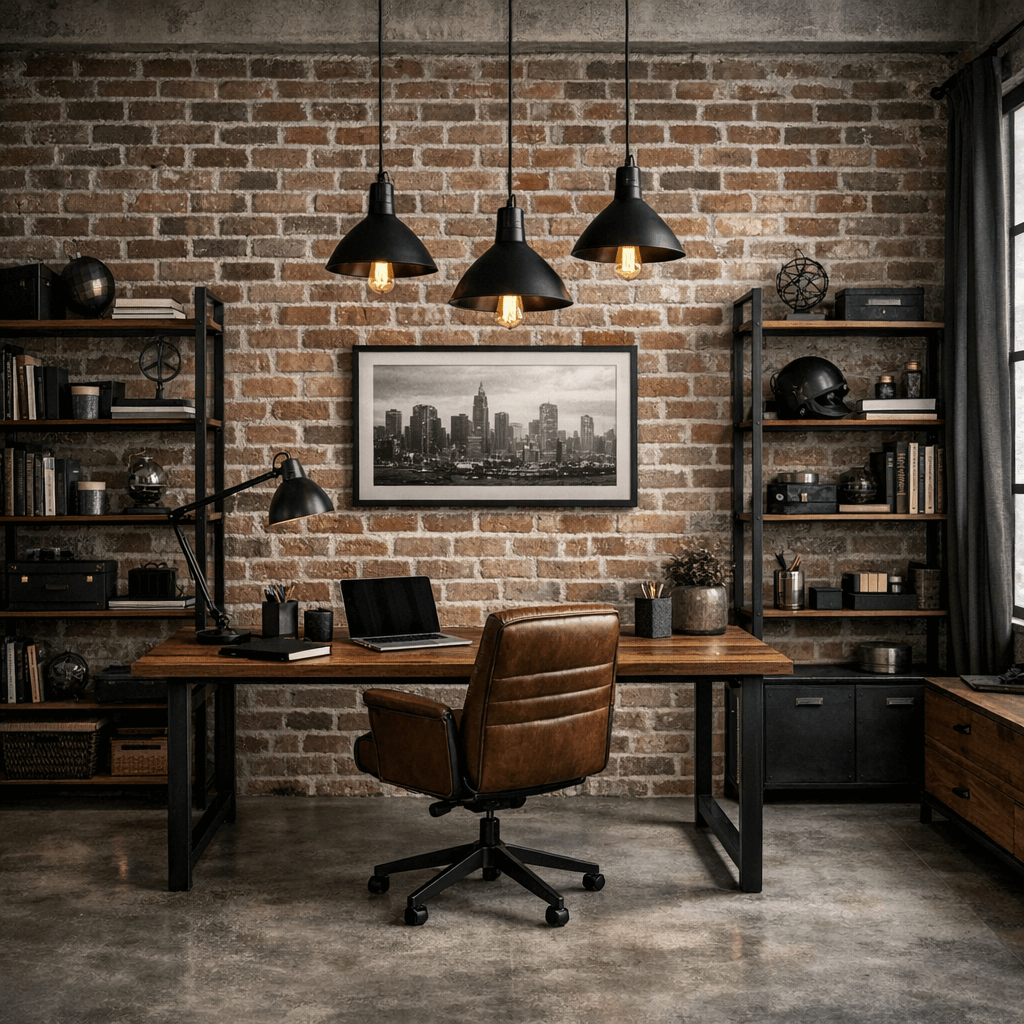
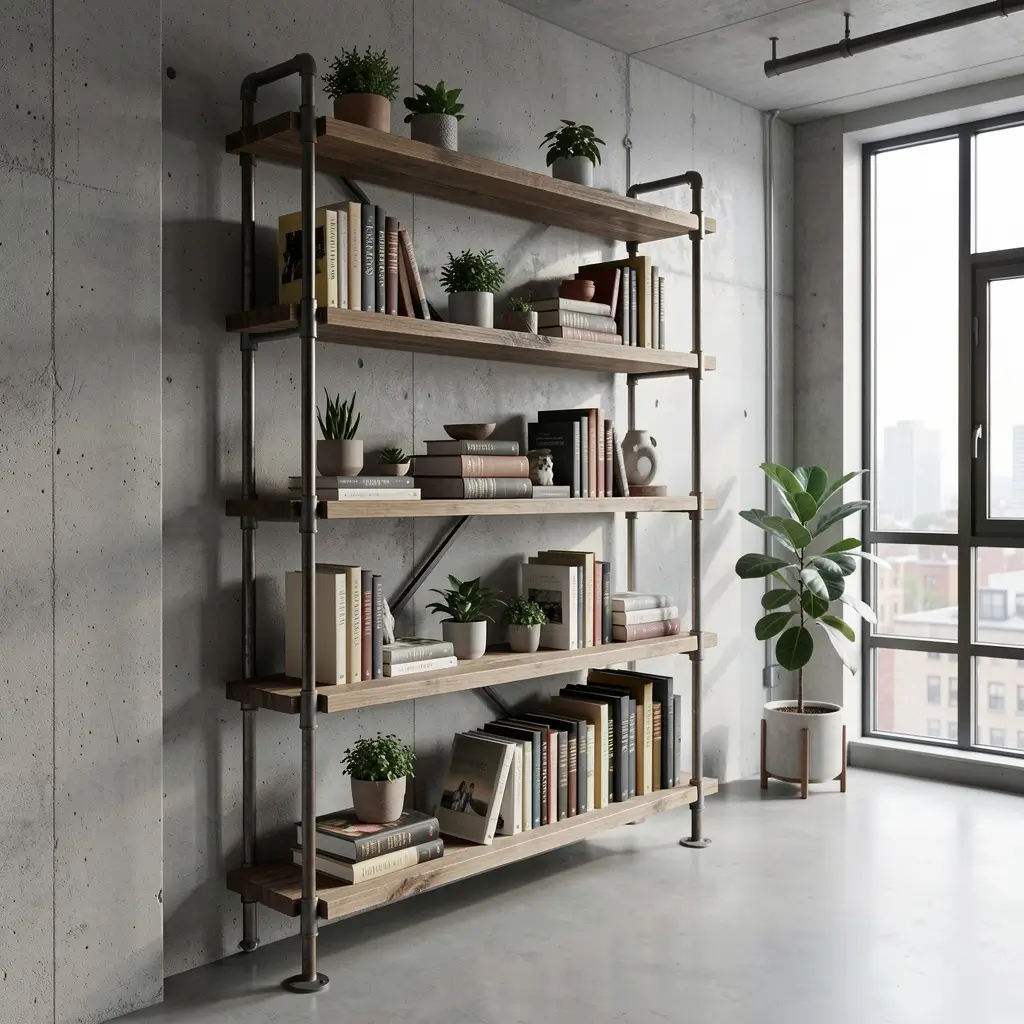
If you prefer a moodier, more masculine vibe, the modern industrial study room might be your winner. This look uses raw materials like iron, steel, and dark woods. It feels sturdy, permanent, and very “serious business.”
The Industrial Palette
Think dark grays, matte blacks, and rich browns. I love the contrast of a heavy iron desk frame against a brick wall. It gives off a “converted warehouse loft” vibe that makes you feel like a high-powered architect or a gritty novelist.
Industrial Decor Must-Haves
- An Edison bulb desk lamp. The warm, exposed filament looks incredible at night.
- Metal wire baskets for filing papers and magazines.
- A leather desk mat. It protects the wood and adds a touch of luxury.
- Concrete planters for your succulents or cacti.
- Exposed shelving made of black pipe and thick wood planks.
I built my own industrial shelves using pipes from a local hardware store. They cost about $60 and look better than anything I saw in the high-end furniture catalogs. Industrial design celebrates the “unfinished” look, so don’t worry about things being too polished.
Softening the Edge
Industrial rooms can sometimes feel a bit cold or harsh. I recommend adding a few “soft” touches to balance the metal. A worn-in leather chair or a wool rug will provide the necessary comfort without ruining the edgy aesthetic.
5. Nature-Inspired Green Study Room
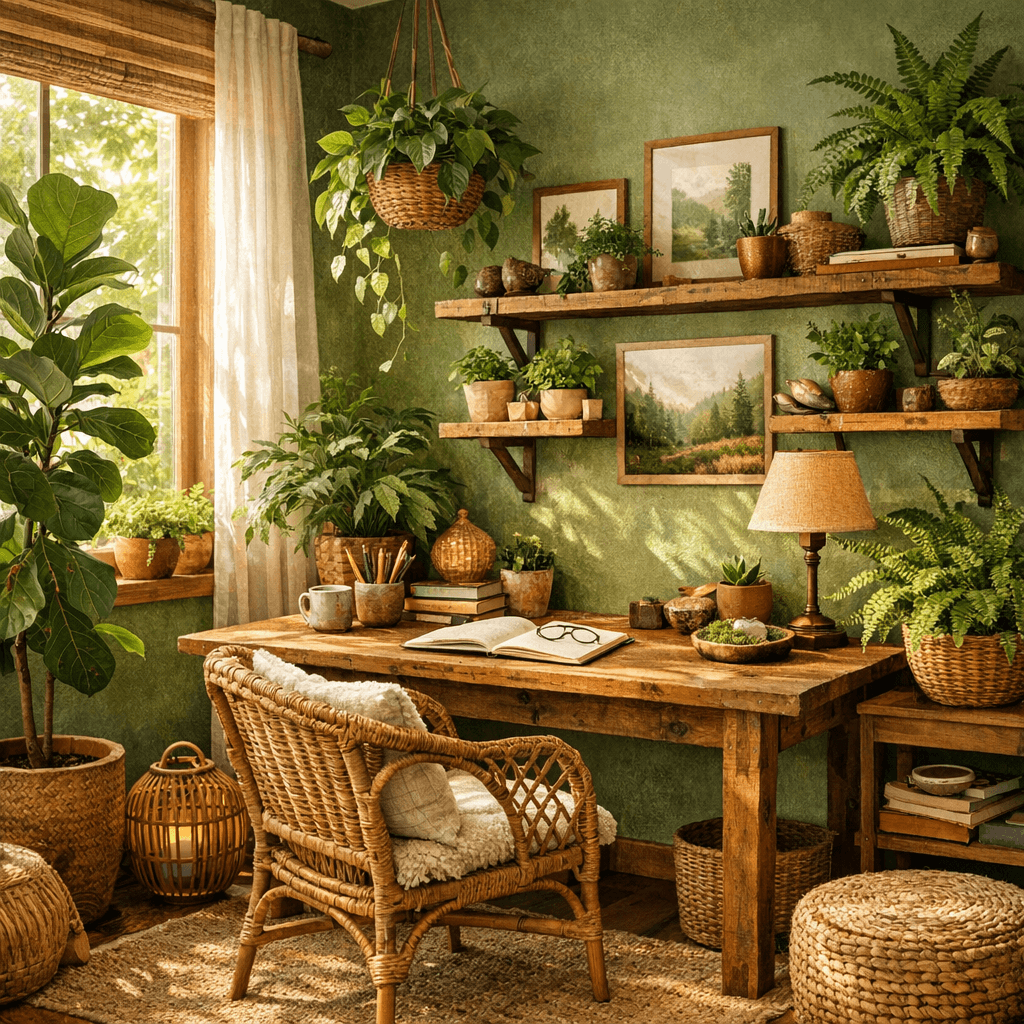
“Biophilic design” sounds fancy, but it just means bringing nature into your workspace. A nature-inspired green study room uses earth tones, raw wood, and plenty of greenery to create a calming environment. I find that I can work much longer without a headache when I’m surrounded by natural elements.
The Earthy Color Palette
I suggest using colors like sage green, terracotta, and deep forest green. These shades ground the space and reduce anxiety. I recently painted one accent wall a deep olive green, and it became my favorite part of the house. Natural colors soothe the nervous system, making them perfect for high-stress jobs or intense exam seasons.
Materials That Ground You
- Raw Wood Desks: The visible grain adds a tactile, earthy feel.
- Stone Coasters: Use slate or marble to add a touch of the outdoors.
- Linen Curtains: This fabric allows light to filter through softly.
- Terracotta Pots: These add a warm, rustic touch to your plant collection.
Does your current office feel like a plastic box? Swap out your plastic organizers for wooden or wicker baskets. Nature-inspired decor connects you to the outside world, even when you’re stuck inside answering emails. I find that this aesthetic works particularly well in rooms with large windows.
Choosing Your Green Roommates
If you are new to plant parenthood, don’t buy anything fussy. I suggest starting with a ZZ plant or a Sansevieria. These guys are virtually indestructible. They thrive in low light and don’t care if you forget to water them for a week. A study room should inspire you, not give you more chores!
6. Colorful Teen Study Zone
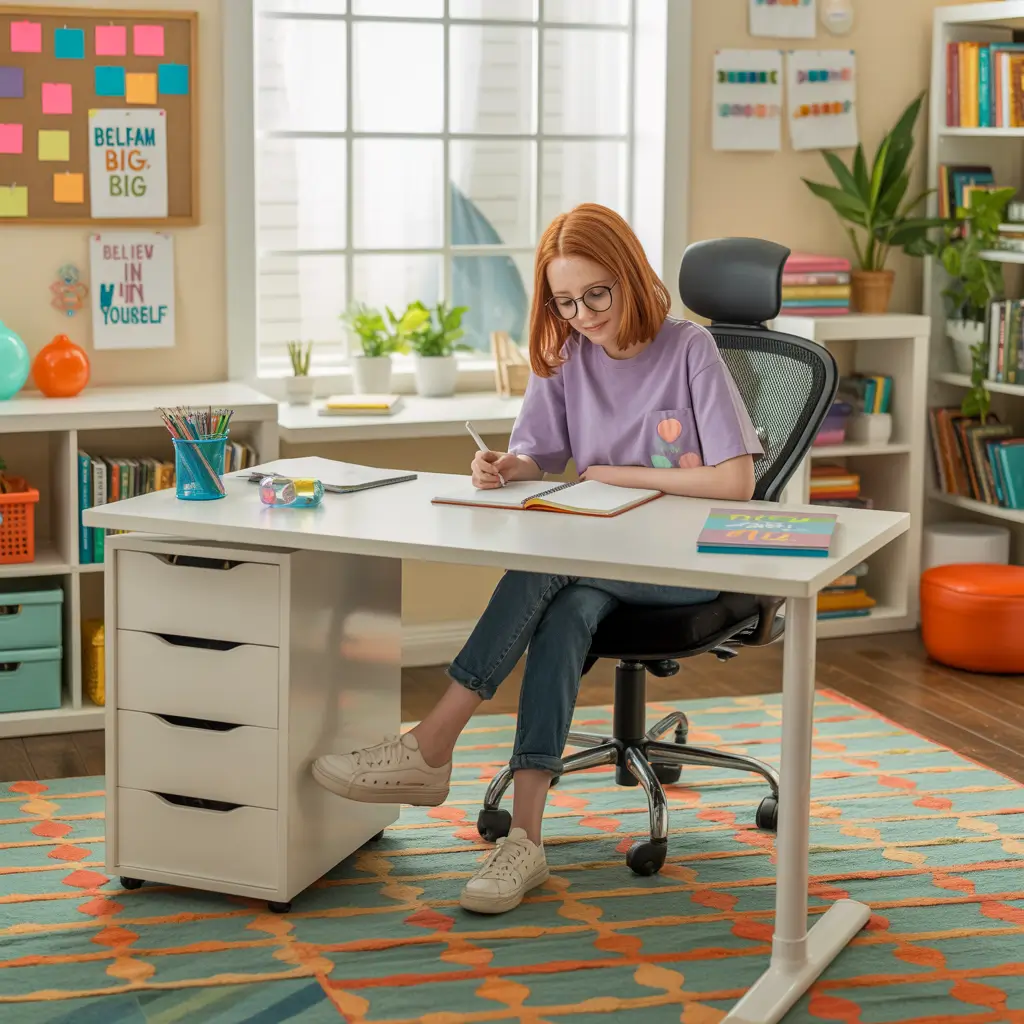
Studying for exams is depressing enough without doing it in a beige box. A colorful teen study zone should feel high-energy and motivating. I’ve noticed that students perform better when they actually like their surroundings. Bold colors can actually stimulate different parts of the brain.
Picking the Right Palette
Don’t just throw every color at the wall. I suggest picking one “power color” and using it strategically. Blue promotes calm and focus, while yellow boosts energy and optimism. I personally love a deep teal accent wall paired with bright orange desk accessories.
Ways to inject color:
- Paint the inside of your bookshelves a bright neon shade.
- Use a colorful ergonomic chair as the room’s centerpiece.
- Hang a giant magnetic whiteboard for colorful brainstorming.
- Choose a patterned rug that ties all your colors together.
Personalization is Mandatory
A teen’s study space should reflect their hobbies. I recommend adding corkboards for pinning photos, concert tickets, and sketches. This keeps the room evolving. If the space feels like a reflection of their personality, they will treat study time as a personal project rather than a chore.
Also Read: 10 Minimal Study Room Inspiration Ideas for Clean Setup
7. Scandinavian Style Study Room
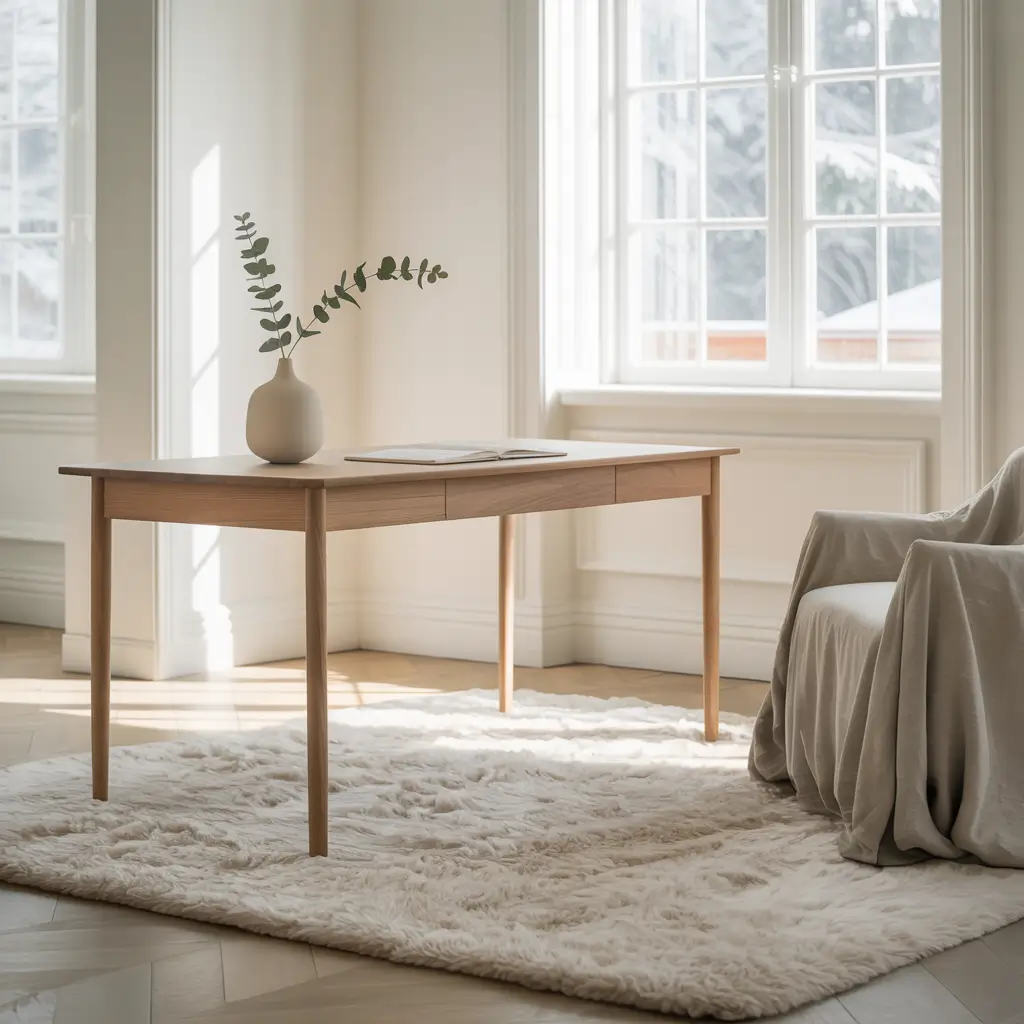
Scandinavian design, or “Scandi,” focuses on functionality, minimalism, and light. It’s very similar to the minimalist style but with a focus on “hygge”—the Danish concept of cozy contentment. I love Scandi design for study rooms because it prioritizes the user’s comfort above all else.
The “White and Wood” Rule
The Scandi look almost always involves a white desk with light-colored wooden legs. This combination feels fresh and modern. I use a white desk in my current study, and I find that it makes the whole room feel much cleaner. Scandi design maximizes available light, which is essential during gray winter months.
Scandi decor checklist:
- Functional shelving units like the IKEA Kallax.
- A simple wool rug to dampen sound.
- Tapered furniture legs to create an airy feel.
- One or two “Hygge” touches like a ceramic mug or a white candle.
Smart Storage for Busy Students
Scandi aesthetics hate clutter, so you need hidden storage.
- Modular drawers: Keep your supplies out of sight but within reach.
- Wall grids: Use a metal wire grid to hang photos and notes without cluttering the desk.
- Pegboards: A wooden pegboard allows you to customize your storage daily.
The Beauty of Utility
Ever wondered why everyone is obsessed with Scandi furniture? It’s because it merges beauty with utility perfectly. You don’t have to choose between a room that looks good and a room that works well. Scandinavian design creates an efficient, peaceful environment that boosts your productivity.
8. Elegant Vintage Study Room
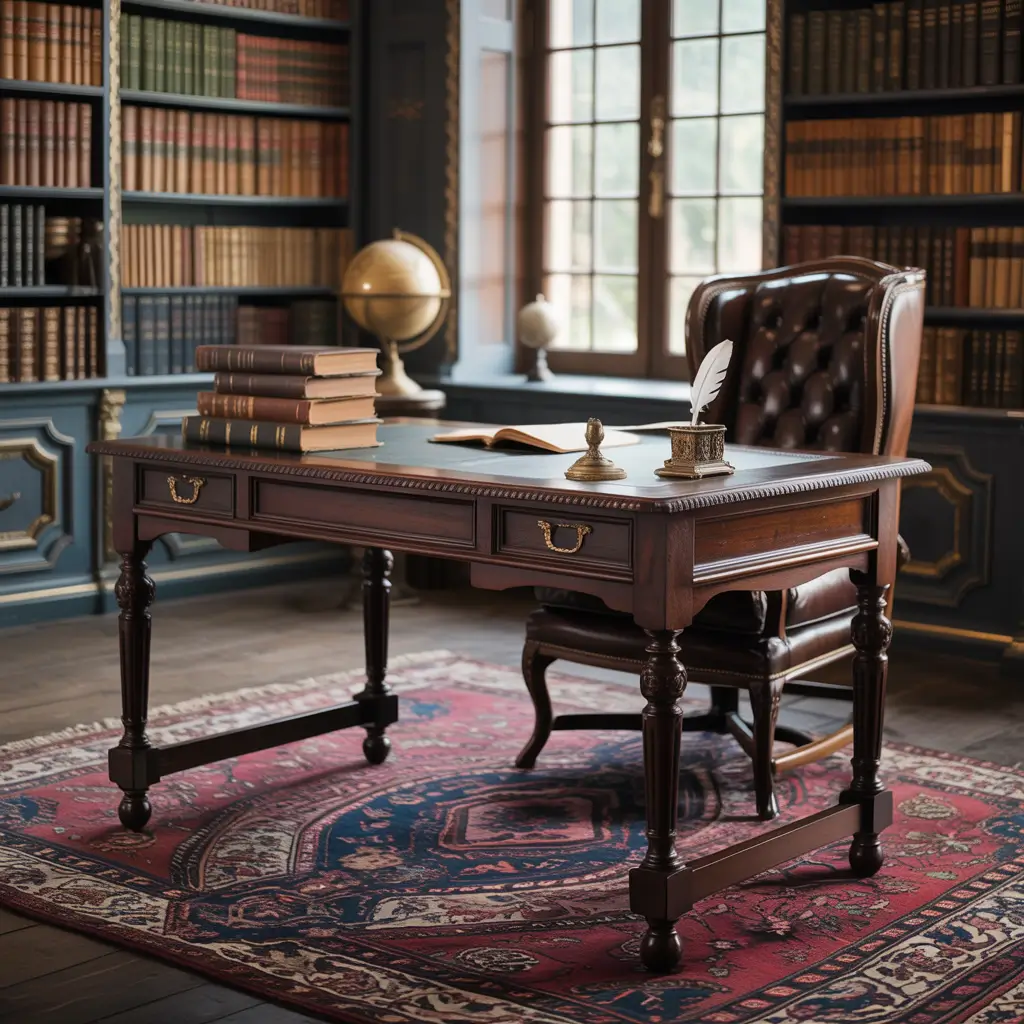
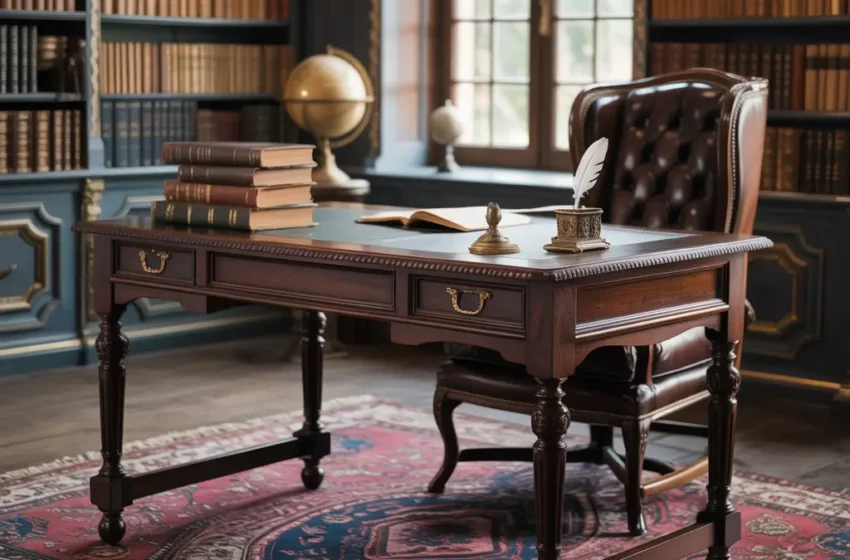
Do you want to feel like a character in a classic novel? An elegant vintage study uses antiques, dark woods, and ornate details to create a scholarly atmosphere. This is the “Dark Academia” vibe that has taken social media by storm.
The Scholarly Atmosphere
I recommend looking for a vintage secretary desk or an ornate wooden desk from a thrift store. Pair it with a library-style lamp with a green glass shade (the classic “banker’s lamp”). Vintage elements bring a sense of gravity to your work. I love sitting at an old desk because it makes me feel like part of a long line of thinkers and writers.
Decorating with History
- Gilded frames: Use gold frames for your diplomas or classic art.
- Old books: Display leather-bound books as both a resource and decor.
- Candelabras: Use these for a dramatic, evening study session.
- Velvet curtains: Heavy drapes in burgundy or emerald green add luxury.
Rhetorical question: Why work in a generic office when you can work in a personal museum? I suggest adding a fountain pen set or a vintage typewriter to complete the look. Elegant vintage design celebrates the intellectual life and provides a stunning backdrop for your studies.
9. Bright Window-Filled Study Room
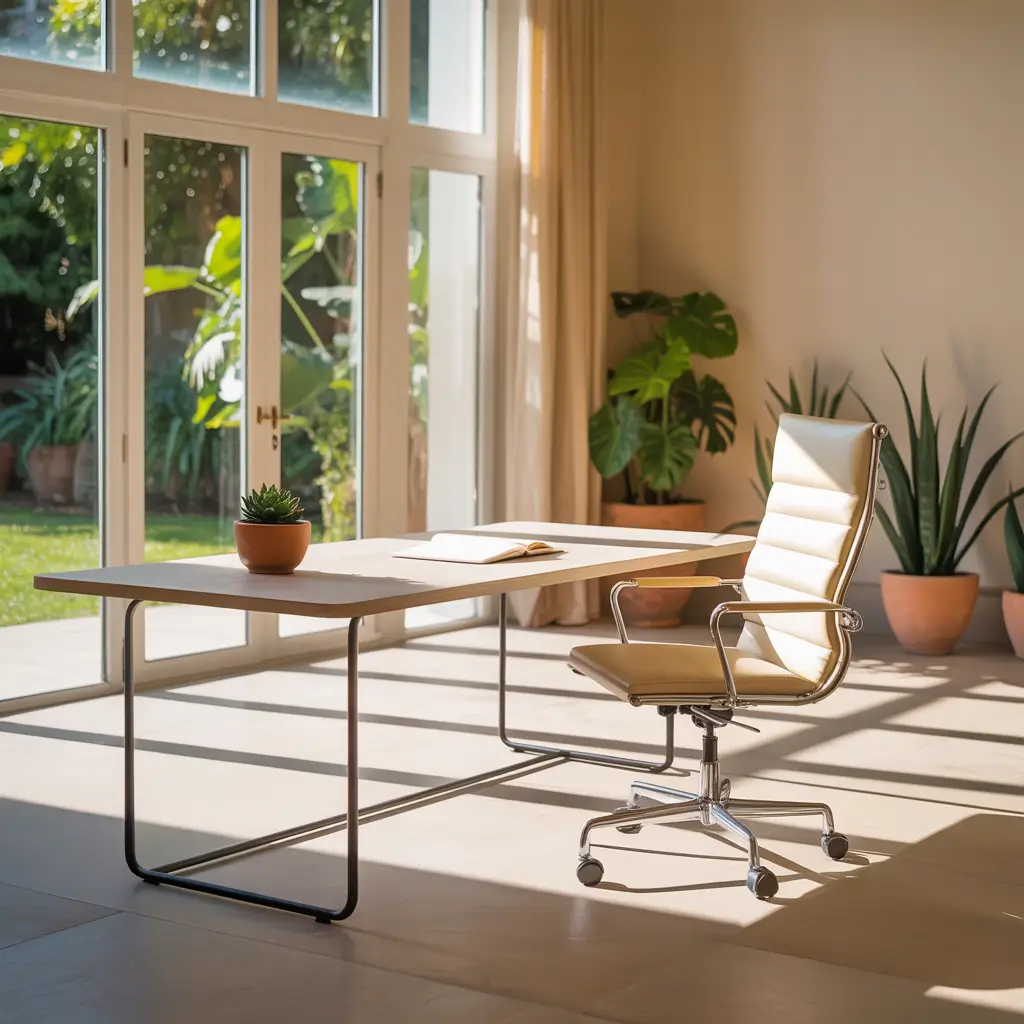
Why work in a cave? If you have a room with a large window, your study room interior should revolve entirely around that light source. I once moved my desk from a dark corner to a window-facing position, and my afternoon slump completely vanished. Natural light boosts serotonin and keeps you awake.
Positioning for Maximum Impact
Never put your monitor directly in front of a bright window—you’ll deal with a glare that will ruin your eyes. Instead, I recommend placing the desk perpendicular to the window. This way, the light washes across your workspace, but you aren’t squinting at a sunlit screen.
Light-maximizing tricks:
- Use light-reflecting paint (satin or eggshell finish) on the walls.
- Avoid bulky furniture that blocks the flow of light.
- Add a glass-top desk to let light pass through to the floor.
- Place a mirror on the opposite wall to double the brightness.
The View as a Mental Reset
When your brain gets stuck, you need a “visual break.” Looking out a window for 20 seconds helps your eyes recalibrate and prevents fatigue. I find that watching the weather change makes the workday feel less stagnant. If you have a garden view, you’re basically winning at life.
Also Read: 12 Inspiring Study Room Decor Ideas DIY Ideas for Focus
10. Compact Multi-Functional Study Room
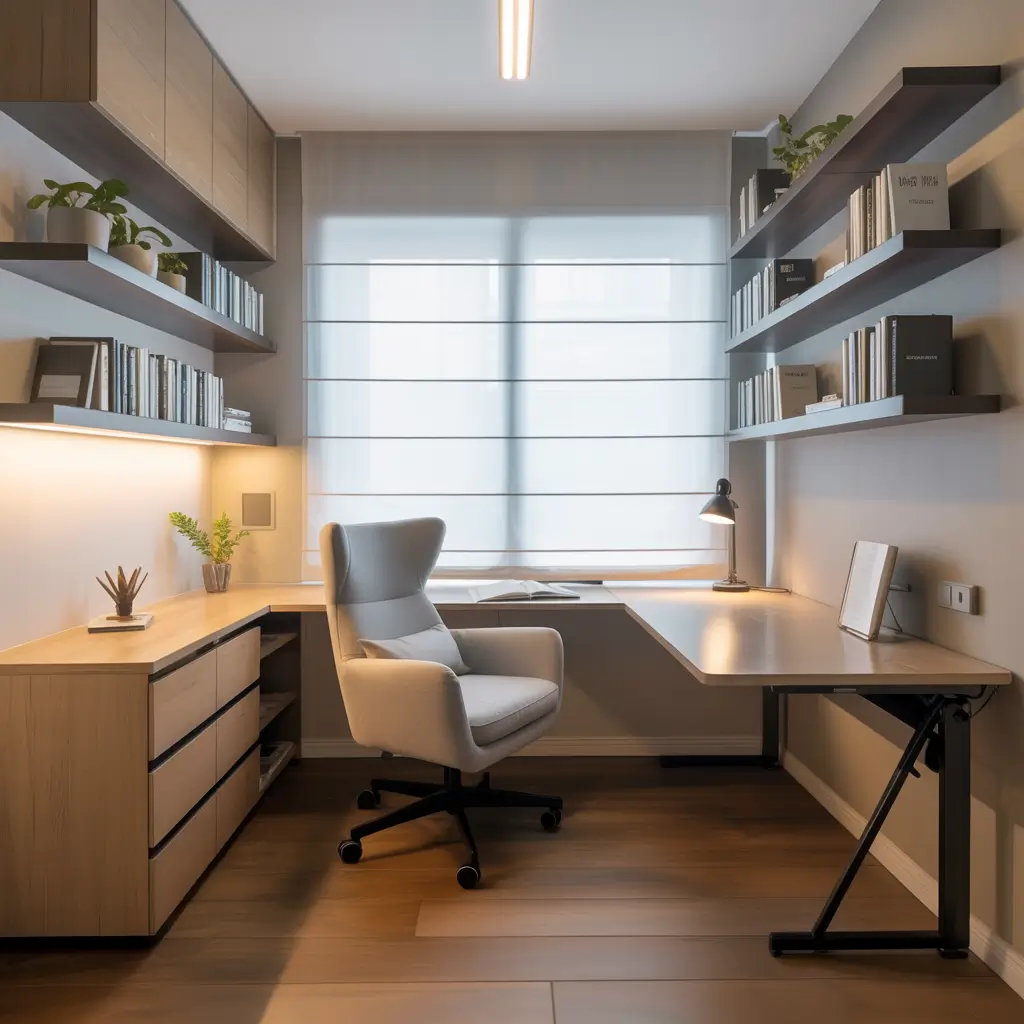
If your “study room” is actually just a corner of your bedroom or living area, you need furniture that pulls double duty. A compact multi-functional study room uses clever design to make one space serve multiple purposes.
The “Cloffice” Revolution
I spent two years working in a “cloffice”—a closet converted into an office. I removed the clothes rod and installed a deep shelf at desk height. Above it, I added two more shelves for my books and printer. When I finished my work for the day, I literally closed the closet doors. This ritual helped me maintain a healthy work-life balance, which is notoriously hard for students. :/
Hidden Storage Perks
Most of these multi-functional units include integrated cubbies for your pens, notebooks, and even a small tablet.
- Check the weight limit before you buy (some can’t handle heavy monitors).
- Use a folding chair that you can hang on a wall hook nearby.
- Use drawer dividers to prevent the “junk drawer” fate.
Organizing for Two Purposes
Make sure the storage side doesn’t get cluttered with non-study items. I recommend keeping your laundry or hobby supplies in a different area. Physical boundaries create mental boundaries. If your desk holds both your homework and your half-eaten snacks, you will never feel like a professional.
11. Artistic Creative Studio Space
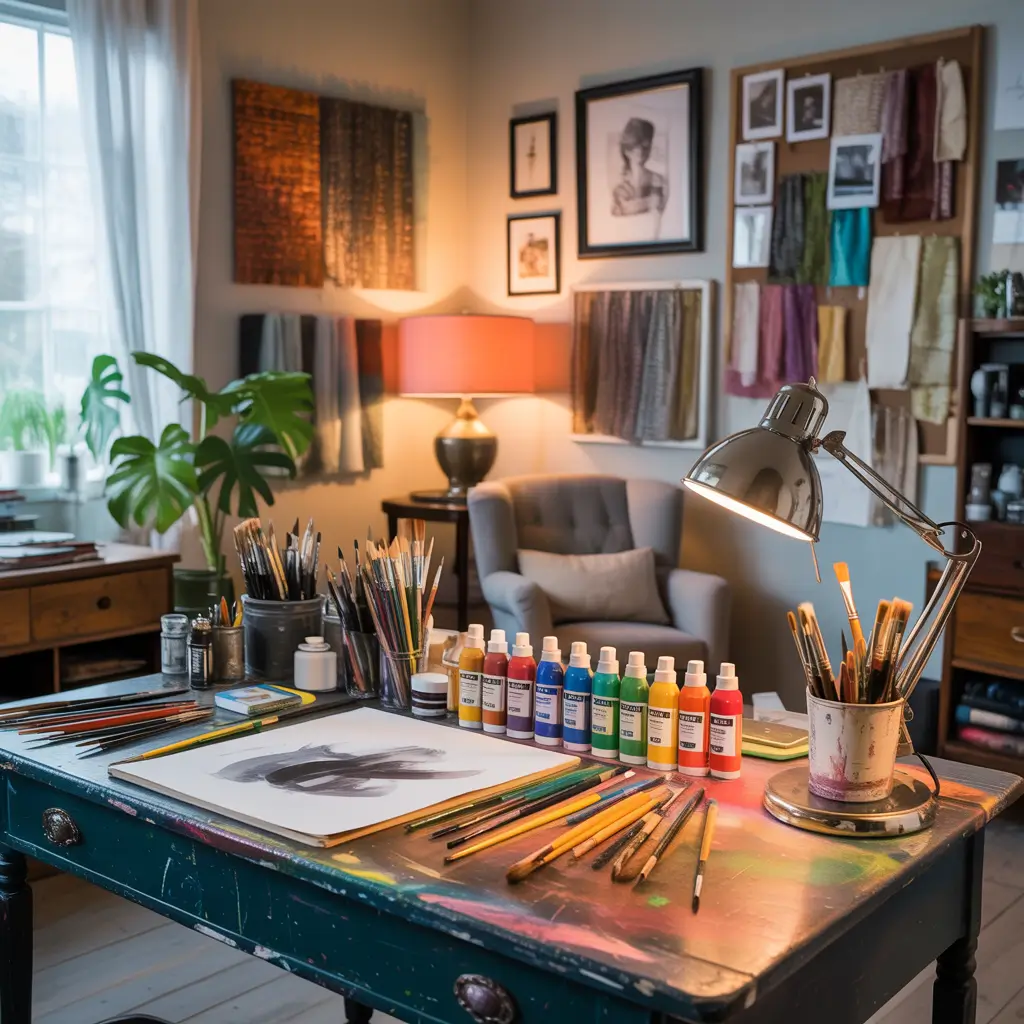
If your work is more about painting or sketching than typing, you need a different kind of room. An artistic creative studio space prioritizes large surfaces, natural light, and hyper-organized supply storage. This isn’t just a desk; it’s a workshop.
The Large-Surface Priority
I recommend ditching the traditional desk and using a large, counter-height worktable instead. This allows you to stand, lean over your projects, and spread out your materials without feeling cramped. A simple butcher block countertop on top of two filing cabinets makes a fantastic, budget-friendly art desk.
The Power of the Pegboard
Artists have a lot of “stuff”—paints, brushes, pencils, tools. A floor-to-ceiling pegboard is your best friend. It keeps all your tools visible and within arm’s reach. I use a combination of hooks, bins, and small shelves to create a customizable system that changes with every project.
Lighting for True Colors
When you work with color, you need lighting that mimics daylight. I suggest using “full-spectrum” LED bulbs (around 5000K-6000K). This ensures that the colors you see at 10 PM are the same colors you see in the morning sun. Good lighting prevents costly color mistakes in your artwork.
12. Monochrome Sleek Study Room
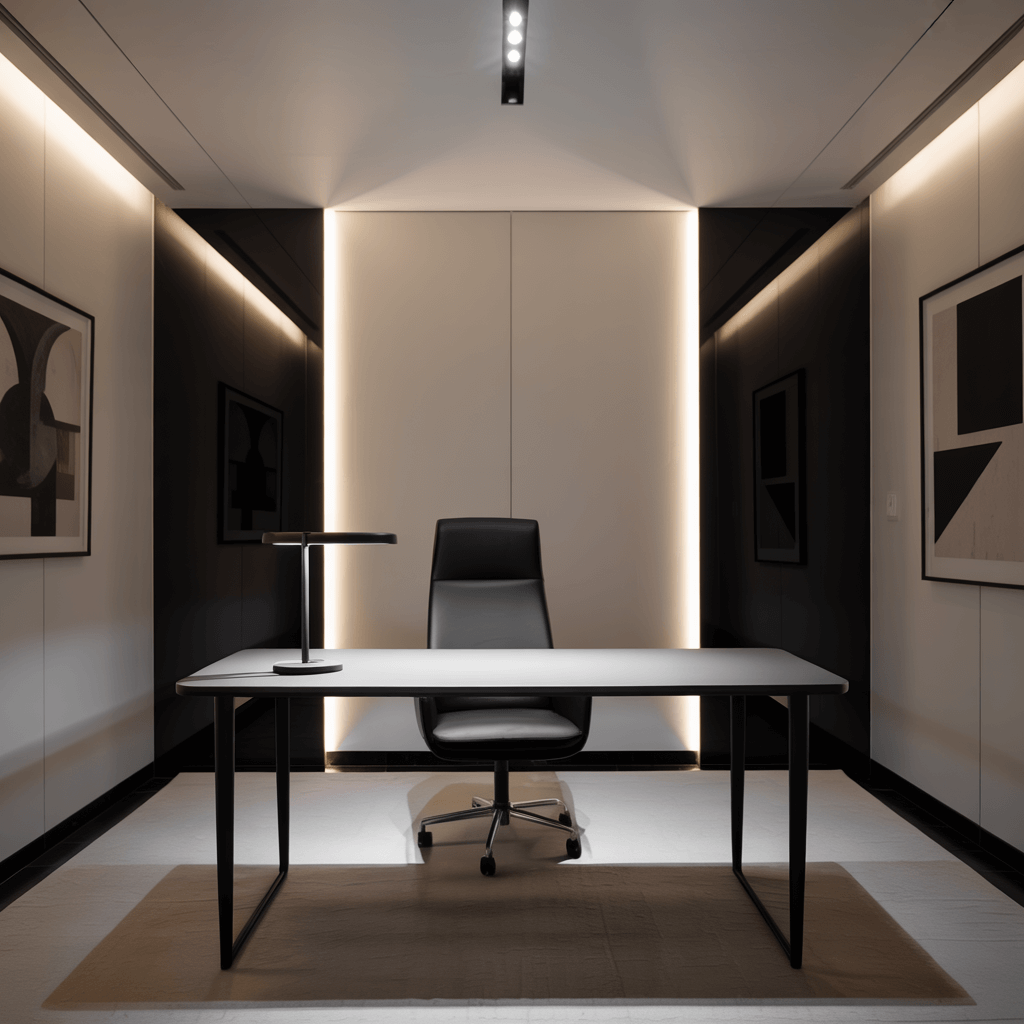
For the high-powered professional or the student with a “no-nonsense” attitude, a monochrome sleek study room delivers a sharp, sophisticated vibe. This look focuses on a single color family—usually black, white, and various shades of gray. It looks incredibly expensive, even if you bought everything at a discount store.
Creating High Contrast
I love the look of a matte black desk against a crisp white wall. This contrast creates a sharp visual boundary that tells your brain, “It’s time to work.” I used this aesthetic in my home office for a year, and I felt much more authoritative during Zoom calls. Monochrome layouts remove the distraction of color, keeping your mind focused on logic and data.
Metallic Accents
To keep a monochrome room from looking flat, you must add metallic touches.
- Silver or Chrome: Provides a cool, futuristic feel.
- Brushed Brass: Adds a touch of warmth and luxury.
- Matte Black Metal: Maintains a seamless, industrial look.
Rhetorical question: Why settle for a boring office when you can work in a space that feels like a tech mogul’s headquarters? I recommend adding a leather desk mat to protect your surface and add a layer of texture. Modern monochrome projects confidence and helps you take your goals more seriously.
Comparing Different Study Room Styles
Choosing a style can be tough. I made this quick list to help you decide which vibe fits your personality.
| Feature | Minimalist | Boho | Industrial | Vintage |
|---|---|---|---|---|
| Primary Material | Light Wood/Metal | Rattan/Textiles | Steel/Brick | Dark Wood/Brass |
| Lighting | Single Task Lamp | Warm/Ambient | Edison Bulbs | Banker’s Lamp |
| Desk Style | Sleek/Floating | Thrifted/Mismatched | Heavy/Metal Frame | Ornate/Secretary |
| Vibe | Zen/Airy | Creative/Warm | Edgy/Masculine | Scholarly/Cozy |
| Maintenance | Low | Medium | Low | High (Dusting) |
Essential Technical Details for a Great Study Room
I know you’re excited about the decor, but if you ignore the “boring” technical specs, your body will hate you. Even a beautiful room can cause physical pain if it’s not set up correctly.
The 90-90-90 Rule for Ergonomics
I suggest you adjust your desk and chair height so your feet are flat on the floor, your knees are at a 90-degree angle, and your elbows are at a 90-degree angle when typing. If your desk is too high, use a footrest. Proper ergonomics prevent long-term physical issues like carpal tunnel and neck pain.
The Importance of Lighting Temperature
When shopping for light bulbs, look at the “Kelvin” (K) rating.
- 2700K – 3000K: Warm white (Great for a cozy, evening reading vibe).
- 4000K – 5000K: Cool white/Daylight (Essential for your main desk to keep you alert and focused).
I use smart bulbs that I can adjust throughout the day. It’s a small investment that makes a massive difference in my focus and sleep quality.
Frequently Asked Questions
How can I make my study room look inspiring on a budget?
Paint is your best friend. A single can of paint for an accent wall costs about $30 and completely changes the room’s energy. Also, check thrift stores for “good bones” furniture that you can refinish with a bit of sandpaper and a new set of knobs.
What is the best study room interior idea for a small space?
I recommend the Small Space Study Corner or the Compact Multi-Functional Study Room. Floating desks and vertical shelving are your best allies in a tiny room.
Should I add a rug to my study room?
Yes! A rug helps define the study “zone,” especially if it’s in a larger room. It also absorbs sound, which can help you concentrate. Choose a low-pile rug so your chair can still roll easily.
My Personal Study Transformation Story
I want to leave you with a quick story. Two years ago, my “study” was a messy corner of my bedroom. I had a heavy, dark mahogany desk I inherited from my uncle. It was beautiful, but it was huge. It ate the whole room. I felt cramped, grumpy, and my productivity was in the toilet.
I finally committed to the Minimalist White Study Room aesthetic. I sold the desk, painted the corner a soft white, and installed a simple floating desk with one shelf above it. The first morning I sat down in that clean, bright space with a hot cup of coffee, I felt like a different person. I finished my work two hours early simply because I wasn’t fighting my environment. That experience is why I’m so passionate about finding the right study room interior ideas. A well-designed room is an act of self-care.
Final Thoughts: Design Your Success
You don’t need a massive office to do massive things. Some of the world’s biggest companies started in garages and tiny bedrooms.
The key to these 12 study room interior ideas involves being intentional with every square inch.
Start small. Maybe buy a plant this weekend. Or finally clear off that desk surface. You will be amazed at how much your mood improves when your environment supports your goals.
Remember, your workspace should serve you, not the other way around. Pick the idea that resonates most with your lifestyle—whether it’s the sleek minimalist look or the cozy Boho nook—and start building your sanctuary.
You deserve a space that makes you feel like the most productive version of yourself.
Now, go grab a tape measure and start planning! Your dream study is only a few wall brackets away. And seriously, please hide those computer wires—your future self will thank you for it. 🙂