10 Cozy Vintage Interior Design Ideas with Modern Touches
- Home Interior Design
 Ben
Ben- 0
- 46 minutes read
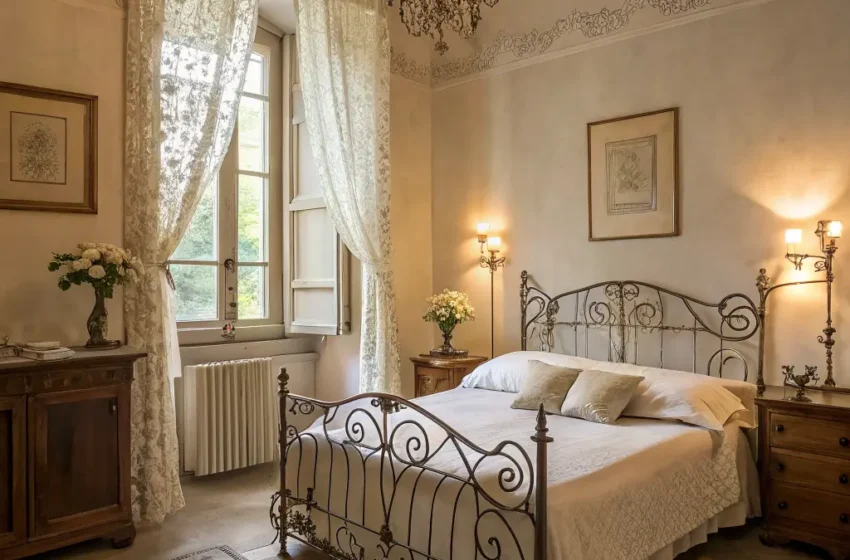
There’s something absolutely magical about walking into a room that feels like it has stories to tell. You know the feeling — that instant warmth when you spot a perfectly worn leather chair or catch sight of brass fixtures that have developed the perfect patina over decades.
Vintage interior design isn’t just about filling your home with old stuff; it’s about creating spaces that feel collected, curated, and wonderfully lived-in.
I stumbled into vintage design completely by accident when I inherited my grandmother’s mahogany sideboard five years ago.
That single piece transformed my sterile modern apartment into something with actual personality, and I’ve been hooked ever since. Whether you’re drawn to Victorian elegance, mid-century modern charm, or rustic farmhouse vibes, vintage interior design ideas offer endless possibilities for creating a home that feels genuinely yours.
Let me walk you through ten approaches to vintage design that actually work in real homes — not just in those impossibly perfect magazine spreads.
1. Cozy Vintage Living Room with Timeless Charm
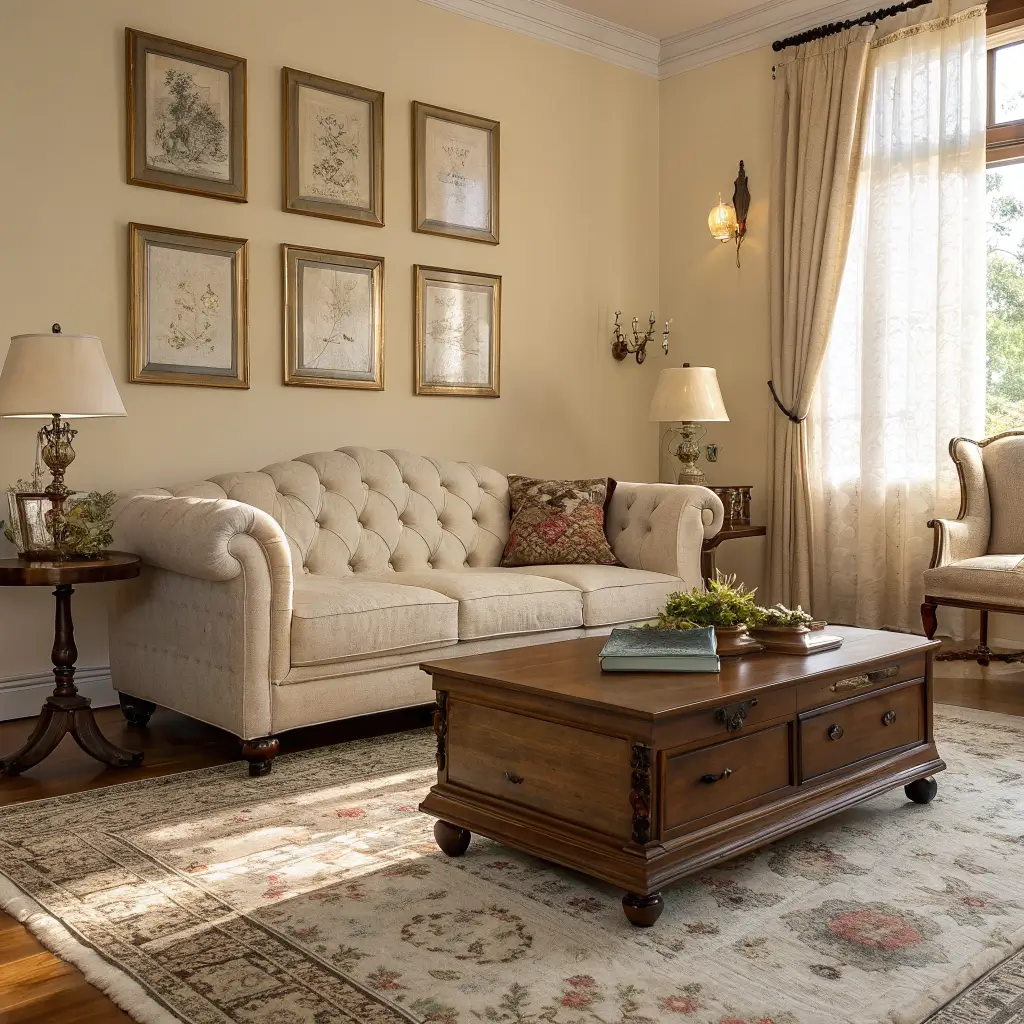
Creating a cozy vintage living room starts with understanding that comfort and style aren’t mutually exclusive. The best vintage living rooms feel like they’ve evolved over time, with each piece earning its place through both beauty and function.
Building the Foundation
Start with a substantial anchor piece — something that commands attention without screaming for it. My living room revolves around a 1960s velvet sofa I found at an estate sale for $300. Sure, I had to reupholster it, but that deep emerald fabric against worn wooden legs creates the perfect vintage foundation.
Essential elements for vintage coziness:
- Layered lighting from multiple sources at different heights
- Mixed patterns that share a common color thread
- Natural materials like wood, leather, and linen
- Lived-in textures that invite touching
- Personal collections displayed thoughtfully
- Books everywhere — seriously, you can’t have too many
The Art of Controlled Chaos
Vintage living rooms thrive on what I call “curated clutter.” You want enough stuff to feel lived-in but not so much that guests need a map to find the sofa. Group similar items together — a collection of brass candlesticks, vintage cameras on a shelf, or stacks of leather-bound books.
The trick is creating vignettes that feel intentional. Three items of varying heights work better than five items of the same size. Odd numbers create visual interest while even numbers feel too formal and planned.
Mixing Eras Without Chaos
Your vintage living room doesn’t need to commit to a single decade. I mix my 1960s sofa with a 1920s floor lamp, 1940s club chairs, and contemporary art. The cohesion comes from a consistent color palette and similar wood tones throughout.
What pulls it together? Every piece shares warm undertones — nothing too cool or stark. The wood furniture all has similar grain patterns. The metals are all warm (brass, copper, gold) rather than cool (chrome, silver, nickel).
2. Modern Homes with Subtle Vintage Touches
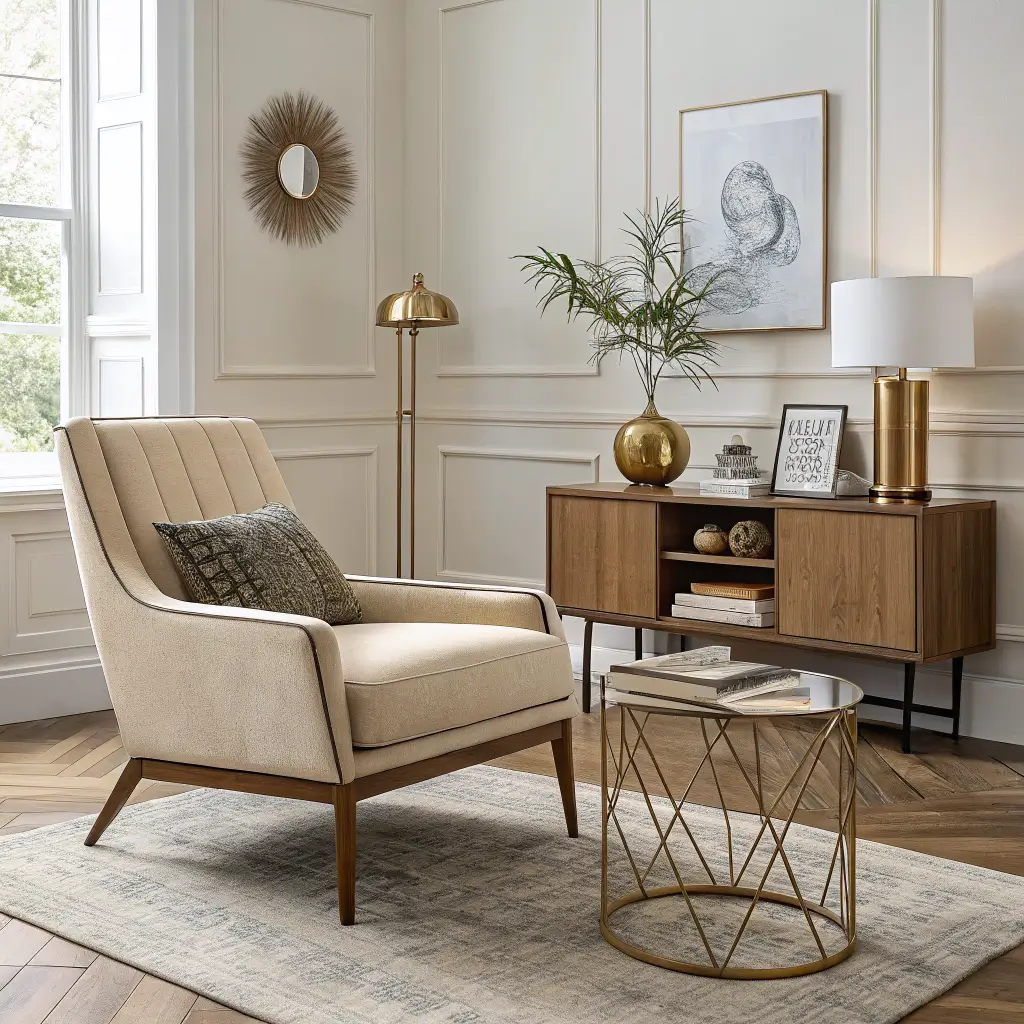
Not ready to go full vintage? Modern homes with vintage touches offer the perfect compromise. You get clean lines and contemporary convenience with just enough character to keep things interesting.
Strategic Vintage Placement
The key word here is “subtle.” You’re not trying to recreate your grandmother’s parlor; you’re adding vintage elements that complement modern design. Think of vintage pieces as the jewelry of your room — they should enhance, not overwhelm.
Places to add vintage touches:
- One statement chair in an otherwise modern seating arrangement
- Vintage art in contemporary frames
- Antique mirrors against minimalist walls
- A single vintage rug defining a modern seating area
- Vintage bar cart in a sleek kitchen
- Antique desk in a modern home office
Creating Conversation Between Old and New
The most successful modern-vintage hybrids create dialogue between eras. Place a sleek modern sofa across from vintage armchairs. Hang contemporary art above an antique console. Mix vintage ceramics with modern dinnerware.
I learned this lesson when I put my grandmother’s ornate Victorian mirror in my minimalist bedroom. Initially, it looked ridiculous — like it had wandered in from another house. But once I added a simple vintage bench below it and swapped my modern bedside lamps for vintage brass ones, suddenly everything clicked.
Avoiding the Museum Effect
Modern homes with vintage touches should still feel livable. If guests are afraid to sit anywhere, you’ve gone too far. Choose vintage pieces that can handle daily life — sturdy chairs, durable rugs, tables that won’t collapse if someone puts their feet up.
3. Small Space Vintage Interior Design Ideas
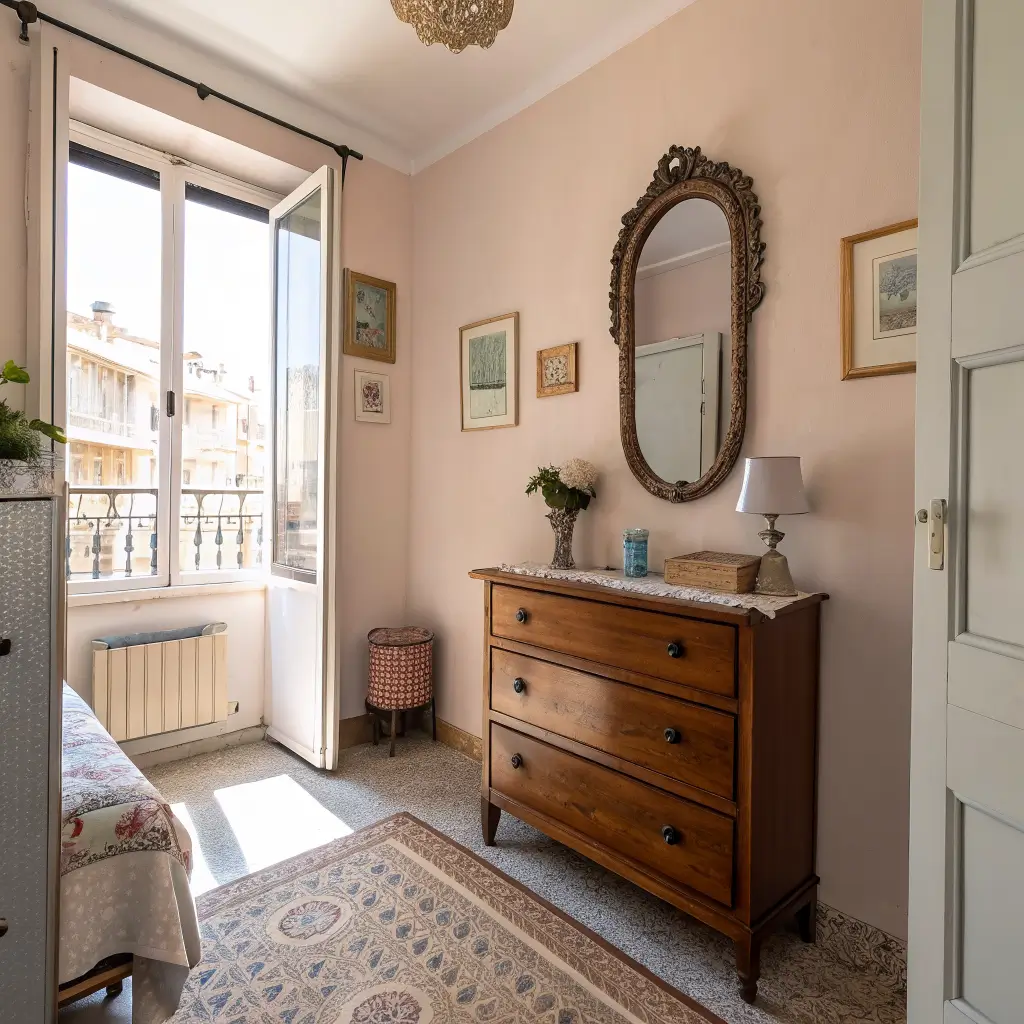
Living in 500 square feet doesn’t mean giving up on vintage charm. Small space vintage design actually works brilliantly because vintage pieces often have better proportions for compact rooms than contemporary furniture.
Scale Is Everything
Modern furniture tends toward the oversized, but vintage pieces from earlier eras were designed for smaller homes. That 1950s settee fits perfectly where a contemporary sofa would dominate. Vintage apartment-sized furniture was literally made for spaces like yours.
Smart vintage choices for small spaces:
- Drop-leaf tables that expand when needed
- Nesting tables instead of bulky coffee tables
- Secretary desks with built-in storage
- Armless chairs that don’t block sightlines
- Tall, narrow bookcases that use vertical space
- Vintage trunks as coffee tables with storage
Using Mirrors and Light
Vintage mirrors aren’t just decorative — they’re space-expanding magic. A large gilded mirror opposite a window doubles your natural light. Multiple smaller vintage mirrors grouped together create the illusion of more space while adding character.
My tiny apartment has seven vintage mirrors, and visitors always comment on how spacious it feels. The aged glass adds depth that new mirrors can’t replicate, and the ornate frames become art pieces themselves.
Multipurpose Vintage Pieces
Every piece in a small space needs to earn its keep. A vintage bar cart holds liquor, sure, but also plants, books, or bathroom supplies. An antique ladder becomes a blanket rack, towel holder, or display for magazines.
Also Read: 12 Inspiring Contemporary Interior Design Ideas and Chic Decor
4. Elegant Vintage Bedroom Decor Inspiration
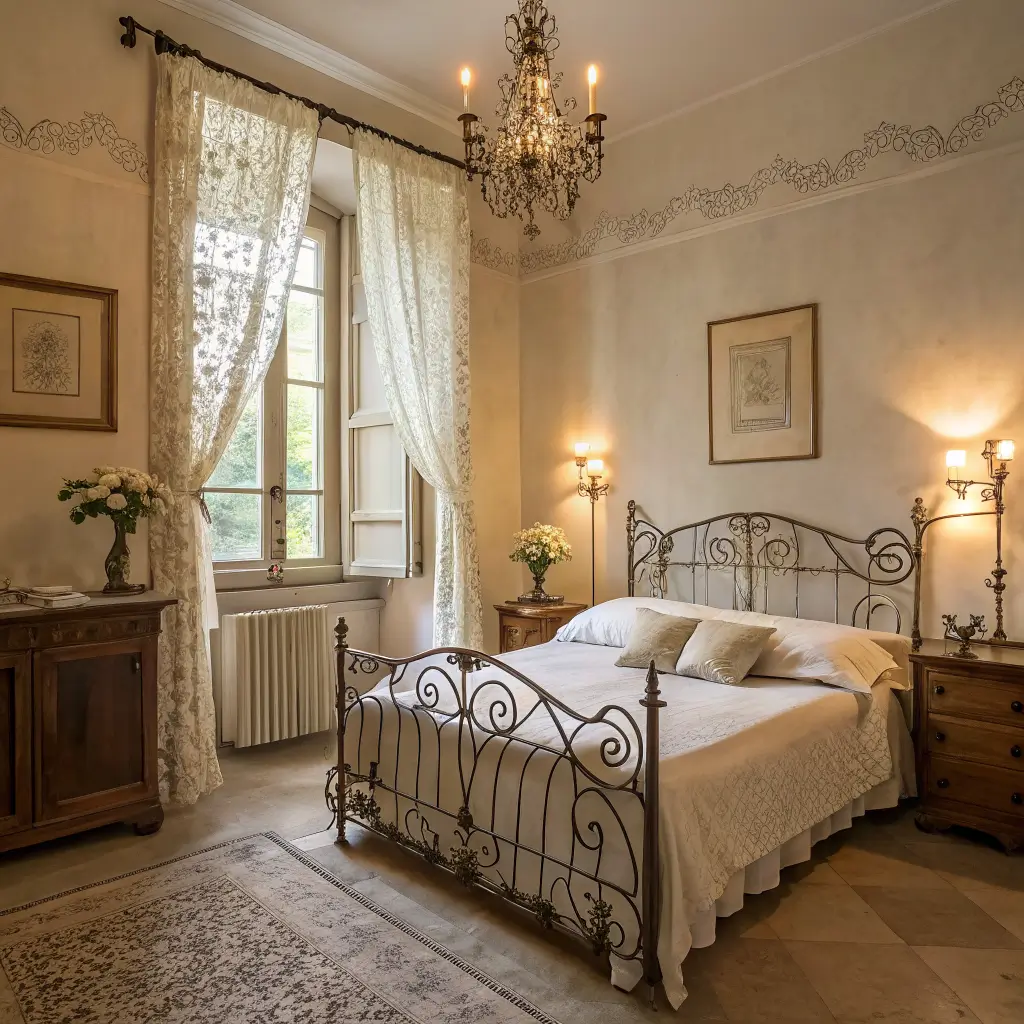
The bedroom is where elegant vintage decor really shines. This is your private sanctuary, so you can indulge in romance and drama without worrying about practicality.
The Statement Bed
A vintage or vintage-style bed frame transforms the entire room. Whether you choose an ornate brass bed, a carved wooden headboard, or a simple iron frame, the bed should be the star. Everything else plays supporting roles.
I splurged on a 1930s brass bed frame three years ago, and it completely changed how I felt about my bedroom. Suddenly, making the bed became important because the frame deserved beautiful linens. The whole room elevated to match that one piece.
Layering Textures and Textiles
Vintage bedrooms thrive on textile richness. Layer different textures:
- Linen sheets with slight wrinkles
- Velvet throw pillows in jewel tones
- Crocheted or knitted blankets at the foot
- Silk or satin accent pillows
- A vintage quilt as the top layer
- Lace curtains or heavy velvet drapes
Creating Intimate Lighting
Harsh overhead lighting kills vintage bedroom ambiance instantly. Instead, use:
- Vintage table lamps on nightstands
- A small chandelier if ceiling height allows
- Wall sconces for reading light
- String lights tucked behind sheer curtains
- Candles in vintage holders (safely, please)
5. Vintage Interior Design with Neutral Color Palettes
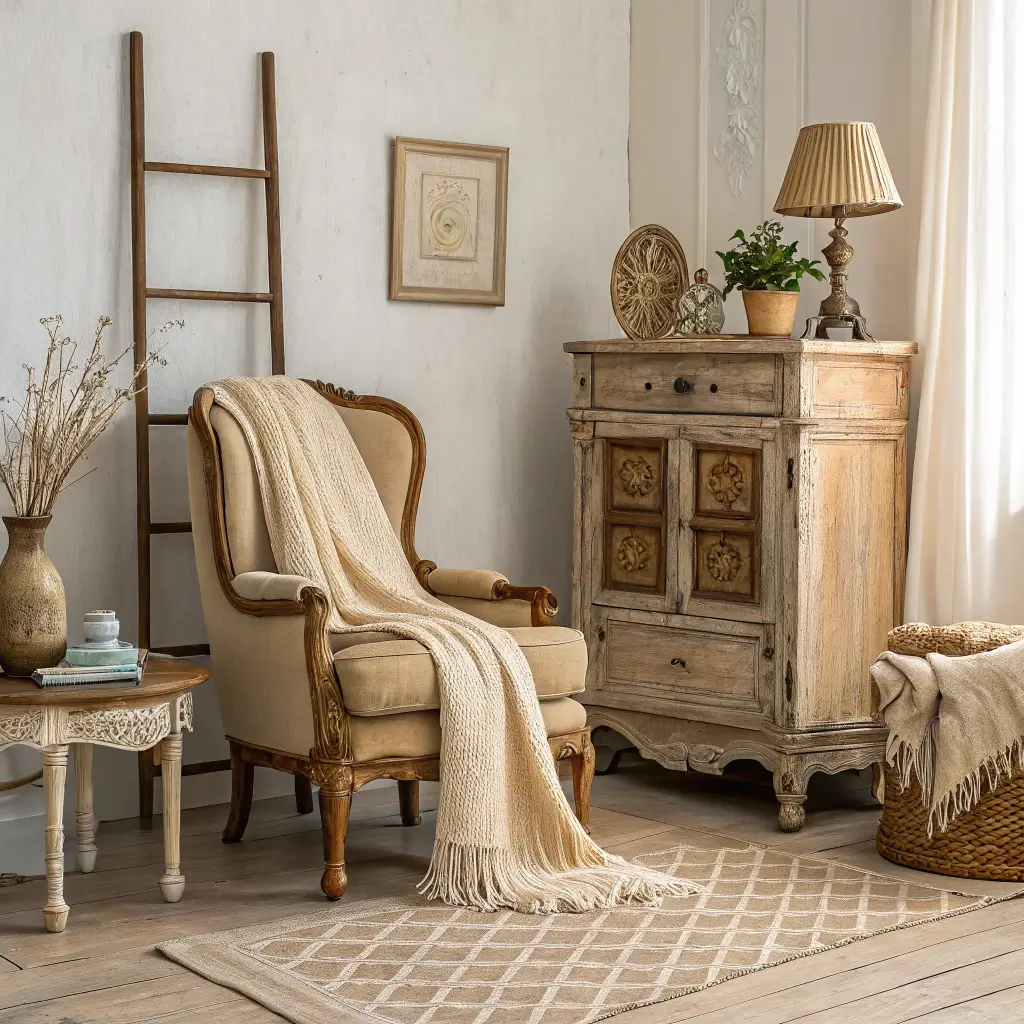
Who says vintage has to mean dark and heavy? Vintage design with neutral palettes creates spaces that feel both timeless and fresh. This approach works especially well if you love vintage style but prefer a lighter, airier feel.
Choosing Your Neutrals
Vintage neutrals go beyond basic beige. Think:
- Warm whites with yellow or pink undertones
- Soft grays with warmth, not cool concrete tones
- Cream and ivory in various shades
- Gentle browns from caramel to chocolate
- Muted sage or olive as a neutral green
- Dusty blues that read almost gray
Adding Interest Without Color
When you limit color, texture becomes crucial. Mix smooth with rough, shiny with matte:
- Rough linen next to smooth cotton
- Worn leather against soft wool
- Distressed wood with polished metal
- Nubby fabrics with silky ones
My neutral vintage dining room relies entirely on texture for interest. The bleached wood table, linen chairs, jute rug, and brass chandelier all share similar tones but different textures. It’s calming but never boring.
The Power of Patina
Neutral vintage design celebrates natural aging. The worn spots on a leather chair, the faded fabric on vintage pillows, the tarnished brass on drawer pulls — these imperfections add character that new neutral furniture lacks.
6. Mixing Antique Furniture with Modern Decor
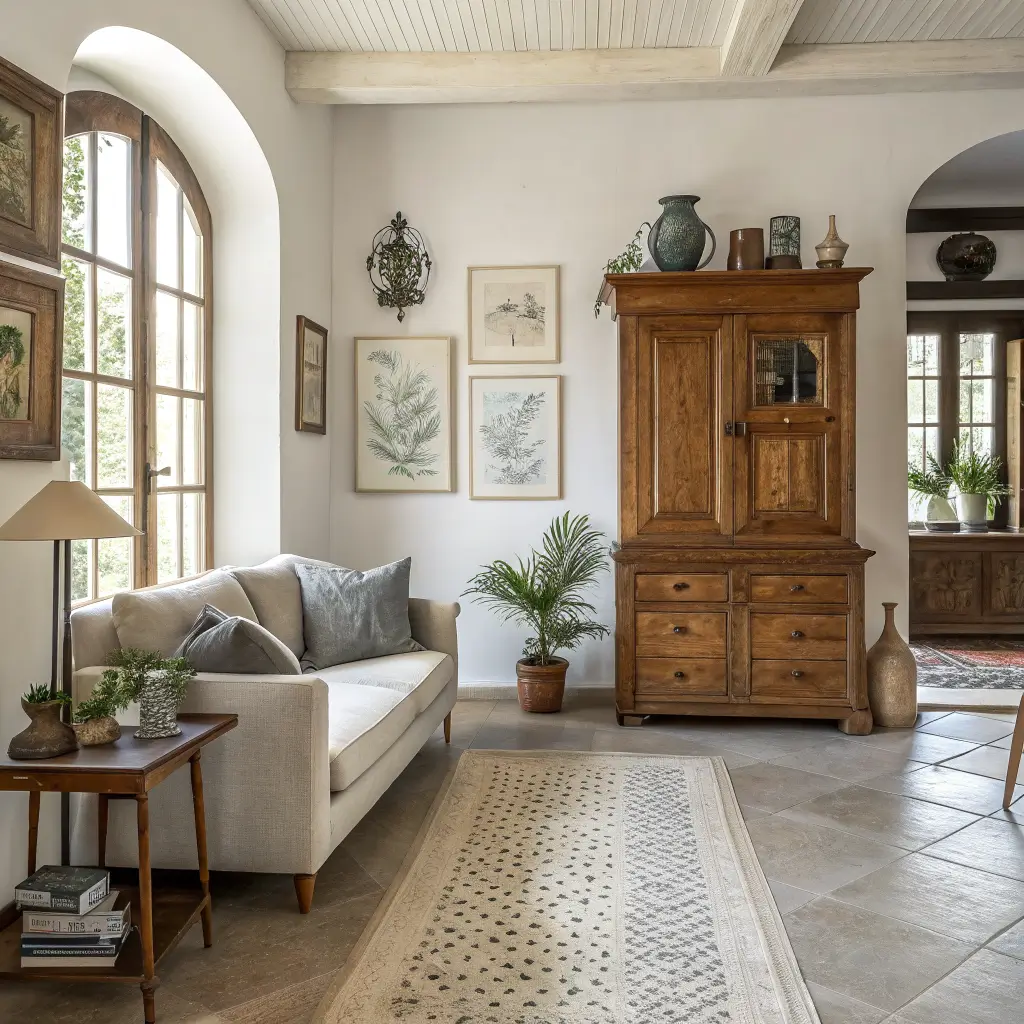
Mixing antique furniture with modern decor creates the most interesting interiors. This isn’t about choosing sides in some style war; it’s about creating spaces that reflect how we actually live — with appreciation for both history and innovation.
The 80/20 Rule
A good starting ratio: 80% modern, 20% antique, or vice versa. This prevents your space from feeling confused about its identity. My living room leans 70% vintage, 30% modern, which gives it character without feeling like a museum.
Creating Visual Bridges
Help different eras communicate by finding common ground:
- Repeat colors between antique and modern pieces
- Match wood tones even if styles differ
- Echo shapes — circular mirrors with round tables
- Coordinate metals throughout the space
- Use similar scales for visual balance
Strategic Placement
Position antique and modern pieces in conversation:
- An antique desk with a modern chair
- Contemporary art above a vintage dresser
- Modern lamps on antique side tables
- Sleek sofa with vintage armchairs
- New bedding on an antique bed frame
FYI, the contrast often makes both styles look better. Modern pieces feel warmer next to antiques, while antiques feel fresher next to contemporary design.
Also Read: 10 Elegant Bar Interior Design Ideas for Luxury Interiors
7. Budget-Friendly Vintage Interior Design Ideas
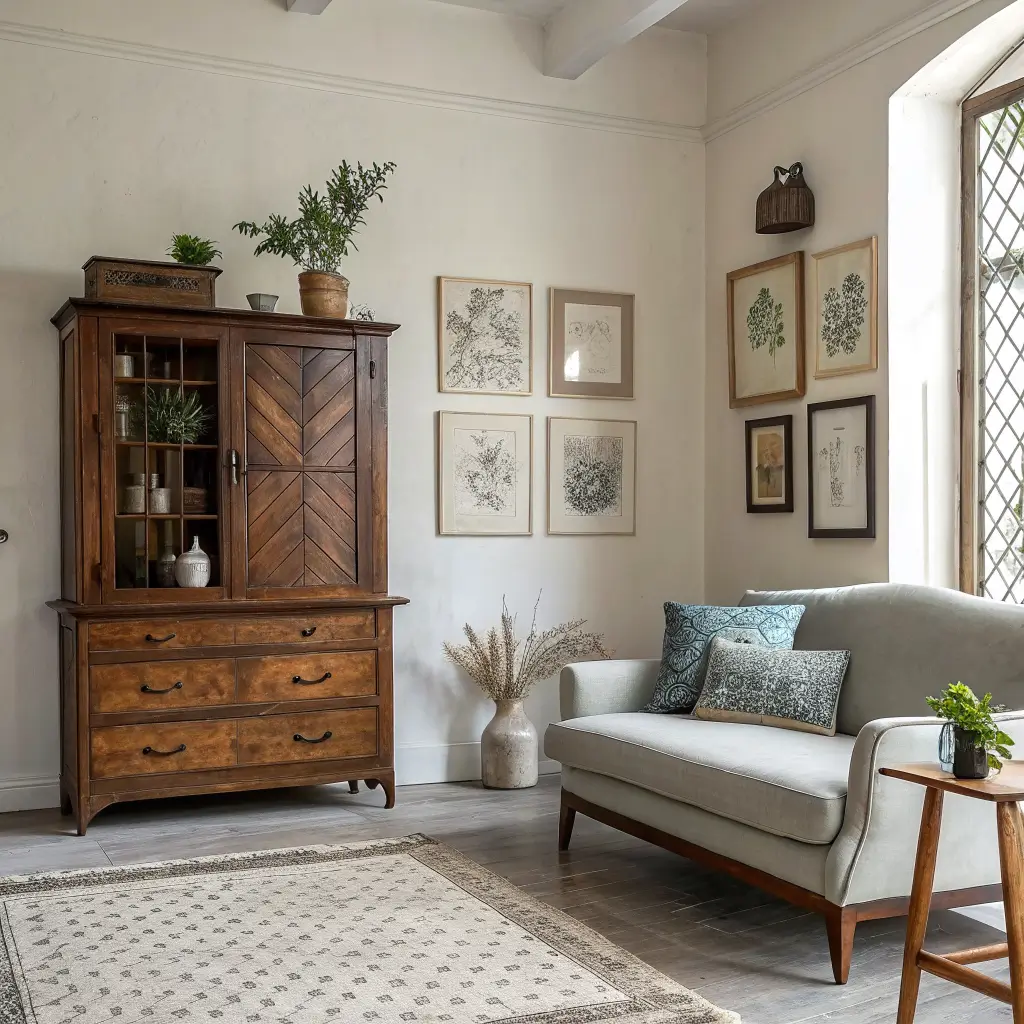
Here’s the truth: budget-friendly vintage design often looks better than expensive alternatives. Why? Because hunting for deals forces you to be creative and patient, resulting in spaces with genuine character rather than catalog copying.
Where to Find Vintage Gold
Forget expensive antique shops. The best deals hide in:
- Estate sales (especially on the last day)
- Thrift stores in wealthy neighborhoods
- Facebook Marketplace and Craigslist
- Garage sales in older neighborhoods
- Auction houses for larger pieces
- Relatives’ attics (seriously, ask around)
DIY Vintage Transformations
Transform cheaper finds into vintage treasures:
- Paint outdated wood furniture in chalky, muted tones
- Reupholster chairs in vintage-appropriate fabrics
- Age new mirrors with antiquing spray
- Distress new furniture carefully with sandpaper
- Replace hardware with vintage or vintage-style options
- Add patina to metals with aging solutions
I transformed a $20 IKEA dresser into a “vintage” piece with chalk paint, new brass hardware, and strategic distressing. Guests constantly ask which antique store I found it in.
Smart Splurge vs. Save
Save on:
- Basic furniture you can transform
- Accessories and smaller decor items
- Frames (vintage frames are everywhere)
- Textiles like curtains and pillows
- Books and decorative objects
Splurge on:
- One statement piece per room
- Quality vintage rugs (they last forever)
- Original art or prints
- Unique lighting fixtures
- Genuine antique mirrors
8. Vintage Wall Decor Ideas for a Classic Look
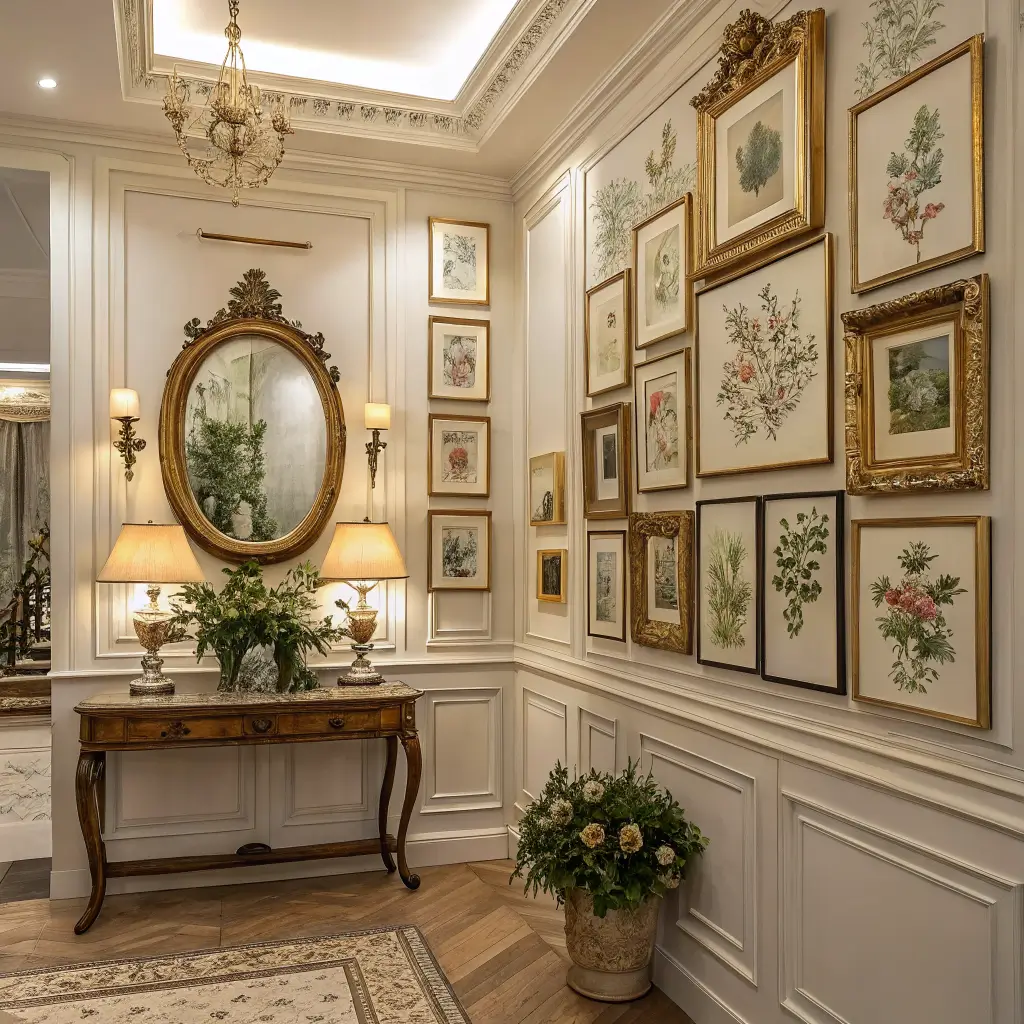
Walls make or break vintage interiors. Vintage wall decor should feel collected over time, not purchased in one shopping spree. The best vintage walls tell stories through their carefully curated chaos.
Gallery Wall Magic
Vintage gallery walls follow different rules than modern ones:
- Mix frame styles — gold, wood, painted, ornate
- Vary content — paintings, photos, mirrors, objects
- Include non-framed items — plates, clocks, sconces
- Let frames overlap slightly for depth
- Keep one element consistent — color, theme, or era
Beyond Basic Hanging
Think beyond pictures:
- Vintage mirrors in groups or alone
- Antique plates arranged symmetrically
- Old windows as architectural elements
- Vintage textiles stretched and framed
- Collections displayed on small shelves
- Vintage wallpaper as accent panels
The Power of Vintage Wallpaper
Whether authentic vintage or quality reproductions, wallpaper transforms rooms instantly. Use it on:
- A single accent wall
- Inside bookcases or cabinets
- Ceiling applications for drama
- Framed as artwork
- Lining drawers and shelves
My powder room features William Morris reproduction wallpaper, and it gets more compliments than any other room. Sometimes one bold vintage choice is all you need.
9. Warm Vintage Interior Design for Apartments
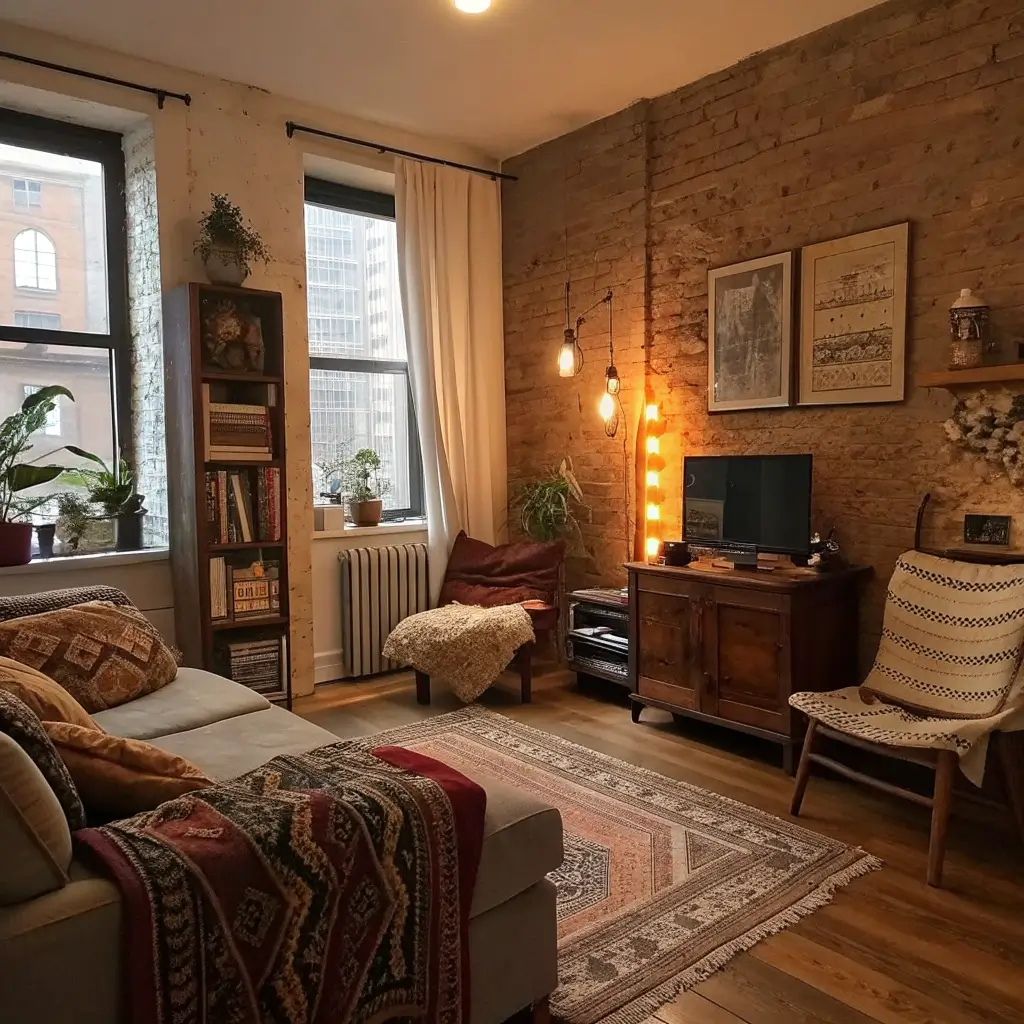
Warm vintage design works perfectly in apartments where you can’t make permanent changes. This approach relies on furniture, textiles, and accessories rather than construction or painting.
Creating Warmth Without Renovation
Renters can achieve vintage warmth through:
- Layered rugs over boring apartment carpets
- Temporary wallpaper or fabric on walls
- Vintage furniture that moves with you
- Warm lighting from lamps, not overhead fixtures
- Heavy curtains that hide basic blinds
- Vintage room dividers for defining spaces
Portable Vintage Elements
Invest in vintage pieces you can take when you move:
- Quality vintage rugs
- Freestanding furniture
- Table and floor lamps
- Mirrors and artwork
- Vintage bar carts
- Decorative screens or dividers
Working with Apartment Limitations
Most apartments have beige walls and basic fixtures. Work with them:
- Choose vintage pieces that complement neutral walls
- Hide ugly fixtures with vintage alternatives
- Use furniture to create room divisions
- Layer vintage textiles for warmth
- Focus on creating cozy corners rather than transforming entire rooms
IMO, the constraints of apartment living actually improve vintage design skills. You learn what really matters: good furniture, beautiful textiles, and thoughtful accessories :/
Also Read: 10 Inspiring 80s Interior Design Ideas and Nostalgic Décor Tips
10. Minimal Vintage Interior Design Aesthetic
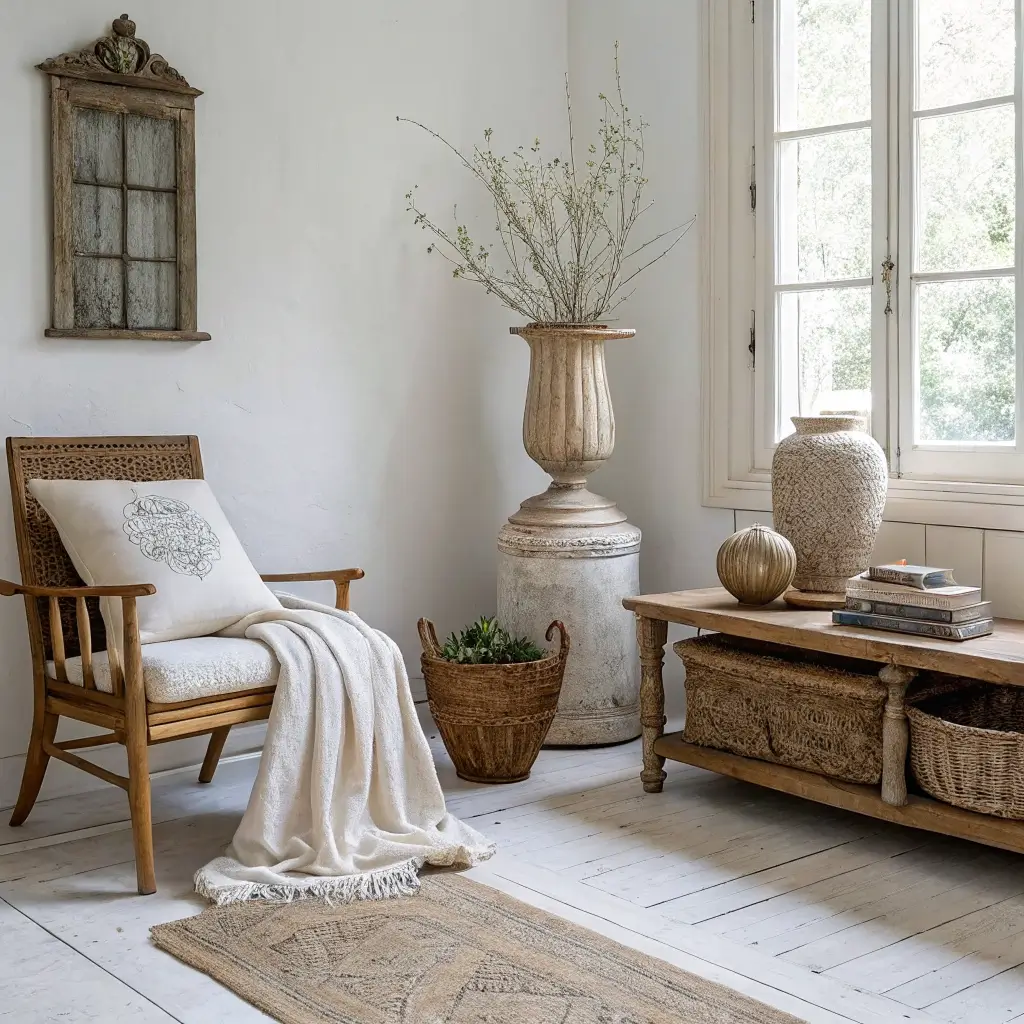
Minimal vintage design sounds like an oxymoron, but it’s actually brilliant. This approach takes the best of vintage — quality, character, patina — and presents it with minimalist restraint.
Choosing Quality Over Quantity
Minimal vintage means being incredibly selective. Each piece must be:
- Beautifully made with visible craftsmanship
- Perfectly proportioned for the space
- Functional as well as decorative
- Interesting enough to stand alone
- Timeless rather than trendy
Creating Space Around Beauty
Give vintage pieces room to breathe:
- Float furniture away from walls
- Leave surfaces mostly clear
- Use negative space as a design element
- Limit accessories to meaningful pieces
- Choose one vintage focal point per room
My minimalist bedroom has exactly three vintage pieces: a 1950s Danish dresser, a brass mirror, and a single ceramic lamp. Each piece gets the attention it deserves because nothing competes for focus.
The Edited Collection Approach
Instead of displaying everything, rotate pieces seasonally. Store some vintage finds and swap them out every few months. This keeps spaces fresh while maintaining the minimal aesthetic.
Collections work in minimal vintage when:
- Displayed in a single, dedicated area
- Limited to the best examples
- Arranged with plenty of breathing room
- United by a single theme or color
Making Vintage Work in Your Home
The beauty of vintage interior design lies in its flexibility and personality. You don’t need to commit to one era, one style, or one approach.
Start small — maybe a vintage mirror here, an antique chair there — and let your space evolve naturally.
The most successful vintage interiors develop over time as you discover pieces that speak to you. That’s the real magic of vintage design: it can’t be rushed or forced.
Each piece you add brings its own history and character, creating rooms that feel genuinely lived-in and loved.
Whether you go full vintage or just add subtle touches, remember that the best interiors reflect who you are, not what magazines tell you to be.
Trust your instincts, buy what you love, and don’t worry about rules. After all, vintage style is about breaking conventions and creating something uniquely yours — just like our grandparents did, whether they realized it or not 🙂