What is a Fireplace Hearth? More Than Just a Base

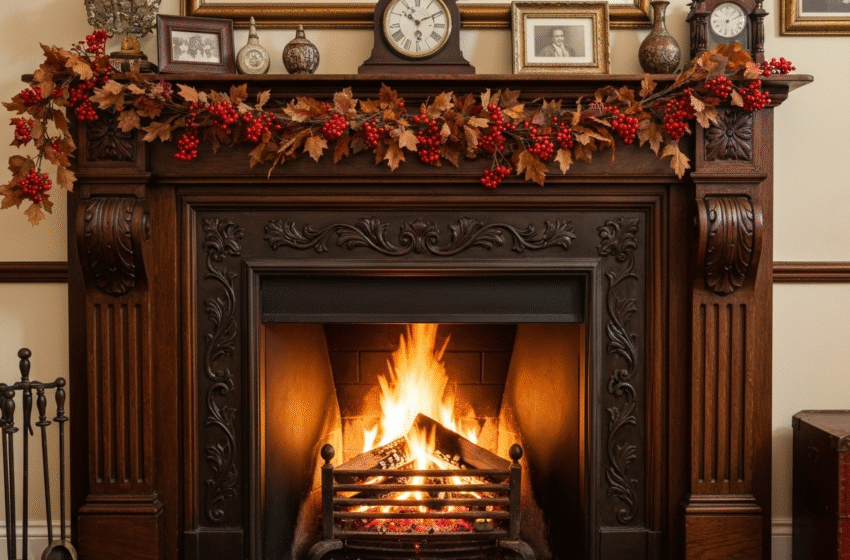
The fireplace hearth is the horizontal, fire-resistant surface at the base of a fireplace. Traditionally made of masonry materials like brick, stone, or tile, it extends from the firebox—the chamber where the fire burns—out into the room. While modern heating systems have reduced its functional role, the hearth remains critical for safety and style.
The term “hearth” itself is deeply rooted in history, deriving from the Indo-European root *ker-, which relates to burning, heat, and fire (a root also seen in the word “carbon”). This linguistic history underscores its ancient and fundamental role in human dwellings.
🔥 The Dual Purpose: Safety First, Style Always
The hearth’s primary function is safety. It acts as a protective barrier, catching flying sparks, hot embers, and radiating heat that escape from the firebox, thereby preventing them from landing on flammable floor coverings like wood or carpet. This is why building codes in most areas mandate a hearth for wood-burning and gas fireplaces.
Beyond safety, the hearth serves important aesthetic and functional roles. It acts as a visual anchor for the fireplace, defining the space and contributing significantly to the room’s style. A raised hearth can also offer practical benefits like extra seating or a platform for displaying decor, tools, or firewood.
📜 The Hearth Through Time: From Central Fire to Heart of the Home
The hearth’s history is a story of technological and cultural evolution.
- Ancient and Medieval Times: In early human dwellings, the hearth was often an open, central firepit used for warmth, cooking, and light. Smoke escaped through a hole in the roof. This central placement made the hearth the literal and figurative heart of the home, where people gathered. As architecture evolved and roofs became more solid, the hearth was moved to the side of a room and equipped with a chimney to vent smoke more efficiently.
- Cultural Significance: The hearth’s importance is reflected in language and mythology. The phrase “hearth and home” symbolizes the household itself. In Greek mythology, Hestia was the goddess of the hearth, and in Roman mythology, Vesta played the same role, highlighting the sacred domestic importance of the fire.
- The Hearth Tax: The historical significance of the hearth is even recorded in law. In 17th-century England, a hearth tax was levied, requiring households to pay a charge for each hearth they possessed, which also provides modern historians with insights into the size and distribution of wealth in households of that era.
- Modern Relevance: While the advent of central heating reduced the hearth’s role in daily survival, it remains a powerful symbol of comfort and family. As noted by, fireplaces and their hearths saw a resurgence in popularity during the pandemic, underscoring their enduring appeal as a source of warmth and ambiance.
🧱 Anatomy of a Hearth: Understanding the Components
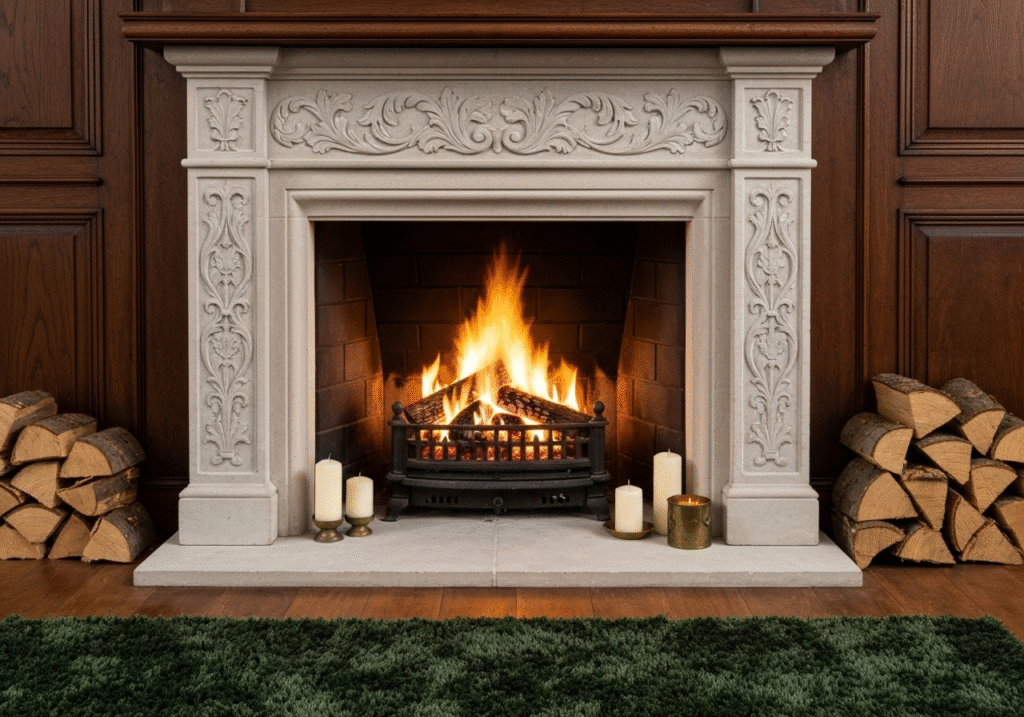
A fully built fireplace consists of several parts, with the hearth being a foundational element. The main components related to the hearth are:
Table: Key Components of a Fireplace Hearth
🏠 Types of Hearths and Material Choices
When planning a hearth, you’ll make decisions about its style and the materials used, which greatly influence both safety and design.
Flushed vs. Raised Hearths
Hearths are generally categorized by their height relative to the floor.
- Flushed (Floor-Level) Hearth: This style is level with the room’s flooring. It offers a seamless, uniform look that is ideal for modern and minimalist designs. It is also safer for households with young children or pets, as there is no ledge to trip over.
- Raised Hearth: Elevated typically 12 to 18 inches above the floor, this traditional style creates a strong visual platform for the fireplace. It can double as casual seating and adds a sense of grandeur. However, it requires more material and can be a tripping hazard or uncomfortable for tall people seated nearby.
Common Hearth Materials
The choice of material is crucial for safety, durability, and aesthetics. All hearth materials must be non-combustible.
Table: Common Fireplace Hearth Materials
It is important to note that some materials, like slate, limestone, and soapstone, can be prone to cracking under the intense heat of a wood-burning fire and may be better suited for gas fireplaces.
📏 Safety, Codes, and Installation Essentials
Safety is the most critical aspect of a hearth, governed by specific building codes.
Building Code Requirements
The National Fire Protection Association (NFPA) and local building codes specify minimum dimensions for hearths to ensure safety. These can vary, but general guidelines are:
- Wood-Burning Fireplaces: The hearth extension must extend at least 20 inches in front of the firebox and at least 12 inches beyond each side of the fireplace opening.
- Gas Fireplaces: Requirements are often less stringent but typically mandate a non-combustible hearth extending at least 6 inches from the front of the fireplace.
- Electric Fireplaces: Usually do not require a functional hearth due to their low heat output, though many homeowners add one for decorative purposes.
Professional Installation vs. DIY
- Professional Installation: For masonry work (brick, stone) or any project involving a wood-burning fireplace, hiring a professional is strongly recommended. A certified installer ensures the hearth meets local codes, is structurally sound, and is safe for use. This is not an area for cutting corners.
- DIY Installation: For prefabricated hearths or tile installations, a confident DIYer may succeed. However, it is essential to meticulously follow manufacturer instructions and local building codes. Mistakes can be costly and dangerous.
Ongoing Maintenance and Safety
To keep your hearth safe and beautiful, follow these tips:
- Regular Cleaning: Sweep or vacuum ash and debris. Clean the surface with appropriate cleaners (e.g., pH-neutral for stone).
- Annual Inspections: Check for cracks, chips, or loose tiles that can compromise safety. Have your chimney and fireplace professionally inspected annually.
- General Safety: Always use a fireplace screen, keep flammable materials (furniture, curtains) at least three feet away, and ensure working smoke and carbon monoxide detectors are installed.
I hope this detailed guide has given you a comprehensive understanding of what a fireplace hearth is and why it remains such an important feature in a home. If you are considering building or renovating a hearth, consulting with a local professional is always the best next step to ensure your project is safe, code-compliant, and beautiful.