
Will My Gas Fireplace Work in a Power Outage?

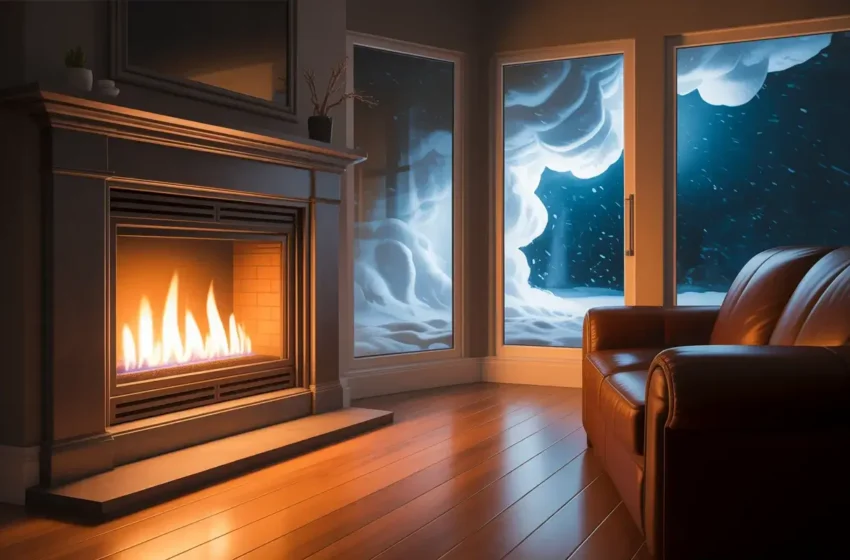
So, the lights just flickered, your Wi-Fi router made that sad little dying sound, and now you’re sitting in the dark wondering if your gas fireplace will save you from freezing your butt off. Been there, friend. Let me tell you exactly what’s going to happen when the power goes out and how your gas fireplace will (or won’t) be your hero.
Here’s the thing: the answer depends entirely on what type of gas fireplace you have. I know, I know—not the straightforward “yes” or “no” you were hoping for. But stick with me, because understanding this could mean the difference between cozy warmth and scrambling for blankets during the next ice storm.
Understanding Your Gas Fireplace Type
First things first—not all gas fireplaces are created equal. You’ve got standing pilot systems, electronic ignition systems, and those fancy thermostat-controlled models that probably cost you a small fortune. Each one behaves differently when the power cuts out, and you need to know which camp you’re in.
Standing Pilot Gas Fireplaces
These bad boys are the old-school warriors of the gas fireplace world. A standing pilot system keeps a small flame burning 24/7, ready to ignite the main burner whenever you need it. Think of it like having a tiny campfire permanently lit inside your fireplace—romantic? Maybe. Practical during power outages? Absolutely.
Here’s the beautiful part: standing pilot fireplaces don’t need electricity to operate. Zero. Zilch. Nada. When the power goes out, you can flip that wall switch or turn the manual control, and boom—instant heat and light. I remember during a massive blackout a few years back, my neighbor with a standing pilot fireplace became the neighborhood hero, hosting everyone while the rest of us shivered in darkness. 🙂
The downside? These units are less energy-efficient because that pilot light burns gas constantly, even when you’re not using the fireplace. But when a winter storm knocks out your power for three days, you won’t care about your gas bill—trust me.
Electronic Ignition Systems (IPI & Intermittent Pilot)
Welcome to the modern age, where even your fireplace needs batteries. Electronic ignition systems use electricity to create a spark that lights the pilot, which then lights the main burner. They’re more efficient than standing pilot systems because they’re not burning gas 24/7, but here’s the catch—they need power.
Most electronic ignition fireplaces come with battery backup systems. These typically use four AA batteries or a battery pack to keep things running when the grid fails. Sounds great, right? Well, it is… until those batteries die. FYI, if you can’t remember the last time you changed your fireplace batteries, go check them right now. Seriously, I’ll wait.
I learned this lesson the hard way during an ice storm when I confidently told my family, “Don’t worry, the fireplace has battery backup!” Only to discover I’d never actually installed batteries in the compartment. Rookie mistake. We ended up huddled under blankets eating cold soup while my perfectly good gas fireplace sat there useless.
Millivolt Systems
Here’s where things get interesting. Millivolt systems generate their own electricity using a thermopile or thermocouple heated by the pilot light. It’s like magic, except it’s actually just clever engineering. These systems create just enough voltage to power the gas valve—no external electricity required.
The beauty of millivolt systems? They work during power outages without needing batteries. The pilot light creates heat, which generates electricity, which powers the valve control. It’s a self-sustaining loop that makes you feel like you’re living in some off-grid paradise (even though you’re probably in the suburbs).
However, millivolt systems typically don’t work with thermostats or remote controls during a power outage. You’ll need to operate them manually, which honestly isn’t a big deal when the alternative is freezing.
The Blower Fan Dilemma
Okay, here’s something that catches a lot of people off guard: even if your gas fireplace operates during a power outage, the blower fan won’t. The blower is that little fan that circulates warm air throughout the room, and it runs on—you guessed it—electricity.
Without the blower, your fireplace still produces heat, but it doesn’t distribute it as efficiently. The heat rises straight up (thanks, physics) instead of getting pushed out into your living space. You’ll get warmth, but you’ll need to be closer to the fireplace to really feel it.
Is this a dealbreaker? Not really. Radiant heat from the fireplace still works, and honestly, gathering around the fireplace during a blackout has a certain old-timey charm to it. My family actually enjoys it—we break out board games, tell stories, and pretend we’re pioneers. The kids think it’s an adventure. :/
What You Need to Make It Work
Let me break down exactly what you need to ensure your gas fireplace keeps you warm when the power fails:
For Standing Pilot Systems:
- Nothing special—just make sure the pilot light stays lit
- Keep matches or a lighter handy in case you need to relight it manually
- Know where your gas shut-off valve is (safety first, people)
For Electronic Ignition Systems:
- Fresh batteries in the backup compartment (check them twice a year minimum)
- Spare batteries stored somewhere you can find them in the dark
- A flashlight to see what you’re doing when you’re fumbling with battery compartments
For Millivolt Systems:
- A working pilot light—that’s literally it
- Understanding of manual operation since your remote won’t work
For All Systems:
- Know how to operate your fireplace manually (read that manual you threw in a drawer)
- Keep your gas supply active (seems obvious, but I’ve seen people forget during emergencies)
- Regular maintenance to ensure everything functions properly
Safety Considerations During Power Outages
Look, I’m all for staying warm, but let’s not burn the house down or poison ourselves with carbon monoxide. When you’re running your gas fireplace during a power outage, keep these safety tips in mind:
Your fireplace needs proper ventilation. Direct-vent and B-vent systems are designed to exhaust combustion gases outside, and they do this whether the power’s on or not. But ventless fireplaces? Those are releasing everything into your living space. If you have a ventless unit, crack a window even if it feels counterintuitive. Fresh air prevents carbon monoxide buildup.
Carbon monoxide detectors with battery backup are non-negotiable. I don’t care how well-maintained your fireplace is—stuff happens. Get detectors that work without electricity, test them regularly, and replace batteries on schedule. This isn’t the place to cut corners.
Never, and I mean never, use your gas fireplace to heat your entire house during an extended outage. These units aren’t designed for that kind of continuous operation. Use them for supplemental heat in the room you’re occupying, not as a whole-home heating replacement.
Maximizing Efficiency During Outages
Want to get the most heat from your fireplace when the power’s out? Here are some tricks I’ve learned through trial, error, and a few uncomfortably cold nights:
Close off rooms you’re not using. Concentrate everyone in the room with the fireplace. The smaller the space, the warmer it gets. During our last power outage, we basically lived in our family room for two days. Was it cramped? Yeah. Were we warm? Absolutely.
Use blankets to block drafts around doors and windows. Power outages often happen during storms, which means wind trying to steal your precious heat. Stuff towels under doors, hang blankets over drafty windows, and create a cozy little fortress.
Reflect heat back into the room by positioning yourself strategically. Sitting perpendicular to the fireplace instead of directly in front of it often feels warmer because you’re catching radiant heat without blocking it from circulating.
Open your fireplace doors if it’s safe to do so. I know this seems obvious, but glass doors block a surprising amount of heat. With the blower fan not working, you want maximum radiant heat output. Just keep kids and pets at a safe distance.
Testing Your System Before Disaster Strikes
Here’s my hot take: you should test your fireplace’s power-outage functionality before you actually need it. Waiting until you’re freezing in the dark is a terrible time to discover your battery backup doesn’t work or you have no idea how to operate things manually.
Pick a mild day, flip your circuit breaker to cut power to the fireplace, and see what happens. Can you light it? Does the battery backup kick in? Do you know where the manual controls are? This 15-minute test could save you hours of frustration later.
I did this test last spring after reading horror stories online, and guess what? My battery compartment was corroded, the batteries were dead, and I had no clue how to bypass the electronic ignition. Fixed all those issues on a sunny afternoon instead of during a crisis. Best decision ever.
Different Scenarios and Solutions
Let me walk you through some common situations and what you can expect:
Scenario 1: Brief Outage (1-4 hours)
Standing Pilot: Works perfectly. You might not even notice the power’s out if you’re by the fireplace.
Electronic Ignition with Batteries: Should work fine if your batteries are fresh. The battery backup can typically handle several hours of operation.
No Batteries Installed: You’re out of luck unless you can manually light the pilot (check your manual—some models allow this).
Scenario 2: Extended Outage (Days)
Standing Pilot: Still your best friend. These systems can run indefinitely as long as you have gas supply.
Electronic Ignition: Battery life becomes the limiting factor. Standard AA batteries might give you 12-24 hours of intermittent use. After that, you’re done unless you have fresh batteries to swap in.
Millivolt Systems: Excellent choice for extended outages. They’ll keep running as long as the pilot stays lit and you have gas.
Scenario 3: Winter Storm with Gas Line Issues
If the power outage coincides with gas supply problems, nothing I’ve told you matters. No gas = no fire = no heat. This is rare but possible, especially in severe weather. Have a backup plan (portable generator, alternative heat source, or evacuation route to somewhere with power).
Upgrades and Modifications Worth Considering
If your current setup isn’t cutting it for power outages, here are some modifications to consider:
Battery Backup Installation: If you have electronic ignition without battery backup, adding one is often possible. It’s not expensive (usually under $100 for parts), and installation is straightforward if you’re handy. Otherwise, hire a professional—you’re messing with gas appliances here.
Switching to Millivolt: This is a bigger investment, but if you live in an area with frequent outages, converting to a millivolt system makes sense. You’ll gain independence from electrical power without sacrificing much in terms of features.
Adding Manual Override: Some electronic systems can be retrofitted with manual controls. This gives you options when batteries die but the pilot light is still burning.
IMO, the best upgrade is simply maintaining what you have properly. A well-maintained fireplace with fresh batteries beats a fancy system that’s been neglected.
Common Mistakes People Make
Let me save you from the mistakes I’ve seen (and made):
Mistake #1: Assuming all gas fireplaces work without power. They don’t. Know your system type before an emergency.
Mistake #2: Forgetting about batteries. Electronic ignition systems are only as good as their battery backup. Check them religiously.
Mistake #3: Never practicing manual operation. Reading the manual during a power outage by flashlight is frustrating. Learn beforehand.
Mistake #4: Ignoring maintenance. A fireplace that hasn’t been serviced in years might fail exactly when you need it most. Annual inspections are worth every penny.
Mistake #5: Relying solely on the fireplace. Have backup heating options. Fireplaces are supplemental heat sources, not complete solutions.
The Bottom Line
So, will your gas fireplace work in a power outage? If you have a standing pilot or millivolt system, absolutely yes.
If you have electronic ignition with working battery backup, probably yes. If you have electronic ignition with dead batteries or no backup at all, definitely no.
The real question isn’t whether it CAN work—it’s whether YOU’VE prepared it to work. Check your system type, install or replace batteries, practice manual operation, and maintain everything properly.
Do these things, and your gas fireplace will absolutely come through when the lights go out.
I’ve weathered multiple power outages with my gas fireplace keeping my family comfortable, and there’s something deeply satisfying about having reliable heat when everything else fails.
But that reliability doesn’t happen by accident—it happens because I know my system, maintain it properly, and don’t wait until disaster strikes to figure things out.
Your turn now. Go check those batteries, read your manual, and maybe do a test run. Future you, shivering in the dark during the next winter storm, will thank present you for being prepared.
And hey, worst case scenario? You’ll have an excuse to gather around the fireplace, break out the board games, and create some memories. 🙂
Stay warm out there, folks. And for the love of all that’s holy, check those batteries.