10 Stylish Wooden Cupboard Design Ideas to Inspire You
- Cupboard Design
 Ben
Ben- 0
- 28 minutes read

Remember when everyone was obsessed with sleek white cabinets and glossy finishes? Yeah, that trend left a lot of us with kitchens and bedrooms that looked like sterile operating rooms.
Don’t get me wrong white has its place—but there’s something about wooden cupboards that just feels like home.
I learned this lesson the hard way after installing stark white cupboards in my first apartment. They looked great for about two weeks until every fingerprint, coffee splash, and mysterious mark decided to make itself permanently visible.
That’s when I fell back in love with wood—the material that’s been keeping our stuff safe and organized for centuries while actually aging beautifully instead of showing every flaw.
Wooden cupboards bring warmth, character, and that timeless appeal that makes spaces feel lived-in and loved. Whether you’re going for rustic farmhouse vibes or sleek contemporary style, wood adapts to your vision while adding natural beauty that synthetic materials just can’t match.
These ten wooden cupboard design ideas will show you how to embrace wood in modern, functional, and absolutely gorgeous ways.
1. Modern Minimalist Wooden Cupboards
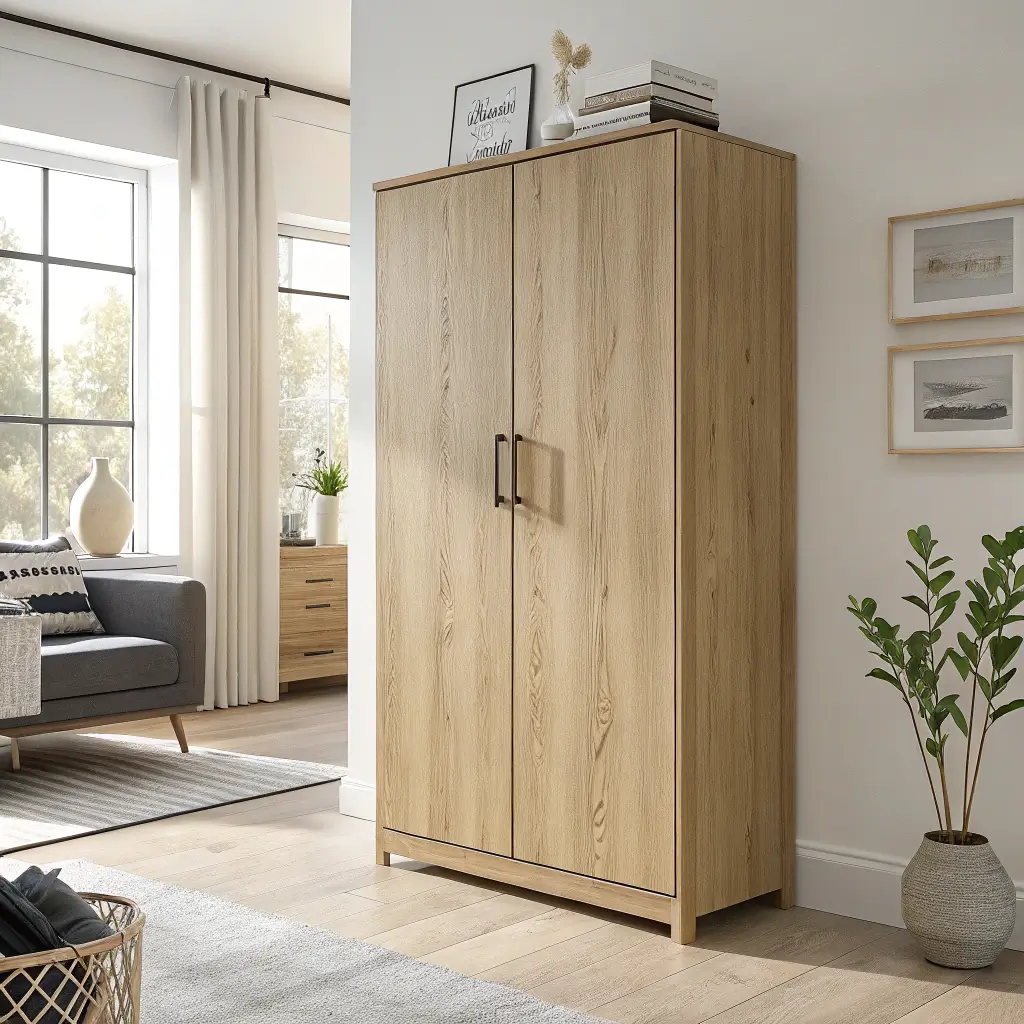
Who says wood can’t be minimalist? Modern minimalist wooden cupboards prove that natural materials and clean design are perfect partners. These designs strip away ornate details while celebrating wood’s natural beauty.
The Minimalist Wood Aesthetic
Light wood tones like birch, ash, or pale oak create that Scandinavian-inspired minimalism everyone’s after. Flat-front doors without visible hardware maintain clean lines. The wood grain becomes the subtle pattern that adds interest without overwhelming the space.
I installed light oak minimalist cupboards in my kitchen, and the transformation was incredible. The space feels calm and uncluttered, but the wood grain adds just enough visual texture to prevent that cold, sterile feeling. People always ask if my cupboards are custom because the simple design looks so intentional and expensive.
Hardware and Finishing Touches
Integrated handle systems or push-to-open mechanisms maintain those sleek surfaces. If you do want handles, choose simple profiles in matte black or brushed steel. The contrast between metal and wood adds sophistication without cluttering the design.
Natural oil finishes let the wood’s character shine while protecting it from daily wear. Avoid high-gloss polyurethane on minimalist designs—it looks plasticky and defeats the purpose of showcasing natural materials. Matte or satin finishes work better and actually hide minor scratches instead of highlighting them.
2. Rustic Farmhouse Wooden Cupboards

Rustic farmhouse wooden cupboards embrace imperfection and celebrate wood’s natural character. These designs make your kitchen or bedroom feel like a cozy cottage retreat, even if you live in a city apartment.
Choosing the Right Rustic Wood
Reclaimed wood is the holy grail of rustic cupboards. Those weathered planks with nail holes, saw marks, and natural aging bring authentic character that new wood can’t replicate. Pine works beautifully for budget-friendly rustic looks—it accepts stain well and develops a lovely patina over time.
Distressing techniques can age new wood if reclaimed isn’t available. Strategic sanding, chain marking, and layered staining create that collected-over-time look. Just don’t go overboard—you want authentically rustic, not artificially beaten up.
Styling Your Rustic Cupboards
Hardware makes or breaks rustic designs. Black iron handles, vintage brass pulls, or even leather straps add to the farmhouse aesthetic. Cup pulls and bin pulls feel particularly period-appropriate and functional.
Mix open shelving with closed cupboards to display pretty dishes or vintage collections. Glass-front doors with chicken wire instead of glass add farmhouse charm while keeping dishes visible. The combination creates visual interest while maintaining practical storage.
3. Space-Saving Corner Wooden Cupboards

Corner cupboards turn awkward angles into storage gold. These wooden wonders maximize every inch while adding architectural interest to otherwise difficult spaces.
Corner Cupboard Configurations
Diagonal corner cupboards cut across angles, eliminating that deep, dark void where items disappear forever. These designs often feature display shelving on top with closed storage below. They work beautifully in dining rooms or kitchens for showcasing china while storing less-attractive items.
L-shaped corner configurations wrap around corners, providing tons of storage in compact footprints. Interior lazy Susans or pull-out systems make contents accessible despite the depth.
Design Considerations
Choose wood tones that complement your existing cabinetry. Matching wood creates cohesion; contrasting wood makes the corner cupboard a statement piece. Both approaches work—it depends on whether you want the corner to blend in or stand out.
Interior lighting transforms corner cupboards from dark caves to functional storage. LED strips activated by door opening illuminate contents and make these pieces feel high-end. Once you experience lit corner cupboards, you’ll wonder why all cupboards don’t have this feature.
Also Read: 10 Stylish Kitchen Cupboard Organization Ideas for Modern Kitchens
4. Sleek Kitchen Wooden Cupboards

Modern kitchen wooden cupboards prove that wood belongs in contemporary spaces. These sleek designs combine wood’s warmth with cutting-edge functionality and style.
Contemporary Wood Choices
Horizontal or vertical grain patterns create contemporary visual interest. Book-matched veneer creates dramatic, symmetrical patterns that look almost artistic. Walnut, cherry, and darker oaks bring sophisticated tones that anchor modern kitchens beautifully.
Slab-style doors without frames or panels keep things sleek and modern. The wood grain itself provides all the visual interest needed. This simplicity lets premium woods really shine—you’re showcasing the material, not fancy carpentry details.
Modern Functionality
Integrated appliances behind wooden cupboard fronts create seamless looks. Your refrigerator, dishwasher, and microwave hide behind matching wood panels, maintaining clean lines throughout the kitchen.
Soft-close hinges and drawer glides are non-negotiable in modern wooden cupboards. The smooth, silent operation adds luxury to daily use. Nothing ruins sleek design faster than slamming cupboards—invest in quality hardware.
5. Vintage-Inspired Wooden Cupboards
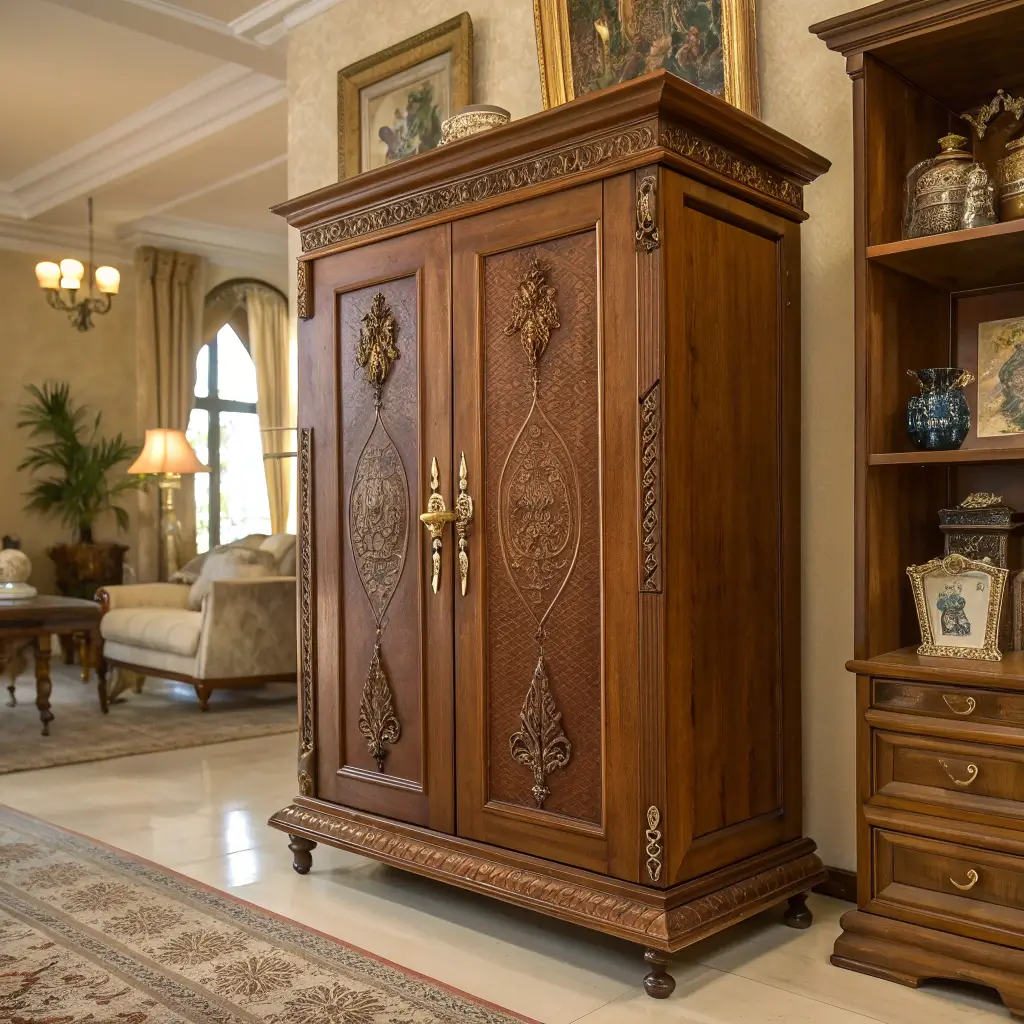
Vintage wooden cupboards bring nostalgic charm and timeless appeal. These designs channel the past while functioning perfectly in modern homes.
Authentic Vintage Elements
Raised panel doors, decorative moldings, and ornate details define vintage cupboards. These details should enhance rather than overwhelm—the wood itself should still be the star.
Glass-front doors with divided lights (those grid patterns) scream vintage charm. Display your grandmother’s china or colorful dishware behind these classic doors. The combination of wood and glass creates depth and visual interest.
Getting the Vintage Look
Antique stores and salvage yards sometimes sell actual vintage cupboards that you can restore. This route gives you authentic pieces with real history. Just ensure they’re structurally sound and can be adapted to your space.
Reproduction vintage cupboards offer the look without the hunting and restoration work. Many manufacturers create new cupboards with vintage styling, giving you period charm with modern construction quality and warranties.
6. Custom DIY Wooden Cupboards
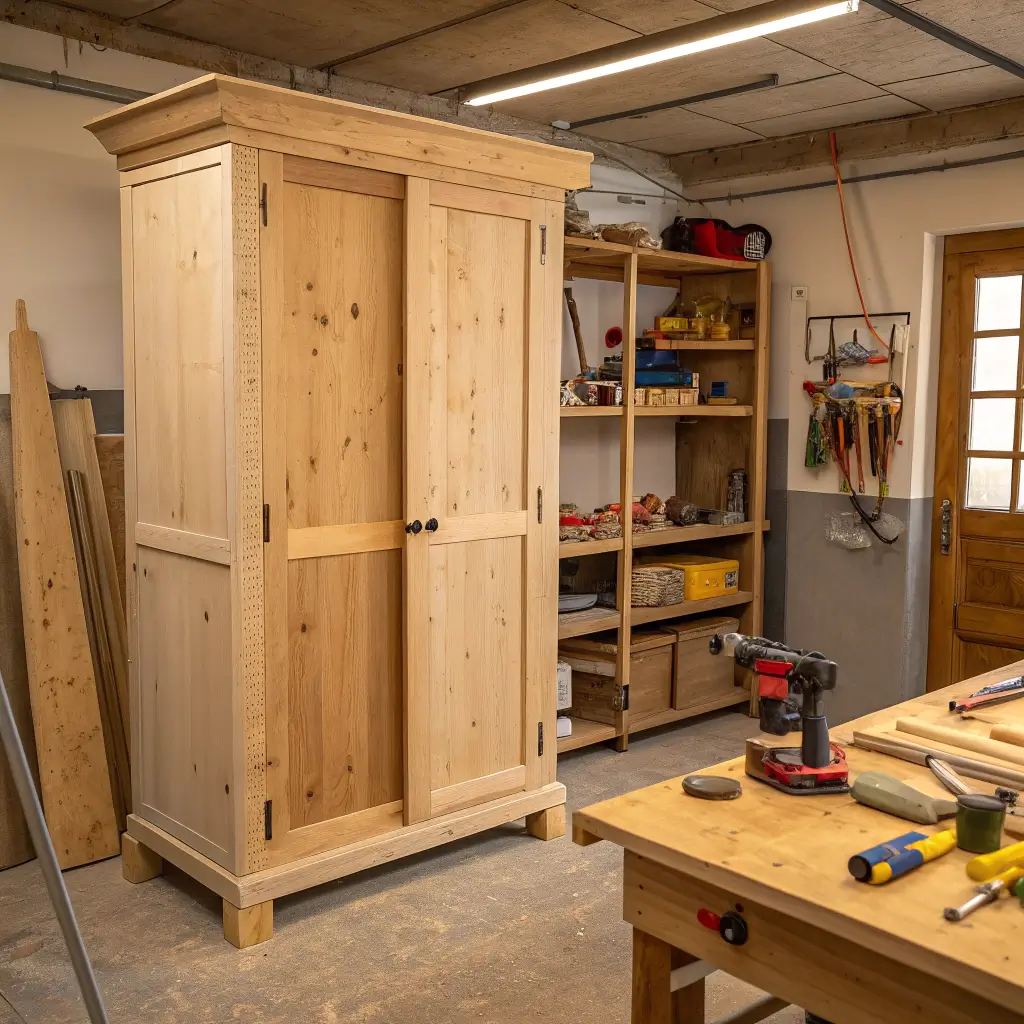
Building your own wooden cupboards sounds intimidating, but with planning and patience, DIY enthusiasts can create custom storage that perfectly fits their space and style.
Planning Your DIY Project
Measure everything multiple times. Seriously, measure again. Wood isn’t forgiving when you cut it wrong. Sketch detailed plans including all dimensions, door swings, and shelf positions before buying a single board.
Choose beginner-friendly woods like pine or poplar for your first projects. They’re easier to work with and less expensive, meaning mistakes don’t cost as much. Save exotic hardwoods for when you’ve got some experience under your belt.
Building Tips
Pocket hole joinery makes sturdy cupboards accessible to DIYers without complex joints. Kreg jigs and similar systems create strong connections that look professional when done carefully.
Sand everything thoroughly before finishing. I learned this lesson building my first cupboard—rushed through sanding, applied stain, and every scratch and rough spot showed up dramatically. Take your time with prep work. The finishing phase amplifies both perfection and flaws.
Also Read: 12 Creative Cupboard Organization Ideas for Small Spaces
7. Bedroom Wooden Cupboards with Sliding Doors

Sliding door cupboards save space while adding contemporary flair to bedrooms. These designs work brilliantly in tight spaces where traditional swinging doors would block pathways.
The Sliding Door Advantage
Sliding doors eliminate the need for clearance to open doors. This means you can position furniture closer to cupboards without creating awkward tight spots. In small bedrooms, this space-saving feature is genuinely transformative.
The smooth glide of quality sliding mechanisms is surprisingly satisfying. I installed barn-door-style sliding cupboards in my bedroom, and I sometimes open them just because the motion feels good. Is that weird? Maybe. Do I care? Not really.
Design Options
Barn door hardware adds rustic charm while maintaining functionality. Black metal tracks and wheels contrast beautifully with natural wood tones. This style works in farmhouse, industrial, and even transitional bedrooms.
Modern sliding systems with concealed tracks create cleaner looks. The doors appear to float along the cupboard front without visible hardware. This approach suits contemporary and minimalist bedrooms perfectly.
8. Elegant Open Shelf Wooden Cupboards

Combining open shelving with traditional closed cupboards creates storage that’s both functional and beautiful. This hybrid approach lets you display pretty items while hiding the less photogenic stuff.
Finding the Right Balance
Aim for about 70% closed storage and 30% open shelving. This ratio provides adequate hidden storage while creating display opportunities. Too much open shelving feels cluttered; too many closed doors feels heavy.
Place open shelves strategically. Above closed cupboards works beautifully, as does flanking windows or range hoods. Mix shelf depths—shallow shelves for display, deeper shelves for frequently used items.
Styling Open Wooden Shelves
Wood’s natural warmth makes open shelves feel inviting rather than stark. Display colorful dishes, cookbooks, or decorative items on wooden shelves. The wood provides a warm backdrop that makes everything look better.
Don’t overcrowd open shelves. Follow the rule of thirds: one-third items, one-third decorative objects, one-third empty space. This creates visual balance and prevents the cluttered thrift store look.
9. Modular Wooden Cupboards for Small Spaces
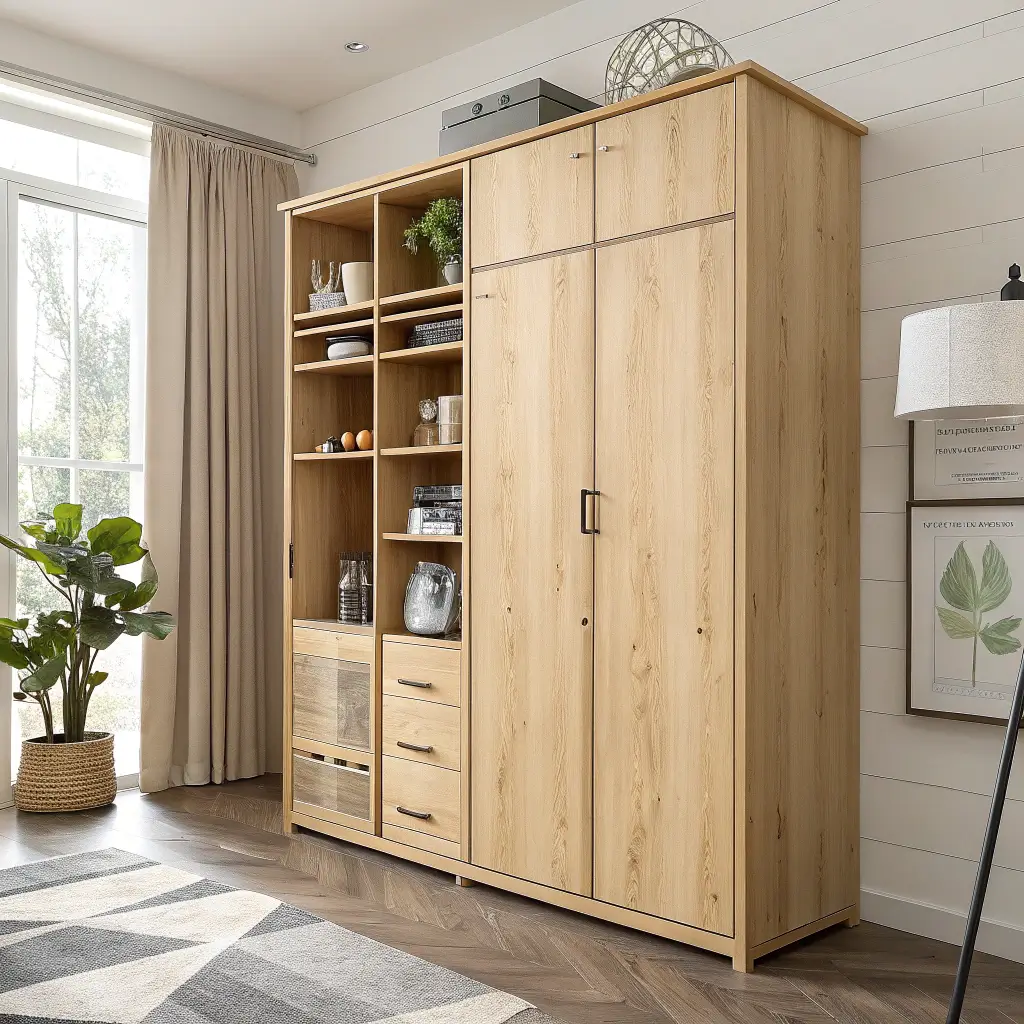
Modular wooden cupboards are like adult LEGO—configurable, expandable, and perfect for changing needs. These systems work brilliantly in small spaces where flexibility matters.
The Modular Advantage
Buy basic units and add pieces as budget allows or needs change. Modular systems grow with you, making them perfect for renters, students, or anyone whose storage needs evolve.
Mix unit types—drawers, shelves, hanging spaces—to create custom storage solutions. The standardized sizing means everything fits together regardless of when you bought it.
Making Modular Work
Choose one modular system and stick with it. Mixing brands creates sizing headaches and visual chaos. Most manufacturers offer extensive collections within their systems—you’ll find everything you need.
Wood modular systems cost more than particle board versions but last significantly longer. The durability justifies the investment, especially if you’ll move units around or reconfigure frequently. Cheap modular systems don’t survive multiple moves or adjustments.
Also Read: 10 Elegant Modern Cupboard Design Ideas to Refresh Homes
10. Two-Tone Contemporary Wooden Cupboards
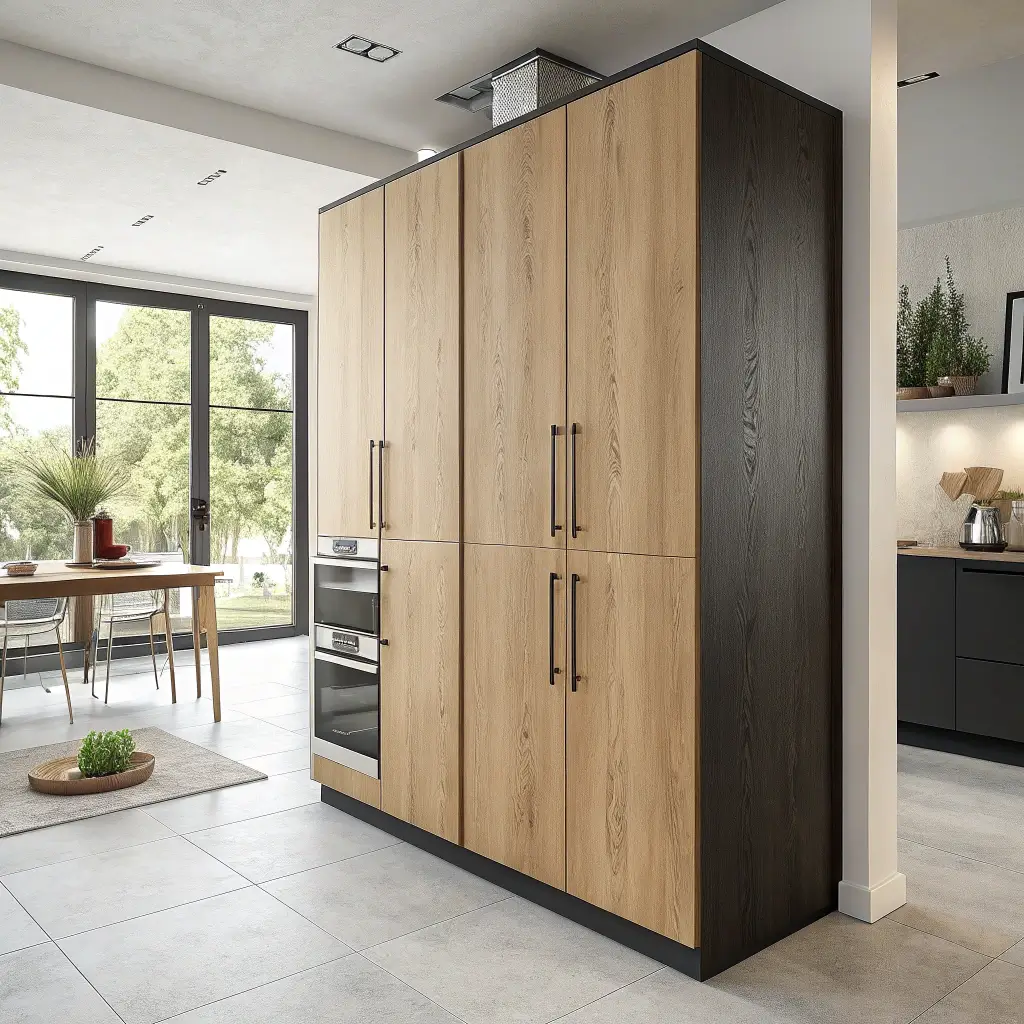
Two-tone wooden cupboards combine different wood tones or wood with paint, creating visual interest and contemporary style. This trend adds depth while maintaining wood’s natural appeal.
Color Combinations That Work
Light and dark wood tones create natural contrast. Maple or birch uppers with walnut or cherry lowers ground spaces while keeping them bright. The variation adds dimension without requiring paint.
Wood combined with painted surfaces brings the best of both worlds. Natural wood lowers with white or gray uppers feel fresh yet warm. This approach gives you trendy color while maintaining wood’s timeless appeal.
Creating Cohesion
Tie different tones together through consistent hardware, countertops, or backsplashes that incorporate both colors. This creates intentional design rather than random mismatching.
Maintain consistent door styles across both tones. Same panel profiles, same dimensions, same finish quality—just different colors. The uniformity prevents the two-tone design from feeling chaotic.
Choosing the Right Wood for Your Cupboards
Not all woods are created equal for cupboard construction. Understanding different wood types helps you choose materials that match your budget, style, and durability needs.
Hardwoods vs. Softwoods
Hardwoods like oak, maple, and cherry resist dents and wear better than softwoods. They cost more but last longer, making them worthwhile investments for permanent installations. The density creates durable surfaces that age beautifully.
Softwoods like pine work well for painted cupboards or rustic designs where distressing adds character. They’re more affordable and easier to work with for DIY projects. Just accept that they’ll show wear more readily than hardwoods.
Popular Wood Choices
Oak offers pronounced grain patterns and excellent durability. Red oak brings warmth; white oak feels more neutral. Both stain beautifully and handle daily use like champions.
Maple provides smooth, consistent grain perfect for contemporary designs or painting. It’s hard, durable, and takes finish evenly. The subtle grain doesn’t compete with other design elements.
Maintaining Wooden Cupboards
Wooden cupboards require some care to stay beautiful, but the maintenance isn’t as intensive as people think. A few simple habits keep them looking great for decades.
Regular Cleaning
Wipe spills immediately. Wood doesn’t love moisture, and leaving spills creates stains or finish damage. A quick wipe with a dry cloth prevents problems.
Clean regularly with slightly damp cloths, never soaking wet. Use cleaners specifically designed for wood cabinets. Harsh chemicals strip finishes and damage wood over time.
Long-term Care
Condition wood annually with products appropriate for your finish type. Oiled finishes need reapplication; poly finishes might need buffing. This maintenance prevents drying and cracking.
Address scratches and dings promptly. Wood repair markers, scratch fill sticks, or touch-up pens fix minor damage before it worsens. Major damage requires professional refinishing, but regular touch-ups prevent most problems from reaching that point.
Bringing Wood Into Your Home
Wooden cupboards aren’t just storage—they’re investments in your home’s character and your daily experience. The right wooden cupboards bring warmth, functionality, and timeless style that synthetic materials simply cannot match.
Start by identifying your style and needs. Do you want rustic charm or modern sophistication? Closed storage or open display? Permanent installation or flexible modular systems? Your answers guide you toward the perfect wooden cupboard design.
Consider your commitment to maintenance. All wood requires some care, but finishes vary in upkeep demands. Oiled finishes need more attention but repair easily. Poly finishes require less maintenance but show damage more obviously.
Budget realistically for quality. Cheap wooden cupboards use poor construction and thin veneers that won’t last. Quality solid wood or thick veneer cupboards cost more upfront but provide better value over decades of use.
Think long-term. Wood’s beauty deepens with age. That slight patina developing over years adds character rather than looking worn. You’re not just buying storage—you’re investing in pieces that become more beautiful over time.
Don’t be afraid to mix ideas. Maybe you want minimalist styling with rustic wood tones. Or vintage details in contemporary configurations. The best designs often combine elements unexpectedly.
Work with wood’s natural variations rather than fighting them. Each piece has unique grain patterns and color variations. This individuality is wood’s charm, not a defect. Embrace it.
Remember that wooden cupboards affect your daily mood. You interact with them constantly while cooking, getting dressed, or organizing. Cupboards that feel good to touch and look beautiful make routine tasks more enjoyable.
FYI, once you experience quality wooden cupboards, particle board and laminate feel disappointing in comparison. The weight, texture, and warmth of real wood create subtle but significant differences in daily use.