10 Charming Wooden Dining Table Ideas for Rustic Vibes
- Dining Table
 Ben
Ben- 0
- 37 minutes read
You’re staring at your dining room right now, aren’t you? Maybe there’s a wobbly hand-me-down table that’s seen better days, or perhaps just empty space where a proper table should be.
Either way, you know you need something better—something that actually makes you want to sit down and have dinner instead of eating on the couch again.
Wooden dining tables are kind of perfect for this. They’re warm, they’re timeless, and unlike that trendy acrylic table your neighbor bought, they won’t look dated in three years.
But here’s the problem: there are approximately one million wooden table options out there, and choosing the right one feels overwhelming.
I’ve been through this journey myself—multiple times, actually—and I’ve learned what works, what doesn’t, and what looks great in showrooms but terrible in real life. So let me break down 10 wooden dining table ideas that actually deliver on both style and functionality.
Rustic Farmhouse Wooden Dining Table
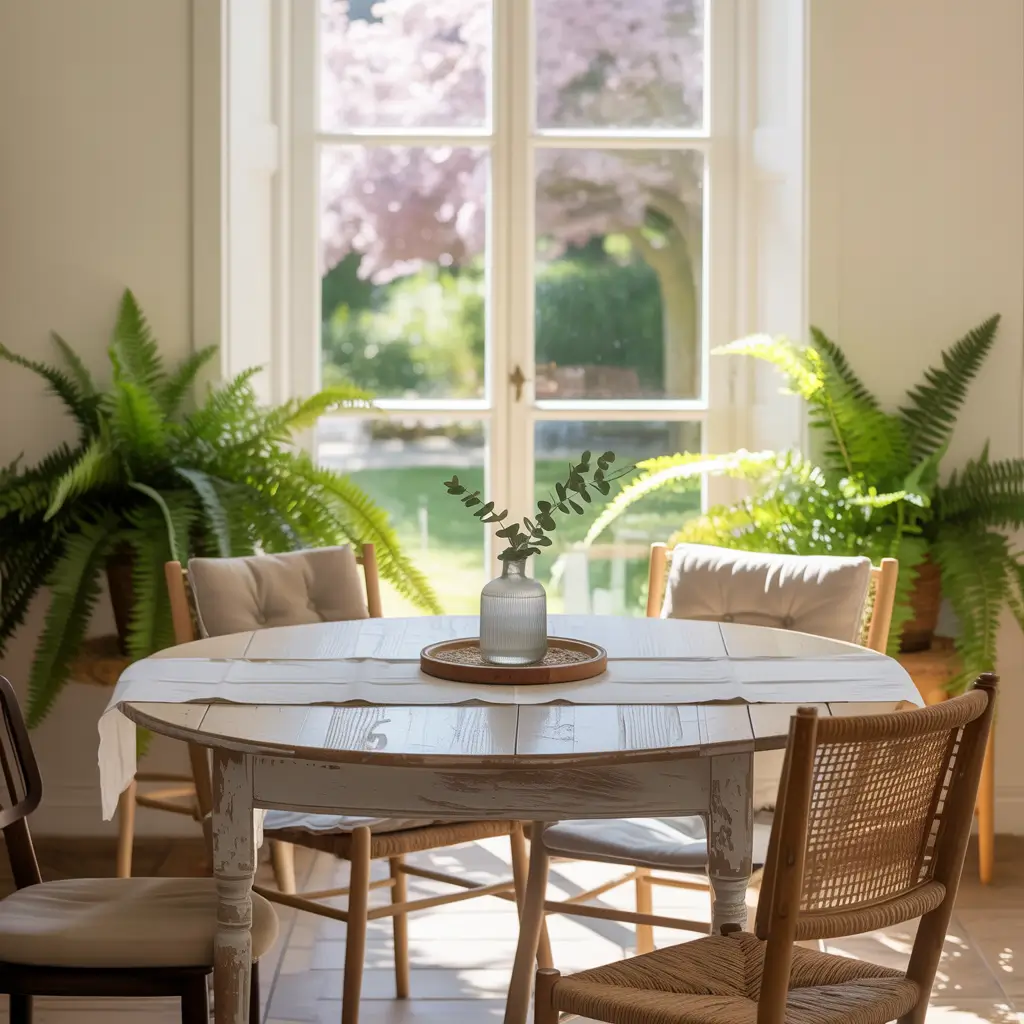
The OG comfort food of dining tables.
Farmhouse tables are everywhere right now, and honestly? I get it. There’s something deeply satisfying about a big, chunky wooden table that looks like it could survive a zombie apocalypse. The rustic farmhouse dining table is all about that lived-in, gather-round-the-family vibe that makes every meal feel a little more special.
I inherited my grandmother’s farmhouse table, and despite my initial plans to “update” it, I kept it exactly as is. The nicks, the scratches, the ring marks from decades of coffee mugs—they tell stories. That’s what farmhouse tables do best.
What defines the farmhouse look:
- Thick, solid wood construction: We’re talking 2-3 inch thick tops that don’t flex when you lean on them
- Turned or chunky legs: Those substantial legs that look hand-carved
- Natural finish or distressed paint: Usually left natural or painted white/cream and then distressed
- Plank-style top: Individual wood planks joined together, often with visible seams
The beauty of farmhouse tables is their indestructibility. You don’t stress about scratches or dings—they add character. Kids doing homework? No problem. Hosting a messy dinner party? Bring it on.
Real talk: Farmhouse tables are heavy. Like, “call three friends to help you move it” heavy. And they take up space. If you’ve got a small dining area, this might overwhelm the room. Know your square footage before committing.
Styling Your Farmhouse Table
Keep the centerpiece simple and organic. Mason jars with wildflowers, a wooden bowl with fresh produce, maybe some candles in metal holders. The table itself is already rustic—you don’t need to go overboard with the decor.
Minimalist Modern Wooden Dining Table
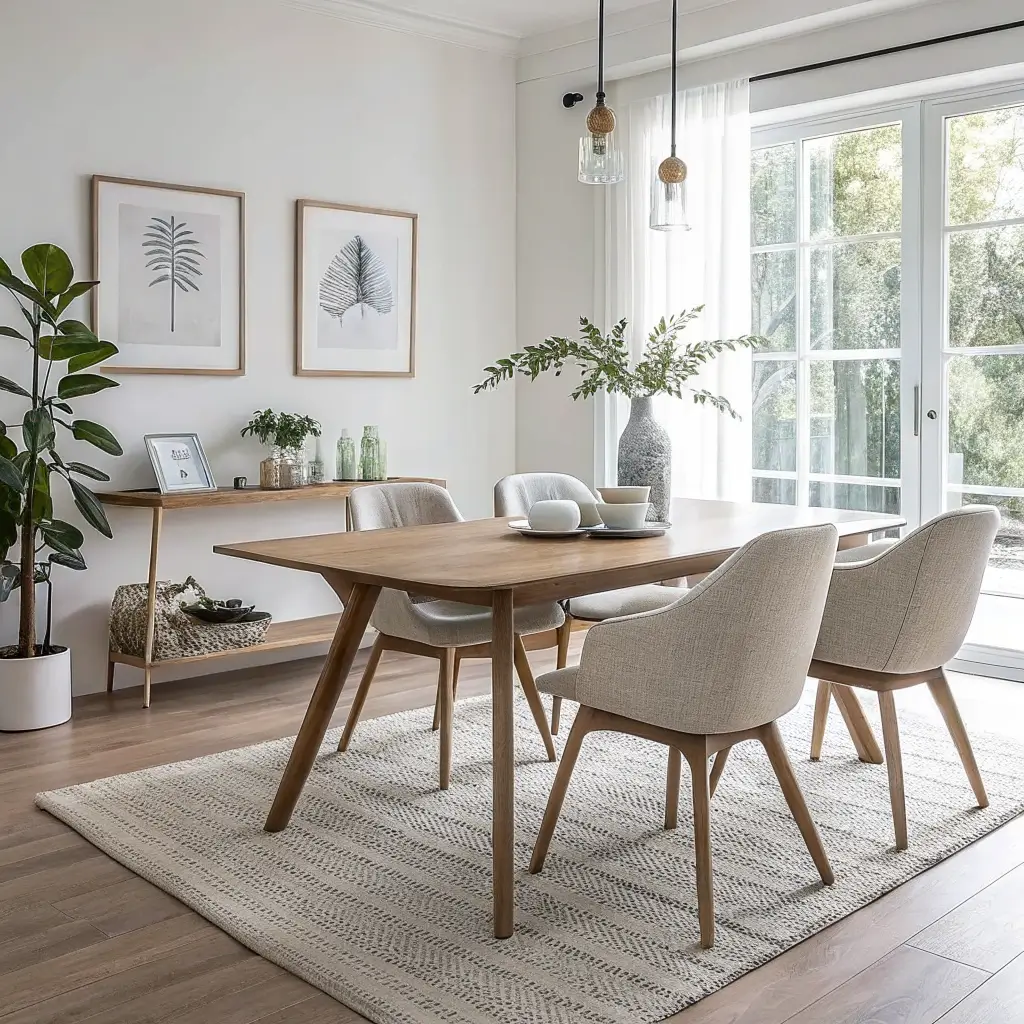
For those who believe less is actually more.
After years of loving ornate furniture, I discovered minimalist design, and it changed everything. A minimalist modern wooden dining table strips away all the unnecessary details and leaves you with clean lines, simple forms, and beautiful wood grain doing all the talking.
The minimalist approach isn’t about being cold or sterile—it’s about being intentional. Every element serves a purpose, nothing is there just for show, and the result is this calm, uncluttered space that makes you actually want to spend time there.
Key characteristics:
- Straight, clean lines: No curves, no ornamentation, just geometric simplicity
- Slim profile: Thinner tops and tapered legs create visual lightness
- Light to medium wood tones: Oak, ash, or maple in their natural state
- Simple joinery: The construction itself becomes part of the design
I switched to a minimalist walnut table last year, and the difference in how my dining room feels is dramatic. The space seems bigger, calmer, and somehow more grown-up. Everything else in the room has room to breathe.
The catch: Minimalist furniture shows every fingerprint, every crumb, every bit of mess. You need to be okay with regular maintenance, or it starts looking chaotic rather than calm.
Round Wooden Dining Table for Small Spaces
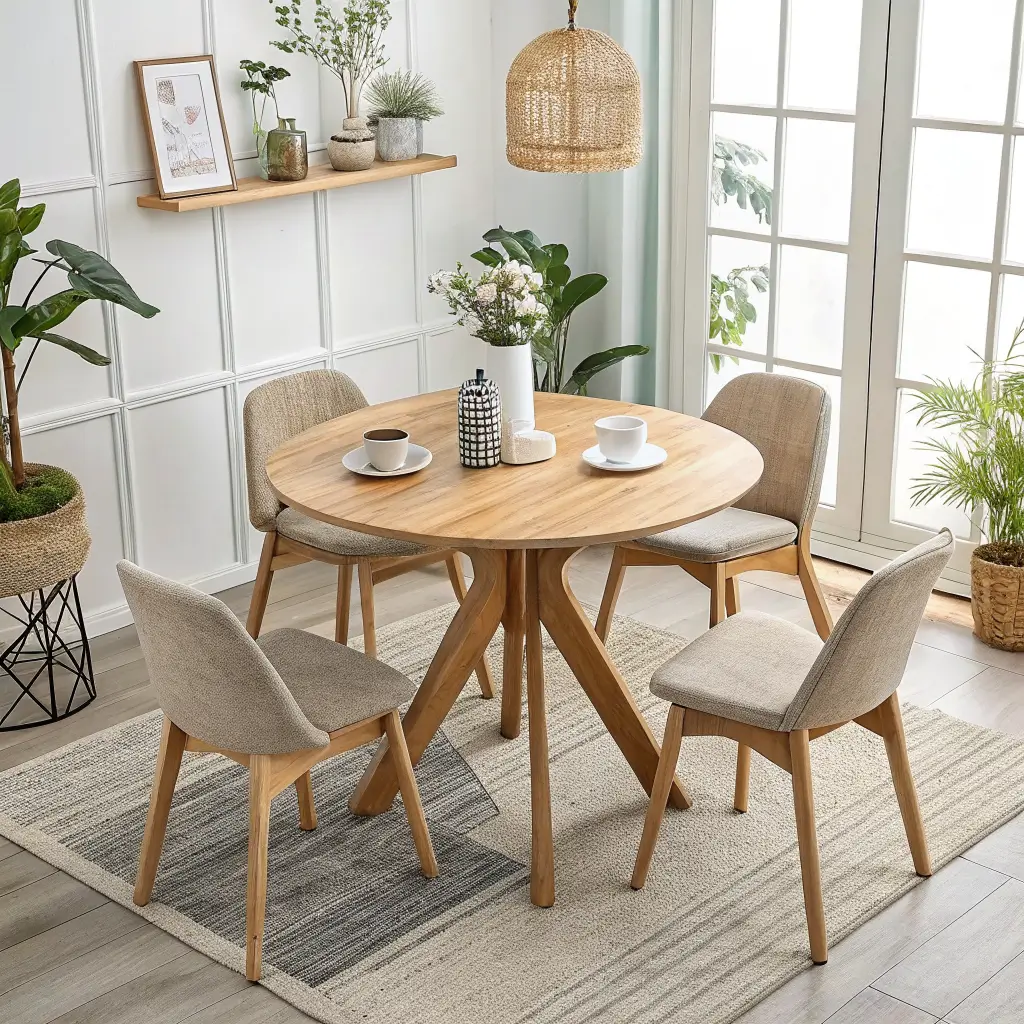
Because not everyone has a dining room the size of a banquet hall.
Round wooden tables are criminally underrated, especially for small spaces. I lived in a tiny apartment where a rectangular table would’ve blocked half the room, but a round table? Perfect. Everyone could move around it easily, and somehow it seated more people than I expected.
The round shape creates this democratic dining experience where everyone’s equidistant from the center. No awkward corner seats, no fighting over who sits at the head of the table—just a circle of people sharing a meal.
Why round tables work:
- Better traffic flow: No corners to bump into when you’re navigating tight spaces
- Seats more people in less space: A 48-inch round seats four comfortably, same footprint as a 4-person rectangular
- Creates intimacy: Everyone can see and hear each other easily
- Softens the room: The curved shape balances out all the hard angles in typical rooms
Choosing the Right Size
A 42-48 inch round table works for 4 people, 54-60 inches for 6 people. Don’t go bigger than 60 unless you enjoy shouting across the table to pass the salt.
Wood choice matters: Lighter woods like oak or ash keep small spaces feeling open. Dark woods can make a small room feel smaller, though if you love dark wood, go for it—just make sure you’ve got good lighting.
Also Read: 12 Beautiful Marble Top Dining Table Ideas for Every Home
Live Edge Wooden Dining Table Inspiration
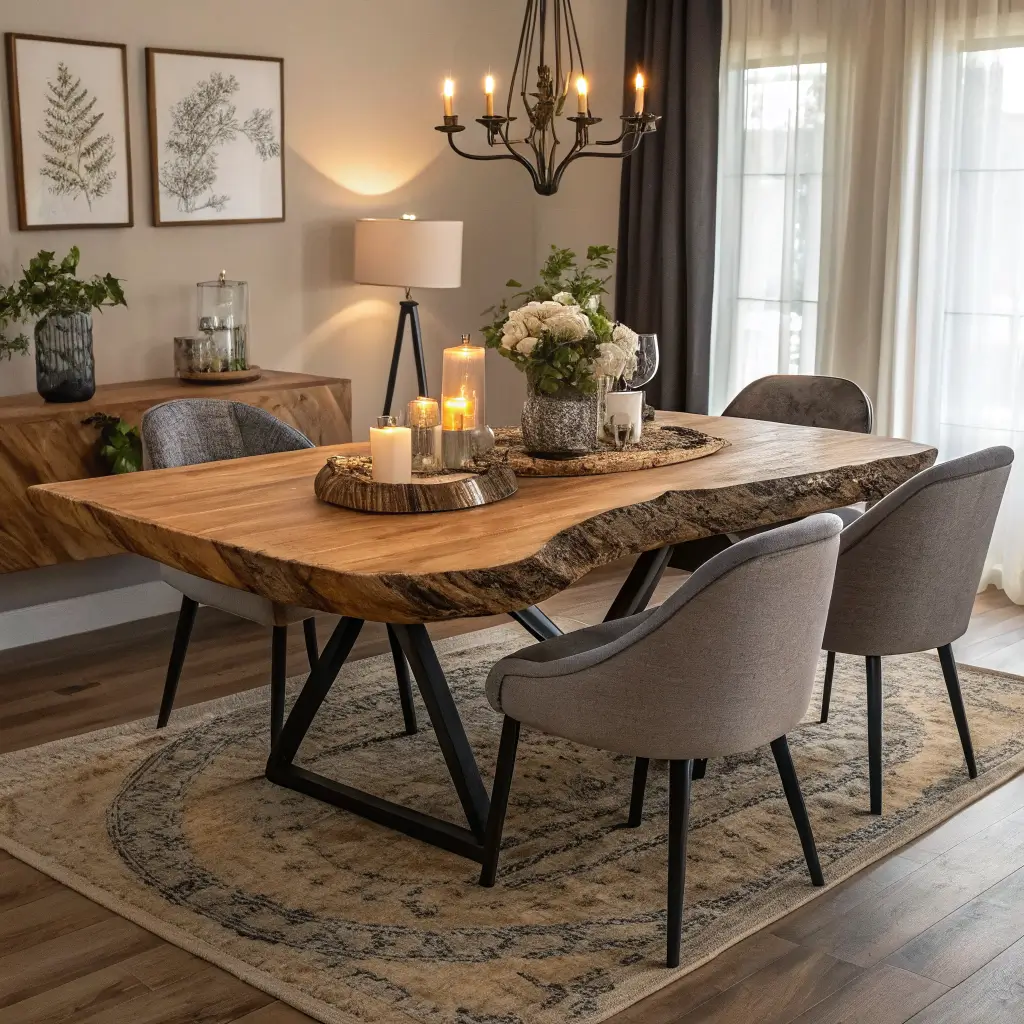
When you want furniture that remembers it used to be a tree.
Live edge tables are having a moment, and I’m totally here for it. These tables keep the natural edge of the wood—bark removed, but the organic curve of the tree preserved. It’s like bringing a piece of the forest into your dining room.
I was skeptical at first. Seemed gimmicky, you know? But then I sat at a live edge walnut table at a friend’s house, ran my hand along that natural edge, and immediately understood the appeal. Every live edge table is completely unique—yours will never look exactly like anyone else’s.
What makes live edge special:
- Natural wood edge: The organic curve of the tree is preserved along one or both sides
- Unique character: Knots, burls, and natural variations are features, not flaws
- Usually made from a single slab: The whole top cut from one massive piece of wood
- Contemporary yet organic: Modern design that still feels connected to nature
The wood species matters hugely here. Walnut gives you that rich, dark chocolate color. Maple is lighter and more subtle. Acacia has wild, dramatic grain patterns. Each one creates a completely different vibe.
Budget reality check: Real live edge slabs are expensive. A quality live edge dining table starts at several thousand dollars. If that’s not in your budget, there are live edge style tables that are more affordable, though they won’t have that same single-slab magic.
Scandinavian Style Wooden Dining Table
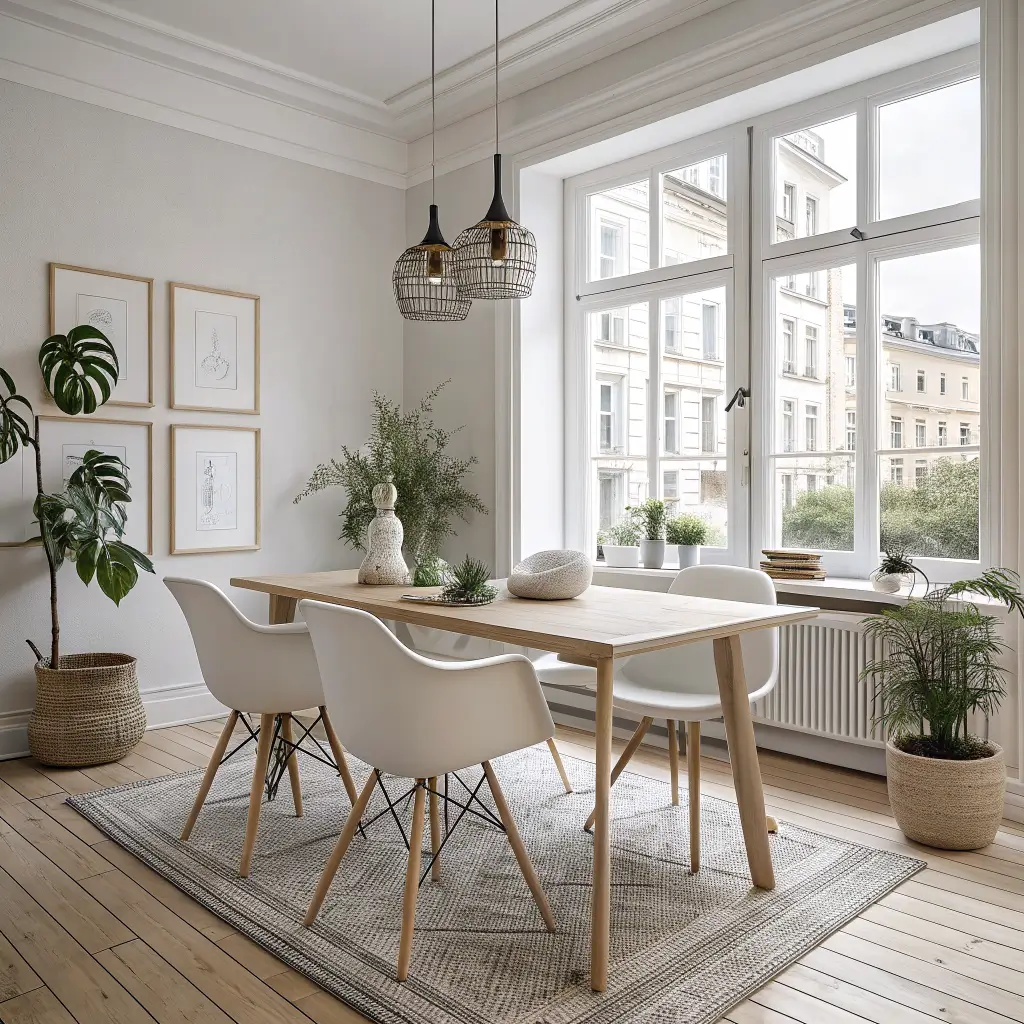
Clean, functional, and somehow cozy at the same time.
Scandinavian design nails the balance between minimalist and warm. A Scandi wooden dining table has clean lines like minimalist design, but uses lighter woods and softer shapes to keep things feeling approachable and livable.
I furnished my last apartment entirely in Scandinavian style, and the dining table was the centerpiece. Light oak, tapered legs, nothing fancy—but it made the whole room feel put-together and welcoming. People always commented on how “calm” the space felt.
Scandinavian table characteristics:
- Light wood species: Birch, ash, beech, or light oak
- Tapered legs: Angled legs that get slimmer toward the bottom
- Natural finish: The wood’s natural color and grain take center stage
- Functional design: Beautiful but also incredibly practical
The Scandi Philosophy
Scandinavian design is all about hygge—that Danish concept of coziness and contentment. Your dining table should make you feel good every time you sit at it. It’s functional, it’s beautiful, and it doesn’t try too hard.
Pairing advice: Scandi tables work best with similarly light, simple chairs. Mix in some textiles—a sheepskin throw over one chair, linen napkins, maybe a simple runner—to add warmth without cluttering the clean aesthetic.
Dark Wood Elegant Dining Table Ideas
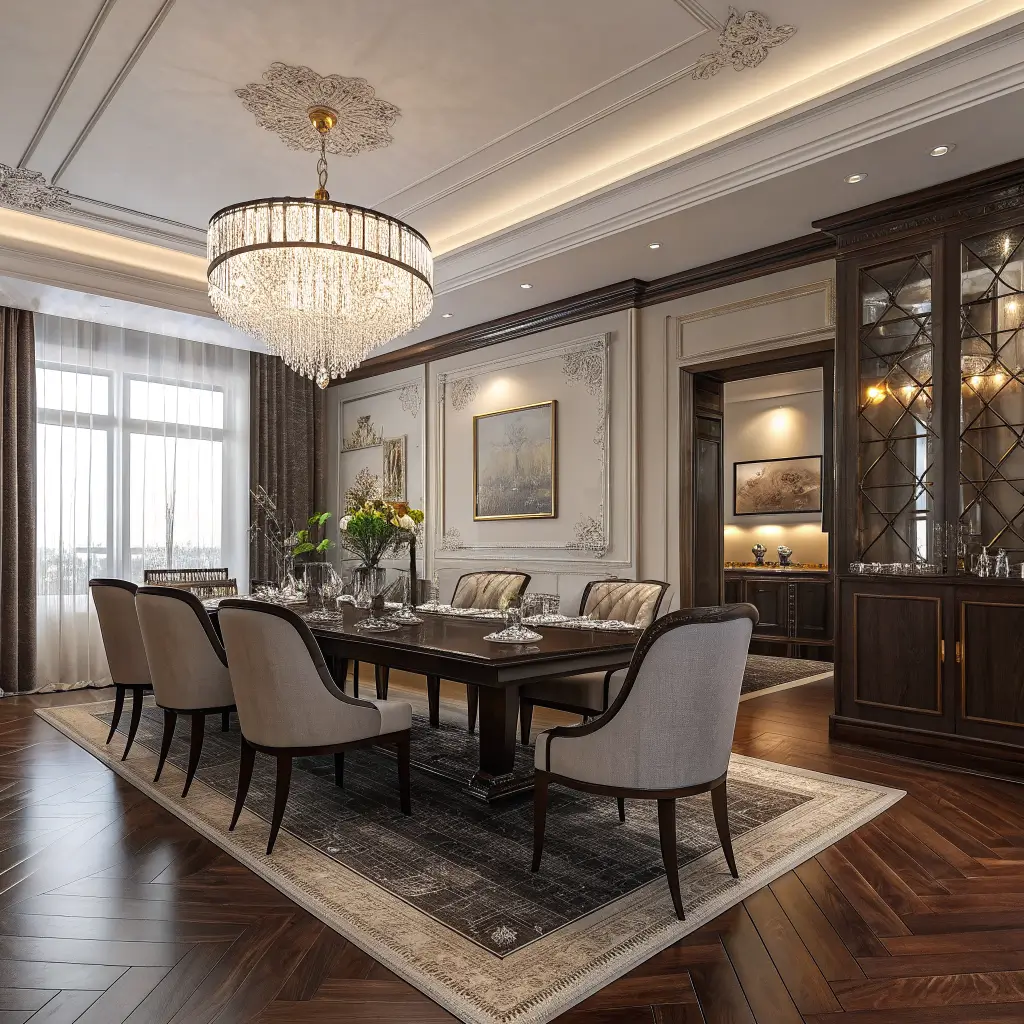
For those who want their dining room to feel like a sophisticated dinner party.
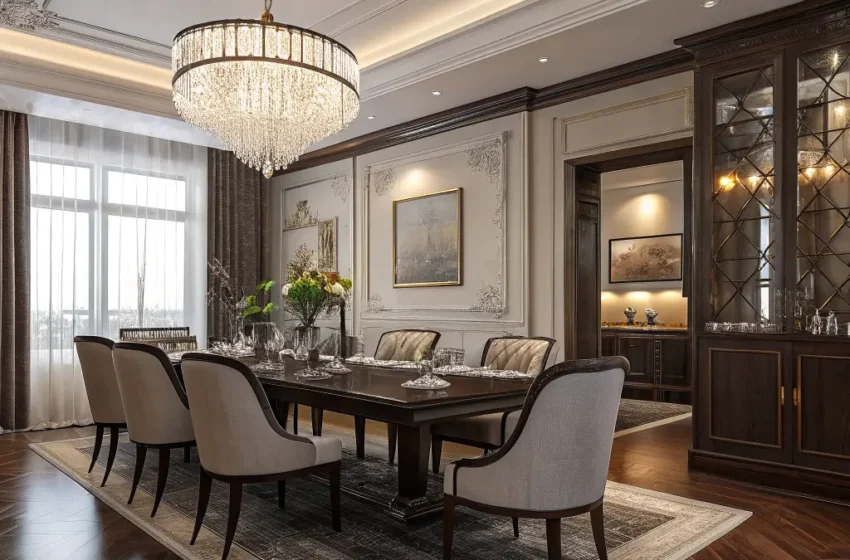
Dark wood tables command attention. Walnut, mahogany, dark cherry—these woods bring instant gravitas and elegance to your dining space. I resisted dark wood for years because I thought it would feel too formal, but then I found the right piece, and wow, the difference it made.
Dark wood dining tables create this rich, layered atmosphere that lighter woods can’t quite achieve. They feel substantial, important, like the kind of table where meaningful conversations happen over wine that costs more than $12.
What makes dark wood work:
- Rich, deep tones: Walnut, mahogany, dark cherry, or espresso-stained oak
- Shows wood grain beautifully: The contrast between light and dark grain patterns is stunning
- Creates visual weight: Anchors the room and makes it feel more formal
- Pairs well with metal and glass: Chrome, brass, or crystal accents pop against dark wood
The key to pulling off dark wood is having enough light in the room. Natural light is ideal, but good artificial lighting works too. Without adequate light, dark wood can make your dining room feel like a cave, and that’s not the vibe we’re going for here. :/
Maintenance note: Dark wood shows dust and water spots more readily than light wood. You’ll be wiping this table down constantly if you want it looking its best. Worth it for the elegance, but be realistic about the upkeep.
Also Read: 10 Stylish Dining Room Table Centerpiece Ideas on a Budget
Reclaimed Wood Sustainable Dining Table
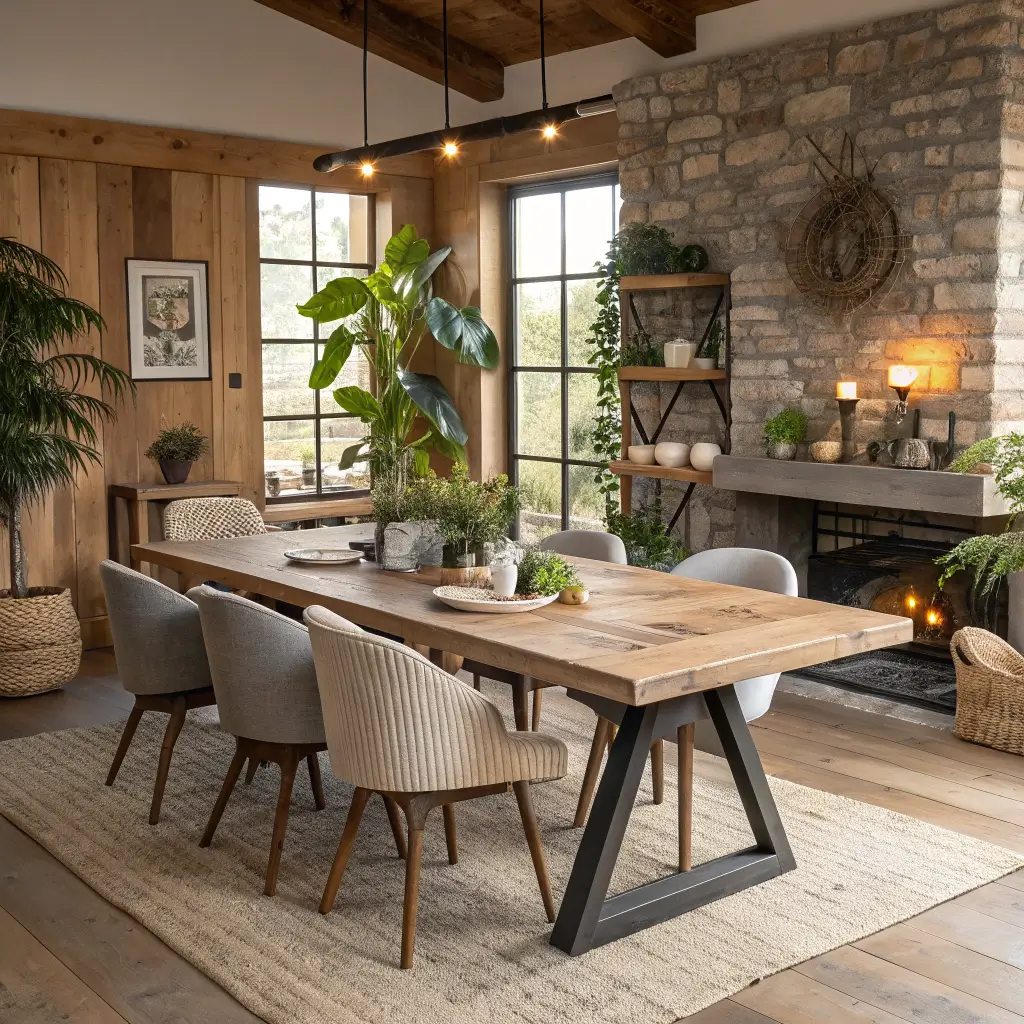
Good for your home, good for the planet, good for your conscience.
Reclaimed wood tables use salvaged lumber from old barns, factories, warehouses, or demolished buildings. The wood gets a second life as your dining table, and you get a piece with character that no new furniture can match.
I love the story aspect of reclaimed wood. The table I’m eating dinner on used to be part of a 100-year-old barn in Vermont. How cool is that? Every nail hole, every weathered patch, every color variation tells part of that history.
Why reclaimed wood rocks:
- Environmental responsibility: No new trees cut down, existing materials get reused
- Unique character: Nail holes, color variations, weathering patterns create one-of-a-kind pieces
- Durability: Old-growth wood is often denser and stronger than new lumber
- Sustainability story: You’re making a conscious choice that matters
What to Look For
Make sure the wood has been properly cleaned, treated, and stabilized. Some reclaimed wood comes from questionable sources or hasn’t been treated to remove potential pests or contaminants. Buy from reputable makers who know what they’re doing.
Real talk: Reclaimed wood tables often cost more than new wood tables, which seems counterintuitive until you consider the labor involved in sourcing, cleaning, and preparing the wood. You’re paying for the story and the sustainability, not just the materials.
Wooden Dining Table with Bench Seating
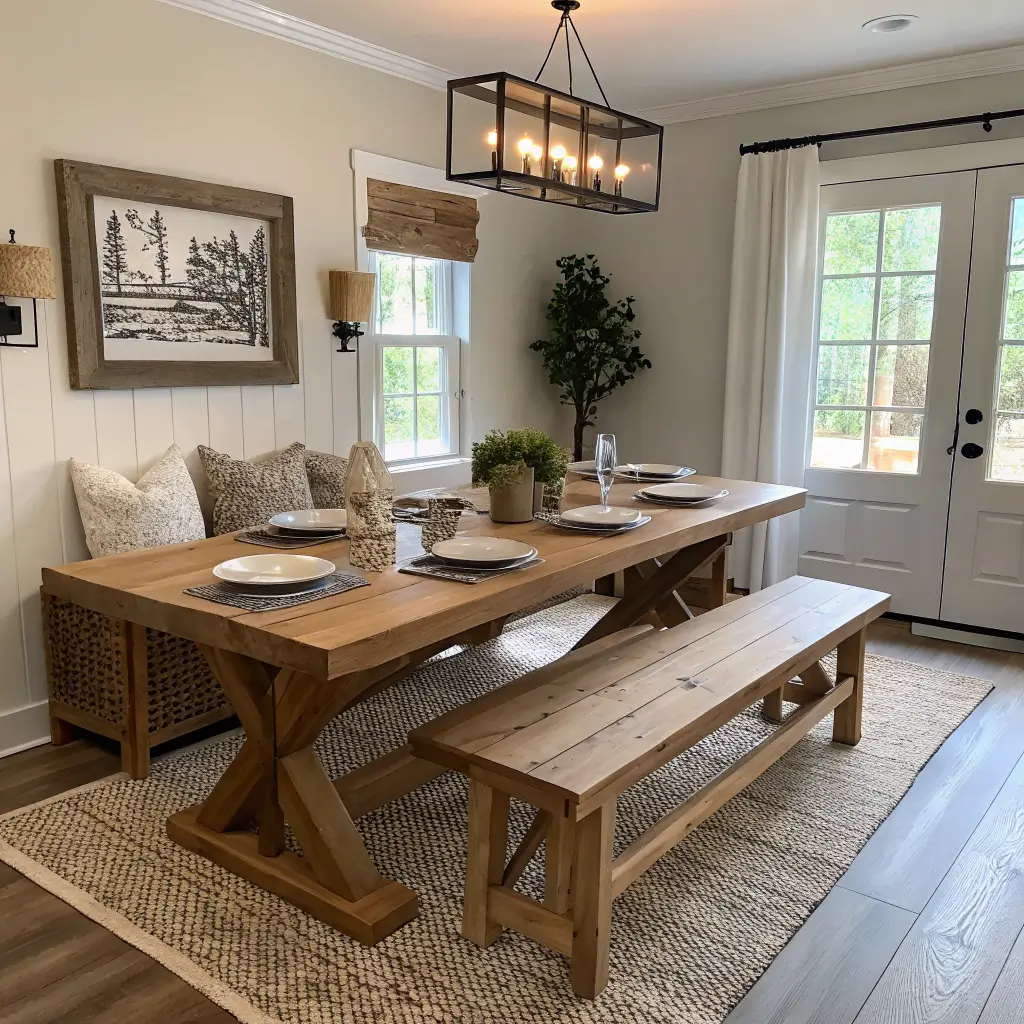
Casual, space-efficient, and surprisingly comfortable.
Bench seating divided me for years—I thought it seemed too cafeteria-like, too casual. Then I actually used it for a few months, and I completely changed my tune. A wooden dining table with bench seating is practical, space-saving, and creates this casual, “everyone squeeze in” vibe that’s perfect for family-style dining.
The bench lets you seat more people when you need to. Four chairs seat four people. Three chairs plus a bench? You can squeeze six people at that same table. The flexibility is huge, especially if you host regularly.
Benefits of bench seating:
- Seats more people: Benches accommodate extra guests easier than individual chairs
- Easier to clean under: One piece to move instead of multiple chairs
- Kid-friendly: Children can squeeze in together, and you’re not buying expensive chairs they’ll destroy
- Modern farmhouse appeal: Benches give that casual, gathered-around-the-table feeling
I run a bench on one side and chairs on the other—best of both worlds. The bench side is for kids and casual dinners, the chair side is for when you want a little more structure.
Comfort consideration: Benches without backs get uncomfortable after long meals. If you’re someone who likes to linger over dinner, consider a bench with back support or keep the bench side for shorter stays.
Mid-Century Modern Wooden Dining Table
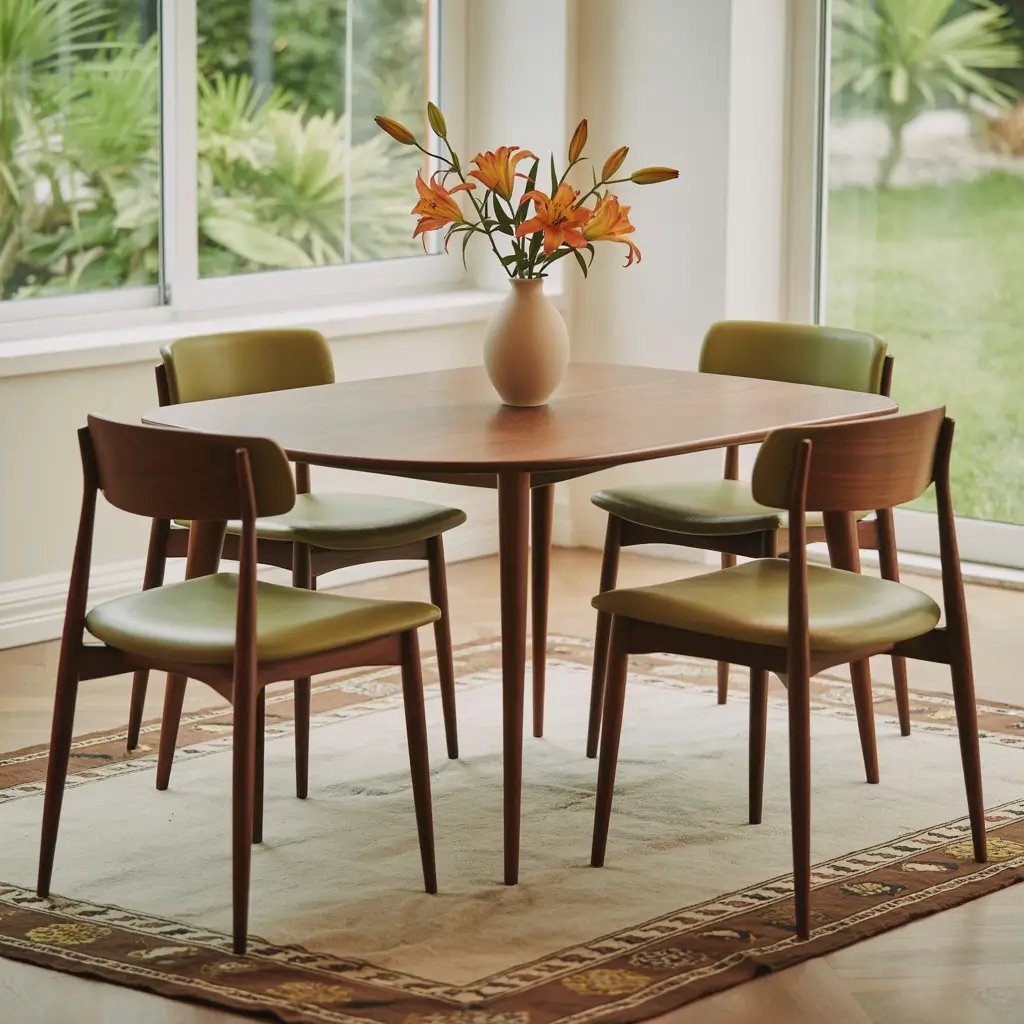
Retro cool that somehow never goes out of style.
Mid-century modern design from the 1950s and 60s is everywhere right now, and I’m not complaining. These tables have this effortlessly cool aesthetic—clean lines, organic curves, tapered legs—that works in pretty much any space.
I scored a vintage mid-century table at an estate sale, and it’s hands-down my favorite furniture purchase ever. The craftsmanship, the design, the way the walnut veneer catches light—modern furniture rarely matches it.
Defining mid-century characteristics:
- Tapered wooden legs: Slim legs that angle outward or have that iconic angled look
- Walnut or teak wood: These were the go-to species for mid-century designers
- Organic shapes: Rounded edges, oval tops, or boat-shaped designs
- Functional simplicity: Beautiful but practical, never ornate
Vintage vs. Reproduction
You can find authentic vintage mid-century tables, or buy modern reproductions. Vintage pieces have more character and better materials (old-growth wood, solid construction), but reproductions are more affordable and sometimes more practical for daily use.
Style note: Mid-century tables work best with mid-century chairs, but mixing eras can work if you’re thoughtful about it. The key is balancing the organic, retro vibe of the table with your other furniture.
Also Read: 12 Beautiful Marble Dining Table Ideas and Minimalist Décor
Whitewashed Wooden Dining Table for Cozy Homes
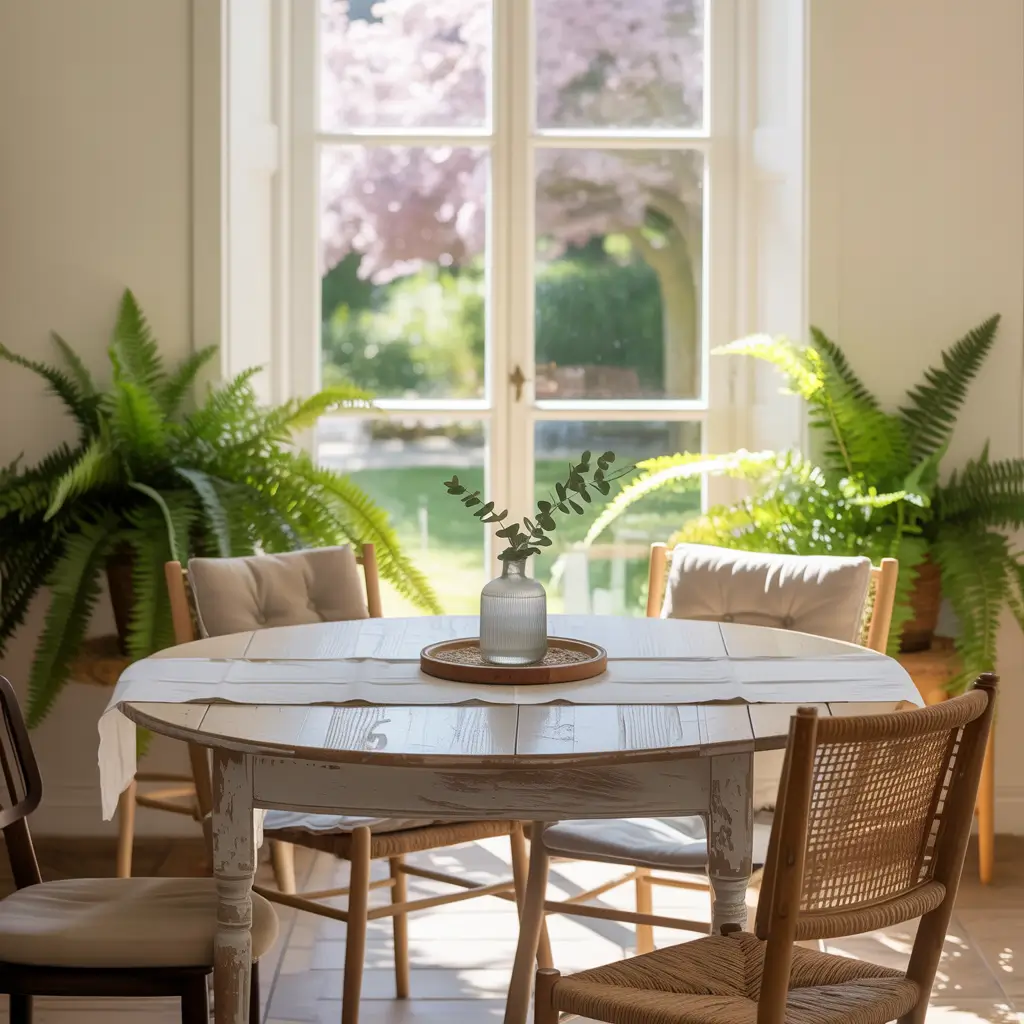
Beach house vibes without living anywhere near a beach.
Whitewashed wood gives you that weathered, coastal, relaxed feeling while still showing off the wood grain underneath. It’s less formal than fully painted furniture but more refined than raw natural wood. The effect is soft, airy, and inviting.
I whitewashed an old pine table myself during a weekend project, and I was shocked by how much it transformed the piece. Suddenly this heavy, dark table looked light and fresh. The technique literally brightened my entire dining area.
What makes whitewashed tables work:
- Light and airy feel: Perfect for small rooms or spaces with limited natural light
- Coastal or cottage aesthetic: Gives that beachy, relaxed vibe
- Shows wood grain: Unlike solid paint, you still see the wood texture through the white
- Forgiving finish: Scratches and dings blend in rather than standing out
DIY or Buy?
You can whitewash an existing table yourself pretty easily—it’s basically thinned white paint or a whitewash stain applied and wiped off. Or you can buy pre-whitewashed tables. DIY gives you more control over the finish intensity; buying saves time and guarantees consistency.
Maintenance heads-up: Whitewashed finishes can yellow over time, especially in high-traffic areas or with exposure to oils. You might need to touch it up every few years to keep it looking fresh. FYI, it’s not hard, just something to be aware of.
Choosing the Right Wood Species
Not all wood is created equal, and your choice makes a huge difference in how your table looks and performs over time.
Oak: Durable, affordable, prominent grain pattern. Great for farmhouse or rustic styles. Shows wear gracefully.
Walnut: Rich dark brown, fine grain, expensive but stunning. Perfect for modern or elegant designs. Softer than oak but gorgeous.
Maple: Hard, durable, light color with subtle grain. Ideal for Scandinavian or modern styles. Takes stain well if you want to change the color.
Cherry: Starts light and darkens with age to rich reddish-brown. Traditional, elegant, pricey. Beautiful but reactive to light.
Pine: Soft, affordable, light-colored with visible knots. Perfect for rustic or cottage styles. Dents easily but that’s part of its charm.
Teak: Incredibly durable, naturally water-resistant, expensive. Mid-century modern favorite. Worth it if you can afford it.
I’ve owned tables in most of these woods, and honestly, they all have their strengths. Your choice should match both your aesthetic preferences and your lifestyle needs.
The Practical Stuff Nobody Tells You
Let’s talk about the real-world considerations that furniture stores conveniently forget to mention.
Size matters, but not how you think. You need 36 inches of clearance around your table for chairs to pull out and people to walk past. Measure your room, subtract 72 inches (36 on each side), and what’s left is your maximum table size. I learned this the hard way with a table that technically fit but made the room feel like a obstacle course.
Wood moves. It expands and contracts with humidity changes. That’s why quality tables have special construction techniques to accommodate movement. Cheap tables crack or warp because they don’t account for this.
Finish protection is essential. Oil, wax, or polyurethane—pick one and maintain it. An unprotected wood table will stain, water-ring, and generally look terrible within months. I neglected this once, and the damage was permanent.
Budget for chairs separately. Everyone focuses on table cost and forgets that chairs often cost as much or more. If you’ve got $1,000 for dining furniture, that’s $400-500 for the table and $500-600 for chairs, not $1,000 for the table and panic about chairs later.
The Real Decision: What Matters to You?
Here’s what it comes down to—every wooden dining table on this list could work beautifully in the right home. The question isn’t which table is “best,” but which one fits your actual life.
Do you have kids who spill things constantly? Maybe skip the precious whitewashed table and go with something more forgiving like rustic farmhouse.
Do you live in a tiny apartment? Round or minimalist makes more sense than a massive live edge slab. Is sustainability important to you? Reclaimed wood aligns with your values.
I’ve owned or seriously considered almost every style on this list, and you know what I’ve learned? The right table is the one you’ll actually use and enjoy.
Not the one that looks best on Instagram, not the one everyone else is buying—the one that makes you happy every time you sit down to eat.
So take your time with this decision. Measure your space properly. Think about your real daily life, not some idealized version of it. Consider your budget realistically, including chairs and delivery.
And trust your gut—if you walk into a store and immediately know “that’s the one,” it probably is.
Your dining table is where life happens. Homework sessions, holiday dinners, game nights, those conversations that stretch past midnight—all of it unfolds around this one piece of furniture.
Choose something that’ll be a good backdrop for your life, whatever that looks like. IMO, that’s the only criterion that really matters. 🙂