15 Stunning Sage Green Hallway Ideas and Stylish Decor Tips
- Hallway Decorating
 Ben
Ben- 0
- 32 minutes read
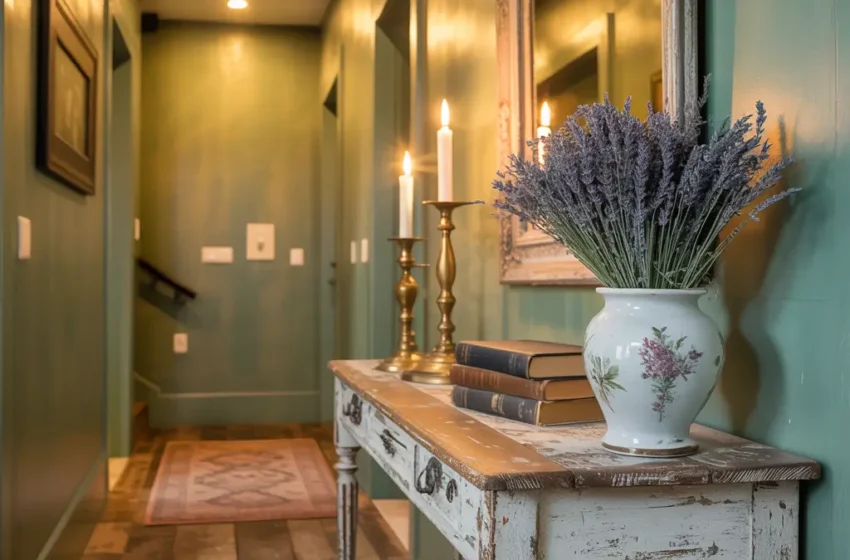
Okay, let’s talk sage green hallways! You know that feeling when you walk into someone’s home and their hallway just hits different? That’s exactly what happened to me last month at my friend’s place – she’d painted her hallway sage green, and I literally stopped mid-step. This color has completely taken over the interior design world, and honestly, I get why everyone’s obsessed.
Sage green brings this amazing calming vibe that somehow makes even the narrowest hallway feel like a breath of fresh air. It’s not just another trendy color; it’s a game-changer for spaces we often overlook. And trust me, after helping three friends redesign their hallways this year (yes, I’ve become that person), I’ve discovered some seriously stunning ways to work with this versatile shade.
Sage Green with White Trim Elegance
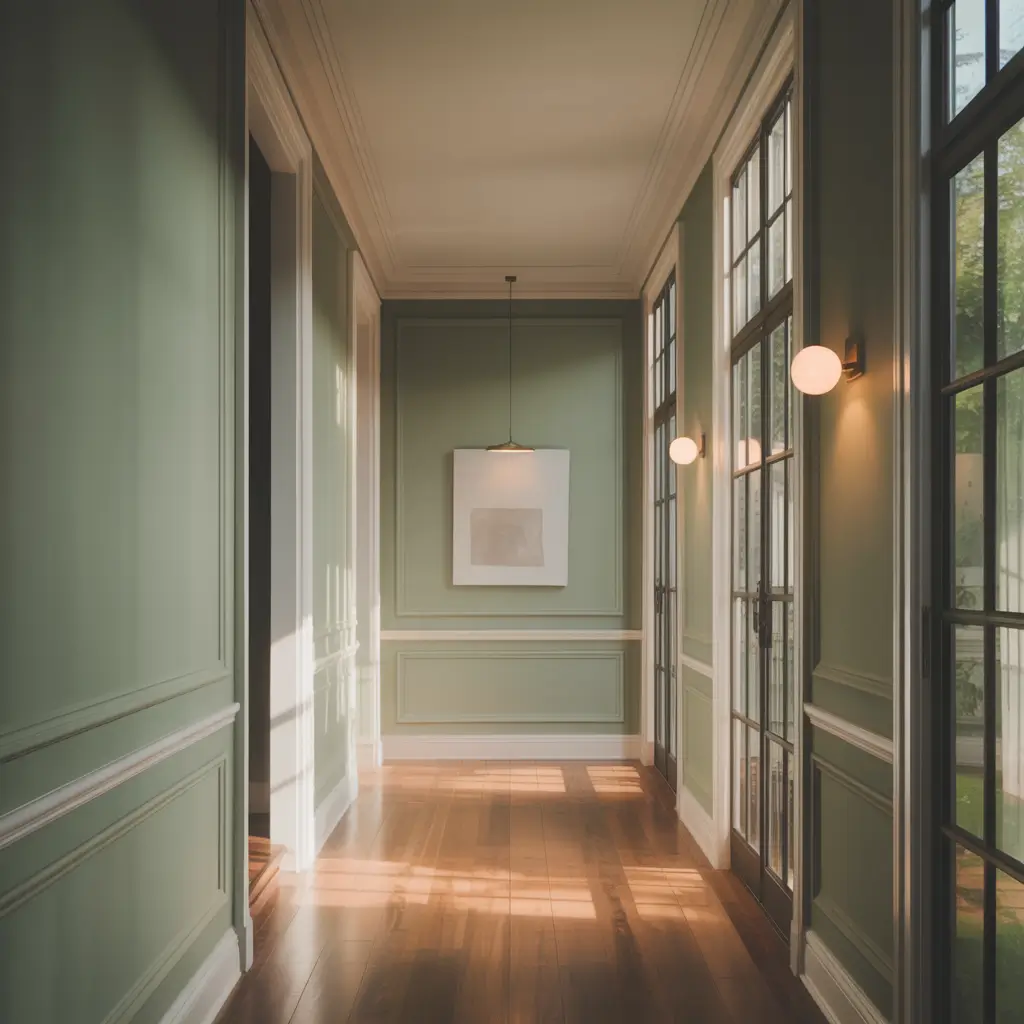
This combo absolutely slays every single time. White trim against sage green walls creates this crisp, clean contrast that makes your hallway look like it belongs in a design magazine. I painted my own hallway this way last spring, and people always comment on how expensive it looks – little do they know I did it myself over a weekend!
The beauty of white trim lies in how it frames the sage green perfectly. You get this classic, timeless look that works whether your home screams modern minimalism or cozy cottage vibes. Plus, white baseboards, door frames, and crown molding instantly make your ceilings appear higher. Who doesn’t want that?
For the best results, I recommend using a semi-gloss or satin finish for your white trim – it reflects light beautifully and creates subtle depth. The sage green walls? Go with an eggshell or matte finish to avoid overwhelming shine. This contrast in textures adds another layer of sophistication that most people won’t consciously notice but will definitely feel.
Choosing Your Perfect Shade
Not all sage greens play equally well with white trim. Some lean more gray, others have yellow undertones. Test at least three different shades on your wall and observe them throughout the day. Natural light completely transforms how these colors appear, and what looks perfect at noon might feel totally wrong at sunset.
Minimalist Sage Green Hallway
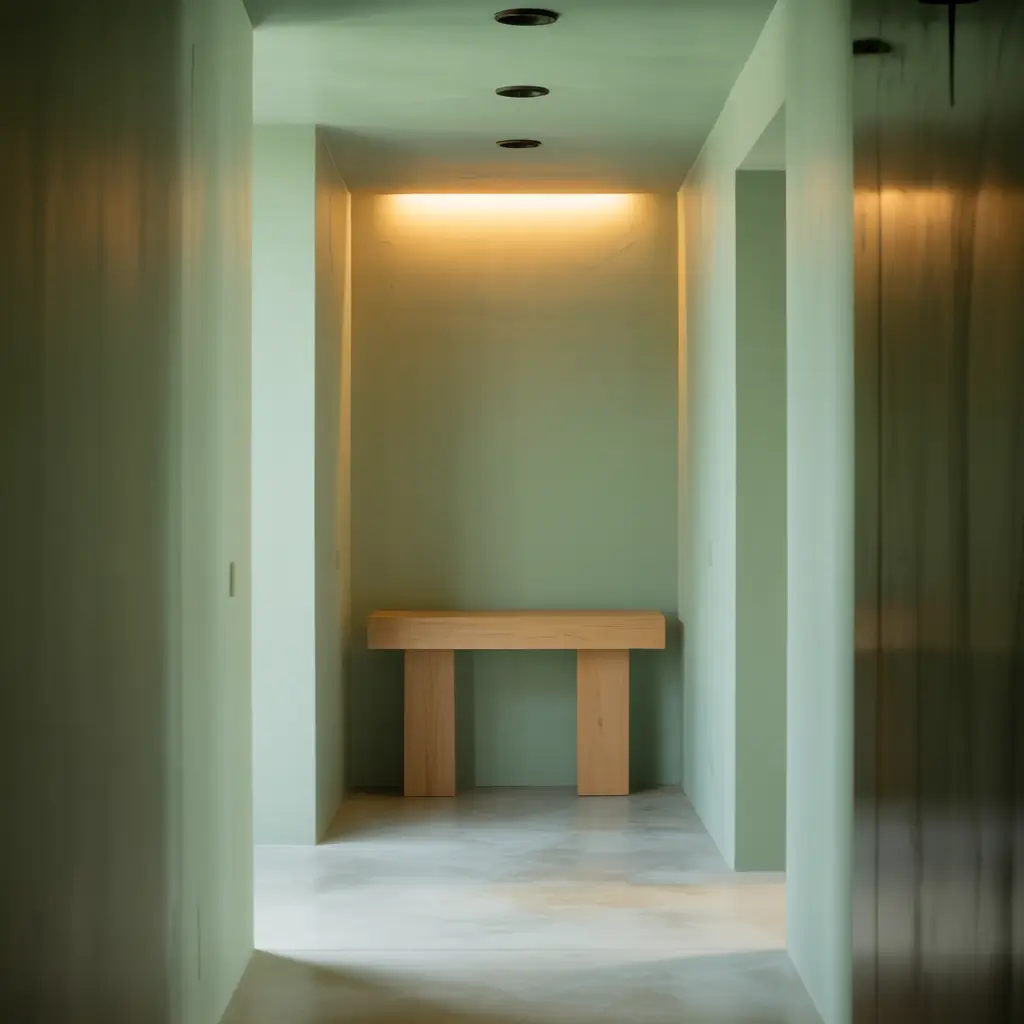
Sometimes less really is more. A minimalist sage green hallway strips away all the unnecessary clutter and lets the color itself become the star. I’ve seen this approach work magic in tiny apartments where every square foot counts.
Keep your walls bare except for maybe one statement piece – a single oversized mirror or piece of art. Choose simple, streamlined furniture if you need any at all. A sleek console table with hairpin legs? Perfect. That chunky vintage dresser your aunt gave you? Maybe save it for another room.
The key here involves restraint. You’re creating a zen-like passage through your home, not a storage area. Every item you add should serve a clear purpose or bring genuine joy. Otherwise, it’s just noise disrupting your sage green serenity.
Sage Green and Natural Wood Combo
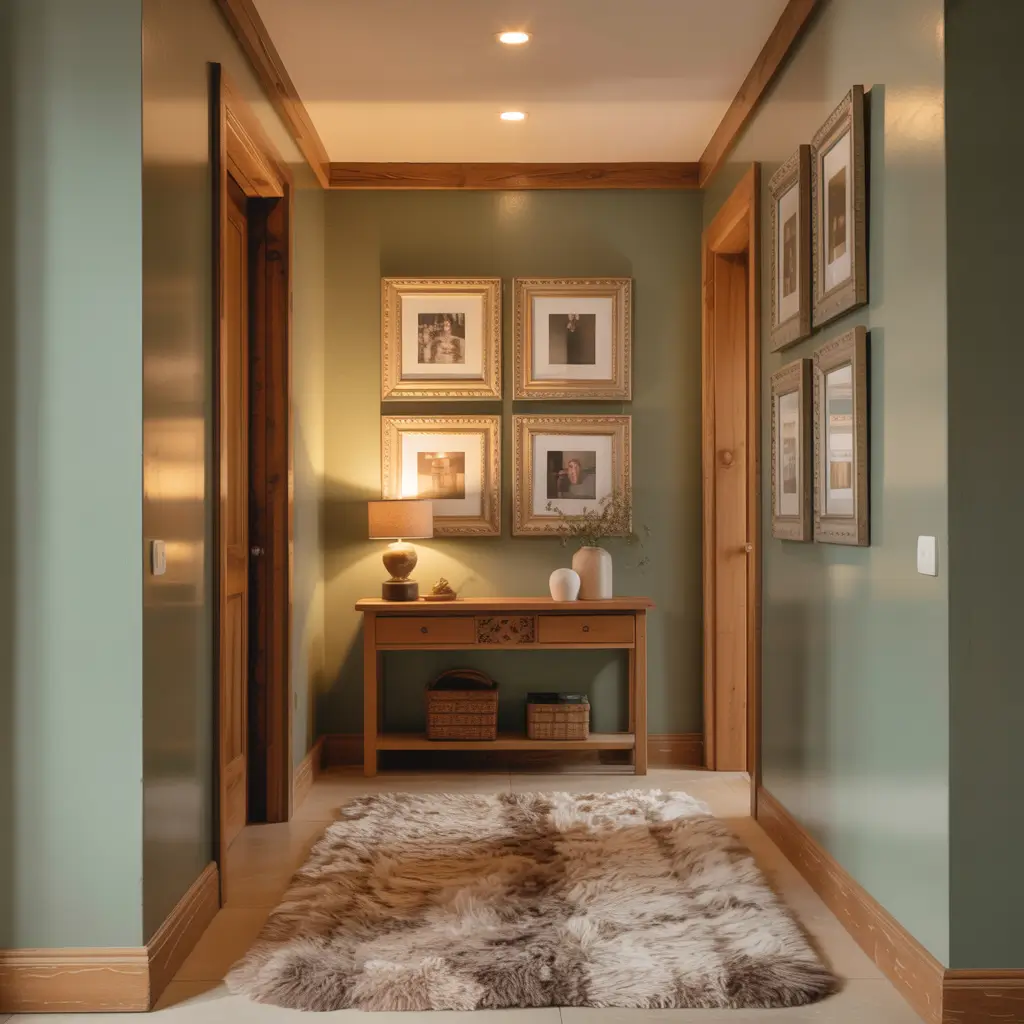
This pairing makes my heart sing! Natural wood and sage green complement each other like peanut butter and jelly – they just belong together. The earthy warmth of wood grounds the coolness of sage green, creating perfect balance.
I recently helped my neighbor install oak floating shelves against her sage green hallway walls, and the transformation blew both our minds. The wood grain adds texture and visual interest without competing with the wall color. Whether you go with light birch, medium oak, or rich walnut, each wood tone brings its own personality to the space.
Wood Elements That Work
Consider these natural wood additions:
- Floating shelves for displaying small plants or decor
- Picture ledges in unstained pine or cedar
- A wooden bench for putting on shoes
- Wood-framed mirrors that tie everything together
- Exposed ceiling beams if you’re lucky enough to have them
Don’t forget about your floors! If you have hardwood, you’re already winning. Just make sure the wood tone harmonizes with your sage green – cooler gray-toned woods pair beautifully with grayer sage greens, while warmer honey tones complement yellower sage variations.
Also Read: 15 Stunning Hallway Wallpaper Ideas and Stylish Design Tips
Moody Sage Green with Brass Accents
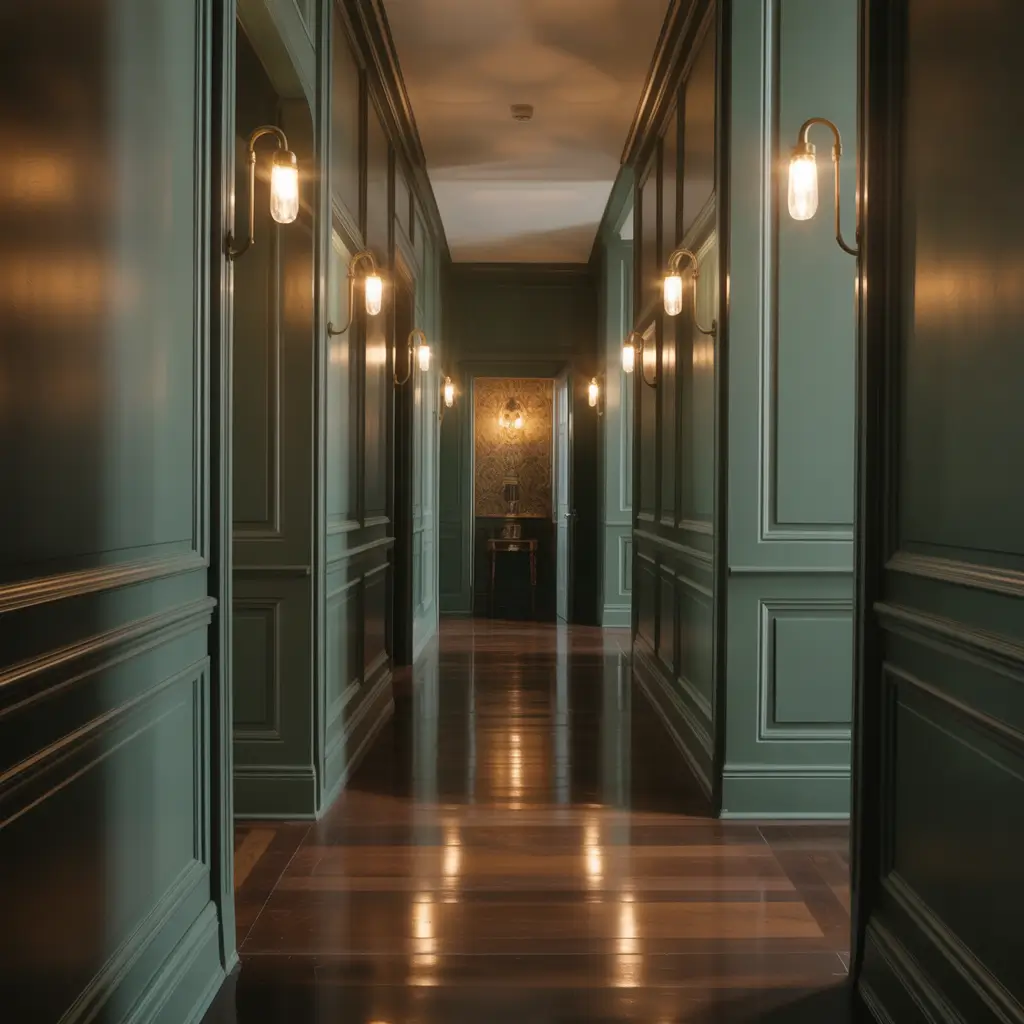
Want to add some serious sophistication? Brass hardware and fixtures against sage green walls create this moody, luxurious vibe that feels both vintage and contemporary. I discovered this combo accidentally when I couldn’t afford to replace my grandmother’s brass mirror – turns out it was the best design decision I never made!
Brass brings warmth and glamour without overwhelming the calming nature of sage green. Switch out your basic door handles for brass ones. Add brass picture frames, light switches, or even a brass coat rack. These golden touches catch light beautifully and make your hallway feel intentionally designed rather than just painted.
The trick? Don’t overdo it. Three to five brass elements max, or you risk looking like you raided an antique shop. Space them throughout the hallway so your eye travels naturally from one golden accent to the next.
Bright Sage Green with Gallery Wall
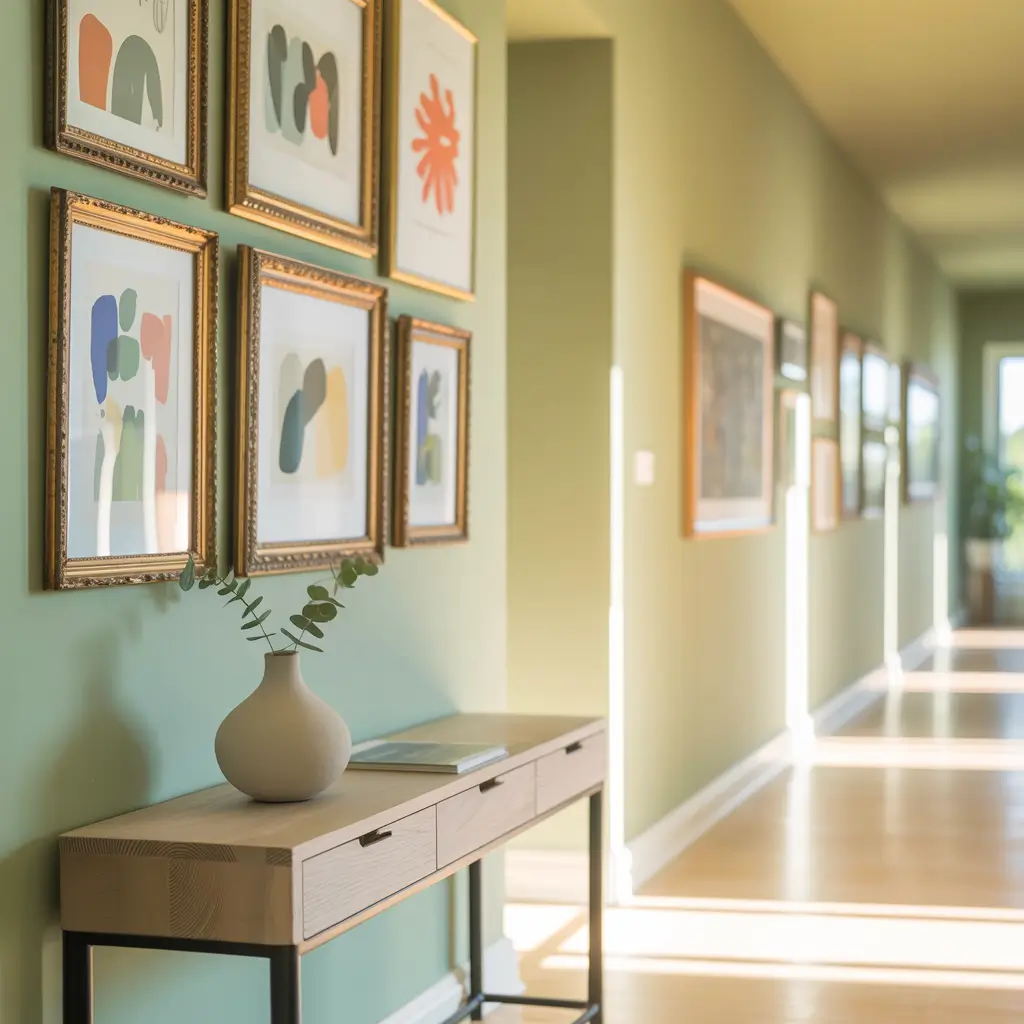
Gallery walls might seem overdone, but hear me out – they work differently with sage green. The soft backdrop lets your art and photos truly pop without creating visual chaos. My sister created one in her hallway using family photos in mismatched frames, and it looks like professional styling.
Mix different frame sizes, colors, and styles for an eclectic feel. Include not just photos but also small mirrors, botanical prints, or even decorative plates. The sage green unifies everything, preventing that cluttered look gallery walls sometimes get against white walls.
Gallery Wall Planning Tips
Start by cutting paper templates of your frames and taping them to the wall. Rearrange until you love the layout – this saves you from unnecessary nail holes! Keep about 2-3 inches between frames for breathing room. And here’s a pro tip: hang everything at eye level or slightly lower in hallways since people usually walk through rather than stand and stare.
Sage Green Hallway with Patterned Rug
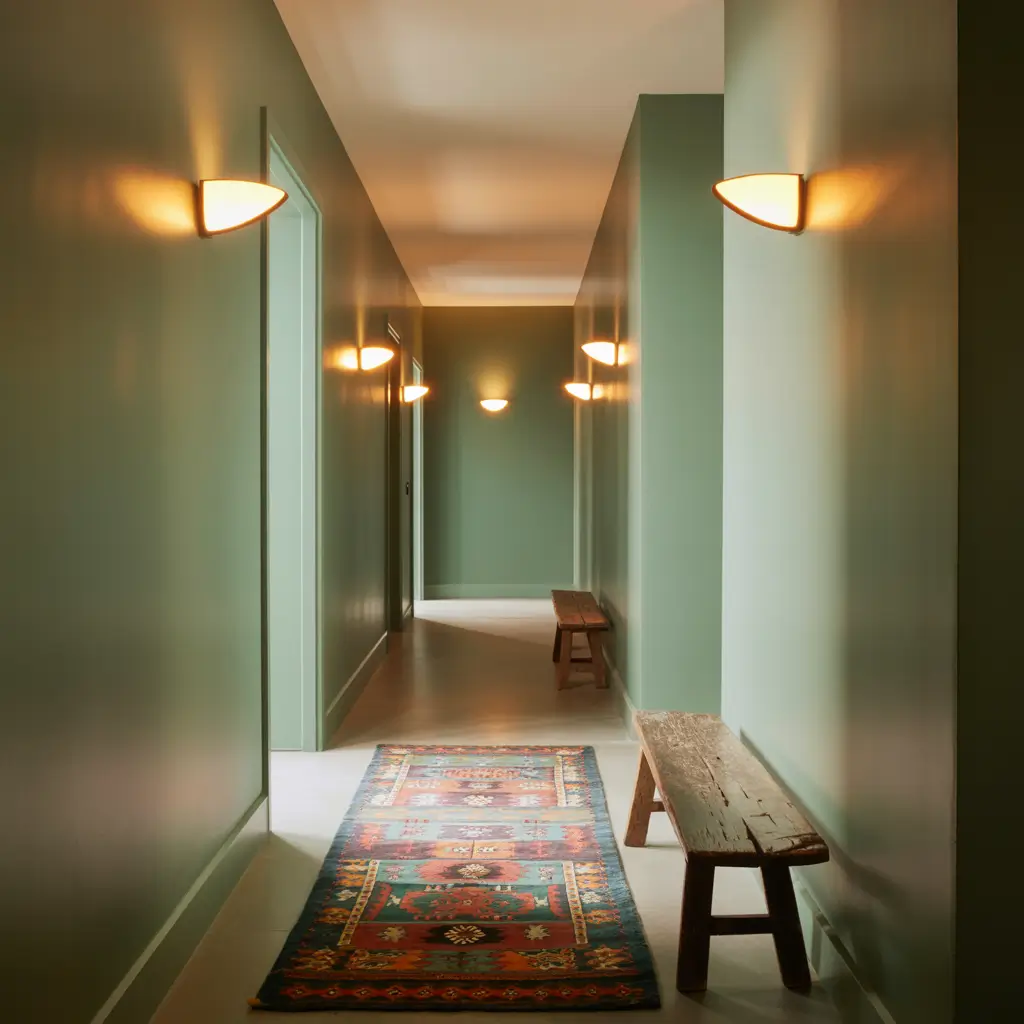
Runners can make or break a hallway design. A patterned rug adds personality and protects your floors while complementing those gorgeous sage walls. I’ve cycled through probably five different runners in my hallway (indecisive much?), and patterns consistently outperform solid colors.
Geometric patterns bring modern edge. Persian or Turkish designs add traditional elegance. Even simple stripes can elongate a short hallway. The key involves choosing patterns that include sage green or complementary colors like cream, terracotta, or navy. This creates cohesion without being too matchy-matchy.
Remember to measure carefully – your runner should leave about 4-6 inches of floor visible on each side. Too wide and it looks squeezed in; too narrow and it appears like an afterthought. FYI, runner pads are non-negotiable unless you enjoy watching guests slip 🙂
Also Read: 15 Stunning Dark Hallway Ideas and Cozy Lighting Tips
Scandinavian Sage Green Simplicity
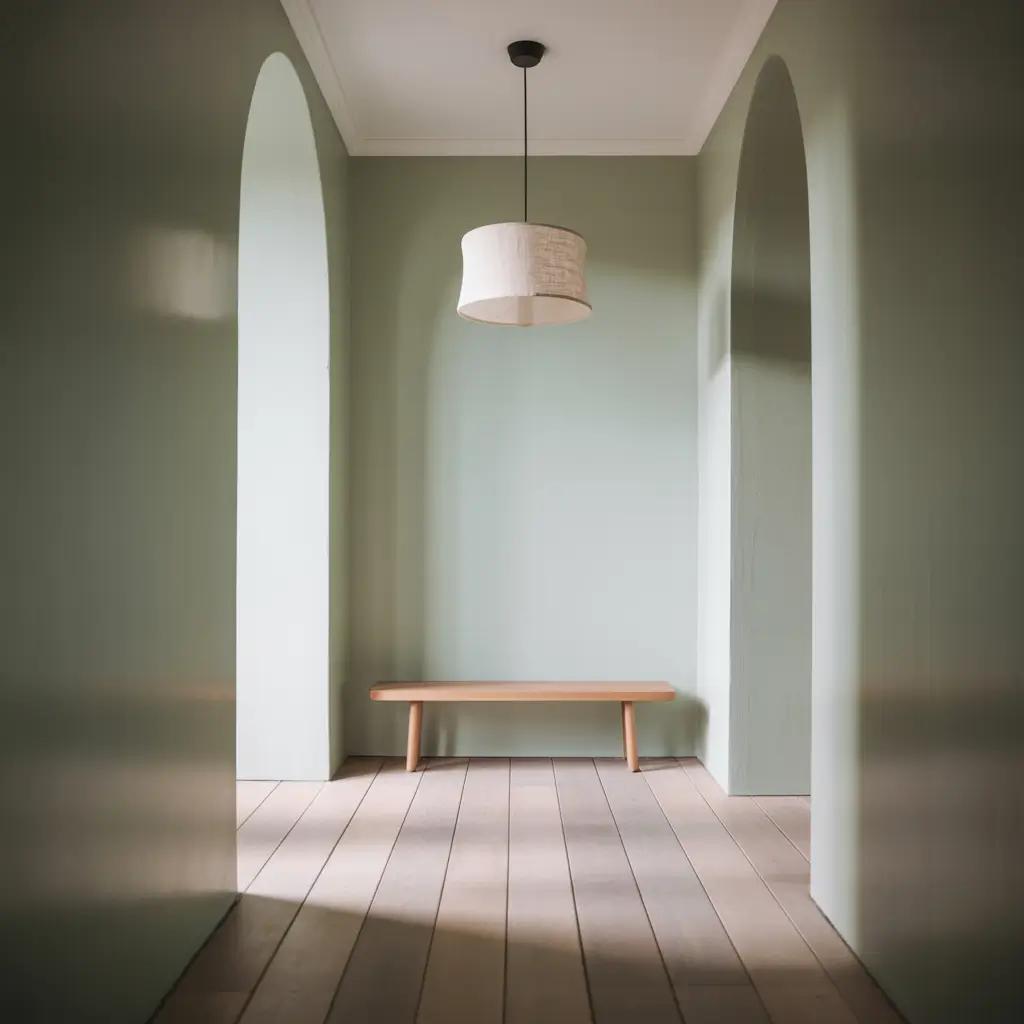
Scandinavian design and sage green? Name a better duo. This style emphasizes functionality, natural materials, and that coveted hygge feeling we all crave. The sage green adds warmth to typically cooler Scandi palettes while maintaining that clean, uncluttered aesthetic.
Think white oak furniture, simple black metal hooks for coats, and maybe one cozy sheepskin throw draped over a bench. Add a large round mirror with a thin black frame. Keep decorative objects minimal – perhaps just a ceramic vase with eucalyptus stems or a single wooden bowl for keys.
Lighting plays a huge role here. Natural light is king in Scandinavian design, so keep window treatments minimal. For artificial lighting, choose fixtures with clean lines – pendant lights with exposed bulbs or simple wall sconces work beautifully.
Sage Green with Indoor Plants Touch
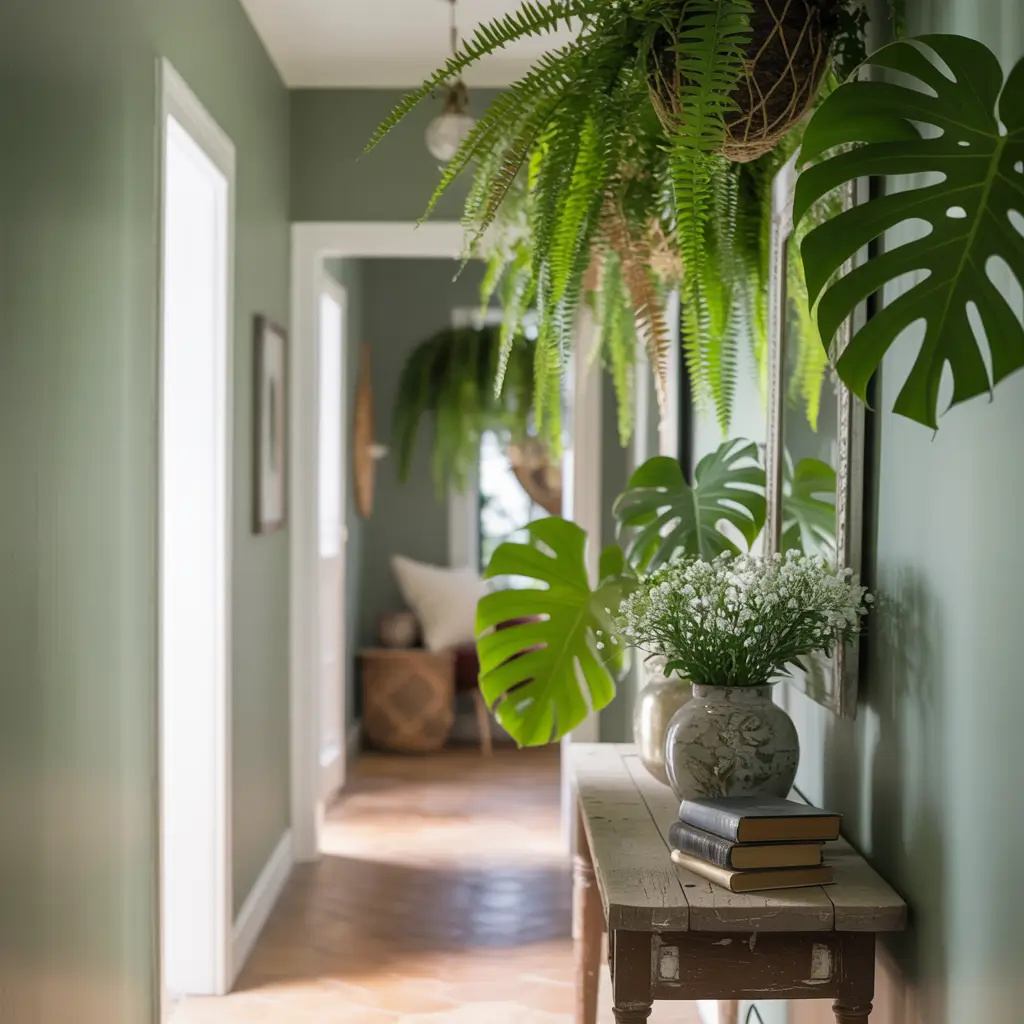
Plants and sage green walls? You’re basically creating an indoor garden pathway! Living plants against sage green create layers of green that feel fresh and alive. My hallway currently houses seven plants (yes, I counted), and visitors always comment on how refreshing the space feels.
Mix plant heights and textures for visual interest. Tall snake plants or fiddle leaf figs anchor corners. Trailing pothos or philodendrons look stunning on floating shelves. Small succulents clustered on a console table add detail without overwhelming.
Best Plants for Hallways
Consider these low-maintenance options:
- Snake plants – practically indestructible
- ZZ plants – thrive in low light
- Pothos – gorgeous trailing vines
- Peace lilies – elegant white blooms
- Chinese evergreens – beautiful variegated leaves
Just remember that hallways often lack natural light. Choose plants accordingly, or invest in a small grow light disguised as decorative lighting. Nothing kills the vibe faster than dying plants!
Sage Green and Gold Mirror Glam
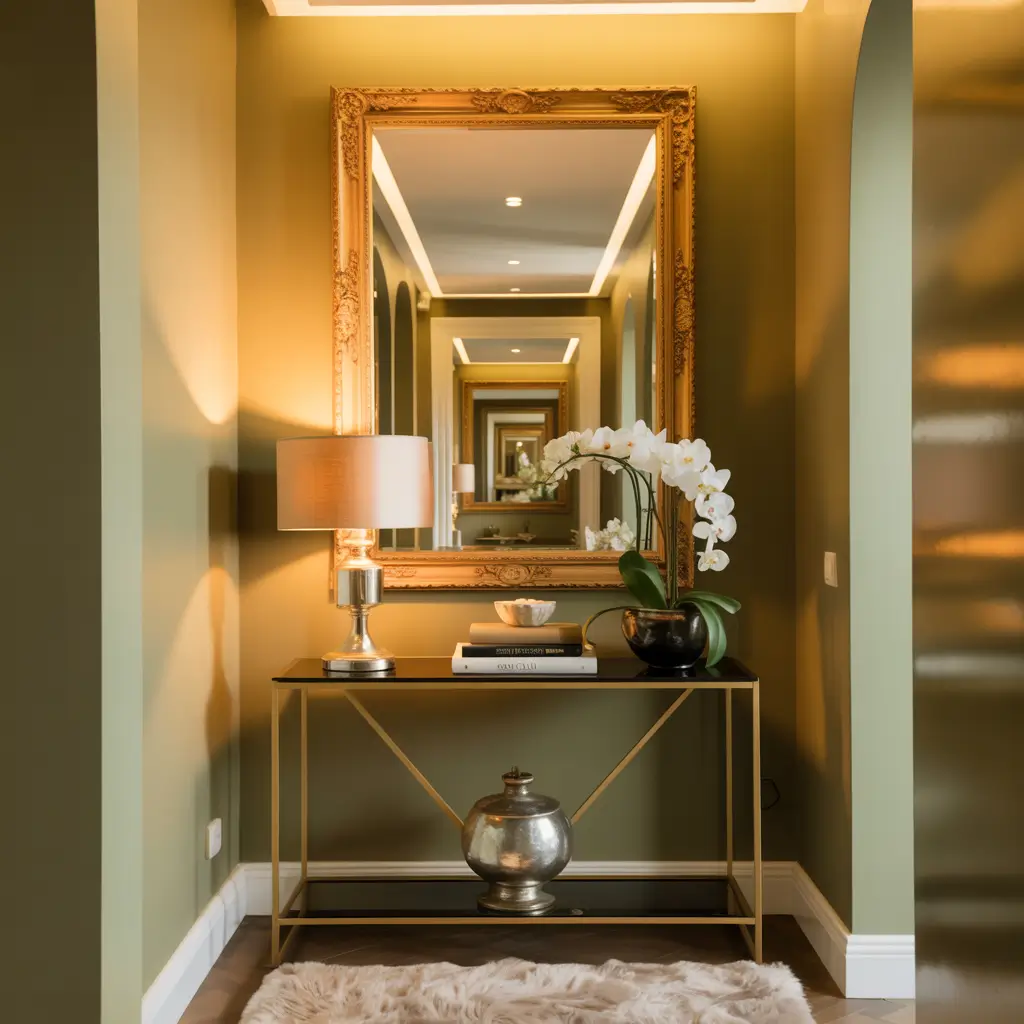
Gold mirrors against sage green walls create instant elegance. This combination feels luxurious without trying too hard, like you hired an interior designer but actually just have great taste. I found an ornate gold mirror at a thrift store for $20, and it completely transformed my friend’s hallway.
The reflective surface of mirrors doubles your visual space while the gold frame adds warmth and sophistication. Go big with an oversized statement mirror, or create a collection of smaller vintage mirrors in varying gold tones. Both approaches work brilliantly.
Position mirrors strategically to reflect natural light or interesting architectural features. A mirror opposite a window basically gives you two windows – it’s like magic for dark hallways!
Also Read: 15 Stunning Hallway Mirror Ideas and Chic Home Touches
Rustic Sage Green Hallway Charm
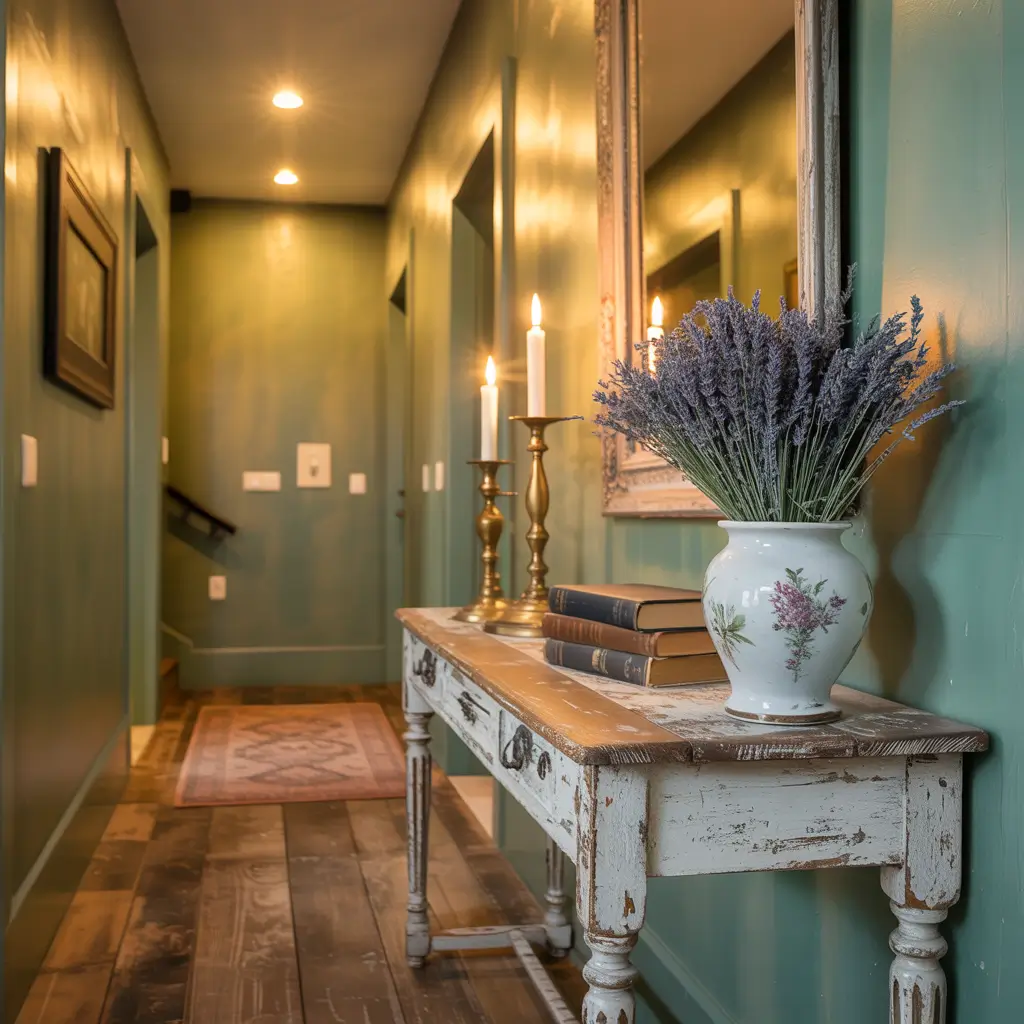
Rustic style and sage green create this cozy, lived-in feeling that makes guests immediately feel at home. Think reclaimed wood, wrought iron details, and vintage finds that tell a story. This style celebrates imperfection and character over polish and precision.
Layer different textures to nail this look. Rough wooden benches, woven baskets, metal lanterns, and maybe an antique ladder leaning against the wall for hanging blankets. The sage green ties these eclectic elements together, preventing the space from feeling chaotic.
Add vintage hooks for coats and bags – mismatched is totally fine here! In fact, it’s preferred. Each piece should look like it has history, whether it actually does or you just distressed it yourself last weekend.
Creating Authentic Rustic Details
Want that authentic rustic feel? Try these tricks:
- Sand edges of wooden furniture for a worn look
- Choose matte black or oil-rubbed bronze hardware
- Display vintage signs or old family photos in weathered frames
- Use mason jar sconces for lighting
- Add a vintage trunk for storage and seating
Sage Green with Black Door Accents
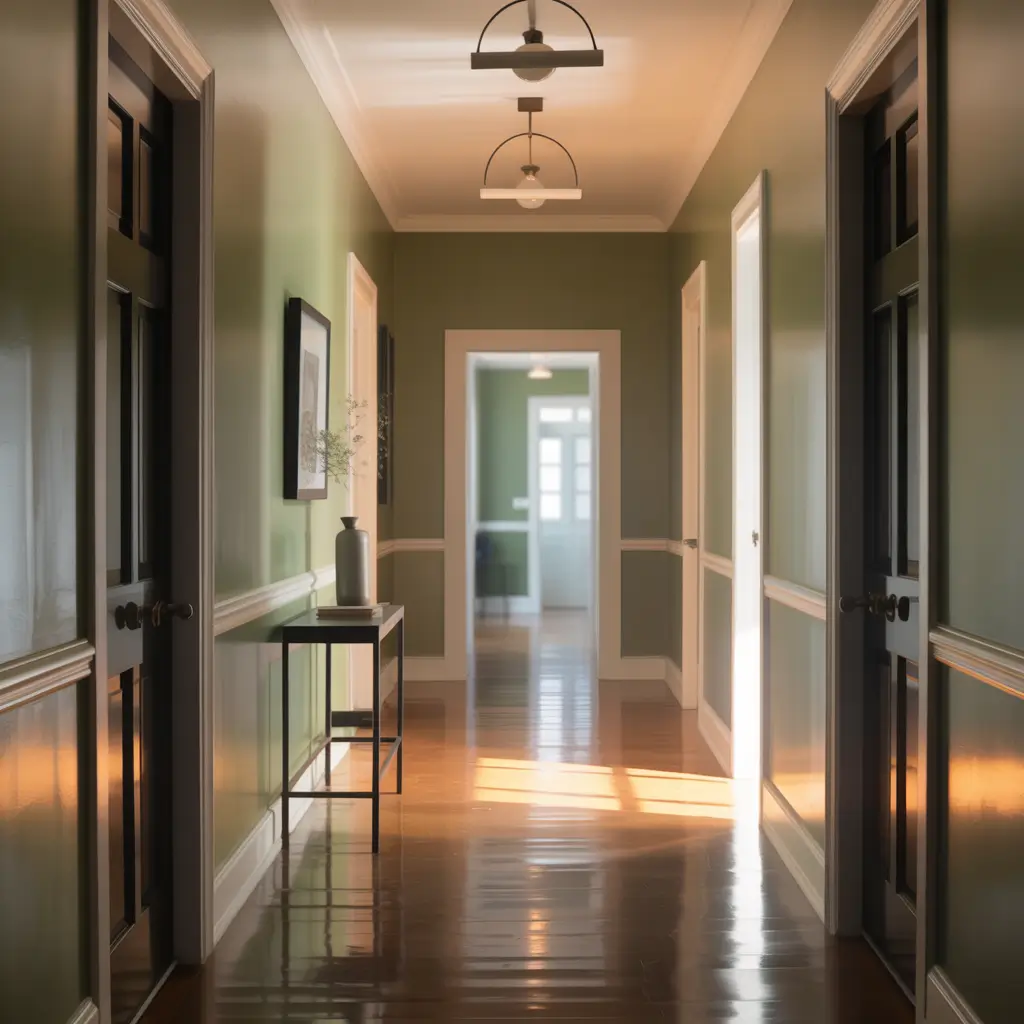
Black doors and trim against sage green walls? This bold contrast creates drama while maintaining sophistication. I was skeptical when my colleague painted her doors black, but walking through her sage green hallway feels like entering a high-end boutique hotel.
The key lies in balance. If all your doors are black, keep other elements lighter to prevent the space from feeling heavy. Black door hardware, picture frames, and light fixtures tie the look together without overwhelming. This combination works especially well in homes with modern or industrial touches.
Matte black paint looks incredibly chic, but remember it shows fingerprints easily. Semi-gloss might be more practical for high-traffic hallways, especially if you have kids who treat doors like napkins (speaking from experience here).
Sage Green Ombre Hallway Design
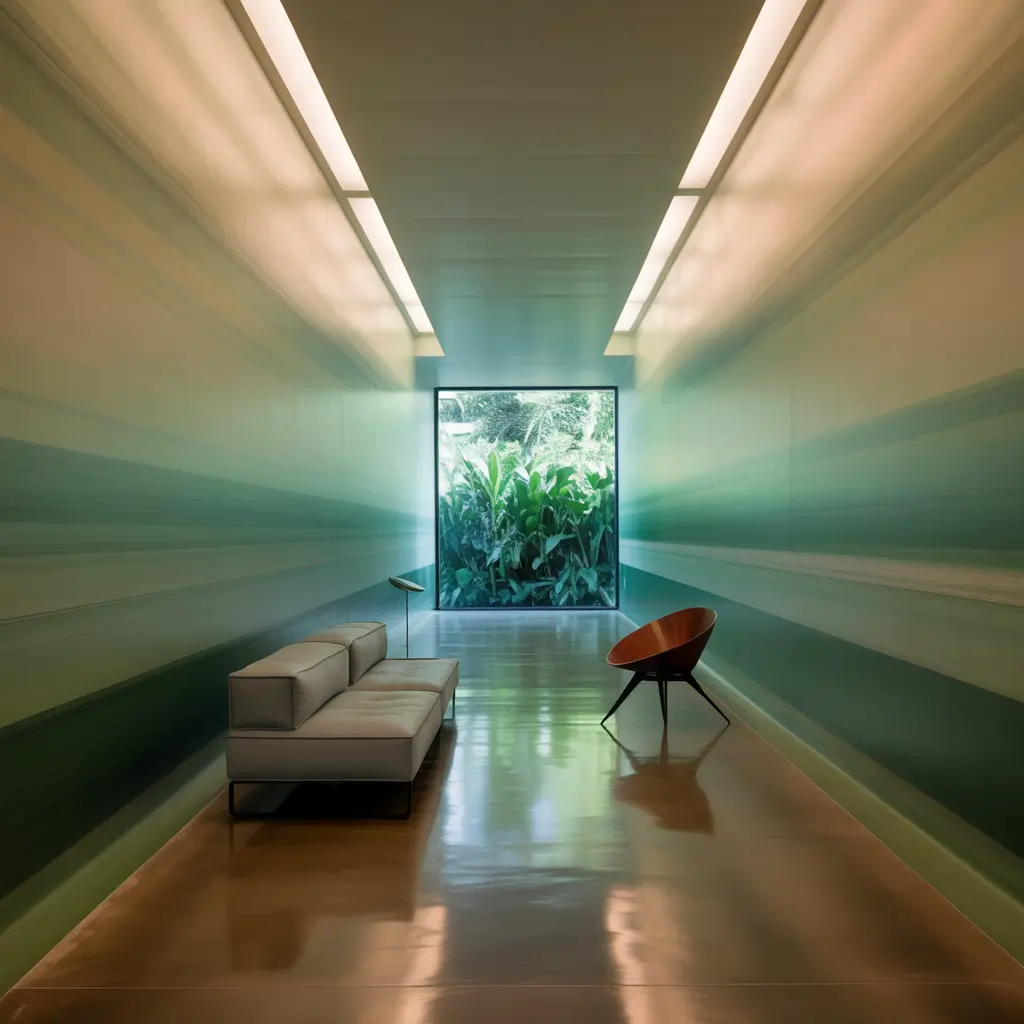
Ready for something different? An ombre effect gradually transitions from deep sage at the bottom to lighter sage or even white at the ceiling. This technique adds serious visual interest and can make low ceilings appear higher.
Creating an ombre effect requires patience and blending skills. Start with your darkest shade at the baseboard level, gradually adding white as you work upward. Blend each section while the paint is still wet for seamless transitions. Yes, it’s more work than regular painting, but the result stops people in their tracks.
I attempted this in my friend’s hallway last month, and while it took an entire day, the finished look resembles expensive wallpaper. The gradient effect adds movement and energy to what could otherwise be a static space.
Sage Green with Vintage Lighting
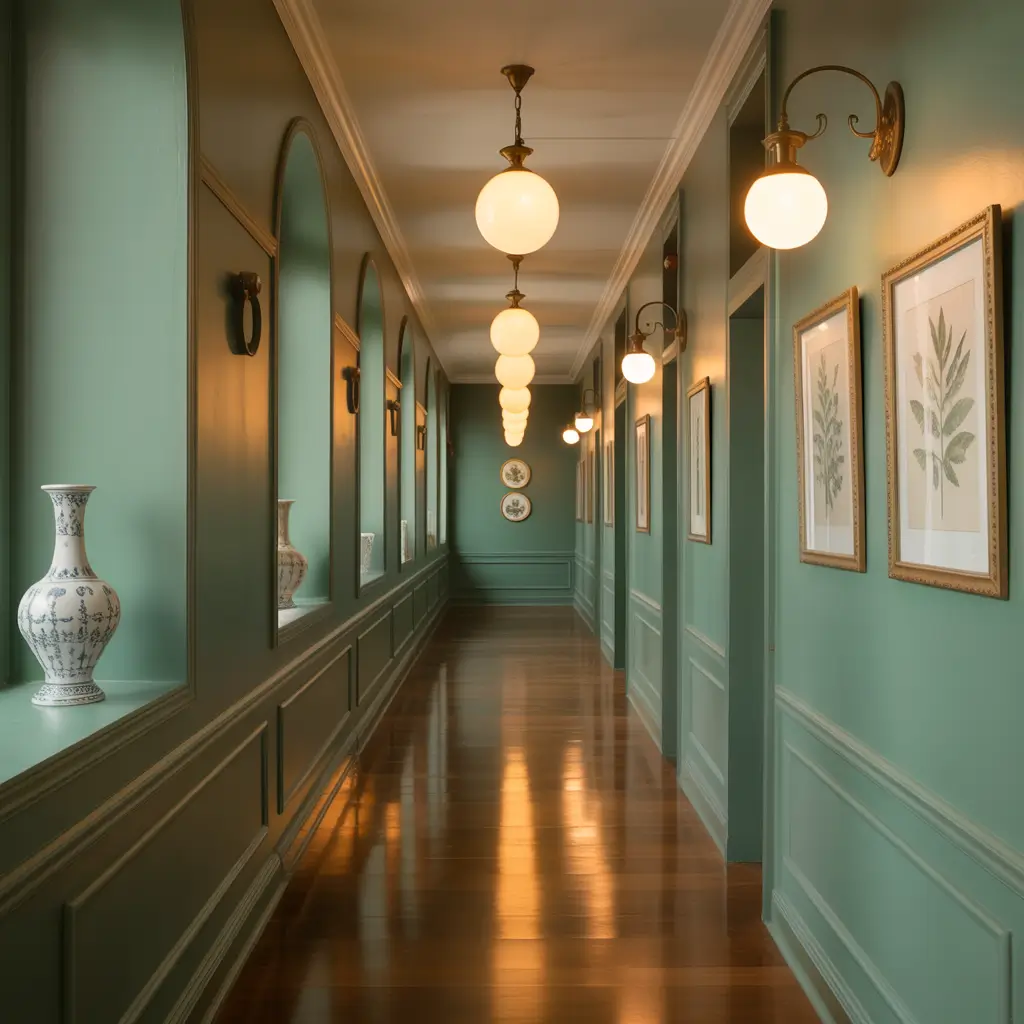
Vintage light fixtures transform sage green hallways from nice to spectacular. Whether you choose Edison bulbs, antique chandeliers, or restored wall sconces, vintage lighting adds character and warmth. I scored a pair of 1940s sconces at an estate sale, and they’ve become the focal point of my hallway.
The warm glow from vintage-style bulbs complements sage green beautifully, creating an inviting ambiance. Mix different eras if you want – a Victorian pendant light can coexist peacefully with mid-century modern sconces when sage green provides the backdrop.
Vintage Lighting Sources
Finding authentic vintage pieces doesn’t require a huge budget:
- Estate sales and auctions often have hidden gems
- Architectural salvage yards stock removed fixtures
- Online marketplaces connect you with sellers nationwide
- Antique shops might negotiate on prices
- Reproduction pieces offer the look without the hunt
Just ensure any vintage electrical fixtures get checked by an electrician. That charming 1920s pendant loses appeal if it burns your house down!
Sage Green Hallway with Art Nooks
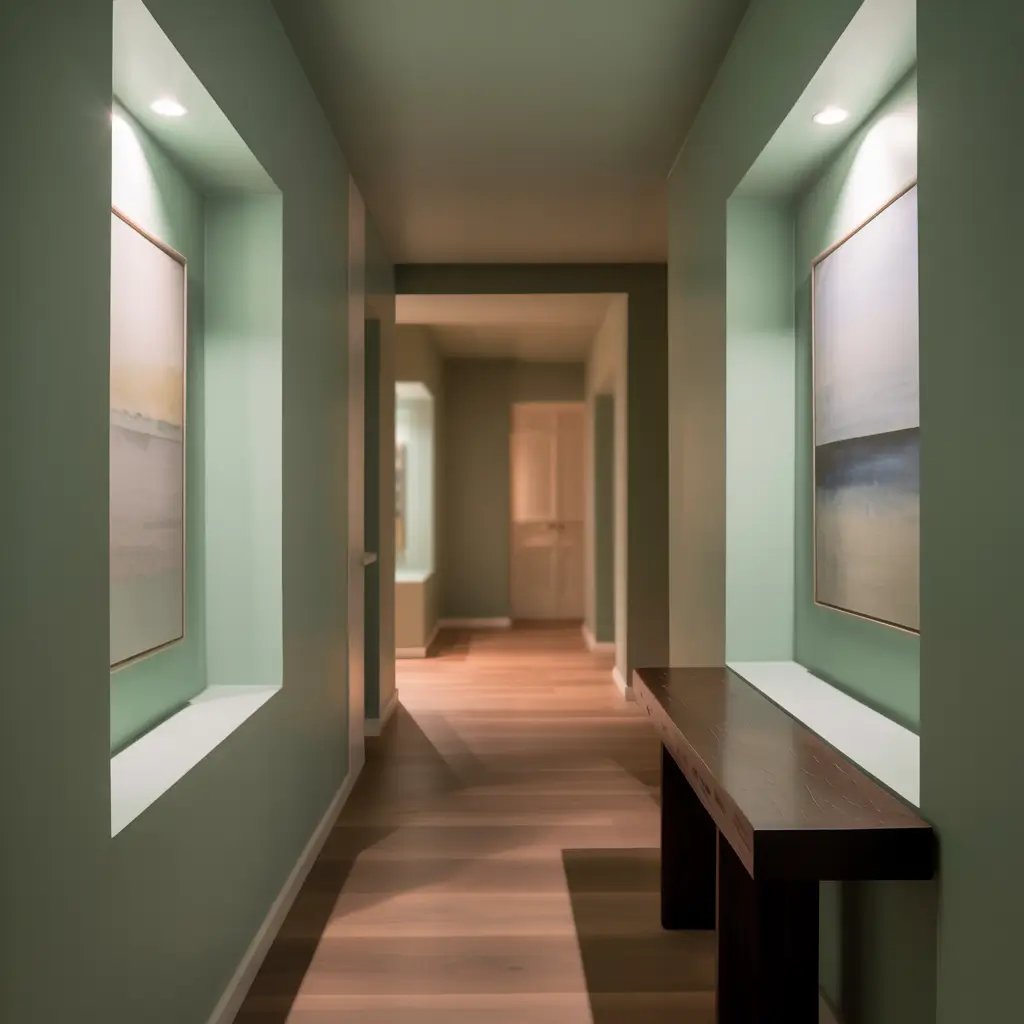
Creating dedicated spaces for art within your sage green hallway elevates it from passageway to gallery. Built-in niches, floating shelves at varying heights, or even just thoughtfully placed ledges become mini exhibition spaces. My architect friend designed her hallway with three art nooks, and it’s absolutely brilliant.
These nooks don’t need to be complicated. Even a simple floating shelf with proper lighting can showcase a rotating collection of small sculptures, ceramics, or framed pieces. The sage green background makes colors pop while providing a calming, gallery-like atmosphere.
Position lighting to highlight your art without creating glare. Small picture lights or strategically placed spotlights transform ordinary objects into focal points. Change displays seasonally to keep the space feeling fresh and engaging.
Cozy Sage Green with Textured Walls
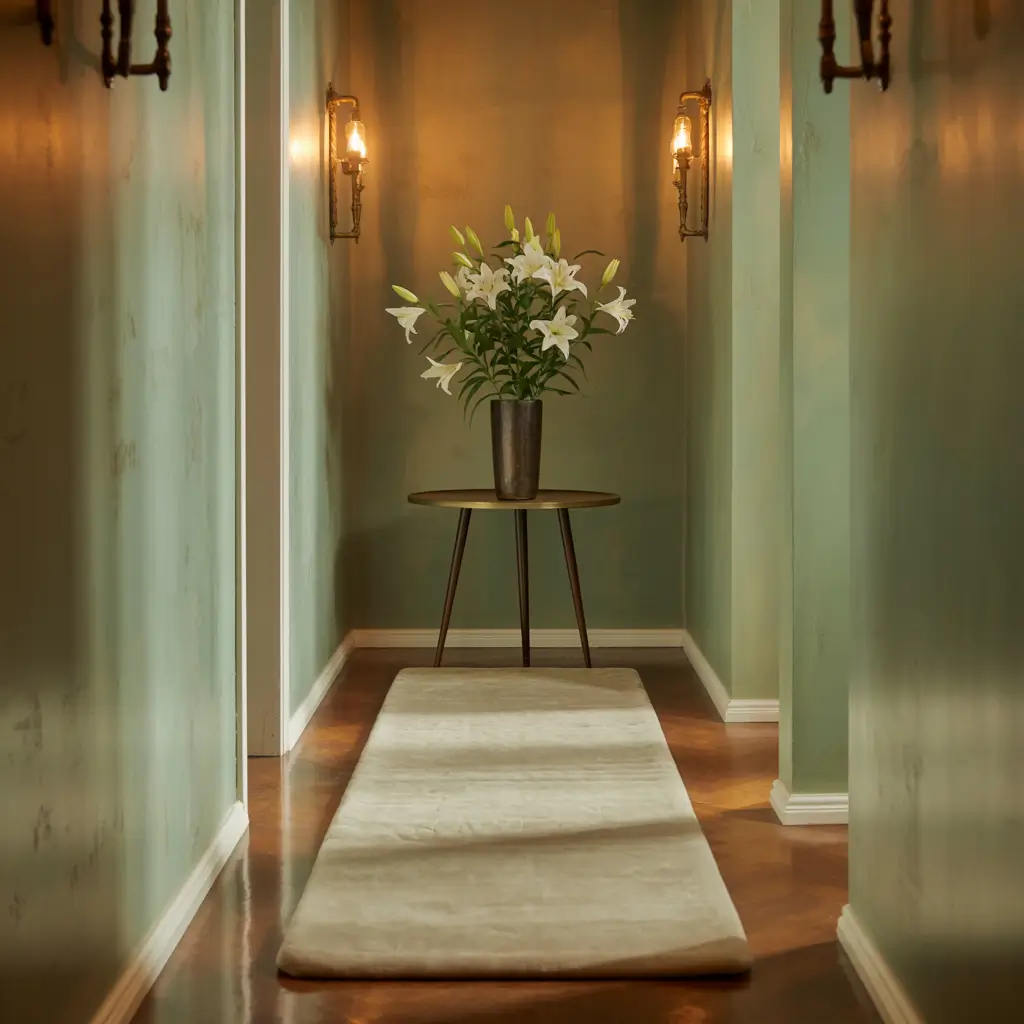
Texture adds dimension that paint alone can’t achieve. Combining sage green with textured wall treatments creates depth and visual interest that makes people want to reach out and touch your walls. IMO, this approach works especially well in older homes where perfectly smooth walls might feel out of character.
Consider these texture options:
- Grasscloth wallpaper in sage tones for organic texture
- Board and batten painted sage for traditional charm
- Venetian plaster for subtle, luxurious depth
- Shiplap for that modern farmhouse feel
- Textured paint techniques like sponging or rag rolling
I recently added board and batten to the lower half of my hallway walls, painted it sage green, and kept the upper walls lighter. This technique grounds the space while adding architectural interest without major renovation.
DIY Texture Techniques
You don’t need professional skills to add texture. Simple techniques like using a textured roller or adding joint compound designs can create stunning effects. Just practice on a sample board first – trust me on this one. My first attempt at Venetian plaster looked more like I’d sneezed spackle on the wall!
Bringing It All Together
Creating your perfect sage green hallway involves more than just picking up a paintbrush. Each of these ideas offers a different personality and mood, from minimalist calm to rustic charm to vintage glamour. The beauty of sage green lies in its versatility – this color adapts to your style rather than dictating it.
Remember, your hallway sets the tone for your entire home. Guests form first impressions here. You pass through multiple times daily. This space deserves the same attention you give your living room or bedroom. Sage green provides the perfect foundation for creating a hallway that feels intentional, welcoming, and uniquely yours.
Start with one idea that resonates with you. Maybe it’s adding brass hardware or hunting for the perfect vintage mirror. Build from there, letting each choice inform the next. Your hallway will evolve organically into a space that not only looks amazing but also feels like home.
The best part about working with sage green? It’s almost impossible to mess up. This forgiving color plays well with virtually every style and accent color. So grab that paint brush, channel your inner designer, and transform that boring hallway into a sage green sanctuary. Your future self (and your guests) will thank you every time they walk through!