10 Elegant House Plans Ideas and Stylish Home Designs
- House Plans
 Ben
Ben- 0
- 39 minutes read
Planning your dream home is exciting—until you start browsing architectural plans online and realize you have approximately eight million options and zero idea which direction to go.
One minute you’re imagining a cozy cottage, the next you’re convinced you need a sprawling villa, and before you know it, you’re three hours deep into Pinterest boards wondering if you actually need a third bathroom or if that’s just societal pressure talking.
I’ve been down this rabbit hole more times than I care to admit (both for myself and helping friends navigate this maze), and honestly? The key is understanding that there’s no “perfect” house plan—just the perfect plan for you.
Your lifestyle, budget, location, and future plans all factor into what works, and cookie-cutter solutions rarely deliver the satisfaction you’re hoping for.
So let’s break down ten distinct house plan ideas that each offer something unique.
Whether you’re building from scratch, planning a major renovation, or just daydreaming about what could be, these concepts will help you figure out what actually matters to you versus what just looks good on Instagram.
Grab your coffee, and let’s talk houses like the home-obsessed people we are.
1. Modern Minimalist Family Home
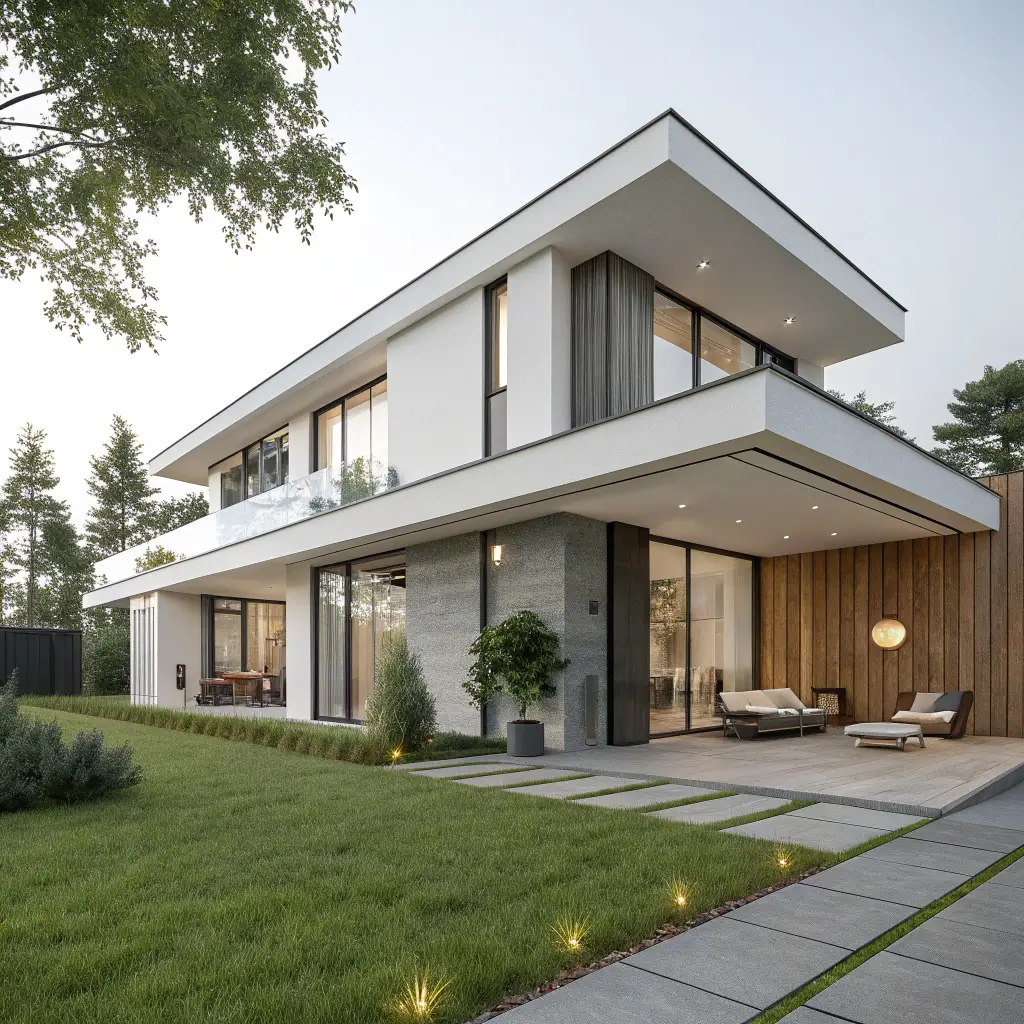
Less Stuff, More Life
The modern minimalist approach isn’t about living in a stark white box with one chair and a sense of superiority—it’s about intentional design that eliminates clutter and focuses on what actually matters. Clean lines, open spaces, and smart storage solutions create homes that feel calm rather than chaotic, which is basically priceless when you’re trying to raise humans or just maintain your sanity.
I visited a friend’s modern minimalist home last year, and the thing that struck me wasn’t how empty it felt, but how breathable it was. Every room had purpose, nothing felt cramped, and somehow they managed to have three kids living there without the usual toy explosion aesthetic.
Key Design Elements
This plan typically features open floor concepts that connect kitchen, dining, and living areas without walls chopping up the space. Large windows bring in natural light and create connections to outdoor spaces, making the home feel larger than its actual square footage. The aesthetic leans toward neutral color palettes—whites, greys, natural wood tones—with minimal decorative elements.
Storage becomes critical in minimalist designs because you need places to hide life’s necessary clutter. Built-in cabinetry, hidden storage under stairs, and multi-functional furniture keep things tidy without sacrificing livability. Think floating shelves instead of bulky bookcases, and closets designed with actual organization systems rather than just empty rectangles.
Practical Considerations
Minimalist doesn’t mean tiny, though it can be compact. You can design a minimalist 3-bedroom family home just as easily as a minimalist 5-bedroom. The key is avoiding unnecessary rooms that just accumulate junk—do you really need a formal dining room you’ll use twice a year, or would that space serve you better as a home office or playroom?
This style works beautifully for people who genuinely don’t want to maintain lots of possessions and prefer a “place for everything” approach. If you’re someone who collects stuff (no judgment—I have a concerning number of books), you’ll need to either embrace serious storage solutions or consider a different plan that accommodates your maximalist soul.
2. Cozy Cottage with Garden Patio
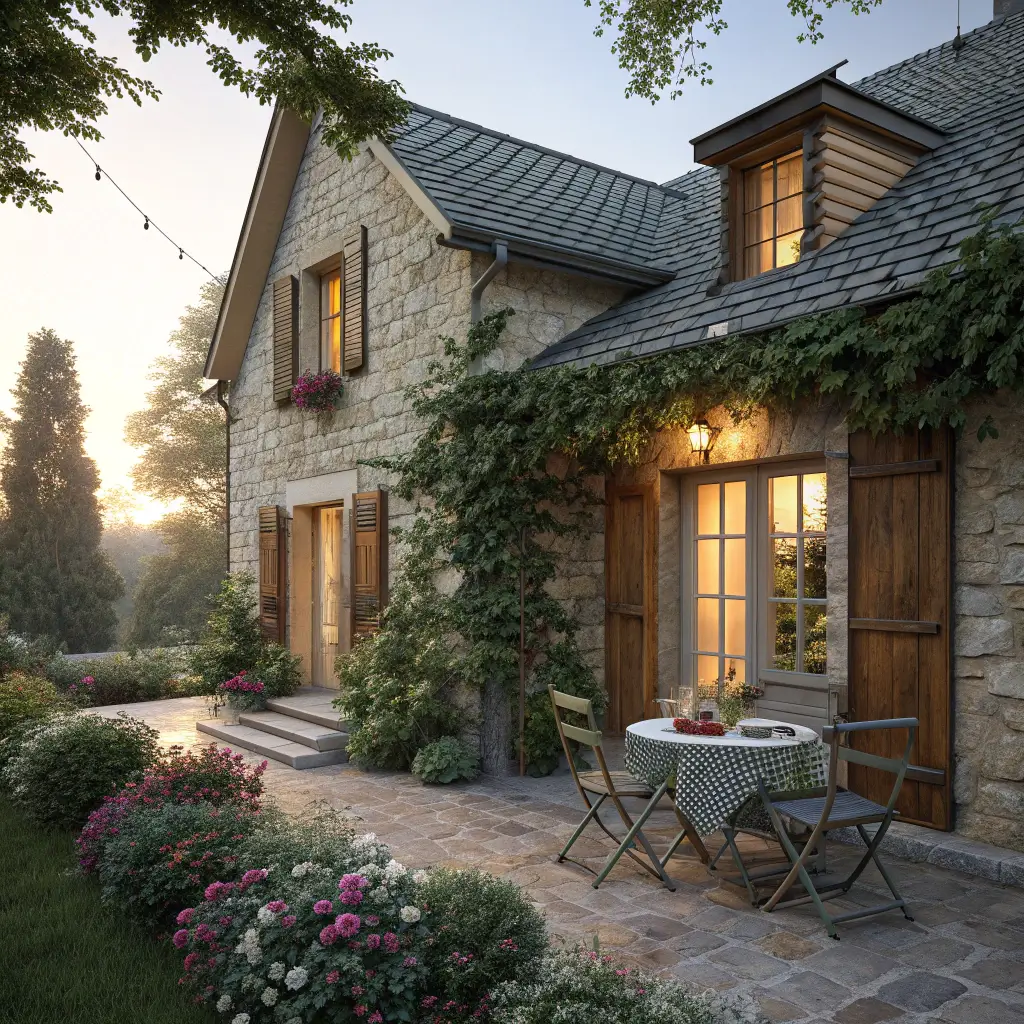
Fairytale Vibes Without the Impracticality
Cottages bring this storybook charm that makes you want to bake bread and wear cardigans year-round. These smaller-scale homes emphasize warmth, character, and connection to outdoor spaces through gardens and patios. They’re perfect for people who value coziness over square footage and want a home that feels like a hug.
My aunt lives in a cottage-style home with the most incredible garden patio, and visiting her feels like stepping into a different, slower-paced world. You walk through the door and immediately feel relaxed, which is pretty much the point of home, right?
Cottage Design Features
Cottage plans typically max out around 1,200-1,800 square feet, focusing on efficient use of space rather than sprawling layouts. You’ll find smaller, distinct rooms rather than wide-open concepts—separate kitchen, cozy living room, compact bedrooms that feel snug rather than cramped. Think built-in window seats, exposed beams, and architectural details that add character.
The garden patio component is crucial—it essentially extends your living space outdoors during good weather. A well-designed patio with French doors or large windows connecting to the interior makes the home feel significantly larger. Add some climbing vines, a small vegetable garden, and comfortable outdoor seating, and you’ve created an outdoor room that gets used constantly.
Best Suited For
This plan works wonderfully for couples, small families, or empty nesters who want to downsize without sacrificing charm. If you’re someone who loves gardening, entertaining outdoors, or just needs a cozy retreat from the world, cottage living delivers. The smaller footprint also means lower utility bills and less maintenance, which frees up time and money for actually enjoying life.
However, if you need home offices, playrooms, or space for extended family visits, the compact nature might feel limiting. You can absolutely add a loft or convert an attic for extra space, but the fundamental cottage appeal lies in its intimate scale. IMO, this is perfect for people entering a life phase where “enough” feels better than “more.”
3. Open-Concept Loft Style House
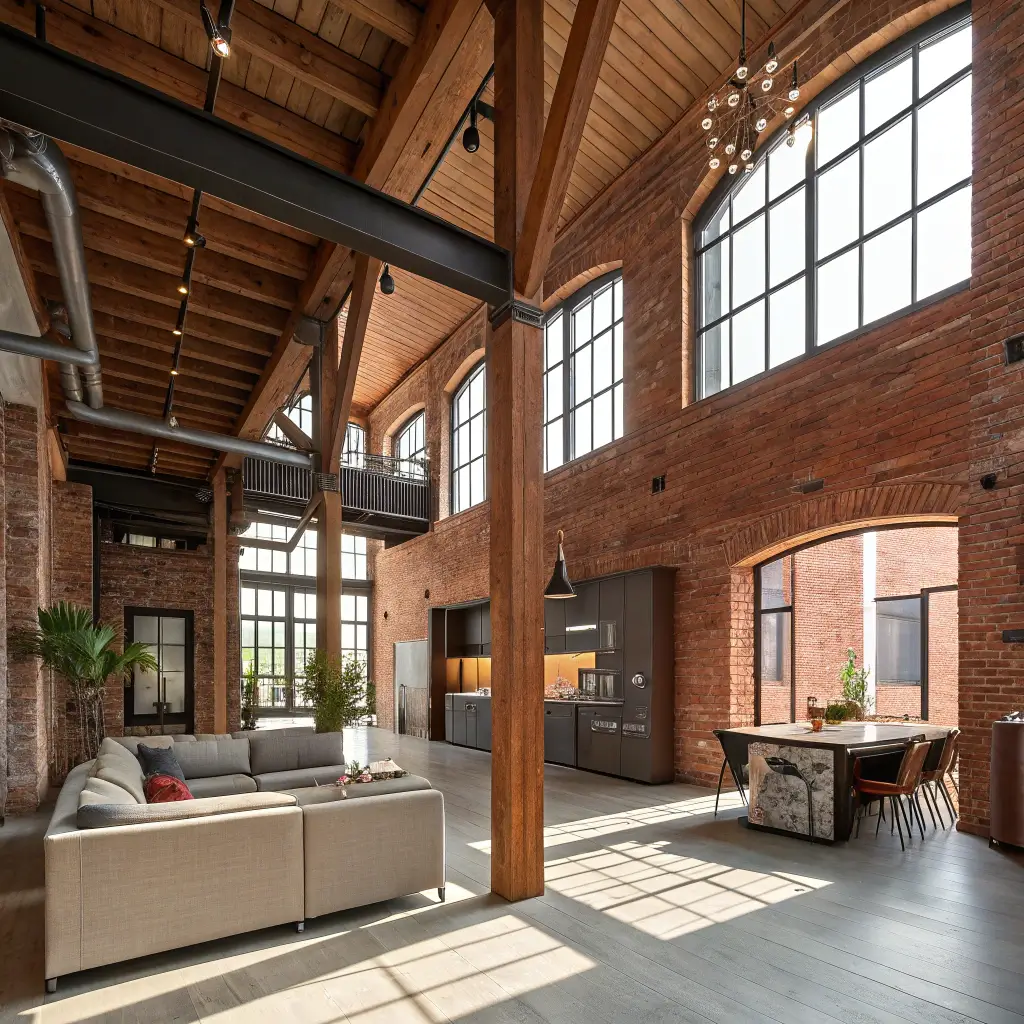
Industrial Chic Meets Functional Living
Loft-style homes take inspiration from converted warehouses and industrial spaces—think exposed brick, high ceilings, minimal interior walls, and that urban sophistication that makes you feel like you live in a design magazine. The open concept takes center stage here, with spaces flowing into each other and vertical space becoming just as important as square footage.
I almost rented a loft-style apartment years ago, and while I ultimately went a different direction, I still think about those soaring ceilings and the way natural light bounced around the space. There’s something undeniably cool about loft living that other styles don’t quite capture.
Defining Loft Characteristics
Loft plans embrace open space with minimal walls dividing the main living areas. You might have a bedroom or bathroom enclosed for privacy, but the kitchen, dining, and living spaces typically flow together in one large room. High ceilings (often 12-16 feet or even higher) create dramatic vertical space that makes the home feel massive even if the actual floor plan is modest.
Exposed structural elements—beams, ductwork, brick walls, concrete floors—become design features rather than things to hide. Large windows, often floor-to-ceiling, flood the space with natural light. Mezzanine levels or loft bedrooms accessed by stairs or even ladders maximize the vertical space, creating separation without walls.
Layout Strategies
The lack of walls means you define spaces through furniture arrangement, area rugs, and strategic placement. Your sofa might create the “living room,” while your dining table marks that zone. This requires more intentional decorating and doesn’t work well if you just randomly plop furniture wherever it fits.
Storage presents challenges since you can’t just stick stuff in multiple rooms behind closed doors. Built-in storage, furniture with hidden compartments, and seriously disciplined decluttering become essential. Some people add partial walls, sliding doors, or curtains to create flexible privacy when needed.
Who Thrives in Lofts
This works brilliantly for urban living, small households without kids, or creative types who want inspiring spaces. The openness facilitates social gatherings and creates a sense of spaciousness that feels luxurious. However, noise travels everywhere (no hiding in your room when someone’s watching TV), temperature control can be tricky with high ceilings, and privacy is minimal. If you need separate spaces for focused work, sleeping kids, or just getting away from other people, this might drive you crazy.
Also Read: 10 Elegant 7 Bedroom House Plans Farmhouse Ideas and Stylish
4. Luxury Multi-Story Villa
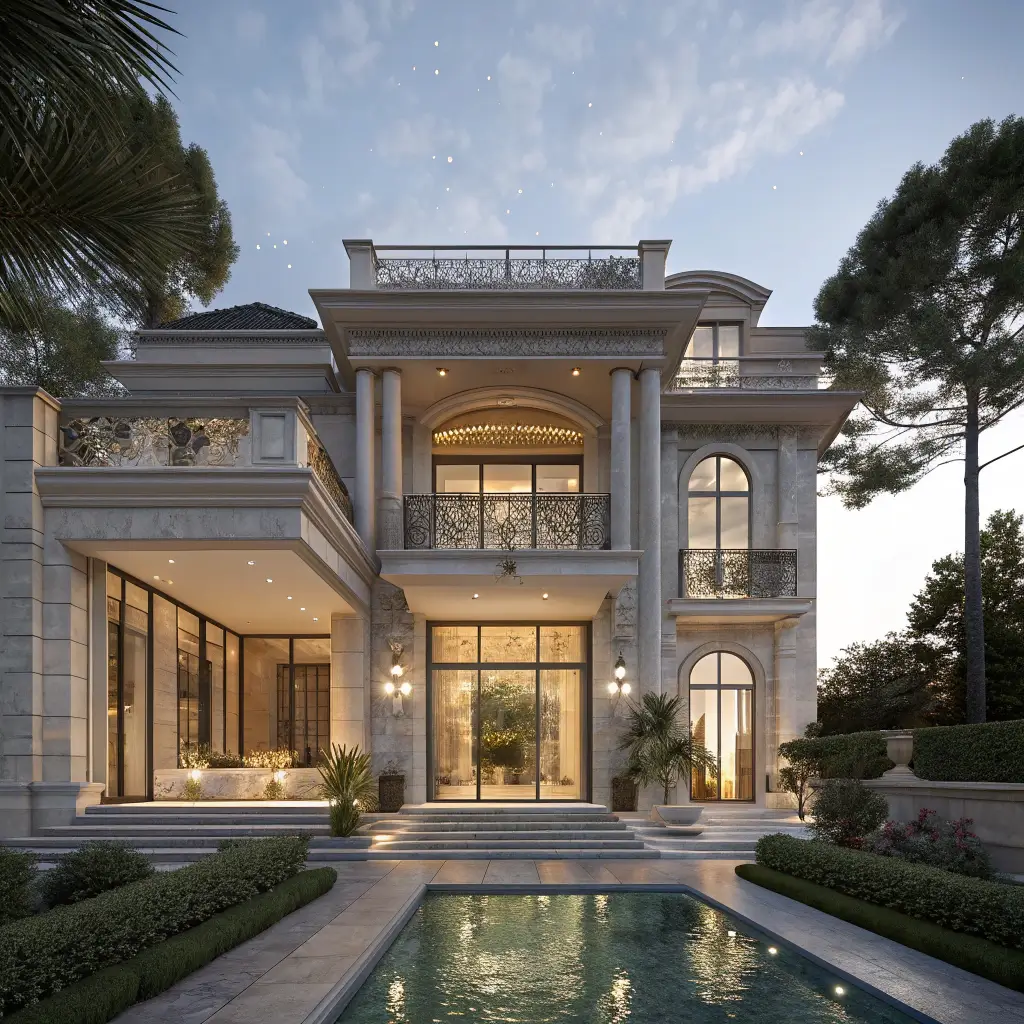
Going Big Because Why Not
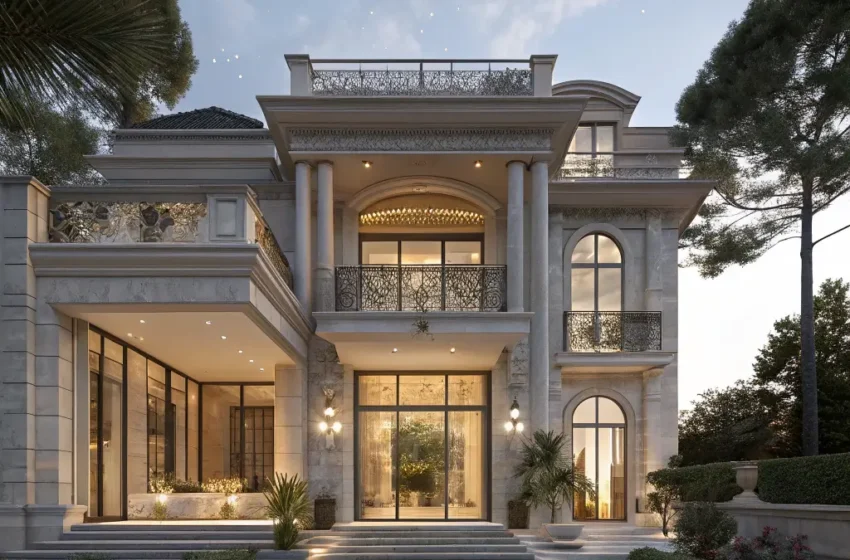
Sometimes subtle isn’t the goal—sometimes you want impressive, spacious, and unapologetically luxurious. Multi-story villa plans deliver grandeur with multiple levels, expansive square footage, and all those features that make house tours feel like browsing a lifestyle magazine. This is the “dream big” option for people whose dreams involve guest suites and wine cellars.
I toured a villa-style home once for a friend who was house-sitting, and honestly, I got lost trying to find the bathroom. Three stories, seven bedrooms, rooms I couldn’t even identify the purpose of—it was simultaneously amazing and overwhelming.
Villa Plan Elements
We’re typically talking 4,000+ square feet spread across 2-3 stories. The ground floor features formal entertaining spaces—grand foyer, formal living and dining rooms, gourmet kitchen with high-end appliances, and maybe a study or library. Secondary living spaces like family rooms and informal dining areas create casual gathering spots separate from the fancy areas.
Upper floors house bedrooms with en-suite bathrooms, walk-in closets, and possibly separate sitting areas. The master suite becomes its own wing with spa-like bathrooms, massive closets, and private balconies. Lower levels might include entertainment rooms, home gyms, wine cellars, or additional guest suites.
Outdoor spaces match the interior scale—covered verandas, multiple patios, landscaped grounds, and possibly pools or outdoor kitchens. Garages accommodate 3+ vehicles because at this point, why not?
The Practical Reality
This plan requires serious budget not just for construction but ongoing maintenance, utilities, heating, cooling, and eventual repairs. Unless you have staff or genuinely love cleaning, maintaining this much space becomes a part-time job. You’ll also need land that can accommodate the structure and potentially deal with local zoning for larger homes.
That said, if you have a large family, frequently host guests, work from home and need dedicated office space, or just want room to spread out, this delivers everything. Multi-generational living works beautifully in villa plans where everyone can have their own space while still being under one roof. Just be honest about whether you’ll actually use all that space or if you’re just seduced by the idea of it.
5. Compact Tiny Home Layout
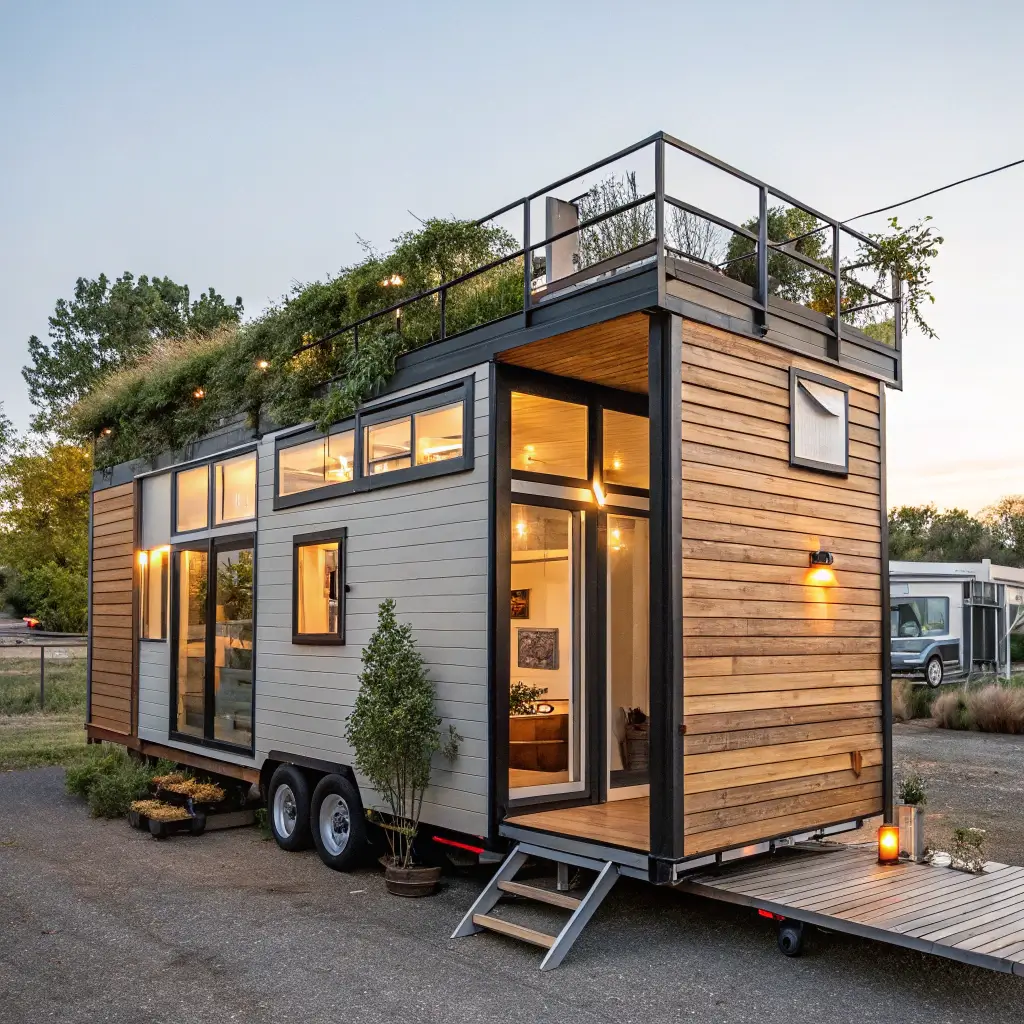
Small Space, Big Freedom
Tiny homes (typically under 600 square feet) represent a radical departure from the “bigger is better” mentality. These compact layouts prioritize experiences over possessions, mobility over permanence, and financial freedom over square footage. They’re not for everyone, but for the right person, they’re absolutely transformative.
My friend lived in a 400 square foot tiny home for three years, and while she eventually moved to something larger when she had a baby, she still talks about those years as some of her happiest. Lower expenses meant less work stress, and the forced minimalism helped her figure out what actually mattered to her.
Maximizing Minimal Space
Every square inch serves multiple purposes in tiny home design. Beds lift to reveal storage underneath or fold against walls. Tables collapse when not in use. Stairs contain drawers. Loft sleeping areas free up ground-level space. Built-in furniture eliminates the need for separate pieces that eat up room.
Full kitchens squeeze into compact footprints with apartment-sized appliances, clever storage, and multi-functional areas—your counter might double as dining space or workspace. Bathrooms include composting toilets or tiny shower stalls. Some designs put the toilet in its own closet-sized room to save space.
Large windows and high ceilings combat the potential claustrophobia of small spaces. Light colors and minimal visual clutter keep things feeling open rather than cramped. Outdoor living spaces effectively double your usable area when weather permits.
Lifestyle Considerations
Tiny living requires ruthless editing of possessions and constant maintenance of organization—clutter spirals out of control instantly in small spaces. You sacrifice privacy, entertaining large groups, and storing seasonal items or hobbies that require equipment. FYI, this works best for single people or couples without kids, though some families make it work short-term.
The financial benefits are significant—lower construction costs, minimal utility bills, reduced property taxes, and sometimes mobility if built on trailers. Many people use tiny homes as a stepping stone to save money for a larger home or to fund other life goals like travel or early retirement. The environmental footprint is minimal, which appeals to sustainability-focused folks.
6. Scandinavian-Inspired Functional Home
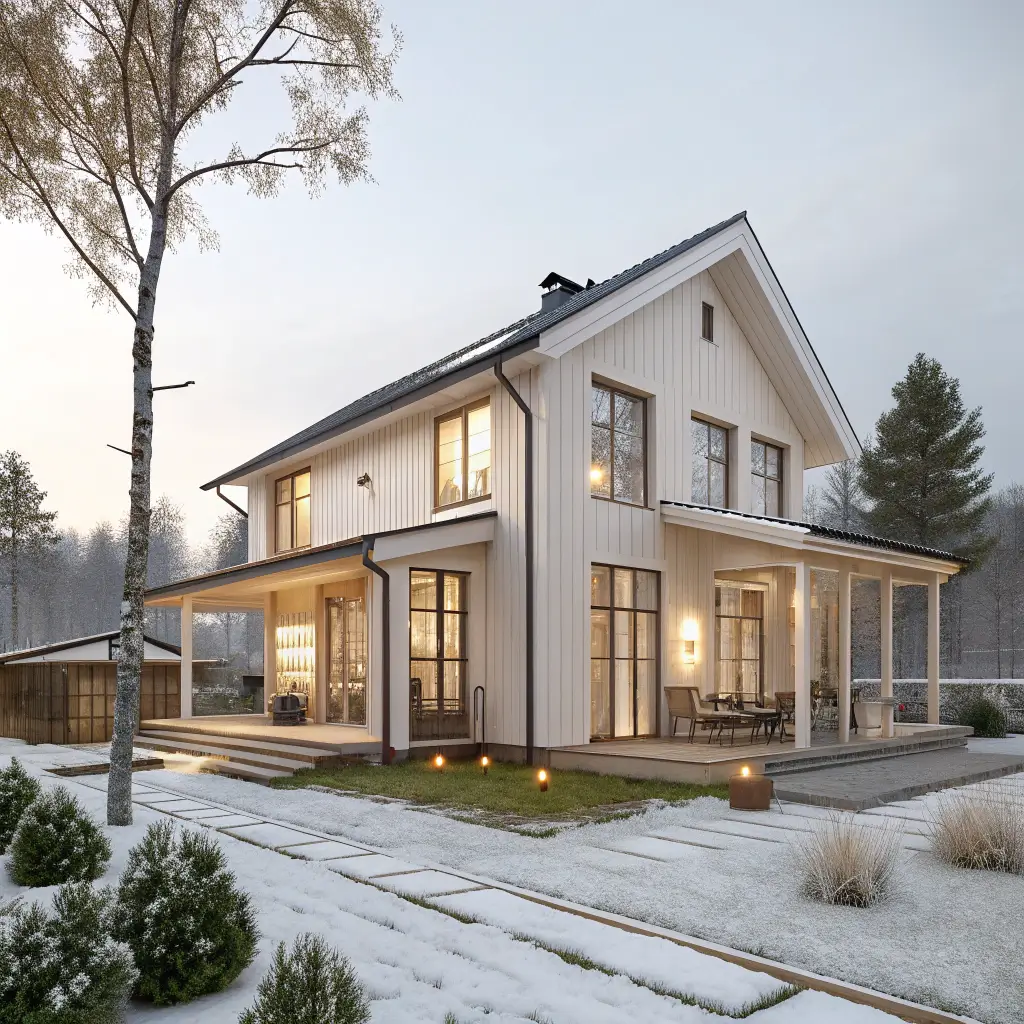
Form Follows Function, Beautifully
Scandinavian design prioritizes functionality, natural light, and simple beauty without unnecessary ornamentation. These homes embrace hygge—that Danish concept of cozy contentment—through thoughtful design that makes everyday living comfortable and pleasant. It’s minimalism’s warmer, more inviting cousin.
I stayed in a Scandinavian-designed vacation rental once, and the thoughtfulness of every detail blew me away. Everything worked smoothly, spaces felt intuitive, and somehow despite the simplicity, it was incredibly beautiful and comfortable.
Core Design Principles
Natural light becomes paramount through large windows, skylights, and strategic placement of living spaces to maximize sun exposure. This matters especially in northern climates where daylight is precious during winter months. White or light-colored walls reflect available light throughout the space.
Natural materials dominate—light wood floors, exposed wooden beams, stone accents, and lots of plants. Color palettes stick to whites, greys, and natural wood tones with occasional pops of muted blues, greens, or earth tones. The overall effect feels calm, clean, and connected to nature.
Functionality drives every design decision. Storage integrates seamlessly into walls and furniture. Mudrooms with built-in benches and cubbies handle wet weather gear. Kitchens prioritize workflow efficiency. Spaces flow logically from one to another based on how people actually live.
Room Layouts
Open-concept main living areas feel spacious and social while bedrooms and offices provide private retreats. Nooks and cozy corners create spots for reading, crafting, or just being alone while still feeling connected to the home. Outdoor spaces, even small balconies, get treated as extensions of living areas with comfortable seating and weather-resistant design.
This approach works beautifully for families who want organized, functional homes that still feel warm and inviting. The aesthetic adapts to various climates and locations while maintaining its core principles. If you appreciate good design but don’t want anything too trendy or cold, Scandinavian-inspired plans hit that sweet spot between beautiful and livable.
Also Read: 15 Stunning 3 Bedroom House Plans Modern Ideas for Stylish
7. Rustic Farmhouse with Veranda
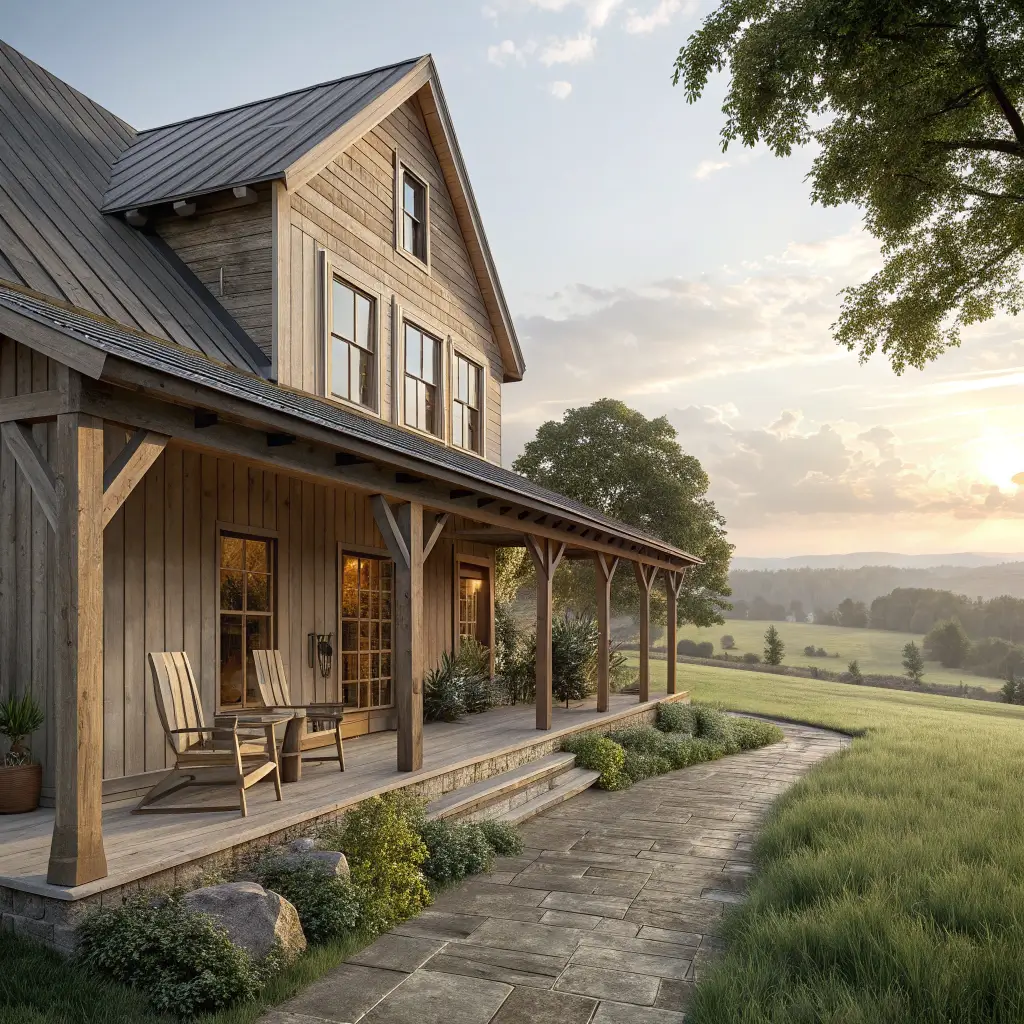
Country Living Without the Isolation
Farmhouse plans bring that rural charm—wide verandas, pitched roofs, board-and-batten siding—while adapting to modern living needs. These homes feel rooted in tradition while incorporating contemporary conveniences, creating spaces that honor the past without being stuck in it.
My grandparents lived in an old farmhouse, and while their version lacked modern updates, I always loved the wrap-around porch and the way the house felt connected to the land around it. Modern farmhouse plans capture that spirit while adding things like, you know, actual insulation and functional kitchens.
Farmhouse Features
The veranda (or wrap-around porch) is non-negotiable—it’s where life happens in a farmhouse. Breakfast coffee, evening cocktails, watching storms roll in, reading on Sunday afternoons—the porch extends your living space for a huge portion of the year. Deep overhangs provide shade and weather protection.
Interior spaces typically include a large, functional kitchen as the heart of the home—think big islands, farmhouse sinks, open shelving, and space for multiple cooks. Living areas feel cozy rather than formal with exposed wooden beams, shiplap walls, and wood-burning fireplaces or stoves.
Mudrooms transition between outdoor work and indoor living—essential for actual farm life but also just practical for families with kids, dogs, or hobbies that generate dirt. Bedrooms tend toward simpler, smaller designs since you’re living more in communal spaces and outdoors.
Modern Adaptations
Contemporary farmhouse plans maintain the aesthetic while incorporating open-concept layouts, master suites with spa bathrooms, and home offices. They blend old and new—maybe reclaimed wood beams with modern appliances, or vintage lighting fixtures with smart home technology.
This style works anywhere but particularly suits rural or suburban settings with land around the house. The connection to outdoor spaces and the sturdy, unpretentious aesthetic appeal to people who value authenticity and practicality over trends. It’s also ridiculously popular right now, so resale value tends to stay strong (though trends always shift eventually).
8. Contemporary Eco-Friendly House
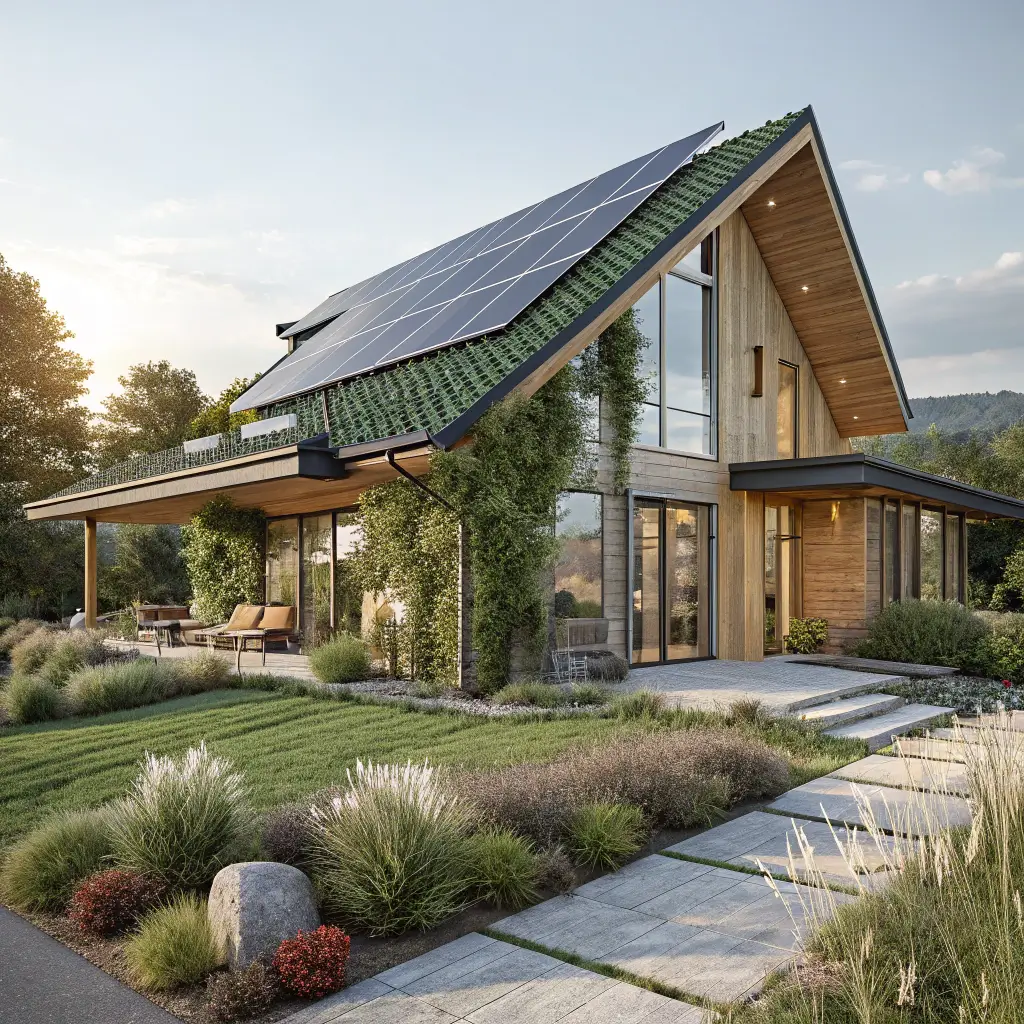
Sustainable Without the Sacrifice
Eco-friendly design has evolved way beyond solar panels slapped on a regular house. Contemporary sustainable homes integrate environmental consciousness into every design decision—orientation for passive heating/cooling, materials with low environmental impact, energy systems that minimize consumption, and water conservation built into the plan.
I know several people who’ve built sustainable homes, and the common thread is they’re all genuinely thrilled with both the performance and the cost savings. Lower utility bills aren’t theoretical—they’re real money back in your pocket monthly.
Sustainable Design Elements
Site orientation maximizes passive solar heating in winter while minimizing heat gain in summer. Large south-facing windows (in northern hemisphere) collect winter sunlight while overhangs block high summer sun. Natural ventilation through strategic window placement reduces cooling needs.
High-performance insulation and air sealing dramatically reduce heating and cooling requirements. Triple-pane windows, proper vapor barriers, and attention to thermal bridging create tight building envelopes that maintain comfortable temperatures efficiently.
Material selection considers environmental impact—reclaimed wood, recycled metal roofing, low-VOC paints, natural insulation materials like sheep’s wool or cellulose, locally-sourced stone or brick. These choices reduce the home’s embodied energy and often improve indoor air quality.
Energy and Water Systems
Solar panels, geothermal heating/cooling, or small wind turbines can provide significant portions of energy needs. Battery storage systems allow you to use renewable energy even when the sun isn’t shining or wind isn’t blowing. Efficient LED lighting and Energy Star appliances minimize consumption.
Rainwater collection systems supply irrigation or, with proper filtration, household use. Greywater systems recycle water from sinks and showers for toilets or landscaping. Low-flow fixtures reduce consumption without sacrificing functionality.
Living the Green Life
Eco-friendly homes often cost more upfront but save money over time through reduced utility bills and maintenance. They also offer resilience—solar plus battery storage means power during grid outages, and efficient design means comfort even in extreme weather.
This appeals to environmentally conscious folks, obviously, but also to anyone interested in long-term cost savings and independence from utility volatility. Plus, sustainable homes typically feature better indoor air quality and natural light, making them genuinely healthier places to live 🙂
9. L-Shaped Home with Courtyard
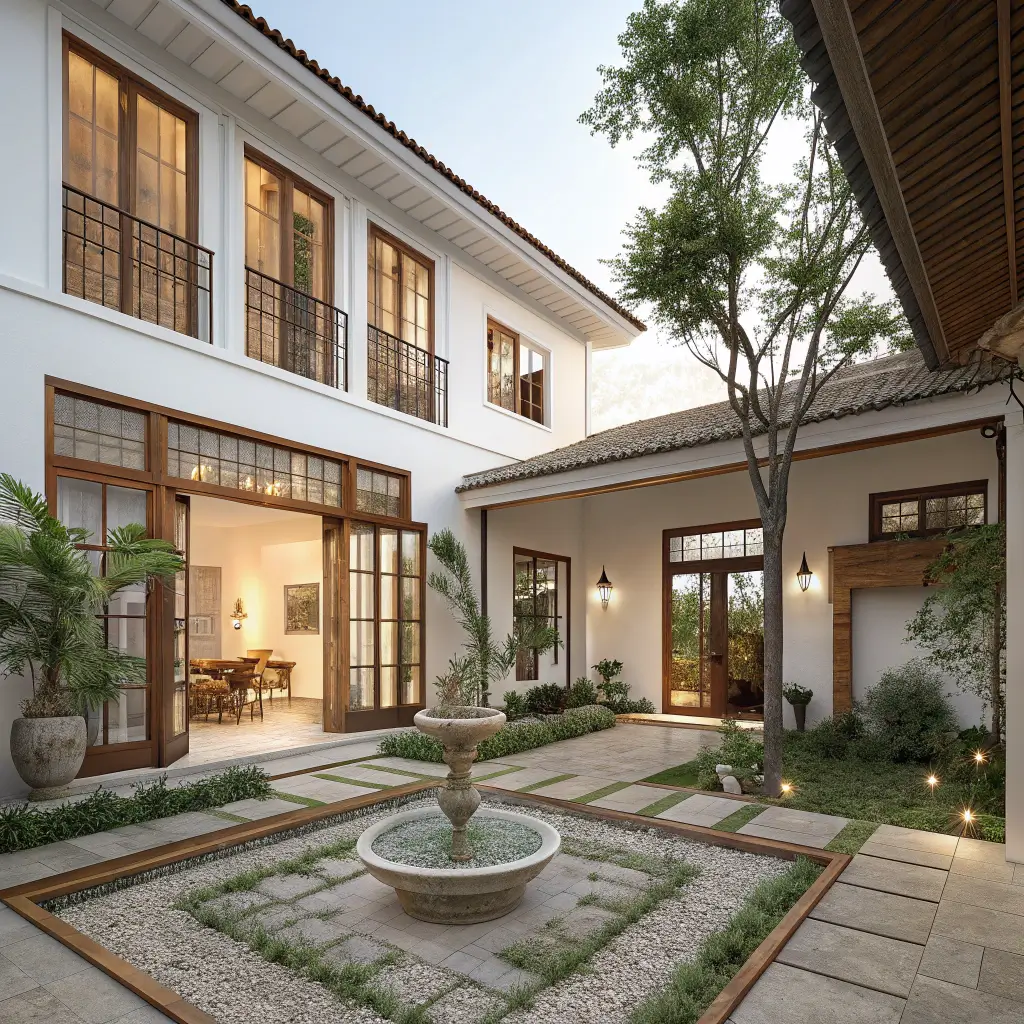
Private Paradise in Your Backyard
L-shaped floor plans wrap around a courtyard or patio area, creating a semi-enclosed outdoor space that feels private and protected. This design brings the benefits of outdoor living while maintaining security and intimacy that open yards can’t quite match. It’s particularly brilliant in urban or suburban settings where neighbors are close.
A family I know built an L-shaped home specifically to create a protected courtyard for their kids to play in—they can see the entire space from their living room and kitchen windows, and it feels like an extension of their home rather than just a backyard.
Layout Advantages
The L-shape creates two wings of the house meeting at a right angle, usually with main living spaces in one wing and bedrooms in the other. This natural division separates public and private areas without long hallways. The courtyard sits in the crook of the L, accessible from multiple rooms through sliding glass doors or French doors.
The courtyard becomes an outdoor room—protected from wind, visible from inside, and private from neighboring properties. You can landscape it extensively with gardens, install a small pool or hot tub, create outdoor dining spaces, or just leave it as lawn for kids and pets. Because it’s partially enclosed by the house itself, it feels secure and contained.
Design Flexibility
L-shaped plans work at various scales from modest 1,500 square foot homes to sprawling estates. The courtyard can be small and intimate or large enough for serious entertaining. Some designs include a third wing or connecting wall to fully enclose the courtyard, while others leave one side open to views or larger yard areas.
Climate considerations matter—in hot climates, the courtyard provides shaded outdoor living and natural cross-ventilation through the house. In cold climates, south-facing courtyards trap heat and extend the outdoor living season. The protected space makes outdoor furniture and plants more viable since they’re sheltered from harsh weather.
This plan suits families who want outdoor living without fully exposing their yard to street view or neighbors. It’s fantastic for entertaining since indoor and outdoor spaces connect seamlessly. If you value privacy, gardening, or just want a protected play space for kids or pets, the L-shaped courtyard design delivers beautifully.
Also Read: 10 Cozy Olive Green Kitchen Cabinets Ideas for Farmhouse Vibes
10. Beachfront Vacation House
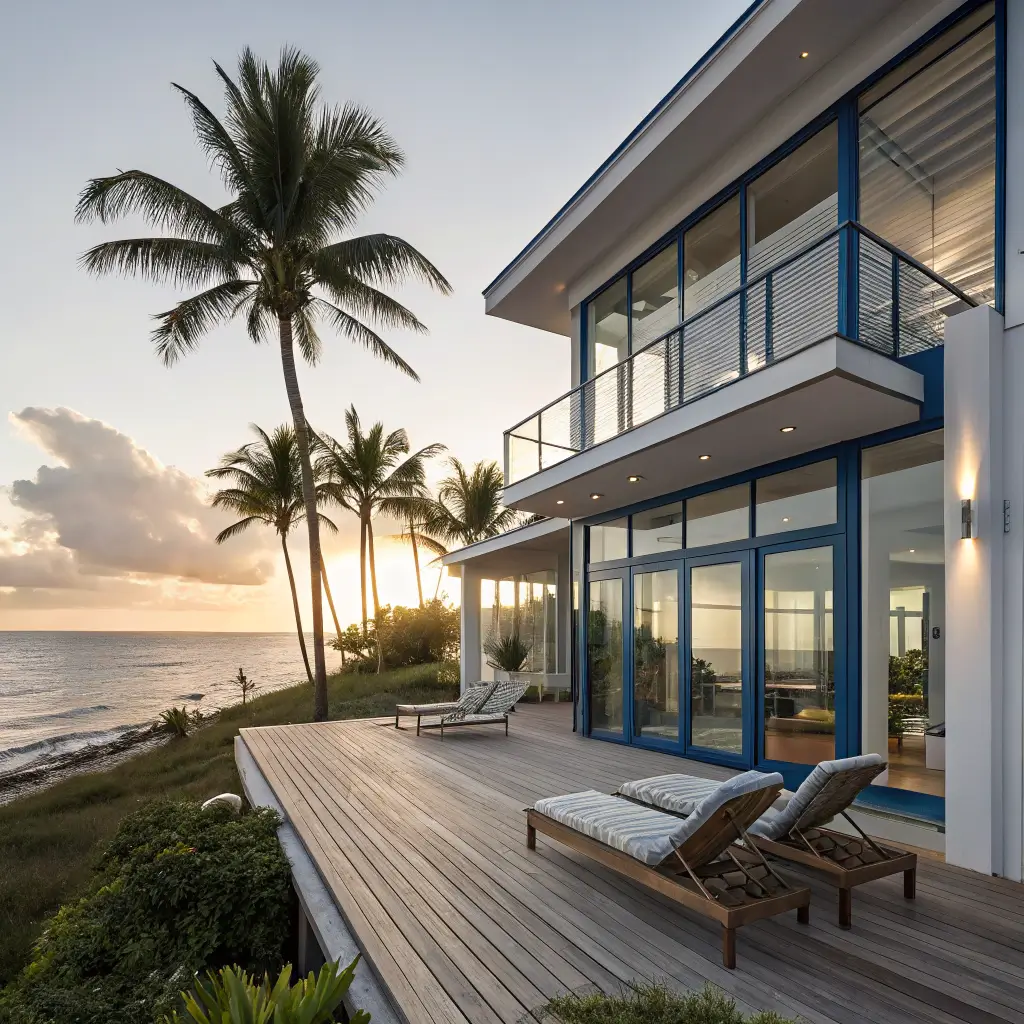
Escape Built Right In
Beachfront vacation homes balance relaxation with durability—they need to withstand harsh coastal conditions while creating that carefree beach living vibe. These plans prioritize views, outdoor living, and easy maintenance since you’re ideally spending time relaxing rather than cleaning and fixing things constantly.
I’ve stayed in a few vacation rentals that absolutely nailed the beach house concept, and the common thread was they made everything easy—outdoor showers for rinsing off sand, open layouts that encouraged casual gathering, and materials that could handle wet swimsuits and sandy feet without drama.
Coastal Design Elements
Elevated foundations lift living spaces above potential flood levels and storm surge—this is often required by building codes in coastal areas anyway. The raised design also captures breezes and views, while the space underneath provides covered parking and storage for beach gear.
Large decks or screened porches become primary living spaces during good weather, effectively doubling your usable area. Multiple access points to outdoor spaces make indoor-outdoor flow effortless. Outdoor showers rinse off sand and salt before entering the house—absolute game-changer for beachfront living.
Materials need to withstand salt air, humidity, sand, and sun. Metal roofing resists corrosion, fiber cement siding handles moisture better than wood, and synthetic decking eliminates maintenance while enduring harsh conditions. Interior finishes lean toward tile, sealed concrete, or engineered flooring that won’t warp with humidity and moisture.
Layout Priorities
Open floor plans dominate beachfront designs—nobody wants to miss ocean views or feel cramped when everyone’s gathered inside during a rainstorm. Living spaces orient toward views with walls of windows or sliding glass doors. Kitchens often open completely to living areas since vacation cooking is typically casual and social.
Bedrooms maximize the number of people you can accommodate for reunions or friend groups. Built-in bunks in kids’ rooms sleep more people in less space. Multiple bathrooms prevent morning bottlenecks when you’ve got a full house trying to get to the beach.
Storage for beach equipment—surfboards, kayaks, fishing gear, beach chairs, coolers—needs dedicated space. Mudrooms with hooks, cubbies, and space to spread out wet towels prevent chaos from taking over the whole house.
Investment Considerations
If you’re planning to rent the property when not using it yourself, design choices need to balance your personal preferences with rental appeal. Durable, easily cleanable materials become even more critical. Professional property managers often have specific recommendations based on what renters expect and what holds up to heavy use.
Beachfront construction costs significantly more than inland building due to stricter codes, more expensive materials, and challenging site conditions. Ongoing maintenance and insurance also run higher. But if the goal is creating a space that brings joy every time you visit and potentially generates rental income, the investment pays dividends in experiences and memories rather than just financial returns.
Finding Your Perfect Plan
Here’s the truth nobody tells you upfront: picking the perfect house plan is less about finding THE ONE and more about understanding what matters most to you right now and planning for how your needs might evolve.
That modern minimalist home might feel perfect when you’re a couple without kids, but might need adaptation when you suddenly need a nursery and space for all the baby gear that multiplies like rabbits.
The best approach is to really sit with how you actually live—not how you think you should live or how those beautiful house tour videos suggest you should live.
Do you actually host formal dinner parties that require a separate dining room, or do you gather around the kitchen island?
Do you need a dedicated office, or can you work from the dining table? Are you someone who’ll maintain a big yard and multiple outdoor spaces, or will that just become a source of guilt and expense?
I’ve seen people build their “dream homes” that ended up being nightmares because they designed for an idealized version of their life rather than their actual life.
The farmhouse with tons of land sounds romantic until you realize you hate yardwork and home maintenance. The tiny home promises financial freedom until you discover you really do need space to spread out sometimes.