10 Dreamy 2 Bedroom House Plans Ideas and Garden Spaces
- Bedroom Design
 Ben
Ben- 0
- 45 minutes read

Two bedrooms might not sound like much when you’re scrolling through endless house plan websites filled with sprawling five-bedroom mansions, but honestly? For a huge number of people, it’s the perfect sweet spot.
Whether you’re a couple planning for maybe one kid, empty nesters downsizing, someone building a vacation home, or just a person who values quality over quantity in living space, 2-bedroom plans offer something special—manageable size without feeling cramped.
I’ve spent way too many hours researching 2-bedroom layouts (both for myself and helping friends navigate their building projects), and the variety is genuinely surprising.
You can go ultra-compact and modern, sprawling and luxurious, cozy cottage vibes, or sleek contemporary—all within the 2-bedroom framework.
The key is figuring out which approach matches your lifestyle, budget, and long-term vision.
So let’s break down ten distinct 2-bedroom house plan ideas that each bring something different to the table.
Whether you’re actually building, dreaming about building, or just love looking at floor plans like some people love reality TV, these concepts will help you understand what’s possible when you work with two bedrooms strategically.
Grab your favorite beverage and let’s talk small-but-mighty house plans.
1. Modern 2 Bedroom Compact House Plans
Maximum Function, Minimum Footprint
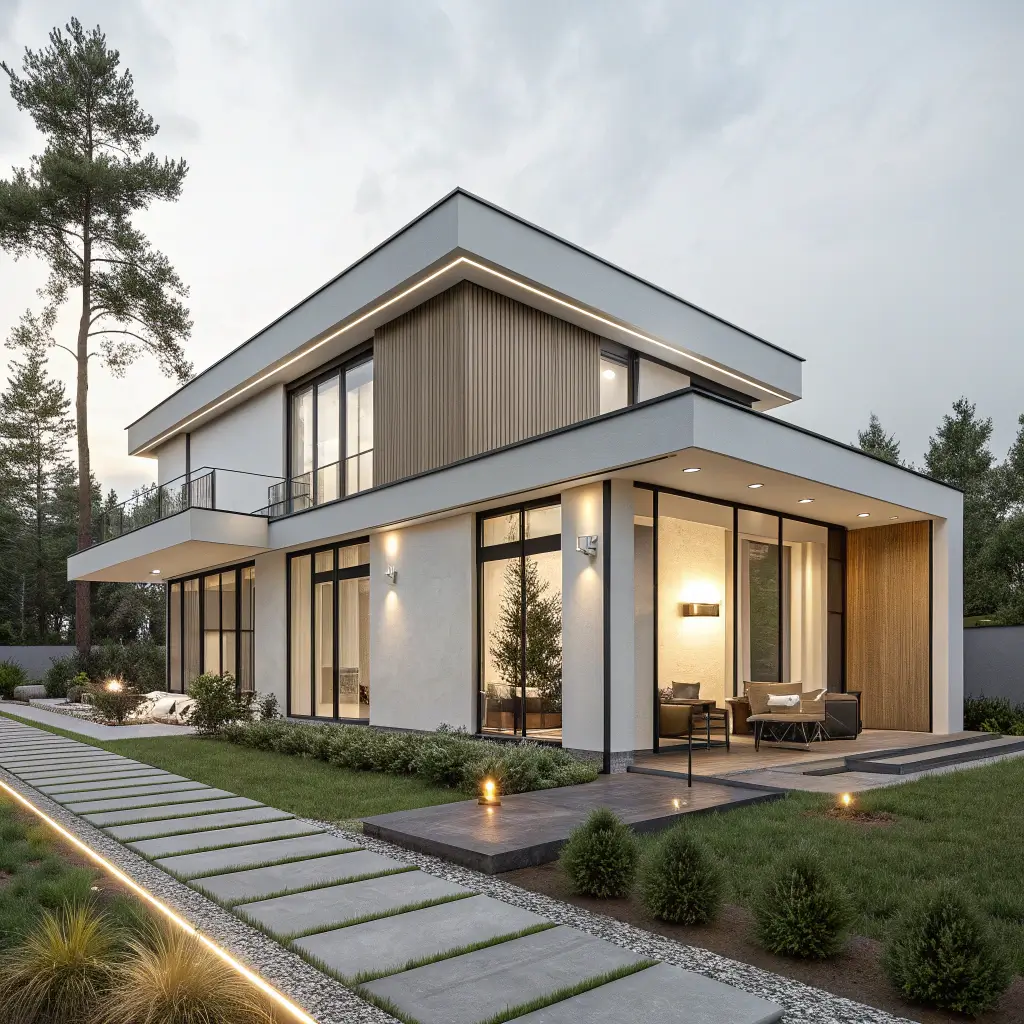
Modern compact 2-bedroom plans typically clock in around 800-1,200 square feet, proving you absolutely don’t need massive square footage to live comfortably. These designs prioritize efficiency and smart space utilization, eliminating hallways and unnecessary square footage while maintaining everything you actually need for daily living.
I toured a modern compact home last year that fit two bedrooms, two bathrooms, a full kitchen, and living space into just 950 square feet, and it didn’t feel cramped at all. The secret? Intentional design where every square foot serves a purpose and nothing exists just because “houses are supposed to have” whatever feature.
Space-Saving Design Elements
Open-concept main living areas combine kitchen, dining, and living spaces into one flowing room that feels significantly larger than its actual measurements. High ceilings create vertical space that tricks your eye into perceiving more room. Large windows and glass doors bring in natural light and create visual connections to outdoor spaces, effectively extending your perceived living area.
Built-in storage replaces bulky furniture—think floor-to-ceiling cabinets, window seats with storage underneath, and bed platforms with drawers built in. Every wall and corner gets evaluated for storage potential. Pocket doors save the swing space that traditional doors require, freeing up valuable square footage for actual living.
Layout Strategies
Bedrooms sit on opposite ends of the home when possible, maximizing privacy between them. This works brilliantly if one bedroom serves as a home office or guest room—you’re not listening to someone’s Zoom calls from your bedroom. Bathrooms position strategically to serve both bedrooms efficiently, sometimes with a Jack-and-Jill setup or one full bath plus a powder room.
The compact footprint means lower construction costs, reduced utility bills, and less maintenance long-term. You spend less time cleaning and more time actually living. For first-time builders on budgets or people who genuinely don’t want to maintain huge homes, modern compact plans deliver impressive livability in manageable packages.
2. Cozy Cottage Style 2 Bedroom Layouts
Charm That Actually Functions
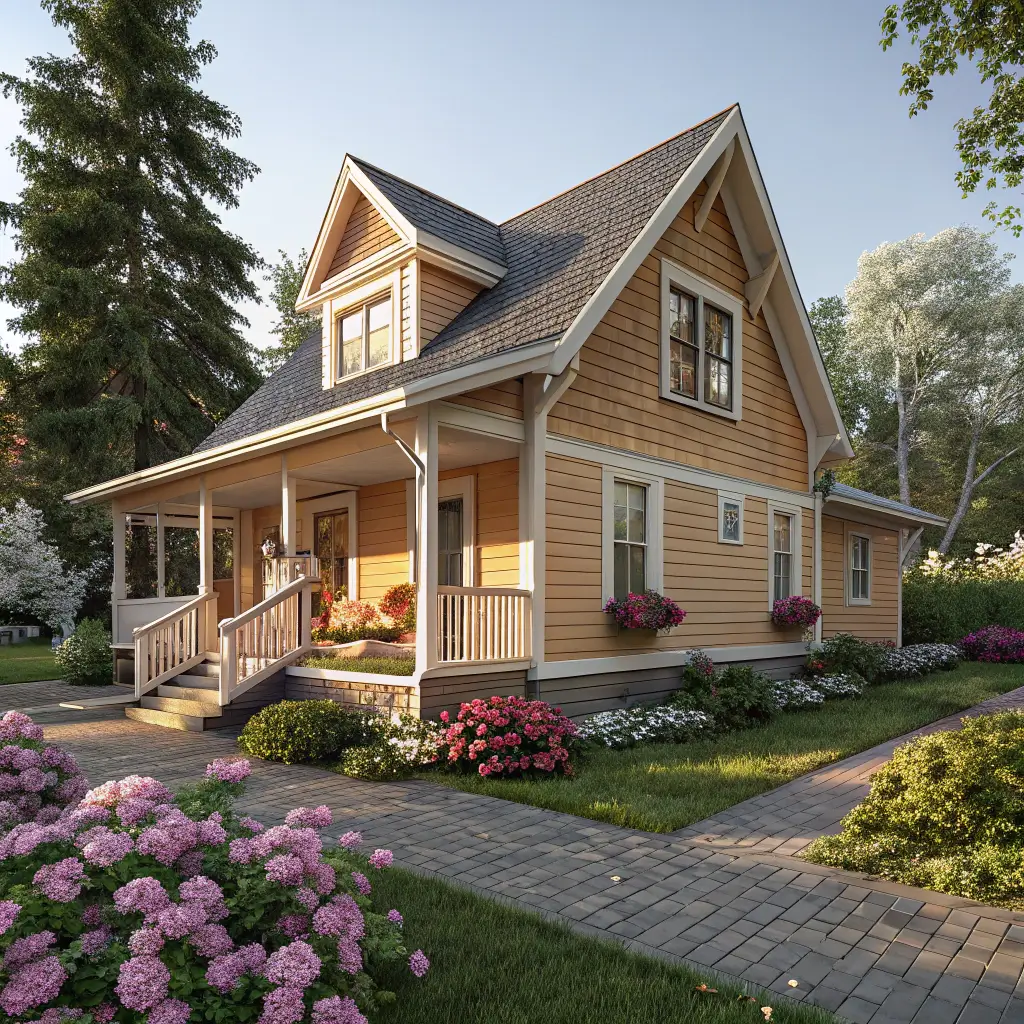
Cottage-style 2-bedroom homes embrace that storybook aesthetic—peaked roofs, charming architectural details, and a sense of warmth that makes you want to curl up with tea and a book the moment you walk in. These plans typically range from 900-1,400 square feet and prioritize cozy, distinct rooms over sprawling open spaces.
My friend built a cottage-style 2-bedroom as her retirement home, and every time I visit, I leave thinking “why don’t I live like this?” There’s something about the proportions and details that just feels right—nothing is too big or too small, and everything has this lived-in comfort from day one.
Cottage Character Features
Separate rooms replace open concepts here—a defined kitchen that feels like an actual room, a living room with clear boundaries, and bedrooms that are genuinely separate spaces. This creates a sense of coziness and allows for different decorating styles in each room without everything needing to coordinate perfectly.
Architectural details make cottage plans special—exposed ceiling beams, built-in window seats with cushions, wainscoting or beadboard walls, and cozy fireplaces as focal points. These elements add character without requiring additional square footage. Covered porches extend living space outdoors and provide that quintessential cottage feature where you can sit and watch the world go by.
Functional Cottage Layouts
The kitchen often becomes the heart of cottage plans, sized for actual cooking rather than just reheating takeout. Breakfast nooks with built-in benches create intimate dining spaces that feel warmer than separate dining rooms. Mudrooms or entry nooks with hooks and storage handle the practical reality of coming and going without cluttering up main living areas.
Bedrooms in cottage plans tend toward snug and cozy rather than oversized—big enough for comfortable sleeping and storage but not so large they feel impersonal. This actually works beautifully for most people since we don’t typically spend waking hours in bedrooms beyond getting dressed.
Cottage-style plans suit people who value charm and character over modern minimalism, who like defined spaces for different activities, and who want a home that feels warm from the start rather than requiring years to develop personality. They’re perfect for vacation homes, retirement downsizing, or anyone who’s ever dreamed of living in something that feels like it belongs in a fairytale.
3. Minimalist 2 Bedroom Small Home Ideas
Intentional Living in Physical Form
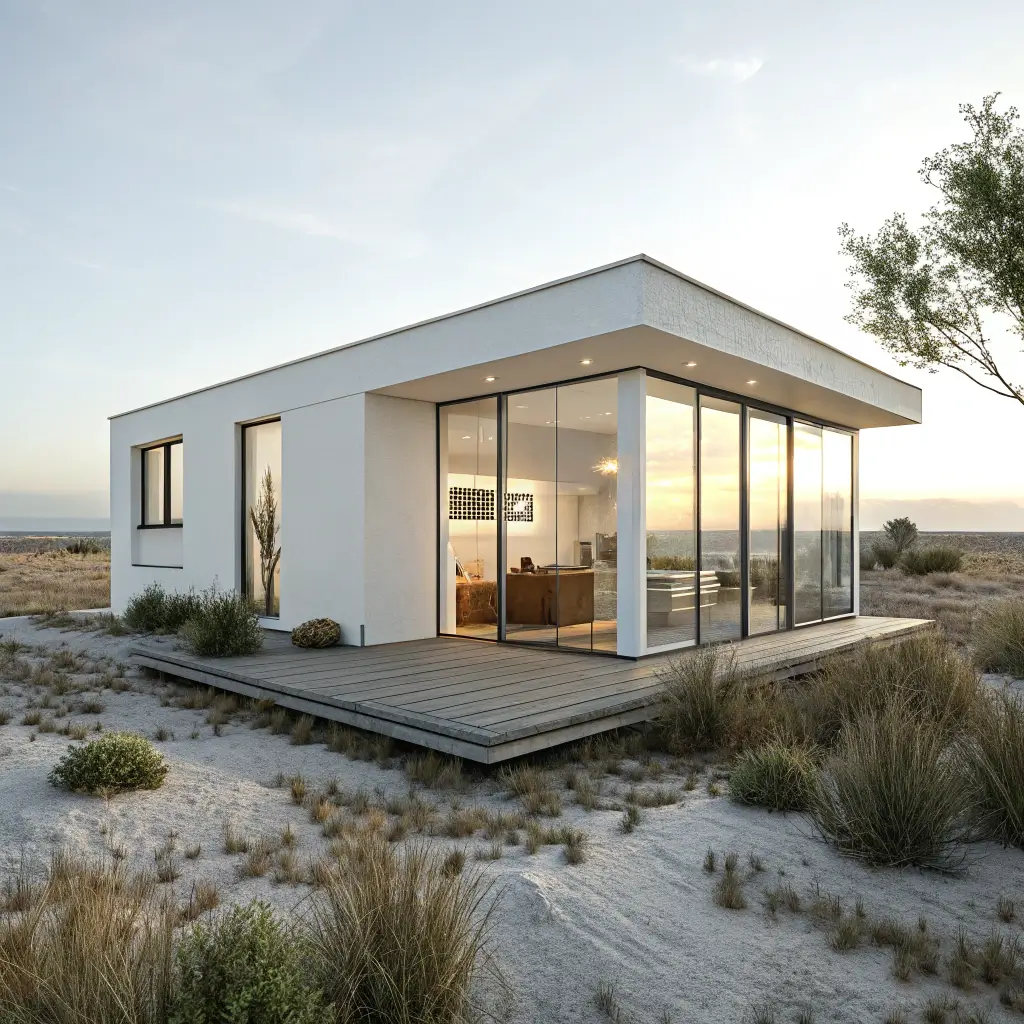
Minimalist 2-bedroom homes strip away everything non-essential, focusing on clean lines, neutral palettes, and spaces that breathe. We’re talking 700-1,000 square feet of carefully considered design where less genuinely becomes more. This isn’t about deprivation—it’s about clarity and intentionality in both space and lifestyle.
I know someone who transitioned from a 2,400 square foot house to an 850 square foot minimalist 2-bedroom, and she swears she’s never been happier. The forced decluttering and space constraints made her really evaluate what mattered, and turns out, most of her previous possessions didn’t make the cut.
Minimalist Design Principles
White or light neutral walls maximize light reflection and create a sense of spaciousness. Natural wood accents add warmth without clutter. Large windows frame views and bring nature inside, reducing the need for decorative elements. Simple geometric shapes in furniture and architectural elements create visual calm rather than busyness.
Multi-functional spaces eliminate single-purpose rooms—the second bedroom might function as office/guest room/yoga space rather than just sitting empty most of the time. Furniture serves multiple purposes, like dining tables that double as workspaces or storage ottomans that provide seating, storage, and potentially extra sleeping surfaces.
Storage Solutions
Hidden storage keeps visual clutter at bay—built-in closets floor-to-ceiling, under-bed storage platforms, and furniture with concealed compartments. The aesthetic demands that you maintain organization since everything shows in these clean spaces. If you’re naturally messy, this will either force you to develop better habits or drive you absolutely crazy (maybe both).
Outdoor spaces get treated as extensions of indoor living, effectively doubling your usable area during good weather. A small deck or patio with comfortable seating becomes your third “room” for significant portions of the year.
Who This Suits
Minimalist 2-bedroom plans work beautifully for people who genuinely prefer owning fewer things, couples or small families comfortable with compact living, or anyone seeking lower costs and maintenance. The lifestyle requires discipline—you can’t just buy stuff without considering where it goes and whether you really need it. But for the right person, that constraint feels liberating rather than limiting.
Also Read: 10 Elegant House Plans Ideas and Stylish Home Designs
4. Luxury 2 Bedroom House Designs on a Budget
High-End Feel Without the High-End Price Tag
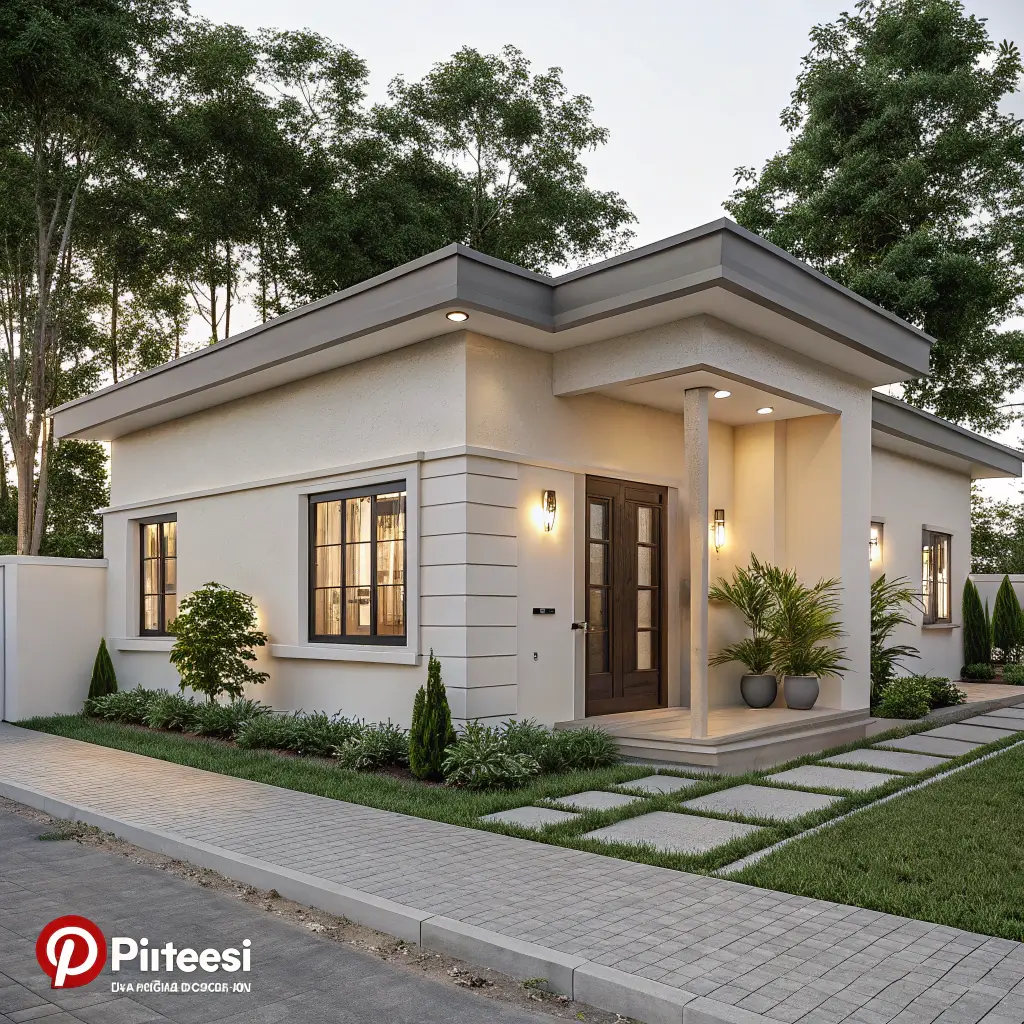
Here’s a secret: luxury isn’t about square footage or price tags—it’s about quality, thoughtful design, and details that make daily living feel special. You can absolutely create a luxury-feeling 2-bedroom home on a reasonable budget by prioritizing the right elements and being strategic about where you invest your money.
I’ve visited “luxury” McMansions that felt cold and impersonal, and I’ve been in modest 2-bedroom homes that felt genuinely luxurious because the owners focused on quality materials, good design, and creating spaces that functioned beautifully. Size isn’t everything, despite what the housing market often suggests.
Budget-Luxury Priorities
Invest in finishes you interact with daily—quality countertops in the kitchen, good faucets and fixtures in bathrooms, and decent flooring throughout. These elements impact your daily experience more than fancy features you rarely use. Quartz or butcher block counters cost significantly less than marble but still look and function beautifully. Luxury vinyl plank flooring mimics hardwood at a fraction of the cost while being more durable.
Lighting transforms spaces dramatically. Good lighting design with dimmer switches, layered light sources (ambient, task, and accent), and attractive fixtures creates atmosphere and functionality. This doesn’t require huge budgets—it requires planning and choosing fixtures intentionally rather than grabbing whatever’s cheapest.
Architectural Details That Elevate
Crown molding, baseboards, and trim work add architectural interest inexpensively. You can DIY this if you’re handy, keeping costs minimal while adding significant visual appeal. Accent walls with interesting paint colors, wallpaper, or wood paneling create focal points without renovating entire rooms.
Built-in features like bookcases, window seats, or banquettes add custom luxury vibes while often costing less than buying equivalent furniture. They also make spaces feel intentionally designed rather than just furnished with whatever fit.
Smart Space Design
Open shelving in kitchens costs less than upper cabinets while creating an airy, upscale aesthetic (assuming you maintain organization—messy open shelves look terrible). Statement tile in small doses—a kitchen backsplash or bathroom shower—adds luxury impact without the cost of tiling entire rooms in expensive materials.
Large windows positioned strategically bring in views and natural light, which makes any space feel more expensive and desirable. If you’re building, spending a bit more on window placement and size pays dividends in how the space feels daily.
Master bedroom suites with en-suite bathrooms and walk-in closets create that luxury hotel feeling even in modest square footage. Prioritizing one really nice bedroom over two mediocre ones often makes more sense for couples without kids or with one grown kid who visits occasionally.
5. Open-Concept 2 Bedroom Floor Plans
Flow That Makes Small Spaces Feel Big
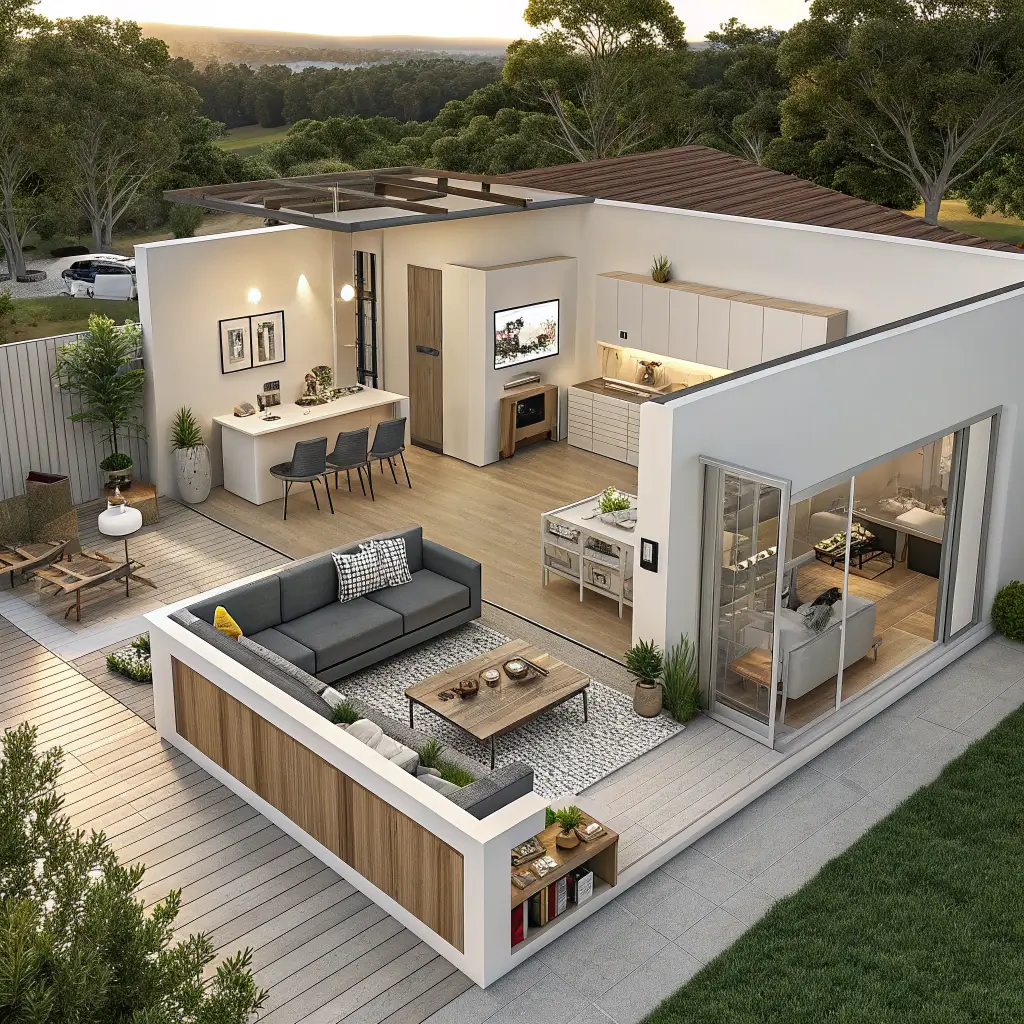
Open-concept layouts remove walls between kitchen, dining, and living areas, creating one large multi-functional space that feels significantly larger than the sum of its parts. For 2-bedroom homes where total square footage might be limited, this approach maximizes the sense of spaciousness while facilitating easy interaction between people in different “zones.”
I lived in an open-concept 2-bedroom for five years, and the layout made entertaining so much easier than my previous place with separated rooms. You could cook while talking to guests in the living area, and the whole space felt alive and connected rather than chopped up and isolated.
Creating Defined Zones
Without walls, you define spaces through furniture arrangement and visual cues. Area rugs mark the living room zone. Your kitchen island or peninsula creates a natural boundary between cooking and living areas. Lighting helps too—pendant lights over the dining table, different fixtures for living and cooking areas, all creating subtle separation without physical barriers.
Ceiling treatments differentiate spaces—maybe exposed beams over the living area, recessed lighting in the kitchen, or different ceiling heights marking transitions between zones. These architectural elements create definition while maintaining visual flow and openness.
Practical Considerations
Noise travels everywhere in open-concept homes—the TV, kitchen sounds, conversations all mix together. This works great for people who like that connected feeling but can be challenging if someone wants quiet while another person’s cooking or watching a movie. Bedrooms provide the only true sound separation, so they need to be positioned carefully away from main living noise.
Sightlines matter since you see everything from everywhere. This means maintaining tidiness becomes more important—dirty dishes in the sink are visible from the living room, and clutter doesn’t hide behind closed doors. Some people love this accountability that forces better habits; others find it stressful.
Layout Strategies
Bedrooms typically branch off the main open area, creating a public/private division in the home. One bedroom might serve as a master suite with en-suite bathroom, while the second bedroom and second bathroom sit on the opposite side of the living space for maximum separation.
The open area should flow logically—kitchen near the entry for grocery unloading, living space positioned for natural light and views, dining area between kitchen and living as a transition zone. Traffic patterns through the space should feel natural rather than forcing people to cross through active use areas awkwardly.
Open-concept 2-bedroom plans work brilliantly for people who entertain regularly, families who like staying connected even while doing different activities, or anyone who values spaciousness and light over room privacy. FYI, this approach also tends to make small floor plans photograph better for resale, since open spaces look larger in listing photos.
6. Tiny 2 Bedroom House Plans with Storage Hacks
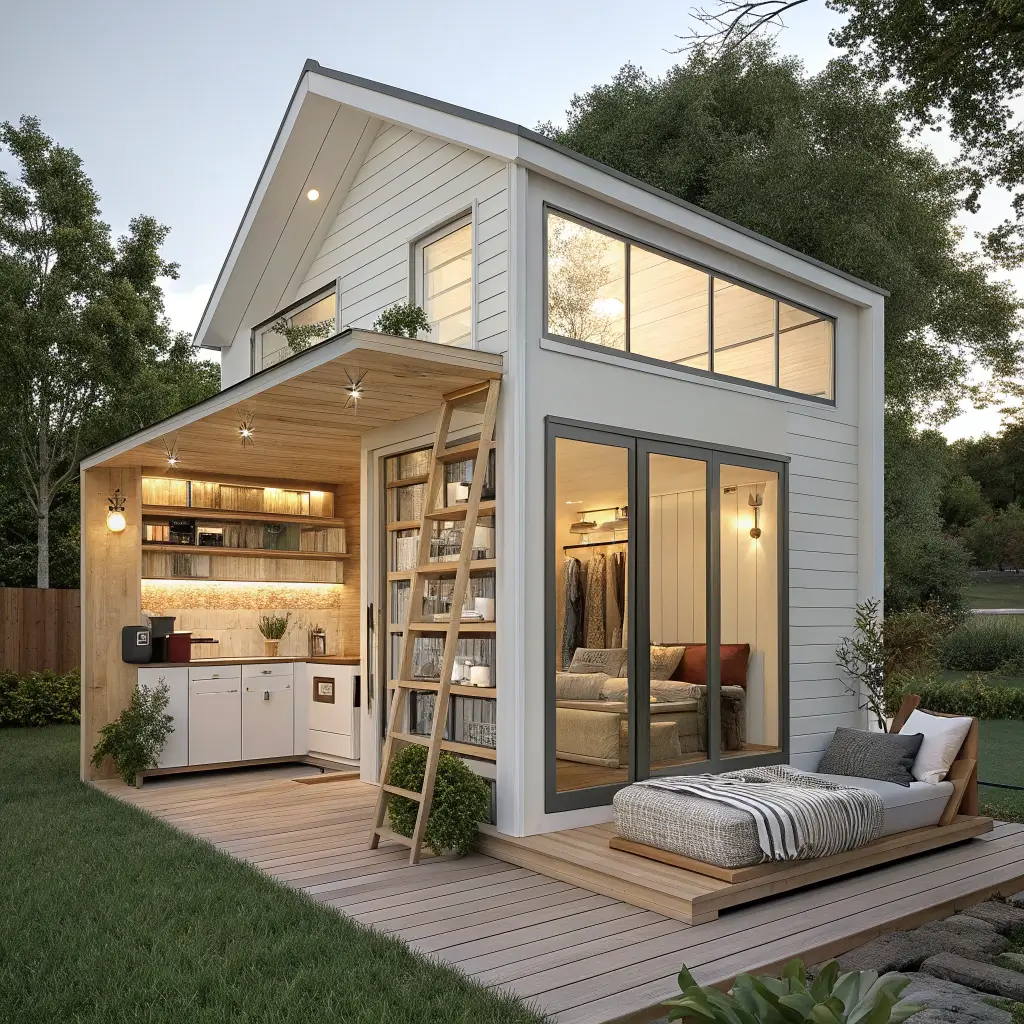
Small Footprint, Big Solutions
Tiny 2-bedroom homes (think 500-750 square feet) require serious creativity to make livable, but modern designs have cracked the code through innovative storage solutions and multi-functional spaces. These plans prove you can have two legitimate bedrooms without sprawling square footage—you just need to think vertically and creatively.
My cousin lives in a 650 square foot 2-bedroom with her partner, and I’m consistently amazed by how functional it is. They’ve built in so many clever storage solutions that they actually have room for hobbies, entertaining, and comfortable daily living despite the compact footprint.
Vertical Storage Strategies
Floor-to-ceiling built-in closets and cabinets maximize every inch of wall space. Loft storage above closets and in high ceilings stores seasonal items and things you don’t need daily. Under-stair storage (if you have a second story or loft) captures otherwise wasted space for shoes, cleaning supplies, or pantry items.
Murphy beds that fold into walls transform bedrooms into multi-purpose spaces during the day. One bedroom might serve as home office/guest room with a Murphy bed, using the same square footage for two functions depending on time of day or who’s visiting.
Smart Built-Ins
Window seats with lift-up cushions hide storage for linens, books, or off-season clothes. Bed platforms built 18-24 inches high create massive under-bed storage accessible via drawers or lift-up mattress platforms. Kitchen islands with interior storage, shelving, and even fold-out dining extensions maximize functionality in compact footprints.
Staircases (if your tiny home has a loft or second story) become storage opportunities—pull-out drawers in each riser, cabinets built into the sides, or open shelving integrated into the structure turns architectural necessity into functional storage.
Multi-Functional Furniture
Dining tables that fold against walls or drop leaves when not in use free up living space. Ottoman storage pieces provide seating, footrests, and hidden storage simultaneously. Sofa beds in living areas create emergency sleeping space without dedicating square footage to a third bedroom.
Kitchen solutions in tiny homes get creative—pull-out pantry cabinets maximize narrow spaces, dish racks built into cabinets eliminate counter clutter, and compact appliances (apartment-size or even RV-size) function adequately while consuming less space.
Tiny 2-bedroom plans suit people building on limited budgets, those seeking minimal environmental impact and low utility costs, or anyone who genuinely prefers simplicity and low maintenance over extra space. You sacrifice storage, entertaining capacity, and space for hobbies that require equipment, but you gain financial freedom and simplicity that larger homes can’t match.
Also Read: 10 Elegant 7 Bedroom House Plans Farmhouse Ideas and Stylish
7. 2 Bedroom Family-Friendly Home Layouts
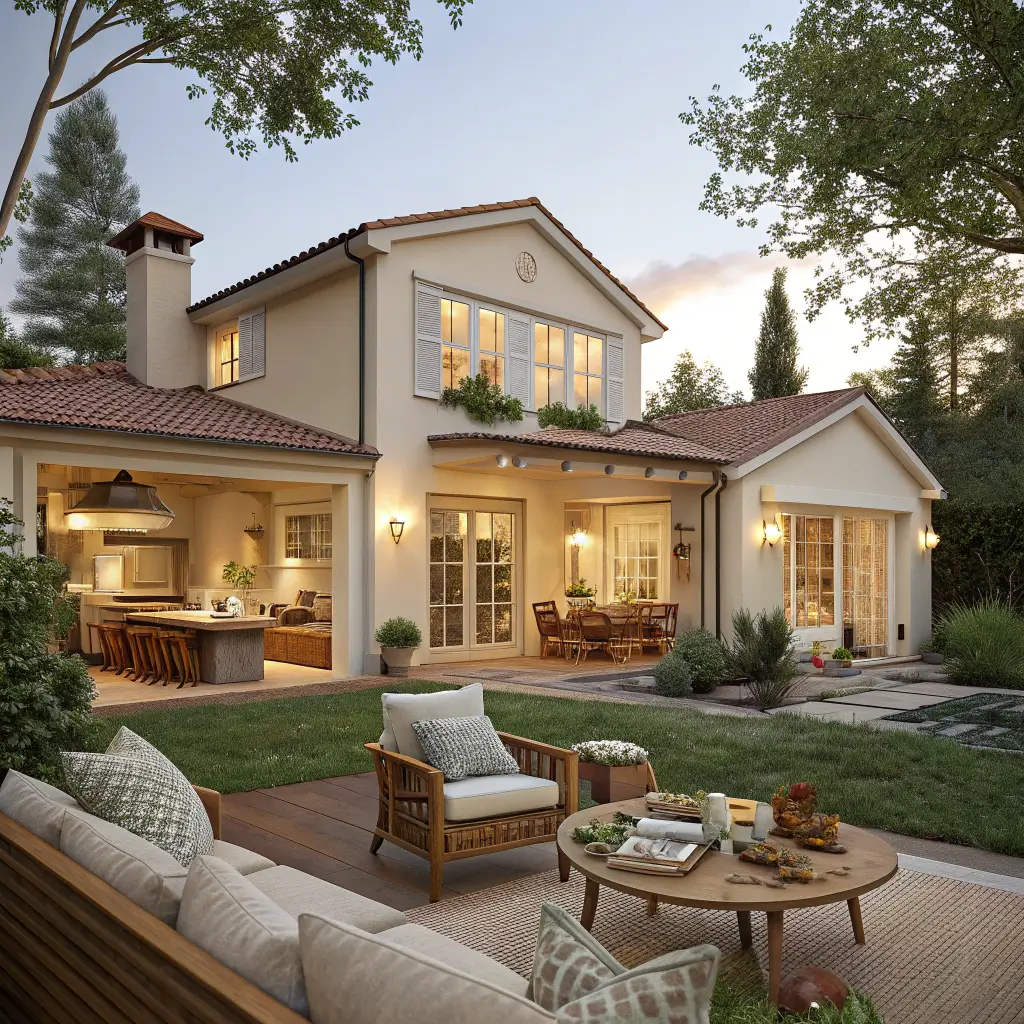
Kid-Friendly Design That Adults Actually Like
Designing 2-bedroom homes for families with one child requires thoughtful space planning since you’re balancing adult needs, child needs, and probably planning for how spaces might evolve as the kid grows. These layouts typically range from 1,000-1,400 square feet and prioritize flexibility, durability, and separation between parent and child spaces.
I have several friends raising kids in 2-bedroom homes, and the common thread among the successful layouts is they planned for how spaces would adapt over time rather than designing just for the current phase of childhood.
Space Planning for Families
Master bedrooms need enough space for adult retreat—a genuine sanctuary away from kid energy where parents can decompress. En-suite bathrooms give parents private space without navigating through the house at night or competing for bathroom time during morning routines.
The child’s bedroom should be sized for growth—adequate for a crib initially but able to accommodate a twin or full bed, desk for homework, and toy storage as they age. Built-in storage maximizes usable floor space for play while keeping possessions organized and accessible.
Family-Focused Common Areas
Open-concept living areas allow parents to cook while supervising playing children. Kitchen islands with counter seating create informal dining and homework spaces where kids can work while parents prepare meals. Living areas need durable, washable materials that handle kid messes without constant stress—think stain-resistant fabrics, wipeable surfaces, and flooring that hides dirt and damage.
Mudrooms or entry storage areas are essential for managing the gear that accumulates when you have kids—shoes, coats, backpacks, sports equipment, and random treasures kids insist on bringing home. Built-in cubbies with hooks and bench seating make coming and going smoother and keep clutter from invading main living spaces.
Flexible Spaces
Secondary bathrooms should accommodate both child use and guest use—meaning kid-friendly step stools and bath toys can coexist with presentable appearances when friends visit. Combination tub-shower setups handle both young kids who need baths and older kids/guests who prefer showers.
Outdoor play space becomes crucial in 2-bedroom family homes since you can’t dedicate an entire room to toys and play. Covered porches or patios extend living space during good weather and provide contained outdoor play areas visible from inside the home.
Storage strategies include toy rotation systems where some toys stay accessible while others hide in closets, and playroom zones in living areas with attractive storage bins and baskets that keep toys contained without separate dedicated rooms. As kids age, these zones transform into homework areas, hobby corners, or just reclaimed adult living space.
8. Eco-Friendly 2 Bedroom House Ideas
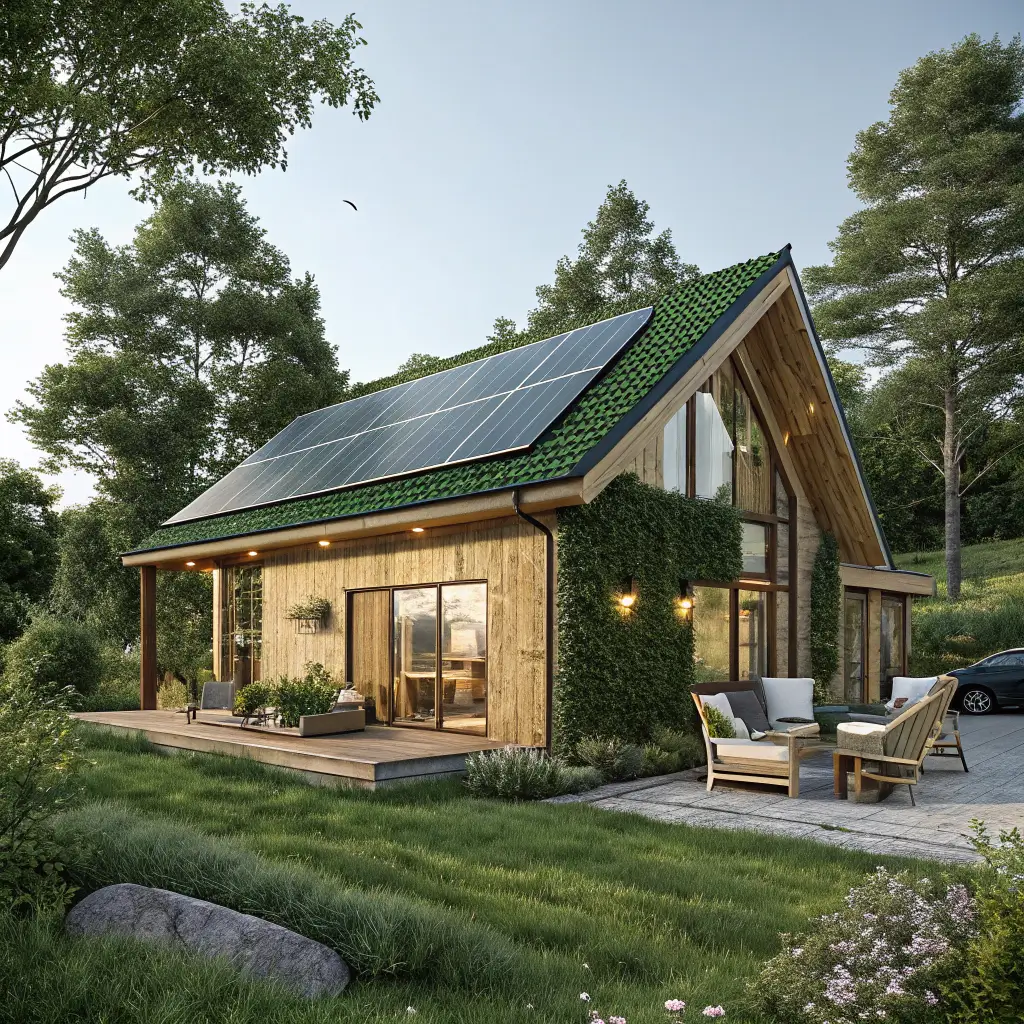
Sustainable Living That Actually Works
Eco-friendly 2-bedroom homes integrate environmental consciousness throughout the design—from site orientation and material selection to energy systems and water conservation. The compact 2-bedroom footprint already provides environmental benefits through reduced material use and energy consumption, and intentional sustainable design amplifies those advantages.
I know a couple who built a net-zero 2-bedroom home, meaning it produces as much energy as it consumes annually. Their utility bills average under $50 monthly (just connection fees basically), which is absolutely wild compared to typical home costs. The upfront investment was higher, but they’re saving thousands yearly while living more sustainably.
Passive Design Strategies
Site orientation positions the home to maximize passive solar heating in winter while minimizing heat gain in summer. Large south-facing windows (in northern hemisphere) collect winter sunlight for warmth, while overhangs block high summer sun. Strategic window placement creates cross-ventilation that reduces cooling needs through natural airflow.
High-performance insulation and air sealing dramatically reduce heating and cooling requirements. Spray foam, dense-pack cellulose, or rigid foam board insulation creates tight building envelopes that maintain comfortable temperatures efficiently. Triple-pane windows and proper vapor barriers prevent energy loss through typically vulnerable points.
Sustainable Materials
Reclaimed wood for flooring and finishes reduces demand for new timber harvest while adding character and history to the home. Recycled metal roofing lasts 50+ years compared to asphalt shingles needing replacement every 15-20 years. Low-VOC paints and natural finishes improve indoor air quality while reducing environmental impact.
Locally-sourced materials minimize transportation emissions and often cost less. Rapidly renewable materials like bamboo, cork, and linoleum offer sustainable alternatives to traditional flooring. Salvaged fixtures and architectural elements from demolition sites add character while preventing usable materials from landfills.
Energy and Water Systems
Solar panels sized appropriately for 2-bedroom homes can offset significant portions of energy consumption. The compact footprint means fewer panels needed compared to larger homes, making systems more affordable. Battery storage systems allow you to use solar energy even when the sun isn’t shining, increasing energy independence.
Rainwater collection systems provide irrigation for landscaping or, with proper filtration, household use. The smaller roof of 2-bedroom homes limits collection capacity compared to larger homes, but strategic system design still captures meaningful water volumes. Greywater systems recycle water from sinks and showers for toilet flushing or irrigation, reducing overall consumption.
High-efficiency appliances, LED lighting, and low-flow plumbing fixtures minimize resource consumption without sacrificing functionality. Tankless water heaters provide hot water on-demand without maintaining large tanks of heated water constantly.
Eco-friendly 2-bedroom homes appeal to environmentally conscious builders obviously, but also to anyone interested in long-term cost savings and resilience against utility price volatility. The smaller footprint makes sustainable features more affordable while still delivering significant environmental and financial benefits 🙂
9. Stylish 2 Bedroom House Plans with Garden
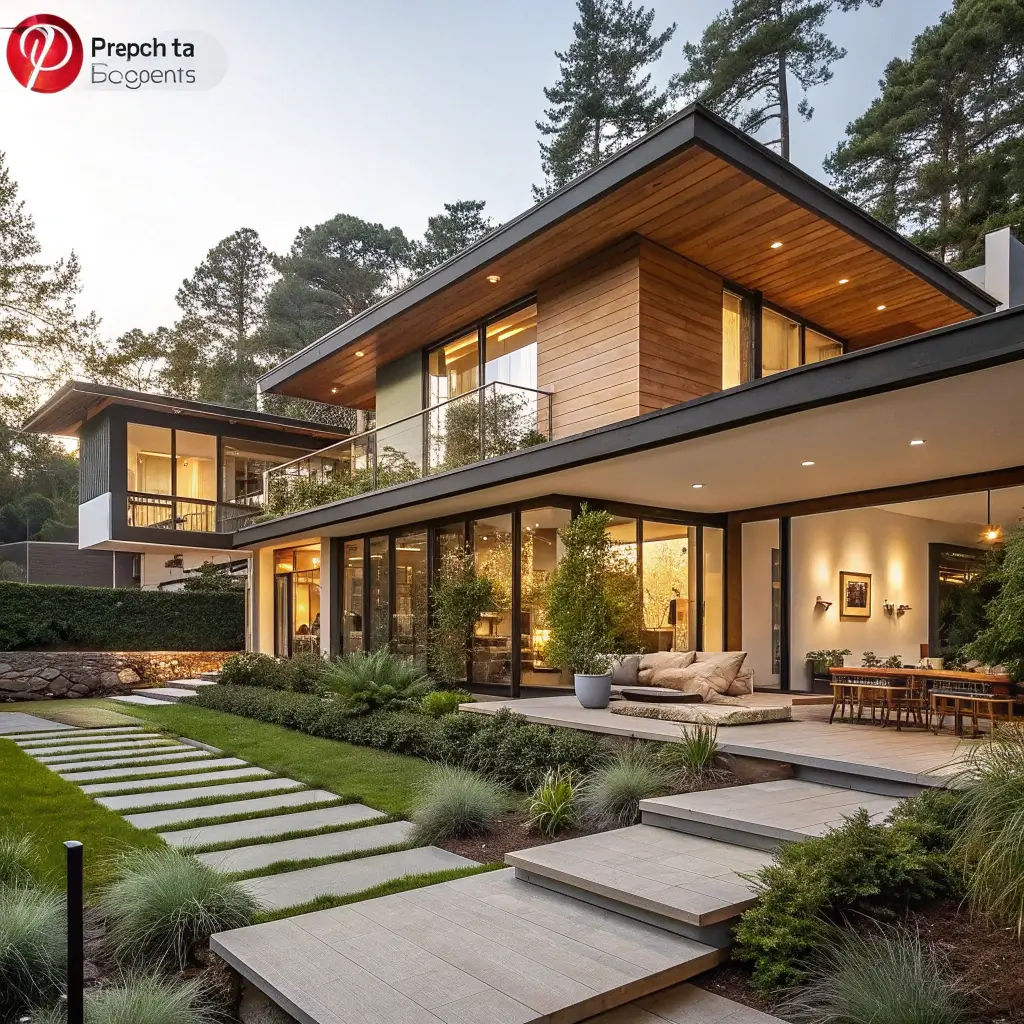
Indoor-Outdoor Living at Its Best
Garden-integrated 2-bedroom plans blur the boundaries between interior and exterior spaces, treating outdoor areas as extensions of the home rather than afterthoughts. These designs prioritize visual and physical connections to gardens through large windows, multiple access points, and outdoor living spaces that function as additional rooms during appropriate weather.
My neighbor has a 2-bedroom home with the most incredible garden integration I’ve seen—the living room has folding glass doors that open completely to the garden, essentially creating one massive indoor-outdoor space. She uses that configuration probably eight months out of the year, and it makes her modest square footage feel enormous.
Connection Strategies
Floor-to-ceiling windows and sliding glass doors create visual connections to gardens even when you’re inside. Multiple rooms opening to outdoor spaces mean you experience garden views and natural light throughout the home, not just from one room. Covered patios or verandas provide transitional spaces between fully indoor and fully outdoor, usable during light rain or intense sun.
Interior materials that extend outdoors create visual continuity—maybe the same tile or wood flooring continues from inside to patio areas, making the transition seamless. Consistent color palettes and design styles between interior decor and garden furniture/structures make everything feel cohesive and intentional.
Garden Room Functions
Outdoor kitchens or grilling stations with counter space and seating expand cooking and dining beyond the interior kitchen. During good weather, you can prepare and serve entire meals outside, effectively adding a second kitchen and dining area to your 2-bedroom home.
Garden sitting areas with comfortable furniture create outdoor living rooms for reading, conversations, or just relaxing. Fire pits or outdoor fireplaces extend the usable season by providing warmth during cool evenings. String lights, lanterns, and landscape lighting make these spaces functional after dark.
Garden Types for Different Lifestyles
Vegetable gardens integrated into the design appeal to people who want to grow food, with easy access from the kitchen for harvesting fresh ingredients during meal prep. Raised bed gardens keep things organized and accessible while creating attractive visual elements.
Flower gardens and ornamental landscaping create beautiful views from interior windows, essentially providing free artwork that changes with seasons. Pollinator gardens with native plants support local ecosystems while requiring less maintenance than traditional landscaping.
Low-maintenance gardens with drought-tolerant plants, mulched beds, and automated irrigation suit people who love outdoor spaces but don’t want gardening to become a part-time job. The design creates beautiful outdoor rooms without demanding constant upkeep.
IMO, garden-integrated 2-bedroom plans are perfect for people downsizing who still want significant living space—you trade interior square footage for usable outdoor space, ending up with total livable area that rivals larger homes while maintaining manageable interior maintenance.
Also Read: 15 Stunning 3 Bedroom House Plans Modern Ideas for Stylish
10. Contemporary 2 Bedroom Multi-Story Designs
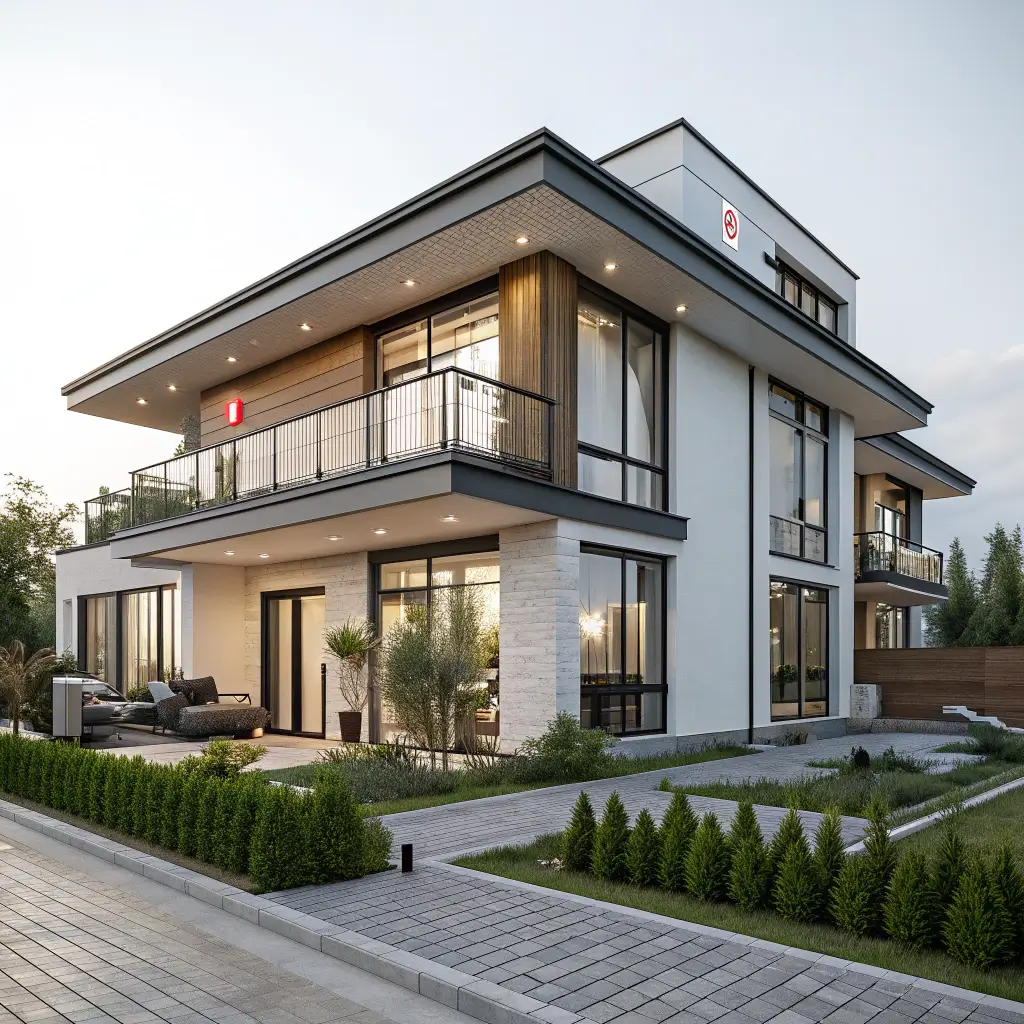
Vertical Living for Modern Lifestyles
Multi-story 2-bedroom plans (typically 2-3 stories) maximize living space on smaller lot footprints by building vertically rather than horizontally. These contemporary designs work brilliantly for urban or suburban settings where land costs make compact building sites more practical, and they create interesting architectural opportunities that single-story plans can’t match.
I lived in a 3-story 2-bedroom townhouse for several years, and while I won’t pretend stairs don’t get old sometimes, the vertical layout created this natural separation between different life activities that I actually really appreciated. Public spaces on the first floor, private spaces upstairs—it just worked.
Vertical Space Organization
Ground floors typically house main living areas—kitchen, dining, living room, and maybe a powder room. This keeps entertaining spaces accessible without requiring guests to navigate stairs. Large windows and connections to outdoor spaces make the ground floor feel open and bright despite the potentially compact footprint.
Second floors contain bedrooms and full bathrooms, creating a private zone separate from public first-floor spaces. This vertical separation provides more sound privacy than single-story plans where bedrooms sit adjacent to living areas. Master bedrooms often get additional features like en-suite bathrooms, walk-in closets, or private balconies.
Third floors (when included) might house additional bedrooms, home offices, or bonus rooms. Alternatively, some designs flip this and put bedrooms on the second floor while using the third floor for master suites with impressive views and private outdoor space.
Architectural Opportunities
Multi-story designs create opportunities for dramatic architectural features—two-story great rooms with walls of windows, floating staircases as sculptural elements, lofted spaces that overlook lower floors, and rooftop decks or terraces that provide outdoor space without consuming ground-level lot area.
Natural light strategies differ in vertical homes—skylights and clerestory windows bring light deep into floor plates where side windows can’t reach. Stairwells with windows become light wells that illuminate multiple floors.
Practical Considerations
Stairs require space and create accessibility challenges for anyone with mobility limitations or as you age. Some people love stairs for the built-in exercise; others find them increasingly annoying over time. Multi-generational households might struggle if older family members can’t navigate stairs easily.
Heating and cooling multi-story homes requires strategy since heat naturally rises, potentially leaving lower floors cold while upper floors get hot. Zone systems with separate controls for different floors help, as does proper insulation and air sealing between stories.
Furniture moving becomes an adventure when you’re navigating stairs, and some oversized pieces simply won’t fit up stairwells. You plan furniture purchases differently when you need to consider whether items can actually reach their intended rooms.
When Multi-Story Works Best
Urban or high-cost land areas where lot prices make compact footprints economically necessary benefit from vertical building. Corner lots with alley access or zero-lot-line situations where you can’t spread out horizontally make multi-story designs practical solutions.
People who want distinct separation between public and private spaces appreciate the natural division that floors provide. The vertical layout creates privacy and quiet zones that open-concept single-story plans can’t match.
Finding Your Perfect 2-Bedroom Plan
Here’s something nobody mentions enough: 2-bedroom homes aren’t just “starter homes” or compromises—they’re legitimate, thoughtful choices for many life stages and circumstances.
Empty nesters, couples without kids or with one child, singles who want space for guests or hobbies, vacation home builders, people prioritizing experiences over real estate investments—all find that 2-bedroom plans offer the right balance.
The magic lies in choosing the right type of 2-bedroom plan for your specific situation. A couple planning for one future child needs different features than empty nesters downsizing from a large family home.
Someone building a vacation property has different priorities than someone creating a permanent residence. Urban lot constraints demand different solutions than rural acreage building.
Think about how you actually live—not how house hunters on TV live or what social media suggests is “normal.” Do you entertain large groups regularly, or is dinner for four people a crowd?
Do you need dedicated office space for remote work, or does your job happen elsewhere? Are you someone who thrives in open spaces where everything connects, or do you need separate rooms where you can close doors and find quiet?
Budget factors in obviously—2-bedroom plans generally cost significantly less to build than larger homes both in construction costs and ongoing expenses. But don’t just default to 2-bedrooms purely for budget if your lifestyle genuinely requires more space.
Being house-poor in a too-small home that doesn’t function for your life is just as problematic as being overextended in a too-large home.
The beauty of planning a 2-bedroom home is you can invest more per square foot in quality materials, better design, and special features since your total square footage stays manageable.
That money you’re not spending on a third and fourth bedroom? You can redirect it toward better kitchens, bathrooms, outdoor spaces, or sustainable features that actually improve daily living.