10 Inspiring Tiny House Floor Plans Ideas for Minimalist Homes
- House Plans
 Ben
Ben- 0
- 32 minutes read
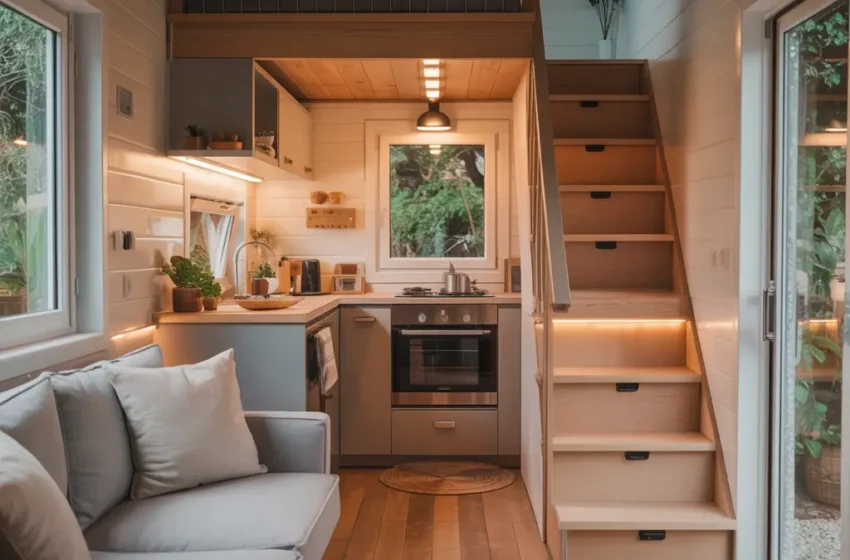
Okay, let’s be real for a second. You’ve probably spent hours scrolling through Pinterest, drooling over those adorable tiny houses that somehow manage to look both cozy and impossibly stylish.
Am I right? And now you’re here, trying to figure out how to make that dream a reality without ending up in a cramped box that makes you feel like you’re living inside a shoebox.
I get it. I’ve been down that rabbit hole myself, and let me tell you, finding the perfect tiny house floor plan feels a bit like dating.
You swipe through dozens of options, some look promising but turn out to be total disasters, and just when you’re about to give up, you find “the one.”
So grab your coffee (or wine, no judgment here), and let’s chat about ten tiny house floor plan ideas that might just change your life.
Why Tiny House Floor Plans Matter More Than You Think
Before we dive into the good stuff, let’s talk about why floor plans deserve your full attention. See, when you’re working with 100 to 400 square feet, every single inch counts. You can’t just throw a couch in the corner and call it a day. Nope. A tiny house requires strategic thinking, and the floor plan serves as your blueprint for sanity.
Think about it this way: a poorly designed tiny house will make you feel claustrophobic, frustrated, and probably a little bit crazy. But a well-thought-out floor plan? That’s the difference between surviving and actually thriving in your tiny space. It determines how you move through your home, where you store your stuff, and whether you’ll wake up every morning feeling peaceful or panicked.
I learned this lesson the hard way when I first got obsessed with tiny living. I fell in love with a gorgeous tiny house that had the aesthetic of a Scandinavian dream but the functionality of a nightmare. The bathroom door literally couldn’t open all the way because it hit the kitchen counter. Romantic? Not so much.
So trust me when I say this: don’t just pick a floor plan because it looks cute on Instagram. Pick one that actually works for your lifestyle. And lucky for you, I’ve gathered ten amazing options that combine both form and function.
1. Lofted Living Space Tiny House
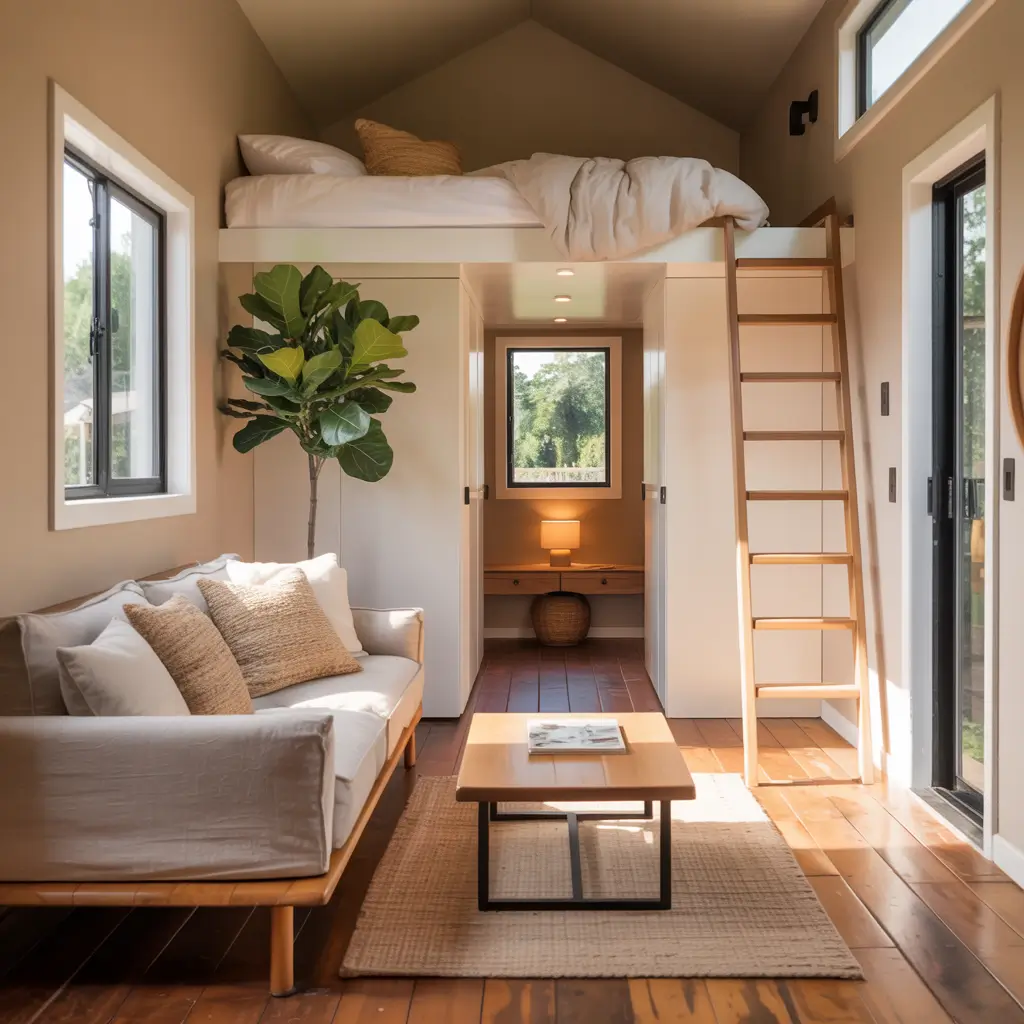
Let’s kick things off with a classic that never goes out of style—the lofted living space tiny house. This design takes advantage of vertical space like a boss, and honestly, who doesn’t love the idea of climbing up to a cozy sleeping loft every night?
How the Lofted Design Works
The concept here stays simple but effective. Your main living area, kitchen, and bathroom occupy the ground floor, while your bedroom sits elevated in a loft space, usually accessed by a ladder or compact staircase. This setup typically gives you anywhere from 150 to 300 square feet of usable ground-floor space, plus your sleeping area overhead.
What I personally love about this design involves the sense of separation it creates. Even though you’re living in a tiny space, having your bedroom elevated makes it feel like you’ve got an actual room up there. It’s your little nest away from the chaos of daily life—if you can call making breakfast in a 50-square-foot kitchen chaos. 🙂
Who Should Consider This Floor Plan
The lofted design works brilliantly for single folks or couples who don’t mind climbing a ladder. However, and this matters, if you’ve got mobility issues, bad knees, or a tendency to wake up in the middle of the night for bathroom runs, you might want to think twice. Nobody wants to navigate a ladder at 3 AM, half-asleep and desperate.
Also, FYI, ceiling height in lofts typically ranges from 3 to 4 feet, so if you’re tall or claustrophobic, this might not be your jam. But for everyone else? The lofted tiny house remains a fantastic choice that maximizes every square inch.
2. Open Concept Minimalist Tiny Home
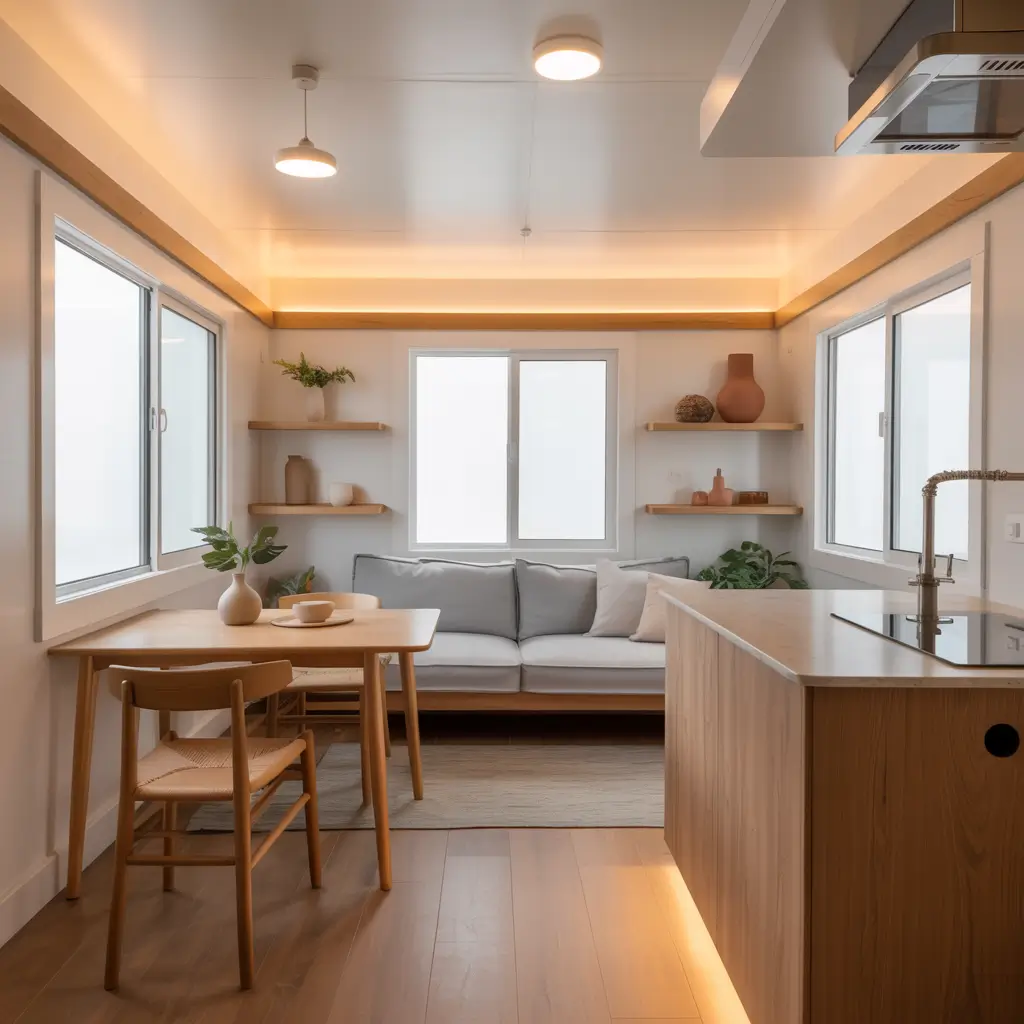
If clutter gives you anxiety and you believe less truly means more, the open concept minimalist tiny home might just be your soulmate. This floor plan strips away unnecessary walls and partitions, creating one flowing space that feels surprisingly large.
The Beauty of Going Minimal
Picture this: you walk into your tiny house, and instead of feeling cramped, you see a clean, airy space where your kitchen flows seamlessly into your living area, which transitions smoothly into your sleeping zone. No doors. No walls. Just pure, uninterrupted space.
The minimalist approach forces you to be intentional about every single item you own. And honestly? That’s liberating. You stop accumulating random junk and start curating a collection of things you actually love and use. Marie Kondo would be so proud.
Design Tips for the Open Concept Layout
To make this floor plan work, you’ll want to use visual cues to define different zones. A small rug can designate your living area, while a change in flooring material might indicate the kitchen zone. Furniture placement also plays a crucial role—a strategically positioned sofa can act as a soft barrier between your living and sleeping spaces.
IMO, the key to nailing the open concept design lies in maintaining ruthless organization. When everything’s out in the open, mess becomes impossible to hide. Built-in storage, hidden compartments, and multifunctional furniture become your best friends. But if you can commit to the minimalist lifestyle, this floor plan delivers an incredibly peaceful living experience.
3. Multi-Level Tiny House with Mezzanine
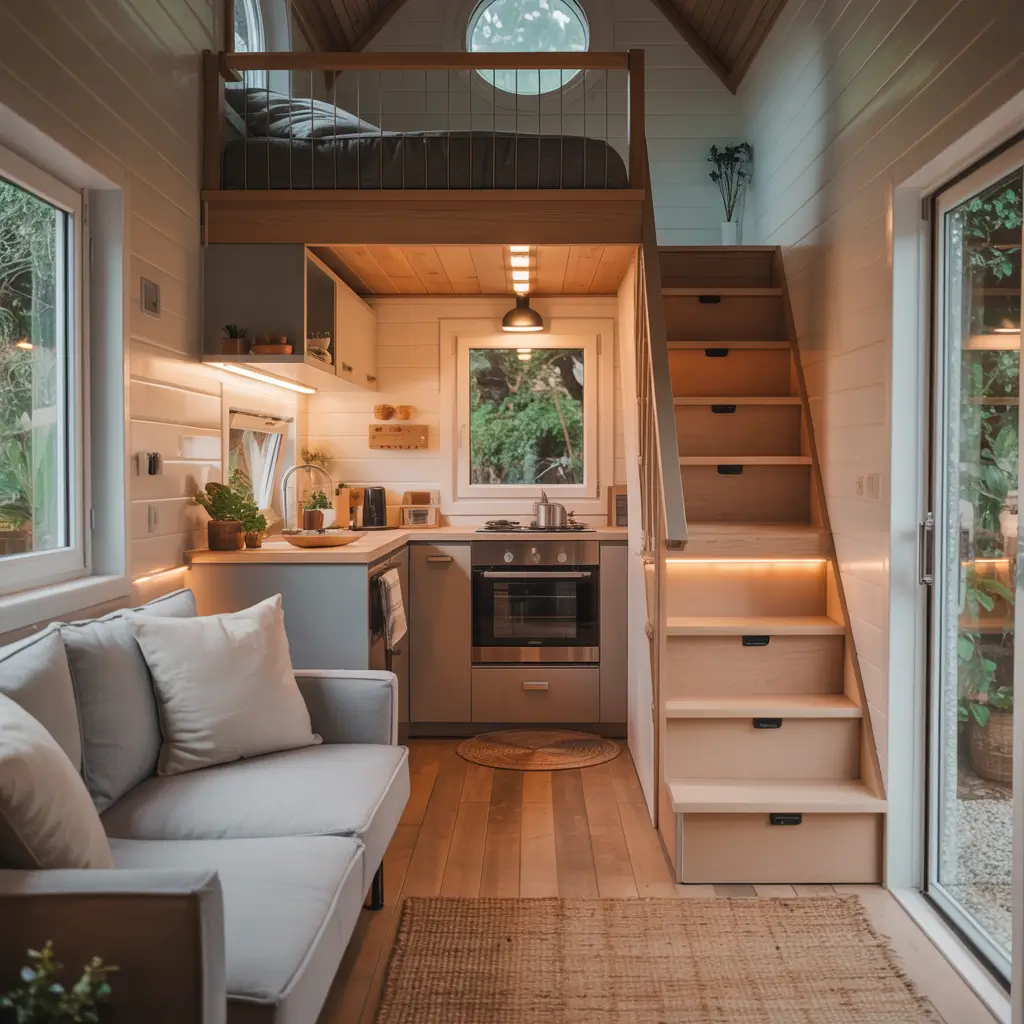
Ready to take things up a notch? The multi-level tiny house with mezzanine brings architectural interest and functionality together in a way that feels almost luxurious. We’re talking about a tiny house that manages to feel genuinely multi-dimensional.
Understanding the Mezzanine Concept
A mezzanine differs from a standard loft in some important ways. While lofts typically exist as sleeping areas with limited headroom, a mezzanine creates a true intermediate floor that offers more usable space and better ceiling height. Think of it as a loft’s sophisticated older sibling.
This design usually incorporates a proper staircase rather than a ladder, and the mezzanine level might serve as a home office, reading nook, or guest sleeping area. The main bedroom could stay on the ground floor, making this layout perfect for folks who prefer not to climb to bed.
Making Multi-Level Living Work
The trick with multi-level designs involves ensuring each level serves a clear purpose. You don’t want to create complicated spaces just for the sake of looking interesting. Every level should solve a specific problem or fulfill a particular need.
I’ve seen some stunning multi-level tiny houses where the mezzanine functions as a dedicated workspace, completely separate from the relaxation zones below. For remote workers, this separation can mean the difference between staying productive and getting distracted by your cozy couch calling your name. And trust me, that couch always calls.
Also Read: 12 Stylish Courtyard House Plans Ideas for Urban Living
4. Compact L-Shaped Floor Plan
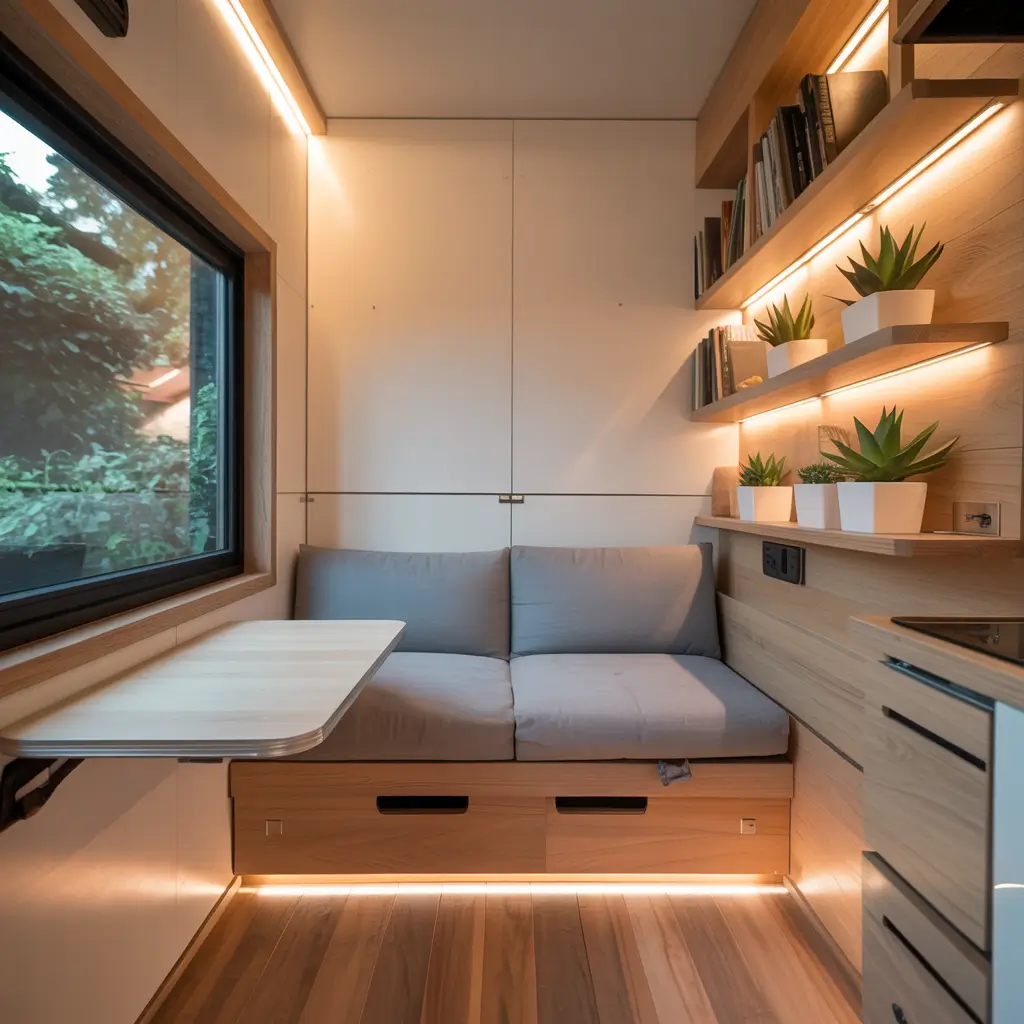
Ever wondered why L-shaped kitchens work so well? That same principle applies to entire tiny house floor plans, and the results prove pretty spectacular. The L-shaped layout creates natural zones within your space while maintaining an open feel.
How the L-Shape Creates Flow
The L-shaped floor plan arranges your living areas along two perpendicular walls, leaving the central space open and accessible. Typically, you might find the kitchen running along one arm of the L, while your sleeping or living area occupies the other. The bathroom usually tucks into the corner where the two arms meet.
This configuration creates a natural circulation path through your home and prevents that dreaded bowling-alley effect you sometimes see in rectangular tiny houses. You know what I mean—those long, narrow spaces where you feel like you’re living in a hallway.
Advantages of the L-Shaped Design
One major benefit of this layout involves the outdoor connection opportunities it creates. The L-shape naturally forms a protected corner that works beautifully for a small patio or outdoor living space. Add some potted plants and a couple of chairs, and you’ve essentially extended your living area beyond your walls.
The L-shape also offers flexibility in furniture placement. You’ve got corners to work with, which means you can position furniture in ways that feel intentional rather than forced. It’s a small thing, but it makes a huge difference in how your space feels day-to-day.
5. Tiny House with Foldable Furniture
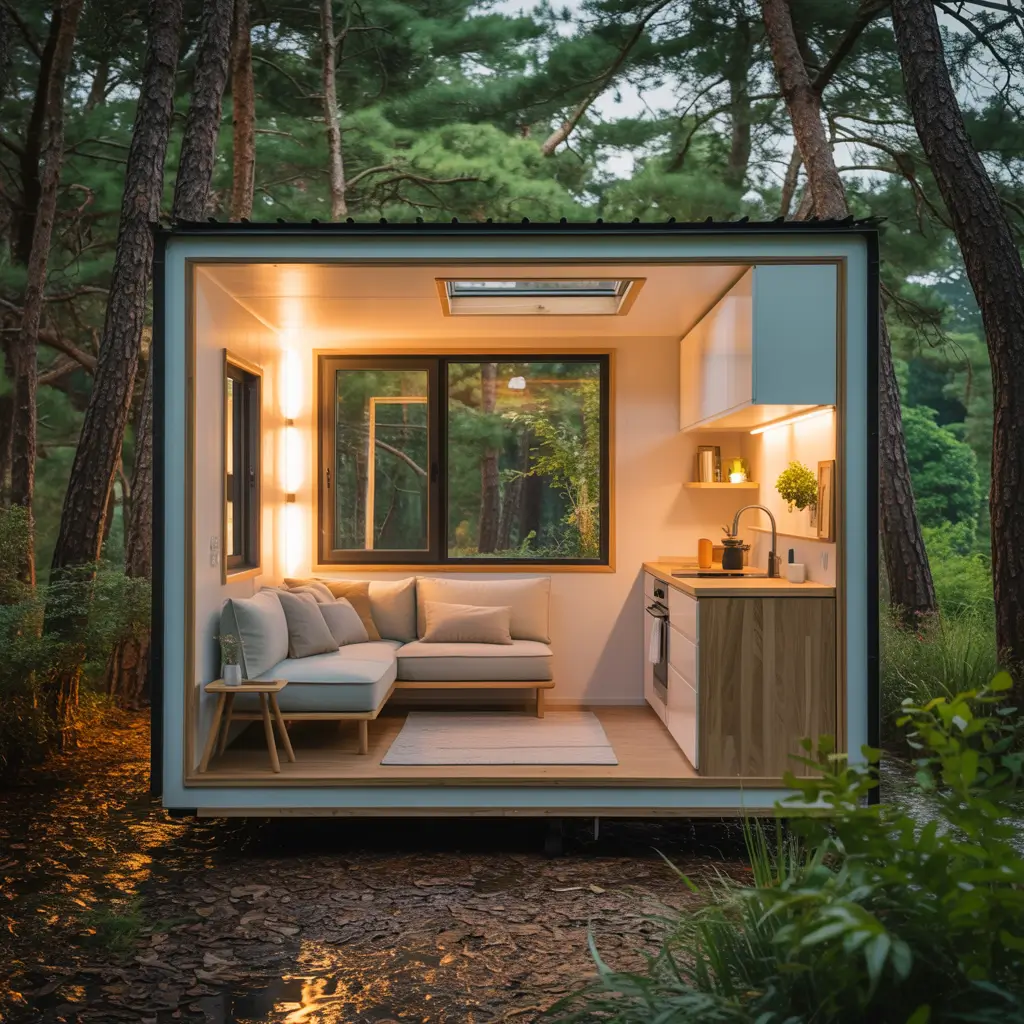
Now we’re getting into some seriously clever territory. The tiny house with foldable furniture takes adaptability to the next level, allowing your space to transform based on your needs throughout the day. It’s like living in a Transformer, but way cozier.
The Magic of Transforming Spaces
Imagine this scenario: you wake up in the morning and fold your Murphy bed up into the wall, instantly revealing a spacious living area. Your dining table unfolds from the wall when you need it, then tucks away when you don’t. Your workspace converts into your entertainment center with a few simple movements.
This isn’t science fiction—it’s just smart design. Companies have created incredibly sophisticated furniture systems specifically for tiny living, and when integrated thoughtfully into your floor plan, they can effectively double your usable space.
Key Foldable Features to Consider
When planning a tiny house around foldable furniture, focus on the items you use most frequently. For most people, this includes the bed, dining table, and workspace. These three elements typically consume the most square footage, so making them foldable creates the biggest impact.
I’ve personally become obsessed with Murphy beds that incorporate shelving or sofas. During the day, you’ve got a comfortable seating area with storage. At night, pull down the bed, and boom—instant bedroom. The first time I saw one of these in action, my mind was genuinely blown. It’s the kind of clever design that makes you wonder why everyone doesn’t live this way.
6. Studio-Style Tiny Home with Hidden Storage
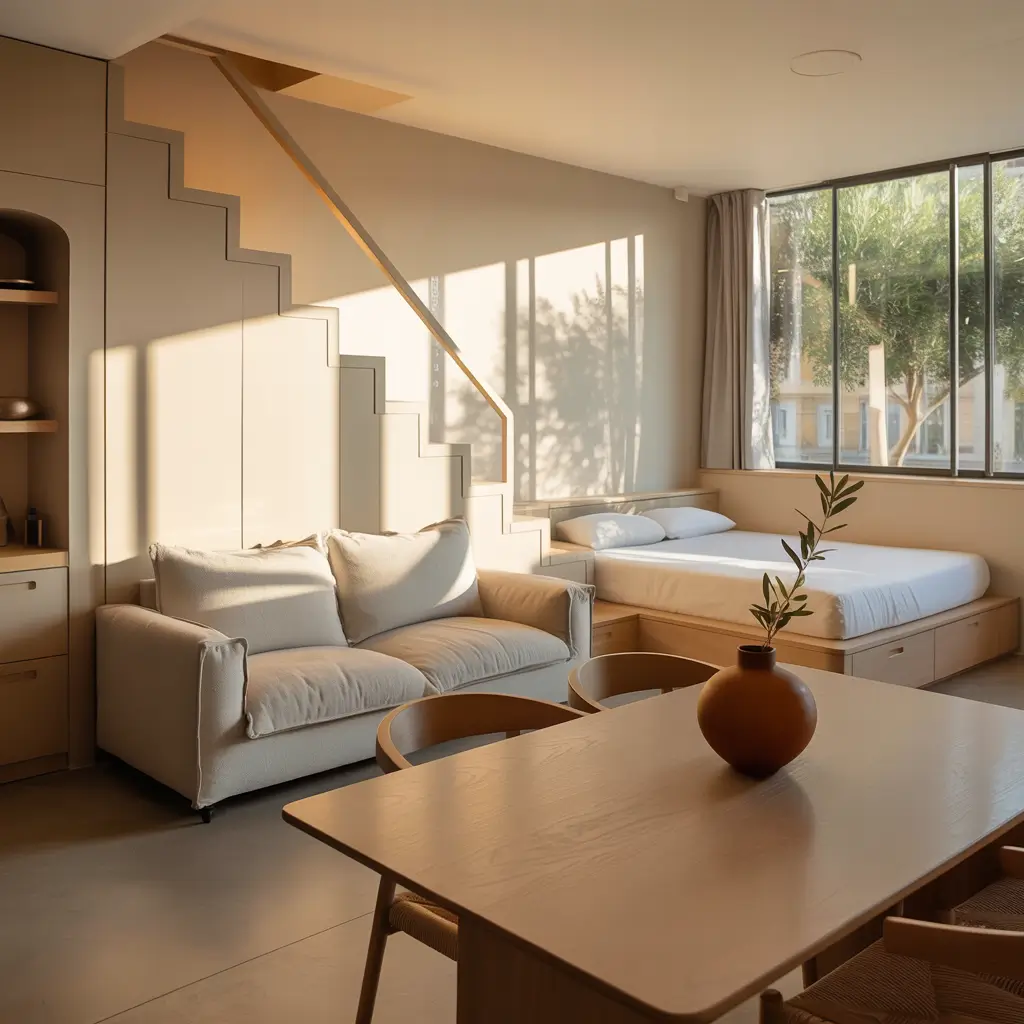
The studio-style tiny home takes inspiration from urban apartments and brings that efficiency to the tiny house world. But here’s where it gets interesting: this design goes absolutely wild with hidden storage solutions. We’re talking storage in places you never even knew storage could exist.
Embracing the Studio Lifestyle
Studio living means your entire home exists as one unified space, with your kitchen, living area, and bedroom all sharing the same room. The bathroom typically remains the only fully enclosed space, which makes sense because, well, privacy matters.
What separates the studio-style tiny home from the open concept design lies in the emphasis on hidden storage. Every surface potentially conceals compartments, drawers, or cubbies. Your stairs become drawers. Your platform bed hides bins underneath. Your walls contain recessed shelving that looks like art when not in use.
Genius Hidden Storage Ideas
Let me share some of my favorite hidden storage solutions that I’ve encountered in studio-style tiny houses. First, toe-kick drawers—those tiny spaces at the base of your kitchen cabinets that usually collect dust? Turn them into shallow drawers for flat items like cutting boards and baking sheets.
Second, consider ceiling-mounted storage for seasonal items. A simple pulley system can raise and lower bins that sit flush against the ceiling when not needed. It’s like having an invisible attic.
Third, furniture with secret compartments never gets old. Ottomans that open to reveal storage, coffee tables with lift-tops, and sofas with built-in side storage all contribute to keeping your studio space clean and clutter-free. The key lies in ensuring nothing looks like storage until you need it to. :/
Also Read: 10 Dreamy 2 Bedroom House Plans Ideas and Garden Spaces
7. Modern Tiny House with Rooftop Deck
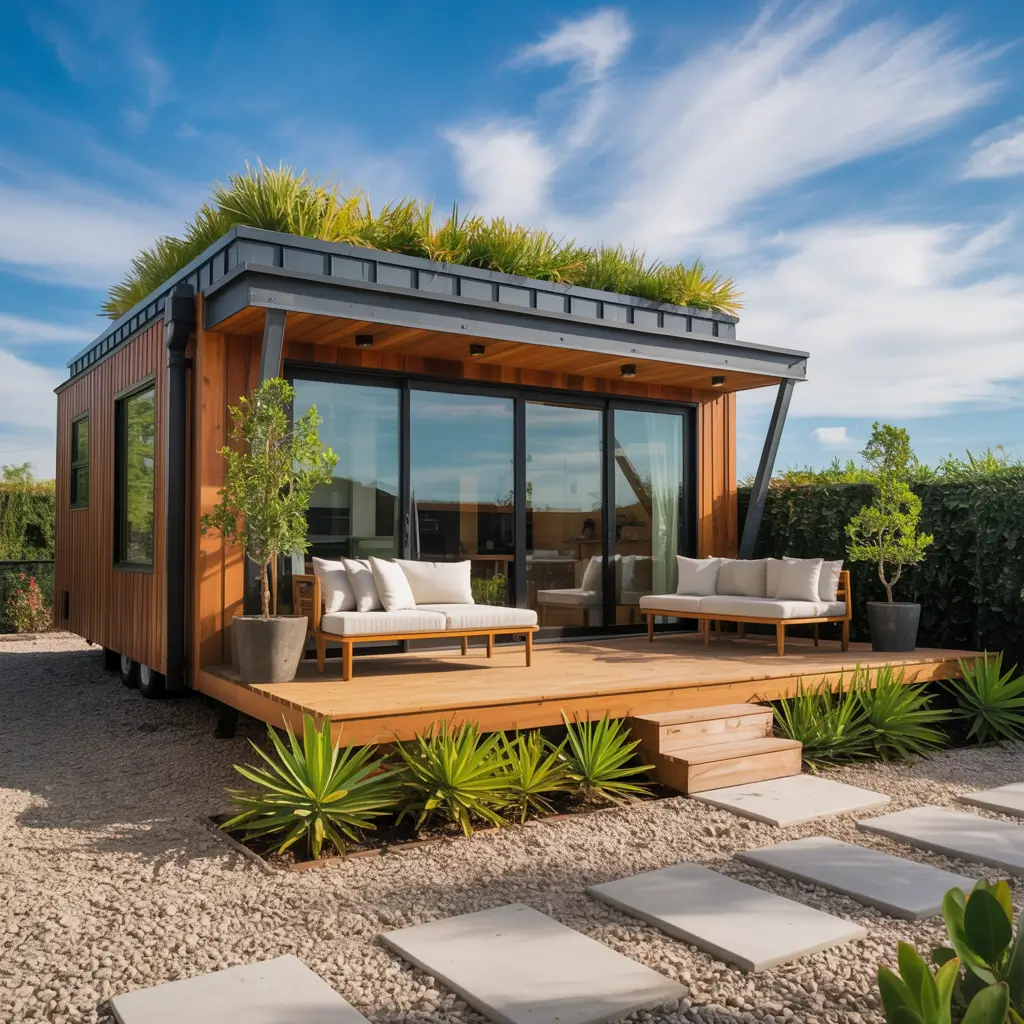
Why should your outdoor living space sit beside your tiny house when it could sit on top of it? The modern tiny house with rooftop deck takes advantage of your roof footprint, creating an additional living area that feels luxurious and slightly rebellious.
Taking Advantage of Vertical Space
The rooftop deck concept works especially well for tiny houses in locations where outdoor space comes at a premium. Urban environments, tight lots, or scenic locations where you want 360-degree views all benefit from this design approach.
Structurally, a rooftop deck requires careful planning. Your tiny house needs reinforced construction to support the additional weight of the deck, furniture, and people. But once properly engineered, you essentially double your living space with minimal additional footprint.
Design Considerations for Rooftop Living
Access to your rooftop deck matters enormously. Interior stairs eat into your floor space, so many designs incorporate exterior spiral staircases or ladders. Some creative builders have even integrated retractable stairs that fold away when not in use.
Weather protection also deserves consideration. A pergola or retractable awning can make your rooftop deck usable in various conditions, from intense sun to light rain. Add some outdoor furniture, string lights, and maybe a small grill, and you’ve created an enviable outdoor entertaining space that makes your friends’ backyards look basic.
Personally, I dream about having morning coffee on a rooftop deck, watching the sunrise with no neighbors blocking my view. There’s something incredibly freeing about that vision, and this floor plan makes it possible.
8. Tiny House with Sliding Partitions
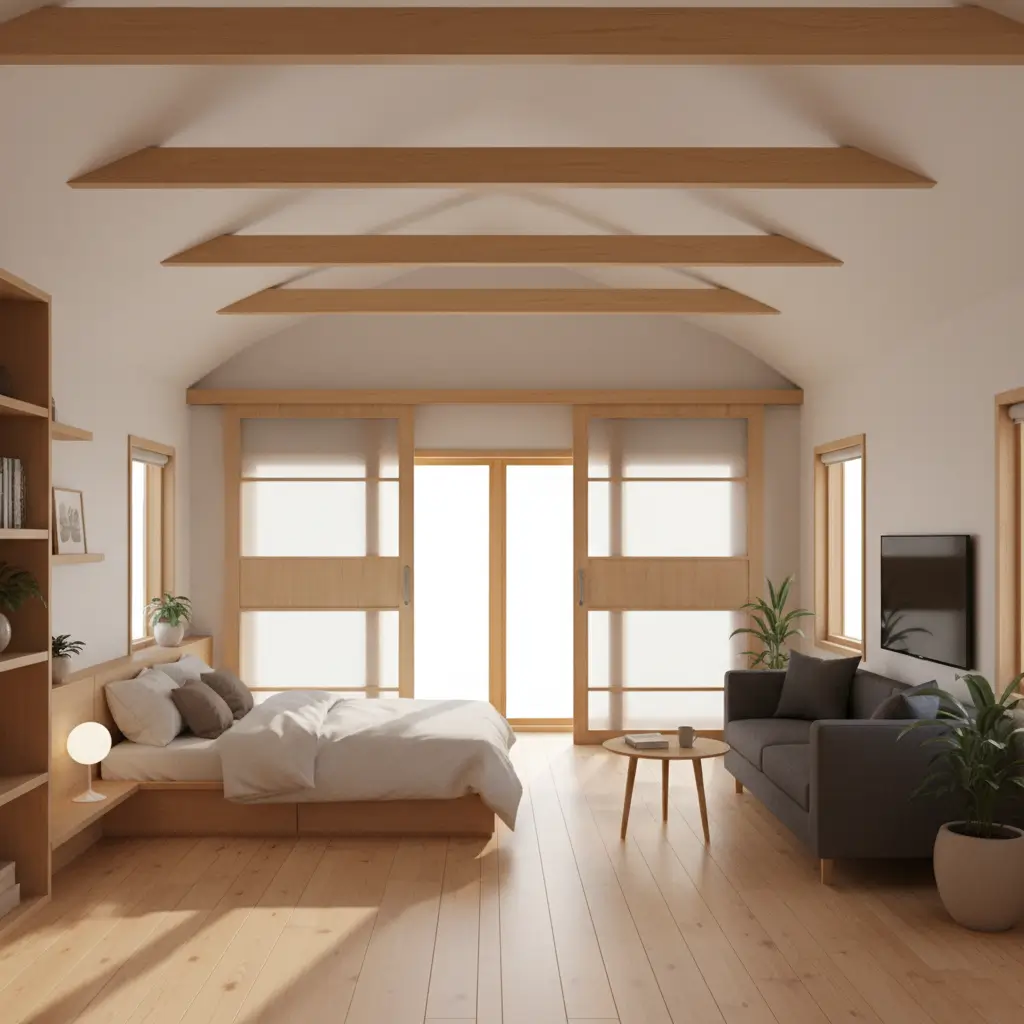
Flexibility remains the name of the game with this design, and sliding partitions deliver it in spades. This floor plan uses moveable walls to let you reconfigure your space based on what you need at any given moment.
The Power of Moveable Walls
Sliding partitions work on tracks mounted to the ceiling and floor, allowing you to open up or close off areas as needed. Want privacy while you work? Slide the partition closed to create a separate office. Hosting guests? Open everything up to maximize your social space.
The beauty of this approach lies in its adaptability. Your tiny house can genuinely function differently depending on the time of day, the activity you’re engaged in, or who’s visiting. It’s not a static space—it’s a dynamic environment that responds to your needs.
Materials and Styles for Sliding Partitions
Sliding partitions come in various materials, each offering different benefits. Solid wood panels provide complete privacy and sound dampening. Frosted glass allows light to pass through while maintaining visual separation. Barn-door style partitions add rustic charm and make a design statement.
I’ve even seen tiny houses with bookshelf partitions—the entire sliding wall functions as storage on both sides, so you get separation and organization in one feature. That’s the kind of efficiency that makes tiny house living not just tolerable but actually exciting.
9. Scandinavian-Inspired Cozy Tiny Home
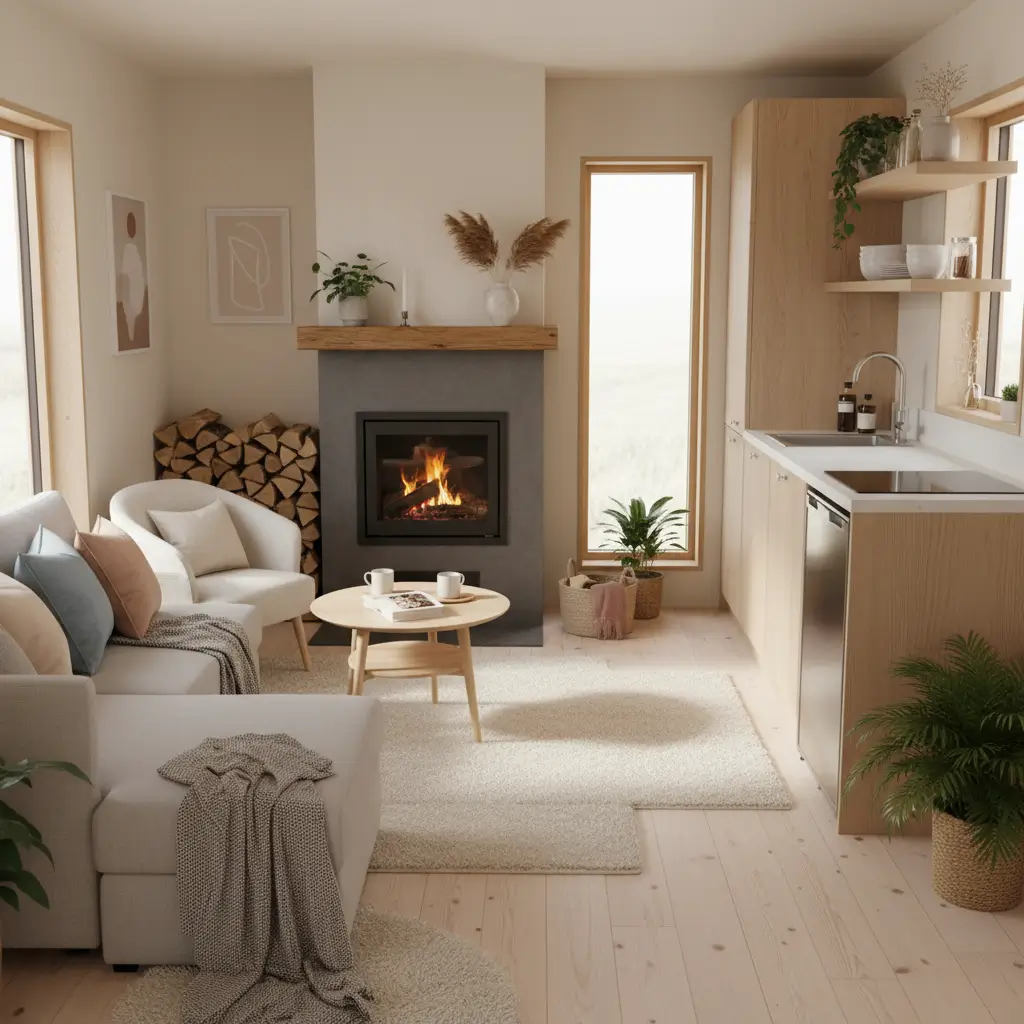
Let’s get hygge with it. The Scandinavian-inspired tiny home embraces the Nordic philosophy of creating warm, cozy spaces that promote wellbeing and contentment. Think natural materials, neutral colors, and an overall vibe that makes you want to curl up with a book and never leave.
Principles of Scandinavian Design
Scandinavian design emphasizes functionality, simplicity, and connection to nature. In a tiny house context, this translates to clean lines, ample natural light, and materials like light-colored wood, natural textiles, and minimal ornamentation.
The floor plan of a Scandinavian-inspired tiny home typically prioritizes windows and outdoor connections. Large windows, sometimes floor-to-ceiling, bring the outside in and make the space feel larger. The layout remains open but defined, with each zone flowing naturally into the next.
Creating That Cozy Feeling
Hygge—that Danish concept of coziness and comfortable conviviality—becomes the guiding principle for the interior design. This means soft textures, warm lighting, and spaces designed for relaxation and togetherness.
In practical terms, a Scandinavian tiny house might feature a window seat with built-in storage, perfect for reading on rainy days. The kitchen would incorporate natural wood countertops and open shelving displaying beautiful ceramics. The sleeping area would include layers of linen and wool textiles that invite you to snuggle in.
I find myself drawn to this aesthetic because it makes tiny living feel intentional rather than restrictive. You’re not sacrificing space—you’re curating an environment that supports your happiness. And honestly, isn’t that the whole point?
Also Read: 10 Elegant House Plans Ideas and Stylish Home Designs
10. Tiny House with Convertible Bedroom Space
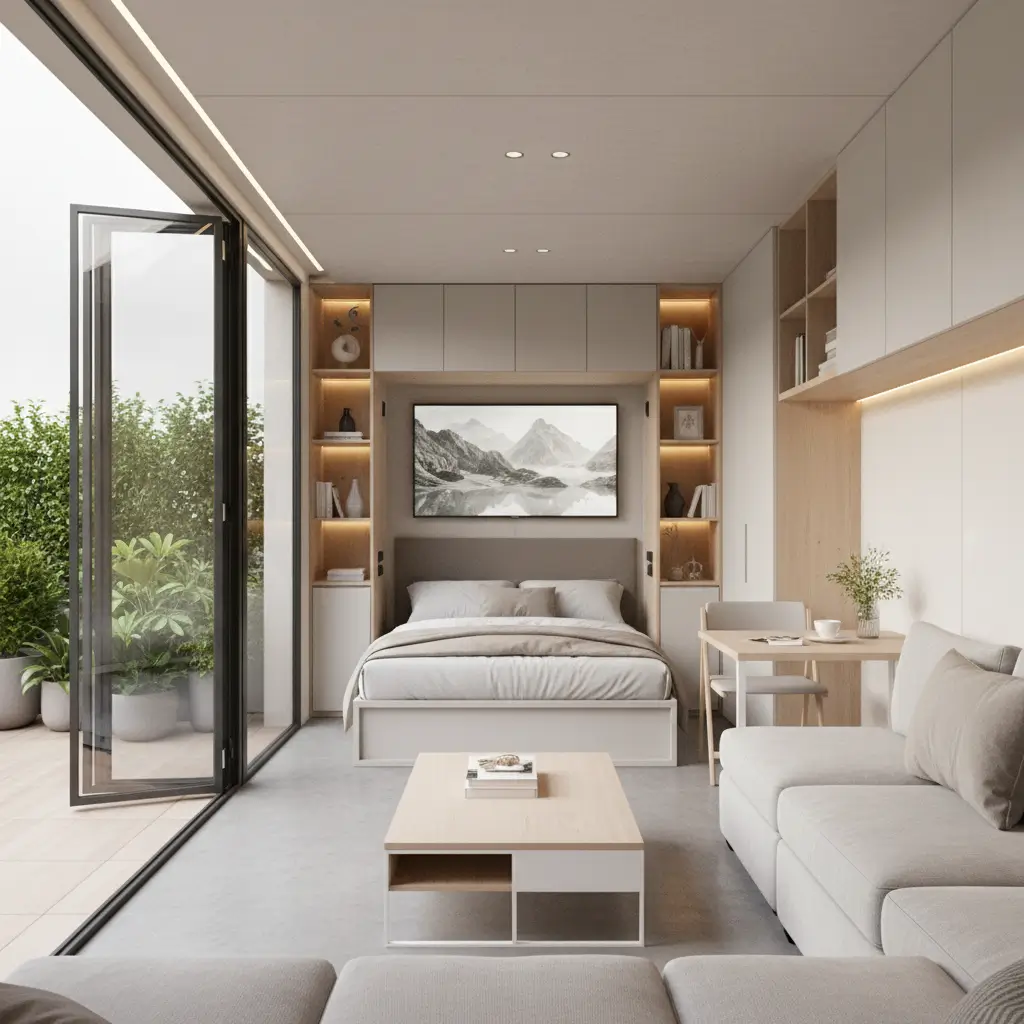
Our final floor plan idea tackles one of the biggest challenges in tiny living: how do you have a proper bedroom without dedicating permanent square footage to a room you only use for eight hours a day? The convertible bedroom space solves this problem elegantly.
How Convertible Bedrooms Function
A convertible bedroom space transforms from living area to sleeping quarters through various mechanisms. Murphy beds remain the most popular option, folding down from the wall when needed and revealing a comfortable sleeping surface. But other approaches exist too.
Some convertible designs use elevated platforms that slide or fold to create different configurations. Others incorporate furniture that literally transforms—a sofa that becomes a bed without feeling like a crappy sleeper sofa you’d find at your aunt’s house.
Making the Conversion Seamless
The key to successful convertible bedroom spaces lies in making the transition effortless. If converting your space takes more than a minute or two, you’ll probably stop doing it. Then you’re stuck with either a permanent bedroom or a bed that never gets put away.
I recommend focusing on systems that require minimal effort. Counterbalanced Murphy beds that you can lower with one hand. Sliding platforms that move on smooth tracks. Modular furniture pieces that click together without tools.
Also, don’t forget about bedding storage. The best convertible bedroom designs include dedicated spots for pillows, blankets, and sheets so everything has a home when the bed disappears. Otherwise, you end up with bedding piled in corners, which defeats the whole purpose.
Choosing the Right Floor Plan for Your Lifestyle
Alright, we’ve covered ten amazing tiny house floor plan ideas, but here’s the real talk: the best floor plan depends entirely on you. Your lifestyle, your habits, your needs—these factors should drive your decision more than any Pinterest board or Instagram influencer.
Start by asking yourself some honest questions. Do you work from home and need dedicated office space? Do you love hosting dinner parties or prefer quiet nights alone? Are you a minimalist at heart or a collector of beloved objects? Do you have mobility considerations that affect how you move through spaces?
Your answers will guide you toward the floor plans that actually make sense for your life. A single remote worker might thrive in the studio-style layout, while a couple who loves entertaining might need the expandability of sliding partitions or a rooftop deck.
Final Thoughts on Tiny House Floor Plans
Listen, choosing a tiny house floor plan feels overwhelming at first. So many options, so many considerations, and so much at stake when you’re committing to living in a small space.
But here’s what I want you to remember: there’s no perfect floor plan, only the plan that’s perfect for you.
Take your time exploring these ideas. If possible, visit actual tiny houses using different floor plans to see how they feel in person.
Trust your instincts about what works for your lifestyle, and don’t let anyone tell you there’s a “right” way to do tiny living.
The tiny house movement celebrates individuality and intentionality. Your floor plan should reflect who you are and how you want to live.
Whether you choose a lofted design that maximizes vertical space, a convertible layout that adapts to your needs, or a Scandinavian-inspired retreat that wraps you in coziness, make sure it’s a choice that brings you joy every single day.
Now get out there and start planning your tiny dream home. Trust me, the view from inside a perfectly designed tiny house is pretty spectacular—even if that view only spans 200 square feet. Happy planning!