10 Creative Modern House Floor Plans Ideas for Stylish Living
- House Plans
 Ben
Ben- 0
- 33 minutes read
You know that feeling when you walk into a perfectly designed modern home and everything just clicks?
The flow feels effortless, the spaces connect beautifully, and you can’t help but think, “Why can’t my house feel like this?” Well, my friend, it all starts with the floor plan.
I’ve spent countless hours obsessing over modern house designs, and let me tell you—the floor plan makes or breaks everything.
You could have the most expensive finishes and designer furniture in the world, but if your layout doesn’t work, you’ll feel frustrated every single day.
Trust me, I learned this the hard way when I fell in love with a house that looked stunning but had the most impractical flow imaginable.
So let’s dive into ten modern house floor plan ideas that actually work for real life. These aren’t just pretty pictures—they’re thoughtfully designed layouts that balance style with functionality.
Whether you’re planning to build, renovate, or just dreaming about your perfect home, these ideas will give you serious inspiration.
What Makes a Floor Plan Truly Modern
Before we explore specific layouts, let’s talk about what separates modern floor plans from traditional designs. Modern architecture isn’t just about clean lines and minimalist aesthetics—it’s about creating spaces that support how we actually live today.
Modern floor plans prioritize open, flowing spaces over compartmentalized rooms. They blur the boundaries between indoor and outdoor living. They incorporate technology seamlessly and emphasize natural light as a design element. Most importantly, they adapt to changing needs rather than forcing you to adapt to rigid room functions.
The best modern floor plans also consider sustainability and efficiency. They position rooms to maximize natural heating and cooling. They minimize wasted hallway space and create multipurpose areas that serve different functions throughout the day.
1. Open Concept Modern Living Floor Plan
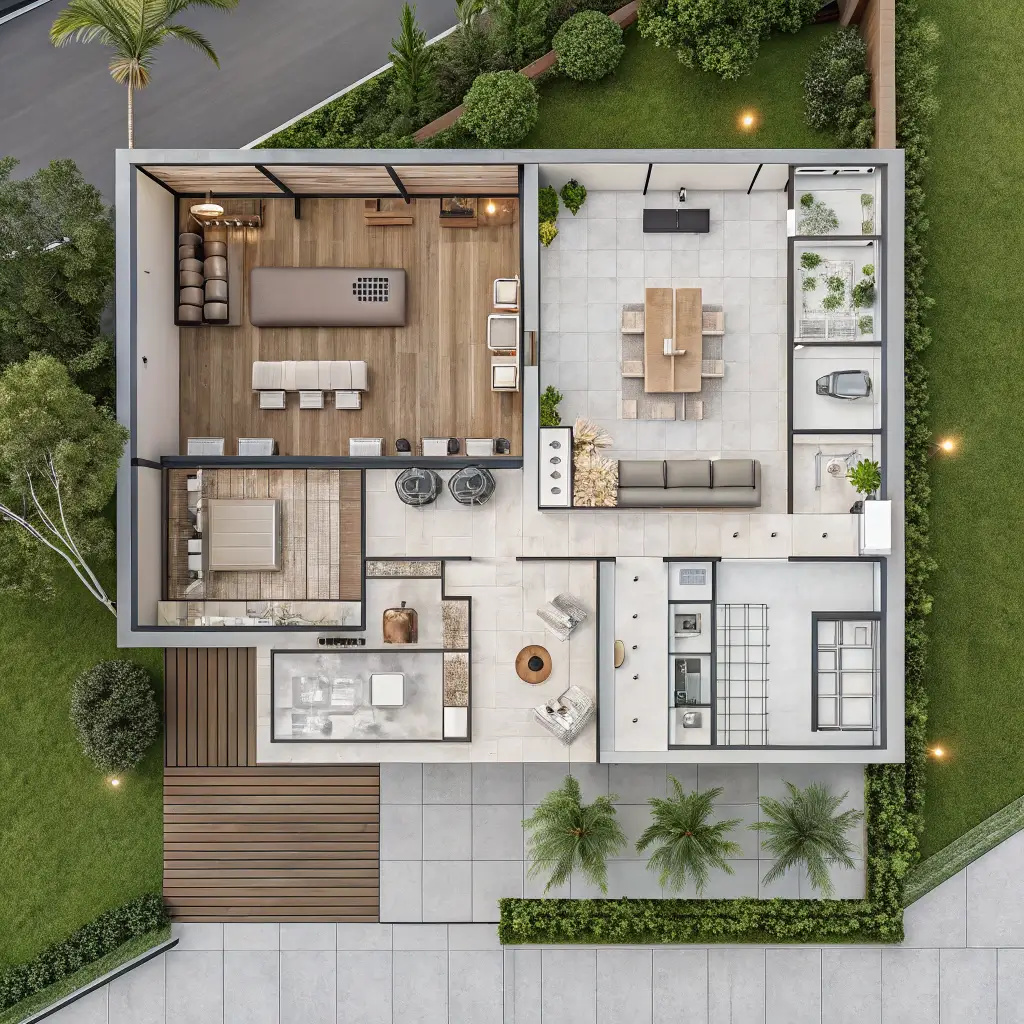
Let’s start with the granddaddy of modern floor plans—the open concept design. This layout removes walls between the kitchen, dining, and living areas to create one expansive social space.
Why Open Concept Works So Well
The open concept approach reflects how families actually spend time together. Instead of isolating the cook in a separate kitchen, everyone gathers in one flowing space. Parents can supervise homework while preparing dinner. Hosts can entertain guests without disappearing into another room.
I remember visiting a friend’s open concept home for the first time and being amazed at how spacious it felt, even though the square footage wasn’t particularly large. The absence of walls created sightlines that made the entire main floor feel connected and airy.
Key Design Elements
Successful open concept plans use subtle strategies to define different zones without walls. A kitchen island creates a natural boundary between cooking and living areas. Changes in flooring material or ceiling height signal transitions between spaces. Strategic furniture placement guides traffic flow and creates intimate conversation areas within the larger space.
The challenge with open concept designs lies in managing noise and maintaining some sense of privacy. The best plans include quiet retreat spaces—a home office, reading nook, or separate family room—where people can escape when needed.
Making Open Concept Work for Your Family
Consider your lifestyle honestly before committing to full open concept living. Do you love having everyone together, or do you sometimes crave separate spaces? Do cooking smells bother you when they travel throughout the house? These practical considerations should guide your decision.
2. Courtyard-Centered Modern House Layout
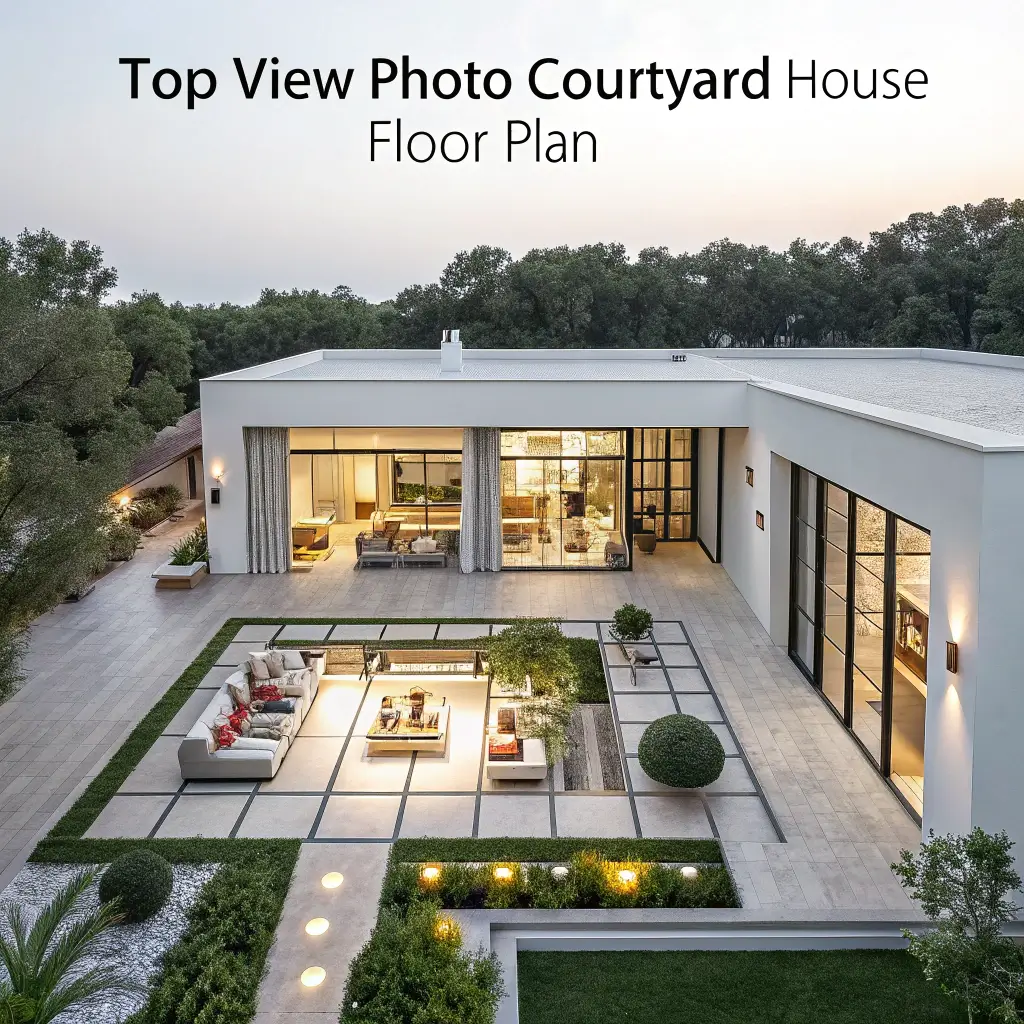
Here’s where modern design gets really interesting. Courtyard-centered floor plans organize rooms around a central outdoor space, creating a prive oasis that brings nature into the heart of your home.
The Magic of Central Courtyards
A central courtyard transforms how you experience your home. Instead of looking out at neighboring houses or busy streets, your main living spaces face a private garden. Natural light pours in from multiple directions, and the outdoor space becomes an extension of your interior rooms.
This design works particularly well in urban environments where privacy comes at a premium. The courtyard creates a buffer from street noise while providing that connection to nature we all crave.
Room Arrangement Around the Courtyard
Courtyard plans typically position public spaces—living room, kitchen, dining area—along one side of the courtyard for easy indoor-outdoor entertaining. Bedrooms might occupy the opposite side, with windows facing the peaceful garden rather than busy streets.
The master suite often gets prime courtyard access, sometimes with sliding glass doors that open directly onto a private section of the outdoor space. Imagine starting your day with coffee in your own secret garden—pretty appealing, right?
Climate Considerations
Courtyard designs work best in temperate climates where you can enjoy outdoor spaces year-round. In colder regions, you might need to modify the concept with covered walkways or enclosed courtyards that still provide visual connection to nature.
3. L-Shaped Modern Home Floor Plan
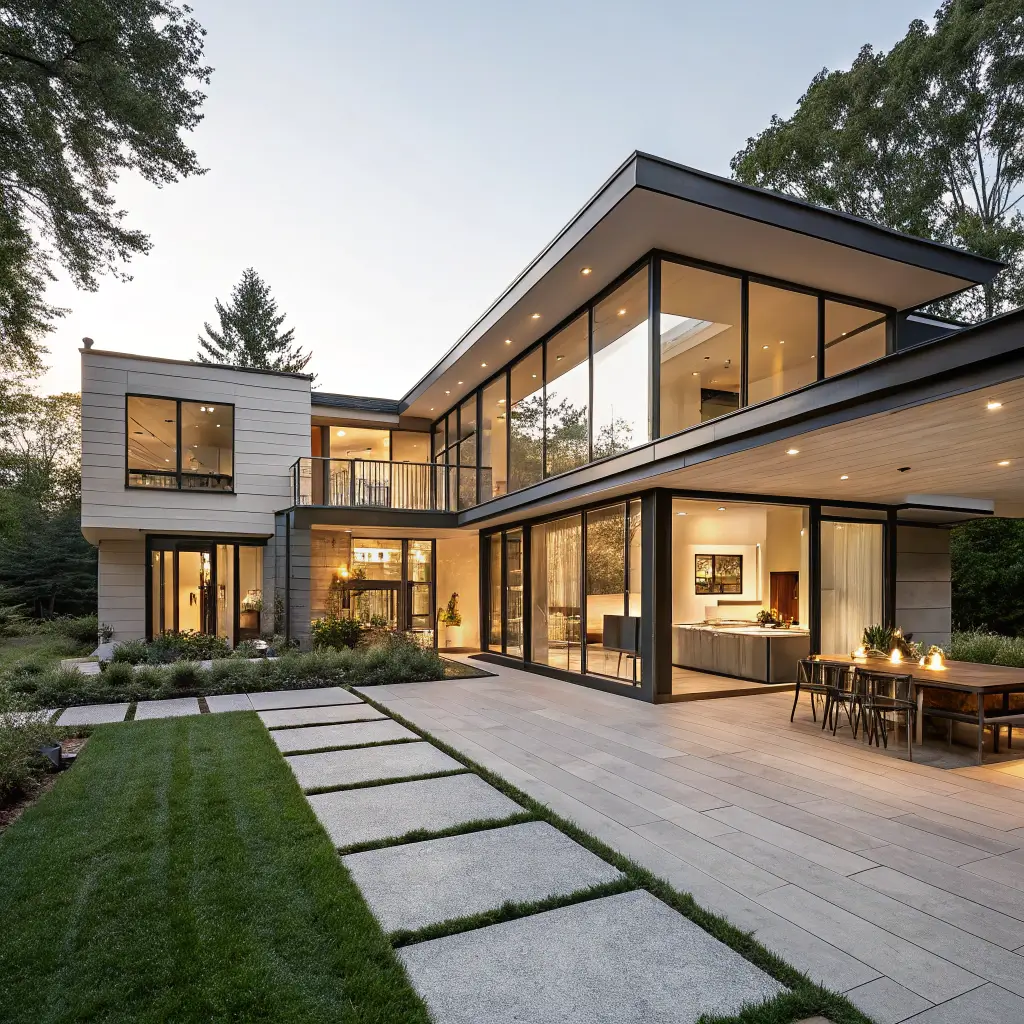
The L-shaped floor plan offers a perfect compromise between open living and defined spaces. This layout creates natural zones while maintaining visual connections throughout the home.
How L-Shapes Create Natural Flow
An L-shaped plan typically positions public spaces along one arm of the L and private spaces along the other. This arrangement provides excellent separation between family living areas and guest spaces or between adult and children’s zones.
The corner where the two arms meet often becomes the heart of the home—usually the kitchen and main living area. This central position allows easy access to all parts of the house while creating a natural gathering spot.
Outdoor Space Advantages
One of my favorite aspects of L-shaped plans involves the outdoor space they create. The protected corner formed by the two arms makes an ideal location for a patio, pool, or garden area. This outdoor room feels private and intimate while remaining connected to the interior spaces.
The L-shape also allows for multiple outdoor access points, so you can step outside from various rooms rather than having to walk through the entire house to reach your backyard.
Flexibility in Room Arrangement
L-shaped plans offer tremendous flexibility in how you arrange different functions. You might put bedrooms in one arm and living spaces in the other. Or you could dedicate one arm to a master suite with home office while the other contains family areas and guest rooms.
This flexibility makes L-shaped plans particularly appealing for families with changing needs or those who work from home and need dedicated office space.
Also Read: 10 Creative Dream House Plans Ideas and Functional Homes
4. Minimalist Single-Story Modern Plan
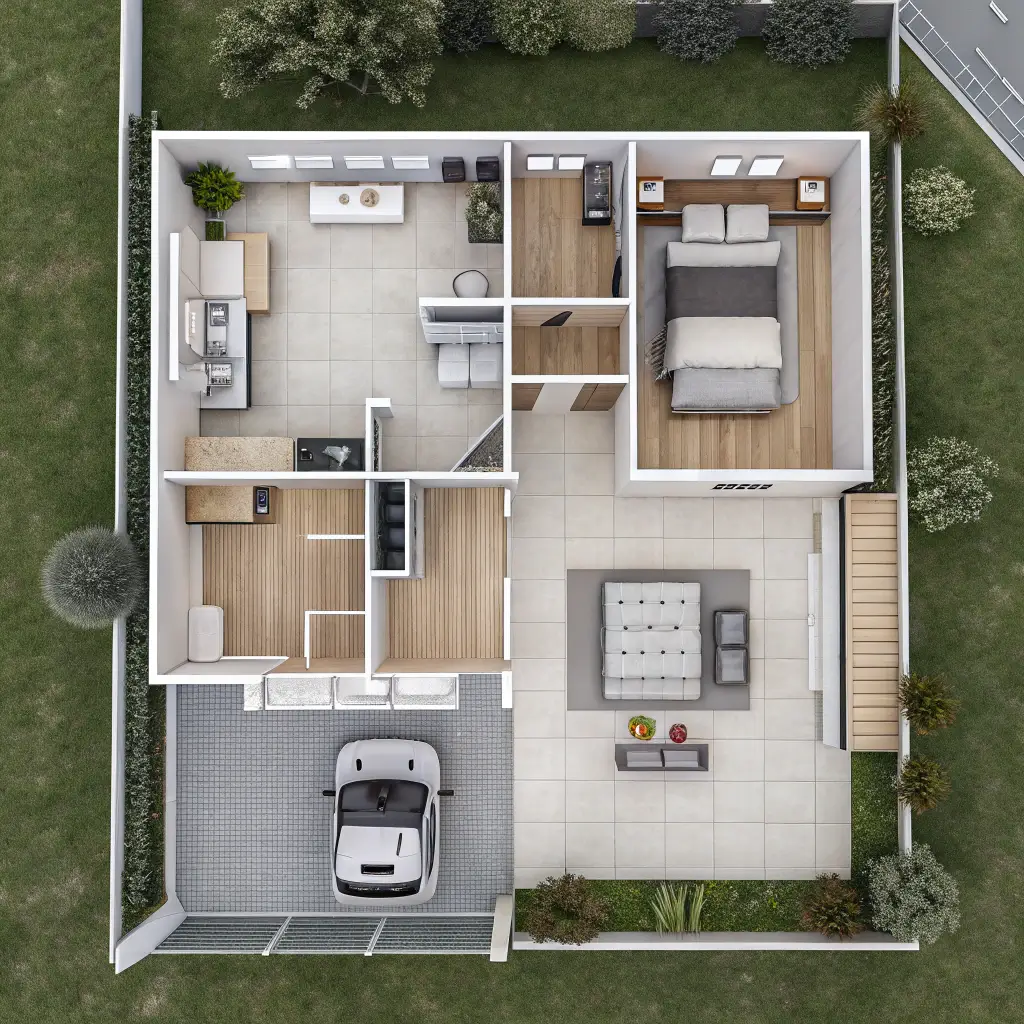
Sometimes the most sophisticated solution involves stripping away everything unnecessary. Minimalist single-story plans embrace simplicity while creating surprisingly spacious and serene living environments.
The Appeal of Single-Story Living
Single-story homes eliminate the need for stairs, making them accessible for all ages and abilities. They also tend to feel more connected to outdoor spaces since you’re not elevated above ground level.
From a design perspective, single-story plans allow for dramatic ceiling treatments—vaulted ceilings, exposed beams, or clerestory windows that wouldn’t work in multi-story homes. The result often feels more spacious than you’d expect from the square footage.
Maximizing Space in Minimal Footprints
Minimalist plans achieve spaciousness through careful editing rather than sheer size. They eliminate hallways by having rooms flow directly into one another. They use built-in storage to reduce furniture needs. They position windows strategically to create cross-ventilation and abundant natural light.
I toured a 1,200-square-foot minimalist home that felt larger than many 2,000-square-foot traditional houses I’d seen. The secret lay in the uncluttered sightlines and thoughtful proportions that made every space feel generous.
Storage Solutions in Minimal Designs
The biggest challenge in minimalist plans involves hiding all the stuff we accumulate. Successful designs incorporate extensive built-in storage that maintains clean lines while providing practical organization.
Think floor-to-ceiling closets with seamless doors, kitchen islands with hidden compartments, and window seats that lift to reveal storage underneath. The goal involves keeping surfaces clear while ensuring everything has a designated home.
5. Modern Split-Level Floor Plan Design
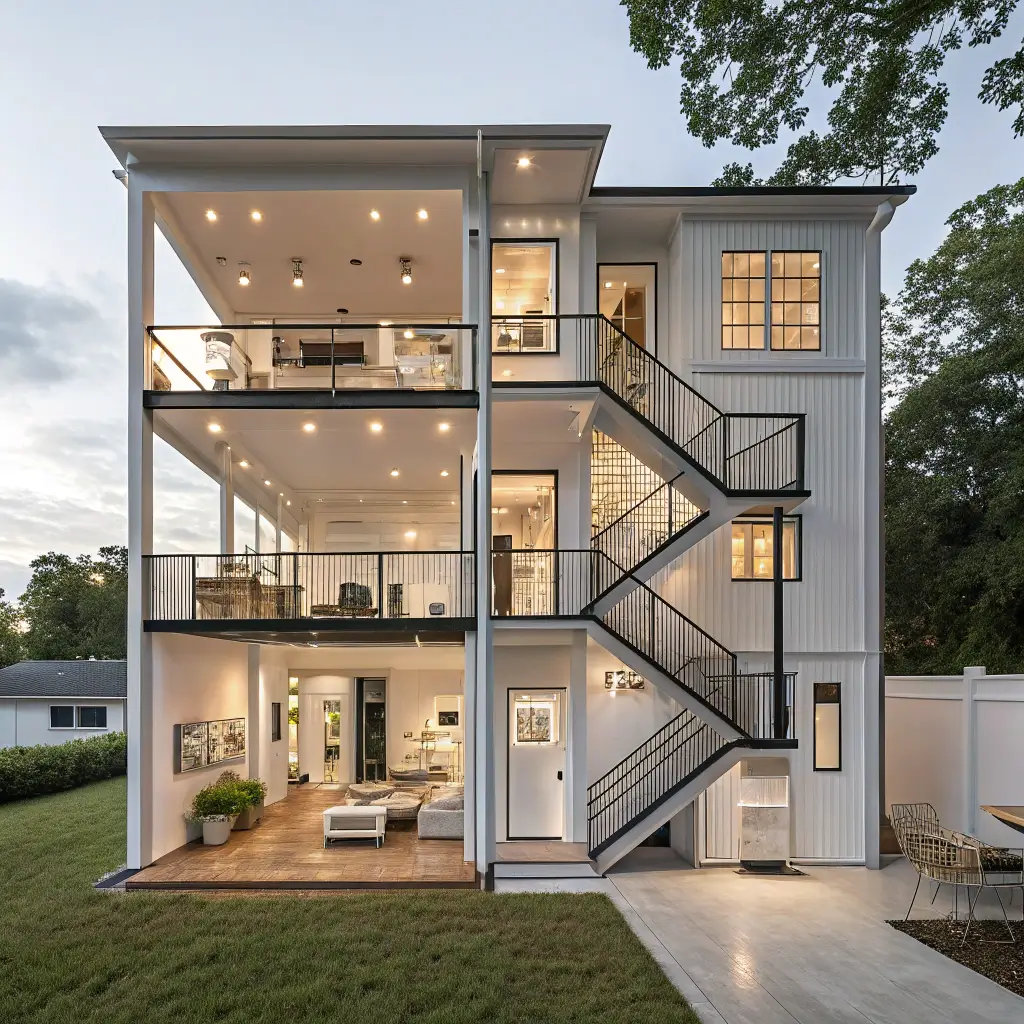
Split-level homes got a bad rap in the past, but contemporary architects have reimagined this concept for modern living. Today’s split-level plans create interesting spatial relationships while maintaining practical functionality.
Reimagining the Split-Level Concept
Modern split-level designs use level changes to create distinct zones without walls. You might step down into a sunken living room or up to an elevated dining area. These subtle transitions define spaces while maintaining visual connections throughout the home.
The key difference from 1970s split-levels lies in the execution. Modern versions emphasize open sightlines, natural materials, and seamless indoor-outdoor connections rather than the compartmentalized, dark layouts of the past.
Creating Drama Through Level Changes
Level changes add architectural interest that flat floor plans sometimes lack. A few steps up to the master suite create a sense of retreat and privacy. A sunken family room feels cozy and intimate while remaining connected to adjacent spaces.
These vertical relationships also allow for interesting ceiling treatments. The area above a sunken living room might feature a dramatic double-height space, while lower-ceiling areas feel more intimate and cozy.
Practical Considerations
Split-level plans work best when the level changes feel natural rather than arbitrary. They should respond to the site’s topography or create functional benefits like better views or improved privacy.
Consider accessibility needs carefully with split-level designs. While a few steps might not seem significant now, they could become challenging later in life. The best plans include options for future modifications if needed.
6. Narrow Lot Modern House Plan
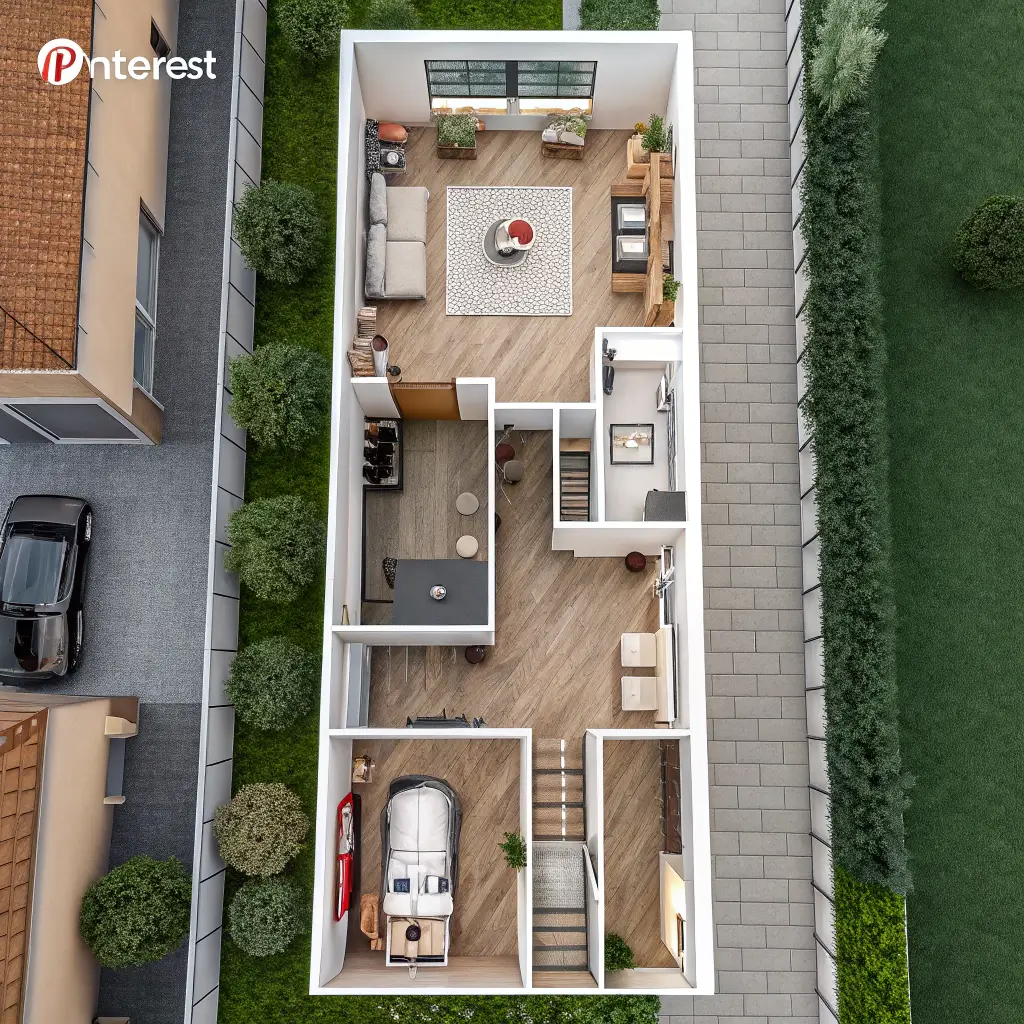
Urban living often means working with challenging lot dimensions. Narrow lot plans prove that constraints can inspire creative solutions that feel anything but cramped.
Strategies for Narrow Sites
Narrow lot plans typically organize rooms in a linear arrangement, but smart design prevents the dreaded “bowling alley” effect. Varying ceiling heights, strategic window placement, and carefully positioned courtyards or light wells break up long sightlines.
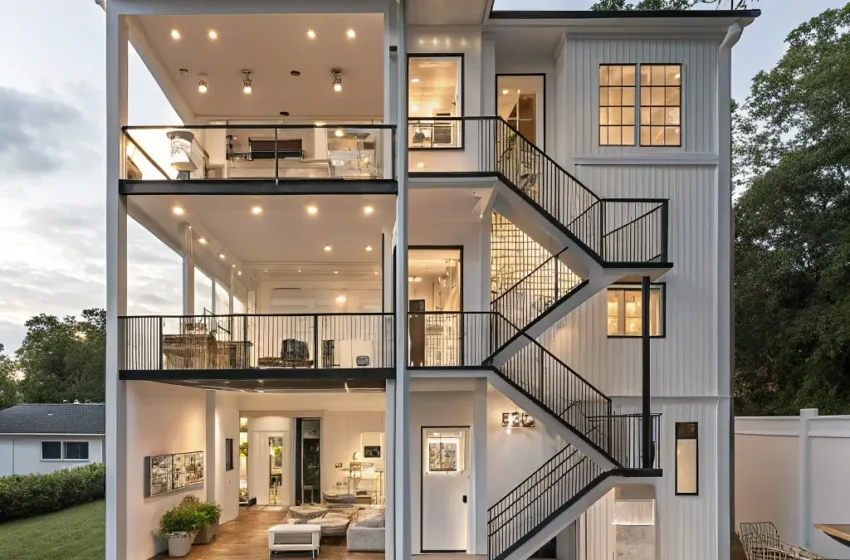
Multi-story designs work particularly well on narrow lots, allowing you to achieve adequate square footage without consuming the entire lot width. This leaves space for side yards that provide natural light and privacy.
Maximizing Natural Light
Light becomes crucial in narrow homes where windows might only face front and back. Skylights, clerestory windows, and internal courtyards bring daylight into the center of the home.
I’ve seen narrow lot homes that use light wells or small courtyards to illuminate interior spaces beautifully. These features require careful planning but transform what could feel like dark, cramped spaces into bright, airy homes.
Creating Privacy on Tight Sites
Narrow lots often mean close neighbors, making privacy a key concern. Modern narrow lot plans use strategic window placement, landscaping, and architectural elements to create private outdoor spaces and shield interior rooms from neighboring views.
Rooftop decks or terraces can provide outdoor living space when ground-level yards aren’t practical. These elevated outdoor rooms often offer better views and more privacy than traditional backyards.
Also Read: 12 Elegant 4 Bedroom House Plans Ideas That Inspire Living
7. Indoor-Outdoor Modern Living Layout
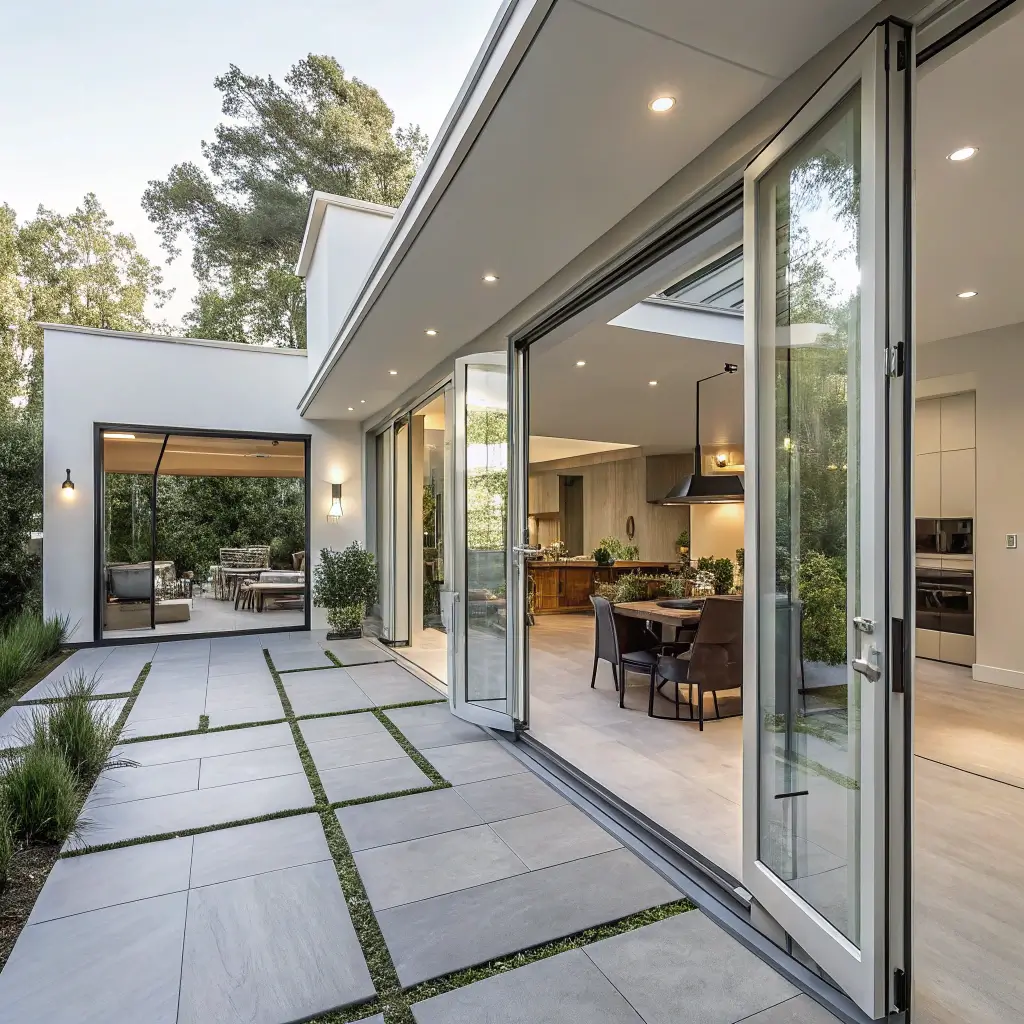
Modern architecture excels at blurring the boundaries between interior and exterior spaces. These floor plans treat outdoor areas as additional rooms rather than afterthoughts.
Seamless Transitions
The best indoor-outdoor plans use large sliding glass doors, consistent flooring materials, and aligned ceiling planes to create seamless transitions between inside and outside. When the doors open, the spaces truly become one.
Covered outdoor areas extend the usable space regardless of weather. A covered patio or loggia provides shelter while maintaining that outdoor feeling. These transitional spaces often become the most-used areas of the home.
Climate-Responsive Design
Indoor-outdoor living works differently in various climates, and smart plans respond accordingly. In warm regions, outdoor kitchens and living rooms extend the home’s functionality. In cooler areas, three-season rooms or enclosed porches provide outdoor connections while offering weather protection.
Outdoor Room Functions
Think beyond basic patios when planning outdoor spaces. Outdoor kitchens, fire pits, dining areas, and even outdoor offices expand your home’s functionality. These spaces should feel as thoughtfully designed as interior rooms.
FYI, the most successful indoor-outdoor plans consider how you’ll actually use these spaces throughout the year. A beautiful outdoor dining area that’s unusable for six months might not be the best investment.
8. Modern Home with Private Zoning Plan
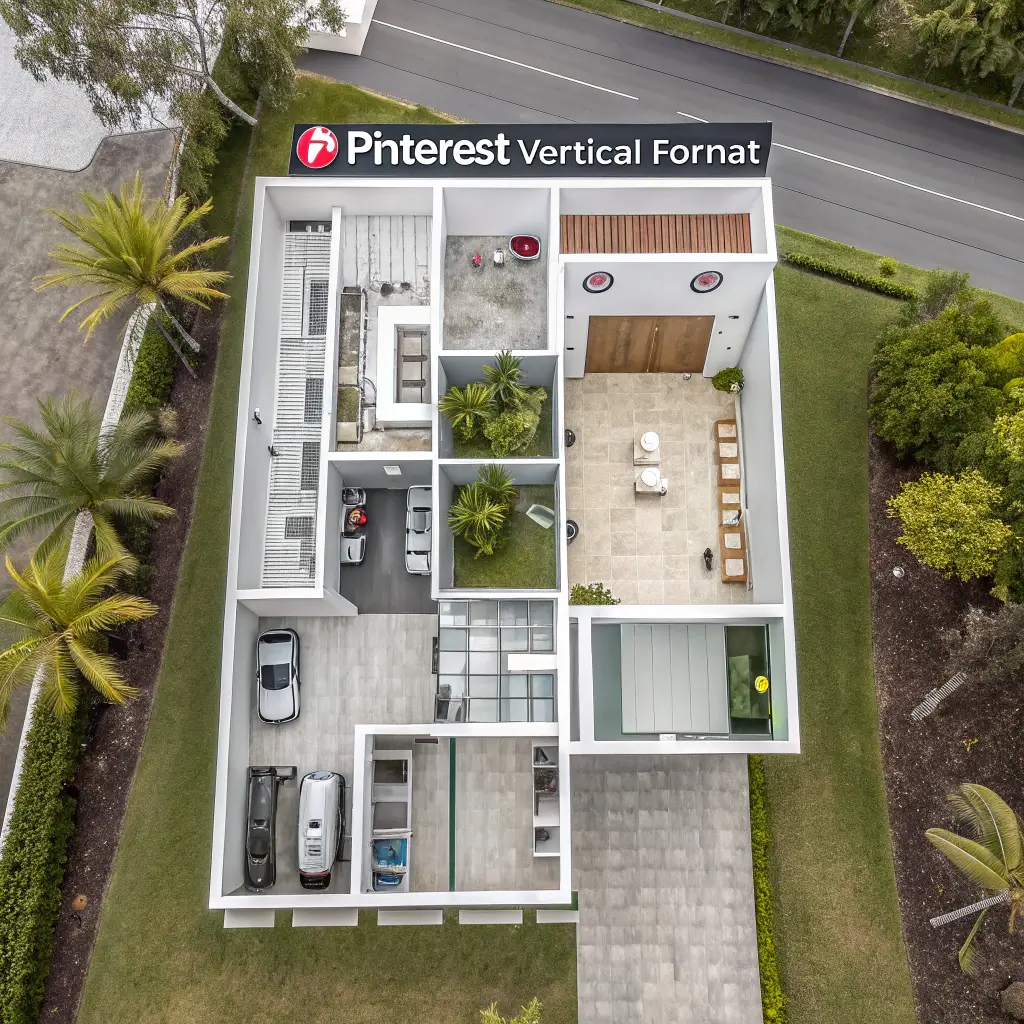
Privacy matters, even in open modern homes. Smart zoning plans create distinct areas for different activities while maintaining the flowing feel that makes modern design so appealing.
Separating Public and Private Spaces
Effective zoning plans clearly separate public areas where you entertain guests from private family spaces. The master suite might occupy one wing while children’s bedrooms cluster in another area. Common spaces sit between these zones, accessible to everyone but not disrupting private retreats.
This separation becomes particularly important for families with teenagers or those who frequently entertain. You want guests to feel welcome in public areas without intruding on private family life.
Creating Quiet Zones
Modern homes need spaces for concentration and relaxation. A home office positioned away from family activity areas allows for productive work. A reading nook or meditation space provides retreat from busy household energy.
These quiet zones don’t need to be large—even a small alcove with good lighting and comfortable seating can provide the mental separation we sometimes need.
Flexible Boundaries
The best zoning plans use flexible boundaries that can adapt to changing needs. Sliding panels, moveable furniture, or pocket doors allow spaces to open up for large gatherings or close off for privacy when needed.
9. Compact Modern Family Floor Plan
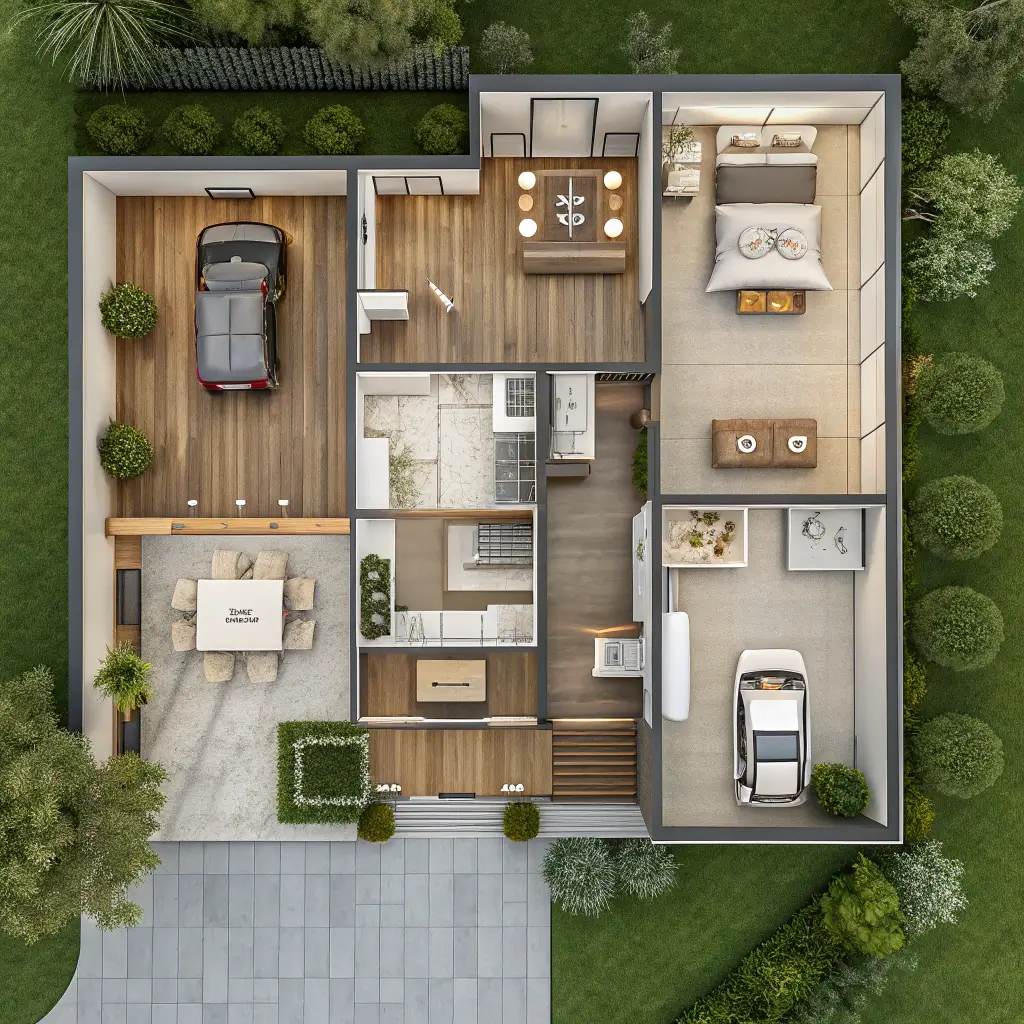
Modern design principles work beautifully in compact homes when applied thoughtfully. These plans prove that you don’t need massive square footage to live comfortably and stylishly.
Efficiency Without Compromise
Compact modern plans eliminate wasted space while ensuring every area serves multiple functions. A kitchen island provides cooking workspace, storage, and casual dining. A living room doubles as a home office with built-in desk areas.
The key lies in choosing quality over quantity. Better to have fewer, well-designed spaces than many cramped rooms that don’t function well.
Smart Storage Integration
Storage becomes critical in compact homes, and modern plans integrate it seamlessly into the architecture. Built-in benches provide seating and storage. Stair risers become drawers. Window seats hide seasonal items.
I love seeing compact homes where storage solutions feel like intentional design elements rather than afterthoughts. When done well, they enhance rather than detract from the overall aesthetic.
Multi-Functional Spaces
Compact plans require rooms to serve multiple purposes. A guest bedroom doubles as a home office. The dining area transforms into a homework station. Outdoor spaces extend living areas when weather permits.
This flexibility requires careful furniture selection and thoughtful layout planning, but the result can feel surprisingly spacious and highly functional.
Also Read: 10 Inspiring Tiny House Floor Plans Ideas for Minimalist Homes
10. Luxury Modern Floor Plan with Clean Lines
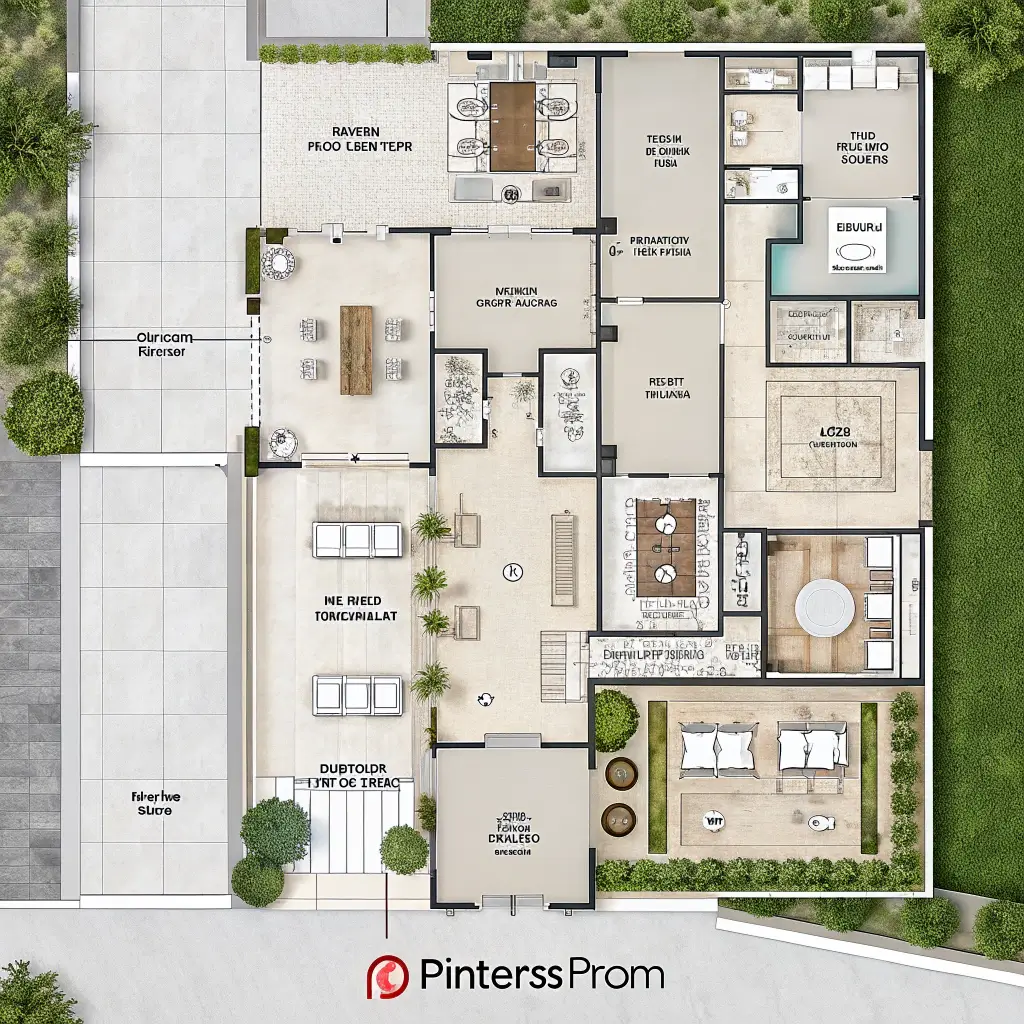
Let’s end with something aspirational—luxury modern plans that showcase how clean, minimal design can feel incredibly sophisticated and comfortable.
Defining Modern Luxury
Modern luxury isn’t about ornate details or excessive square footage. It’s about exceptional materials, perfect proportions, and spaces that feel effortlessly elegant. Think natural stone, custom millwork, and architectural details that enhance rather than overwhelm.
The most luxurious modern homes often feel surprisingly simple. The complexity lies in the quality of execution rather than the number of decorative elements.
Spa-Like Master Suites
Luxury modern plans typically feature master suites that feel like private retreats. Walk-in closets with custom organization systems. Bathrooms with soaking tubs, walk-in showers, and double vanities. Sitting areas or private terraces that extend the bedroom experience.
These spaces prioritize comfort and serenity over flashy features. The luxury comes from the quality of materials and the thoughtfulness of the design.
Entertainment-Focused Layouts
Luxury plans often include dedicated entertainment spaces—wine cellars, media rooms, or outdoor kitchens designed for serious entertaining. These spaces feel integrated into the overall design rather than tacked on as afterthoughts.
The best luxury modern homes balance impressive entertaining spaces with intimate family areas. You want to wow guests while maintaining comfortable daily living for your family. 🙂
Choosing the Right Modern Floor Plan for Your Life
We’ve covered a lot of ground here, from open concept layouts to luxury designs. But how do you choose the right modern floor plan for your specific situation?
Start by honestly assessing how you live. Do you love having everyone together, or do you need quiet retreat spaces? Do you entertain frequently or prefer intimate family time?
Do you work from home or travel constantly? Your lifestyle should drive your floor plan decisions more than any design trend.
Consider your lot and climate too. A courtyard plan might be perfect in California but impractical in Minnesota. Indoor-outdoor living works differently in various regions, and your plan should respond to local conditions.
Think about the future as well. How might your needs change over the next decade? Plans that can adapt to evolving requirements often prove more satisfying long-term than those designed for current needs alone.
Making Modern Floor Plans Work in Real Life
The most beautiful floor plan in the world won’t work if it doesn’t support your daily routines. Pay attention to practical details like storage, traffic flow, and acoustic privacy.
These unglamorous considerations often determine whether you love or hate living in your home.
Don’t get so caught up in achieving a particular aesthetic that you sacrifice functionality. The best modern homes balance style with livability, creating spaces that look gorgeous and work beautifully for everyday life.
Remember that floor plans provide the foundation, but finishes, furniture, and personal touches make a house feel like home. Choose a layout that excites you, then have fun making it uniquely yours.
Modern house floor plans offer incredible opportunities to create homes that truly support contemporary living.
Whether you choose an open concept layout, a courtyard design, or something completely different, the key lies in finding a plan that matches your lifestyle and dreams. Now go forth and start planning your perfect modern home!