10 Elegant Bungalow House Plans and Traditional Inspirations
- House Plans
 Ben
Ben- 0
- 32 minutes read
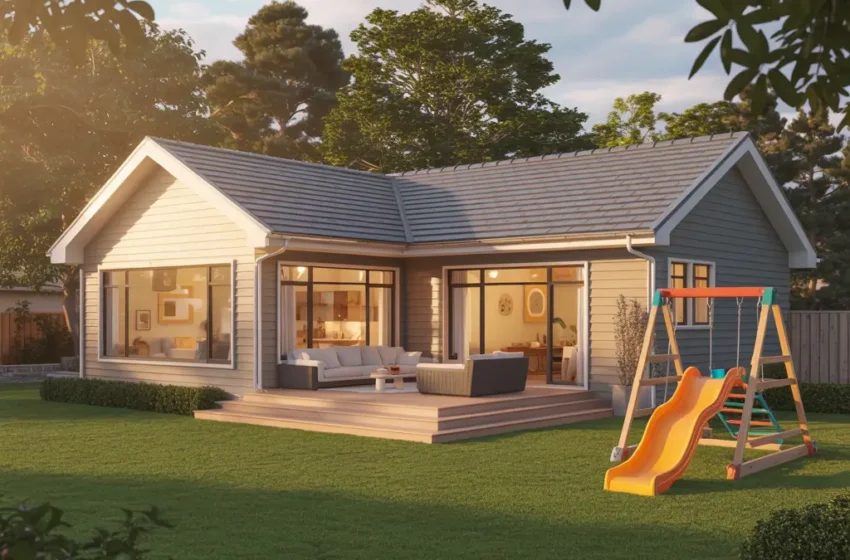
Remember when bungalows were considered old-fashioned? Yeah, those days are officially over.
These charming, single-story homes have made the most spectacular comeback, and honestly, once you understand their appeal, you’ll wonder why anyone ever stopped building them in the first place.
I had my bungalow awakening during a neighborhood walk where I spotted this absolutely gorgeous Craftsman-style bungalow with a deep front porch and exposed rafters.
Something about its human scale, its connection to the ground, and that inviting porch just clicked. I started researching bungalow plans obsessively and discovered a whole world of design possibilities I’d never considered.
These aren’t your grandma’s dated houses—they’re smart, efficient, beautiful homes that work for modern life.
So let’s explore ten bungalow house plan ideas that showcase why this architectural style deserves all the love it’s getting right now.
Whether you’re planning to build, renovate, or just appreciate good design, these ideas will show you the enduring brilliance of bungalow living.
What Makes a Bungalow Actually a Bungalow
Before we dive into specific plans, let’s clarify what actually defines a bungalow. These aren’t just any single-story homes—they’re a specific architectural style with distinct characteristics that set them apart.
True bungalows feature single-story living (sometimes with a partial second story or attic space), low-pitched roofs with wide overhanging eaves, and prominent front porches. They emphasize horizontal lines, natural materials, and efficient use of space. The aesthetic ranges from simple and modest to quite elaborate, but certain principles remain consistent.
Bungalows also prioritize craftsmanship and built-in features—think window seats, built-in bookcases, box-beam ceilings, and thoughtful millwork. These aren’t cookie-cutter builder homes. They celebrate quality construction and architectural detail even in modest square footages.
1. Cozy Modern Bungalow Layouts
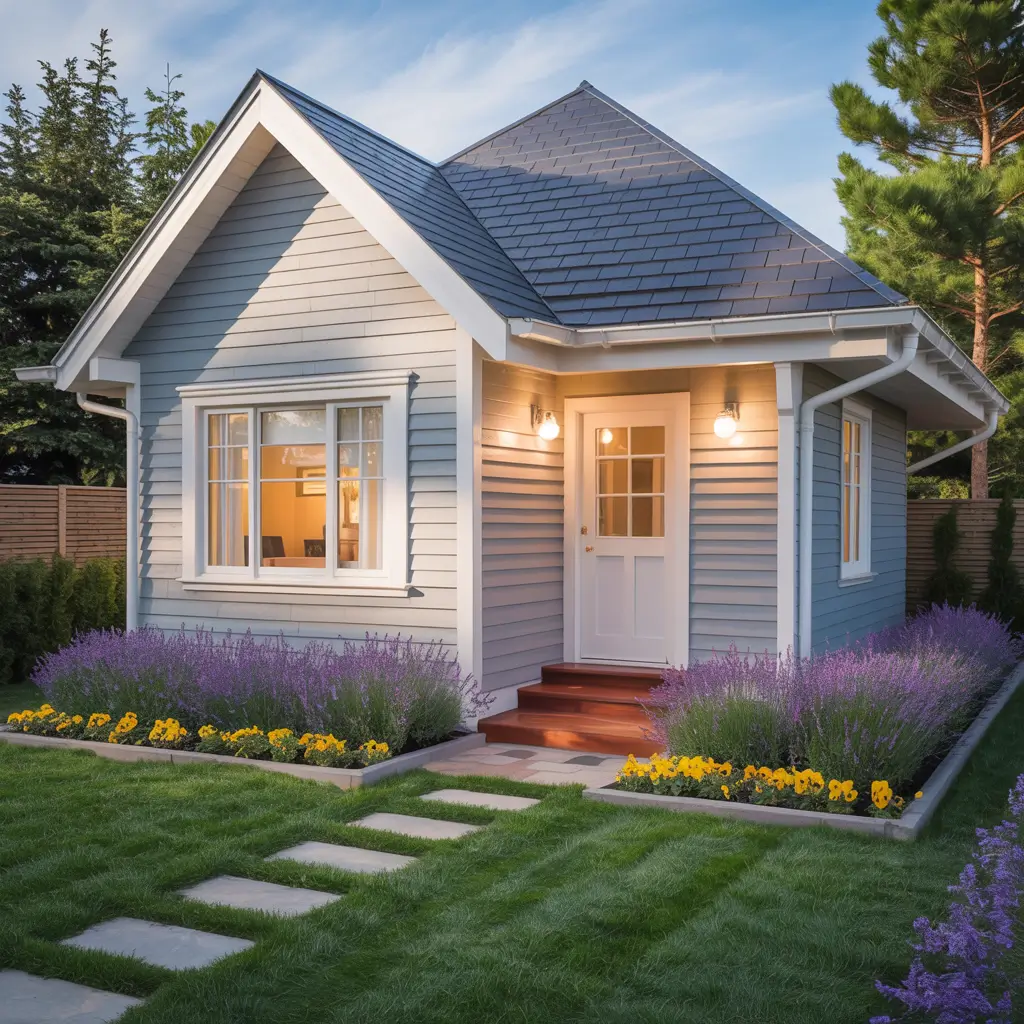
Modern bungalows update the classic template for contemporary living while maintaining the style’s essential charm. These plans prove that traditional architecture and modern convenience coexist beautifully.
Updated Floor Plans
Modern bungalow layouts embrace open concepts that traditional bungalows never featured. Walls between kitchen and living areas disappear, creating flowing spaces perfect for how we actually live today. Yet the homes maintain bungalow character through ceiling treatments, built-ins, and material choices.
These plans typically feature great rooms that combine cooking, dining, and living functions. Islands replace separate dining tables in many designs. The openness makes smaller square footages feel surprisingly spacious.
Contemporary Materials and Finishes
While respecting bungalow aesthetics, modern versions incorporate current materials and technologies. Energy-efficient windows maintain traditional proportions. Contemporary kitchens hide behind Craftsman-style cabinetry. Radiant floor heating works invisibly beneath hardwood floors.
The exterior materials often mix traditional elements like wood siding or stone with modern touches like metal roofing or large-format windows. The combination creates homes that feel both timeless and current.
Smart Home Integration
Modern bungalows seamlessly integrate technology without disrupting the aesthetic. Smart thermostats, security systems, and lighting controls hide behind traditional switch plates. Built-in speakers replace bulky stereo equipment. The technology serves the lifestyle without dominating the design.
I toured a modern bungalow where you’d never guess it had full home automation. Everything looked authentically Craftsman, but the owners controlled lighting, temperature, and security from their phones. That’s thoughtful integration.
2. Affordable Small Bungalow Plans
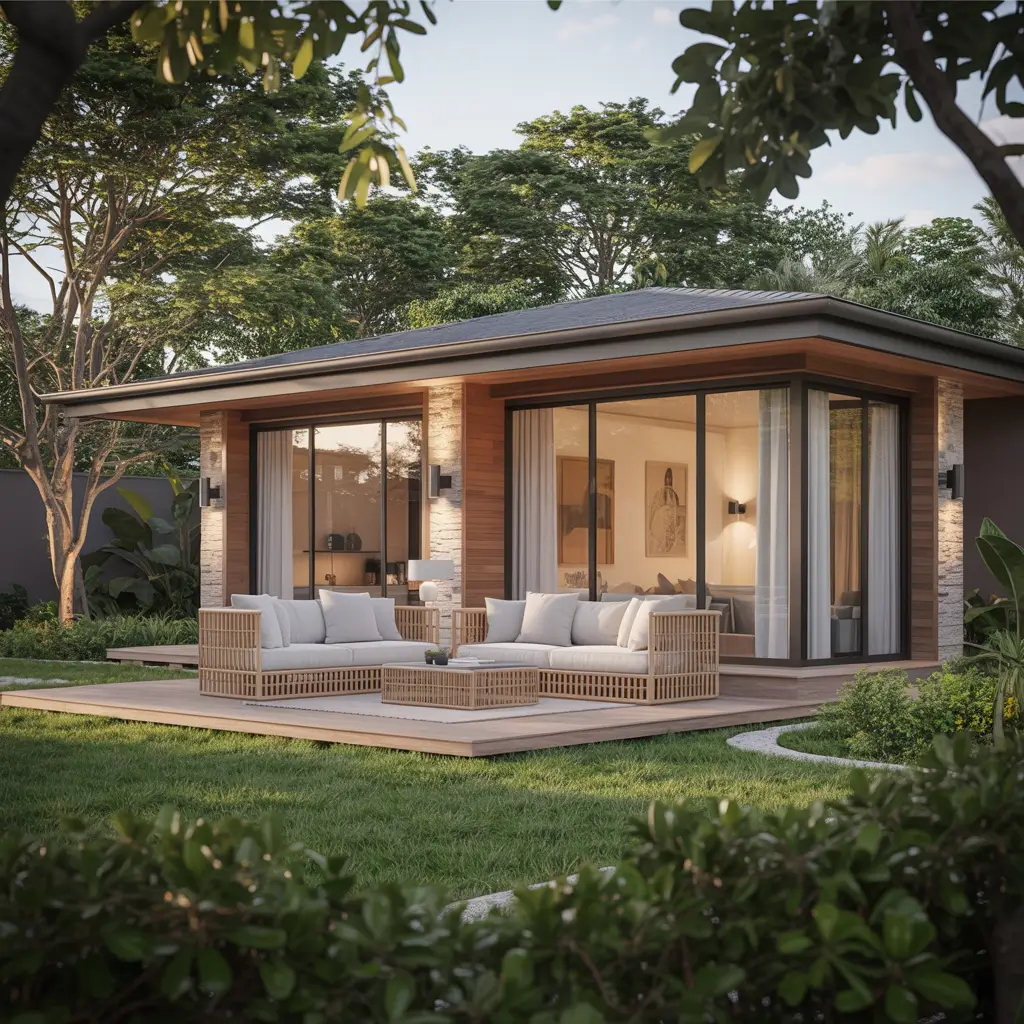
Bungalows originally served as affordable housing for working families, and modern small bungalow plans continue that tradition. These modest homes prove you don’t need thousands of square feet to live well.
Efficient Square Footage
Small bungalow plans typically range from 800 to 1,200 square feet but feel much larger through smart design. Open layouts maximize perceived space. High ceilings create volume. Strategic window placement brings in abundant light.
These plans eliminate wasted space ruthlessly. Hallways shrink to minimums. Every room serves clear purposes. Storage gets built into walls and under eaves. The efficiency means you pay only for space you actually use.
Cost-Effective Construction
Small bungalows cost less to build due to their simple footprints and modest square footage. Single-story construction eliminates expensive stairs and complex framing. Simple rooflines reduce costs compared to complicated multi-gable designs.
The savings from reduced square footage can go toward better finishes or premium lot locations. You might afford a charming neighborhood in a small bungalow that would be financially out of reach in a larger home.
Low Maintenance Living
Small bungalows require minimal upkeep. Less square footage means less to clean, paint, and maintain. Single-story living eliminates exterior painting challenges on upper floors. Simple rooflines need less frequent maintenance.
Lower utility bills also contribute to affordability. Heating and cooling small, well-designed spaces costs far less than maintaining temperature in sprawling homes.
3. Spacious Family-Friendly Bungalows
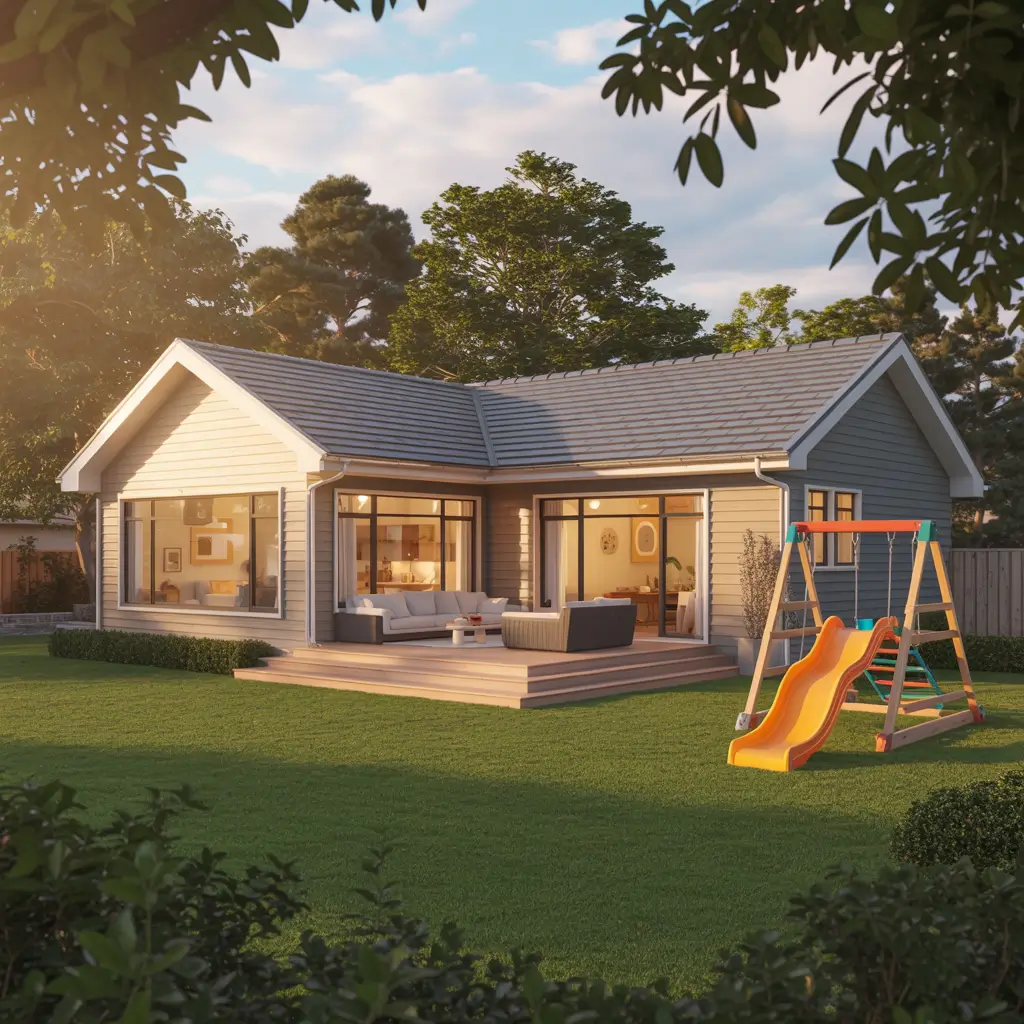
Not all bungalows are tiny. Larger bungalow plans accommodate families comfortably while maintaining the style’s essential character and single-story convenience.
Three to Four Bedroom Layouts
Family-sized bungalows typically include three or four bedrooms arranged logically around central living spaces. The master bedroom might occupy one wing while children’s bedrooms cluster in another area, providing natural separation.
These plans often feature split bathroom arrangements—a master ensuite plus a second full bath serving other bedrooms and guests. This configuration eliminates morning bathroom battles and provides privacy for everyone.
Kid-Friendly Features
Family bungalows incorporate practical elements that make daily life easier. Mudrooms near garage entries contain the chaos of backpacks and sports equipment. Open kitchen layouts let parents supervise while cooking. Dedicated laundry rooms handle the endless washing families generate.
Many plans include flexible bonus spaces—rooms that can serve as playrooms during early childhood, homework stations for school-age kids, and teen hangouts later. This adaptability means the house grows with your family.
Outdoor Connections
Family bungalows emphasize easy access to outdoor play spaces. Large backyards connect directly to living areas through French doors or sliding glass panels. Covered porches provide protected outdoor play areas. The single-story configuration means parents can supervise outdoor play from inside the house.
Also Read: 12 Practical House Plans One Story Ideas and Elegant Interiors
4. Minimalist One-Story Home Designs
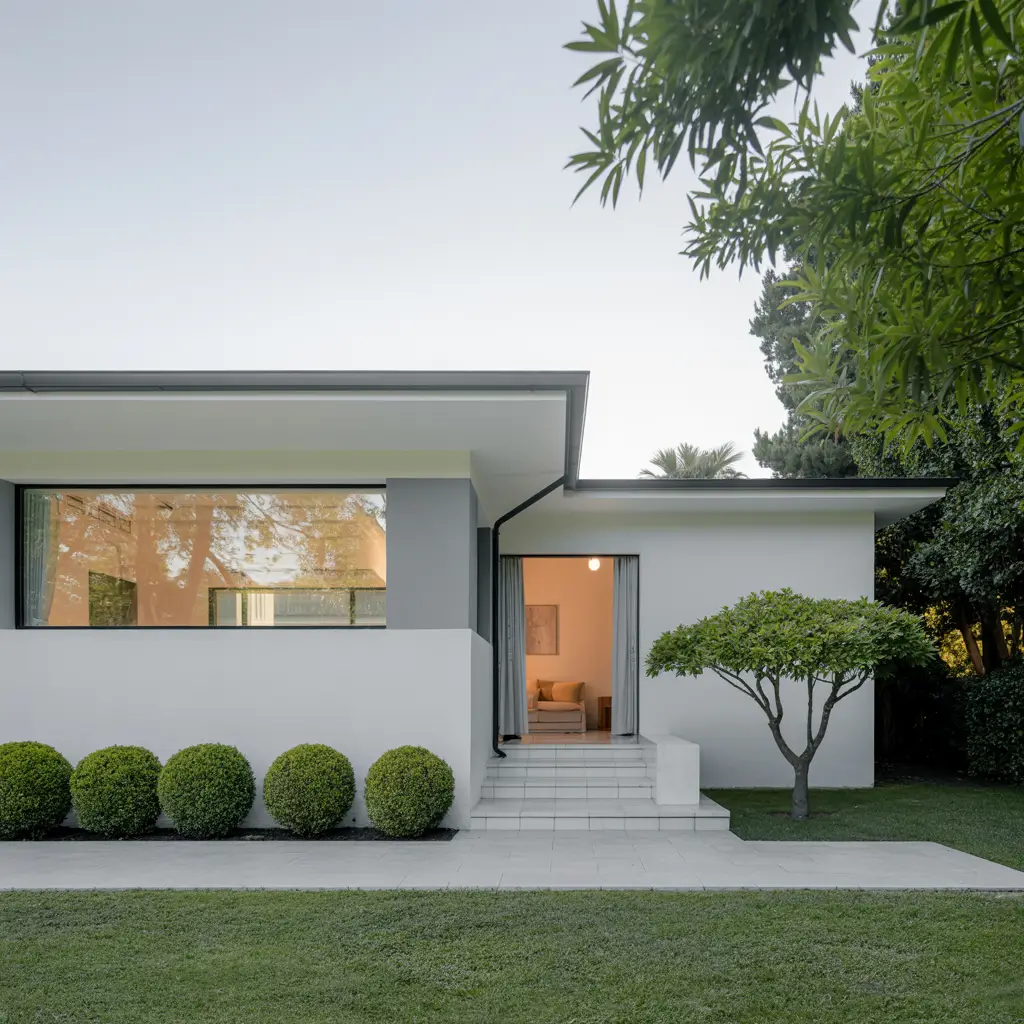
Minimalist bungalows strip the style down to its essential elements, creating clean, simple homes that celebrate the basics done exceptionally well.
Simplified Exteriors
Minimalist bungalow exteriors eliminate ornamental details while maintaining pleasing proportions. Simple gabled roofs replace complex rooflines. Clean siding replaces fussy trim work. Large, simple windows replace divided lights.
The result feels modern and timeless simultaneously. These homes age gracefully because they avoid trendy details that date quickly. Good proportions and quality materials create lasting appeal.
Open Interior Spaces
Inside, minimalist bungalows feature flowing spaces with minimal interior walls. Living, dining, and kitchen areas merge into one continuous space. Bedrooms and bathrooms provide the only enclosed areas.
Built-in storage maintains clean surfaces. Furniture stays minimal and purposeful. The aesthetic embraces the “less is more” philosophy, creating calm, uncluttered environments.
Material Honesty
Minimalist bungalows celebrate materials in their natural states. Wood appears with simple clear finishes. Concrete floors remain exposed and polished. Drywall stays unpainted or receives simple white coats. This material honesty reduces costs while creating sophisticated aesthetics.
5. Elegant Traditional Bungalow Inspirations
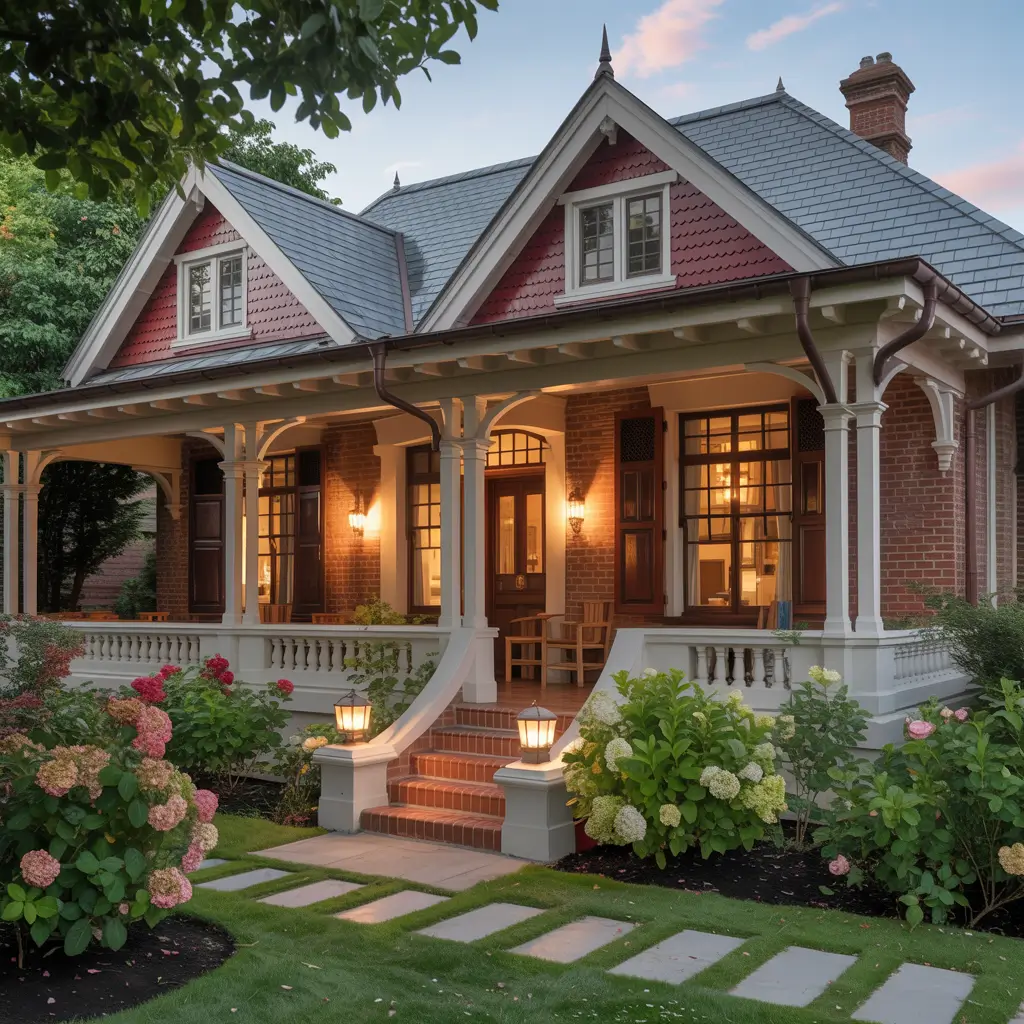
Traditional bungalows embrace the full glory of early 20th-century Craftsman and Arts and Crafts movements. These homes celebrate craftsmanship, natural materials, and architectural detail.
Craftsman Character
Traditional bungalows feature the elements we associate with Craftsman style—exposed rafters and beams, tapered columns supporting porch roofs, and decorative brackets. Exterior materials include natural wood siding, stone foundations, and multi-pane windows.
The attention to detail extends throughout. Built-in cabinetry, window seats, and bookcases showcase woodworking craftsmanship. Hardwood floors, wainscoting, and box-beam ceilings add architectural interest.
Front Porch Living
The front porch defines traditional bungalows. These aren’t token stoops—they’re legitimate outdoor rooms deep enough for furniture and wide enough for socializing. The porches encourage neighborhood interaction and outdoor relaxation.
Many traditional plans include both front porches and rear covered patios, recognizing that outdoor living happens in multiple locations. The coverage makes these spaces usable in various weather conditions.
Period-Appropriate Details
Traditional bungalow plans incorporate historically accurate details—built-in buffets in dining rooms, cozy breakfast nooks in kitchens, and sleeping porches that capture breezes. These elements aren’t just decorative; they enhance daily living while connecting homes to their architectural heritage.
FYI, you can absolutely incorporate modern conveniences behind traditional facades. Updated electrical, plumbing, and HVAC hide invisibly behind period-appropriate finishes.
6. Compact Bungalows with Open Floor Plans
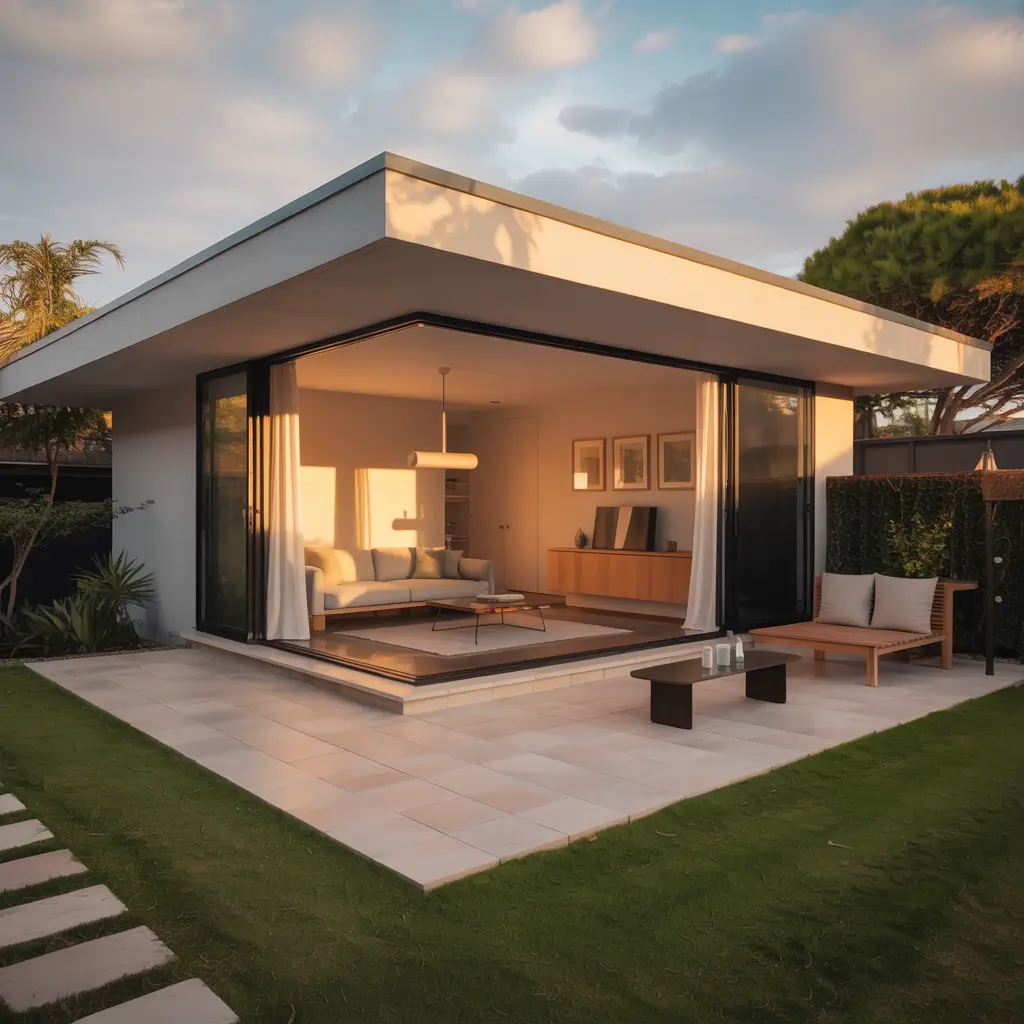
These plans combine bungalow charm with modern open-concept living, creating small homes that live large through smart design.
Removing Interior Walls
Compact open bungalows eliminate traditional room divisions while maintaining bungalow character through ceiling treatments, built-ins, and architectural details. The kitchen, dining, and living areas flow together, making limited square footage feel surprisingly spacious.
Strategic furniture placement and area rugs define different zones without walls. A kitchen island separates cooking from living areas. Lighting changes signal transitions between spaces. The openness allows natural light to travel throughout the home.
Maximizing Natural Light
Open floor plans in compact bungalows prioritize windows and natural light. Large windows on multiple walls bring in sunshine from various angles. The absence of interior walls means light penetrates deep into the home’s center.
Some plans incorporate skylights or clerestory windows that add light without sacrificing privacy. The brightness makes small spaces feel much larger and more welcoming.
Multi-Functional Spaces
Compact open bungalows design rooms to serve multiple purposes. The dining area doubles as a home office. Living rooms accommodate overnight guests through sleeper sofas. Kitchen islands provide workspace, storage, and casual dining.
This flexibility means the home adapts to changing needs without requiring renovations. Your space works for you rather than limiting your lifestyle.
Also Read: 10 Elegant 2 Bedroom 2 Bath House Plans Ideas That
7. Luxury Bungalow Designs for Modern Living
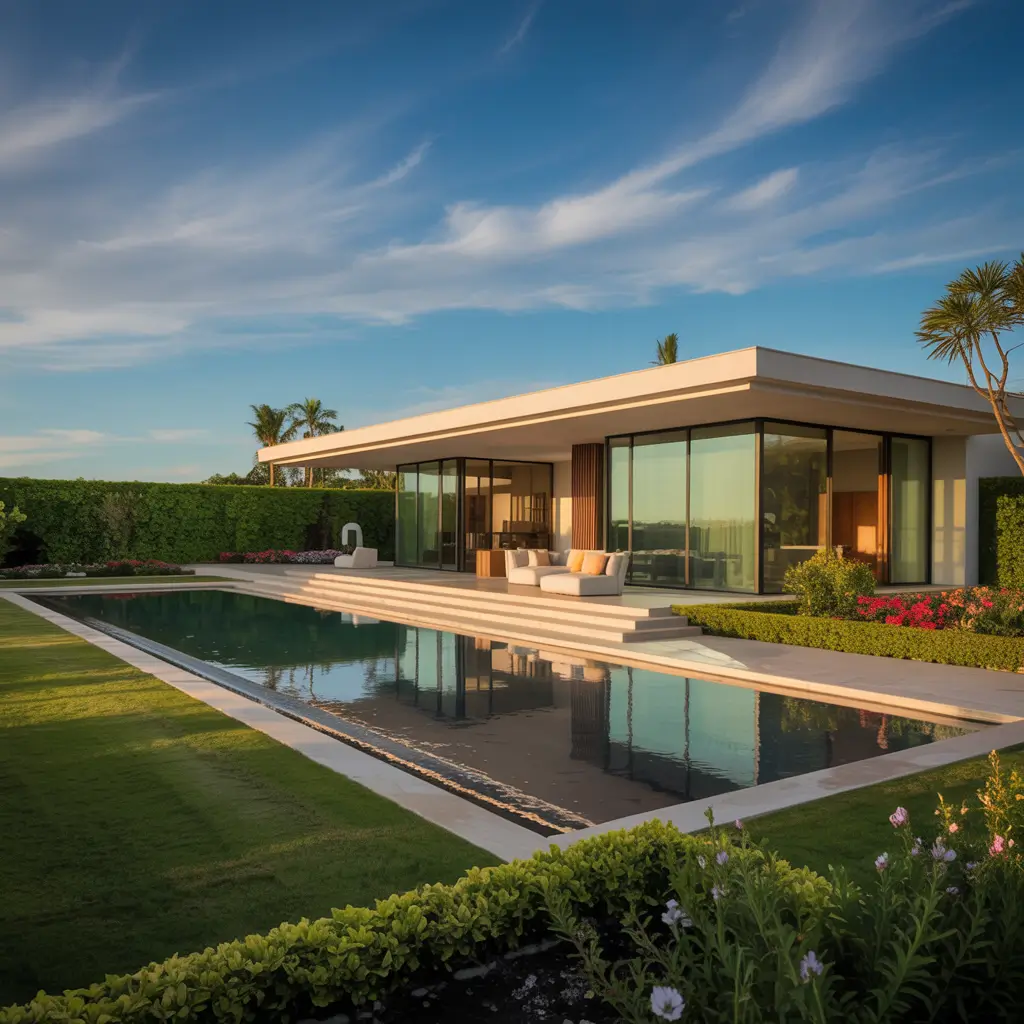
Who says bungalows need to be modest? Luxury bungalow plans prove single-story living can be absolutely spectacular when you remove budget constraints.
High-End Materials Throughout
Luxury bungalows feature premium materials in every space—marble countertops, hardwood floors, custom cabinetry, and designer fixtures. These aren’t just nice finishes in public areas; quality extends into bedrooms, bathrooms, and even closets.
The craftsmanship showcases artisan work—hand-plastered walls, custom millwork, and built-in furniture that belongs in design magazines. Every detail receives careful attention and quality execution.
Spa-Like Master Suites
Luxury bungalow master suites rival high-end hotel rooms. Walk-in closets feature custom organization systems. Bathrooms include soaking tubs, walk-in showers, double vanities, and sometimes steam rooms or saunas.
Some luxury plans position master suites in private wings with sitting areas, morning bars, and direct access to outdoor spaces. These become true retreats from daily life.
Resort-Style Outdoor Living
Luxury bungalows extend living spaces outdoors through resort-quality amenities. Outdoor kitchens with professional-grade grills and refrigeration. Fire pits surrounded by built-in seating. Swimming pools with adjacent pool houses. Covered loggias with fireplaces and entertainment systems.
The single-story configuration makes these outdoor spaces feel like natural extensions of interior rooms rather than separate zones requiring navigation.
8. Eco-Friendly and Sustainable Bungalows
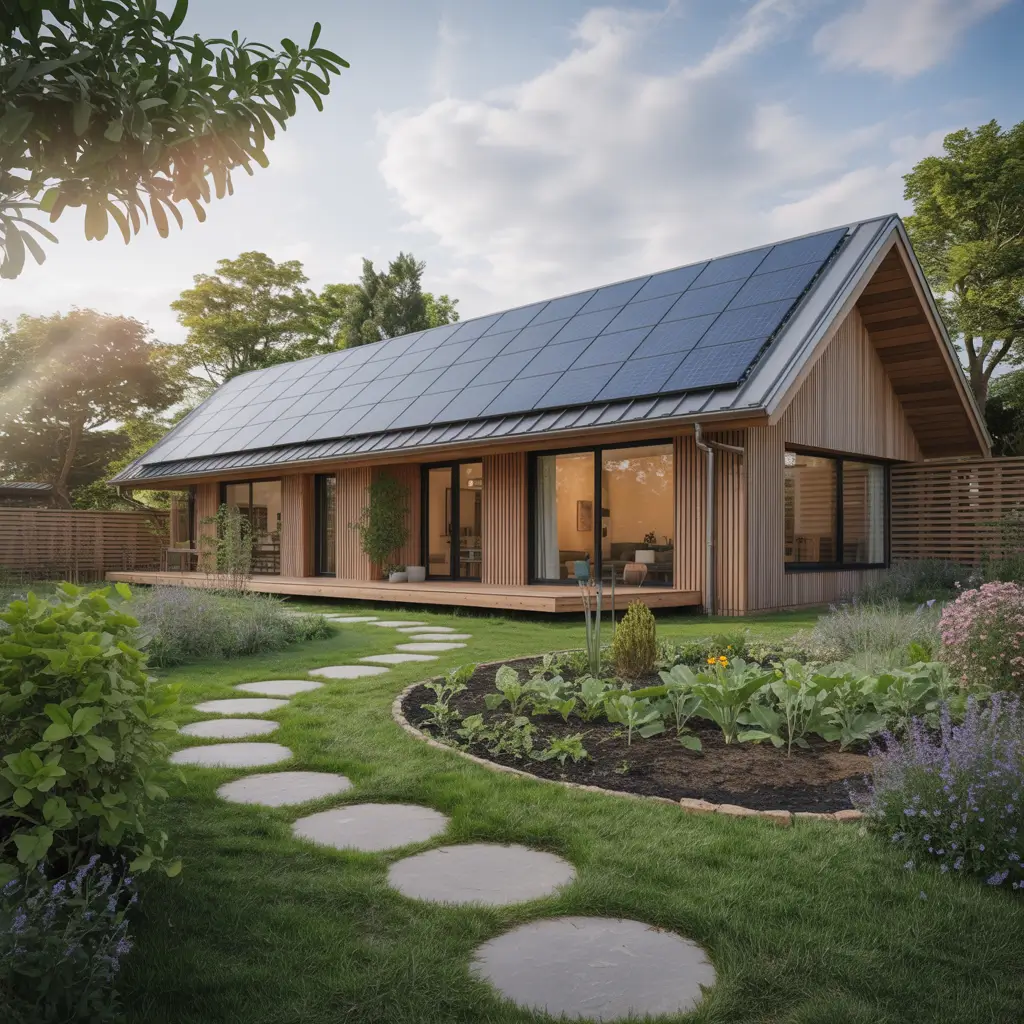
Sustainable bungalow designs prove that environmental responsibility and beautiful architecture go hand-in-hand. These homes minimize impact while maximizing comfort.
Passive Solar Design
Eco-friendly bungalows orient to capture winter sun while minimizing summer heat gain. Deep roof overhangs shade windows during hot months. Large south-facing windows bring warmth during cold months. The single-story configuration makes passive solar strategies particularly effective.
Thermal mass materials—concrete floors, stone walls—store heat during the day and release it at night, moderating temperature swings naturally. These passive strategies reduce mechanical heating and cooling needs significantly.
Sustainable Materials
Green bungalows specify environmentally responsible materials—reclaimed wood, recycled metal roofing, low-VOC paints, and locally sourced stone. These choices reduce environmental impact while often adding character and beauty.
Natural insulation materials like cellulose or wool provide excellent performance while avoiding petroleum-based products. Cork flooring offers sustainable alternatives to hardwood or tile.
Energy Systems
Many eco-friendly bungalows incorporate solar panels, solar water heaters, or geothermal systems. The simple rooflines typical of bungalows work well for solar panel installation. Battery storage systems provide backup power and maximize solar investment.
Rainwater harvesting systems collect roof runoff for irrigation. Greywater systems reuse sink and shower water for landscaping. These features reduce resource consumption while lowering utility bills.
9. Bungalows with Stunning Outdoor Spaces
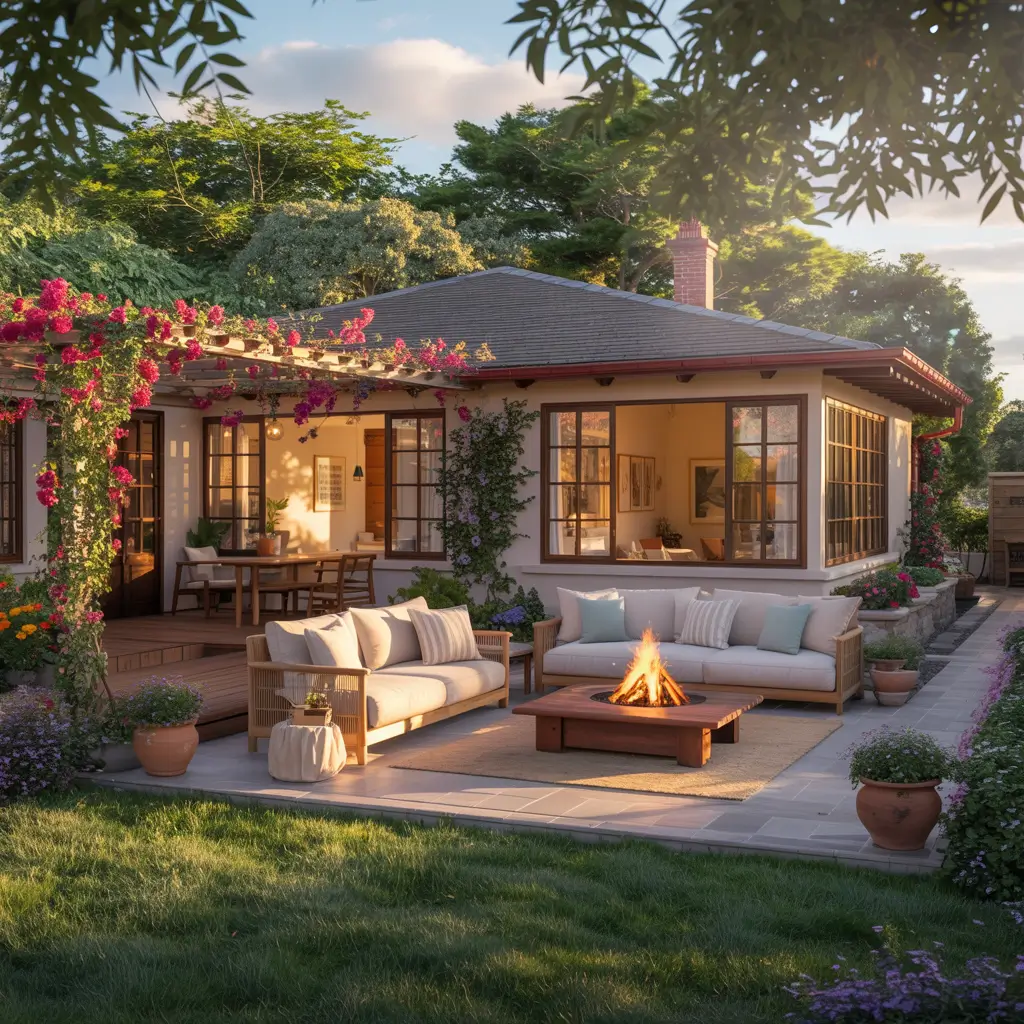
Some bungalow plans prioritize outdoor living, treating patios, porches, and gardens as essential rooms rather than afterthoughts.
Wraparound Porches
Wraparound porch bungalows extend covered outdoor space around multiple sides of the house. These porches create distinct outdoor zones—a morning coffee spot facing east, a shaded reading nook on the north side, and an evening entertainment area facing sunset views.
The deep overhangs protect windows and siding from weather while creating usable outdoor rooms that expand the home’s effective square footage for much of the year.
Courtyard Configurations
Some bungalow plans wrap around central courtyards, creating private outdoor rooms completely hidden from streets and neighbors. Living areas and bedrooms face this courtyard, bringing natural light and garden views into the home’s core.
Courtyards can include gardens, water features, outdoor dining areas, or simply peaceful green spaces that provide visual respite and connection to nature.
Seamless Indoor-Outdoor Flow
Outdoor-focused bungalows feature multiple access points between interior and exterior spaces. French doors, sliding glass walls, or folding door systems blur boundaries between inside and outside. Consistent flooring materials transition between zones, making the connection feel seamless.
The single-story configuration means outdoor spaces feel immediately accessible from any room rather than requiring navigation through the house.
Also Read: 10 Charming 2 Story House Plans Ideas for Small Lots
10. Multi-Bedroom Bungalows for Growing Families
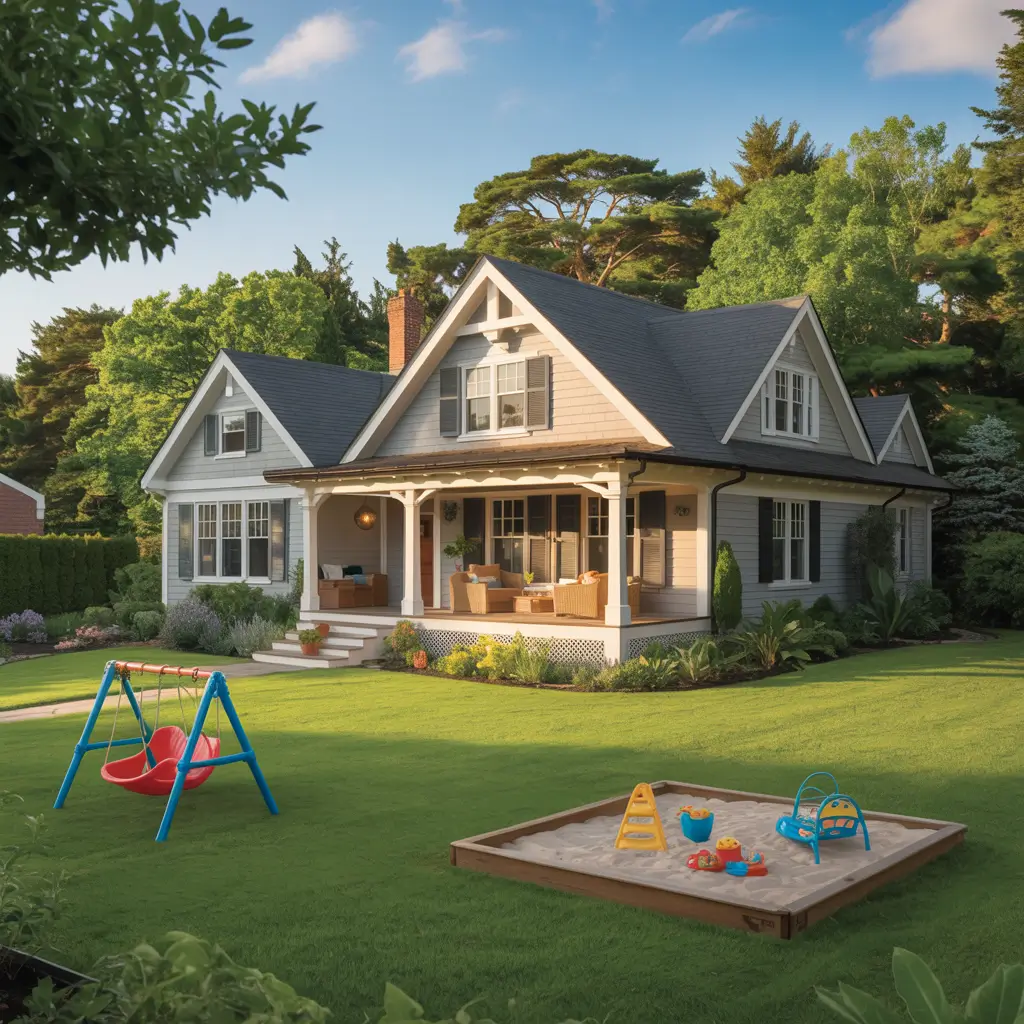
Larger families need more bedrooms, and these bungalow plans prove you can have four or more bedrooms without resorting to two-story construction.
Four to Five Bedroom Layouts
Multi-bedroom bungalows arrange bedrooms efficiently around central living cores. Split bedroom configurations position the master suite separately from children’s bedrooms. Some plans create dedicated children’s wings with multiple bedrooms sharing a bathroom.
The single-story arrangement means parents can easily check on young children at night and kids can access bathrooms safely without navigating stairs.
Flexible Bonus Spaces
Many multi-bedroom bungalows include bonus rooms that adapt as families grow. These spaces might serve as nurseries initially, transform into playrooms during early childhood, become study halls for school-age kids, and finally convert to guest rooms or home offices when children leave.
This flexibility protects your investment by ensuring the house serves your needs across multiple life stages.
Storage for Family Life
Multi-bedroom bungalows incorporate extensive storage to handle the belongings that accumulate with children. Walk-in closets, linen closets, mudrooms, and garage storage systems keep homes organized despite the chaos of family life.
Some plans include attic storage accessible through pull-down stairs or dedicated storage rooms that supplement bedroom closets. 🙂
Choosing Your Perfect Bungalow Plan
After exploring these ten approaches to bungalow living, you might wonder which style suits your needs best. Start by considering your lot—bungalows require more land than two-story homes with equivalent square footage since everything spreads horizontally.
Think about your lifestyle honestly. Do you love traditional architecture or prefer modern simplicity? Will you use outdoor spaces extensively or primarily live indoors? Do you need multiple bedrooms or prefer compact efficiency? Your answers guide you toward certain bungalow styles.
The Timeless Appeal
Bungalows have endured for over a century because they solve fundamental housing challenges elegantly. The human scale feels welcoming rather than imposing. Single-story living provides accessibility for all ages. The emphasis on craftsmanship and quality creates homes that age beautifully.
Modern bungalows continue this tradition while incorporating contemporary conveniences and design sensibilities. You get the best of both worlds—timeless architectural appeal with modern functionality.
Investment Value
Bungalows often hold their value exceptionally well, particularly in established neighborhoods where they contribute to area character. Buyers appreciate the style’s enduring appeal and the practical advantages of single-story living.
As populations age, bungalows will likely command premium prices due to their accessibility. You’re not just building for today—you’re creating a home that serves you across decades while protecting your financial investment.
Building Your Bungalow Dream
Whether you choose cozy modern simplicity, traditional Craftsman elegance, or luxurious contemporary styling, remember that the best bungalow plan supports how you actually live.
Don’t get seduced by styles that don’t match your personality or needs.
Visit bungalows if possible. Walk through them noticing how spaces feel. Can you imagine your life in these rooms? Does the flow make sense for your daily routines? Trust your instincts about what feels right.
IMO, bungalows represent some of the smartest residential architecture ever conceived. They’re efficient, beautiful, accessible, and timeless.
They connect to outdoor spaces naturally while creating cozy interior environments. They work for singles, couples, and families across all life stages.
The perfect bungalow house plan is out there, waiting to prove that sometimes the most traditional solution becomes the most progressive choice.
Single-story living isn’t settling—it’s choosing quality, accessibility, and enduring style over fleeting trends. :/
Now get out there and start planning your bungalow dream. Your perfect single-story sanctuary awaits!