10 Stunning Bookshelf Drawing Ideas for Cozy Art Inspiration
- Bookshelf Styling
 Ben
Ben- 0
- 38 minutes read
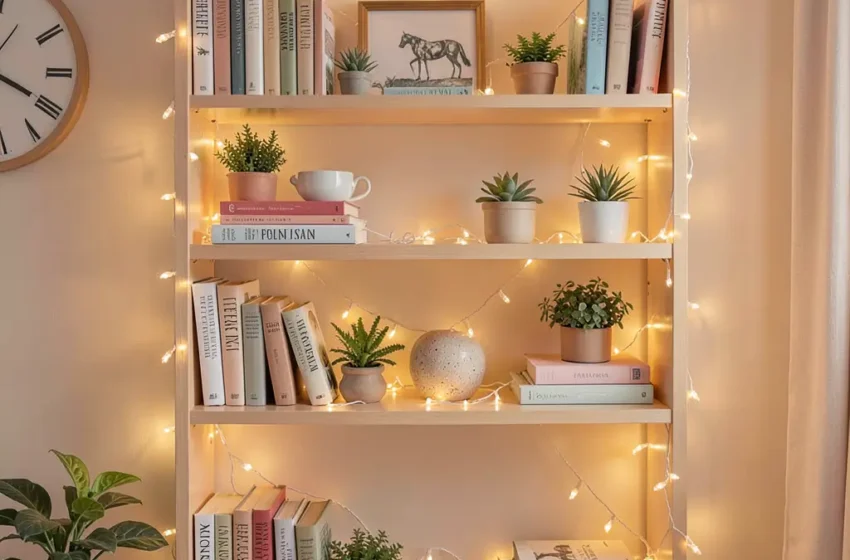
Remember that feeling when you stumbled upon someone’s bookshelf sketch on Instagram and thought, “How do they make a bunch of rectangles look so inviting?” Well, I spent the last year filling sketchbook after sketchbook with bookshelf drawings, and let me tell you – these seemingly simple subjects pack more creative potential than you’d ever expect.
I started drawing bookshelves during a particularly boring Zoom meeting (sorry, boss), and what began as mindless doodling turned into a full-blown obsession. Bookshelf drawings aren’t just about straight lines and book spines – they’re windows into cozy worlds, architectural experiments, and honestly, some of the most satisfying subjects you can tackle with a pencil.
Whether you’re looking to add some literary charm to your art journal or want to practice perspective drawing without losing your mind, these bookshelf drawing ideas will transform how you see these everyday objects. Trust me, once you start adding tiny details like worn book covers and trailing plants, you’ll understand why artists have been sketching bookshelves for centuries.
Minimalist Floating Bookshelf Sketch
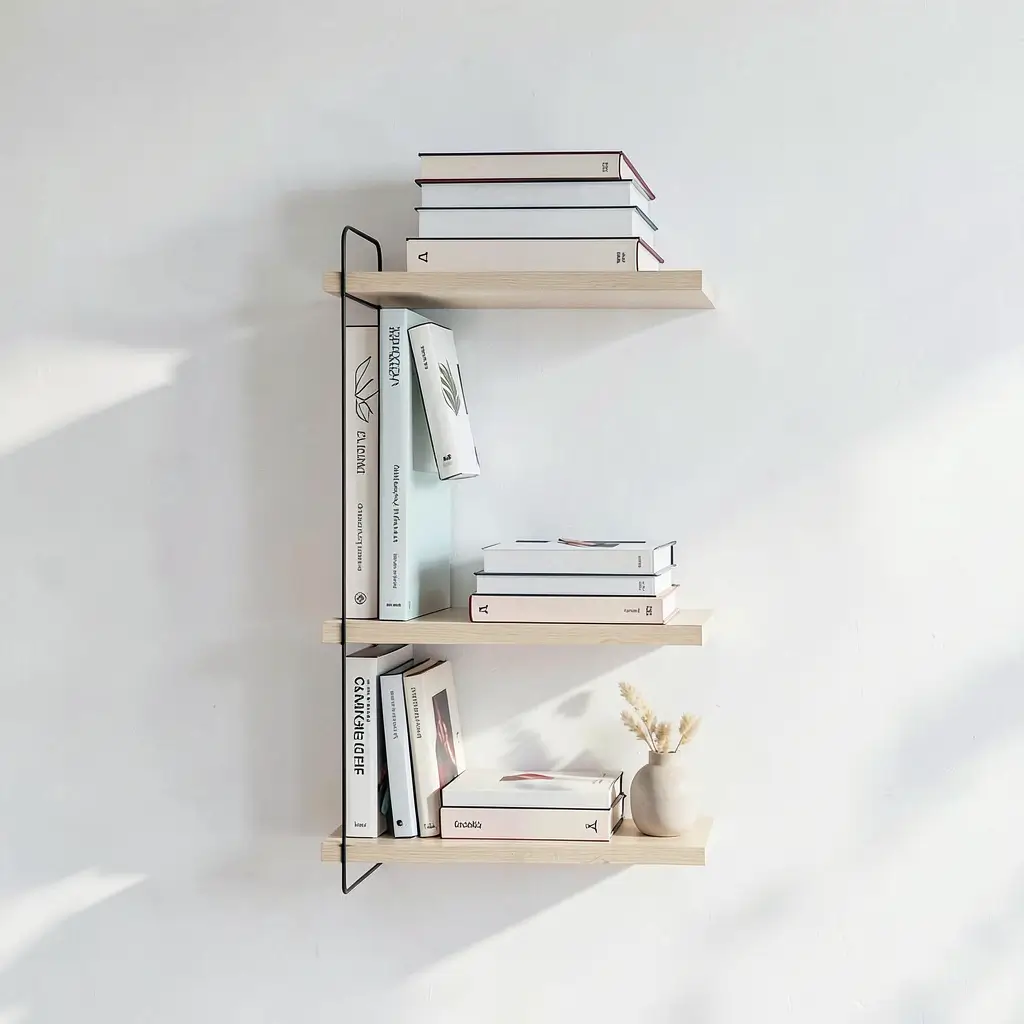
Let’s kick things off with the minimalist floating bookshelf – the introvert of bookshelf drawings. I love how these sketches force you to focus on negative space and subtle shadows rather than cramming every inch with detail.
The beauty of minimalist floating shelves lies in their simplicity. You’re essentially drawing a few horizontal lines with selective book placement, yet the result looks incredibly sophisticated. When I first attempted this style, I kept wanting to add more books, more detail, more everything. But restraint is where the magic happens.
Mastering the Float Effect
Creating that floating illusion requires some specific techniques:
- Shadow placement directly beneath each shelf
- Clean lines with minimal texture
- Strategic book grouping in sets of 2-3
- Plenty of empty space between objects
I discovered that using a harder pencil (like 2H) for the initial sketch keeps lines crisp and prevents that overworked look. The shadows underneath should be subtle – just enough to suggest the shelf is hovering against the wall.
Adding Minimalist Details
Even minimalism needs character. Here’s what works:
- Vary book heights slightly for visual rhythm
- Include one small plant or geometric object
- Use thin line weights throughout
- Leave some shelves partially empty
My favorite trick? Adding a single book lying horizontally among vertical ones. It breaks the monotony without destroying the minimalist vibe.
Cozy Corner Bookshelf Doodle
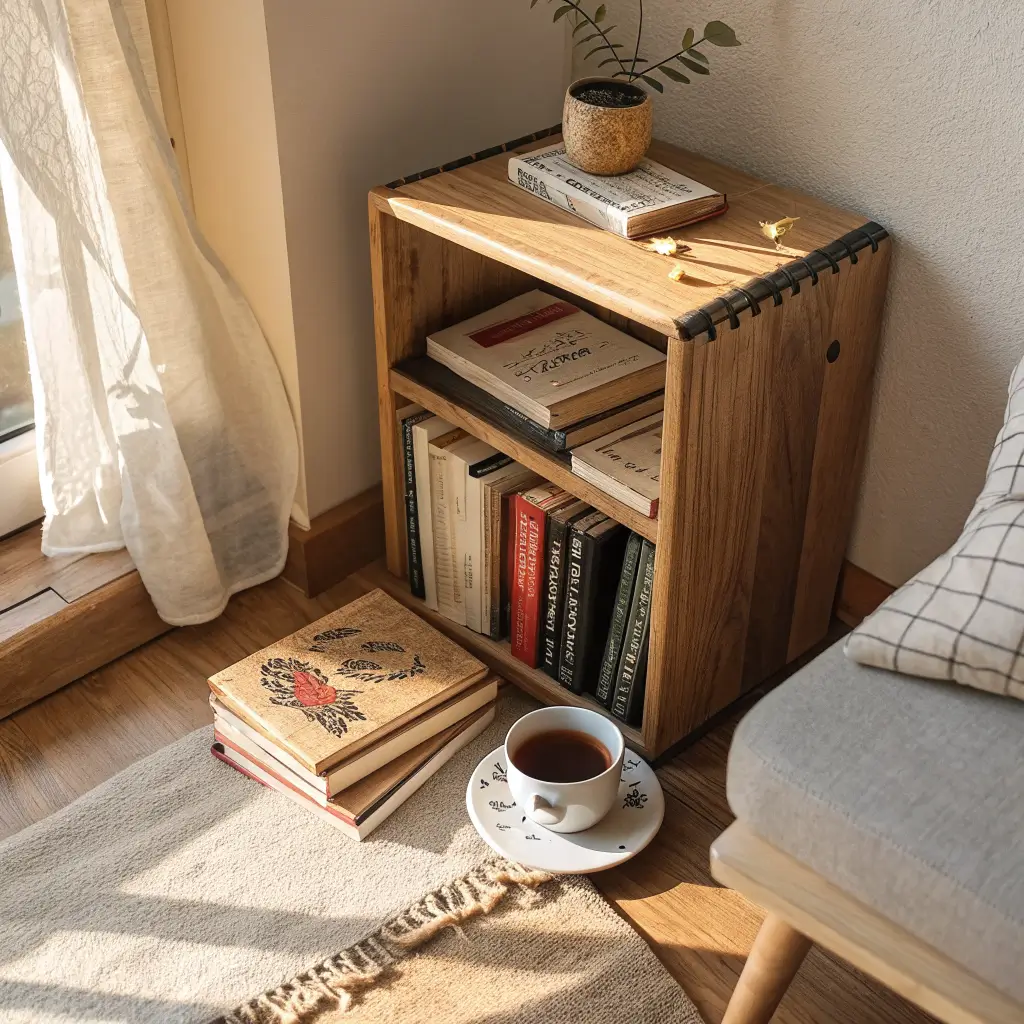
Nothing says “I want to live in this drawing” quite like a cozy corner bookshelf doodle. These drawings capture that perfect reading nook energy we all crave, complete with overstuffed shelves and warm, inviting details.
I started drawing corner bookshelves after visiting this tiny bookshop in Portland where every corner felt like a hug. The way books nestled into angled spaces, creating these intimate little worlds – I knew I had to capture that feeling in my sketchbook.
Perspective Tricks for Corner Shelves
Corner bookshelves challenge your perspective skills:
- Two-point perspective works best for corner views
- Converging lines should meet at consistent vanishing points
- Shelf depth decreases as they rise higher
- Books angle differently on each wall section
The trickiest part? Making both walls of the corner feel equally important. I usually start with light guidelines to establish perspective before adding any books or details.
Creating That Cozy Atmosphere
What transforms a corner shelf from basic to cozy:
- Overstuffed shelves with books at different angles
- Soft shading suggesting warm lighting
- Personal items mixed with books
- Curved lines for worn, lived-in books
I love adding a coffee mug on one shelf, maybe a small reading lamp sketched nearby. These details tell a story about who uses this corner.
Hanging Wall Bookshelf Illustration
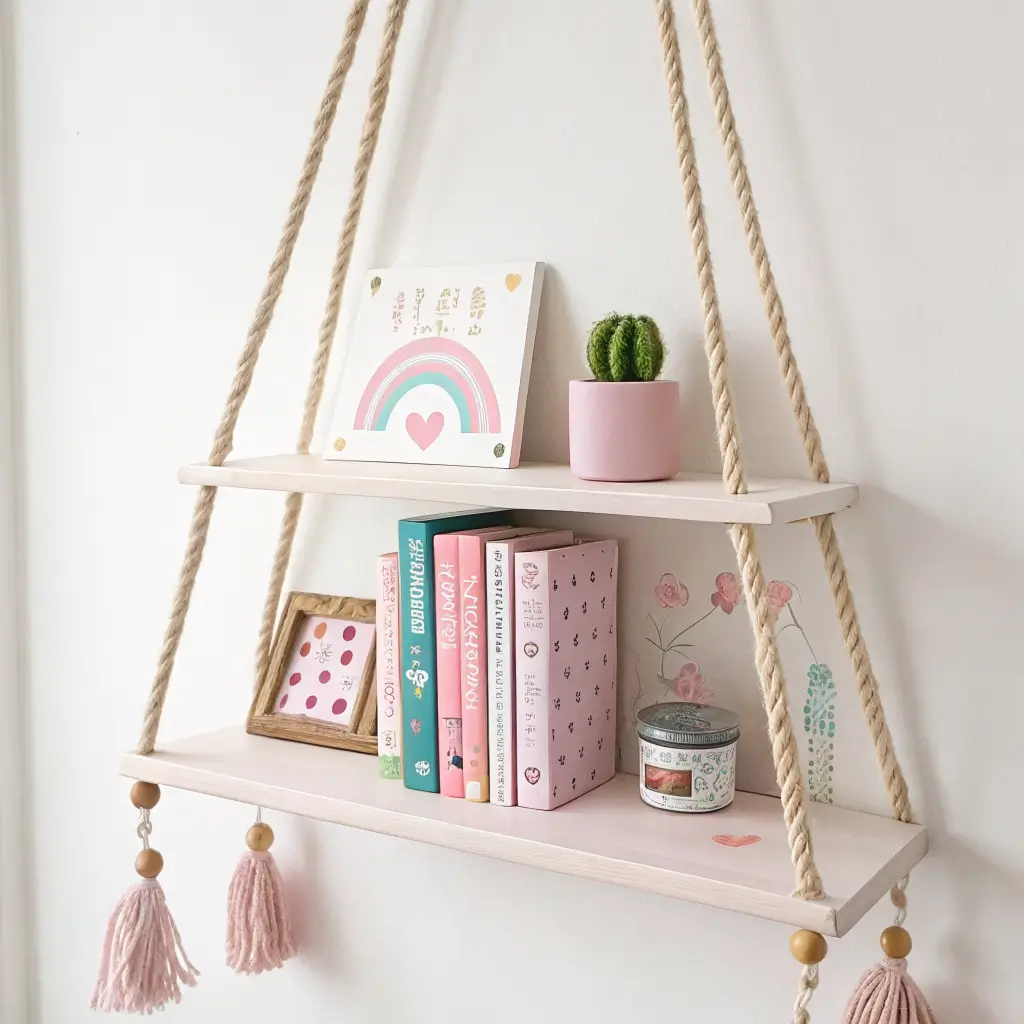
Hanging wall bookshelves offer such dynamic drawing possibilities that I dedicate entire sketchbook spreads to them. These illustrations let you play with suspension, balance, and the delicate relationship between weight and support.
The first time I drew a hanging bookshelf, I completely botched the rope angles. Everything looked like it was about to crash to the floor. Now I realize that’s exactly what makes these drawings exciting – capturing that tension between gravity and design.
Suspension Elements That Work
Key components for believable hanging shelves:
- Visible support system (ropes, chains, or brackets)
- Slight tilt or sway for realism
- Shadow beneath suggesting distance from wall
- Weight distribution affecting rope tension
I sketch the ropes first, making them slightly curved rather than perfectly straight. Real ropes carrying weight never hang in perfect lines – that subtle curve sells the illusion.
Adding Movement and Life
Static hanging shelves look wrong somehow. Try these:
- Books leaning slightly with the shelf’s movement
- Trailing plant vines following gravity
- Asymmetrical loading causing subtle tilt
- Cast shadows suggesting gentle sway
My secret weapon? Drawing one book slightly askew, like someone just grabbed its neighbor. It implies recent use and brings the whole illustration to life.
Also Read: 10 Practical IKEA Bookshelf Ideas for Smart Storage
Vintage Library Bookshelf Drawing

Ever walked into an old library and felt time slow down? That’s the essence I chase when drawing vintage library bookshelves. These drawings celebrate worn leather spines, carved wood details, and decades of accumulated character.
I spent hours in my university’s old library wing, sketching those floor-to-ceiling mahogany shelves. The way light hit those aged book spines, creating this patchwork of muted colors – pure drawing gold.
Capturing Historical Character
Elements that scream vintage library:
- Ornate wooden details on shelf edges
- Varied book spine conditions showing age
- Leather-bound volumes with gold lettering
- Rolling ladder or step stool nearby
- Dusty atmosphere through soft shading
The key is imperfection. Modern shelves have uniform books; vintage ones tell stories through their chaos.
Texture Techniques for Age
Creating that aged feeling requires specific approaches:
- Cross-hatching for wood grain
- Stippling for leather texture
- Smudging for dust and atmosphere
- Irregular lines for worn edges
I layer different pencil grades here – starting with H pencils for structure, then building texture with B pencils. The contrast between sharp architectural lines and soft, aged books creates that vintage library magic.
Bookshelf with Plants and Decor
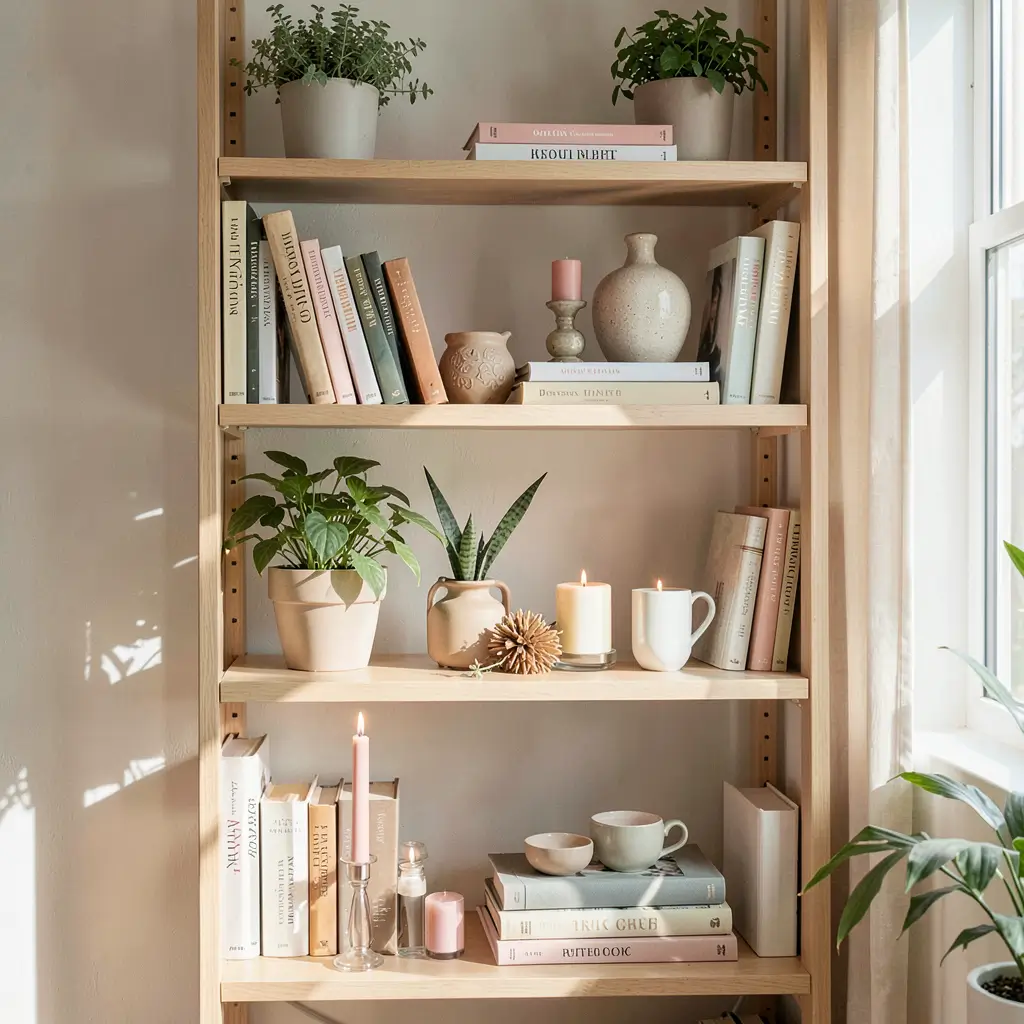
Mixing books with plants and decorative objects transforms a basic bookshelf drawing into a lifestyle illustration. These drawings celebrate how real people actually style their shelves – part storage, part jungle, part gallery.
My own bookshelf literally has more plants than books at this point (don’t judge), so drawing this combination feels natural. The organic shapes of leaves contrasting with geometric book spines creates instant visual interest.
Balancing Books and Botanicals
The arrangement matters:
- Trailing plants on top shelves cascade down
- Small succulents nestle between book groups
- Large statement plants anchor corners
- Varied pot styles add personality
I sketch books first, then add plants to fill gaps and create flow. Plants should feel like they’re growing around the books, not just placed randomly.
Decorative Elements That Enhance
Beyond plants, consider adding:
- Ceramic vessels for height variation
- Framed photos leaning against books
- Candles suggesting ambiance
- Small sculptures or collectibles
- Woven baskets for texture contrast
The trick is making decorative items feel intentional, not cluttered. I group items in odd numbers and vary their heights for natural composition.
Staircase Bookshelf Line Art
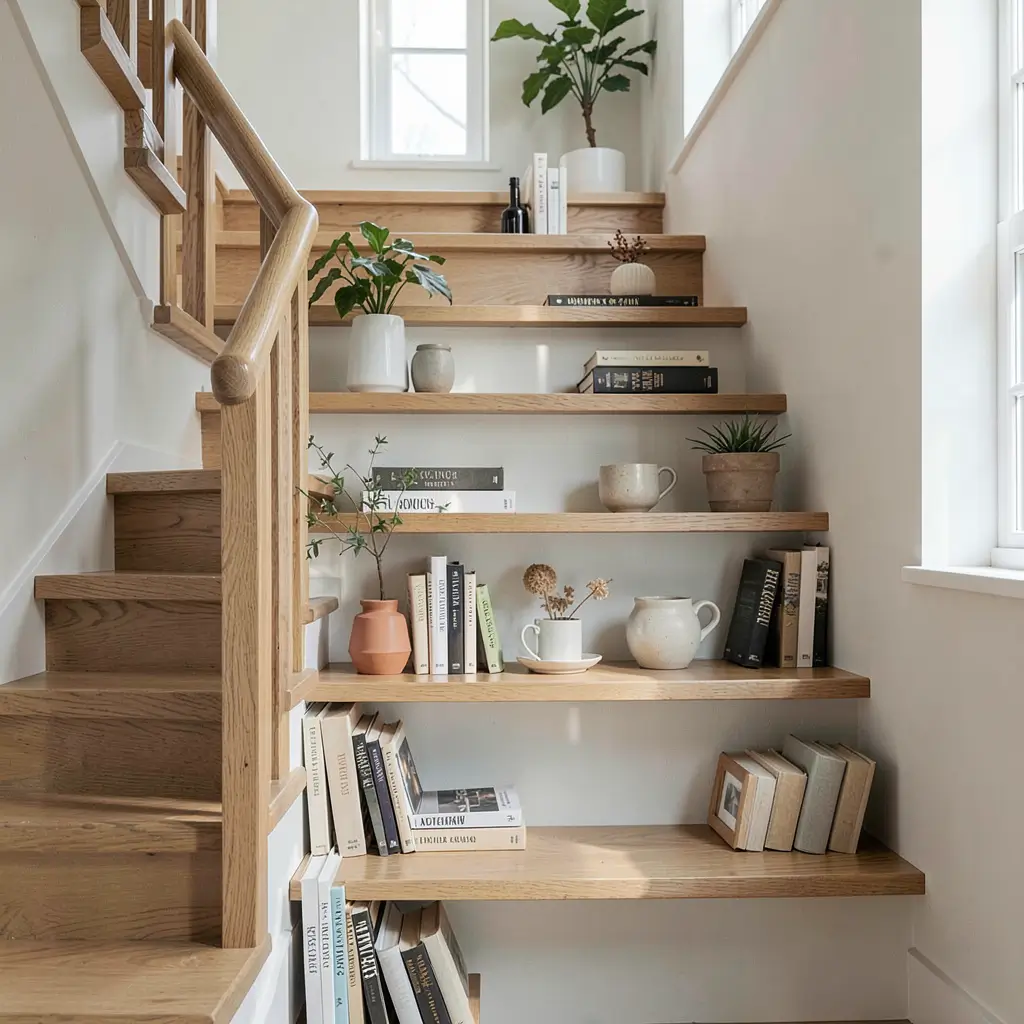
Staircase bookshelves combine architecture with storage in ways that make my artist brain incredibly happy. These line art drawings play with diagonal movement and unconventional book placement.
I first encountered a staircase bookshelf at a friend’s loft, where they’d built shelves into the stairs’ underside. The way books followed that diagonal line, creating this ascending library – I immediately grabbed my sketchbook.
Managing Diagonal Composition
Staircase shelves require special attention to:
- Consistent step angles throughout
- Book spine alignment with stair risers
- Perspective accuracy as stairs recede
- Weight distribution looking realistic
Start with the staircase structure, then add books that follow its rhythm. Each shelf section should feel like a natural extension of the step above it.
Line Art Techniques
Clean line art demands precision:
- Confident strokes without hesitation
- Varied line weights for depth
- Minimal shading letting lines define form
- Strategic details without overworking
I use a fineliner for final lines after perfecting the pencil sketch. The key is knowing when to stop – line art loses impact when overdetailed.
Also Read: 10 Unique Bookshelf Organization Ideas for Clutter-Free Living
Tiny Bookshelf for Miniature Art
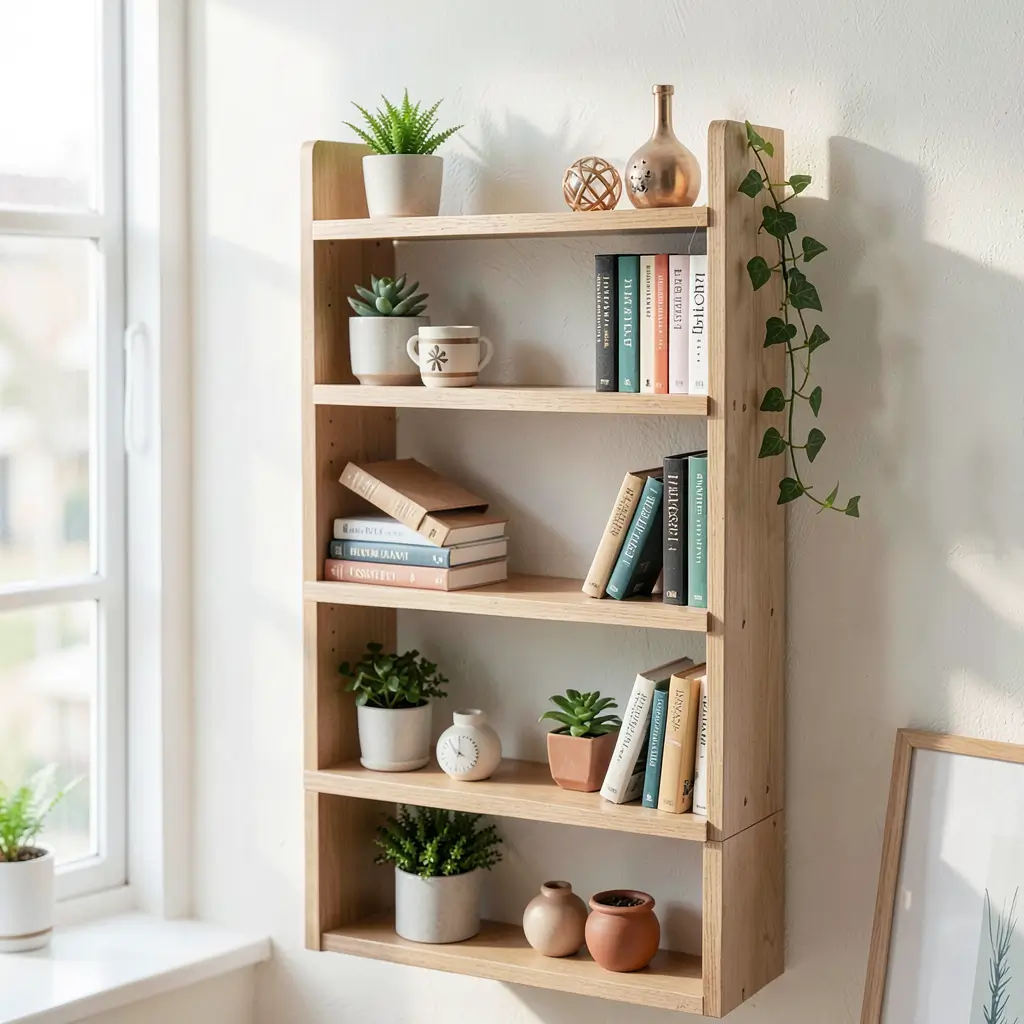
Drawing tiny bookshelves for miniature art pieces forces you to distill the essence of “bookshelf” into the smallest possible space. These drawings prove that size doesn’t determine impact.
I started creating miniature bookshelf drawings for handmade cards, and discovered they’re actually harder than full-size versions. Every line counts when you’re working at this scale.
Simplification Strategies
Miniature drawing requires ruthless editing:
- Essential lines only define structure
- Implied detail rather than explicit
- Single marks suggest entire books
- Negative space becomes crucial
My approach? Squint at the drawing. If you can still read “bookshelf,” you’ve succeeded. Add one line too many, and it becomes a muddy rectangle.
Making Miniatures Memorable
Despite size constraints, add personality through:
- One tiny plant dot
- Varying book heights with small marks
- A minuscule cat silhouette (because why not?)
- Subtle shading in one corner
The charm lies in viewers discovering these details upon closer inspection. It rewards attention with unexpected delights.
Modern Geometric Bookshelf Sketch

Geometric bookshelf sketches let you channel your inner architect while exploring how shapes interact with book storage. These drawings transform functional furniture into abstract art.
My geometric phase started after seeing a hexagonal bookshelf at a design museum. The way books adapted to non-traditional spaces, creating negative space patterns – it completely changed how I approach bookshelf drawings.
Playing with Shapes
Geometric possibilities are endless:
- Hexagonal compartments creating honeycomb patterns
- Triangular sections for dynamic composition
- Circular shelves challenging book placement
- Mixed shapes for complex designs
I grid out the geometric pattern first, ensuring symmetry (or intentional asymmetry). Then books get added strategically to enhance, not hide, the underlying geometry.
Modern Styling Choices
Keep it contemporary with:
- Monochromatic books or color blocking
- Minimal decorative objects with geometric forms
- Clean lines without texture
- Strategic empty spaces as design elements
The goal? Making viewers see the overall pattern before noticing individual books. It’s sculpture first, storage second.
Bookshelf with Fairy Lights Drawing
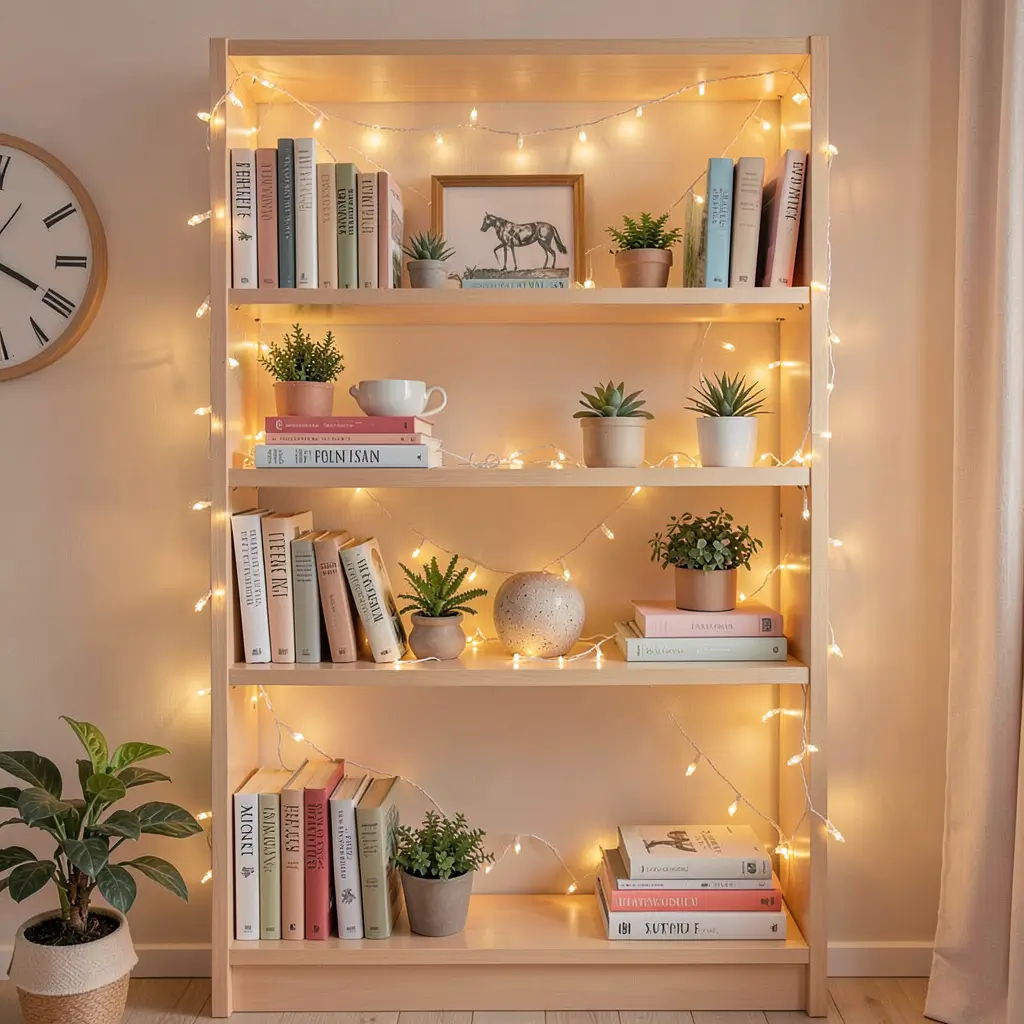
Adding fairy lights to bookshelf drawings instantly creates that magical, cozy atmosphere everyone craves. These illustrations capture how light transforms ordinary shelves into enchanted spaces.
FYI, I initially thought drawing lights would be cheesy, but after sketching my friend’s bookshelf with string lights, I became a total convert. The way those tiny bulbs create pools of warmth – it’s drawing comfort food 🙂
Illustrating Light Sources
Capturing fairy light effects requires:
- Small circles for bulbs along wire paths
- Radiating lines suggesting glow
- Softer shading where light hits books
- Darker shadows in unlit corners
- Highlight spots on nearby surfaces
I draw the light string first, draping naturally across shelves. Then shade everything else relative to these light sources.
Creating Magical Ambiance
Elements that enhance the fairy light effect:
- Glass objects reflecting light
- Metallic book spines catching glow
- Soft edges on illuminated areas
- Deep shadows for contrast
The magic happens in the contrast between lit and unlit areas. Don’t illuminate everything – selective lighting creates atmosphere.
Also Read: 10 Stylish Nursery Bookshelf Ideas for Trendy Baby Rooms
Open Frame Bookshelf Aesthetic Doodle
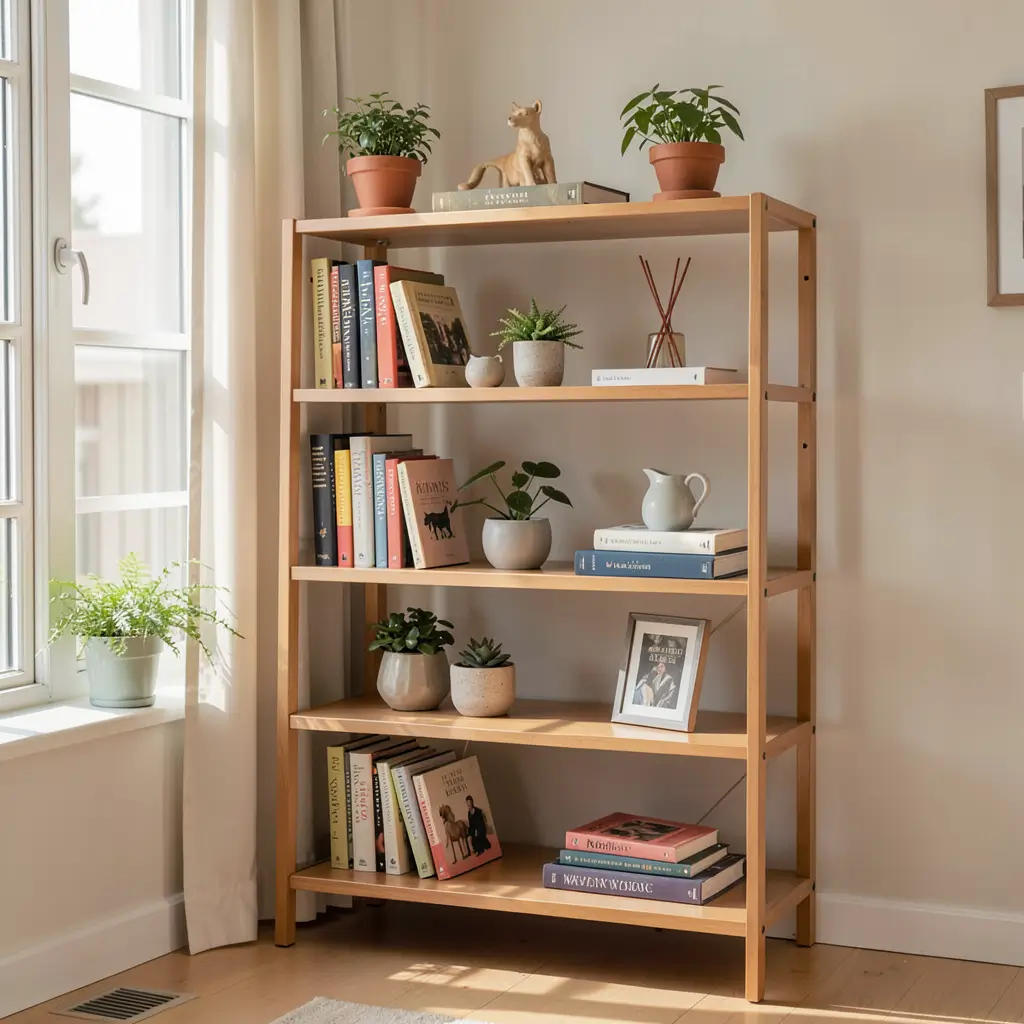
Open frame bookshelves strip away solid backs and sides, creating airy drawings that play with transparency and layering. These doodles celebrate the bookshelf as sculpture.
I fell in love with open frame designs at a Scandinavian furniture store (you know the one). The way you could see through to the wall, how books seemed to float – it opened up completely new drawing possibilities.
Handling Transparency
Open frames require careful consideration of:
- What shows through empty sections
- Overlapping elements creating depth
- Frame thickness affecting visual weight
- Book placement for balanced composition
Start by drawing the complete frame, including parts that will be hidden by books. This ensures structural consistency even when sections get covered.
Aesthetic Arrangements
Make open frames visually interesting through:
- Asymmetrical book groupings for movement
- Mixed horizontal and vertical orientations
- Deliberately empty spaces as design elements
- Objects visible through gaps adding layers
IMO, the beauty of open frame sketches lies in what you don’t draw. Those empty spaces become as important as filled ones.
Bringing Your Bookshelf Drawings to Life
After filling countless sketchbooks with bookshelf drawings, I can honestly say these subjects never get old. Each style offers unique challenges and rewards, from the zen simplicity of minimalist floating shelves to the chaotic charm of vintage library sketches.
The real secret to compelling bookshelf drawings isn’t perfect perspective or flawless shading – it’s capturing the personality and story within those shelves. Whether you’re sketching a geometric modern piece or a cozy corner nook, remember that bookshelves reflect the lives of their owners.
Start with whichever style speaks to you most. Maybe you’re drawn to the clean lines of minimalist sketches, or perhaps the warm chaos of plant-filled shelves calls your name. There’s no wrong place to begin. Each drawing teaches you something new about composition, detail, and the surprising complexity hidden in everyday objects.
These bookshelf drawing ideas serve as launching points for your own creative exploration. Mix elements from different styles, add your own quirky details, invent impossible architectural configurations. The beauty of drawing bookshelves? They can be as realistic or fantastical as your imagination allows.
So grab your sketchbook, find a comfy spot, and start drawing. Your perfect bookshelf – the one that exists nowhere but in your imagination – is waiting to emerge on paper. Who knows? You might just inspire someone else to pick up their pencil and discover the unexpected joy of drawing these everyday libraries we call bookshelves :/