10 Stunning Teaching Classroom Decor Ideas for Modern Style
- Classroom Decor
 Ben
Ben- 0
- 33 minutes read
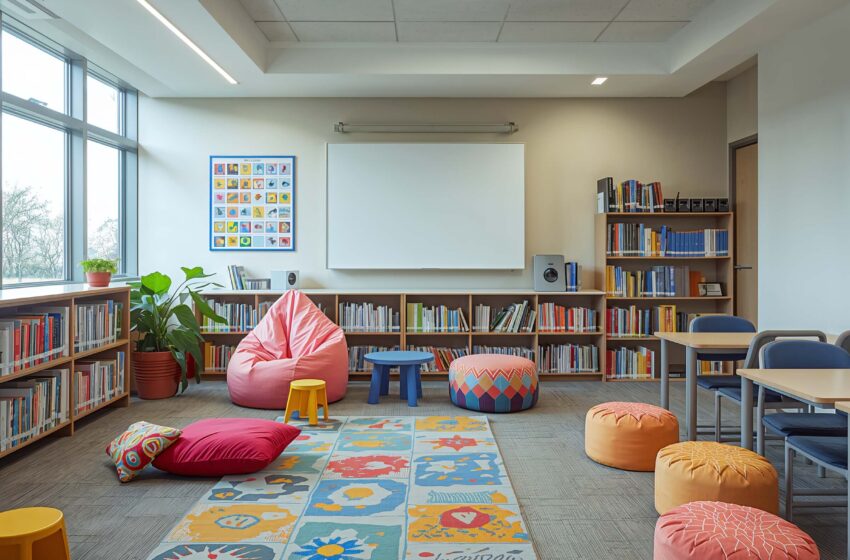
Remember that feeling when you walked into that teacher’s classroom? You know the one—where everything just clicked, and you actually wanted to stay after the bell rang? Yeah, that magical space didn’t happen by accident. Trust me, after spending countless hours transforming my own classroom from boring beige box to Instagram-worthy learning haven, I’ve learned that the right decor makes all the difference.
Let’s talk about creating a classroom that doesn’t scream “institutional learning facility” but whispers “come in and get creative.” Because honestly, who says educational spaces have to look like they’re stuck in 1985?
Interactive Learning Wall Decor
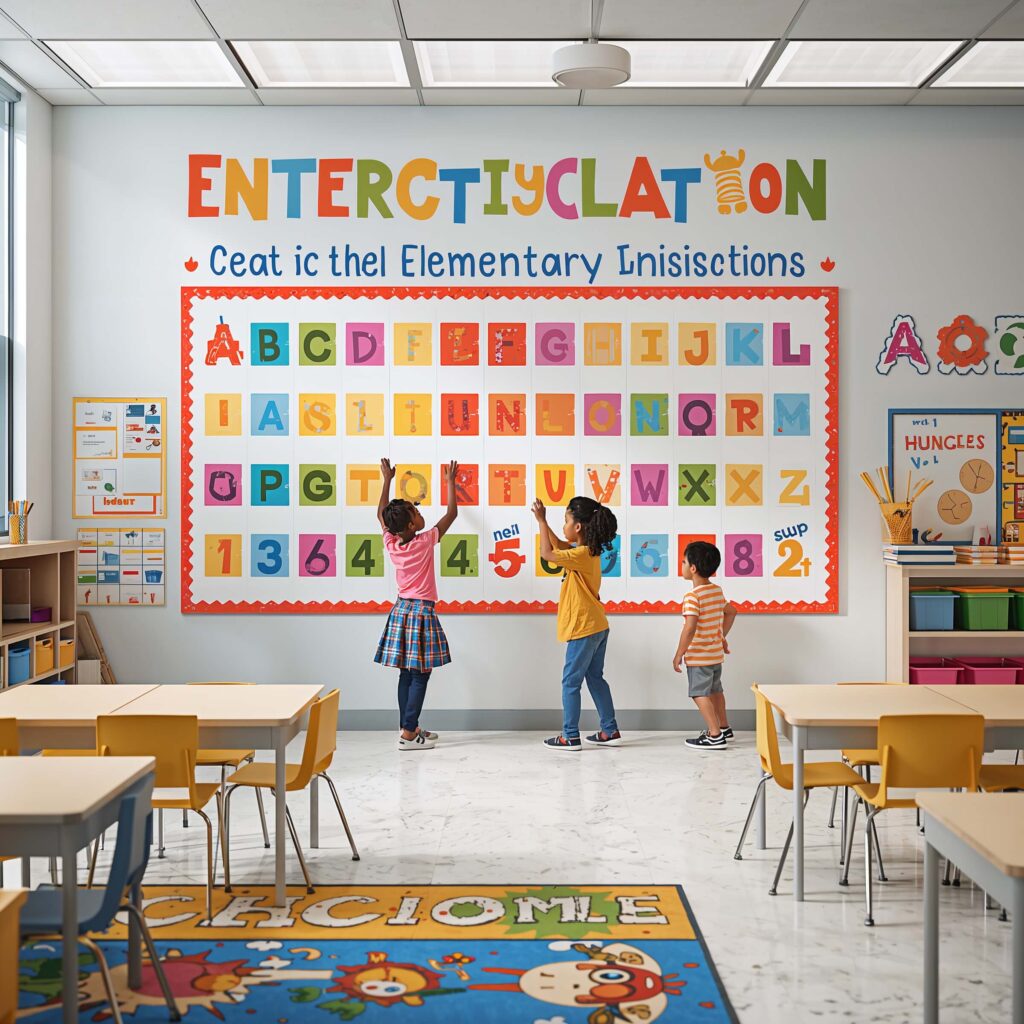
Here’s the thing about interactive walls—they’re basically the Swiss Army knives of classroom decor. I discovered this gem of an idea when my students kept zoning out during lessons, and I thought, “What if the walls could actually teach?”
Interactive walls transform passive spaces into active learning zones. Picture this: magnetic poetry corners where kids create sentences during transitions, or velcro math manipulatives that students grab and use throughout the day. My personal favorite? I created a “Question of the Day” wall with sliding panels where students post their answers before class starts.
You want to know what really works? Try these elements:
- Rotating vocabulary wheels that students spin during word work
- Touch-and-feel texture boards for sensory learning
- Clip-on challenge cards that change weekly
- Student-operated weather stations with moveable parts
The beauty of interactive walls lies in their versatility. One week, you’re teaching fractions with moveable pie pieces. The next, those same magnetic strips hold student artwork. Plus, when kids touch and manipulate learning materials, retention shoots through the roof—science backs this up, but you probably already knew that from watching your students, right?
Making It Work in Real Life
Start small with one interactive corner. I began with a simple “Word of the Week” station featuring removable letter tiles. Students would rearrange them to create new words during free time. Before I knew it, they were begging for more interactive spaces. The trick is choosing materials that serve multiple purposes—magnetic strips, velcro dots, and clear pockets become your best friends.
Budget-Friendly DIY Classroom Theme Setup
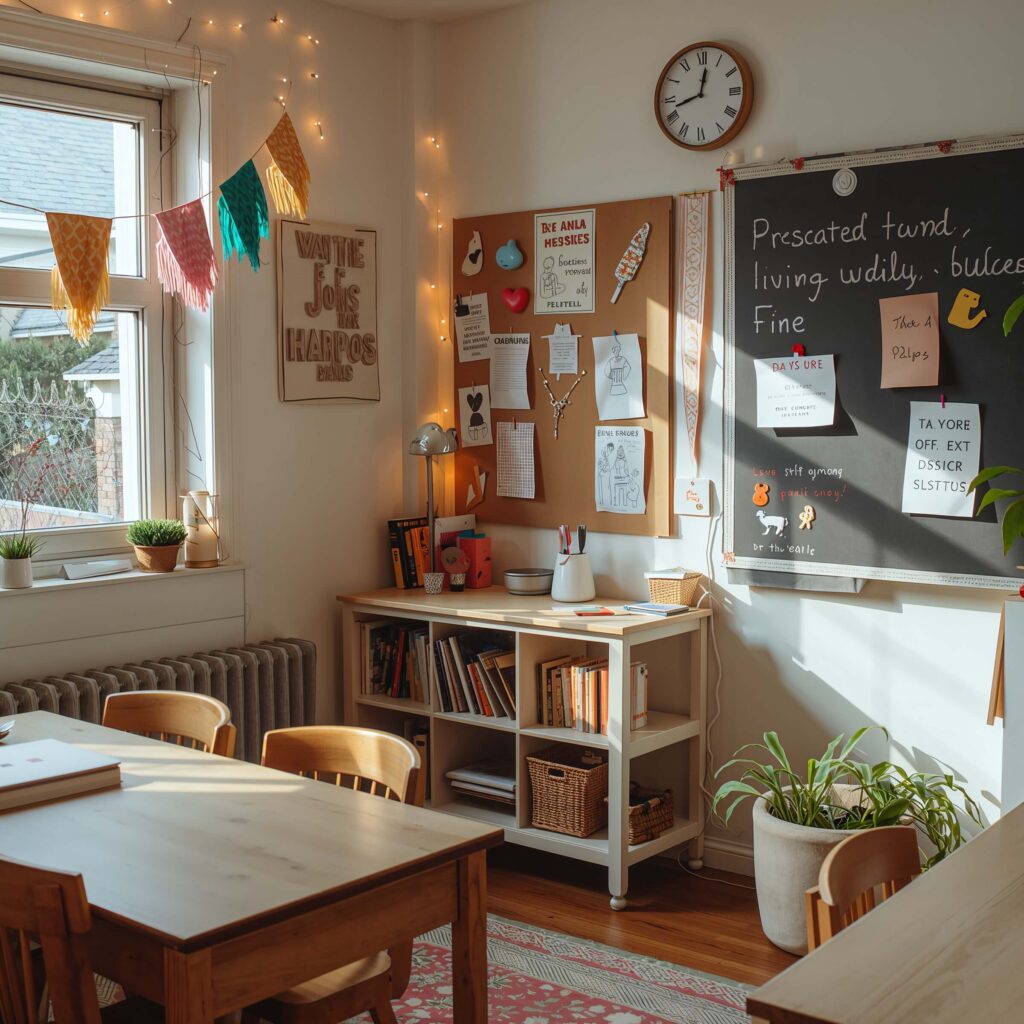
Okay, let’s address the elephant in the room: teacher salaries aren’t exactly Silicon Valley-level. I’ve literally eaten ramen for a week to afford classroom supplies (not my proudest moment, but hey, those bulletin board borders weren’t buying themselves).
Creating a cohesive theme doesn’t require selling a kidney. Dollar stores are goldmines for classroom decor—I’m talking about transforming $20 into a complete ocean theme that rivals anything from those fancy teacher supply catalogs.
Here’s my go-to budget strategy:
- Contact paper becomes instant wallpaper (seriously, $5 wood grain paper transformed my reading nook)
- Cardboard + paint = custom 3D displays that look professionally made
- Thrift store frames for student work (remove the glass for safety)
- Repurposed household items as organizational tools
Want to know a secret? My “expensive-looking” library corner cost me exactly $32. I used shower curtains as backdrop drapes, pool noodles as book display stands, and painted cardboard letters spelling “READ.” Students think it’s the coolest spot in school. Their parents assume I have a decorating budget. Win-win.
The Power of Paint
Never underestimate what a can of paint accomplishes. I transformed plastic storage bins into color-coordinated supply stations with spray paint. Old furniture from garage sales? A coat of chalk paint makes them look intentionally vintage. Paint literally changes everything, and at $10 a can, it’s the most bang for your buck.
Color-Coded Subject Corner Design
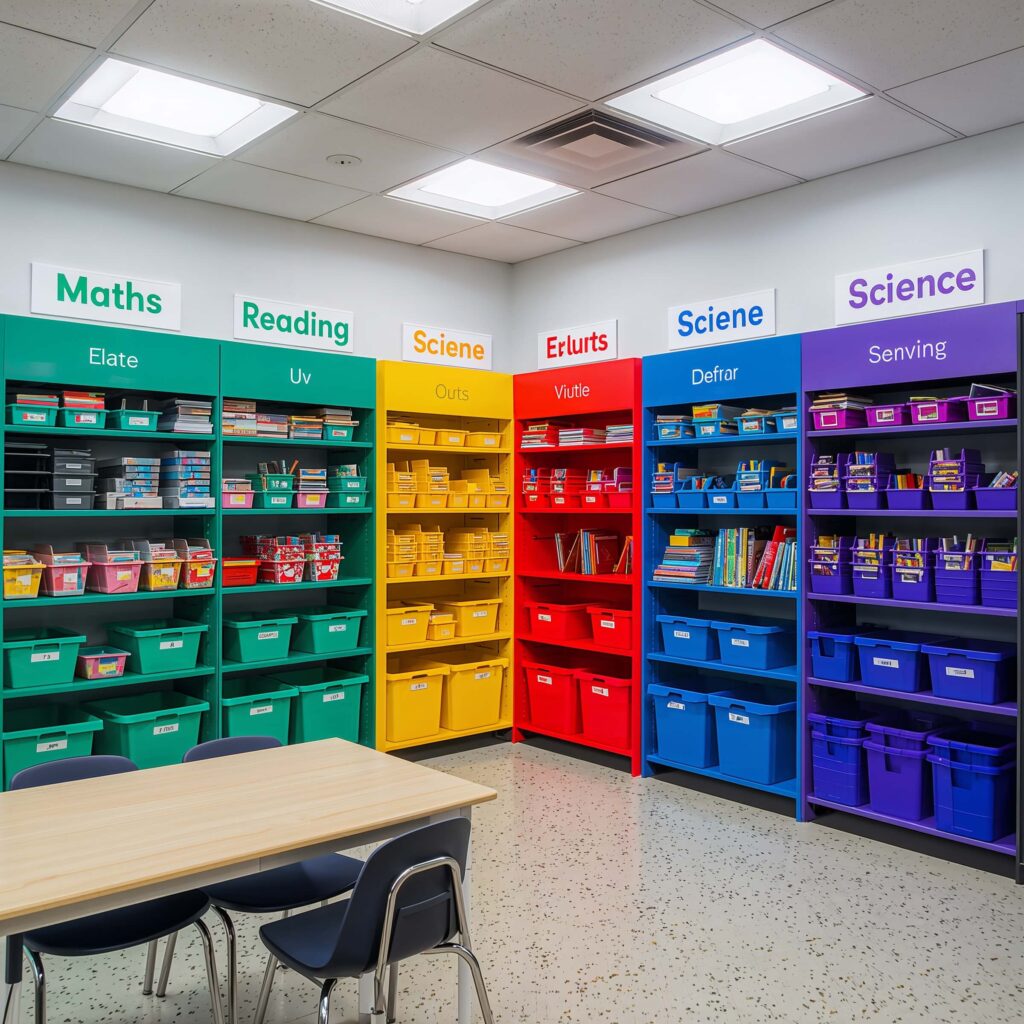
Remember when you couldn’t find anything in your junk drawer until you organized it? Same principle applies to classrooms. Color-coding changed my teaching life—and I’m not being dramatic here.
I assigned each subject its own color: blue for math, green for science, yellow for language arts, red for social studies. Everything related to that subject matches—folders, bins, wall displays, even the border tape around bulletin boards. Sounds obsessive? Maybe. But watch how quickly students find materials when everything follows a system.
The psychology behind this rocks:
- Visual learners process information faster with color associations
- Reduces cognitive load (fancy way of saying kids’ brains work less hard to find stuff)
- Creates automatic mental connections between colors and content
- Makes cleanup ridiculously simple (“Put the blue things in the blue zone!”)
Implementation Without Overwhelm
Start with one subject area. I began with math because, IMO, it needed the most organizational help. Blue bins, blue labels, blue border around the math center. Students caught on immediately. Within a month, they were asking why science didn’t have its own color yet. That’s when you know you’re onto something 🙂
Pro tip: Use paint samples from hardware stores as free color guides. Tape them near each subject area so substitute teachers instantly understand your system.
Minimalist Teaching Classroom Decor
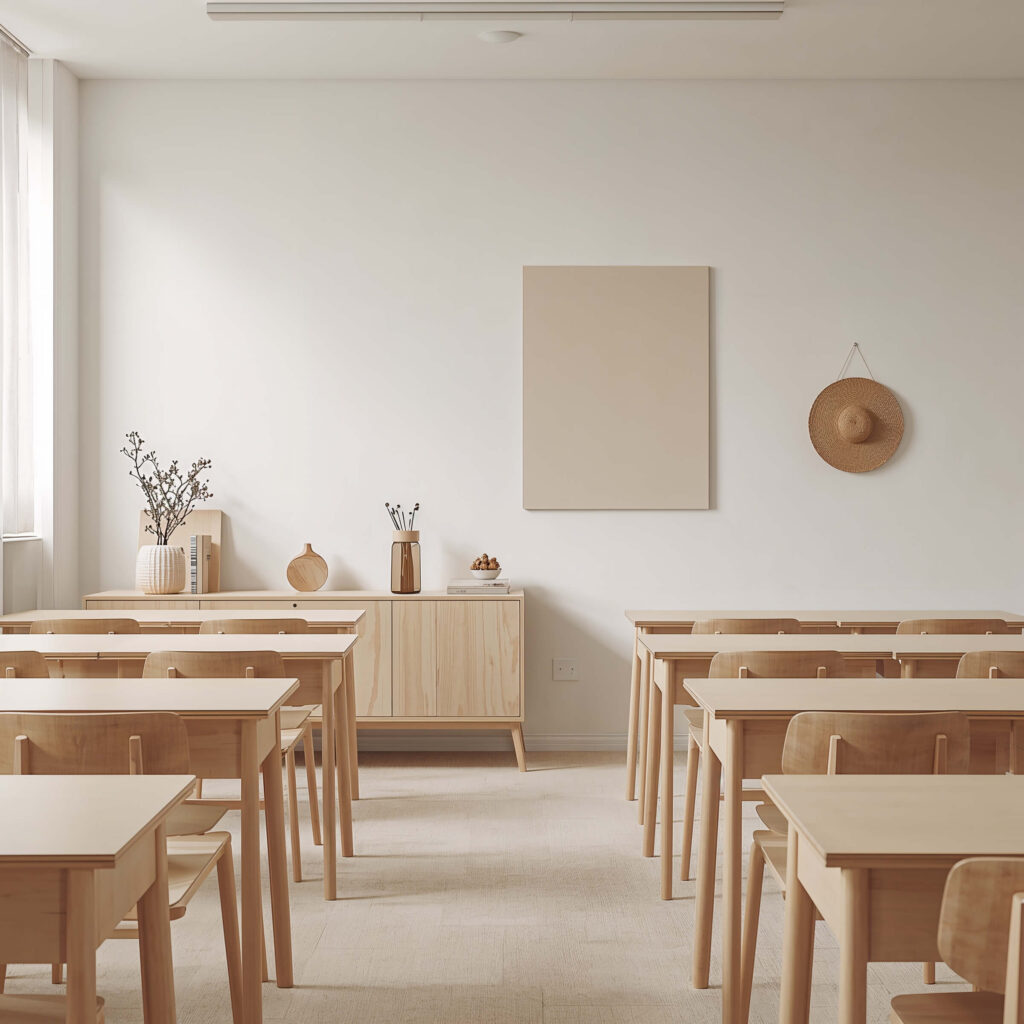
Can we talk about how classrooms sometimes look like educational supply stores exploded? I get it—we want to display everything. But here’s what I learned after years of sensory overload: less really is more.
Minimalist classroom design isn’t about having empty walls. It’s about being intentional with every single item you display. Think quality over quantity. One beautiful, well-designed anchor chart beats fifteen mediocre ones taped haphazardly around the room.
My minimalist must-haves include:
- Neutral base colors (white, grey, or beige walls)
- Natural wood elements for warmth
- Strategic pops of color (one accent wall, not four)
- Plenty of negative space for eyes to rest
- Hidden storage solutions to eliminate visual clutter
Students focus better in calm environments—that’s not opinion, that’s neuroscience. When I stripped away the visual noise, behavior problems decreased, and engagement increased. Coincidence? I think not.
Creating Calm Through Simplicity
Choose three main colors for your entire room. Mine are white, grey, and sage green. Everything either fits this palette or doesn’t make the cut. Harsh? Maybe. Effective? Absolutely. Your classroom should feel like a high-end Scandinavian learning lab, not a carnival.
Store supplies in matching containers with simple labels. Hide the rainbow of markers inside drawers. Display one stunning piece of student work instead of twenty mediocre ones. Trust me, parents notice and appreciate the sophisticated approach.
Also Read: 10 Inspiring Classroom Decor High School Ideas Teens Will Love
Nature-Inspired Calm Learning Space
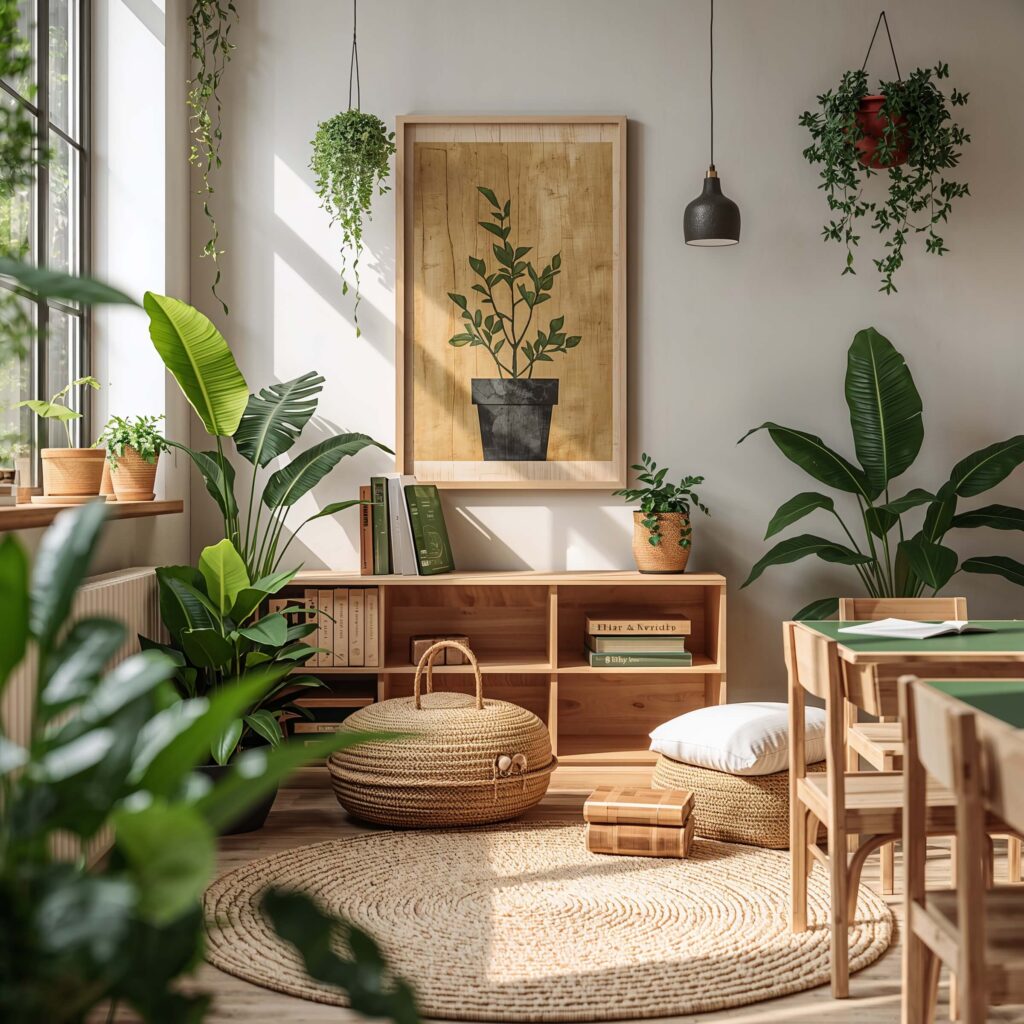
Ever notice how kids automatically calm down outside? There’s something about nature that just works. So why not bring that magic indoors?
I transformed my classroom corner into a mini forest retreat (okay, that sounds fancier than it was, but stick with me). Plants, natural textures, and earth tones create instant zen. We’re talking about real behavioral changes here—my class troublemaker literally asked if he could read in the “forest corner” during recess.
Essential elements for nature-themed spaces:
- Live plants (pothos and snake plants survive anything)
- Natural fiber rugs from discount stores
- Branch displays for hanging student work
- Rock collections for sensory breaks
- Nature sounds playlist during independent work
The best part? Most of these materials cost nothing. I collected branches during weekend hikes, asked parents to donate old baskets, and grew plants from cuttings. Nature provides free decor if you’re creative enough to use it.
Maintenance Reality Check
Let’s be real—not everyone has a green thumb. Start with one impossible-to-kill plant. I recommend pothos because it literally thrives on neglect. Add fake plants if needed (IKEA has incredibly realistic ones). The point isn’t becoming a botanist; it’s creating a calming atmosphere that connects kids to nature.
Motivational Quote Wall for Students
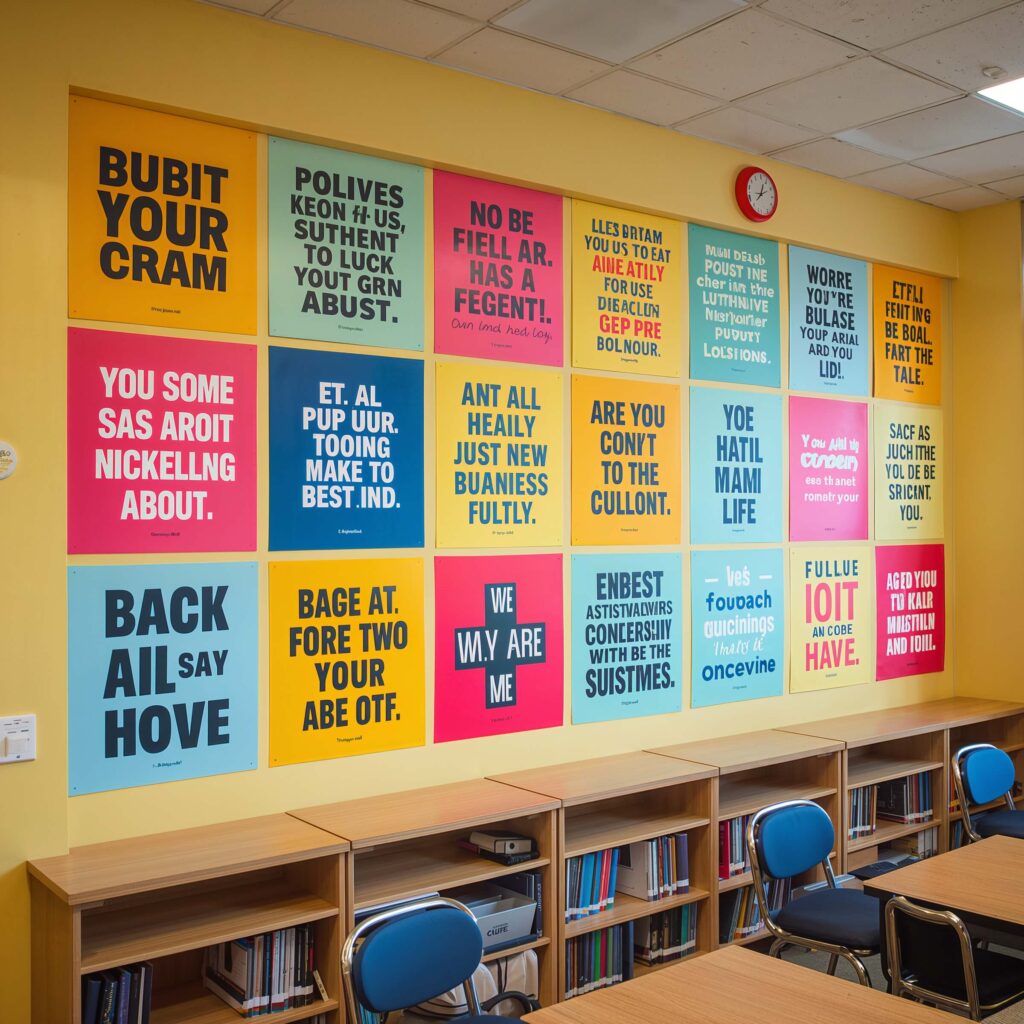
Confession time: I used to think motivational quotes were cheesy. Then I watched a struggling reader point to “Mistakes are proof you’re trying” before attempting a difficult passage. That kid taught me that the right words at the right moment change everything.
Creating an effective quote wall requires strategy. Random Pinterest quotes slapped on construction paper won’t cut it. You need quotes that resonate with your specific students, displayed in ways that demand attention.
My quote wall formula:
- Student-generated quotes (yes, they create their own)
- Rotating featured quote in large, beautiful lettering
- Cultural diversity in quote sources
- Age-appropriate humor mixed with serious inspiration
- Interactive elements (students vote for quote of the week)
Here’s what works: letting students choose and design quotes themselves. They take ownership, actually read them, and genuinely care about the display. Revolutionary concept, right? Giving kids control over their environment makes them invested in it.
Making Quotes Stick
Typography matters more than you think. Invest time in beautiful lettering or quality printables. Frame important quotes properly—not just taped to walls. When something looks important, students treat it as important.
FYI, vinyl letter stickers from craft stores create professional-looking quotes for under $10. Way better than my handwriting, which looks like a caffeinated spider learned to hold a marker.
Flexible Seating Area Decor Ideas
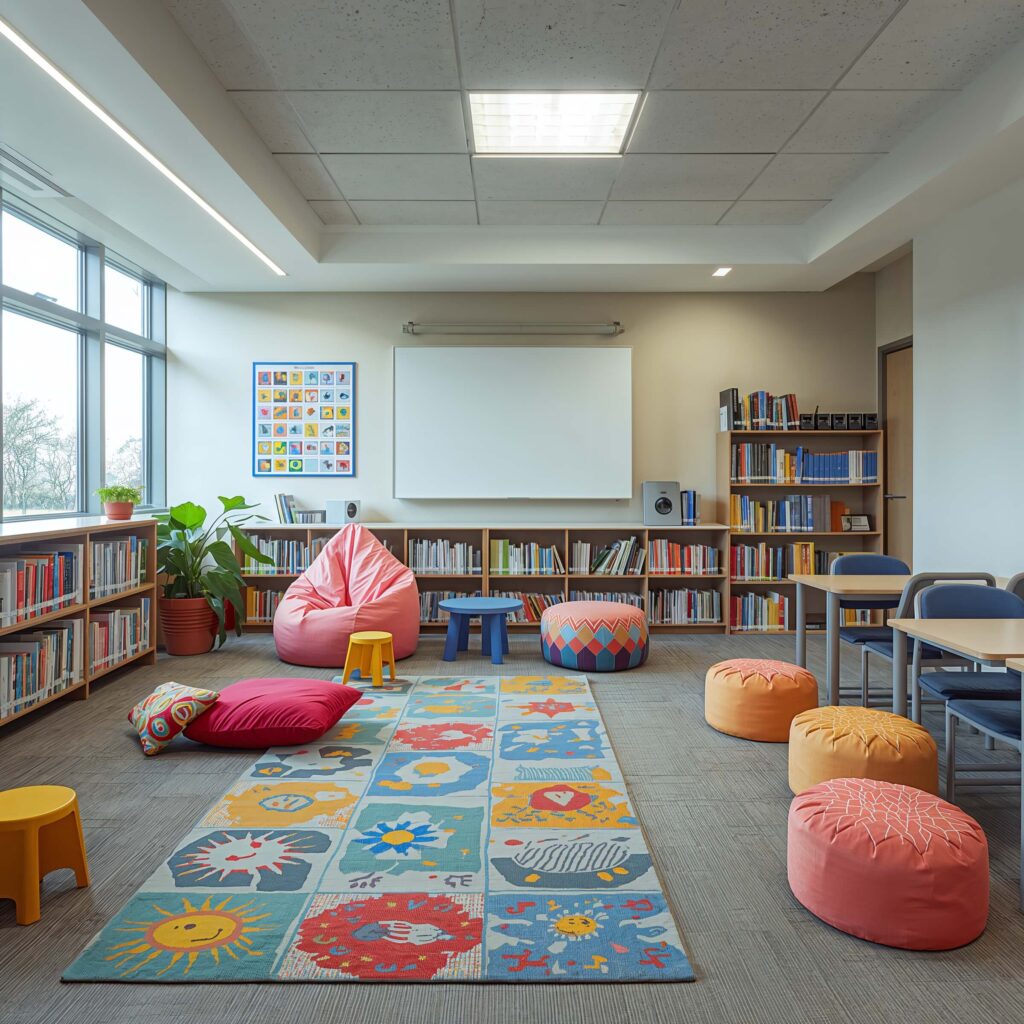
Traditional desks in rows? That’s so last century. Modern classrooms need seating that adapts to different learning styles and activities. But here’s the catch—flexible seating without proper decor looks like organized chaos.
I learned this the hard way when my first attempt at flexible seating looked like a garage sale exploded. Now, my classroom features designated zones with specific seating styles, each decorated to define its purpose.
Successful flexible seating zones:
- Standing desk area with industrial-style stools
- Floor seating corner with cohesive cushions and lap desks
- Collaboration tables with rolling chairs
- Individual focus pods using privacy shields
- Comfort reading nook with bean bags or floor pillows
The secret sauce? Color coordination and clear boundaries. Each zone has its own rug or floor marking, consistent color scheme, and posted expectations. Students know immediately which zone suits their current task.
The Reality of Management
Look, flexible seating isn’t magic. Without structure, it becomes chaos. Create anchor charts showing which seating works for which activities. Use timers for rotation if needed. Most importantly, teach expectations explicitly—don’t assume kids know how to use a yoga ball chair appropriately (spoiler: they don’t).
Also Read: 10 Budget Board Borders Ideas Classroom Decor DIY Touch
Seasonal Rotating Classroom Displays
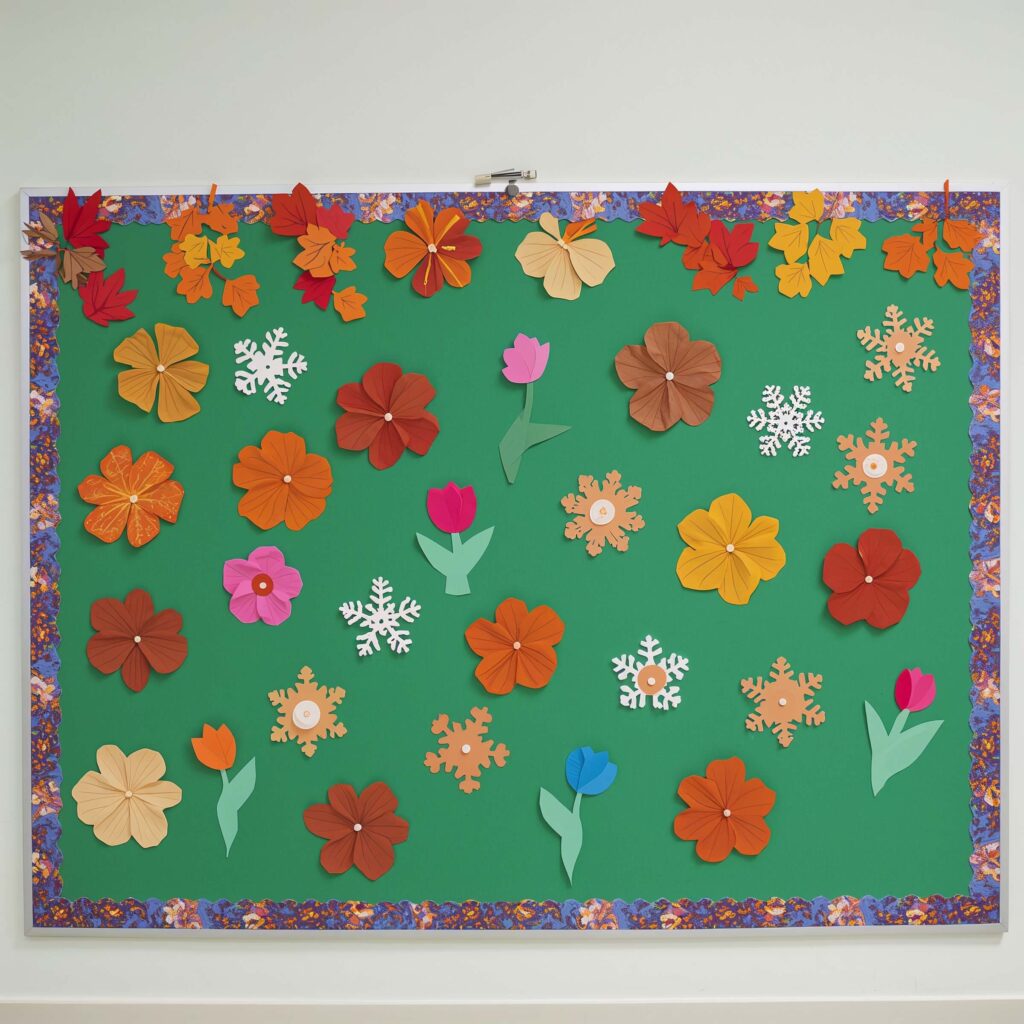
Static decorations get stale fast. Know what doesn’t? Displays that evolve with the seasons. I’m not talking about slapping up some paper pumpkins in October—I mean thoughtful, educational displays that reflect seasonal changes while supporting curriculum.
Each season brings unique learning opportunities. Spring isn’t just about flowers; it’s about life cycles, growth mindsets, and fresh starts. Winter explores adaptation, perseverance, and cultural celebrations worldwide.
My seasonal rotation strategy:
- Quarterly theme overhauls (not monthly—that’s exhausting)
- Student-created elements incorporated each season
- Reusable base decorations with swappable details
- Curriculum connections to current units
- Cultural sensitivity in holiday representations
The trick is creating a base system that easily adapts. I use the same bulletin board frames year-round but change the content seasonally. Same structure, fresh content—saves time and money while keeping things interesting.
Storage Solutions That Actually Work
Organize seasonal decorations in clear, labeled bins. Take photos before taking displays down (trust me, you’ll forget how you arranged things). Create a seasonal decoration calendar so you’re not scrambling last minute. Been there, decorated that at 6 AM before kids arrived—not recommended.
Small Classroom Space-Saving Decor
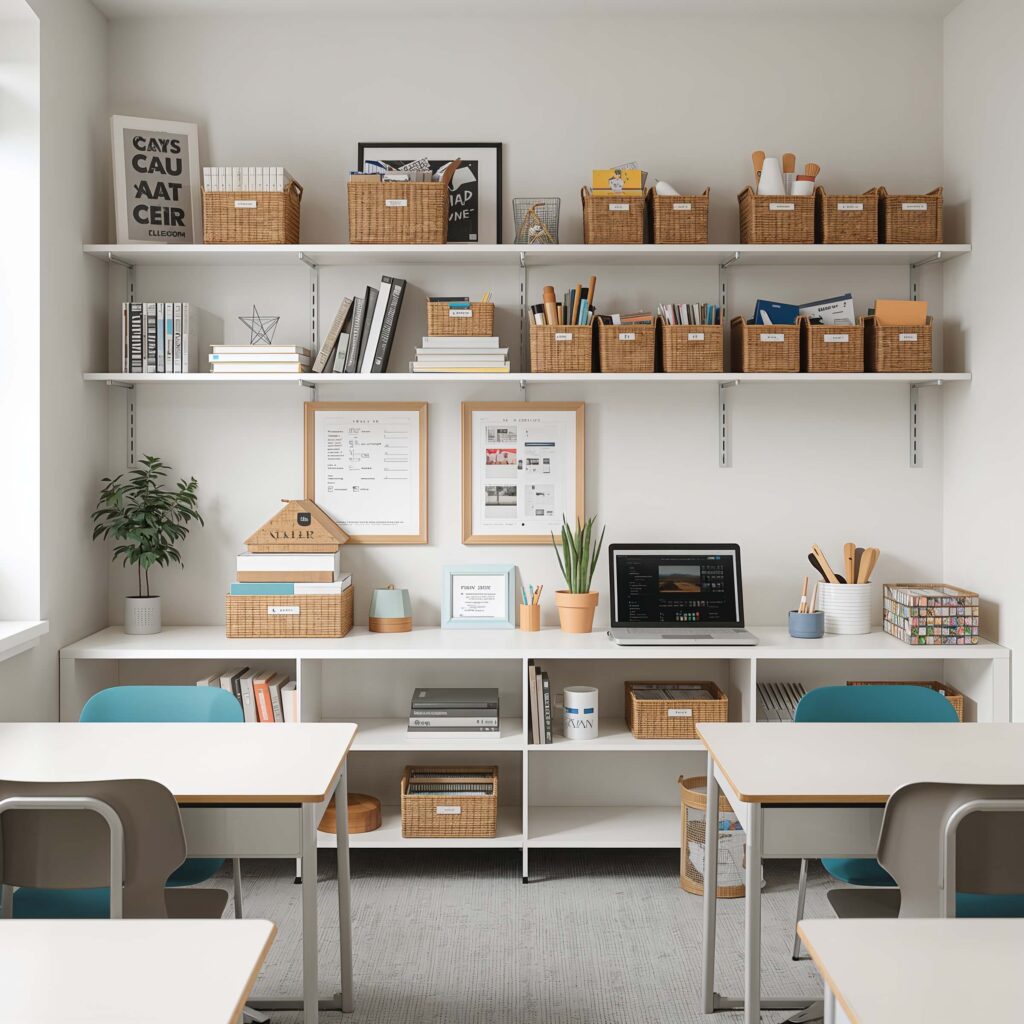
Teaching in a shoebox-sized classroom? Join the club. My first classroom was so small, I could touch opposite walls with my arms spread. But you know what? Small spaces force creative solutions that often work better than sprawling rooms.
Vertical space becomes your best friend. Walls aren’t just for posters—they’re storage, display, and teaching surfaces combined. Think up, not out.
Space-saving solutions that actually work:
- Ceiling-hung displays using fishing line
- Magnetic strips on every metal surface
- Over-door organizers for supplies
- Fold-down desk attachments for activities
- Corner shelving units maximizing dead space
- Under-table storage bins on wheels
My favorite hack? Pegboard walls. They’re infinitely customizable, hold everything from supplies to student work, and look intentionally industrial-chic. Plus, rearranging takes seconds.
Multi-Purpose Everything
Every item in a small classroom needs at least two jobs. Ottoman? It’s also supply storage. Bulletin board? Double as a white board with clear covering. Room divider? Make it a display surface too. Single-purpose items are luxury you can’t afford in small spaces.
Also Read: 10 Exciting Classroom Wall Decor Ideas for Fun Learning
Student Work Showcase Gallery Wall
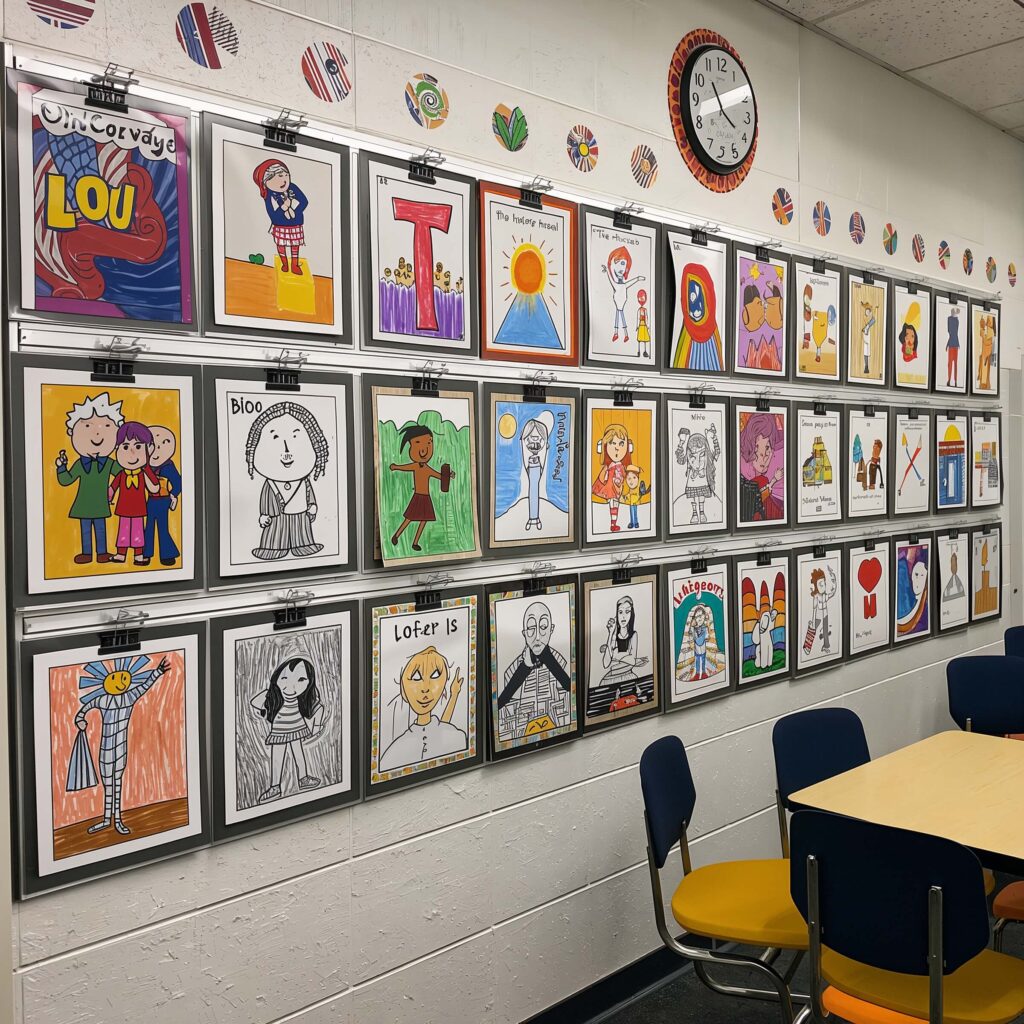
Nothing motivates students like seeing their work displayed professionally. But here’s the thing—randomly taped papers look messy. A proper gallery wall? That screams “your work matters.”
I created a museum-quality display using thrift store frames and removable mounting strips. The transformation was immediate—students started putting more effort into assignments, knowing they might end up “in the gallery.”
Gallery wall essentials:
- Uniform frames or mounting systems
- Professional labels with student names and titles
- Rotating schedule so everyone gets featured
- Variety in work types (not just perfect papers)
- Student artist statements (yes, even in elementary)
- QR codes linking to digital portfolios
The game-changer? Letting students curate their own work. They choose their best piece, write about why they selected it, and help arrange the display. Ownership breeds pride, and pride breeds better work.
Making It Sustainable
Create a rotation system from day one. I change displays monthly, with students voting for pieces to keep permanently. Document everything—photograph displays before taking them down. Parents love seeing their kids’ work showcased professionally, and you’ll build an amazing portfolio for conferences.
Bringing It All Together
Here’s what nobody tells you about classroom decor: it’s not about creating Pinterest perfection. It’s about building a space where learning feels natural, where students want to be, and where you can teach without fighting against your environment.
Start with one idea from this list. Maybe it’s the interactive wall, maybe it’s color-coding. Perfect is the enemy of good, and good is what gets done. Your classroom won’t transform overnight—mine took three years to reach its current state, and it’s still evolving.
Remember, the best classroom decor serves a purpose beyond looking pretty. Every element should either support learning, improve organization, or create a positive atmosphere. If it doesn’t do at least one of these, it’s just clutter with good intentions.
Students remember classrooms that made them feel something. Make yours memorable for the right reasons. Create a space that whispers “you belong here” to every kid who walks through your door. Because at the end of the day, the most stunning classroom decor is the one that makes students excited to learn.
Now get out there and transform that classroom. Your students (and your teaching sanity) will thank you for it. Who knows? You might even become that teacher whose classroom everyone remembers years later. Pretty cool legacy, if you ask me.