10 Gorgeous Cosmetic Shop Design Ideas Premium Beauty Vibes
- Shop Design
 Ben
Ben- 0
- 27 minutes read
You know that feeling when you walk into a beauty store and instantly feel like you’ve stepped into a Instagram-worthy wonderland? Yeah, that’s not an accident. The most successful cosmetic shops understand something crucial: your space sells your products before you even open your mouth.
I’ve spent years obsessing over retail design (guilty as charged!), and I can tell you that creating the perfect cosmetic shop isn’t just about pretty displays. It’s about crafting an experience that makes customers want to touch everything, try everything, and buy everything. Ready to transform your beauty business into a destination people actually drive across town to visit?
Luxury Glass Front Cosmetic Boutique Layout
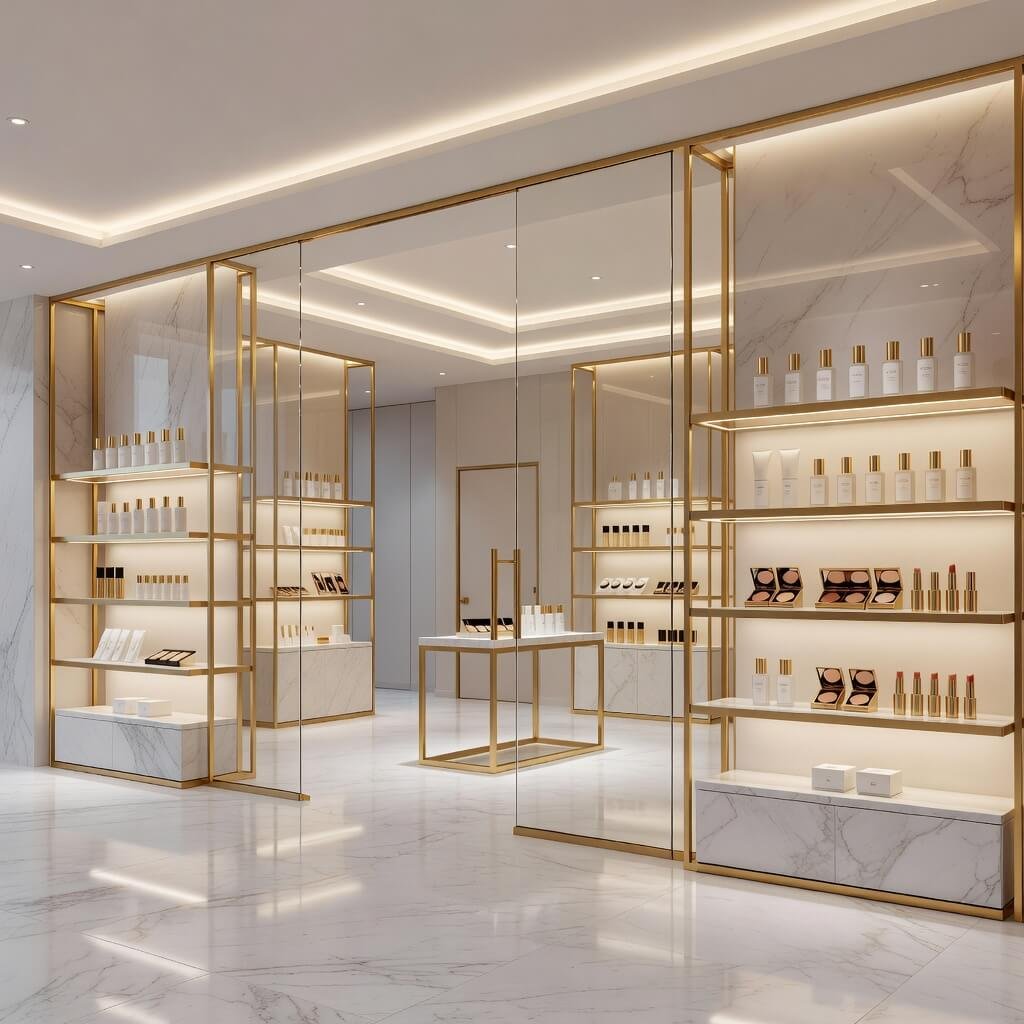
Picture this: floor-to-ceiling glass windows that make your entire store feel like a living, breathing advertisement. Glass front boutique layouts create an irresistible transparency that draws customers in like moths to a flame.
The magic happens when you position your most stunning displays right up against those windows. I’m talking about your premium skincare collections, limited edition makeup palettes, or that gorgeous perfume collection that catches the light just right. Natural lighting becomes your best friend with this setup, making every product look like it belongs in a magazine photoshoot.
Here’s what makes this layout absolutely killer:
• Maximum visibility: Passersby can see your entire product range from the sidewalk
• Natural product photography: Your Instagram content practically creates itself
• Premium positioning: Glass fronts automatically signal high-end quality to customers
• Flexible merchandising: Easy to switch up displays based on seasons or trends
The key trick? Layer your displays at different heights near those windows. Use clear acrylic risers, floating shelves, and rotating display cases. This creates depth that makes people literally stop in their tracks. Trust me, I’ve watched it happen countless times.
Want to know a secret? Position your most photogenic products at eye level. People take photos through your windows more often than you think, and those social media posts become free advertising for your business.
Minimal White and Gold Beauty Shop Interior Design
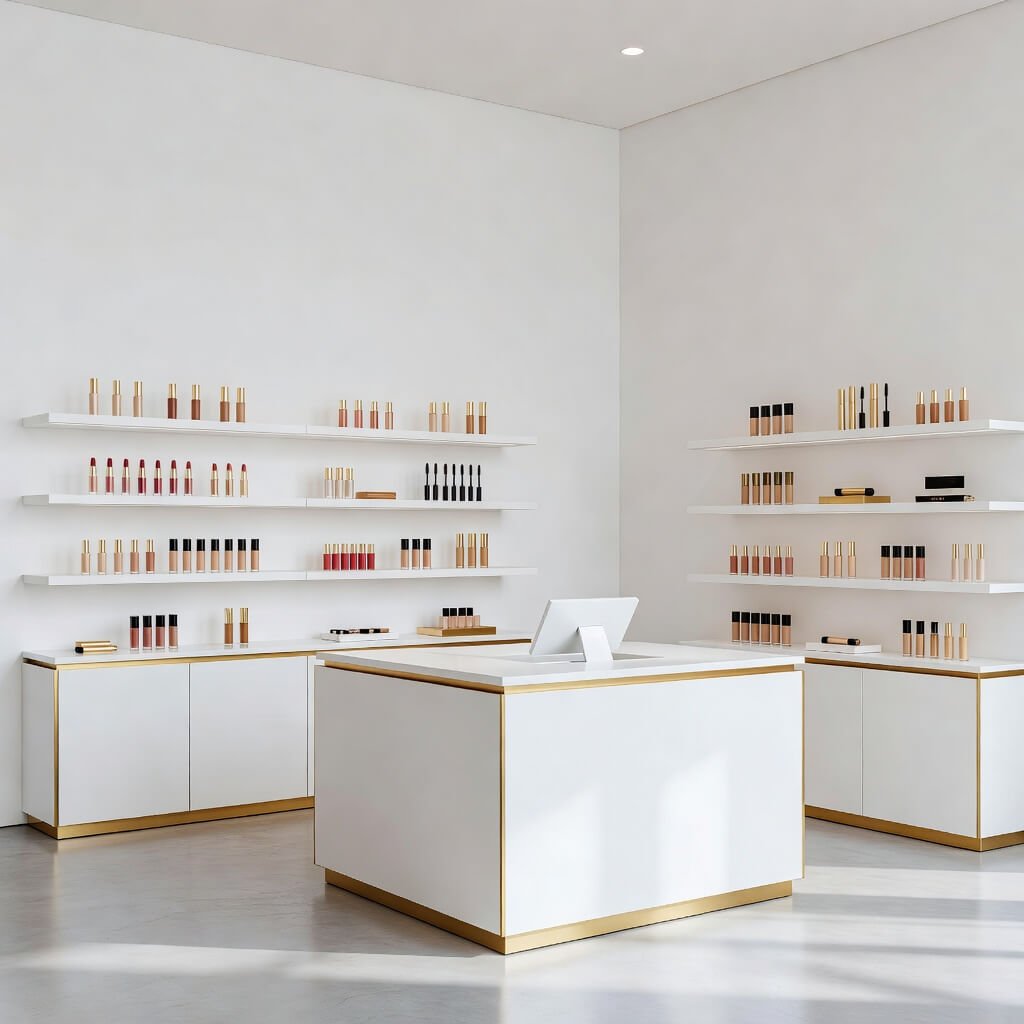
Okay, let’s talk about the design trend that literally never goes out of style: white and gold minimalism. This isn’t just pretty—it’s psychological warfare against cluttered, overwhelming retail spaces.
White creates this incredible sense of cleanliness and luxury that makes customers feel confident about product quality. Add strategic gold accents, and suddenly you’ve got a space that screams premium without being pretentious. I’ve seen this combination turn small budget shops into spaces that feel way more expensive than they actually are.
Your white base should dominate about 80% of the space. Think white walls, white display units, white checkout counters. Then you hit them with strategic gold details:
• Gold-framed mirrors that reflect light and make the space feel bigger
• Brass hardware on drawers and cabinets
• Gold accent lighting fixtures
• Metallic display trays and product holders
The beauty of this design? Every product pops against the neutral background. Your colorful makeup palettes, vibrant nail polishes, and richly toned skincare packaging become the stars of the show. It’s like creating a blank canvas that makes everything else look intentional and curated.
Pro tip: Add texture through white materials like marble, glossy tiles, or matte paint finishes. This prevents your space from feeling sterile or boring. FYI, lighting is everything with this design—you need both warm and cool lights to make the gold accents shimmer just right.
Small Space Cosmetic Store Display Optimization
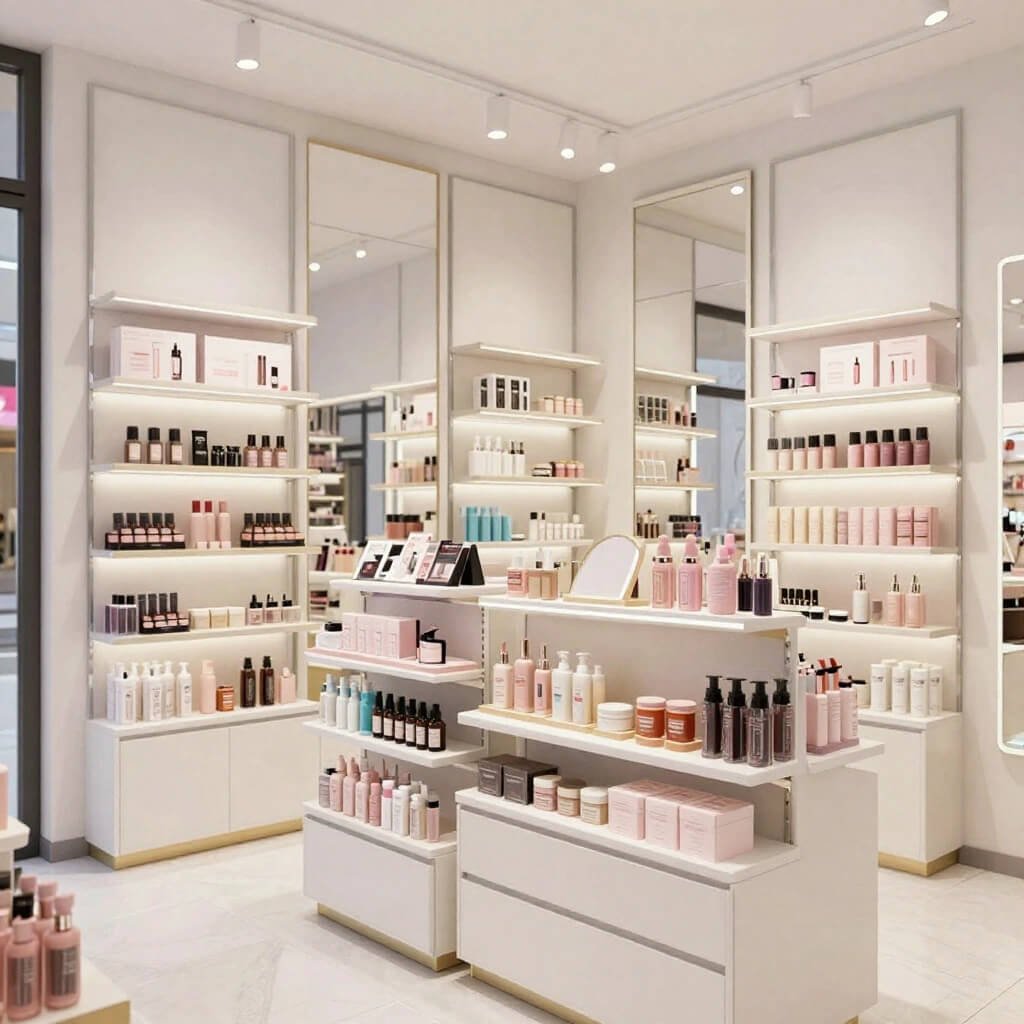
Small spaces can feel like a curse, but honestly? They’re often the most profitable per square foot when you design them right. Vertical thinking becomes your superpower when floor space is limited.
I’ve worked with shops smaller than most people’s bedrooms that generate more revenue than sprawling beauty superstores. The secret lies in maximizing every single inch without making customers feel claustrophobic.
Here’s your small space game plan:
• Go vertical: Use wall-mounted shelving from floor to ceiling
• Choose multi-functional furniture: Ottomans with storage, mirror stands with product shelves
• Create clear sight lines: Customers should see the entire space from the entrance
• Use light colors: Dark colors make small spaces feel even smaller
Strategic mirror placement works like magic in compact stores. Position large mirrors at the back of your space to create the illusion of depth. Place smaller mirrors throughout to reflect light and products, making everything feel more spacious and bright.
The psychology of small spaces? Customers actually focus better when they’re not overwhelmed by endless options. Curate your product selection carefully, and rotate your displays frequently to keep regular customers coming back for new discoveries.
Want to blow customers’ minds? Create defined zones within your small space—a skincare corner, a color cosmetics section, a fragrance area. Clear organization makes shopping feel easier and more intentional, even in tight quarters.
LED Light Modern Makeup Shop Aesthetic Setup
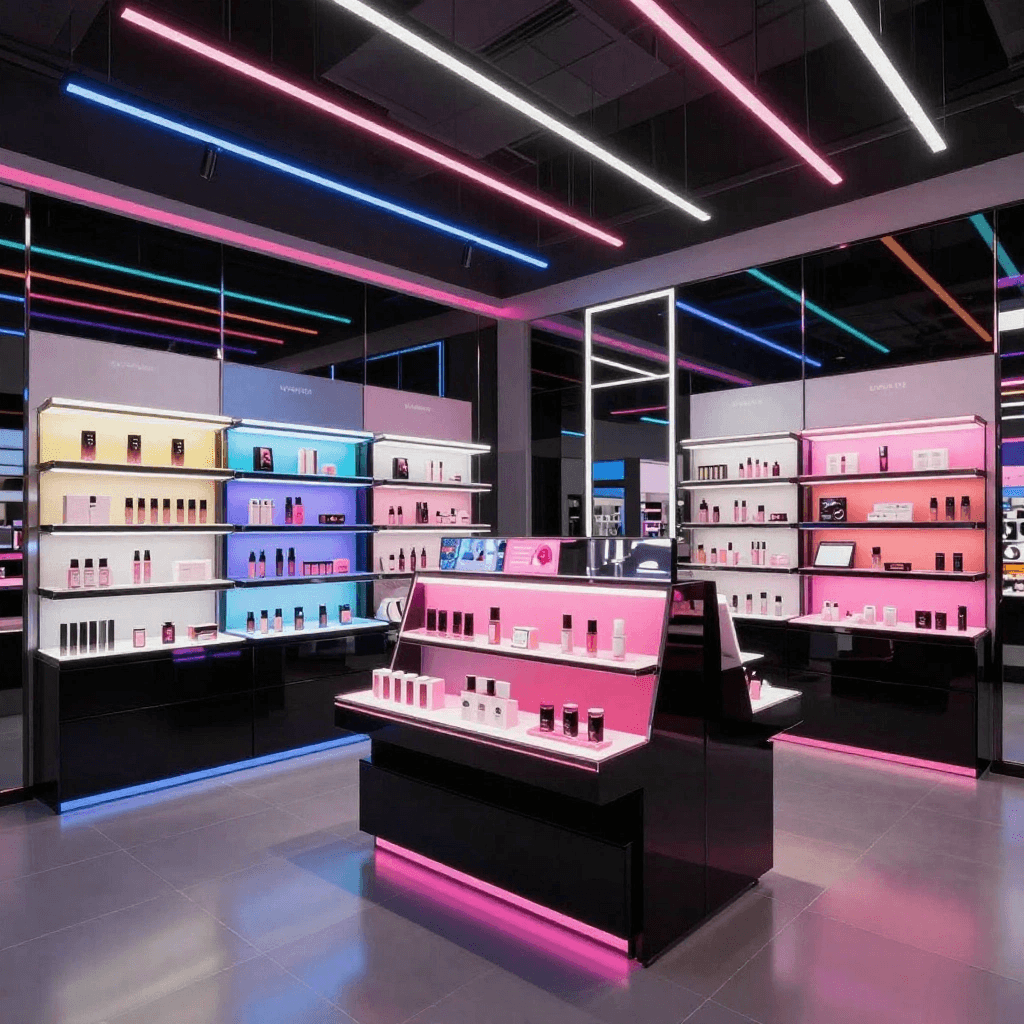
Lighting can make or break a cosmetic shop, and I’m not being dramatic here. Poor lighting literally costs you sales because customers can’t see true product colors or how makeup actually looks on their skin.
Modern LED systems give you superpowers that older lighting never could. You can adjust color temperature throughout the day, create dramatic accent lighting, and significantly reduce your electricity bills while making everything look absolutely stunning.
Your lighting strategy should include multiple layers:
• Ambient lighting: Soft, general illumination that makes the space feel welcoming
• Task lighting: Bright, clear light for makeup application and testing areas
• Accent lighting: Dramatic highlighting for featured products or displays
• Natural light simulation: LEDs that mimic daylight for accurate color matching
The magic happens when you synchronize your lighting with your store layout. Create brighter zones around testing areas and mirrors, then use softer lighting in browsing areas. This guides customer flow naturally through your space.
Here’s something most people don’t consider: color-changing LED strips behind displays can completely transform your store’s mood based on seasons, promotions, or time of day. Holiday displays, spring launches, evening events—your lighting becomes part of your marketing strategy.
Pink Glam Beauty Store Interior Concept
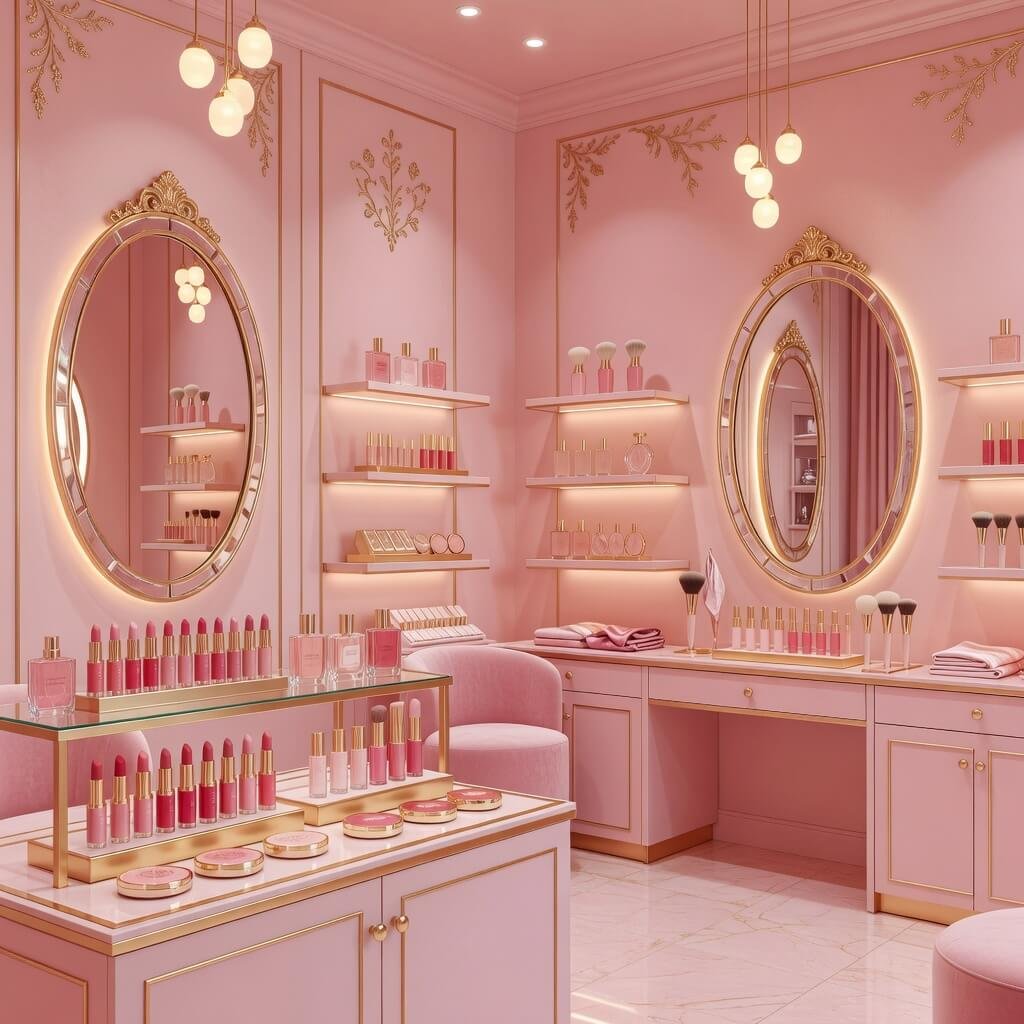
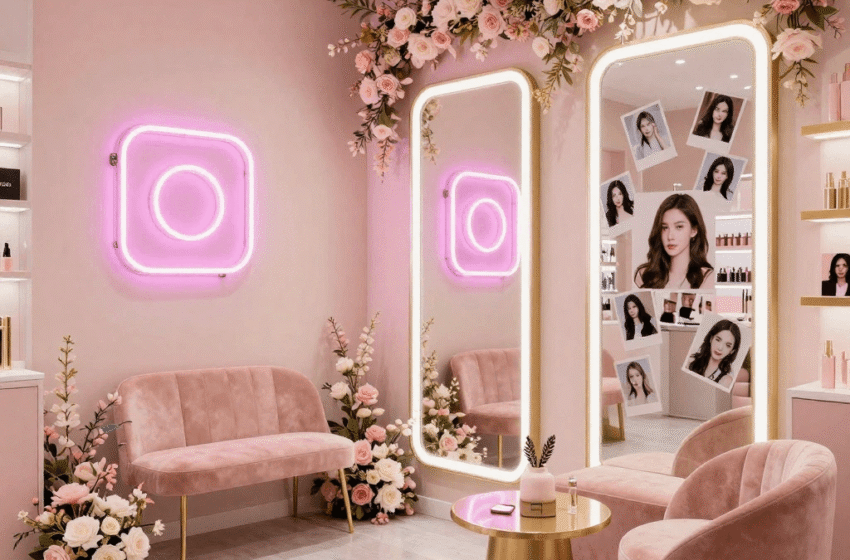
Let’s address the elephant in the room: pink beauty stores are everywhere, but most of them get it completely wrong. The trick isn’t avoiding pink—it’s doing pink so well that competitors look basic by comparison.
Strategic pink implementation means using different shades, textures, and intensities to create depth rather than overwhelming customers with Barbie dreamhouse vibes. I’m talking about blush pink walls with rose gold accents, dusty pink velvet seating, and just enough hot pink details to keep things exciting.
Your pink palette should tell a story:
• Soft pinks for relaxation and comfort (waiting areas, consultation spaces)
• Medium pinks for energy and femininity (main shopping areas)
• Bold pinks for excitement and Instagram moments (feature walls, selfie spots)
The key to avoiding pink overload? Balance with neutral tones like cream, white, gray, or even black. These colors ground your pink elements and prevent your space from feeling like a child’s playroom.
What makes pink spaces successful? They tap into emotional shopping psychology. Pink creates feelings of comfort, playfulness, and self-care—exactly what customers want when shopping for beauty products. But here’s the insider secret: use different lighting temperatures to make your pink tones shift throughout the day. Warm lighting makes pinks feel cozy, while cool lighting makes them feel fresh and modern.
High-End Perfume and Cosmetic Retail Design
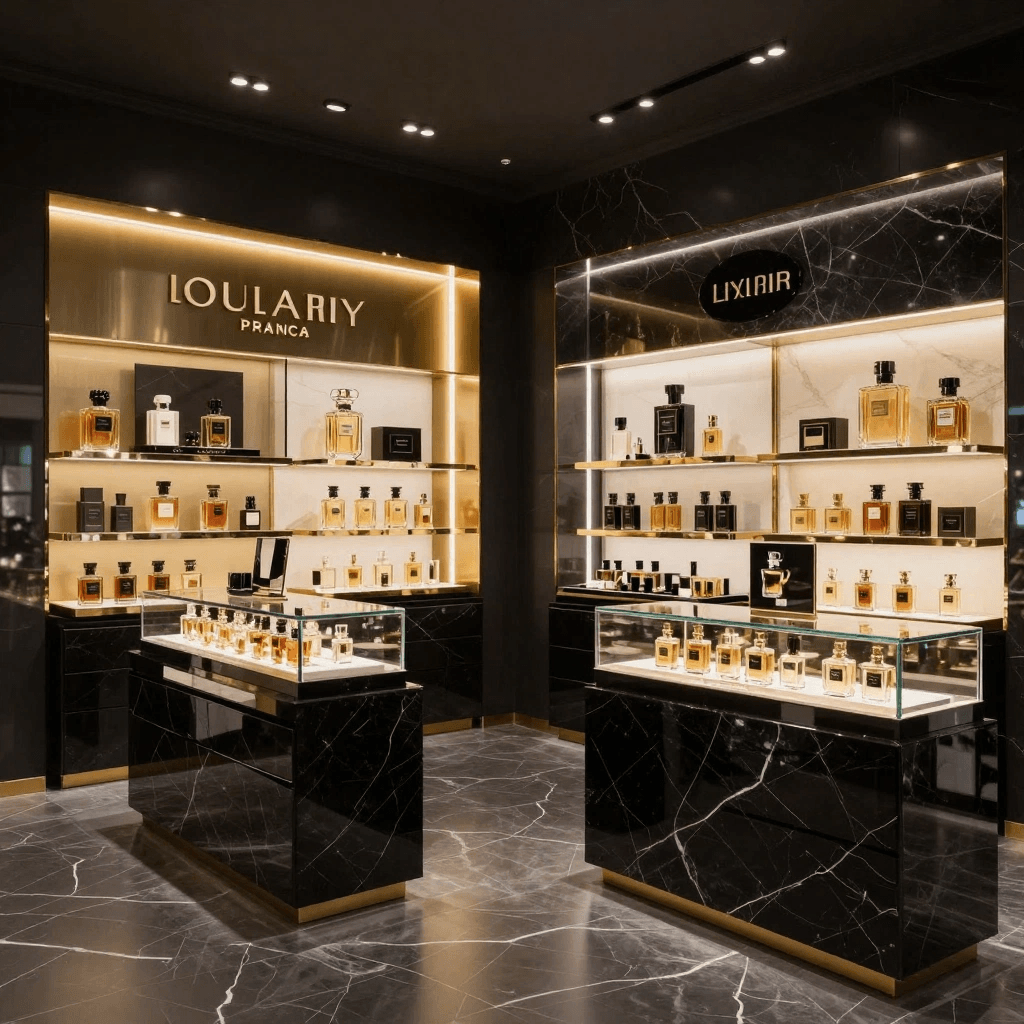
Luxury fragrance and high-end cosmetics demand a completely different design approach than mass-market beauty products. Your space needs to whisper exclusivity while making customers feel worthy of the premium experience.
Think about how high-end department store beauty counters operate, then amplify that experience. Every surface should feel intentional and expensive—even if you’re working with a modest budget.
Materials matter enormously in luxury retail:
• Natural stone or marble for countertops and display surfaces
• Rich wood tones for warmth and sophistication
• Brushed metals rather than shiny chrome finishes
• Leather or velvet accents for seating and display elements
Scent control becomes crucial when you’re selling fragrances. You need proper ventilation systems that can clear scents between customers, plus strategic placement of fragrance testers to prevent overwhelming olfactory chaos.
The luxury customer expects personalized attention and expert consultation. Design your space with comfortable seating areas where customers can receive one-on-one service. Create semi-private consultation nooks that feel exclusive and personal.
Here’s what separates amateur luxury spaces from the real deal: attention to sensory details. Soft background music, perfect temperature control, fresh flowers or plants, and even the weight and feel of your shopping bags contribute to the overall luxury perception.
Wooden Natural Tone Organic Beauty Shop Style
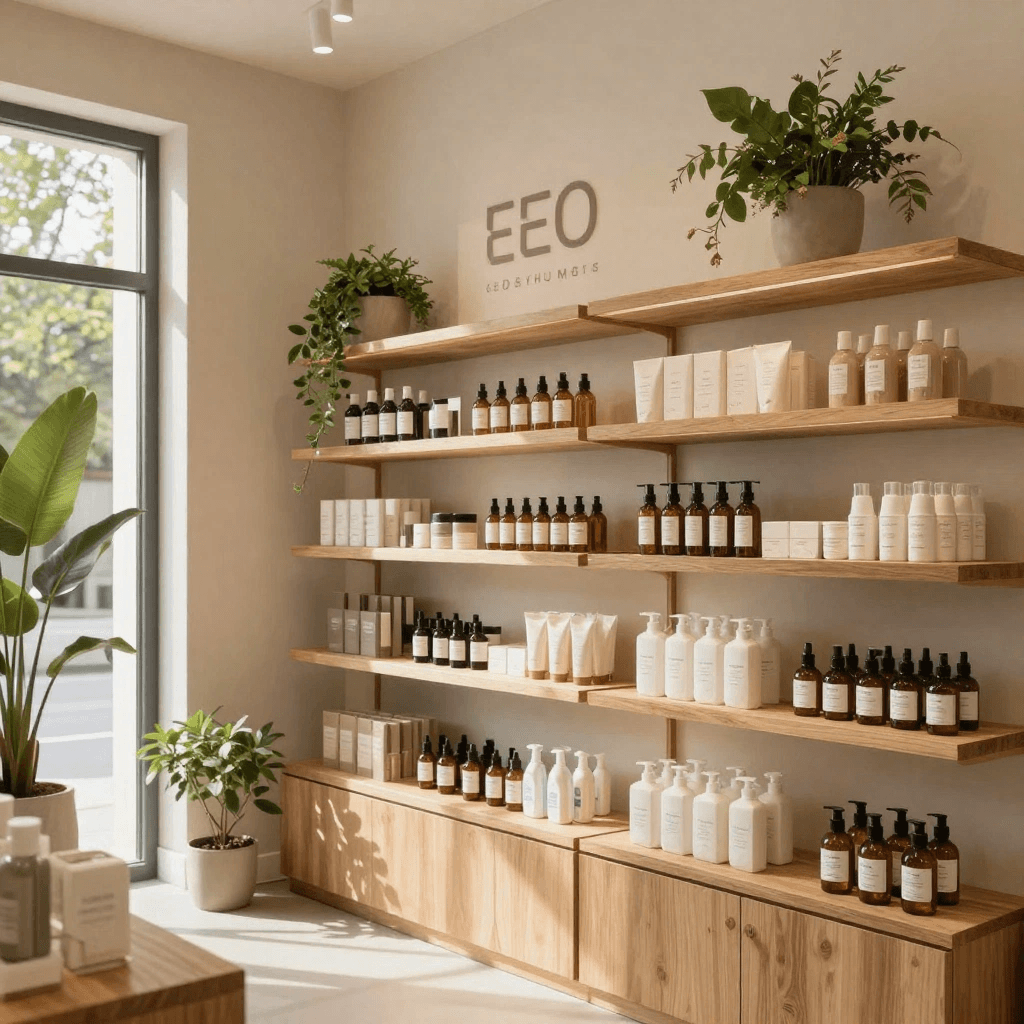
The clean beauty movement has created huge demand for cosmetic shops that feel authentic, natural, and environmentally conscious. Wooden natural tone design isn’t just trendy—it’s a statement about your brand values.
Raw wood elements create instant warmth and credibility for organic and natural beauty products. Customers subconsciously associate wood with purity, sustainability, and authenticity—exactly what they’re seeking when they choose clean beauty options.
Your wood strategy should include varied textures and tones:
• Light woods like birch or maple for brightness and modern appeal
• Medium woods like oak or ash for stability and classic beauty
• Dark woods as accent pieces for depth and sophistication
• Live edge elements for authentic, organic feeling
Complement wood with natural materials like stone, hemp rope, linen fabrics, and plenty of living plants. This creates a cohesive natural environment that makes synthetic beauty products feel out of place.
The psychology behind natural design? Customers shopping for organic beauty products want reassurance about authenticity. Your space design becomes proof that your brand genuinely cares about natural, sustainable values rather than just jumping on marketing trends.
Pro tip: Incorporate imperfections intentionally. Hand-hewn wood surfaces, slightly irregular stone elements, and natural plant variations make your space feel genuine rather than artificially manufactured.
Instagram-Worthy Cosmetic Shop Selfie Corner Design
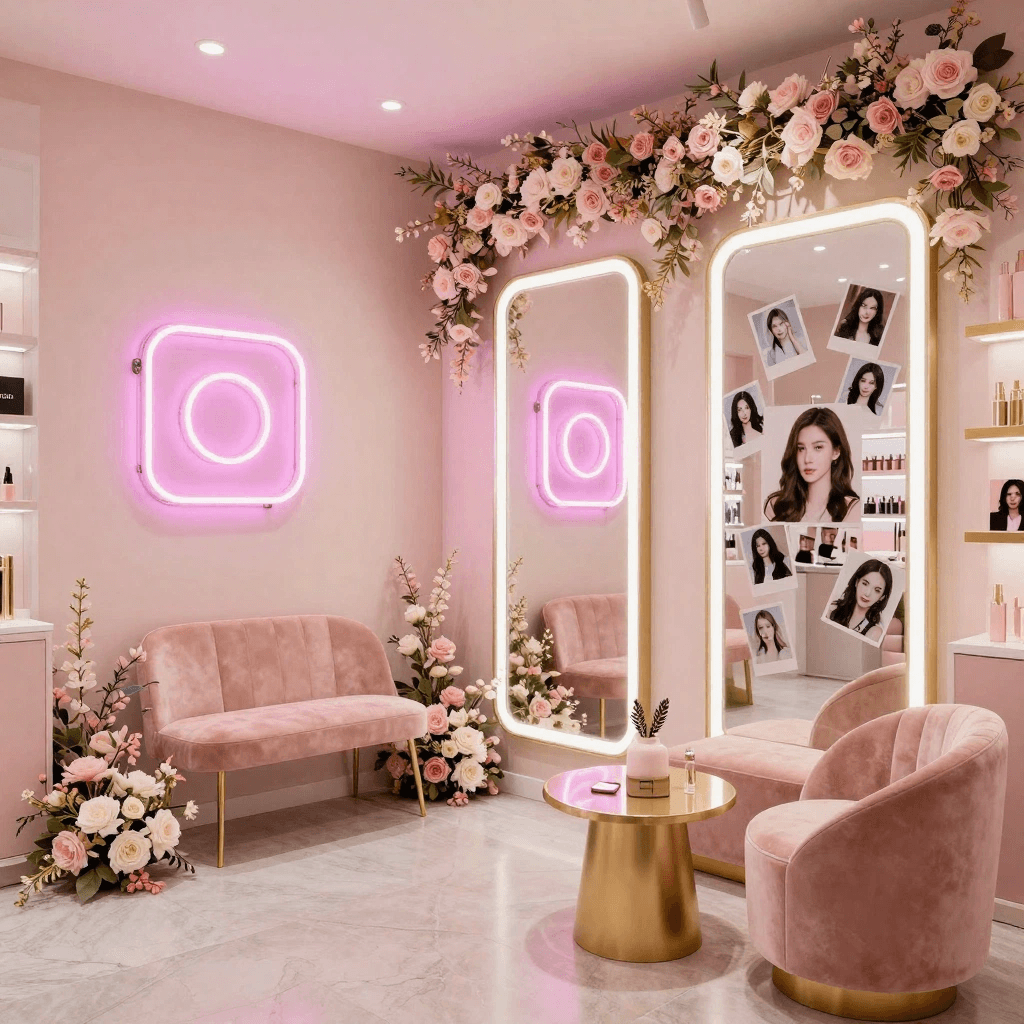
Let’s be honest—your customers are going to take photos in your shop whether you plan for it or not. Why not design specific areas that practically beg for social media posts? 🙂
Strategic selfie corners serve multiple purposes: they keep photo-taking customers in designated areas, they create free social media marketing for your business, and they make customers feel like influencers while shopping.
Essential elements for Instagram-worthy corners:
• Perfect lighting: Ring lights or softbox lighting that flatters every skin tone
• Interesting backgrounds: Textured walls, neon signs, flower walls, or brand murals
• Props and accessories: Mirrors, seating, product displays that enhance photos
• Clear sightlines: No cluttered backgrounds or distracting elements
Lighting angles matter more than you think. Position lights to eliminate shadows under eyes and create even illumination across faces. Test your lighting setup by taking photos at different times of day—natural light changes throughout the day can affect how your artificial lighting performs.
The smartest shop owners rotate their selfie corner themes regularly. Holiday decorations, seasonal color changes, new product launches, or collaboration with local artists keep the space fresh and give regular customers new photo opportunities.
Want to increase your social media reach? Create subtle branding elements within your selfie corners that appear in customer photos without being obvious or pushy. A small logo, branded shopping bags in the background, or your shop name artistically incorporated into wall design.
Compact Urban Cosmetic Kiosk Design Ideas
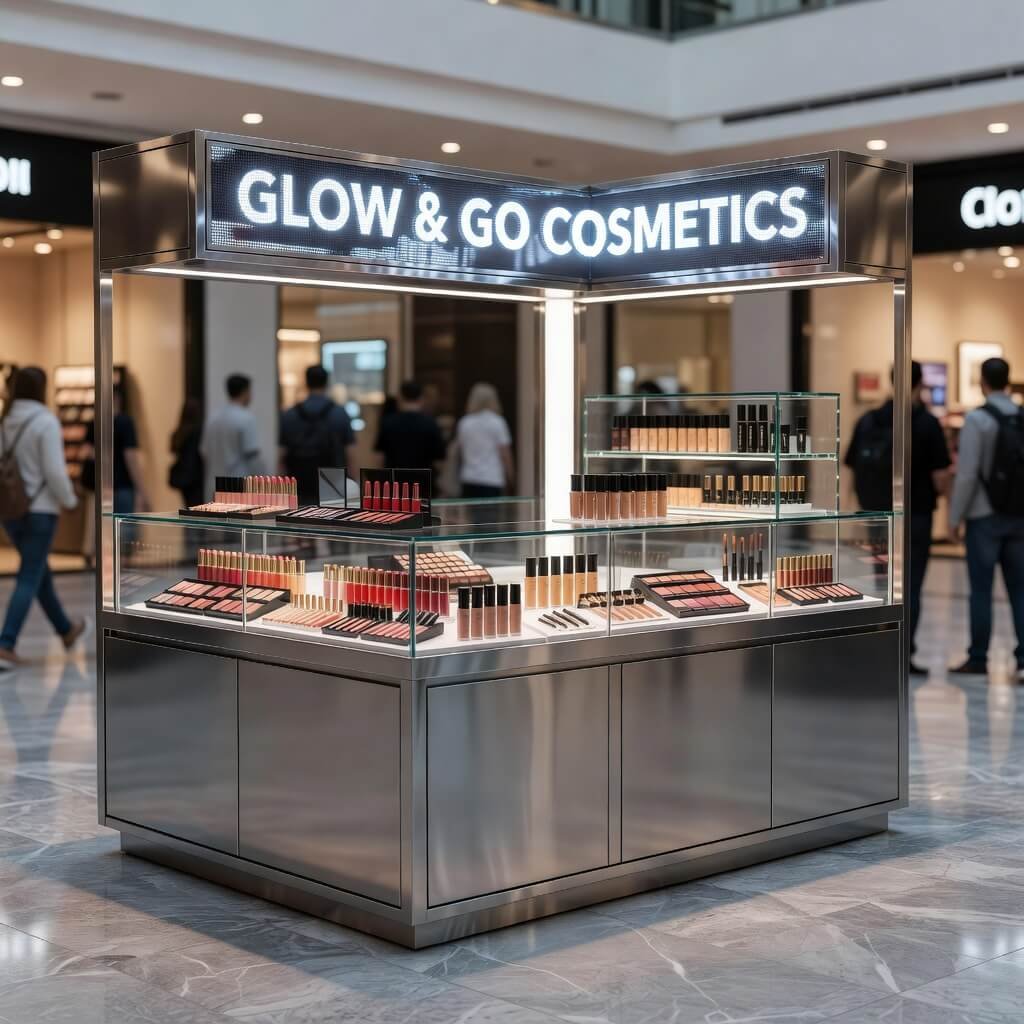
Urban kiosks face unique challenges: limited space, high foot traffic, security concerns, and the need to grab attention quickly. Your design needs to work harder because you have seconds to capture passing customers.
Mobility and flexibility become crucial design elements. Your entire setup might need to be secured, moved, or reconfigured based on location requirements, seasons, or special events.
Kiosk design essentials:
• High-impact visual elements that work from a distance
• Secure storage systems that protect inventory
• Compact testing areas for customer interaction
• Weather-resistant materials for outdoor or semi-outdoor locations
Vertical displays maximize your limited footprint while creating impressive visual impact. Use rotating display towers, wall-mounted magnetic strips for easy product changes, and multi-level shelving that draws eyes upward.
The psychology of kiosk shopping is impulse-driven. Customers don’t plan to stop at kiosks—they see something interesting and decide spontaneously. Your design should feature your most eye-catching, trend-driven products prominently while keeping prices clearly visible.
Technology integration can give urban kiosks major advantages over traditional retail spaces. Digital displays, interactive product information, mobile checkout systems, and even virtual try-on capabilities make small spaces feel cutting-edge and convenient.
Open Shelf Modern Makeup Product Display Wall
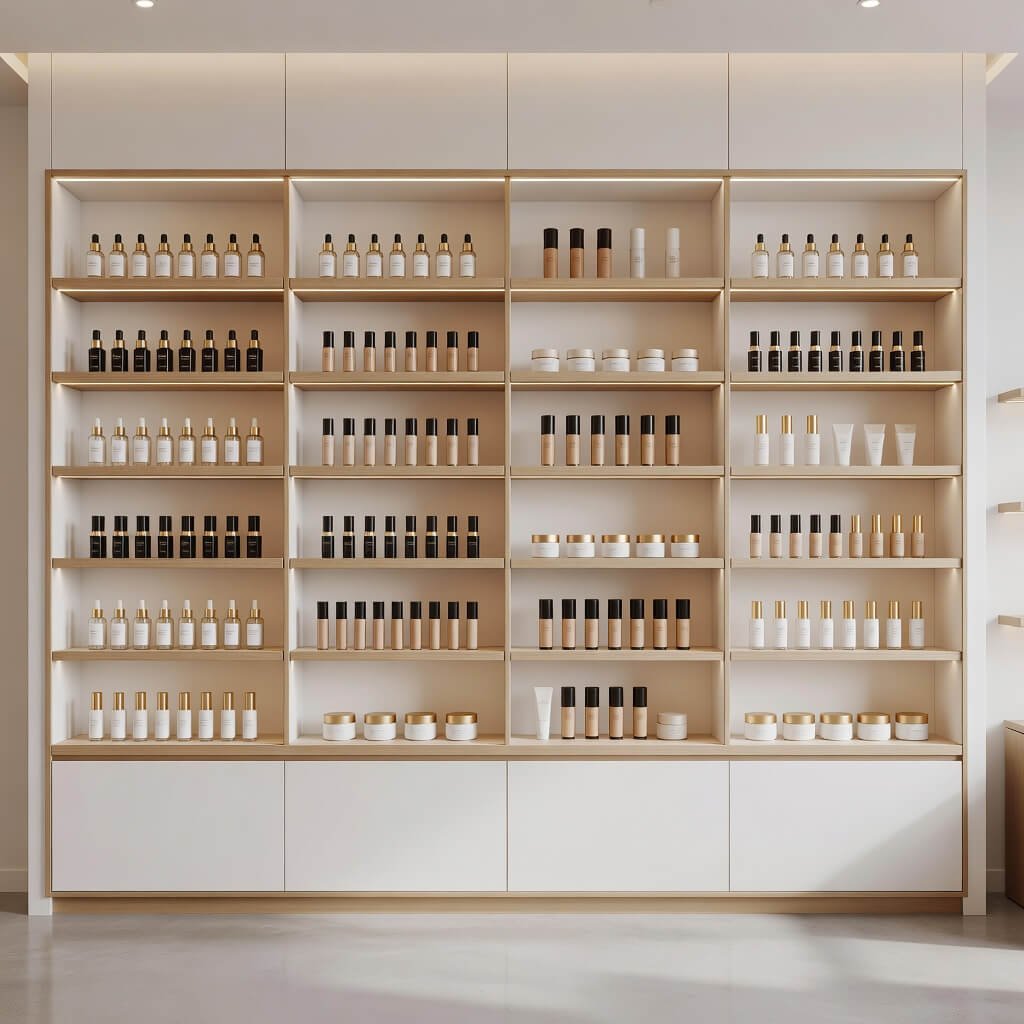
Open shelving systems create the ultimate browsable beauty experience, but they require careful planning to avoid looking cluttered or chaotic. When done right, display walls become stunning focal points that encourage exploration and discovery.
The key to successful open shelving? Strategic organization that looks effortless but follows clear merchandising principles. Customers should be able to find products intuitively while feeling free to browse and explore.
Your display wall organization strategy:
• Group by category: Skincare, color cosmetics, tools, fragrances in distinct sections
• Arrange by color: Create rainbow effects with lipsticks, eyeshadows, nail polishes
• Height considerations: Most-wanted products at eye level, discovery items higher or lower
• Brand blocking: Keep each brand’s products together for easy comparison
Lighting becomes critical with open displays. Each shelf level needs adequate illumination to prevent shadows and ensure accurate color representation. LED strip lighting under each shelf creates even illumination without visible fixtures.
Security considerations can’t be ignored with open displays. High-value items need strategic placement near checkout areas or within sight lines of staff positions. Consider subtle security measures like magnetic locks or tethering systems for premium products.
The magic of open shelving? Customers feel trusted and empowered to explore your products independently. This creates a more relaxed shopping experience while allowing staff to focus on customers who need assistance rather than constantly monitoring product access.
Creating the perfect cosmetic shop design isn’t about following every trend that comes along—it’s about understanding your customers, your products, and your space, then bringing those elements together in ways that feel natural and inviting.
The best beauty shops make customers forget they’re in a retail environment and instead create spaces where people want to spend time, explore, and ultimately, invest in products that make them feel amazing. Whether you’re working with a massive budget or bootstrapping your dream shop, thoughtful design decisions always outperform expensive mistakes.
IMO, the most successful cosmetic shops are the ones that feel like destinations rather than just stores. They’re places customers visit even when they don’t need anything specific, spaces that generate excitement and conversation, and environments that make every customer feel like the main character in their own beauty story.
So, which of these design ideas speaks to your vision? Remember, the best shop design is the one that authentically represents your brand while making your customers feel absolutely fabulous. 🙂