10 Genius Entrance Foyer Shoe Rack Design Ideas Hidden Storage
- Rack Design
 Ben
Ben- 0
- 37 minutes read
You know what drives me absolutely crazy? Walking into a beautiful home only to trip over a mountain of shoes cluttering the entrance. We’ve all been there—shoes piled against the wall, sneakers kicked into corners, boots blocking the doorway. Your foyer deserves better than becoming a chaotic shoe graveyard, right?
Here’s the thing: I spent years dealing with this exact problem. My entrance looked like a disaster zone every single day until I discovered the magic of hidden shoe storage solutions. Now my foyer actually looks like a proper entrance instead of a thrift store shoe section. Want to know the best part? Most of these designs are ridiculously clever and don’t require you to sacrifice style for function.
Let me walk you through ten shoe rack designs that’ll completely transform your entrance foyer. These aren’t your grandma’s boring shoe racks—we’re talking smart, sleek, and seriously genius storage solutions that actually hide your shoes instead of putting them on display like some weird trophy collection.
Minimalist Hidden Foyer Shoe Cabinet
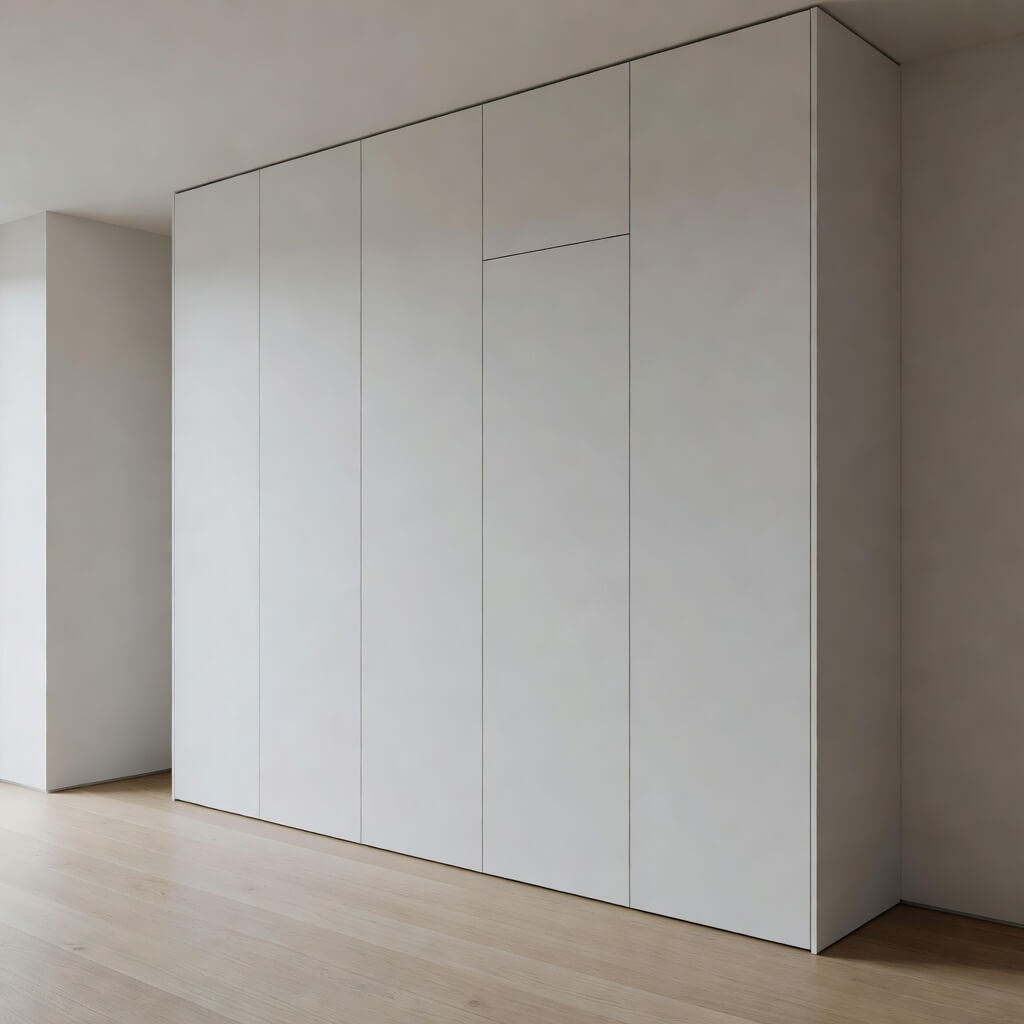
Listen, minimalism isn’t just a trendy buzzword—it’s a lifestyle choice that saves your sanity. A minimalist hidden shoe cabinet transforms your foyer from cluttered chaos into serene sophistication.
I installed one of these babies in my own entrance last year, and guests genuinely can’t tell it’s shoe storage. The design typically features smooth, handleless doors that blend seamlessly with your walls. You push gently, and voila—the door opens to reveal multiple shelves perfectly sized for your footwear collection.
What makes these cabinets brilliant:
- Sleek, flat surfaces that don’t interrupt your wall’s visual flow
- Soft-close mechanisms that prevent slamming (no more waking up the whole house)
- Adjustable shelving that accommodates everything from flats to boots
- Narrow depth (usually 8-12 inches) that doesn’t eat up your foyer space
The best models come in neutral colors like white, gray, or natural wood tones. They sit flush against your wall and look more like modern art installations than storage furniture. IMO, this design works exceptionally well in contemporary homes or apartments where every square inch counts.
One friend complained these cabinets don’t hold enough shoes. Fair point—but here’s my counter-argument: they force you to be selective about which shoes you keep at the entrance. Store your daily rotation here and keep seasonal shoes elsewhere. Problem solved.
Entryway Bench with Built-In Shoe Storage
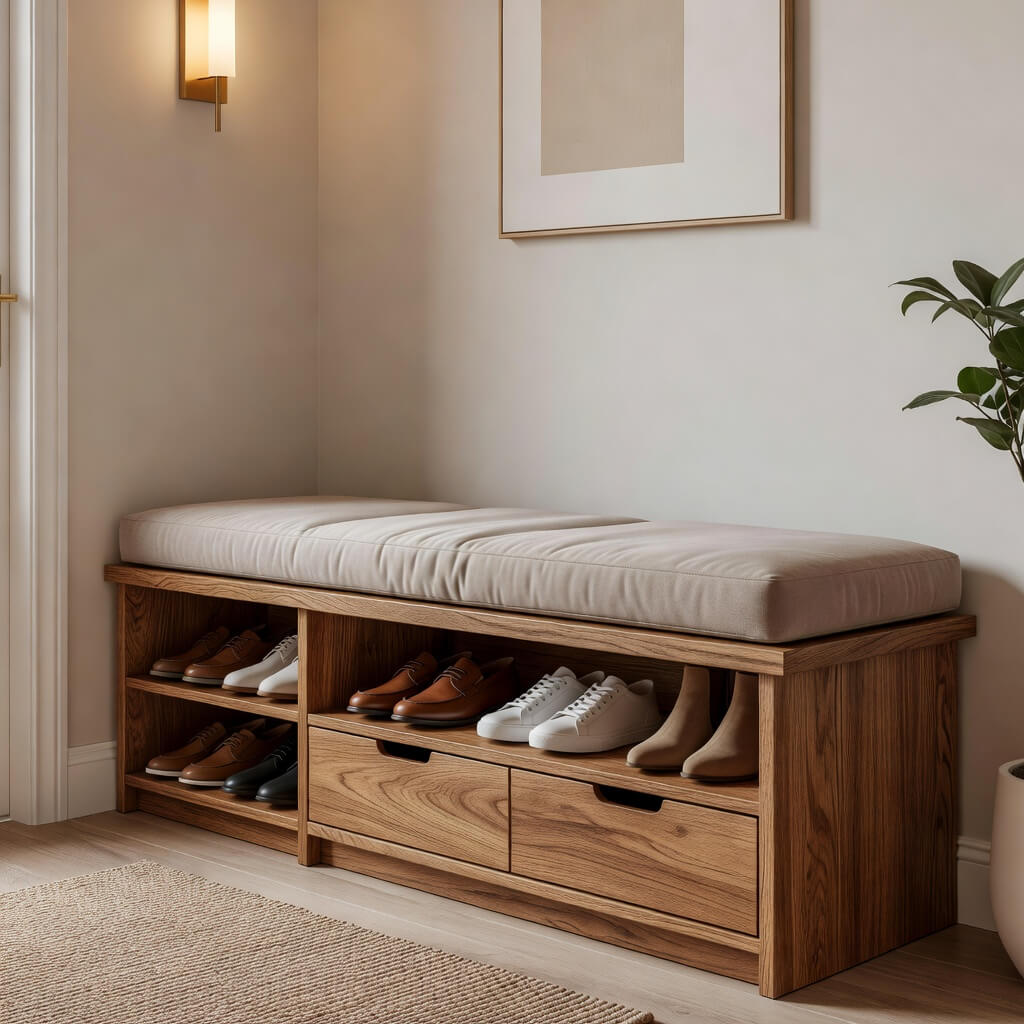
Ever tried putting on shoes while standing on one leg like a flamingo? Yeah, it’s not elegant. An entryway bench with built-in shoe storage solves this problem while secretly hoarding all your footwear.
These benches completely changed my morning routine. I sit comfortably while lacing up my boots instead of hopping around like I’m auditioning for a circus act. Meanwhile, underneath that comfortable seat, multiple pairs of shoes hide away in organized compartments.
Design Variations That Actually Work
Lift-top benches feature hinged seats that open upward, revealing a spacious storage compartment. You can toss shoes inside quickly—perfect for when guests arrive unexpectedly and you need to hide evidence of your shoe addiction fast.
Cubby-style benches offer open compartments beneath the seating area. Each family member can claim their own cubby, which prevents the “whose shoes are these?” arguments. I’ve seen these work wonders in households with kids who somehow multiply their shoe collections overnight.
Drawer-integrated benches pull forward to reveal sliding drawers. These keep shoes completely concealed and dust-free, plus they look super polished and furniture-like.
The cushioned seat tops add comfort and style. Choose upholstery that matches your decor—leather for modern spaces, fabric for cozy vibes, or even outdoor-grade material if your entrance gets heavy traffic.
Key features to look for:
- Sturdy construction that supports adult weight (cheaply made benches collapse embarrassingly fast)
- Adequate ventilation to prevent shoe odor buildup
- Appropriate height (16-18 inches works for most people)
- Weight capacity clearly stated by the manufacturer
Vertical Slim Shoe Rack for Small Foyers
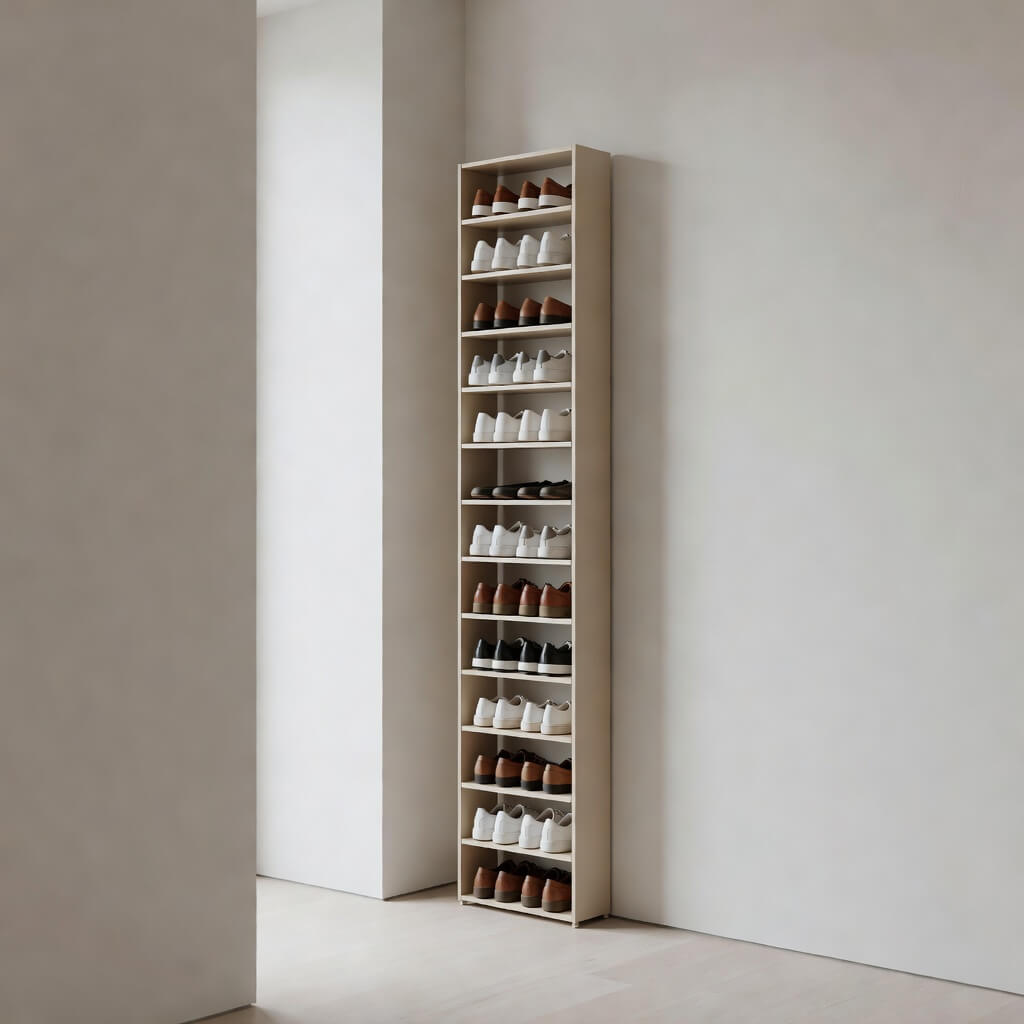
Small foyer? No problem. Vertical slim shoe racks prove you don’t need sprawling square footage to organize your footwear collection properly.
I’ve recommended these to countless friends living in apartments or townhouses with cramped entryways. The genius lies in utilizing vertical wall space instead of precious floor area. These racks climb upward rather than spreading outward, storing 12-20 pairs of shoes while occupying less floor space than a doormat.
Most vertical designs feature narrow shelves positioned at slight angles, allowing shoes to rest naturally without sliding off. The typical width ranges from 6-8 inches—seriously, that’s narrower than most people’s shoulders. You can tuck these against side walls or even into corner spaces that would otherwise remain useless.
Choosing the Right Height
Floor-to-ceiling models maximize storage but require wall anchoring for safety. These work brilliantly in rental apartments because they don’t actually attach to walls permanently—tension rods hold them secure.
Mid-height options (around 4-5 feet tall) offer substantial storage without overwhelming small spaces visually. I prefer these because they don’t make narrow foyers feel like shoe storage warehouses.
The really smart designs incorporate hidden compartments behind flip-down panels at each level. From the front, you see a sleek vertical column. Flip down a panel, and there’s your shoe shelf. Flip it back up, and everything disappears again. Pure magic 🙂
Also Read: 10 Trendy Book Rack Design Ideas for Home Decor
Wall-Mounted Floating Shoe Shelf Design
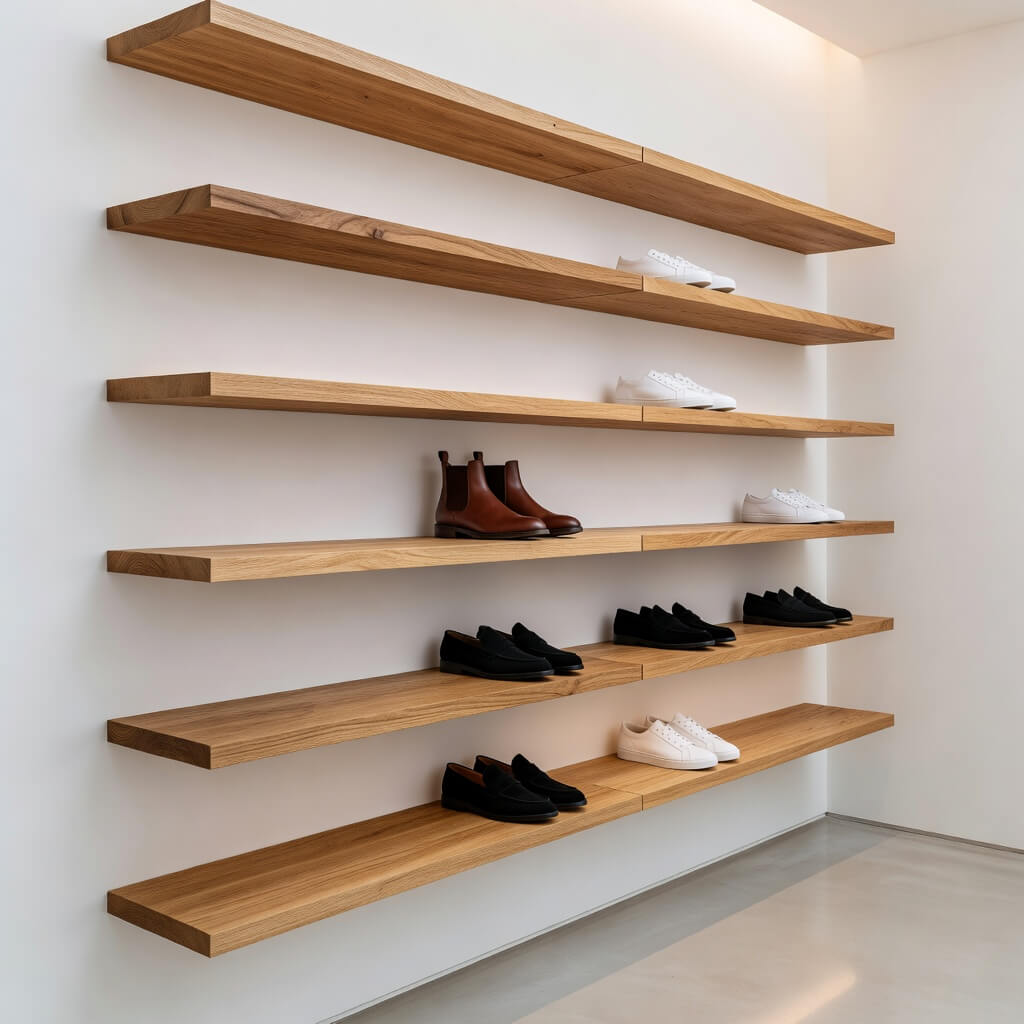
Want your shoe storage to literally float? Wall-mounted floating shelves create this illusion while keeping floors completely clear for easy cleaning.
I installed three floating shelves in my mudroom entrance, and cleaning became ridiculously easier. No more dragging a vacuum around furniture legs or bending down to sweep underneath cabinets. The floors stay visible and accessible, which makes quick cleaning actually quick.
These shelves mount directly onto wall studs using hidden brackets. When installed correctly, they support substantial weight—I’ve loaded mine with winter boots without any sagging. The key phrase there is “when installed correctly,” so don’t skip finding those studs or using proper anchors.
Design options worth considering:
- Open horizontal shelves that display shoes like decorative objects (only works if your shoes actually look display-worthy)
- Enclosed floating cabinets that mount to walls but hide shoes behind doors
- Combination designs with both open and closed sections for mixing storage styles
The floating design works particularly well in modern or Scandinavian-style homes. Choose materials that complement your existing decor—natural wood for warmth, white lacquer for minimalism, or metal for industrial vibes.
One thing nobody tells you: these require honest assessment of your wall type. Drywall needs serious anchoring. Concrete or brick walls provide bomber support. Cheap apartment walls with questionable construction? Maybe skip this option unless you enjoy patching holes later.
Modern Closed Shoe Cabinet with Mirror Front
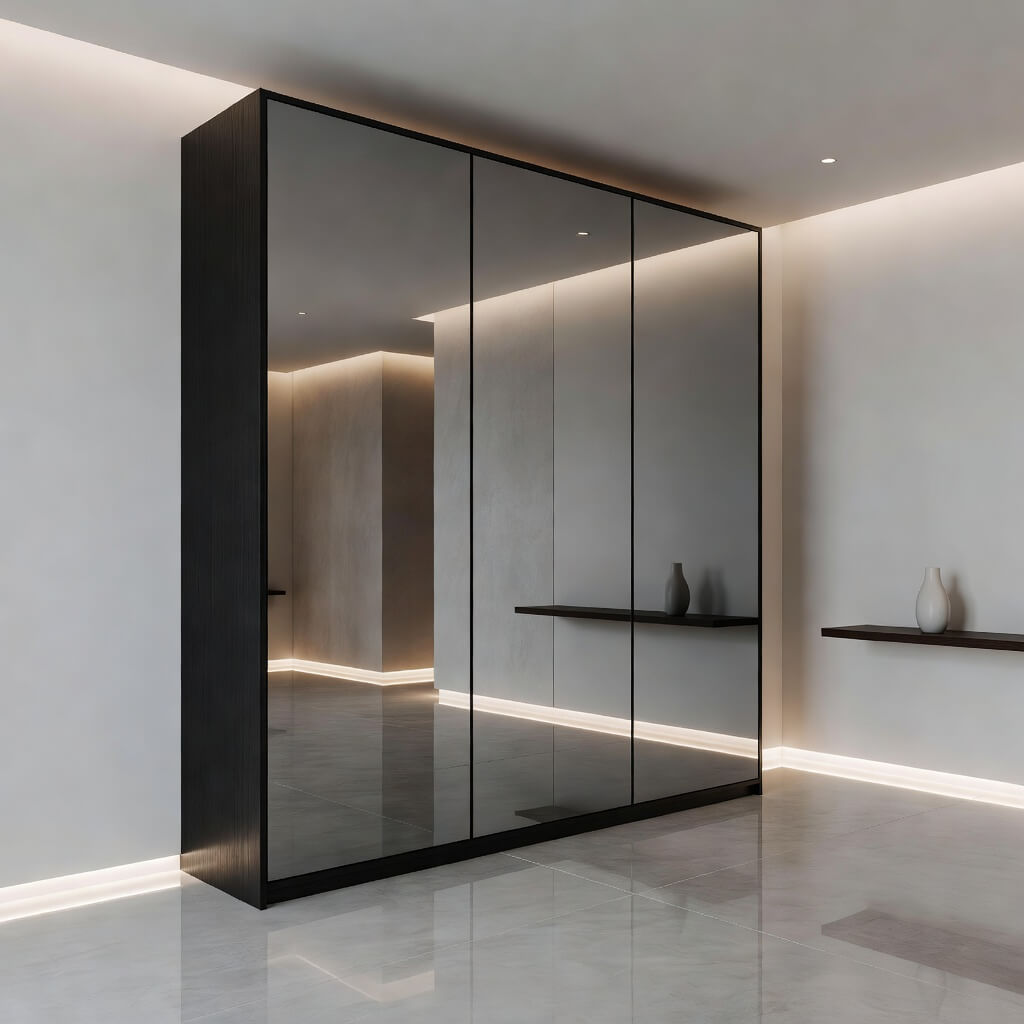
Here’s a design that pulls double duty so smoothly you’ll wonder why you didn’t install one years ago. A closed shoe cabinet with a mirrored front stores your shoes while providing that crucial last-minute appearance check before heading out.
I absolutely love this concept because mirrors make small foyers appear larger. It’s an optical illusion that interior designers have used forever, but adding shoe storage functionality elevates it from clever trick to genius solution.
The cabinet sits against your wall looking like a stylish full-length mirror. Open the mirrored door (or doors), and multiple angled shelves hold your entire shoe collection. Some models even include hooks inside the doors for accessories like scarves or dog leashes.
Size and Configuration Options
Full-length mirrors (approximately 5-6 feet tall) create maximum visual impact and storage capacity. These work beautifully in standard-sized foyers where you’ve got the wall height to spare.
Half-length options (around 3-4 feet) suit smaller spaces or areas where you’ve already got other storage furniture. They still provide useful mirror functionality without dominating the entire wall.
The really fancy versions feature multi-panel mirrors that open in sections, revealing different storage zones. Upper sections might hold accessories while lower sections accommodate shoes. This segmented approach helps you stay organized instead of creating one giant jumbled mess inside.
FYI, check the mirror quality before buying. Cheap mirrors distort your reflection weirdly, which defeats the purpose of having a mirror in the first place. Look for quality glass with proper silvering that won’t fade or spot over time.
Rustic Wooden Shoe Rack with Seating Bench
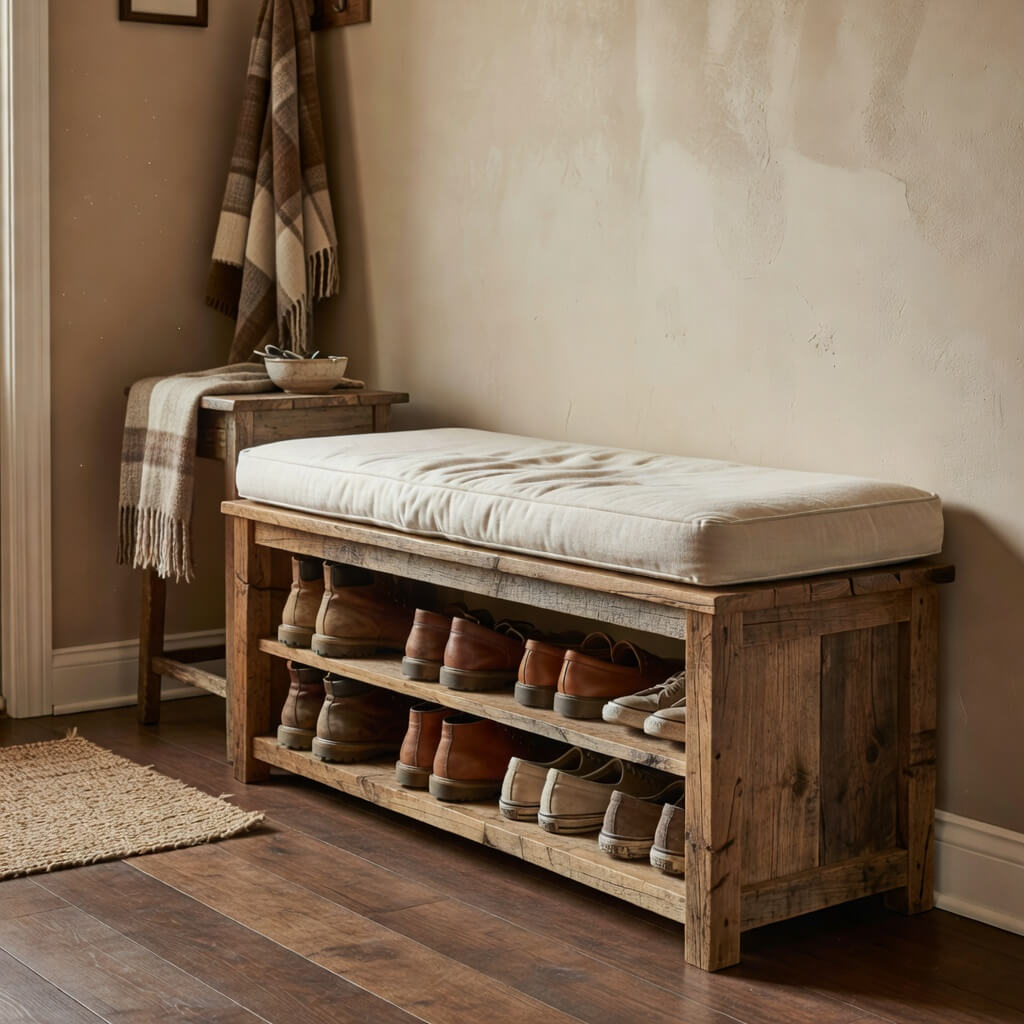
Not everyone wants sleek minimalism. Sometimes you crave warmth, character, and that cozy farmhouse vibe that makes your entrance feel welcoming. Rustic wooden shoe racks with integrated seating deliver exactly that aesthetic.
I’ve seen these transform basic entryways into charming spaces that immediately set a friendly tone for the entire home. The natural wood grain, visible joinery, and substantial construction create furniture that feels permanent and valuable rather than disposable.
Most rustic designs embrace visible storage—open cubbies or slatted shelves that showcase your shoes rather than hiding them. Before you dismiss this approach, hear me out: if you organize shoes neatly and limit what’s visible to your nicer pairs, open storage can actually look intentional and stylish.
What characterizes authentic rustic design:
- Reclaimed or distressed wood with natural variations in color and texture
- Chunky proportions that emphasize sturdiness over delicacy
- Simple joinery like visible screws, bolts, or traditional woodworking techniques
- Natural finishes that highlight the wood rather than hiding it under heavy paint
The seating bench component usually features a thick wooden plank or a cushioned top. I prefer cushioned versions because sitting on bare wood gets uncomfortable quickly, especially when wrestling with stubborn boots.
These units typically accommodate 6-10 pairs of shoes while providing comfortable seating for one or two people. They work phenomenally in country homes, cottages, or any space embracing farmhouse or industrial decor styles.
Also Read: 10 Stylish TV Rack Design Living Rooms Ideas for Dream
Under-Stair Entrance Shoe Storage Solution
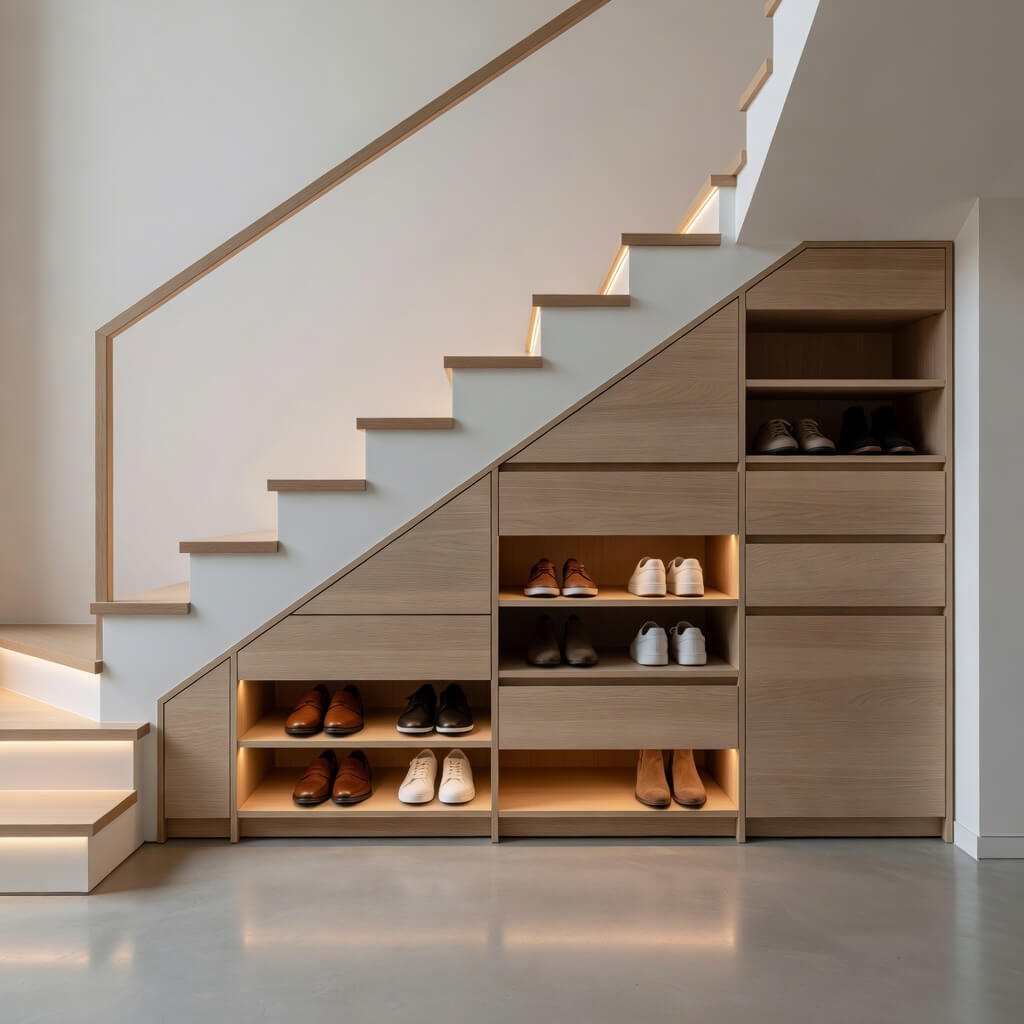
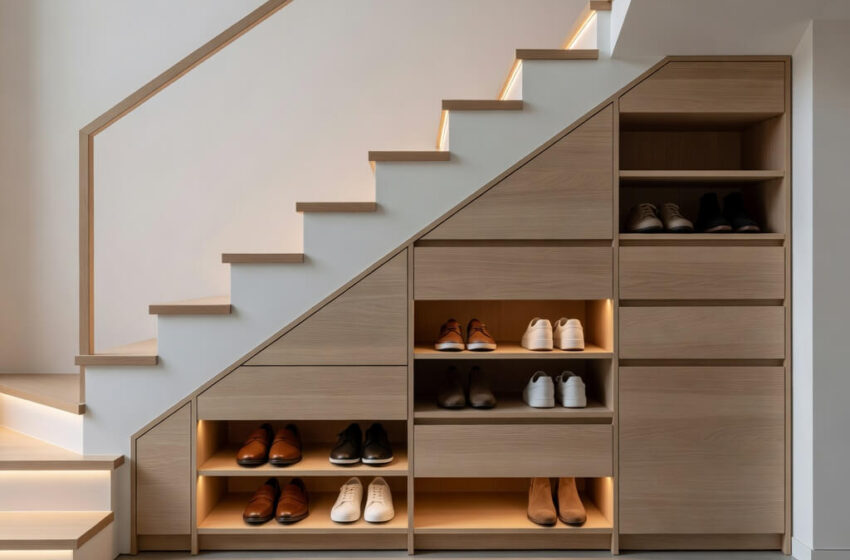
Got stairs near your entrance? Congratulations—you’re sitting on untapped storage goldmine! The space under staircases traditionally becomes wasted dead zones, but smart shoe storage transforms it into a organized haven.
I helped my sister install custom under-stair shoe storage in her two-story home, and we managed to fit nearly 40 pairs of shoes in a space that previously collected dust and random junk. The angled ceiling created by the staircase actually works perfectly for shoe storage since shoes don’t need full standing height.
Custom vs. Pre-Made Solutions
Custom built-ins maximize every weird angle and awkward dimension under your stairs. You can install pull-out drawers, rotating carousels, or tilted shelves that work with the sloped ceiling. The downside? They cost significantly more than pre-made options.
Modular systems offer configurable components you can arrange to fit your under-stair space. These provide decent customization at friendlier price points. You might waste a few inches here and there, but the savings often justify the slightly imperfect fit.
The really clever designs incorporate lighting inside the storage areas. Small LED strips or motion-activated lights mean you can actually see what shoes you’re grabbing instead of fumbling around in darkness.
Design considerations:
- Access points (doors vs. drawers vs. open shelving)
- Ventilation to prevent musty odors in enclosed spaces
- Interior organization like dividers or adjustable shelving
- Aesthetic integration so the storage matches your staircase style
This option requires construction skills or professional installation, but the payoff in storage capacity absolutely justifies the investment if you’ve got the space available.
Luxury Glass Door Shoe Display Cabinet
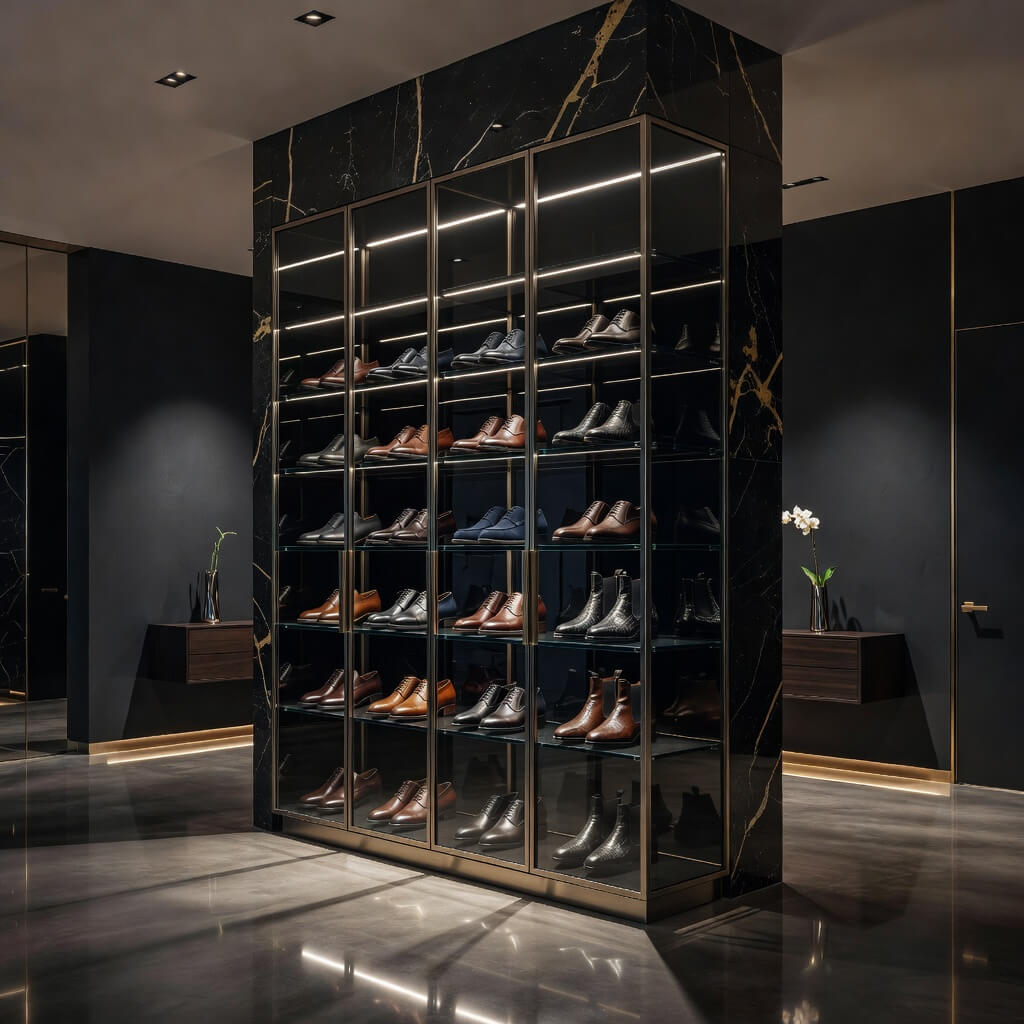
Okay, let’s talk about the fancy option. Luxury glass door shoe display cabinets treat your footwear like museum pieces—and honestly, if you’ve invested in quality shoes, why not show them off?
These cabinets feature transparent glass doors (sometimes with decorative framing) that showcase your shoe collection while protecting them from dust and damage. Internal lighting highlights your shoes like artwork, creating a sophisticated focal point in your entrance.
I’ll admit this design isn’t for everyone. If your shoe collection consists mainly of beat-up sneakers and muddy work boots, glass display cabinets probably aren’t your vibe. But for people who collect designer heels, limited-edition sneakers, or handcrafted leather shoes, these cabinets celebrate your collection properly.
Premium features worth the investment:
- Interior LED lighting with adjustable brightness
- Tempered glass that won’t shatter into dangerous shards if broken
- Climate control options that regulate humidity (seriously high-end models only)
- Adjustable glass shelves for accommodating different shoe heights
The cabinet frames come in various finishes—polished chrome for ultra-modern spaces, brushed gold for glamorous aesthetics, or matte black for contemporary elegance. Choose based on your existing entrance decor and hardware finishes.
One reality check: these cabinets require maintenance. Glass shows fingerprints, dust, and smudges relentlessly. If you hate cleaning, the constant upkeep might drive you bonkers. But if you’re already the type who keeps things pristine, you’ll appreciate how the transparency forces you to stay organized.
Corner Space-Saving Shoe Rack Design
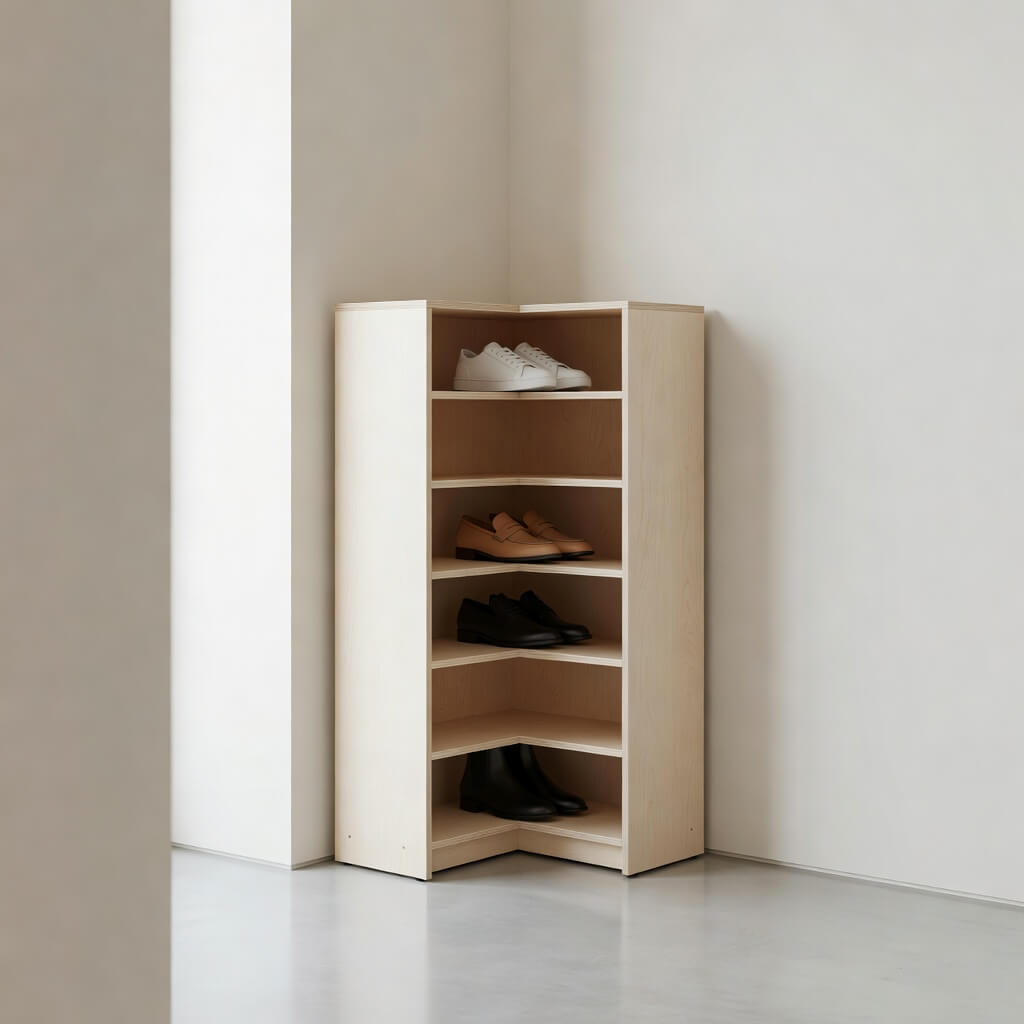
Corners are weird, right? They’re technically usable space, but most furniture doesn’t fit properly, leaving awkward gaps that collect dust bunnies and forgotten items. Corner shoe racks finally put these neglected zones to productive use.
I discovered corner racks when redesigning my L-shaped foyer that had this super awkward corner next to the door. Standard rectangular furniture left huge gaps, but a corner unit fit perfectly while storing way more shoes than I expected.
These racks come in triangular or curved configurations designed specifically for corner placement. The smart designs feature rotating carousels or pull-out trays that bring shoes to you rather than forcing you to reach into dark corners blindly.
Types That Actually Function Well
Rotating corner carousels spin 360 degrees, presenting different shoes as you turn the unit. These work brilliantly because you can access the entire collection without contorting yourself into weird positions.
Tiered corner shelves stack vertically in ascending heights, creating a staircase effect in your corner. These maximize vertical space while maintaining easy visibility and access to all levels.
Corner cabinets enclose the storage behind doors, keeping shoes hidden and dust-free. The triangular shape might look unusual, but it actually holds more than you’d guess—typically 15-25 pairs depending on size.
The installation varies by style. Freestanding models simply sit in corners without attachment. Wall-mounted versions anchor to both walls forming the corner, providing extra stability and allowing you to clean underneath easily.
What to measure before buying:
- Corner angle (most corners are 90 degrees, but some aren’t—I learned this the hard way)
- Available height from floor to any obstacles
- Depth to ensure the unit doesn’t protrude too far into walkways
Also Read: 10 Best Rack Design Ideas for Clean Minimal Home Spaces
Multi-Functional Entryway Shoe Rack with Drawers
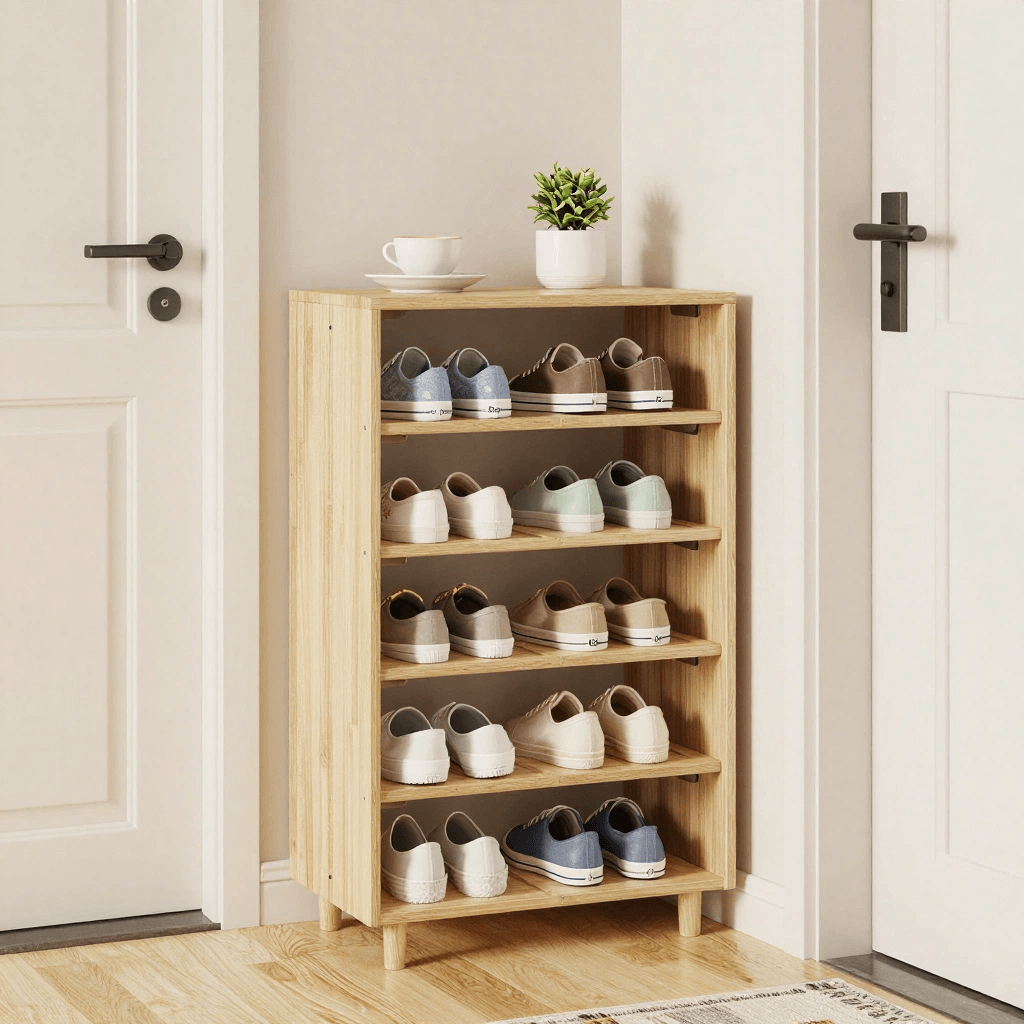
Why settle for furniture that only does one thing when you can get pieces that multitask like overachieving employees? Multi-functional entryway units combine shoe storage with additional drawers for all the random stuff that accumulates near your entrance.
These comprehensive storage solutions typically feature shoe compartments at the bottom (either open cubbies or enclosed cabinets) plus multiple drawers above for keys, mail, gloves, pet supplies, and whatever else gravitates toward your entrance.
I convinced my brother to replace his messy console table with a multi-functional shoe rack unit, and his entrance transformed from scattered chaos into actual organization. His keys now live in the top drawer instead of disappearing into the void. His shoes hide in the bottom cabinets instead of forming trip hazards. Revolutionary stuff :/
Configuration Options
Shoe cabinet base + drawer console top designs stack storage vertically. The lower section holds shoes behind closed doors while the upper section provides drawer storage plus a surface for decorative items or a table lamp.
Side-by-side combinations dedicate one side to shoe storage and the other to a drawer column. These work well in wider foyers where you’ve got horizontal space available.
All-in-one integrated units mix shoe shelves and drawers throughout the piece without clear separation. You might find shoe cubbies on bottom, drawers in the middle, and more shoe storage on top—whatever configuration maximizes the specific dimensions.
The best multi-functional units include smart organization features inside the drawers—dividers for small items, velvet-lined sections for sunglasses or jewelry, even built-in charging stations for phones and keys with tracking devices.
Key benefits:
- Centralized storage for all entrance-related items
- Reduced clutter since everything has a designated home
- Streamlined aesthetics from using one piece instead of multiple furniture items
- Improved functionality for busy morning routines
These units range from budget-friendly particleboard options to solid hardwood investment pieces. Choose based on your budget and how long you plan to keep the furniture. Cheap versions fall apart within a couple years, while quality construction lasts decades.
Making Your Choice: What Actually Matters
Look, I’ve thrown ten different designs at you, and you might feel overwhelmed. That’s totally normal. Choosing the right shoe storage depends on your specific situation, and what works brilliantly for one person might flop completely for another.
Consider these factors seriously:
Your actual shoe count: Be honest about how many pairs you need accessible at your entrance. Count them. Multiply by household members. Add a few extra for growth. Now you’ve got your real number instead of wishful thinking.
Your available space: Measure your foyer properly—width, depth, and height. Account for door swing, traffic flow, and other furniture. Your shoe storage can’t block movement or make the space feel cramped.
Your aesthetic preferences: Choose designs that complement your existing decor rather than clashing wildly. Unless you love eclectic chaos, in which case, go nuts with whatever speaks to you.
Your budget reality: Quality shoe storage ranges from $50 to several thousand dollars. Set realistic expectations based on what you can actually spend without financial stress.
Your household habits: Do people actually put shoes away, or do they kick them off randomly? Hidden storage works better for disciplined households, while open designs might encourage better habits through visibility.
Installation requirements: Some designs need professional installation or serious DIY skills. Others arrive ready to use. Choose based on your capabilities and patience levels.
The Real Impact of Proper Shoe Storage
Here’s what nobody tells you about entrance shoe storage: it affects way more than just organization. Proper shoe storage actually impacts your daily stress levels, your home’s cleanliness, and even how guests perceive your space.
I noticed after installing my hidden shoe cabinet that I stopped feeling embarrassed when unexpected visitors showed up. My entrance looked intentional and welcoming instead of apologetically messy. That small change shifted my entire relationship with my home’s first impression.
Proper storage also protects your shoes from damage. Shoes piled on the floor get stepped on, crushed, or damaged by moisture and dirt. Organized storage extends shoe lifespan, which saves money long-term—especially if you invest in quality footwear.
The time savings might seem minor, but they add up. When every pair has a designated spot, you stop wasting minutes searching for matching shoes during rushed mornings. You simply grab what you need and go. Those recovered minutes accumulate into hours over months and years.
Final Thoughts
Your entrance foyer sets the tone for your entire home. Walking into organized, thoughtful spaces feels completely different from navigating cluttered chaos. Hidden shoe storage transforms this crucial area from problematic to purposeful.
You don’t need enormous budgets or massive square footage to implement these ideas. Start with one solution that fits your space and needs. Try it out. Adjust as necessary. Gradually, your entrance will evolve into a functional space that actually serves your lifestyle instead of frustrating you daily.
The ten designs I’ve covered offer something for practically every situation—tiny apartments, sprawling houses, modern aesthetics, rustic preferences, tight budgets, and luxury investments. Pick what resonates with your specific needs rather than choosing based on trends or what looks coolest.
Remember, the best shoe storage solution is the one you’ll actually use consistently. Complicated systems that require excessive effort eventually get abandoned. Simple, intuitive designs that make shoe storage easier than leaving them scattered? Those create lasting change.
Your shoes deserve better than living as floor clutter. You deserve better than navigating obstacle courses in your own entrance. These hidden storage solutions offer escape from shoe chaos—you just need to choose one and commit to the change.
Now stop reading and go measure your foyer. You’ve got some genius shoe storage to install 🙂