10 Smart Pet Shop Design Ideas for Compact Store Solutions
- Shop Design
 Ben
Ben- 0
- 35 minutes read
So you’ve got a compact space and big dreams of opening a pet shop? Listen, I totally get it. You’re standing in what feels like a glorified closet, wondering how on earth you’re going to fit dog beds, cat towers, fish tanks, and everything else pet parents need without making the place look like a hoarder’s paradise. Here’s the thing—small spaces aren’t your enemy. Actually, they’re your secret weapon if you design them right.
I’ve spent way too much time browsing pet stores (guilty as charged), and I’ve noticed something: the best ones aren’t always the biggest. They’re the ones that make you feel something, work smartly with their space, and actually understand what pet owners want. So let’s talk about ten killer design ideas that’ll transform your compact pet shop from “meh” to “take my money!”
1. Modern Minimalist Pet Shop Layout
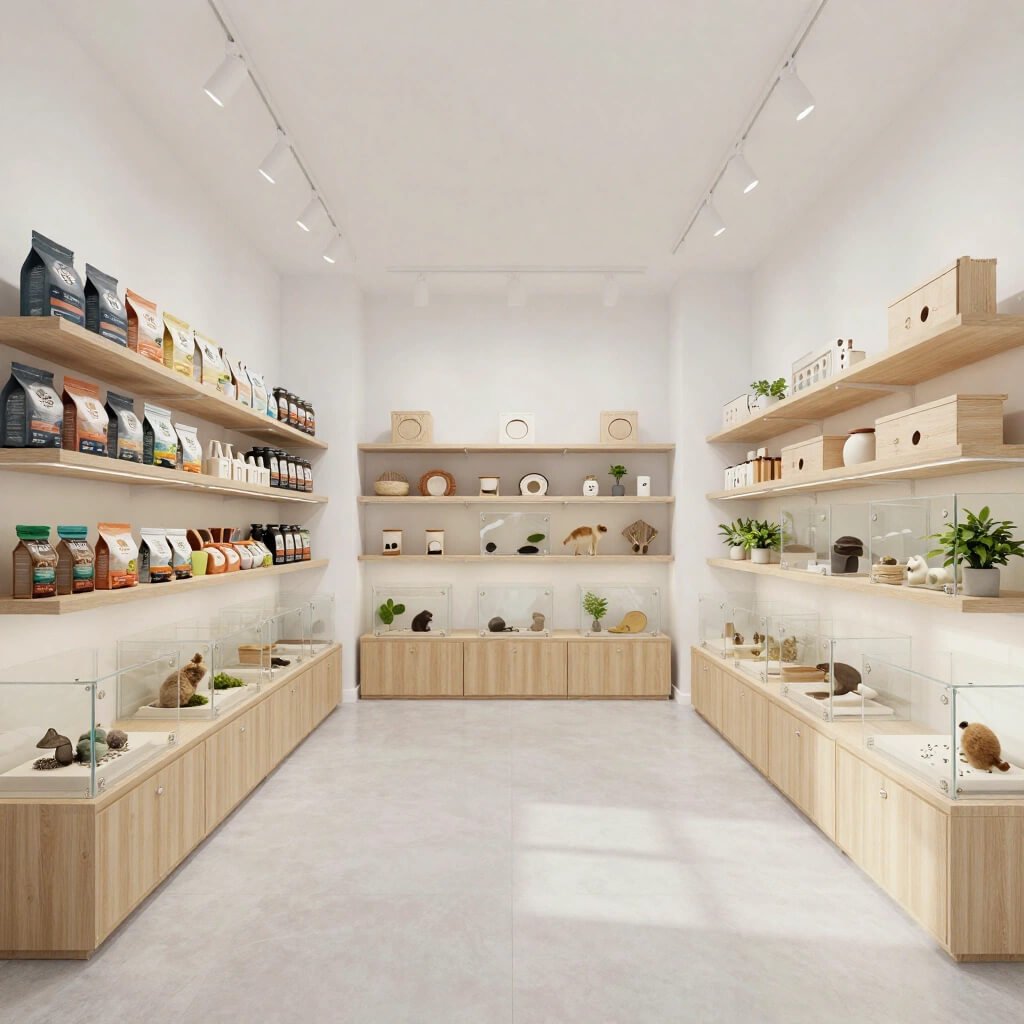
Less really is more, and nowhere is this truer than in a small pet shop. The modern minimalist approach strips away all the visual chaos and creates breathing room—something your customers will actually thank you for.
Think clean lines, neutral color palettes (whites, grays, soft beiges), and strategic product placement. Instead of cramming every shelf with products, you display fewer items but showcase them properly. Ever walked into a store and felt instantly relaxed? That’s minimalism doing its magic.
Here’s what works:
- Floating shelves in white or light wood that make products pop
- Glass display cases for premium items (they look expensive without being bulky)
- Monochromatic packaging displays that create visual harmony
- Hidden storage underneath display tables to keep backup stock out of sight
I visited this tiny pet boutique in Portland once, and honestly, they nailed it. They had maybe 30% of the inventory visible compared to big-box stores, but everything looked intentional. The owner told me their sales actually increased because customers weren’t overwhelmed. Wild, right?
The key is curating your selection ruthlessly. You don’t need fifteen brands of dog food on display—pick your top three or four and commit. Keep the rest in the back. This approach makes your space feel larger and your store feel more premium.
Pro Tips for Minimalist Layouts
Keep your color scheme to three colors maximum. I usually go with two neutrals and one accent color. Your floor should be light-colored (it reflects light and makes spaces feel bigger), and invest in good lighting—preferably LED track lighting that you can direct exactly where you want attention.
2. Luxury Boutique Pet Store Design
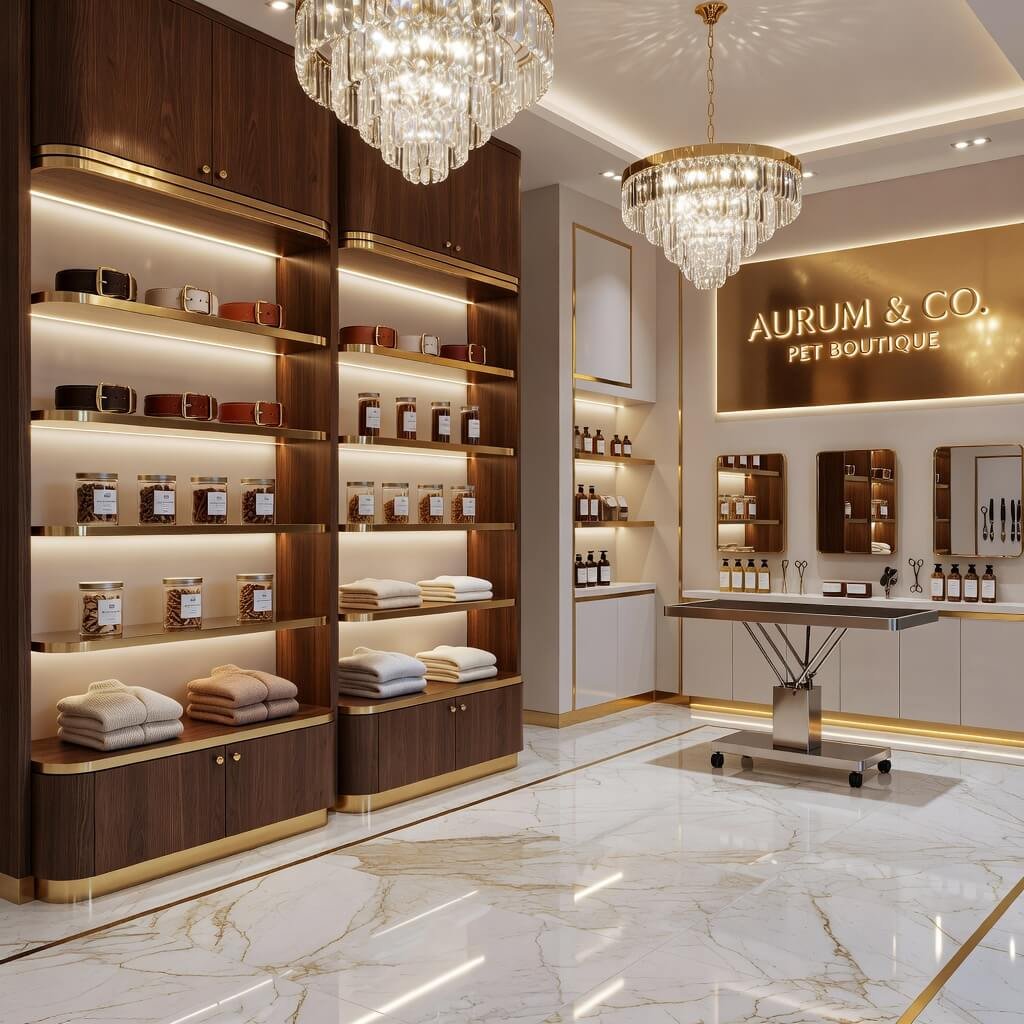
Now we’re talking fancy. The luxury boutique approach transforms your pet shop into an upscale destination where people don’t just buy pet food—they have an experience.
This design style works brilliantly in compact spaces because luxury is about quality, not quantity. You’re targeting pet parents who view their furry friends as family members and aren’t afraid to spend accordingly. Trust me, this demographic exists and they’re looking for you.
Picture this: rich textures like velvet cushions, brass fixtures, marble-look countertops, and soft ambient lighting. You’re creating an atmosphere that says, “Your precious Fluffy deserves the best, and so do you.”
Key elements include:
- Chandelier or statement lighting (even a small one makes a huge impact)
- Plush seating areas where customers can relax with their pets
- High-end display furniture in dark woods or metallics
- Branded packaging and bags that look gift-worthy
- Fresh flowers or plants that add that boutique hotel vibe
The genius of this approach is higher profit margins. When you position yourself as luxury, you can charge accordingly. One friend of mine runs a 400-square-foot boutique pet store in Manhattan, and she stocks only premium organic treats and designer pet accessories. Her overhead is low, her prices are high, and she’s killing it.
Making Luxury Work in Small Spaces
Focus on vertical displays to maximize your boutique feel without eating floor space. Wall-mounted shelving with LED strip lighting underneath creates that high-end jewelry store effect. And FYI, scent matters—subtle, pleasant aromas (pet-safe, obviously) make your store memorable.
3. Small Space Compact Pet Shop Setup
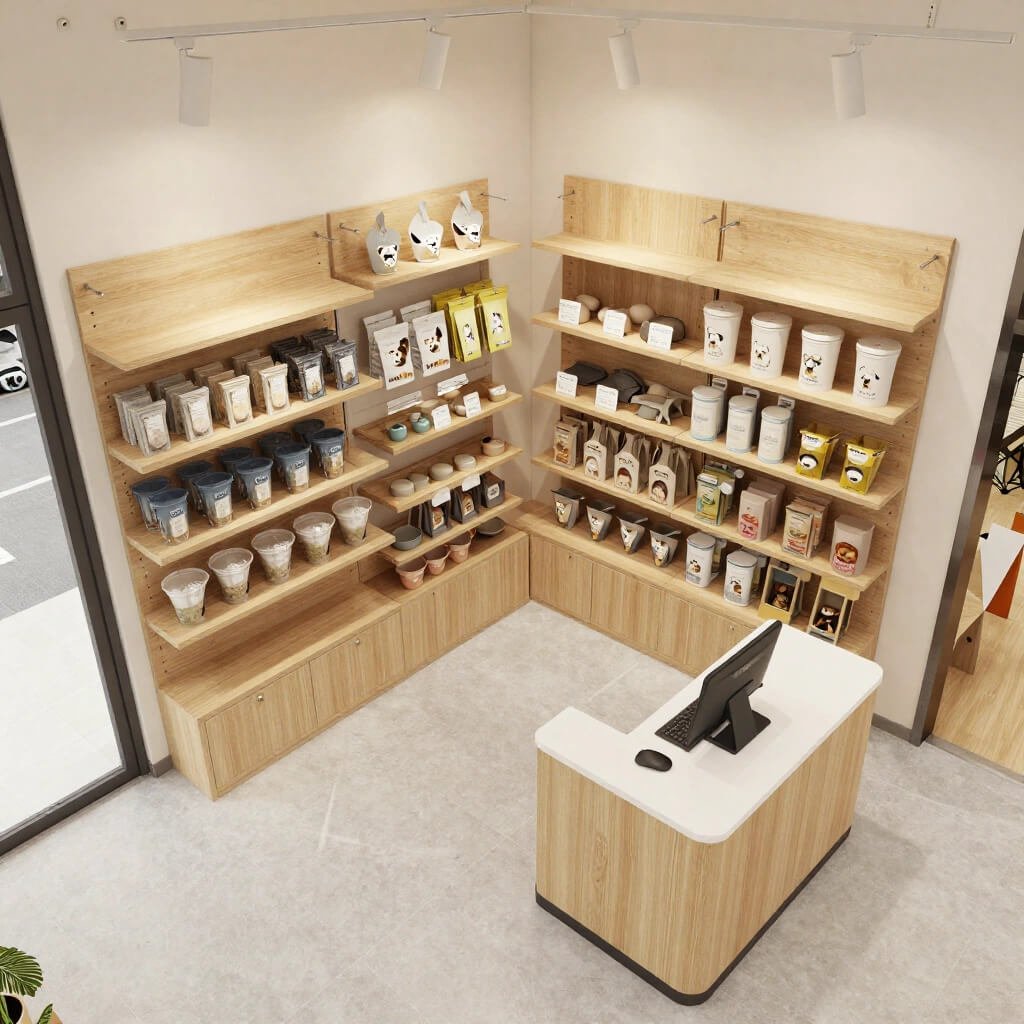
Alright, let’s get real practical. This is the “I’ve got 300 square feet and need to make it work” approach. I love this challenge because it forces you to get creative.
The compact setup is all about multifunctional furniture and vertical thinking. Every single inch matters, and every element needs to earn its place. Sounds intense? It kind of is, but it’s also incredibly satisfying when you nail it.
You’ll want to embrace:
- Floor-to-ceiling shelving units (hello, vertical space!)
- Rolling display carts that you can move around as needed
- Fold-down counters for transactions that tuck away when not in use
- Corner displays that utilize those awkward angles
- Pegboard walls for hanging products and creating flexible displays
I remember helping my cousin set up her 250-square-foot pet supply shop, and we literally mapped out every square foot on graph paper. We ended up installing shelving that went up to 8 feet (with a step stool behind the counter) and used the space above the door for seasonal decorations. She can fit about 70% of what bigger stores carry, which is mind-blowing.
Space-Maximizing Hacks
Mirrors are your best friend—they literally make your space look twice as big. Put one on a strategic wall, and boom, instant spaciousness. Also, keep your pathways clear. You need at least 36 inches for customers to walk comfortably, more if they’re bringing pets. Tight, cluttered aisles make people anxious and they leave faster.
Also Read: 10 Trending Small Shop Design Ideas for Fresh Store Looks
4. Nature-Themed Green Pet Store Interior
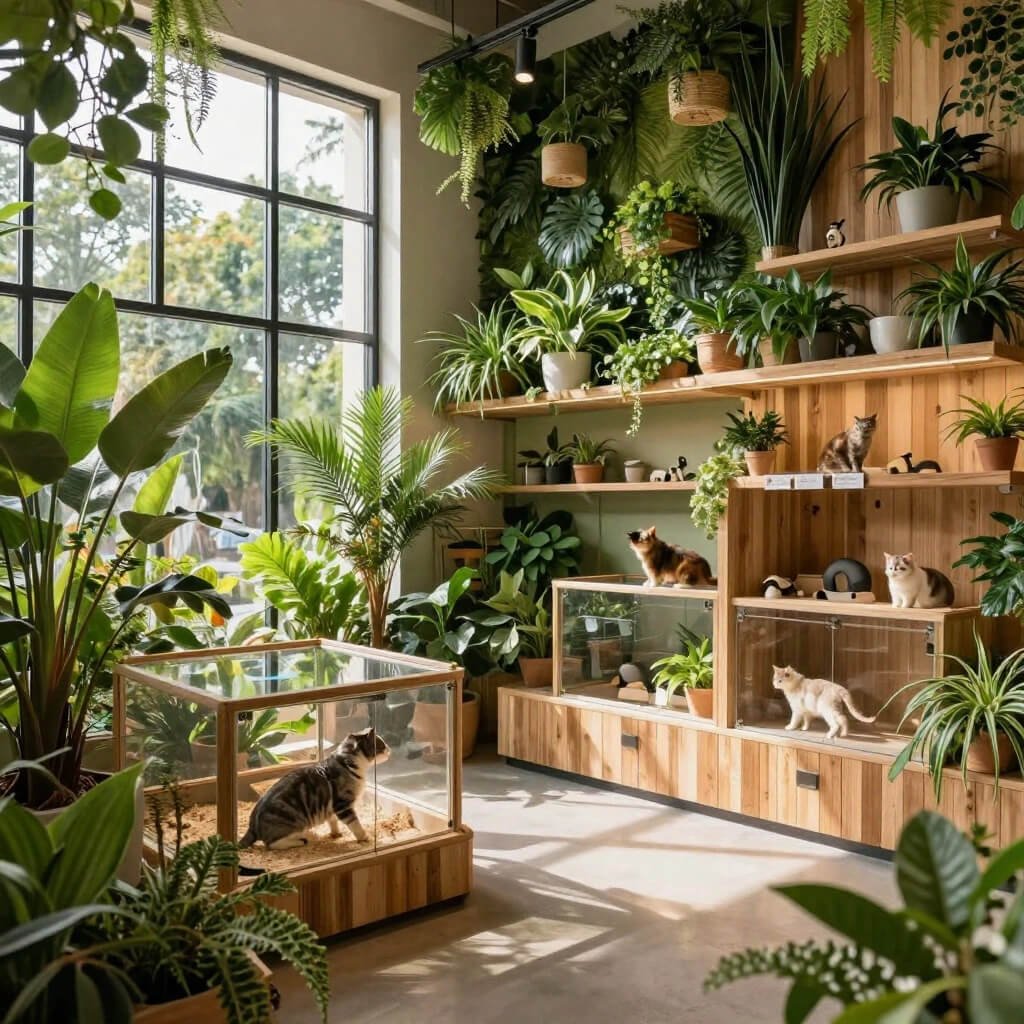
Who doesn’t love bringing the outdoors inside? The nature-themed approach creates a calming, organic environment that both pets and their humans find irresistible.
This design uses natural materials, plenty of plants (real or realistic faux ones), earthy colors, and biophilic design principles. You’re basically creating a little oasis where people want to hang out. And when people hang out longer, they buy more. Simple economics, really.
Elements that make this work:
- Living plant walls or hanging planters (just ensure they’re pet-safe varieties)
- Wooden fixtures in natural finishes—no high-gloss stuff
- Stone or wood-look flooring that’s durable but natural-looking
- Rope, bamboo, and wicker for display baskets and accents
- Earth-tone color palette: greens, browns, tans, soft blues
The cool thing about this approach is that it aligns perfectly with the eco-conscious pet owner trend. People who care about sustainability love stores that reflect their values. You can stock eco-friendly products, use recycled materials for shelving, and market yourself as the green pet store in town.
Green Design Considerations
Make sure your plants are actually pet-safe (no lilies, aloe, or ivy, for starters). I learned this the hard way when a customer’s curious pup took a nibble at my gorgeous pothos plant—not fun :/ Also, natural doesn’t mean messy. Keep everything clean and organized, or your nature theme looks more like “abandoned greenhouse.”
5. Open Concept Pet Grooming & Retail Store
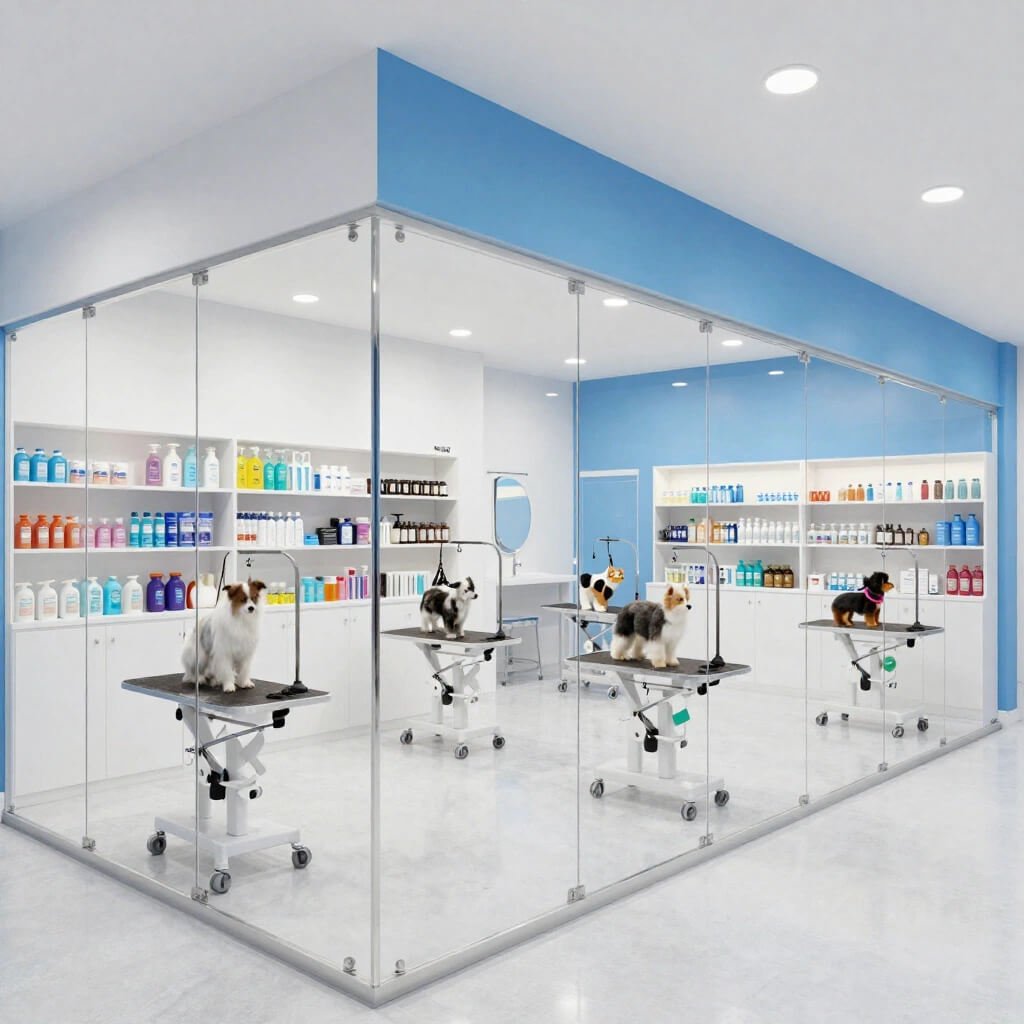
Why choose one revenue stream when you can have two? The open concept grooming and retail combo is brilliant for compact spaces because it maximizes your earning potential per square foot.
Here’s what I love about this: customers bring their pets for grooming and browse your retail section while they wait. Or they come in to shop and see the grooming services happening, which plants the seed for future bookings. It’s marketing and sales happening simultaneously.
Your layout needs:
- Glass-walled or partially open grooming area so customers can see the process (transparency builds trust)
- Comfortable waiting area with retail displays within easy reach
- Sound management (grooming can be noisy—think about acoustic panels)
- Sight lines that let you monitor both areas from one central point
- Separate entrance/exit flow to prevent chaos during busy times
I’ve seen this work amazingly well in a 600-square-foot store in Austin. They dedicated about 200 square feet to grooming (two stations) and the rest to retail. The owner said about 40% of grooming clients buy products during their visit, and the grooming appointments bring in steady, predictable income that balances out retail fluctuations.
Making Open Concept Work
Scheduling is everything. You need a solid booking system so grooming doesn’t overwhelm your retail space during peak hours. Also, invest in really good ventilation—nobody wants to shop surrounded by wet dog smell, no matter how much they love their pets. Keep cleaning supplies discreetly accessible because spills and accidents happen.
6. Industrial Style Urban Pet Shop Design
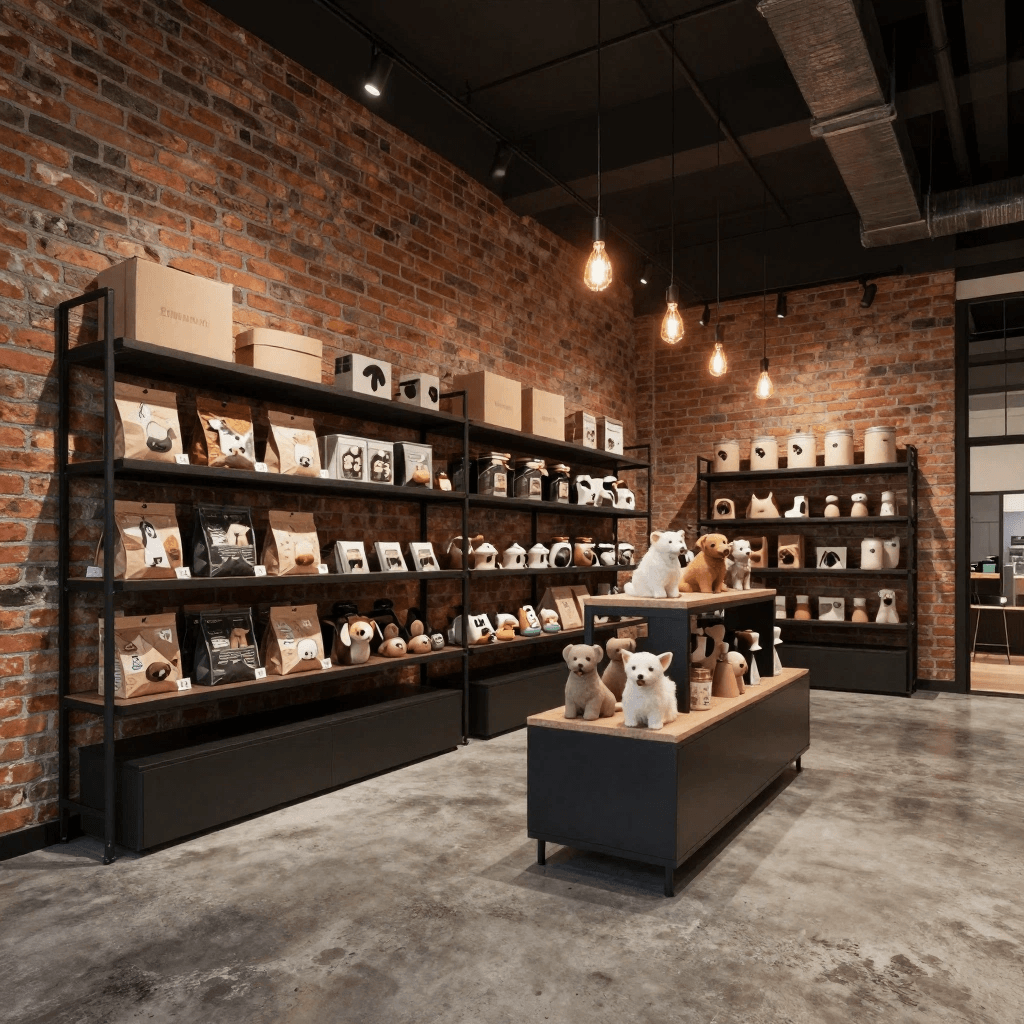
IMO, the industrial aesthetic is perfect for compact pet shops in urban areas. Raw, edgy, and surprisingly functional, this design style makes even small spaces feel intentional and hip.
You’re working with exposed brick (or faux brick panels), metal fixtures, concrete or polished concrete-look floors, Edison bulb lighting, and a generally unfinished vibe. It sounds rough, but when done right, it’s absolutely chef’s kiss.
Key components include:
- Black metal shelving units (strong, affordable, and they look awesome)
- Reclaimed wood for counters and display tables
- Exposed ceiling if you’ve got drop tiles—rip those down and paint the ductwork black
- Industrial pendant lights or cage lights
- Chalkboard signage for prices and product info
This style costs less than you’d think because you’re celebrating the “unfinished” look. That crack in the wall? Character. Those old pipes? Feature them. I helped a friend redesign his pet shop with this aesthetic for under $3,000, and it looks like he spent ten times that.
Urban Industrial Tips
Keep it balanced—too much metal and concrete feels cold and unwelcoming. Add warm touches like wooden crates for product displays, soft lighting, and maybe some greenery. The contrast between rough industrial elements and soft, organic touches creates visual interest that keeps customers engaged. Also, this style photographs incredibly well for Instagram, just saying.
Also Read: 10 Luxury Flower Shop Design Ideas High End Floral Boutiques
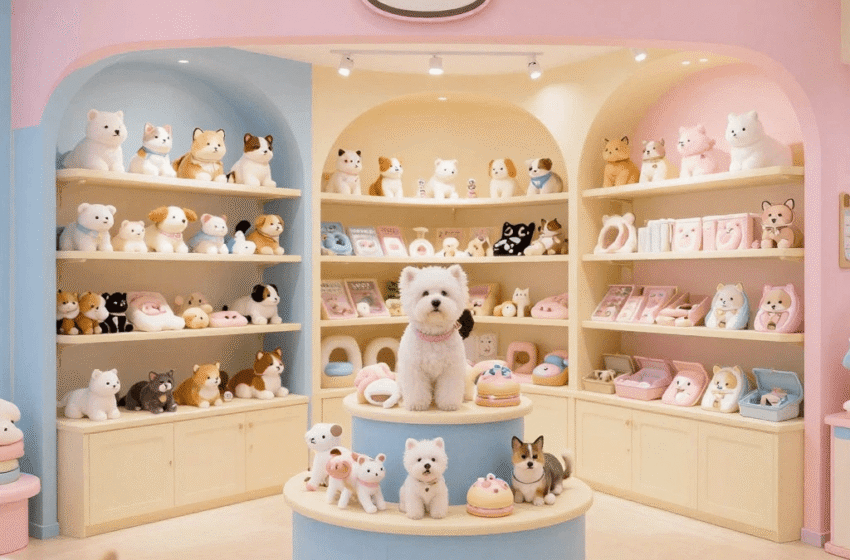
7. Cute Pastel Aesthetic Pet Store Idea
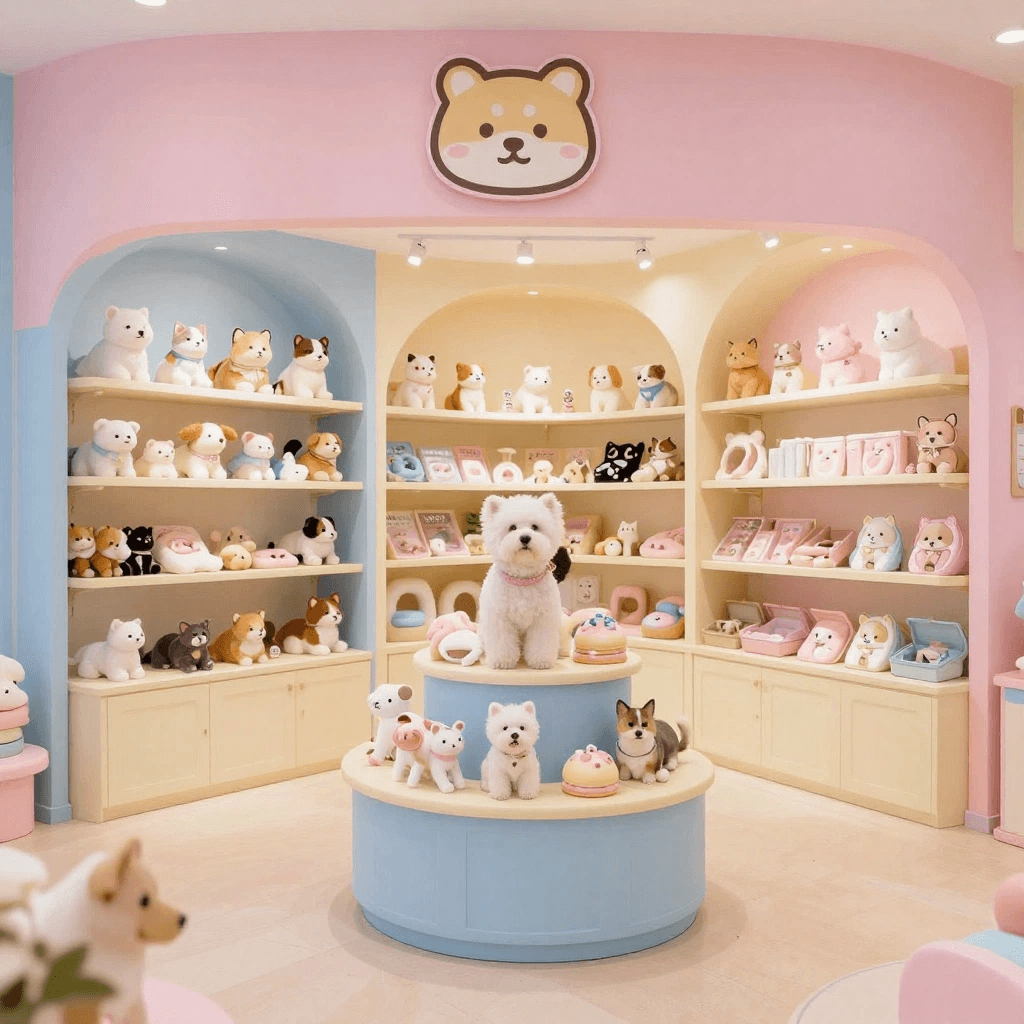
Can we talk about how adorable pastel pet shops are? This design approach is all about creating an Instagram-worthy, happiness-inducing space that makes people smile the second they walk in.
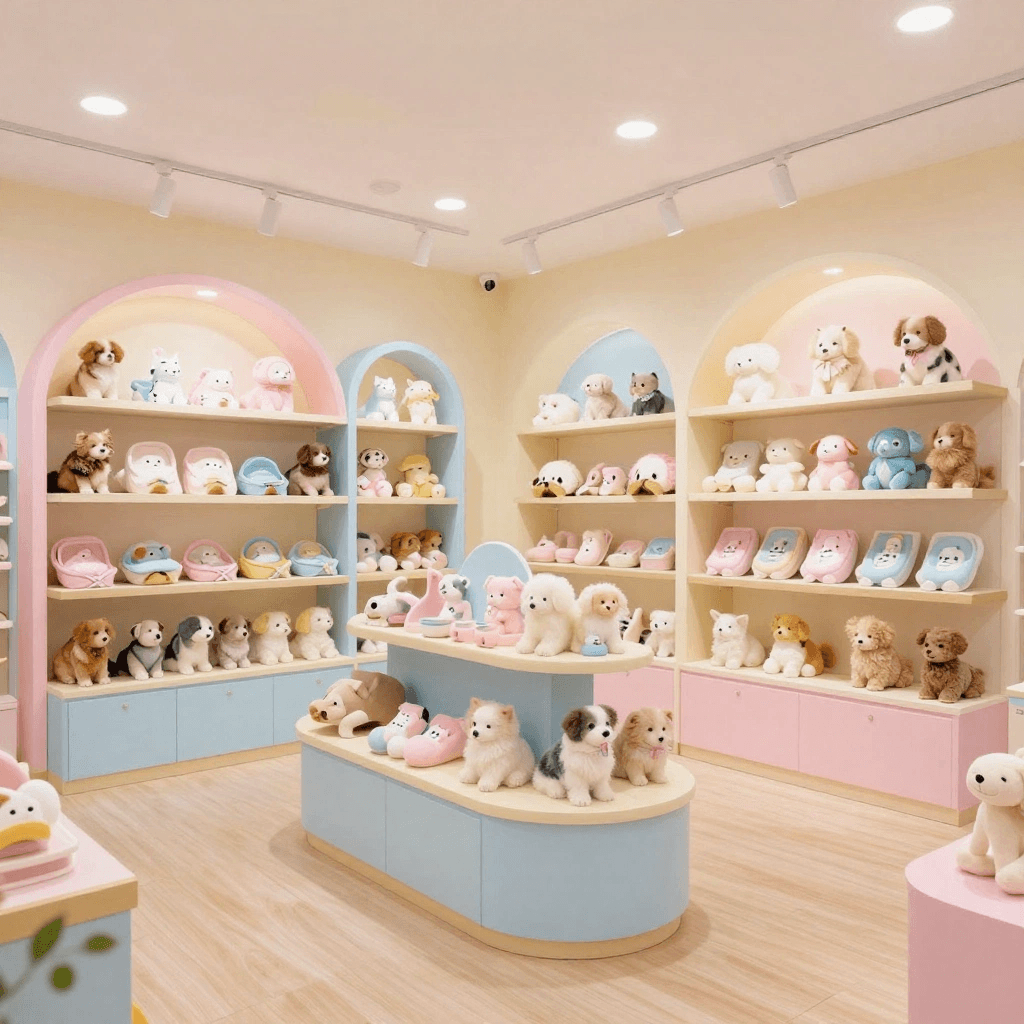
Think soft pinks, mint greens, lavenders, baby blues, and creamy whites. Everything feels gentle, playful, and utterly charming. This aesthetic particularly resonates with younger pet owners and creates massive social media buzz—free marketing, anyone?
Your pastel paradise needs:
- Painted walls in soft, coordinating colors (consider an accent wall in the boldest shade)
- White or light wood shelving to keep things airy
- Neon signs in complementary colors (maybe “Paw-some” or your shop name)
- Cute illustrated signage instead of boring text
- Photo-worthy corners specifically designed for customer selfies
I visited this pastel-themed cat café slash pet shop in Tokyo, and literally everyone inside was taking photos. The owner said their social media presence drove about 60% of their new customers. People would come just to get photos, then end up buying stuff because, well, they were already there and everything was adorable.
Pastel Design Warnings
Here’s the deal: pastels can look cheap if you’re not careful. You need to balance the cuteness with quality finishes and clean lines. Dusty pastels work better than baby-bright ones for a more sophisticated look. And please, for the love of good design, don’t go overboard—pick 3-4 colors maximum or it looks like a candy store exploded.
8. High-End Aquarium & Pet Zone Layout
If you’re specializing in aquatics or want to make fish and small pets a major focus, this zoned approach lets you create specialized areas within your compact space.
The brilliance here is creating distinct “zones” for different pet categories: aquarium section, small animal area, bird corner, and so on. Each zone has its own mini-environment that showcases those specific products. It’s like having multiple specialized shops in one compact footprint.
Your zoning strategy should include:
- Aquarium wall display with multiple tanks at different heights (creates a stunning focal point)
- Climate control for different zones if needed
- Dedicated lighting for each area (fish tanks need different light than bird cages)
- Clear visual separation using flooring changes, partial walls, or hanging elements
- Specialized fixtures appropriate for each pet type
A buddy of mine runs a 500-square-foot store focused heavily on aquariums, and he built this stunning 12-foot wall of connected tanks. It’s half showpiece, half functional display for fish and supplies. Customers come in just to look at it, and his fish-related sales are through the roof. That wow factor is priceless for small stores.
Zoning Considerations
Don’t make zones too small or cramped—each one needs enough space to breathe and be functional. Also, consider maintenance access. Those beautiful display aquariums need regular cleaning, so make sure you can actually reach them without doing acrobatics. Sound is another factor; place loud elements (like gurgling tanks or chatty birds) away from your checkout area.
9. Budget-Friendly Small Pet Shop Design
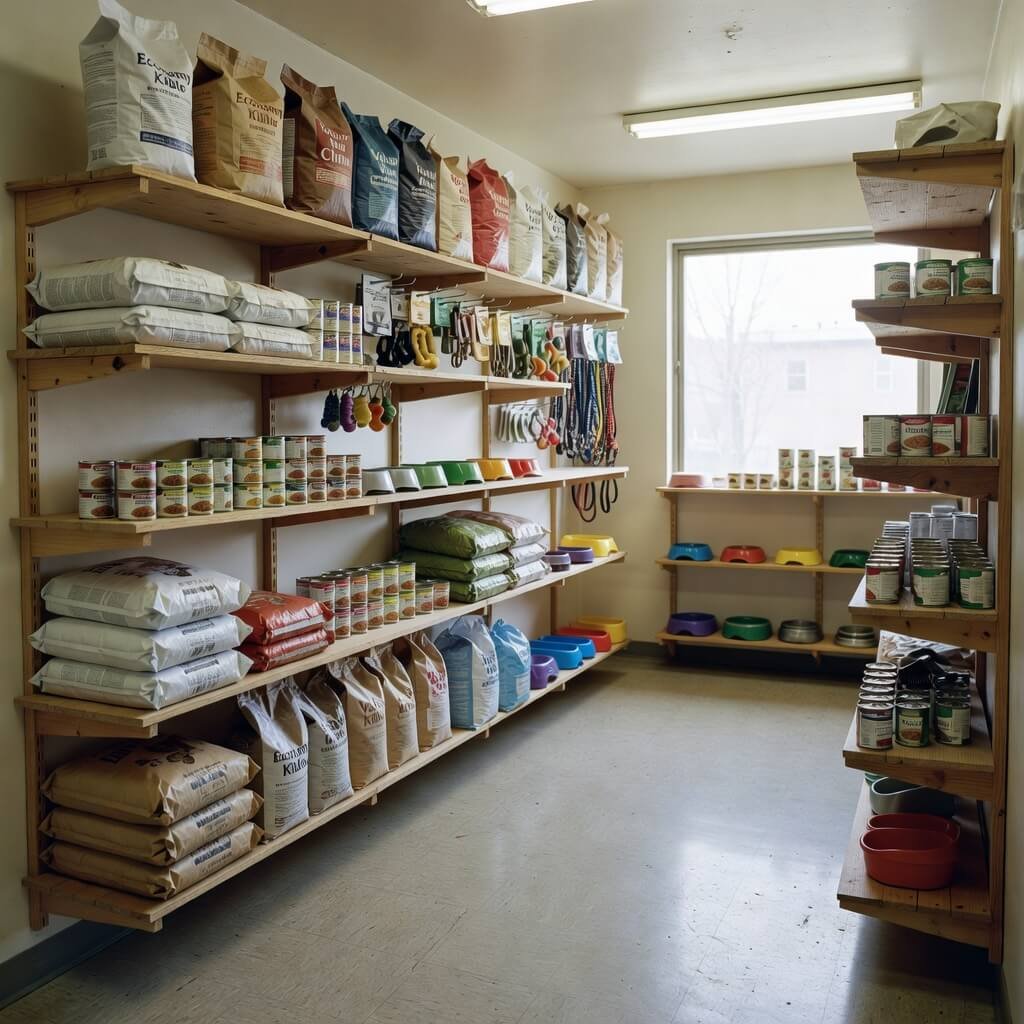
Let’s be honest—not everyone has a huge budget, and that’s totally fine. You can create an amazing pet shop on a shoestring budget if you’re clever and willing to put in some elbow grease.
This approach focuses on DIY solutions, upcycled materials, smart shopping, and prioritizing where you spend money. You won’t have marble countertops or custom millwork, but you can absolutely create a welcoming, functional, and attractive space.
Budget-friendly tactics that actually work:
- Paint is your cheapest transformation tool (fresh paint makes everything look expensive)
- DIY shelving using cinder blocks and wood planks or metal pipes
- Secondhand fixtures from closing stores, Facebook Marketplace, or Craigslist
- Pallet wood displays (free pallets become rustic shelving with some sanding and stain)
- Handmade signage instead of professionally printed stuff
- Pegboard walls for flexible, cheap display options
I started my first tiny pop-up pet supply booth with literally $500 in design budget. I painted everything white, built shelves from reclaimed wood, and made signs on my computer and printed them at a copy shop. It wasn’t fancy, but it was clean, organized, and functional. Customers care way more about product selection and service than whether your shelves are custom-made.
Making Budget Look Intentional
The secret to budget design is consistency and cleanliness. Pick a cohesive color scheme and stick to it ruthlessly. Everything should look like it belongs together, even if pieces came from wildly different sources. Keep everything spotlessly clean because dirt and clutter make even expensive spaces look cheap. Also, invest your limited budget in good lighting—it’s the best bang for your buck in terms of perceived quality.
Also Read: 10 Ultimate Barber Shop Design Ideas Luxury Modern Setup
10. Interactive Experience-Based Pet Store Concept
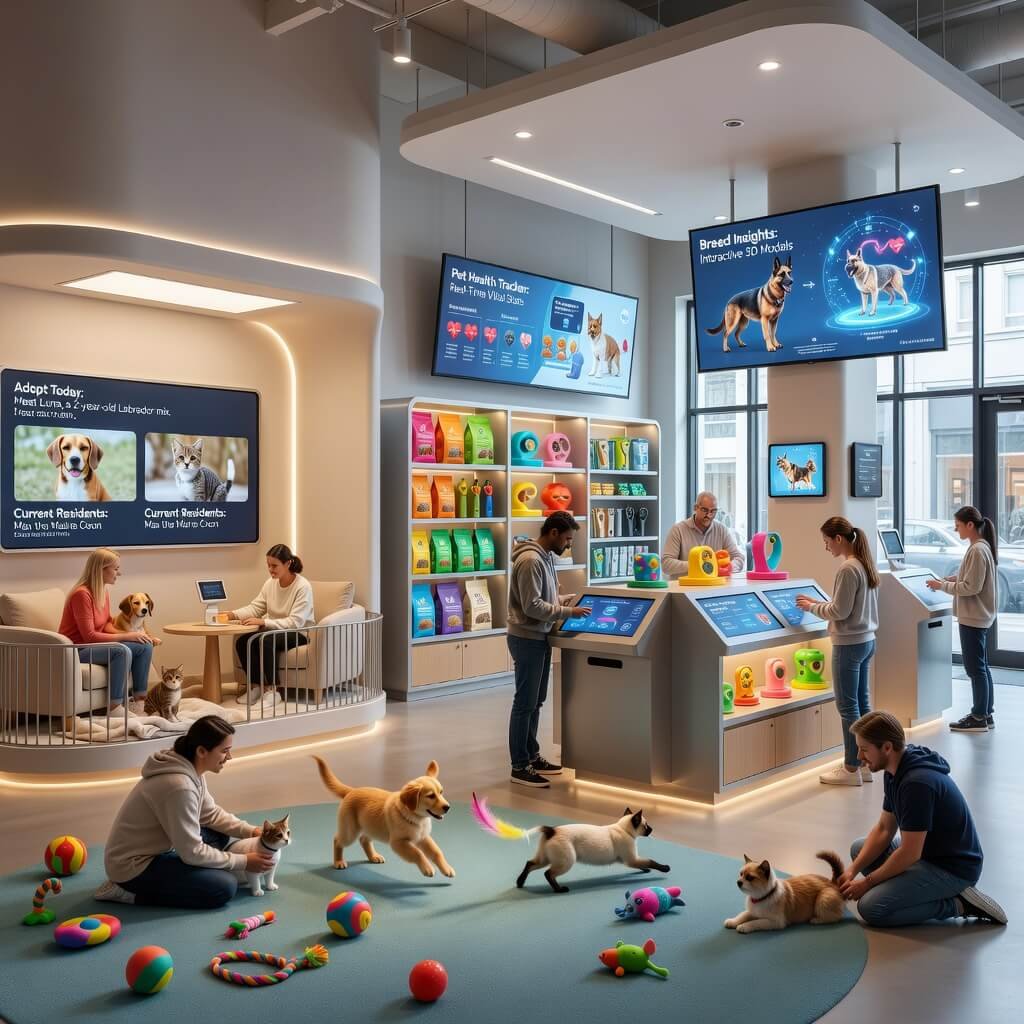
Okay, this one’s my favorite because it completely reimagines what a pet store can be. Instead of just selling products, you’re creating experiences that make your compact store a destination.
The experience-based approach includes interactive elements like play areas for pets, product testing stations, educational workshops, adoption events, or even pet-friendly events. You’re building community and loyalty, not just making transactions.
Interactive elements worth considering:
- Small play area where dogs can test toys before purchase
- Cat interaction zone with testers for scratchers and toys
- Treat bar where pets can sample before you buy
- Workshop space for training classes or pet first aid courses (can be the same retail space rearranged)
- Photo backdrop with props for customer photos
- Water station with treats for visiting pets
This approach requires more staff involvement and management, but the payoff is huge. You create memorable experiences that people talk about and return for. I know a shop that hosts “puppy socialization hour” every Saturday morning in their small store—they move some shelves aside, and people bring puppies to play. Half the attendees buy stuff while they’re there, and it builds incredible customer loyalty.
Experience-Based Success Factors
Your staff makes or breaks this approach. You need people who genuinely love animals and enjoy customer interaction. Also, set clear rules for the interactive elements—not every pet is suited for play areas, and you need liability coverage. Keep interactive areas scrupulously clean because health and safety issues will tank your reputation fast. Consider what experiences align with your brand and customer base rather than trying to do everything.
Final Thoughts
Look, designing a compact pet shop doesn’t mean settling for less. It means getting creative, strategic, and maybe a little obsessive about making every square foot work harder. Whether you go full minimalist, embrace pastels, or create an experience-based destination, the key is choosing an approach that fits your brand, budget, and customer base.
The best compact pet shops succeed because they understand something big-box stores miss: customers crave connection, curation, and character. Your small space actually gives you an advantage here. You can create intimacy and specialization that massive stores can’t touch.
Start with one of these design ideas that resonates with you, adapt it to your specific situation, and don’t be afraid to mix elements from different approaches. My dream setup? Probably a nature-themed store with some industrial touches and interactive elements—but that’s just me 🙂
Your compact pet shop can absolutely thrive if you design it thoughtfully. Now stop overthinking it and start planning—those pets and their humans need you!