10 Fresh Vertical Garden Design Ideas for Home Makeovers
- Garden Design
 Ben
Ben- 0
- 39 minutes read
Look, I get it. You’re staring at that blank wall or cramped balcony thinking, “There’s got to be a better way to bring some green into my life.” Your floor space is maxed out, your windowsills are already groaning under the weight of your plant babies, and yet you still want MORE. Welcome to the club, friend.
Vertical gardens changed my entire relationship with my apartment. I went from “I don’t have room for plants” to having a literal jungle wall in my living room. And honestly? It’s one of the best decisions I’ve made for my space. The air feels fresher, my mental health improved, and my Instagram feed got significantly more interesting 🙂
So let’s talk about 10 vertical garden designs that’ll transform your space from “meh” to “wow, did a botanist move in here?” Whether you’re renting, own a tiny balcony, or just want to make a statement, I’ve got something here for you.
1. Minimalist Wooden Frame Vertical Herb Garden
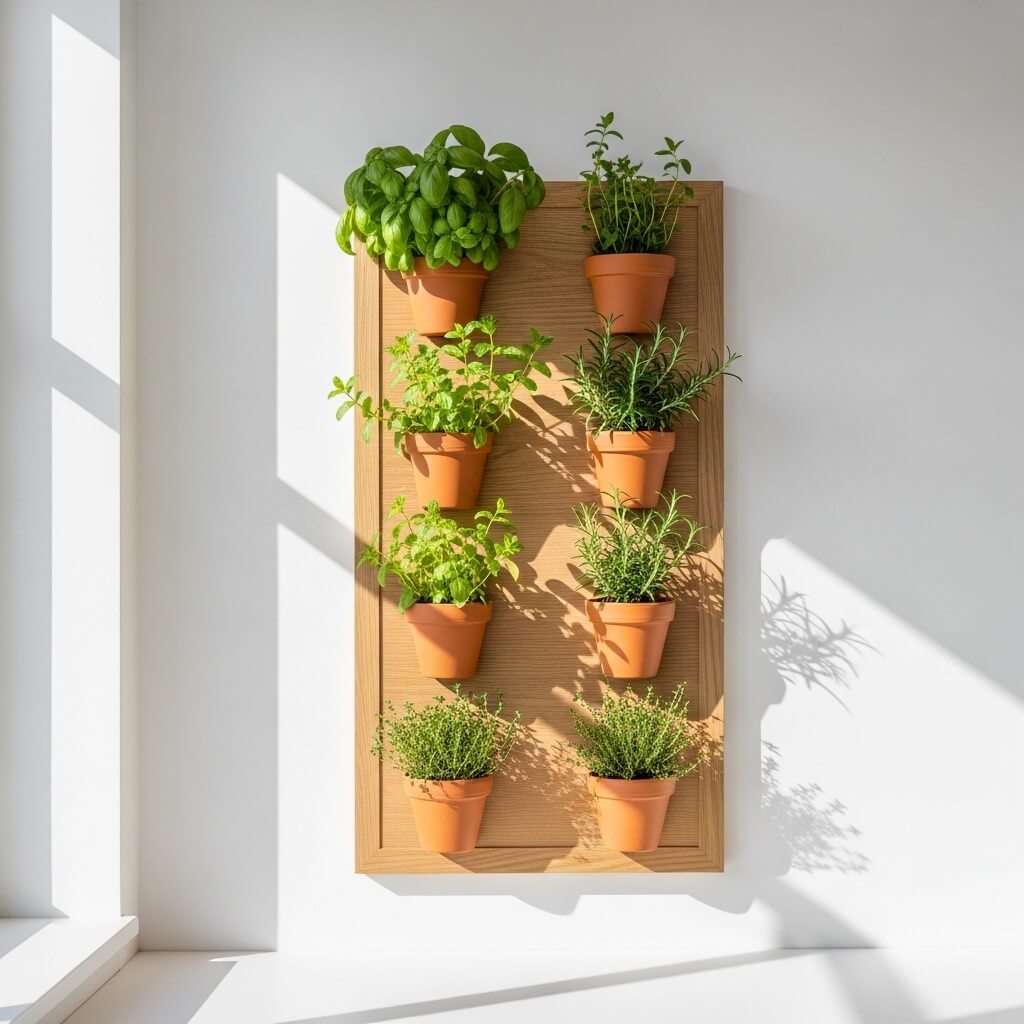
Ever notice how herbs are the gateway drug to serious gardening? You start with basil for your pasta, and suddenly you’re researching the optimal pH levels for cilantro at 2 AM.
A minimalist wooden frame herb garden is perfect for both beginners and design snobs (I say this with love). Think clean lines, natural wood tones, and small individual planters arranged in a geometric pattern. I built mine from cedar because it handles moisture like a champ and doesn’t rot when you inevitably overwater your oregano.
Why This Design Works
The beauty lies in its simplicity. You get:
- Individual compartments for each herb (because mint is aggressive and will absolutely take over if given the chance)
- Easy accessibility for harvesting—no awkward reaching or ladder acrobatics
- Kitchen-friendly aesthetics that won’t clash with your design scheme
- Adjustable sizing based on your wall space
I mounted mine right next to my kitchen window. Now I can grab fresh basil while cooking without even leaving the room. The wood frame gives it this warm, Scandinavian vibe that makes me feel like I’ve got my life together, even when I’m eating cereal for dinner.
Installation Tips
Mount it directly to wall studs—trust me on this. I learned the hard way that drywall anchors and soil-filled planters don’t always play nice together. Use a level (or that app on your phone if you’re lazy like me), and double-check everything before drilling.
Pro tip: Line each wooden compartment with plastic or use removable containers. Wood and constant moisture eventually equals problems, no matter what anyone tells you.
2. Hanging Pocket Fabric Wall Garden
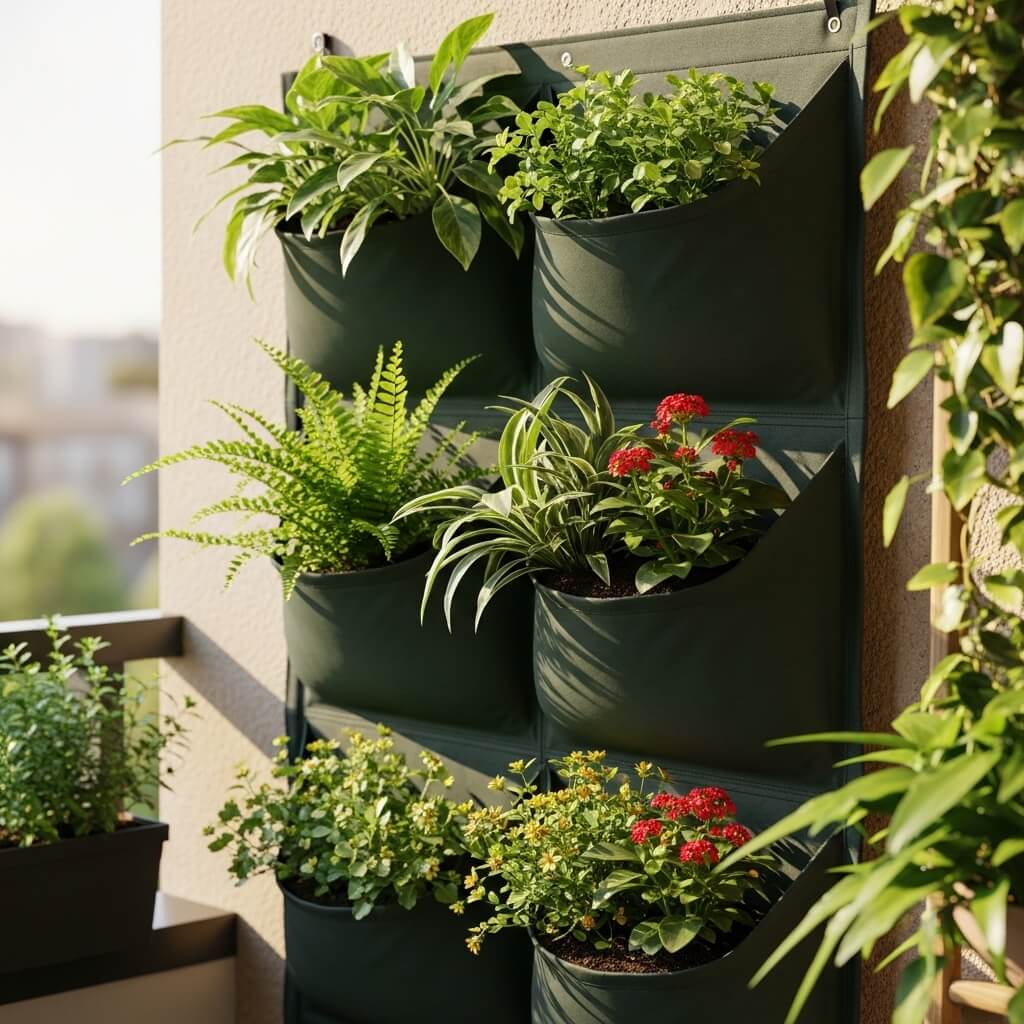
Okay, this one’s for my fellow renters who can’t go drilling holes in every wall without losing their security deposit.
Fabric pocket gardens are basically the Mary Poppins bag of vertical gardening—surprisingly spacious and full of possibilities. These felt or canvas designs hang from a single rod or hook and feature multiple pockets for plants. I was skeptical at first (fabric? for plants? really?), but they’ve completely won me over.
The Practical Magic
What makes these things brilliant:
- Zero wall damage beyond maybe two small hooks
- Incredibly lightweight even when filled with plants
- Flexible placement—move them around on a whim
- Budget-friendly compared to most vertical systems
I use mine on my balcony for shallow-rooted plants like lettuce, strawberries, and succulents. The fabric actually helps with drainage and air circulation, which prevents that dreaded root rot situation that’s killed more of my plants than I’d like to admit.
Watch Out For
Not all fabric is created equal. Cheap ones fall apart after one season. Look for breathable felt with reinforced stitching. Also, these work best for smaller plants—don’t try to grow tomatoes in fabric pockets unless you enjoy chaos.
The watering situation requires some finesse. Water the top pockets lightly, or everything below gets absolutely drenched. Ask me how I know. Actually, don’t.
3. Modern Metal Grid Balcony Plant Wall
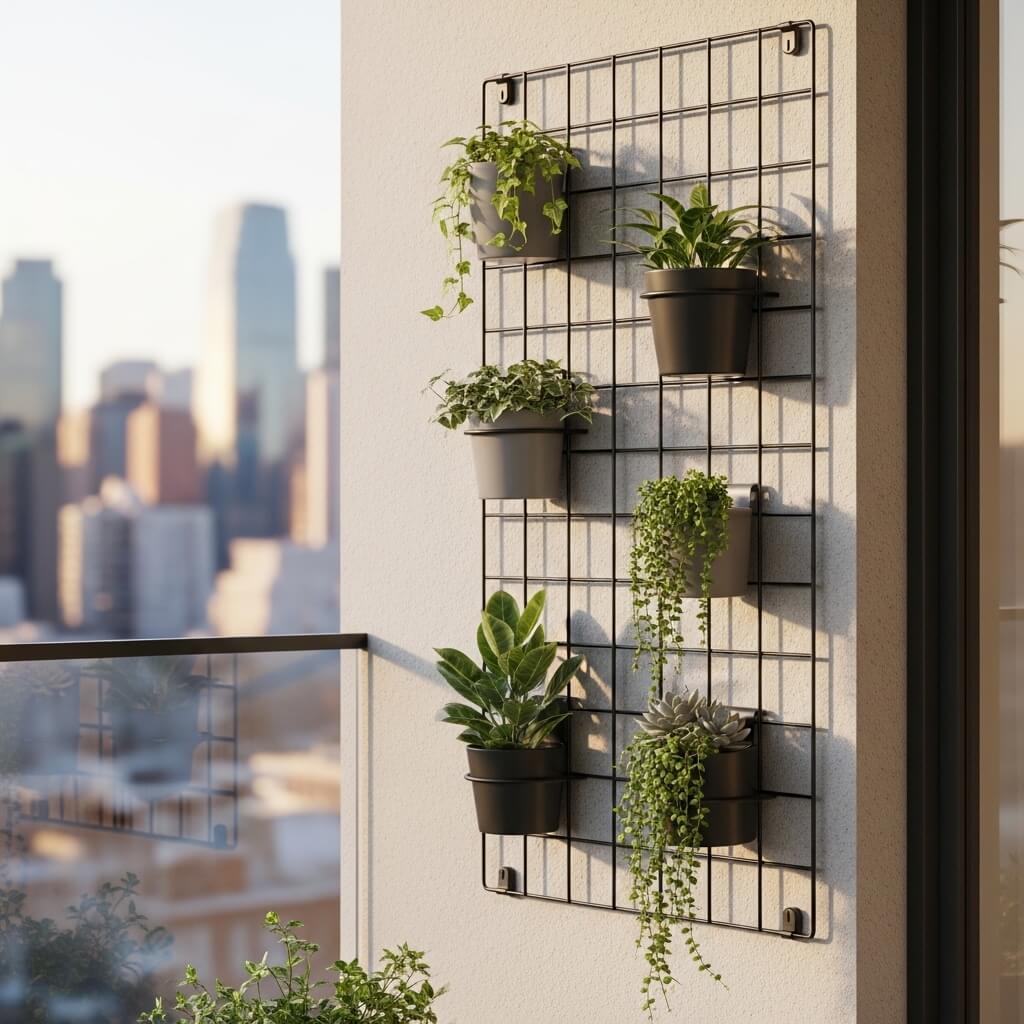
If minimalist wooden frames are the introvert of vertical gardens, metal grid systems are the confident extrovert at the party.
These industrial-chic designs use metal wire grids (think pegboard but cooler) that you mount to walls or railings. You then attach pots, planters, or hanging vessels using S-hooks, wire, or specialized clips. The customization possibilities are basically endless, which is both exciting and slightly overwhelming.
Why I’m Obsessed
The flexibility here is unmatched:
- Rearrange anytime without tools or drama
- Mix pot sizes and styles for visual interest
- Perfect for renters—minimal wall commitment required
- Weather-resistant when you choose the right metal
- Modern aesthetic that works with contemporary spaces
I spray-painted mine matte black to match my balcony railing, and it looks like something from a design magazine. FYI, I’m not crafty—if I can make this look good, literally anyone can.
Making It Work
Go for powder-coated or galvanized metal to prevent rust. Regular steel looks great until the first rain, then it’s a tragedy. Space your grid about 2-3 inches from the wall to allow air circulation and make hanging pots easier.
The beauty of this system is that you can start small and expand. Begin with a 2×3 foot grid, see how you like it, then add more sections. Your plant collection grows anyway, so you might as well plan for it.
Also Read: 10 Gorgeous Garden Layout Ideas for Relaxing Green Corners
4. Rustic Pallet Vertical Garden Planter
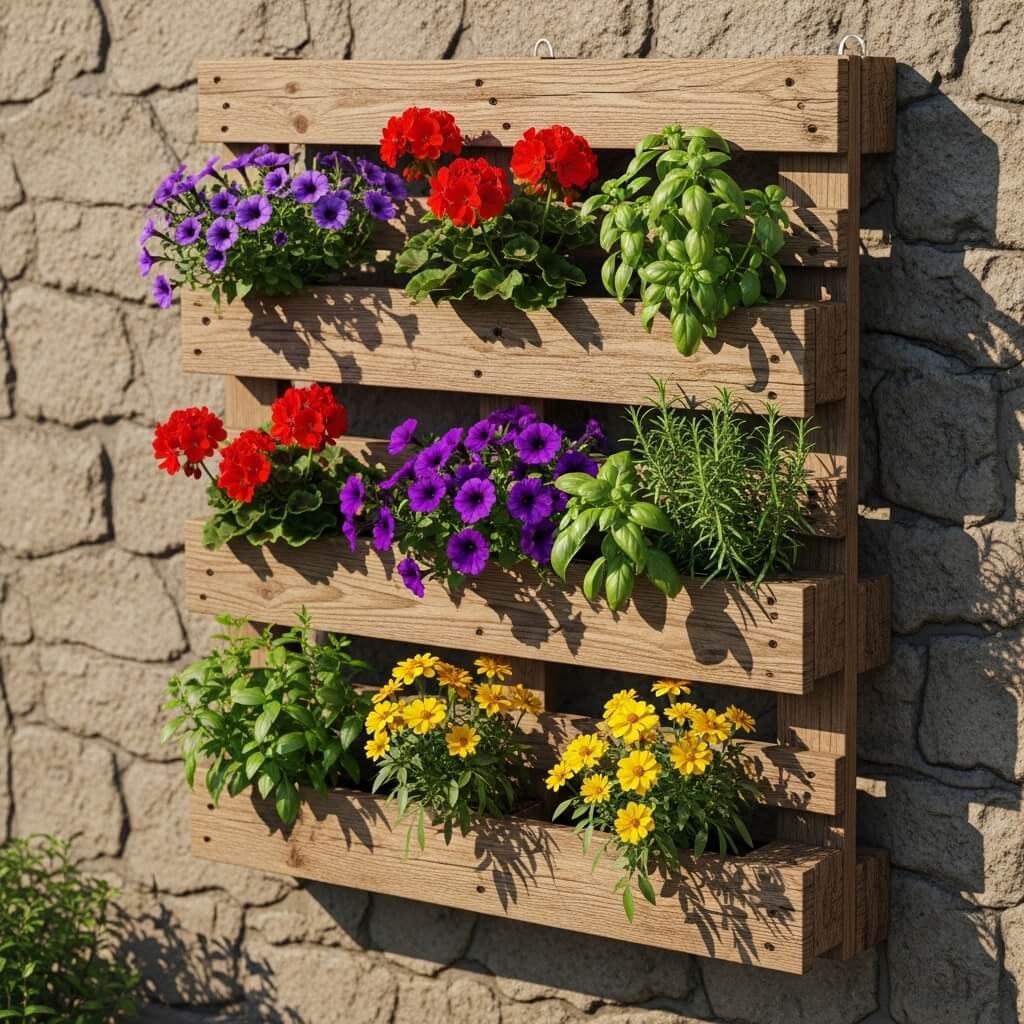
Let’s talk about pallet gardens, shall we? They’ve been Pinterest-famous for years, and honestly, I understand why. Free or cheap materials, rustic charm, and decent functionality? Sign me up.
You take a wooden shipping pallet, prep it properly (this step matters—don’t skip it), add landscape fabric to create pockets, fill with soil, and plant. The result looks intentionally rustic and gives off serious farmhouse vibes.
The Real Deal
Here’s what nobody tells you about pallet gardens:
- Not all pallets are safe—some are treated with nasty chemicals
- They’re heavy once filled with soil and plants
- Prep work is essential or you’ll have splinters and sad plants
- Perfect for cascading plants like petunias or herbs
I made one for my vertical strawberry garden, and it’s still going strong three years later. The key is finding heat-treated pallets (look for “HT” stamped on the wood, not “MB” which indicates chemical treatment). Sand down the rough spots, apply outdoor sealant, and you’re golden.
Real Talk About Installation
Mount this baby horizontally while you plant it, let everything establish for a couple of weeks, THEN move it vertical. Otherwise, you’re fighting gravity and losing. The landscape fabric stapled to the back and bottom creates pockets that hold soil when vertical.
Also, these need more frequent watering than other vertical systems because the exposed sides dry out faster. Totally manageable, just something to know upfront.
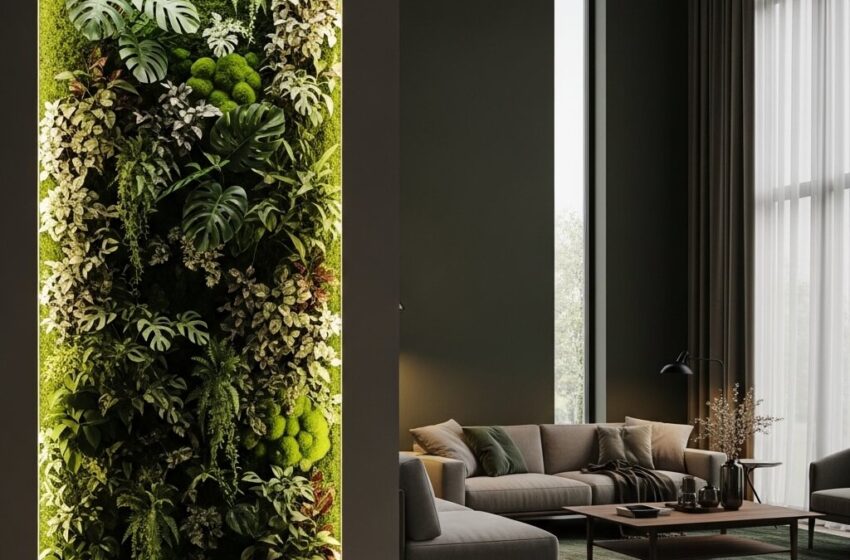
5. Indoor Living Green Wall with LED Lighting
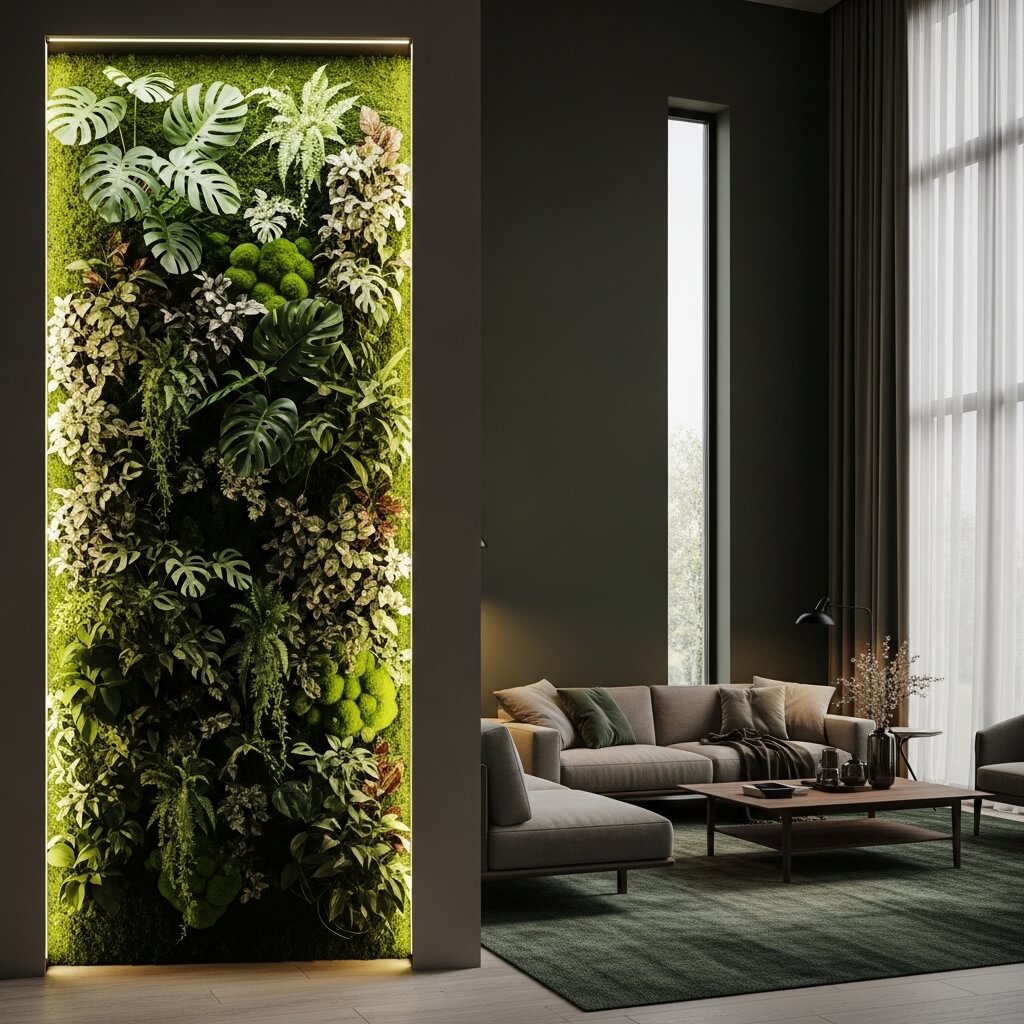
Alright, we’re getting fancy now. An indoor living wall with LED grow lights is the vertical garden equivalent of leveling up from instant ramen to actually cooking.
This system combines specialized panels, irrigation, and full-spectrum LED lighting to create a thriving indoor vertical ecosystem. It sounds complicated, but modern systems make it surprisingly doable. I installed one in my north-facing living room where natural light goes to die, and my plants are thriving.
What You’re Getting Into
The investment is real, but so are the benefits:
- Grow anything, anywhere regardless of natural light
- Automated irrigation options available (hello, vacation-friendly)
- Air purification benefits from dense planting
- Dramatic visual impact—this becomes your home’s focal point
- Year-round gardening with consistent light schedules
The Technical Stuff
You’ll need:
- A proper living wall system with built-in irrigation (DIY is possible but tricky)
- Full-spectrum LED grow lights positioned 6-12 inches from plants
- A nearby electrical outlet and possibly a water source
- Plants suited for vertical growing with similar light/water needs
IMO, this is worth saving up for if you’re serious about indoor plants. My electric bill went up maybe $15 monthly, but I’m growing fresh greens, herbs, and tropical plants year-round in a space that previously grew nothing but dust bunnies.
Reality check: Start with one section rather than covering an entire wall immediately. Test your setup, learn what works, then expand. Also, some systems can leak—protect your floors and furniture accordingly.
6. Corner Tiered Vertical Plant Shelf Design
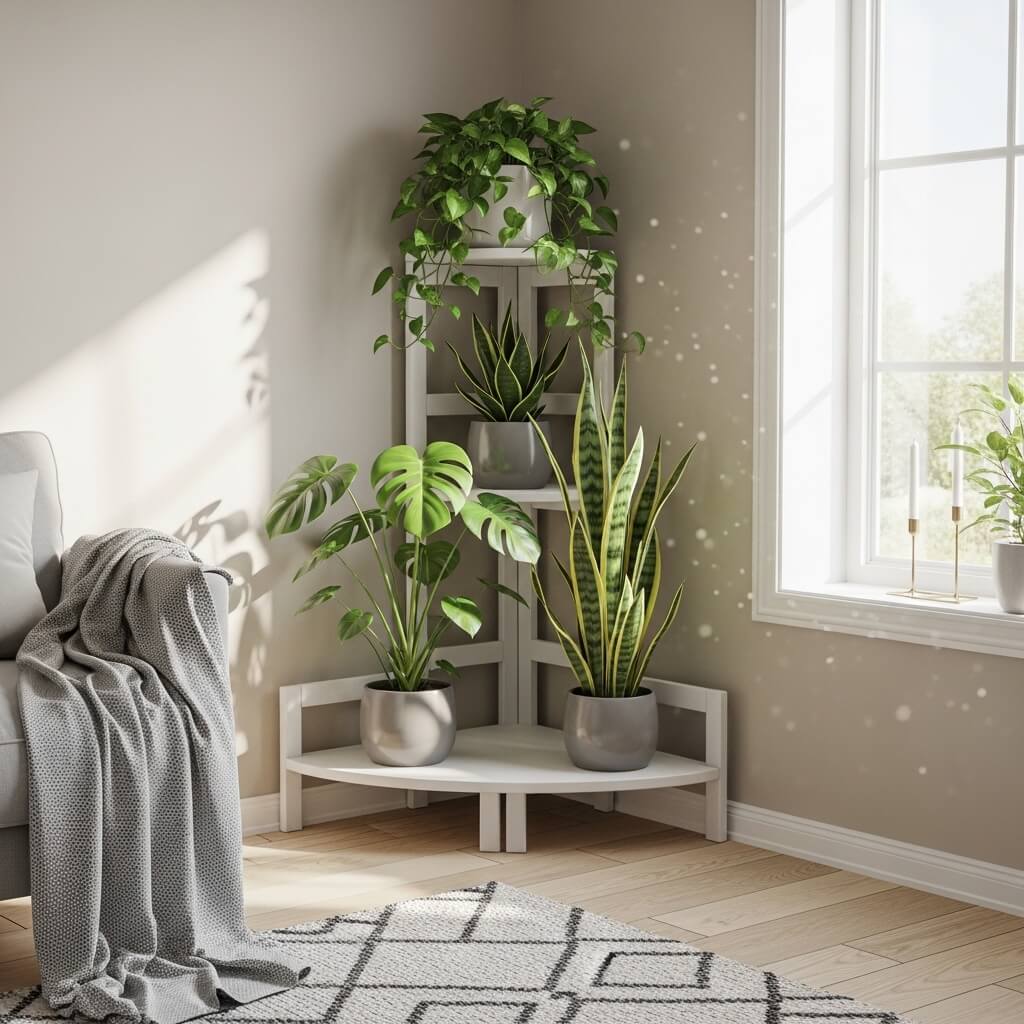
Corners are the Bermuda Triangle of interior design. They’re awkward, often wasted, and somehow always end up filled with random stuff you don’t know where else to put.
Corner tiered vertical shelves solve this beautifully. These ladder-style or corner-specific shelf units maximize vertical space in those weird angles that normal furniture can’t handle. I’ve got one in my bathroom (plants love humidity) and one in my office corner.
Why Corners Are Genius
Think about it:
- Unused space becomes productive without taking floor space
- Height creates drama and draws the eye upward
- Multiple levels mean diverse plant collections
- Easy to shop for—tons of options at every price point
- Renter-friendly and completely portable
Choosing Your Setup
You can go wooden for warmth, metal for industrial vibes, or bamboo for that eco-friendly feel. I prefer wooden ladder shelves because they hold more weight and look less likely to tip over (even though properly secured shelves won’t tip—my anxiety doesn’t care about facts).
Space your plants by light and water needs. Put your thirsty, light-loving plants on top tiers where they’ll get the most sun, and your shade-tolerant, drought-resistant friends below.
Styling tip: Vary your pot sizes and plant heights on each tier. All uniform pots look nice in stores but weirdly sterile in homes. Mix it up for a collected, natural vibe.
Also Read: 10 Inspiring Tiny Garden Design Ideas for Modern Homes
7. Self-Watering Modular Wall Garden System
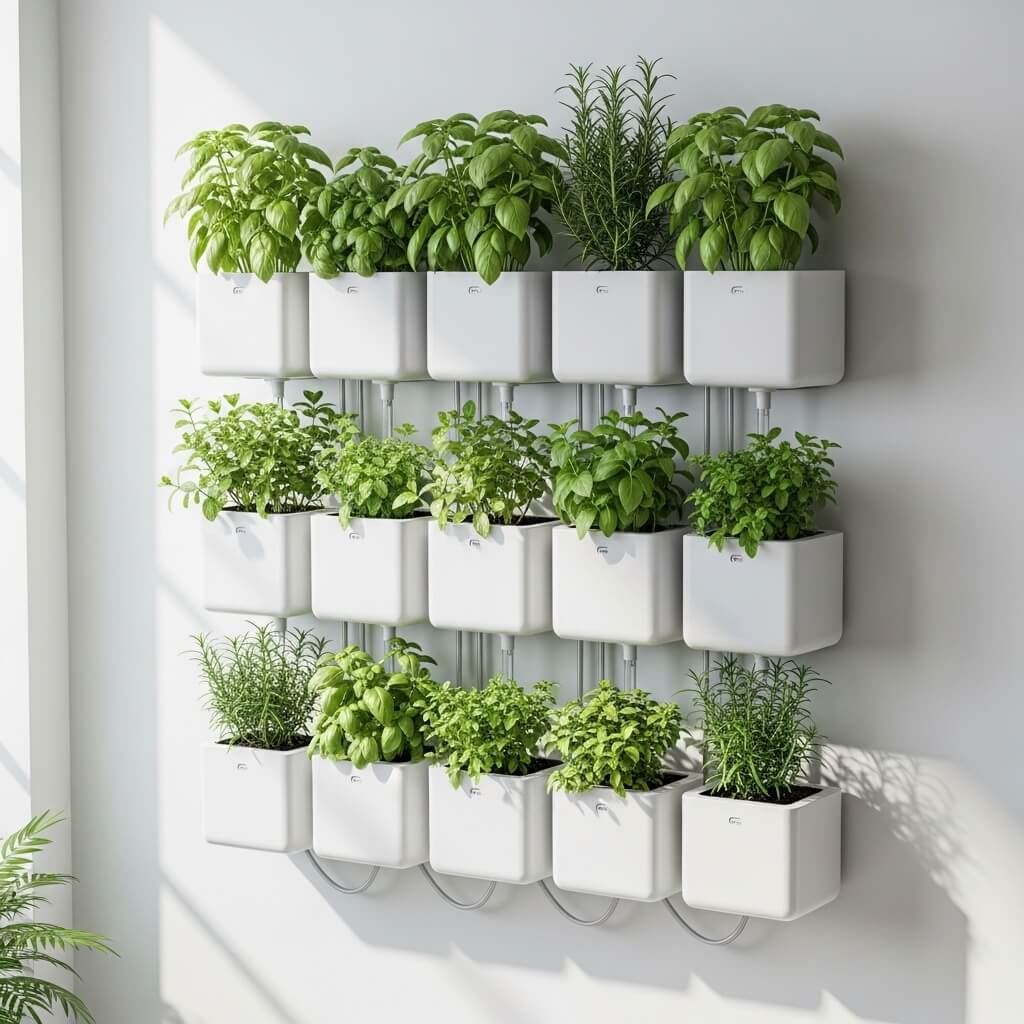
Can we talk about how “plant parent” sometimes feels like a second job? You leave for a long weekend, and suddenly half your collection is crispy.
Self-watering modular wall systems are the answer to my prayers and possibly yours too. These ingenious setups use reservoir systems where water distributes itself to plants through capillary action or wicking. You fill the reservoir weekly (or biweekly), and the system handles the rest.
The Game-Changing Features
What makes these worth the investment:
- Consistent moisture levels—no more “oops, forgot to water” deaths
- Modular design lets you expand or rearrange
- Water efficiency compared to traditional watering methods
- Reduced maintenance without sacrificing plant health
- Clean installation with built-in drainage systems
I use these for my high-maintenance tropical plants that need consistent moisture. The system I bought has stackable modules that connect to a shared reservoir. Each module holds 2-4 plants depending on size, and they link together like plant Legos.
Investment vs. Value
These systems aren’t cheap—expect $150-$500 depending on size and features. But when you calculate the cost of replacing dead plants and the value of your time, the math works out. Plus, they look professional and polished, not cobbled together from random parts.
Installation heads-up: These need to be level, or water won’t distribute evenly. Use a proper level during installation, and check your wall’s load capacity. A full system can weigh 50+ pounds easily.
8. Boho Macrame Hanging Vertical Plant Display
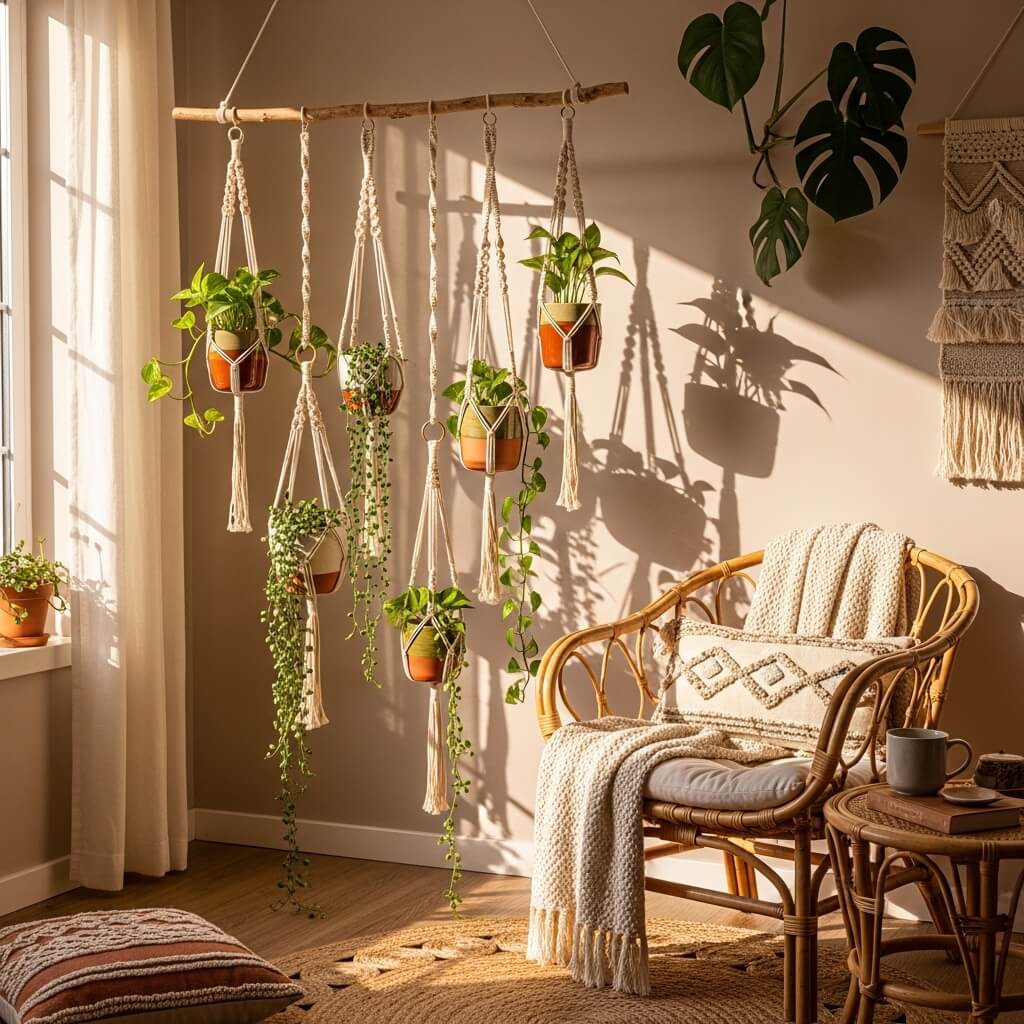
If your aesthetic is more “wandering free spirit” than “minimalist magazine,” then macrame plant hangers arranged vertically are calling your name.
This setup layers multiple macrame hangers at different heights to create a cascading vertical garden. It’s not a single structure but rather a coordinated arrangement that creates vertical impact. I’ve got this going in my bedroom, and it’s exactly the vibe I wanted—relaxed, artistic, and slightly hippie-ish in the best way.
Creating the Look
Here’s how to nail this design:
- Vary the hanger lengths for visual interest (nothing should hang at exactly the same level)
- Use a sturdy ceiling hook or rod rated for serious weight
- Choose trailing plants like pothos, philodendron, or string of pearls
- Mix pot materials—ceramic, terracotta, and woven baskets all work
- Ensure proper drainage because water will drip down
The Practical Side
Macrame isn’t just cute—it’s functional. The knots create stretch that accommodates plant growth and has some give when you accidentally bump into your hanging garden (or is that just me?).
Watering strategy: Take plants down to water them in the sink or shower, let them drain completely, then rehang. Trying to water them in place is a recipe for soggy floors and regret :/
I made my own hangers using YouTube tutorials and cheap cotton rope from the hardware store. If you’re crafty, this is a fun weekend project. If you’re not, Etsy has thousands of options at every price point.
9. Compact Balcony Privacy Green Wall Setup
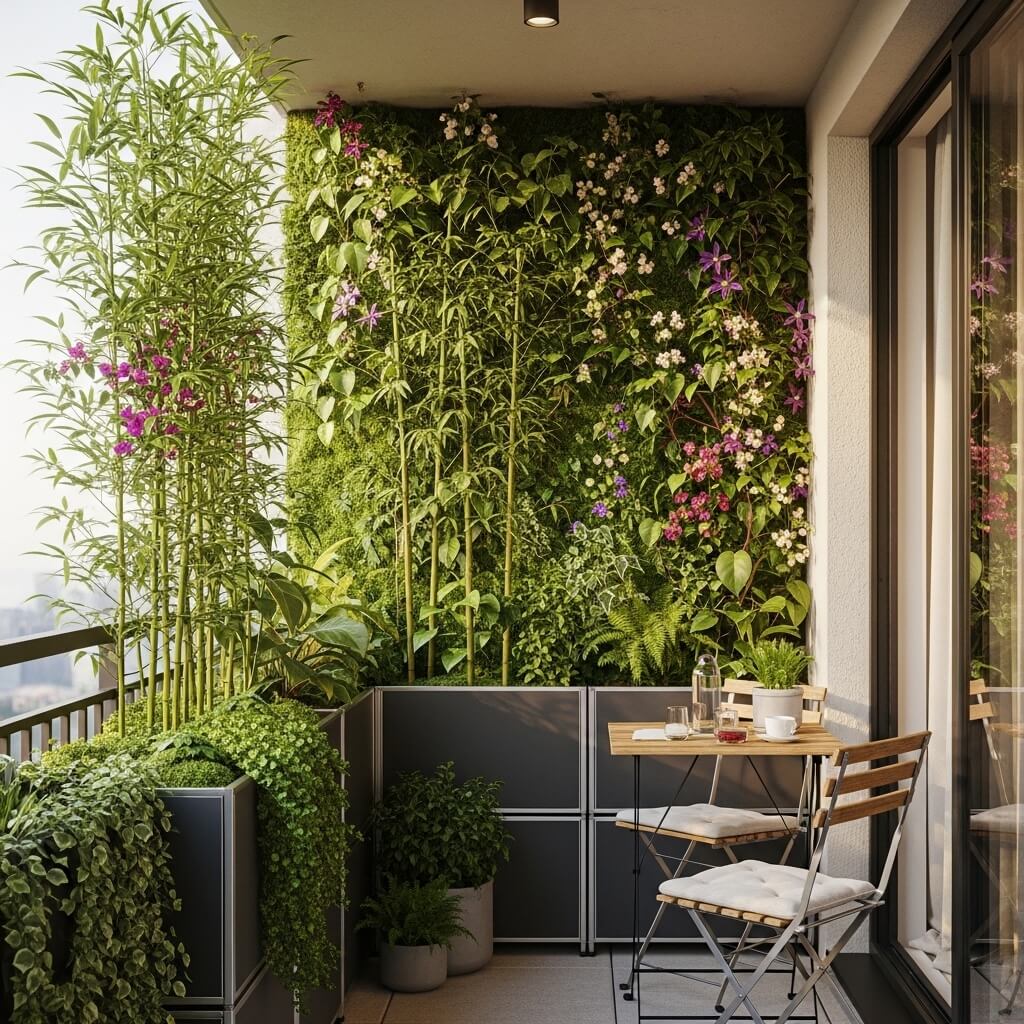
Balcony privacy is weird. You want to enjoy your outdoor space without feeling like you’re performing for the neighbors. A privacy green wall solves this while adding serious plant power to your balcony.
This design uses a vertical garden structure specifically to create a living privacy screen. Think trellis systems, dense planting, or modular panels arranged to block sightlines while maintaining airflow and light.
Dual Purpose Design
You get:
- Privacy from neighbors without looking like you built a fortress
- Reduced wind on exposed balconies
- Noise buffering from nearby units or streets
- Maximized growing space on small balconies
- Beautiful backdrop for your outdoor furniture
I used a metal grid system (remember #3?) combined with fast-growing vines and dense foliage plants. Within two months, I had a living wall that screened my morning coffee ritual from my neighbor’s direct view.
Plant Selection Matters
Choose plants based on:
- Your climate—obviously
- Sun exposure—full sun vs. partial shade makes huge differences
- Growth rate—faster coverage means quicker privacy
- Maintenance level—some vines are aggressive and need regular trimming
Top performers for balcony privacy walls include jasmine, clematis, ivy (if you can manage it), and passionflower for sun; or ferns and hostas in containers for shade.
Building code alert: Some buildings have restrictions on balcony modifications. Check your lease or HOA rules before installing permanent structures. Most allow freestanding or railing-mounted options without issue.
Also Read: 10 Stunning Succulent Garden Design Ideas for Small Spaces
10. Glass Bottle Recycled Vertical Garden Structure
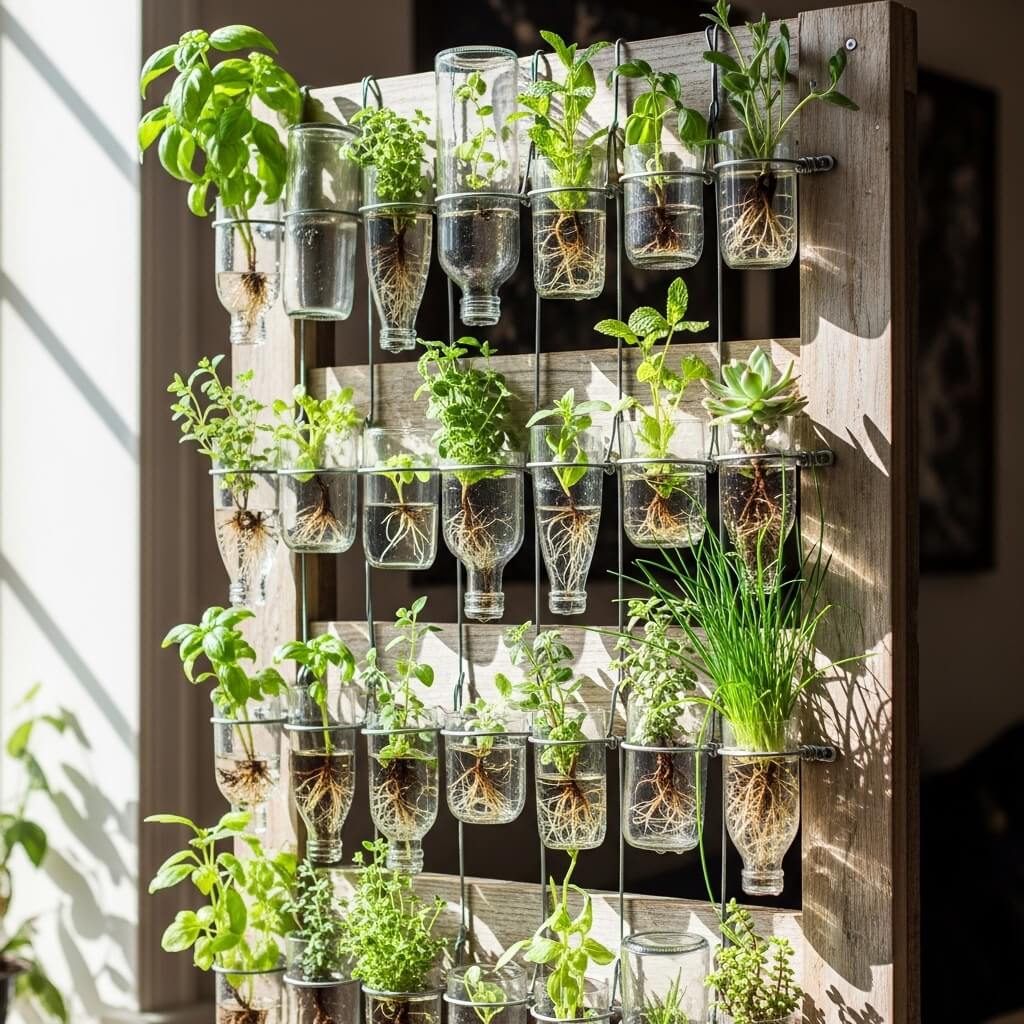
Last but absolutely not least, let’s talk about recycled glass bottle vertical gardens. These are eco-friendly, visually striking, and give you excellent bragging rights at dinner parties.
The concept involves cutting wine or beer bottles, mounting them horizontally or vertically on a frame or directly to a wall, and using them as individual planters. The glass creates a unique visual effect while being functional. Plus, you’re repurposing waste into something beautiful, which feels good.
Why This Works
The appeal goes beyond aesthetics:
- Recycling at its finest—keep bottles out of landfills
- Unique conversation piece that nobody else will have
- Transparent containers let you see root development and soil moisture
- Perfect for herbs, succulents, and small plants
- Budget-friendly if you’re patient collecting bottles
I started my bottle wall after accumulating wine bottles faster than I’d like to admit. A glass cutter costs about $20, and with some practice (and a few broken bottles), you can get clean cuts. Safety first—wear gloves and eye protection.
The Technical Reality
Cutting glass requires:
- A quality glass cutter and some patience
- Sanding the edges so you don’t slice yourself later
- A sturdy mounting system—glass is heavier than plastic
- Drainage solutions—drill small holes or layer gravel at the bottom
Alternative approach: Use intact bottles mounted at an angle in a wooden frame with the top cut off. This is actually easier and safer for beginners.
The visual impact of colored glass bottles (green, blue, amber) catching sunlight while growing fresh herbs is pretty spectacular. It’s functional art that also produces food—hard to beat that combination.
Bringing It All Together
So there you have it—10 vertical garden designs that’ll transform your space from plant-poor to plant-paradise. Whether you’re working with a tiny apartment balcony, a bland rental wall, or an entire room you want to dedicate to your plant obsession, one of these designs will work for you.
The real secret? Just start. Pick the design that speaks to you, fits your space, and matches your maintenance commitment level. You don’t need to create an Instagram-perfect setup on day one. My first vertical garden was a wonky pallet situation that tilted slightly to the left. But you know what? My plants didn’t care, and they grew beautifully anyway.
Vertical gardening maximizes your growing space, improves air quality, creates privacy, and makes your home feel alive. Plus, there’s something genuinely therapeutic about tending to plants—even if it’s just watering your herb wall while your coffee brews.
Start small if you’re nervous. Test one system, learn what works for your lifestyle and space, then expand. Your plant collection will grow regardless—you might as well plan vertical from the beginning.
Now if you’ll excuse me, I need to go water my seventeen different vertical garden systems before they stage a revolution. Happy planting, friends!