12 Stylish Multigenerational House Plans Ideas for Dream Homes
- House Plans
 Ben
Ben- 0
- 36 minutes read
Remember when having your parents or adult kids move in meant converting the basement into a makeshift apartment that nobody really wanted to live in? Yeah, those days are over.
Multigenerational living has gone from “last resort” to “brilliant life strategy,” and modern house plans finally reflect that reality.
I discovered the genius of multigenerational design when my mother-in-law stayed with us for six months. Our traditional single-family home turned into a comedy of errors—one bathroom, zero privacy, and way too many awkward kitchen encounters at 6 AM.
That experience taught me that loving your family and wanting to live with them requires more than good intentions. You need smart design that gives everyone space to breathe.
So let’s explore twelve multigenerational house plans that actually work for real families. These aren’t just houses with extra bedrooms thrown in.
They’re thoughtfully designed homes that balance togetherness with independence, creating spaces where multiple generations can thrive under one roof without losing their minds.
Why Multigenerational Living Makes More Sense Than Ever
Before we dive into specific plans, let’s talk about why so many families are choosing to live together. The financial benefits alone make a compelling case—shared expenses, built-in childcare, and the ability to afford more house than any single generation could manage alone.
But money isn’t everything. Aging parents get support while maintaining independence. Grandkids build real relationships with grandparents. Young adults can save for their future while contributing to family life. Everyone wins when the design supports these dynamics properly.
The key lies in choosing a floor plan that anticipates the challenges of multigenerational living. Privacy, noise control, and personal space matter just as much as shared areas and family connection points. Get the balance right, and you create a home where everyone genuinely wants to be.
1. Modern Multigenerational Home with Dual Master Suites
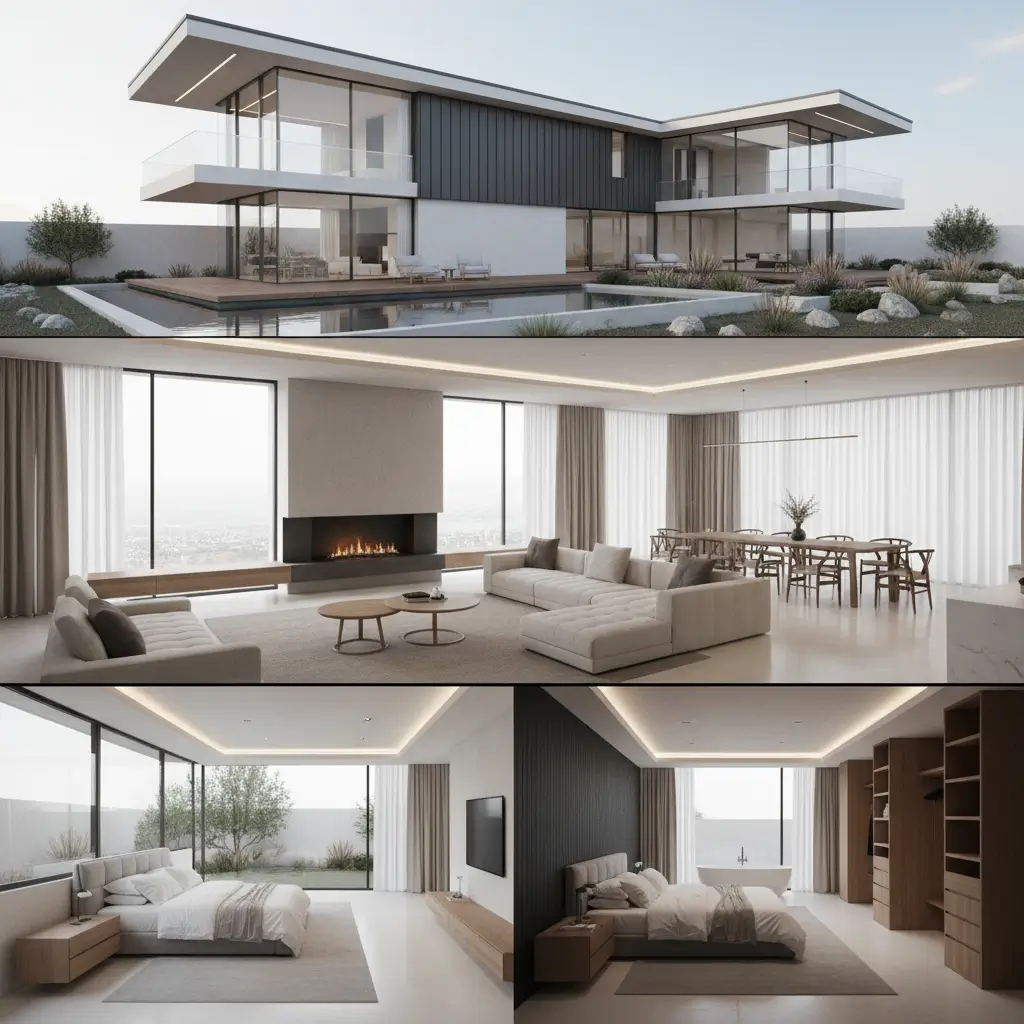
Let’s start with the gold standard of multigenerational design—the dual master suite layout. This plan gives both adult generations equal status with equally awesome bedroom retreats.
The Beauty of Two Masters
Having two master suites eliminates the hierarchy problem that plagues many multigenerational homes. Nobody gets stuck in the “lesser” bedroom. Both suites feature private bathrooms, walk-in closets, and enough space to create personal sanctuaries.
These masters typically occupy opposite ends of the house, maximizing privacy and minimizing those awkward midnight bathroom encounters. One might sit on the main floor for aging parents who prefer avoiding stairs, while the other occupies the second floor or opposite wing.
Shared Spaces That Work
The genius of dual master plans lies in how they handle common areas. The kitchen, living room, and dining spaces become neutral territory where the family gathers by choice, not obligation. These plans often include multiple living areas—a formal space for entertaining and a casual family room for daily life.
I’ve seen families transform completely when they move from cramped quarters to properly designed dual master homes. Suddenly, everyone’s friendlier because they’re choosing to spend time together rather than being forced into proximity.
Design Considerations
Sound insulation between master suites becomes crucial. Nobody wants to hear grandpa’s TV through the walls at midnight. Strategic placement of closets, bathrooms, and utility spaces creates natural sound buffers between private areas.
2. Compact Multigenerational Floor Plan with Shared Living Areas
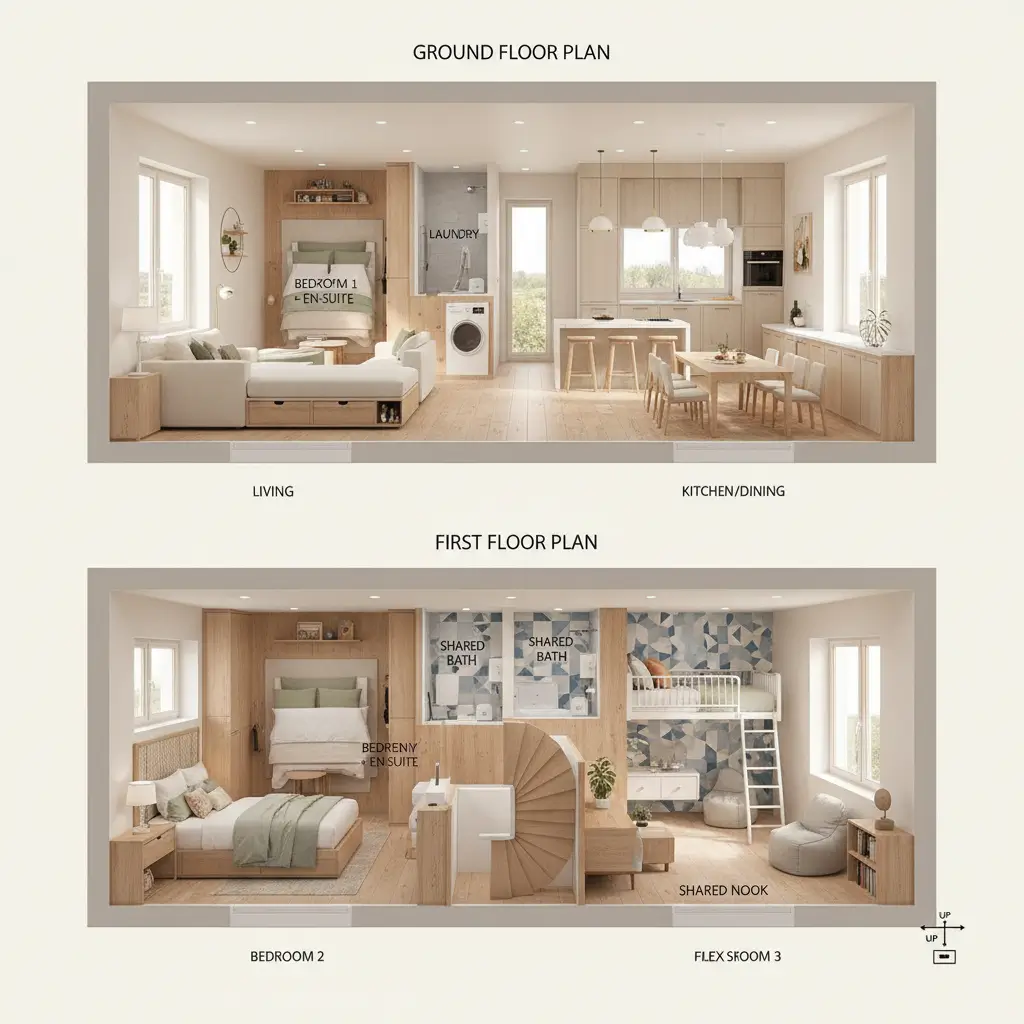
Not everyone has the budget or lot size for sprawling estates. Compact multigenerational plans prove you can house multiple generations comfortably without massive square footage.
Maximizing Minimal Space
Compact plans eliminate wasted space through clever design. Hallways shrink or disappear entirely. Rooms serve multiple purposes. Every square foot earns its keep through thoughtful planning.
These designs typically cluster bedrooms efficiently while maximizing shared living spaces. Maybe the formal dining room disappears in favor of a larger kitchen with an eating area. The family room might double as a play area during the day and adult space in the evening.
Creating Privacy in Close Quarters
The challenge with compact plans involves maintaining privacy when everyone’s living in close proximity. Smart designs use pocket doors, sound-insulating materials, and strategic furniture placement to create separation without walls.
Small outdoor spaces become crucial in compact homes. Even a tiny patio or balcony provides an escape valve when family togetherness gets overwhelming. Trust me, sometimes you just need five minutes alone with your coffee.
Who This Works For
Compact multigenerational plans work brilliantly for families who genuinely enjoy spending time together. If your family thrives on constant interaction and doesn’t require tons of personal space, these efficient designs deliver everything you need without excess.
3. Luxury Multigenerational Villa with Private Wings
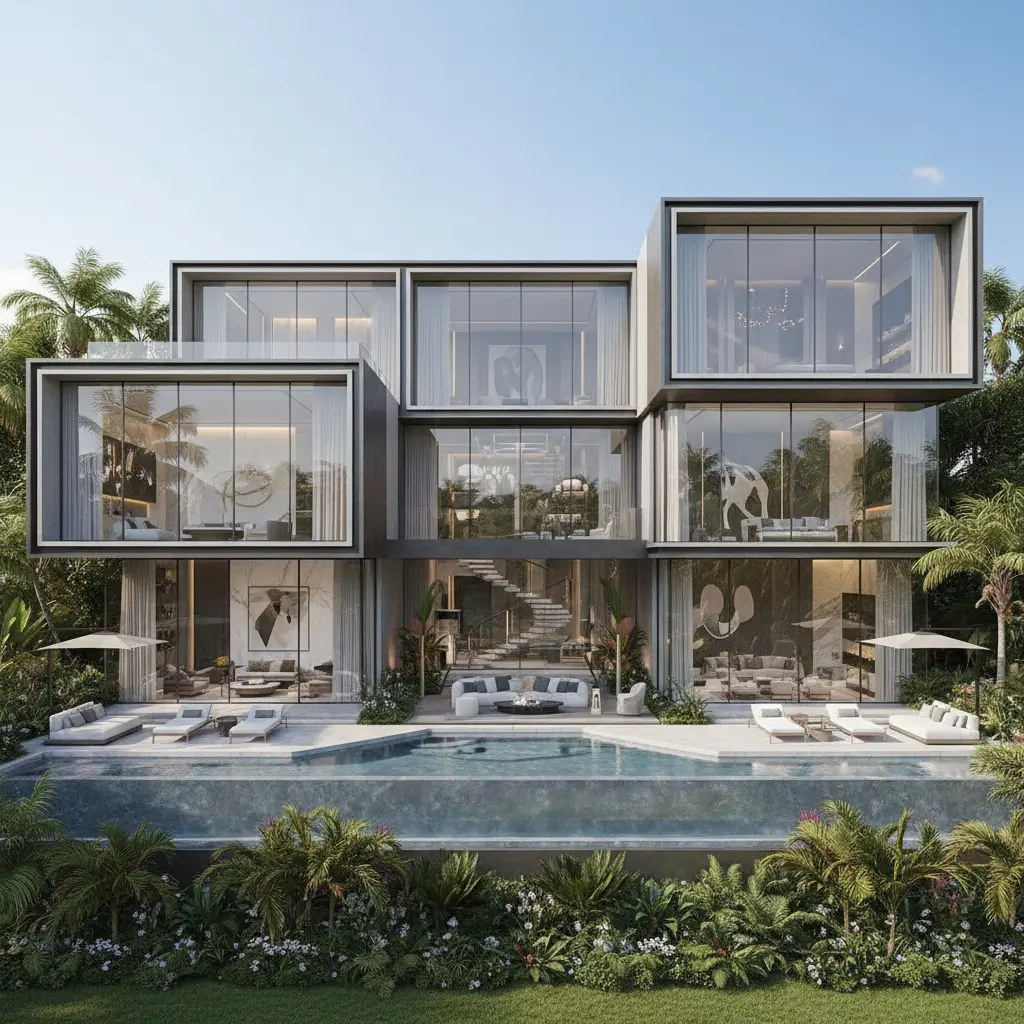
Now let’s talk about the dream scenario—luxury villas designed specifically for multigenerational living. These plans don’t just accommodate multiple generations; they pamper them.
Separate Wings for Ultimate Privacy
Luxury multigenerational villas organize living spaces into distinct wings connected by impressive central areas. Each wing functions almost like its own home, complete with bedrooms, bathrooms, and sometimes even kitchenettes or morning bars.
The parent wing might include a master suite, home office, and private sitting room. The grandparent wing could feature barrier-free design, a craft room, and direct access to gardens. Adult children get their own space with a separate entrance for coming and going without disrupting the household.
Resort-Style Amenities
These plans often include amenities that benefit everyone. Home gyms keep all generations healthy. Pools provide recreation and exercise. Home theaters create family bonding opportunities. Wine cellars… well, sometimes the adults need their own spaces too.
The luxury approach means nobody sacrifices. Everyone gets high-end finishes, spacious rooms, and thoughtful details that make daily life feel special. It’s multigenerational living without compromises.
Investment Considerations
Obviously, luxury villas require serious investment. But consider the alternative—three separate homes with three mortgages, three sets of utilities, and three maintenance schedules. When you run the numbers, pooling resources for one spectacular home often makes financial sense. 🙂
Also Read: 10 Inspiring Cottage House Plans Ideas and Lakeside Views
4. Cozy Multigenerational Cottage with Open Concept Design
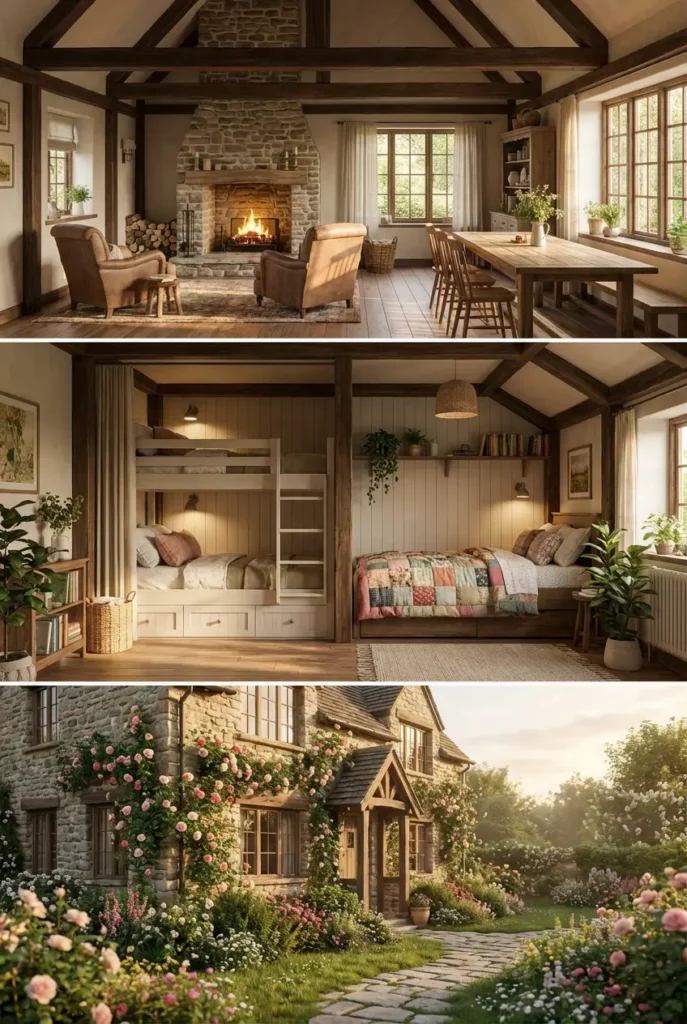
Who says multigenerational homes need to be massive? Cozy cottage designs create intimate family compounds that prioritize connection over square footage.
Cottage Charm for Multiple Generations
Multigenerational cottages embrace the “small but mighty” philosophy. Open concept main areas encourage family interaction while thoughtfully placed private spaces provide retreat options. The cottage aesthetic—with its emphasis on charm over size—helps everyone feel at home.
These designs often feature creative sleeping arrangements. Built-in bunks for grandkids, murphy beds in multipurpose rooms, and lofted spaces maximize capacity without requiring enormous footprints.
Making Small Feel Special
The cottage approach transforms potential limitations into features. That tiny kitchen? It encourages family cooking sessions where everyone pitches in. Limited bathrooms? They promote consideration and communication. Small bedrooms? They push family life into shared spaces where relationships flourish.
I’ve noticed that families in smaller multigenerational homes often report closer relationships than those in larger houses. When you can’t escape to separate wings, you learn to navigate relationships more skillfully.
Outdoor Living Extensions
Cottage plans compensate for interior limitations through generous outdoor spaces. Covered porches, patios, and gardens effectively expand living areas while providing the breathing room every family needs.
5. Split-Level Multigenerational Home for Privacy and Comfort
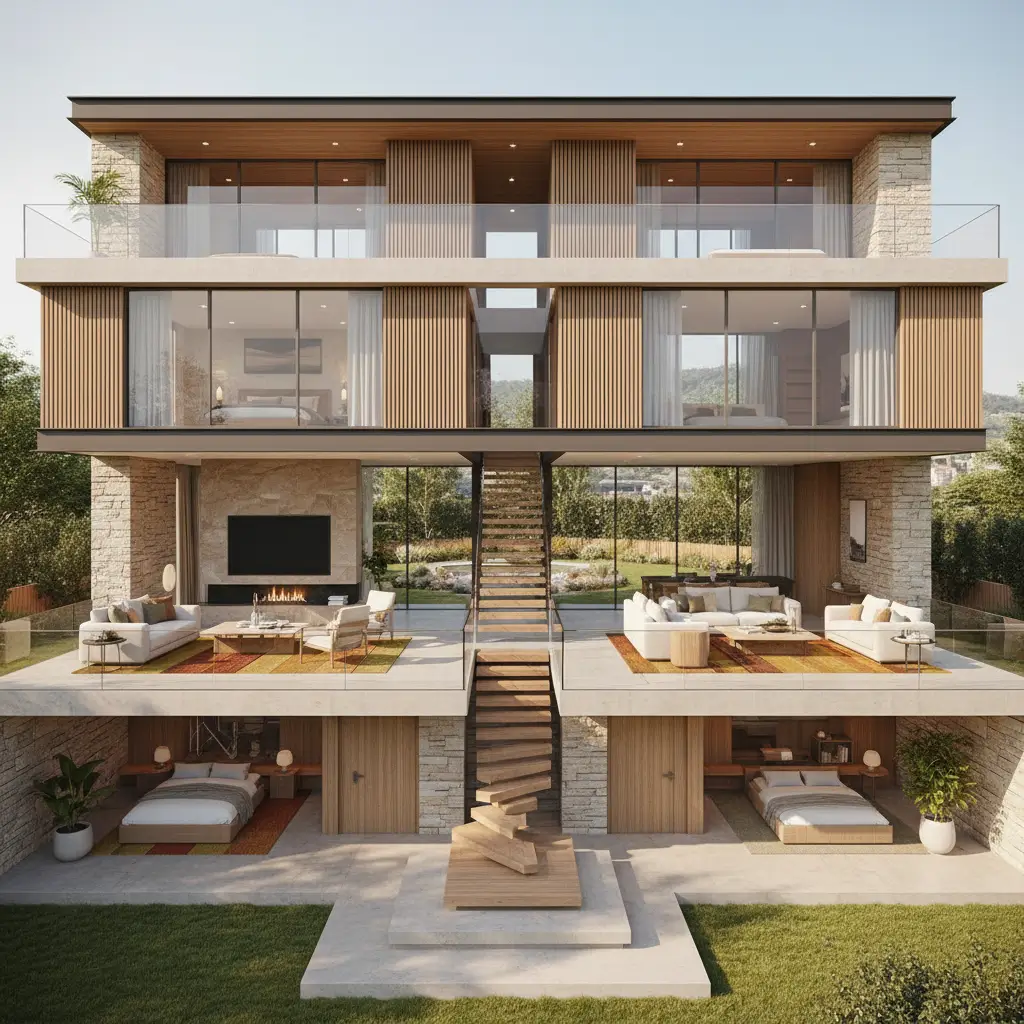
Split-level designs offer natural separation between generations without requiring massive square footage. These plans use vertical separation to create distinct living zones.
Leveraging Level Changes
Split-level homes typically feature three or four distinct levels, each serving different functions. The main level might house shared spaces like kitchen and living room. Upper levels contain one generation’s private quarters, while lower levels accommodate another.
This vertical separation provides acoustic privacy that single-level homes struggle to achieve. Grandparents can watch TV downstairs without disturbing sleeping grandkids upstairs. Teenagers can hang out in lower-level rec rooms without driving everyone crazy.
Traffic Flow and Accessibility
The challenge with split-levels involves managing all those stairs. Smart designs minimize level changes within each generation’s primary spaces. Maybe grandparents occupy the main level with step-free access to their bedroom, bathroom, and outdoor spaces.
Some split-level plans include stair lifts or space for future elevator installation. Planning for mobility changes ensures the home remains functional as family members age.
Modern Split-Level Updates
Today’s split-level designs avoid the choppy, disconnected feeling of 1970s versions. Open railings maintain visual connections between levels. Consistent finishes create cohesion. Strategic lighting prevents any level from feeling like a basement, regardless of its position.
6. Single-Story Multigenerational House with Accessible Features
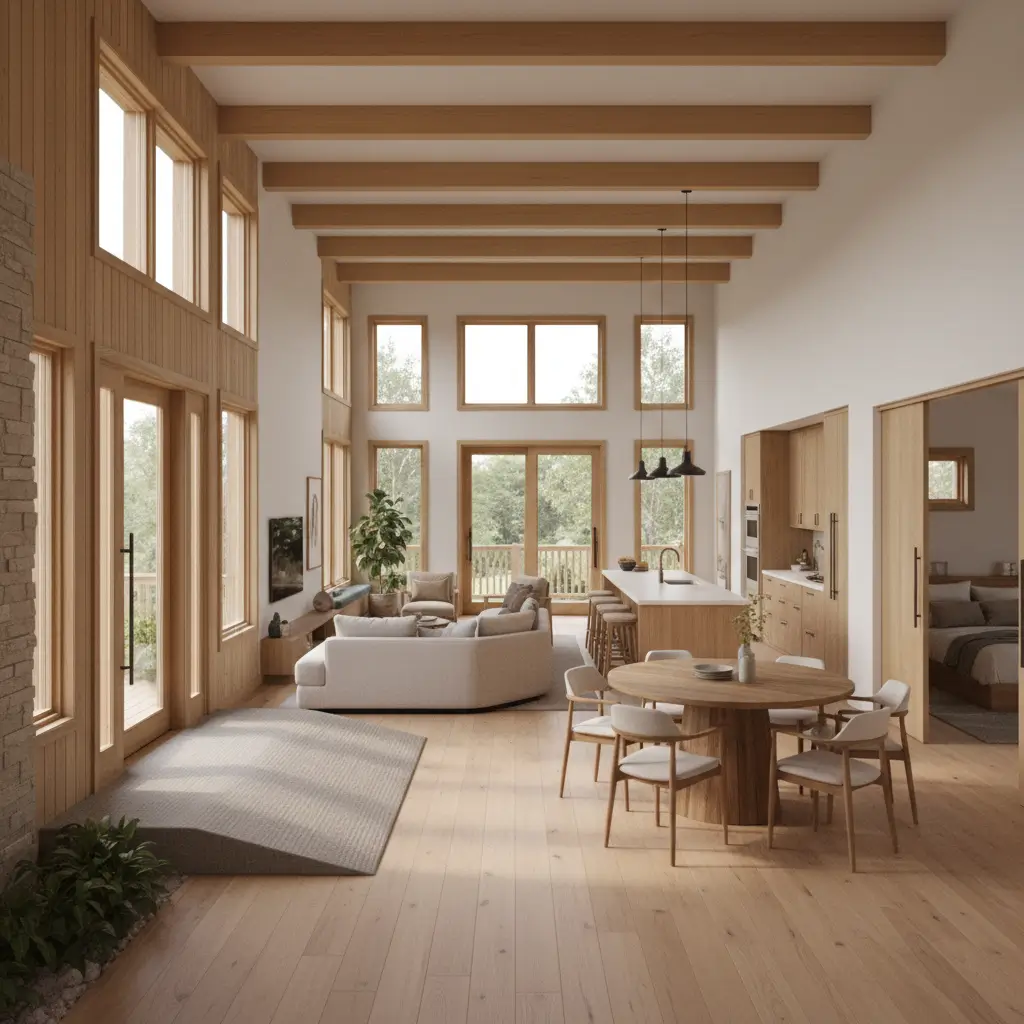
Single-story living eliminates stairs entirely, making these plans perfect for families with mobility concerns or those planning to age in place.
Universal Design Benefits Everyone
Single-story multigenerational homes incorporate universal design principles that benefit all ages. Wider doorways accommodate wheelchairs but also make moving furniture easier. Lever door handles work for arthritic hands and arms full of groceries. Walk-in showers serve aging parents and tired parents bathing multiple kids.
These features don’t scream “accessible”—they just make life easier for everyone. The best universal design feels luxurious rather than medical.
Zoning Without Stairs
Single-story plans create separation through smart layout rather than vertical distance. Private bedroom wings branch off from central living areas. Courtyards or gardens divide different zones while maintaining connection.
Sound control becomes crucial in single-story designs. Strategic placement of closets, bathrooms, and utility rooms between bedrooms creates acoustic buffers. Proper insulation ensures private conversations stay private.
Sprawl Considerations
Single-story multigenerational homes require larger lots since everything spreads horizontally. But the payoff includes easier maintenance, better indoor-outdoor connections, and homes that accommodate changing abilities without modification.
Also Read: 12 Smart Duplex House Plans Ideas with Functional Spaces
7. Contemporary Multigenerational Home with Separate Entrances
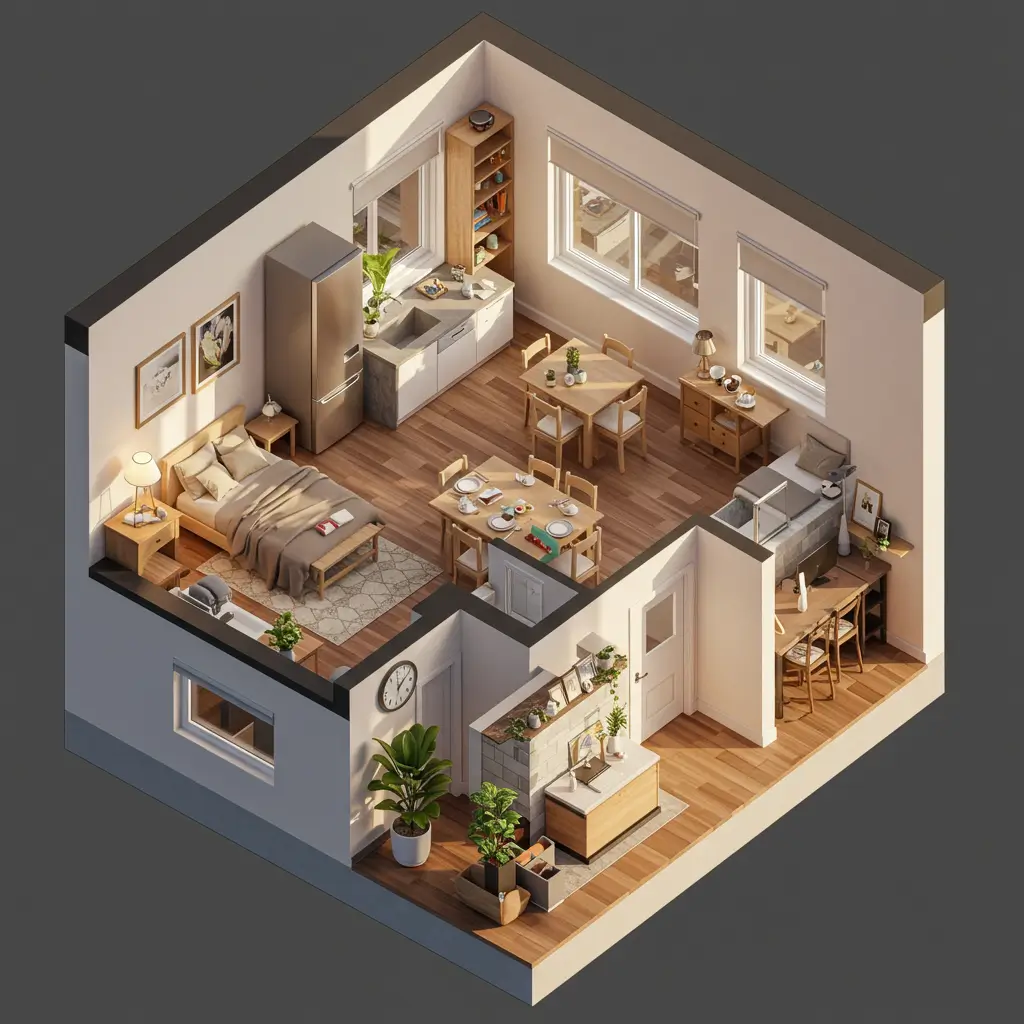
Nothing says “independence within togetherness” quite like separate entrances. These designs give each generation autonomy while sharing a single structure.
The Power of Personal Entry
Separate entrances transform the multigenerational experience. Adult children can come and go without parental commentary. Grandparents can welcome friends without navigating through the main house. Everyone maintains dignity and independence.
The best separate entrance designs make each entry feel intentional, not like a back door afterthought. Covered porches, landscaping, and proper lighting create welcoming arrival experiences for each entrance.
Internal Connections
While separate entrances provide independence, internal connections maintain family unity. These might include doors that can open or lock depending on needs, shared mudrooms that connect different entries, or common areas accessible from multiple entrances.
FYI, separate entrances also simplify future conversion to rental units if family situations change. That flexibility protects your investment long-term.
Privacy and Security
Multiple entrances require thoughtful security planning. Smart lock systems let you control access without distributing dozens of keys. Security cameras provide peace of mind without feeling intrusive. Landscape lighting ensures everyone feels safe arriving home after dark.
8. Small Lot Multigenerational House with Smart Space Planning
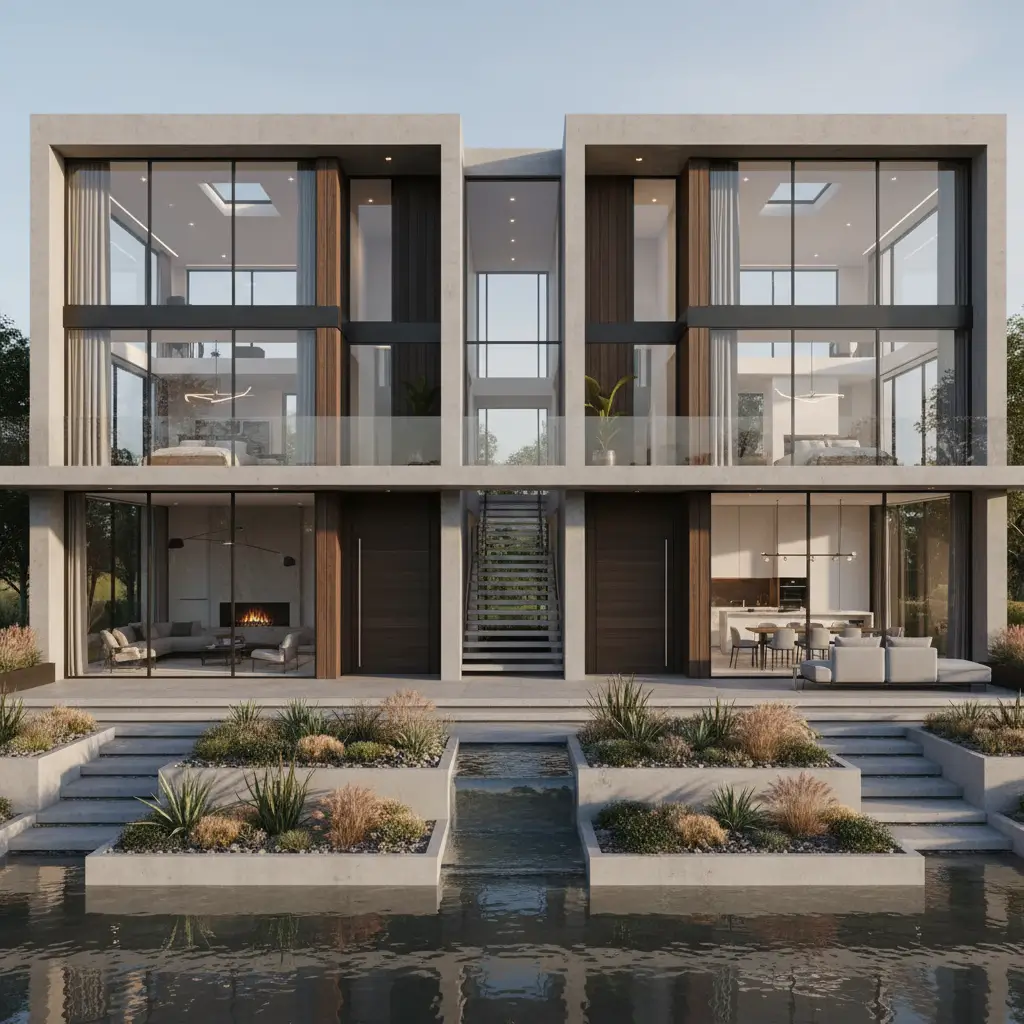
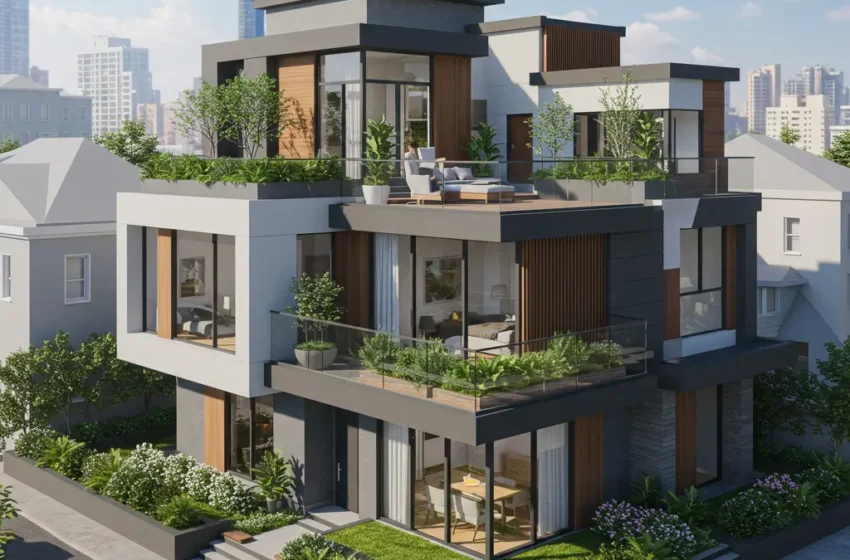
Urban lots and suburban infill sites demand creative solutions for multigenerational living. These plans maximize vertical space when horizontal expansion isn’t possible.
Building Up, Not Out
Small lot designs stack living spaces efficiently, often reaching three stories to accommodate multiple generations. Each floor might house a different generation, or floors might mix private and shared spaces strategically.
Rooftop decks and terraces become crucial amenities when yard space is limited. These elevated outdoor spaces provide fresh air and views while maintaining privacy from neighbors.
Efficient circulation patterns
Narrow lot plans require careful attention to stairs and hallways. Central staircases minimize wasted space while providing equal access to all levels. Open stair designs maintain visual connections between floors, preventing that disconnected feeling vertical homes sometimes create.
Some designs incorporate “skip-stop” arrangements where certain rooms are only accessible from specific levels, reducing unnecessary circulation space.
Light and Air Strategies
Small lot homes risk feeling dark and cramped without proper planning. Light wells, skylights, and strategically placed windows bring natural light deep into narrow structures. Open floor plans on main levels maximize the sense of space despite limited square footage.
9. Farmhouse-Style Multigenerational Home with Multiple Bedrooms
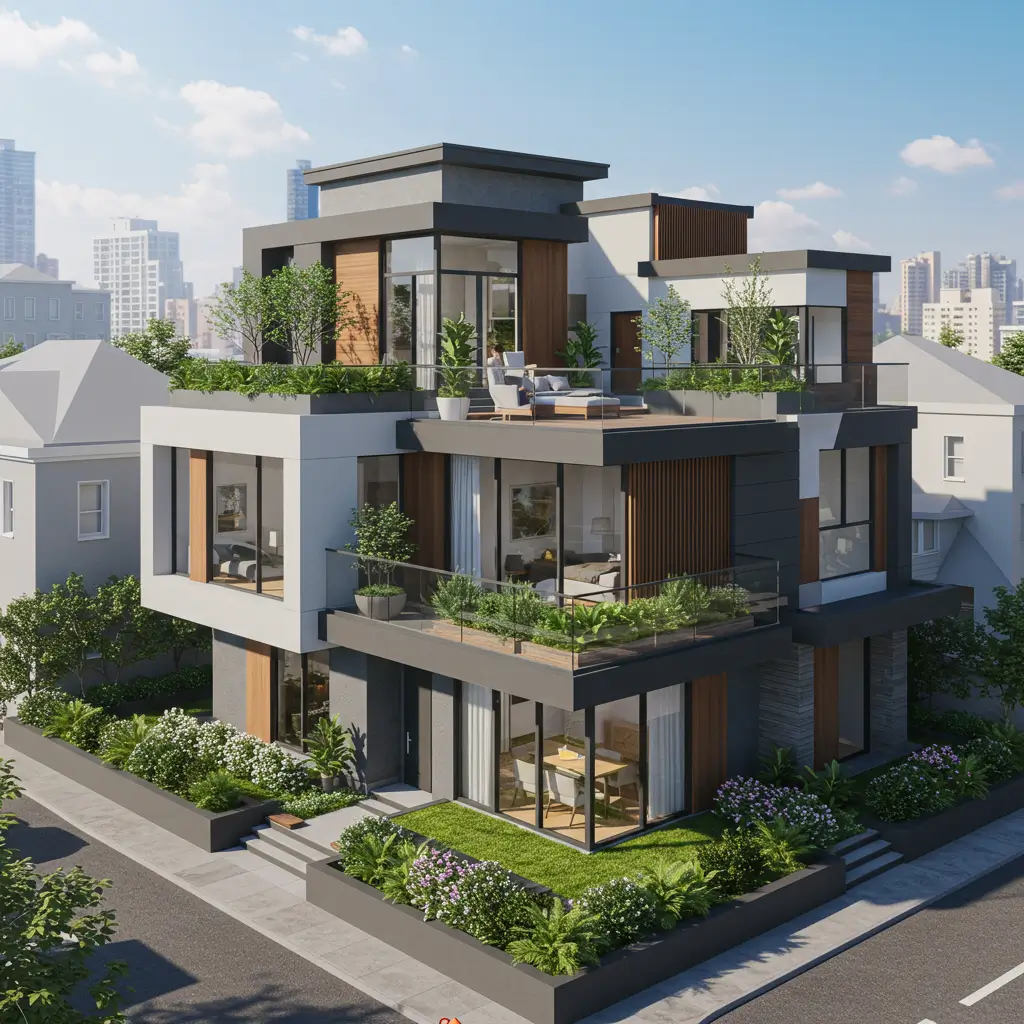
The modern farmhouse aesthetic perfectly suits multigenerational living with its emphasis on gathering spaces, practical layouts, and casual comfort.
Farmhouse Features That Work
Farmhouse plans typically feature large kitchens that become family command centers. Islands provide workspace for multiple cooks, homework stations for kids, and casual dining for quick meals. These kitchens encourage the kind of natural interaction that builds family bonds.
Mudrooms—a farmhouse staple—prove invaluable in multigenerational homes. Each generation can have designated storage for their stuff, reducing the chaos of shared entries.
Bedroom Flexibility
Farmhouse designs often include numerous bedrooms that can adapt to changing needs. That guest room becomes a nursery, then a kid’s room, then a home office as families evolve. This flexibility means the house grows with you rather than forcing you to move.
The casual farmhouse aesthetic also means bedrooms don’t need to be huge to feel comfortable. Cozy, well-designed spaces with good storage work better than cavernous rooms with no character.
Indoor-Outdoor Connections
Farmhouse plans excel at connecting interior spaces with outdoor living. Covered porches provide three-season living space. French doors open to patios. Kitchen gardens bring food production into daily life. These connections give everyone space to spread out despite living together.
Also Read: 12 Inspiring House Floor Plans Ideas and Family Comfort
10. Urban Multigenerational Home with Rooftop and Garden Spaces
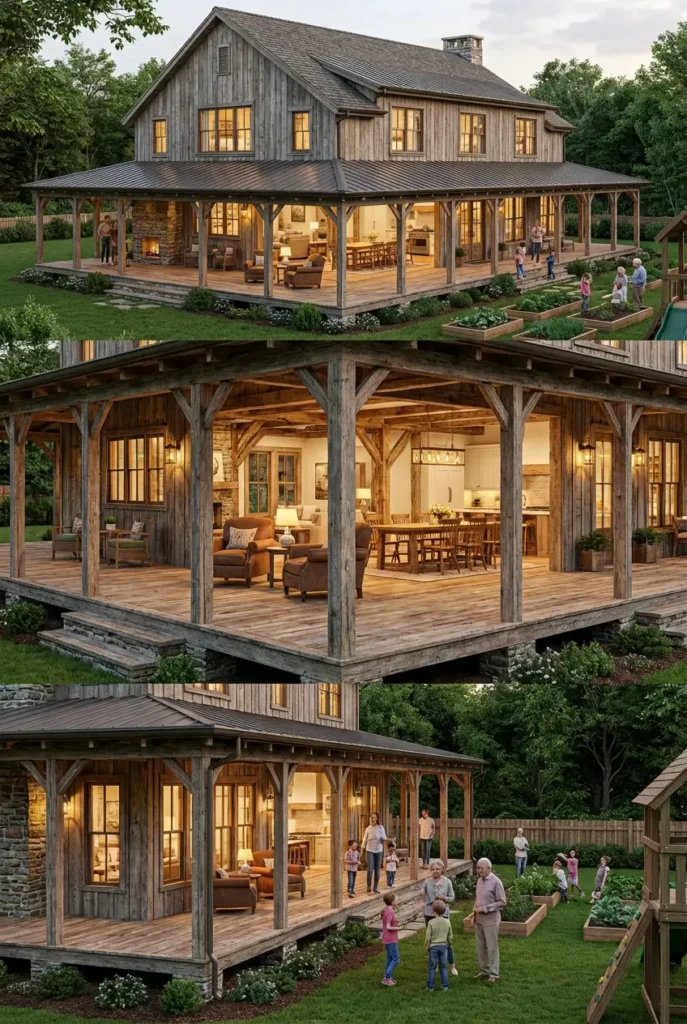
City living doesn’t mean sacrificing multigenerational comfort. Urban designs maximize precious city lots while providing the amenities families need.
Vertical Living Solutions
Urban multigenerational homes embrace their vertical nature, often spanning four or five stories. Each level serves distinct purposes—parking and utilities at ground level, shared spaces on the second floor, private quarters above.
Elevators become worthwhile investments in taller urban homes, ensuring accessibility for all generations. They also make grocery hauling and laundry transport infinitely easier.
Creating Nature Connections
Urban homes compensate for limited yard space through creative outdoor solutions. Rooftop gardens provide growing space and outdoor relaxation. Balconies off bedrooms offer private outdoor retreats. Interior courtyards bring light and nature into the home’s center.
I visited an urban multigenerational home with a three-story interior courtyard, and it completely changed my perspective on city living. Every room had garden views despite being surrounded by buildings.
Privacy in Dense Environments
Urban settings require extra attention to acoustic privacy. Triple-pane windows reduce street noise. Interior sound insulation prevents neighbor complaints. Strategic window placement maintains privacy while maximizing light.
11. Classic Multigenerational Home with Flexible Room Layouts
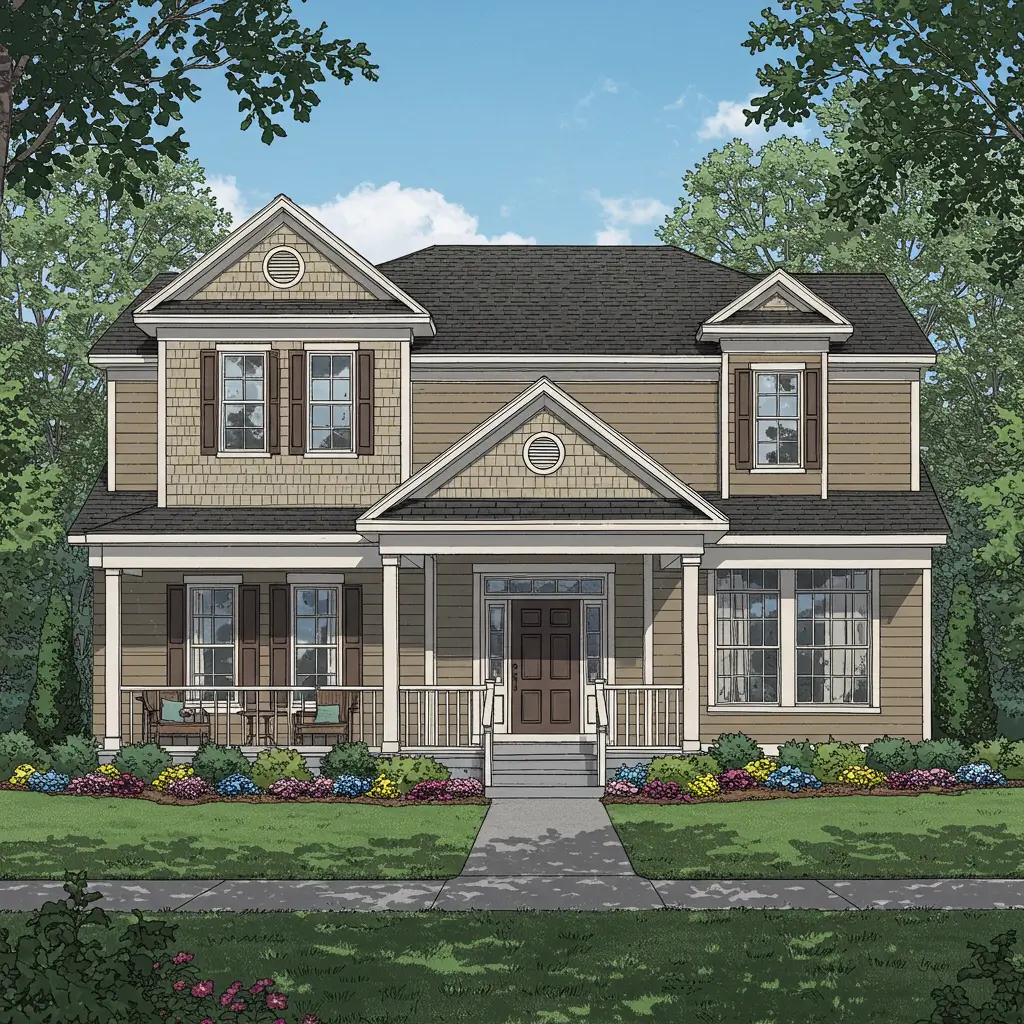
Sometimes traditional design serves multigenerational families best. Classic layouts with flexible rooms adapt to changing family needs over decades.
Timeless Design Principles
Classic multigenerational homes feature symmetrical facades, traditional room arrangements, and familiar flow patterns. These designs age well both aesthetically and functionally, maintaining their appeal across generations.
Formal living and dining rooms might seem old-fashioned, but they provide valuable flex space in multigenerational homes. They can become home offices, homework rooms, or quiet retreats depending on family needs.
Adaptable Spaces
The beauty of classic designs lies in their adaptability. Rooms have good proportions that work for multiple purposes. Pocket doors can open or close spaces as needed. Traditional layouts accommodate furniture arrangements that have worked for centuries.
These homes often feature bonus spaces—finished attics, basements, or sun porches—that provide overflow capacity when families expand or contract.
Maintaining Family Heritage
Classic designs help families maintain connections to their heritage. Grandparents feel comfortable in familiar layouts. Traditional dining rooms host holiday gatherings. Front porches encourage neighborly interaction. These designs support the rituals and traditions that bind families together.
12. Eco-Friendly Multigenerational House with Sustainable Features
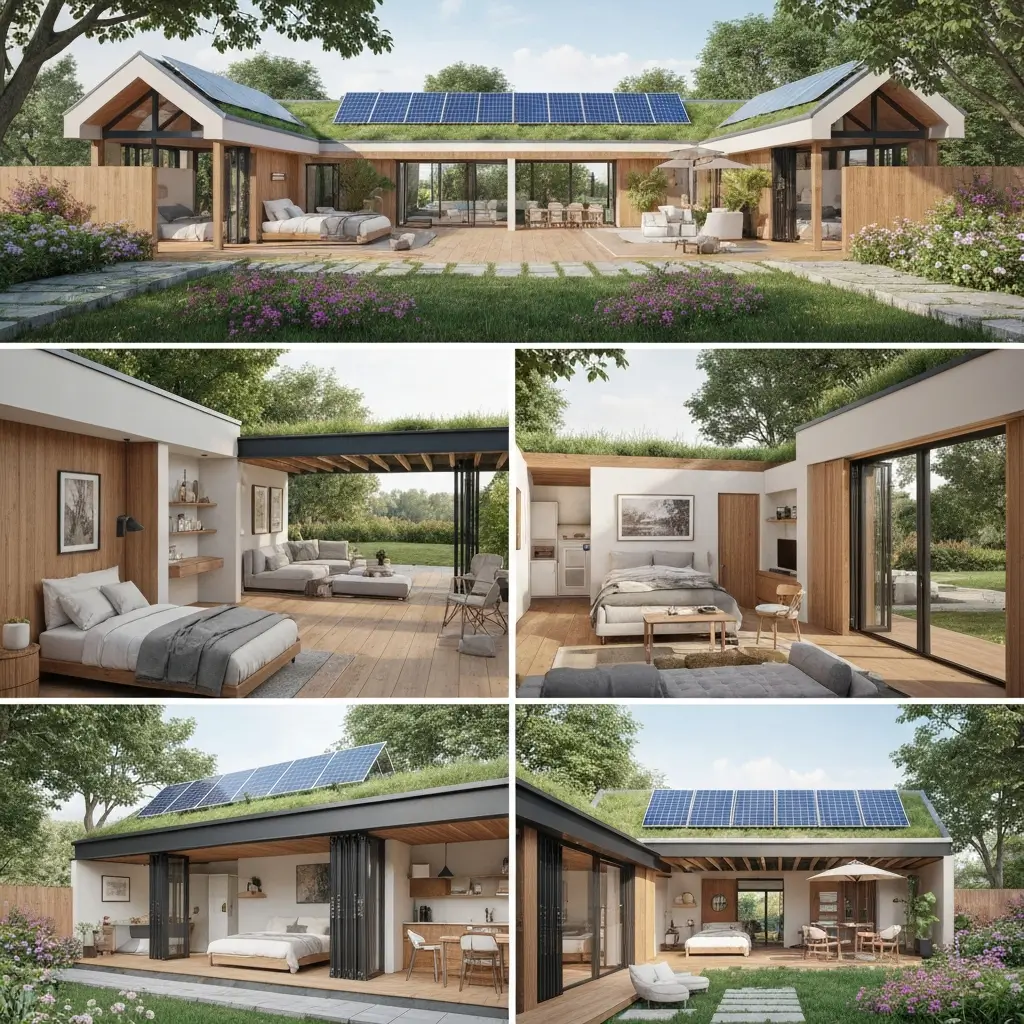
Sustainable design makes perfect sense for multigenerational homes. Multiple generations sharing resources reduces environmental impact while cutting costs.
Green Building Benefits
Eco-friendly multigenerational homes incorporate solar panels, high-efficiency systems, and sustainable materials. These features reduce operating costs—crucial when housing multiple generations on fixed incomes.
Passive solar design, proper insulation, and efficient windows create comfortable environments without excessive energy use. When you’re heating and cooling space for multiple generations, efficiency really matters.
Healthy Living Environments
Green building emphasizes indoor air quality through low-VOC materials and proper ventilation. This matters enormously when housing family members with varying health sensitivities. Good air quality benefits everyone from babies to elderly grandparents.
Natural materials like wood and stone create warm, inviting spaces that appeal across generations. These materials age beautifully, developing character over time rather than looking worn out. :/
Future-Proofing Your Investment
Sustainable features protect your investment as energy costs rise and environmental regulations tighten. Solar panels and efficient systems that seem expensive now will look brilliant when utility costs double.
Water conservation features—low-flow fixtures, rainwater harvesting, greywater systems—become increasingly valuable as water scarcity grows. Planning for resource efficiency ensures your multigenerational home remains affordable for actual generations.
Making Multigenerational Living Actually Work
After exploring these twelve approaches, you might wonder how to choose the right plan for your family. Start with honest conversations about privacy needs, lifestyle preferences, and long-term goals.
Consider your family’s dynamics carefully. Do you need maximum separation or do you thrive on constant interaction? Are mobility issues a current concern or future possibility? How might your needs change over the next decade or two?
Financial Considerations That Matter
Multigenerational homes require different financial thinking than traditional single-family purchases. Multiple generations might contribute to down payments and mortgages. Shared ownership agreements need careful structuring. Future inheritance issues require advance planning.
But the financial benefits can be extraordinary. Shared expenses make better neighborhoods affordable. Combined incomes qualify for larger loans. Built-in childcare and eldercare save thousands annually. The math often works out surprisingly well.
The Emotional Side of Shared Living
Beyond floor plans and finances, successful multigenerational living requires emotional intelligence. Clear boundaries, respectful communication, and planned privacy become essential. The best floor plan in the world won’t fix dysfunctional family dynamics.
But when families commit to making it work, multigenerational living offers rewards no other arrangement can match. Children grow up surrounded by loving adults. Parents get support during challenging years. Grandparents remain connected and valued. Everyone benefits from the village approach to family life.
Your Multigenerational Journey Starts Now
Whether you choose dual master suites, separate entrances, or compact shared spaces, remember that successful multigenerational living starts with thoughtful planning.
The right floor plan sets the stage, but your family writes the script.
Take time to explore different options. Visit multigenerational homes if possible. Talk to families who’ve made it work. Be honest about your needs and realistic about your budget.
Most importantly, choose a design that supports your family’s unique dynamics rather than forcing you into uncomfortable patterns.
Multigenerational living isn’t just a housing trend—it’s a return to the way families have lived for most of human history.
With modern design solutions addressing traditional challenges, there’s never been a better time to bring your family together under one well-designed roof.
IMO, the families who embrace multigenerational living today are pioneering a lifestyle that makes emotional, financial, and practical sense.
Your perfect multigenerational home is out there, waiting to shelter your family’s story for generations to come.