10 Inspiring Cottage House Plans Ideas and Lakeside Views
- House Plans
 Ben
Ben- 0
- 34 minutes read
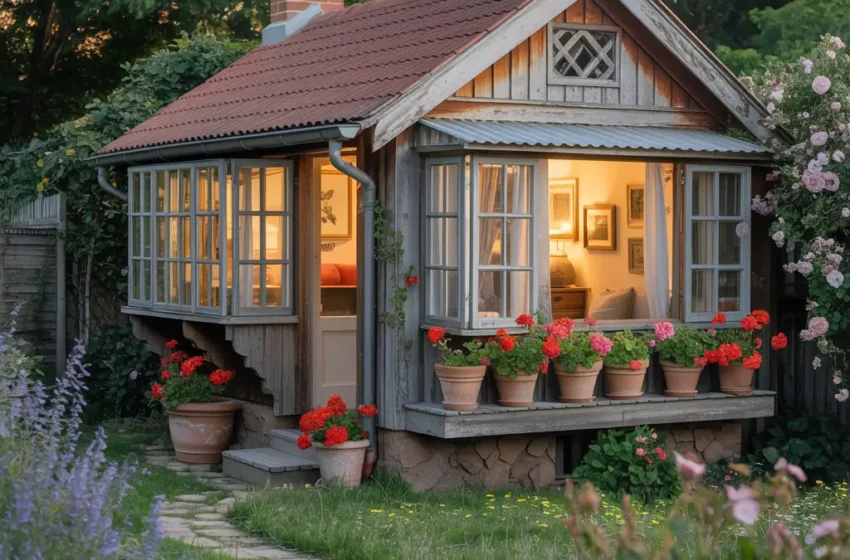
Picture this: you’re sipping your morning coffee on a charming front porch, surrounded by blooming flowers, while birds chirp in the background.
That’s the cottage life calling your name, and honestly, who could blame you for answering? Cottages have this magical ability to make us feel like we’re living in a fairy tale, even if that fairy tale includes WiFi and modern plumbing.
I fell head over heels for cottage architecture the first time I stayed in one during a weekend getaway to the Berkshires. The place was barely 900 square feet, but somehow it felt more like home than my actual apartment ever did.
That’s when I realized cottages aren’t just small houses—they’re carefully crafted retreats that prioritize charm, comfort, and connection to nature over square footage.
So let’s explore ten cottage house plan ideas that capture that irresistible cottage magic.
Whether you’re planning to build your dream retreat or just love daydreaming about cozy spaces (guilty as charged), these ideas will give you plenty to think about.
Why Cottage Living Appeals to Our Souls
Before we dive into specific plans, let’s talk about why cottages have such a hold on our collective imagination. There’s something deeply satisfying about spaces that feel human-scaled, where every nook has a purpose and every detail tells a story.
Cottages reject the “bigger is better” mentality that dominates so much of modern housing. Instead, they embrace quality over quantity, character over conformity. They remind us that we don’t need 3,000 square feet to live well—we just need thoughtful design and a connection to what matters most.
The cottage aesthetic also taps into our desire for simpler times, even if we’re not quite ready to give up our smartphones. It’s escapism with indoor plumbing, nostalgia with updated electrical systems. And honestly, what’s not to love about that combination?
1. Cozy Woodland Cottage Plans
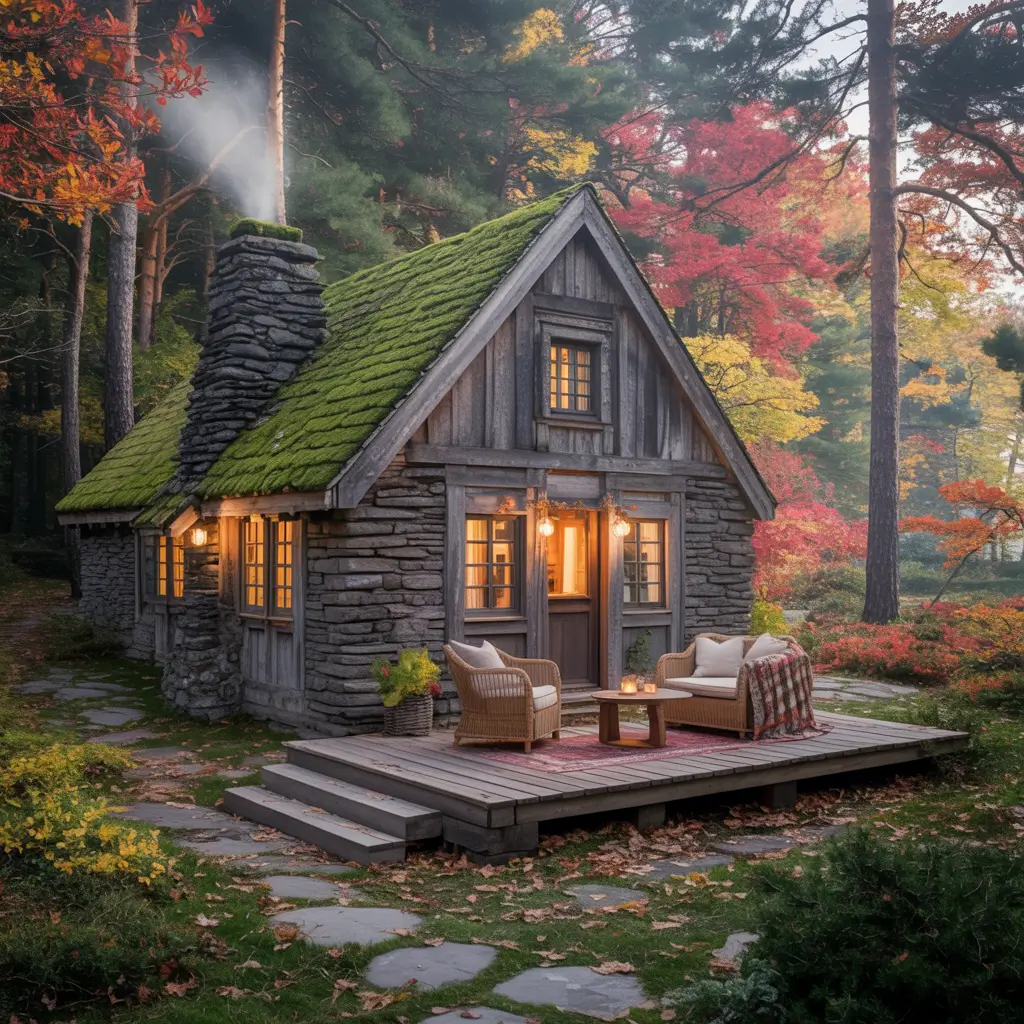
Let’s start with the cottage style that makes everyone want to quit their job and become a forest hermit—the woodland cottage. These designs embrace their natural surroundings and make you feel like you’re living in a Brothers Grimm story (the nice parts, not the scary ones).
Blending with Nature
Woodland cottage plans use natural materials that help the structure blend seamlessly with its environment. Think cedar shake siding that weathers to a soft gray, stone foundations that look like they grew from the earth, and rooflines that echo the surrounding trees.
Windows play a crucial role in woodland cottages. They frame forest views like living paintings and bring the outside in. Large picture windows in main living areas capture dramatic vistas, while smaller windows in bedrooms create cozy, cave-like retreats.
Interior Features That Embrace the Woods
Inside, woodland cottages typically feature exposed wood beams, hardwood floors, and stone or brick fireplaces that anchor the living space. The color palette draws from nature—warm browns, soft greens, and earthy grays that complement rather than compete with outdoor views.
I visited a woodland cottage last fall where the owner had positioned the breakfast nook to face east, catching the morning sun filtering through the trees. She told me that morning coffee spot had convinced her to buy the place, and honestly, I understood completely.
Practical Considerations
Woodland cottages require thoughtful planning around issues like moisture, wildlife, and tree maintenance. Good drainage prevents foundation problems, while strategic clearing maintains views without sacrificing privacy. The best plans account for these realities while preserving that magical forest feeling.
2. Modern Minimalist Cottage Layouts
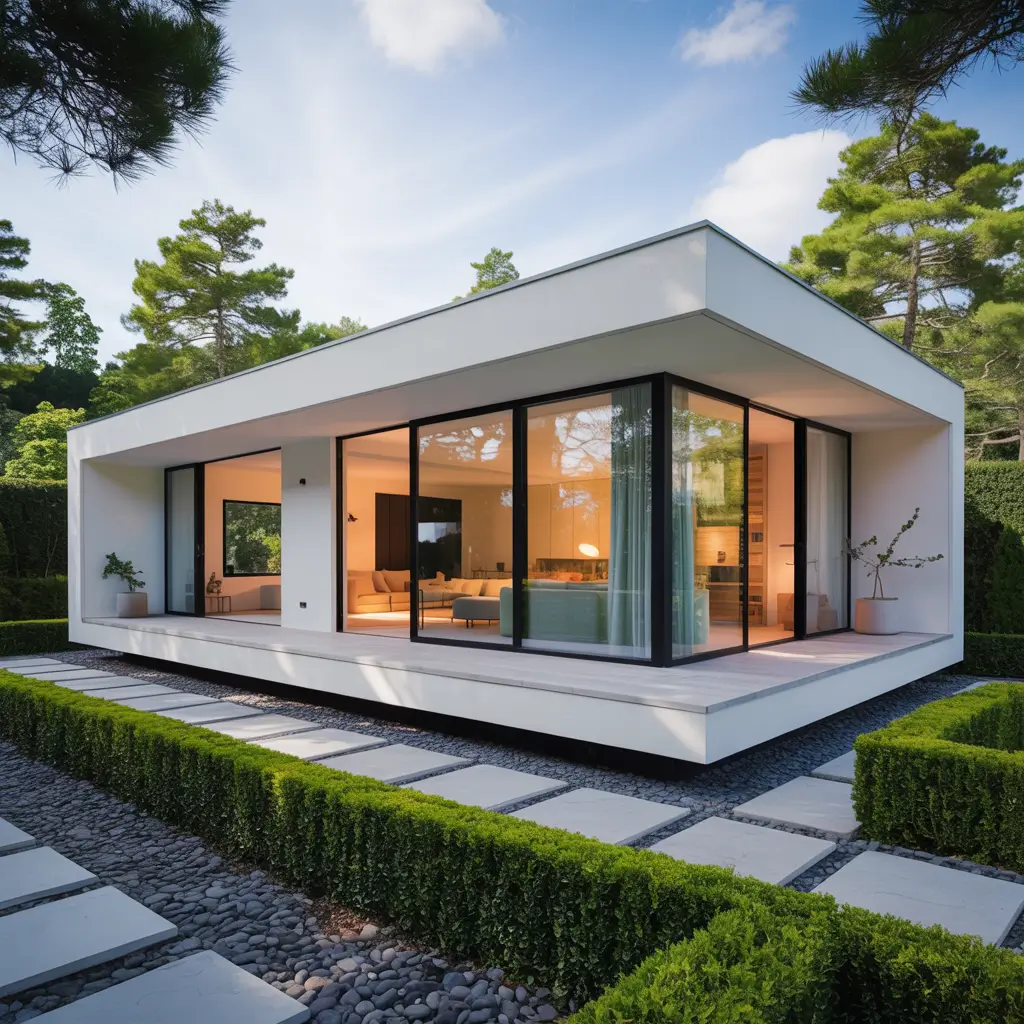
Who says cottages have to be all chintz and doilies? Modern minimalist cottage layouts prove that you can have cottage charm with contemporary clean lines.
Reimagining Cottage Style
Modern minimalist cottages strip away Victorian fussiness while keeping the cozy scale and thoughtful details that make cottages special. Think simple gabled roofs instead of complex dormers, large unadorned windows instead of tiny paned ones, and smooth stucco or board-and-batten siding instead of ornate shingles.
The minimalist approach actually enhances certain cottage qualities. Without visual clutter, you notice the quality of light, the proportions of spaces, and the relationship between indoors and out. It’s cottage living distilled to its essence.
Space Efficiency Through Design
Minimalist cottages maximize every square foot through clever design rather than accumulation. Built-in storage keeps surfaces clear. Multi-functional furniture serves double duty. Open floor plans make small spaces feel larger without sacrificing the intimate scale that defines cottage living.
The key lies in editing ruthlessly. Every element needs to earn its place through both function and beauty. That floating shelf isn’t just storage—it’s a design element. That window seat isn’t just seating—it’s also storage and a architectural feature.
Who This Appeals To
Modern minimalist cottages attract people who love cottage charm but prefer contemporary aesthetics. Young professionals, empty nesters downsizing from larger homes, and anyone who appreciates good design without excess find these plans particularly appealing.
3. Rustic Stone Cottage Designs
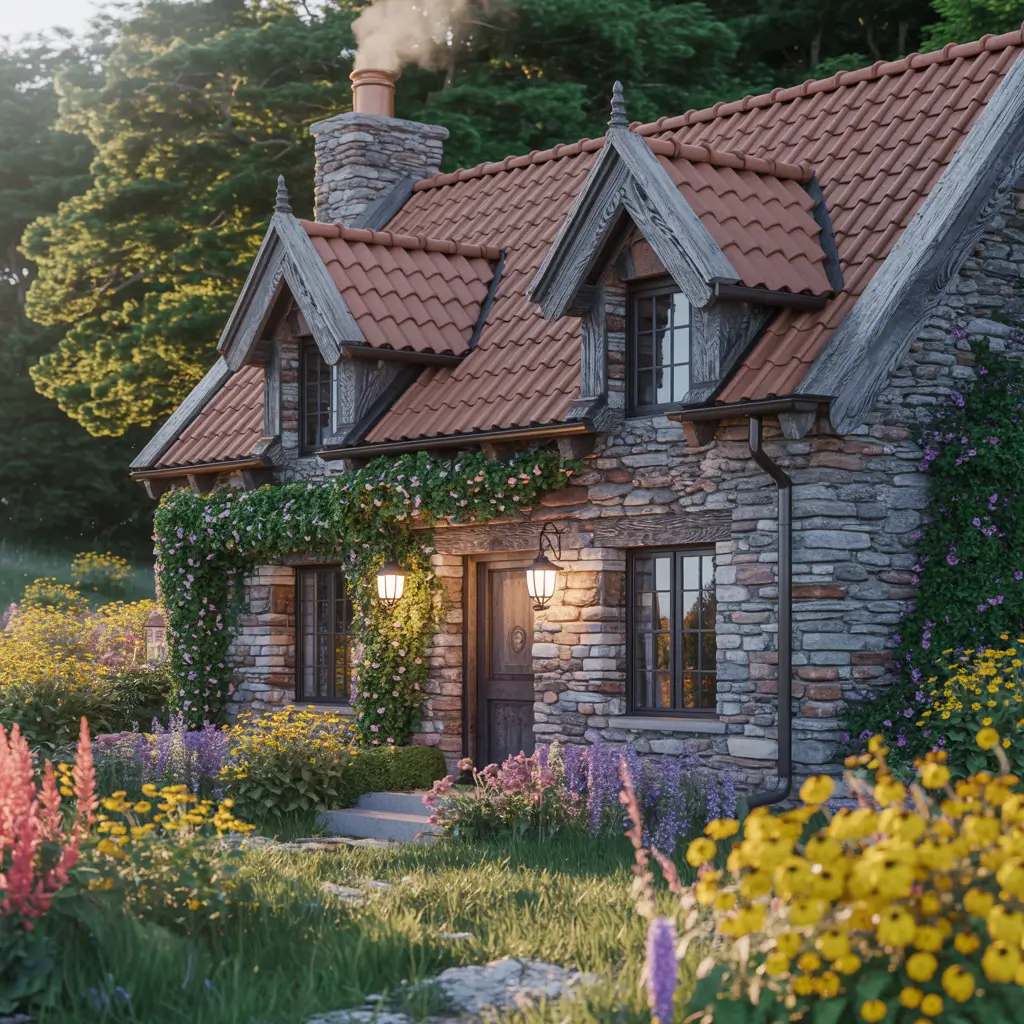
Nothing says “permanent” quite like a stone cottage. These designs evoke centuries-old European cottages that look like they’ve always been part of the landscape.
The Timeless Appeal of Stone
Stone cottages offer durability that’s hard to match. They withstand weather, require minimal maintenance, and actually improve with age as moss and lichen add character. Plus, there’s something deeply satisfying about walls that could probably survive the apocalypse.
The thermal mass of stone provides natural temperature regulation—staying cool in summer and retaining heat in winter. This makes stone cottages surprisingly energy-efficient despite their old-world appearance.
Design Elements That Work
Rustic stone cottages typically feature thick walls that create deep window sills perfect for displaying plants or books. Small windows keep proportions traditional while maintaining the fortress-like feeling that makes stone cottages feel so secure.
Inside, exposed stone walls become dramatic focal points. Pair them with wood beams, plank floors, and simple furnishings that don’t compete with the stone’s natural beauty. The contrast between rough stone and soft textiles creates that cozy-yet-sturdy feeling unique to stone cottages.
Modern Adaptations
Today’s stone cottages often use stone veneer rather than solid stone construction, reducing cost while maintaining the aesthetic. Larger windows bring in more light than traditional designs. Modern insulation techniques address any thermal bridging issues. The result looks centuries old but performs like a modern home.
FYI, if you’re considering a stone cottage, factor in the foundation requirements. All that weight needs serious support, which can increase construction costs significantly.
Also Read: 12 Smart Duplex House Plans Ideas with Functional Spaces
4. Tiny Cottage Floor Plans
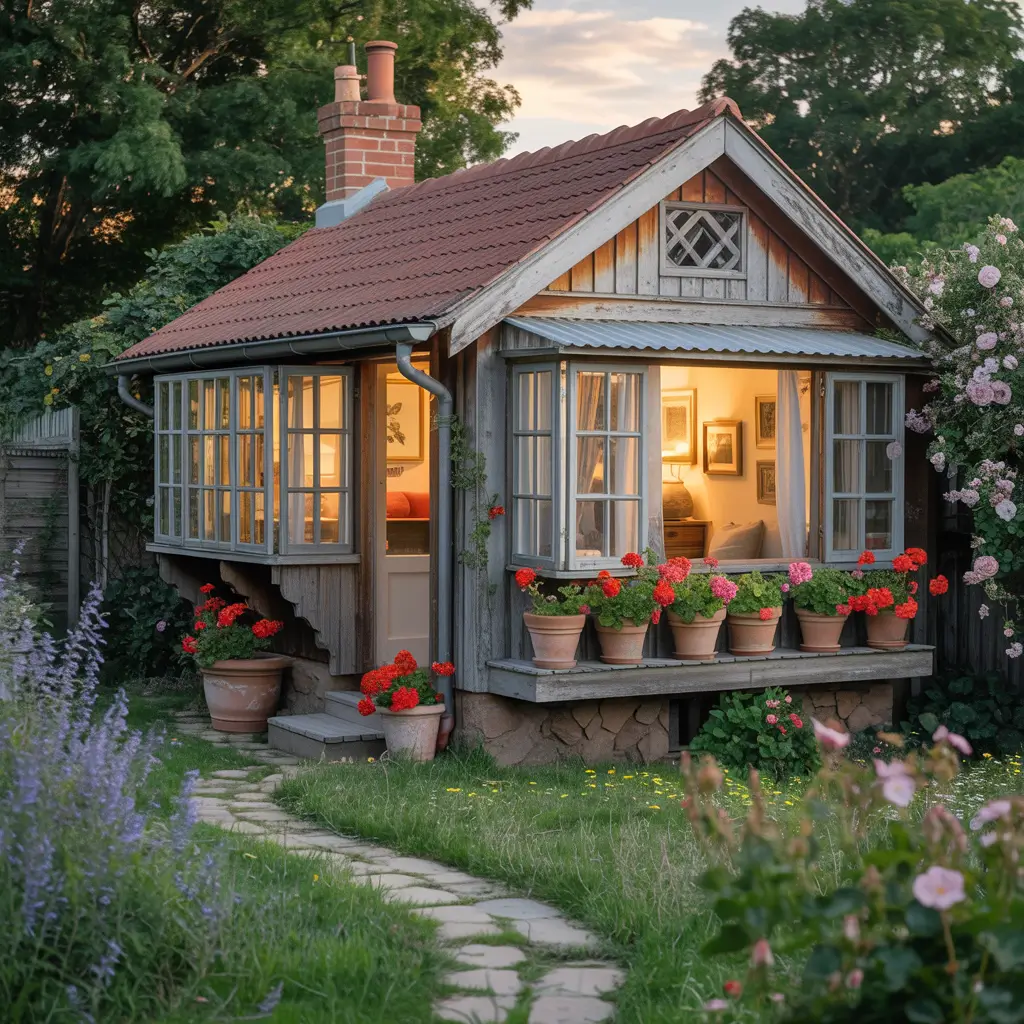
The tiny house movement meets cottage charm in these diminutive designs that prove good things really do come in small packages.
Maximizing Minimal Square Footage
Tiny cottage plans (typically under 500 square feet) require military-level precision in space planning. Every inch counts, and successful designs use vertical space, built-in furniture, and multi-functional elements to create surprisingly livable spaces.
Loft bedrooms free up main floor space for living areas. Murphy beds disappear during the day. Dining tables fold down from walls. Storage hides in stairs, under floors, and above doors. It’s like living in a very charming Swiss Army knife.
Psychological Tricks for Spaciousness
Tiny cottages use design tricks to feel larger than their footprint suggests. High ceilings with exposed beams draw eyes upward. Large windows eliminate the boundary between inside and outside. Light colors and minimal clutter prevent claustrophobia.
The cottage aesthetic actually helps here—cozy is the goal, not spacious. A tiny cottage is supposed to feel snug. That’s not a bug; it’s a feature. Embrace the intimacy rather than fighting it.
The Lifestyle Factor
Living in a tiny cottage requires commitment to a simplified lifestyle. You can’t impulse-buy furniture. You need to actually like your partner since there’s nowhere to escape. But for people who prioritize experiences over possessions, tiny cottages offer freedom from mortgages and maintenance.
I spent a week in a 400-square-foot cottage, and by day three, I’d figured out the rhythm. Everything had its place, cleaning took minutes, and I spent more time outside than I ever do at home. It’s not for everyone, but for some people, it’s absolutely perfect.
5. Lakeside Cottage House Ideas
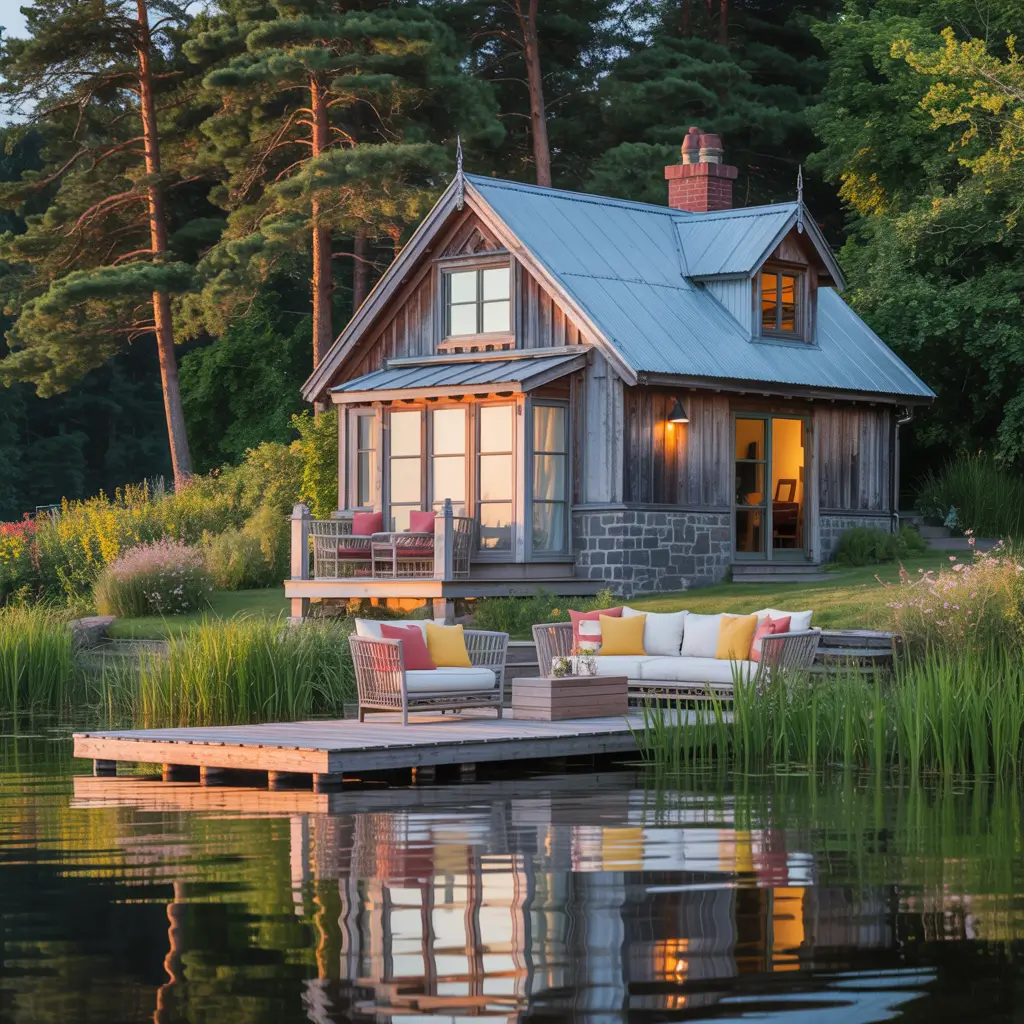
Lakeside cottages occupy a special place in our collective imagination. These designs celebrate waterfront living while addressing the unique challenges of building near water.
Orientation and Views
Lakeside cottage plans orient main living spaces toward the water, making the lake view the home’s focal point. Large windows, French doors, and covered porches blur the line between indoor and outdoor living.
The best lakeside plans create multiple viewing opportunities. Maybe the master bedroom has a private balcony overlooking the water. The kitchen might feature a window above the sink framing the lake. Even bathrooms can incorporate water views (with appropriate privacy glass, of course).
Dealing with Waterfront Challenges
Building near water requires special considerations. Flood zones, erosion, humidity, and environmental regulations all affect design choices. Smart lakeside cottages sit elevated above flood levels, use moisture-resistant materials, and incorporate proper ventilation to prevent mold issues.
Foundations need extra attention near water. Proper drainage, vapor barriers, and sometimes even stilts or piers become necessary. These aren’t the sexiest parts of cottage design, but they’re crucial for long-term enjoyment.
Indoor-Outdoor Living
Lakeside cottages excel at creating seamless transitions between interior and exterior spaces. Screened porches provide bug-free lake enjoyment. Decks extend living space toward the water. Some designs include outdoor showers for rinsing off after swimming.
The sound of lapping water becomes part of the cottage’s ambiance. Open windows at night bring in lake breezes and gentle wave sounds. It’s basically nature’s white noise machine, and it’s absolutely magical.
6. Cottage with Open Living Spaces
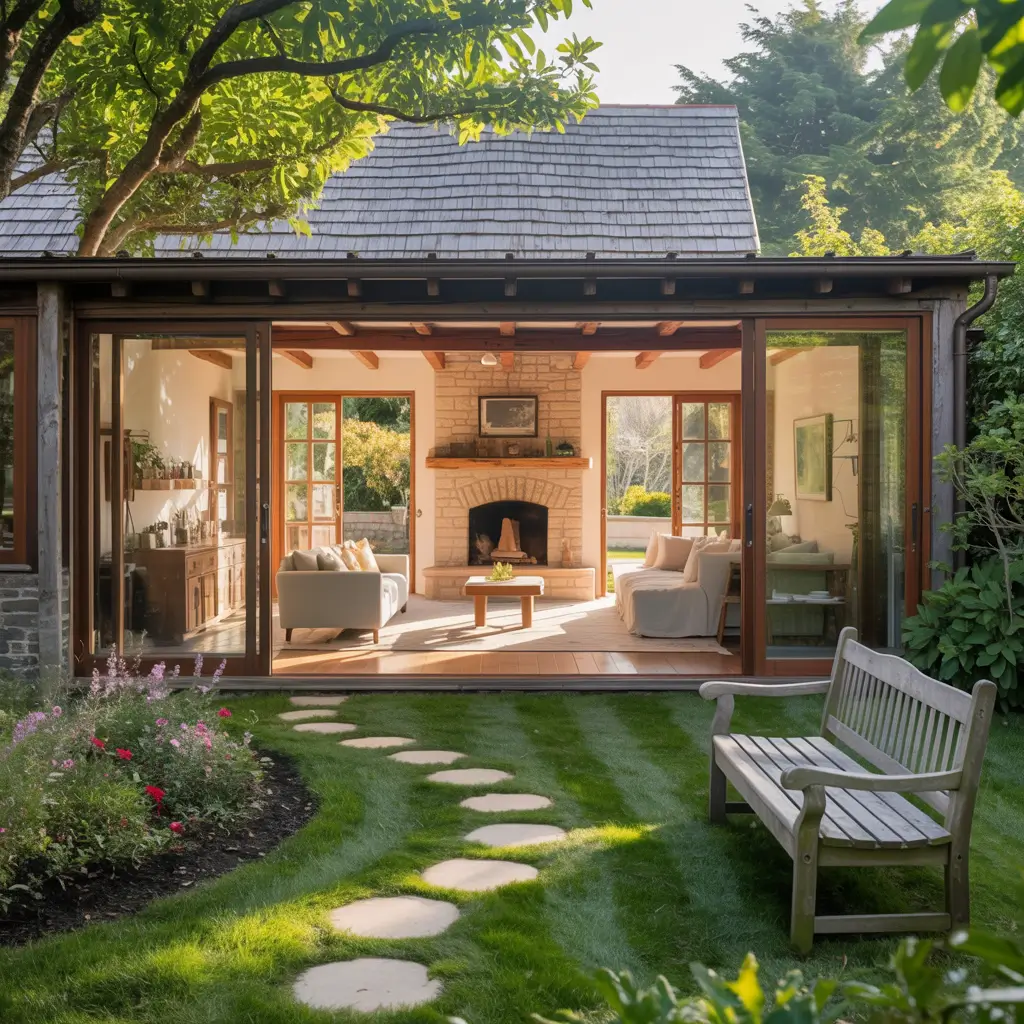
Traditional cottages often featured compartmentalized rooms, but modern cottage plans embrace open living while maintaining cottage charm. These designs prove you can have flow without sacrificing coziness.
Creating Openness in Small Spaces
Open living cottage plans remove walls between kitchen, dining, and living areas, creating one multi-functional space that feels larger than its square footage suggests. This approach works particularly well in cottages where every foot counts.
The trick lies in maintaining cottage character within open plans. Exposed beams define zones without walls. Changes in flooring or ceiling height signal transitions. A strategically placed bookshelf provides separation without blocking light.
Maintaining Cottage Character
Open plans risk losing the intimate feeling that defines cottage charm. Successful designs use architectural elements to create cozy moments within larger spaces. A window seat creates a reading nook. A lowered ceiling over the dining area makes it feel more intimate.
Furniture placement becomes crucial in open cottage plans. A sofa facing the fireplace anchors the living area. The dining table defines its zone. Area rugs create virtual rooms within the larger space. Each area feels distinct while remaining connected.
Modern Living in Cottage Packages
Open cottage plans appeal to modern lifestyles where cooking, eating, and relaxing happen simultaneously. Parents can prepare dinner while supervising homework. Hosts can cook while chatting with guests. The cottage provides the charm; the open plan provides the functionality.
Also Read: 12 Inspiring House Floor Plans Ideas and Family Comfort
7. Two-Story Cottage Plans
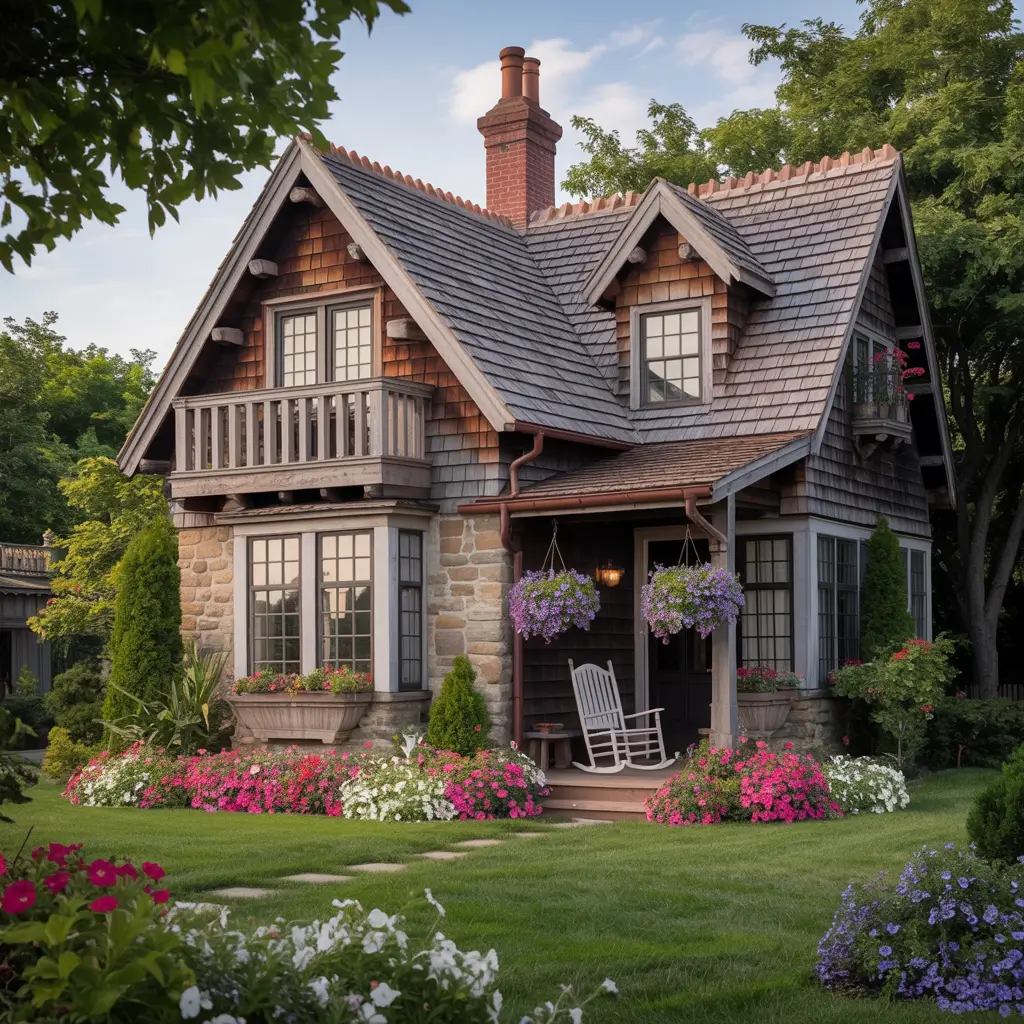
When lot size limits horizontal expansion, two-story cottages provide more living space while maintaining a small footprint. These designs stack charm vertically.
Maximizing Vertical Space
Two-story cottages typically place public spaces on the ground floor and private spaces above. Living room, kitchen, and dining areas occupy the main level, while bedrooms and bathrooms retreat upstairs. This arrangement provides natural separation between day and night activities.
The staircase becomes a design opportunity in two-story cottages. A beautiful bannister, interesting treads, or strategic windows can transform functional circulation into an architectural feature. Some designs tuck storage under stairs, making every cubic foot count.
Dormers and Rooflines
Two-story cottages often feature dormers that add character while creating usable space in upper floors. These little roof projections provide headroom, natural light, and ventilation to what might otherwise be cramped attic spaces.
Rooflines in two-story cottages can get playful. Multiple gables, varying heights, and interesting angles create the storybook charm we associate with cottages. Just don’t go overboard—too many rooflines can look chaotic rather than charming. 🙂
Proportion and Scale
The challenge with two-story cottages involves maintaining cottage proportions when adding height. Successful designs keep the structure feeling grounded through elements like covered porches, stone foundations, or horizontal siding that emphasize width over height.
Windows need careful consideration in two-story designs. Upper windows should align with lower ones, creating vertical rhythm. Varying window sizes—larger below, smaller above—maintains proper proportion and that cottage aesthetic we’re after.
8. Eco-Friendly Sustainable Cottage Designs
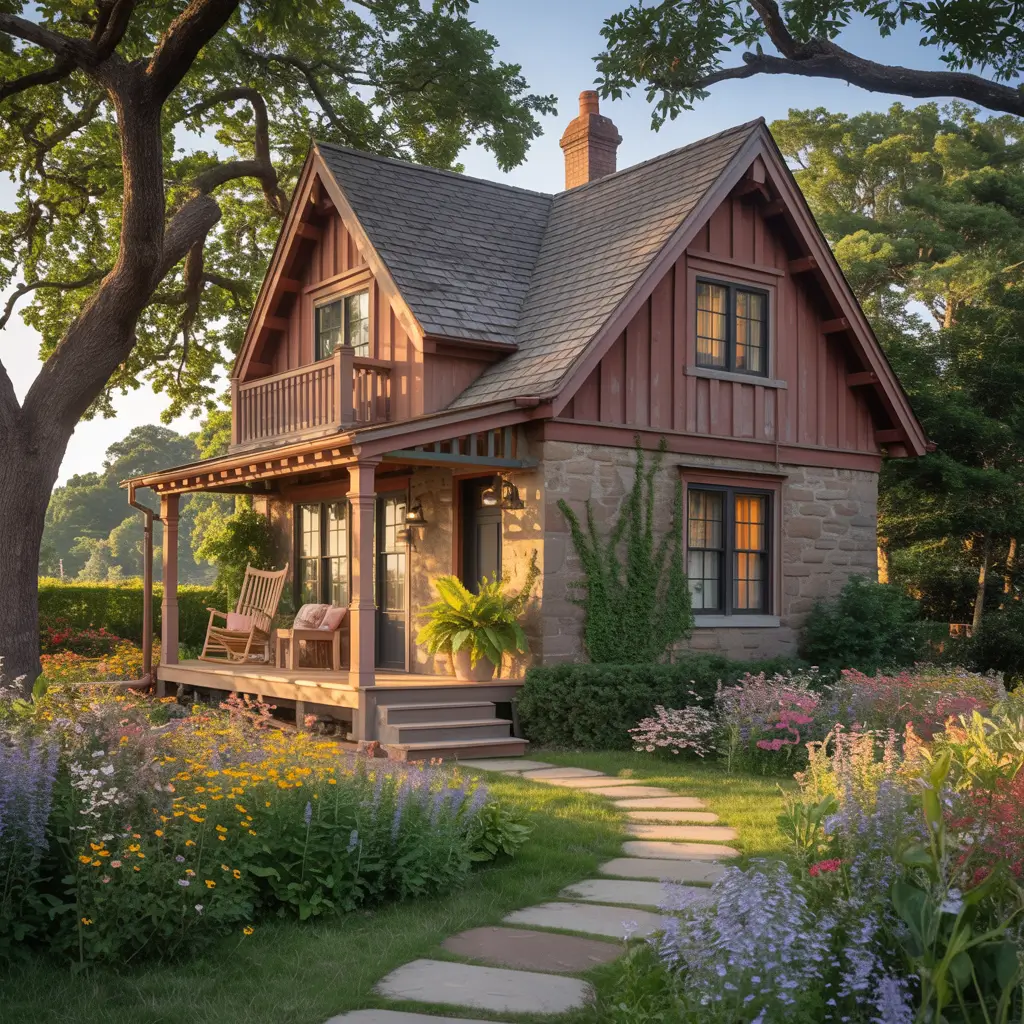
Sustainability and cottage living go together like peanut butter and jelly. These designs minimize environmental impact while maximizing comfort and charm.
Green Building Strategies
Eco-friendly cottages incorporate sustainable materials like reclaimed wood, recycled metal roofing, and locally sourced stone. These materials reduce environmental impact while adding character—that salvaged barnwood isn’t just sustainable; it’s gorgeous.
Passive solar design positions cottages to maximize winter sun and minimize summer heat. Proper insulation, high-efficiency windows, and smart ventilation reduce energy needs. Some designs incorporate solar panels, though keeping them cottage-appropriate requires careful placement.
Water and Waste Management
Sustainable cottages often include rainwater harvesting systems, greywater recycling, and low-flow fixtures. Composting toilets might sound extreme, but modern versions work surprisingly well and drastically reduce water usage.
Native landscaping reduces irrigation needs while supporting local ecosystems. That wildflower meadow isn’t just pretty—it’s providing habitat for pollinators and requiring zero maintenance once established.
Living Small as Sustainability
The cottage scale itself promotes sustainability. Smaller spaces require fewer materials to build, less energy to heat and cool, and fewer resources to maintain. You can’t accumulate excess stuff when you don’t have room for it.
IMO, cottages offer the perfect framework for sustainable living. They’re already about quality over quantity, connection to nature, and simple pleasures. Adding green features just extends that philosophy.
9. Cottage with Wraparound Porch
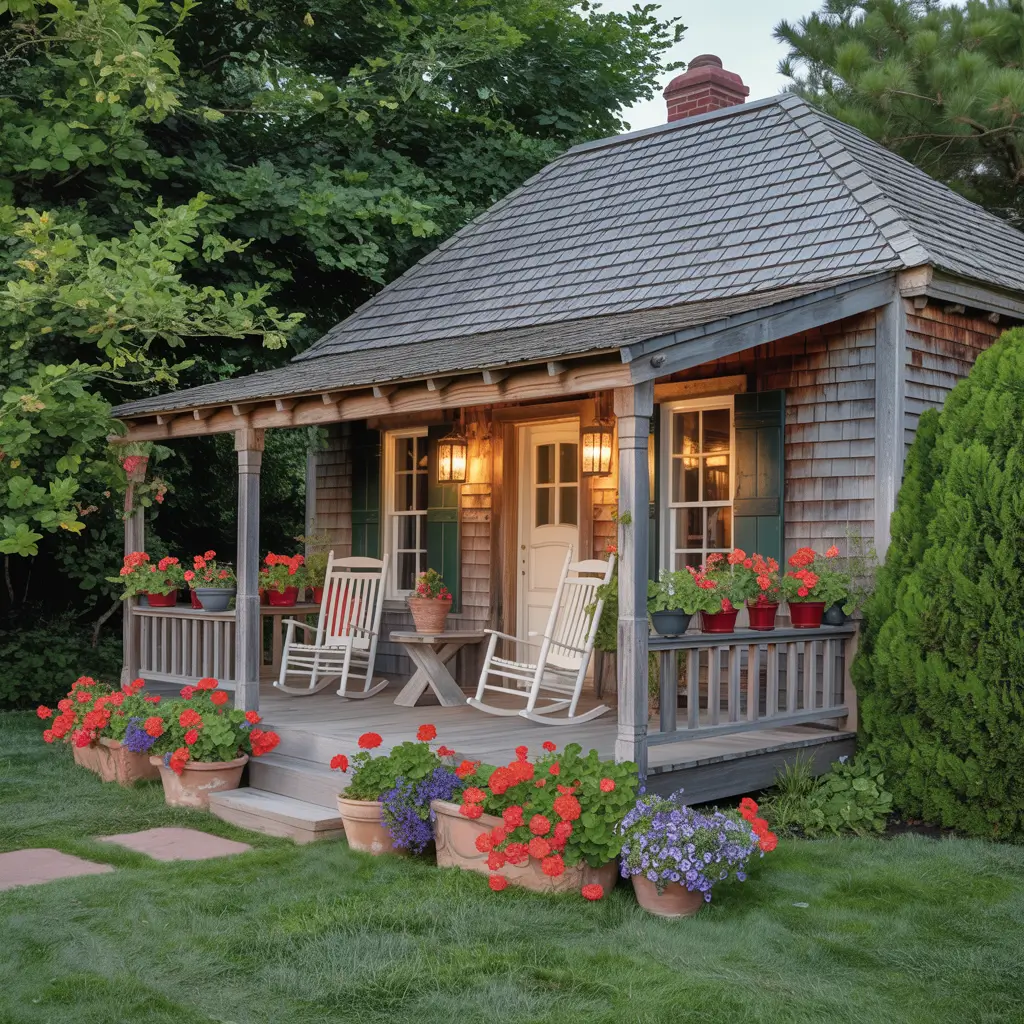
If cottages had a signature feature, it would be the porch. And wraparound porches? They’re the ultimate cottage flex.
The Ultimate Outdoor Room
Wraparound porches extend living space without adding interior square footage. They provide multiple outdoor zones—maybe a morning coffee spot facing east, an afternoon reading nook on the shaded north side, and an evening entertainment area facing the sunset.
These porches also protect the cottage from weather, reducing maintenance and extending the life of siding and windows. They’re basically beautiful umbrellas for your house, keeping sun and rain at bay while looking charming.
Design Considerations
Wraparound porches need proper proportions to avoid overwhelming small cottages. The porch depth should allow for furniture but not dominate the structure. Eight feet typically provides comfortable seating space without excessive cost or visual weight.
Support columns become important design elements. Square posts create a craftsman feel. Turned columns add Victorian charm. Stone or brick piers provide rustic solidity. The style sets the tone for the entire cottage.
Year-Round Usage
Smart porch designs extend usability beyond perfect weather days. Ceiling fans provide cooling breezes. Screens keep bugs at bay. Outdoor heaters extend the season. Some cottages include partially enclosed sections for three-season use.
The best wraparound porches include multiple access points from inside, encouraging indoor-outdoor flow. French doors from the living room, a kitchen door near the outdoor dining area, and bedroom access for private morning coffee all enhance the porch-cottage connection.
Also Read: 10 Creative Modern House Floor Plans Ideas for Stylish Living
10. Charming Vintage-Inspired Cottage Layouts
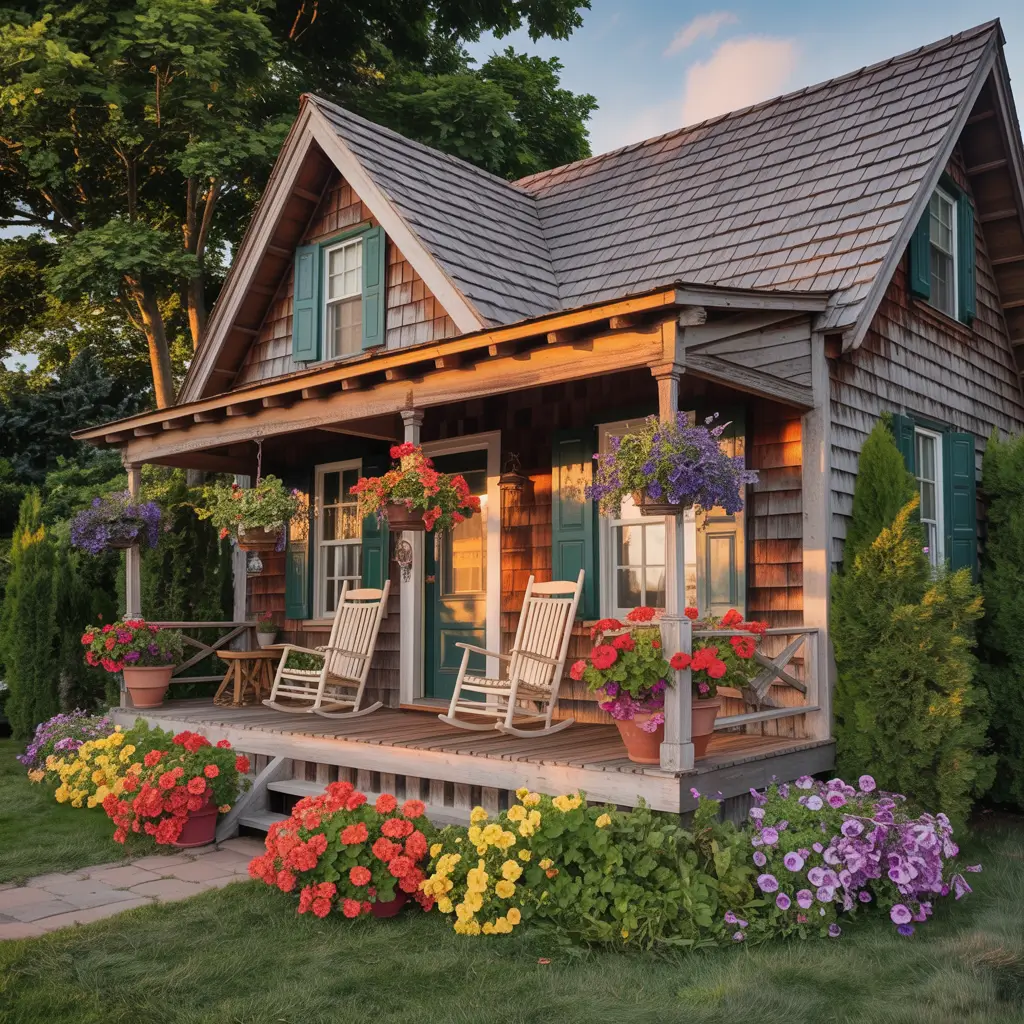
Sometimes you want a cottage that looks like grandma might emerge with fresh-baked cookies any moment. Vintage-inspired designs deliver that nostalgic charm with modern functionality.
Capturing Historical Charm
Vintage-inspired cottages draw from various historical styles—Victorian gingerbread, Craftsman simplicity, or Colonial symmetry. They incorporate period-appropriate details like decorative brackets, divided-light windows, and traditional proportions that make new construction feel established.
These designs often feature formal entries with covered stoops, symmetrical facades, and traditional room arrangements. But behind that vintage facade, modern systems provide contemporary comfort. It’s the best of both worlds.
Interior Details That Matter
Inside, vintage cottages embrace architectural details often missing from modern homes. Crown molding, wainscoting, built-in cabinetry, and hardwood floors create richness without requiring excessive decoration.
Original-style fixtures complete the illusion. Pedestal sinks, clawfoot tubs, schoolhouse lights, and period-appropriate hardware make new spaces feel authentically vintage. These details cost more than builder-grade options but create that special cottage character.
Modern Updates Hidden in Plain Sight
The best vintage-inspired cottages seamlessly integrate modern amenities. That farmhouse sink hides a garbage disposal. Those vintage-looking windows are actually high-efficiency double-pane. The pushbutton light switches control smart bulbs.
Kitchen designs particularly benefit from this approach. Vintage cabinet styles conceal modern appliances. Subway tile backsplashes look period-appropriate but use modern installation methods. The result feels authentic without sacrificing functionality.
Making Your Cottage Dreams Reality
After exploring these ten cottage styles, you might be wondering how to choose the right one for your situation. Start by considering your priorities. Do you value sustainability? Historic charm? Minimal maintenance? Your answers will guide you toward certain styles.
Location matters enormously. A stone cottage might perfect for a woodland setting but feel out of place at the beach. A tiny cottage works great for a weekend retreat but might frustrate full-time residents. Match your cottage style to both your site and your lifestyle.
Budget considerations can’t be ignored either. Stone cottages cost more than frame construction. Wraparound porches add significant expense. Eco-friendly features might increase upfront costs while reducing long-term expenses. Be realistic about what you can afford while remembering that cottages’ smaller scale often makes dream features more attainable.
The Emotional Appeal of Cottage Living
Beyond practical considerations, cottages offer something harder to quantify—they make us feel good. There’s something deeply satisfying about living in a space scaled to human proportions, where every detail has been considered and every square foot serves a purpose.
Cottages encourage us to slow down, to notice small pleasures, to connect with nature and community. They remind us that home isn’t about impressing others but about creating a personal sanctuary that reflects our values and supports our wellbeing.
Final Thoughts on Cottage Planning
Whether you choose a cozy woodland retreat, a modern minimalist gem, or a vintage charmer with a wraparound porch, remember that the best cottage is one that speaks to your soul.
Don’t get so caught up in style rules that you forget to create a space you’ll actually love living in.
The cottage lifestyle isn’t just about architecture—it’s about embracing a different way of living. It’s choosing character over conformity, quality over quantity, and connection over isolation.
It’s about creating a home that feels like a hug every time you walk through the door.
So dream big (even if you’re building small), plan carefully, and don’t be afraid to incorporate elements from different styles to create your perfect cottage.
After all, the best cottages have always been a little bit rebellious, choosing charm over convention. :/
Now go forth and create your own cottage story. Whether you’re building from scratch, renovating an existing structure, or just daydreaming for someday, let these ideas inspire you to think differently about what home can be.
Your perfect cottage is out there, waiting to be discovered or created.