10 Beautiful Unique Partition Design Ideas for Stylish Spaces
- Partition Design
 Ben
Ben- 0
- 31 minutes read
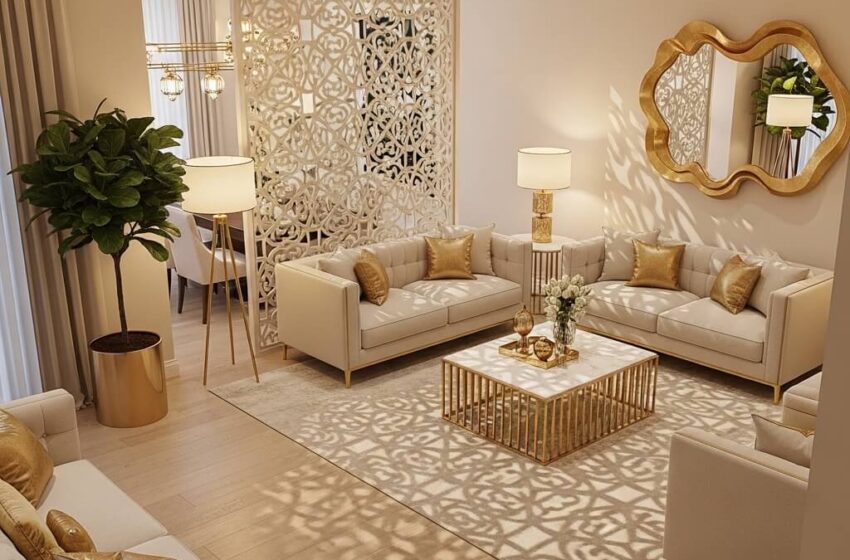
Look, I get it. You’ve got this gorgeous open-plan space that suddenly feels too open. Maybe you need to carve out a home office corner without building actual walls, or perhaps you want to hide that messy dining table from guests entering your living room. Whatever your reason, partitions are about to become your new best friend—and trust me, we’re not talking about those sad, beige office cubicle dividers your brain just conjured up.
I’ve spent way too much time obsessing over partition designs (yes, that’s apparently what I do for fun), and I’ve rounded up ten jaw-dropping ideas that’ll transform your space from “meh” to “when can I move in?” These aren’t your grandma’s room dividers—though honestly, grandma had some taste. Let’s get into it.
Glass & Wood Geometric Partition
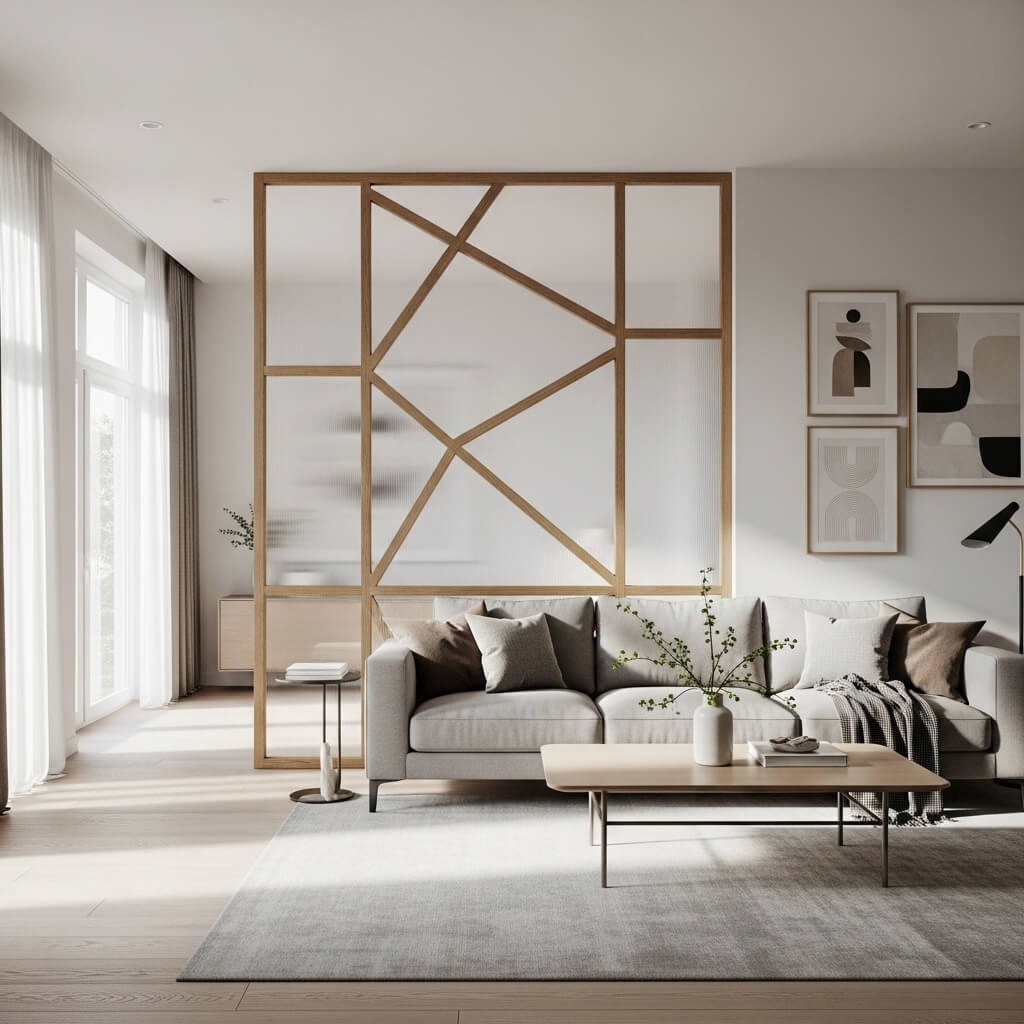
Here’s where modern meets warm, and honestly, this combo never disappoints. I stumbled across my first glass and wood geometric partition at a friend’s loft apartment, and I literally stopped mid-conversation to stare at it. Yeah, I’m that person.
This design features clean geometric patterns—think triangles, hexagons, or abstract shapes—created with wooden frames and transparent or frosted glass panels. The wood brings that cozy, organic vibe while the glass keeps everything feeling light and airy. You get separation without sacrificing natural light, which is basically the holy grail of partition design.
What I love most about this style is its versatility. You can go full minimalist with light oak and clear glass, or get dramatic with dark walnut and frosted panels. The geometric patterns create visual interest without screaming for attention, making them perfect for both contemporary and transitional spaces.
Why This Works
The magic happens in the balance. Wood alone can feel heavy and block too much light. Glass alone might feel too cold or exposed. Together? Chef’s kiss. The geometric shapes add an artistic element that elevates the whole thing from functional to sculptural.
I installed a smaller version between my living room and entryway, and the number of compliments I get is borderline ridiculous. People genuinely think I hired some fancy interior designer. Nope, just me, YouTube tutorials, and questionable amounts of coffee 🙂
Pro tip: If you’re working with a smaller space, opt for larger geometric shapes. Too many tiny patterns can make the area feel busy and cramped. Trust me on this one—I learned the hard way.
Floating Shelf Divider Partition
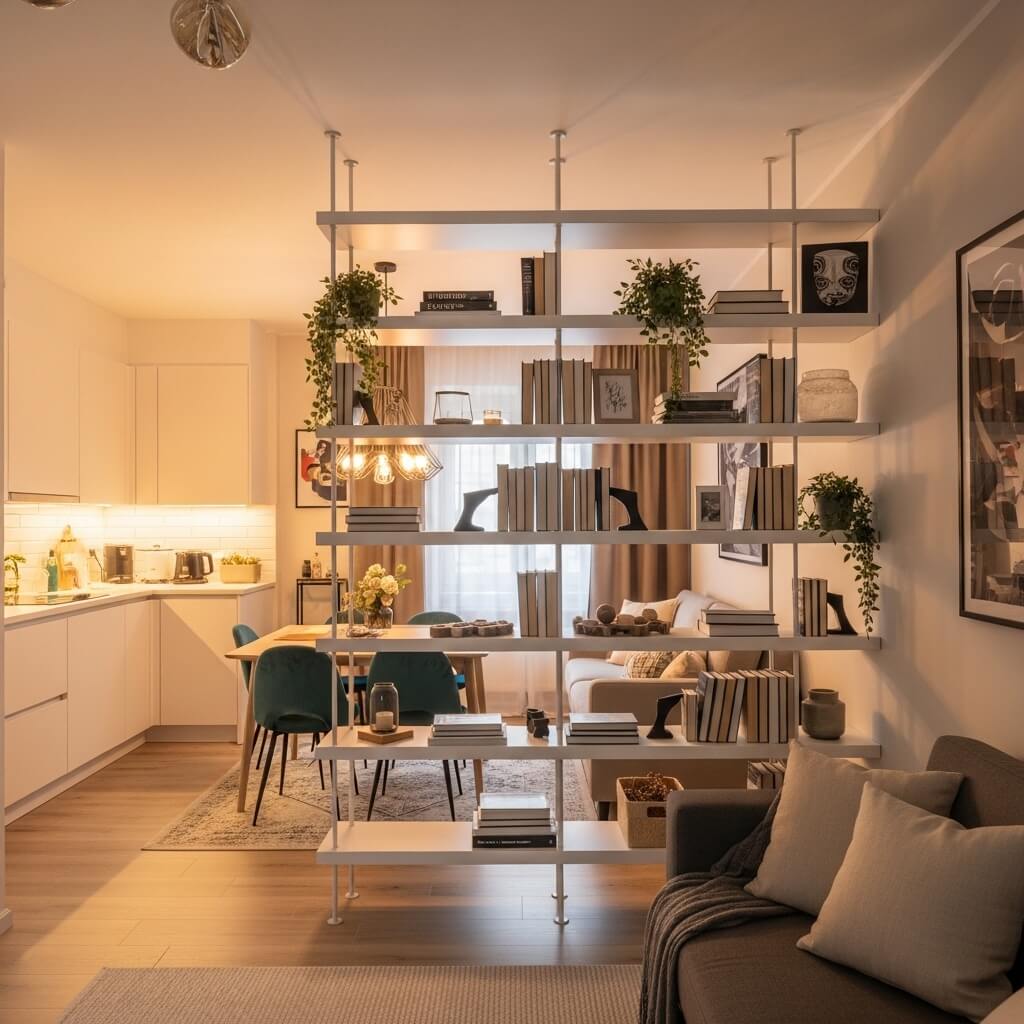
Ever wondered how to divide a room and solve your storage issues in one go? Enter the floating shelf divider, which is basically the multitasker of the partition world.
Picture this: sleek horizontal shelves that appear to float between floor and ceiling, creating distinct zones while offering primo display space. I use mine to showcase books, plants, and that weird ceramic cat my aunt gave me that I can’t get rid of because family guilt is real.
The beauty of floating shelf dividers is their open design. Unlike solid partitions, these babies maintain sightlines and airflow while still defining separate areas. You get all the benefits of division without the claustrophobic vibes.
Styling Your Floating Shelf Partition
Here’s where you can really let your personality shine. Load up those shelves with meaningful objects—family photos, travel souvenirs, your succulent collection (no judgment, I have seventeen). The items you display become part of the design itself, adding color, texture, and that personal touch that makes a house feel like home.
One thing I learned? Don’t overcrowd the shelves. Leave some breathing room. The negative space is just as important as what you put on display. I know the temptation to fill every inch is real, but restraint pays off here.
Best for: Open-plan living spaces, studio apartments, or anywhere you need subtle separation without blocking light. Also perfect for renters since most versions don’t require permanent installation.
Vertical Slatted Wooden Partition
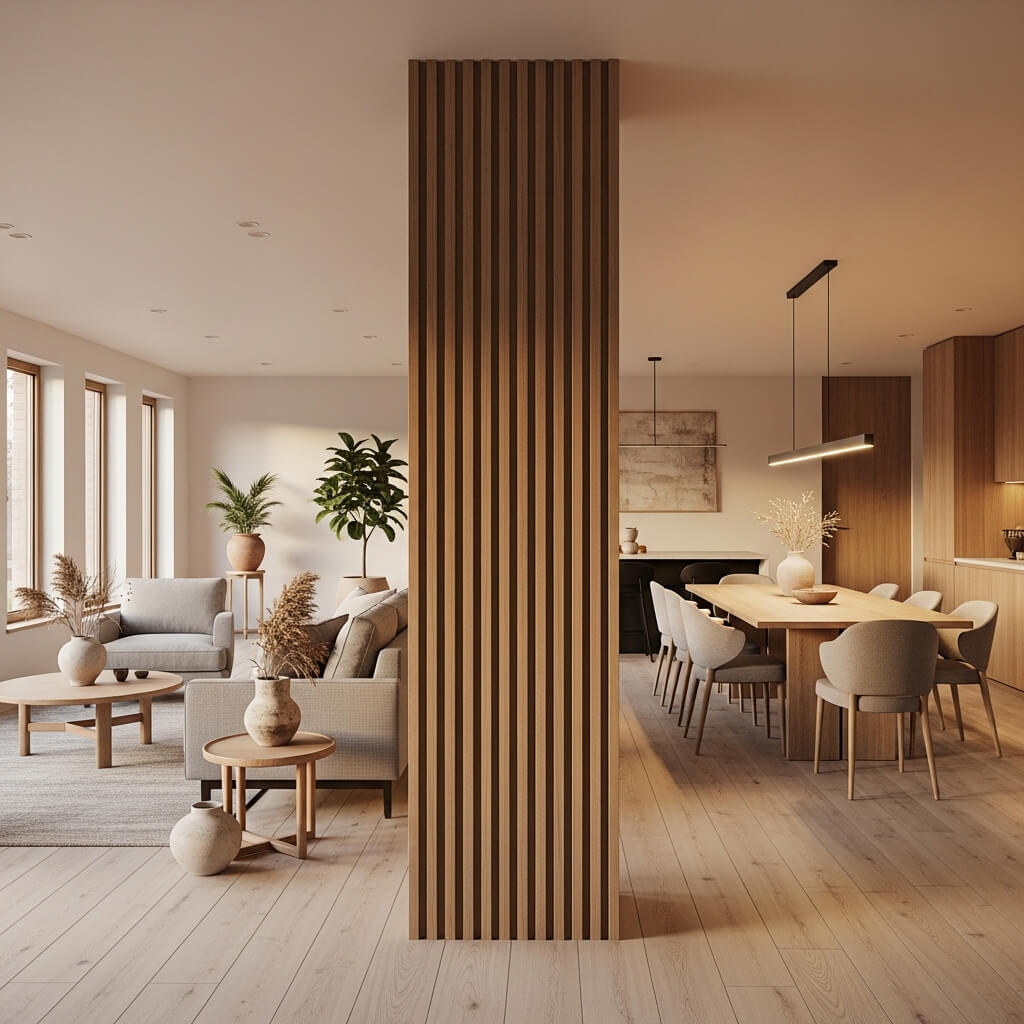
Okay, can we talk about how ridiculously popular slatted wood has become? And honestly, I’m not complaining because this design absolutely deserves the hype.
Vertical wooden slats create this beautiful rhythm—like a visual heartbeat—that draws the eye upward and makes your ceilings feel taller. The spacing between slats is where the magic happens. Too close together, and you’ve basically built a wall. Too far apart, and you lose the division effect. Getting that spacing just right? That’s the sweet spot.
I installed vertical slats to separate my bedroom from my walk-in closet (I use the term “walk-in” very generously—it’s more of a squeeze-in). The partial privacy is perfect because I can still see through the gaps, but the overall effect creates distinct zones. Plus, the linear pattern adds this sophisticated architectural element that makes the whole room feel more designed.
Material Choices Matter
You’ve got options here, friends. Natural wood slats bring warmth and texture—I’m partial to light oak or ash for Scandinavian vibes, or walnut when I’m feeling moody. You can also go with painted wood if you want color, or even wood-look composite materials if you’re working with a tight budget.
The installation is honestly not as scary as it looks. Most systems either attach to floor and ceiling tracks or mount to a frame. FYI, I went with a freestanding frame option since I rent, and it worked perfectly. No landlord drama required.
Spacing tip: For optimal privacy with maintained airflow, aim for gaps that are about half the width of your slat. So if your slats are 3 inches wide, leave roughly 1.5-inch gaps between them.
Also Read: 10 Smart Kitchen Partition Design Ideas Functional Decor Ideas
Indoor Plant Green Wall Divider
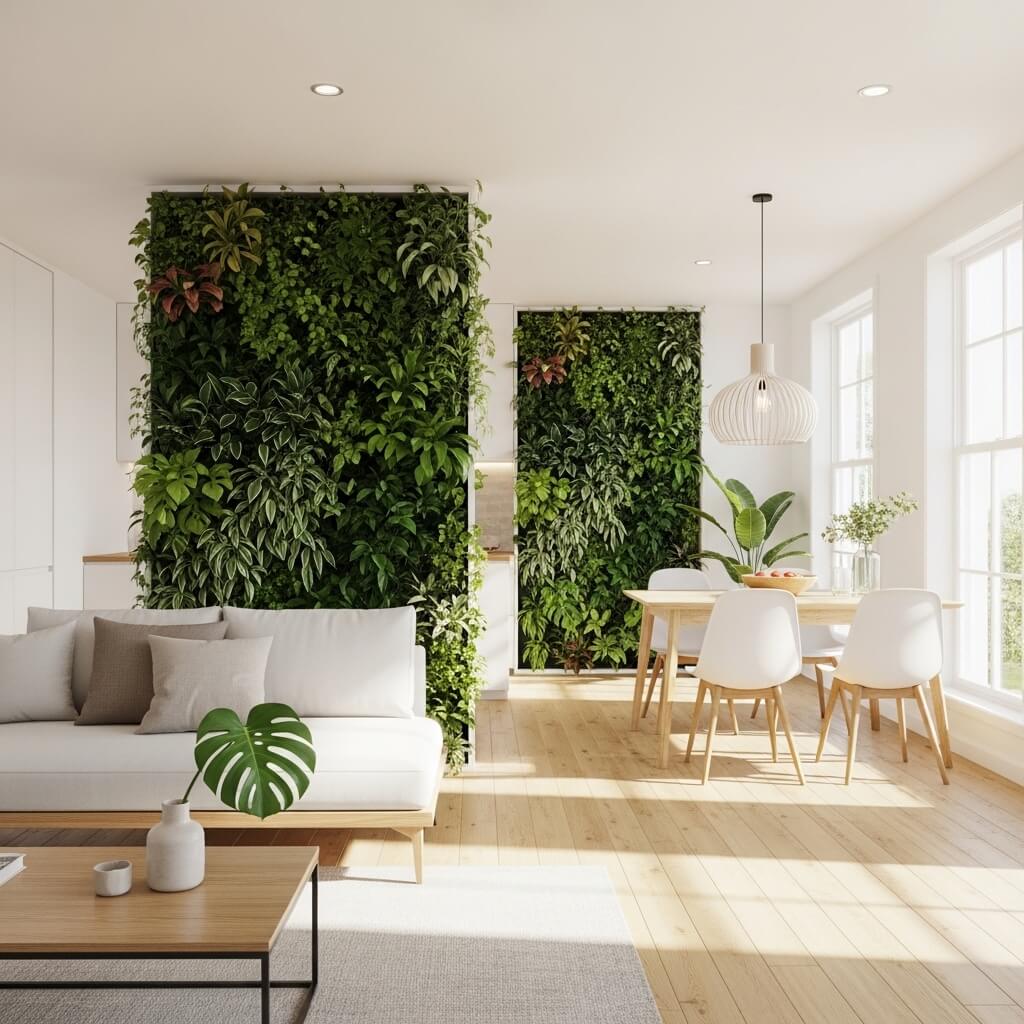
Listen, if you haven’t considered a living plant wall as a partition, you’re missing out on something special. This is where function meets nature, and the result is absolutely stunning.
I’ll be honest—I was skeptical at first. It sounded high-maintenance and potentially messy. But after seeing one in person at a boutique hotel (and spending an embarrassing amount of time photographing it), I was sold. Green wall dividers transform your space into a living, breathing ecosystem that purifies air while looking incredible.
You’ve got two main approaches here: actual living plants or high-quality faux plants. Before you come at me about fake plants, hear me out. Modern artificial plants have come a long way. Unless someone’s getting up close and personal, quality faux greenery is nearly indistinguishable from the real deal, and it requires zero maintenance.
Real vs. Faux: The Showdown
Living plant walls offer genuine air purification and that satisfaction of nurturing something alive. You’ll need to consider lighting, irrigation systems, and ongoing maintenance. Plants like pothos, ferns, and philodendrons work brilliantly in these setups. The living wall in my office bathroom (yes, really) uses mostly ferns, and it’s become my favorite spot in the house.
Faux plant walls give you design flexibility without the commitment. No watering systems, no worrying about light requirements, no plant funerals when you inevitably forget to water them for three weeks. Just dust them occasionally and you’re golden.
IMO, if you’ve got the green thumb and dedication, go real. If you’re more of a “kills succulents with impressive consistency” person like my sister, faux is your friend.
Laser Cut MDF Decorative Partition
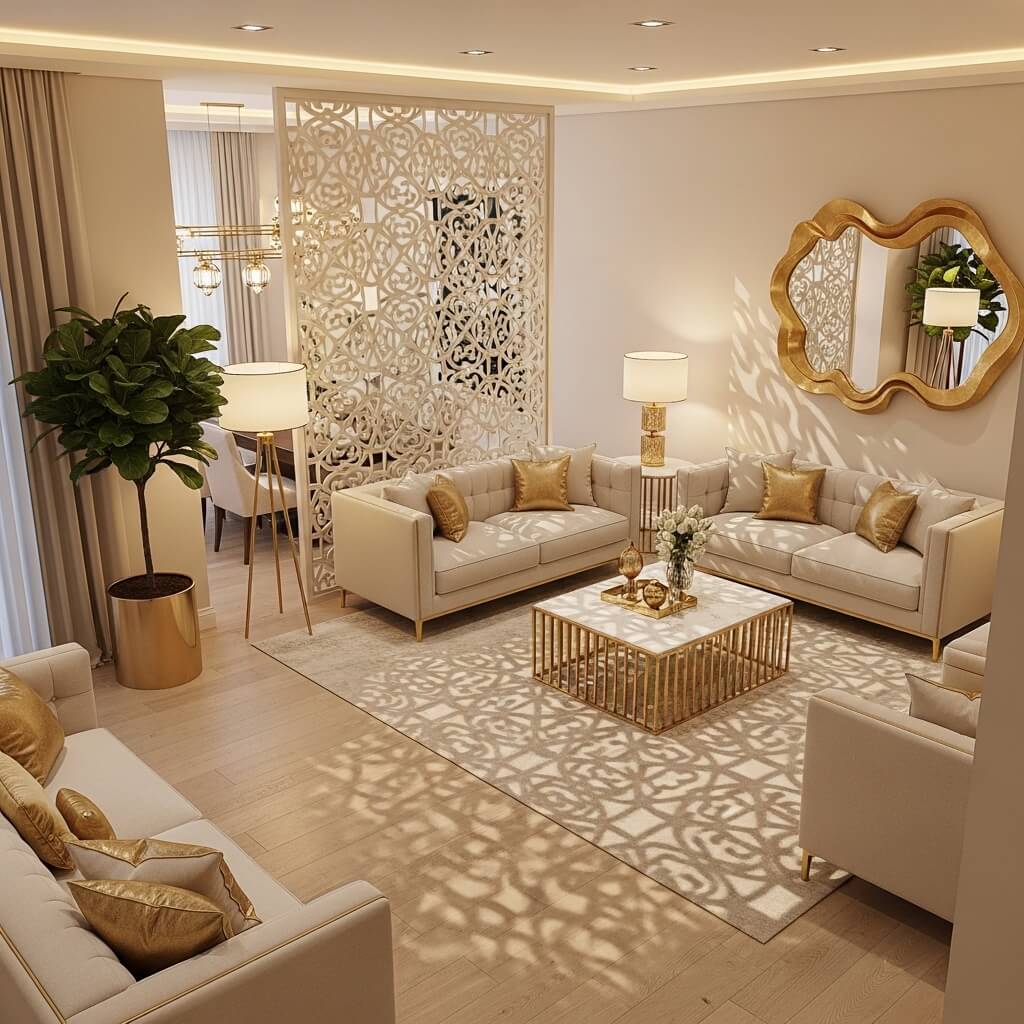
Want to make a statement? Like, a serious statement? Laser cut MDF partitions are where art meets architecture, and they’re absolutely mesmerizing.
These partitions feature intricate patterns cut into medium-density fiberboard using laser technology that achieves insane levels of detail. We’re talking delicate floral motifs, geometric mandalas, abstract designs, or even custom patterns that reflect your personal style. The precision is wild—cuts so clean you’d think they were drawn rather than carved.
I first encountered these at a restaurant that had a massive laser cut partition separating the dining area from the bar. The pattern created these gorgeous light and shadow plays that changed throughout the day as sunlight moved through the space. I spent more time staring at the wall than eating my pasta (priorities, right?).
Design Possibilities Are Endless
The customization options here are basically limitless. You can choose from thousands of existing patterns or work with designers to create something completely unique. Want a partition featuring your family tree? Done. A geometric pattern that matches your tile floor? Absolutely. A Moroccan-inspired design? You got it.
Color options run the gamut too. Natural MDF can be stained or painted any color imaginable. I’ve seen stunning results with everything from crisp white to deep charcoal to metallic finishes. The pattern complexity combined with your color choice creates dramatically different effects.
One heads up though: these can get pricey depending on pattern complexity and size. Custom designs cost more than pre-made patterns, but honestly? The investment pays off in sheer visual impact. Your space will look like it belongs in an architecture magazine.
Curtain Style Soft Fabric Partition
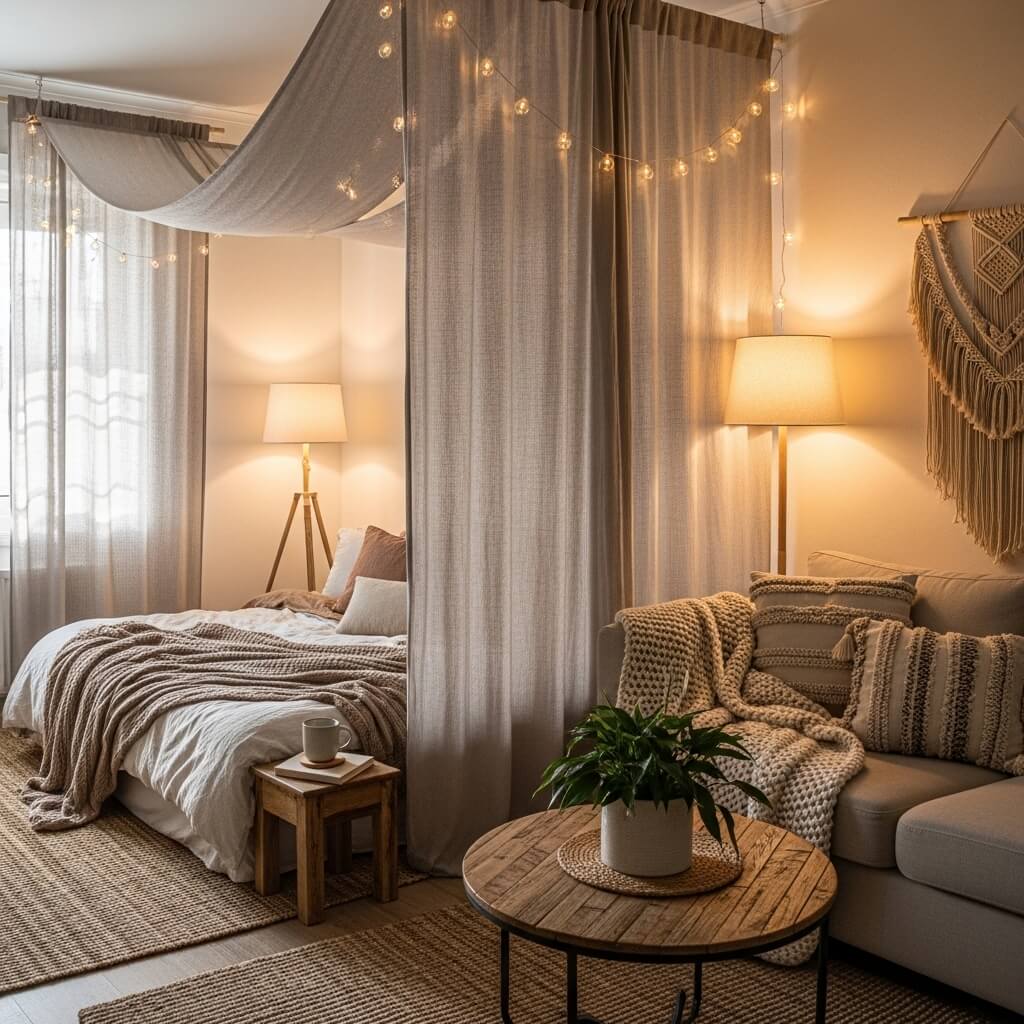
Sometimes you need flexibility, and that’s exactly what curtain-style fabric partitions deliver. Think of them as room dividers’ chill, adaptable cousin who goes with the flow.
I love fabric partitions for their sheer versatility. Open them when you want connection, close them when you need privacy or separation—it’s room division on demand. Plus, the soft textile element adds warmth and acoustic dampening, which is clutch if you’re dealing with echoey spaces or noisy roommates.
The fabric options are genuinely exciting. Sheer materials like linen or voile create soft separation while maintaining light flow—perfect for creating a dreamy bedroom nook or separating a nursery area. Heavier fabrics like velvet or thick cotton provide more privacy and sound absorption, ideal for home offices or meditation spaces.
Installation and Style Tips
Track systems are your best friend here. Ceiling-mounted tracks give you smooth operation and a clean, streamlined look. I installed mine on a curved track to create a rounded reading nook, and the installation was surprisingly straightforward (even for someone whose DIY skills are questionable at best).
Color and pattern choices change the entire vibe. Solid neutrals keep things minimalist and sophisticated. Bold colors make a statement and can tie together your color scheme. Patterns add personality—I’ve seen gorgeous results with everything from subtle stripes to bold florals to geometric prints.
Layer them up if you’re feeling fancy. Sheer curtains behind heavier drapes let you adjust privacy and light levels throughout the day. It’s like having multiple partitions in one :/ except actually useful.
Also Read: 10 Modern Wooden Partition Design Ideas for Open Spaces
Metal Frame Glass Grid Partition
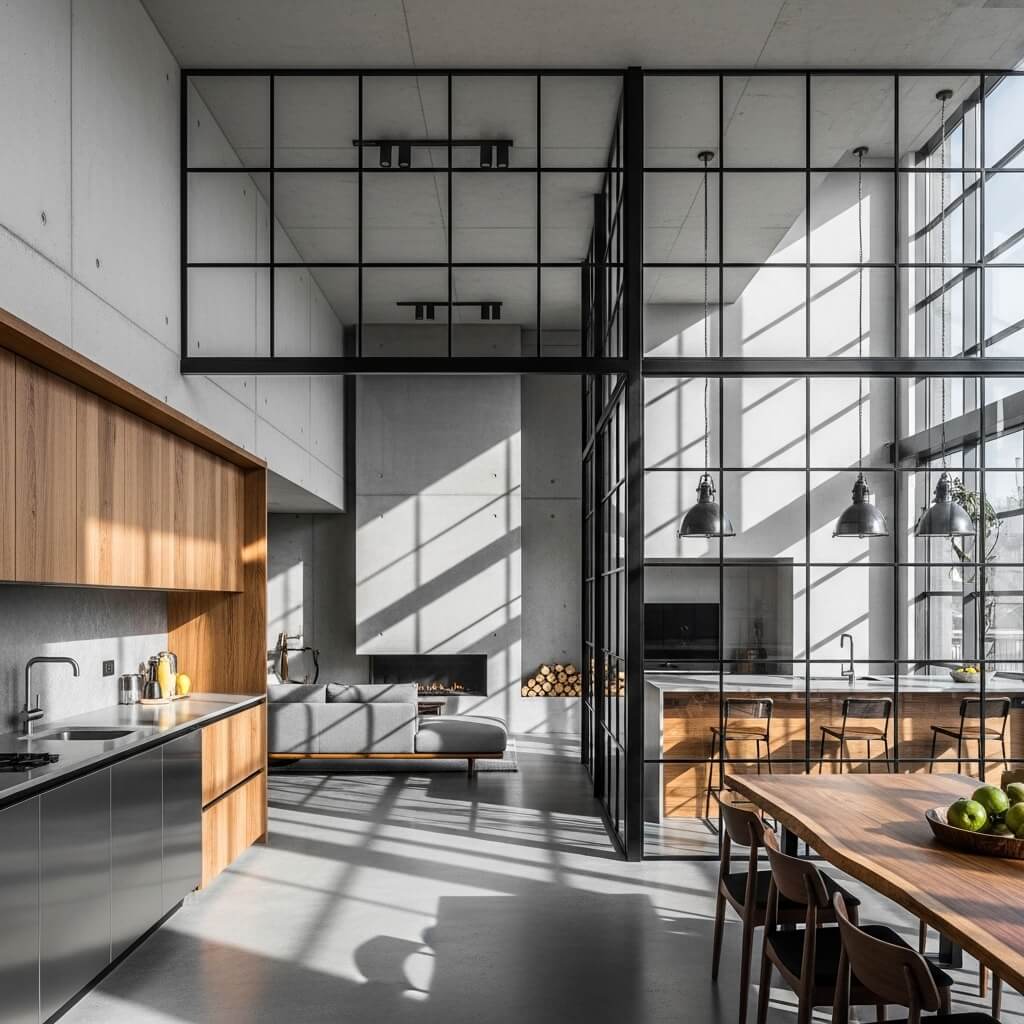
Industrial chic meets sophisticated elegance, and honestly, this combination hits different. Metal frame glass grid partitions channel serious factory-meets-loft energy while maintaining an upscale feel.
Think black metal frames creating a grid pattern filled with glass panels—basically like oversized windows but serving as room dividers. This design exploded in popularity thanks to the whole industrial aesthetic trend, and I’m not mad about it because it genuinely looks fantastic.
I installed a smaller version between my kitchen and dining area, going with black steel frames and clear glass. The grid pattern adds visual structure while the glass keeps everything open and bright. It’s become such a focal point that people literally compliment my “wall” not realizing it’s a partition. The satisfaction I get from that never gets old.
Choosing Your Grid Configuration
Grid sizes matter more than you might think. Larger panes with fewer divisions create a more minimalist, modern look. Smaller panes with more divisions give you that classic factory window vibe with more visual interest. I went with a medium grid—not too busy, not too sparse—and it hit the sweet spot.
Frame finishes open up different aesthetic directions. Black or dark bronze scream industrial sophistication. Brushed brass or gold add warmth and luxury. White or light metal keep things airy and contemporary. Match your frame finish to other metal elements in your space for a cohesive look.
Glass options include clear, frosted, tinted, or even textured varieties. Clear maintains maximum openness, frosted adds privacy while preserving light, and tinted can introduce subtle color. I stuck with clear because I wanted zero light blockage, but I’ve seen gorgeous frosted versions in bedrooms.
Rotating Panel Partition Design
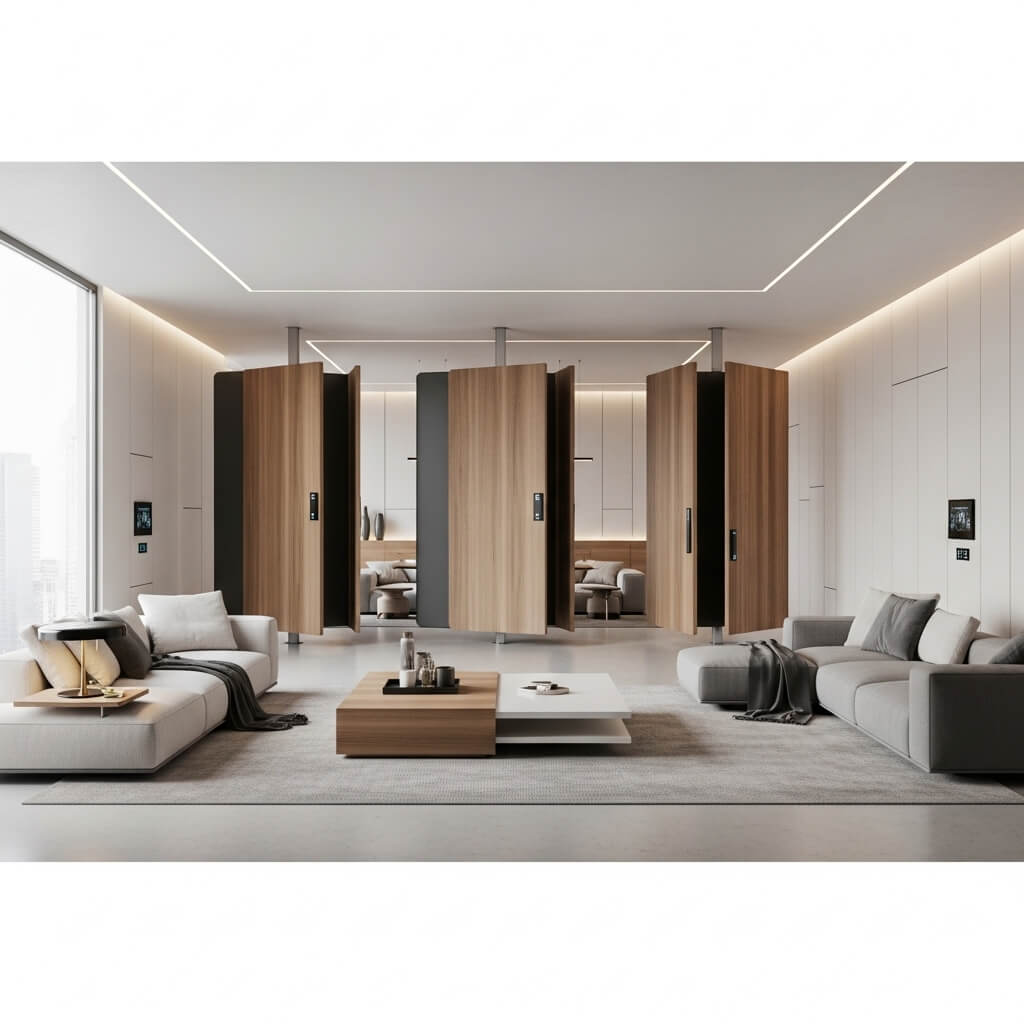
Now we’re getting clever. Rotating panel partitions are the transformers of the partition world—adaptable, functional, and unexpectedly cool.
These feature panels mounted on a central axis that rotate to create different configurations. Close them for full privacy and division, angle them partially for filtered sightlines, or rotate them fully open when you want seamless flow. It’s like having multiple partitions in one design, and the flexibility is genuinely game-changing.
I encountered my first rotating partition at a friend’s loft where she used it to separate her bedroom from the living area. During the day, she angles the panels to create partial separation while maintaining openness. At night, she closes them for complete privacy. Watching her rotate those panels was oddly satisfying—smooth, effortless, and practical.
Design and Material Variations
Panel materials run the full spectrum. Wooden panels bring warmth and solid privacy. Frosted glass or acrylic offer translucent separation with modern appeal. Fabric-covered panels add softness and acoustic benefits. Some designs even combine materials—wood on one side, fabric on the other—for maximum versatility.
The rotating mechanism can be simple or sophisticated. Basic designs use pivot pins top and bottom. More advanced versions include ball-bearing systems for super smooth rotation. If you go this route, invest in quality hardware—cheap mechanisms get sticky and frustrating fast.
Installation note: These require secure mounting points at floor and ceiling, so they’re better suited for permanent installations rather than renter-friendly solutions. But if you own your place? Absolutely worth considering for spaces that need flexible division.
Bookshelf Room Divider Partition
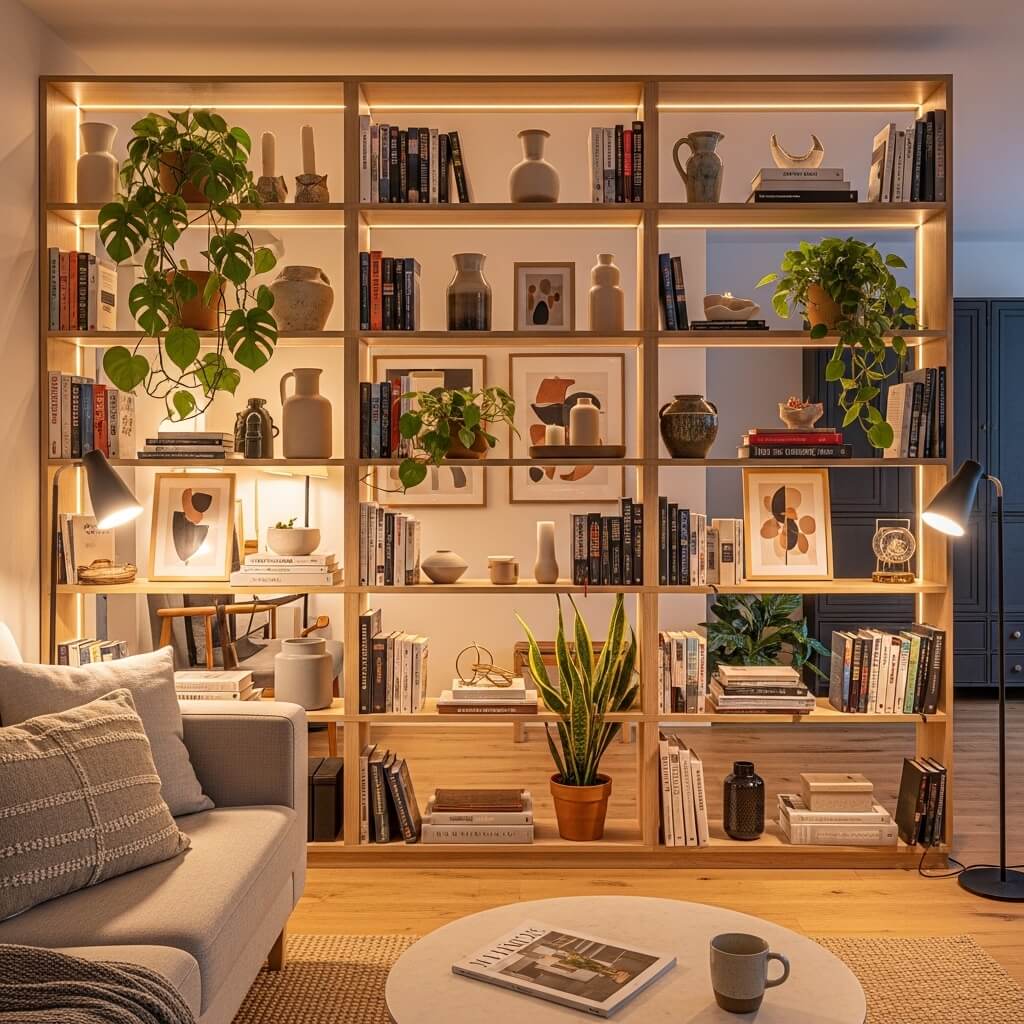
Raise your hand if you have way too many books and nowhere to put them. Just me? Doubtful. Bookshelf partitions solve storage problems while dividing space, making them the MVPs of functional design.
Open bookshelf dividers feature shelving accessible from both sides, creating separation while maintaining visual connection through the shelves. You can stack books, display objects, stash baskets—whatever your storage-loving heart desires. I use mine to separate my living room from my home office, and it’s earned its keep a thousand times over.
The beauty here is the dual functionality. You’re not sacrificing floor space to a partition that only divides—you’re gaining storage and display opportunities. Every inch serves multiple purposes, which is essential when you’re working with limited square footage.
Styling Your Bookshelf Divider
Here’s where you can get creative. Mix books with decorative objects to create visual interest. Stack some books horizontally, stand others vertically. Add plants, framed photos, or art pieces between book clusters. The varied heights and textures create an engaging display that’s constantly interesting.
Color coordination can take your bookshelf from chaotic to curated. Organize books by color for a rainbow effect (Instagram loves this, and honestly, it does look pretty great). Or go with a more organic arrangement that mixes colors naturally. I organize mine by genre because I’m apparently boring, but it works for me.
Leave some shelves partially empty. I know, I know—more space for books! But trust me, negative space prevents the shelves from feeling overwhelming. Those breathing spots let your eye rest and make the whole unit feel more intentional.
Weight distribution tip: Keep heavier items on lower shelves for stability. If your bookshelf divider isn’t attached to floor/ceiling, you definitely don’t want it top-heavy. Safety first, design second.
Also Read: 10 Elegant Partition Design Living Rooms Ideas for Stylish Interiors
Rope & Wood Creative Partition
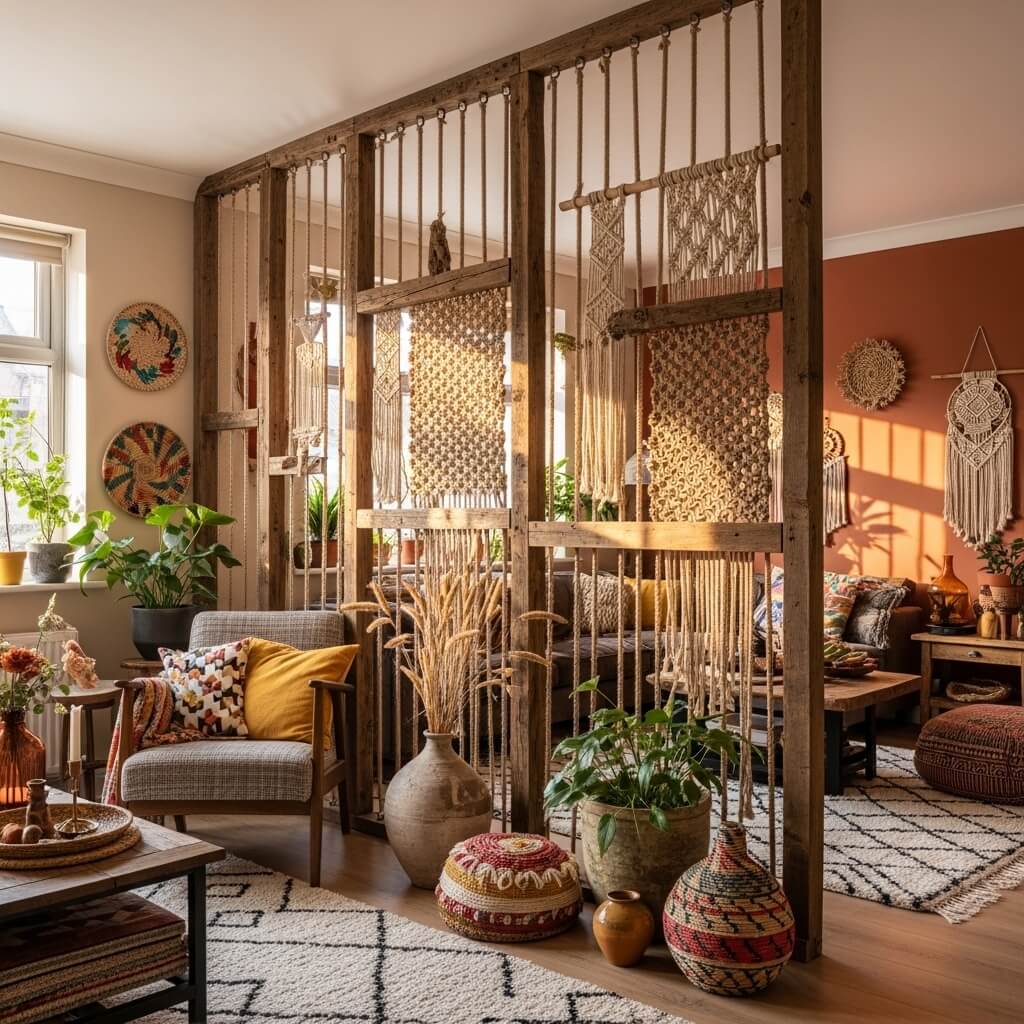
Alright, last but definitely not least, let’s talk about rope and wood partitions—the bohemian, creative option that brings major personality to your space.
This design combines wooden elements (usually horizontal beams or vertical posts) with rope that’s wrapped, woven, or strung between the wood pieces. The result? Texture-rich, organic, and absolutely unique. I’ve never seen two rope and wood partitions that look identical, which is part of their charm.
The rope element introduces this tactile, crafty quality that softens the hard lines of traditional partitions. It’s casual without being sloppy, creative without being chaotic. I installed a simple version in my entryway using thick nautical rope strung between two wooden posts, and it’s become a genuine conversation starter. People either love it immediately or look confused until I explain it’s intentional—there’s no middle ground.
Material Selection and Assembly
Rope choices affect the entire aesthetic. Thick natural fiber rope (like manila or sisal) creates rustic, beachy vibes. Cotton rope offers softer appeal and comes in various colors. Synthetic rope provides durability and weather resistance if you’re using this on a covered patio or balcony.
Wood components can be chunky and rustic or sleek and modern, depending on your style direction. I went with smooth, light-colored wood to keep things contemporary, but I’ve seen gorgeous versions using reclaimed barn wood for full rustic farmhouse energy.
The assembly process is honestly pretty straightforward—more craft project than serious construction. You create the wooden frame, then wrap or string the rope according to your chosen pattern. Vertical ropes create clean lines, horizontal wrapping adds density, and diagonal or woven patterns introduce complexity.
Heads up: Rope can attract dust over time (learned this the hard way), so you’ll need to vacuum or dust it occasionally. Not a dealbreaker, just something to keep in mind if you’re anti-maintenance.
Wrapping This Up
Look, partitions aren’t just functional necessities—they’re design opportunities waiting to happen. Whether you’re vibing with the sleek sophistication of glass and metal grids, the organic warmth of vertical wood slats, or the creative personality of rope designs, there’s a partition style that fits your space and aesthetic perfectly.
The key is thinking beyond basic division. Consider how your partition adds value: Does it provide storage? Create visual interest? Introduce natural elements? Filter light beautifully? The best partitions do multiple jobs while looking effortlessly good.
My biggest piece of advice? Don’t rush the decision. Live with your space for a minute, observe how you actually use it, and identify what you truly need from a partition. Privacy? Light control? Storage? Acoustic dampening? Once you’ve nailed down the functional requirements, choosing a design that matches your style becomes way easier.
And honestly, don’t be afraid to get creative. Mix materials, combine ideas, or put your own spin on these concepts. Your space should reflect your personality, not look like a catalog showroom (unless that’s your thing—no judgment).
Now go forth and divide those spaces with style. Your open-plan area will thank you, your Instagram feed will improve dramatically, and you’ll finally have a legitimate reason for all those hours you spent scrolling through interior design accounts. You’re welcome.