12 Amazing Foldable Dining Table Ideas and Modern Setups
- Dining Table
 Ben
Ben- 0
- 38 minutes read
Your apartment is small. Like, really small. And that permanent dining table you thought you needed? It’s eating up half your living space and making you question every life decision that led to this moment.
I’ve been there, friend. Multiple times, actually.
Foldable dining tables are the unsung heroes of small-space living. They give you a proper place to eat when you need it, then disappear when you don’t.
No more choosing between having friends over for dinner or having room to, you know, walk around your own apartment.
I’ve experimented with probably a dozen different foldable table setups over the years—some brilliant, some absolute disasters—and I’ve figured out what actually works in real life versus what just looks clever on Pinterest.
Let me save you from my mistakes and show you 12 foldable dining table ideas that actually deliver.
Wall-Mounted Foldable Dining Table
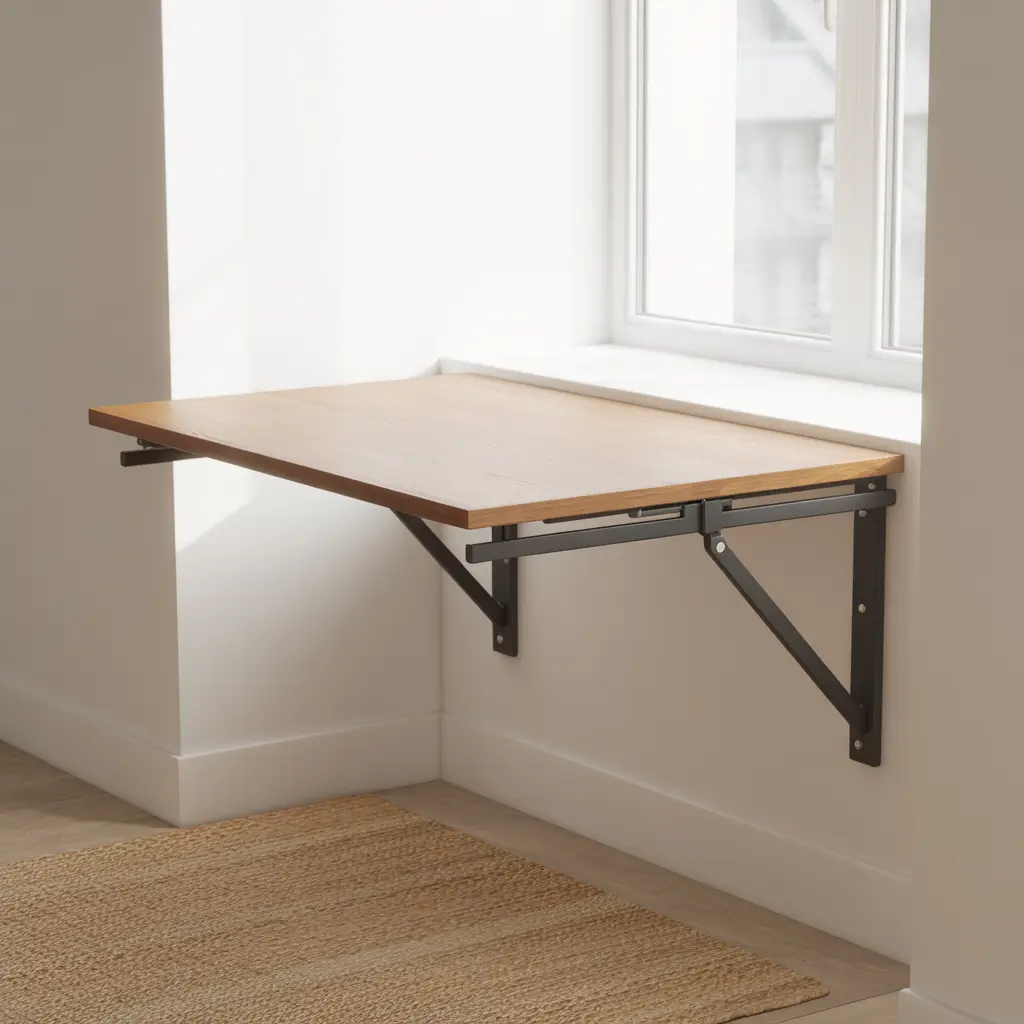
The space-saving champion that literally disappears into your wall.
Wall-mounted foldable tables are magic. I’m not even exaggerating. You flip it down when you need it, flip it up when you don’t, and suddenly your dining room/living room/bedroom (let’s be real, it’s all the same room) has actual floor space again.
I installed one of these in my studio apartment, and the transformation was ridiculous. During meals, I had a proper dining table. The rest of the time, I had room for yoga, dancing around in my underwear, or whatever else people do with floor space.
What makes wall-mounted tables work:
- Zero floor footprint when folded: Literally just a flat surface against your wall
- Sturdy mounting hardware: Quality wall mounts support serious weight
- Various sizes available: From tiny two-person tables to full dining setups
- Built-in storage options: Some designs include shelves or wine storage
The key is proper installation. You need to mount this into wall studs, not just drywall. I learned this the hard way when my first attempt resulted in a table-shaped hole in my wall. Not my finest moment.
Installation reality check: You’ll need basic tools and some confidence with power drills. If the thought of finding wall studs makes you nervous, hire someone. A professional installation costs maybe $100-150 and prevents catastrophic furniture failures.
Choosing Your Wall-Mounted Table
Consider how much weight it needs to support. Just you eating cereal? A lighter-duty model works fine. Hosting dinner parties? You need something substantial that won’t sag under a full spread of food and dishes.
Convertible Coffee-to-Dining Table
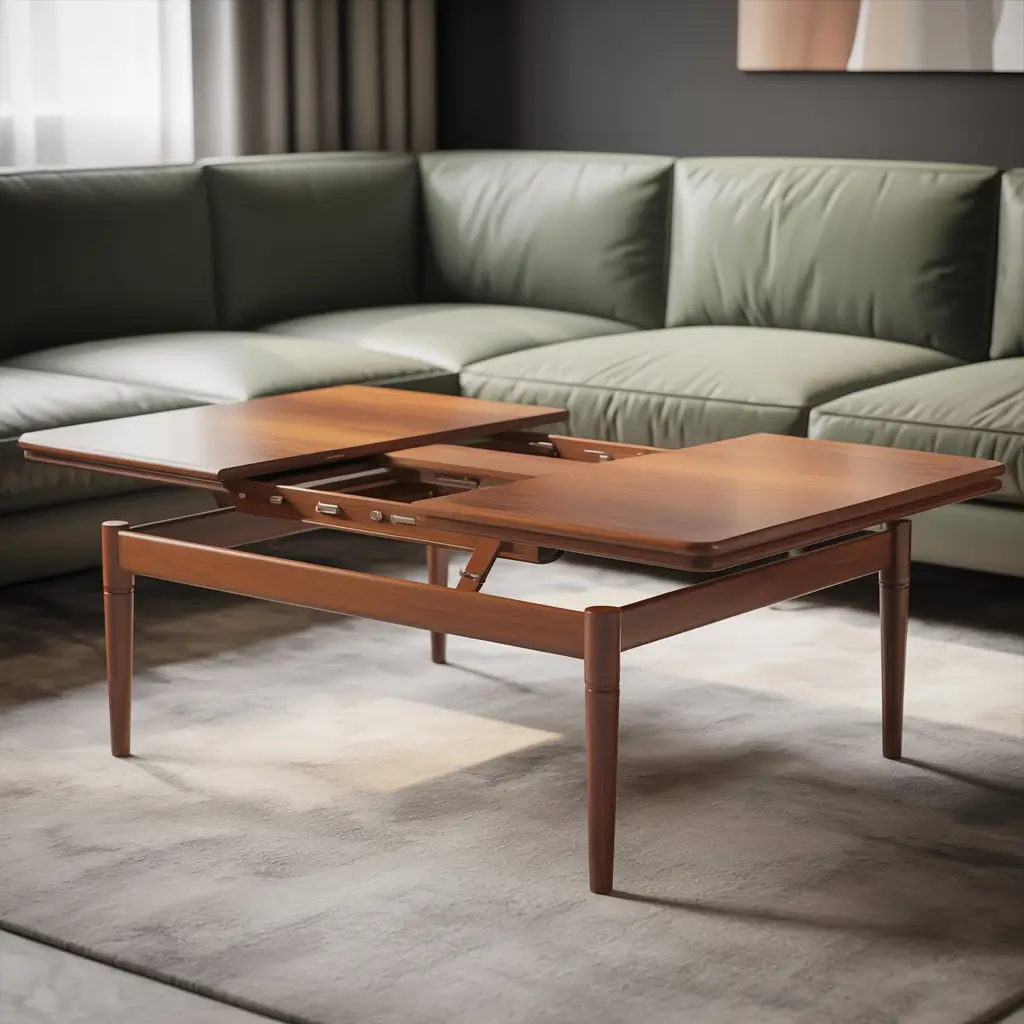
Two pieces of furniture for the price of one. Kind of.
Convertible tables that transform from coffee table to dining table are incredibly clever—when they work well. The concept is perfect: you’ve got a coffee table for daily use, then when you need to eat or entertain, it lifts and expands into a proper dining table.
I was skeptical about these until I stayed at an Airbnb that had one, and I found myself playing with the mechanism constantly. The engineering is genuinely impressive. One minute you’re putting your feet up on a coffee table, the next you’re eating dinner at a full-height dining surface.
Key features to look for:
- Smooth lifting mechanism: Should be easy to operate, not a workout
- Stable at both heights: No wobbling whether it’s high or low
- Expansion capability: Most extend to seat 4-6 people when raised
- Hidden storage: Many include storage compartments underneath
The downside? These can be pricey. Quality convertible tables start around $500-600 and go up from there. Cheap ones have mechanisms that break or stick, which defeats the entire purpose.
Style consideration: Most convertible tables lean modern or contemporary. If your aesthetic is traditional farmhouse or vintage, finding one that fits your vibe will be challenging.
Drop-Leaf Wooden Dining Table
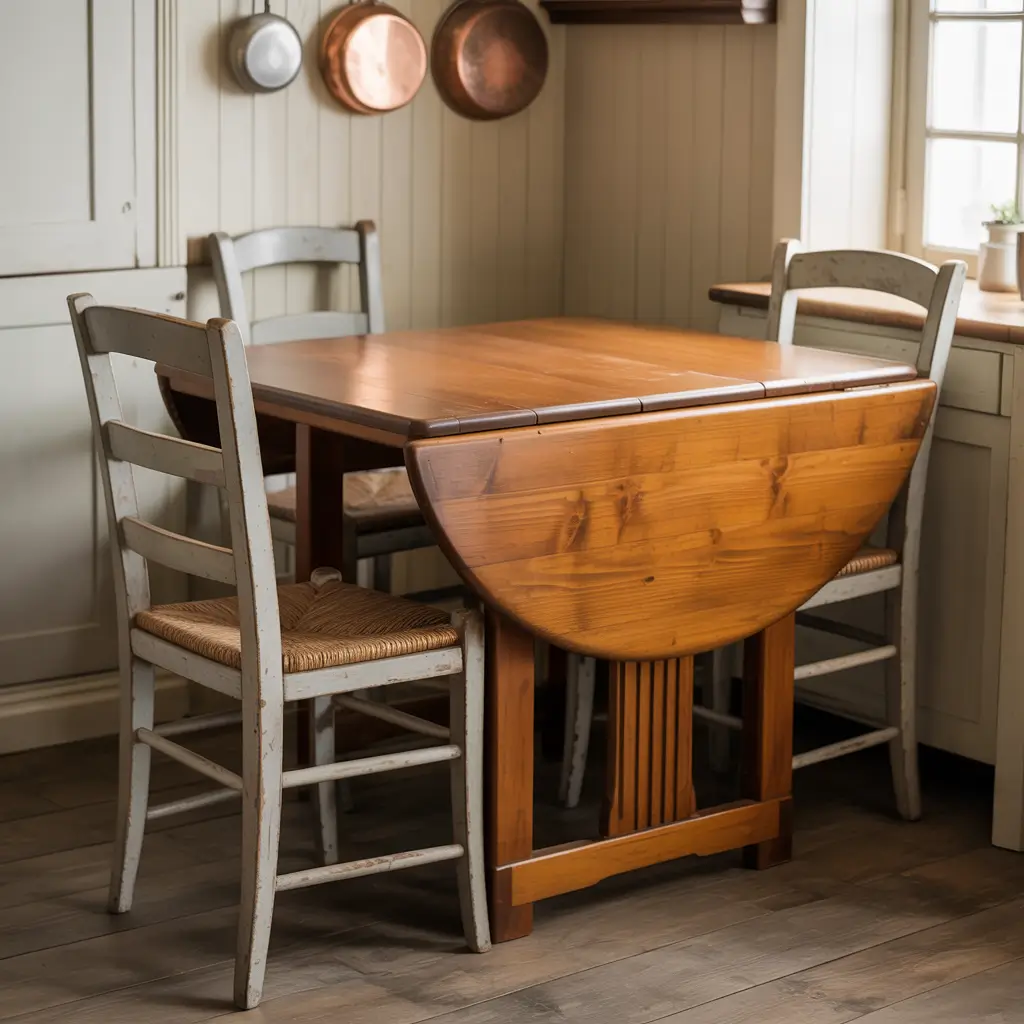
The classic that’s been solving space problems since your great-grandmother’s time.
Drop-leaf tables are old-school in the best way. They’ve been around forever because they actually work. You’ve got a narrow table for everyday use, and when you need more surface area, you just lift the leaves. Simple, elegant, effective.
I inherited a drop-leaf table from my grandparents, and it’s hands-down the most practical piece of furniture I own. Most days it’s a compact side table. When I have people over, it expands to seat six comfortably. The versatility is unmatched.
What defines drop-leaf tables:
- Hinged leaves: Side panels that fold down when not in use
- Supporting mechanisms: Swing-out legs or pull-out supports hold the leaves up
- Various shapes: Rectangular, oval, or round center with drop leaves
- Traditional craftsmanship: Often beautifully made with visible woodworking
Sizing Your Drop-Leaf Table
Measure your space with leaves both up and down. You need to be able to actually walk around it in both configurations. I’ve seen too many people buy drop-leaf tables that technically fit but make their space impossible to navigate.
The sweet spot is usually a table that’s 24-36 inches wide when folded, expanding to 48-60 inches with leaves up. That gives you flexibility without overwhelming small spaces.
Wood choice matters: Solid wood lasts forever and can be refinished. Veneer looks nice initially but doesn’t age as gracefully. If you’re investing in a drop-leaf table, go solid wood—you’ll probably keep it for decades.
Also Read: 10 Stylish Outdoor Dining Table Ideas for Relaxing Weekendsc
Folding Table with Built-in Storage
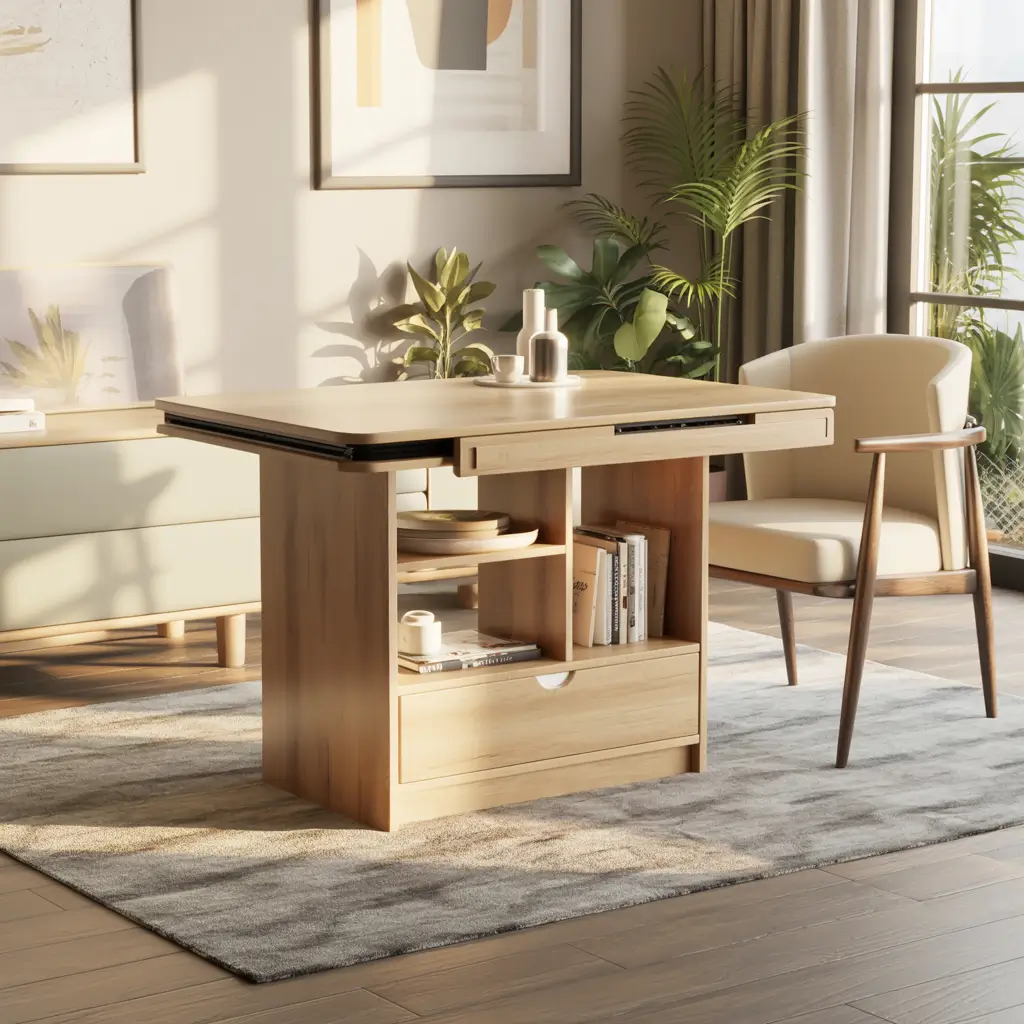
Because why should your table only do one thing?
Folding tables with storage solve two problems at once—where to put the table when you’re not using it, and where to put all your dining-related stuff. Built-in storage for placemats, napkins, serving pieces, or whatever else clutters your space is genuinely game-changing.
I added one of these to my space, and suddenly I had a home for all those awkward dining accessories that used to live in random cabinets. Everything I need for meals lives right in the table. It’s embarrassingly convenient.
Storage options you’ll find:
- Drawer compartments: Pull-out drawers in the table base or frame
- Shelf storage: Open shelving integrated into the table structure
- Hidden compartments: Concealed storage under the tabletop
- Wine racks: Some designs include built-in wine bottle storage
The trade-off is bulk. Tables with storage are generally heavier and more substantial than simple folding designs. You’re not easily moving these around—they stay put and fold in place.
Practical tip: Choose storage that matches what you actually need to store. Deep drawers for large items, shallow drawers for flatware and linens, open shelves for easy access to frequently used items.
Minimalist Scandinavian Foldable Table
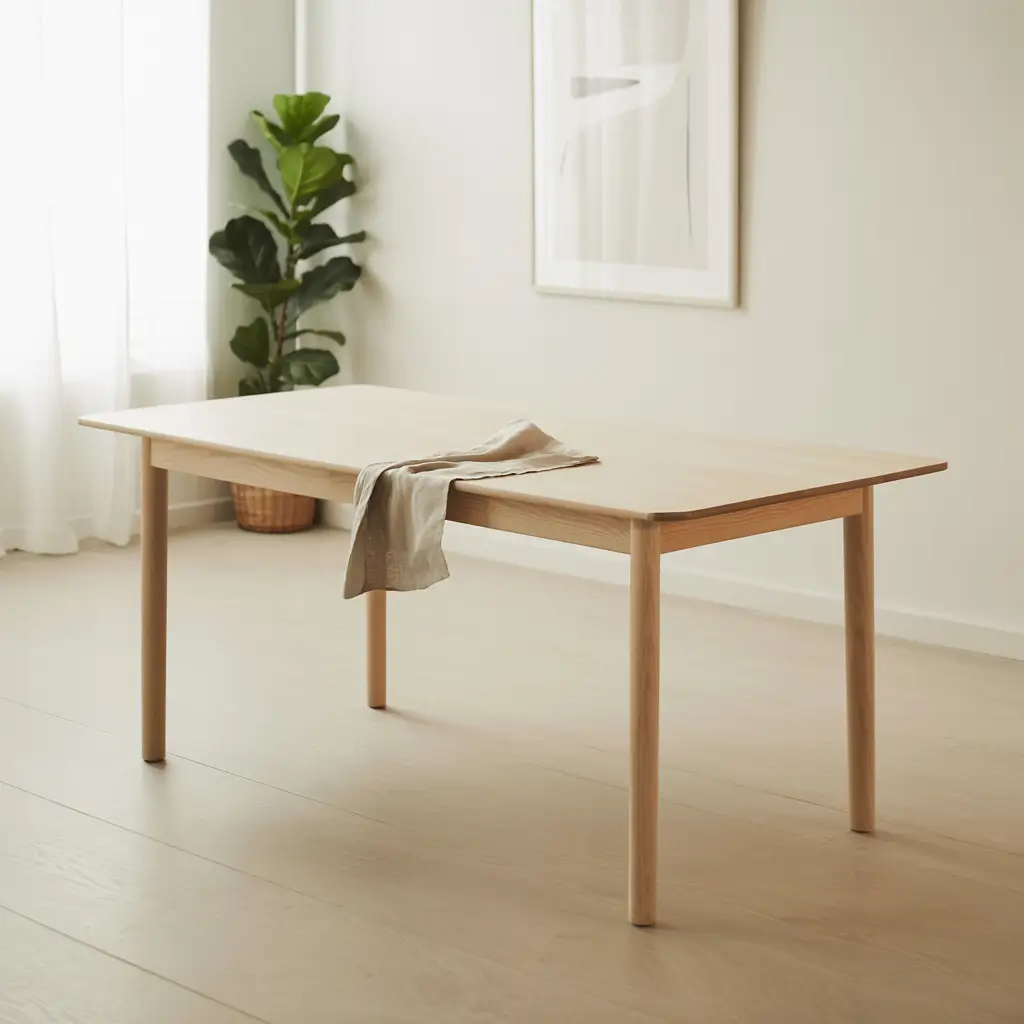
Clean, simple, and doesn’t make your small space feel cluttered.
Scandinavian design does foldable tables really well. They manage to create pieces that are functional, beautiful, and somehow make small spaces feel bigger rather than more crowded. It’s that whole “less is more” philosophy actually working in real life.
I’m a huge fan of Scandi foldable tables because they don’t look like compromise furniture. They look intentional and stylish, even though their main job is saving space. The light wood, clean lines, and thoughtful proportions just work.
Scandinavian foldable table characteristics:
- Light wood tones: Birch, ash, or light oak
- Minimal design: No unnecessary ornamentation or details
- Functional beauty: Every element serves a purpose
- Quality construction: Well-made joints and mechanisms
Styling Your Scandi Table
Keep everything simple and functional. White dishes, natural linen napkins, maybe a single vase with branches or flowers. The Scandinavian aesthetic is all about creating calm, uncluttered spaces where you actually want to spend time.
Price point: Quality Scandinavian furniture isn’t cheap, but it’s built to last. You’re investing in something you’ll use for years, possibly decades. The cost-per-use actually works out pretty reasonable.
Rustic Farmhouse Foldable Dining Table
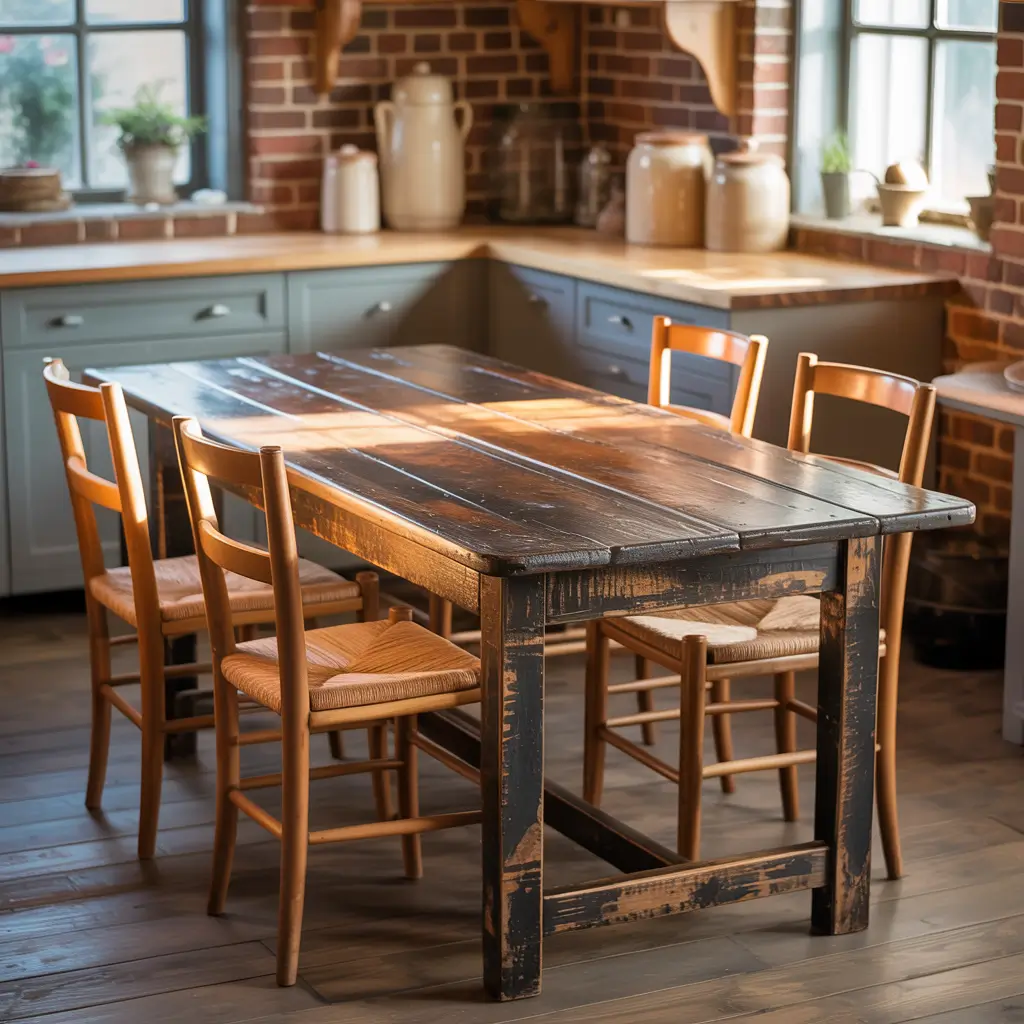
Because space-saving furniture can still have character.
Rustic farmhouse foldable tables combine that chunky, weathered aesthetic with actual functionality. You get the warmth and character of farmhouse style without the massive footprint of traditional farm tables. Best of both worlds, honestly.
I was convinced farmhouse style and foldable furniture were incompatible until I found a drop-leaf table with turned legs and a distressed finish. It looks like vintage furniture but folds down when I need the space. The combination works surprisingly well.
Farmhouse foldable features:
- Distressed finishes: Weathered paint or worn wood
- Turned or chunky legs: Traditional craftsmanship details
- Solid wood construction: Real wood, not particle board
- Vintage hardware: Hinges and supports with character
The farmhouse aesthetic is forgiving, which is great for foldable furniture. Scratches, dings, and wear just add to the character. You’re not stressing about keeping it pristine—it’s supposed to look lived-in.
Finding authentic pieces: Vintage farmhouse foldable tables pop up at estate sales and antique stores. Modern reproductions work too, but vintage pieces have that authentic character you can’t fake.
Also Read: 10 Charming Wooden Dining Table Ideas for Rustic Vibes
Space-Saving Corner Foldable Table
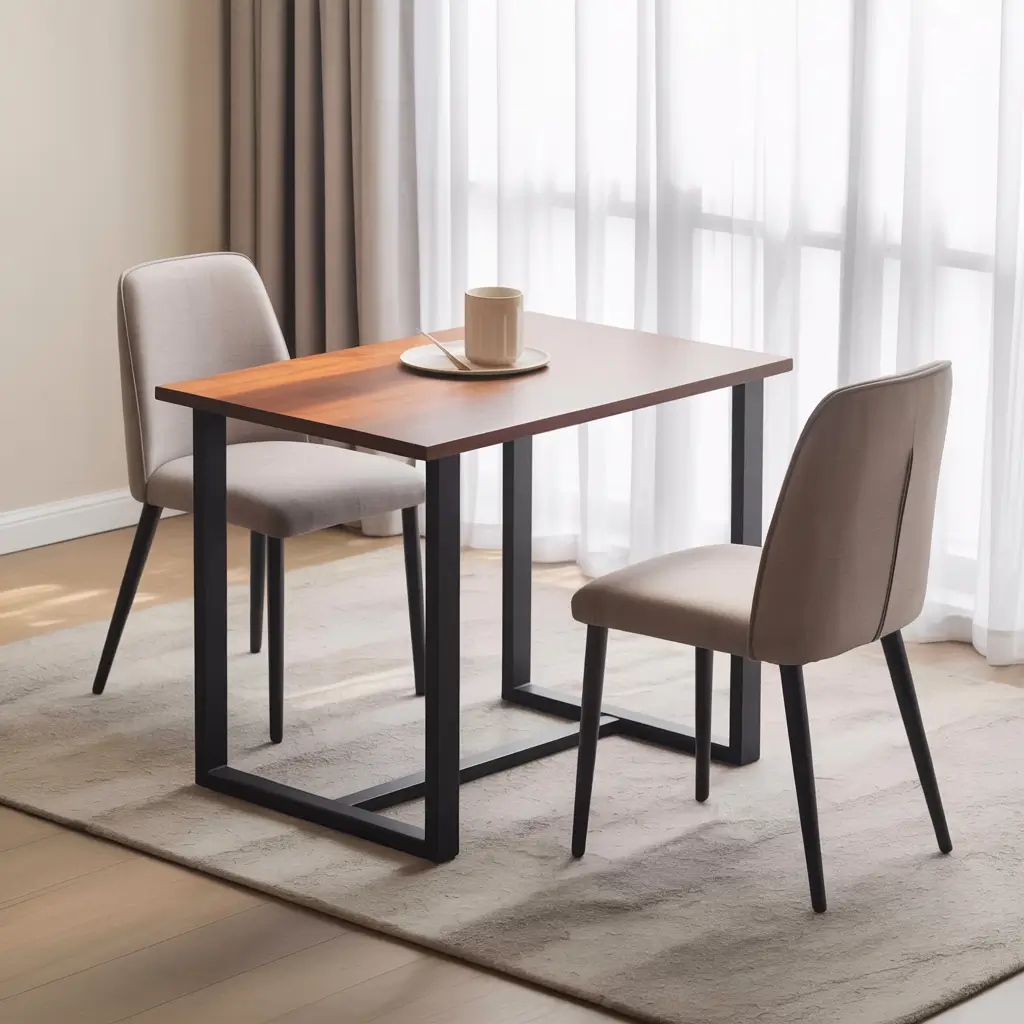
For those awkward corners that never seem useful.
Corner foldable tables are brilliantly specific. They’re designed to fit into corners—the dead space most people don’t know what to do with—and fold out when you need a dining surface. It’s using space that would otherwise just collect dust and regret.
I have an awkward corner in my kitchen that was completely useless until I installed a corner-mounted foldable table. Now it’s my breakfast spot, my laptop workspace, and occasionally a bar setup when friends come over. That corner is working harder than some entire rooms.
What makes corner tables work:
- Triangular or curved design: Fits naturally into 90-degree corners
- Wall or floor mounting: Attaches to walls or sits in corners with fold-down tops
- Compact footprint: Uses vertical space efficiently
- Multi-functional: Dining, workspace, bar—whatever you need
Installation Considerations
Corner tables need solid mounting—you’re attaching to two walls, which means finding studs on both walls. The geometry can be tricky. Measure carefully, and honestly? This is one where hiring a handyperson makes sense unless you’re very confident with installation projects.
Size matters: Corner tables are typically smaller—seating 2-3 people max. They’re perfect for breakfast or solo meals, less ideal for hosting dinner parties. Know their limitations before committing.
Industrial Metal Frame Foldable Table
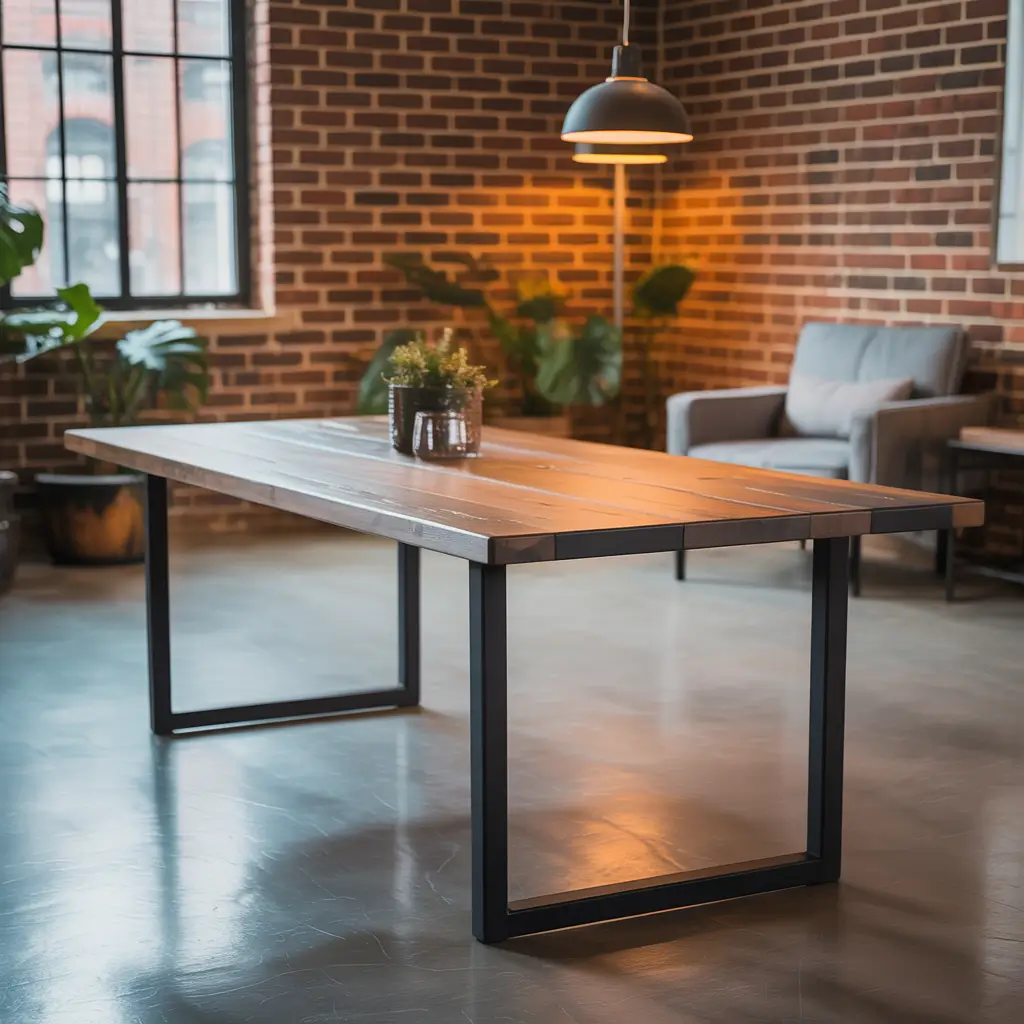
Tough, edgy, and surprisingly lightweight.
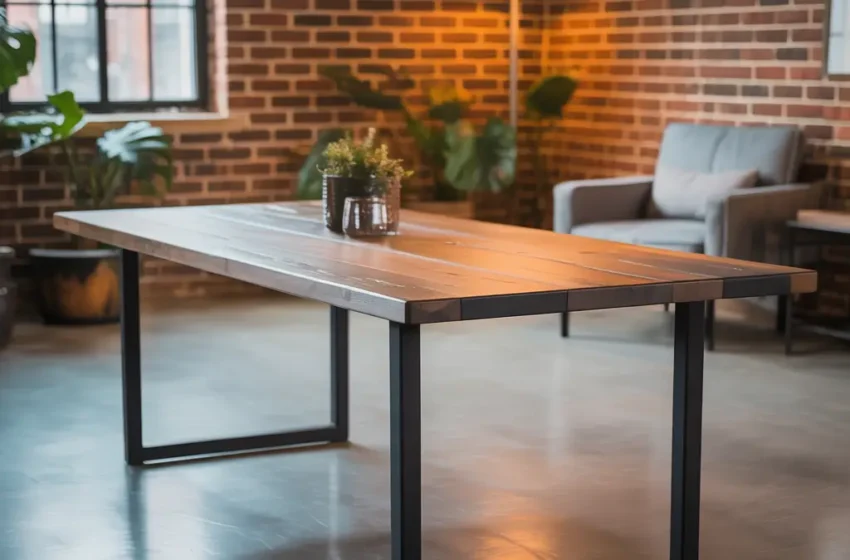
Industrial-style foldable tables bring that raw, utilitarian aesthetic to space-saving furniture. Metal frames, simple designs, no-nonsense construction—they look cool and handle heavy use without complaint.
I love industrial foldable tables for their honesty. They don’t pretend to be something they’re not. They fold, they’re sturdy, they get the job done. The metal frames are genuinely durable, and the aesthetic works in pretty much any modern space.
Industrial foldable characteristics:
- Metal frame construction: Usually powder-coated steel or iron
- Wood or metal top: Often reclaimed wood paired with metal
- Visible hardware: Bolts, rivets, hinges—the construction is part of the design
- Matte black or gray finishes: Industrial color palette
The metal frames make these tables surprisingly light compared to all-wood options. I can fold mine up and move it around solo, which is huge when you’re rearranging furniture or cleaning.
Style versatility: Industrial works in lofts, modern apartments, even transitional spaces. It’s edgier than traditional styles but not so specific that it only works in one type of space.
Round Foldable Dining Table for Small Spaces
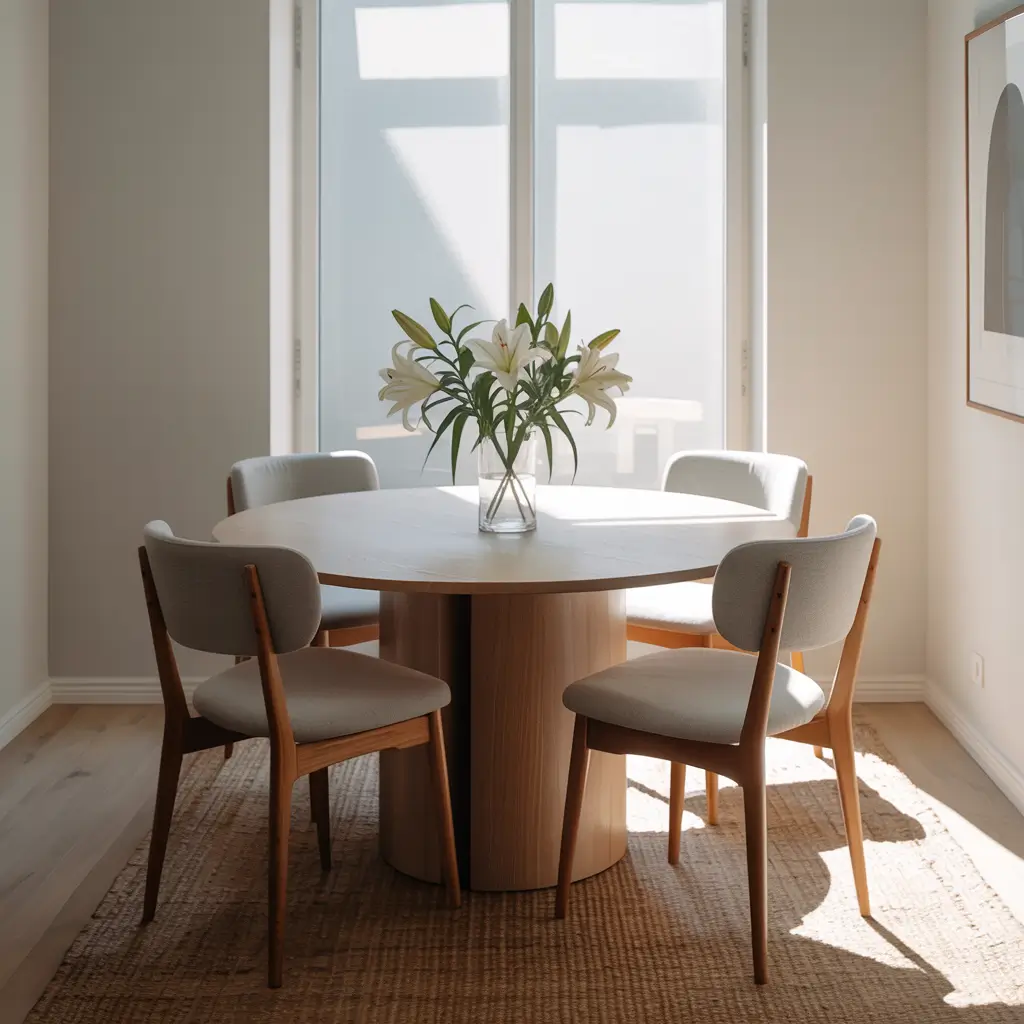
Because circles are underrated in the space-saving game.
Round foldable tables create this intimate, democratic dining experience while still saving space when folded. No corners to navigate around, everyone sits equally—the shape just works for small-space living. :/
I switched to a round foldable table in my tiny apartment, and the difference in traffic flow was immediately obvious. No more bruised hips from sharp corners, no more awkward navigation—just smooth movement around the space.
Why round foldable tables work:
- Better traffic flow: Circular shape is easier to move around
- Seats more people: A 42-inch round fits four people, same as a rectangular table with larger footprint
- Creates intimacy: Everyone can see and talk to each other easily
- Softens the space: Curved lines balance angular rooms
Folding Mechanisms for Round Tables
Round tables typically fold in half (creating a half-circle) or have a pedestal base with a flip-top. The half-circle fold stores flat against walls. The flip-top needs more thoughtful placement but looks better when not in use.
Size guide: 36-42 inches seats 2-4 people comfortably, 48 inches seats 4-6. Go bigger than 48 inches in a small space, and you defeat the purpose—it’ll dominate the room even when folded.
Also Read: 12 Beautiful Marble Top Dining Table Ideas for Every Home
Modern Glass Top Foldable Table
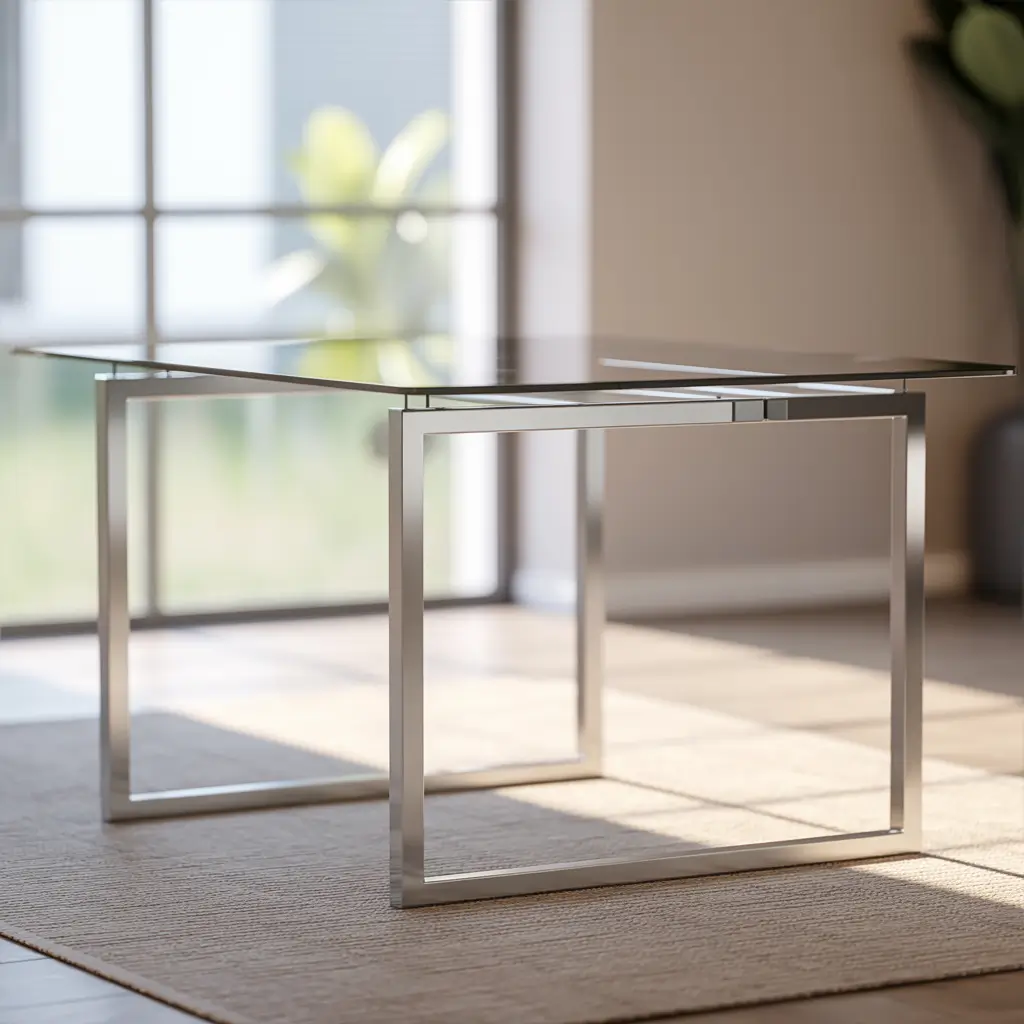
Sleek, contemporary, and visually lighter than solid surfaces.
Glass-top foldable tables create this sense of visual lightness that’s perfect for small spaces. The transparency lets you see through the table, which makes rooms feel less crowded even when the table is set up and in use.
I was nervous about glass tables (visions of shattering glass everywhere), but tempered glass is actually incredibly durable. My glass-top foldable table has survived years of use without incident. The transparency genuinely makes my small dining area feel bigger.
Glass top table features:
- Tempered glass: Treated to be much stronger than regular glass
- Metal or wood frame: Usually chrome, black metal, or light wood
- Easy maintenance: Windex and done—no special care needed
- Contemporary aesthetic: Decidedly modern, won’t work in traditional spaces
The downside is that glass shows everything. Fingerprints, water spots, crumbs—they’re all visible. You’ll be cleaning this table constantly if you want it looking pristine. I’ve made peace with that, but it annoys some people.
Safety note: Tempered glass is strong, but it can still break if you drop something heavy on it. I use placemats and trivets religiously. Better safe than sorry (and covered in glass shards).
DIY Pallet Foldable Dining Table
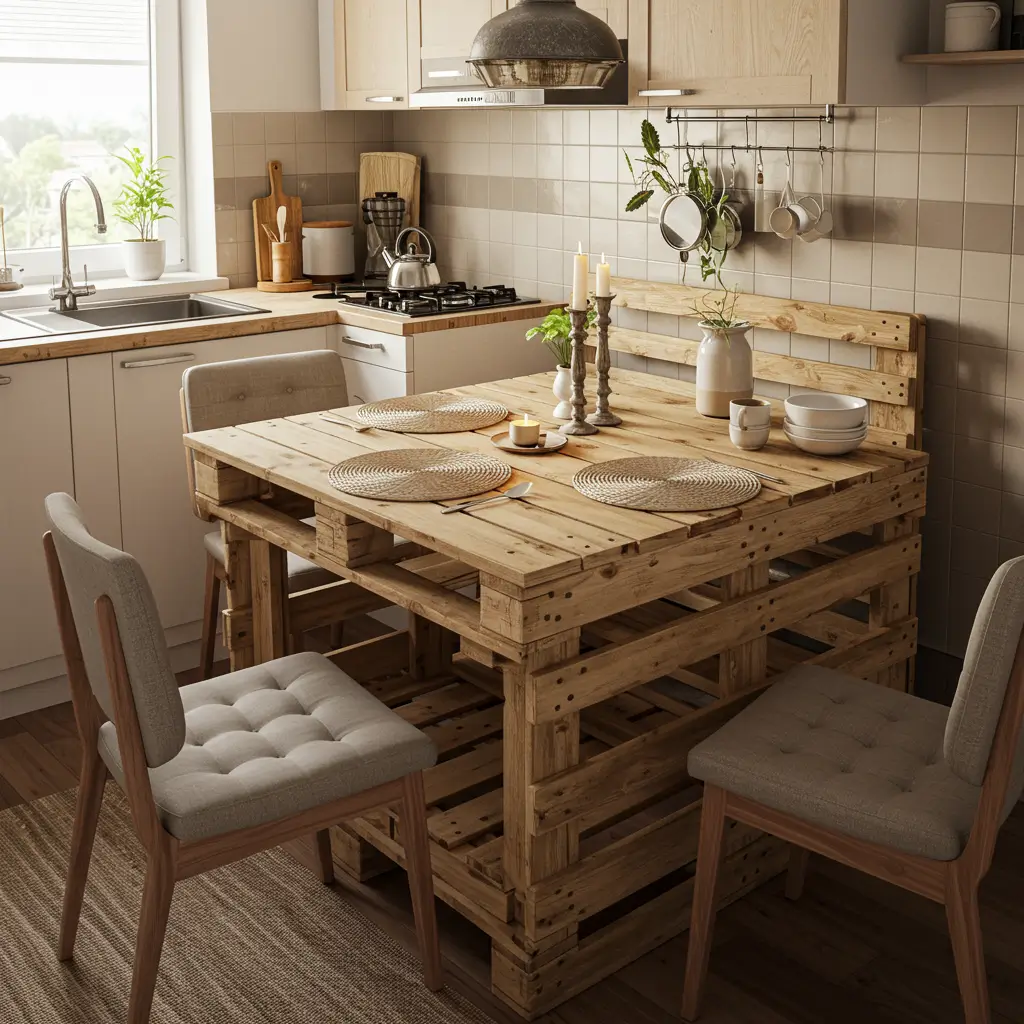
For the crafty (or crafty-wannabe) crowd.
DIY pallet tables are having a moment, and adding a folding mechanism to one is totally doable if you’ve got basic woodworking skills. You’re creating custom furniture that perfectly fits your space and style, usually for a fraction of retail cost.
I built a pallet table during a particularly ambitious weekend, and honestly? I’m still pretty proud of it. It’s not perfect—there are some quirks only I notice—but it’s mine, it works, and it cost maybe $50 in materials plus some elbow grease.
What you need for a DIY pallet table:
- Quality pallets: Heat-treated, stamped “HT” (not chemically treated)
- Folding hardware: Heavy-duty hinges and support brackets
- Basic tools: Saw, drill, sander, measuring tape
- Finish materials: Stain, paint, or sealer for protection
The Reality of DIY
Building furniture is more time-consuming than you expect. What seems like a weekend project often stretches into multiple weekends. Factor in time for planning, measuring, cutting, assembling, and finishing. If you enjoy the process, it’s worth it. If you just want a table, buying one might make more sense.
Skill level: You need comfort with power tools and basic carpentry. Folding mechanisms require precise measurements—if things aren’t square and level, the table won’t fold properly or sit stable. FYI, YouTube tutorials are your friend here.
Extendable Foldable Table for Entertaining
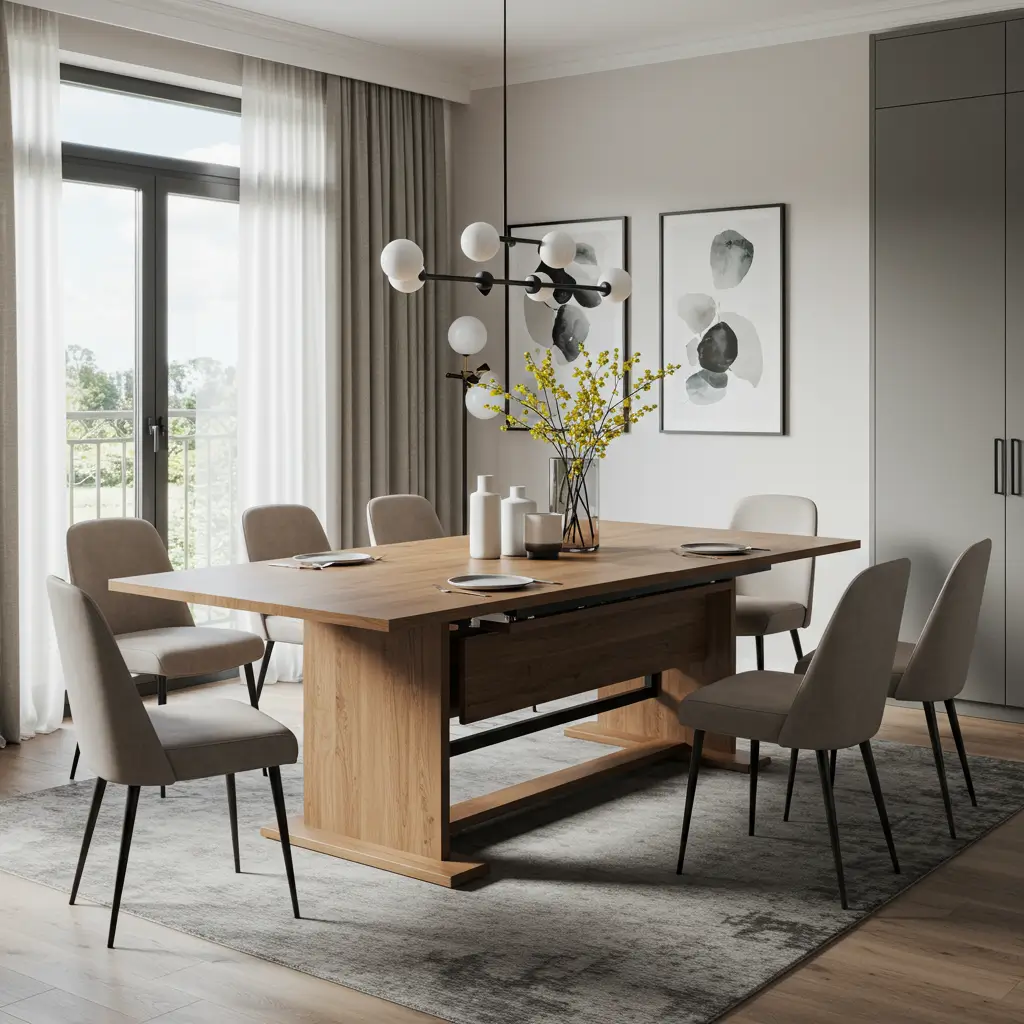
Maximum flexibility for those who occasionally need to feed a crowd.
Extendable foldable tables are the Swiss Army knives of dining furniture. They fold for storage, extend for guests, and somehow manage to look good in all configurations. It’s peak furniture versatility, and I’m here for it.
These tables solve the problem of “I usually eat alone but sometimes have six people over.” You’re not stuck choosing between a too-large table or not having enough space when entertaining. You can have both.
Features of extendable foldable tables:
- Multiple size configurations: Compact, medium, and fully extended
- Hidden leaf storage: Extension leaves store in or under the table
- Smooth extending mechanism: Should be easy to operate solo
- Stable at all sizes: No wobbling whether small or fully extended
I use mine in compact mode 90% of the time, extend it for dinner parties, and fold it completely for the rare occasions when I need maximum floor space. The three-in-one functionality is genuinely useful, not just a gimmick.
Budget consideration: Extendable foldable tables are pricier than simple folding tables—good ones start around $400-600. The mechanisms are complex, and cheap versions break easily. This is furniture where quality matters.
Making Your Choice
So which foldable dining table actually fits your life? Not your Pinterest board life, your actual life where you eat cereal standing at the counter more often than you’d care to admit.
Think about your space honestly. Do you have wall space for a wall-mounted table? Floor space for a drop-leaf? A corner that needs purpose?
Consider your lifestyle. Do you eat at home daily or mostly get takeout? Host dinner parties or prefer solo dining? Your usage patterns should drive your choice.
Assess your budget realistically. Quality foldable tables cost $300-800 for most styles. Cheaper exists but often disappoints. Custom or designer pieces run higher.
And think about how often you’ll actually fold it. If you’re folding daily, you need a mechanism that’s genuinely easy to operate. If you fold it monthly, you can tolerate more complex systems.
Your foldable dining table should solve problems, not create new ones. It should give you space when you need it, flexibility when you want it, and not make you curse every time you use it.
That’s the goal, and it’s totally achievable if you choose thoughtfully.
The perfect foldable table is the one you’ll actually use—both folded and unfolded—without resentment. Choose something that fits your space, matches your style, and works with your actual habits.
Everything else is just details. IMO, that’s the only way to make this decision without regret. 🙂