10 Unique Terrace Design Ideas for a Peaceful Outdoor Corner
- Terrace Design
 Ben
Ben- 0
- 53 minutes read
You know that awkward outdoor space you’ve been ignoring? Yeah, that terrace. It’s been sitting there, collecting dust, housing that random broken planter you swear you’ll fix “someday,” and basically screaming for attention. I get it—transforming an outdoor space feels overwhelming. But here’s the thing: your terrace could be the peaceful sanctuary you desperately need after dealing with… well, everything life throws at you.
I’ve spent way too many weekends (and honestly, a small fortune) experimenting with terrace designs, and I’m here to share what actually works. Forget those magazine-perfect setups that require a trust fund and a team of professionals. We’re talking real, achievable designs that’ll turn your neglected outdoor corner into a space where you’ll actually want to spend time.
Whether you’re working with a sprawling rooftop or a pocket-sized balcony, there’s a design approach here that’ll speak to you. And no, you don’t need to be an interior designer or have magical DIY skills. You just need some inspiration and the willingness to finally do something with that space. So grab your coffee, get comfortable, and let’s talk about turning your terrace into something special.
Cozy Boho Terrace Lounge Makeover
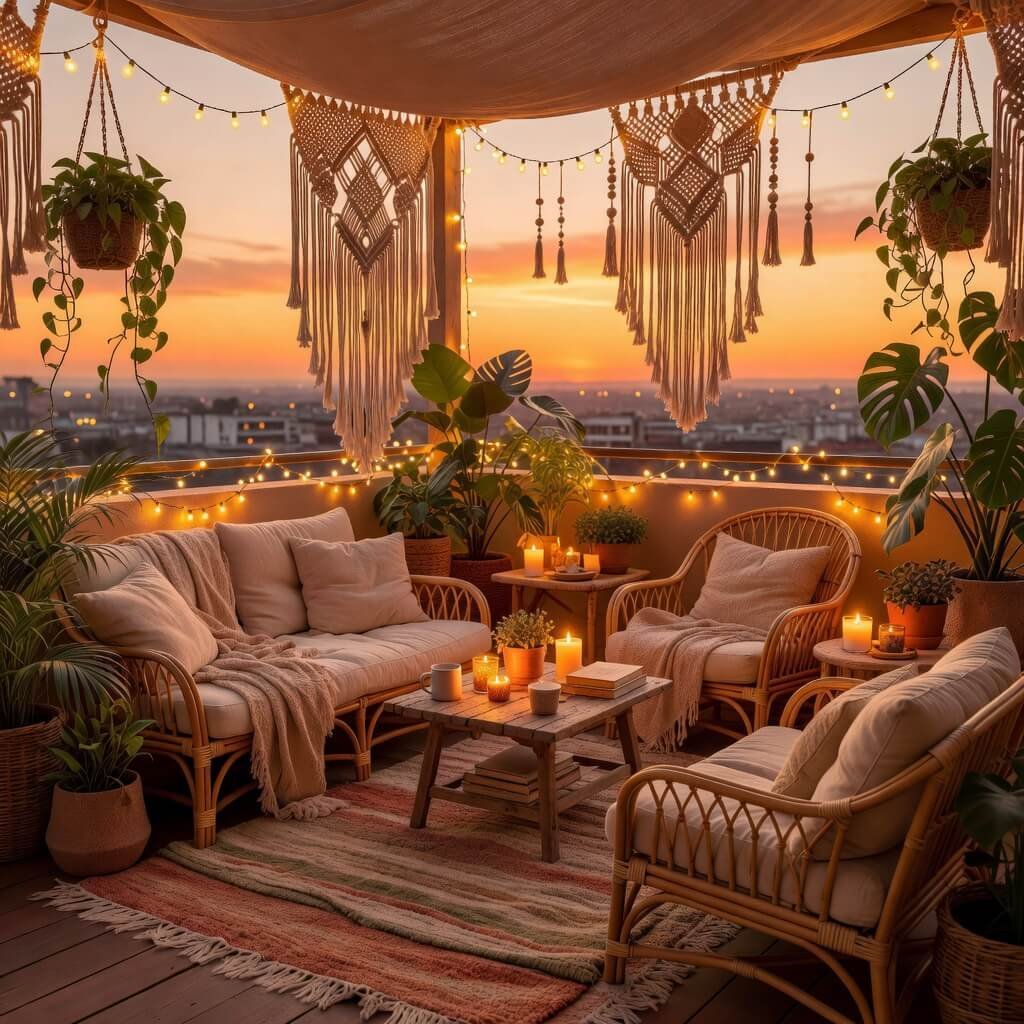
Ever walked into a space and immediately felt your shoulders drop? That’s the boho vibe in a nutshell. This design approach transforms your terrace into that friend’s apartment where you always end up staying three hours longer than planned—you know the one.
The boho terrace aesthetic centers around layered textures, natural materials, and that perfectly curated “organized chaos” look that somehow just works. I tried this on my own terrace last summer, and honestly, it became my favorite room in the house (yes, I’m calling it a room, fight me).
Key Elements to Nail the Boho Look
Start with a foundation of outdoor rugs in warm, earthy tones. Layering is your best friend here—don’t be shy about overlapping patterns and textures. I stacked a jute rug with a vintage-style Persian outdoor rug, and it created this cozy, lived-in vibe that instantly made the space feel inviting.
Next up: seating that makes people want to sink in and never leave. Think:
- Floor cushions and poufs in various sizes and patterns
- A rattan hanging chair (because honestly, who doesn’t want a hanging chair?)
- Low-profile daybeds or futons with tons of throw pillows
- Vintage wooden benches softened with cushions
The magic happens in the details. Macramé wall hangings, string lights wrapped around railings, and potted plants everywhere—and I mean everywhere. Succulents, trailing pothos, monstera if you’ve got the space. Mix terracotta pots with woven baskets for that eclectic feel.
Here’s something I learned the hard way: don’t overthink the color palette. Boho thrives on warm neutrals (beiges, creams, terracotta) punctuated with pops of burnt orange, deep teal, or mustard yellow. My first attempt looked like a rainbow exploded. My second attempt? Chef’s kiss.
The beauty of boho design lies in its forgiving nature. Nothing needs to match perfectly. That wonky vintage side table? It fits. Those mismatched lanterns you found at three different thrift stores? They’re perfect together. This style basically celebrates your shopping impulses and calls it “curated.” 🙂
Modern Minimalist Rooftop Terrace Design
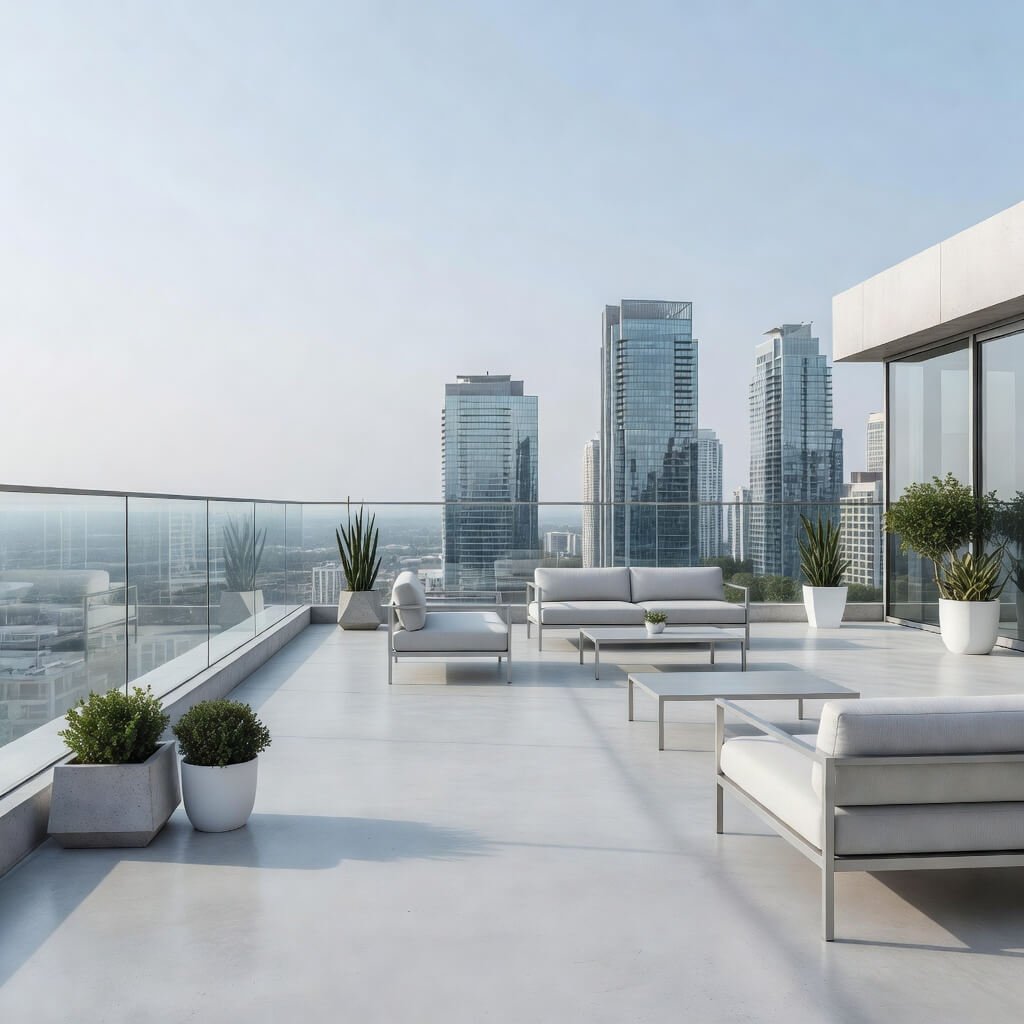
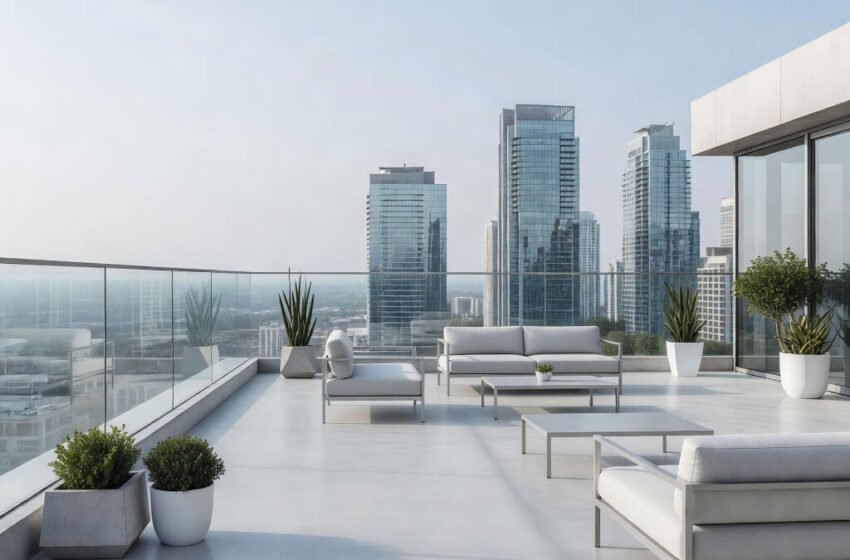
Now, if boho makes you twitchy because “where does all that stuff go?!”, let me introduce you to its polar opposite: minimalism. This approach strips everything down to the essentials and somehow makes your terrace look like it belongs in an architecture magazine.
I won’t lie—minimalism challenges you. It asks: “Do you really need seven different seating options?” The answer, according to minimalism, is a hard no. But here’s what minimalism delivers in return: a serene, clutter-free space that actually calms your mind instead of reminding you of all the stuff you need to organize.
Creating Clean Lines and Intentional Spaces
The minimalist terrace relies on quality over quantity, every single time. You’re choosing fewer pieces, but each one needs to earn its place. I invested in a sleek, low-profile sectional in charcoal gray, and that single piece defined my entire rooftop setup.
Your color palette should be restrained:
- Monochromatic schemes (various shades of gray, white, black)
- Natural wood tones for warmth
- One accent color maximum (and use it sparingly)
- Metallic accents in either all brass or all steel—pick one and stick with it
Flooring makes a huge difference here. Composite decking in uniform planks, large-format tiles, or poured concrete creates that seamless, modern foundation. I went with gray composite decking, and it completely transformed the space from “meh” to “wow, is this a hotel rooftop?”
The furniture should feature clean geometric shapes, straight lines, and minimal ornamentation. No frills, no fuss. A rectangular dining table, cube-shaped planters, linear benches. Everything intentional, nothing accidental.
But minimalism doesn’t mean cold or unwelcoming. You soften the look through strategic textile choices—a couple of plush outdoor cushions in a neutral tone, maybe a single throw blanket in cashmere or wool. The key word here is “strategic.” Not “throw every cushion you own out there.”
Greenery in minimalist spaces requires restraint too. Choose architectural plants like bamboo, ornamental grasses, or sculptural succulents. Place them in simple, uniform containers. Three identical planters with matching plants create more impact than seven different ones scattered randomly.
Luxury Penthouse Terrace Seating Ideas
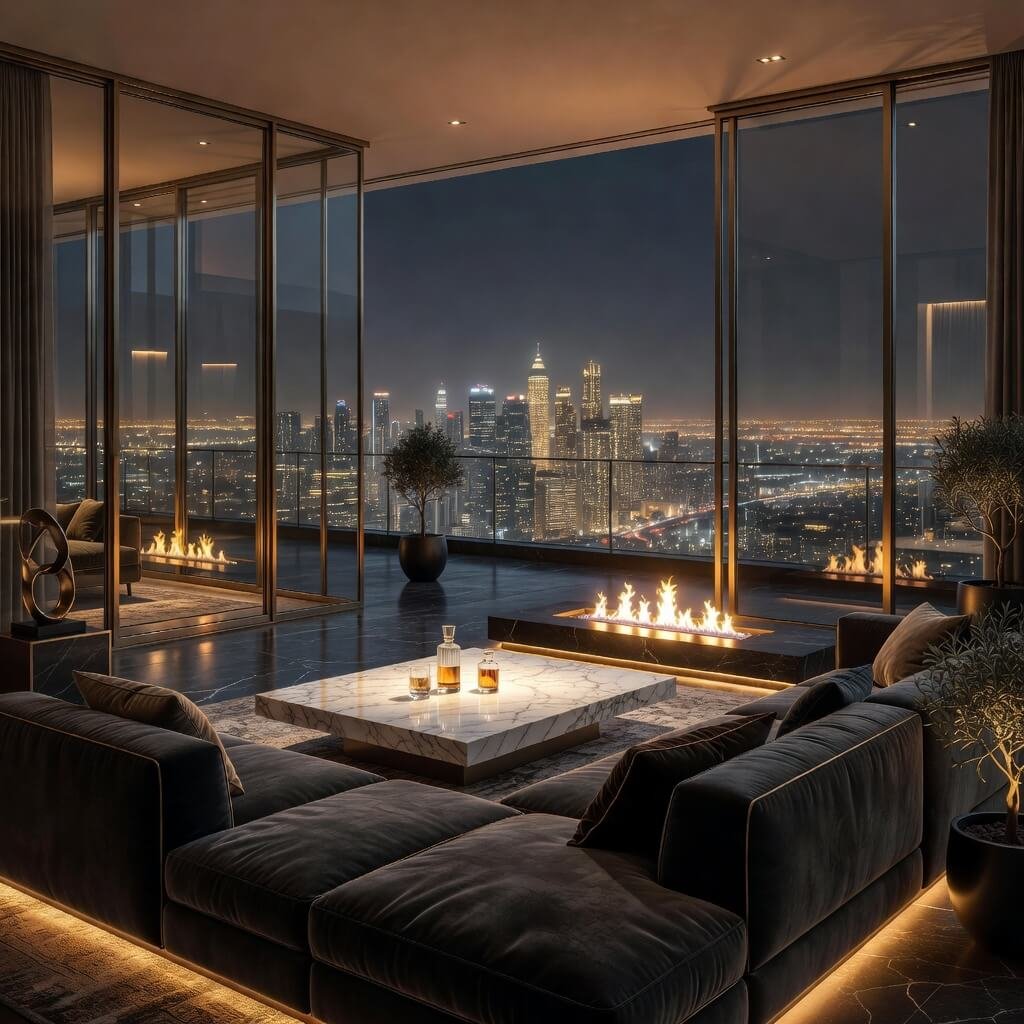
Okay, let’s talk about going all out. Maybe you’ve got the budget, or maybe you’re just dreaming big for future goals—either way, luxury terrace design teaches us lessons we can scale to any budget.
The luxury approach focuses on comfort, high-end materials, and creating multiple functional zones within your terrace. I once helped a friend design her penthouse terrace (yes, I have fancy friends, and yes, I was insanely jealous), and the experience taught me that luxury isn’t just about spending money—it’s about thoughtful design.
High-End Elements That Define Luxury Outdoor Spaces
Premium outdoor furniture sets the tone immediately. We’re talking powder-coated aluminum frames, solution-dyed acrylic fabrics that resist fading, and cushions that actually dry quickly after rain. Brands like Restoration Hardware, Gloster, or Dedon if you’re really splurging. IMO, good outdoor furniture pays for itself by lasting decades instead of falling apart after two seasons.
Create distinct zones for different activities:
- Conversation area: Deep seating with a fire pit table centerpiece
- Dining zone: Large table seating 6-8 with upholstered dining chairs
- Lounge spot: Chaise lounges or a daybed for solo relaxation
- Bar area: Counter-height seating with built-in storage
The luxury terrace incorporates permanent features that really commit to the space. Built-in seating with hidden storage underneath. A proper outdoor kitchen with a grill, sink, and refrigerator. Pergolas with automated, weather-resistant louvers. These aren’t weekend DIY projects—they’re investments.
Lighting deserves special attention in luxury design. Layer your lighting like you would indoors:
- Ambient: Recessed ceiling lights in pergolas or overhead structures
- Task: Focused lighting over dining and food prep areas
- Accent: Uplighting for plants, spotlights for architectural features
- Decorative: Statement pendant lights or chandeliers rated for outdoor use
Don’t skip the heating and cooling elements. Outdoor heaters extend your season into cooler months. Misting systems keep things comfortable during summer. I know it sounds extra (because it is), but year-round usability justifies the expense.
The materials matter enormously. Natural stone flooring, teak furniture, stainless steel accents, and high-end fabrics communicate luxury without you saying a word. One high-quality piece outperforms five cheap alternatives every time.
Small Space Terrace Garden Transformation
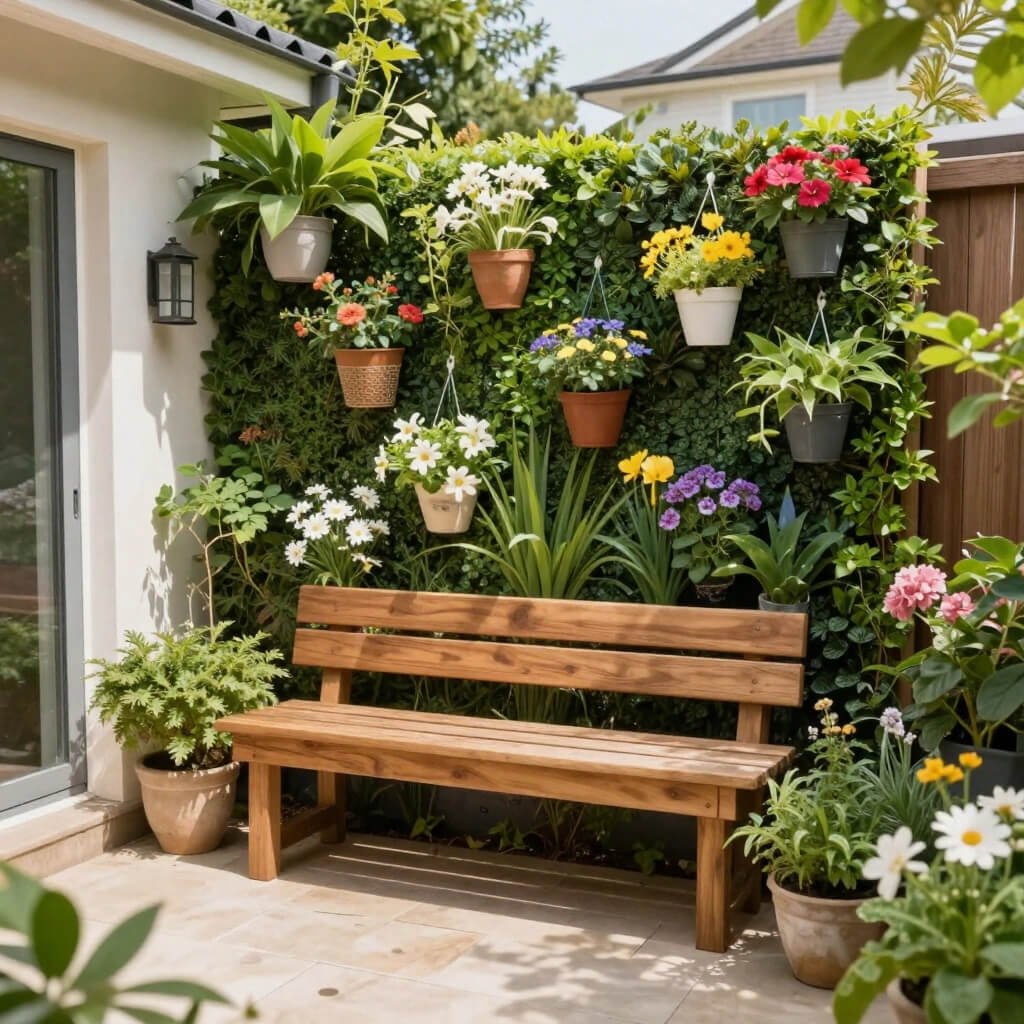
Real talk: most of us aren’t working with sprawling rooftops or penthouse terraces. We’ve got that small balcony or tiny terrace that feels more like a glorified ledge. But here’s what I’ve learned—small spaces force creativity, and creativity leads to the most interesting designs.
My first apartment had a terrace that was literally 4×6 feet. I could barely fit a chair and a plant. But with some clever thinking, I turned it into my favorite morning coffee spot. Size limitations? They’re just design challenges in disguise.
Maximizing Every Square Inch
Vertical space becomes your best friend in small terrace designs. When you can’t spread out, you go up. Wall-mounted planters, hanging baskets, trellises with climbing plants—all of these add greenery without eating precious floor space.
I installed a vertical garden system on one wall, and suddenly I had herbs, flowers, and trailing plants creating this lush green backdrop. It made the space feel bigger, not smaller, which seems counterintuitive but totally works.
Smart furniture choices make or break small spaces:
- Folding or stackable chairs you can tuck away when not in use
- Bench seating with built-in storage underneath
- Nesting tables that expand when you need them
- Wall-mounted drop-leaf tables that fold flat against the wall
Choose multi-functional pieces religiously. That ottoman? It’s also storage and extra seating. That side table? It’s actually a weatherproof storage box. Everything earns its spot by doing double duty.
The visual tricks matter too. Mirrors strategically placed (yes, outdoor-rated mirrors exist) reflect light and create the illusion of more space. Light-colored flooring and furniture keep things feeling open and airy. I painted my terrace floor in a pale gray, and it genuinely looked larger.
Container gardening works beautifully in small spaces because you control exactly where everything goes. Group containers in odd numbers (three or five) for visual appeal. Vary the heights to create layers. Use trailing plants that cascade over edges to soften hard lines.
Keep the color palette cohesive. In small spaces, too many colors create visual chaos that makes the area feel cluttered and cramped. Stick to two or three colors max, and let texture provide the variety instead.
Budget-Friendly DIY Terrace Decor Ideas
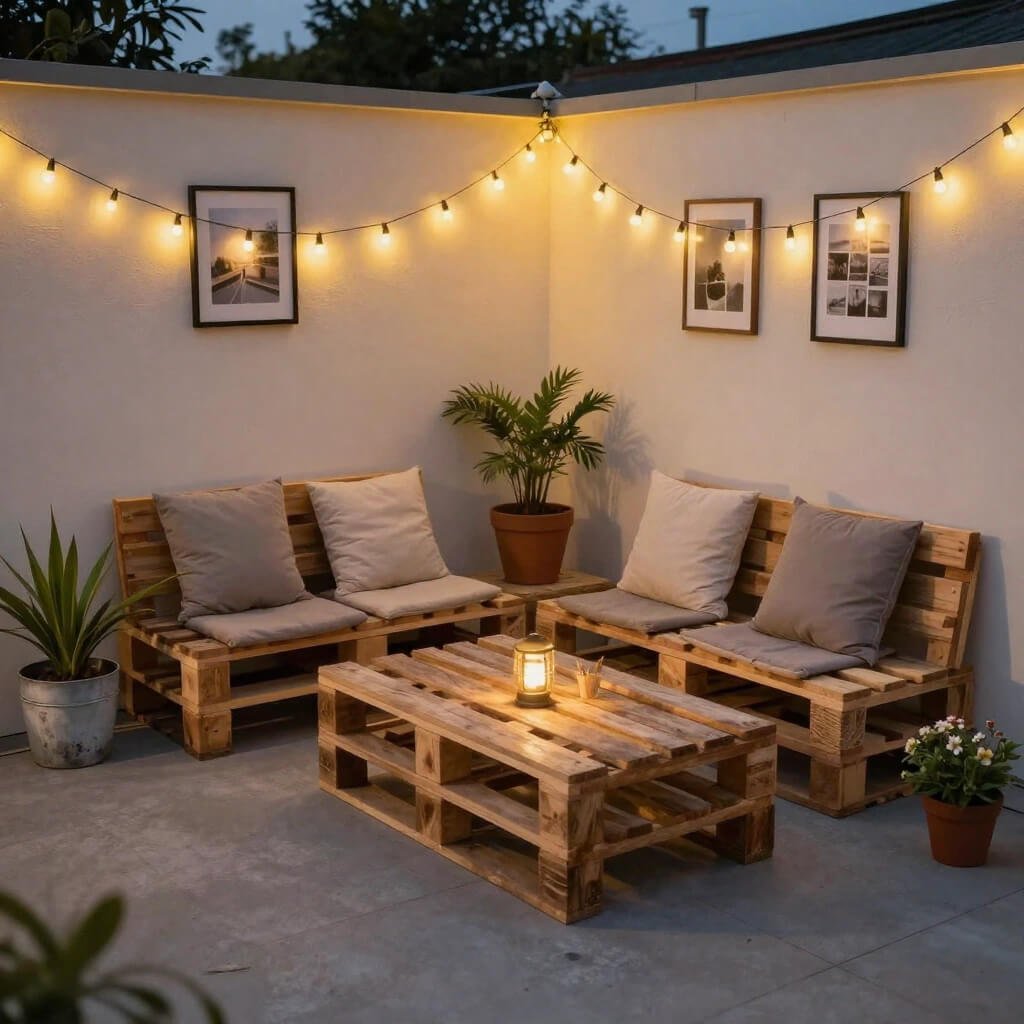
Let’s address the elephant in the room: outdoor furniture and decor cost a ridiculous amount of money. I’ve seen basic outdoor chairs priced like luxury car payments, and it’s honestly offensive. But here’s the good news—you can create an amazing terrace without draining your savings account.
I’ve furnished three different terraces on tight budgets, and I learned that creativity beats cash every single time. You just need to think differently about sourcing and be willing to put in some elbow grease.
Sourcing Materials and Furniture on a Budget
Secondhand shopping needs to become your hobby. Facebook Marketplace, Craigslist, estate sales, thrift stores—these are treasure troves for terrace furniture. I found a solid wood bench for $20 that just needed sanding and a fresh coat of outdoor stain. That same piece would’ve cost $200+ new.
Look for furniture with good bones but ugly finishes. Wood furniture sands down beautifully. Metal pieces clean up and can be spray-painted with rust-resistant outdoor paint. Cushions can be recovered or replaced.
DIY projects that actually work (and don’t require master craftsman skills):
- Pallet furniture: Free or cheap pallets transform into coffee tables, planters, or seating with basic tools
- Cinder block benches: Stack blocks, add cushions, boom—seating
- Rope-wrapped planters: Cheap plastic pots wrapped in sisal rope look expensive
- Painted terra cotta pots: A few dollars and some acrylic paint create custom planters
- String light poles: PVC pipes or wooden posts create festive lighting support without permanent installation
Paint transforms everything. Seriously, a $5 can of spray paint refreshes old furniture, planters, or accessories instantly. I’ve painted more metal chairs than I can count, and each time it feels like getting new furniture.
Create DIY decor that adds personality:
- Outdoor curtains from inexpensive canvas drop cloths
- Floor cushions sewn from outdoor fabric remnants
- Lanterns from repurposed glass jars and tea lights
- Plant markers from painted rocks or wooden spoons
- Wind chimes from found objects or thrift store materials
Here’s a secret weapon: outdoor fabric remnants from fabric stores. You can make cushion covers for a fraction of retail prices. I taught myself basic sewing for this exact reason, and it’s saved me hundreds of dollars. (And yes, my first attempts looked tragic, but practice helps!)
Dollar stores stock surprising outdoor items—solar lights, small planters, decorative stones, candles. Are they premium quality? Absolutely not. But they’re perfect for testing ideas before investing in expensive versions.
FYI, timing your purchases matters hugely. End-of-season sales (late summer, early fall) offer 50-75% discounts on outdoor furniture and decor. Buy ahead for next year, and you’ll score items at prices that don’t make you cry.
Green Oasis Rooftop Garden Terrace Design
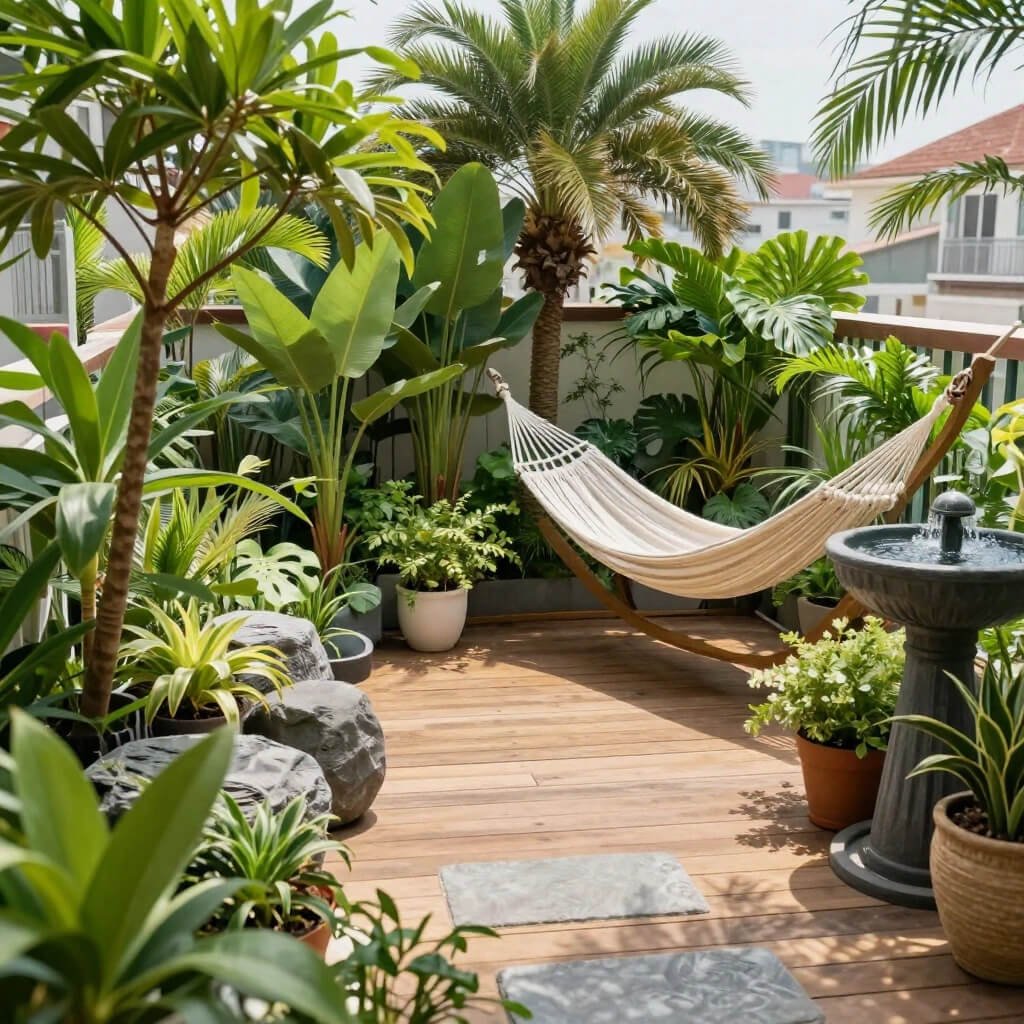
Can we talk about how plants just make everything better? A terrace filled with lush greenery doesn’t just look beautiful—it lowers your stress, improves air quality, and creates this peaceful retreat that feels miles away from urban chaos.
I’m slightly obsessed with this concept (okay, very obsessed). My current terrace houses over 50 plants, and I regret nothing. Okay, I regret a few plant choices that turned out to be maintenance nightmares, but mostly nothing.
Building Your Rooftop Jungle
Choosing the right plants determines whether you’re creating an oasis or a plant graveyard. Consider your terrace conditions honestly—sun exposure, wind levels, and your willingness to water regularly all matter.
For sunny terraces, these plants thrive:
- Lavender: Gorgeous, fragrant, drought-tolerant
- Rosemary: Edible landscaping that smells amazing
- Sedum varieties: Basically indestructible succulents
- Ornamental grasses: Movement and texture without fuss
- Geraniums: Classic blooms that handle sun beautifully
Shady terraces need different plant selections:
- Hostas: Lush foliage in endless varieties
- Ferns: Classic shade plants that add softness
- Heuchera: Colorful leaves that tolerate low light
- Astilbe: Feathery blooms that brighten dark corners
- Japanese forest grass: Elegant, low-maintenance texture
Container selection matters more than people realize. Bigger pots mean less frequent watering because they hold more soil moisture. I learned this after killing several plants in tiny pots during one hot weekend away. Now I use the largest containers my weight limit allows (rooftops have weight restrictions—check yours before loading up on massive concrete planters).
Create layers of height for visual interest:
- Tall plants or small trees (dwarf conifers, Japanese maples) as anchors
- Medium-height plants (shrubs, larger perennials) as fill
- Low-growing plants (groundcovers, compact flowers) at edges
- Trailing plants (ivy, sweet potato vine) cascading over container edges
Edible gardens combine beauty with function. Herbs like basil, mint, and cilantro grow happily in containers. Cherry tomatoes, peppers, and lettuce produce surprisingly well in terrace conditions. Nothing beats stepping outside to grab fresh basil for dinner. Nothing.
The watering situation needs a solid plan. Hand-watering works for small collections, but drip irrigation systems changed my life once I hit 30+ plants. You can set them on timers and actually go on vacation without plant guilt. Installation feels intimidating, but basic systems are pretty straightforward.
Don’t forget vertical gardening. Wall-mounted planters, hanging baskets, and trellis systems triple your planting capacity without using floor space. I covered one entire wall in a grid of small planters with herbs and small flowers. It became a living wall that drew compliments from every single visitor.
Outdoor Dining Terrace Setup Inspiration
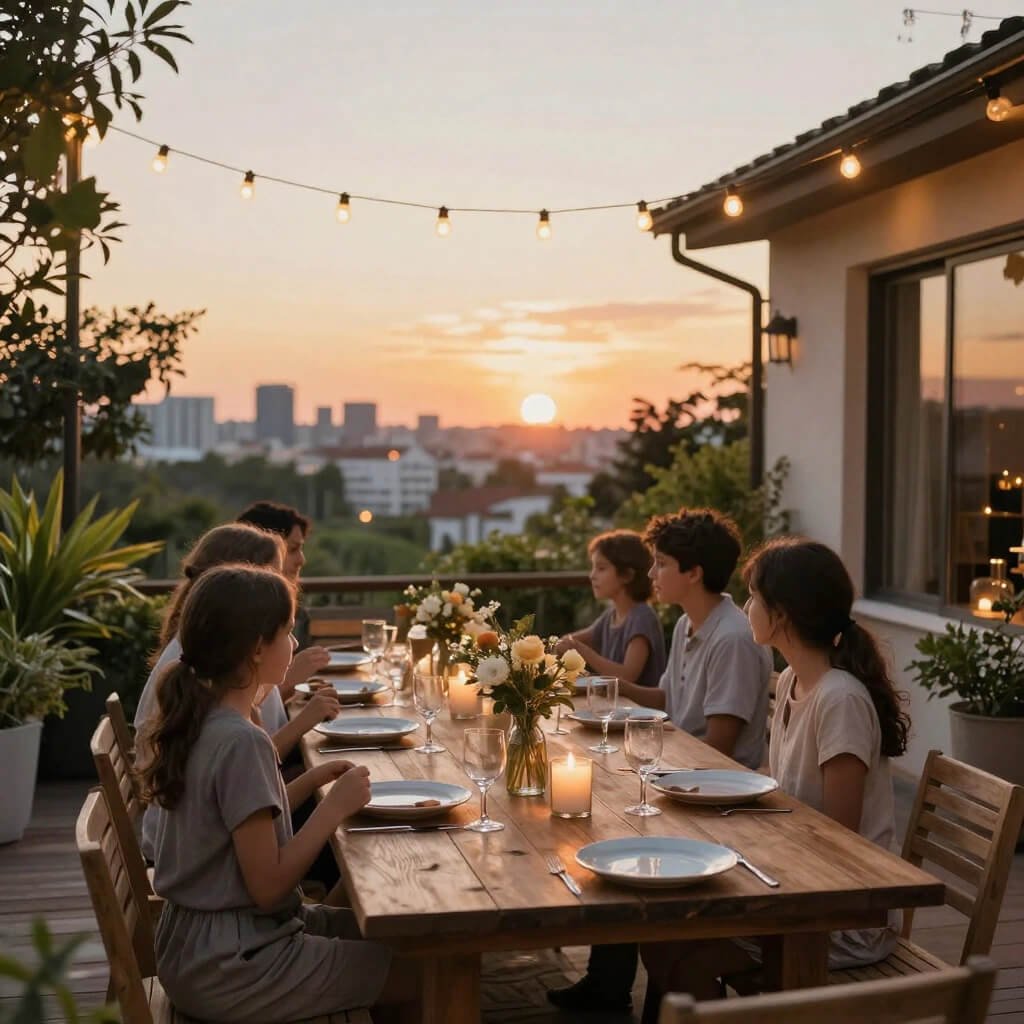
There’s something magical about eating outside, right? Even if you’re just having cereal on a Tuesday morning, consuming it on your terrace somehow makes it feel like an event. But a properly designed outdoor dining setup turns every meal into something special.
I prioritized dining space on my terrace because I was tired of beautiful weather going to waste while I ate inside like some kind of cave dweller. Best decision I made for the space, hands down.
Designing the Perfect Outdoor Dining Zone
Table selection anchors your entire dining area. Consider how many people you typically entertain. An intimate table for two? A gathering spot for six? Extendable tables offer flexibility, letting you adjust based on the occasion.
Material choices for outdoor dining tables:
- Teak: Beautiful, durable, ages gorgeously (but expensive)
- Aluminum with powder coating: Lightweight, rust-resistant, modern look
- Polywood (recycled plastic): Eco-friendly, weather-resistant, low maintenance
- Wood composite: Affordable, stable, handles weather changes well
Seating comfort makes or breaks the dining experience. You want chairs that people actually want to sit in for more than ten minutes. Contoured backs, comfortable seat depths, and cushions transform adequate seating into somewhere people linger over coffee and conversation.
I mixed benches and chairs around my dining table, which created a casual, bistro-like vibe. Plus, benches fit more people when needed and slide completely under the table to save space.
Shade solutions extend your dining hours beyond the cool morning and evening. Options include:
- Umbrellas: Classic, moveable, affordable
- Pergolas: Permanent, architectural, can support climbing plants
- Shade sails: Modern, dramatic, excellent sun protection
- Retractable awnings: Flexible, weather-responsive, convenient
Lighting sets the mood for evening dining. I strung Edison bulbs overhead on a dimmer switch, and the ambiance they create is absolutely perfect for dinner parties. Add candles, lanterns, or battery-powered LED lights for table-level illumination.
Think about the practical elements too. Easy access to your kitchen makes outdoor dining actually happen instead of sounding nice in theory. Setting up a small outdoor prep station with a bar cart or side table helps when you’re bringing food and drinks outside.
Create an all-weather setup by choosing quick-drying chair cushions and having a storage solution for pillows and textiles when rain threatens. I keep a waterproof deck box near my dining area, and tossing cushions in there takes literally 30 seconds.
The centerpiece situation deserves attention. Fresh herbs in a long planter serve as both decoration and functional garnishes. Potted succulents in a row create low-profile interest. Candles in hurricane lanterns provide glow without blocking conversation views.
String Light Cozy Night Terrace Design
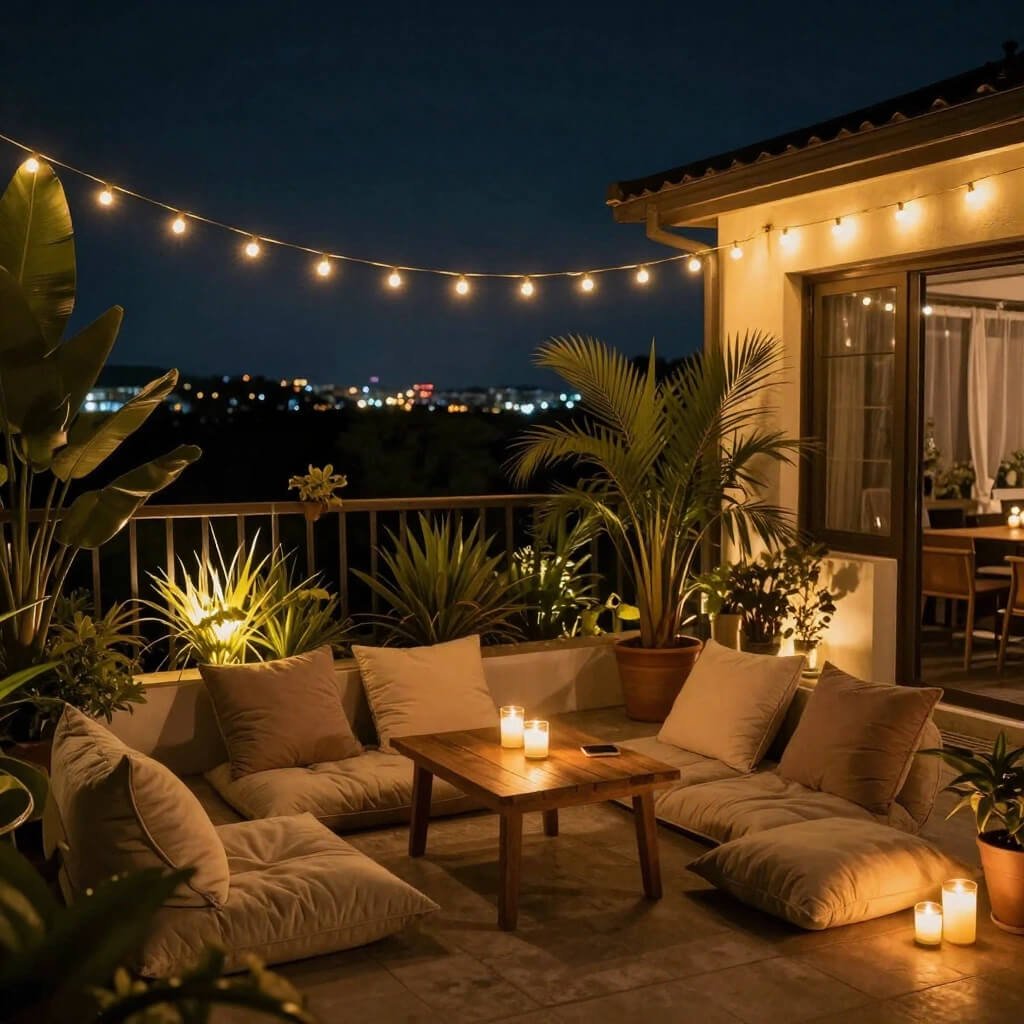
Okay, confession time: I’m borderline obsessed with string lights. They transform outdoor spaces with minimal effort and maximum impact. Seriously, string lights are like Instagram filters for your terrace—everything looks better bathed in their warm glow.
The evening atmosphere you create with proper lighting turns your terrace from a daytime-only space into a cozy nighttime retreat. I use my terrace more after sunset than during the day now, entirely thanks to lighting.
Mastering Outdoor Lighting Layers
String light varieties offer different vibes:
- Edison bulbs: Vintage, warm, perfect for intimate settings
- Globe lights: Playful, festive, work for parties or casual evenings
- Fairy lights: Delicate, romantic, magical feeling
- Lantern string lights: Bohemian, eclectic, artistic touch
I experimented with all of them before settling on warm white Edison bulbs as my main layer. But here’s the thing—you can mix types for visual interest. Edison bulbs overhead with fairy lights woven through railings? Chef’s kiss.
Installation matters for both aesthetics and safety. Plan your layout before buying lights so you know the length you need. Measure twice, buy once (learned that lesson the expensive way).
Hanging methods that work:
- Cup hooks screwed into overhead structures
- Guide wires tensioned between anchor points for spans without overhead support
- Adhesive outdoor hooks for surfaces you can’t or don’t want to drill
- Existing structures like pergola beams, railings, or fence posts
Create patterns that guide the eye and define your space. Crisscross patterns over dining areas create a canopy effect. Straight lines along perimeter edges define boundaries. Draped swoops between posts add whimsy and movement.
Power sources require planning. Outdoor-rated extension cords work for small setups near outlets. Solar-powered string lights offer freedom from outlets but generally provide dimmer illumination. Battery-powered options work for temporary installations or testing layouts.
Don’t stop at string lights. Layer additional lighting for functionality and ambiance:
- Pathway lights for safety along walking routes
- Lanterns (electric or candle) clustered on tables
- Uplighting for plants or architectural features
- LED candles for worry-free flickering ambiance
The key to cozy night lighting is keeping it warm in tone and soft in intensity. Harsh, bright lights belong in operating rooms, not terraces where you’re trying to unwind. Dimmers give you control to adjust based on mood and activity.
I added a small fire pit to my string-lit terrace, and the combination of gentle overhead lighting with flickering fire creates an atmosphere that makes me never want to go inside. My screen time genuinely dropped after I created this setup. Who needs scrolling when you’ve got this? :/
Japanese Zen Style Calm Terrace Space
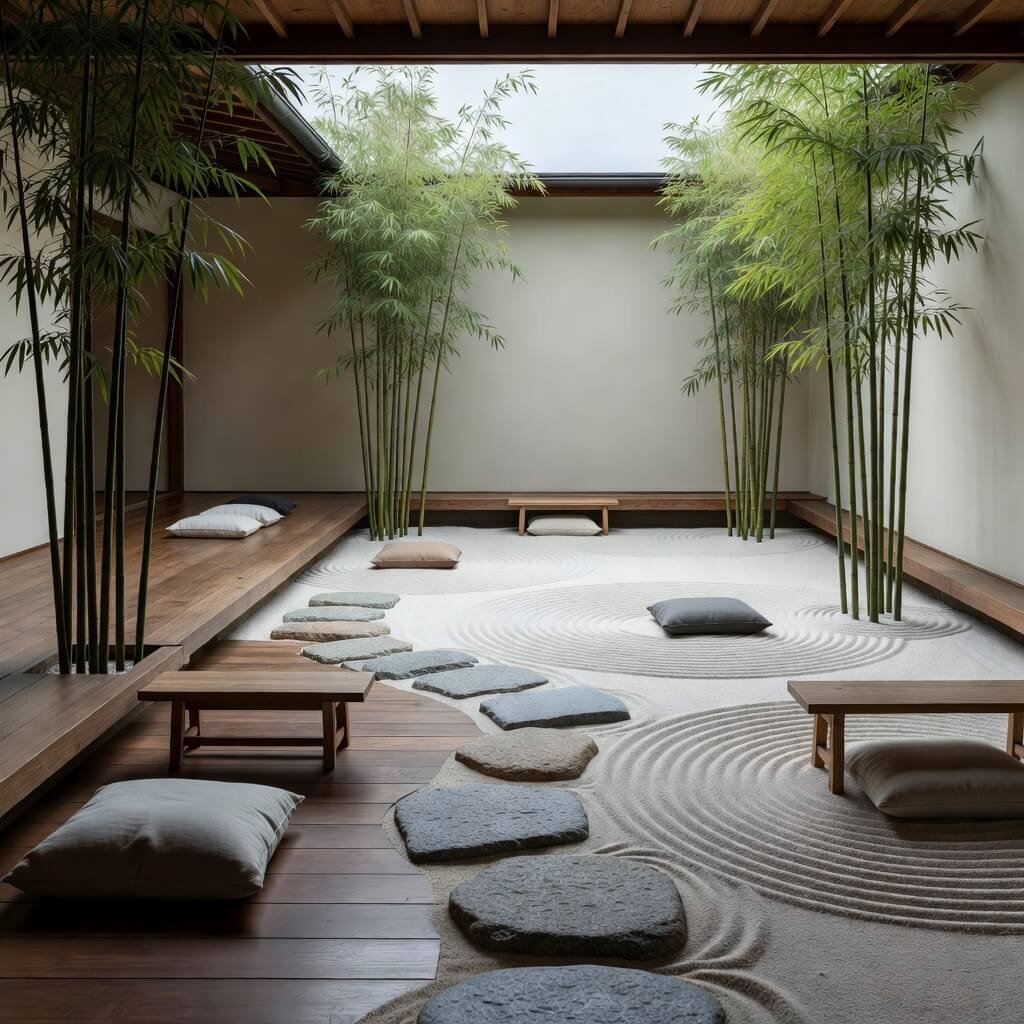
When life feels chaotic (which is basically always), a Zen-inspired terrace becomes your reset button. This design philosophy focuses on simplicity, natural elements, and creating space for contemplation. It’s the opposite of “more is more”—every element serves a purpose and contributes to tranquility.
I designed a Zen corner on my terrace after a particularly stressful work period, and I genuinely credit it with helping me maintain sanity. The intentional calm it creates actually impacts your mental state.
Essential Elements of Zen Terrace Design
Natural materials form the foundation of authentic Zen spaces. Wood, stone, bamboo, and gravel all appear frequently. These materials weather beautifully, developing patina that adds character rather than looking worn out.
I used bamboo screening on one side of my terrace for privacy, and it transformed the feel entirely. The natural texture and gentle sound when breezes blow through it add so much to the peaceful atmosphere.
Water features bring movement and sound that mask urban noise. Options range from elaborate to simple:
- Bamboo fountain: Traditional, sculptural, soothing sound
- Stone basin: Minimalist, meditative, visually grounding
- Small waterfall: More dramatic, creates white noise effect
- Shallow bowl with floating plants: Simplest option, still provides water element
My tabletop fountain cost $40 and plugs into a regular outlet, but the trickling water sound makes it seem much fancier. It’s not authentic to traditional Zen gardens, but it delivers the calming effect I wanted.
Stone plays multiple roles in Zen design. Larger stones anchor the space as sculptural elements. Gravel creates texture and defines areas. Stepping stones guide movement and create paths. The Japanese concept of using stones to represent mountains and islands creates layers of meaning.
Plant selection emphasizes structure, texture, and year-round interest over flashy blooms:
- Japanese maples: Graceful structure, stunning foliage
- Bamboo: Vertical interest, gentle movement
- Moss: Soft, green, peaceful groundcover
- Evergreen shrubs: Boxwood, azaleas for consistent presence
- Ornamental grasses: Movement, texture, seasonal change
The color palette stays restrained. Greens, browns, grays, and blacks dominate, with occasional touches of white. This restraint creates visual calm—your eyes aren’t jumping between competing colors.
Negative space matters as much as filled space in Zen design. Empty areas provide breathing room and allow focus on individual elements. I cleared 30% more of my terrace than felt comfortable at first, but the resulting openness made everything else more impactful.
Include elements that engage multiple senses:
- Sound: Wind chimes, water features, rustling bamboo
- Scent: Jasmine, lavender, or herbs
- Touch: Smooth stones, soft moss, varied textures
- Sight: Carefully composed views, seasonal changes
Create a dedicated meditation or seating area with a simple wooden bench or cushioned mat. Position it to face your most calming view—whether that’s your water feature, a beautiful plant, or just open sky.
Urban City View Relaxing Terrace Corner
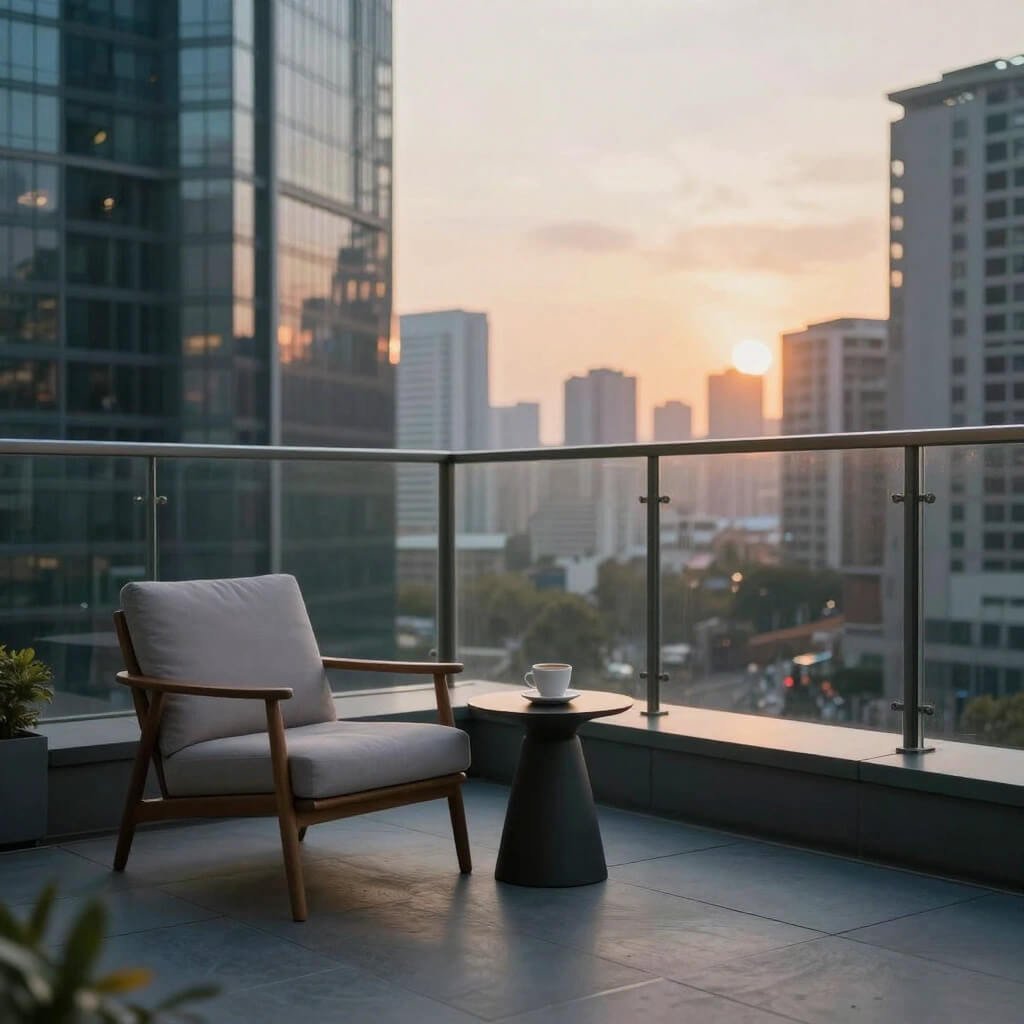
Living with a city view presents unique opportunities and challenges for terrace design. You’ve got this dramatic backdrop of architecture and lights, but you’re also dealing with noise, pollution, and possibly less-than-scenic immediate surroundings. The goal? Frame the good views, screen the bad ones, and create a retreat that feels removed from urban chaos while still celebrating your location.
My current terrace overlooks a mix of beautiful historic buildings and, let’s be honest, an alley with dumpsters. Selective framing makes all the difference.
Maximizing and Managing City Views
Strategic screening lets you hide what you don’t want to see while preserving sightlines to what you do. Tall planters with bamboo or ornamental grasses block specific views at eye level without creating walls. Privacy screens can be positioned to obscure one direction while leaving others open.
I positioned a modern slatted screen to block the dumpster view while keeping my terrace open to the skyline. Guests focus on the beautiful view and never notice the screened section.
Create designated viewing areas that take full advantage of your best sightlines. Position your primary seating to face your nicest view. This seems obvious, but you’d be surprised how many terraces waste their best asset by arranging furniture randomly.
Furniture choices for city terraces should feel urban and sophisticated:
- Modern metal frames echo urban architecture
- Sleek wood and metal combinations bridge natural and built environments
- Weathered concrete planters complement city materials
- Industrial-style accessories celebrate urban aesthetics
Lighting design becomes especially important for city terraces because you’re competing with ambient light pollution and showcasing nighttime city views. Use lighting to define your terrace space without washing out the view beyond.
I installed low-profile LED strips under bench seating and along planter edges. The effect creates boundary definition and ambiance without bright points of light that kill the nighttime view.
The plant palette for urban terraces needs hardy varieties that tolerate pollution, wind, and challenging conditions:
- Boxwood: Tough, structured, handles urban conditions
- Russian sage: Drought-tolerant, pollution-resistant, beautiful
- Ornamental grasses: Flexible in wind, hardy, architectural
- Sedum varieties: Unaffected by urban challenges
- Conifers: Year-round structure, pollution-tolerant
Wind management matters more on urban terraces, especially higher floors. Glass panels provide wind protection without blocking views. Strategic planting creates green windbreaks. Even furniture selection impacts wind comfort—heavier pieces don’t blow around, and low-backed seating exposes you to less wind.
Create intimacy within the urban expanse through canopies, pergolas, or umbrellas that define your ceiling. Without something overhead, terraces in cities can feel exposed and uncomfortable. I added a simple metal pergola, and it completely changed how the space felt—suddenly cozy instead of exposed.
Sound management helps too. Water features create white noise that masks traffic and street sounds. Wind chimes add pleasant sounds that override less desirable ones. Strategic placement of sound-absorbing materials (cushions, outdoor rugs, fabric elements) reduces noise reflection.
The urban terrace works beautifully as a transitional space between inside and out. Use similar design languages between your interior and terrace—repeating colors, materials, or styles creates flow and makes both spaces feel larger.
So there you have it—ten completely different approaches to creating your peaceful terrace corner. Whether you’re drawn to bohemian layers, minimalist restraint, or something in between, the right design style is waiting for you to discover it.
Here’s what I want you to remember: your terrace doesn’t need to be huge, expensive, or perfectly styled to be wonderful. It needs to be yours. A space where you actually want to spend time. Where your shoulders drop when you step outside. Where you feel like you’ve escaped, even if you’re just ten feet from your living room.
Start small if you need to. Pick one design element that speaks to you—maybe it’s string lights, maybe it’s a single beautiful plant, maybe it’s just a comfortable chair positioned to catch the evening sun. Build from there. Your peaceful outdoor corner will evolve naturally as you discover what works for your space, your budget, and your life.
Now stop reading about terraces and go spend some time on yours. It’s waiting for you. And if you don’t have coffee in hand already, grab some—everything’s better outside with coffee. Trust me on this one.