10 Relaxing Small Garden Design Ideas for Outdoor Oasis
- Garden Design
 Ben
Ben- 0
- 39 minutes read
Look, I get it. You’ve got a postage-stamp-sized outdoor space, and everyone keeps telling you that bigger is better when it comes to gardens. Well, I’m here to tell you that’s complete nonsense. Some of the most peaceful, drop-dead gorgeous gardens I’ve ever seen could fit in the corner of a suburban backyard. The secret? It’s not about square footage—it’s about smart design and creating a vibe that makes you actually want to hang out there.
I’ve been playing around with small garden spaces for years now, and honestly? I prefer them. They’re manageable, they don’t eat up your entire weekend, and you can get creative in ways that sprawling lawns just don’t allow. So grab your coffee (or wine, no judgment here), and let’s talk about transforming whatever tiny outdoor space you’ve got into your personal sanctuary.
Cozy Vertical Garden Wall Ideas for Small Spaces
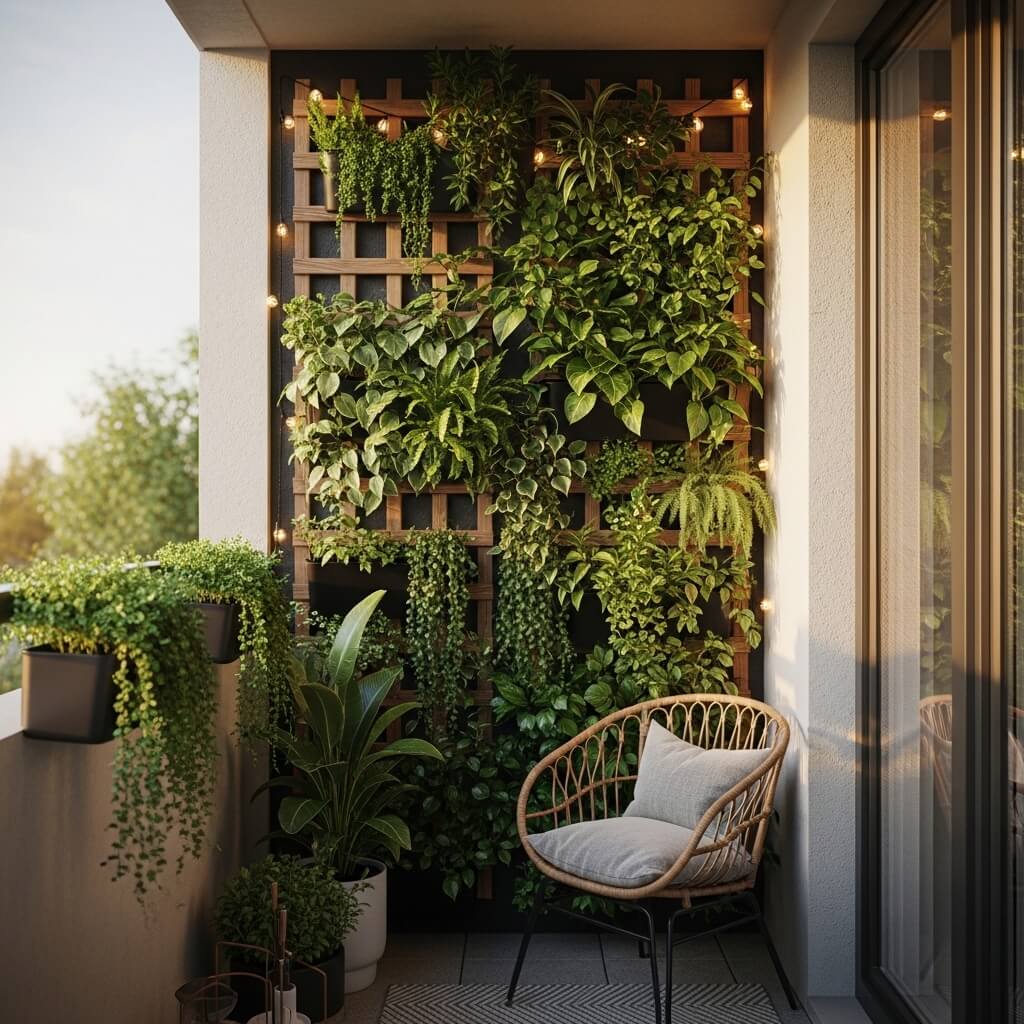
Ever looked at your blank wall or fence and thought, “Well, that’s doing absolutely nothing for me”? Same. That’s where vertical gardens absolutely shine, my friend.
Vertical gardens are the cheat code for small spaces. You’re literally using air space that would otherwise just… exist. I installed my first living wall about three years ago on my boring apartment balcony, and it completely changed the whole vibe. Suddenly, I had this lush, Instagram-worthy backdrop instead of sad beige stucco.
Getting Started with Your Living Wall
Here’s what I’ve learned works:
- Modular pocket planters – These fabric or felt pockets hang on your wall and hold individual plants. Super easy to swap out if something dies (because let’s be real, it happens).
- Pallet gardens – You can grab a wooden pallet, add some landscape fabric to the back, fill it with soil, and plant succulents or herbs. It’s budget-friendly and looks rustic-chic.
- Mounted shelves – Simple floating shelves with potted plants create a cascading effect without complicated irrigation systems.
- Trellis with climbing plants – Let jasmine, clematis, or ivy do the heavy lifting and naturally create your green wall.
The key thing I’ve discovered? Start small and expand. Don’t try to cover an entire wall on day one unless you enjoy feeling overwhelmed. I began with a 3×3 foot section, and once I figured out what plants actually survived my questionable watering habits, I expanded from there.
Pro tip: Install a simple drip irrigation line if you’re going big. Hand-watering a vertical garden gets old fast, trust me. Your future self will thank you when you’re not standing there with a watering can for twenty minutes every other day.
Minimalist Zen Small Garden Design Inspiration
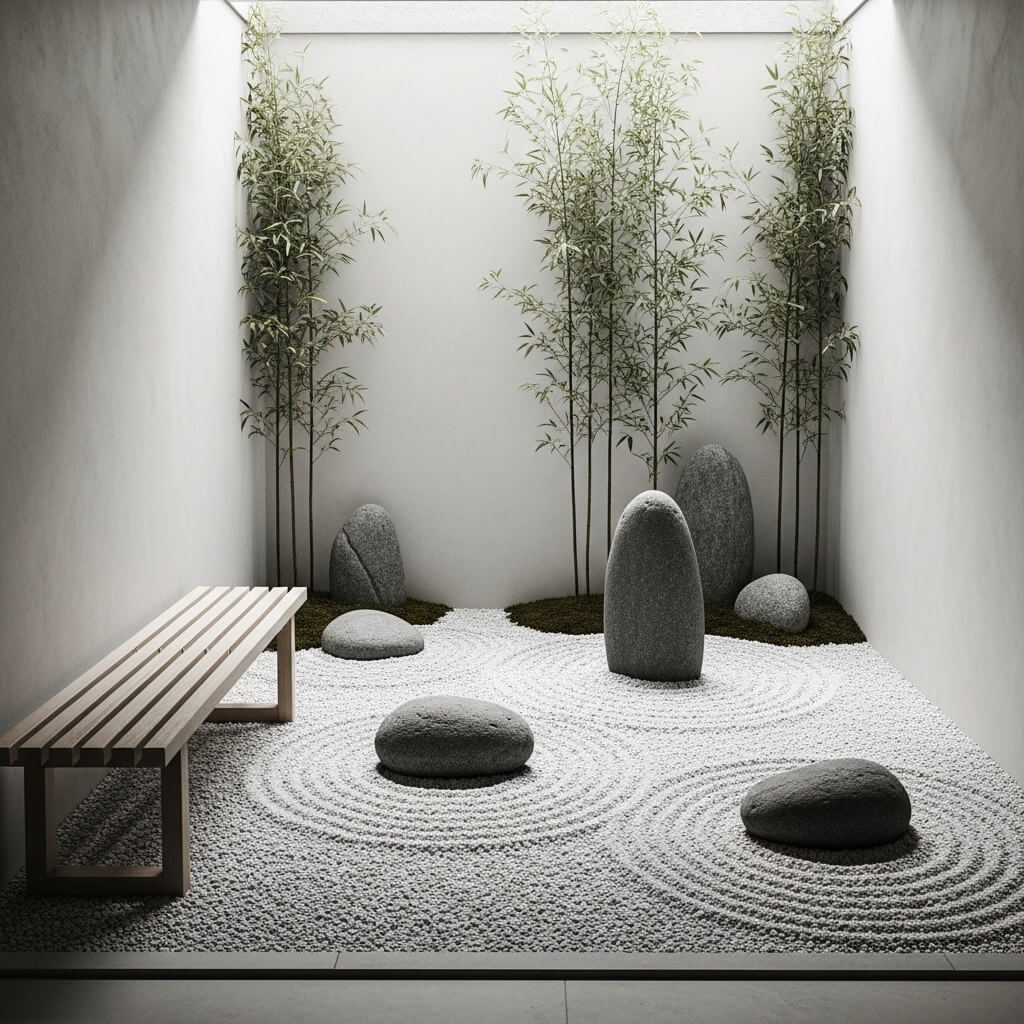
Want to know something funny? The less stuff I crammed into my garden, the more peaceful it became. Revolutionary concept, right? 🙂
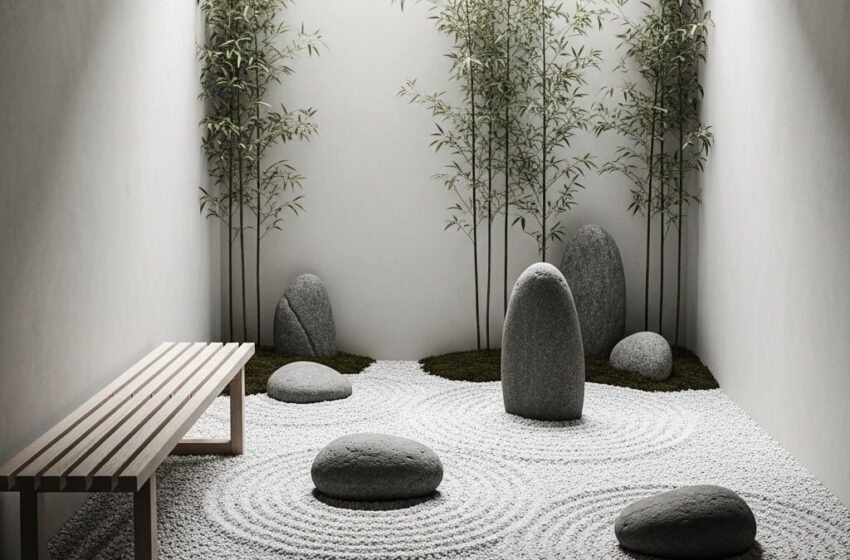
Zen gardens embrace the “less is more” philosophy, and they’re perfect for small spaces because you’re not trying to fit seventeen different elements into twelve square feet. You’re creating calm, not chaos.
Essential Elements of Zen Design
I visited Japan a few years back, and those temple gardens completely rewired my brain about what makes outdoor spaces relaxing. Here’s what actually matters:
- Raked gravel or sand – This represents water and creates that meditative, flowing look
- Carefully placed rocks – Three or five (always odd numbers) strategically positioned stones
- Minimal plant palette – Think Japanese maples, bamboo, or moss rather than a rainbow explosion of flowers
- Simple water feature – A small bamboo fountain or stone basin adds that soothing sound
- Clean lines – Everything has purpose and position
What makes this approach brilliant for small gardens? You don’t need much to make an impact. A 6×8 foot corner can become a complete zen retreat with just gravel, three rocks, one small tree, and a bamboo water spout. The maintenance is ridiculously low, too.
I converted a neglected side yard (literally four feet wide) into a zen pathway, and now it’s my favorite part of my entire property. Sometimes I just sit there with my morning coffee and stare at it like a weirdo. But hey, that’s meditation, baby.
Tiny Backyard Makeover with Budget-Friendly Ideas
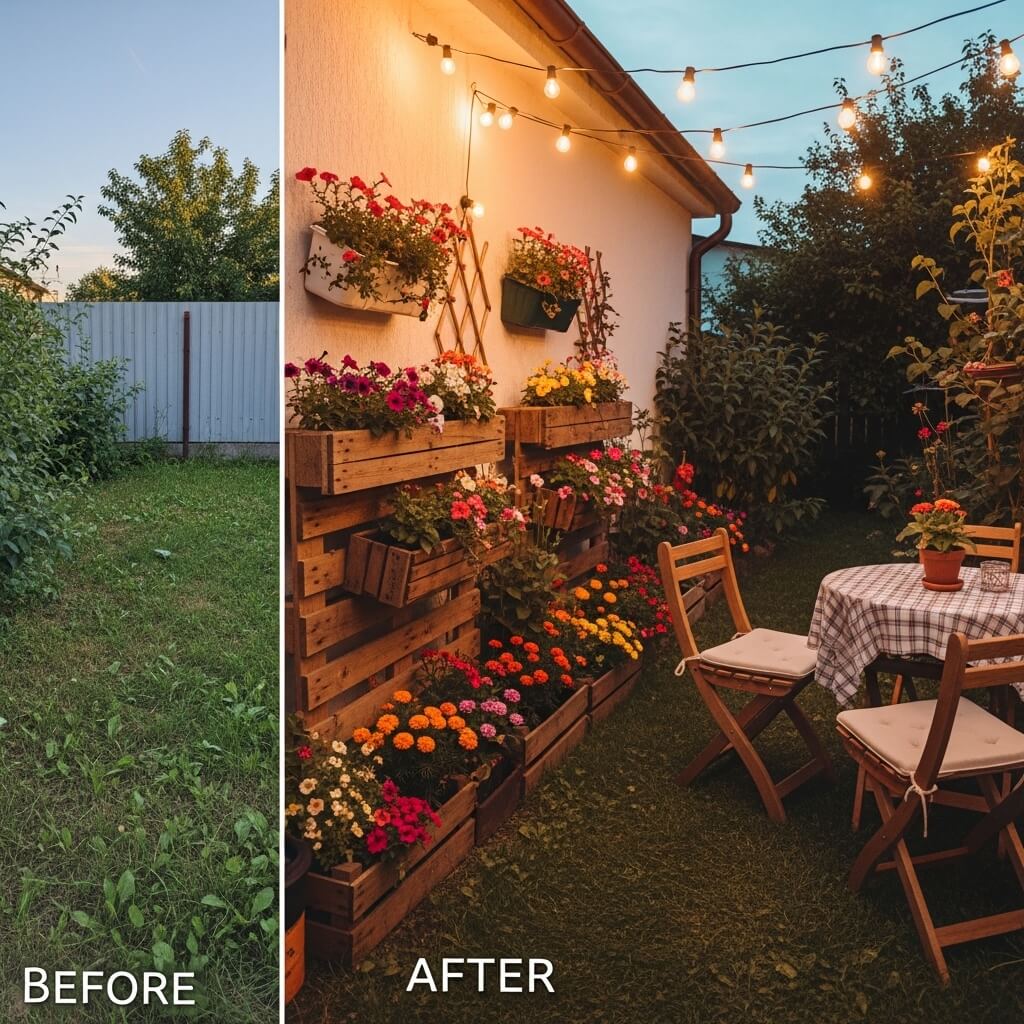
Let’s talk money, because I know you’re probably thinking you need to drop serious cash to make a small garden look good. Spoiler alert: you really don’t.
The best small garden transformations I’ve seen cost more in creativity than actual dollars. I completely redid my 10×12 foot backyard patio garden for under $300, and people regularly ask me who my landscape designer was. (It was YouTube and stubbornness, thanks for asking.)
Budget-Friendly Makeover Strategies
Here’s how you pull this off without eating ramen for three months:
- Paint everything – Seriously. Old fence looking rough? Paint it dark grey or black for instant drama. Terracotta pots too basic? Spray paint them matte white or sage green.
- Shop end-of-season sales – I get 90% of my plants in late summer when nurseries are desperate to clear inventory.
- Propagate like crazy – One $15 pothos can become twenty plants within a year. Same with succulents, lavender, and most herbs.
- Use gravel instead of expensive pavers – A bag of decorative gravel costs about $5 and covers way more area than you’d think.
- Repurpose everything – Old ladders become plant stands. Cinder blocks become modern planters. Broken terracotta pieces become mosaic stepping stones.
The lighting trick nobody tells you about? String lights transform literally any space into an oasis for like $20. I hung solar-powered string lights around my tiny garden, and suddenly it went from “meh” to “wow, can we hang out here tonight?”
FYI, the biggest waste of money in my small garden journey was buying full-grown expensive plants. They look great immediately, but they’re often stressed from transportation and don’t establish as well as smaller, cheaper plants that grow into the space.
Also Read: 10 Brilliant Garden Design Ideas for a Serene Nature Corner
Small Balcony Garden with Hanging Plant Arrangements
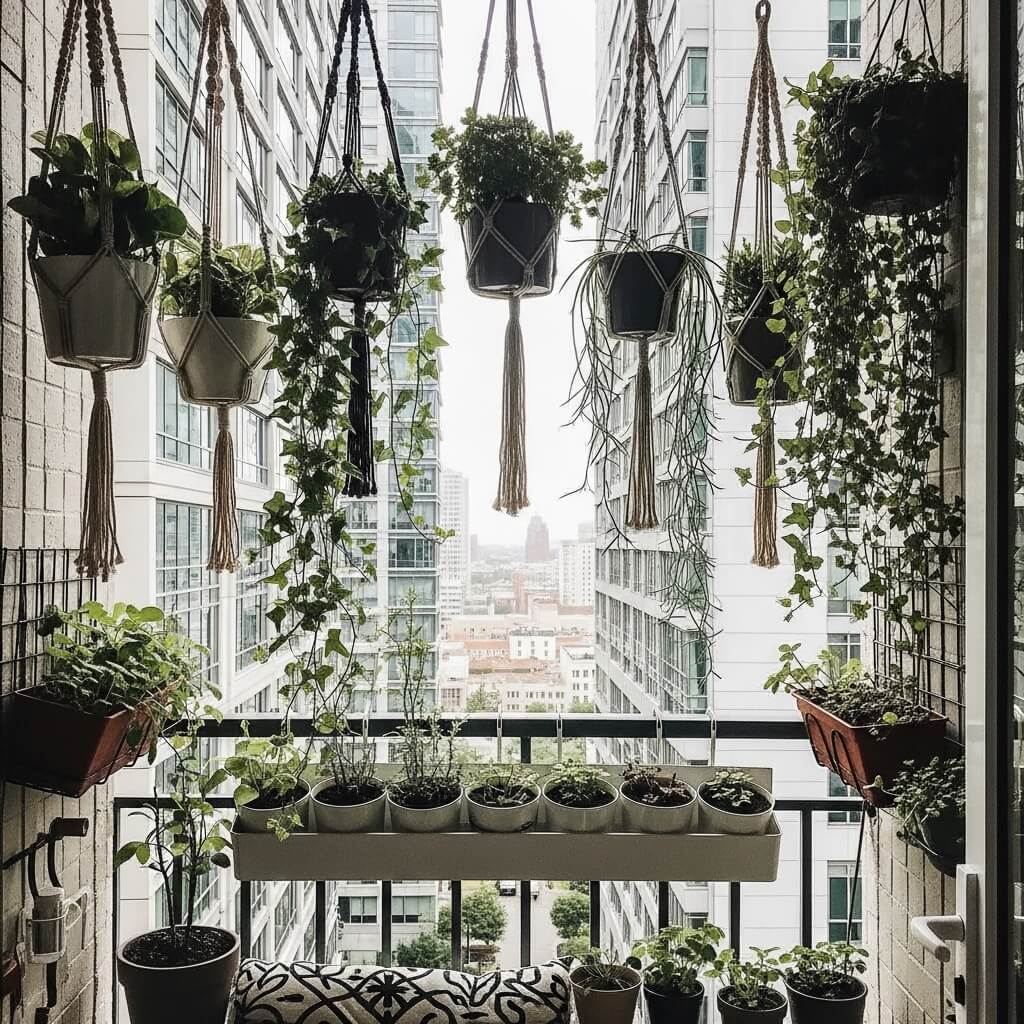
Balconies are tricky little devils. You’ve got limited floor space, weight restrictions, and often questionable amounts of sunlight. But hanging plants? They’re your secret weapon.
I turned my 4×8 foot balcony into a jungle, and I didn’t sacrifice any of my actual standing space to do it. The trick is thinking in three dimensions instead of just worrying about floor area.
Making the Most of Vertical Space
Hanging arrangements work because they draw your eye upward and make the space feel bigger rather than cramped. Here’s what I recommend:
- Ceiling hooks with macramé hangers – These hold trailing plants like pothos, string of pearls, or philodendrons
- Railing planters – They clip right onto your balcony rail and don’t take up floor space
- Wall-mounted planters – Small metal or ceramic wall planters create a gallery effect
- Tiered plant stands – These maximize vertical space while keeping plants accessible
- Hanging herb gardens – Functional AND beautiful, plus fresh basil for dinner
The weight thing is real, though. I learned this the hard way when my landlord gently suggested I maybe tone down the amount of wet soil I had hanging from the ceiling. Whoops. Use lightweight potting mix specifically designed for containers, and stick with smaller pots for hanging arrangements.
One thing that surprised me? Hanging plants actually need MORE water than ground plants because air circulates around them and dries them out faster. Check them every other day, especially in summer. I set a phone reminder because my memory is terrible.
Modern Courtyard Garden Design for Compact Homes
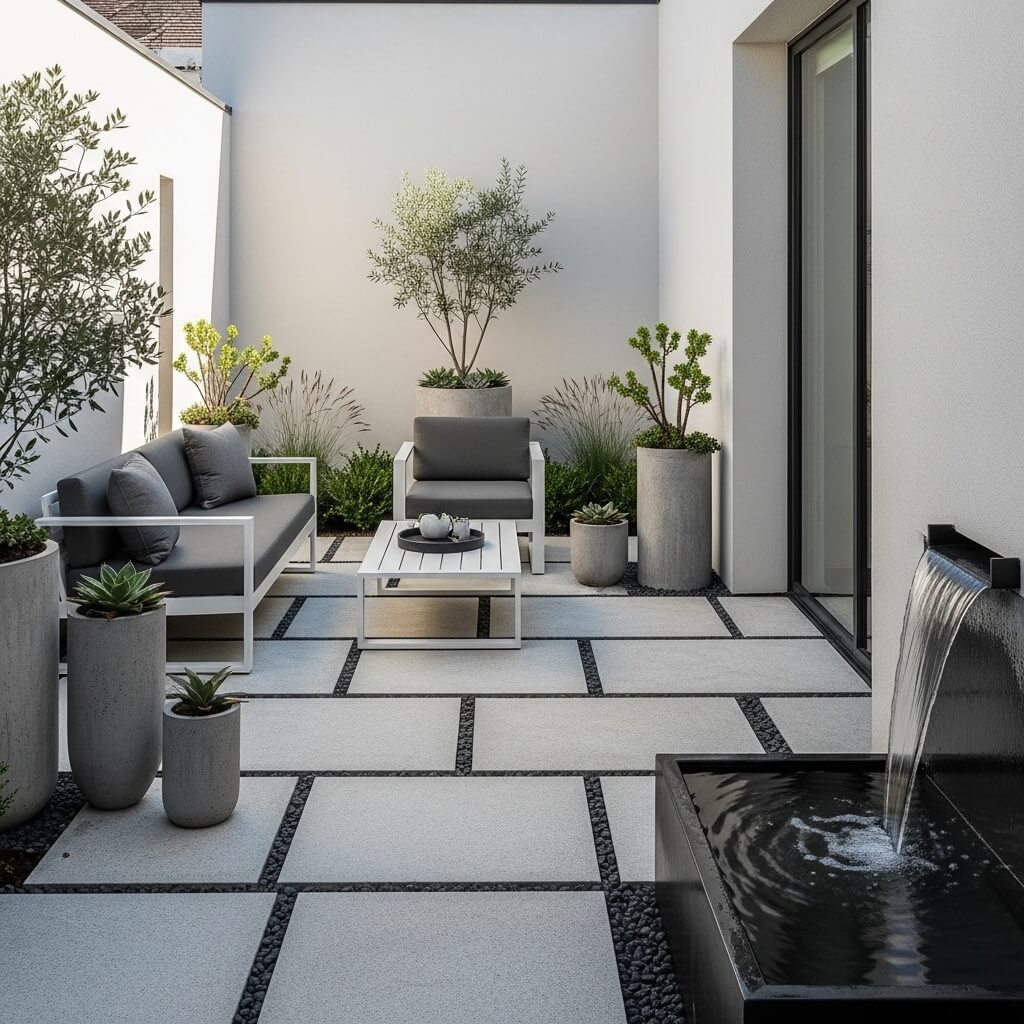
Courtyards are having a moment, and I’m totally here for it. You know those gorgeous Spanish or Mediterranean homes with the open-air center space? That vibe works in literally any climate with the right tweaks.
The courtyard concept is basically about creating an outdoor room, which is perfect for small spaces because you’re treating it like an extension of your house rather than a separate “yard.”
Creating Your Courtyard Oasis
I helped my sister transform her bland 12×12 concrete courtyard into an actual destination, and the principles work whether you’ve got a true courtyard or just a small patio:
- Define the perimeter – Use tall planters, trellis screens, or even outdoor curtains to create walls
- Add a focal point – A fountain, sculpture, or statement plant (like a potted olive tree) gives the eye somewhere to land
- Incorporate seating – Built-in benches or a small bistro set make it functional
- Use cohesive materials – Stick to 2-3 materials max (like wood, white planters, and grey stone) for a modern look
- Layer your lighting – Uplighting on plants, string lights overhead, and lanterns on surfaces create ambiance
The modern part comes from restraint. Instead of fifty different plants, choose three types and repeat them. Instead of colorful chaos, pick a palette (I love white flowers with greenery and grey/black hardscaping).
The most impactful change in my sister’s courtyard? Painting the walls white. It brightened the whole space, made it feel larger, and created this clean backdrop that made the plants pop. Cost about $60 in exterior paint and two hours of work.
DIY Raised Bed Garden Ideas for Limited Space
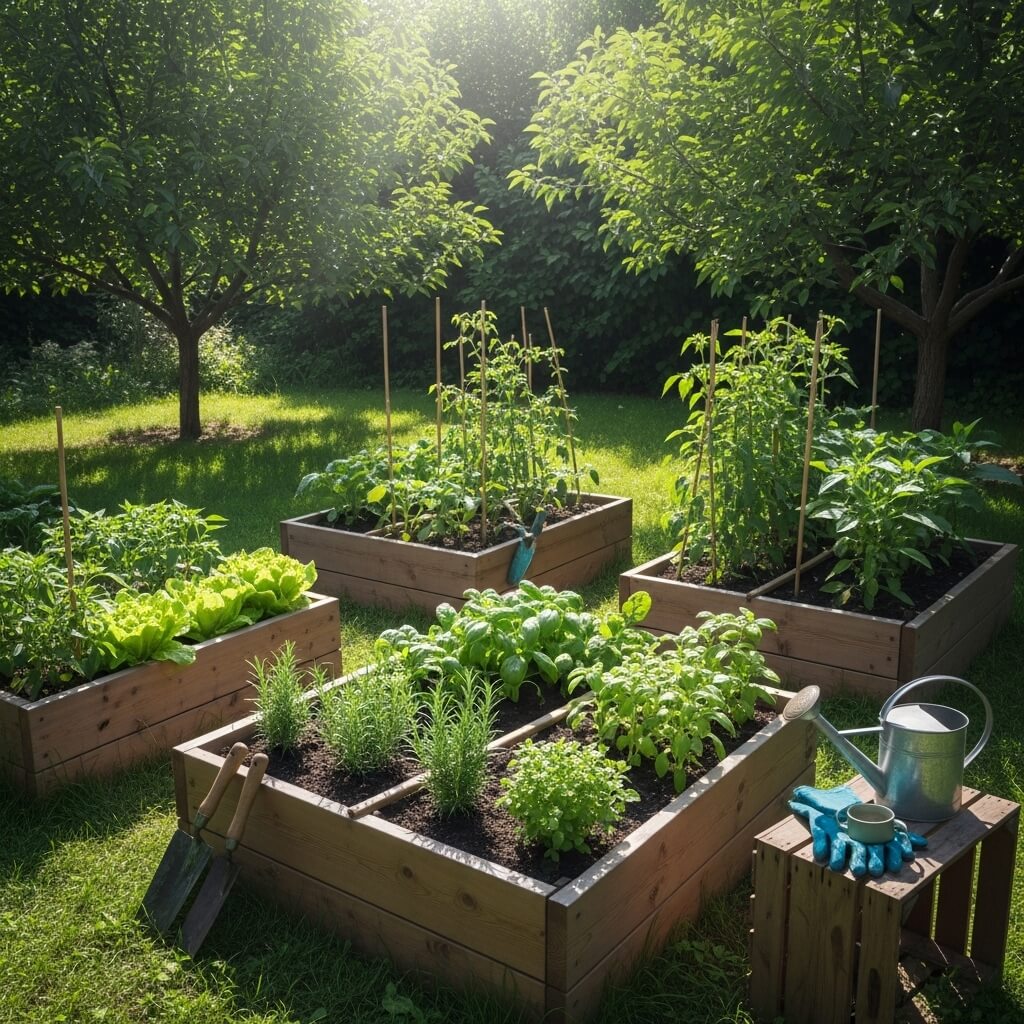
Okay, confession time: I killed a lot of plants trying to garden directly in the ground before I switched to raised beds. The difference was honestly ridiculous.
Raised beds solve so many problems at once – drainage, soil quality, accessibility, and they look intentional and tidy. Plus, you can build them yourself even if you’re not exactly a carpenter. (I’m definitely not, and mine have held up for four years.)
Building Your Perfect Raised Beds
Here’s what I wish someone had told me before my first attempt:
Materials that actually work:
- Cedar or redwood – Naturally rot-resistant, looks great, costs more but lasts forever
- Composite lumber – Made from recycled plastic and wood, never rots, easy to work with
- Cinder blocks – Cheap, modular, and you can plant herbs in the block holes
- Corrugated metal – Modern industrial look, just make sure it has drainage
Size considerations:
- Keep width under 4 feet so you can reach the center without stepping in
- Height between 12-24 inches works for most plants (I did 18 inches and it’s perfect)
- Length is flexible based on your space
I built two 3×6 foot raised beds in my tiny backyard for about $120 total using cedar fence pickets. The trick? I didn’t get fancy with corner joints. I just used L-brackets from the hardware store, and they’ve been totally stable. Sometimes the simple solution is the right solution.
Pro move: Line the bottom with hardware cloth (metal mesh) to keep burrowing rodents out. I learned this after losing an entire crop of carrots to some very well-fed moles. :/
Also Read: 10 Beautiful Glass Wall Partition Design Ideas for Elegant Homes
Cottage Style Small Garden with Flower Pathways
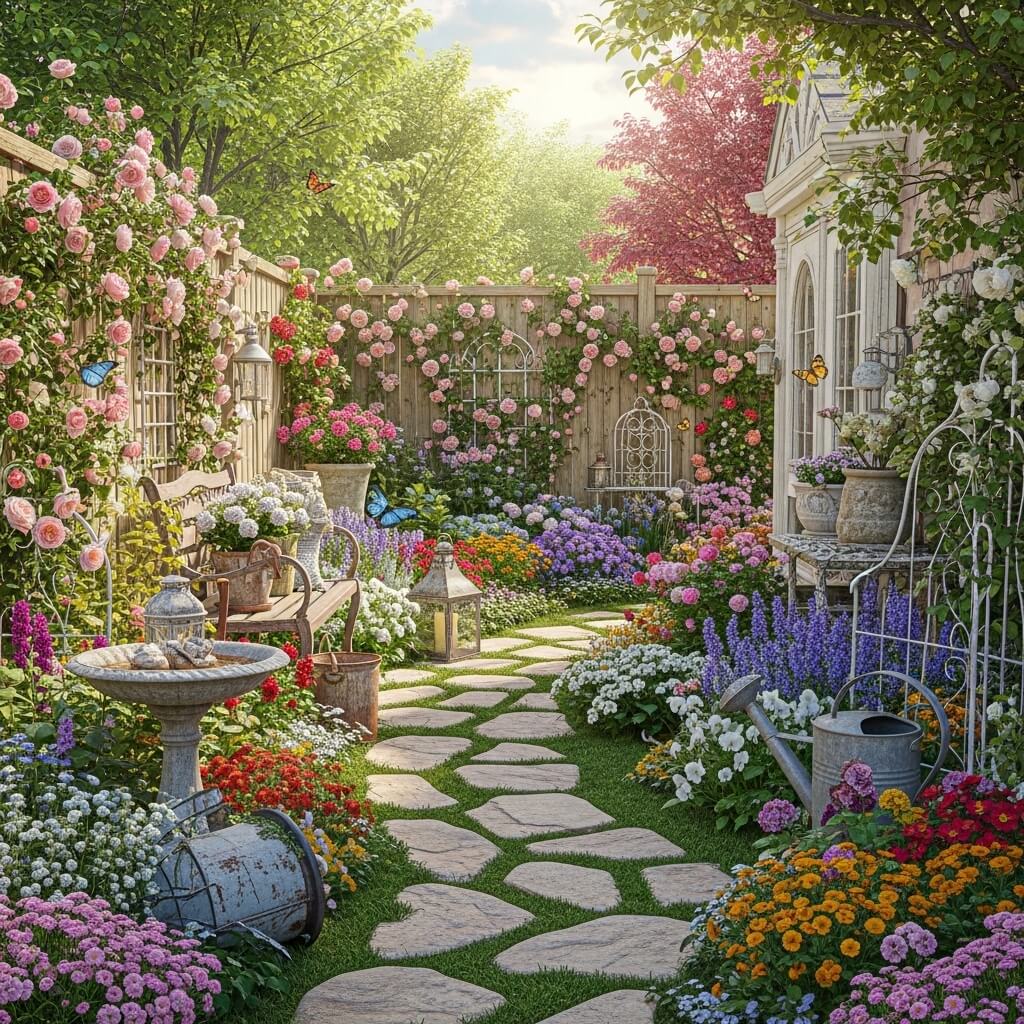
IMO, cottage gardens are the most forgiving style for beginners because they’re supposed to look a little wild and overgrown. You literally cannot mess this up.
The cottage garden aesthetic is all about abundance and charm, which seems counterintuitive for small spaces, but it actually works beautifully when you embrace the controlled chaos vibe.
Achieving Cottage Garden Magic
I created a cottage-style pathway in a narrow 3-foot-wide side yard, and it’s become the most photographed part of my garden. Here’s the formula:
Essential cottage garden elements:
- Overflowing flowers – Roses, lavender, hollyhocks, daisies, whatever blooms
- Mixing heights – Tall plants in back, medium in middle, spillers in front
- Self-seeding annuals – Let things like poppies and cosmos drop seeds and pop up wherever
- Pathways with character – Stepping stones, brick, or gravel (not perfect concrete)
- Vintage elements – Old watering cans, weathered gates, rustic benches
The secret to making this work in small spaces? You create the illusion of abundance without actually needing acres. I planted flowers that bloom at different times, so there’s always something happening. I also let things spill over edges and pathways instead of keeping everything rigidly contained.
My favorite discovery? Fragrant plants along pathways are a game-changer. Every time you brush past lavender or walk near roses, you get these wafts of scent that make the whole experience sensory and memorable. Plant them where you’ll actually touch them as you walk by.
The pathway itself can be super simple – I used irregular flagstones with creeping thyme planted between them. The thyme smells amazing when you step on it, and it softens the whole look.
Space-Saving Corner Garden Layout Ideas
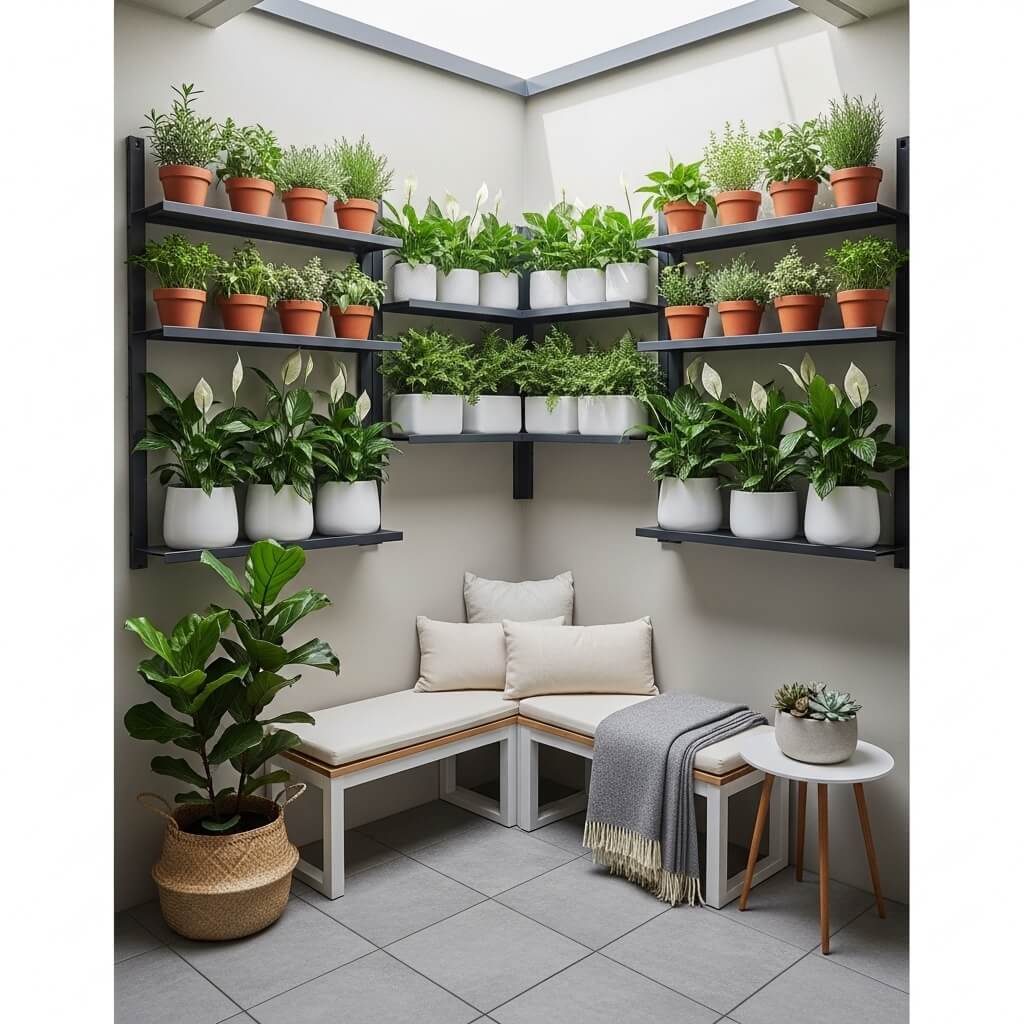
Corners are weird, right? They’re often just dead space that collects leaves and spiderwebs. But you can turn them into garden focal points with the right approach.
I’ve designed three different corner gardens in various properties, and they’re actually easier than you’d think because the two walls give you natural structure to work with.
Maximizing Corner Potential
The corner of your yard, patio, or balcony can become the most interesting spot with these strategies:
Triangular layout approach:
- Place your tallest element at the apex (where walls meet)
- Cascade down in height as you move outward
- This creates a natural pyramid shape that draws the eye
Layering technique:
- Back corner: tall plant or trellis (6+ feet)
- Middle layer: medium plants or shrubs (3-4 feet)
- Front edge: low groundcovers or trailing plants (under 1 foot)
I used this exact approach with a neglected corner by my back fence. I put a 7-foot bamboo stake teepee at the back with climbing jasmine, surrounded it with medium-height ornamental grasses, and edged the front with creeping jenny. The whole thing is maybe 5×5 feet but looks like a designed feature instead of an afterthought.
Lighting corners makes them come alive at night. I installed one small uplight at the base pointing toward the tall element, and it creates this dramatic shadow effect on the walls. Cost me $15 for a solar spotlight and takes zero effort since it’s solar-powered.
Another corner trick? Create a seating nook. A small corner bench with plants surrounding it becomes an actual destination. People always gravitate toward corners naturally because they feel protected, so lean into that psychology.
Aesthetic Rock Garden Designs for Small Areas
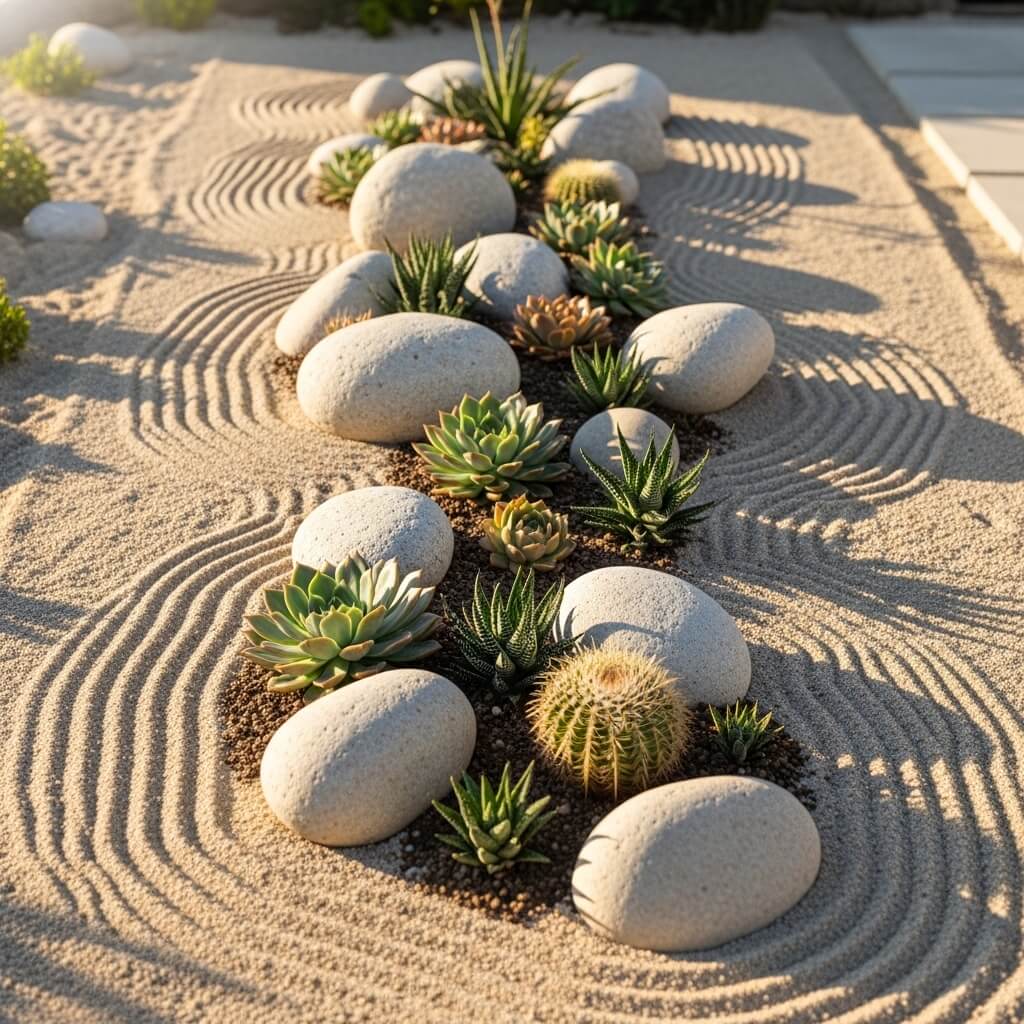
Rock gardens get a bad rap because people picture those sad 1980s yards with three boulders and some dying junipers. But modern rock gardens? Totally different vibe.
I created a rock garden in a super problematic dry, shady slope where absolutely nothing would grow. Now it’s low-maintenance, looks intentional, and requires almost zero water. It’s basically the garden equivalent of winning the lottery.
Designing with Rocks and Stones
Here’s what makes rock gardens perfect for small spaces and busy people:
Rock selection matters:
- Use 3-5 different sizes for visual interest (from gravel to larger boulders)
- Stick to one or two rock types/colors for cohesion
- Group odd numbers together (clusters of 3 or 5 look most natural)
Plant companions:
- Succulents (echeveria, sedum, sempervivum)
- Alpine plants (creeping phlox, saxifrage, thyme)
- Ornamental grasses (blue fescue, Mexican feather grass)
- Dwarf conifers for height and structure
My rock garden is about 8×10 feet, and I spent more time arranging the rocks than I did planting. You want the rocks to look like they naturally emerged from the ground, not like you dumped them there yesterday. Bury at least one-third of each larger rock to make them look established.
The maintenance on this thing is laughable. I weed it maybe twice a year, water the plants during the first summer to establish them, and that’s basically it. The rest of the time, it just… exists and looks good. Which is exactly my speed.
Also Read: 10 Stunning TV Partition Wall Ideas for Modern Homes
Low-Maintenance Small Garden Ideas for Busy People
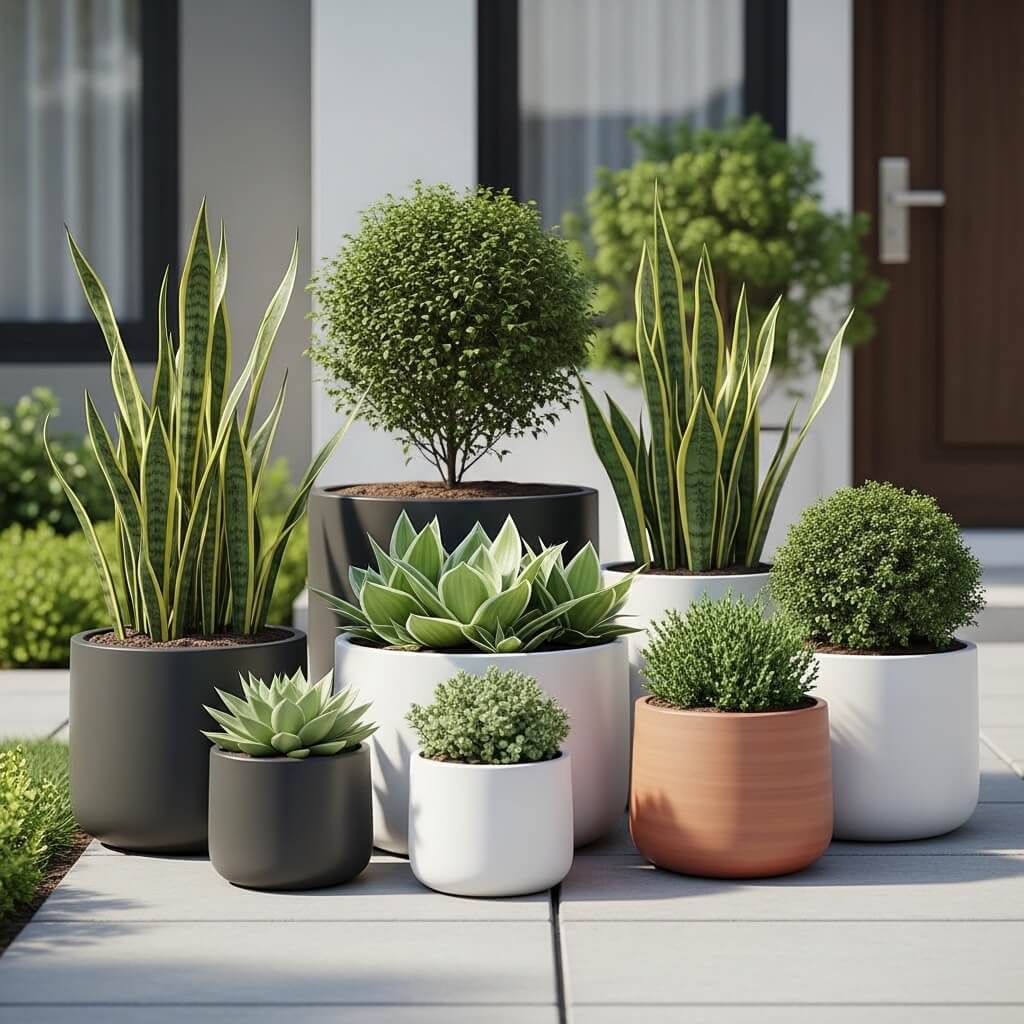
Let me be super honest with you: I love gardening, but I also love traveling, staying out late with friends, and occasionally being lazy on weekends. I needed a garden that didn’t punish me for having a life.
Low-maintenance doesn’t mean boring or ugly. It means strategic plant choices and smart design that looks good without constant fussing. This is the garden philosophy I wish I’d embraced from day one instead of killing dozens of high-maintenance plants through neglect.
Creating Your Set-It-And-Forget-It Garden
Here’s what actually works for people who aren’t home every day to tend their plants:
Plant selection (the most important part):
- Native plants – They evolved to thrive in your exact climate without help
- Drought-tolerant perennials – Lavender, Russian sage, coneflowers, sedums
- Ornamental grasses – They look good even when neglected and need cutting back once a year
- Evergreen shrubs – Boxwood, dwarf conifers, nandina provide year-round structure
Design elements that reduce work:
- Mulch everything – 2-3 inches of mulch suppresses weeds and retains moisture
- Drip irrigation or soaker hoses – Set them on timers and forget about watering
- Hardscaping – Gravel, pavers, and stone don’t need watering or trimming
- Groundcovers instead of lawn – Creeping thyme or clover needs zero mowing
I converted my entire small front yard to a low-maintenance design last year, and my weekend garden time dropped from four hours to maybe twenty minutes. And honestly? It looks better now because I’m not stressed about it.
The biggest low-maintenance hack? Right-plant, right-place. Stop trying to grow hydrangeas in full desert sun or cacti in humid shade. I spent years fighting my garden’s natural conditions, and the moment I accepted them and planted accordingly, everything became exponentially easier.
My current routine is basically: trim things back once in spring, refresh mulch, maybe deadhead flowers if I feel like it, and that’s the entire year. The garden looks full and lush because the plants are actually happy instead of constantly struggling.
Wrapping This Up
Look, transforming a small outdoor space into your personal oasis isn’t about having unlimited budget or square footage. It’s about working with what you’ve got and making intentional choices that match your lifestyle.
I’ve tried pretty much all of these approaches over the years (some more successfully than others, not gonna lie), and the common thread? Start with one area and make it great rather than trying to do everything at once. Pick the idea that resonates most with your space and personality, commit to it, and expand from there.
Your small garden should make you happy, not stressed. It should be the place you actually want to hang out, not the project you’re constantly avoiding. Whether that means a minimalist zen corner with three rocks and some gravel, or a cottage explosion of flowers along a tiny pathway, or a vertical wall of trailing plants—make it yours.
And remember, gardens are never “finished.” They’re living, changing things that grow and shift and sometimes die and need replacing. That’s not failure; that’s literally how this works. So give yourself permission to experiment, to make mistakes, to try things that don’t work out, and to change your mind completely next season.
Now get out there and turn that sad little outdoor space into something that makes you smile every time you see it. You’ve got this.