10 Stylish Pharmacy Counter Design Ideas for Modern Pharmacies
- Counter Design
 Ben
Ben- 0
- 39 minutes read
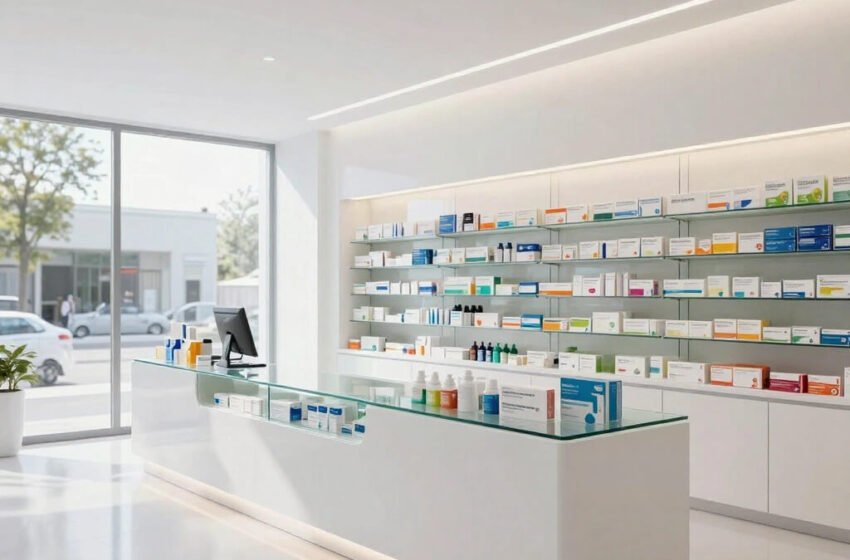
You walk into a pharmacy, and what’s the first thing you notice? The counter, right? It’s basically the face of the entire operation. A clunky, outdated counter screams “we’re stuck in the 90s,” while a sleek, well-designed one whispers “we’ve got our act together.” And honestly, I’ve spent way too much time analyzing pharmacy counters (weird hobby, I know), but trust me when I say the right counter design can completely transform your pharmacy from drab to fab.
Whether you’re opening a new pharmacy or giving your current space a much-needed facelift, the counter design you choose makes a massive difference. It affects workflow, customer perception, storage capacity, and even how long people wait in line. So yeah, it’s kind of a big deal. I’ve gathered ten pharmacy counter designs that actually work in real-world settings—not just those Pinterest-perfect setups that look great but function terribly. Let’s get into it.
Modern Minimal Glass Pharmacy Counter Design
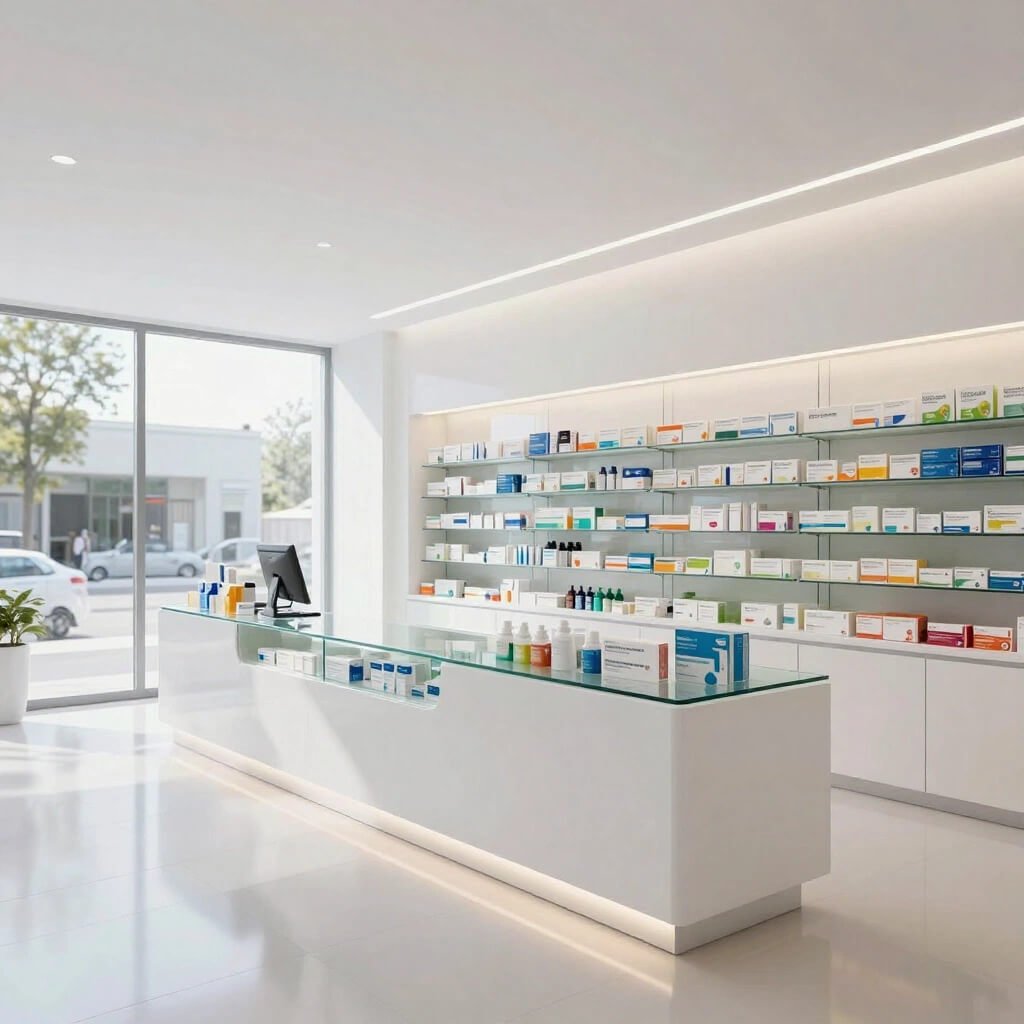
Ever walked into an Apple Store and felt like you were in some futuristic sci-fi movie? That’s the vibe we’re chasing here. Modern minimal glass pharmacy counters bring that clean, contemporary aesthetic that screams sophistication without trying too hard.
I absolutely love this design because it doesn’t overwhelm your space. The glass creates an open, airy feeling that makes even smaller pharmacies feel spacious. You’re basically working magic with transparency—customers can see you working, which builds trust (no shady business happening behind closed doors, you know?), and the whole setup just feels modern and professional.
Key Features of Glass Counters
Here’s what makes these bad boys work:
- Tempered glass construction that’s actually durable (not the flimsy stuff that shatters when you sneeze)
- Minimalist metal framing in chrome, brushed nickel, or matte black
- Hidden storage compartments underneath to keep clutter out of sight
- Built-in LED strip lighting along the edges for that premium glow
- Easy-to-clean surfaces because fingerprints are the enemy
The only downside? You’ll need to clean it constantly. Glass shows everything—dust, fingerprints, that random smudge you can’t identify. But IMO, the aesthetic payoff is totally worth the extra Windex budget.
Best For
This design works brilliantly for pharmacies targeting a younger, design-conscious demographic. Think urban locations, boutique pharmacies, or wellness-focused establishments. If your pharmacy is in a trendy neighborhood or part of a modern medical complex, this counter will fit right in.
L-Shaped Space Saving Pharmacy Counter Layout
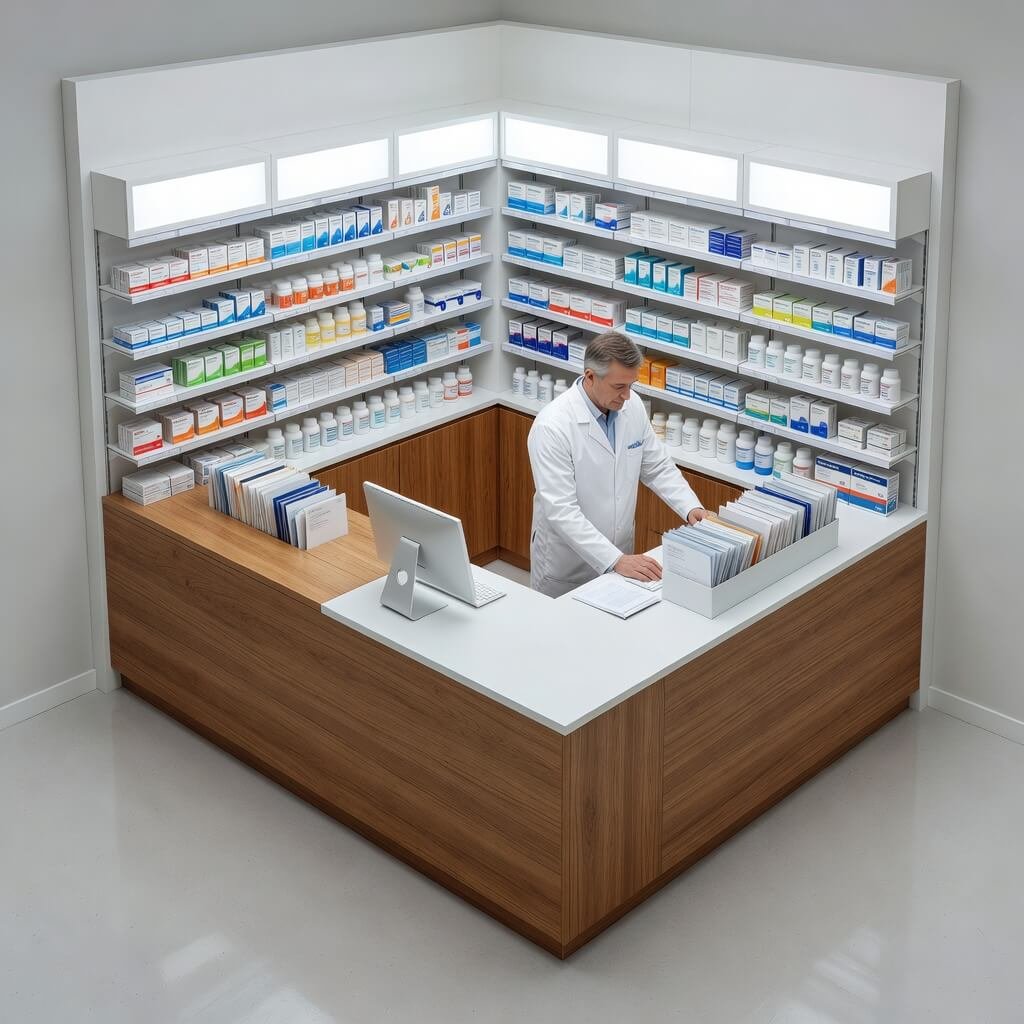
Space is money, folks. And if you’re working with a smaller pharmacy footprint, an L-shaped counter layout is your best friend. I’ve seen pharmacies squeeze incredible functionality out of limited square footage just by going with this configuration.
The genius of the L-shape is how it maximizes corner space—that awkward area that usually just collects dust and old promotional materials nobody wants. Instead, you’re creating two distinct workstations that flow naturally into each other. One side handles billing and customer interaction, while the other focuses on prescription dispensing and preparation.
Why L-Shaped Works
Listen, I get it. You want to serve customers quickly without turning your workspace into a chaotic mess. The L-shaped design solves this by creating natural workflow zones:
- Customer-facing section for consultations and transactions
- Perpendicular workspace for prescription filling and inventory checks
- Corner storage for frequently accessed medications
- Reduced customer wait times through efficient staff movement
- Better visual supervision of the entire pharmacy floor
I’ve watched pharmacists work these layouts, and the efficiency is honestly impressive. They pivot from computer to medication storage to customer interaction without taking unnecessary steps. That’s the kind of workflow optimization that makes your staff less exhausted at the end of the day.
Design Considerations
Make sure your L-shaped counter has enough depth on both sides. Nothing worse than a cramped workspace that forces you to play Tetris with your equipment. Aim for at least 24-30 inches of counter depth for comfortable working space. Also, position your point-of-sale system at the corner junction point—it becomes a natural hub that both sections can access.
Wooden Luxury Pharmacy Counter with LED Lighting
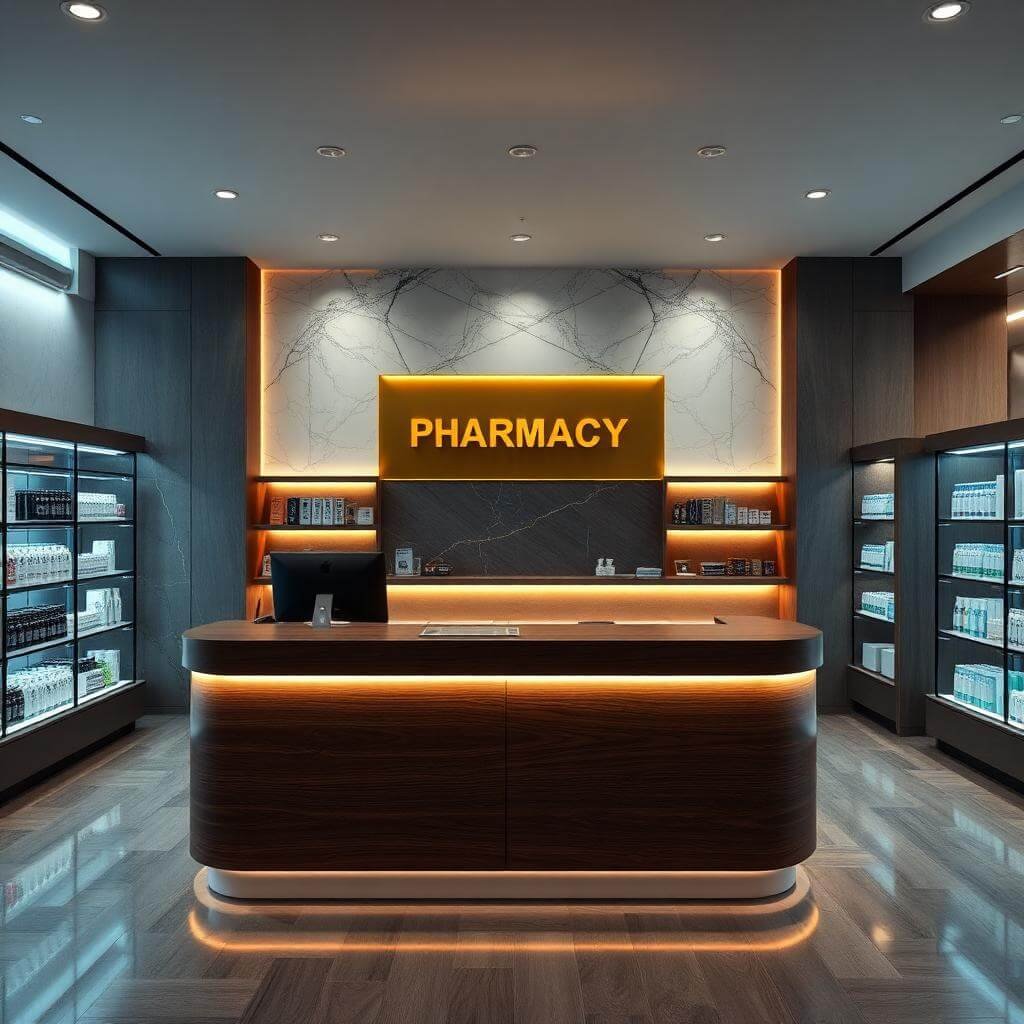
Okay, let’s talk about creating some serious ambiance. Wooden luxury counters with LED lighting are for pharmacies that want to position themselves as premium, trustworthy establishments. There’s something about quality wood that just screams “we’ve been doing this right for decades.”
I remember visiting this upscale pharmacy in a wealthy suburb, and their walnut wood counter with warm LED accent lighting absolutely stunned me. It felt more like a high-end hotel reception desk than a place to pick up prescriptions. And you know what? Their prices reflected that premium positioning, and customers happily paid.
Material Choices Matter
Not all wood is created equal, and your choice seriously impacts the overall vibe:
- Walnut: Rich, dark, sophisticated—perfect for luxury positioning
- Oak: Classic, sturdy, timeless—great for traditional pharmacies
- Maple: Light, clean, modern—works for contemporary spaces
- Mahogany: Deep red tones, ultra-premium feel—high-end positioning
- Bamboo: Eco-friendly, sustainable, appeals to environmentally conscious customers
The LED lighting integration is what elevates this from nice to spectacular. Under-counter LED strips create a floating effect, while backlit panels can highlight your pharmacy logo or name. You’re not just installing lights; you’re creating an experience.
Maintenance Reality Check
Here’s the thing nobody tells you: wood requires maintenance. You can’t just wipe it down with harsh chemicals and call it a day. You’ll need proper wood cleaners and occasional conditioning to keep it looking fresh. But honestly? The warmth and character wood brings to your space makes it worth the extra effort.
Also Read: 10 Elegant Cash Counter Design Modern Ideas for Retail Upgrade
Compact Small Pharmacy Front Counter Setup
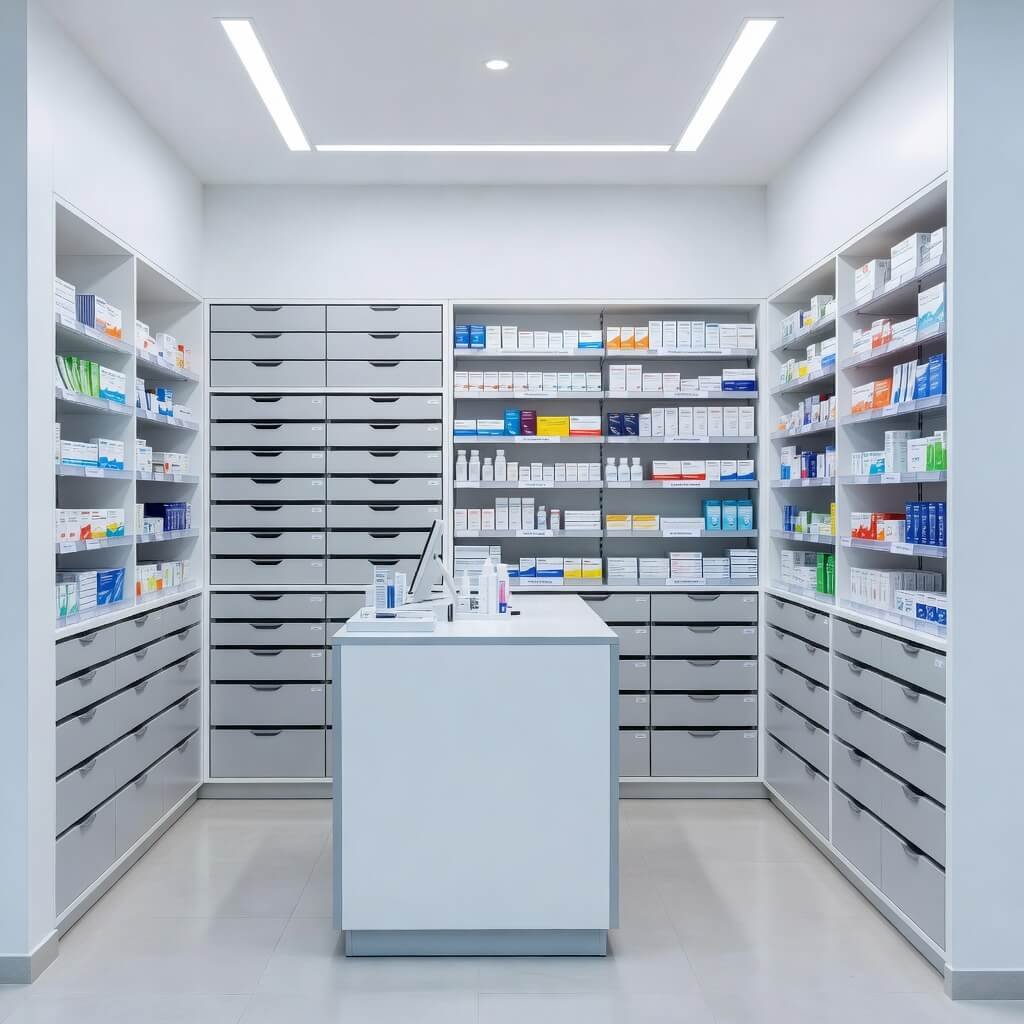
Not everyone has 3,000 square feet to work with, and that’s perfectly fine. Compact pharmacy counters prove that good things come in small packages (cheesy but true :)).
I’ve seen brilliant compact setups in neighborhood pharmacies that maximize every single inch. The key is intelligent design that doesn’t sacrifice functionality for size. You want customers to feel welcomed, not like they’re intruding on your cramped workspace.
Space-Saving Features
When you’re working with limited space, every design decision counts:
- Vertical storage solutions that utilize wall space
- Fold-down counter extensions for when you need extra workspace
- Integrated drawers with dividers for organized small-item storage
- Wall-mounted computer monitors to free up counter surface
- Compact point-of-sale systems (tablets instead of bulky registers)
- Multi-level shelving within arm’s reach behind the counter
The compact counter I designed for a friend’s pharmacy measured just 6 feet wide, but we included three storage drawers, a pull-out keyboard tray, integrated card reader, and still had enough counter space for customer transactions. It’s all about vertical thinking and smart organization.
Making Small Feel Spacious
Use light colors—white, cream, light gray—to make your compact counter feel larger. Dark colors visually shrink spaces, and you definitely don’t want that in an already small setup. Also, consider a counter design with an open base rather than solid panels. This creates visual flow and prevents the “boxed in” feeling.
U-Shaped High Efficiency Pharmacy Billing Counter
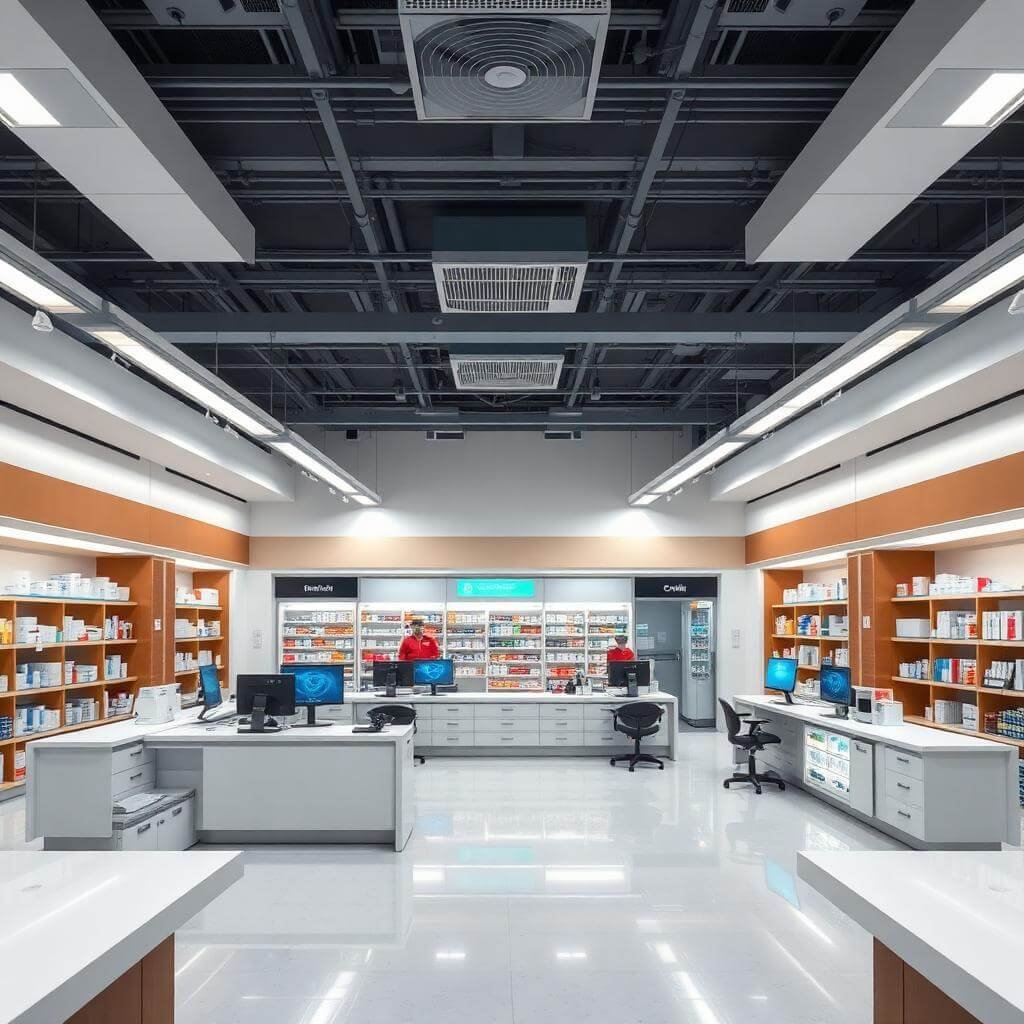
If efficiency is your love language, let me introduce you to the U-shaped pharmacy counter. This layout is basically the Swiss Army knife of counter designs—it does everything and does it well.
The U-shape creates an enclosed workspace where pharmacists and technicians can access everything they need without leaving their station. Medications? Turn left. Computer? Right in front. Billing system? Turn right. It’s like your office chair becomes a command center, and honestly, it’s kind of genius.
Workflow Optimization
Here’s where the U-shaped design absolutely crushes other layouts:
- 360-degree access to all essential tools and inventory
- Multiple workstations within one cohesive unit
- Reduced walking distance between tasks (your feet will thank you)
- Team collaboration becomes easier with shared central space
- Separate zones for receiving prescriptions, filling, and dispensing
I watched a pharmacy redesign from a straight counter to a U-shape, and their prescription processing time dropped by almost 30%. That’s not just convenient—that’s revenue-generating efficiency. Customers move through faster, staff experiences less physical strain, and you can serve more people in the same timeframe.
Size Requirements
FYI, you need adequate space for a U-shaped counter—it won’t work in tiny pharmacies. You’re looking at a minimum of 10×10 feet for a functional U-shape that doesn’t feel cramped. The interior workspace should be comfortable for staff to move around, typically requiring about 4-5 feet of width.
Acrylic Transparent Front Pharmacy Counter Design
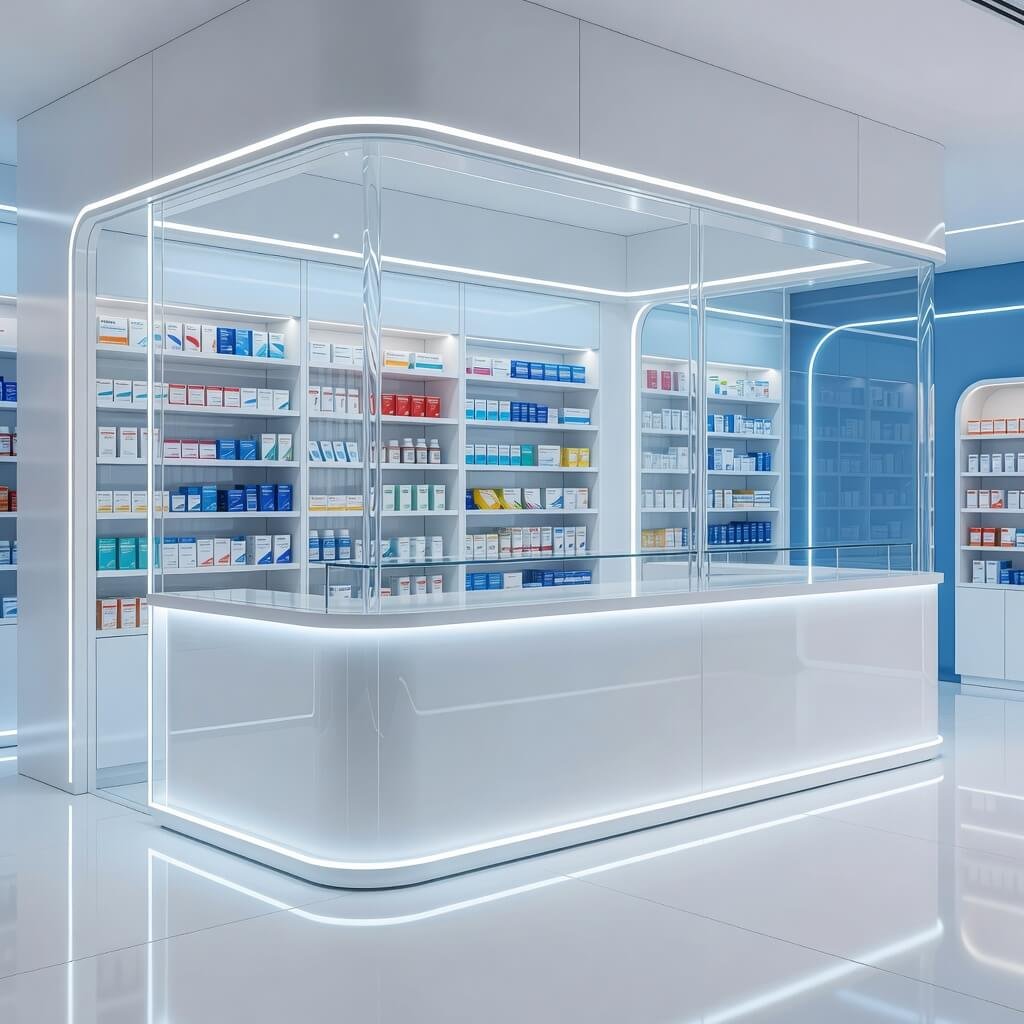
Want to go bold? Acrylic transparent counters are the attention-grabbers of pharmacy design. They’re modern, unexpected, and create a visual statement that customers remember.
I’ll be honest—when I first saw an acrylic counter, I thought it looked fragile and impractical. But modern acrylic is seriously durable. We’re talking about materials that can withstand daily wear and tear while maintaining that crystal-clear appearance. It’s basically the “don’t judge a book by its cover” of counter materials.
Unique Benefits
Acrylic brings some advantages you won’t get from traditional materials:
- Lightweight construction makes installation and reconfiguration easier
- Impact-resistant properties (stronger than regular glass)
- Customizable colors and tints for brand matching
- LED lighting compatibility for stunning visual effects
- Modern, high-tech appearance that appeals to younger demographics
- Cost-effective compared to premium glass options
The transparency creates interesting opportunities for branding. You can integrate backlit graphics, colorful LED lighting that changes with promotions, or even digital displays embedded within the counter structure. It’s basically a blank canvas for creative pharmacy branding.
Practical Considerations
Like glass, acrylic requires regular cleaning to maintain that pristine look. It also scratches more easily than glass, so you’ll need to use appropriate cleaning materials (soft cloths, non-abrasive cleaners). But with proper care, an acrylic counter maintains its wow factor for years.
Also Read: 10 Trendy Shop Counter Design Modern Ideas for Smart Layouts
Wall Integrated Pharmacy Storage Counter Design
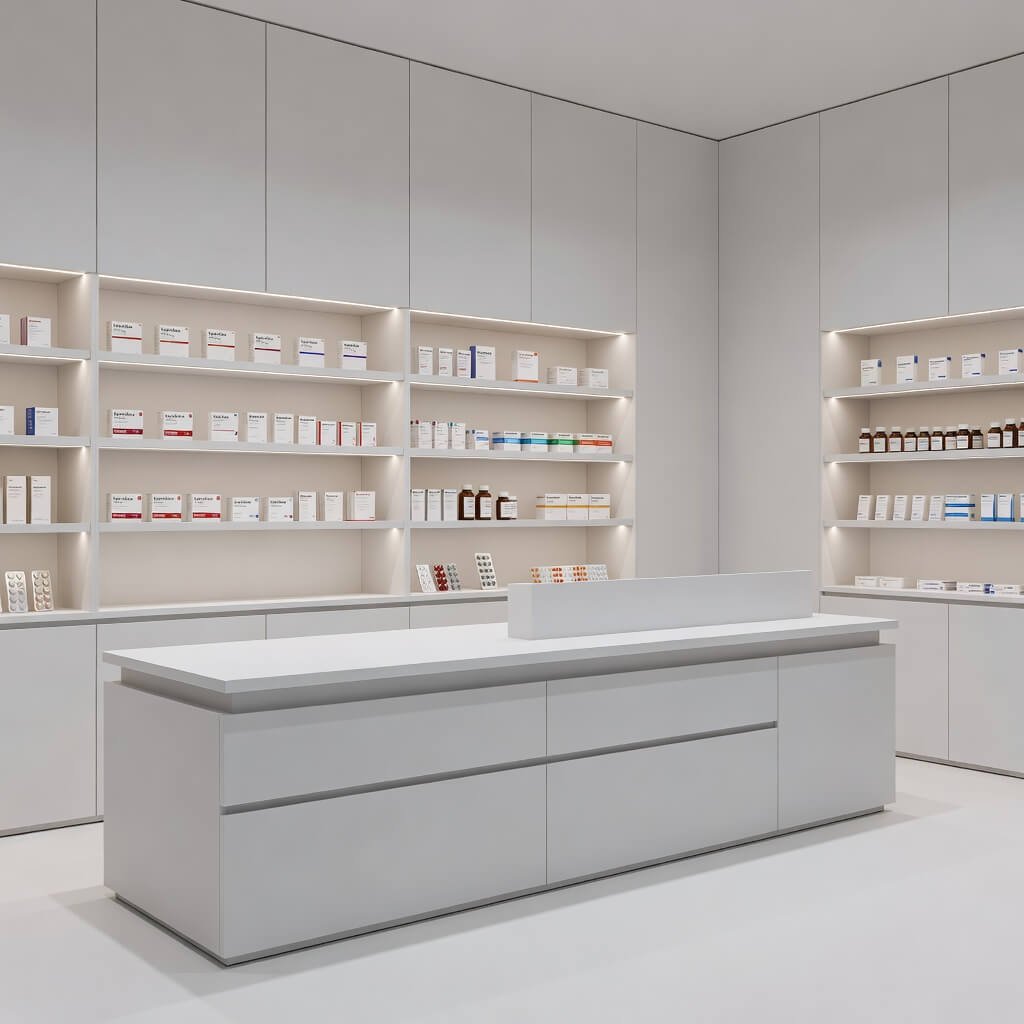
Let’s talk about my personal favorite for maximizing storage: wall-integrated pharmacy counters. This design treats your counter and wall as one continuous storage ecosystem, and it’s absolutely brilliant for pharmacies with extensive inventory.
The concept is simple but effective: your counter doesn’t just sit against the wall—it integrates with floor-to-ceiling storage behind it. Medications, supplies, and equipment all exist within arm’s reach, organized in a vertical storage system that makes finding items ridiculously easy.
Storage Optimization
Here’s what makes wall-integrated designs so effective:
- Floor-to-ceiling shelving behind the counter maximizes vertical space
- Organized zones for different medication categories
- Easy visual inventory checks at a glance
- Reduced walking to separate storage areas
- Integrated ladder or step-stool storage for accessing high shelves
- Lockable cabinet sections for controlled substances
I helped a pharmacy implement this system, and their inventory accuracy improved dramatically. When everything has a designated spot within visual range, you’re less likely to overlook expiring medications or run out of commonly prescribed items. It’s organized chaos at its finest—except, you know, actually organized.
Design Integration
The key is making the wall storage look intentional, not like an afterthought. Use matching materials for the counter and wall units. If your counter is white laminate, your wall shelving should match. Consistent color schemes and materials create a cohesive look that feels professionally designed rather than cobbled together.
Marble Finish Premium Pharmacy Reception Counter
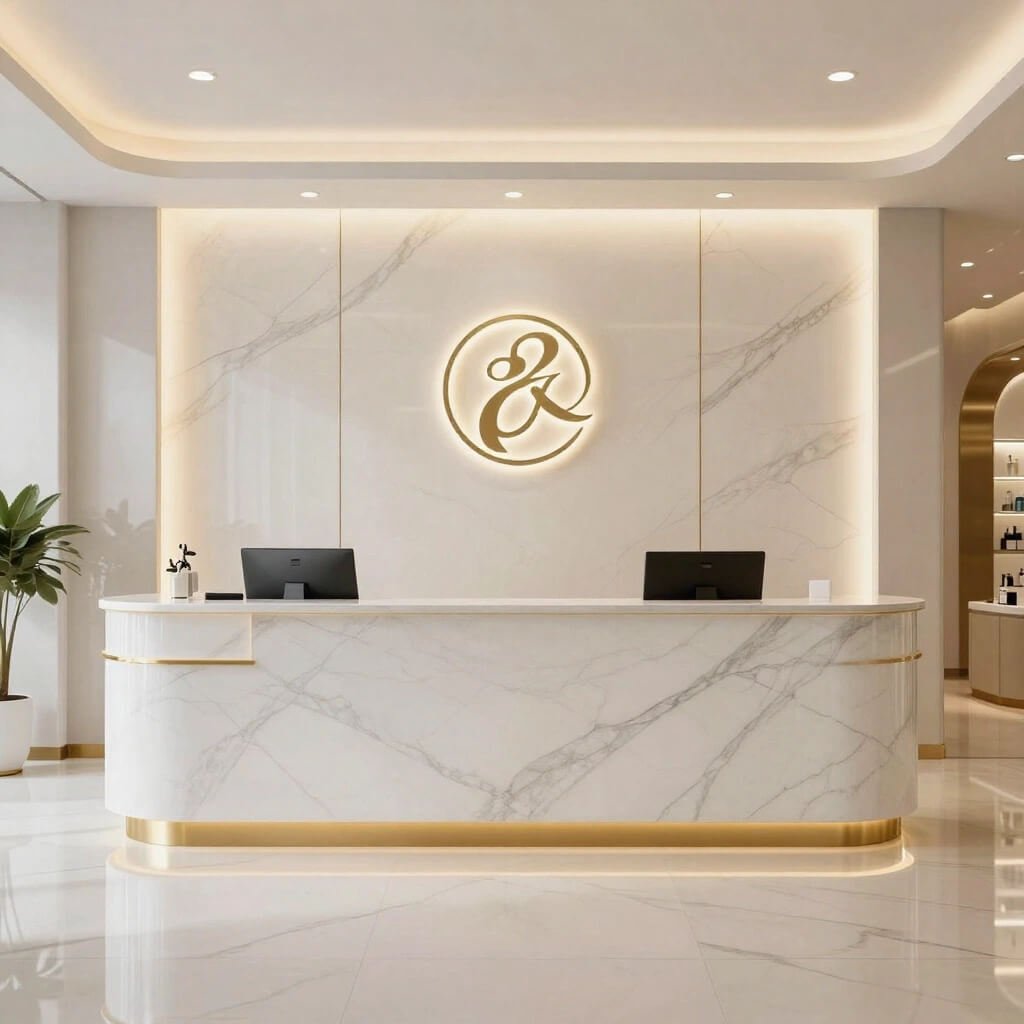
Nothing—and I mean nothing—says luxury quite like marble. A marble finish pharmacy counter positions your establishment as premium, high-end, and worth every penny. It’s the difference between a neighborhood pharmacy and a wellness destination.
Real marble is expensive (like, really expensive), but modern alternatives like engineered marble or high-quality marble-look laminates give you that luxe appearance without the eye-watering price tag. And honestly? Most customers can’t tell the difference when it’s done well.
Aesthetic Impact
Marble brings specific visual qualities that other materials can’t replicate:
- Natural veining patterns create unique, one-of-a-kind appearance
- Cool, smooth surface feels premium to the touch
- Classic elegance that never goes out of style
- Variety of colors from classic white Carrara to dramatic black marble
- Light-reflective properties brighten your space
- Perceived value increases customer trust and willingness to pay
I’ve noticed that pharmacies with marble counters tend to attract clientele willing to pay for premium services like specialized compounding, wellness consultations, and high-end skincare products. Your counter design literally influences your customer demographics.
Maintenance and Durability
Real marble requires sealing and careful maintenance to prevent staining. Coffee spills, acidic cleaners, and harsh chemicals can damage the surface. If you’re going with actual marble, commit to the maintenance schedule. If that sounds like too much work (no judgment), opt for engineered marble or quality laminates that mimic the look with way less fuss.
Dual Section Billing and Dispensing Pharmacy Counter
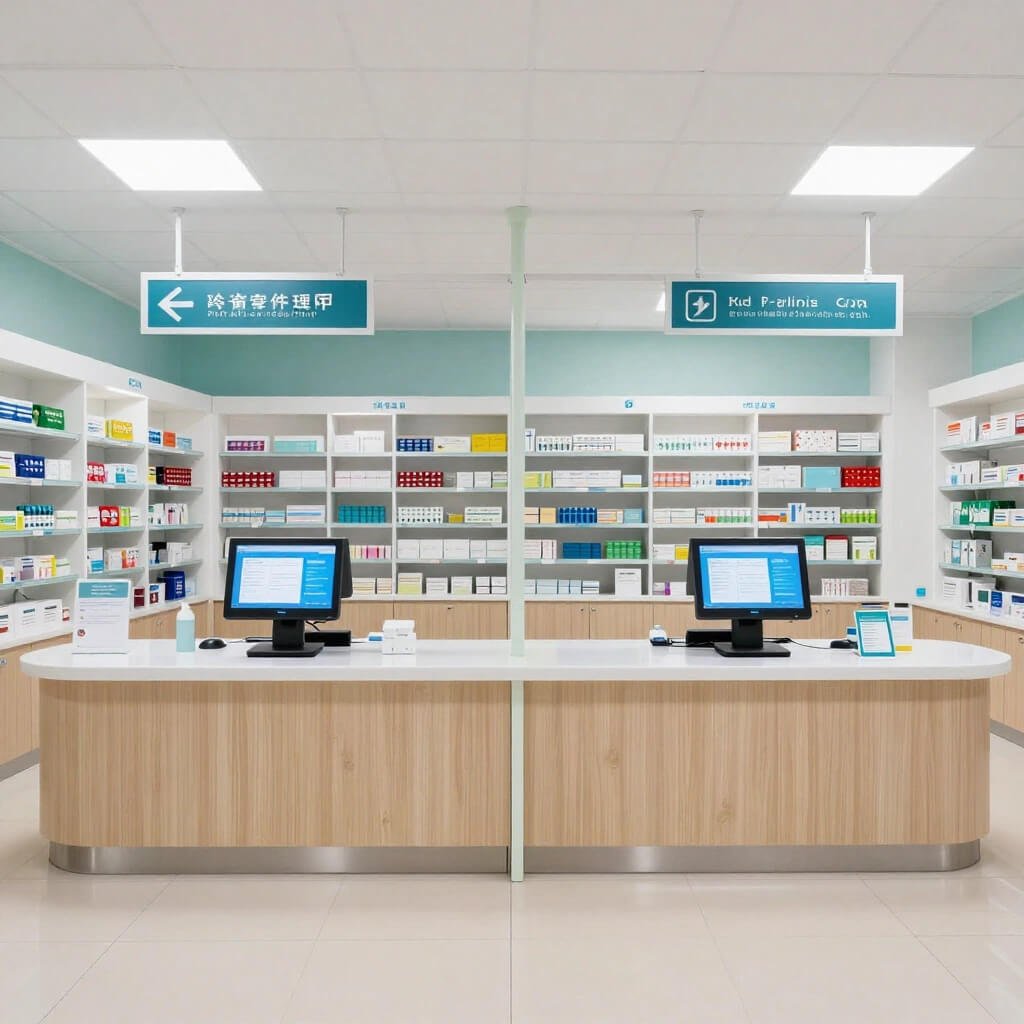
Efficiency nerds, this one’s for you. Dual section counters separate billing and dispensing into distinct zones, and the workflow improvement is honestly magical. You eliminate that awkward situation where customers are waiting to pay while others are waiting for prescription consultations.
The setup is straightforward: one counter section handles financial transactions and general inquiries, while the separate dispensing section focuses on prescription pickup and pharmacist consultations. It’s like having two specialized machines instead of one that tries to do everything.
Functional Advantages
Here’s why dual sections work so well:
- Reduced wait times through parallel processing
- Privacy for consultations at the dispensing counter
- Faster transactions at the dedicated billing counter
- Better staff specialization (billing staff vs. pharmacy technicians)
- Improved customer flow throughout the pharmacy
- Multiple customer service simultaneously without chaos
I watched a pharmacy implement this during a busy flu season, and the difference was night and day. Instead of one long, frustrated line, customers naturally divided based on their needs. Quick prescription pickups went through billing; complex questions went to dispensing. Everyone moved faster, and staff stress levels visibly decreased.
Space Planning
You’ll need adequate space for two distinct counter sections—typically a minimum of 12-15 feet of total counter length. Position them logically within your pharmacy layout. The billing counter should be near the entrance for quick in-and-out transactions, while the dispensing counter should have easy access to your storage and preparation areas.
Also Read: 10 Smart Washbasin Counter Design Ideas for Compact Spaces
Smart Digital LED Pharmacy Counter Design

Welcome to the future, folks. Smart digital counters with LED integration aren’t just about looking cool (though they absolutely do)—they’re about creating interactive customer experiences and operational efficiency.
These counters integrate digital displays, LED lighting systems, and sometimes even touchscreen interfaces directly into the counter design. You’re basically turning your counter into a smart device that does way more than just sit there looking pretty.
Technology Integration
Modern smart counters can include:
- Digital menu boards displaying services, promotions, and wait times
- Integrated tablet systems for customer self-check-in
- LED status indicators (green for available, red for busy)
- Programmable lighting that changes for promotions or time of day
- Digital queue management systems
- Interactive product catalogs customers can browse while waiting
- Health screening kiosks integrated into the counter design
I saw a pharmacy install digital counters with integrated blood pressure monitors and weight scales. Customers could check vitals while waiting, and the data synced directly to their pharmacy profile. That’s next-level customer service that also generates valuable health data.
Cost vs. Value
Let’s be real: smart counters aren’t cheap. You’re looking at a significant investment compared to traditional designs. But the customer experience improvement and operational data you gather can justify the cost. Plus, younger customers expect this kind of technology integration—it’s becoming less of a luxury and more of an expectation.
Maintenance and Updates
Technology requires maintenance and eventual updates. Your smart counter will need software updates, occasional hardware repairs, and tech support. Factor these ongoing costs into your decision. Nothing worse than a high-tech counter with a broken screen that never gets fixed—it looks unprofessional and dated.
Making Your Counter Design Decision
So you’ve seen ten different approaches to pharmacy counter design. Now what? Choosing the right one for your pharmacy isn’t about picking the coolest option—it’s about matching design to your specific needs, budget, and customer base.
Questions to Ask Yourself
Before committing to a design, honestly answer these:
- What’s my budget? (Be realistic, not optimistic)
- How much space am I working with? (Measure accurately, not approximately)
- Who are my primary customers? (Demographics matter)
- What’s my pharmacy’s positioning? (Discount, premium, specialized?)
- How many staff members work simultaneously? (Affects counter size)
- What’s my typical daily volume? (High traffic needs different design than low)
- What impression do I want to create? (Modern? Traditional? Luxury?)
Your answers will naturally eliminate some options and highlight others. A compact pharmacy in a working-class neighborhood probably doesn’t need a marble counter, while a wellness pharmacy in an upscale area would look out of place with a basic compact setup.
Mixing and Matching
Here’s a secret: you don’t have to choose just one design approach. The best pharmacy counters often combine elements from multiple designs. You could create an L-shaped wooden counter with LED lighting and integrated wall storage. Or a U-shaped design with acrylic panels and smart digital displays.
The point is to think about functionality first, aesthetics second. A gorgeous counter that kills your workflow is still a bad counter. A plain counter that serves your operational needs perfectly is still a good counter. The sweet spot is finding designs that nail both function and form.
Final Thoughts
Your pharmacy counter is way more important than most people realize. It’s your brand ambassador, workflow hub, and customer interaction point all rolled into one piece of furniture. Choosing the right design affects everything from daily operations to customer perceptions to staff satisfaction.
I’ve seen pharmacies transform their entire business just by updating their counter design. Customers notice. Staff appreciates better workflow. And you’ll wonder why you didn’t make the change sooner.
Whether you go minimal glass, luxury marble, compact efficiency, or high-tech smart design, commit to quality. A well-designed, properly installed pharmacy counter should serve you for years. It’s not an expense—it’s an investment in your pharmacy’s future.
Now go forth and design a counter that makes your pharmacy the talk of the neighborhood (in a good way, obviously). Your customers, staff, and bottom line will thank you. And hey, maybe you’ll develop a weird obsession with pharmacy counter design too—stranger things have happened :/