10 Perfect Small Backyard Garden Design Ideas for Cozy Corners
- Garden Design
 Ben
Ben- 0
- 33 minutes read
You know that awkward corner of your backyard? The one you keep staring at, wondering how to transform it into something magical without breaking the bank or requiring a landscaping degree? I’ve been there, friend. After years of trial and error (and maybe a few plant casualties), I’ve discovered that small spaces actually give you the best opportunities to create something truly special.
Let’s be honest—not all of us have sprawling estates with endless garden beds. Most of us work with tiny patios, narrow side yards, or that weird triangular space behind the garage. But here’s the thing: constraints breed creativity. When you have limited space, every choice matters, and that’s exactly what makes these cozy corners so rewarding to design.
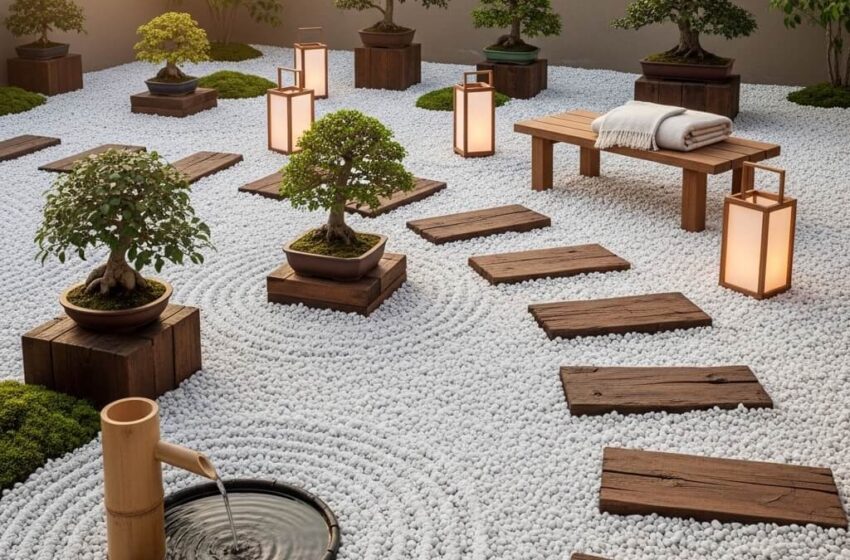
Cozy Minimal Zen Backyard Garden
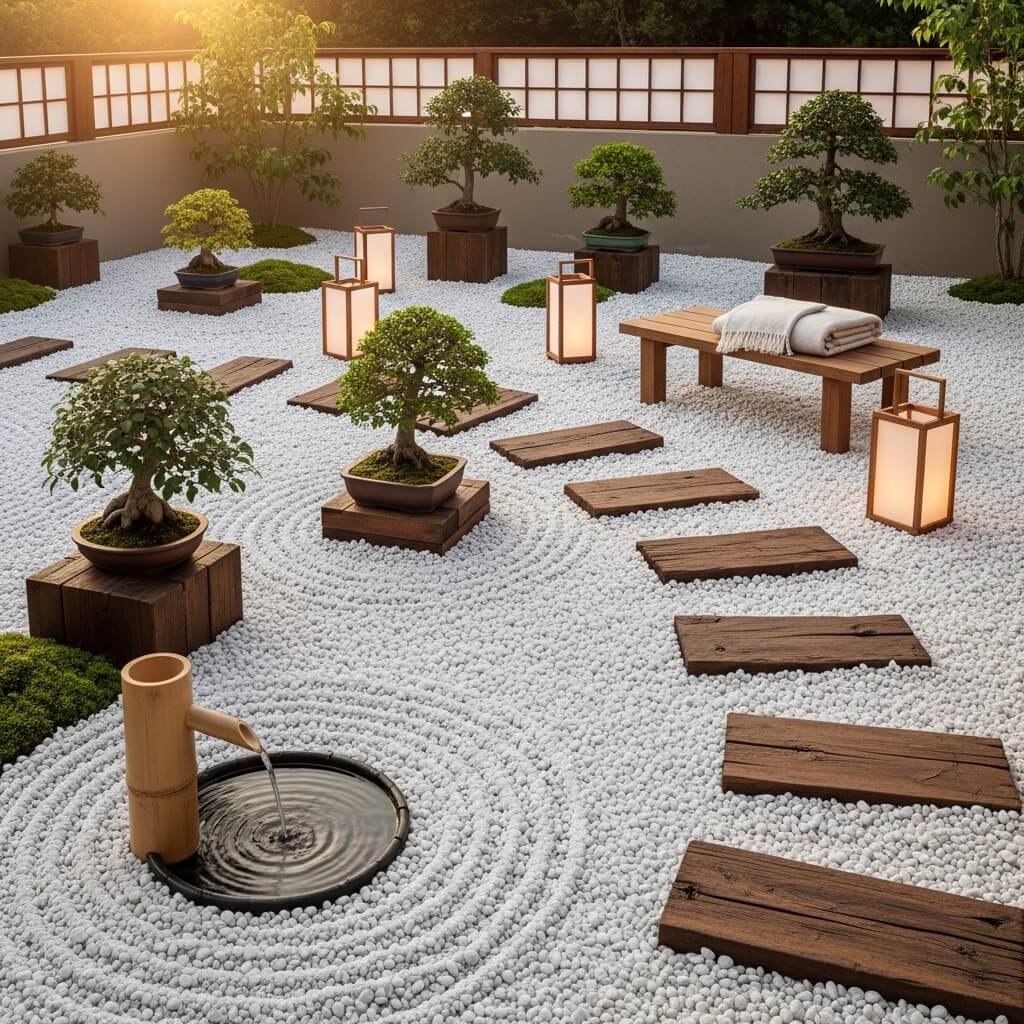
Ever walked into a space and immediately felt your shoulders relax? That’s the magic of zen design, and you can absolutely create this vibe in your small backyard corner.
The beauty of a zen garden lies in its simplicity and intentionality. I learned this the hard way after cramming way too many elements into my first attempt. The result? Visual chaos that stressed me out more than my Monday morning commute.
Essential Elements for Your Zen Corner
Your zen corner needs just a few key components to work effectively:
• Clean lines and geometric shapes – Think rectangular planters and straight pathways
• Neutral color palette – Whites, grays, and soft greens create that calming effect
• Natural materials – Stone, bamboo, and weathered wood add authentic texture
• Negative space – Don’t fill every inch; emptiness is part of the design
The plant selection matters enormously here. You want low-maintenance greenery that won’t overwhelm the space. I’ve had fantastic success with ornamental grasses like fountain grass, which moves beautifully in the breeze without requiring constant attention.
Creating Your Meditation Corner
Position a simple stone bench or weathered wooden seat where you can actually sit and enjoy the space. Too many people design gardens they never use! Add a small water feature—even a basic tabletop fountain creates that soothing sound that drowns out neighborhood noise.
One trick I swear by: use white gravel or decomposed granite as ground cover instead of traditional mulch. It maintains that clean, uncluttered look while suppressing weeds effectively.
Vertical Green Wall Small Garden Design
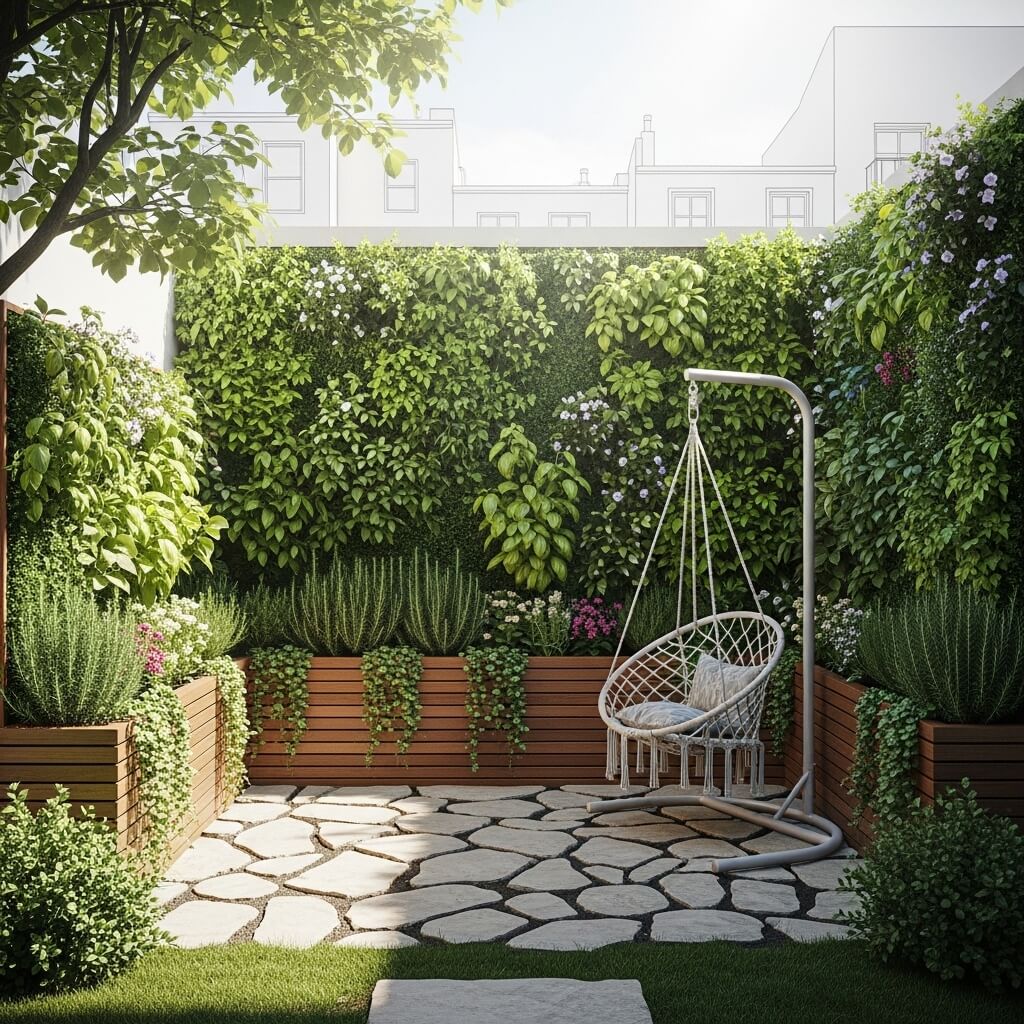
When you’re working with seriously limited floor space, the only way to go is up. Vertical gardens aren’t just trendy Instagram eye candy—they’re practical solutions that can transform even the tiniest corners into lush retreats.
I’ll admit, my first vertical garden attempt was a disaster. I mounted everything too high and couldn’t reach half my plants for watering. Learn from my mistakes, people!
Smart Vertical Garden Systems
Modular pocket systems work incredibly well for beginners. You can find these fabric or plastic pocket planters that attach directly to fences or walls. The key is choosing the right mounting height—keep everything within arm’s reach for maintenance.
For a more permanent solution, consider building simple wooden ladder planters. You create multiple levels using basic lumber and can easily adjust plant placement as things grow. Plus, the rustic wood adds character to modern spaces.
Plant Selection for Vertical Success
Not every plant thrives in vertical conditions. You need varieties that:
• Handle varying moisture levels (top pockets dry out faster)
• Stay compact and won’t overwhelm neighboring plants
• Tolerate some shade (lower levels get less direct sunlight)
• Look good year-round in your climate zone
Succulents absolutely shine in vertical systems, especially if your corner gets decent sunlight. Herbs work wonderfully too—imagine having fresh basil, oregano, and thyme right outside your kitchen door.
Budget-Friendly DIY Patio Garden Setup
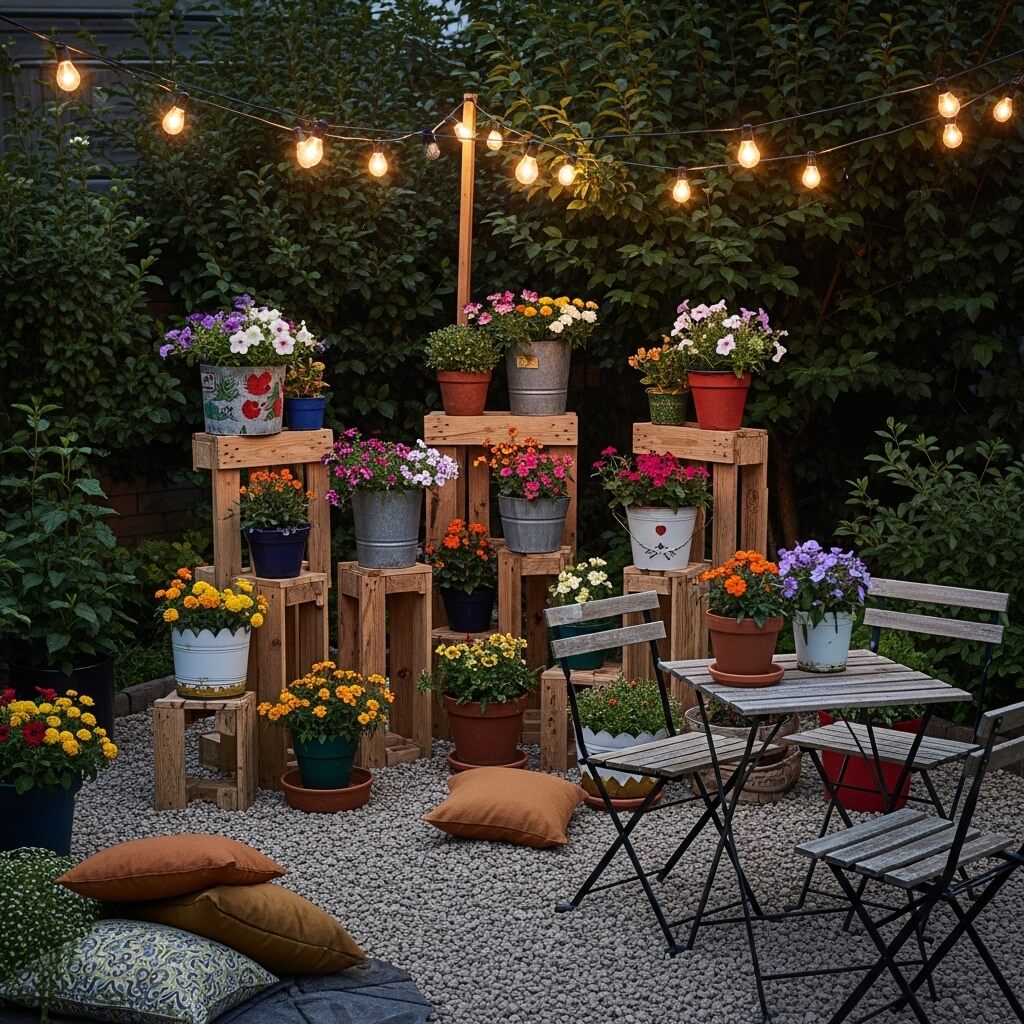
Let’s talk money, because not everyone has thousands to drop on garden makeovers. Some of my favorite garden corners cost less than a nice dinner out, and they’ve brought years of enjoyment.
The secret to budget gardening? Think repurpose and DIY first, buy new last. I’ve created stunning planters from old colanders, transformed wooden crates into raised beds, and used vintage ladders as plant stands.
Thrifty Container Ideas
Hit up garage sales and thrift stores for unique planters. Old galvanized buckets, ceramic crocks, and even worn-out wheelbarrows make fantastic plant containers. Just drill drainage holes and you’re golden.
Concrete hypertufa planters offer another budget-friendly option. Mix Portland cement, peat moss, and perlite to create lightweight, weathered-looking containers that cost a fraction of store-bought alternatives.
DIY Raised Bed Solutions
You can build basic raised beds using untreated cedar boards and corner brackets from the hardware store. No fancy joinery required—just measure, cut, and assemble. Fill with quality potting mix rather than garden soil for better drainage and plant health.
For temporary or rental-friendly options, consider fabric raised beds. They cost significantly less than wooden versions and you can easily move them if needed.
Also Read: 10 Stylish Cactus Garden Design Ideas for Balcony Beauty
Modern Small Backyard Oasis with Seating
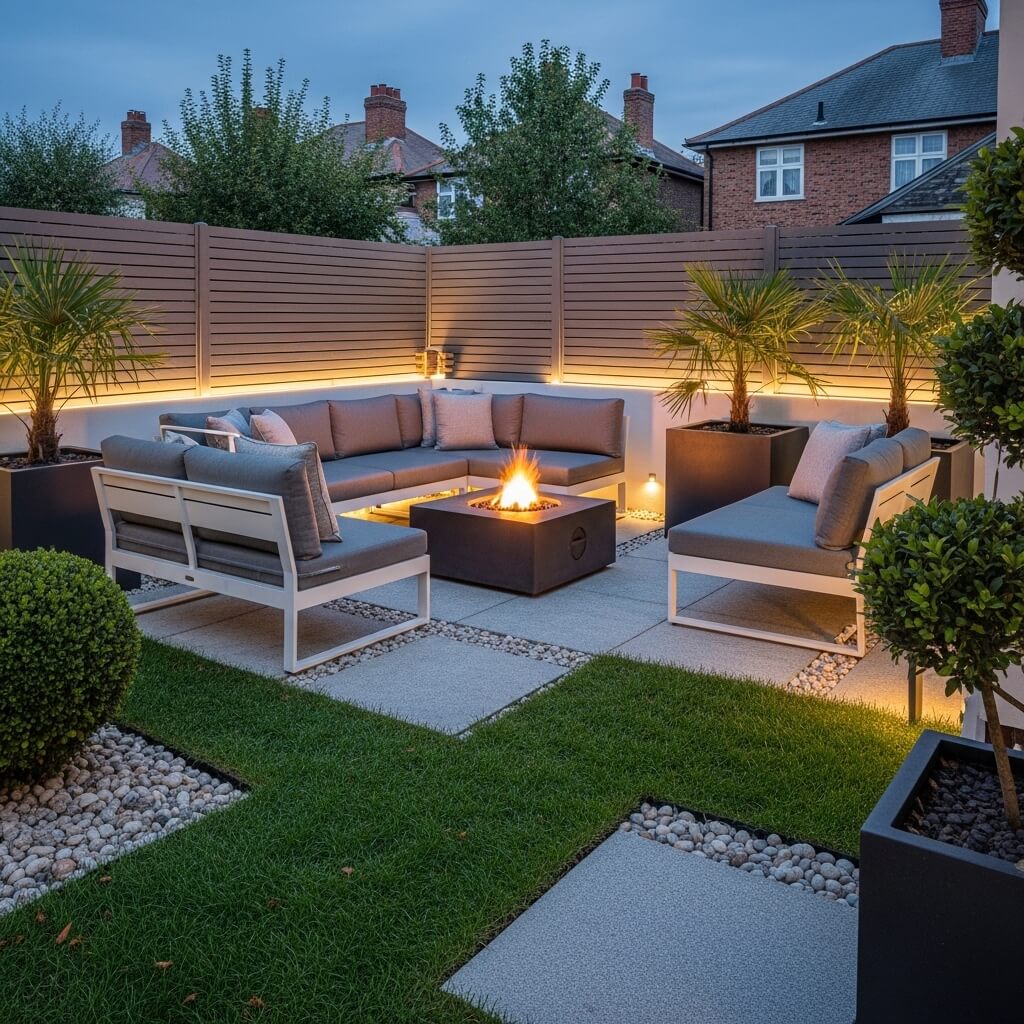
Who says small spaces can’t feel luxurious? A modern oasis focuses on clean design, comfortable seating, and strategic lighting to create an upscale vibe without requiring massive square footage.
The key principle here: less is definitely more. Choose fewer elements but make them high-quality and purposeful.
Seating That Actually Works
Forget those tiny bistro chairs that leave you uncomfortable after ten minutes. Invest in one really good seating option rather than multiple mediocre pieces. A comfortable bench with weather-resistant cushions beats four rickety chairs every time.
Built-in seating works brilliantly in small spaces because it doesn’t eat up floor space the same way freestanding furniture does. You can create simple concrete or wooden benches that double as planters or storage.
Modern Plant Choices
Stick with architectural plants that have strong, geometric forms. Ornamental grasses, agaves, and columnar trees create that contemporary look without overwhelming small spaces.
Group plants in odd numbers and use matching containers for a cohesive appearance. Repetition is your friend in modern design—three identical planters with the same plant variety looks intentional and sophisticated.
Lighting for Evening Ambiance
String lights aren’t just for college dorms! Modern LED versions create warm, inviting ambiance that extends your outdoor season into cooler months. Solar options eliminate wiring concerns and reduce energy costs.
Add uplighting for dramatic effect—small LED spotlights aimed at interesting plants or architectural features create sophisticated nighttime appeal.
Rustic Cottage Style Tiny Garden Escape
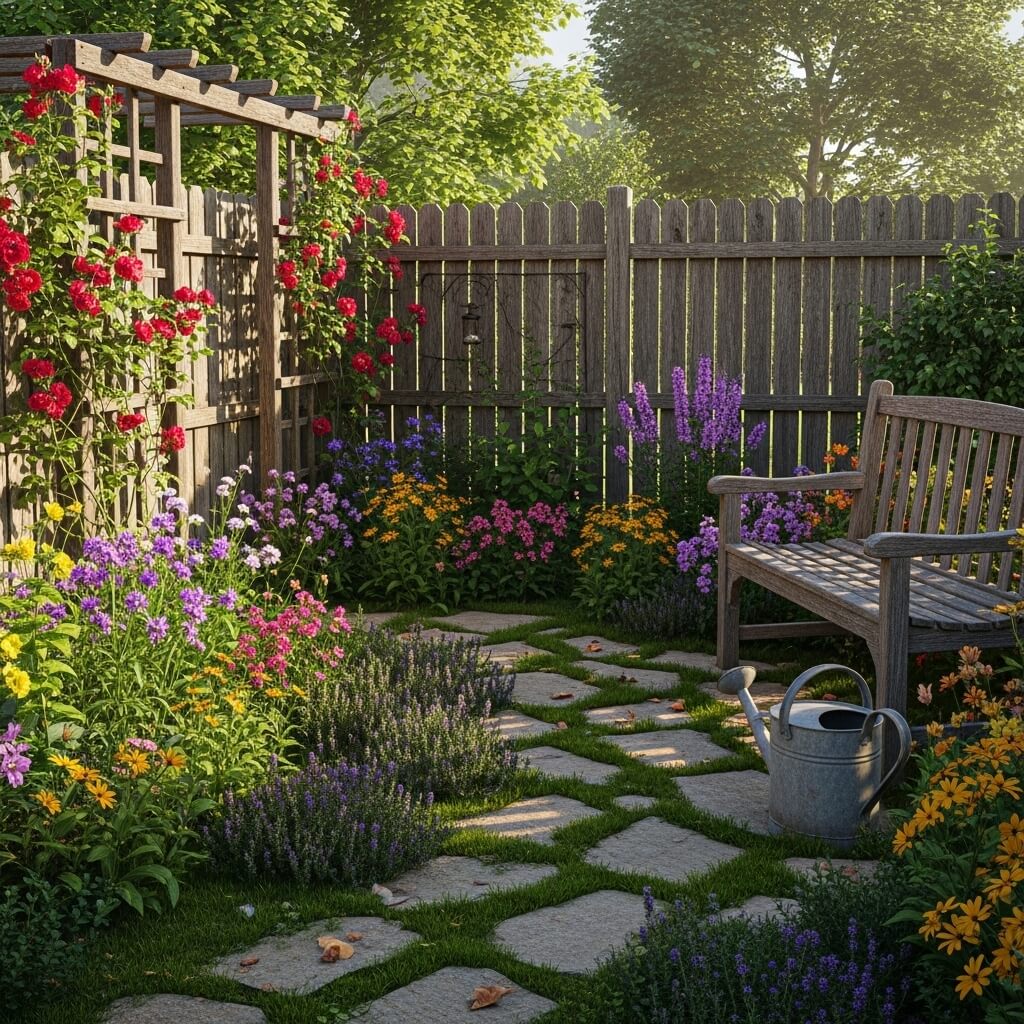
Sometimes you want your backyard to feel like a secret English garden, even if you’re working with a 10×10 space behind a suburban townhouse. Cottage style embraces organized chaos and romantic abundance in ways that work beautifully in small areas.
The cottage garden aesthetic celebrates imperfection and happy accidents. Plants spill over pathways, colors mix freely, and everything feels established and loved rather than recently designed.
Essential Cottage Garden Elements
Weathered materials set the stage perfectly. Look for aged terra cotta pots, distressed wooden trellises, and vintage garden tools as decorative elements. Flea markets and estate sales offer treasure troves of authentic cottage garden accessories.
Climbing roses or flowering vines soften hard edges and add vertical interest. Even a simple chain-link fence transforms into cottage charm when covered with clematis or morning glories.
Plant Combinations for Cottage Appeal
Layer different heights and textures to create that abundant, overflowing look:
• Tall background plants – Hollyhocks, delphiniums, or climbing roses
• Medium height fillers – Lavender, catmint, or ornamental grasses
• Low spreading plants – Creeping thyme, sweet alyssum, or trailing nasturtiums
Self-seeding annuals like poppies, larkspur, and love-in-a-mist create that naturalized look cottage gardens are famous for. Let them go to seed and spread naturally for authentic cottage randomness.
Creating Cozy Pathways
Even tiny spaces benefit from defined pathways. Use irregularly shaped flagstones with creeping plants growing between the cracks. This creates that well-worn, timeless appearance that makes cottage gardens so appealing.
Compact Urban Backyard Garden Makeover
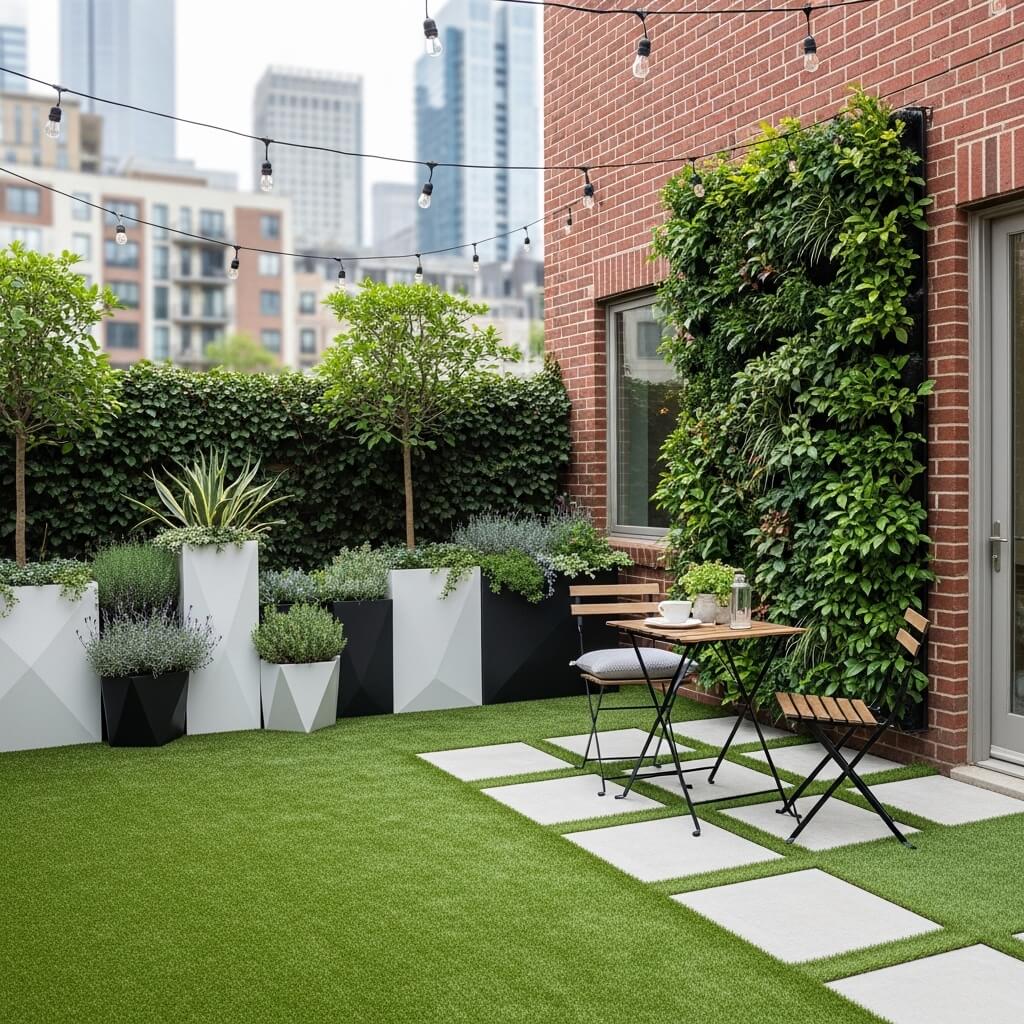
Urban gardening presents unique challenges—pollution, limited sunlight, and small spaces—but also offers exciting opportunities. City gardens can feel like private sanctuaries that shut out urban noise and chaos.
I’ve helped friends transform concrete urban courtyards into green retreats that rival suburban gardens. The secret? Working with your urban environment rather than fighting it.
Dealing with Urban Challenges
Air pollution affects plant selection. Choose varieties with waxy or fuzzy leaves that handle urban air better. Evergreen shrubs, ornamental grasses, and many herbs tolerate city conditions surprisingly well.
Limited sunlight requires strategic plant placement. Observe your space throughout the day to identify the sunniest spots, then position sun-loving plants accordingly. Shade-tolerant options like hostas, ferns, and caladiums thrive in areas with indirect light.
Urban Space Solutions
Multi-level planters maximize growing space in small urban areas. Stack different sized containers or build tiered planting systems that create visual interest while accommodating more plants.
Consider mobile planters on wheels that you can move to follow sunlight throughout the day. This flexibility works especially well for herbs and vegetables that need maximum sun exposure.
Creating Privacy
Urban gardens often lack natural privacy screens. Fast-growing bamboo varieties create effective barriers quickly, though you’ll want clumping rather than running types to avoid neighbor disputes 🙂
Tall planters with ornamental grasses or small trees provide privacy without permanent installations—perfect for renters or those who might move.
Also Read: 10 Smart Front Garden Design Ideas for Budget Makeover
Lush Tropical Corner Garden Design Idea
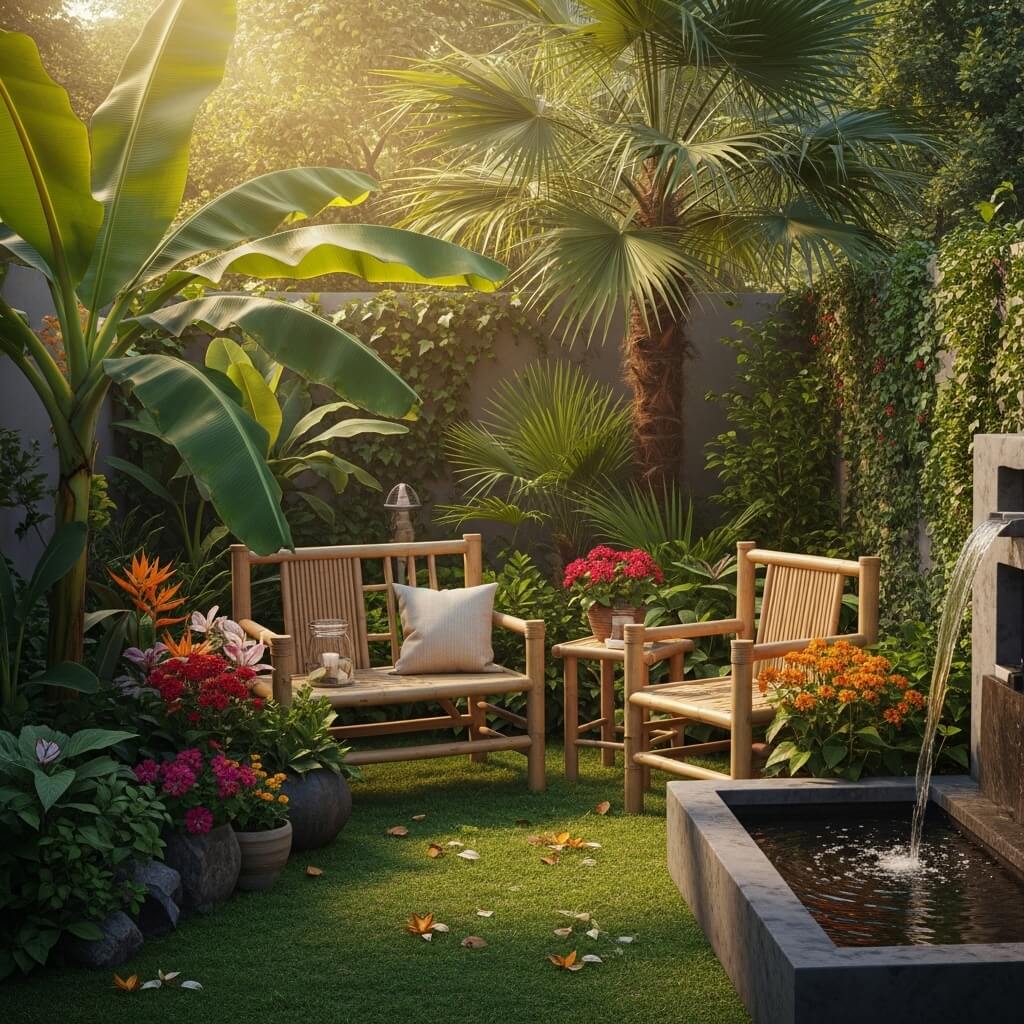
Want to feel like you’re vacationing in your own backyard? Tropical gardens create that paradise vibe through bold foliage, vibrant colors, and lush textures that transport you somewhere exotic.
The tropical look works surprisingly well in small spaces because it focuses on dramatic plants rather than extensive layouts. A few well-chosen specimens create more impact than dozens of smaller plants.
Key Plants for Tropical Vibes
Large-leaved plants form the backbone of tropical design. Hostas, elephant ears, and banana plants create that jungle feel even in temperate climates. Many tropical-looking plants handle cooler temperatures better than you’d expect.
For year-round tropical appeal, include evergreen options like palm varieties, bamboo, or broad-leaved evergreen shrubs. These maintain the lush look even when deciduous tropical plants die back in winter.
Color and Texture Combinations
Layer different leaf shapes and sizes for maximum visual impact:
• Broad, paddle-shaped leaves – Banana plants, elephant ears
• Spiky, architectural forms – Yuccas, dracaenas, or palm varieties
• Feathery, delicate textures – Ferns, caladiums, or ornamental grasses
Bright flower colors enhance the tropical theme. Hibiscus, bird of paradise, and brightly colored coleus add those vacation-worthy pops of orange, red, and yellow.
Creating Tropical Atmosphere
Water features enhance the tropical experience immensely. Even a small bubbling fountain or simple water bowl creates that resort-like ambiance. The sound of water also helps mask urban noise pollution.
Use natural materials like bamboo, teak, or rattan for furniture and accessories. These materials weather beautifully and maintain the tropical aesthetic throughout the seasons.
Small Backyard with Firepit Cozy Setup
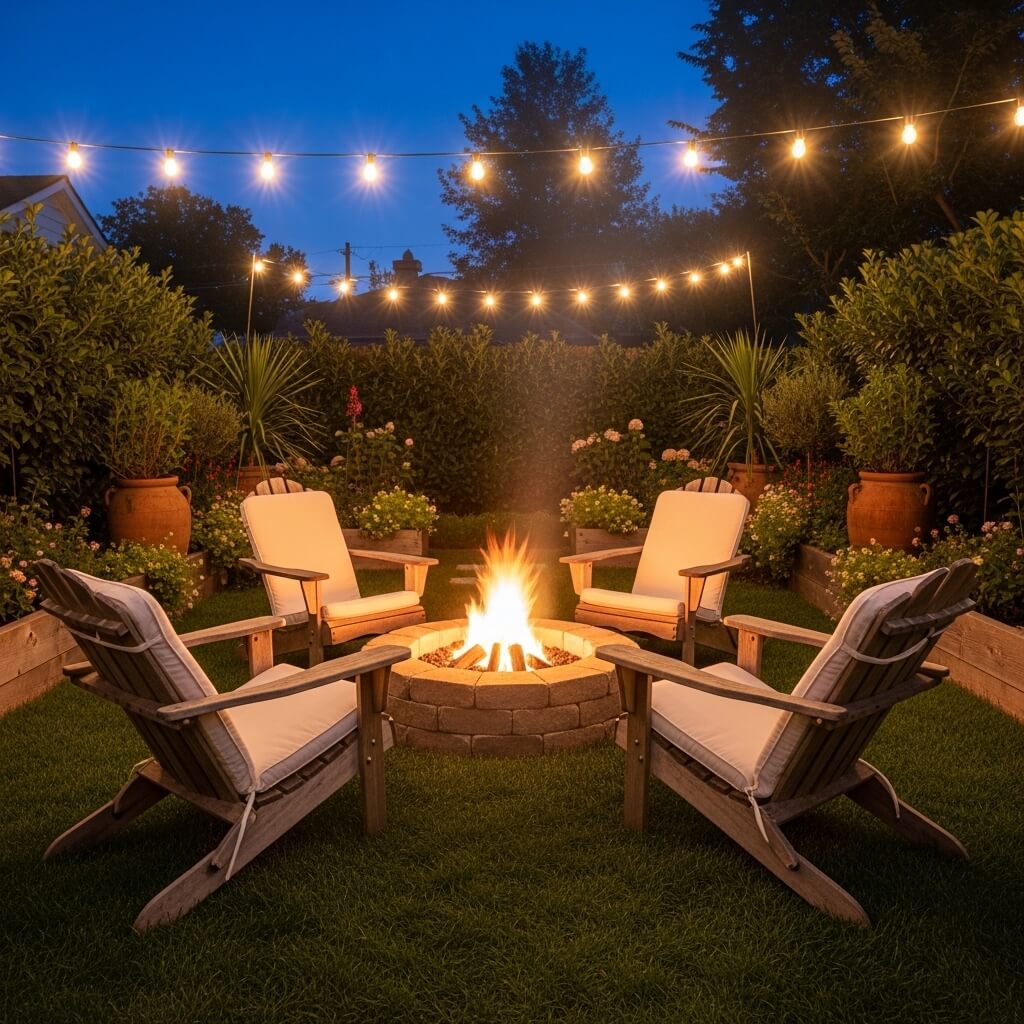
Nothing extends outdoor season like a firepit corner that beckons you outside even on chilly evenings. Fire features transform small spaces into gathering spots that feel warm and inviting year-round.
The magic happens when you combine fire, seating, and strategic plantings to create a complete outdoor room rather than just a place to burn wood.
Firepit Options for Small Spaces
Portable fire bowls offer flexibility and cost less than permanent installations. You can move them for parties, store them during harsh weather, and take them with you if you move.
For permanent solutions, consider compact gas fire tables that double as coffee tables when not in use. These eliminate wood storage needs and provide consistent, controllable flames.
Safe Plant Placement
Keep flammable plants well away from fire features—at least six feet for safety. Use this constraint as a design opportunity by creating distinct zones within your small space.
Fire-resistant plants like lavender, rosemary, and other Mediterranean herbs actually enhance the firepit experience with their aromatic qualities when warmed by nearby flames.
Seating Arrangements
Built-in benches work wonderfully around firepits because they can’t be pushed too close to the flames accidentally. Add weather-resistant cushions for comfort without creating maintenance headaches.
Arrange seating to encourage conversation while ensuring everyone can see the fire. A horseshoe or L-shaped configuration works better than straight lines for social gatherings.
Japanese Inspired Mini Garden Landscape
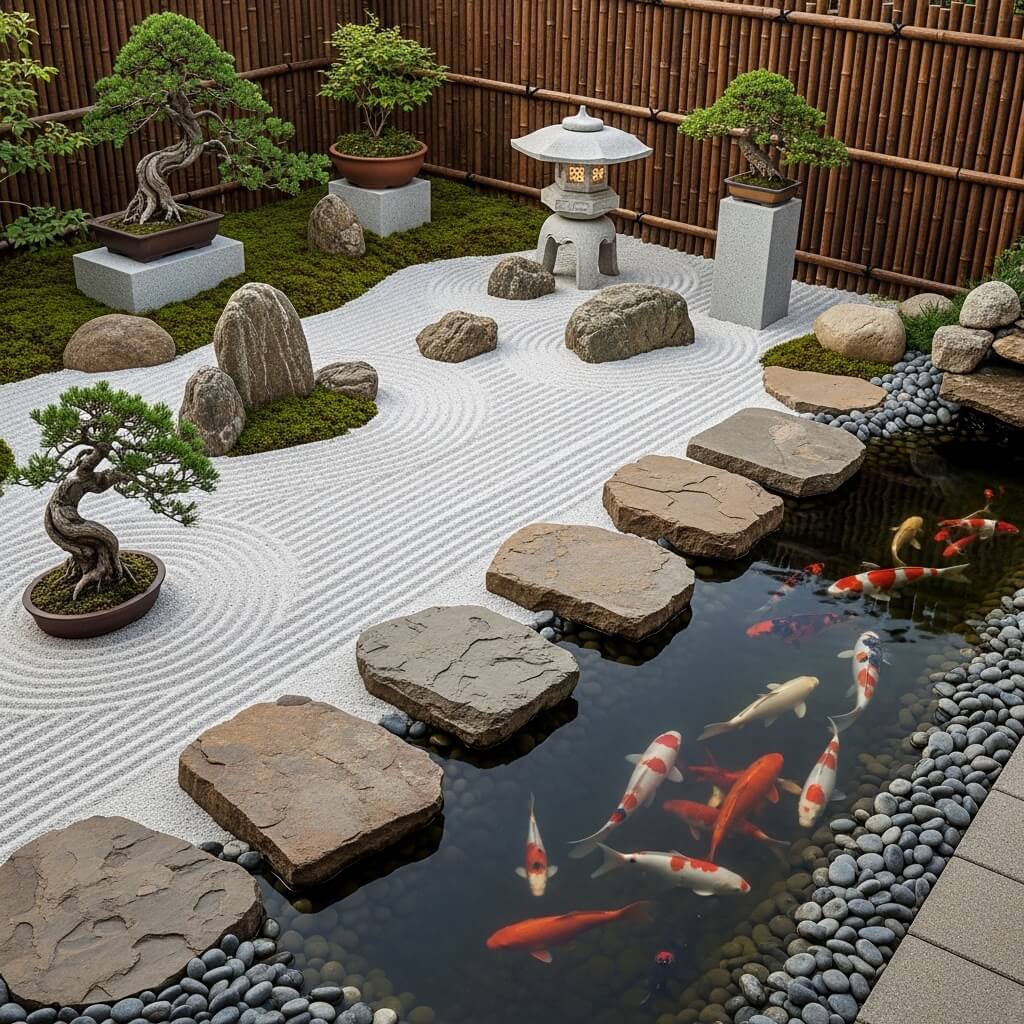
Japanese garden design principles create incredibly peaceful small spaces through careful balance, natural materials, and symbolic elements that encourage contemplation and relaxation.
Unlike Western gardens that often showcase abundance, Japanese design celebrates restraint and subtle beauty. This philosophy works perfectly for small spaces where every element must earn its place.
Fundamental Design Principles
Asymmetrical balance creates visual interest without formal rigidity. Position larger elements like rocks or plants off-center, then balance them with smaller groupings elsewhere in the space.
Natural weathering adds authenticity to Japanese-inspired gardens. Choose materials that age beautifully rather than fighting the effects of time and weather.
Essential Elements
Create pathways using stepping stones that encourage slow, mindful movement through your small space. Space stones slightly farther apart than normal walking pace to naturally slow visitors down.
Stone groupings represent mountains or islands and add sculptural interest year-round. Use odd numbers and vary sizes for the most natural appearance.
Plant Selection for Authenticity
Japanese maples work beautifully in small spaces and provide stunning seasonal color changes. Choose dwarf varieties that won’t overwhelm tiny gardens.
Include evergreen elements like small conifers, bamboo, or Japanese holly to maintain structure during winter months. Moss creates that aged, established feeling that makes Japanese gardens so appealing.
Water features enhance the meditative quality—even a simple bamboo water spout or stone basin creates the gentle sounds that define authentic Japanese gardens.
Also Read: 10 Inspiring Rose Garden Design Ideas for Romantic Garden Style
Space-Saving Container Garden Layout Ideas
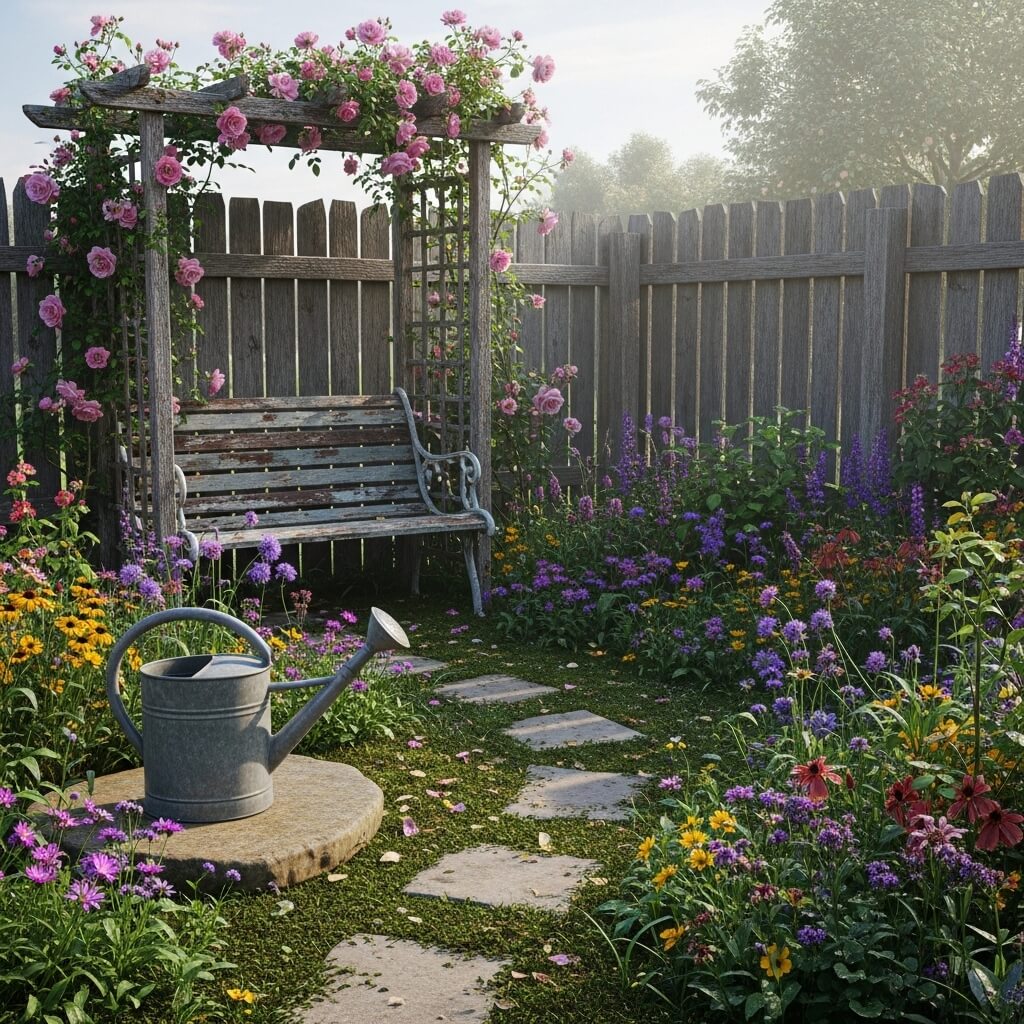
Container gardening offers the ultimate flexibility for small space gardeners. You can rearrange layouts seasonally, move plants to follow optimal growing conditions, and completely redesign your space without major construction.
I’ve discovered that strategic container placement makes tiny spaces feel much larger than their actual square footage. The trick lies in creating layers and levels rather than lining everything up against walls.
Container Selection Strategy
Varying container heights creates visual interest and allows you to maximize growing space. Tall, narrow pots work well for accent plants, while wide, shallow containers suit spreading plants or herb collections.
Matching container styles while varying sizes creates cohesion without monotony. Three different sized pots in the same color or material look intentional and sophisticated.
Efficient Layout Techniques
Diagonal arrangements make spaces feel larger than straight lines against walls. Angle containers at 45-degree angles to create the illusion of more space and better traffic flow.
Use plant stands and risers to create multiple levels within small areas. This vertical approach allows you to grow significantly more plants without expanding your footprint.
Seasonal Flexibility
Rolling plant caddies let you easily relocate containers to follow seasonal sun patterns or make room for outdoor entertaining. This flexibility proves invaluable in small spaces with multiple functions.
Plan for seasonal plant swaps by keeping some containers sized for easy plant changes. FYI, this approach lets you enjoy spring bulbs, summer annuals, and fall decoratives in the same prime locations 🙂
Small backyard corners don’t have to feel like afterthoughts or wasted space. With intentional design and the right plant choices, these cozy areas become the most cherished parts of your outdoor living space. Whether you gravitate toward zen minimalism, cottage abundance, or modern sophistication, your tiny garden corner can reflect your personality while providing genuine sanctuary from daily stress.
The best part? You don’t need extensive gardening experience or unlimited budgets to create something beautiful. Start with one corner, experiment with what works, and let your space evolve naturally. Sometimes the most magical gardens are the ones that grow organically over time, shaped by both intention and happy accidents.
Your perfect small garden corner is waiting—it just needs someone who sees its potential rather than its limitations.