10 Creative Rock Garden Design Ideas for Stunning Backyard Style
- Garden Design
 Ben
Ben- 0
- 27 minutes read
You know that moment when you walk into someone’s backyard and your jaw just drops? That’s exactly what happens when you encounter a well-designed rock garden. I’ve been obsessing over these low-maintenance beauties for years, and honestly, they’re the secret weapon every homeowner needs.
Rock gardens aren’t just about throwing some stones around and calling it a day. They’re about creating dramatic focal points that work year-round while barely breaking a sweat on maintenance. Whether you’ve got a tiny patio or sprawling acres, there’s a rock garden design that’ll make your neighbors seriously jealous.
1. Zen Minimalist Rock Garden Retreat
Ever feel like your backyard screams chaos instead of whispers peace? A zen minimalist rock garden changes that game completely.
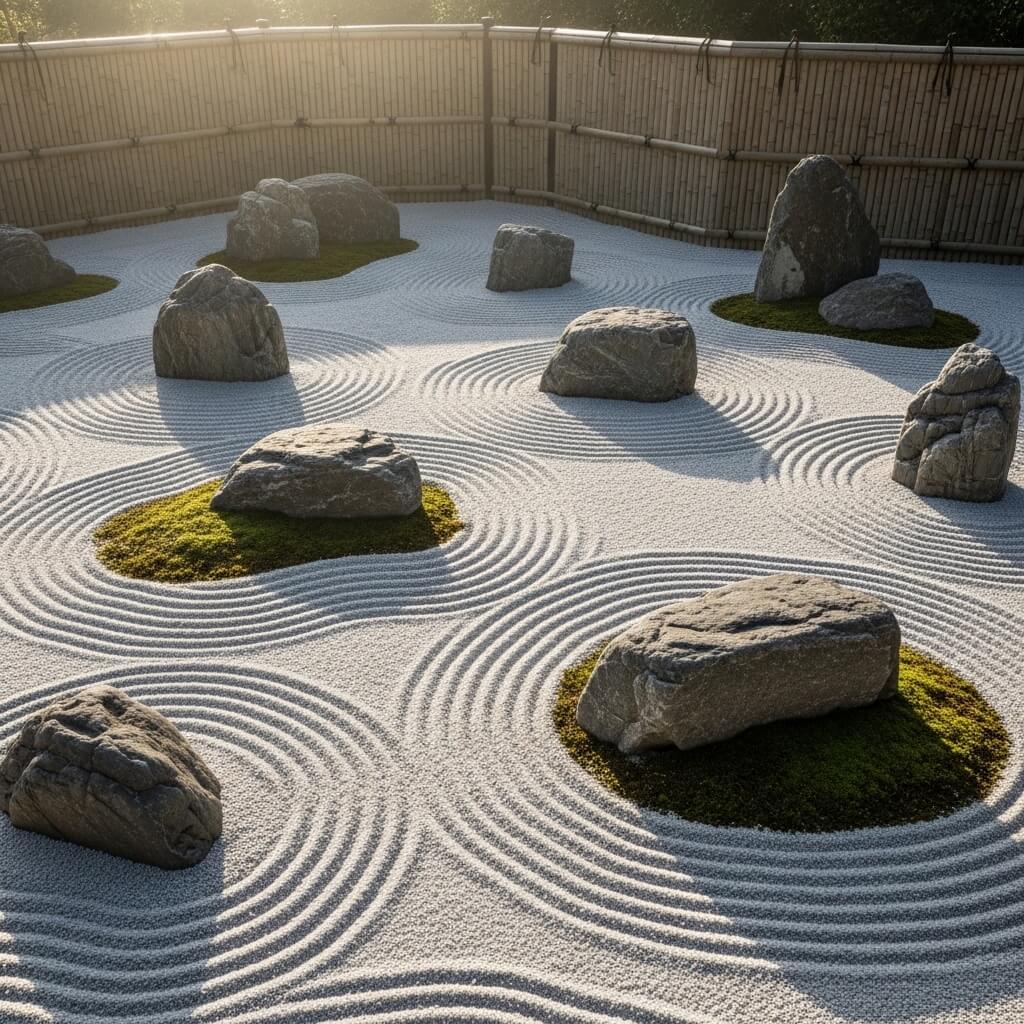
I created my first minimalist rock garden after visiting a meditation center that had this incredible space with just three large boulders, white gravel, and a single Japanese maple. The simplicity hit me like a zen slap to the face – sometimes less really is everything.
Key Elements for Your Zen Space
Your minimalist rock garden thrives on strategic emptiness. Choose one or two statement rocks as your anchors. I’m talking about those gorgeous weathered boulders that look like they’ve been meditating for centuries themselves.
White or light gray gravel creates the perfect canvas. You’ll rake it into gentle patterns that change with your mood. FYI, this raking thing becomes weirdly addictive – it’s like yoga for your garden tools.
Plant choices should be minimal but impactful:
• Single specimen trees like Japanese maples or ornamental grasses
• Maybe one small grouping of bamboo for that subtle rustling sound
• Moss patches that develop naturally over time
The magic happens in what you don’t include. No colorful flowers screaming for attention. No busy patterns. Just pure, clean lines that let your mind actually relax for once.
2. Desert-Inspired Succulent Rock Landscape
Who says you need to live in Arizona to rock a desert vibe? This design brings all that southwestern charm without the scorching heat and questionable wildlife encounters.
I fell in love with this style after a disastrous attempt at maintaining a traditional English garden. Turns out, I’m much better at forgetting to water plants than remembering to pamper them. Desert gardens basically reward neglect – finally, a style that matches my gardening skills!
Creating Your Own Desert Oasis
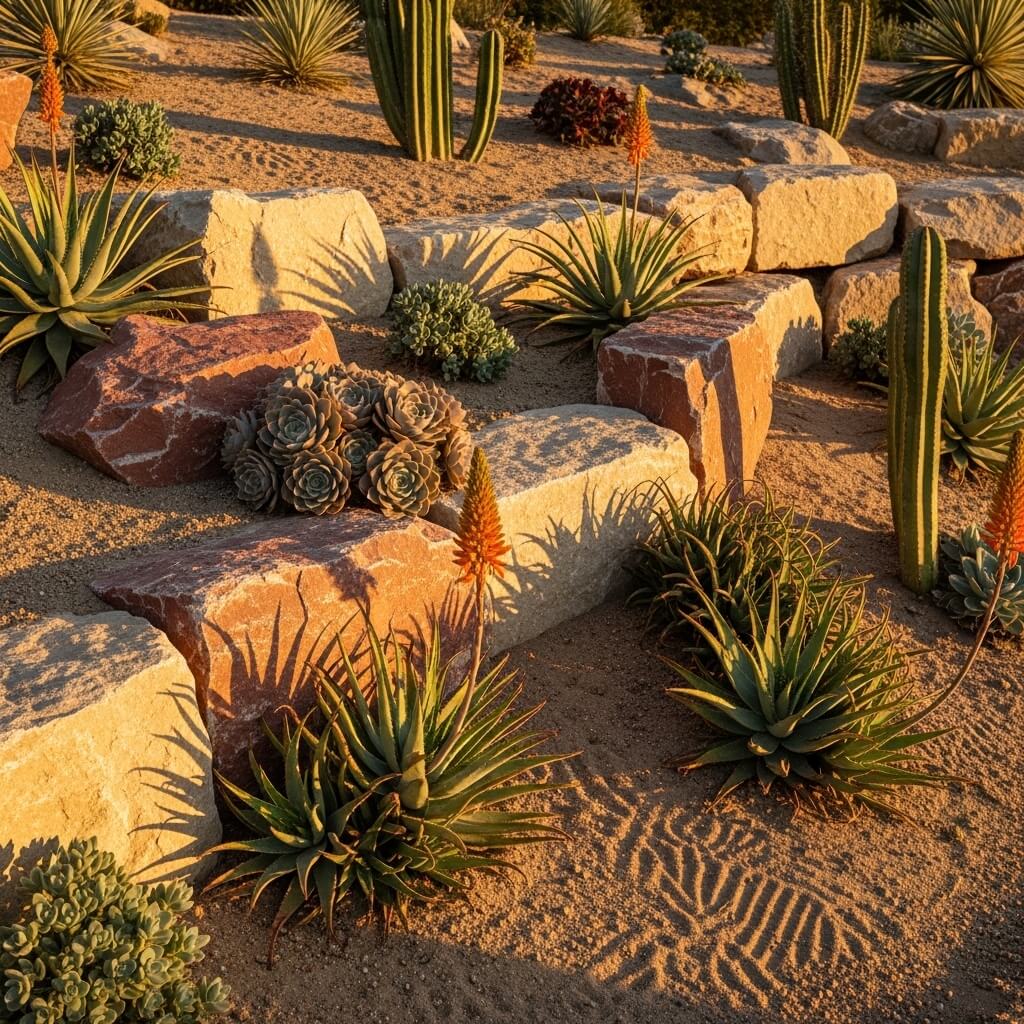
Start with warm-toned rocks like sandstone, red granite, or desert ironstone. These create that authentic sun-baked appearance that screams southwestern sophistication.
Your succulent lineup should include:
• Agave plants for dramatic architectural statements
• Barrel cacti that look like nature’s sculpture collection
• Colorful echeveria rosettes that cluster like living jewels
• Tall columnar cacti for vertical interest (if your climate allows)
Decomposed granite or crushed rock mulch ties everything together. The key is layering different textures and heights while keeping that sparse, intentional spacing that makes desert plants pop.
Add some weathered driftwood or interesting metal sculptures, and suddenly your backyard looks like it belongs in an expensive desert resort. Minus the resort prices, obviously.
3. Modern Geometric Rock Garden Design
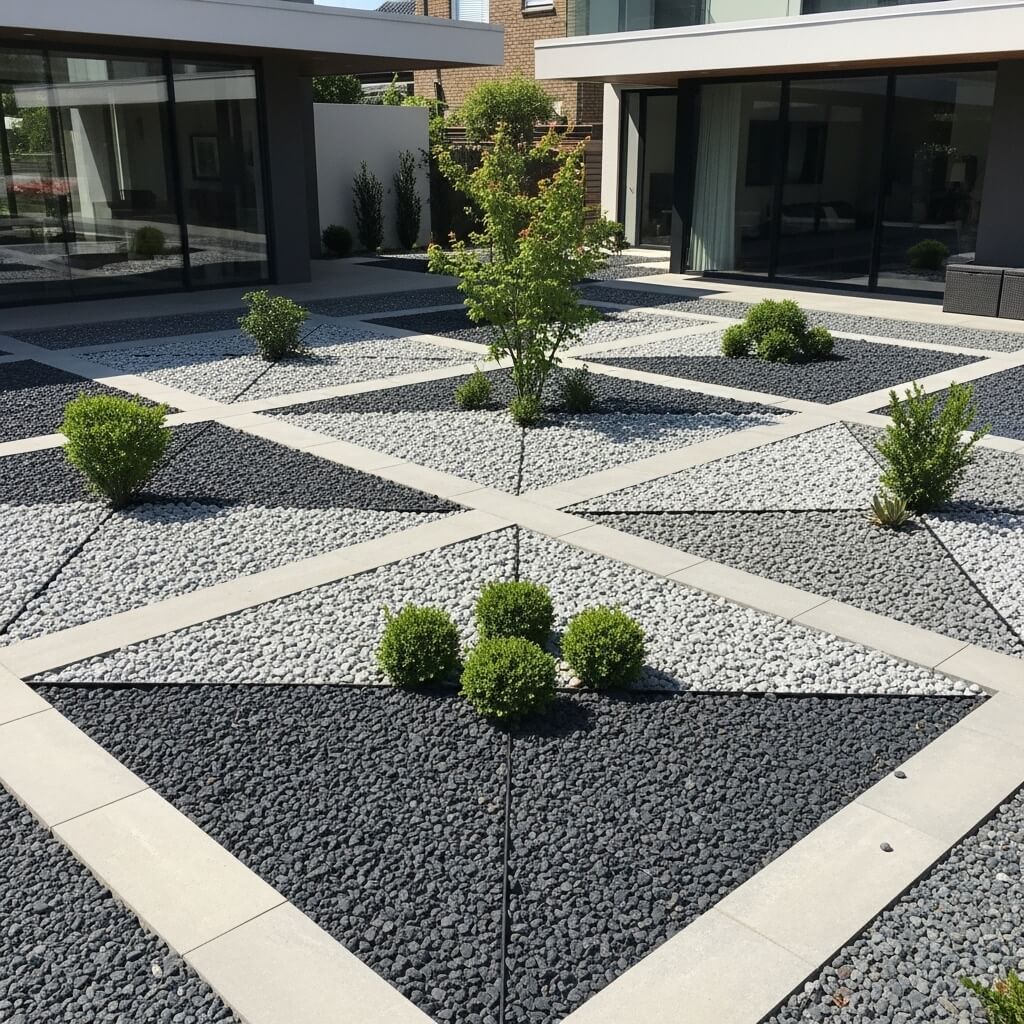
Ready to make your neighbors think you hired some fancy landscape architect? Geometric rock gardens bring that clean, contemporary edge that screams “I have my life together” – even when you definitely don’t.
Mastering Clean Lines and Sharp Angles
This style is all about precision and repetition. Think rectangular planters filled with identical plants, perfectly aligned pathways, and rock arrangements that would make a mathematician weep with joy.
Essential design elements include:
• Cut stone or concrete pavers arranged in grid patterns
• Uniform gravel sections separated by metal or concrete edging
• Repeated plantings of ornamental grasses or architectural succulents
• Strategic lighting that highlights your geometric perfection
I learned the hard way that this style demands commitment to maintenance. Those crisp edges don’t stay crisp by themselves – you’ll be out there with edging tools more often than you’d like. But honestly? The Instagram photos make it totally worth it 🙂
Color palettes work best in monochromatic schemes. Stick with grays, whites, and blacks for your hardscape, then add one pop of color through repeated plantings. Maybe purple alliums or silvery lamb’s ear – whatever makes your geometric heart sing.
Also Read: 10 Dreamy Garden Restaurant Design Outdoor Ideas for Romantic Setup
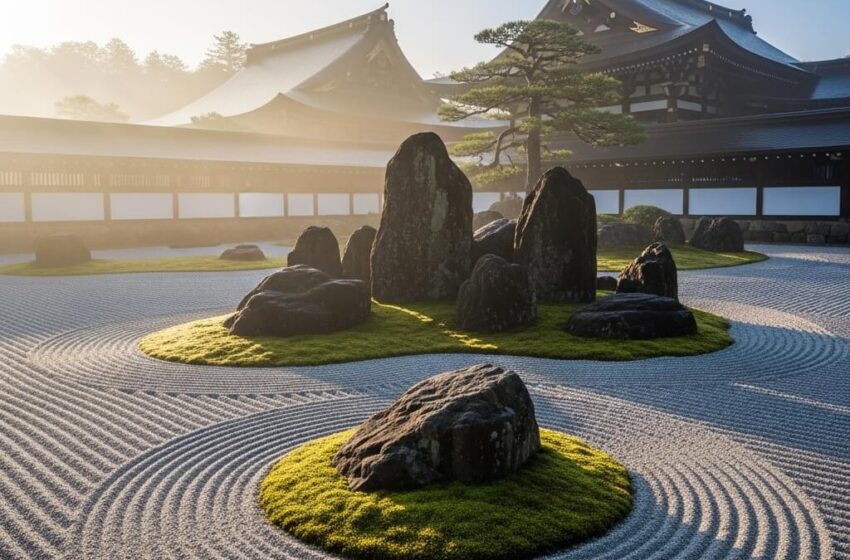
4. Japanese Dry Landscape Rock Garden (Karesansui Style)
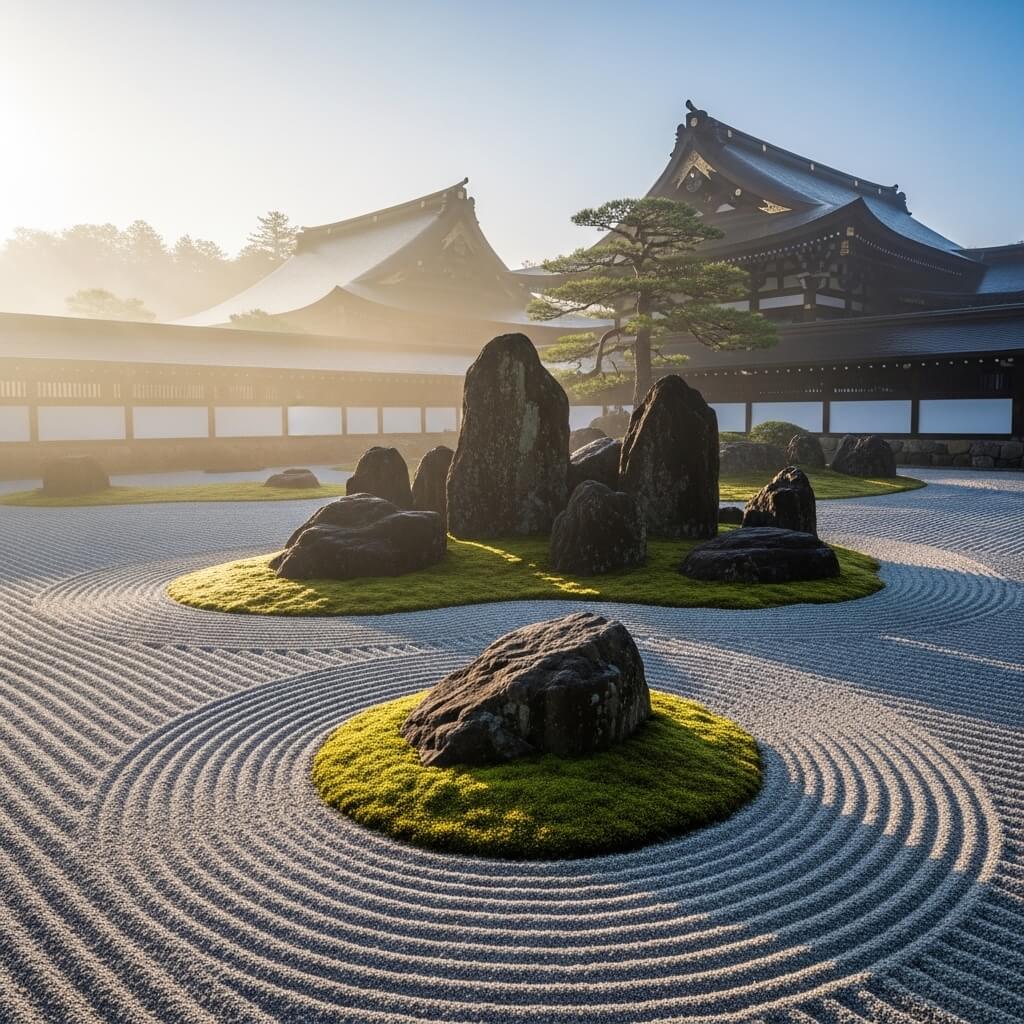
Nothing says “I’m sophisticated and worldly” quite like a traditional Japanese karesansui garden. These dry landscape masterpieces turn rock arrangement into genuine art form.
Understanding the Philosophy Behind the Stones
Traditional karesansui gardens represent water through carefully raked gravel and distant mountains through strategically placed rocks. You’re basically creating a miniature landscape that tells a story without using actual water or plants.
The three essential rock groupings represent:
• Mountains (your largest, most dramatic stones)
• Islands (medium rocks with interesting shapes)
• Coastal elements (smaller accent stones)
Your rocks need to feel intentional but never forced. I spent embarrassing amounts of time moving a single boulder six inches in different directions until it “felt right.” Trust me, you’ll know when the placement clicks.
Gravel patterns become your water: flowing curves around rock “islands,” straight lines representing distant seas, or circular patterns suggesting ripples. You’ll rake these patterns regularly, which becomes surprisingly meditative once you stop cursing at the leaves that dare to fall on your pristine gravel.
5. Waterfall Rock Garden with Natural Flow
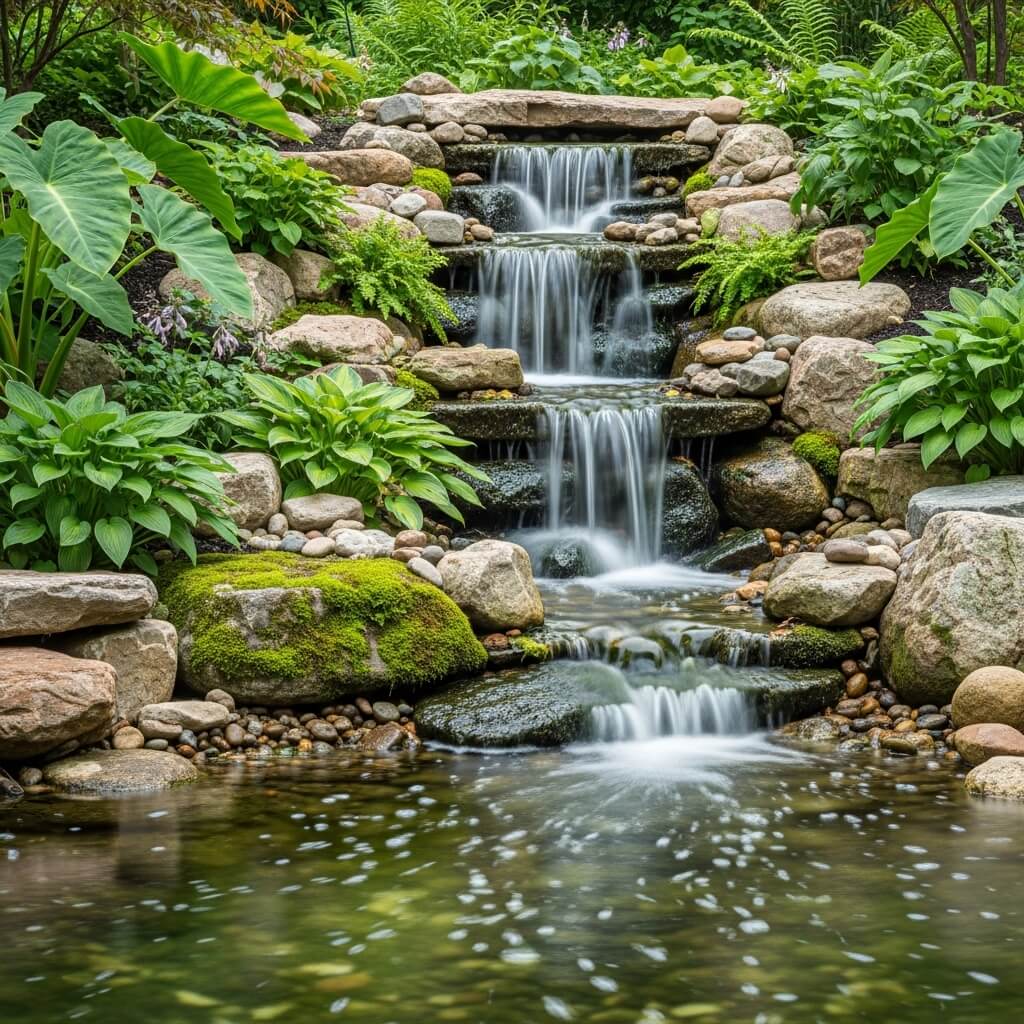
Want to add some serious drama to your outdoor space? Nothing beats the sound of water cascading over carefully placed rocks. This design brings that luxury resort feeling right to your backyard.
I’ll be honest – my first waterfall attempt looked like someone just dumped rocks around a garden hose and hoped for the best. The second try actually worked, mainly because I finally understood that water wants to flow naturally, not fight against awkward rock placement.
Creating Authentic Water Features
Your waterfall needs a source (hidden pump), a journey (your rock cascade), and a destination (pond or basin). The magic happens in making this look like Mother Nature designed it herself.
Rock selection makes or breaks the illusion:
• Use local stone that actually belongs in your climate
• Layer rocks so water hits multiple levels before reaching bottom
• Create some splash areas and others where water flows smoothly
• Hide your pump and electrical completely – nobody wants to see the mechanics
Plant placement softens the hardscape: ferns and hostas love waterfall mist, while water iris and cattails make your pond look established. Add some underwater plants if you’re feeling ambitious, or just enjoy the sound of moving water without the extra maintenance.
The real secret? Test your water flow before permanently cementing anything. Trust me on this one – adjusting rock positions after everything’s set is about as fun as it sounds.
6. Small Patio Pebble Rock Garden Corner
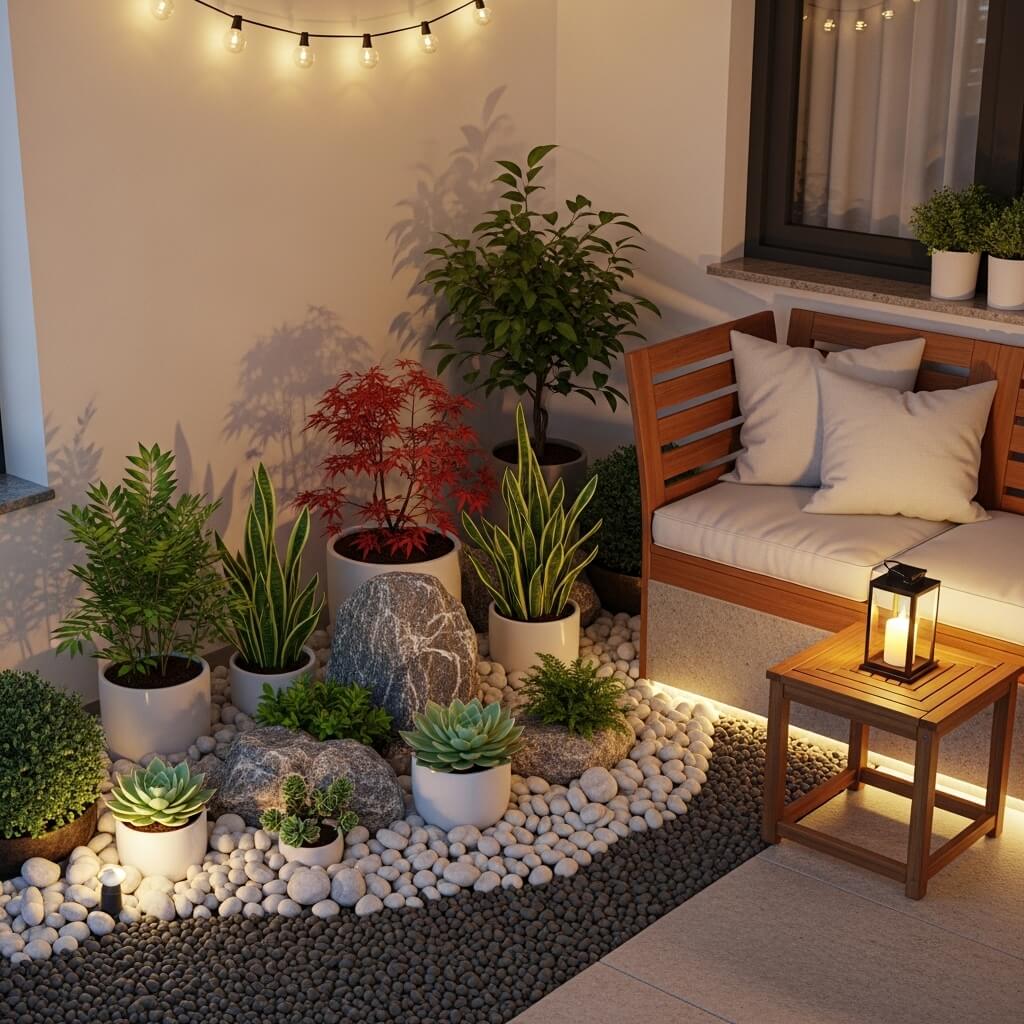
Got a tiny patio that feels more cramped than cozy? A corner pebble garden transforms forgotten spaces into stunning focal points that actually make small areas feel larger.
Maximizing Impact in Minimal Space
Container gardening meets rock garden in this brilliant space-saving approach. You’ll use different sized containers or built-in planters filled with various pebbles, stones, and carefully chosen plants.
Think layered heights and varied textures. Large containers hold your statement plants, while smaller bowls showcase interesting rock collections or tiny succulents. The pebbles serve as both decoration and practical drainage.
Perfect plants for patio rock gardens:
• Sedums that spill over container edges
• Small ornamental grasses that add movement
• Dwarf conifers for year-round structure
• Creeping thyme that releases fragrance when brushed
Pebble varieties create visual interest: river rocks for smooth contrast, lava rock for texture, colored glass pebbles for unexpected sparkle, and crushed granite for that high-end finish.
The beauty of patio rock gardens? You can rearrange them whenever inspiration strikes. IMO, this flexibility makes them perfect for renters or commitment-phobic gardeners.
Also Read: 10 Budget Indoor Garden Design Ideas for Stylish Homes
7. Mediterranean Stone and Gravel Garden
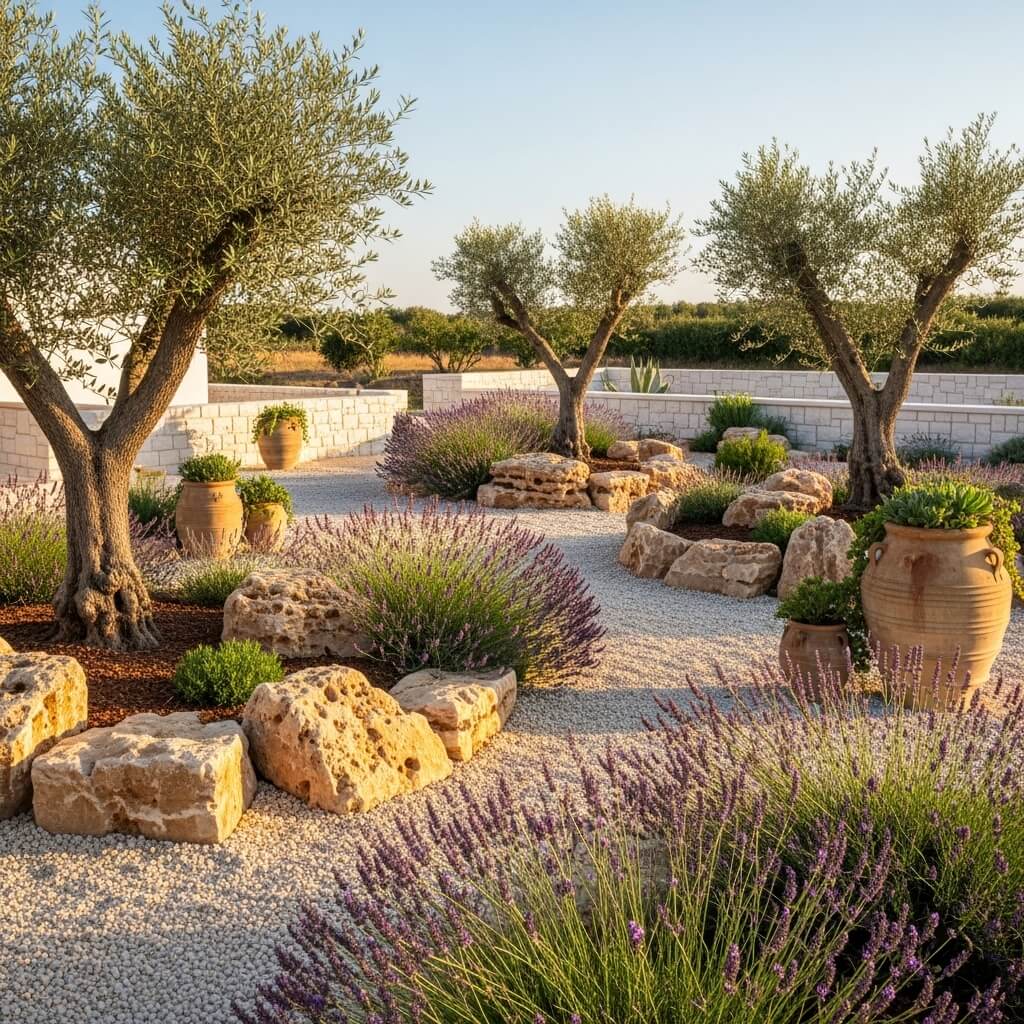
Transport yourself to the Greek islands without the airfare expenses. Mediterranean rock gardens capture that sun-soaked, timeless beauty that makes every day feel like vacation.
Embracing Sun-Loving Plants and Warm Stones
This style celebrates heat tolerance and drought resistance while looking absolutely stunning. You’ll use warm-colored stones like limestone, travertine, or terra cotta gravel paired with plants that actually prefer neglect.
Essential Mediterranean plants include:
• Lavender for fragrance and purple spikes
• Rosemary that doubles as cooking herbs
• Olive trees if your climate allows
• Ornamental grasses that wave in breezes
• Santolina for silvery foliage contrast
Stone pathways wind through planted areas rather than creating rigid borders. This organic flow mimics how Mediterranean hillside gardens naturally develop over centuries.
Add some weathered terra cotta pots strategically placed among the rocks, maybe a small bistro table where you can pretend you’re sipping wine in Provence instead of dealing with suburban reality. Sometimes fantasy gardens are the best gardens.
8. Spiral Rock Garden Layout
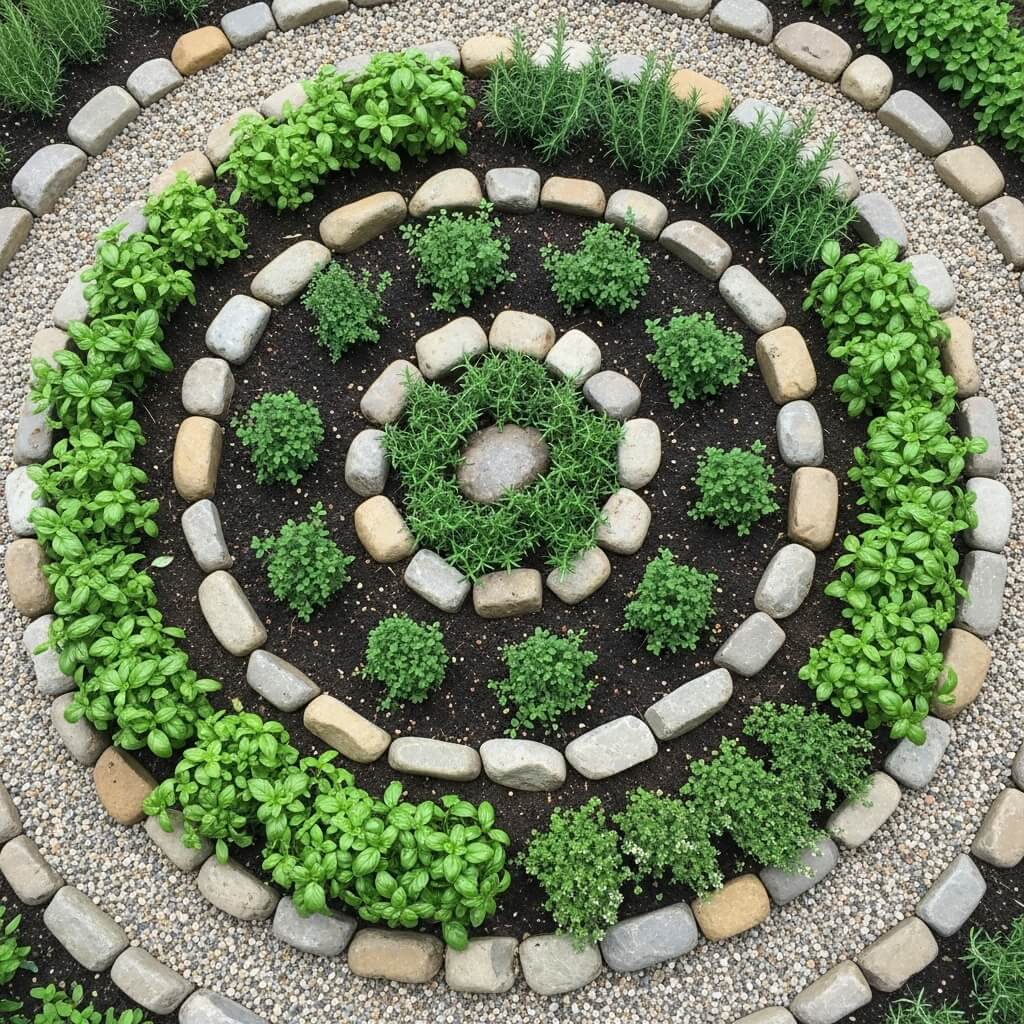
Ready to create something that’ll have your neighbors scratching their heads in admiration? Spiral rock gardens combine practical growing space with mesmerizing visual appeal.
I discovered spiral gardens after getting tired of traditional rectangular beds that looked boring from every angle. The spiral design means something interesting to see no matter where you’re standing, plus it creates natural microclimates for different plants.
Building Your Garden Spiral
Start with a flat area and build your spiral from the center outward. You’ll create a gentle slope that rises as it spirals, giving you different drainage levels and sun exposures in one compact design.
Construction basics:
• Use medium-sized stones to define your spiral path
• Fill sections with quality soil mixed with gravel for drainage
• Plant tallest specimens in the center, working down to ground covers
• Create small pockets with different soil types for varied plants
Plant placement follows the spiral’s natural flow: Mediterranean herbs near the top where drainage is best, moisture-loving plants in lower sections, and cascading varieties that soften the stone edges.
The spiral design naturally guides foot traffic and creates intimate spaces within the larger garden. You’ll find yourself following the path just for the meditative experience – it’s like walking a labyrinth that feeds your family.
9. Alpine Rock Garden with Mountain Plants
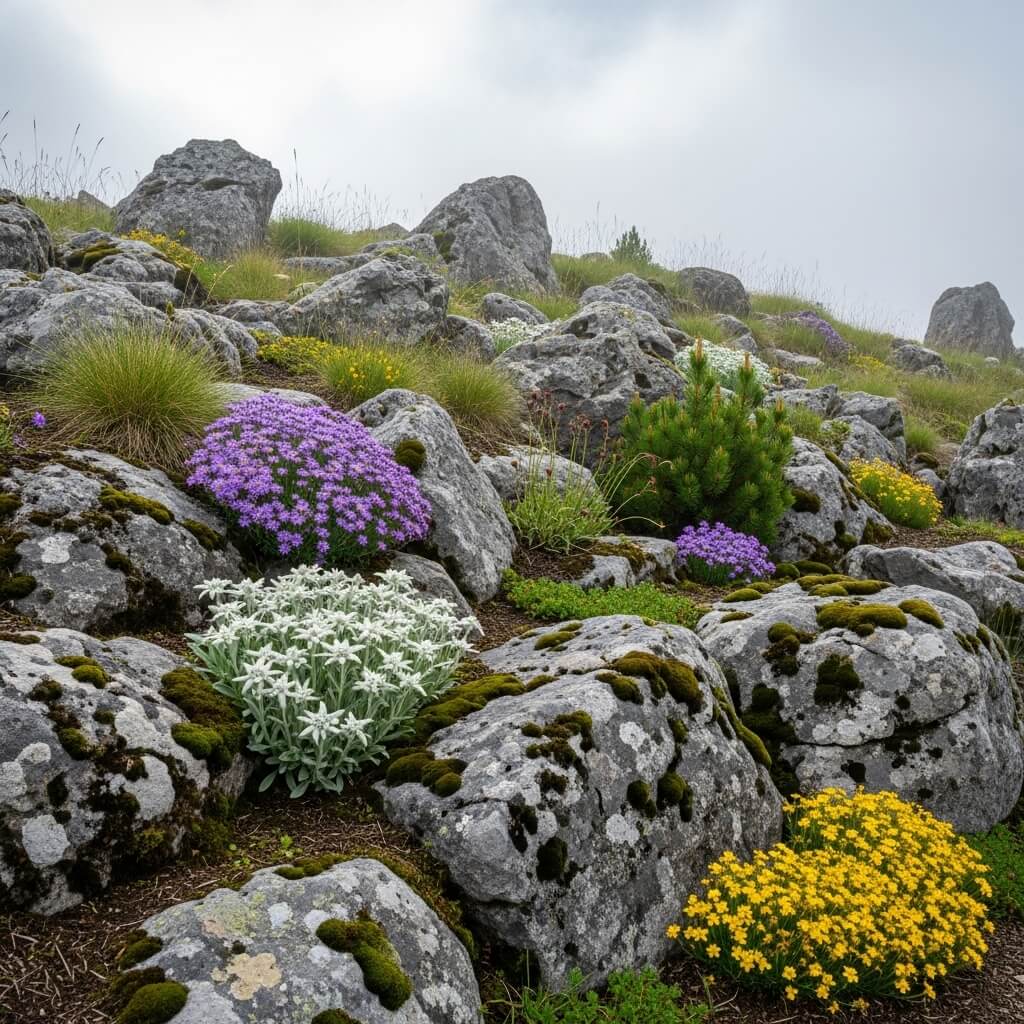
Missing those mountain hiking trips? Alpine rock gardens bring rugged mountain beauty to your backyard, complete with plants that laugh at harsh weather conditions.
Creating High-Altitude Atmosphere at Sea Level
Alpine plants evolved in challenging conditions, which means they’re incredibly resilient once established. They also tend to be compact and colorful, creating that wildflower meadow effect without requiring actual meadow maintenance.
Your rock selection should mimic mountain scree: angular stones in gray tones, with some larger boulders for anchoring. Avoid smooth river rocks – alpine plants prefer the sharp drainage that rough stones provide.
Essential alpine plant varieties:
• Creeping phlox that carpets rocks in spring
• Hens and chicks (sempervivum) for year-round interest
• Alpine strawberries for edible ground cover
• Miniature conifers that stay naturally small
• Rock cress for early spring blooms
Drainage is absolutely critical – these plants hate wet feet more than anything else. Build raised beds or mounded areas, and incorporate plenty of gravel mulch. When in doubt, add more drainage material.
The payoff comes in spring when your alpine garden explodes with color while everything else is still waking up from winter.
Also Read: 10 Beautiful Garden Gate Design Ideas to Elevate Your Outdoors
10. Rustic Cottage Rock Garden Pathway
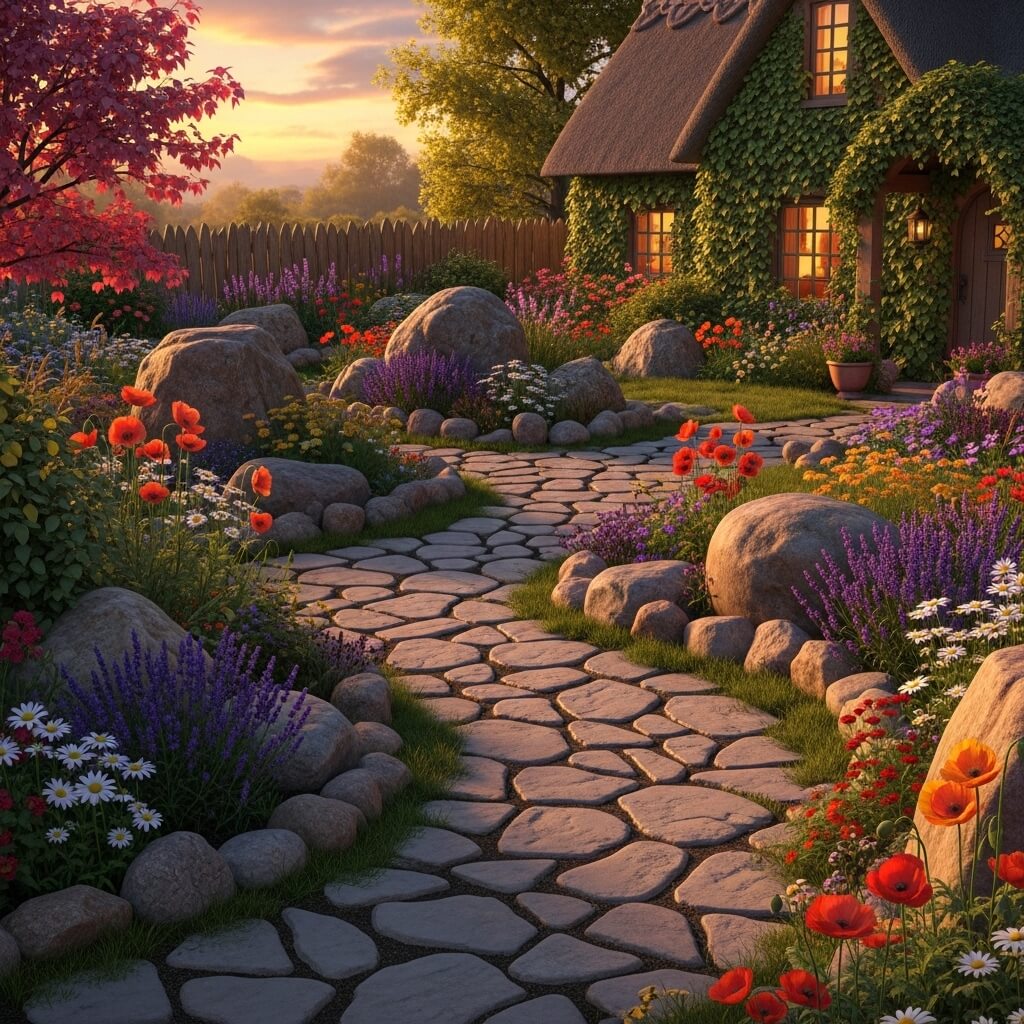
Who needs perfectly manicured when you can have charmingly imperfect? Rustic cottage rock gardens embrace that “organized chaos” aesthetic that feels both welcoming and sophisticated.
Balancing Wild and Intentional Elements
This style works best when it looks like it evolved naturally over time rather than being installed last weekend. You’ll mix weathered stones with plants that self-seed and spread, creating that established cottage garden feeling.
Pathway materials should look aged: fieldstone, weathered brick, or reclaimed flagstone work perfectly. Avoid anything too uniform or obviously new – you want stones that tell stories.
Plant choices embrace the cottage garden philosophy:
• Self-seeding flowers like alyssum and calendula
• Spreading groundcovers that soften hard edges
• Billowy grasses that move with every breeze
• Climbing roses or clematis for vertical romance
• Herbs scattered throughout for practical beauty
Allow for happy accidents – plants growing between stones, moss developing on shaded rocks, or wildflowers appearing where they weren’t planned. These “mistakes” often become your garden’s most charming features.
The secret to cottage rock gardens? Embrace the imperfection and trust that nature knows what she’s doing. Sometimes the best gardens happen when we stop controlling every detail and let a little wildness creep in.
Making Your Rock Garden Dreams Reality
Creating stunning rock gardens isn’t about having unlimited budgets or professional skills – it’s about understanding what speaks to your personal style and working with your space’s natural characteristics.
Start with one design that genuinely excites you. Maybe that zen minimalist approach appeals to your need for simplicity, or perhaps the Mediterranean style matches your love of herb gardening. Choose based on your lifestyle, not just what looks pretty in photos.
Remember that rock gardens improve with age. Those perfectly placed stones will develop character, plants will fill in and spread, and the whole composition will start feeling like it belongs exactly where you put it. The best rock gardens look like they’ve always been there – even when you know you just finished installing them last month.
Your backyard deserves better than boring grass and predictable flower beds. Rock gardens offer that perfect combination of dramatic visual impact and practical low maintenance that makes outdoor spaces actually usable year-round. Plus, they’re basically Instagram-ready from day one, which doesn’t hurt either 🙂