10 Budget Indoor Garden Design Ideas for Stylish Homes
- Garden Design
 Ben
Ben- 0
- 28 minutes read
Look, I get it. You’re scrolling through Instagram, seeing all those gorgeous indoor jungles, and thinking “Man, I wish I could have that without selling a kidney.” Well, guess what? You absolutely can! I’ve been there – staring at my sad, empty apartment corners while my bank account laughed at my plant dreams. But here’s the thing: creating a stunning indoor garden doesn’t require a trust fund or a degree in botany.
After years of trial and error (and yes, some plant casualties along the way), I’ve discovered that the most beautiful indoor gardens often come from creative problem-solving rather than expensive purchases. Ready to transform your space without breaking the bank? Let’s dig into some seriously clever ideas that’ll have your friends asking for your secret.
Small Apartment Vertical Indoor Garden
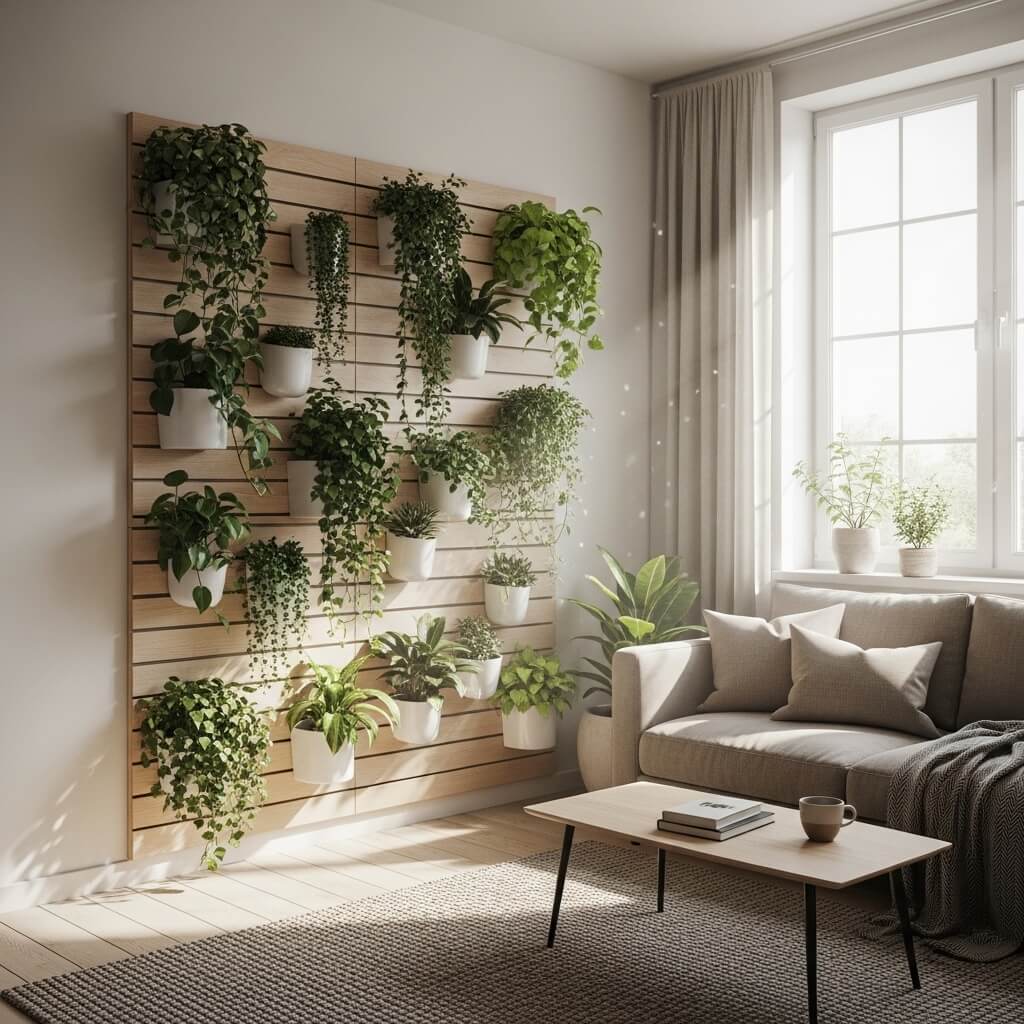
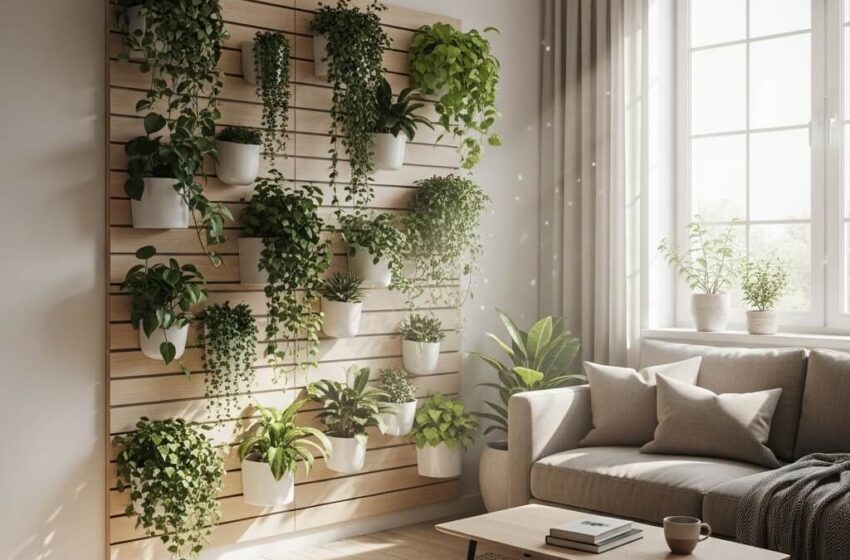
When floor space is basically non-existent, you’ve got to think up – literally. Vertical gardens are your best friend when you’re working with a shoebox apartment, and honestly, they can look way more impressive than sprawling floor displays.
I learned this the hard way when I moved into my first tiny studio. I tried cramming plants everywhere until my place looked like a jungle obstacle course. Then I discovered wall-mounted planters, and everything changed. Vertical gardens maximize your growing space while creating stunning visual impact.
Here’s what works best for small spaces:
• Pocket planters: Those fabric wall organizers aren’t just for shoes! Fill them with herbs or small succulents
• Ladder shelves: An old wooden ladder makes an instant plant stand – just add boards across the rungs
• Wall-mounted shelves: Floating shelves at different heights create depth and interest
• Hanging planters: Macrame hangers or simple rope systems work beautifully
The trick is choosing plants that won’t outgrow your system. Pothos, spider plants, and most herbs stay manageable and look fantastic cascading down. Plus, watering is easier when everything’s at eye level – no more crawling around on the floor with a watering can!
Cozy Corner Indoor Plant Sanctuary
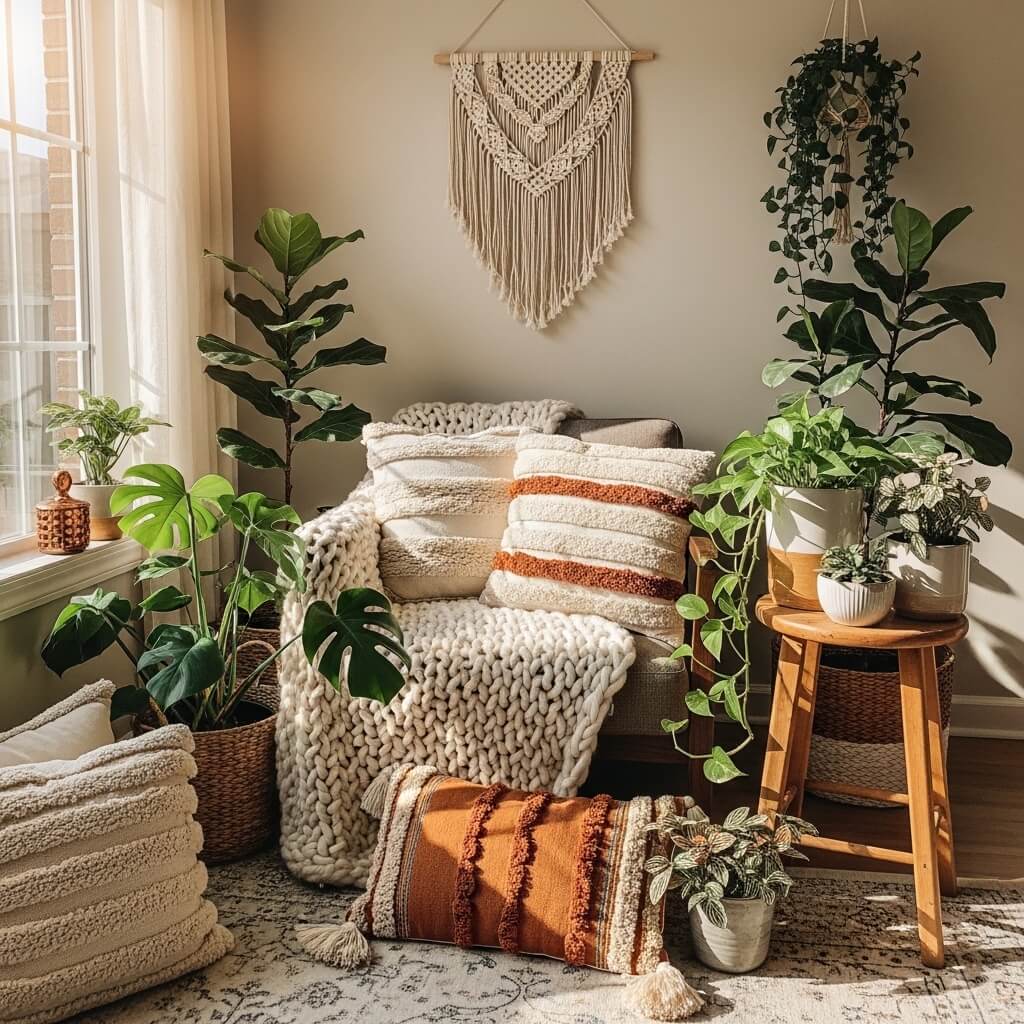
Every home has that one awkward corner that never quite works, right? You know the one – too small for furniture, too big to ignore, just sitting there mocking your decorating skills. Well, that corner is about to become your favorite spot in the house.
Creating a plant sanctuary in an underused corner is probably one of the most satisfying projects I’ve tackled. It’s like giving your space a personality transplant. Corner sanctuaries work because they create a focal point while making efficient use of dead space.
Start with a statement plant – something tall and dramatic like a fiddle leaf fig or a snake plant. Don’t worry about the price tag on these; you can often find them at grocery stores for a fraction of nursery costs. Surround your anchor plant with smaller companions at varying heights.
I use everything from vintage stools to stacked books to create levels. The key is layering:
• Floor level: Your statement plant in a decorative pot
• Mid-level: Medium plants on plant stands or stools
• High level: Trailing plants on wall shelves or hanging hooks
Add some fairy lights (because who doesn’t love fairy lights?), maybe a small side table for your coffee, and boom – you’ve got yourself a reading nook that doubles as plant paradise. The best part? This setup costs maybe $50-100 total if you shop smart.
Hanging Ceiling Indoor Garden Setup
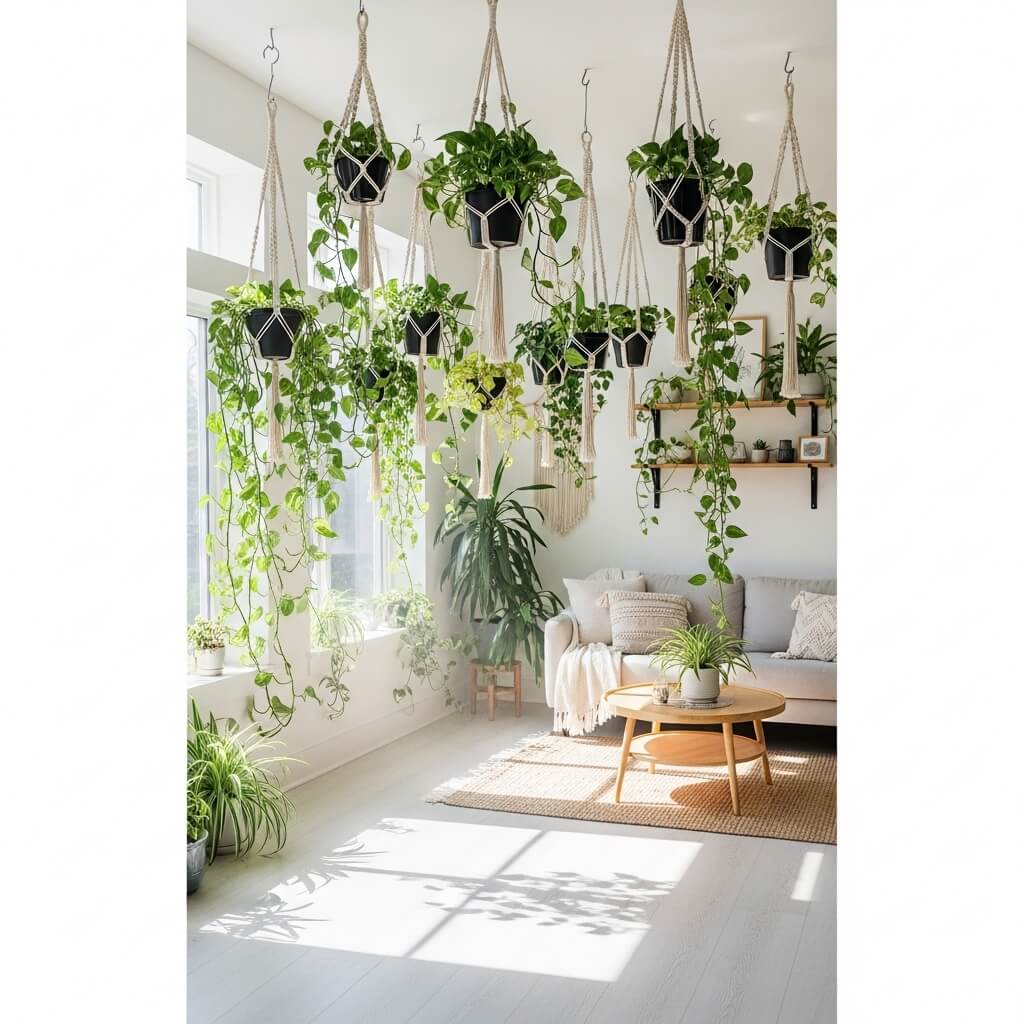
Okay, let’s talk about hanging gardens – and no, I don’t mean the ancient Babylon kind, though that would be pretty cool. Ceiling-mounted plants are having a serious moment, and for good reason. They free up precious surface space while creating this amazing overhead canopy effect.
I’ll be honest – I was skeptical about ceiling gardens at first. Seemed like a lot of work for something that might look weird. But when I finally tried it in my kitchen? Game changer. Hanging gardens work especially well in spaces with high ceilings or above frequently used areas like dining tables.
The setup is easier than you’d think:
• Ceiling hooks: Get the heavy-duty ones rated for at least 50 pounds
• Rope or chains: Natural rope looks more organic, chains give a modern vibe
• Lightweight planters: Avoid heavy ceramic – go for plastic, wicker, or fabric
• Proper drainage: Use saucers or choose plants that don’t need frequent watering
Plants that absolutely thrive in hanging setups include pothos (seriously, these things are bulletproof), spider plants, and string of hearts. Want something edible? Cherry tomatoes and trailing strawberries work beautifully too.
Pro tip: Start with just one or two hanging plants. You can always add more, but taking them down is a pain if you go overboard initially. Trust me on this one – I learned that lesson while standing on a chair with plant water dripping on my head :/
Minimalist Shelf Indoor Garden Design
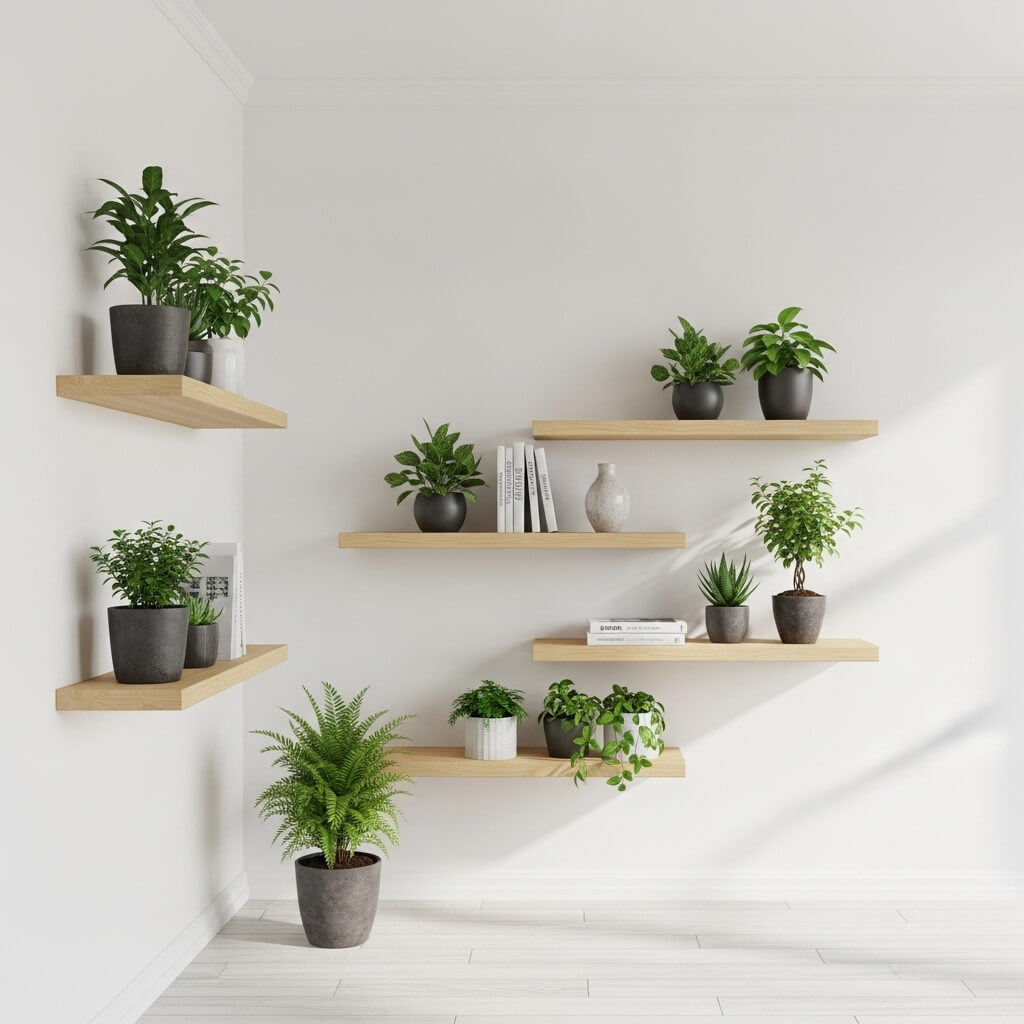
If your style leans more “clean lines and breathing room” than “jungle vibes,” minimalist shelf gardens are your answer. This approach focuses on carefully curated plant selections with plenty of negative space – basically, the art of strategic plant placement.
The beauty of minimalist indoor gardens lies in their restraint. Every plant serves a purpose, and every empty space is intentional. I love this style because it proves you don’t need dozens of plants to create impact.
Choose your shelving first – floating shelves work great, but even a simple bookshelf can become a plant display. The key is maintaining consistent spacing and choosing plants with similar care requirements.
Here’s my minimalist plant formula:
• One statement plant: Maybe a architectural succulent or sculptural snake plant
• Two supporting players: Plants with different textures but similar color palettes
• Consistent containers: All white pots, all terracotta, or all black – pick one and stick with it
The magic happens in the empty spaces between plants. Don’t feel like you need to fill every inch – that negative space is what makes minimalist design work. Add one or two non-plant objects if you want – a small sculpture, a beautiful stone, or even just a stack of books.
This style works particularly well if you travel frequently or tend to forget about watering. Fewer plants mean less maintenance, but the impact remains strong.
Also Read: 10 Beautiful Garden Gate Design Ideas to Elevate Your Outdoors
Low Light Indoor Garden Layout
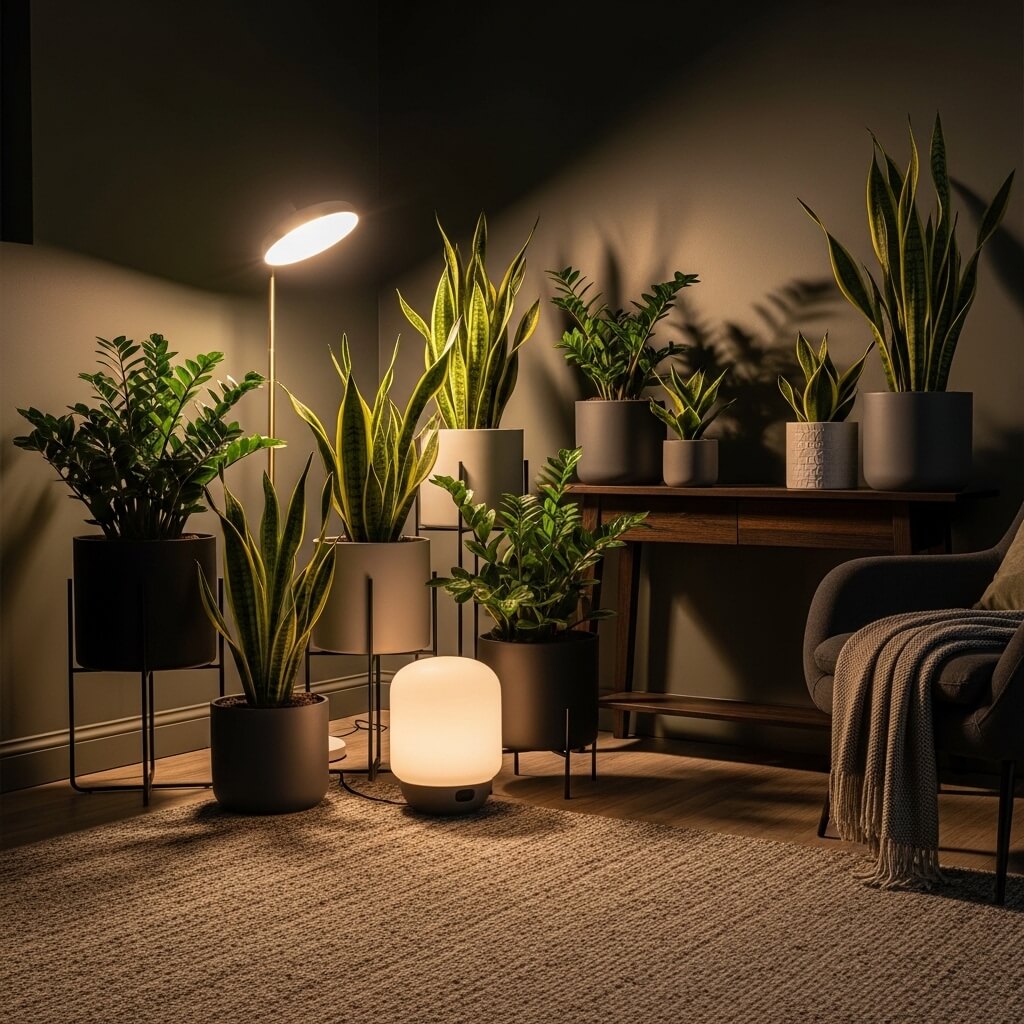
Let’s address the elephant in the room – what if your place has the lighting situation of a vampire’s lair? Not everyone gets those gorgeous south-facing windows that plant Instagram seems to require. But here’s some good news: plenty of plants actually prefer lower light conditions.
I spent way too long thinking I couldn’t have plants because my apartment faces north and gets maybe four hours of indirect light on a good day. Turns out, I just needed to stop trying to force sun-loving plants into my shadowy reality. Low light gardens can be just as lush and beautiful as their sunny counterparts.
The trick is embracing shade-loving plants and working with your space’s natural lighting patterns. Map out your light levels throughout the day – you might be surprised where you find pockets of brightness.
Best low-light performers include:
• ZZ plants: Practically indestructible and stunning
• Peace lilies: Beautiful white flowers and dramatic leaves
• Chinese evergreens: Gorgeous patterns and colors
• Cast iron plants: The name says it all
Position your plants strategically. Even low-light plants appreciate being close to windows, just not in direct sun. Use mirrors to bounce available light around the room – this trick works better than you’d expect.
Don’t forget about artificial lighting options. A simple LED grow light can extend your plant possibilities significantly, and modern ones look way less like alien technology than the old purple ones.
Boho Style Indoor Plant Wall Decor
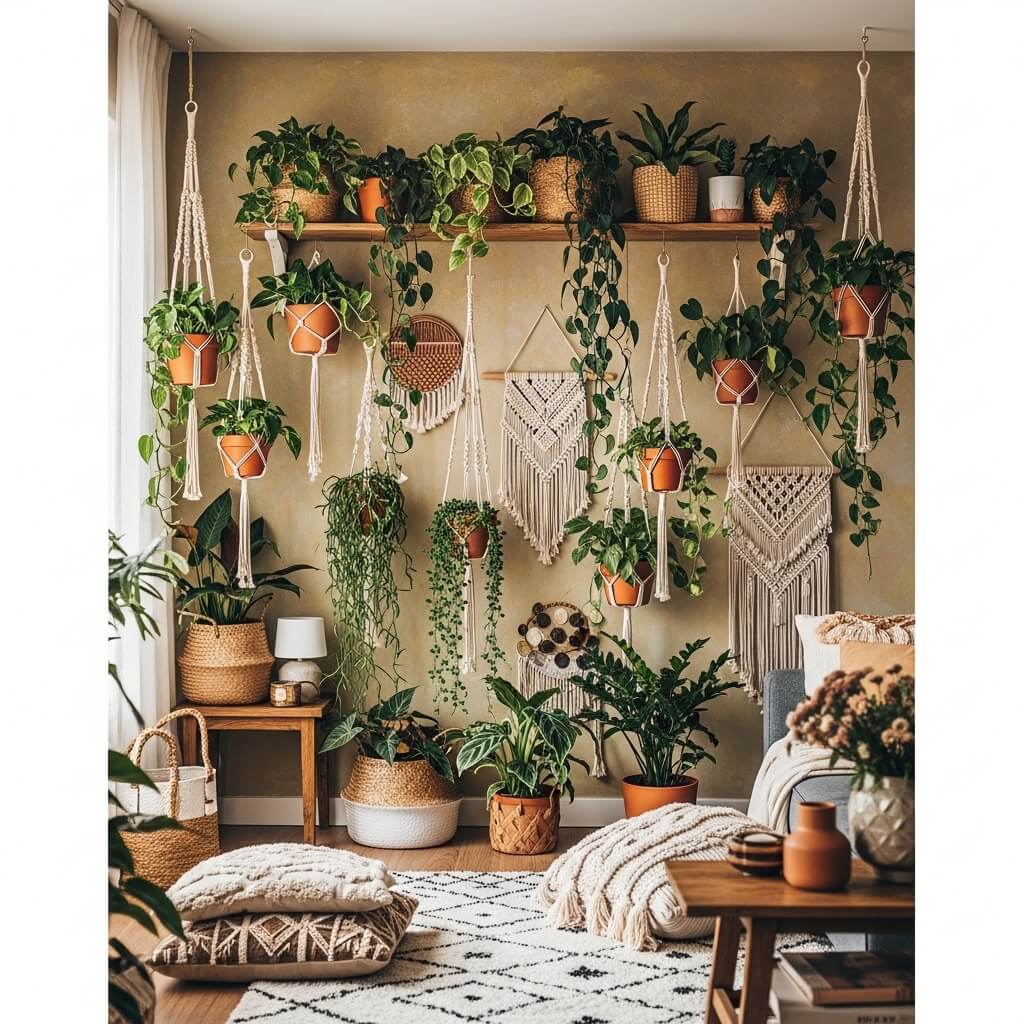
Boho style and plants go together like coffee and Monday mornings – they just make sense. If your aesthetic leans toward eclectic, textured, and slightly chaotic in the best possible way, a boho plant wall might be your calling.
The beauty of boho style is that it embraces imperfection. No matching pots required, no symmetrical arrangements needed. Boho plant walls celebrate organic growth patterns and mixed textures. It’s like curated chaos, and I’m totally here for it.
Start collecting different types of planters – woven baskets, macrame hangers, vintage ceramic pots, even old boots if that’s your vibe. The more varied, the better. Mix hanging plants with wall-mounted planters and small shelves.
Essential elements for boho plant walls:
• Macrame hangers: Either buy them or learn to make them (YouTube is your friend)
• Natural materials: Rattan, jute, wood, and woven fibers
• Trailing plants: Let them cascade naturally for that lived-in look
• Varied heights: Create visual interest with plants at different levels
Layer in some non-plant elements too – dried flowers, feathers, small mirrors, or tapestries. The goal is creating a wall that tells a story about your travels, interests, and personality.
FYI, thrift stores are goldmines for boho plant accessories. I’ve found amazing vintage planters for under five bucks that would cost ten times that at trendy plant shops.\
Also Read: 10 Stunning Formal Garden Design Ideas For Elegant Homes
Indoor Herb Garden Kitchen Setup
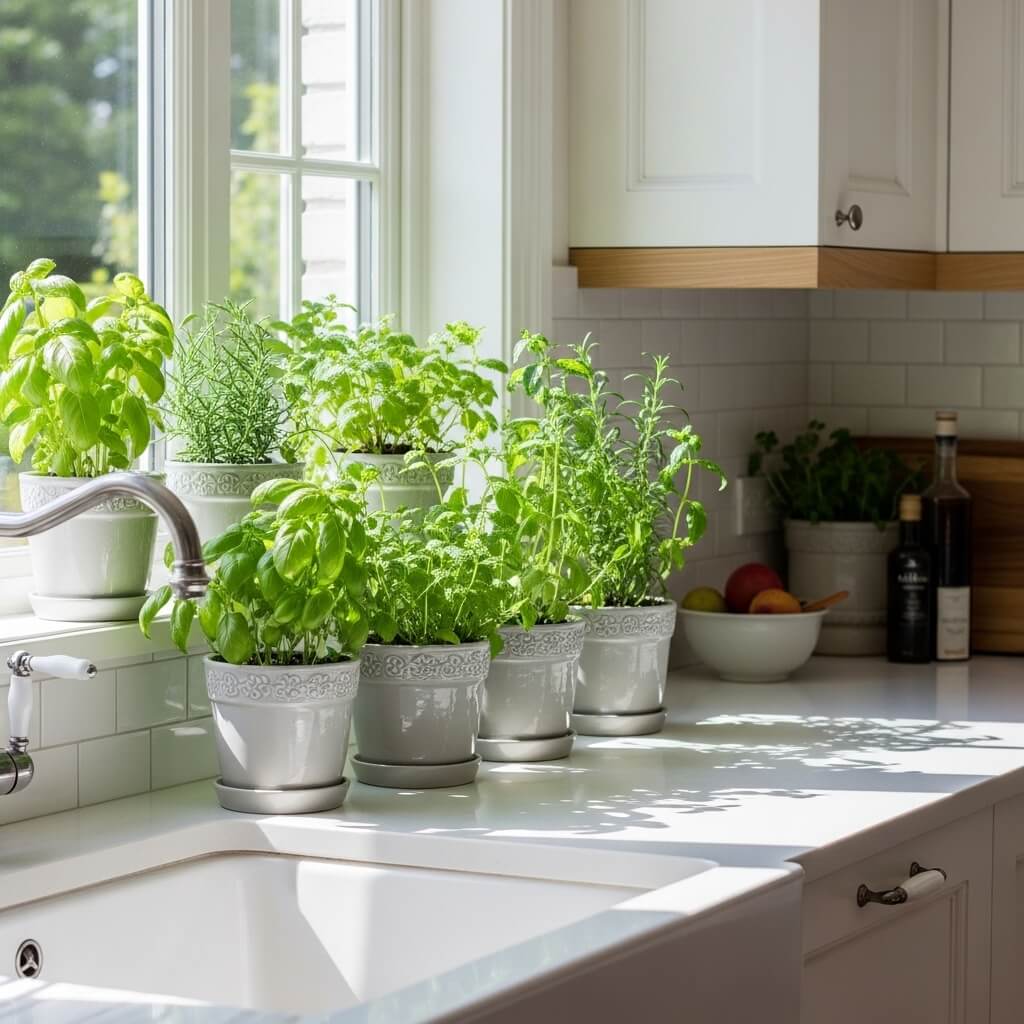
Now we’re talking practical! Kitchen herb gardens are probably my favorite type of indoor gardening because you get to eat the results. There’s something deeply satisfying about snipping fresh basil for your pasta or grabbing mint for your cocktail (or mojito – no judgment here).
Setting up a kitchen herb garden requires thinking about both aesthetics and functionality. Your herbs need good light and easy access for harvesting, but they should also enhance your kitchen’s style.
Most herbs are surprisingly easy to grow indoors, especially if you start with established plants rather than seeds. Here’s what works best in kitchen environments:
• Basil: Pinch flowers to keep leaves tender
• Mint: Grows like crazy – might need its own container
• Parsley: Both flat and curly varieties work well
• Chives: Practically impossible to kill
• Rosemary: Needs less water than other herbs
Container options are endless. Mason jars work for a farmhouse vibe, sleek planters suit modern kitchens, or vintage tins add character. Just ensure whatever you choose has drainage holes – soggy herbs are sad herbs.
Position your herb garden near a sunny window if possible, or consider a small LED grow light under cabinets. I’ve got mine on the counter next to my coffee maker, so I see them every morning and remember to check if they need water.
Modern Glass Terrarium Indoor Garden
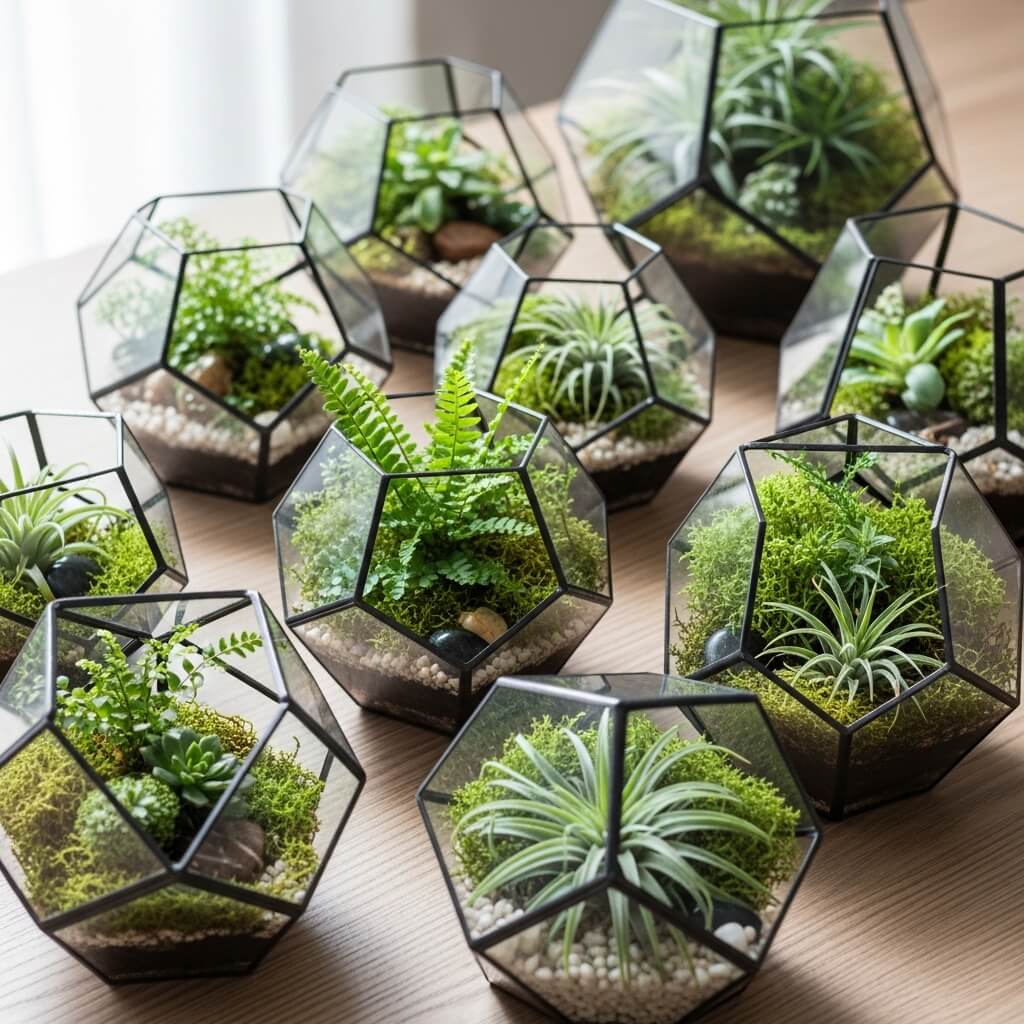
Terrariums are having a major comeback, and honestly, it’s about time. These little glass ecosystems are like tiny worlds you can create and control. Plus, they work incredibly well in modern spaces where you want plants but prefer a more contained, architectural look.
The best part about terrariums? They’re basically self-maintaining once you get them balanced properly. Glass terrariums create their own microclimate, reducing watering needs while providing a stunning focal point.
You can buy fancy terrarium containers, but I’ve had great success with large glass bowls, old fishbowls, and even big glass vases. The shape affects the look dramatically – geometric containers suit modern spaces, while round bowls feel more organic.
Terrarium basics:
• Drainage layer: Small stones or activated charcoal at the bottom
• Soil: Use terrarium-specific soil or make your own with potting mix and sand
• Plants: Choose slow-growing varieties that stay small
• Decorative elements: Small stones, driftwood, or tiny figurines
Best terrarium plants include small ferns, baby spider plants, air plants, and most succulents (though don’t mix succulents with moisture-loving plants). The key is choosing plants with similar water and light requirements.
I love making themed terrariums – desert scenes with succulents and sand, forest scenes with moss and tiny ferns, even fairy garden setups with miniature accessories. It’s like gardening meets art project 🙂
Budget-Friendly DIY Indoor Garden Ideas
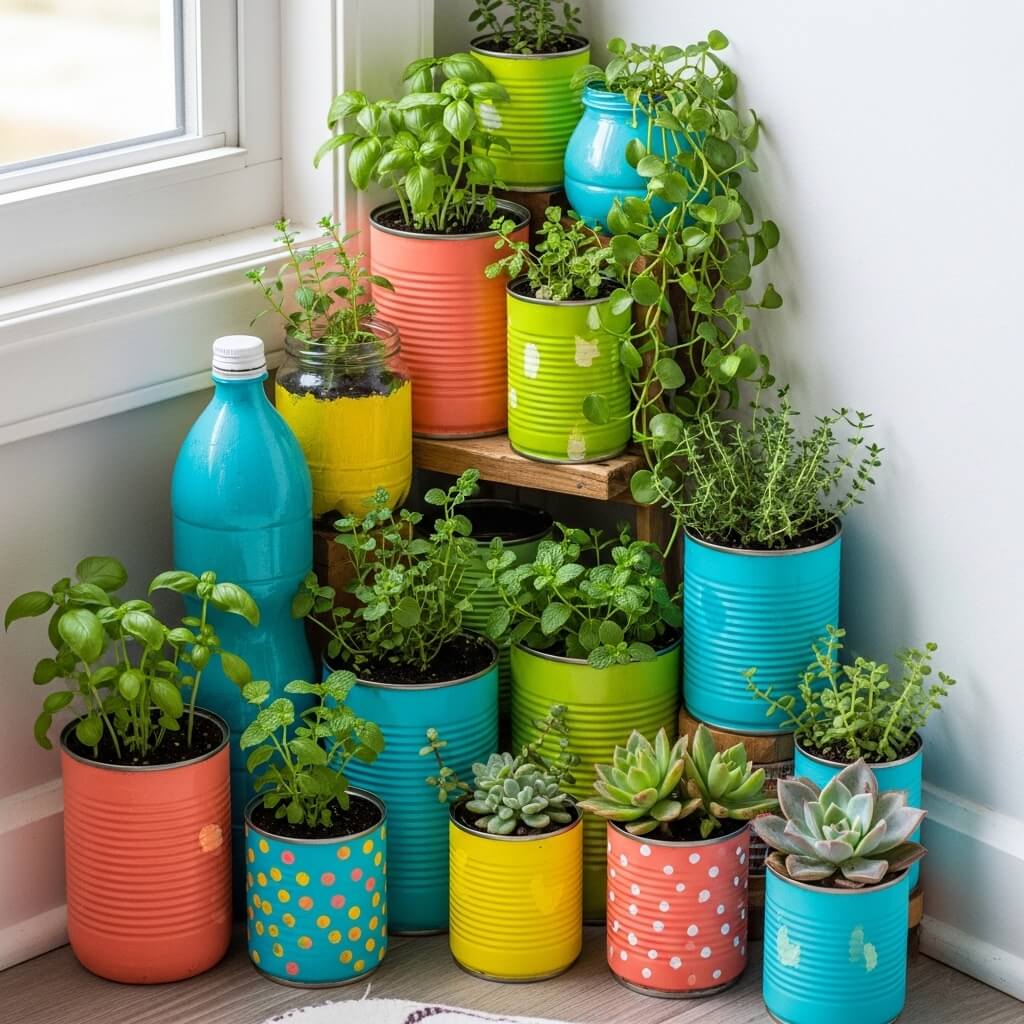
Let’s get real about budgets for a minute. The plant industry has gotten a bit ridiculous with pricing lately – I’ve seen tiny snake plants going for $40 that you can grow from cuttings for free. IMO, the best indoor gardens come from creativity, not credit cards.
DIY approaches to indoor gardening save money while creating unique, personalized displays that reflect your style better than store-bought setups. Plus, there’s something satisfying about building your plant paradise from scratch.
Here are my favorite money-saving strategies:
• Propagation: Learn to grow new plants from cuttings – it’s free plants forever
• Thrift store containers: Vintage pots and planters for a fraction of retail prices
• Upcycled materials: Tin cans, old boots, wooden crates all make great planters
• Plant swaps: Trade cuttings with friends – everyone wins
For planters, get creative. I’ve used everything from old colanders (great drainage!) to vintage teapots. The key is ensuring proper drainage and choosing containers that complement your plants’ needs.
Build your own plant stands using scrap wood, repurpose ladders as display shelves, or create hanging systems with rope and driftwood. YouTube has tutorials for everything – seriously, everything.
The most budget-friendly approach? Start small and let your garden grow organically. Buy one plant, learn to propagate it, trade cuttings for different varieties. Before you know it, you’ll have a thriving indoor garden that cost almost nothing but time and creativity.
Also Read:10 Magical Witch Garden Design Ideas for Enchanted Vibes
Window Ledge Indoor Garden Display
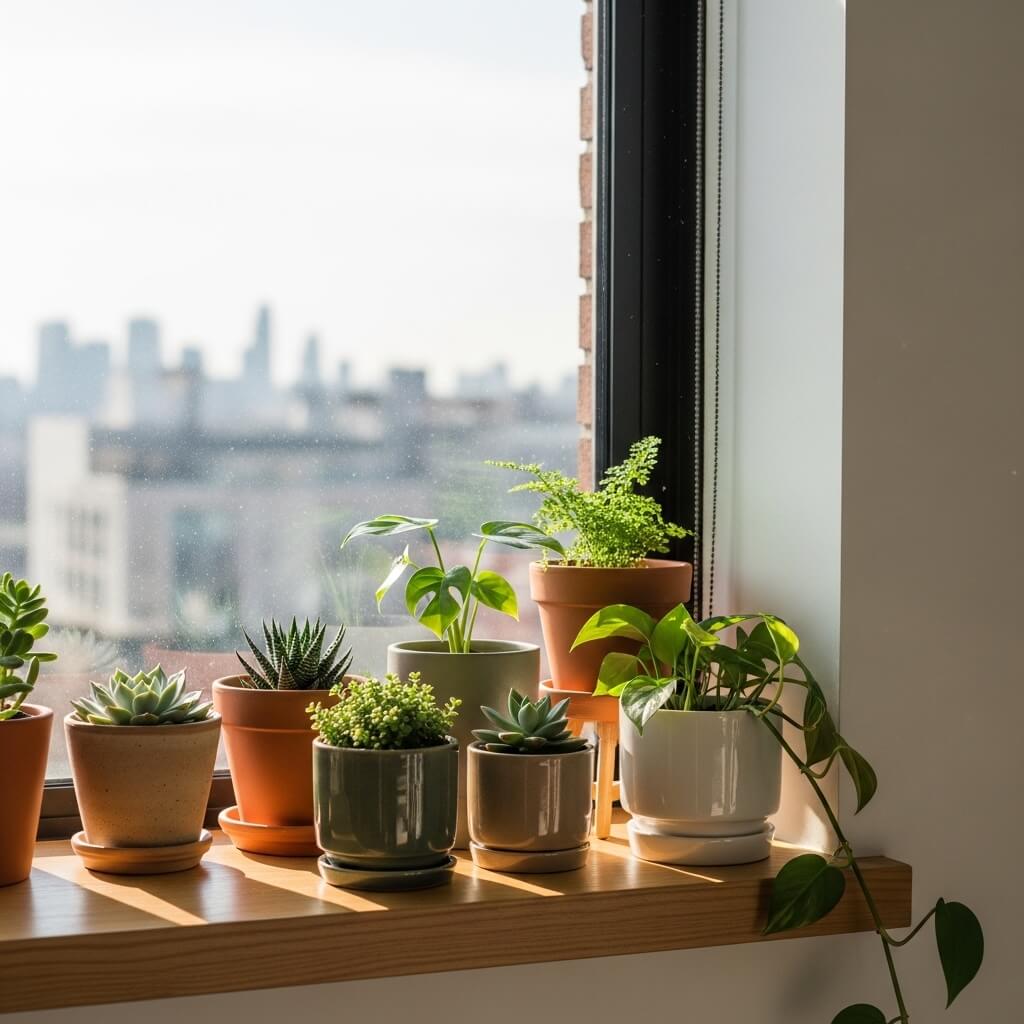
Window ledges are prime real estate in the plant world – they get natural light, they’re easy to maintain, and they create beautiful silhouettes against the glass. But I see so many people underutilizing their window space because they’re not sure how to make it work.
The secret to successful window ledge gardens is working with your window’s specific light conditions and size constraints. Window gardens succeed when plant choices match the available space and lighting rather than forcing incompatible elements together.
South-facing windows get intense light – perfect for succulents, cacti, and sun-loving herbs. North-facing windows provide gentle, indirect light that works well for ferns and peace lilies. East windows get morning sun, west windows get afternoon heat.
Match your plants to your exposure, then think about arrangement. I like creating layers – taller plants in back, shorter ones in front, maybe some trailing plants to cascade down. This creates depth and ensures all plants get appropriate light.
Container considerations for window ledges:
• Weight: Windows can only support so much
• Drainage: Protect window sills from water damage
• Stability: Plants shouldn’t obstruct window operation
• Style: Choose containers that look good from both inside and outside
Small herb gardens work beautifully on kitchen window ledges. Living rooms benefit from architectural plants like snake plants or dramatic succulents. Bathroom windows (if you have them) are perfect for humidity-loving plants like ferns or air plants.
Don’t forget the view from outside – window ledge gardens can enhance your home’s curb appeal while bringing joy to passersby. It’s like spreading a little green happiness to the world.
Creating a beautiful indoor garden on a budget isn’t just possible – it’s actually more rewarding than dropping serious cash at fancy plant shops. The best plant spaces come from understanding your conditions, getting creative with solutions, and letting your garden evolve naturally over time.
Start with one idea that speaks to you, whether it’s that awkward corner that needs love or the sunny window ledge begging for plants. Focus on learning what works in your space rather than copying someone else’s setup exactly. Before long, you’ll have developed your own green thumb and a space that reflects your personal style.
Remember, every plant parent has killed a few plants along the way – it’s part of the learning process, not a reason to give up. The goal isn’t perfection; it’s creating a space that makes you happy every time you walk through the door. And honestly? That’s worth way more than any expensive designer plant setup money can buy.