10 Brilliant Bakery Shop Design Ideas Modern Shopfront Glow
- Shop Design
 Ben
Ben- 0
- 36 minutes read
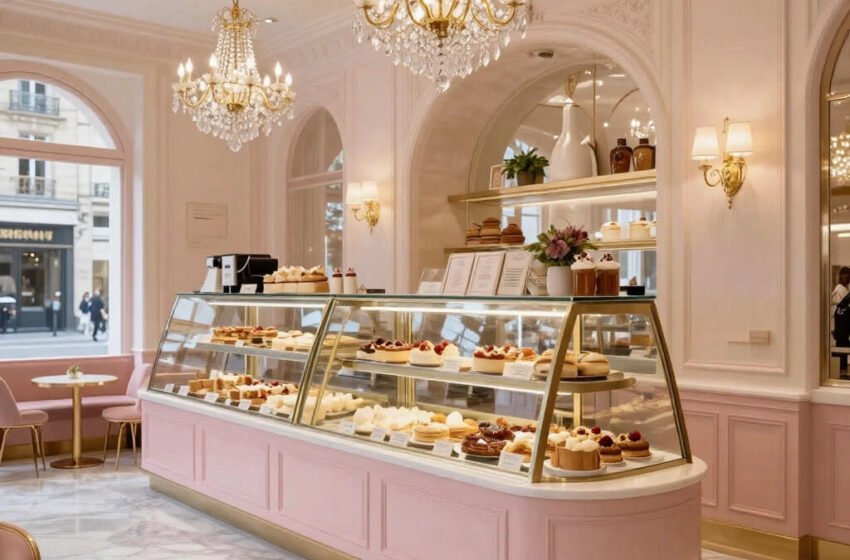
So, you’re thinking about opening a bakery or maybe giving your current one a serious facelift? Smart move. Look, I’ve spent way too much time wandering into bakeries—partly because I’m a sucker for a good croissant, but honestly, the design often draws me in before I even smell the bread. A killer bakery design doesn’t just look pretty; it literally sells more pastries. I’ve seen it happen.
Here’s the thing: your shopfront and interior design can make or break your business. People eat with their eyes first (yeah, it’s a cliché, but it’s true), and a modern, glowing shopfront that catches attention from across the street? That’s marketing gold. I’m breaking down ten design ideas that’ll make your bakery the talk of the neighborhood and have customers snapping pics before they’ve even ordered.
Modern Minimalist Glass Bakery Shop Design
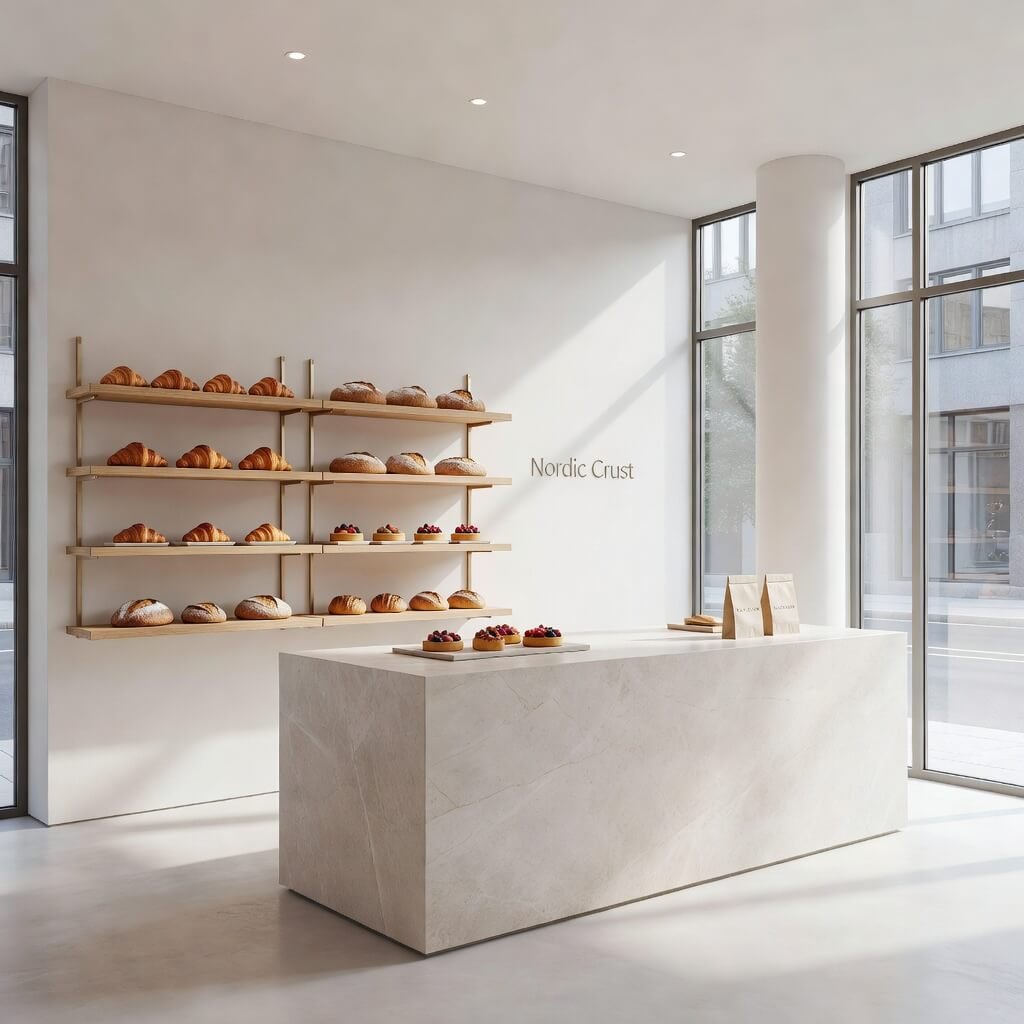
Ever walked past one of those sleek glass-front bakeries and felt instantly pulled in? Yeah, me too. The modern minimalist glass design does something magical—it removes all barriers between your gorgeous products and potential customers walking by.
I remember this one bakery I stumbled upon in Seattle. Floor-to-ceiling glass windows, clean white interiors, and you could see everything from the street. The bread displays looked like art installations. Zero clutter, maximum impact.
Key elements that make this work:
- Large glass panels or full glass facades that showcase your products 24/7
- Minimal color palette (think whites, grays, maybe one accent color)
- Sleek metal or glass display cases
- Recessed LED lighting that makes everything glow without being harsh
- Open sightlines so nothing blocks the view from outside
The beauty of this approach is its versatility. You’re not locked into any particular theme except “clean and modern.” Your products become the decoration, which is exactly how it should be. Plus, glass reflects light beautifully, making your space feel bigger and more inviting.
One tip though: keep that glass spotless. I’ve seen beautiful glass designs ruined by fingerprints and smudges. Invest in good cleaning supplies and make it part of your daily routine. Trust me on this one.
Rustic Vintage Country Style Bakery Interior
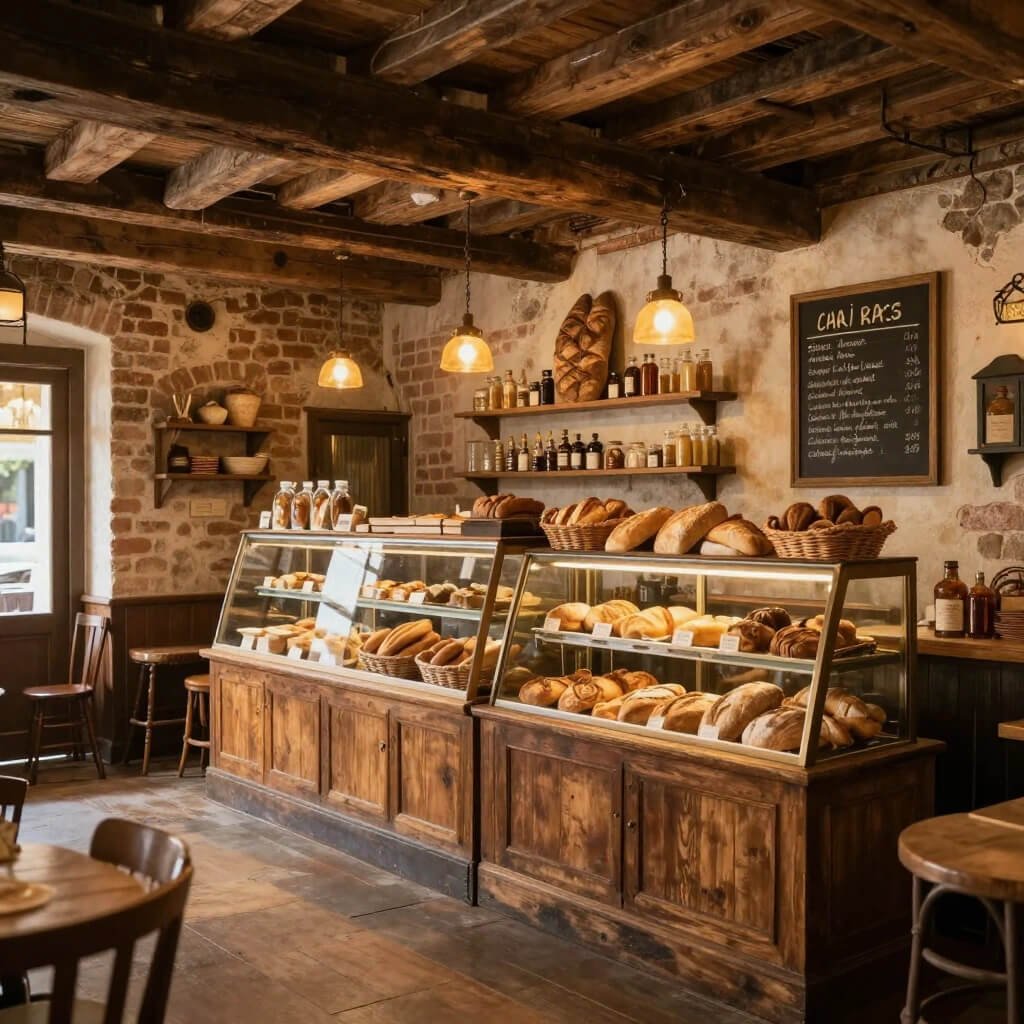
Now, if minimalism isn’t your vibe, let’s talk about going full rustic. Think farmhouse chic meets European countryside bakery. This design screams warmth, tradition, and homemade goodness.
I’m talking about weathered wood finishes, vintage signage, and maybe some exposed wooden beams if you’re lucky enough to have them. The goal here is making customers feel like they’ve stepped into their grandmother’s kitchen—but, you know, the Instagram-worthy version.
Creating Authentic Rustic Charm
You’ll want to hunt down some vintage pieces. Flea markets are your best friend here. I once found an old French bread basket at a thrift store for like fifteen bucks, and it became the centerpiece of a rustic bakery display. Authenticity matters more than perfection in this style.
Consider these elements:
- Reclaimed wood shelving and countertops
- Vintage scales and baking equipment as decorative pieces
- Chalkboard menus with hand-lettered fonts
- Edison bulb lighting fixtures
- Burlap, linen, or cotton textiles
- Terracotta or ceramic serving pieces
The lighting in rustic designs works best when it’s warm and soft—think 2700K bulbs that give off that golden glow. Harsh white lights will kill the cozy vibe you’re building.
FYI, this style works incredibly well if you’re focusing on artisan breads or traditional baked goods. The design tells the story before you say a word.
Luxury French Café Inspired Bakery Setup
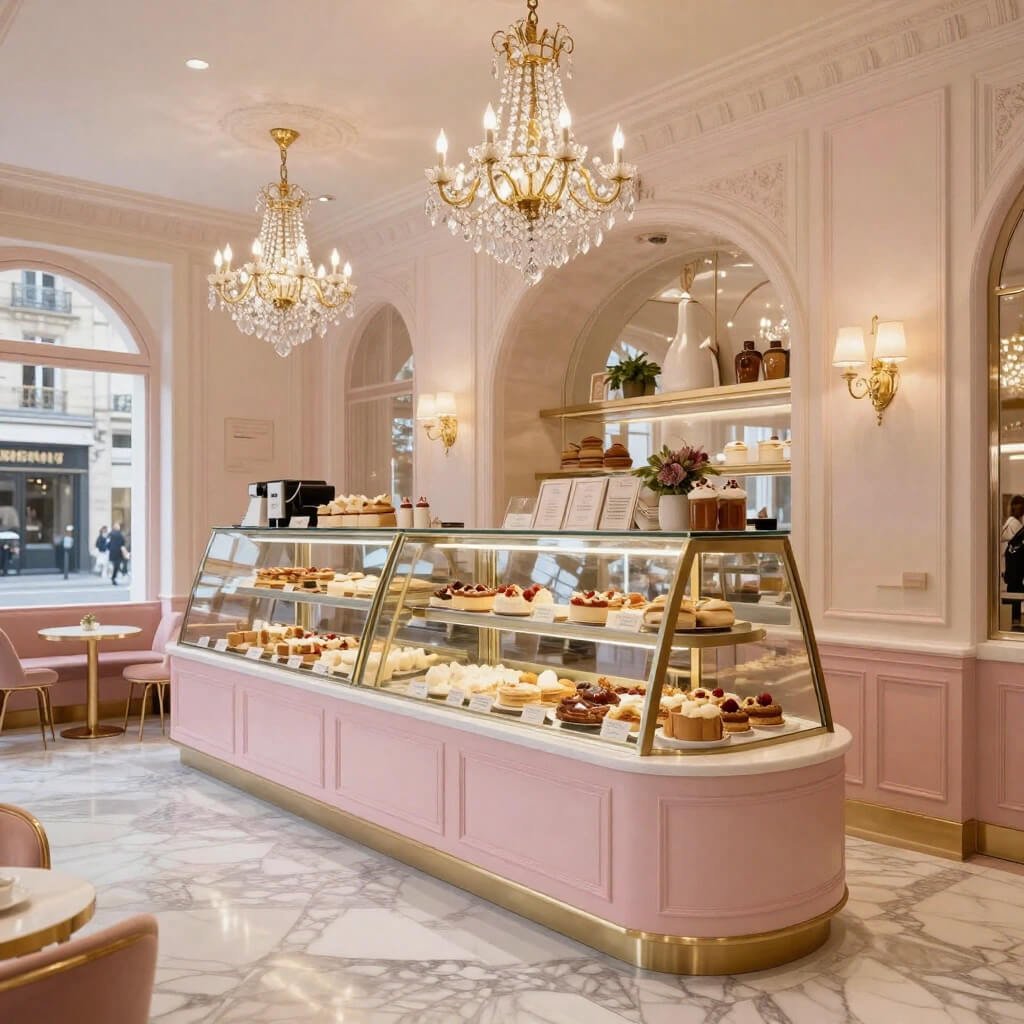
Okay, can we just acknowledge that French bakeries have this whole aesthetic thing figured out? The combination of elegance and casual sophistication is chef’s kiss.
This design is about creating a refined, upscale experience while still feeling approachable. You want customers to feel a bit fancy when they’re buying their morning croissant, right?
Essential French café elements:
- Marble or marble-look countertops (doesn’t have to be real marble—good quality laminate works)
- Ornate mirrors with gilded or antique frames
- Bistro-style chairs and small round tables
- Subway tiles in classic white or soft cream
- Black and white color scheme with gold accents
- Elegant pendant lighting or small chandeliers
I visited this bakery in Boston that nailed this concept. They had these gorgeous vintage French posters on the walls, delicate pastry displays with gold trim, and the whole place smelled like butter and possibility. The kicker? Their prices weren’t even that high, but the design made everything feel premium.
The Color Psychology Here
Black, white, and gold isn’t just pretty—it’s psychologically associated with quality and luxury. When you use this palette, customers unconsciously perceive higher value. Sneaky but effective.
Don’t go overboard though. I’ve seen places try this and end up looking pretentious rather than charming. Balance the elegance with genuine warmth and friendly service. The design sets the stage, but you still need substance.
Also Read: 10 Luxury Jewellery Shop Design Ideas Premium Style
Small Space Compact Bakery Layout Ideas
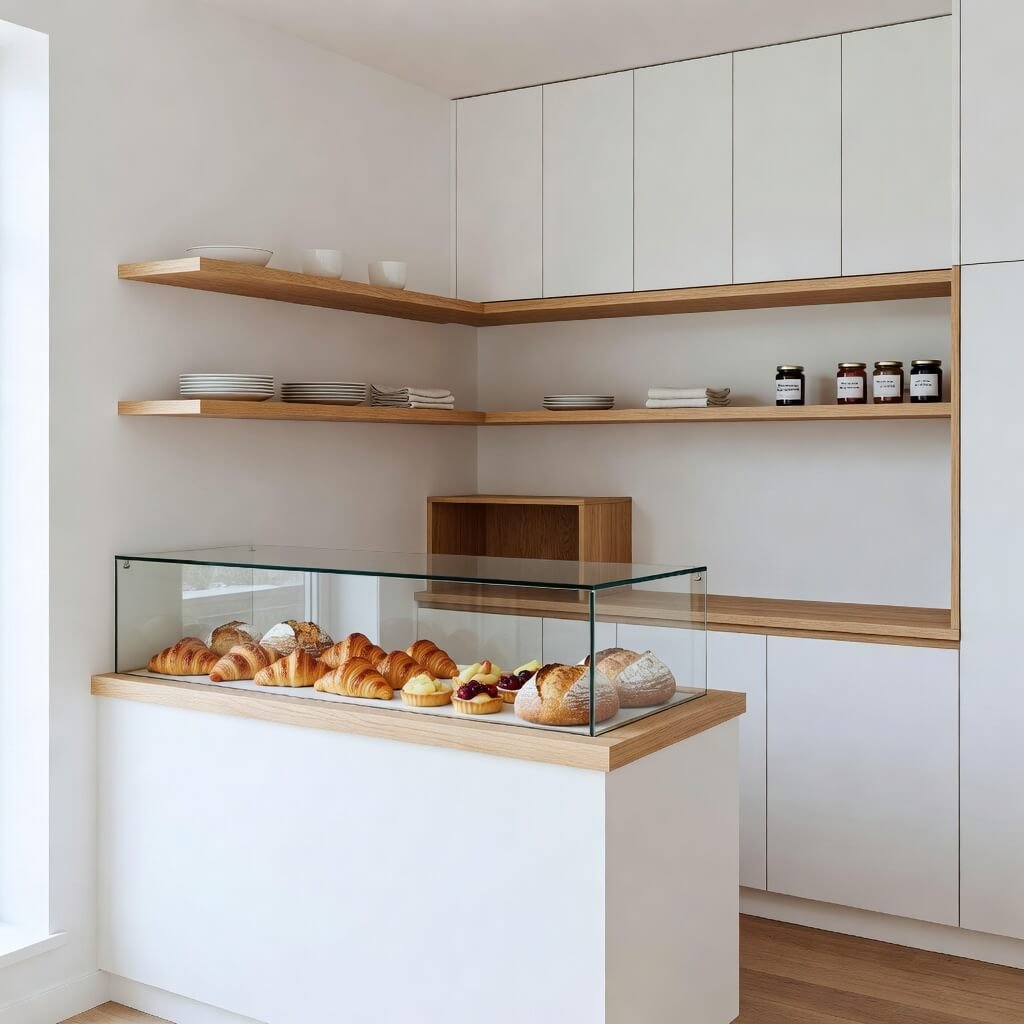
Not everyone has a massive storefront, and honestly? You don’t need one. Some of the best bakeries I’ve visited were tiny. The trick is making every single square foot work hard for you.
Small spaces actually force creativity, and IMO, that often leads to better design. You can’t hide behind size, so every choice matters more.
Smart small-space strategies:
- Vertical displays that draw the eye up and maximize wall space
- Multi-functional furniture (display cases that double as serving counters)
- Light colors to make the space feel larger
- Mirrors strategically placed to create depth
- Compact equipment designed for small commercial kitchens
- Window-focused displays that pull people in
I know a bakery in Brooklyn that’s literally the size of a walk-in closet. They installed tiered shelving along one entire wall, used a corner for a tiny counter, and put their display case right in the window. People line up on the sidewalk, and the small space actually creates urgency—it feels exclusive.
The “Less is More” Approach
In compact designs, you need to be ruthless about clutter. Every item on display should earn its spot. Rotate products rather than trying to show everything at once. This also creates the impression of freshness and variety.
Window seating can work wonders too. A narrow bar along the window with a few stools doesn’t take much floor space but gives people a place to enjoy their purchase.
Industrial Brick Wall Bakery Shop Design
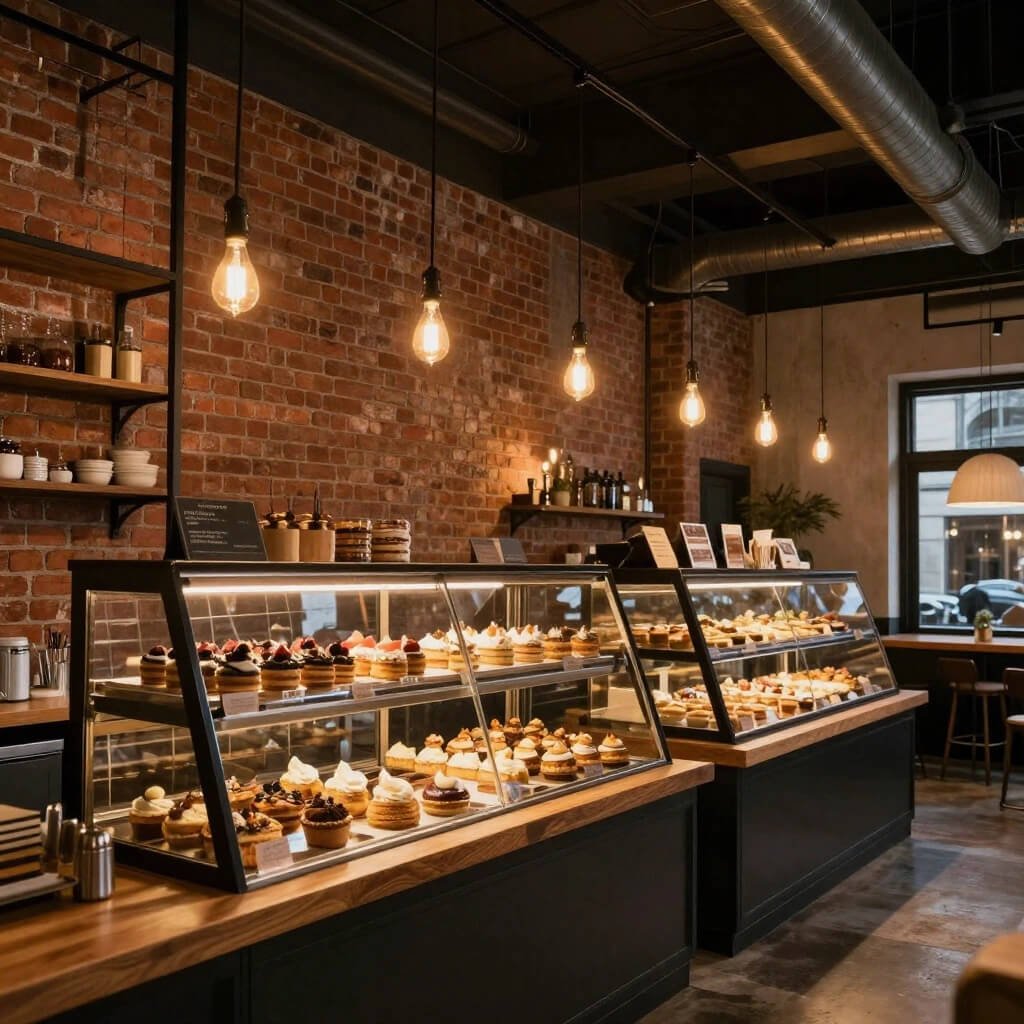
The industrial look has been trending for a while, and it’s not going anywhere. Why? Because exposed brick, metal fixtures, and raw materials create this authentic, unpretentious vibe that people love.
I’m kind of obsessed with this style for bakeries because it balances rugged aesthetics with the softness of baked goods. It’s an interesting contrast that just works.
Industrial design must-haves:
- Exposed brick walls (or brick-look panels if you don’t have the real thing)
- Metal shelving units and fixtures
- Concrete or stained concrete floors
- Pendant lights with metal shades or caged bulbs
- Stainless steel equipment visible rather than hidden
- Dark wood accents to warm up the metal and brick
The key to pulling off industrial without it feeling cold or warehouse-like is layering in warmth. Plants work great for this—some hanging greenery or potted herbs. Wooden cutting boards as display elements. Warm lighting instead of cool-toned.
Balancing Raw and Refined
One bakery I visited in Portland nailed the balance. They had the brick walls and metal shelving, but they added leather barstools, warm Edison bulbs, and displayed their bread in beautiful woven baskets. The industrial elements provided the structure, but the warm touches made it inviting.
Lighting is crucial here. You want to highlight the texture of the brick and create pools of warm light rather than flooding everything with brightness.
Pastel Aesthetic Instagram-Worthy Bakery Interior
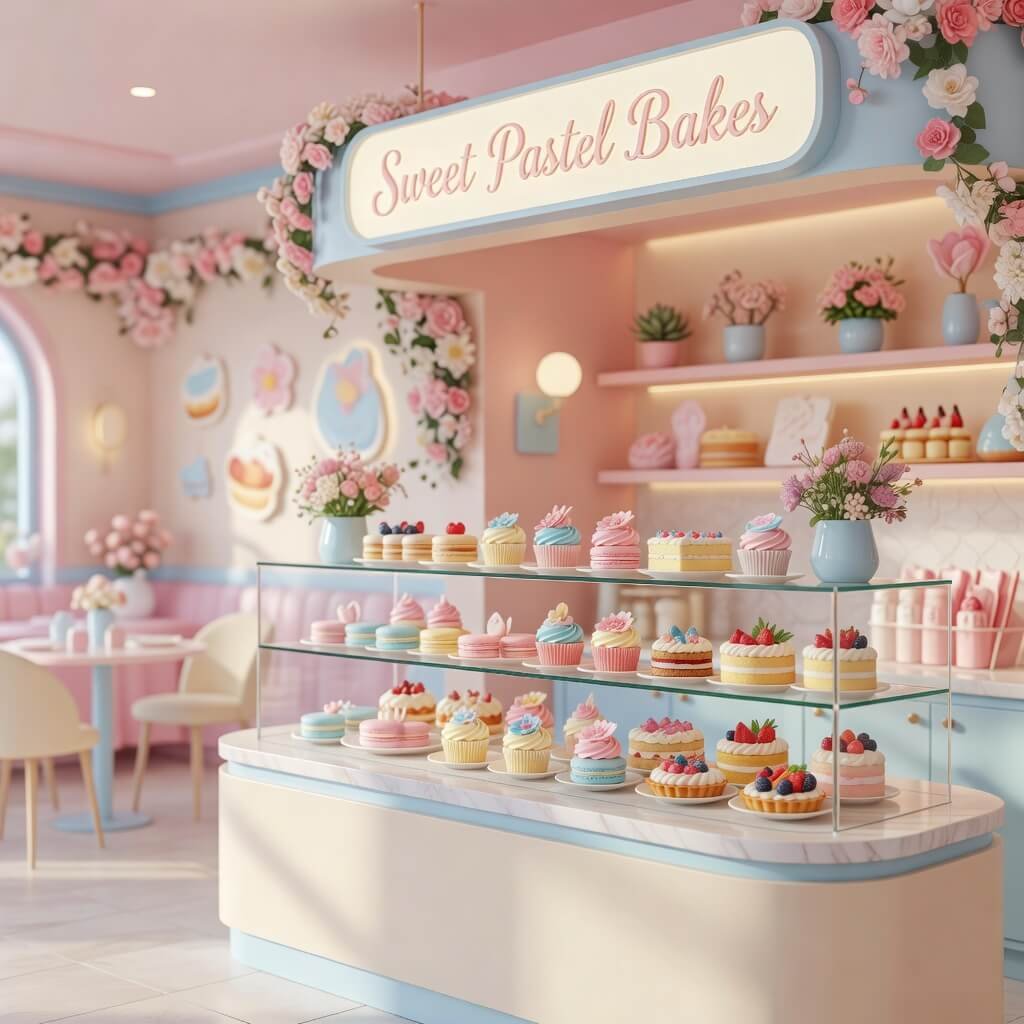
Let’s be real—Instagram matters for bakeries now. And if you’re going for maximum social media appeal, pastels are your best friend. Soft pinks, mint greens, lavender, and pale yellows create that dreamy, photogenic quality that has people whipping out their phones.
I’ll admit, I’m sometimes skeptical of design choices driven purely by social media, but here’s the thing: when done right, pastel interiors are genuinely beautiful AND functional. Happy customers who tag your bakery in their posts? That’s free marketing, baby 🙂
Pastel bakery essentials:
- Soft color palette with one or two main pastel shades
- White or light wood to balance the colors
- Neon signs with cute phrases (but tasteful, not cheesy)
- Floral elements—real or artificial arrangements
- Tile work in geometric patterns with pastel colors
- Velvet or plush seating in complementary shades
The “Instagrammable Spot” Strategy
Here’s something smart I’ve noticed: successful pastel bakeries create designated photo spots. A wall with a pretty mural, a swing chair in the corner, a neon sign with a catchy phrase. They know people want to take pictures, so they make it easy and appealing.
But—and this is important—don’t let the aesthetic overshadow your actual products. I’ve been to “pretty” bakeries where the baked goods were meh. The design got me in the door once, but I never went back. Your pastries still need to be amazing.
The pastel trend works especially well for bakeries focused on custom cakes, cupcakes, or desserts. It signals sweetness and celebration, which aligns perfectly with those products.
Also Read: 10 Affordable Shop Design Ideas for Budget Friendly Stores
Open Kitchen Display Bakery Concept Design
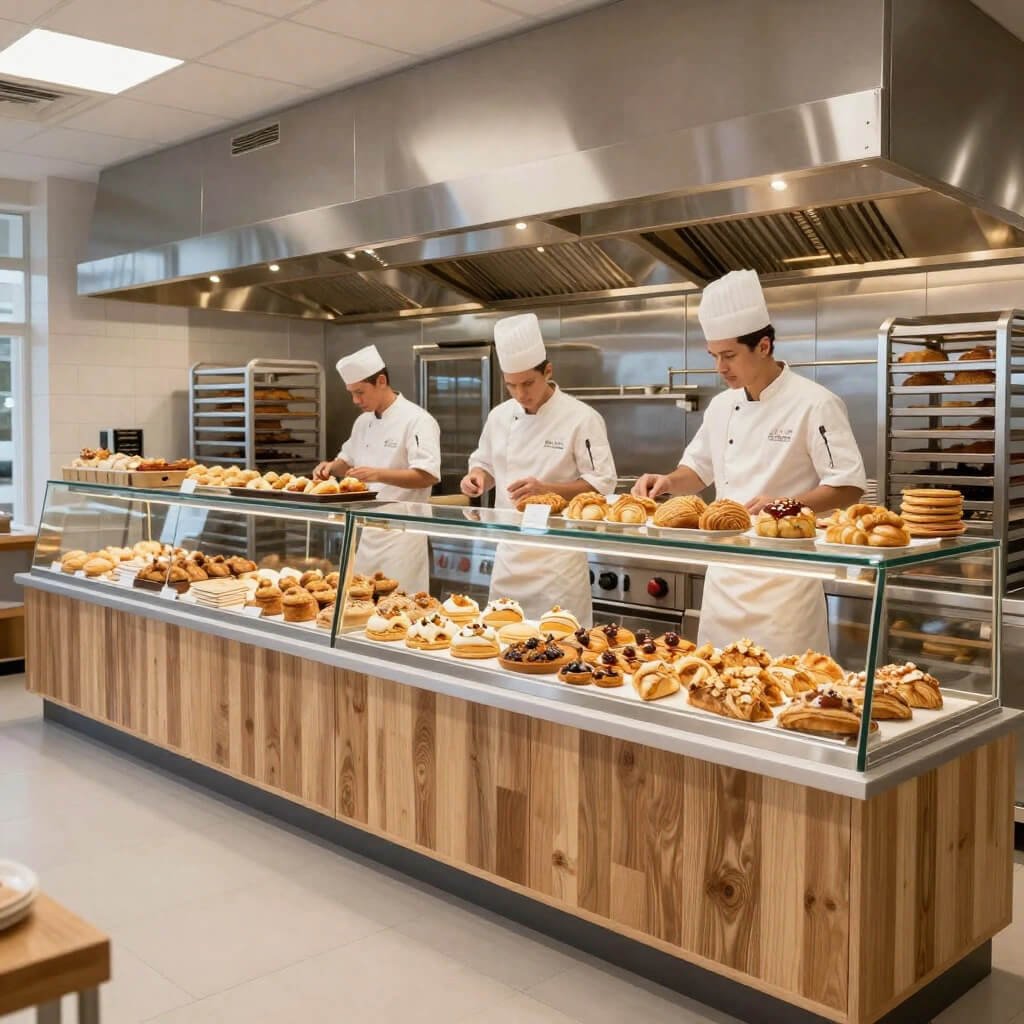
Want to build instant trust and create theater at the same time? Show people exactly how you make their food. The open kitchen concept has exploded in popularity, and for good reason—it’s transparent (literally), entertaining, and it makes your space smell incredible.
I remember watching bakers shape croissants through a glass partition at this one spot, and I ended up buying way more than I planned because watching them work was mesmerizing.
Open kitchen design elements:
- Glass partitions that provide visibility while meeting health codes
- Elevated or staged work areas so customers can see the action
- Display shelving that works from both kitchen and customer sides
- Strategic lighting that highlights work areas
- Clean, organized kitchen design (everything’s on display now)
- Visible ovens with windows when possible
The Performance Aspect
Here’s what’s genius about this: baking becomes performance art. Your bakers are now part of the customer experience. This means you need team members who are comfortable being visible and maintaining a clean, organized workspace.
One consideration: you need excellent ventilation and climate control. Kitchens get hot, and you don’t want that heat bleeding into your customer area. Also, sound—mixer noise is fine in the background, but plan acoustics carefully.
The open kitchen works beautifully with minimal or industrial designs. It pairs that raw, authentic vibe with transparency about your process. Customers see the effort and skill involved, which increases perceived value.
Warm Wooden Cozy Artisan Bakery Style
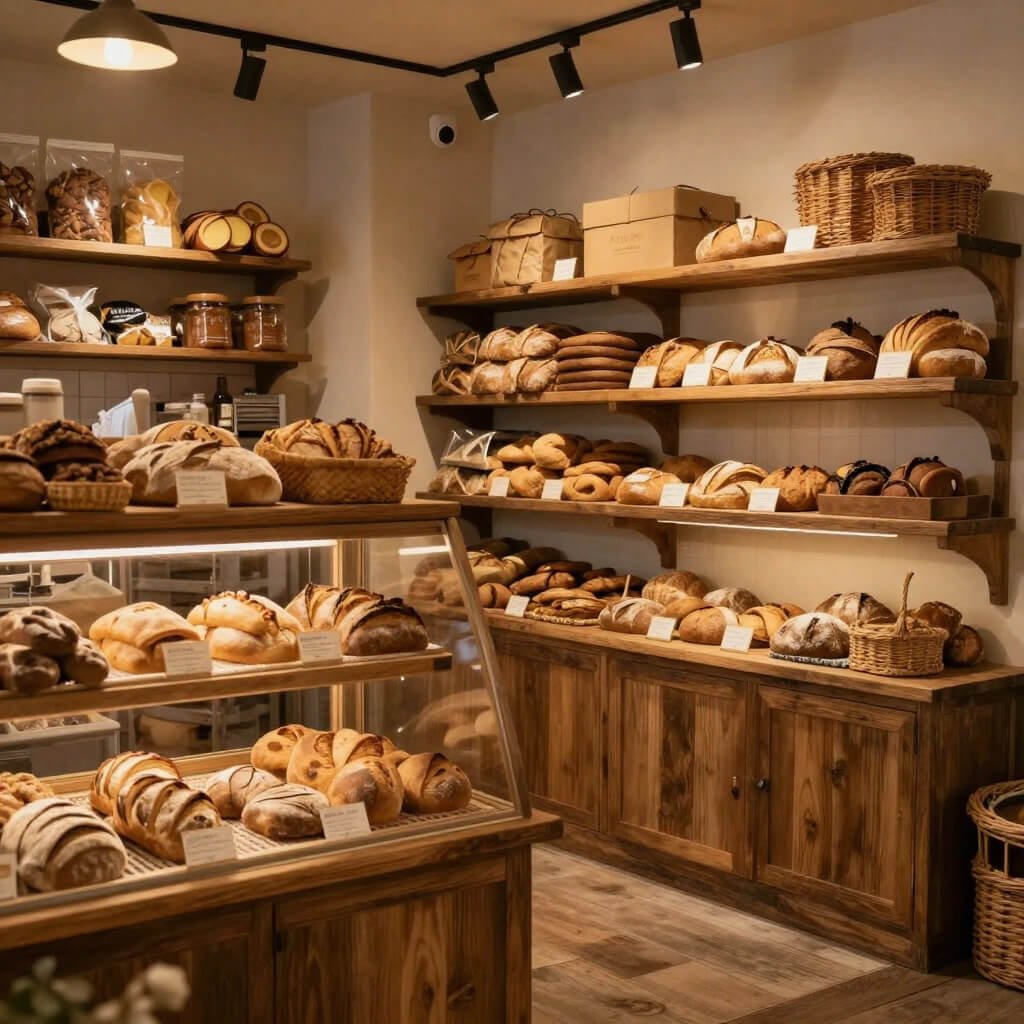
There’s something about wood that just feels right in a bakery. Maybe it’s the connection to traditional baking, or maybe it’s because wood and bread both have that warm, earthy quality. Either way, a wood-focused design creates instant coziness.
This style works particularly well for artisan bread bakeries or places emphasizing traditional techniques and natural ingredients.
Wooden bakery design components:
- Wood paneling or shiplap on walls
- Butcher block countertops
- Wooden display shelves and bread boxes
- Wood beam accents on ceilings
- Wooden tables and chairs with natural finishes
- Complementary use of natural materials like stone and ceramic
The warmth of wood makes people want to linger and stay, which is exactly what you want. Longer visits often mean additional purchases. That extra coffee, the “one more pastry for the road” moment.
Choosing the Right Wood Tones
Not all wood is created equal for this purpose. Lighter woods like birch, ash, or light oak create an airy, Scandinavian-ish vibe. Medium tones like walnut or cherry feel traditional and homey. Dark woods can work but might make a small space feel cramped.
I’m partial to mixing wood tones actually—maybe lighter wood on walls and darker wood for counters and furniture. It creates visual interest without breaking the cohesive natural theme.
Pair your wood with plants, stone elements, and natural fiber textiles. Keep metal accents to a minimum or choose brushed brass/copper that complements wood better than chrome or stainless steel.
Neon Sign Modern Urban Bakery Shop Design
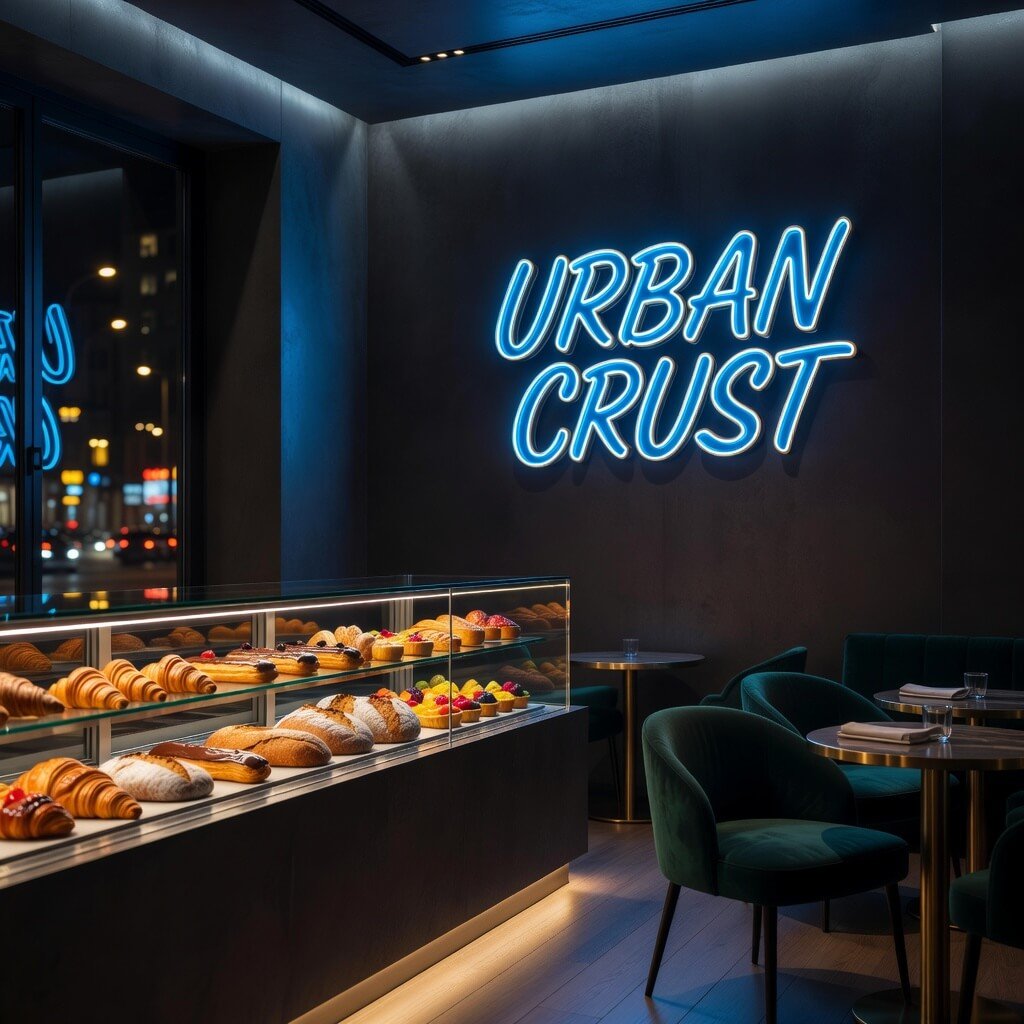
If you want to make a statement and appeal to a younger, trend-conscious crowd, neon is your secret weapon. Modern urban bakery design is all about that energy—bright, bold, unapologetic, and very much of-the-moment.
I’ve seen neon transform ordinary bakeries into destinations. One place I know has a neon sign that says “Carbs Made Me Do It” and honestly, the number of people who take pictures with that sign is insane. Marketing genius.
Urban neon bakery features:
- Custom neon signs with brand names or catchy phrases
- Industrial or minimalist base design that lets neon pop
- Contrasting materials—neon against brick, concrete, or black walls
- Modern furniture with clean lines
- Bold color blocking in the design scheme
- Urban/street art influences in decor
Getting Neon Right
Here’s the thing about neon: it can look incredibly cool or incredibly tacky depending on execution. Less is often more. One or two well-designed neon elements make impact; going overboard makes your bakery look like Times Square.
Choose phrases carefully. They should be either:
- Your brand name or logo
- Something clever and relatable (carb-related humor works well)
- A simple, aesthetic word that sets the mood (“baked,” “fresh,” “bliss”)
LED neon (as opposed to traditional neon) has gotten really good and costs way less. It’s energy-efficient, runs cooler, and you can get custom designs without breaking the bank.
The urban style works great in cities (obviously) and appeals to millennials and Gen Z customers who appreciate bold design and memorable experiences. It photographs brilliantly, which means social media potential.
Also Read: 10 Unique Shop Interior Design Ideas for Modern Brand Look
Scandinavian Clean White Bakery Interior Concept
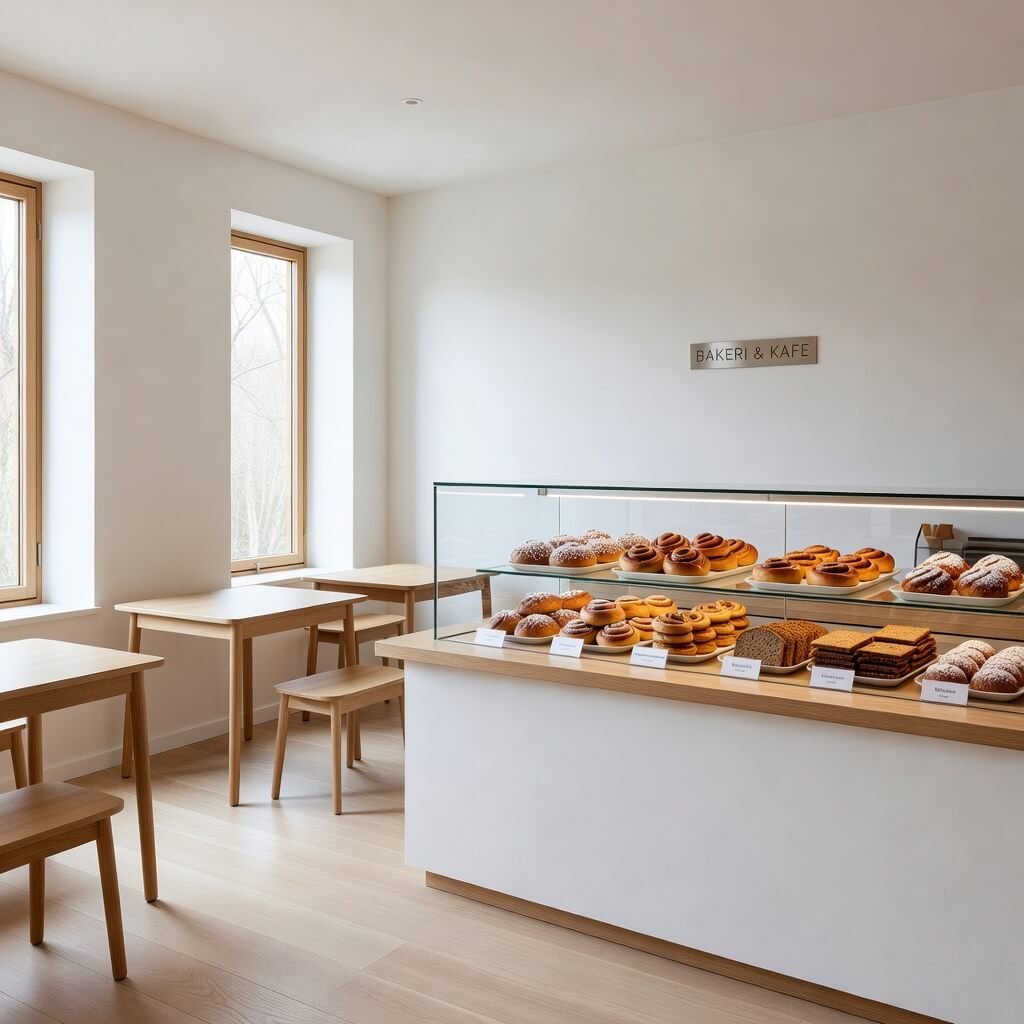
Last but definitely not least, let’s talk about Scandinavian design. If you want to create a space that feels clean, calm, and effortlessly stylish, this is your lane.
Scandinavian design is deceptively simple. It looks easy, but achieving that perfect balance of minimal and cozy takes thought. I love this style because it feels modern without being cold, and it works beautifully for bakeries.
Scandinavian bakery essentials:
- Predominantly white or cream color palette
- Natural light maximized through large windows
- Light wood accents (typically birch, ash, or pine)
- Minimal clutter and clean lines
- Functional furniture with simple, beautiful design
- Small touches of black for contrast
- Plants and greenery as natural accents
- Textile elements like wool or linen for warmth
The Hygge Factor
You know that Danish concept of hygge—coziness and contentment? That’s what you’re after here. The Scandinavian bakery should feel like a calm refuge, especially in busy urban areas.
Use soft, diffused lighting rather than harsh overhead lights. Pendant lights with white or light wood shades work beautifully. Natural light is your best friend—don’t block windows with heavy displays.
Keep your displays simple and organized. White or light wood shelving with bread displayed in clean lines. Maybe some minimal ceramic or enamelware for serving pieces. Everything should have a place and purpose.
I visited a Scandinavian-style bakery in Copenhagen (fitting, right?) and the simplicity was stunning. White walls, light wood floors, plants in white ceramic pots, and the most perfect sourdough loaves displayed like sculptures. Nothing competed for attention, so the bread became the star.
This style pairs perfectly with health-conscious or organic bakery concepts. The clean aesthetic suggests purity and quality, which aligns with natural, wholesome products.
Bringing It All Together
So there you have it—ten completely different directions you could take your bakery design, each with its own vibe and appeal. The question is, which one fits your brand, your products, and your target customers?
Here’s my honest advice: don’t just pick whatever looks prettiest. Think about who you’re serving and what story you want to tell. A luxury French café vibe will attract different customers than an industrial brick design or a pastel Instagram haven. They’re all valid choices, but they need to align with your actual business strategy.
Also? You can mix elements from different styles. I’ve seen bakeries combine industrial brick with neon signs, or Scandinavian minimalism with rustic wood accents. The key is maintaining some coherence—don’t throw everything at the wall and hope it sticks.
Whatever direction you choose, remember that lighting is make-or-break. I cannot stress this enough. You can have gorgeous design, but bad lighting will ruin it. Invest in good lighting that makes your products glow and your space feel inviting.
And keep it clean. I know I mentioned this earlier, but seriously—the most beautiful design in the world means nothing if your space is dirty or cluttered. Daily maintenance and thoughtful organization are part of your design strategy.
Your bakery design should make people want to come in, stay a while, and come back often. It should photograph well (yes, this matters now). It should make your products look irresistible. And ideally, it should give people a little moment of joy in their day. We all need more of that, right?
Now get out there and create something beautiful. Your future customers are waiting, and they’re hungry.