10 Relaxing Garden Landscape Design Ideas for Cozy Outdoors
- Garden Design
 Ben
Ben- 0
- 38 minutes read
You know that feeling when you step outside and your backyard looks more like a forgotten wasteland than a peaceful retreat? Yeah, I’ve been there. Your outdoor space should be where you unwind after a brutal day, not another eyesore that stresses you out. I spent years staring at my own disaster of a garden before I finally figured out how to transform it into something worth bragging about to the neighbors.
Here’s the thing: creating a relaxing garden landscape doesn’t require a degree in horticulture or a trust fund. You just need the right design approach that matches your vibe, your space, and honestly, your willingness to maintain it. I’m walking you through ten killer garden design ideas that’ll turn your outdoor space into your favorite room of the house—yes, I said room. Let’s make your garden the cozy sanctuary you actually deserve.
Modern Minimalist Garden Layout Design
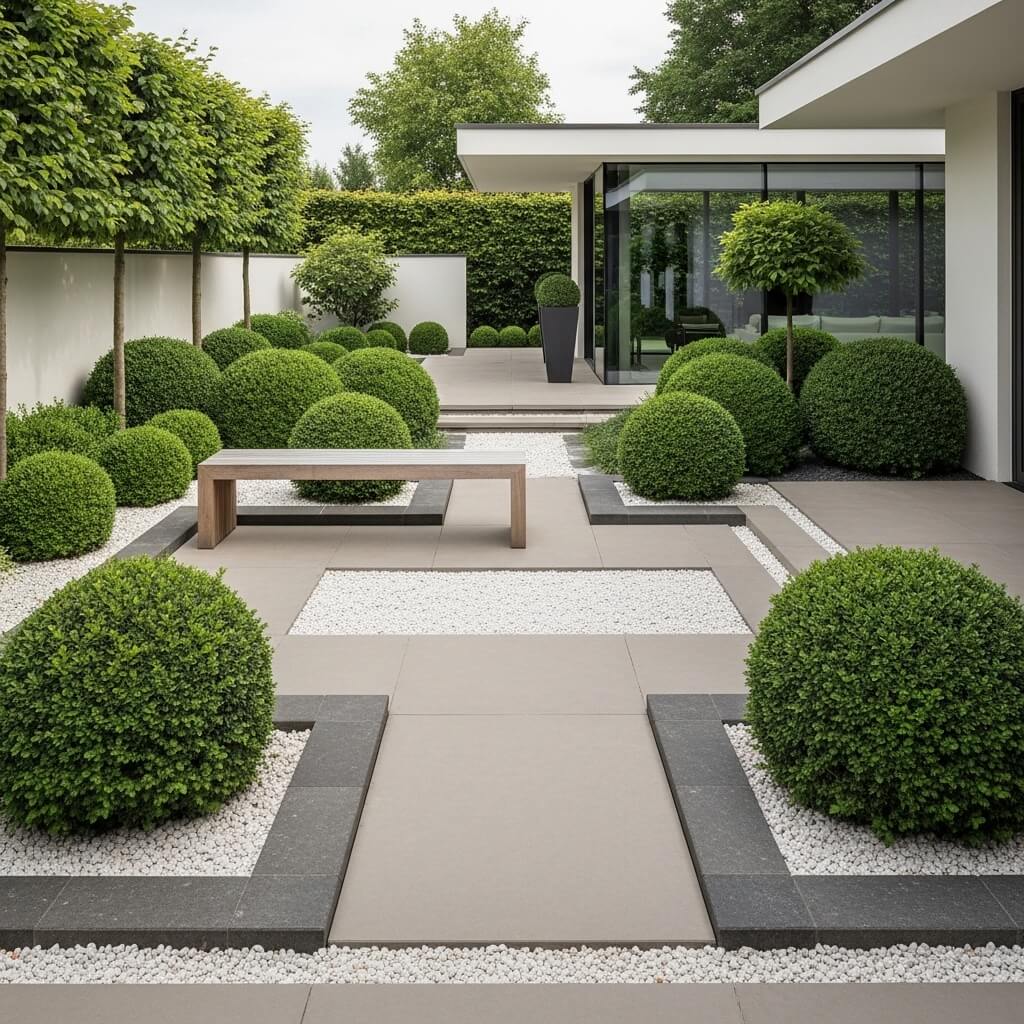
Less really is more when you’re going for that sleek, contemporary look. I used to think minimalist gardens were boring until I realized how much mental peace they bring. No clutter, no chaos—just clean lines and intentional choices.
A modern minimalist garden focuses on geometric shapes, monochromatic color schemes, and strategic plant placement. Think concrete pavers arranged in perfect grids, ornamental grasses swaying in organized clusters, and maybe a single sculptural tree as your statement piece. The beauty lies in what you don’t include.
Key Elements That Work
Here’s what makes a minimalist garden actually relaxing instead of sterile:
- Limited color palette: Stick to greens, whites, and grays with maybe one accent color
- Architectural plants: Boxwood, bamboo, and ornamental grasses with strong forms
- Hardscaping dominance: Use concrete, stone, or composite materials for pathways and borders
- Negative space: Let empty areas breathe—they’re not wasted space, they’re intentional
- Subtle lighting: Recessed LED strips or minimalist bollard lights for evening ambiance
I added a simple water feature to mine—just a rectangular basin with still water that reflects the sky. That mirror effect? Chef’s kiss. The whole setup screams sophistication without screaming for constant maintenance.
The maintenance is laughably easy compared to traditional gardens. You’re not dealing with a million different plant species or complicated flower bed arrangements. Water your architectural plants, trim them occasionally, and you’re golden. Perfect for people who want a stunning garden but also have, you know, a life.
Cozy Cottage Style Landscape Garden Setup
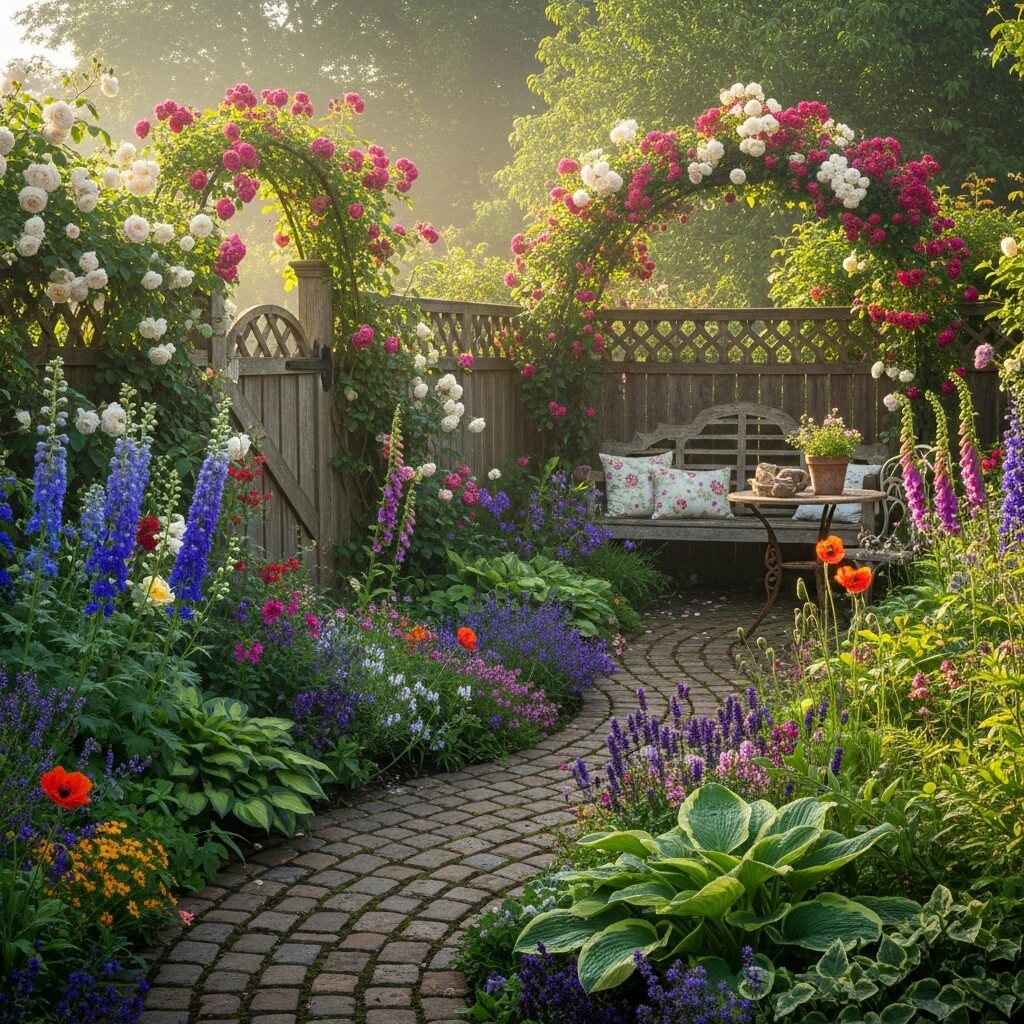
Now we’re talking about that storybook charm that makes you want to bake pies and wear flowy dresses (or whatever your cottage fantasy involves). Cottage gardens are the complete opposite of minimalist—they’re abundant, romantic, and delightfully chaotic in the best way possible.
I’ll be honest: cottage gardens require more effort. But if you’re someone who finds therapy in puttering around plants and watching pollinators do their thing, you’ll love every second of it. This style embraces overgrown beauty, mixed plantings, and that lived-in look that feels like a warm hug.
Creating That English Countryside Vibe
You don’t need to live in the Cotswolds to pull this off. Here’s your cottage garden starter pack:
- Layered plantings: Tall delphiniums and foxgloves in back, medium roses and lavender in the middle, low-growing catmint and sweet alyssum in front
- Curved pathways: Gravel or stepping stone paths that meander (no straight lines here, folks)
- Vintage elements: Weathered wooden arbors, rustic garden gates, old watering cans as planters
- Fragrant flowers: Roses, jasmine, honeysuckle, and herbs like rosemary and thyme
- Self-seeding plants: Let some plants drop seeds and pop up randomly for that spontaneous look
The secret sauce is making it look effortless even though you’re totally orchestrating the whole thing. I mixed perennials and annuals so something’s always blooming, and I let my climbing roses go a bit wild over an old trellis. Does it look meticulously planned? Nope. Did I spend three weekends planning it? Absolutely.
Cottage gardens attract butterflies, bees, and birds like crazy, which adds another layer of relaxation. There’s something deeply calming about sitting with your morning coffee while watching nature do its thing all around you.
Small Backyard Space Saving Garden Design
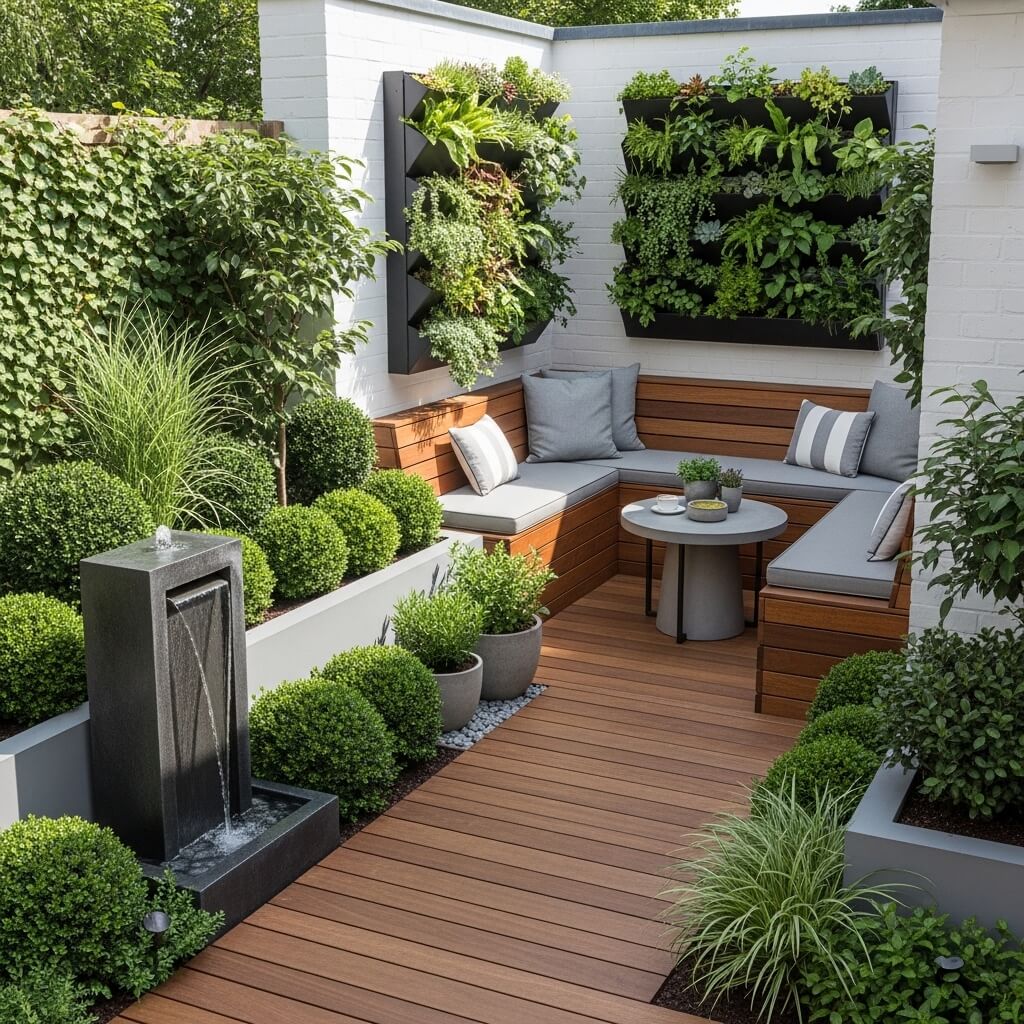
Got a postage stamp for a backyard? Join the club. Urban and suburban lots keep shrinking, but that doesn’t mean you can’t create a relaxing outdoor escape. You just need to think vertically and strategically.
Small space gardens are actually easier to make cohesive because you can’t cram in too many ideas (physically impossible). The key is maximizing every square inch without making it feel cramped. I learned this the hard way after my first attempt made my tiny yard feel like a crowded plant prison.
Smart Space-Saving Strategies
Here’s how to make a small garden feel like a spacious retreat:
- Vertical gardening: Wall planters, trellises, and hanging baskets move plants up instead of out
- Multi-functional furniture: Benches with storage, folding tables, stackable chairs
- Mirror tricks: Place mirrors on fences to create the illusion of depth (seriously works!)
- Container gardens: Move plants around seasonally and control exactly where everything goes
- Built-in seating: Corner benches or window seat-style platforms save floor space
- Layered levels: Raised beds or tiered planters add dimension
I installed a narrow water feature against my back fence that’s only six inches deep but runs four feet tall. It provides that soothing water sound without eating up my limited square footage. Paired with some vertical planters filled with ferns and pothos, my tiny yard feels like a secret garden hideaway.
One trick that changed everything: choosing the right scale. I ditched the oversized furniture and large shrubs for smaller varieties and space-appropriate seating. Suddenly my 12×15 patio didn’t feel like a sardine can anymore.
Also Read: 10 Peaceful Japanese Garden Design Ideas for Outdoor Bliss
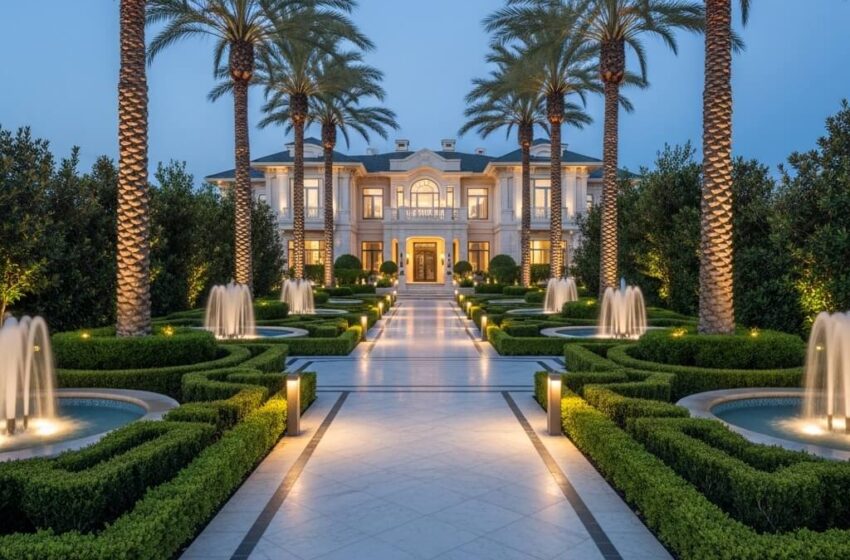
Luxury Villa Style Landscape Garden Ideas

Okay, let’s talk about living your best life—or at least making it look like you are. 🙂 Luxury villa gardens aren’t just for the mega-rich; you can absolutely capture that high-end resort feeling with some strategic design choices and prioritized investments.
This style is all about creating outdoor rooms, incorporating high-end materials, and adding those resort-worthy features that make you feel like you’re on permanent vacation. Think less “backyard” and more “private retreat.”
Elements of Upscale Garden Design
Want that five-star luxury vibe? Here’s where to focus your energy (and budget):
- Infinity pools or luxury spas: The ultimate splurge, but even a high-quality hot tub works
- Outdoor kitchens: Built-in grills, pizza ovens, mini fridges, and proper counter space
- Premium hardscaping: Natural stone pavers, travertine, or high-end porcelain tiles
- Sophisticated lighting: Chandeliers in covered areas, uplighting for trees, pathway illumination
- Water features: Fountains, reflecting pools, or modern water walls
- Lush tropical plants: Birds of paradise, large palms, elephant ears for that exotic touch
- Luxury furniture: Weather-resistant sectionals, daybeds, and statement pieces
I splurged on high-quality outdoor sectional seating with weather-proof cushions, and honestly? Best decision ever. FYI, cheap outdoor furniture falls apart after one season and ends up costing more long-term. The good stuff lasts years and actually looks inviting enough to use daily.
The luxury garden approach creates distinct zones: a dining area, a lounging area, maybe a fire pit gathering space. Each zone has its own purpose and personality, making your outdoor space feel professionally designed and incredibly functional.
Japanese Zen Inspired Garden Landscape Design
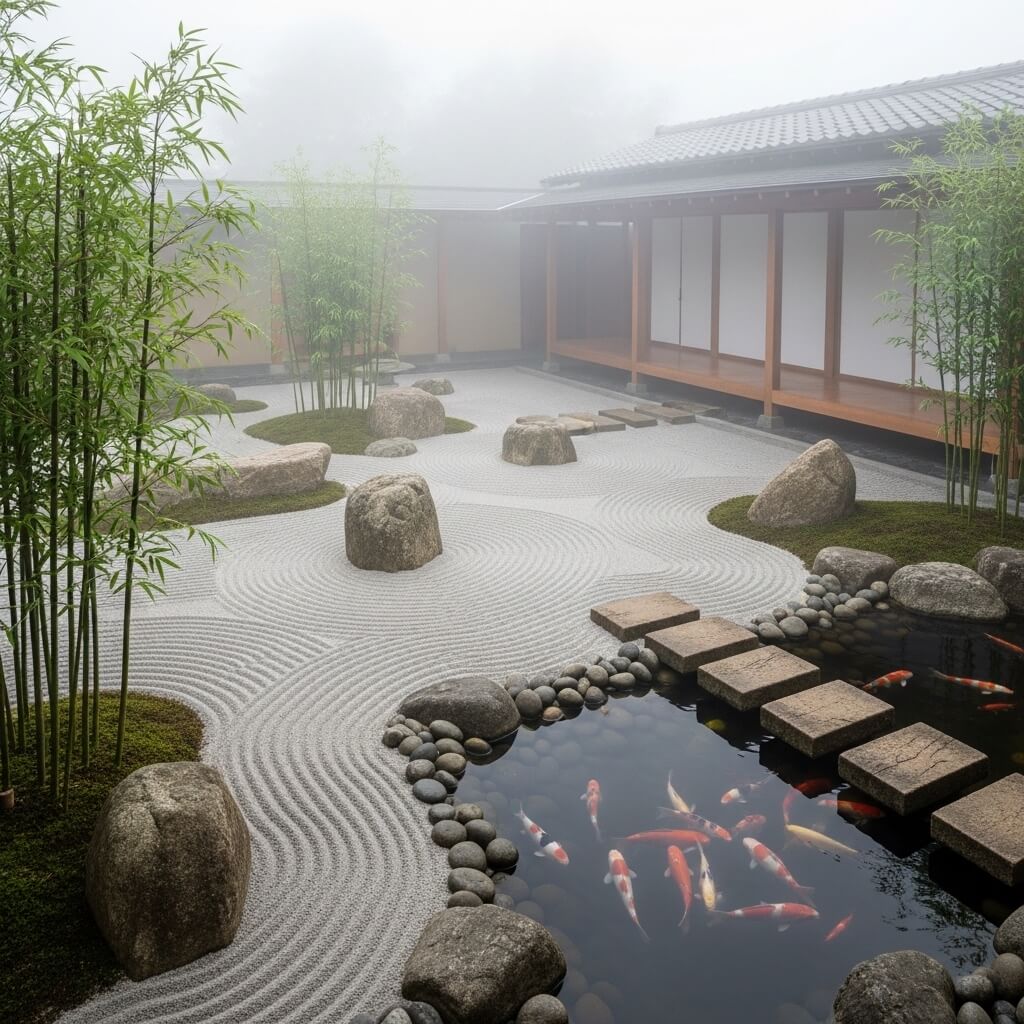
Ever wondered why Japanese gardens feel so profoundly peaceful? They’re designed with intentional principles that promote contemplation, balance, and harmony with nature. I visited a traditional Japanese garden once and literally felt my stress melt away—that’s the power you’re capturing here.
Zen gardens emphasize simplicity, natural elements, and carefully curated aesthetics. Nothing is random; every rock, every plant, every bit of gravel serves a purpose. Sounds intense, but the result is genuinely therapeutic.
Core Principles of Zen Garden Design
Creating a Japanese-inspired retreat involves these essential elements:
- Rocks and gravel: Raked gravel represents water; rocks symbolize islands or mountains
- Water elements: Koi ponds, bamboo fountains, or stone water basins (tsukubai)
- Bamboo features: Fencing, fountains, or planted groves for movement and sound
- Minimalist plantings: Japanese maples, azaleas, moss, ferns, and pruned evergreens
- Stone lanterns: Traditional tōrō lanterns as focal points and lighting
- Bridges and pathways: Arched bridges over water or stepping stones through gravel
I created a mini Zen garden in one corner of my yard using smooth river rocks, a small bamboo water feature, and carefully placed boulders. I added a simple wooden bench for meditation (or scrolling through my phone pretending to meditate—no judgment here). The sound of water trickling over bamboo is legitimately addictive.
The maintenance is meditative in itself. Raking the gravel into patterns, pruning the plants with intention, cleaning the water feature—it all becomes part of the relaxation ritual. This design style proves that gardens can be active participants in your mental wellness, not just pretty backgrounds.
Vertical Green Wall Garden Landscape Ideas
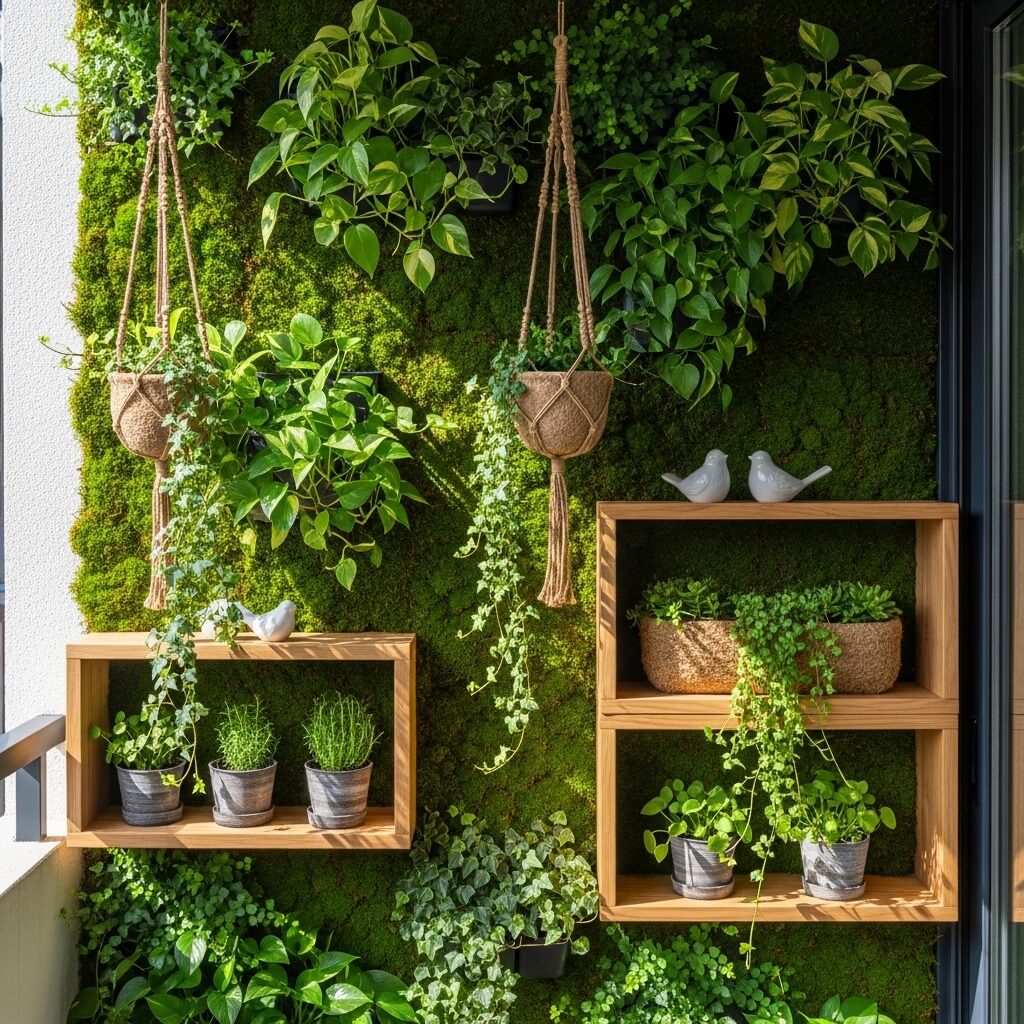
Vertical gardens are having a serious moment, and for good reason. They’re space-efficient, visually stunning, and you can grow way more plants than traditional garden beds allow. I started with one small vertical planter and now I’m basically collecting them like Pokemon.
Green walls transform blank vertical surfaces into living art installations. They work brilliantly for small spaces, urban environments, or anyone wanting to maximize their growing area without sacrificing square footage.
Types of Vertical Garden Systems
You’ve got options when it comes to going vertical:
- Modular panel systems: Pre-made panels with pockets for individual plants
- Pallet gardens: Repurposed wooden pallets converted into vertical planters (budget-friendly!)
- Living wall frameworks: Professional systems with built-in irrigation
- Hanging planters: Cascading arrangements of individual pots
- Trellis and climbers: Traditional approach using vining plants on support structures
- Pocket planters: Fabric or felt wall-mounted planters with multiple pockets
I mounted a modular panel system on my garage wall and filled it with herbs, succulents, and trailing plants. Now my boring garage wall is my favorite visual feature and provides fresh herbs for cooking. Two birds, one stone.
The key to successful vertical gardens is proper irrigation. Hand-watering gets old fast when plants are stacked vertically, so I installed a simple drip irrigation system on a timer. Now my green wall thrives with basically zero daily effort from me.
Choose plants based on your wall’s sun exposure. Full sun? Go with succulents, sedums, and Mediterranean herbs. Shade? Ferns, pothos, and shade-tolerant groundcovers work beautifully. Mix textures and colors for visual interest, but keep the overall palette cohesive.
Also Read: 10 Fresh Roof Garden Design Ideas for Peaceful Escapes
Front Yard Pathway Garden Design Layout
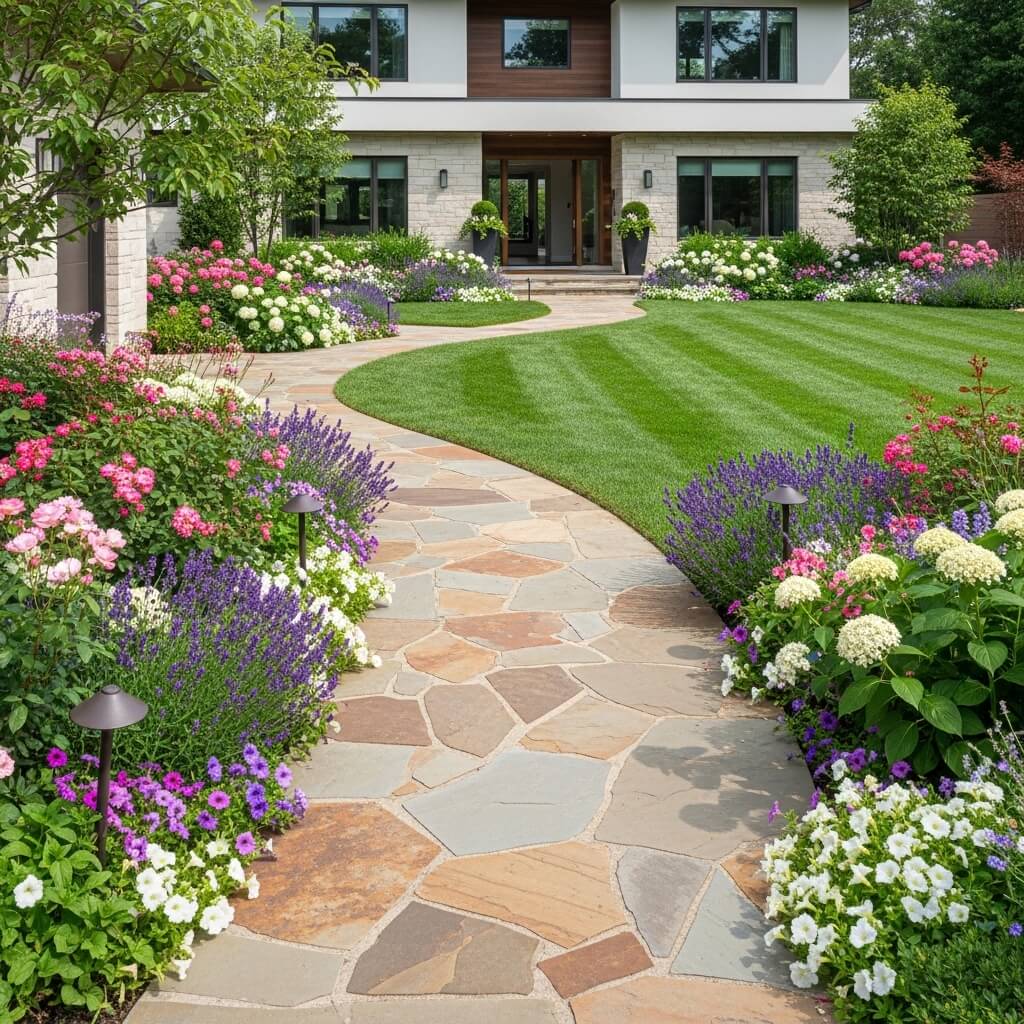
Your front yard is your home’s first impression—make it count. A well-designed pathway garden doesn’t just look welcoming; it literally guides people (and yourself) into a calming experience before you even reach the front door.
I used to have a boring concrete walkway cutting straight through patchy grass. Thrilling stuff. After redesigning it with curves, border plantings, and interesting materials, my front yard actually makes me smile every time I come home. That’s the power of intentional pathway design.
Creating an Inviting Entry Experience
Transform your front walkway from functional to phenomenal with these elements:
- Curved pathways: Gentle curves create intrigue and visual interest (straight lines are boring, IMO)
- Border plantings: Low hedges, ornamental grasses, or flowering perennials lining the path
- Varied materials: Combine flagstone, gravel, brick, or pavers for texture
- Layered lighting: Pathway lights, uplighting for trees, and porch illumination
- Focal points: A specimen tree, decorative urn, or small fountain as a destination
- Symmetrical plantings: Balanced arrangements on both sides for formal appeal
- Ground covers: Creeping thyme or moss between pavers adds softness
My pathway now curves gently from the sidewalk to my front door, bordered by lavender and ornamental grasses that smell amazing and sway with the breeze. I used irregular flagstones with creeping thyme in the gaps, which releases fragrance when you step on it. Sensory experience: unlocked.
The lighting makes a huge difference for evening curb appeal. I installed low-voltage LED pathway lights that automatically turn on at dusk. Looks magical, impresses guests, and prevents me from tripping over my own feet when I come home after dark.
Tropical Paradise Landscape Garden Concepts
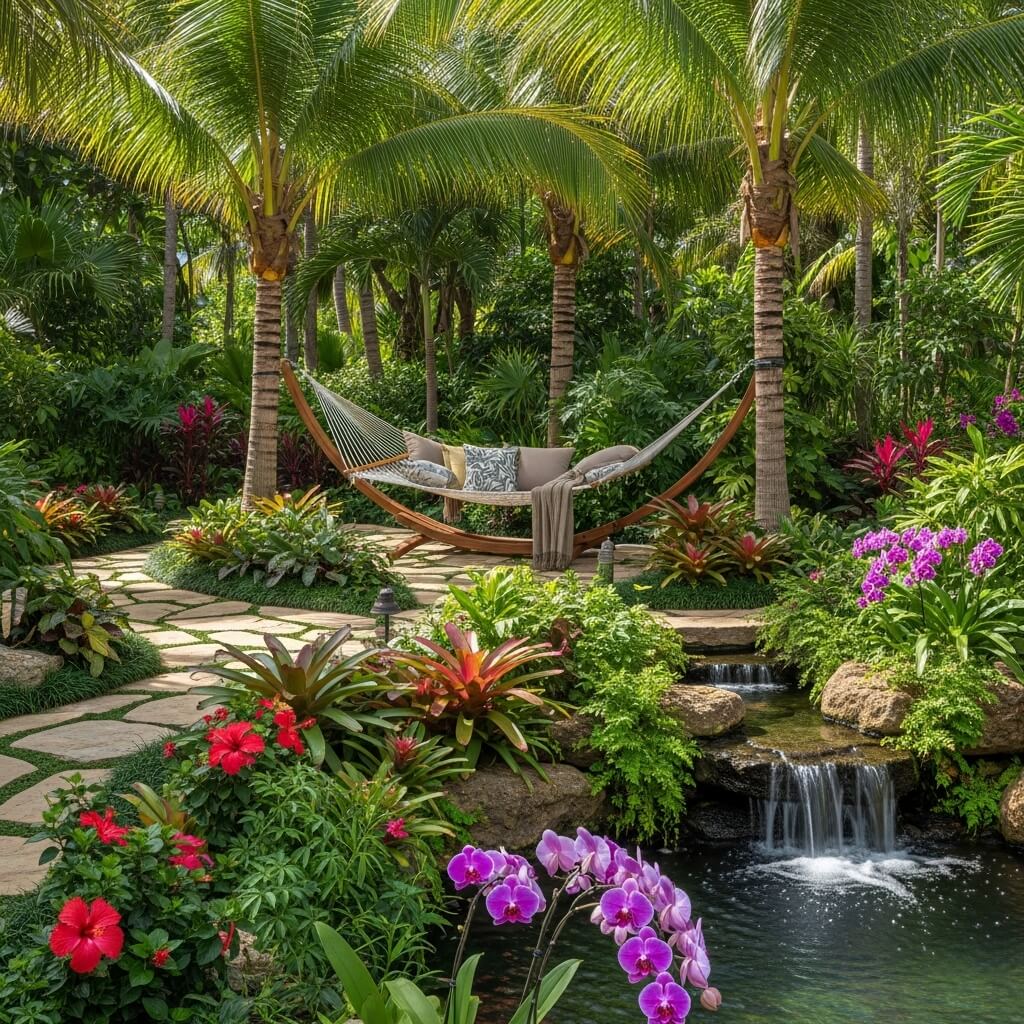
Want to feel like you’re vacationing in Bali or the Caribbean without leaving home? Tropical gardens bring that lush, vibrant, vacation-mode energy to your backyard. Full disclosure: they work best in warm climates, but you can fake it in cooler zones with strategic plant choices and seasonal adjustments.
Tropical landscaping is all about bold foliage, vibrant colors, and creating that jungle-like abundance that makes you want to sip fruity drinks with umbrellas in them (highly recommended activity, by the way).
Essential Tropical Garden Features
Here’s how to capture that paradise vibe:
- Large-leafed plants: Banana plants, elephant ears, cannas, and bird of paradise
- Palm trees: Even cold-hardy varieties like windmill palms work in temperate climates
- Bright flowers: Hibiscus, bougainvillea, plumeria, and tropical flowering vines
- Water features: Naturalistic ponds, rock waterfalls, or decorative fountains
- Vibrant colors: Don’t be shy—bold reds, oranges, pinks, and yellows
- Lush layering: Plant densely for that overgrown jungle aesthetic
- Natural materials: Bamboo, teak, rattan, and stone for furniture and hardscaping
I live in a zone that freezes, so my “tropical” garden is semi-fake—I use cold-hardy palms, bring tender plants inside for winter, and lean heavily on hardy banana plants and cannas. During summer, though? My backyard genuinely feels like a tropical getaway. Totally worth the seasonal plant shuffle.
The sound of water is crucial for tropical vibes. I added a small pond with a recirculating waterfall using stacked rocks. Combined with the rustling palm fronds and bright hibiscus flowers, the whole setup triggers vacation-mode brain chemicals even on Tuesday afternoons.
Desert Dry Garden Rock Landscape Design
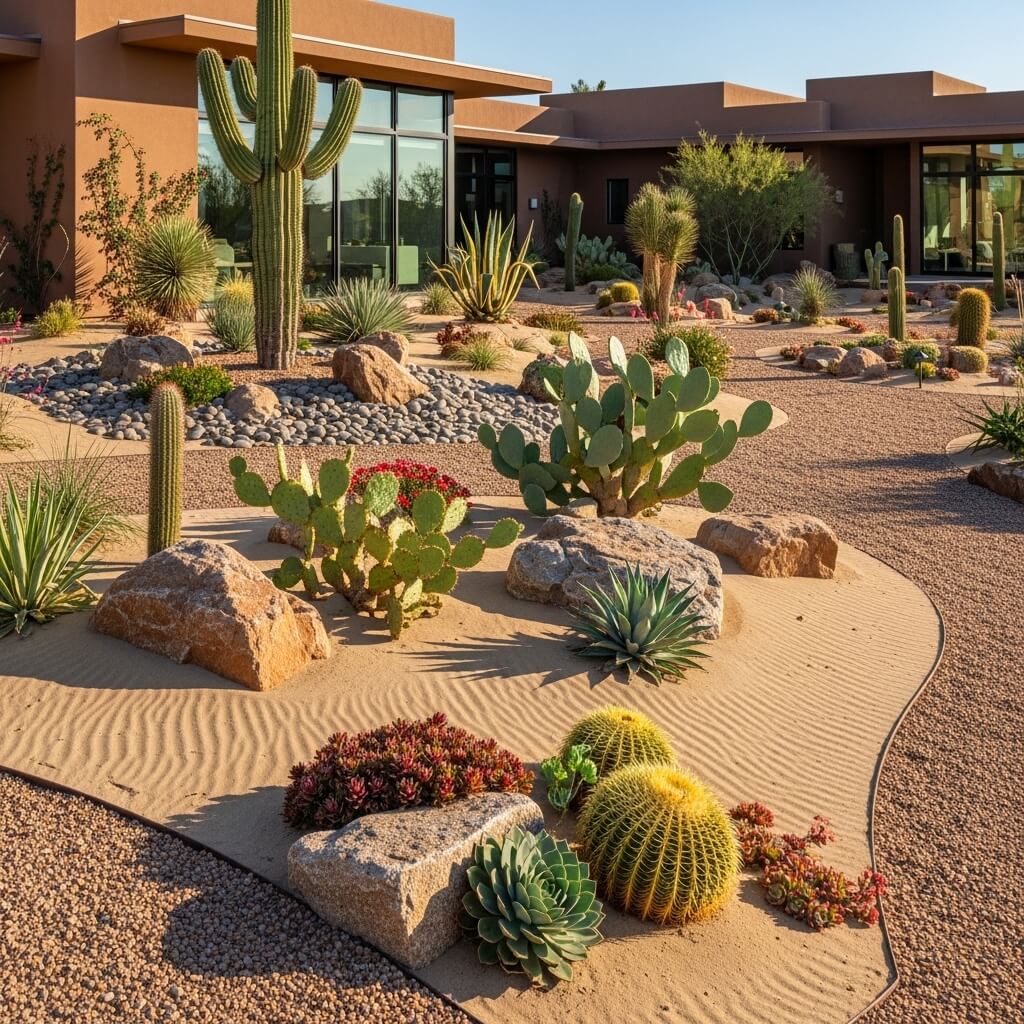
Desert landscaping isn’t just for arid climates—it’s a smart, sustainable, and genuinely beautiful approach to garden design that anyone can appreciate. Plus, if you’re lazy about watering (guilty as charged), this style is your best friend.
Xeriscaping and desert gardens prioritize drought-tolerant plants, minimal water usage, and stunning rock features. They’re low-maintenance powerhouses that look intentional and sophisticated rather than neglected.
Building a Beautiful Desert Garden
Create your own desert oasis with these drought-defying elements:
- Succulent varieties: Agave, aloe, echeveria, and sedum in varied sizes and colors
- Cacti: From small barrel cacti to tall saguaros (if your climate allows)
- Ornamental grasses: Blue fescue, Mexican feather grass, and fountain grass
- Decorative rocks: River rocks, crushed granite, flagstone, or boulder arrangements
- Desert trees: Palo verde, mesquite, or desert willow for shade and structure
- Minimal lawn: Replace thirsty grass with rock mulch, decomposed granite, or gravel
- Terracotta accents: Pots, decorative pieces, or earthy-toned elements
I replaced a ridiculous water-sucking lawn patch with decomposed granite pathways and rock mulch beds filled with various succulents and ornamental grasses. My water bill dropped, and honestly, it looks way more interesting than boring grass ever did.
The color palette matters here. Stick with warm earth tones—terracotta, sand, rust, sage green, and dusty blue—to create that authentic desert aesthetic. Add pops of color with flowering succulents or desert wildflowers during their blooming season.
One underrated aspect: desert gardens look incredible year-round. While traditional gardens go dormant and sad-looking in winter, succulents and architectural desert plants maintain their structure and visual interest through all seasons. That’s landscape design efficiency right there.
Also Read: 10 Amazing Front Yard Garden Design Ideas for Dream Homes
Family Friendly Outdoor Garden Living Space
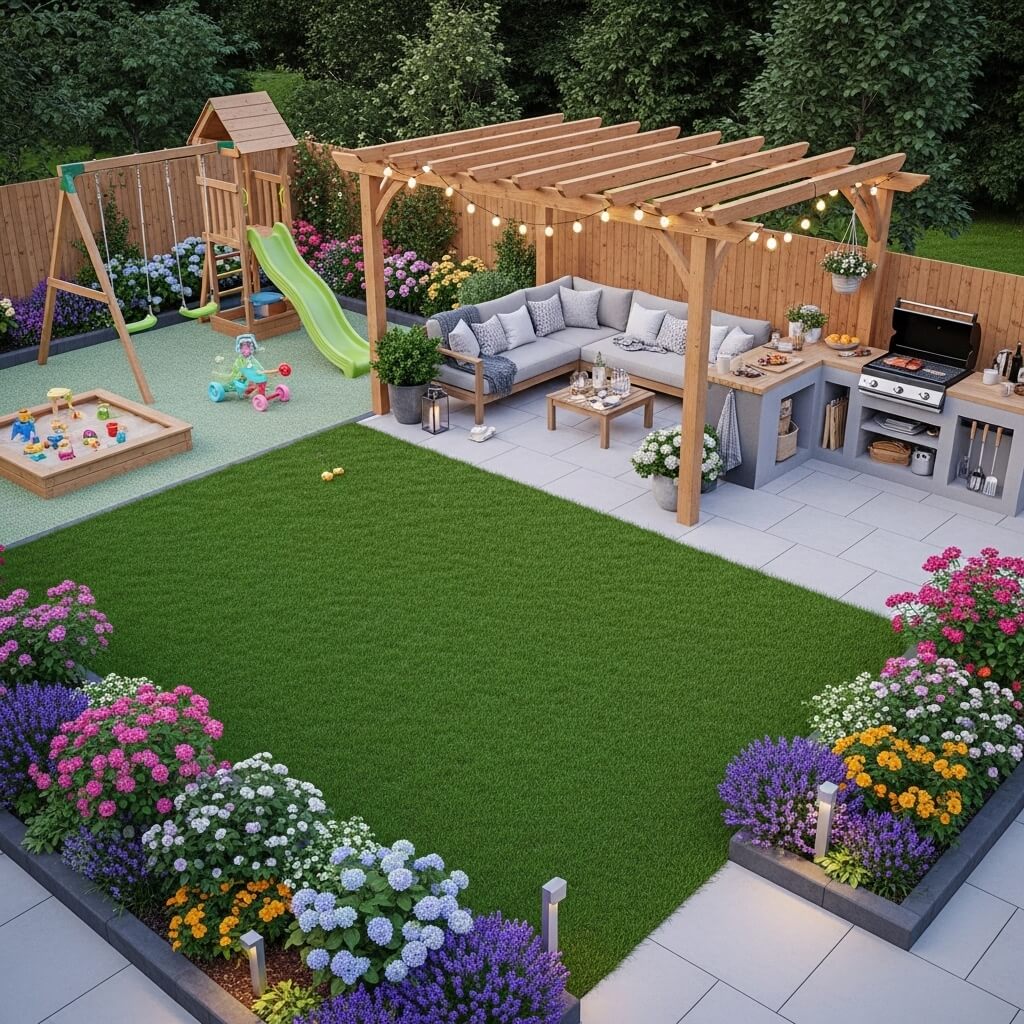
Let’s be real—if you have kids, pets, or regularly host gatherings, your garden needs to work hard for its keep. A family-friendly garden balances beauty with functionality, creating a space where everyone can relax without constant “don’t touch that!” warnings.
I designed my garden with my energetic dog and frequent entertaining in mind, which meant durable plants, open play areas, and features that invite use rather than just observation. It’s possible to have a gorgeous garden that’s also livable—promise.
Designing for Real-Life Use
Create a garden that the whole family actually enjoys:
- Durable lawn areas: Artificial turf or tough grass varieties for play and pets
- Raised edible gardens: Vegetable beds at kid-friendly heights for learning and involvement
- Seating zones: Multiple areas for different activities—dining, lounging, playing
- Safe pathways: Wide, level paths for kids on bikes or elderly family members
- Fire pit areas: Gathering spots for s’mores and conversation (with proper safety measures)
- Shade structures: Pergolas, shade sails, or large umbrellas for sun protection
- Outdoor games: Bocce courts, cornhole areas, or lawn game space
- Pet-friendly plants: Non-toxic varieties that won’t harm curious animals
My family-friendly garden includes a small putting green (artificial turf section), a fire pit with Adirondack chairs, and raised beds where I grow tomatoes and herbs. The layout creates clear zones so adults can relax while kids play without everyone being on top of each other.
Plant selection matters when you have pets and kids around. I avoided toxic plants like oleander, foxglove, and certain lilies, opting instead for pet-safe options like spider plants, Boston ferns, and sunflowers. You can check plant toxicity before buying—quick online searches save potential emergency vet visits.
The best part about family-friendly gardens? They get used. What’s the point of a beautiful outdoor space if it’s too precious to actually enjoy? My garden has grass stains, dog-dug holes (we’re working on it :/ ), and scuff marks on the patio from dragged chairs. And you know what? It’s perfect because it’s lived-in and loved.
Bringing It All Together
Here’s the thing about garden design: there’s no single “right” approach. Your perfect outdoor space should reflect your lifestyle, your aesthetic preferences, and honestly, your commitment level to maintenance. I’ve seen minimalist gardens that look cold and uninviting, and I’ve seen cottage gardens that look chaotic and stressful. The magic happens when you find the design style that genuinely makes you feel relaxed and happy.
Start by honestly assessing your space, climate, and how much time you’re willing to invest in maintenance. A tropical paradise garden won’t work in Minnesota (unless you’re committed to serious seasonal adjustments), and a high-maintenance cottage garden won’t serve someone who travels constantly. Match your design dreams to your reality, and you’ll actually enjoy the results instead of resenting them.
Don’t be afraid to combine elements from different styles, either. Maybe you love the clean lines of minimalist design but want the lushness of tropical plantings. Go for it! Your garden, your rules. I’ve mixed elements from several of these styles in different zones of my yard, and the variety keeps things interesting while maintaining an overall cohesive feel.
The most relaxing gardens are the ones you’ll actually use and maintain without feeling burdened. That’s your north star when making design decisions. Beautiful photos on Pinterest are inspiring, but your real-life outdoor sanctuary should work for your real-life circumstances.
Whether you’re working with a sprawling villa property or a tiny urban balcony, these ten design approaches offer starting points for creating your own cozy outdoor retreat. Pick elements that speak to you, adapt them to your space, and remember that gardens evolve over time. Your first attempt doesn’t have to be perfect—plants grow, designs shift, and your preferences will probably change as you spend more time in your outdoor space.
Now get out there and create something beautiful. Your future self, relaxing in your thoughtfully designed garden with a cold drink, will thank you. And hey, when it turns out amazing, invite me over—I’ll bring the snacks and admire your handiwork. That’s what garden enthusiasts do, right?